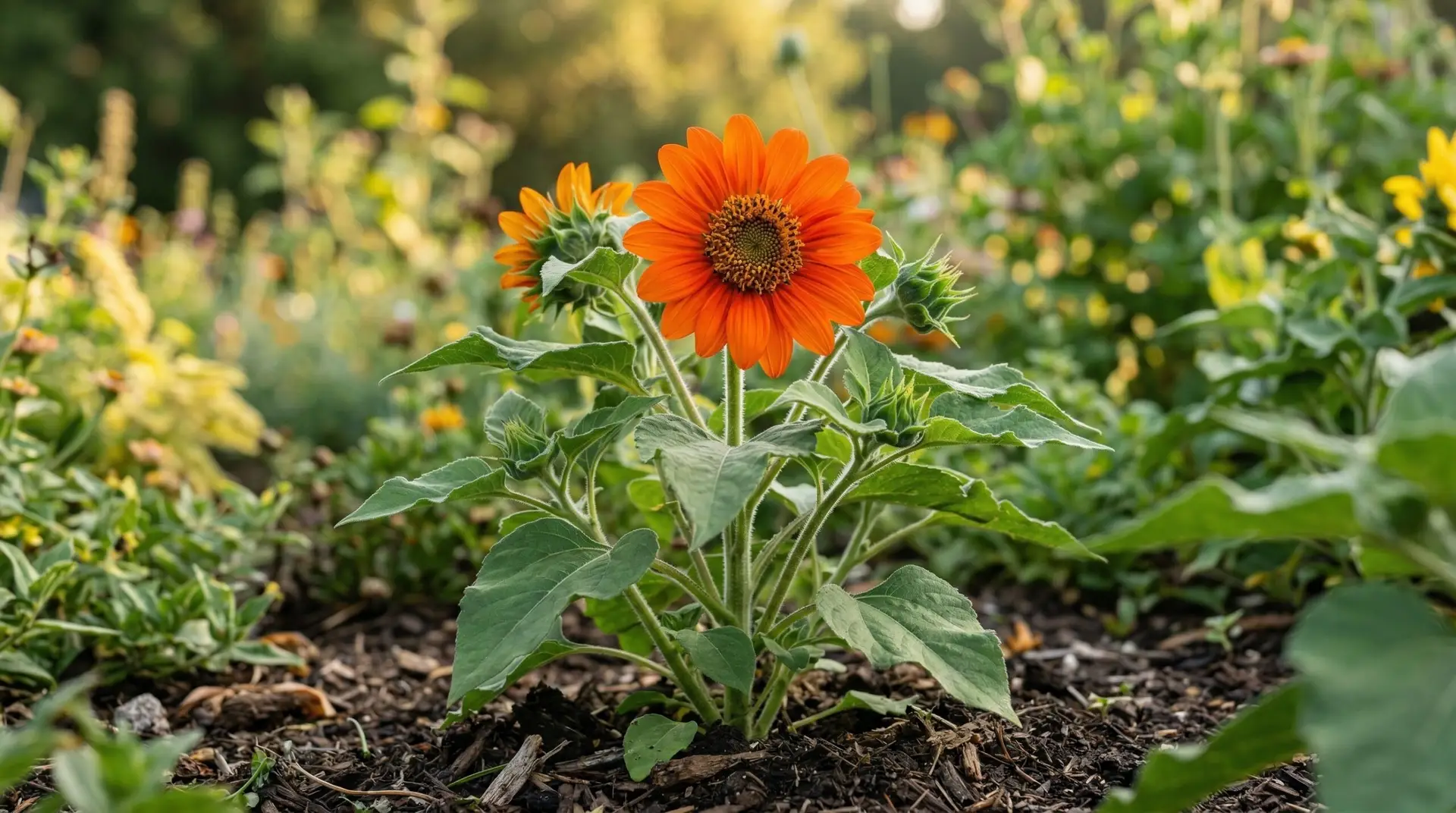
When you have grown Tithonia rotundifolia for several decades, you quickly learn to respect its sheer vegetative power. This species originates in the warm climates of Mexico and Central America, bringing an aggressive vigor to the late summer garden that few other annuals can match. While we commonly call it a Mexican sunflower, it belongs to an entirely different genus than the traditional sunflower that dominates agricultural fields. The Mexican sunflower plant produces intensely saturated, bright orange, daisy-like blooms that measure about three inches across. These flowers sit atop massive, hollow stems covered in a soft, velvety fuzz known botanically as pubescence. By late August, a single healthy plant can easily reach eight feet tall and four feet wide, creating an impenetrable wall of foliage and color.
Growers often underestimate the space required for growing Mexican sunflower, leading to crowded beds and poor air circulation. The plant relies on full, unadulterated sun exposure to fuel its massive canopy and initiate flower production. If placed in partial shade, the stems become weak and etiolated, reaching desperately for light while producing very few buds. You must give this plant a dedicated background position where it will not swallow smaller, slower-growing companions. The dark green, lobed leaves provide a coarse, dramatic texture that anchors the back of a border beautifully. Understanding this immense scale is the first step in successful tithonia care, dictating everything from your initial spacing to your staking strategy.
Contents 5 sections
Seed starting and early temperature requirements
The timing of your planting dictates the ultimate success of the entire season. Tithonia seed is highly sensitive to cold soils and will simply rot if placed in the ground before temperatures reliably hold above sixty degrees Fahrenheit. I always recommend direct sowing these seeds right into the garden bed about two weeks after your region has passed its last frost date. While you can start them indoors, the rapid growth rate often results in root-bound transplants that suffer severe transplant shock when moved outside. If you do start them in a greenhouse, use deep pots and transplant them quickly before the taproot begins to circle the bottom. Press the seeds lightly into the soil surface because they require light to germinate, and keep the area consistently moist for the first ten days. Once germination occurs, the seedlings develop rapidly and will require immediate thinning to prevent early competition.
Soil composition and watering needs
One of the most common mistakes novice gardeners make is providing this plant with excessively rich, highly amended soil. Tithonia evolved in rocky, poor soils and performs beautifully in lean conditions with a slightly acidic to neutral pH ranging from 5.8 to 7.0. When planted in heavy compost or given high-nitrogen synthetic fertilizers, the plant responds by producing massive, brittle foliage at the expense of its flowers. You will end up with a ten-foot tall green monster that refuses to bloom until the very end of the season. Standard garden soil with good drainage is perfectly adequate, and you should withhold supplemental feeding entirely. Once the root system is established, the plants are remarkably drought tolerant and require watering only during prolonged dry spells. Overwatering actually poses a greater threat than drought, because constantly wet roots will quickly succumb to fungal rots.
Managing the massive growth habit
The physical structure of a mature Mexican sunflower plant presents a unique set of mechanical challenges in the garden. The stems are thick but hollow, making them highly susceptible to snapping during heavy summer thunderstorms or high winds. To prevent a catastrophic collapse in August, you must implement a robust staking system early in the season while the plants are still manageable. I prefer using heavy wooden stakes driven deep into the ground, tying the main central stalk loosely with soft twine at two-foot intervals. Proper spacing also helps build stronger plants, so you should thin your seedlings to stand at least three feet apart. This generous spacing encourages sturdy lateral branching, creating a wide, self-supporting shrub rather than a single, spindly column. If a stem does break during a storm, you must prune it cleanly below the break to prevent disease entry.
Cultivar selection and bloom cycles
While the straight species is impressive, breeders have developed several specific cultivars that offer different growth habits and color variations. The most reliable and widely grown variety is ‘Torch’, which consistently reaches the classic six to eight-foot height and produces bright reddish-orange blooms. If you have a smaller garden space, you might prefer ‘Goldfinger’, a dwarf selection that tops out at a more manageable three to four feet while still delivering excellent color. There is also a yellow-flowering cultivar called ‘Yellow Torch’, though I find the color slightly washed out compared to the visual punch of the orange varieties. Like the familiar zinnia, tithonia operates as a continuous bloomer once it begins, provided you keep up with the maintenance. Regular deadheading, which means removing the spent flowers before they can form seeds, forces the plant to redirect its energy into producing new buds rather than reproducing. The sheer volume of flowers makes deadheading a chore, but it dramatically extends the blooming window well into autumn.
Pollinators, pests, and late season care
From a plant health perspective, growing Mexican sunflower is remarkably straightforward because the species naturally resists most common garden pests. The coarse, hairy texture of the leaves deters deer and rabbits, who generally prefer softer, more palatable foliage. Aphids occasionally gather on the tender new growth near the flower buds, but they rarely reach populations large enough to cause structural damage. The primary issue you might encounter is powdery mildew, particularly in late summer when the nights turn cool and damp. You can mitigate this fungal issue by ensuring adequate spacing for airflow and avoiding overhead watering late in the day. If the lower leaves become severely infected with mildew, simply strip them off the stems and dispose of them away from the garden bed. The plant grows so vigorously that it easily outpaces minor foliar damage without requiring chemical interventions.
The late summer garden relies heavily on robust annuals to sustain pollinator populations as native perennials begin to fade. Tithonia is a powerful attractant for migrating monarch butterflies, swallowtails, and various native bees during the late summer months. The wide, flat flower faces provide an ideal landing pad for large insects, while the shallow nectar tubes are perfectly suited for butterfly proboscises. You will often see these towering orange walls absolutely covered in feeding monarchs on a warm September afternoon. Similar to a late-blooming cosmos, the Mexican sunflower holds its visual appeal right up until the first hard freeze destroys the cellular structure of the foliage. When planning your garden next spring, mark out a large, sunny patch at the back of your property specifically for this aggressive, rewarding annual.
More About Mexican Sunflower
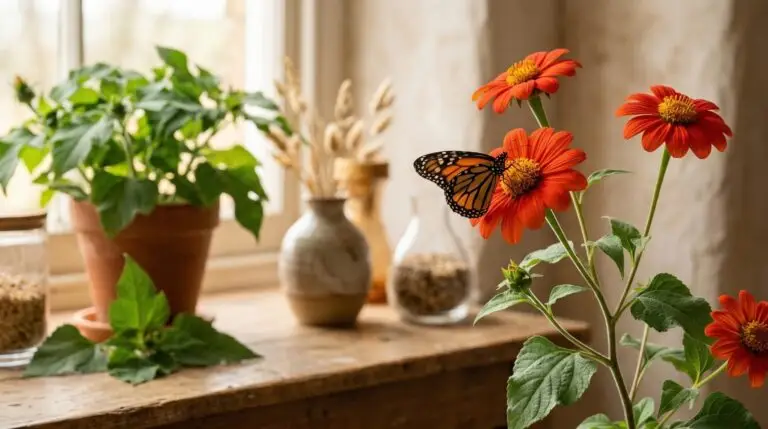
Mexican sunflower as the ultimate butterfly magnet for late season pollinator gardens
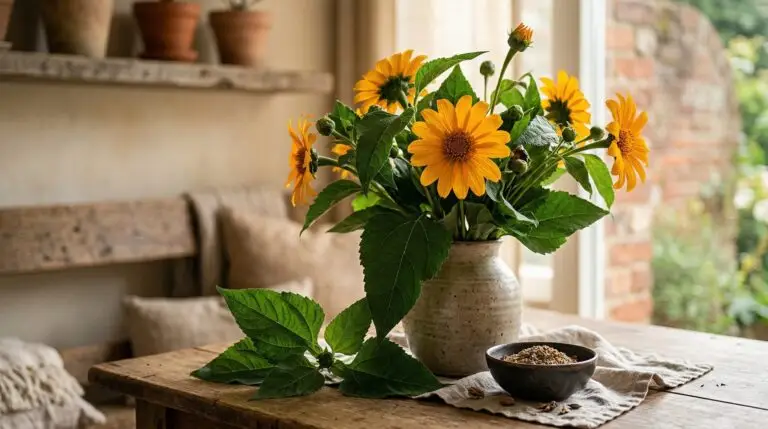
Mexican sunflower leaves as a natural fertilizer and green mulch for vegetable gardens
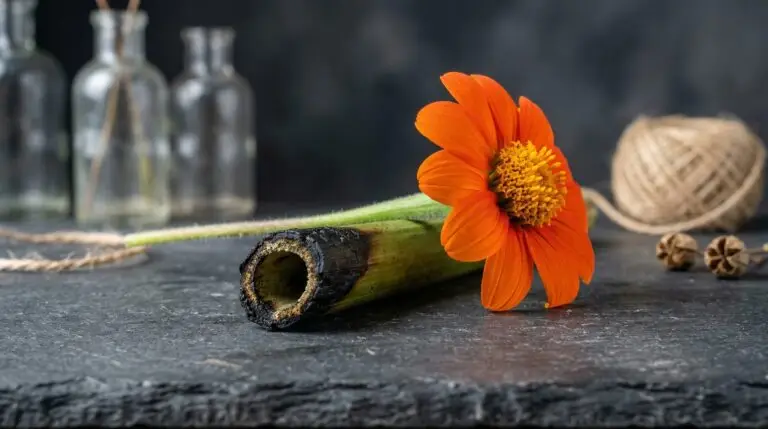
Mexican sunflowers as cut flowers with the trick to prevent hollow stems from wilting
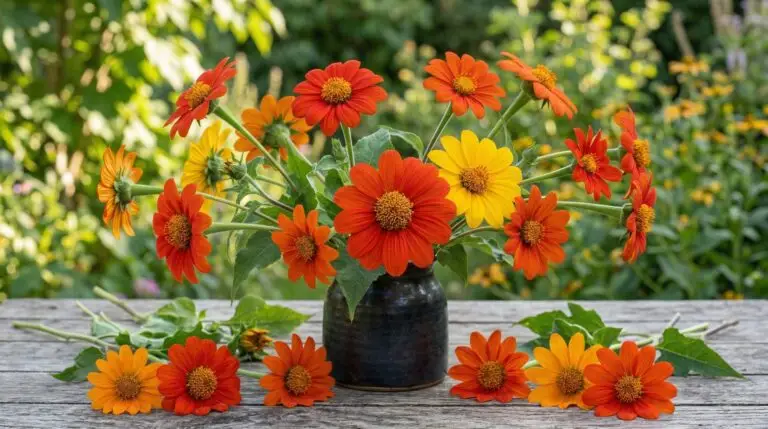
Mexican sunflower versus common sunflower and why you should grow both
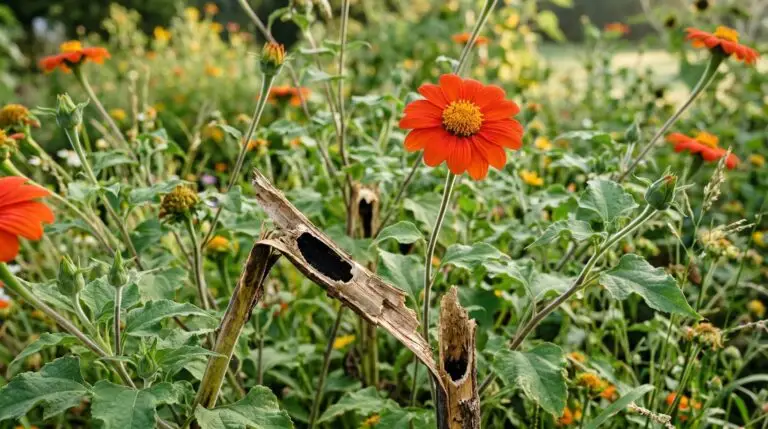
How to keep Mexican sunflowers from flopping over when they get tall and top-heavy
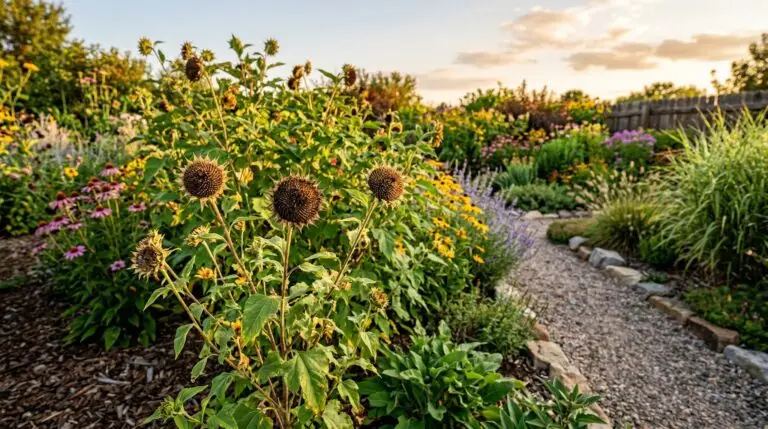
How to save Mexican sunflower seeds for next year’s free butterfly garden
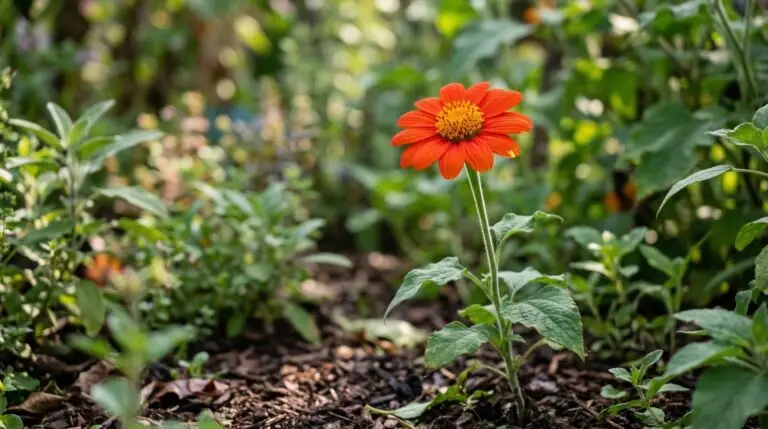
Growing Mexican sunflowers from seed and the tropical annual that needs no pampering
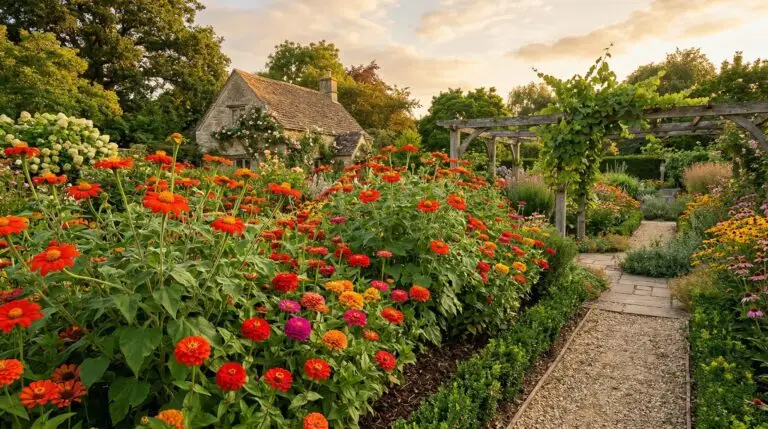
Companion plants for Mexican sunflower: what to grow, avoid
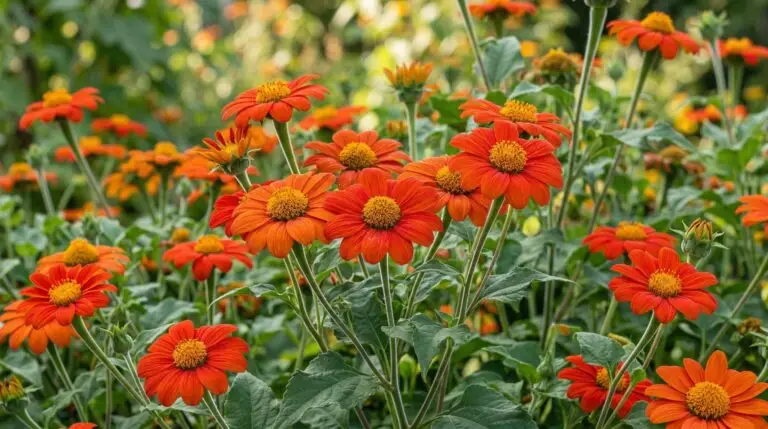
Compact Mexican sunflower varieties for smaller gardens that still attract butterflies
Enjoying our flower guides? Add YourFlowersGuide as a preferred source on Google. It helps more readers find us.
Add to Preferred Sources