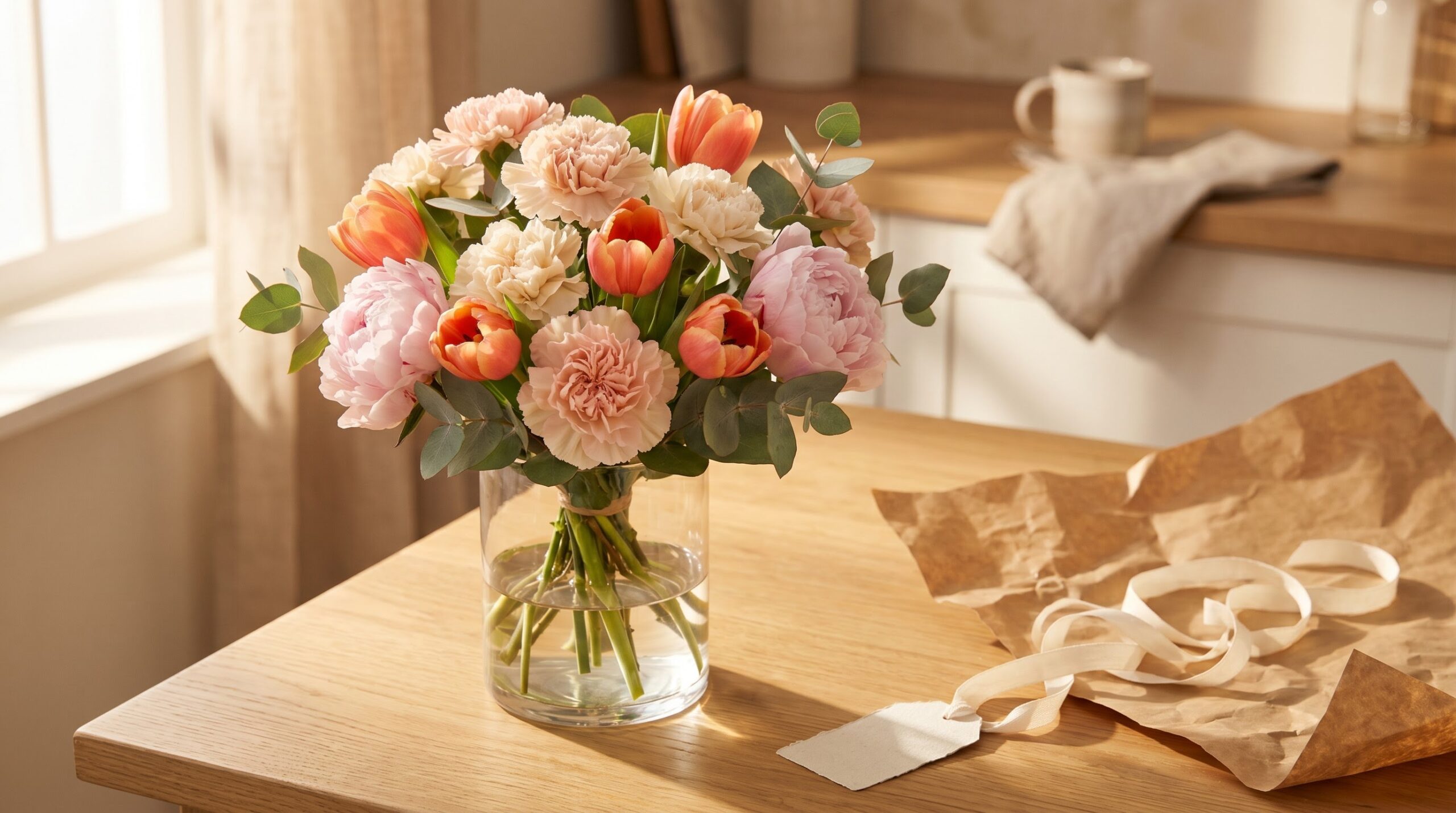
Mother's Day is close enough now that guessing isn't really an option anymore, and the flowers that solve this fastest are the ones that already work in almost any home: carnations, tulips, peonies, garden roses, potted orchids, gerberas, sunflowers, or a bright mixed bouquet when her favorite color is genuinely unknown. Every one of those reads as thoughtful, not risky. What most flower-shop pages leave out are three checks that take thirty seconds and can stop an otherwise good gift from landing wrong: whether a cat lives in the house, because that changes what belongs in the vase entirely; what a white carnation actually communicates if the family still tracks the old flower code; and whether asking about her real favorite flower, instead of defaulting to roses, would have mattered more than any classic on this list.
That last point gets repeated constantly by people who have actually thought hard about buying for a mother rather than selling to one. One frequently echoed answer on Reddit's advice threads makes the case bluntly: skip the predictable bouquet and find out what she actually likes, and if you don't know, ask her sister, because roses only end up the default when nobody bothered to ask. It's a fair challenge. Everything below assumes you have already tried to find that out, and gives you a strong answer for the times you genuinely can't.
The classic picks, and the catch on each one
The flowers in the table below are the ones that work almost everywhere, which is exactly why every florist site lists them. What most of those sites skip is the fine print, the one detail on each flower that actually changes whether it's the right call for this specific house.
| Classic pick | What it usually says | Check before you buy |
|---|---|---|
| Carnations | Long-lasting, affordable, a dependable everyday choice | If the family still tracks the old color code, white reads as remembrance for a mother who has died, not the neutral purity-and-luck reading some retail sites now claim; pink is the traditional color for a living mother |
| Tulips | Cheerful, simple, feels fresh and current | Short vase life, usually under a week, so time delivery close to the actual day |
| Peonies | Lush and romantic, reads as a genuine treat rather than a routine gift (what peonies mean) | Short spring-only season and a higher price when demand peaks |
| Garden roses | Classic, elegant, never reads as an afterthought | Can feel like the default pick if you haven't actually asked what she likes first |
| Potted orchids | Lasts for weeks rather than days, a strong pick for a mother who dislikes anything that goes straight in the trash | Not the right gift if she specifically wants cut flowers to arrange herself |
| Gerberas or sunflowers | Bright and informal, good for a mother who calls herself low-maintenance (gerbera daisy meaning) | Reads casual rather than formal, so skip it if the occasion calls for something dressier |
| Lilies | Fragrant and dramatic, a traditional Mother's Day flower in many regions | Cross this off automatically if a cat lives in the house; the full reasoning is below |
| Mixed bouquet | The lowest-risk pick when you genuinely don't know her favorite flower or color | Give the florist a color mood and a budget instead of pointing at a stock photo |
Swipe →
One correction is worth making before white carnations go in the cart without a second thought. A widely read flower-delivery blog currently describes white carnations as symbols of purity and luck. That isn't the actual tradition. Anna Jarvis, who began the campaign that eventually made Mother's Day a national holiday, handed out white carnations at the first Mother's Day service in 1908 specifically to honor mothers who had died, and kept pink or red for a mother who was still living. Families who still track that older color code will read a vase of white carnations exactly that way, especially near a memorial. If this particular Mother's Day is really about missing her, one white carnation still carries that meaning quietly, without needing an explanation, and a Mother's Day without her deserves gentler ground than a shopping list. For everyone else, the full color breakdown, including what pink, red, and striped carnations say and how the modern reading has shifted, is covered in the truth behind the official Mother's Day flower and what carnation colors actually mean.
The mixed bouquet deserves one more word, because it quietly solves more problems than any single flower on the list. Florists who take these orders often say the easiest fix, when you don't know her favorite color, is to hand over a mood instead of a photo: bright but not pink, or pastels only, or simply an open budget and full creative freedom. That single instruction usually produces something better than a generic dozen roses, because it forces someone who actually looks at flowers all day to make a real choice instead of defaulting to whatever's already prewrapped by the register.
The right pick depends on who you're buying for
Who you're buying for changes the pick more than the occasion does. For your own mother, lean into whatever she's actually mentioned wanting this year rather than the safest default; that's the whole point of the ask-her-sister approach above. For a grandmother, classic and old-fashioned tends to beat trendy. Fuller, traditional shapes such as peonies, garden roses, or a dense carnation bunch read as thoughtful rather than showy, and a potted plant is often the stronger gift if she's said out loud that she doesn't want to fuss with a vase. For a wife who's being treated as the mother figure this year, on top of or instead of your own mom, the calculation shifts again, and so does the etiquette around whose flowers arrive first or whether you're buying two arrangements at once. That entire territory, including your girlfriend's mother, your mother-in-law, and the wife-versus-mom question, gets its own full answer in whether to get your girlfriend's mom, your mother-in-law or your wife flowers this Mother's Day.
One more boundary worth drawing early: if the day you're actually shopping for is her birthday rather than Mother's Day, the right list looks a little different, and it's covered separately in flowers for her birthday, not just Mother's Day.
Making sure the flowers actually arrive looking right
Mother's Day is already the busiest flower-buying weekend of the year, and that volume is exactly when a generic online order is most likely to arrive looking nothing like the photo you picked. The fix costs nothing extra: order directly from a real local flower shop near her, not a national wire-service brand, and ask for Designer's Choice in her favorite colors with a stated budget instead of pointing at a specific stock arrangement. A florist working from a phone order and a photo has to guess at what's actually sitting in the cooler that morning. A florist working from your budget and her colors can build something that's genuinely fresh, because they're not trying to force a match to an image shot somewhere else, in a different season, at a different shop. The full breakdown of timing, pricing, and how wire-service fill-to-value substitutions actually work gets its own page: when to order so the flowers actually arrive looking like what you paid for.
Is your Mother's Day bouquet safe for a cat
Before any of the classics above go into a vase, check the house for a cat, because true lilies deserve a hard no if one lives there. This isn't a minor sensitivity. The FDA warns that even a small amount of exposure, a bite of leaf or petal, pollen groomed off fur, or a sip of the vase water, can cause "fatal kidney failure in less than 3 days." Early signs are easy to miss: reduced energy, drooling, vomiting, or loss of appetite, showing up anywhere from immediately to twelve hours after exposure, with real kidney damage following over the next day. The ASPCA is just as direct about the species gap. Dogs can get sick from lilies too, but the reaction in cats is dramatically more severe, plant for plant. That covers true lilies such as Asiatic, Easter, Stargazer, and Oriental varieties, along with daylilies, and it covers the whole plant, not just the flower head. Even the water left in the vase carries the risk.
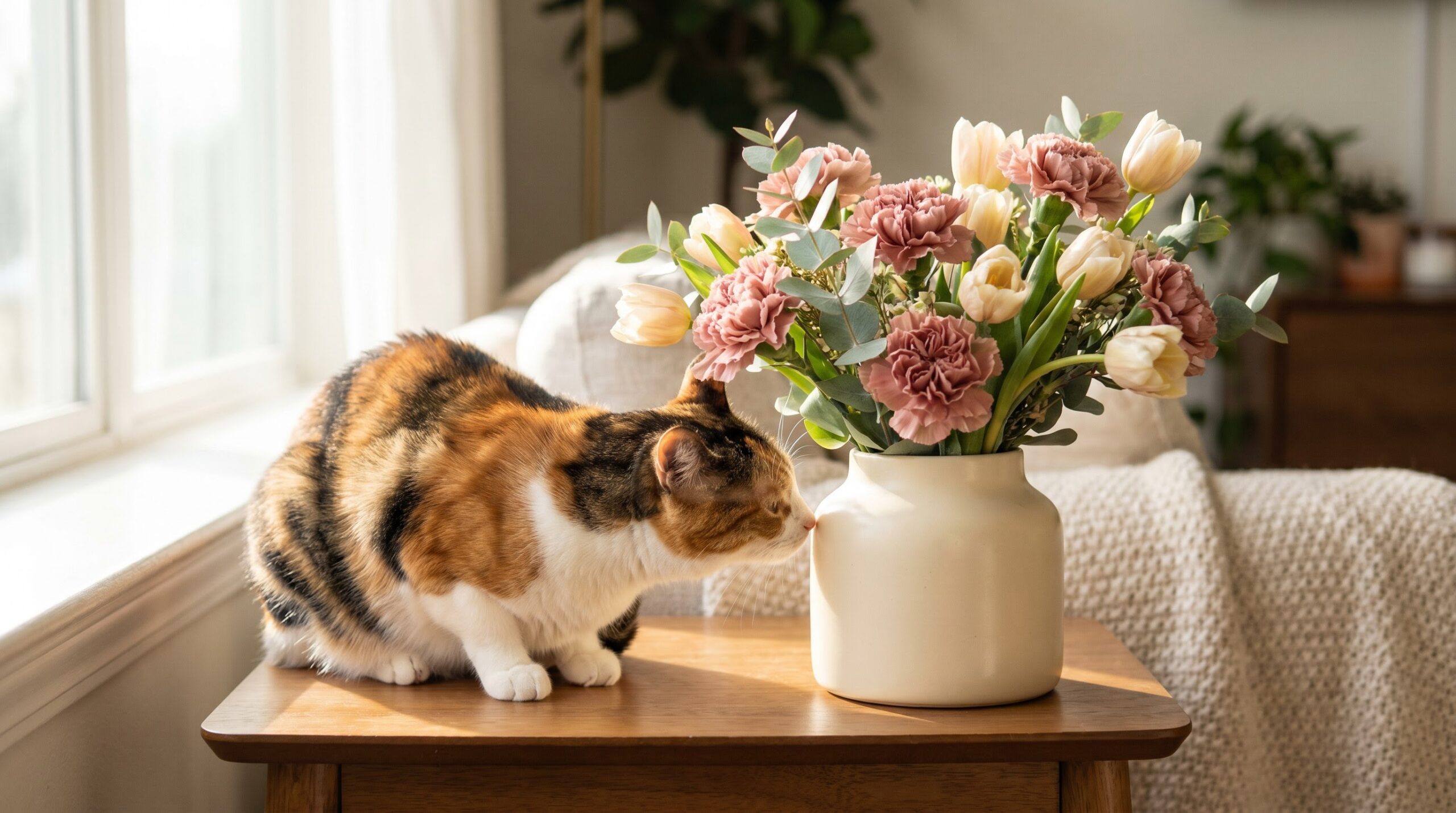
Not every flower with "lily" in the name is this dangerous. Peace lilies typically cause drooling and stomach upset rather than kidney failure, and lily of the valley causes vomiting and an irregular heartbeat rather than the same fatal outcome, real differences worth knowing but not ones worth betting a pet's life on without checking the species first. If there's no cat in the house, none of this changes anything about the classics list above; lilies stay a completely reasonable, traditional choice. If there is a cat, cross true lilies and daylilies off the list entirely and lean on carnations, tulips, peonies, roses, potted orchids, or gerberas instead, all of which are considered non-toxic to cats. And if a cat has already gotten into a lily bouquet or its water, don't wait to see what happens. Call a veterinarian or a pet poison control line immediately, because the treatment window that actually saves a cat's kidneys is measured in hours, and lily poisoning is consistently one of the more common calls those lines get around this exact weekend every year.
The grocery-store bouquet, upgraded
If the budget is tight this year, grocery-store flowers rearranged at home consistently beat an off-the-shelf bouquet from the same store, and there's an actual, tested method behind that, not just optimism. A widely shared thread among Trader Joe's shoppers lays out the approach in three tiers: start with a big bunch of roses or peonies as the base, add smaller flowers such as spray roses, carnations, or ranunculus for volume, then finish with filler like chamomile or baby's breath and a bit of loose greenery. Done this way, most versions of the method land comfortably under twenty dollars. The same math shows up across other chains too. Aldi has run tulip bunches for close to five dollars each in season, and Costco's two dozen roses, or its large mixed arrangement already in a vase, regularly beats what a florist charges for the same volume. A secondhand glass vase from a thrift store finishes the look for less than a new one costs anywhere else.
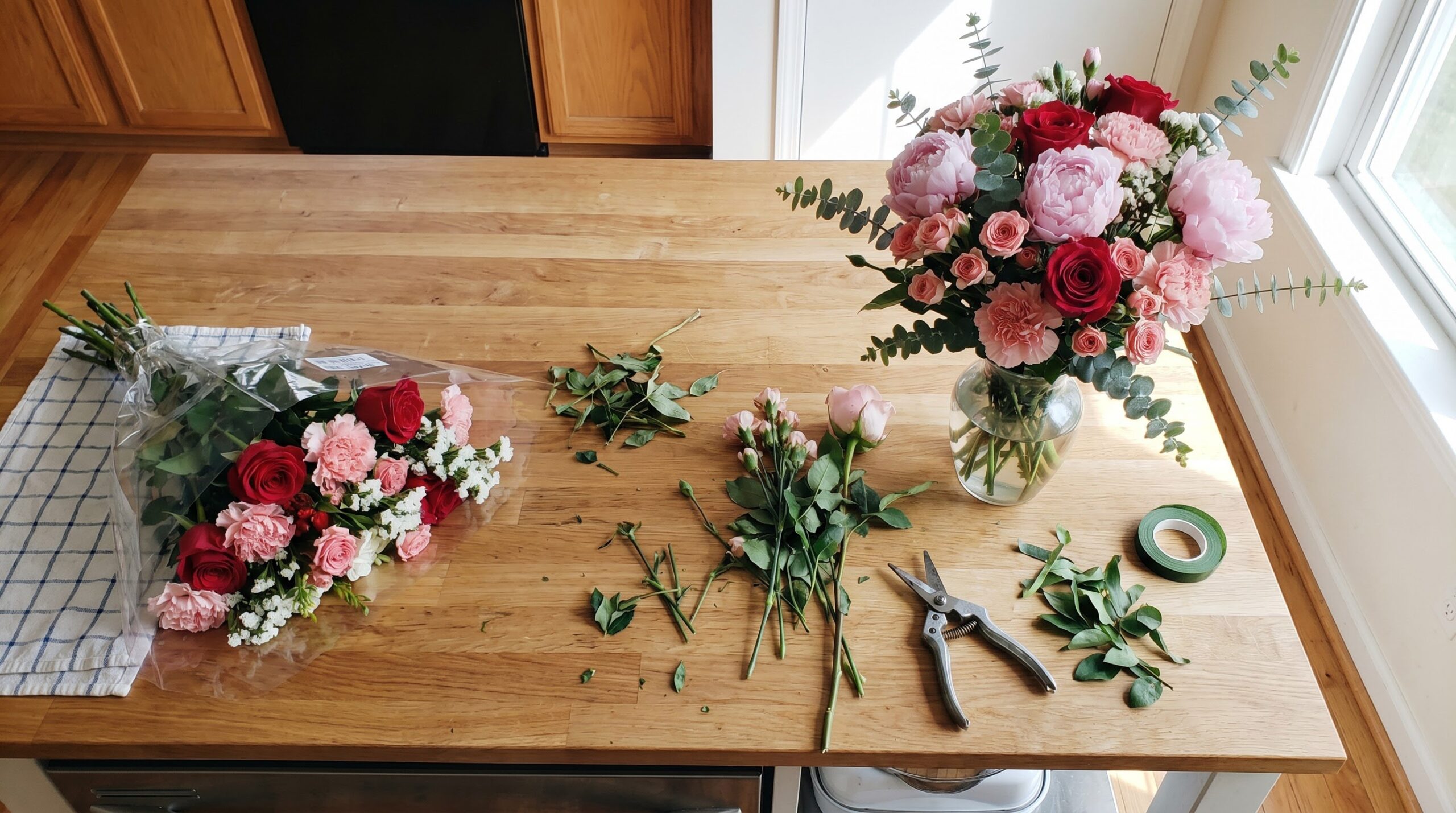
Buy the flowers a day or two out if you can, and expect an honest, uneven vase life rather than a uniform one. One shopper's own day-by-day log of a grocery mix recorded the roses gone by day eleven, a third of the chamomile already wilting, and the carnations still going strong. That unevenness is completely normal. Carnations are simply built to outlast almost everything else in a mixed bunch, worth remembering the next time you're deciding which stems to buy more of. The emotional math holds even at the smallest budget. One shopper described pulling together just ten dollars for a Trader Joe's bouquet and watching his mother's reaction, adding only that he wished he could have done more, which is a far more honest description of what actually lands than any price tag on its own.
What to do once the bouquet is actually in her hands
Once the flowers are unwrapped, the difference between three days and two weeks usually comes down to about five minutes of setup that almost nobody actually does. Strip any leaves that would sit below the waterline before the stems go in, because submerged foliage rots fast and clouds the water within a day. If the bouquet does include lilies, which only makes sense in a house with no cat, snip the orange stamens out of each open bloom before they release pollen; it stains fabric and countertops on contact and won't come out of a white shirt once it's set. Recut every stem at an angle under running water, refresh the water every two to three days instead of waiting until it looks cloudy, and keep the vase away from a heat vent, a sunny windowsill, or a bowl of ripening fruit, since the ethylene gas fruit gives off shortens a bouquet's life more than most people expect.
Carnations reward this kind of basic care with an unusually long run, often two to three weeks with clean water, and how to keep carnations fresh longer walks through the exact preservative ratio florists actually use. Tulips work the opposite way. They drink heavily and need a shorter recut cycle just to make it a week, and our full tulip care and vase-life guide covers that timing in detail.
If she'd rather not get cut flowers at all
Not every mother wants cut flowers, and it's worth taking that seriously instead of defaulting to a bouquet out of habit. One frequently echoed sentiment on frugal-living forums captures the tension well: a mother who would gently scold her kids for spending money on something that'll be dead in a week, and then love the flowers anyway once they arrived. Some mothers skip the ambivalence entirely and say so directly, describing flowers as a waste of money on something that's only going to die. One commenter, a mother herself, put it even more plainly, saying she'd honestly rather get a plate of mozzarella sticks than another bouquet. If any of that sounds like your mother, a plant she can keep alive, a hanging basket, a small flowering shrub, or bedding plants for a garden bed she already tends solves the actual problem instead of repeating it every year. Flowers she can plant instead of a bouquet that dies in a week runs through the full comparison, including which potted options work as houseplants and which need to go straight into the ground.
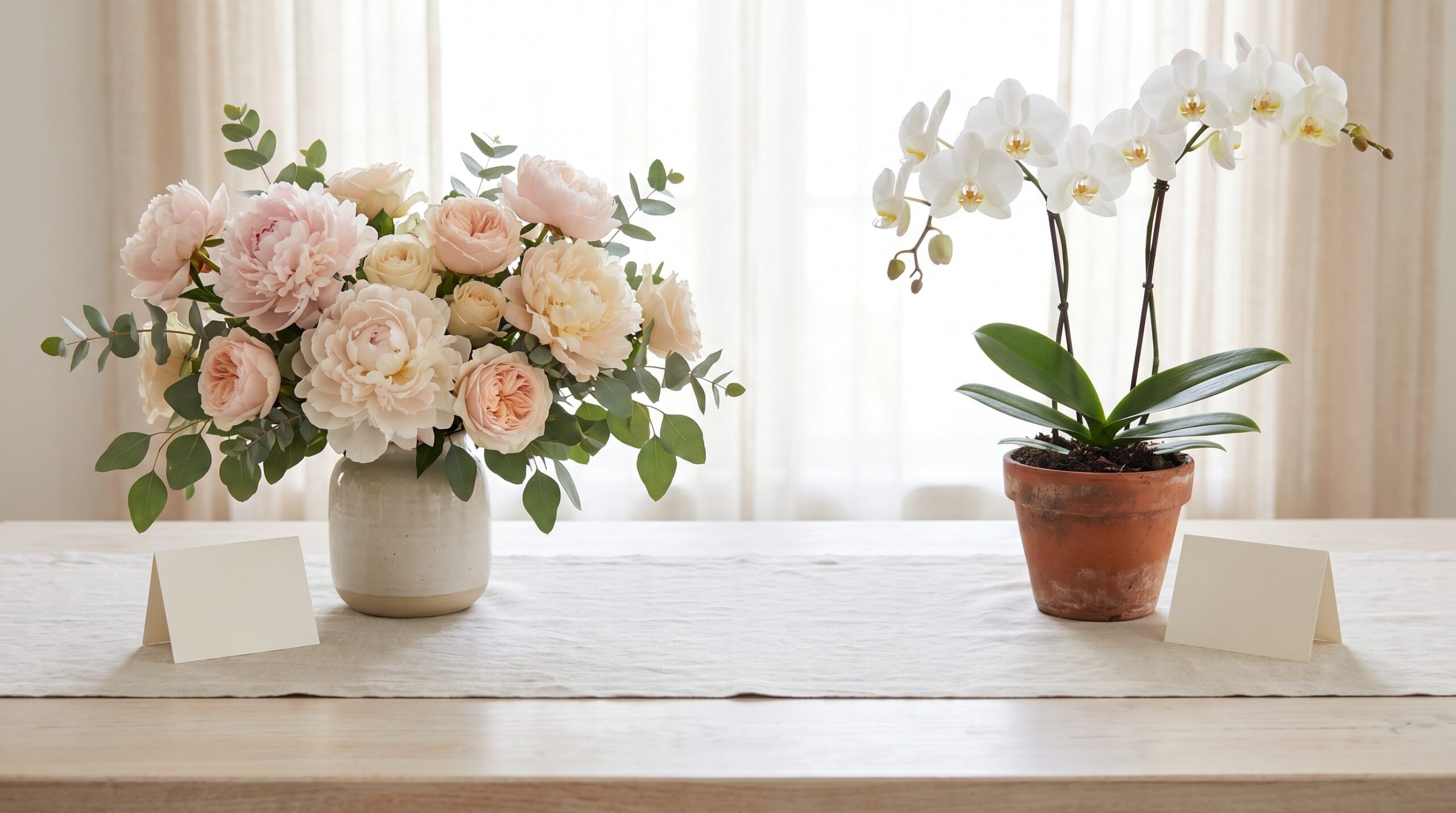
And if the flower on your mind is specifically a chrysanthemum this Mother's Day, season and geography matter more than the joke suggests. The inevitable mums pun gets repeated every year because in the US the flower reads as an easy, cheerful fall staple. That reading flips completely in parts of Europe, where a chrysanthemum is a funeral flower and essentially nothing else. What chrysanthemums actually mean across cultures covers exactly where that split comes from and how to read it correctly depending on who's actually receiving the bouquet.
Whichever pick fits, timing matters more than the flower itself. Walk into a real local flower shop, a favorite grocery store, or place the order with a shop you can actually call, a few days before the Sunday itself, not the morning of. That alone prevents more Mother's Day flower disappointments than any single choice on this page.
Common questions about Mother's Day flowers
What is the most common flower given on Mother's Day?
Carnations hold the official title, set by Anna Jarvis in 1908 when she asked people to wear or send them in honor of their mothers. In practice, roses and tulips currently outsell carnations at many flower shops, but carnations remain the traditional, symbolically correct choice if you want to follow the original custom.
Do moms actually like getting flowers for Mother's Day?
Most, genuinely, do; flowers stay one of the most requested Mother's Day gifts year after year. But not universally. Some mothers say plainly they'd rather skip anything that's going to die within a week, whether that's flowers or another disposable gift. If your mother has ever said something like that out loud, believe her instead of buying a bouquet anyway.
How long do Mother's Day flowers last?
It depends on the flower. Carnations are the longest-lived classic, often two to three weeks with clean water and regular recutting. Tulips and gerberas usually last under a week. Peonies split the difference at around a week to ten days. A potted plant, kept watered, outlasts all of them.
Can you give her flowers to plant instead of a bouquet?
Yes, and for a mother who's called cut flowers wasteful, that's often the better gift. Bedding plants, a hanging basket, or a small flowering shrub in a container all work as a living alternative to a vase that empties out in a week. Our potted-vs-cut guide covers which options thrive indoors versus which need open ground.
What should I get her if she says she doesn't want flowers?
Take her literally. A living plant, a home-cooked meal, a gift card for something she'd actually use, or simply your time all respect what she already told you, instead of a well-meaning bouquet she'll feel obligated to keep alive, or guilty about throwing away.
Enjoying our flower guides? Add YourFlowersGuide as a preferred source on Google. It helps more readers find us.
Add to Preferred Sources