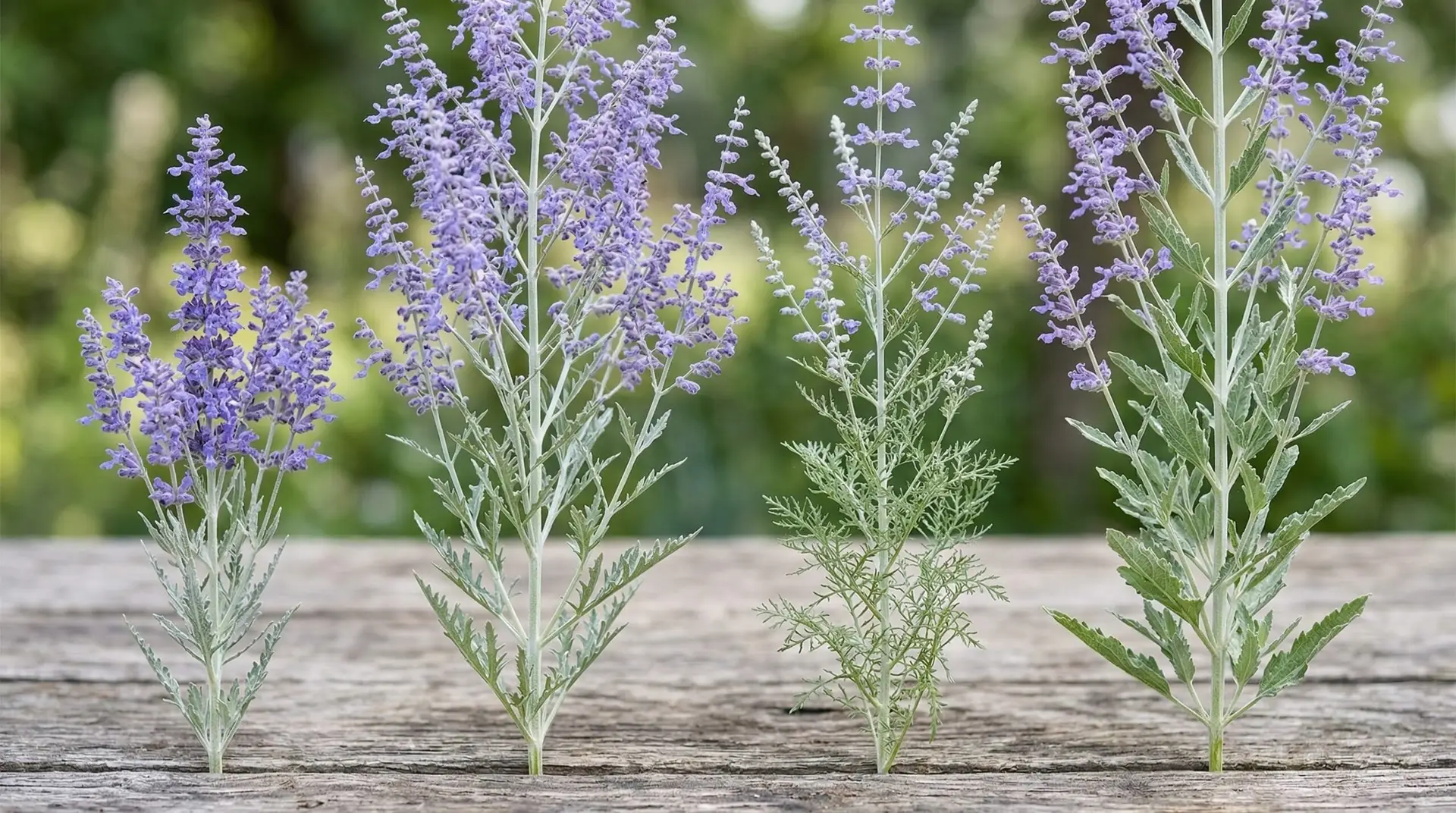
Gardeners looking to add drought-tolerant, silver-foliaged plants with purple blooms often find themselves choosing between Russian sage and lavender. Both plants thrive in full sun and offer a distinctly Mediterranean look that pairs well with dry garden designs. At first glance, they might seem like interchangeable options for a dry border or a rock garden. The decision between Russian sage vs lavender comes down to your specific climate, how much space you have available, and whether you want a plant for culinary use. Understanding how these two plants behave over the course of a growing season will help you determine which one belongs in your yard.
Contents 5 sections
Sizing up the space and growth habits
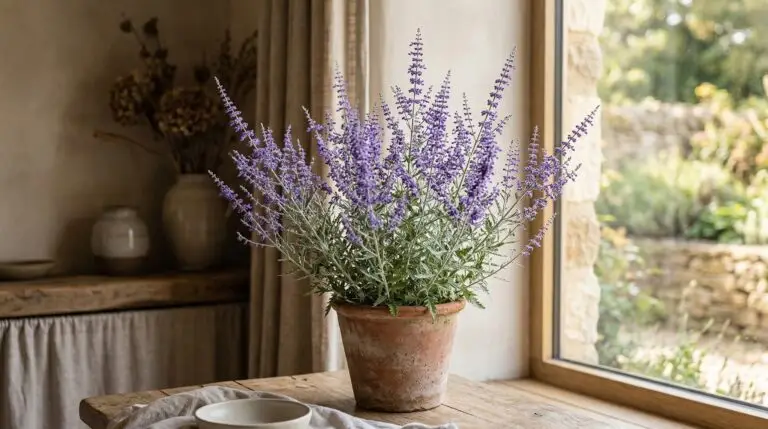
When comparing perovskia vs lavandula, the most immediate difference you will notice is their mature size. Russian sage is a large, sprawling plant that easily reaches three to five feet in height and width. Its growth habit is loose and airy, creating a hazy cloud of silver and purple that fills significant space in the middle or back of a garden bed. The tall stems tend to flop over if the plant is grown in soil that is too rich or if it receives too much water. You need to give Russian sage plenty of room to stretch out without smothering smaller neighboring plants.
Lavender grows in a much more compact, mounding shape that stays closer to the ground. Most common varieties reach about one to two feet tall and wide, making them ideal for edging pathways or sitting at the very front of a sunny border. The tight, dense foliage creates a neat structural element in the garden even when the plant is not actively blooming. Because it stays relatively small, you can fit several plants into a tight space or grow them successfully in containers. If you have a small garden courtyard or a narrow strip of soil along a driveway, this compact plant is the much better fit.
Climate hardiness and soil preferences
Climate plays a major role in deciding whether to plant Russian sage or lavender. Russian sage is exceptionally cold hardy and reliably survives winters down to USDA Zone 4. It is a rugged plant that tolerates poor, rocky soils and can even handle heavy clay as long as the ground dries out between waterings. Once established, it requires almost no supplemental summer watering and shrugs off intense heat and humidity. This high level of resilience makes Russian sage an excellent choice for gardeners dealing with harsh winter freezes and unpredictable summer droughts.
Lavender is notoriously fussy about its growing conditions and demands excellent drainage to survive. Most types, including the popular English varieties, are only hardy down to Zone 5 and often struggle to make it through wet, freezing winters. If your soil holds water or stays soggy during the colder months, the roots will quickly rot and the plant will die. To grow this herb successfully in heavier soils, you often need to amend the planting area heavily with gravel or plant it on a raised mound. Gardeners in colder, wetter climates who want the look of this plant often have to treat it as an annual or bring potted specimens indoors for the winter.
Bloom times and visual impact
You should also consider when you want the most color in your garden when choosing between these two plants. Lavender typically puts on its biggest show in late spring and early summer, sending up distinct, solid wands of purple, blue, or pink flowers. The blooms are highly concentrated and create a dense block of color that lasts for several weeks before fading. Russian sage takes over later in the season, starting its bloom cycle in mid-summer and continuing right up until the first frost. The flowers on Russian sage are tiny and spaced out along the stems, creating a transparent, hazy effect rather than a solid block of color.
This difference in flower structure means the two plants have different visual purposes in a garden setting. The solid flower spikes of the smaller herb draw the eye directly and are distinct focal points along a path or border. The loose, airy texture of Russian sage is more of a filler that softens the look of stiff or heavy companion plants. You can look right through the stems of Russian sage to see other plants behind it, which adds a sense of depth to the garden. Planting both in the same yard can actually provide a continuous succession of purple blooms from June through October.
Fragrance and culinary applications
The most significant functional difference between these two silver-stemmed plants is how you can use them inside the house. Lavender is a highly valued culinary herb with a sweet, floral fragrance that is famous worldwide. You can harvest the flower buds to use in baking, infuse them into syrups, or dry them for strongly scented sachets. The essential oils in the foliage and flowers are safe for human consumption and widely used in teas and commercial cosmetics. If you want a plant that provides a harvest for your kitchen or craft room, this is the only logical choice of the two.
Russian sage is entirely ornamental and is not meant to be eaten or used in cooking. While the foliage is highly aromatic when brushed or crushed, the scent is sharp, medicinal, and strongly reminiscent of turpentine or strong culinary sage. This pungent odor is completely unappealing in food or indoor crafts, so the plant is strictly meant to be enjoyed outdoors. However, this strong scent gives Russian sage a distinct advantage when it comes to animal pests. Deer and rabbits strongly dislike the smell and taste of the leaves, making it one of the most reliable animal-resistant plants you can grow.
Maintenance and pruning requirements
The long-term care for these plants requires two entirely different approaches to pruning. Lavender requires careful, precise shearing immediately after it finishes blooming to keep the plant from becoming woody and splitting open in the center. You must only cut into the soft, green growth and never cut down into the old, brown wood, as those older stems will not push out new leaves. If you neglect the annual pruning, the plant will become leggy, bare at the base, and generally unattractive within just a few years. This precise maintenance requires a bit of gardening knowledge and careful timing to get right.
Russian sage is much more forgiving and requires a simpler, heavier hand when it comes to maintenance. In early spring, before the new growth starts, you simply cut the entire plant down to a few inches above the soil line. The plant will rapidly push up entirely new silver stems from the base, ensuring a fresh, neat appearance every single year. The only complicated part of maintaining Russian sage is managing its tendency to spread through underground runners. You will likely need to dig up and remove new shoots that pop up a foot or two away from the main plant to keep it in its designated space.
Choosing the right plant ultimately depends on your space, your soil, and your goals for the garden. If you have a small sunny spot with sandy soil and want to harvest fragrant flowers for baking, then the compact herb is exactly what you need. If you have a large, open area with poor soil and want a tough, low-maintenance plant that blooms late into the fall, the taller perennial is the better option. For gardeners who cannot provide the perfect drainage for the smaller herb but still want a neat, mounding purple plant, catmint is an excellent middle ground. By matching the specific traits of these silver-stemmed bloomers to your garden conditions, you can enjoy years of reliable, drought-tolerant color.
More About Russian Sage
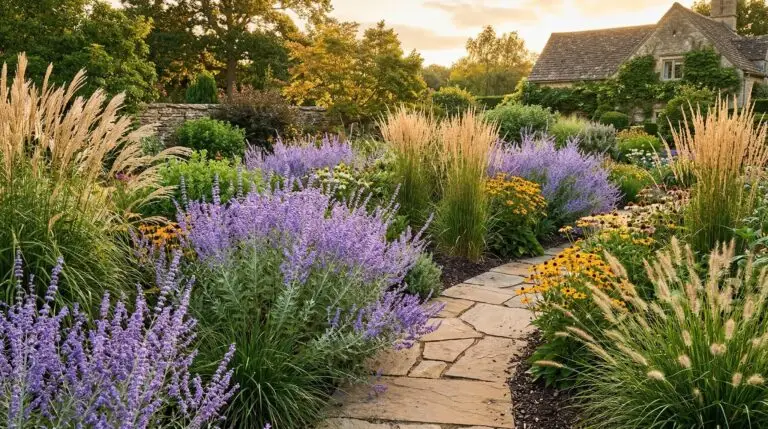
Russian sage companion plants: what to grow and avoid
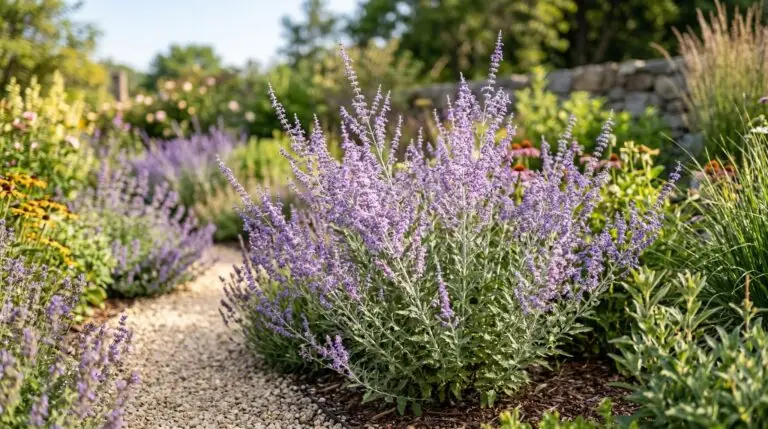
How to grow Russian sage for airy lavender-blue clouds that float above the summer border
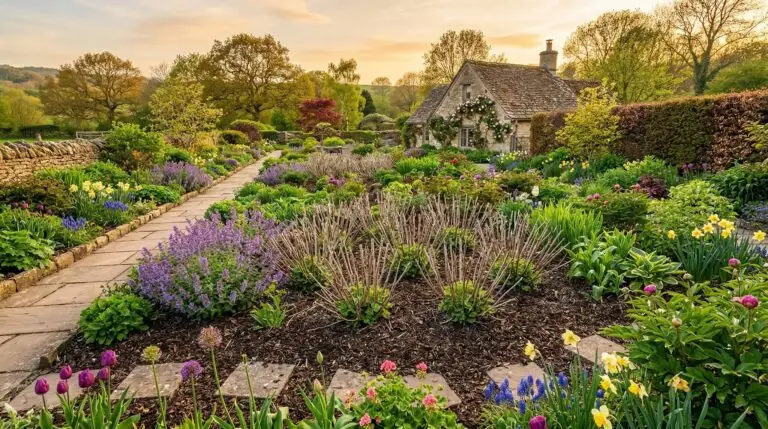
How to prune Russian sage in spring without ending up with a woody tangled mess
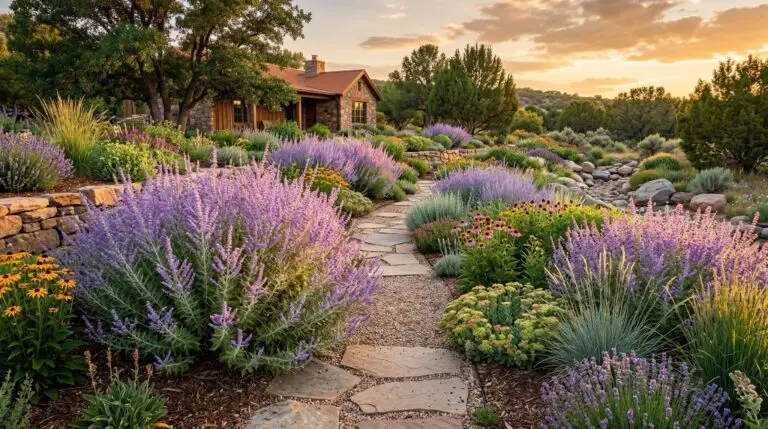
Russian sage as a drought-tolerant superstar for waterwise and xeriscape gardens
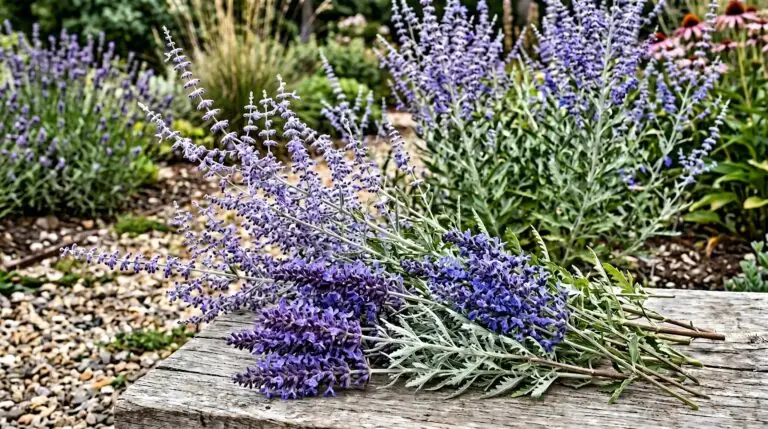
Best Russian sage varieties from compact Little Spire to silvery Blue Jean Baby
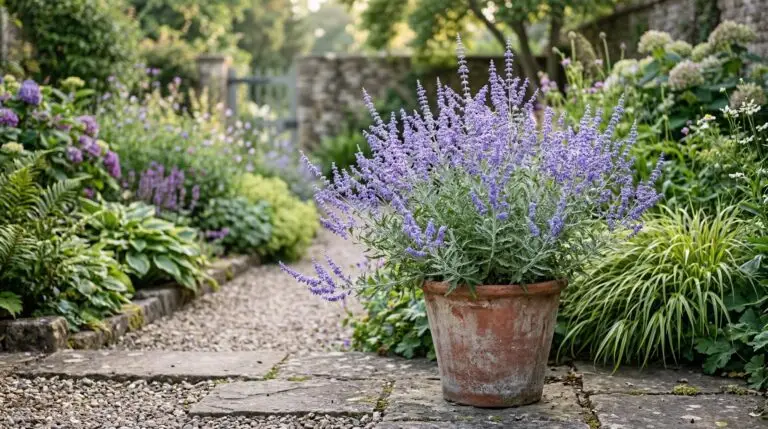
Growing Russian sage in containers for silver-blue drama on sunny patios
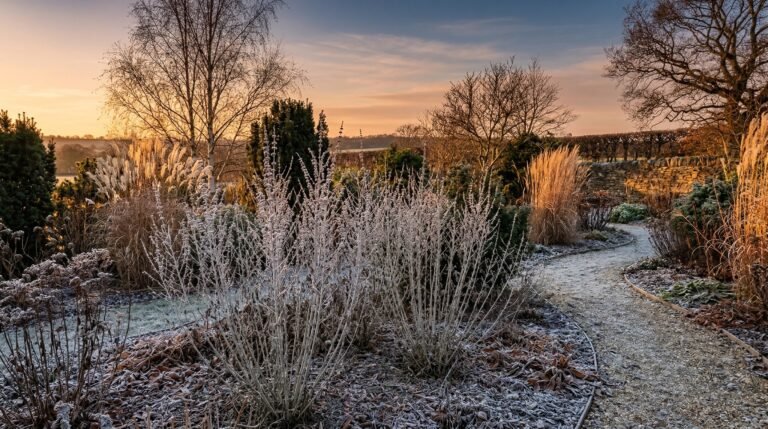
Russian sage in winter and the silver-white stems that bring structure to the frozen garden
Russian sage for pollinators and the long bloom season that feeds bees for months
Enjoying our flower guides? Add YourFlowersGuide as a preferred source on Google. It helps more readers find us.
Add to Preferred Sources