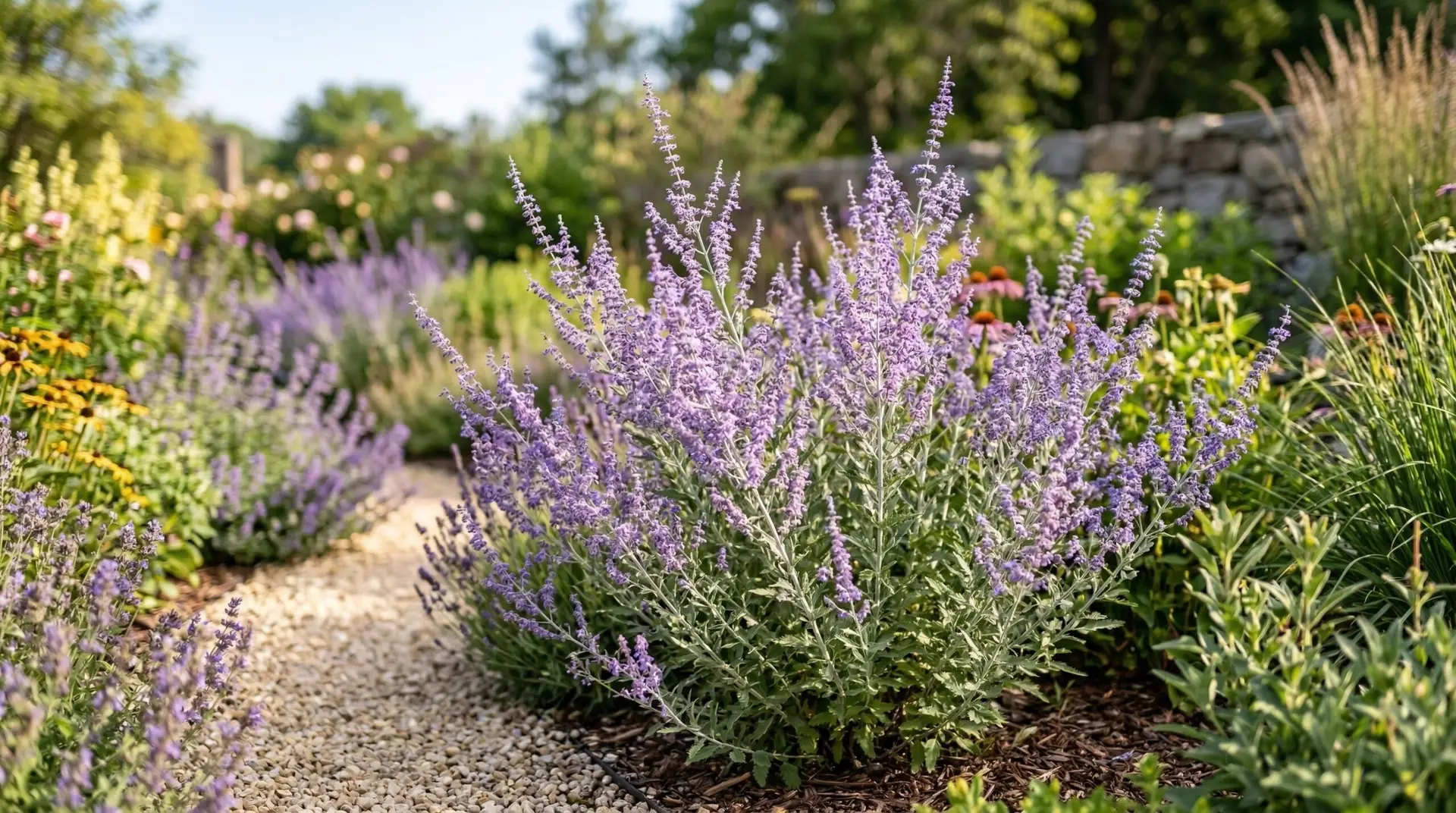
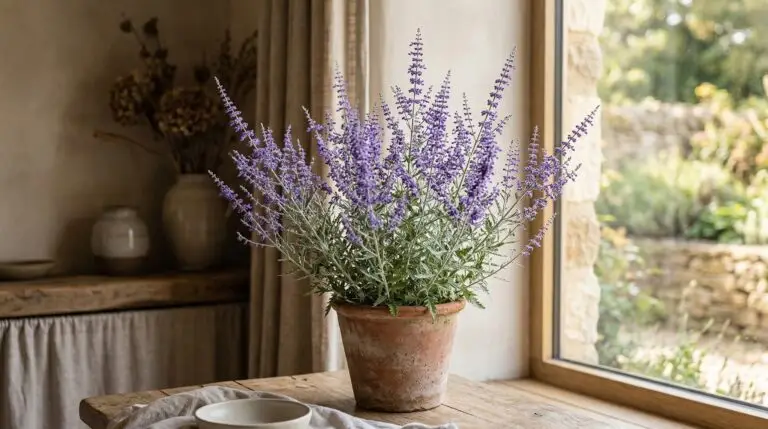
After spending decades observing perennial borders in high summer, I have learned that few plants possess the sheer resilience of Russian sage. Known for years under the botanical name Perovskia atriplicifolia, taxonomists recently reclassified it as Salvia yangii, though most growers and nurseries still use the familiar Perovskia moniker. This plant functions as a subshrub, meaning it develops a woody base while the upper stems remain herbaceous and die back in colder climates. The deeply cut, silver-gray foliage releases a strong, medicinal scent when crushed, which is the primary reason it is entirely ignored by browsing deer and rabbits. The silver-gray stems emerge in late spring, eventually producing airy lavender-blue clouds of flowers that persist for weeks during the hottest part of the year. Many gardeners turn to this plant when they have struggled with lavender, as Russian sage tolerates a broader range of temperature extremes and establishes much faster in challenging environments. It develops a deep taproot and a network of spreading underground stems, allowing it to survive prolonged drought without supplemental irrigation.
Contents 4 sections
Understanding soil and sunlight requirements
The most common mistake people make with growing Russian sage is treating it too well. This plant thrives in lean, poor soils where the fertility is low and the drainage is exceptionally sharp. If you plant it in rich loam heavily amended with compost, the stems will grow rapidly, become weak, and inevitably flop over under the weight of their own blooms. Gardeners with heavy clay often struggle with this plant because clay holds moisture and stays cold in the spring. If you are dealing with a clay-heavy site, planting on a raised berm or incorporating a heavy volume of expanded shale will create the drainage this plant demands. It strongly prefers alkaline conditions, performing beautifully in soils with a pH between 7.0 and 8.5, though it will accept neutral soils if drainage is adequate. Full sun exposure is an absolute requirement for tight, upright growth and maximum flower production. Any significant shade will cause the plant to reach for the light, resulting in a sprawling, untidy habit that requires staking.
Water management for established plants
Proper perovskia care requires a disciplined approach to irrigation. During the first growing season, the plant needs consistent moisture to develop its deep root system, requiring a thorough soaking every week or two depending on rainfall. Once established, Russian sage becomes remarkably independent and rarely needs supplemental water, even during extended dry spells in July and August. Overwatering is the fastest way to kill this plant, as the roots are highly susceptible to fungal rots in damp, warm soil. You will know the plant is receiving too much water if the lower leaves turn yellow and drop off, or if the entire crown begins to blacken. You should never apply synthetic nitrogen fertilizers, as excessive nitrogen causes spindly growth that cannot support the flowers and diminishes the essential oils in the foliage. Because of its strict preference for dry conditions, it pairs exceptionally well with catmint, as both plants thrive on neglect and require similar irrigation schedules. Grouping these drought-tolerant species together ensures that you do not accidentally drown one plant while trying to keep its neighbor alive.
Pruning practices for structural integrity
Because Russian sage is a subshrub, it requires specific pruning techniques to maintain a dense, attractive form year after year. I always advise leaving the silver-gray stems standing through the winter, as they provide visual interest when the garden is dormant and help protect the crown from freezing temperatures. The correct time to prune is early spring, just as the new leaf buds begin to swell and show a tiny hint of green along the lower stems. At this point, use sharp bypass pruners to cut the entire plant back to a height of six to twelve inches above the ground. Unlike many other summer-blooming perennials, Russian sage does not require deadheading to prolong its bloom period. The calyxes that hold the petals retain a distinct purplish hue long after the actual flowers have dropped, maintaining the illusion of a continuous bloom well into autumn. Russian sage is rhizomatous, meaning it spreads outward via underground stems, so you may need to slice through the outer rhizomes with a sharp spade in early spring to keep the clump from encroaching on neighboring plants.
Selecting the right cultivar for your space
The straight species of this plant can easily reach four to five feet in height and width, making it far too large for small suburban perennial beds. Plant breeders have recognized this limitation and developed several excellent cultivars that offer better habits and reduced sizes. ‘Blue Spire’ is one of the oldest and most reliable selections, offering deeply dissected leaves and a strong upright form, though it still requires a significant amount of space to mature properly. For tighter areas, ‘Little Spire’ remains a dependable choice that tops out around two to three feet, significantly reducing the risk of the stems splitting apart in the middle of summer. Newer introductions like ‘Denim ‘n Lace’ have tight internodes, keeping the flower spikes dense and close together for a highly concentrated display of color. When planting any cultivar, you must respect its mature width and provide adequate spacing between plants to allow for proper air circulation. If your garden simply cannot accommodate the width of a mature perovskia, you might consider planting blue salvia instead, which offers a similar vertical spike of color in a much narrower footprint.
When you are ready to add Russian sage to your garden, look for nursery stock that has firm, silvery foliage and a well-developed root system that is not circling the bottom of the pot. Plant it in early spring to give the roots an entire growing season to anchor themselves before the stress of winter arrives. Dig a planting hole twice as wide as the root ball and mix a generous amount of coarse sand or gravel into the backfill to ensure rapid drainage. Position the crown slightly higher than the surrounding soil grade to prevent water from settling around the base of the stems during heavy rains. Once situated in the right spot, this resilient plant will reliably return each spring, asking for little more than an annual pruning and a full day of sun.
More About Russian Sage
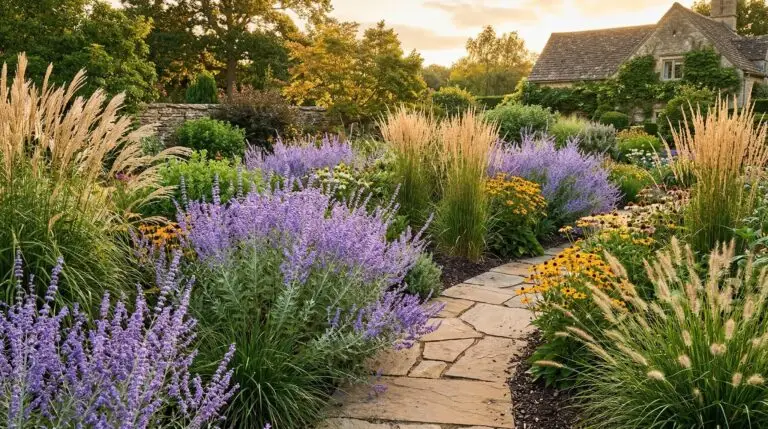
Russian sage companion plants: what to grow and avoid
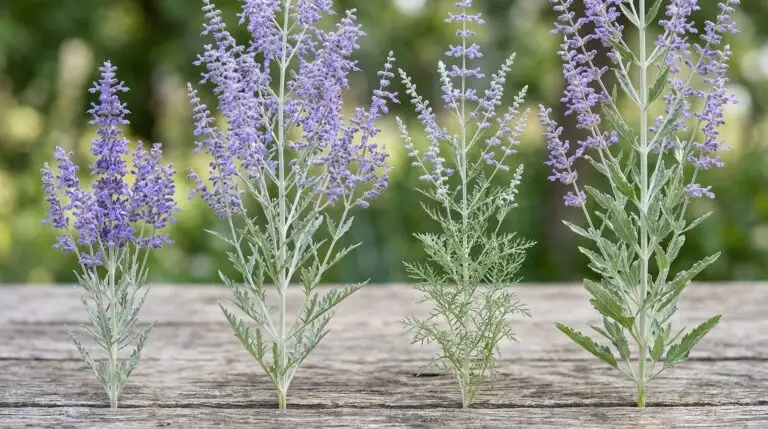
Russian sage versus lavender and which silver-stemmed blue bloomer is right for your garden
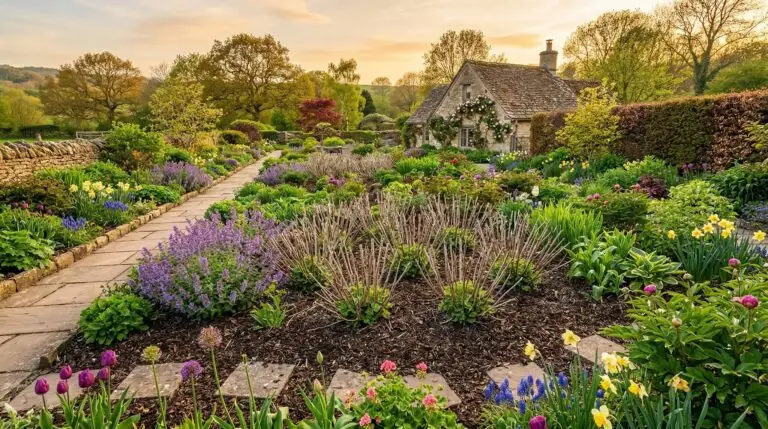
How to prune Russian sage in spring without ending up with a woody tangled mess
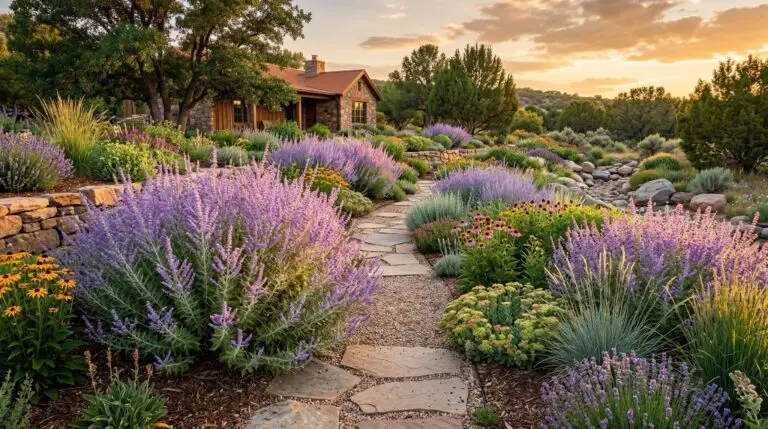
Russian sage as a drought-tolerant superstar for waterwise and xeriscape gardens
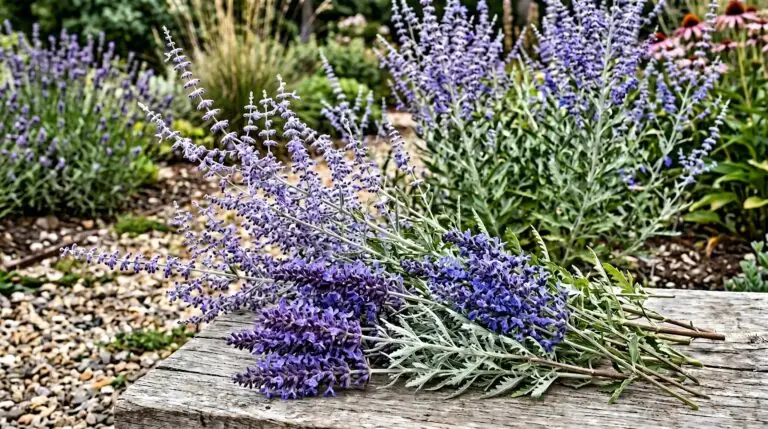
Best Russian sage varieties from compact Little Spire to silvery Blue Jean Baby
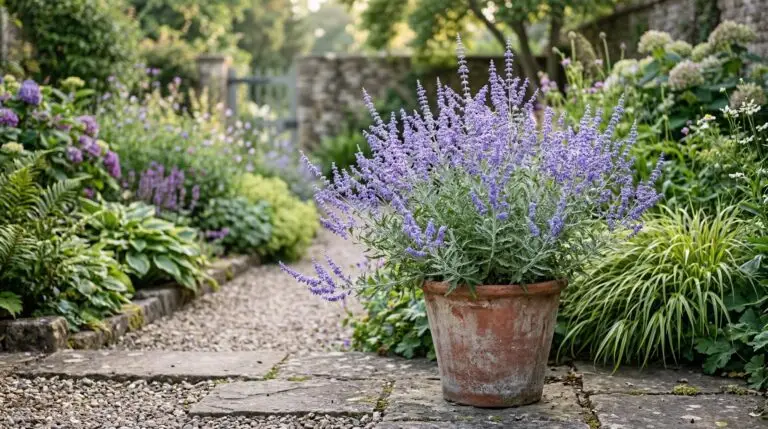
Growing Russian sage in containers for silver-blue drama on sunny patios
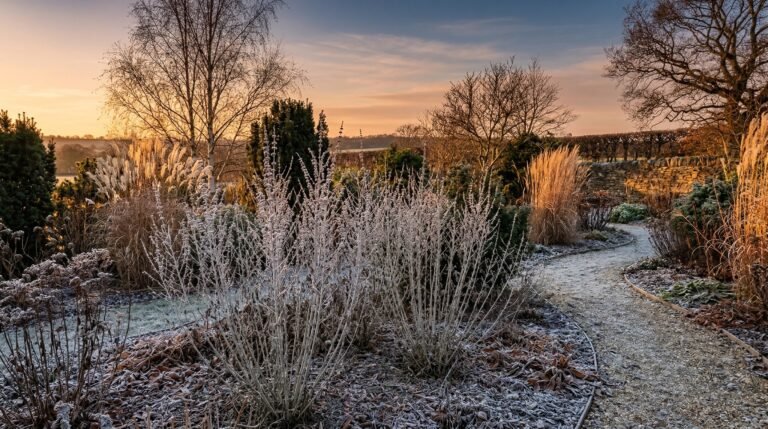
Russian sage in winter and the silver-white stems that bring structure to the frozen garden
Russian sage for pollinators and the long bloom season that feeds bees for months
Enjoying our flower guides? Add YourFlowersGuide as a preferred source on Google. It helps more readers find us.
Add to Preferred Sources