Contents
Gardenia
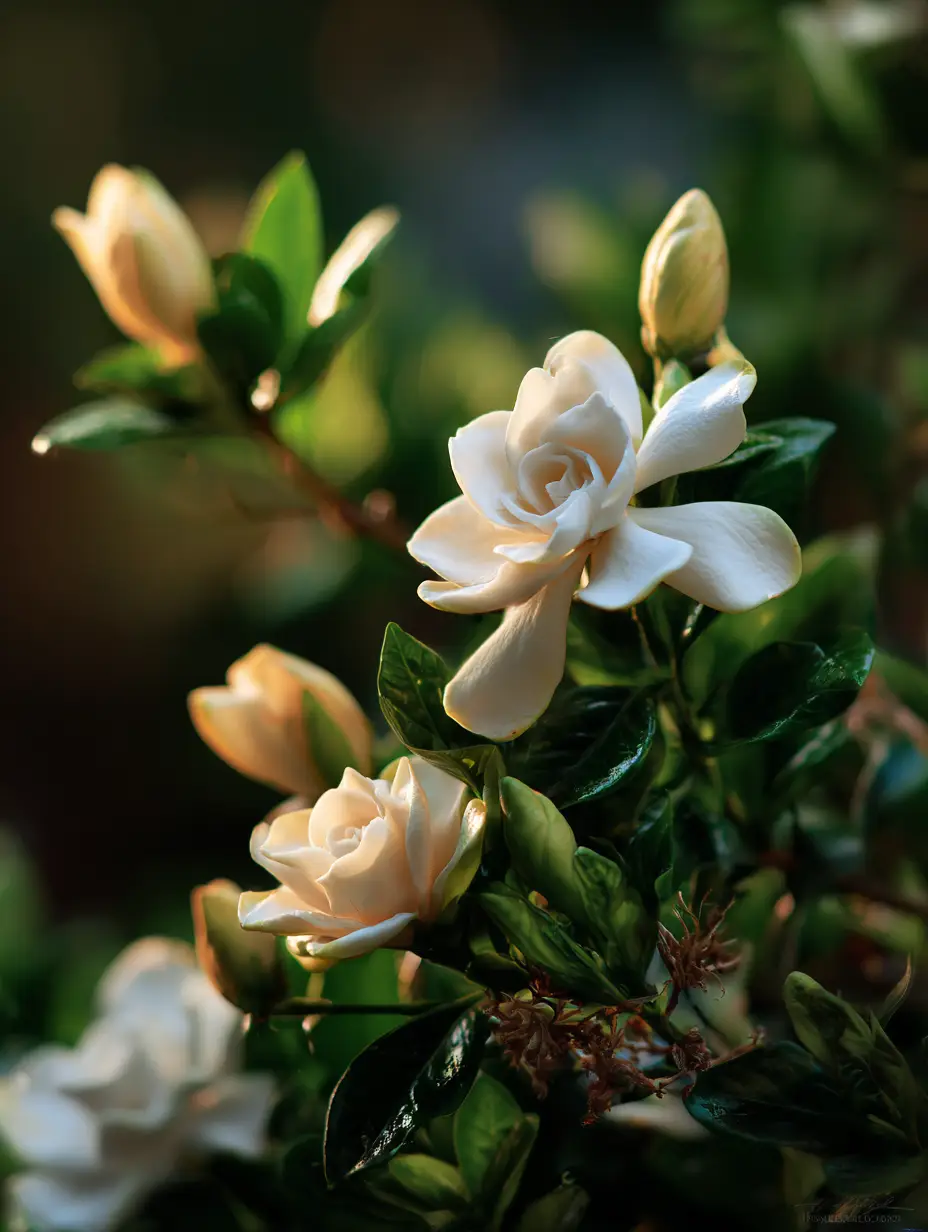
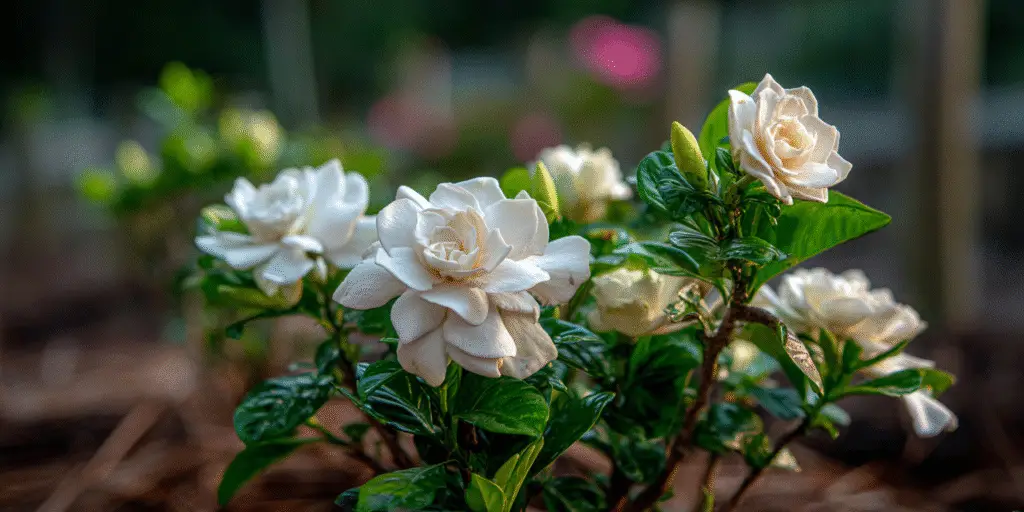
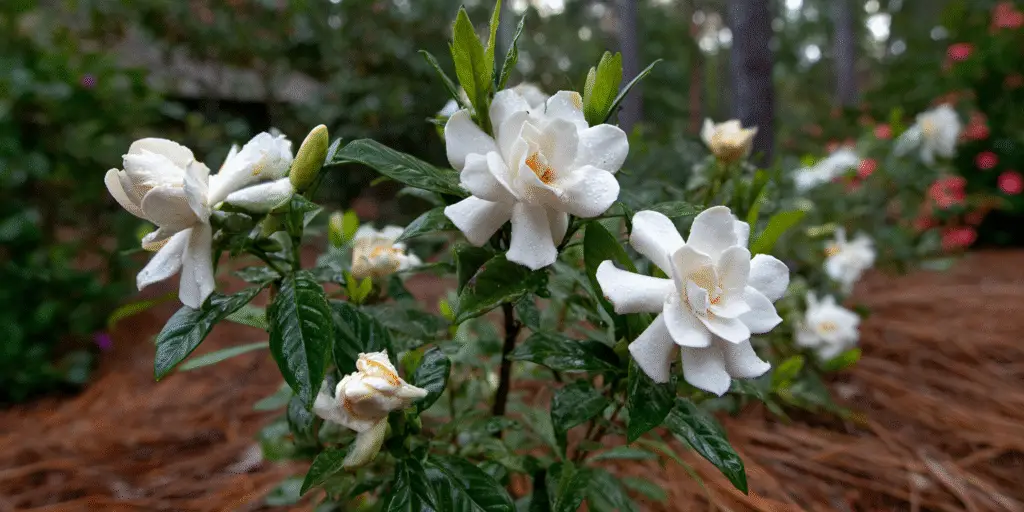
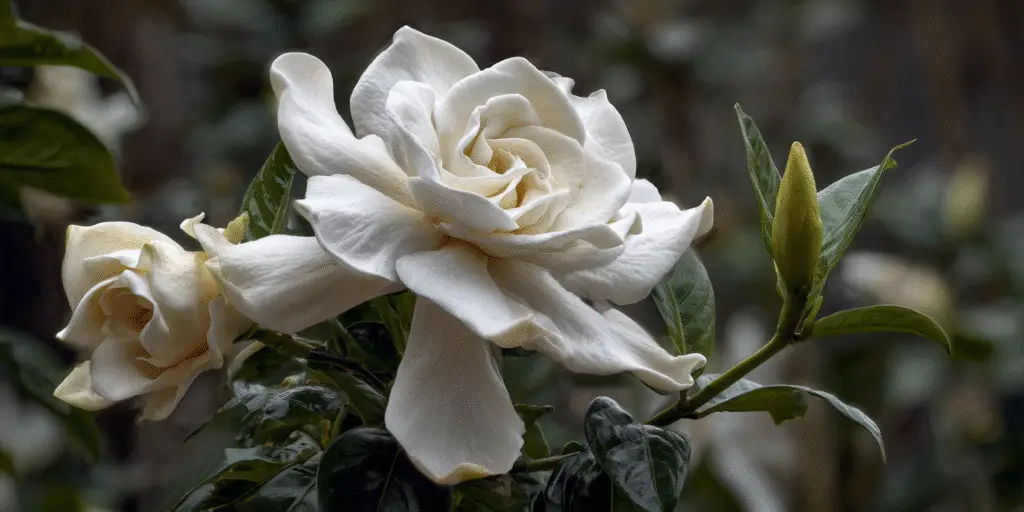
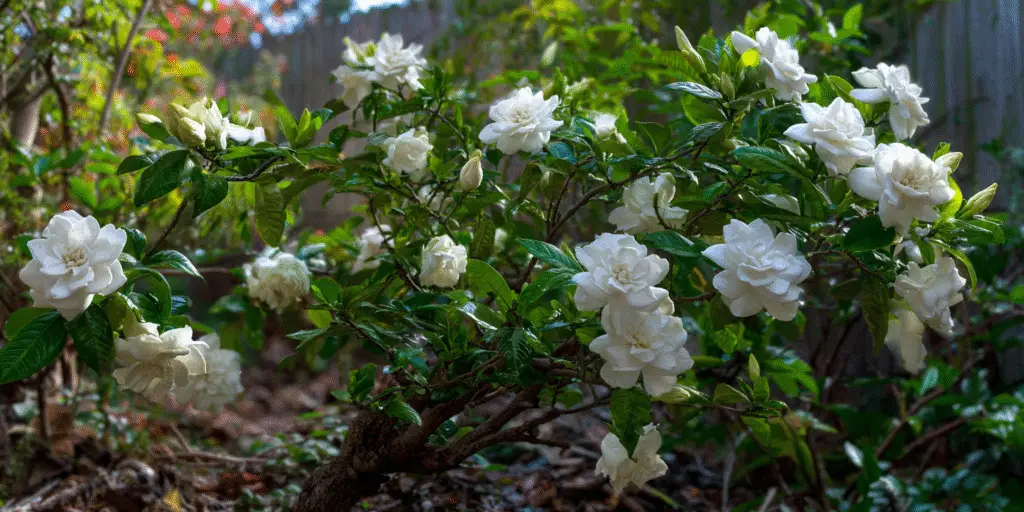
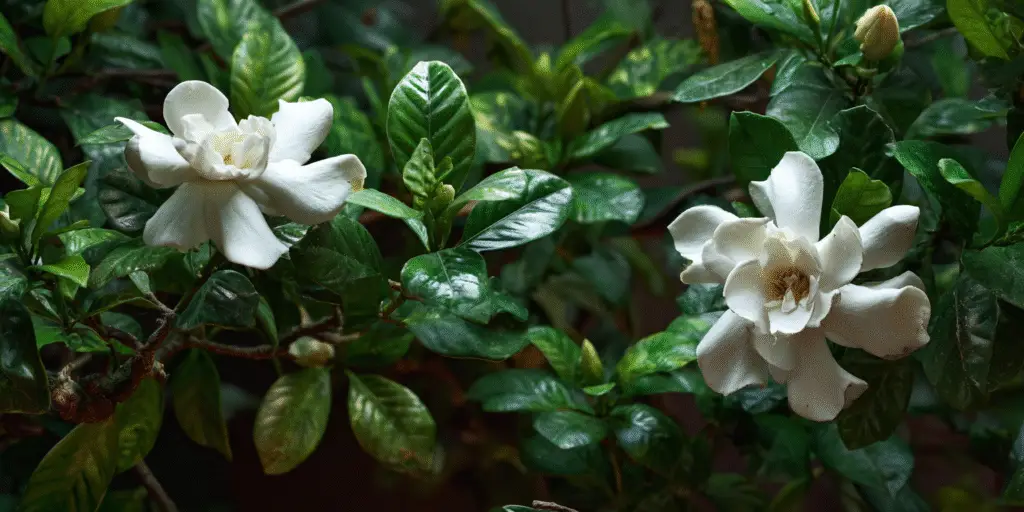
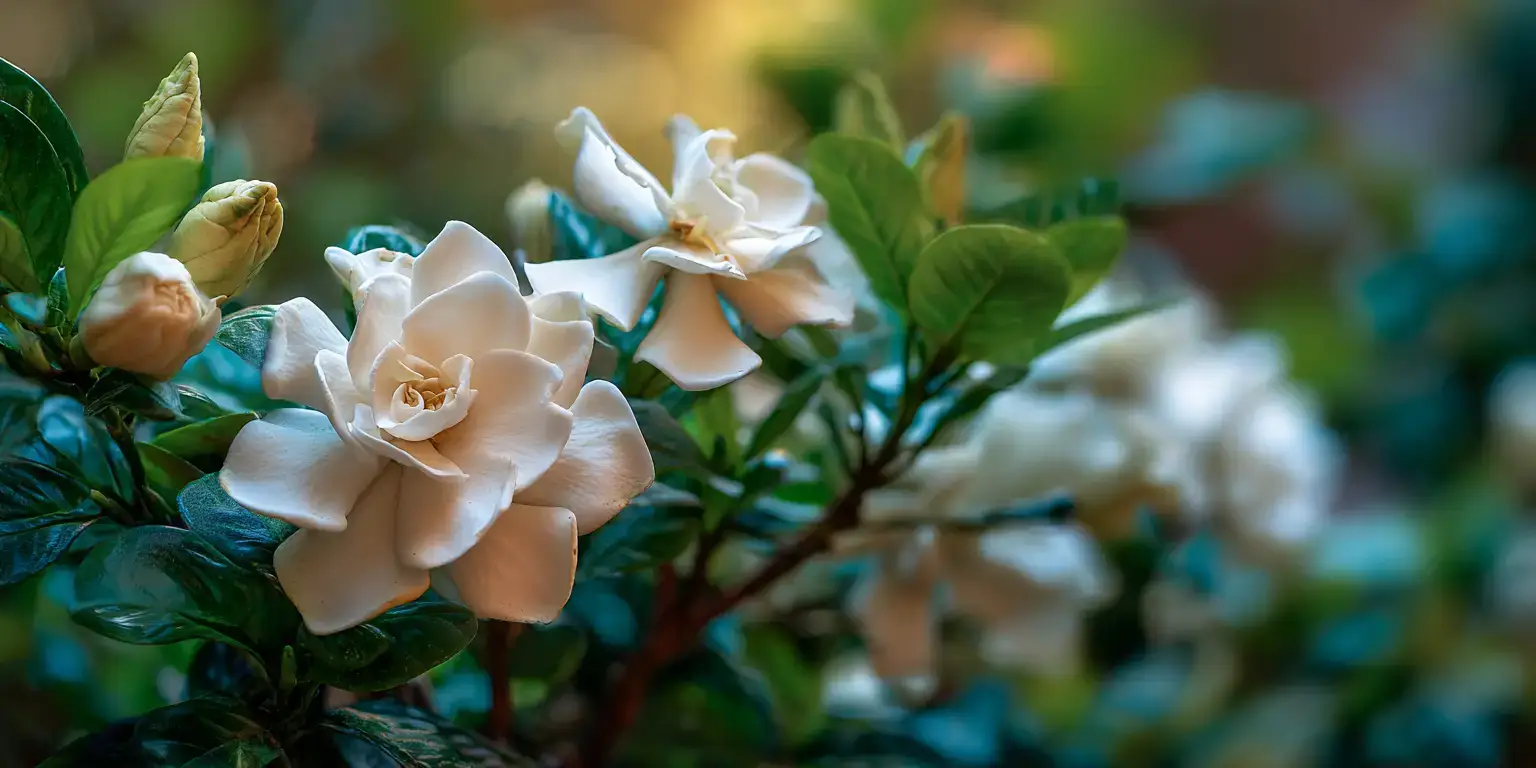
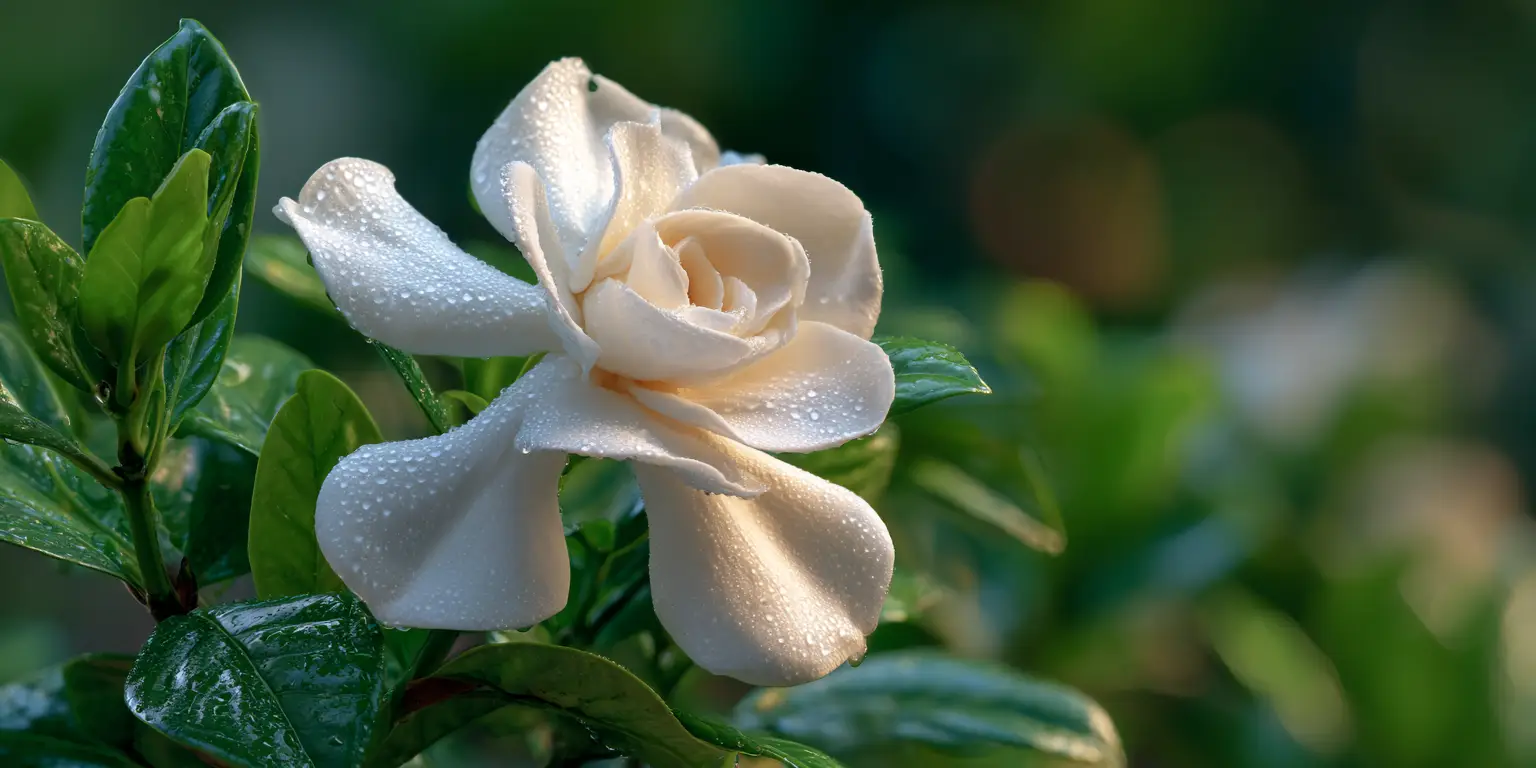
Gardenia is a popular evergreen flowering shrub cherished for its white flowers and heady perfume. Native to tropical and subtropical regions, gardenias boast glossy, dark green leaves and waxy blooms that fill the air with a sweet, jasmine-like fragrance. Gardeners prize the gardenia plant not only for its beauty but also for the elegant atmosphere its scent creates in any garden or home. While gardenias are famously finicky to grow, their stunning appearance and aroma make the extra care well worth the effort.
This shrub typically thrives in warm, humid climates and is a beloved staple in Southern gardens. However, even in cooler regions, enthusiasts often grow gardenias in pots or greenhouses to enjoy their blossoms. Among beloved white flowers such as jasmine, lily, daisy, orchid, and lily of the valley, the gardenia stands out for its intense fragrance and lush evergreen foliage. Whether used as a landscape plant or a houseplant, a healthy gardenia in bloom is a showstopper that can perfume an entire area.
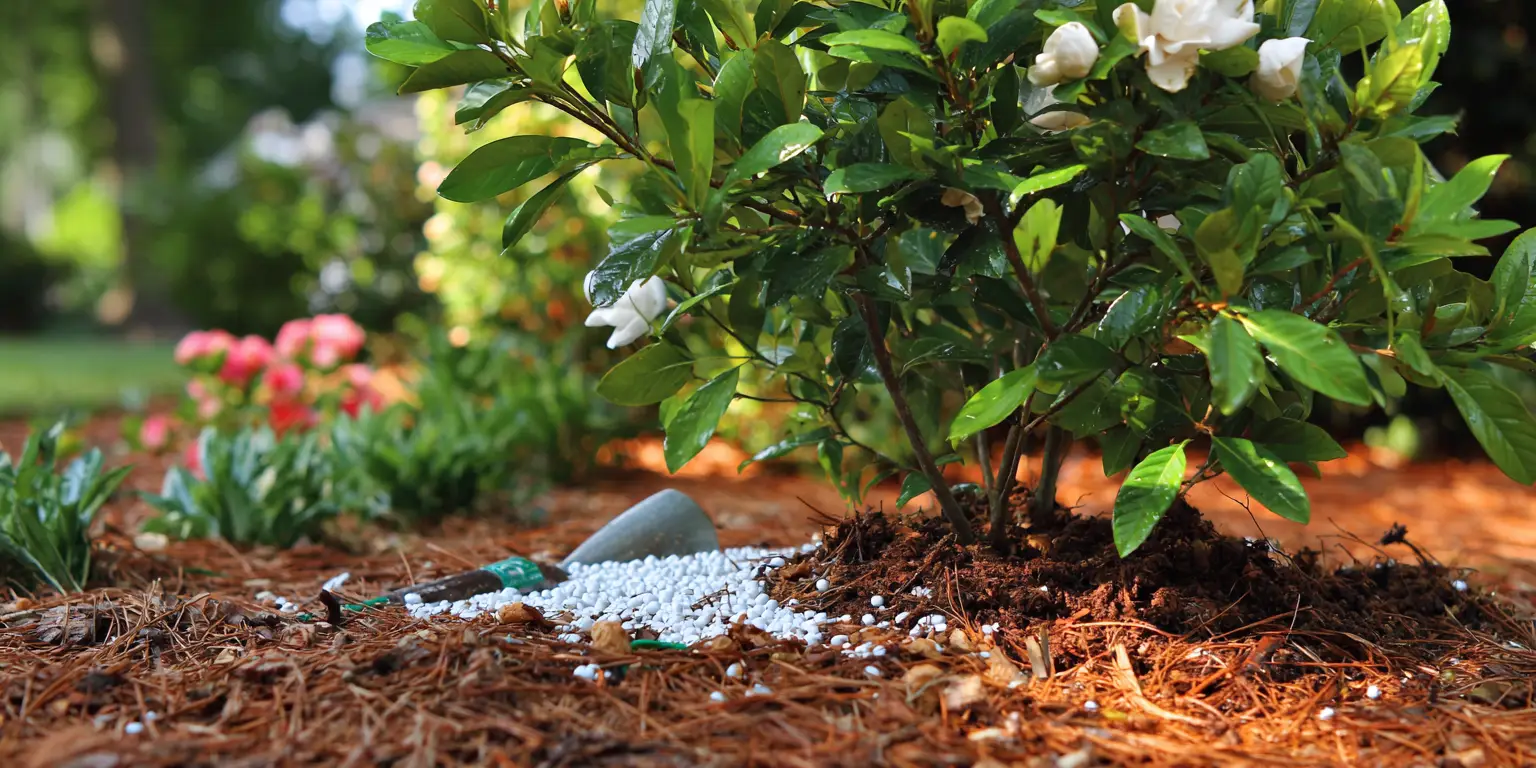
A clear, step-by-step guide to soil, planting, watering, feeding, pruning, and winter care. Includes zone timing, container tips, companions, and quick fixes for common problems.

Bouquet Ideas
Explore simple, beautiful bouquet ideas for the home, gifts, and special occasions from romantic mixes to clean, minimal styles. Each idea includes suggested flower combinations, color palettes, and sizes, with photos for quick inspiration.
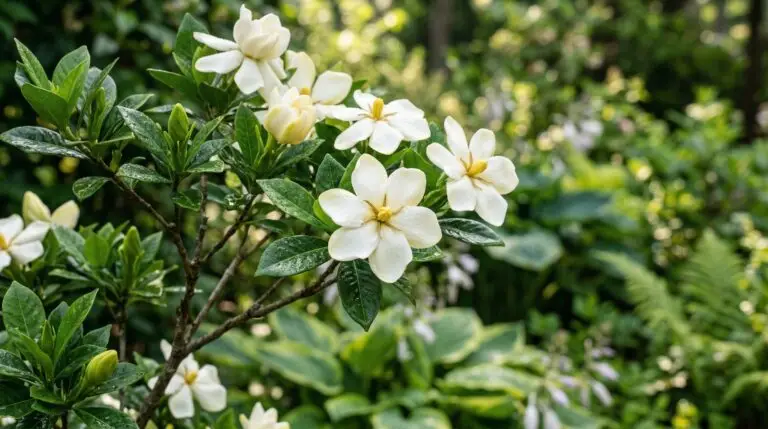
Cold hardy gardenias that survive winter in zones 6 and 7 with fragrant summer blooms
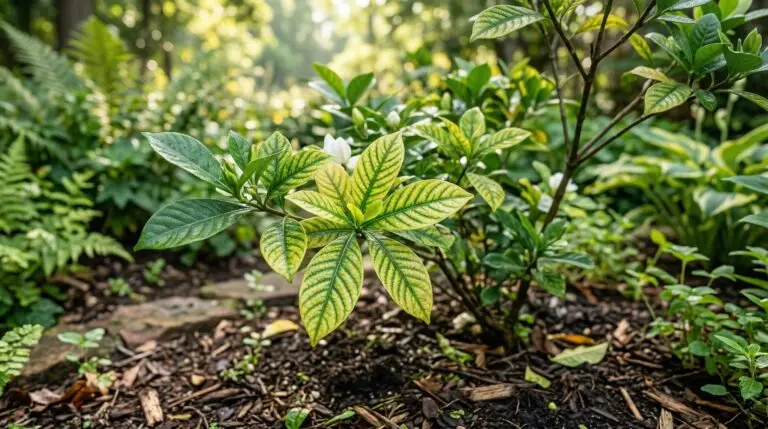
How to fix yellow leaves on gardenias with the right soil and feeding program
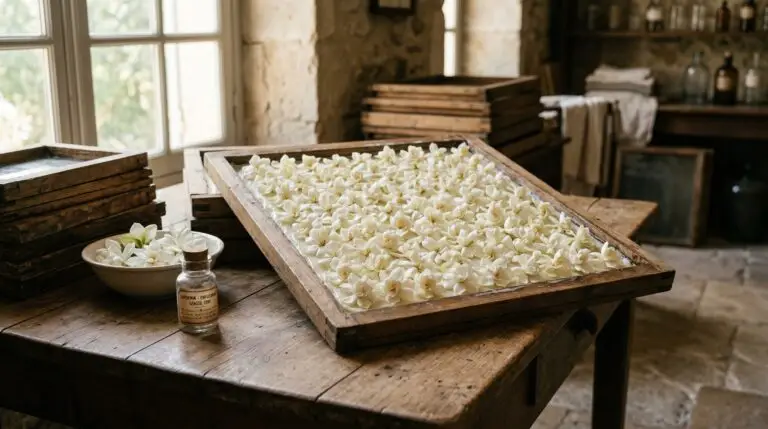
Gardenia essential oil and the history of this fragrance in perfumery and aromatherapy
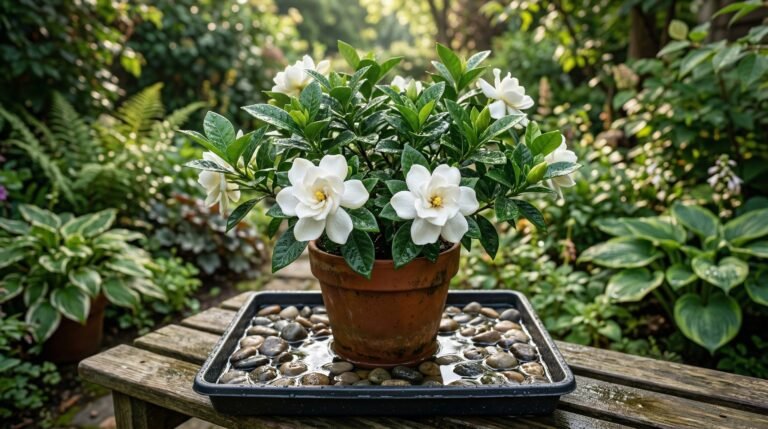
Growing gardenias indoors as houseplants and surviving the humidity challenge
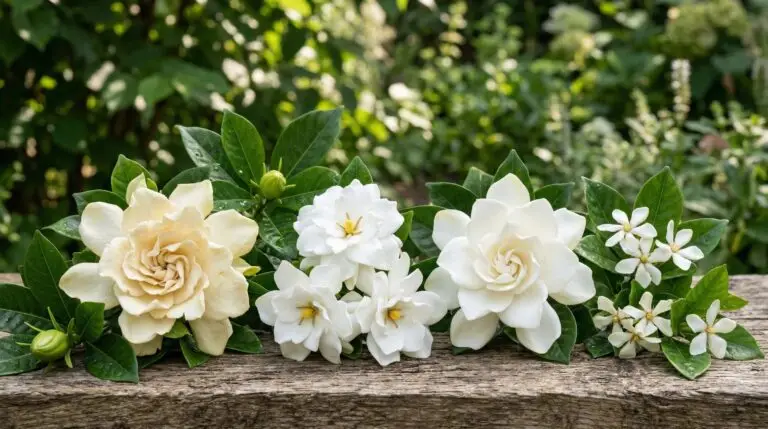
Best gardenia varieties from compact Radicans to the classic August Beauty
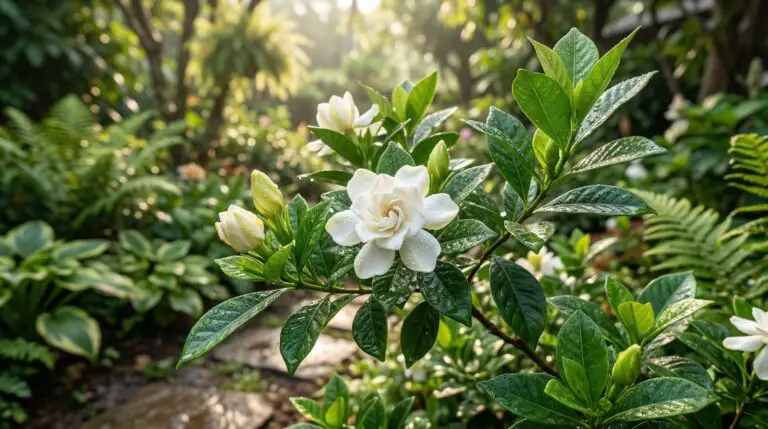
Why gardenia buds turn brown and drop off before opening and how to stop it
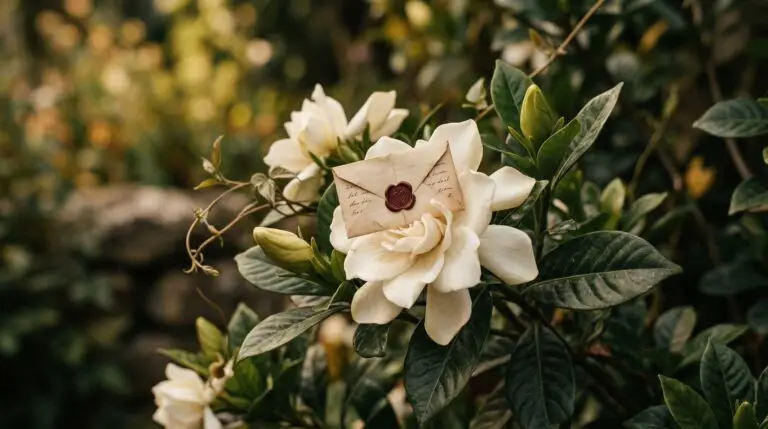
Gardenia flower meaning and why this bloom represents secret love and purity
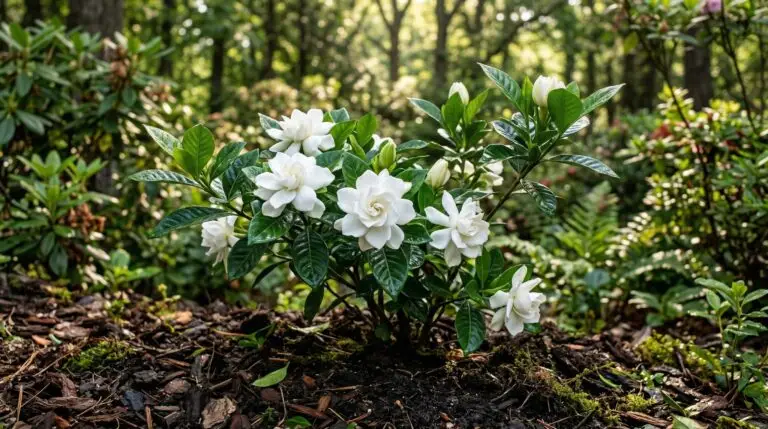
How to grow gardenias for intoxicating fragrance and creamy white blooms
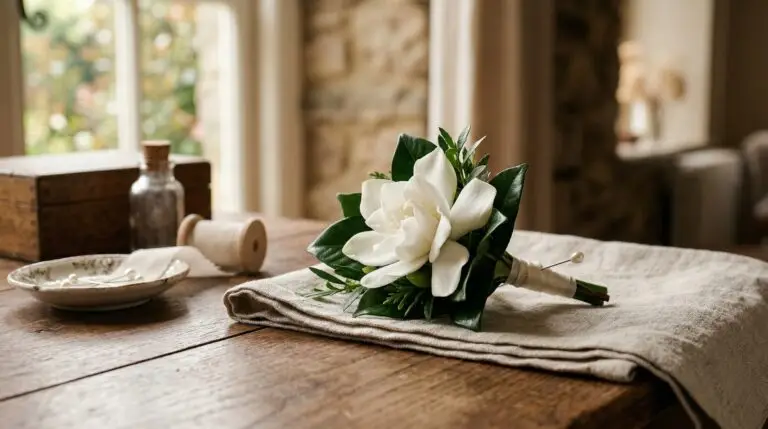
Gardenia wedding flowers and the timeless elegance of white gardenia corsages and bouquets
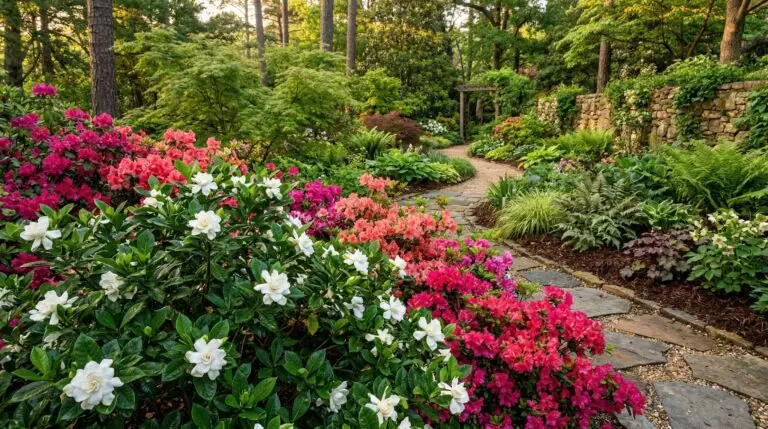
Companion plants for gardenias: what to grow and avoid
🌱 Taxonomy and origin
Gardenias belong to the genus Gardenia in the coffee family (Rubiaceae). There are around 140 species of gardenia, all native to warm parts of the Old World – primarily Africa, Southeast Asia, China, Japan, and the Pacific islands. The genus was named in honor of Dr. Alexander Garden, an 18th-century Scottish-American botanist. The most widely cultivated species is Gardenia jasminoides, often called the common gardenia or Cape jasmine. This species originated in China and Japan, and was introduced to Europe and America in the 18th century as a prized greenhouse plant due to its exquisite fragrance.
In their native habitats, gardenias can range from small shrubs to small trees. Most gardenia species produce glossy, leathery leaves arranged opposite each other. Their flowers are typically white or cream (occasionally tinged yellow) and emit a powerful sweet scent, especially in the evening. This nocturnal fragrance hints at their natural pollinators – moths – which are attracted to the scent and pale color of the blooms at night. Gardenias have been cultivated for centuries for their ornamental value and perfume, becoming symbols of purity and love in many cultures.
🌸 Bloom time
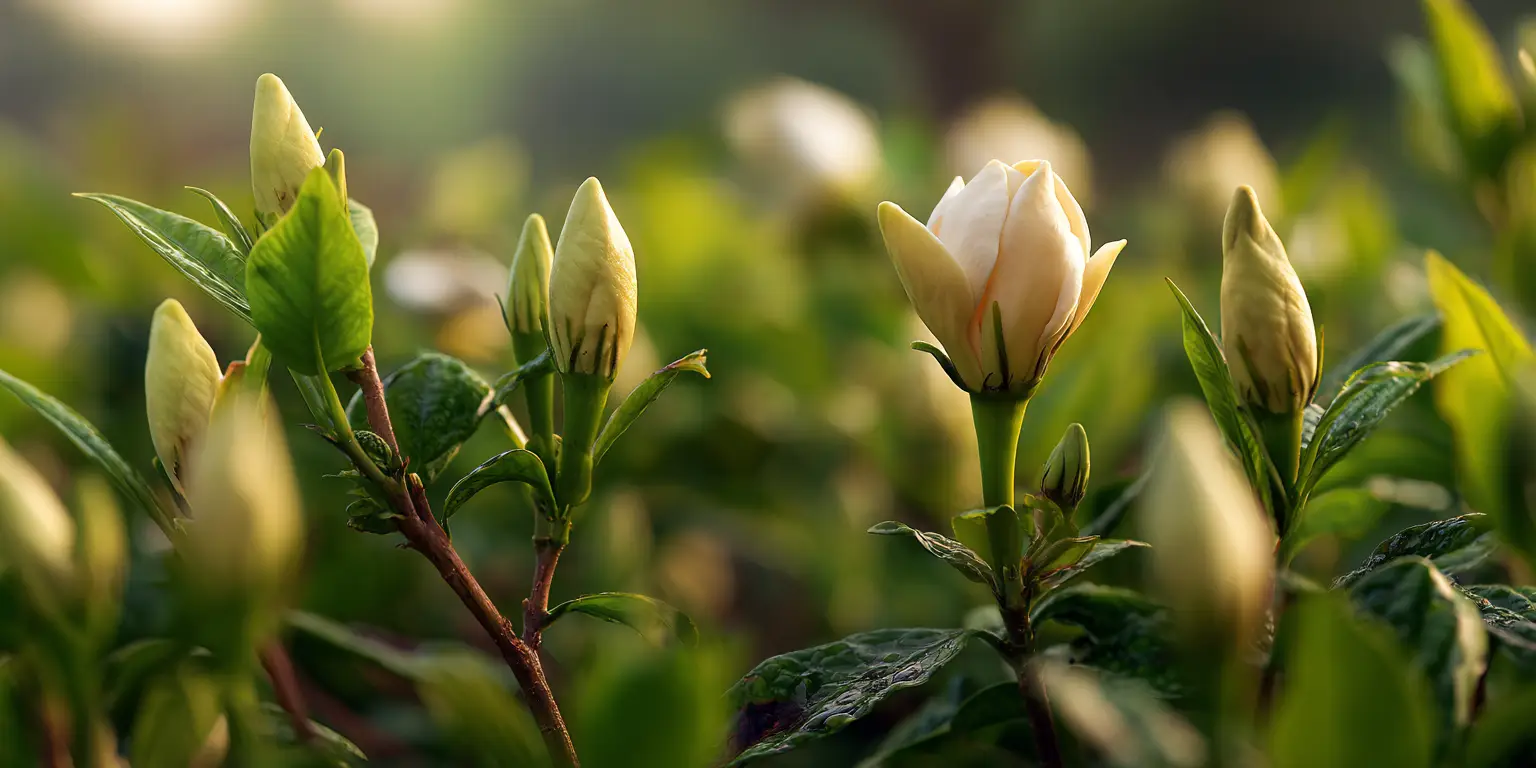
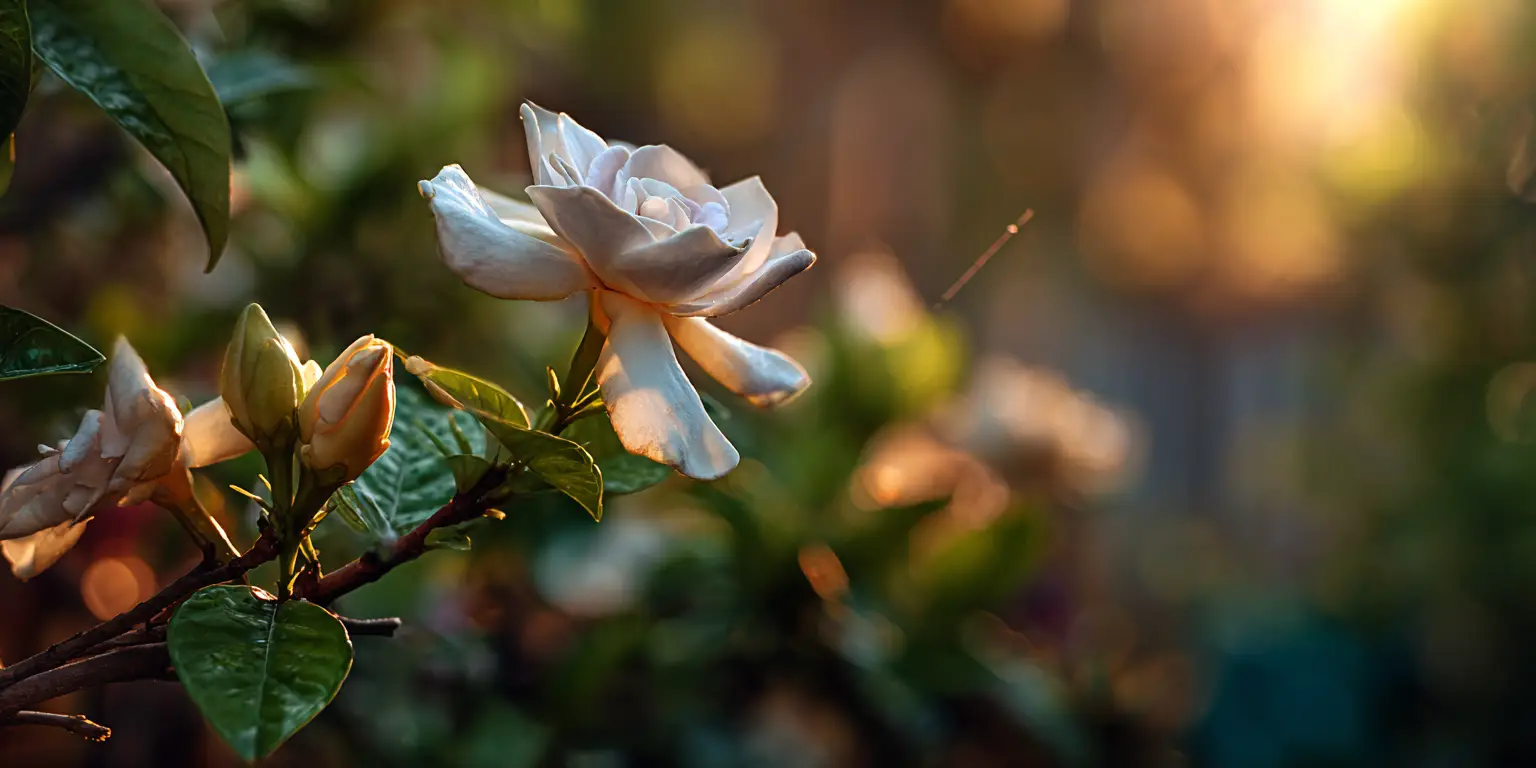
Gardenias generally bloom in the late spring and early summer, filling gardens with their signature scent as the weather warms. In many regions, the peak bloom occurs from May through June. Some varieties will also produce additional flushes of flowers later in the summer or early fall, especially if growing conditions remain favorable. In tropical or frost-free climates, certain gardenia plants can even bloom sporadically year-round. Each individual flower typically lasts only a few days to a week, but a healthy plant will bear numerous buds that open in succession, prolonging the blooming period over several weeks.
The timing and duration of bloom can depend on the cultivar and local climate. For example, ever-blooming cultivars may have a smaller main bloom in spring followed by scattered blossoms throughout the warm season. In cooler climates where gardenias are grown indoors or in greenhouses, they may bloom a bit later or less profusely due to less optimal conditions. It’s not uncommon for indoor gardenias to set buds in late winter and bloom indoors in spring. To encourage blooming, gardeners must provide plenty of bright light and the right care – any stress (such as cold drafts, low humidity, or improper pruning) can cause buds to drop off before opening.

📏 Height and spread
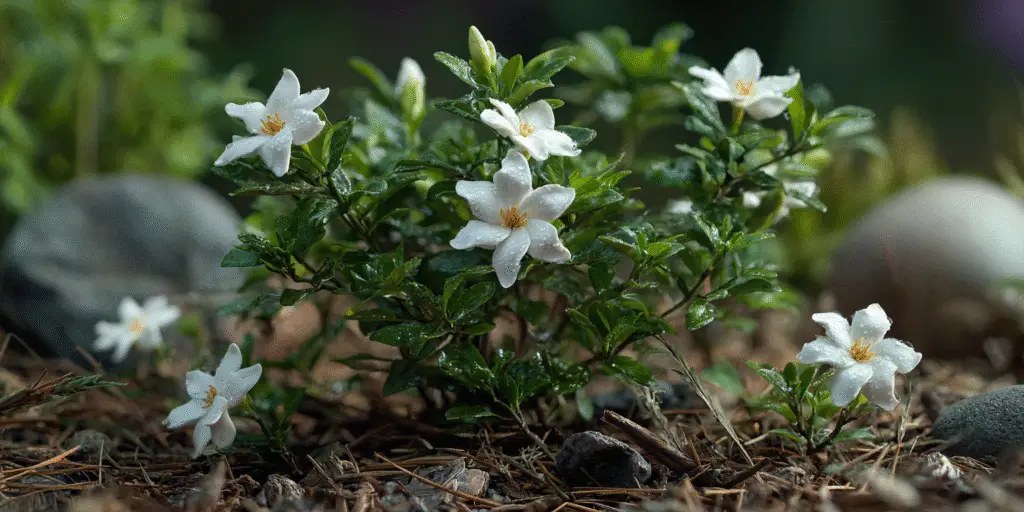
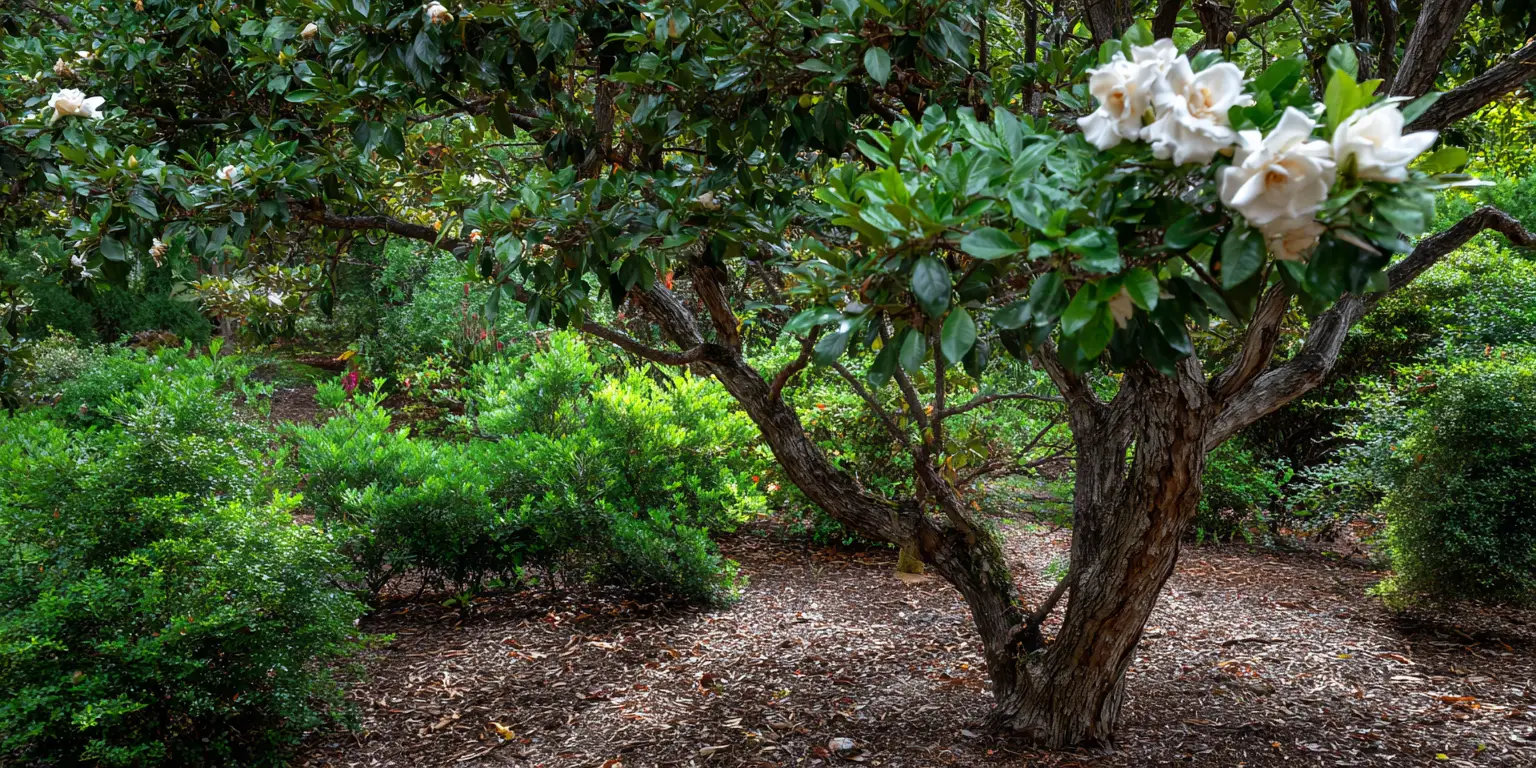
Gardenia shrubs come in a variety of sizes depending on the species and cultivar. Typical gardenia varieties grown in gardens reach about 3 to 6 feet (0.9 to 1.8 meters) in height and a similar width, forming a rounded, bushy shape. There are also dwarf gardenia cultivars that stay much smaller – some compact varieties grow only 1 to 2 feet tall, making them ideal for containers or small spaces. On the other end of the spectrum, a few gardenia types or very old specimens can grow 8 feet or taller under ideal conditions, and wild gardenia species in tropical forests may even become small trees over 10 feet high.
Most gardenias have a mounding, dense growth habit with multiple branching stems. The evergreen foliage is generally thick and glossy, providing year-round interest even when the plant is not in bloom. A healthy gardenia will spread outward as much as it grows upward, so give it enough space to reach its mature size when planting. If space is limited, look for named cultivars described as dwarf or compact. Gardenias can also be lightly pruned to maintain a desired shape or size (preferably right after flowering). Keep in mind that these shrubs do not respond well to aggressive pruning or root disturbance, so plan their placement with their eventual spread in mind.
☀️ Light
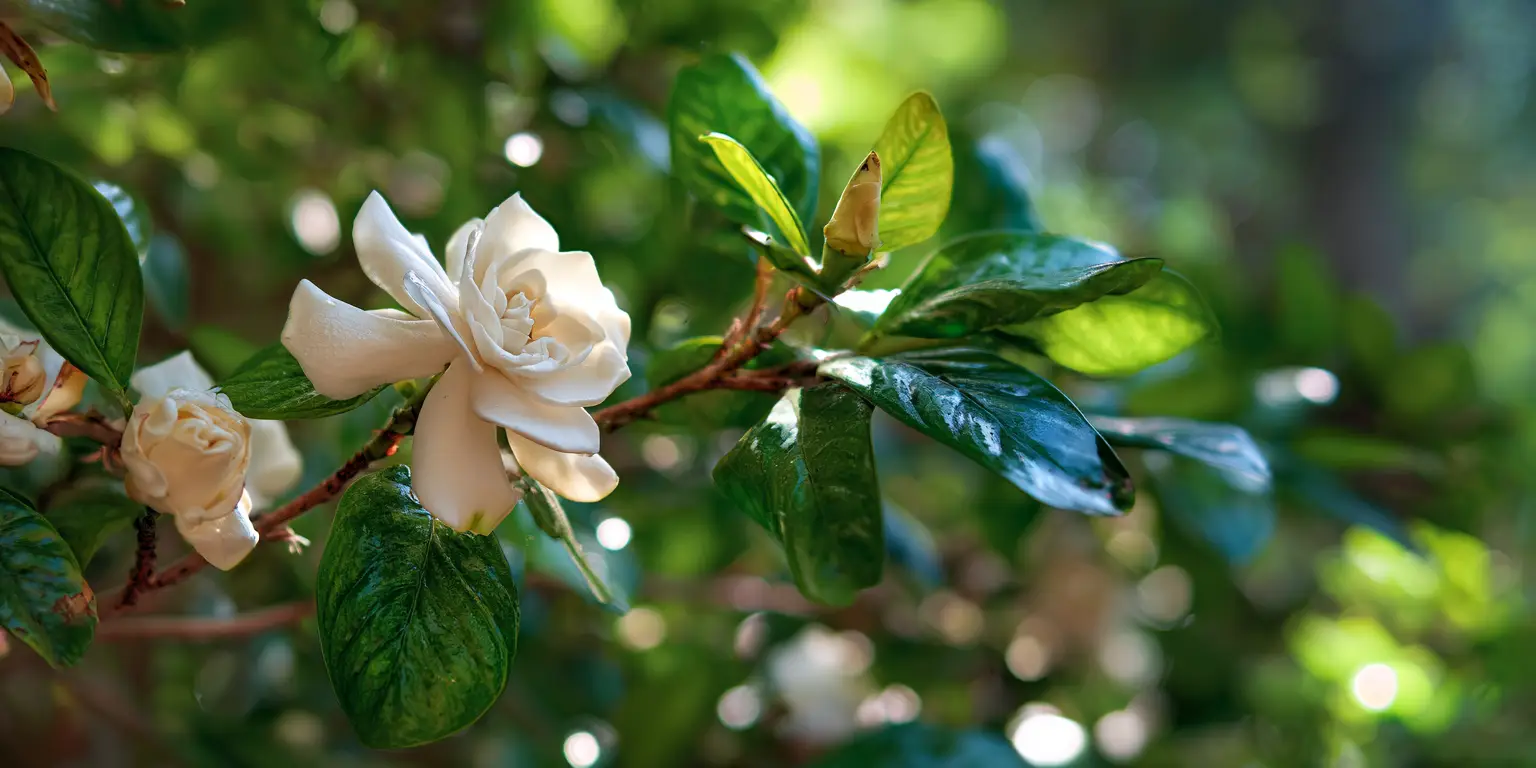
Proper light is crucial for gardenias to thrive and bloom. Gardenias prefer bright light but not necessarily full, harsh sun all day. In most regions, they do best in partial sun or partial shade conditions – for example, morning sun and afternoon shade is ideal, or filtered sunlight through tree canopies. This exposure provides them with enough light to produce flowers while protecting them from the intense midday sun that could scorch their foliage or cause buds to dry out. In cooler climates or during milder months, gardenias can handle more direct sun, but in hot climates, too much direct afternoon sun can stress the plant, leading to yellowed leaves or bud drop.
If planting outdoors, choose a location with good early-day sunlight and some protection later in the day. An east-facing spot that gets gentle morning rays can work well, as can areas with dappled shade in the afternoon. Indoors, place potted gardenias near a bright window (a south- or west-facing window with a sheer curtain, or an east-facing window for gentler sun) to ensure they get several hours of light. If light is insufficient, gardenias will grow leggy and produce few or no blooms. On the other hand, avoid deep shade entirely, as that will result in sparse flowering and less vigorous growth. Striking the right balance of light – bright but not too harsh – will keep your gardenia happy.
💧 Water
Gardenias have somewhat exacting water needs. They like consistent moisture in the soil, but also require good drainage to prevent root problems. The goal is to keep the soil evenly moist (like a damp sponge), never bone-dry and never sopping wet. In practice, this means watering deeply whenever the top inch of soil feels dry to the touch. During hot summer weather, gardenias may need watering about once or twice a week if planted in the ground (depending on rainfall), and potted gardenias might need water every couple of days since containers dry out faster. Mulching around outdoor plants can help retain soil moisture and keep roots cool, but avoid piling mulch against the stem.
It’s important not to let a gardenia completely dry out, as drought stress will cause leaves to wilt and flower buds to drop off. On the other hand, overwatering or waterlogged soil can lead to root rot and yellowing leaves. Ensure the plant is in well-draining soil and always empty excess water from saucers under pots. Gardenias also appreciate higher humidity. If you live in a dry climate or are growing a gardenia indoors where indoor air is dry, consider ways to raise humidity – for instance, grouping plants together, using a humidifier, or placing the pot on a pebble tray with water (making sure the pot isn’t sitting directly in the water). Avoid splashing water on the flowers and foliage, instead water at the base, as wet blooms can brown and leaves can develop fungal spots.
🌍 Soil and pH
Soil conditions are especially important for gardenias. These plants thrive in acidic soil that is rich in organic matter and drains well. The ideal soil pH for a gardenia is roughly between 5.0 and 6.5. If the soil is too alkaline (neutral or above), gardenias will often exhibit yellow leaves (chlorosis) due to nutrient deficiencies, particularly iron, becoming unavailable in high pH conditions. Gardeners in areas with alkaline soil or hard water may need to amend their soil to lower the pH. This can be done by mixing in elements like peat moss, pine bark, compost, or sulfur to increase acidity. Using fertilizers formulated for acid-loving plants (such as those for azaleas or camellias) can also help maintain the proper soil chemistry for gardenias.
A well-draining loamy soil is best – gardenias don’t like heavy clay that stays soggy, nor very sandy soil that dries too fast (unless amendments are added). Good drainage is key because while gardenias need moisture, their roots will suffer in standing water. If your native soil is not ideal, you might grow gardenias in raised beds or containers where you can control the soil mix. A quality potting mix with added organic matter and a slightly acidic profile works well for potted gardenias. Additionally, keep an eye on soil pH over time, rainfall and irrigation can gradually change it. If leaves start yellowing despite adequate feeding, test the soil pH. In summary, give your gardenia a nutrient-rich, slightly acidic bed and it will reward you with lush growth and flowers.
❄️ USDA hardiness
Gardenias are sensitive to cold and are generally suited to warmer climates. Most gardenia varieties are hardy in USDA Zones 8 through 11, meaning they can survive winters where temperatures drop to about 10-15°F (-12 to -9°C) at the coldest. In these mild-winter regions, gardenias can be grown outdoors year-round as evergreen landscape shrubs. In zone 8, some winter protection (like mulching over roots or covering the plant during freezes) may be necessary during hard cold snaps, because extended freezes can damage or kill the plant. Gardeners in zone 7 (and even zone 6) have had success with a few cold-hardy cultivars that tolerate lower temperatures. Varieties such as ‘Frostproof’, ‘Kleim’s Hardy’, ‘Chuck Hayes’, or ‘Crown Jewel’ are known to survive zone 7 winters if sited in a protected location, and with extra care like winter mulches or burlap wraps during extreme cold.
In regions colder than zone 7, gardenias usually must be grown in containers so they can be brought indoors or into a greenhouse for the winter months. As indoor plants, gardenias prefer cool nights (around 60°F/15°C) and warm days (70-75°F/21-24°C) to set buds, which mimics their preferred subtropical climate. If you do bring a gardenia inside for winter, give it plenty of light and humidity, and keep it away from drafty cold windows or heat vents. They often go into a semi-dormant state in winter with little growth, which is normal. Once outdoor temperatures consistently stay above about 60°F in spring, you can gradually move potted gardenias back outside. Always transition them slowly (first to a shady spot, then gradually into more light) to avoid shocking the plant.
🌼 Propagation and longevity
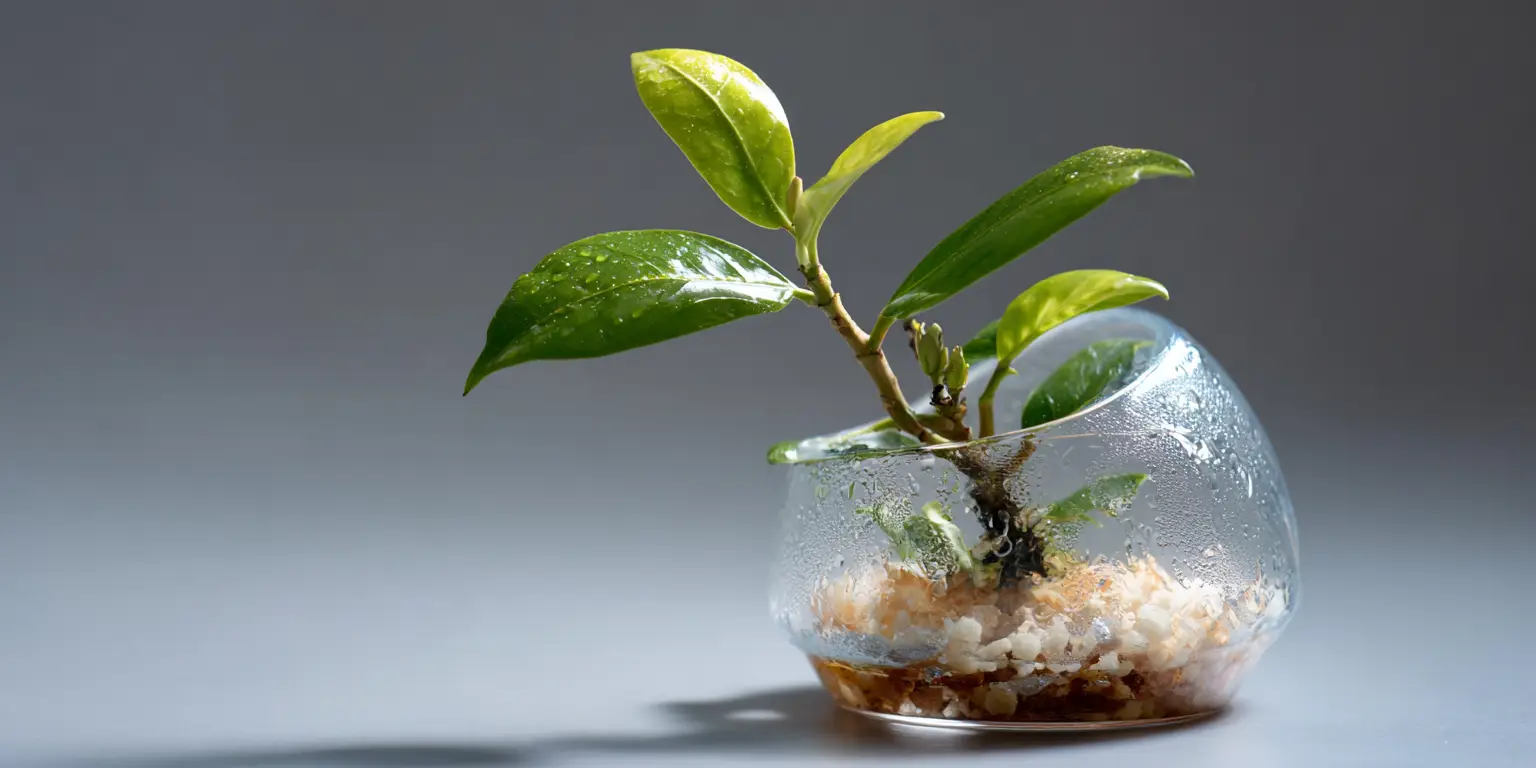
Gardenias can be propagated at home, allowing you to create new plants from an existing healthy parent. The most common propagation method is by stem cuttings. To propagate a gardenia from cuttings, select a semi-ripe stem (one that is partly mature but still green) during late spring or summer. Cut a 4-6 inch section just below a leaf node, remove the lower leaves, and dip the cut end in rooting hormone powder. Then insert the cutting into a small pot of moist, well-draining medium (such as a mix of sand and peat or perlite and potting soil). Keep the cutting warm (around 70-75°F) and in bright, indirect light. Covering it with a plastic bag or placing it in a propagator can help maintain the high humidity needed for rooting. In about 4 to 8 weeks, roots should form. Once the cutting has rooted and begun to grow new leaves, it can be transplanted to a larger pot or into the garden (if timing and climate permit).
Another method, though slower, is air layering – this involves wounding a low branch on a shrub and wrapping it with moist sphagnum moss and plastic until roots develop at the wound site, after which the rooted branch can be cut off and planted. Growing gardenias from seed is possible too. Gardenia plants produce an orange-red berry-like fruit containing seeds. However, seeds can take a long time to germinate and may not produce plants identical to the parent (especially if the parent was a hybrid cultivar). Thus, most gardeners stick to vegetative propagation for reliable results.
As for longevity, a well-cared-for gardenia can live for many years. In fact, outdoor gardenia shrubs in ideal conditions can live for several decades. There are reports of gardenias surviving 30-50 years, becoming large gnarly shrubs in old gardens where they are protected from severe cold. To reach such an age, a gardenia needs proper care – maintaining soil acidity, feeding and pruning appropriately, and defending it from pests and harsh winters. Potted gardenias might have a shorter lifespan, but with diligent care (including occasional repotting into fresh soil and proper pruning), they too can thrive for a decade or more. The key is to minimize stress on the plant throughout its life.
👃 Fragrance
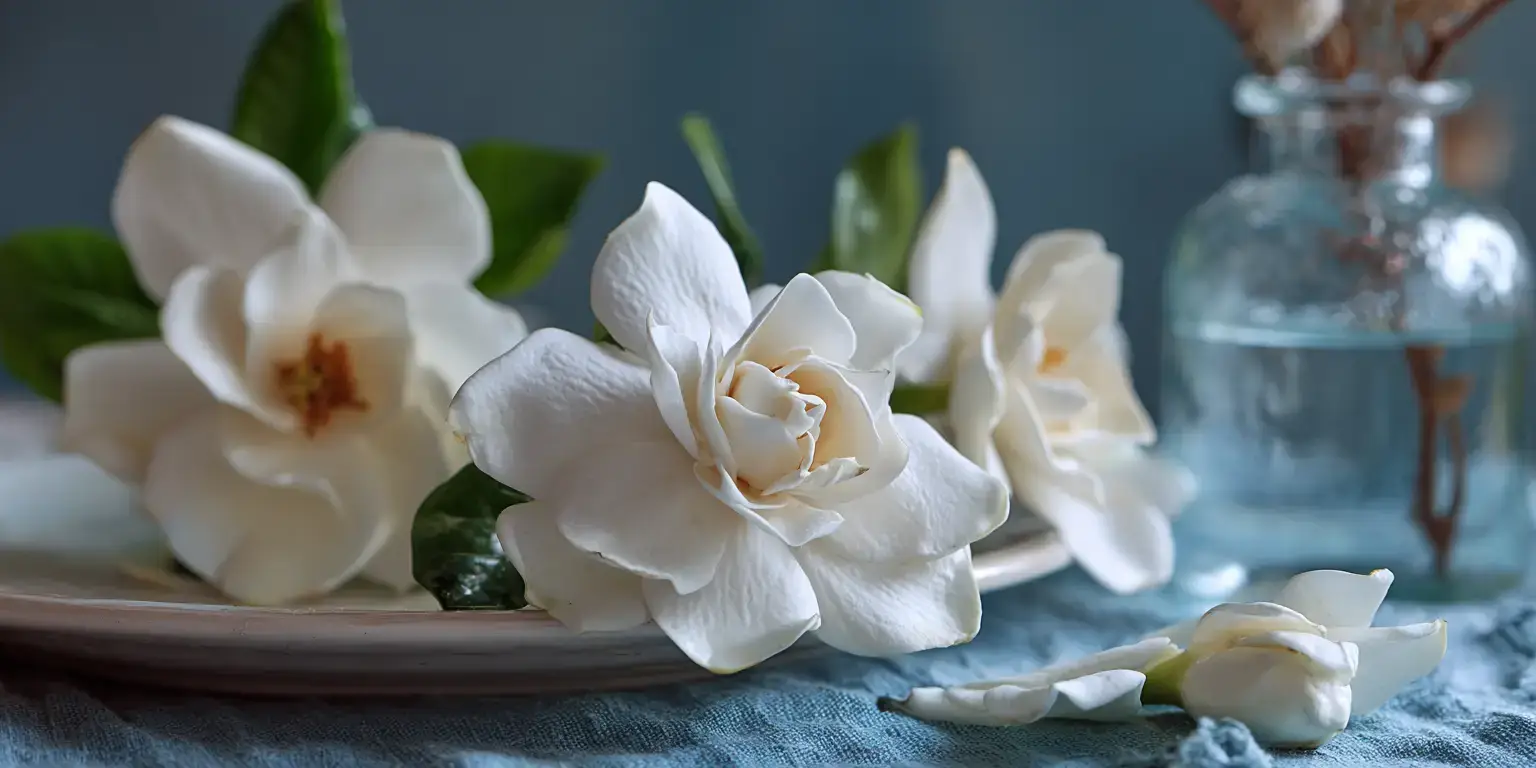
Fragrance is the defining feature of gardenias. The scent of a gardenia flower is famously rich, sweet, and exotic – often described as similar to that of jasmine or tuberose, with a velvety intensity that can easily perfume an entire room or garden. Many people first fall in love with gardenias because of a single blossom’s aroma. The fragrance is strongest at dusk and during the evening, an adaptation to attract nocturnal pollinators (moths) in the plant’s native habitats. Walking near a gardenia on a warm summer night, you’ll notice how one open bloom releases an almost magical, lingering perfume into the air.
This captivating scent has made gardenia a popular flower for special occasions. In the past, gardenia blooms were commonly worn as boutonnieres or corsages at proms and weddings. The legendary jazz singer Billie Holiday famously wore gardenias in her hair during performances, further cementing the flower’s association with elegance and romance. Gardenia essence is used in high-end perfumery and aromatherapy, however, true gardenia oil (an absolute) is rare and expensive to produce, so many perfumes use synthetic notes that emulate the flower’s aroma. In Polynesia, the Tahitian gardenia (Gardenia taitensis, known as tiare) is used to create Monoi oil – a fragrant oil made by infusing gardenia blossoms in coconut oil, which is used as a skin and hair moisturizer.
The emotional and sensory appeal of gardenia’s fragrance is one reason gardeners are willing to pamper this sometimes-demanding plant. A single flowering gardenia plant in the yard or on a patio can provide an atmosphere of tropical luxury. If you bring cut gardenia flowers indoors, a few blooms in a dish of water can act like a natural air freshener for the whole room. Indeed, the fragrance of gardenia is a timeless pleasure that has been celebrated in cultures around the world.
⚠️ Toxicity and pet safety
If you have pets or young children, it’s important to know that gardenias are considered mildly toxic if ingested. The plant contains compounds (such as certain saponins and other irritants) that can cause gastrointestinal upset. This means if a dog or cat chews on or eats parts of a gardenia plant – be it the leaves, flowers, or berries – they might experience symptoms like vomiting, diarrhea, or drooling. Generally, gardenias are not life-threatening to pets, the reaction is usually moderate and resolves with time, but it can certainly make the animal uncomfortable. It’s wise to keep gardenia plants out of reach of curious pets and children who might be tempted by the plant’s glossy leaves or fragrant blossoms.
For most people, simply handling or smelling gardenias is safe – the toxicity primarily concerns actual consumption of the plant. In fact, the strong bitter taste of the foliage often deters animals from eating too much. If you suspect your pet has ingested a significant amount of gardenia and is reacting poorly, consult a veterinarian. Additionally, while not related to toxicity, be aware that the heavy fragrance of gardenias can be overwhelming in enclosed spaces for those sensitive to strong scents. As a side note for gardeners, gardenias are generally deer resistant, the same compounds that upset pets also tend to make deer pass them by in favor of less fragrant plants. Still, in times of scarce food, deer might nibble on anything, so “resistant” doesn’t mean “deer-proof.”
🌿 Vase life
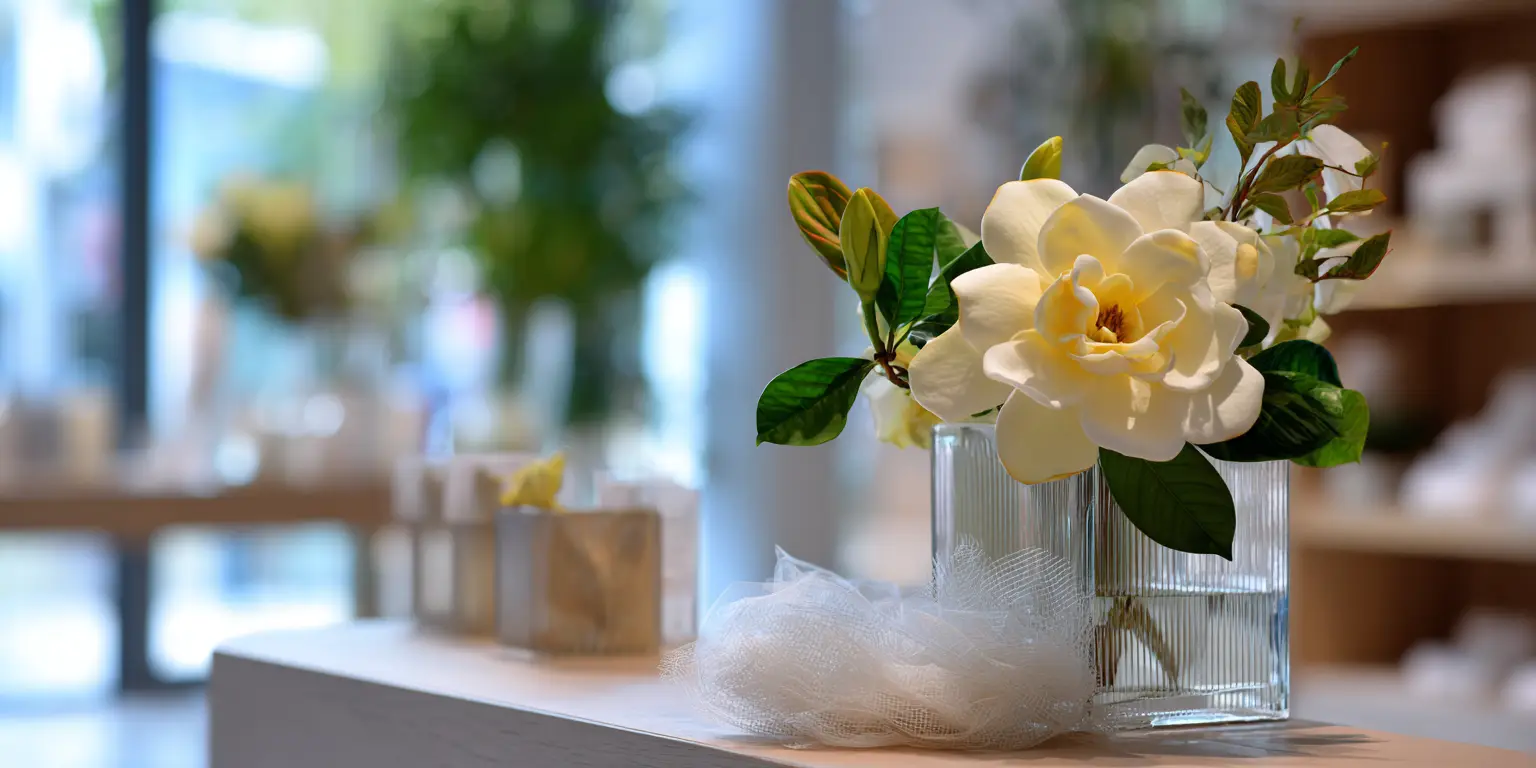
Gardenia blossoms make beautiful cut flowers, but they have a relatively short vase life compared to sturdier blooms. A freshly cut gardenia flower will usually last only about 2 to 3 days in a vase of water before it begins to brown and wilt. The petals are delicate and bruise easily, which is why you might notice brown spots if they are touched or knocked. To maximize the life of cut gardenias, handle the flowers very gently and cut them with a few inches of stem attached early in the morning (when they are well-hydrated and just starting to open). Immediately place the cut bloom in cool water. You can float gardenia flowers in a broad bowl of water as an elegant display, this also keeps the petals hydrated and can prolong their freshness slightly.
Keeping cut gardenias in a cool room and out of direct sunlight will help them last a bit longer. Change the water daily, trimming a tiny bit off the stem base each time to help the flower uptake water. Unlike many cut flowers, gardenias don’t benefit much from floral preservative solutions – clean water is usually best, as preservatives can sometimes burn the petals. Some people have success extending the life of gardenia blooms by refrigerating them in a sealed container (with a damp paper towel) until just before use in corsages or decorations. However, even with the best care, expect a cut gardenia to be a short-lived but extraordinarily fragrant treat. On the plant, individual flowers can remain attractive for several days, but once they start to brown, it’s best to pluck them off so the plant can put energy into new buds. For special events, it’s wise to cut gardenias the same day they’re needed. Enjoy their beauty and perfume in the moment, as they’re ephemeral by nature.
🐛 Pests and diseases
Gardenias, like many ornamental plants, can be vulnerable to a range of pests and diseases, especially when the plant is stressed or conditions aren’t ideal. One of the most common challenges is dealing with insect pests:
- Aphids – tiny green or black sap-sucking insects that often cluster on new growth and buds. They can cause leaves to curl and distort new buds. Aphids excrete sticky honeydew which can lead to sooty mold (a black fungal coating on leaves).
- Whiteflies – minute white winged insects found on the undersides of leaves. When disturbed, they flutter up in a cloud. Whiteflies also suck sap and produce honeydew, causing leaf yellowing and mold growth.
- Scale insects – these appear as small brown or white bumps on stems and leaves. Scales are sap feeders too, a heavy infestation can weaken a gardenia significantly. They often hide along stems or leaf veins and can be tricky to spot at first.
- Mealybugs – cottony white fuzzy insects that tend to gather in leaf joints or along stems. They also suck plant juices and can cause stunted growth and leaf drop.
- Spider mites – these are more likely in dry conditions (especially on indoor plants or during drought). They are tiny and may cause a fine speckling or stippling on leaves, you might notice delicate webbing on the underside of leaves when infestations are severe.
For any of these pests, catching them early makes control easier. Regularly inspect your gardenia’s leaves (including undersides) and buds. If pests are present, you can start by gently washing the foliage with water to dislodge them. For persistent infestations, use insecticidal soap or neem oil sprays, making sure to coat the undersides of leaves and the nooks where bugs hide. Horticultural oils can also suffocate scale and other pests. Avoid using harsh chemical pesticides, if possible, since gardenias can be sensitive and you also want to protect beneficial insects that prey on these pests. Consistent care (proper watering, feeding, and avoiding plant stress) will make the gardenia less susceptible to heavy pest issues.
In terms of diseases, gardenias can experience:
- Powdery mildew – a white powdery fungal growth on leaves, usually in conditions of high humidity but poor air circulation. It can be managed by pruning for better airflow and using a fungicidal spray if needed.
- Leaf spots – fungal or bacterial spots can appear on foliage, especially if water sits on leaves. Removing affected leaves and avoiding overhead watering help prevent spread.
- Root rot – this can occur if the soil stays waterlogged. The roots begin to die off, leading to yellowing leaves and wilting. Ensuring proper drainage and not overwatering is key to prevention.
- Bud drop – while not caused by a pathogen, gardenias frequently suffer from buds falling off before opening. The causes can be environmental: sudden temperature changes, nights that are too cold (below about 60°F), low humidity, insufficient light, or even moving the plant around can trigger bud drop. Once a plant has set buds, try to keep conditions consistent.
- Chlorosis – as mentioned earlier, if the soil is too alkaline or lacking in nutrients like iron, the leaves may turn pale yellow with green veins. This nutritional issue can be corrected by adjusting soil pH and providing chelated iron or an appropriate fertilizer.
Finally, although gardenias have a reputation for being temperamental, they often avoid one common garden problem: deer. Gardenias are considered fairly deer-resistant because deer usually dislike their bitter taste and strong smell. However, keep an eye out in case local deer are curious – desperate animals might nibble on anything if food is scarce. Overall, maintaining plant health with good cultural practices (proper light, water, soil) is the best defense against most pests and diseases. A vigorous gardenia can better withstand the occasional aphid or minor leaf spot than a weak, stressed one.
FAQ
Do gardenias need full sun or shade?
Gardenias do best in a balance of sun and shade. They typically prefer partial sun – for instance, morning sun with afternoon shade. Too much direct, harsh sunlight (especially in the afternoon) can scorch the leaves or cause flower buds to dry out, while too little light will result in poor blooming. In cooler or northern climates, gardenias can handle more sun, but in hot southern regions, some shade during peak heat is beneficial.
How often should I water my gardenia plant?
Water a gardenia often enough to keep the soil consistently moist but not waterlogged. In practice, this means checking the soil frequently and watering when the top inch feels dry. During the growing season, an outdoor gardenia might need a deep watering once or twice per week (more in very hot weather). Potted gardenias may need water every few days since containers dry out faster. Always adjust based on your climate and conditions – the key is to avoid letting the plant dry out completely, while also ensuring excess water can drain away.
Why are my gardenia's leaves turning yellow?
Yellow leaves on a gardenia can be caused by a few things, but a common reason is chlorosis due to improper soil pH or nutrient deficiency. Gardenias need acidic soil to absorb iron and other nutrients, if the soil is too alkaline, the leaves may turn yellow with green veins. To fix this, check your soil pH and consider using an acidifying fertilizer or adding iron supplements. Other causes of yellow leaves could be overwatering (which can suffocate roots), underwatering (causing nutrient deficiencies and leaf drop), or natural aging of leaves (older leaves will yellow and fall off). Evaluate your watering practices and soil conditions to determine the likely cause and adjust accordingly.
How can I get my gardenia to bloom more?
Several factors influence blooming in gardenias. To encourage more blooms, make sure your plant is getting enough bright light (at least a few hours of sun or strong indirect light daily). Feeding is important too – use a fertilizer formulated for acid-loving plants during the growing season, as this provides nutrients needed for flower production. Also, prune the plant right after it finishes a major bloom flush (typically in summer), this prevents cutting off next season’s buds, since gardenias often form buds on older wood. Ensure the plant isn’t stressed by cold drafts, very low humidity, or inconsistent watering, as these can cause buds to drop. With good light, proper feeding, and stable conditions, your gardenia should reward you with more blossoms.
Can I grow a gardenia indoors as a houseplant?
Yes, you can grow gardenias indoors, though they can be a bit challenging to keep happy. Indoors, a gardenia needs as much bright light as you can provide – a sunny windowsill or sunroom is ideal (east- or south-facing windows often work well). They also appreciate higher humidity, so you might need to run a humidifier nearby or place the pot on a tray of pebbles with water to increase humidity around the plant. Keep indoor gardenias away from cold drafts and heating vents, as they are sensitive to sudden temperature changes. Aim for indoor temperatures around 65-75°F (18-24°C) during the day and slightly cooler at night. With adequate light, humidity, and careful watering, an indoor gardenia can produce beautiful blooms and fill your home with fragrance. Many people move potted gardenias outdoors in summer and then bring them back inside before the first frost, giving them the best of both worlds.
Are gardenias toxic to pets?
Gardenias are considered mildly toxic to cats and dogs. If a pet eats gardenia leaves, flowers, or berries, it may experience symptoms like vomiting, diarrhea, and general stomach upset. The good news is that gardenias are not highly poisonous – most pets recover fully after the unpleasant gastrointestinal symptoms pass. Nonetheless, it’s best to discourage pets from chewing on the plant. If you have a curious pet, keep your gardenia in a spot they can’t easily reach, or train the pet to leave it alone. If a significant amount was ingested or if your animal is showing severe symptoms, consult a veterinarian for advice.
How long do gardenia plants live?
With proper care, gardenias can live for a very long time. Outdoor gardenia shrubs in favorable climates can easily live for multiple decades – 15, 20, even 30+ years is not uncommon. There are reports of well-tended gardenias surviving up to around 50 years. Their longevity depends on factors like climate (they need protection from severe freezes), soil health, and pest management. Potted gardenias may not live as many decades as those planted in the ground, but they can still thrive for many years if repotted when needed and given attentive care. In short, a gardenia doesn’t have a fixed lifespan, it will continue to grow and bloom year after year as long as its basic needs are met and it avoids extreme stress or damage.
What’s the best way to propagate a gardenia?
The easiest way to propagate a gardenia is by taking stem cuttings. In late spring or summer, snip off a healthy branch tip about 4 inches long. Remove the bottom set of leaves, dip the cut end in rooting hormone, and plant it in a small pot of moist, well-draining medium. Keep the cutting warm, humid, and in bright indirect light. In several weeks, it should develop roots and begin to grow. At that point, you can transplant it to a larger pot. Gardenias can also be propagated by air layering (a technique where you encourage roots to form on a part of a branch while it’s still attached to the mother plant) or by seeds. However, growing from seed is very slow and the new plant may not be identical to the parent. For most gardeners, cuttings are the quickest and most reliable way to get a new gardenia plant.
When and how should I prune my gardenia?
The best time to prune a gardenia is immediately after it finishes its main flowering period. For many gardenias, this is in mid-summer (around July or August, depending on your climate). Pruning late in the season (fall or winter) can remove the developing buds that would bloom next year. When pruning, use clean, sharp pruners and cut back any leggy or overly long stems to maintain the plant’s shape. Also remove spent blooms and any dead or diseased branches. It’s usually not necessary to do a heavy pruning – gardenias generally only need light shaping. Avoid cutting into very old, thick woody stems, if possible, as these can be slower to reshoot. By pruning right after flowering, you’ll give the plant time to set new buds on the remaining growth, ensuring a good bloom next season.
Interesting tips
- Named for a Botanist: The gardenia gets its name from Alexander Garden, a Scottish-American botanist from the 18th century. Carl Linnaeus honored Garden by naming this fragrant genus after him.
- Symbolism: In the language of flowers, gardenias symbolize purity, love, and refinement. They have often been used in wedding bouquets and corsages for this reason. Giving someone a gardenia can also signify secret love – an old-fashioned romantic gesture.
- Cultural Icon: Jazz singer Billie Holiday was known for wearing gardenia flowers in her hair when she performed. The bright white blooms against her dark hair became an iconic look, showcasing the flower’s elegance and allure on stage.
- Polynesian Beauty Secret: The Tahitian gardenia (tiare flower) is the national flower of French Polynesia. Its blossoms are infused into coconut oil to create Monoi oil, a traditional scented oil used to moisturize skin and hair. This highlights how valued the gardenia’s fragrance is in cultures around the world.
- Natural Dye and Medicine: Gardenia fruits have been used in traditional medicine and as a natural dye. In Chinese herbal medicine, the dried fruit of Gardenia jasminoides (called zhī zi) is used for its health properties, and it also yields a yellow dye that has been used to color foods and fabrics.
Related Guides & Flowers
- Camellia – Evergreen, acid-loving shrub with glossy leaves and elegant white to pink blooms.
- Azaleas – Acid-soil shrubs for dappled shade; pair well with gardenias in woodland borders.
- Hibiscus – Warm-climate shrub with large tropical flowers; good alternative for Zone 9 to 11 gardens.
- Lily – Powerfully fragrant blooms; white cultivars echo gardenia’s classic look for bouquets and near-entry plantings.
- Calla Lily – Clean white spathes for the same refined palette in arrangements and containers.
- Roses – Fragrant garden roses, especially whites and creams, for classic mixed borders with gardenias.
- Hydrangea macrophylla – Prefers acidic soil; great companion shrub for part-shade beds.
- Lilacs – Highly fragrant spring shrubs for cooler regions; an alternative where gardenias are not hardy.
References
- NC State Extension Gardener Plant Toolbox: Gardenia jasminoides – Extension profile with cultivation needs, origin, and notable characteristics.
- Clemson Cooperative Extension HGIC: Gardenia – Practical care guide with cultivar notes, pruning, and troubleshooting for home landscapes.
- UF/IFAS EDIS: Gardenias at a Glance (EP338) – Quick facts on pests, care, and management suited to warm climates.
- ASPCA: Gardenia Toxicity to Pets – Non-profit reference noting toxicity to cats, dogs, and horses with listed compounds and typical symptoms.
Written by: Your Flowers Guide editorial team
We are a small independent group of flower lovers who research and review each guide using trusted horticultural and educational sources. Learn more about us