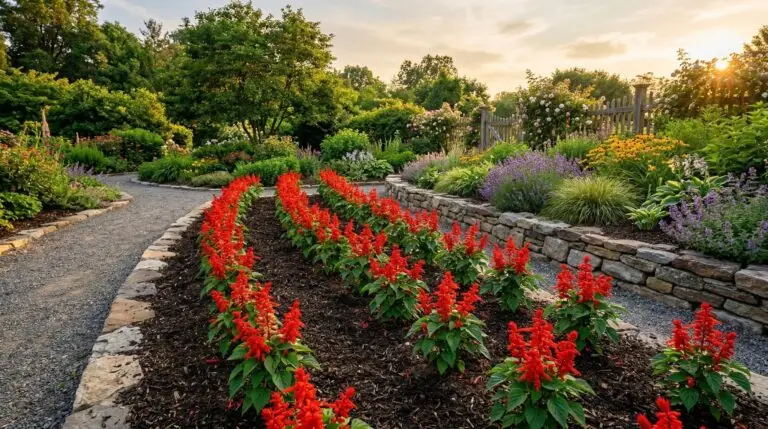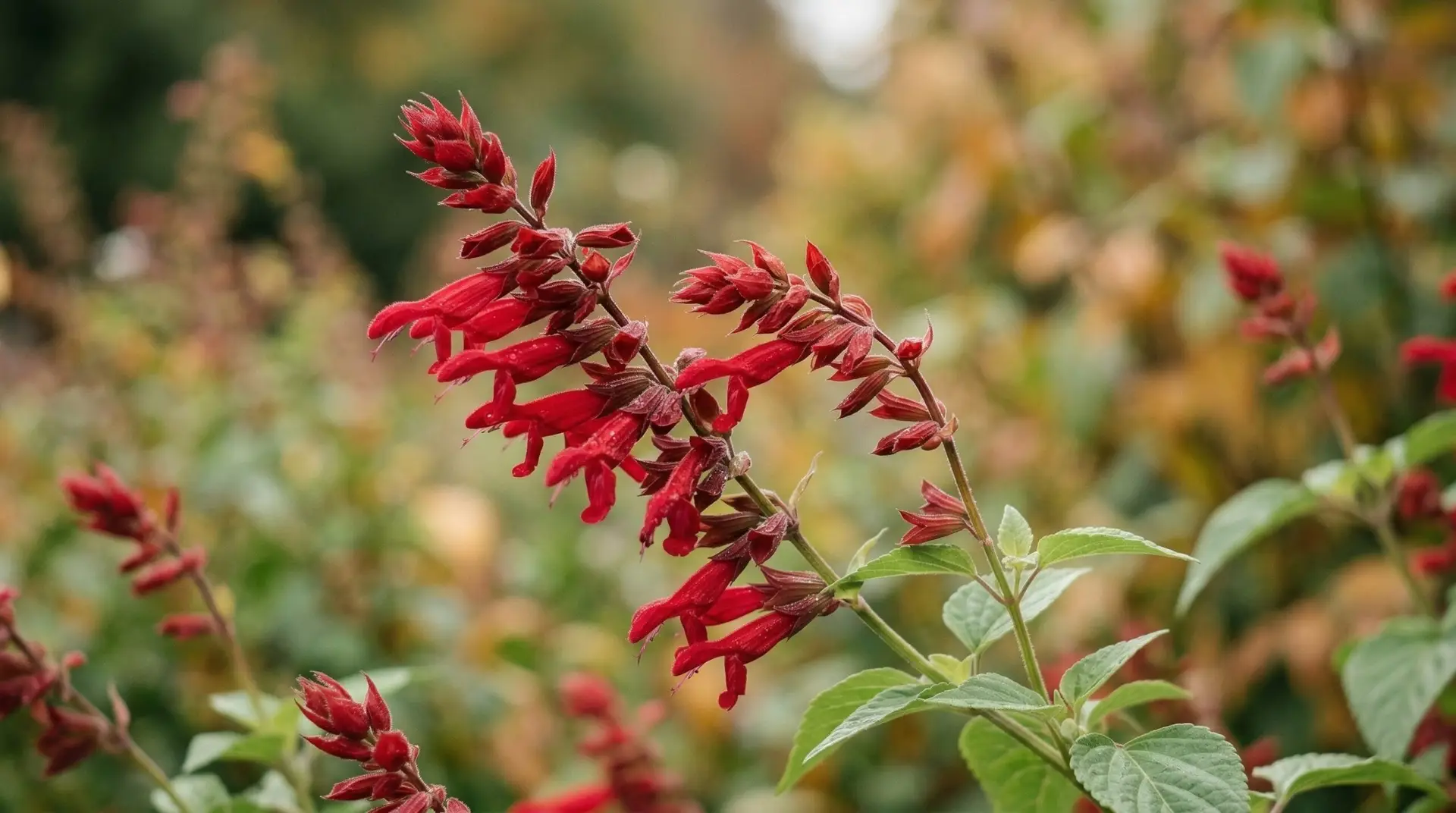
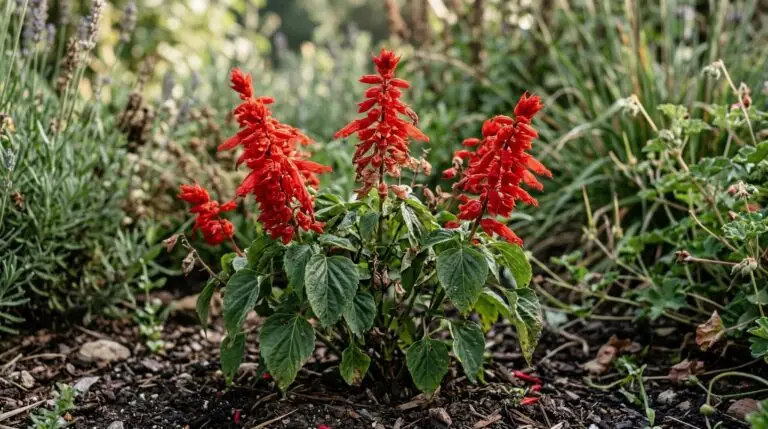
In the early nineteenth century, European botanists traveling through the high altitudes of Brazil encountered a plant with blooms so intensely red they appeared to catch the surrounding light on fire. This was Salvia splendens, a tender perennial that soon made its way across the Atlantic to the glasshouses of England and France. Before this discovery, Europeans were already intimately familiar with the broader sage family, primarily through culinary and medicinal varieties that grew around the Mediterranean. The arrival of this brilliant red species shifted the cultural perception of the genus from a purely practical herb to a highly prized ornamental specimen. Gardeners and botanists alike marveled at the tubular, nectar-rich flowers that stood in stark contrast to the muted greens and purples of traditional European sages. This botanical migration marked the beginning of a new chapter in the cultural history of the plant, blending ancient traditions of wisdom with a bold new aesthetic. Early plant hunters documented the precise elevations and soil conditions of its native habitat, sending detailed notes alongside the seeds to ensure the species would survive the harsh European winters indoors.
The healing heritage of the sage family
To understand the historical weight of any sage plant, one must look at the linguistic roots of its botanical name. The word salvia derives directly from the Latin word salvare, which means to heal or to save. Ancient Roman physicians, including Pliny the Elder, documented the extensive medicinal uses of European sage species, prescribing them for everything from memory enhancement to wound care. Throughout the Middle Ages, monks cultivated sage in walled cloister gardens, treating the plant as a staple of monastic medicine and a symbol of long life and mental acuity. This long association with health and longevity cemented the general salvia meaning as one of wisdom, domestic virtue, and physical salvation. The English language even adopted the plant’s common name to describe a person of profound wisdom and good judgment. When the scarlet sage arrived in Europe centuries later, it inherited this profound lineage of healing and wisdom, even though its primary use was decorative rather than medicinal. The plant carried the respected family name into ornamental flower beds, bridging the gap between the ancient apothecary and the modern pleasure garden.
The language of flowers and a message of passion
The introduction of the scarlet sage coincided perfectly with the nineteenth-century European obsession with floriography, a social practice where specific flowers conveyed coded messages. In this silent language, red blooms universally communicated deep emotion and romantic intent, a tradition most famously associated with the traditional red rose. The scarlet sage meaning, however, developed its own specific nuance within Victorian floral dictionaries. Because the plant bloomed prolifically and held its intense color late into the autumn season, it meant an enduring, unquenchable passion. Giving someone a bouquet containing these fiery spikes sent a clear declaration that the sender was “forever yours” and that their affections would not fade with the changing seasons. This message of eternal devotion elevated the plant beyond a mere garden novelty, turning it into an instrument of romantic communication in an era governed by strict social etiquette. Suitors carefully arranged these red stems alongside more subdued foliage to ensure their message of permanent affection was received loud and clear.
Sacred fires and cultural symbolism
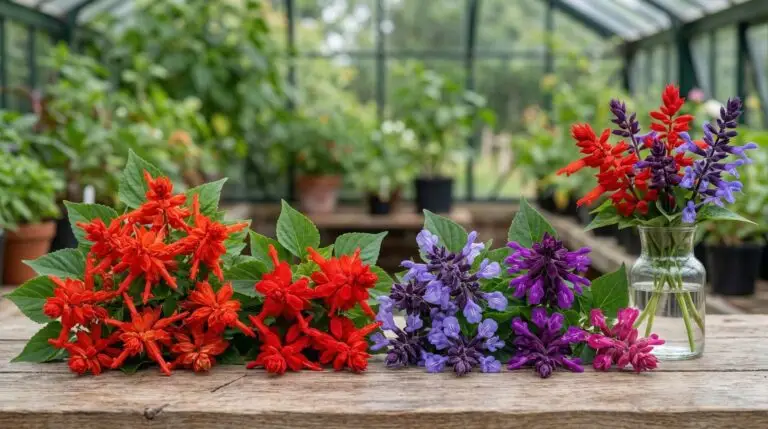
Before it ever reached European soil, the scarlet sage grew wild in the tropical climates of South America, where indigenous populations interacted with the local flora for centuries. The intense red coloration of the tubular flowers evolved specifically to attract hummingbirds, creating an ecological relationship that early observers found fascinating. In many indigenous cultures across the Americas, red flowers hold associations with lifeblood, vitality, and the sacred element of fire. The visual resemblance of a blooming scarlet sage to a burning ember gave the plant a natural connection to energy and physical renewal. This fiery red salvia symbolism contrasts sharply with the tranquil, contemplative meanings of the cooler tones of blue salvia varieties. The red blooms command attention and speak to the active, passionate aspects of the human experience rather than the quiet, meditative states associated with other members of the genus. The physical structure of the flower, with its protective calyx and extended lower lip, acts as a natural vessel for the sweet nectar that fuels the fast-paced lives of its native pollinators.
The quest for true red in the garden
The specific shade of red produced by the scarlet sage also carries its own cultural weight in the history of art and human expression. For centuries, artisans and dyers struggled to create true, colorfast scarlet pigments, often relying on expensive crushed insects or rare minerals to achieve the desired hue. When a flower produced this exact shade effortlessly from the soil, it felt like a minor miracle to those who understood the chemical difficulty of creating such a color. Cultivators in the Victorian era prized the scarlet sage because it provided a reliable source of this highly sought-after color for their elaborate bedding schemes. The bright red flowers stood out brilliantly against the manicured green lawns of grand estates, becoming a status symbol for wealthy landowners who could afford to maintain heated greenhouses. The plant became a living substitute for the expensive textiles and paints that usually carried this royal, commanding shade of red.
Scarlet sage in the modern garden
The transition of the scarlet sage from a rare botanical specimen to a common garden plant involved decades of careful cultivation and selective breeding. Victorian head gardeners learned to manipulate the plant in heated glasshouses, eventually developing techniques to grow it as a reliable summer annual in colder climates. Modern horticulturists still rely on these foundational breeding practices to produce the compact, heavily flowering varieties we see in contemporary parks and residential gardens. When gardeners plant scarlet sage today, they participate in a horticultural tradition that stretches back to early botanical explorers and ancient herbalists. The flowers still draw hummingbirds and pollinators just as they did in their native Brazilian habitat centuries ago. The enduring presence of this plant in our gardens keeps its historical associations with wisdom, healing, and passionate devotion alive for new generations of growers. Every time these bright red spikes bloom in a summer border, they repeat a story of botanical discovery and cultural adaptation that spans hundreds of years.
More About Scarlet Sage
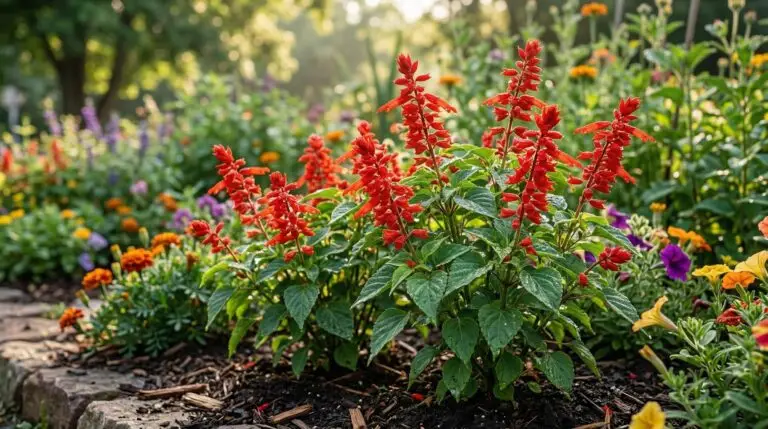
How to grow scarlet sage for blazing red spikes that hummingbirds fight over
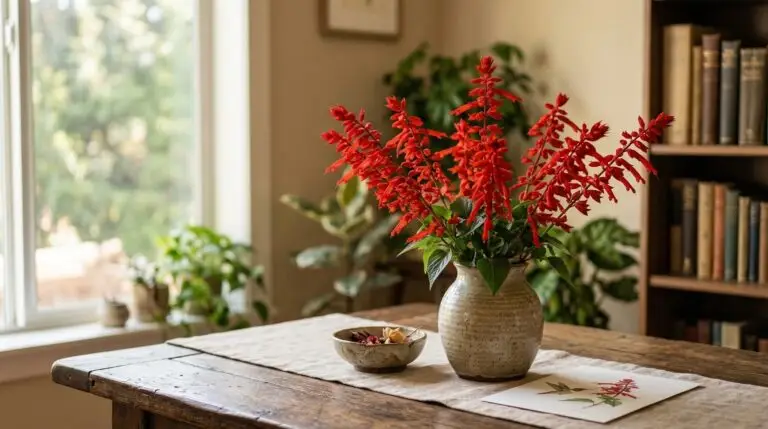
Scarlet sage as a hummingbird garden essential for non-stop feeder-free attraction
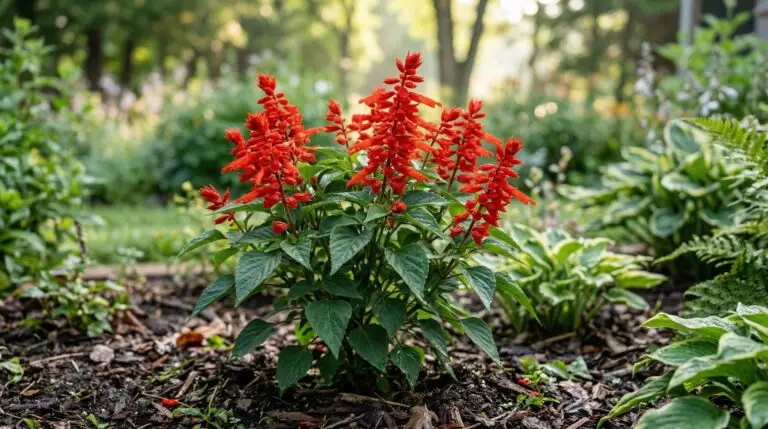
Growing scarlet sage from seed versus buying transplants and which saves money
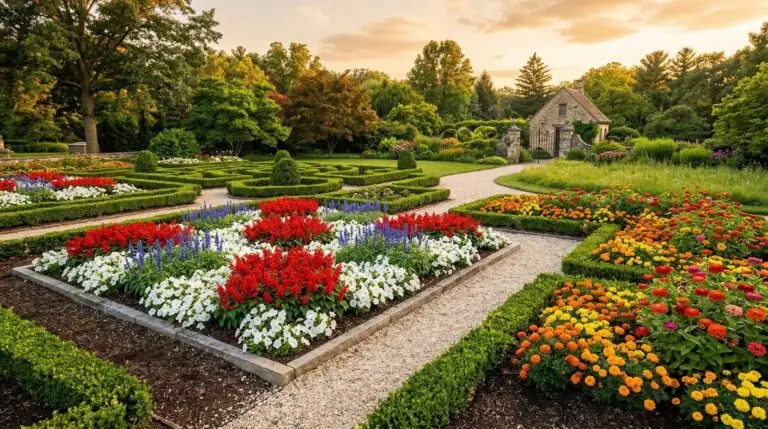
Companion plants for scarlet sage: what to grow and avoid
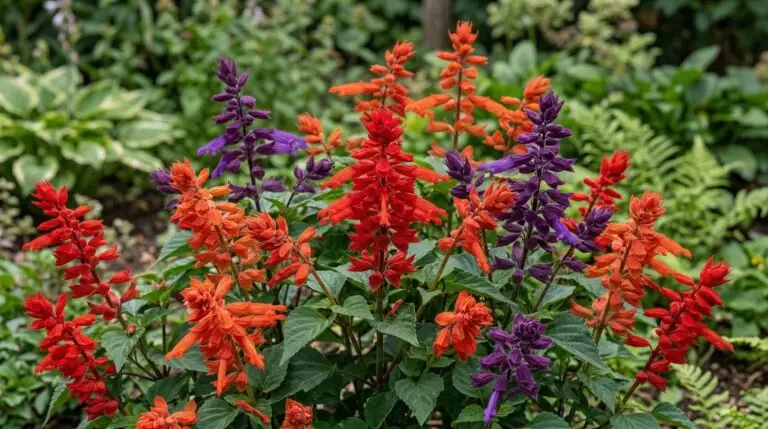
Best scarlet sage varieties beyond basic red including salmon coral and burgundy
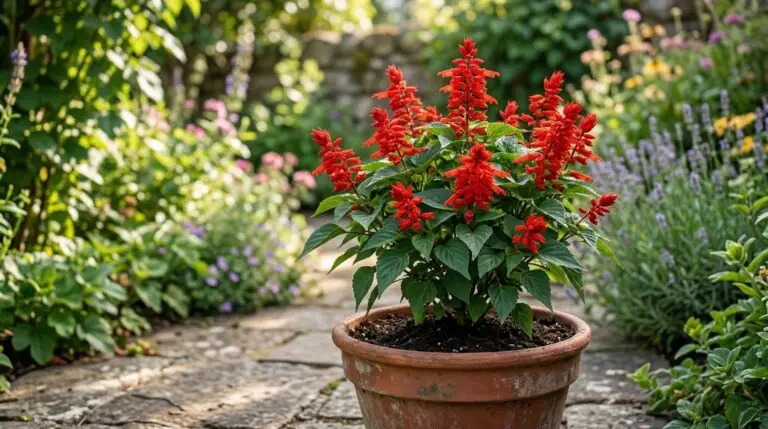
Growing scarlet sage in containers for fiery patio displays and front door drama
Why scarlet sage gets leggy in midsummer and the pinch-back method for bushy plants
Scarlet sage versus blue salvia and choosing the right salvia for your garden design