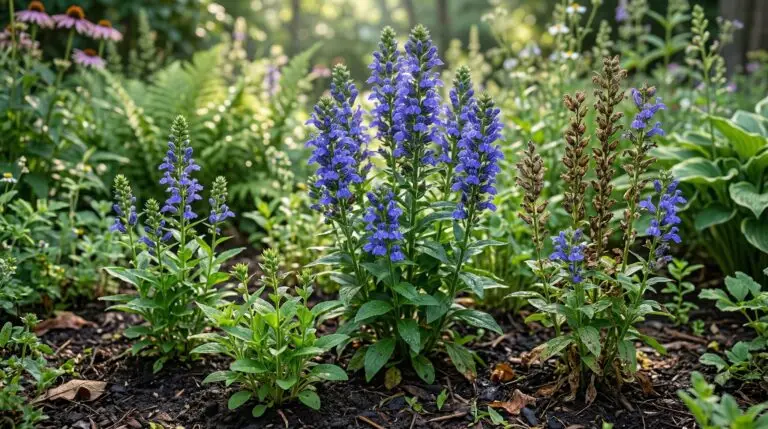
Many homeowners see a swampy depression in their yard and immediately try to fill it with topsoil or install expensive drainage pipes. Before undertaking major earth-moving projects, you should consider working with the existing hydrology by planting species adapted to wet conditions. Great blue lobelia thrives in these exact environments, making it an excellent candidate for rain gardens, stream banks, and poorly draining clay patches. Assessing your site accurately is the first step before purchasing any plants or digging any holes. You need to observe the area after a heavy rain to see exactly how long the standing water remains. While this native plant tolerates short periods of inundation, it does not survive in permanent, stagnant ponds. By mapping the moisture gradient of your yard, you can determine exactly where the wettest zones begin and end. This careful observation allows you to place the plants where they will succeed without requiring constant intervention or expensive soil modifications.
Evaluating your site for rain garden suitability
Before choosing varieties or buying plants, evaluate your specific site conditions thoroughly. You must determine the light levels in your wet area, as great blue lobelia prefers partial shade but handles full sun if the soil never dries out completely. Track the sun exposure across the proposed planting area during the summer months to see if it receives harsh afternoon rays or gentle morning light. Next, evaluate your soil type by digging a test hole about twelve inches deep and filling it with water. If the water takes more than twenty-four hours to drain completely, you have a heavy clay or compacted soil situation that is ideal for a rain garden anchor plant like native blue lobelia. You should also consider the scale of your project and the associated budget. Converting a large wet meadow requires either a significant investment in mature plants or the patience to start from seed over several years. Establishing a clear understanding of your site constraints prevents the common mistake of buying plants on impulse and watching them fail in the wrong microclimate.
Sourcing materials and preparing the planting zone
Once you understand your site conditions, you need to plan your purchasing and preparation timeline. Sourcing native blue lobelia requires some forethought because local garden centers often stock limited supplies of true native species compared to highly cultivated hybrids. You will usually get the best results and save money by ordering landscape plugs from a specialized native plant nursery during the winter months for spring delivery. Plugs are small, deep-rooted seedlings that adapt quickly to new soil and cost a fraction of the price of mature gallon-sized pots. When preparing the site, avoid the temptation to heavily amend the soil with compost or fertilizer. Native plants are adapted to local soil conditions, and adding too much rich organic matter can cause the plants to grow tall and flop over under their own weight. Instead, focus your preparation time on thoroughly clearing the planting area of aggressive weeds and turf grass, which will easily outcompete young lobelia seedlings. Plan to have your site completely cleared and covered with a light layer of natural wood mulch at least two weeks before your scheduled plant delivery.
Planting execution and realistic growth timelines
Executing your planting plan requires attention to spacing and an understanding of how the plants will develop over time. Space your great blue lobelia plugs about eighteen inches apart to allow for mature airflow, which prevents fungal diseases in humid environments. When planting in a rain garden basin, position the lobelia in the middle or lower zones where the soil remains consistently moist but drains within a day or two. Expect the first year of growth to be primarily about root establishment, with only modest foliage growth and perhaps a few small flower spikes late in the season. During this establishment phase, you might want to interplant with other moisture-loving species to create a continuous sequence of blooms. For early season color before the lobelia emerges strongly, you can plant moisture tolerant iris varieties in the same wet zones. For the middle zone of your rain garden, consider adding hardy coneflower where the soil is slightly better draining. If you have areas of partial shade near the wettest spots, a groundcover of traditional forget-me-not will help suppress weeds while the lobelia gains size. Allow a full two to three years for the overall planting to mature into a dense, self-sustaining colony.
Managing ongoing maintenance and division
The maintenance commitment for great blue lobelia is relatively low once established, but it does require specific seasonal attention. During the first growing season, you must monitor the soil moisture closely during dry spells and provide supplemental water if the ground begins to crack or feel hard to the touch. Once the plants reach their second year and have deep root systems, they will only need watering during severe, prolonged droughts. In late fall, resist the urge to cut the fading stems down to the ground. Leaving the tall stalks in place provides overwintering habitat for beneficial insects and allows the plant to drop its abundant seeds, which is necessary for the colony to persist long-term. Great blue lobelia is a short-lived perennial, meaning individual plants typically only survive for three to four years. To maintain a permanent presence in your rain garden, you rely on this natural reseeding process or plan to dig and divide the mature clumps every third spring. Dividing the basal rosettes just as they emerge in April keeps the plants vigorous and gives you free material to expand your wet meadow plantings.
Your immediate action plan for a wet soil project
Moving from the idea phase to actual execution requires breaking the project down into manageable steps. Your action plan for this week is to locate the wettest area of your yard and dig a single test hole to observe the drainage rate. Fill the hole with water, check it the next day, and write down exactly how long it takes to empty. While you wait for the hole to drain, spend ten minutes observing the sun exposure in that specific spot and note whether it receives morning light, harsh afternoon sun, or dappled shade. Based on these two simple observations, you can calculate exactly how many square feet of planting space you have available for a moisture-loving native garden. Measure the area with a tape measure and sketch a rough map on paper, marking the lowest, wettest points. With this concrete information in hand, you will be ready to calculate how many plants you need to order and can begin researching native plant nurseries in your region.
More About Great Blue Lobelia
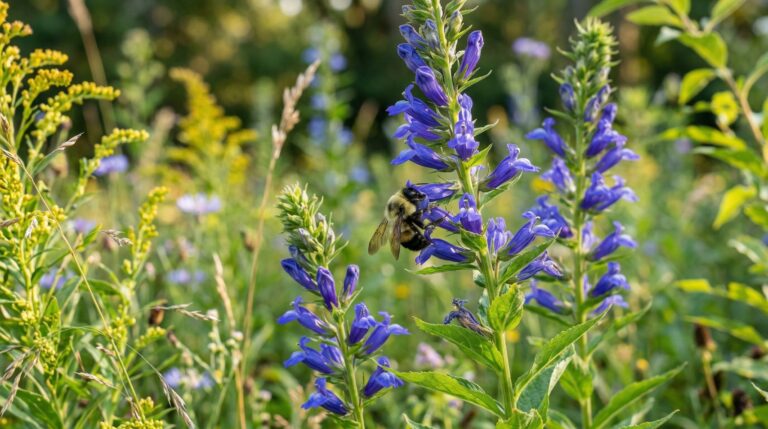
Great blue lobelia for hummingbird and pollinator gardens in late summer
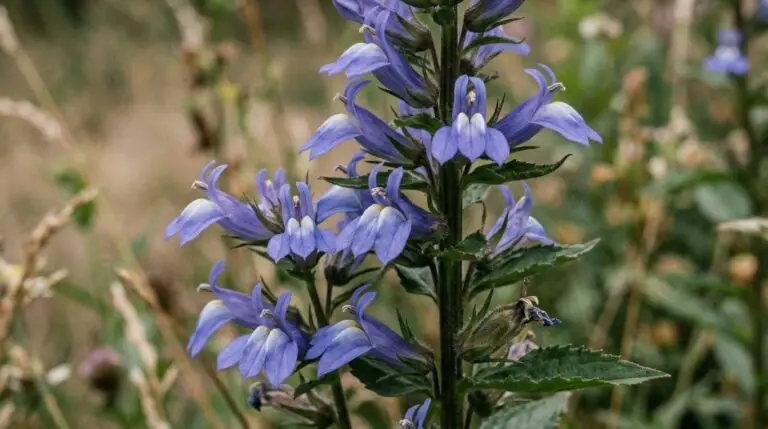
The medicinal history of lobelia siphilitica and how it got its unusual name
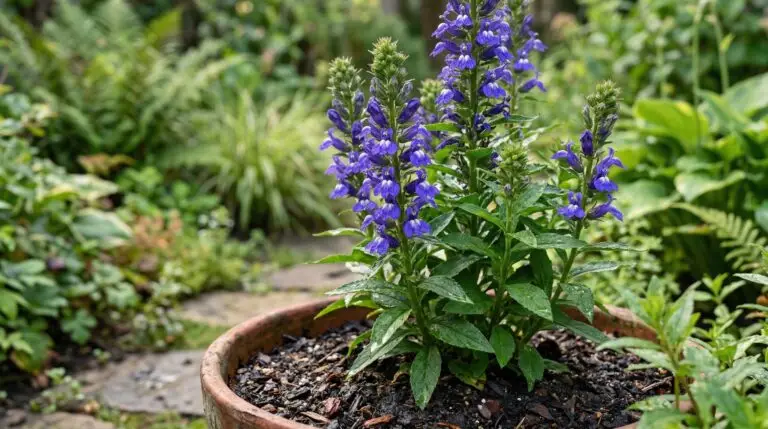
Growing great blue lobelia in containers for a native plant patio garden
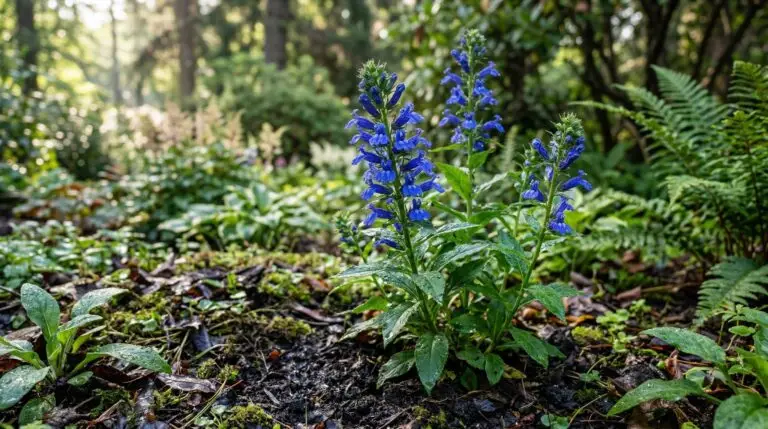
How to grow great blue lobelia for tall sapphire spikes in moist garden borders
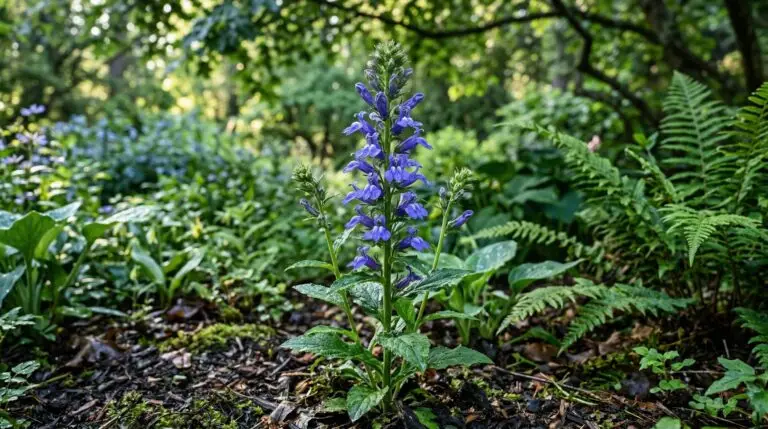
Great blue lobelia in shady wet gardens where most blue flowers refuse to grow

Growing great blue lobelia from seed and the cold treatment they need to germinate
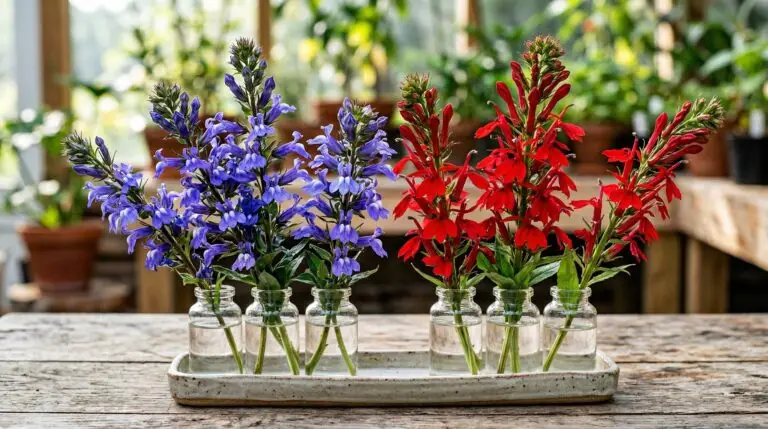
Great blue lobelia versus cardinal flower and choosing the right lobelia for your garden
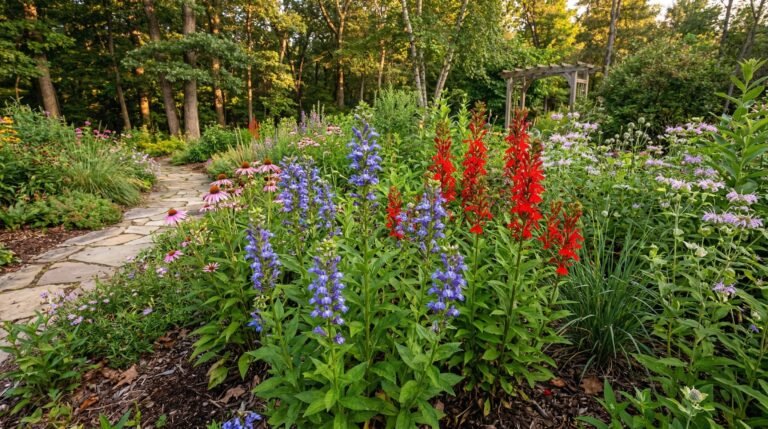
Great blue lobelia companion plants: what to grow and avoid