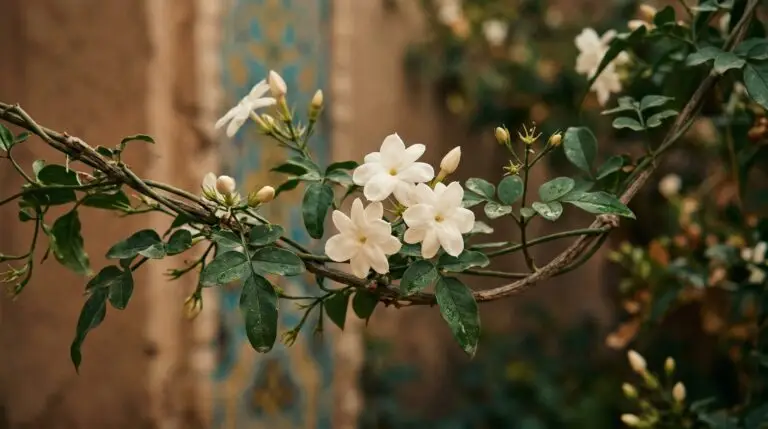
Long before dawn breaks over the Ganges river, laborers walk through fields of Jasminum grandiflorum to pluck closed white buds before the sun can touch them. This nocturnal harvest is a practice that stretches back centuries in India, driven by the botanical reality that jasmine releases its most potent fragrance in the dark. The flowers must be gathered while the dew is still heavy, as the heat of the day causes the delicate aromatic compounds to evaporate into the surrounding air. Millions of these hand-picked blossoms are required to produce just one pound of true absolute, making the resulting liquid one of the most labor-intensive botanical products in human history. The production of true jasmine essential oil demands a massive scale of agricultural devotion that has remained largely unchanged since the first Persian botanists began cultivating the vine. Every drop of the concentrated liquid holds the scent of thousands of individual midnight blooms. Understanding the physical effort required to capture this scent explains why it has been revered by emperors, queens, and master perfumers across civilizations.
The ancient migration of a night blooming fragrance
The story of jasmine perfume begins in the foothills of the Himalayas and the ancient gardens of Persia, where the flower was known as yasamin, a word that translates to a gift from God. Persian nobility cultivated the vines on trellises in their walled paradise gardens, using the fragrant air to cool their palaces during the sweltering summer months. From these royal enclosures, traders carried the cuttings along the Silk Road into China, where Sung Dynasty emperors flavored their teas and scented their royal chambers with the dried blossoms. By the eighth century, Moorish conquerors brought the plant across the Mediterranean into the Iberian Peninsula, planting it extensively in the courtyards of Andalusia. The fragrance became deeply woven into Islamic garden design, where the white flowers were meant to evoke the purity and sensory delights of heaven. As trade routes expanded during the Renaissance, the plant finally made its way into the rest of Europe, captivating botanists and royalty who had never experienced such a heavy floral scent.
The perfumers of seventeenth century France
The European obsession with the flower found its permanent home in Grasse, a town in the south of France that would become the undisputed perfume capital of the world. During the seventeenth century, Grasse was a center for leather tanning, a notoriously foul-smelling industry that prompted local glove makers to scent their wares with local botanicals to mask the odor of animal hides. Workers began cultivating vast fields of the white flowers alongside fields of rose to meet the demands of the French aristocracy, who clamored for these heavily fragranced leather goods. Over time, the leather industry faded, but the botanical cultivation expanded into a dedicated high perfumery industry that defined French luxury. Even today, the jasmine grown in Grasse is considered the global gold standard by master perfumers, commanding astronomical prices on the global market. Because a single ounce of the pure absolute requires tens of thousands of individual blossoms, the cost per ounce can easily reach hundreds or even thousands of dollars. Major fashion houses still maintain exclusive contracts with multi-generational farming families in Grasse to secure the entire seasonal harvest for their signature fragrances.
The art of enfleurage and modern solvent extraction
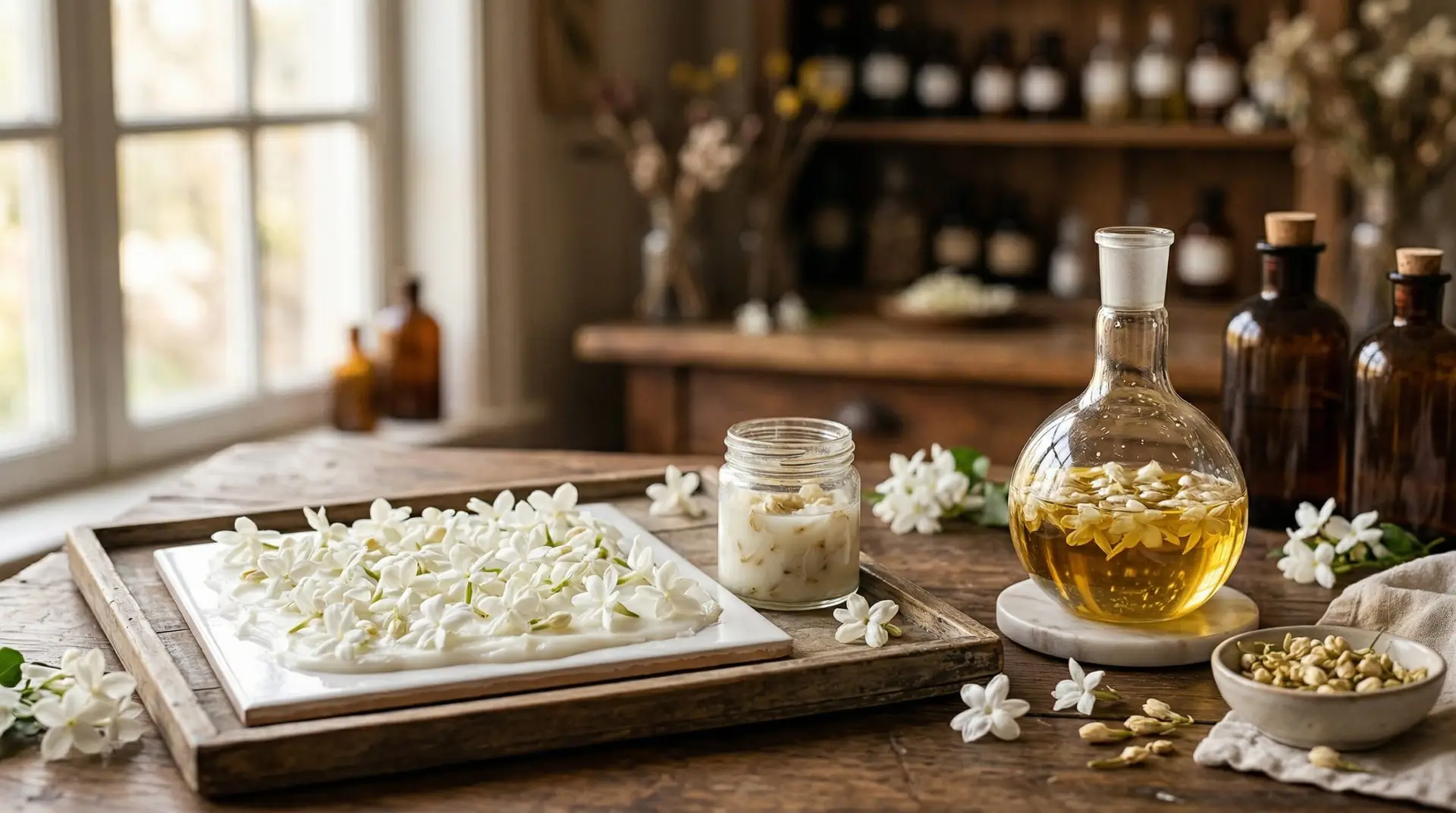
Capturing the volatile aromatic compounds of the flower requires specialized techniques, because the delicate petals cannot survive the intense heat of traditional steam distillation used for hardier plants like lavender. For centuries, French perfumers relied on a highly skilled, labor-intensive process called enfleurage to extract the scent. Workers would spread purified animal fat over large glass chassis, carefully pressing freshly picked blossoms into the grease every day for weeks until the fat became entirely saturated with the floral essence. The scent was then washed from the fat using alcohol, leaving behind a highly concentrated absolute that perfectly mirrored the smell of the living flower. While traditional cold enfleurage is rarely practiced today outside of historical demonstrations, modern producers use a process called solvent extraction to achieve the exact same chemical separation. The flowers are washed in a volatile solvent that dissolves the essential oils and waxes, creating a solid waxy substance called a concrete, which is then refined with alcohol to produce the final liquid absolute. This careful chemical extraction preserves the fragile indoles and esters that give the flower its characteristic heavy aroma.
Traditional medicine and modern aromatherapy
Beyond its role in luxury cosmetics, the concentrated liquid holds a long and highly documented history in traditional medicine systems across Asia and the Middle East. Ayurvedic practitioners in India have utilized various jasmine oil uses for centuries, applying it topically to cool the skin, soothe severe inflammation, and treat deep emotional distress. In traditional Chinese medicine, the aromatic properties were harnessed to clear heat from the body and calm the nervous system during times of extreme stress or grief. Modern clinical aromatherapy continues to apply these historical observations, utilizing the oil to alleviate symptoms of depression, ease anxiety, and manage pain during childbirth. The heavy, sweet molecular profile of the oil acts directly on the human nervous system, producing a mild sedative effect that historical texts often described as euphoric. While modern gardeners might cultivate a fragrant vine near a bedroom window or plant a related gardenia bush for a similar sensory experience, they are participating in a botanical tradition that spans thousands of years. The human desire to capture and preserve this fleeting night-blooming fragrance ensures that the ancient art of floral extraction remains an active practice in the modern botanical world.
More About Jasmine flower
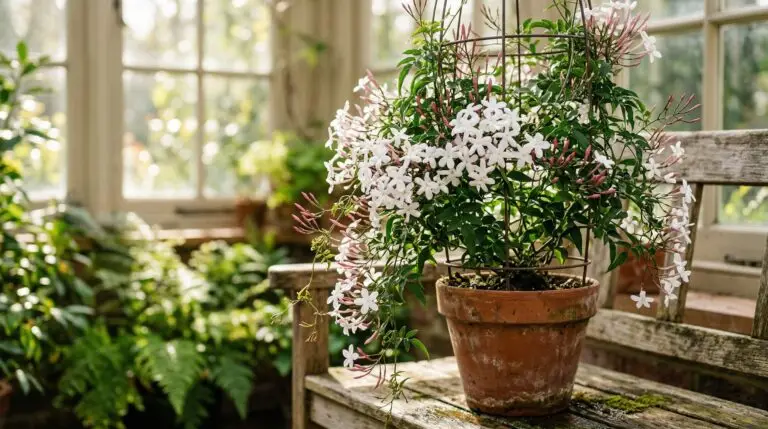
Growing jasmine indoors for fragrant winter blooms from a houseplant vine
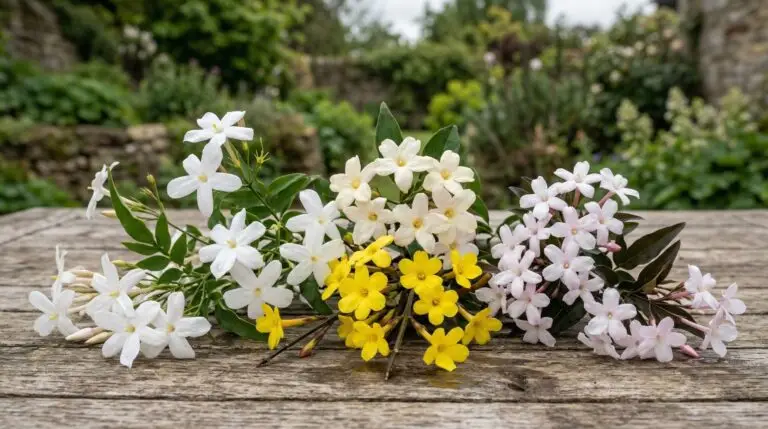
Winter jasmine for cheerful yellow flowers on bare branches in the coldest months
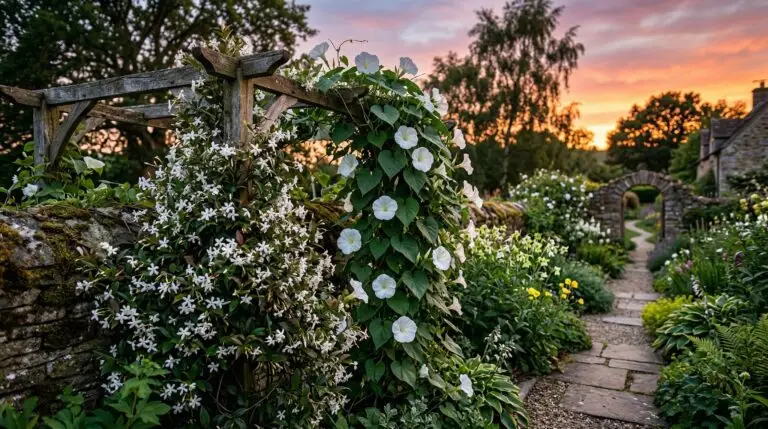
Companion plants for jasmine: what to grow and what to avoid
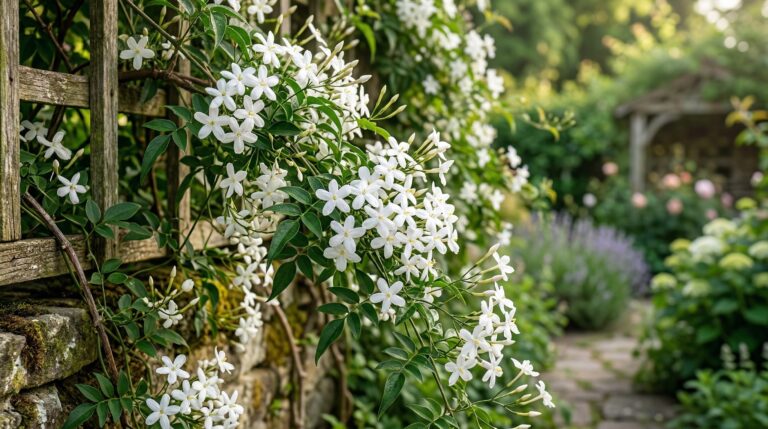
How to grow jasmine for intoxicating evening fragrance that fills the entire garden
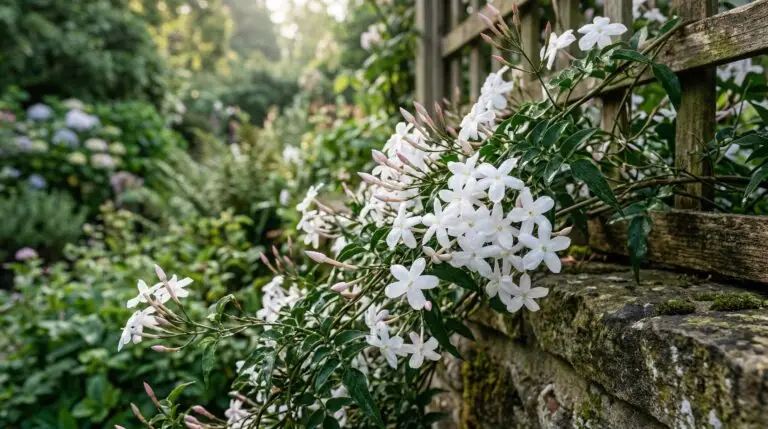
Why jasmine is not blooming and the cold night temperatures it needs to set buds
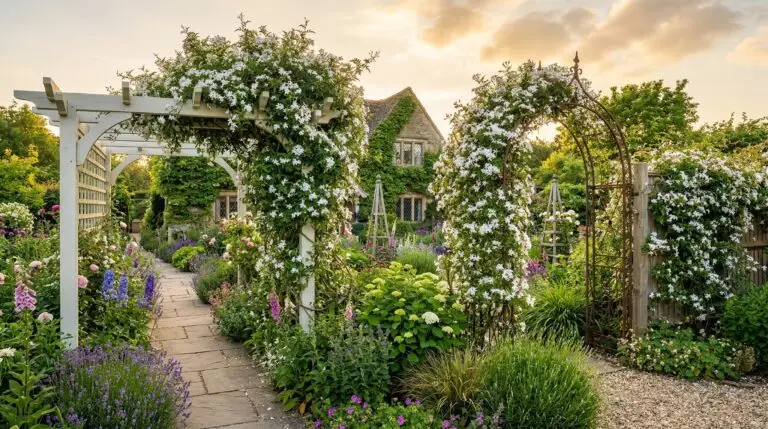
Training jasmine vines on arbors trellises and pergolas for fragrant garden structures
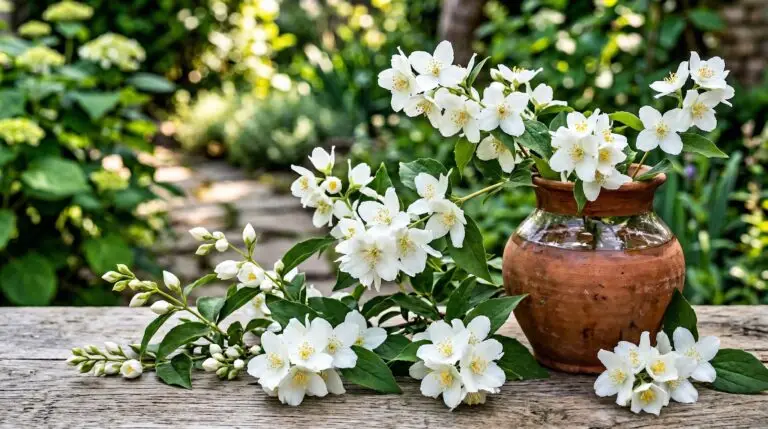
Best jasmine varieties from hardy winter jasmine to intensely fragrant Arabian jasmine
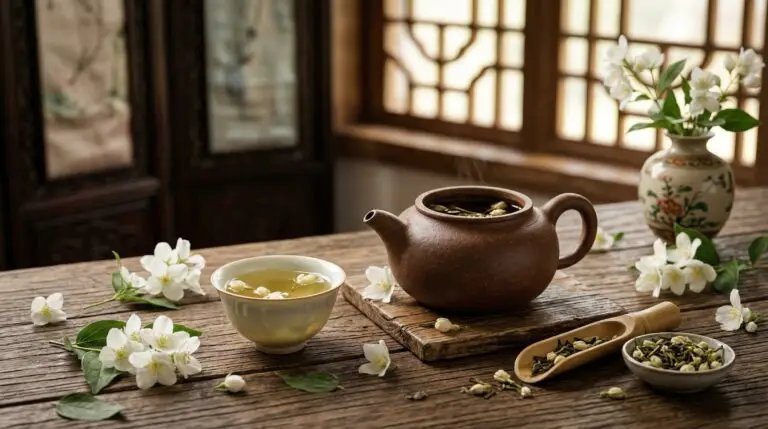
Jasmine tea and the ancient art of scenting tea leaves with fresh jasmine flowers