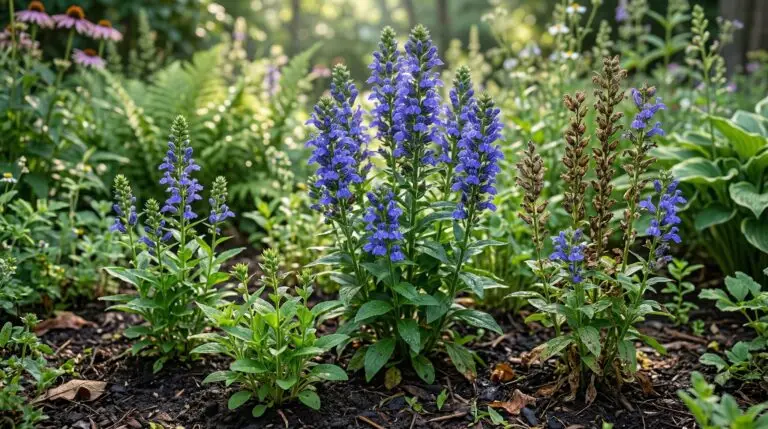
When you have spent years observing native wetlands and rain gardens, you quickly learn to appreciate the reliable architecture of the blue lobelia plant. Unlike the diminutive, trailing annual lobelias sold in spring hanging baskets, Lobelia siphilitica is a robust herbaceous perennial that builds substantial upright structure in the late summer garden. It produces stiff, leafy stems that rise two to three feet tall, topped with dense racemes of clear sapphire flowers. A raceme is simply an unbranched flower spike where individual blooms open from the bottom upward, extending the floral display over several weeks. The color is a genuine, penetrating blue that becomes especially luminous in the slanting light of late August and September. Growing great blue lobelia successfully requires understanding its origins in wet meadows, stream banks, and low-lying woodland edges across eastern and central North America.
Because it blooms late in the season, this native wildflower fills a specific gap when many early summer perennials have finished their cycle. The floral architecture often reminds gardeners of the tall spires found on Delphinium elatum, though lobelia is far better adapted to heavy, damp soils and humid summers. You will notice that bumblebees are the primary pollinators, as their weight is required to depress the lower lip of the tubular flower to access the nectar inside. While the species name siphilitica stems from an erroneous historical belief that the plant could cure disease, its true value lies in its dependable performance in difficult, poorly drained garden spots. Gardeners who struggle with low, soggy areas often find this plant thrives exactly where traditional border perennials rot. Providing proper lobelia siphilitica care starts with replicating the consistent moisture of its natural habitat.
Managing soil moisture and pH levels
The single most critical factor for this plant is water, as it simply will not tolerate prolonged drought. In its native range, it grows in soils that remain consistently damp or even occasionally inundated with standing water. You should plant it in rich, moisture-retentive loam or heavy clay that has been amended with organic matter to hold water near the roots. The ideal soil pH ranges from 5.8 to 7.0, though the plant is highly adaptable to slightly more alkaline conditions if moisture is abundant. If you are planting in a typical garden border rather than a dedicated rain garden or pond edge, you must be prepared to provide supplemental irrigation during dry spells. Mulching heavily with shredded leaves or compost helps regulate soil temperature and prevents the rapid evaporation that stresses the shallow root system. When the soil dries out completely, the lower leaves will scorch and drop, and the entire stem may collapse before the flower buds can open.
Balancing sunlight and heat tolerance
Finding the right light exposure requires balancing your local climate with the moisture-holding capacity of your soil. In cooler northern zones, from USDA Zone 4 through Zone 6, great blue lobelia can handle full, direct sun provided the soil never dries out. As you move into warmer southern regions, particularly Zones 7 through 9, the plant requires protection from the intense afternoon sun to prevent foliar stress. Planting it in a location that receives four to six hours of morning sun followed by dappled afternoon shade mimics its preferred woodland edge habitat perfectly. The shade helps preserve soil moisture while keeping the ambient temperature around the foliage cooler. If you notice the plant stretching weakly or failing to produce dense flower spikes, it is likely receiving too much shade and should be moved to a slightly brighter spot. The deep blue color pairs exceptionally well with other shade-tolerant blues, making it a reliable alternative to early-season bloomers like Gentian for late summer color.
Understanding growth cycles and propagation
One of the most misunderstood aspects of growing great blue lobelia is its natural lifespan. It is technically a short-lived perennial, meaning an individual plant may only survive for three to four years before losing vigor or dying out completely. To compensate for this short lifespan, the plant produces offsets at the base of the main stem and relies heavily on self-seeding to maintain a colony in the garden. In late autumn, after the main stem dies back, you will see a flat basal rosette of leaves hugging the ground, which is the overwintering structure for the following year. You can divide these mature clumps in early spring by carefully digging up the rosette and separating the individual plantlets with a sharp knife. If you prefer to grow them from seed, you must understand that the seeds require cold stratification, a period of chilling, to break dormancy. Sowing the dust-like seeds directly on the soil surface in late fall allows the natural winter weather to prepare them for spring germination.
Pest resistance and garden integration
You will rarely need to apply pesticides or fungicides when growing this resilient native species. The foliage contains toxic alkaloids that make it highly unpalatable to deer, rabbits, and most mammalian herbivores, allowing it to flourish in open, unprotected garden borders. The only significant pests you might encounter are slugs and snails, which are naturally drawn to the same moist environments that the lobelia requires. These mollusks can cause significant damage to the tender basal rosettes in early spring before the vertical stems begin to elongate. Surrounding the emerging crowns with a barrier of coarse sand or using iron phosphate baits will protect the young growth without harming the local ecosystem. Once the stems reach a few inches in height, the foliage toughens and becomes largely immune to grazing damage. In a mixed border, the vertical blue spikes create a striking visual contrast when planted alongside the contrasting textures of ferns, sedges, or the spiky blooms of Blue Salvia.
As the growing season winds down, your approach to garden maintenance will dictate the future success of your lobelia colony. You should resist the urge to cut the spent flower stalks down immediately after they finish blooming in early autumn. Leaving the stems standing allows the seed capsules to mature and split open, scattering the tiny seeds across the surrounding moist soil to ensure a new generation of plants. Once the first hard frost kills the upright stems, you can trim them back to the ground, being careful not to disturb the evergreen basal rosettes forming at the soil line. Applying a light, airy layer of pine needles or loose straw over these rosettes in colder zones prevents the freeze-and-thaw cycles that can heave the shallow roots out of the ground. By embracing its need for moisture and understanding its reproductive cycle, you will establish a self-sustaining population that provides reliable late-season color year after year.
More About Great Blue Lobelia
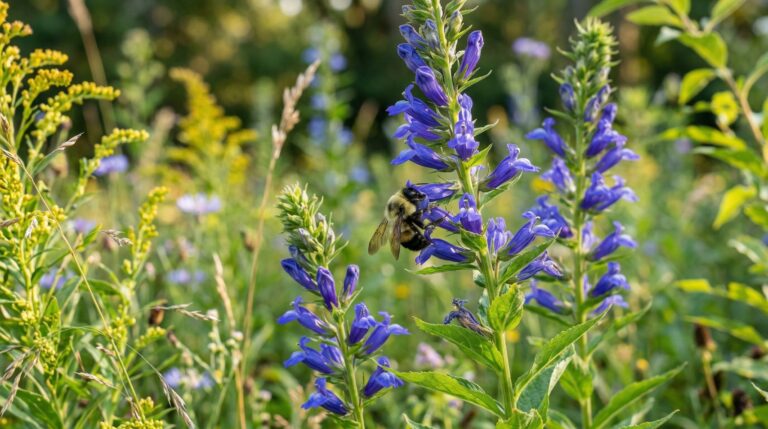
Great blue lobelia for hummingbird and pollinator gardens in late summer
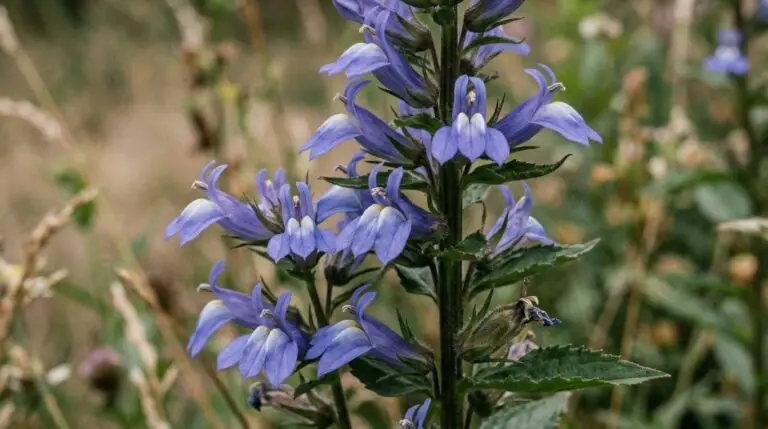
The medicinal history of lobelia siphilitica and how it got its unusual name
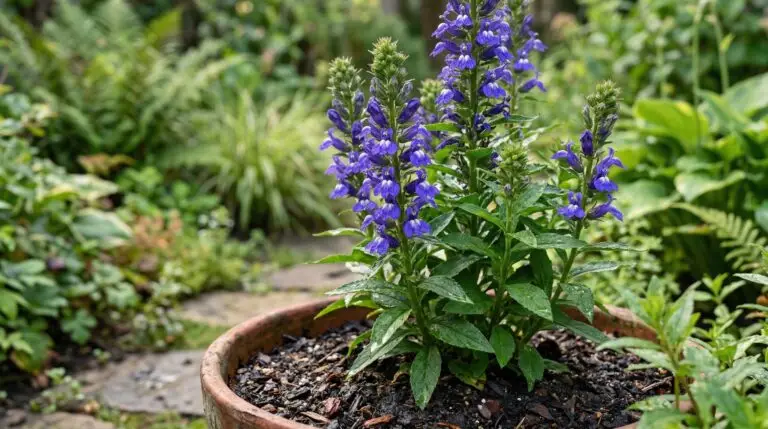
Growing great blue lobelia in containers for a native plant patio garden
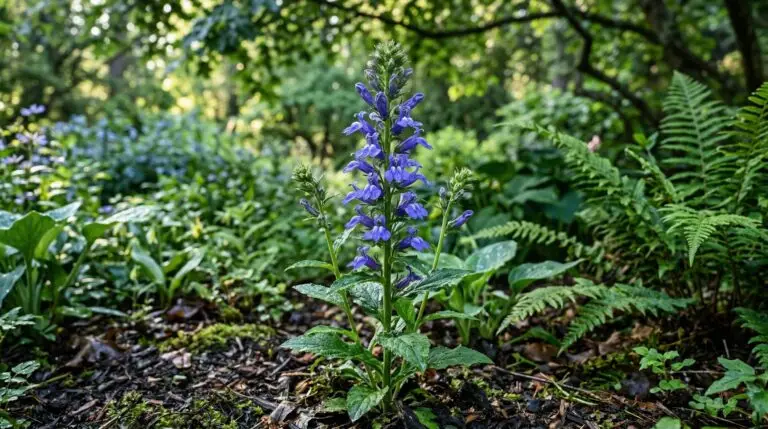
Great blue lobelia in shady wet gardens where most blue flowers refuse to grow
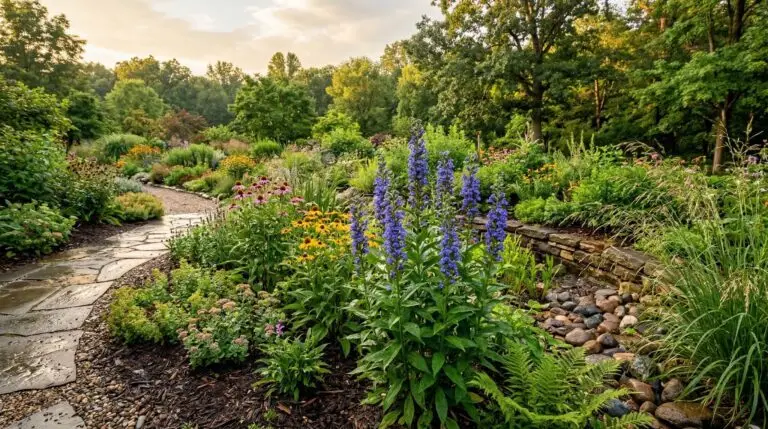
Great blue lobelia as a native plant for rain gardens and wet problem areas

Growing great blue lobelia from seed and the cold treatment they need to germinate
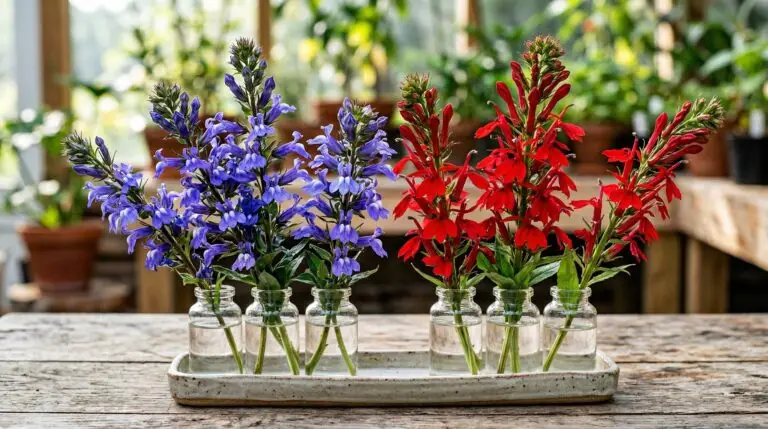
Great blue lobelia versus cardinal flower and choosing the right lobelia for your garden
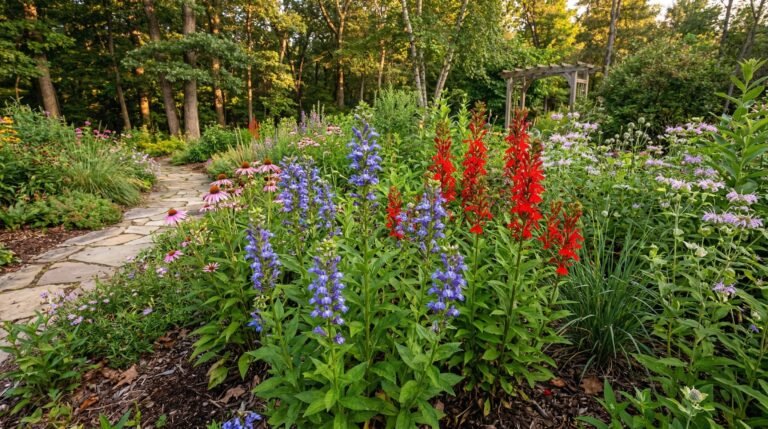
Great blue lobelia companion plants: what to grow and avoid