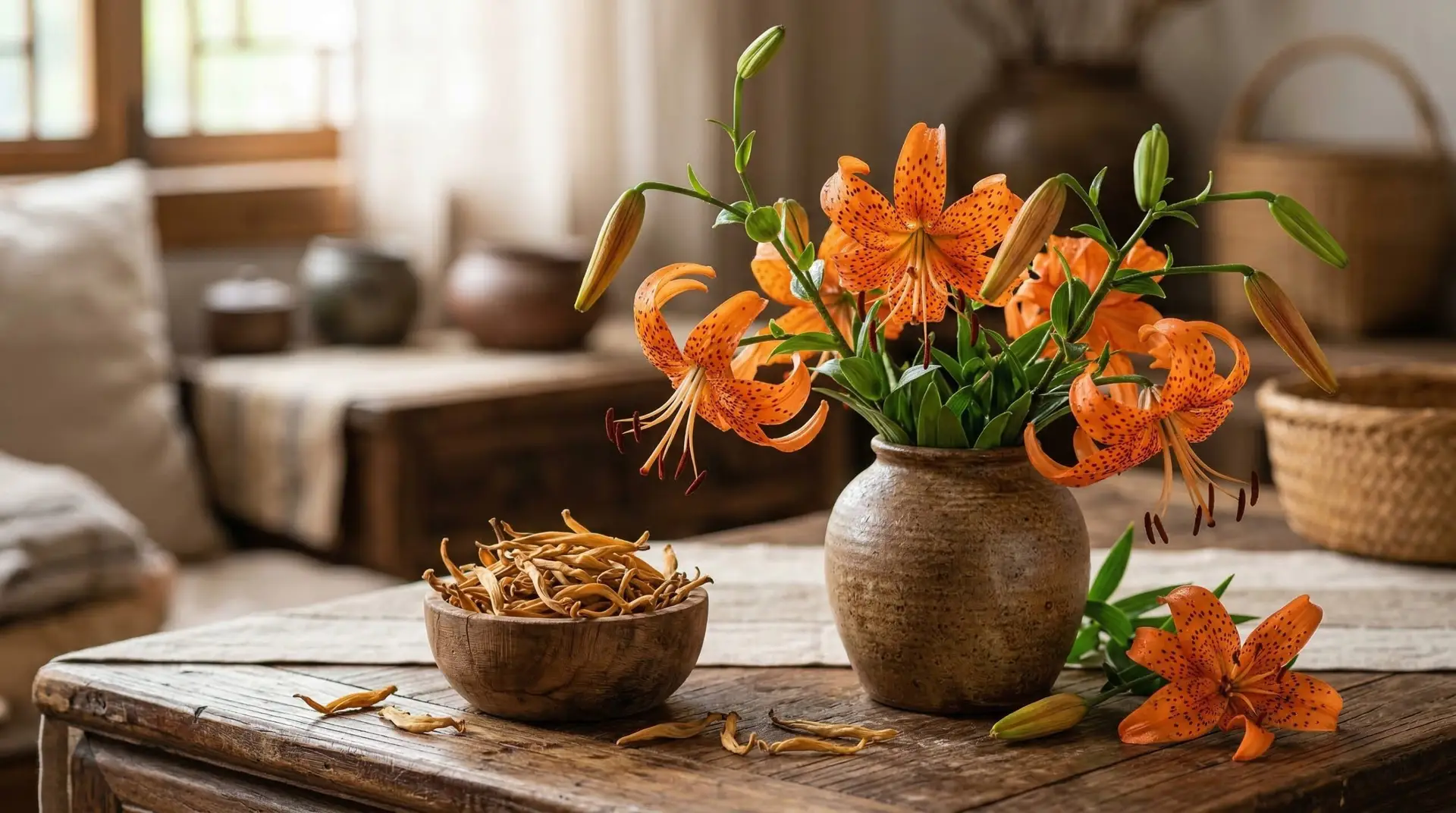
One of the first things gardeners ask when they start growing tiger lilies is whether they are actually edible. People often look at the bright orange, speckled blooms in their summer borders and wonder if these are the same plants used in traditional Asian cooking. The answer is yes, and there is a rich, centuries-old tradition of using tiger lilies as a food source rather than just an ornamental garden plant. When we talk about edible tiger lily plants, we are looking at a practice that stretches back generations in Chinese cuisine. Gardeners are usually surprised to learn that almost the entire plant has a culinary use, from the unopened flower buds down to the starchy bulb underground. This changes how you might look at your flower beds, turning a purely visual display into a potential pantry staple.
Understanding golden needles and hot and sour soup
The natural follow-up question is how exactly these flowers end up on the dinner plate. If you have ever enjoyed a bowl of traditional hot and sour soup or a plate of moo shu pork, you have likely already eaten dried lily buds without realizing it. In Chinese markets, these dried buds are sold under the name “golden needles” because of their long, slender, yellowish-brown appearance. Cooking with tiger lily buds requires rehydrating these stiff golden needles in warm water until they become pliable and soft. Once they soak, they develop a slightly crunchy texture and a mild, earthy flavor that absorbs the rich broths and sauces around them. Fresh buds have a completely different, much crisper texture, but the drying process concentrates their flavor and gives them that signature chewiness prized in stir-fries. By the way, while tiger lilies are traditional, many commercial golden needles today are actually harvested from the daylily, which shares a similar flavor profile and culinary history.
Harvesting buds without ruining your garden display
This leads to something many growers wonder about when they look at their own plants. How can you harvest tiger lily buds for cooking without completely ruining your summer garden display? The trick is selective harvesting, which means you never strip an entire stem of all its potential flowers. You want to pick the buds when they are fully plump and elongated but still tightly closed and green or pale orange. Snapping off just two or three buds from a heavily laden stem leaves plenty of flowers to open later in the week. The plant itself does not suffer when you remove the buds, and it will direct its energy into opening the remaining flowers or storing nutrients in the bulb. If you harvest early in the morning, the buds are crisp and snap off easily right at the base of the pedicel.
Cooking with the underground bulb
Once gardeners realize the buds are edible, they naturally ask if the rest of the plant is useful in the kitchen. The tiger lily bulb is actually a highly regarded vegetable in traditional Asian cooking, treated much like a small, starchy root crop. These bulbs are composed of tightly packed, fleshy scales that look a bit like a small head of garlic but taste entirely different. When boiled or steamed, the bulb scales have a crisp, slightly sweet flavor that falls somewhere between a water chestnut and a potato. They are often added to clear soups or stir-fried with mild vegetables to preserve their delicate crunch. Digging up the bulb obviously ends the life of that specific plant, so gardeners usually only harvest bulbs when they are dividing an overcrowded patch in the fall. You can separate the largest bulbs for the kitchen while replanting the smaller ones to keep your garden population going.
Safety rules for eating garden lilies
A critical question always comes up when discussing foraging in the flower garden, and that is whether all lilies are safe to eat. The absolute rule is that you must positively identify your plant as a true tiger lily, botanically known as Lilium lancifolium, before you even think about eating it. Many plants have “lily” in their common name but are highly toxic, such as the lily of the valley or the gloriosa lily. Even among true lilies, not all species have a history of safe human consumption, so you should never assume a random hybrid from the garden center is an edible tiger lily. You also need to know exactly how the plant was grown, because systemic pesticides and chemical fertilizers used in the ornamental nursery trade make those plants unsafe for the dinner table. If you want to grow lily buds food, you must cultivate the plants using strict vegetable garden standards without synthetic chemicals. As an important side note, while these plants are perfectly safe for humans, all parts of the true tiger lily are severely toxic to cats and should be kept far away from feline companions.
The transformation from fresh to dried
You might be wondering why traditional recipes almost always call for dried buds instead of fresh ones, especially when fresh buds are right there in the garden. The answer lies in how the chemical structure of the flower changes during the dehydration process. Fresh tiger lily buds have a very mild, almost lettuce-like flavor that easily gets lost in a heavy soup or spicy stir-fry. When you dry them in the sun, natural enzymatic reactions occur that deepen the flavor, giving the golden needles a complex, musky, and slightly sweet undertone. This is a common technique in Asian culinary traditions, much like how drying a chrysanthemum flower completely changes its aromatic profile for tea. The dried buds also release natural starches into the soaking water, which cooks use to subtly thicken broths and add a silky texture to the final dish. Understanding this transformation helps you appreciate why generations of cooks took the time to harvest and dry these flowers rather than just eating them straight from the stem.
More About Tiger Lilies
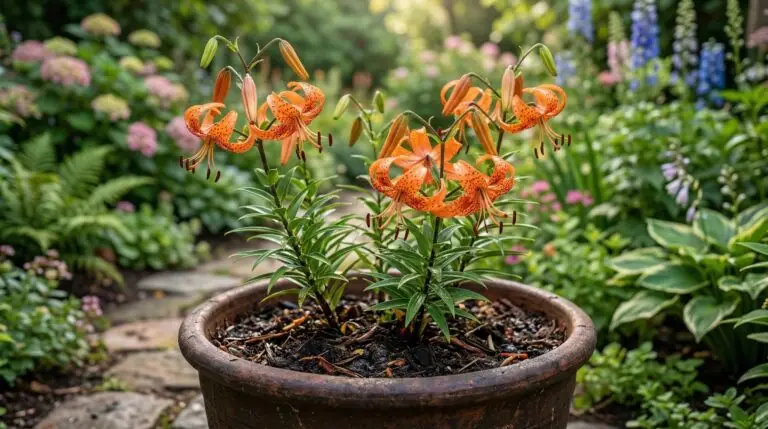
Growing tiger lilies in containers for bold orange summer drama on patios
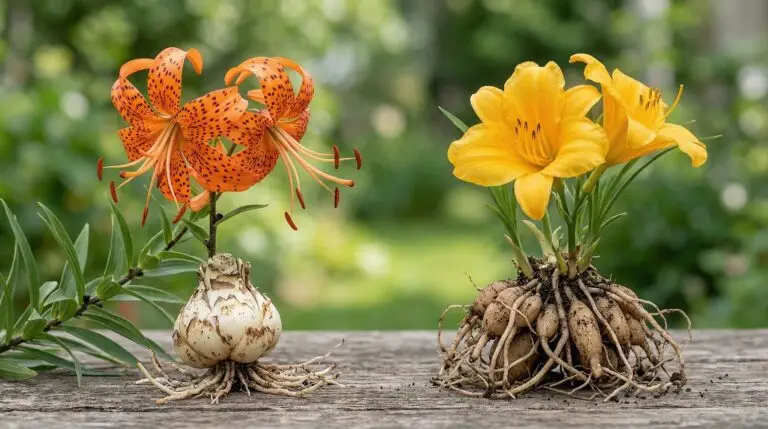
Tiger lilies versus daylilies and the common confusion between these two orange flowers

How to grow tiger lilies for dramatic orange spotted flowers that multiply on their own

Tiger lilies in cottage and farmhouse gardens and why old gardens always have them
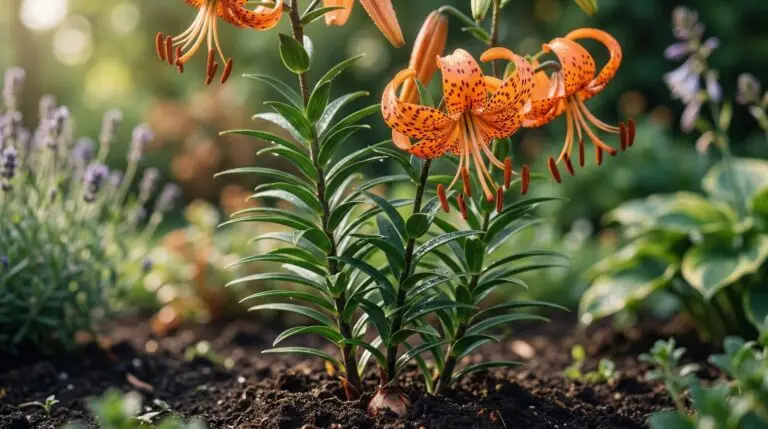
Tiger lilies that are toxic to cats and the urgent warning every cat owner needs to know
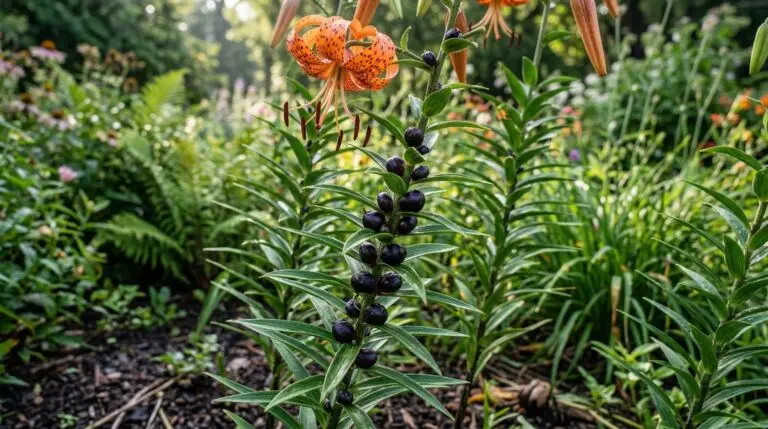
Propagating tiger lilies from the tiny black bulbils that form along the stem

Warning about tiger lilies near other lilies and the virus they can silently carry

Companion plants for tiger lilies in a naturalized midsummer garden border