Contents
Carnation
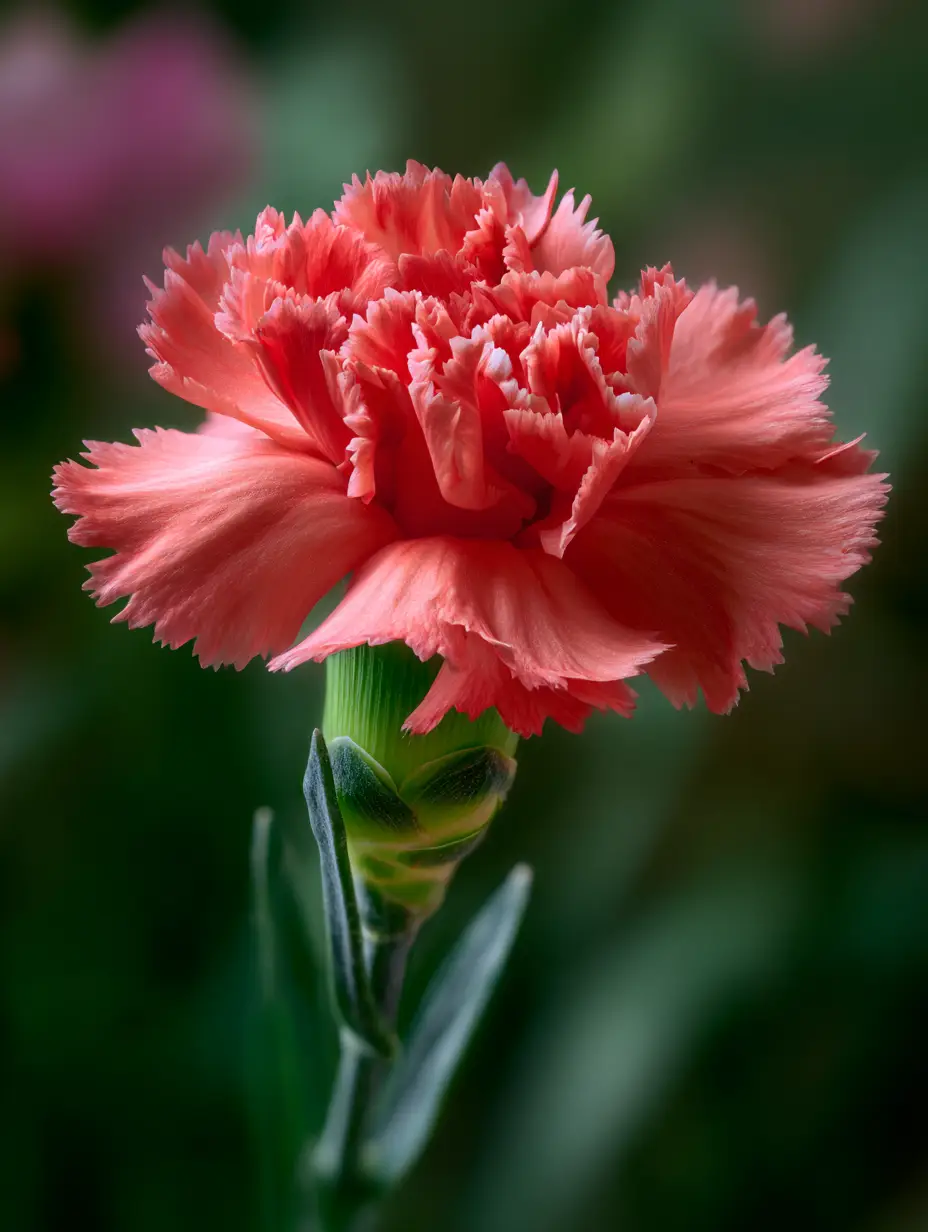
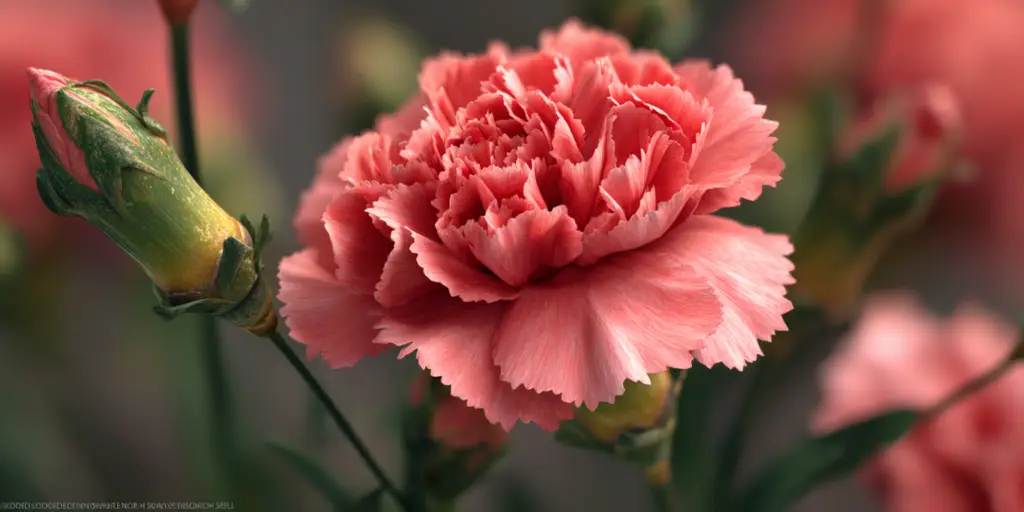
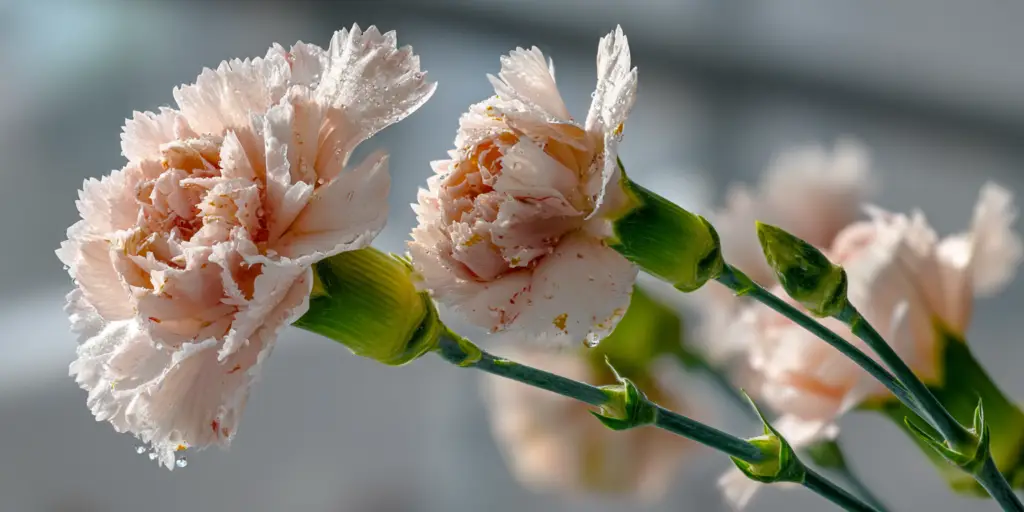
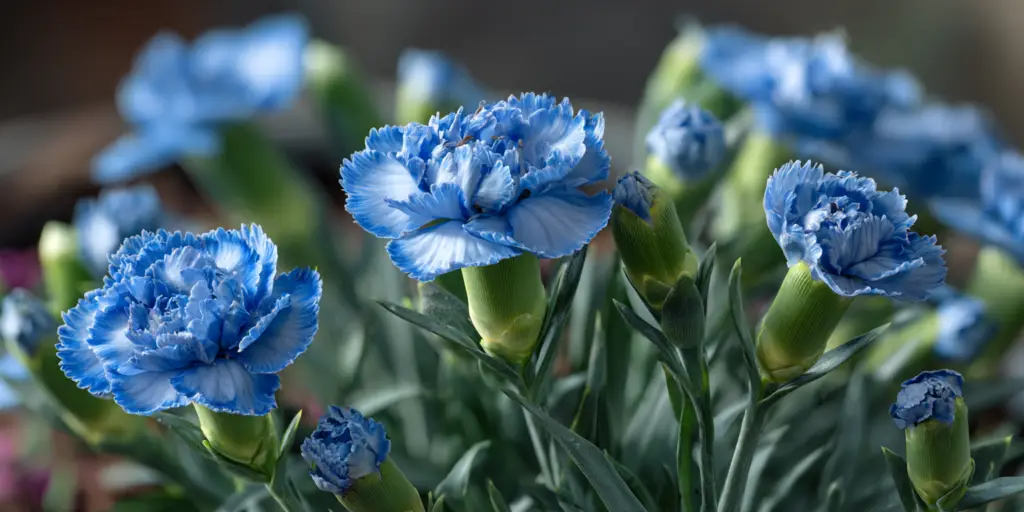
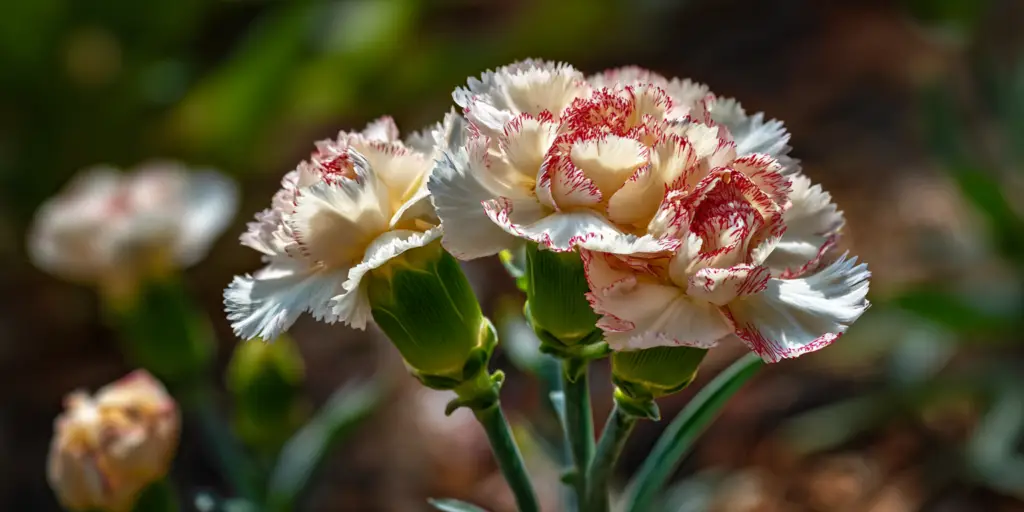
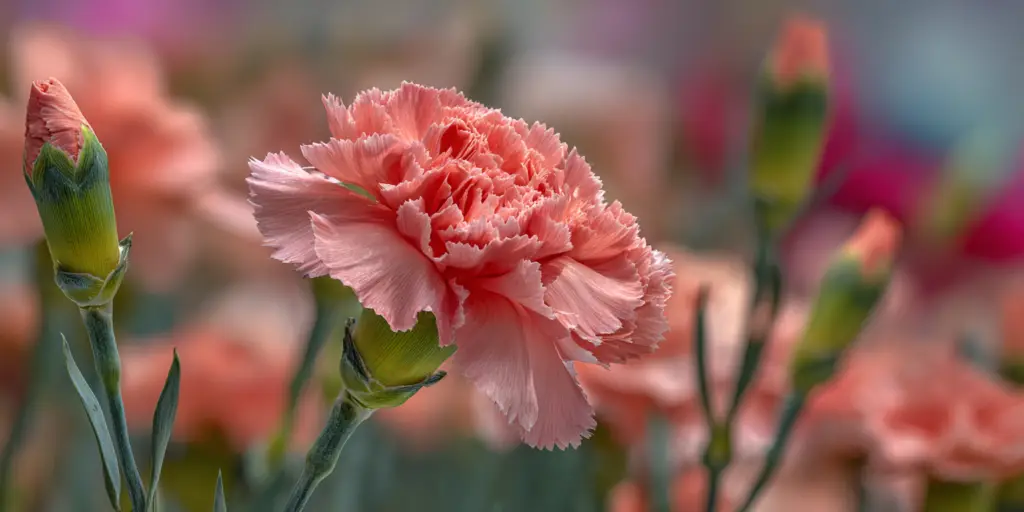
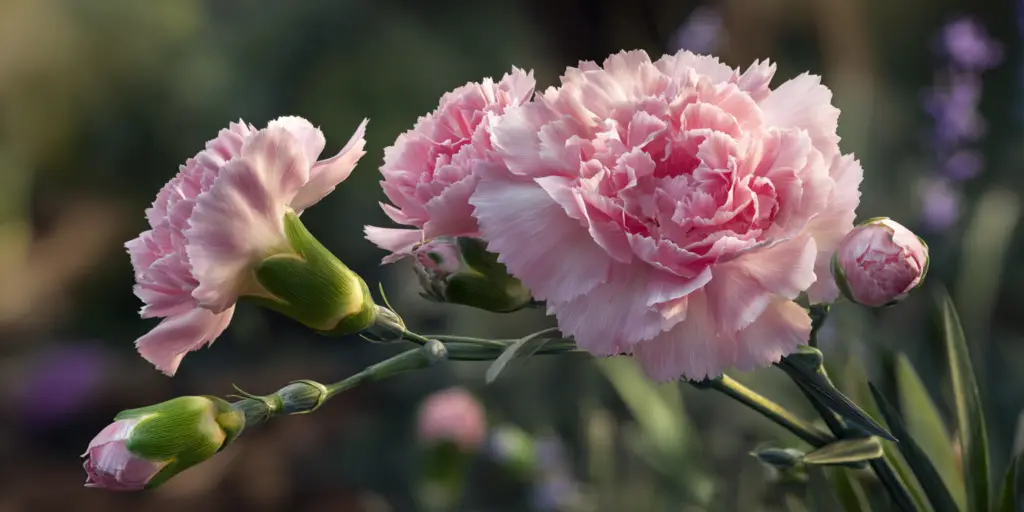
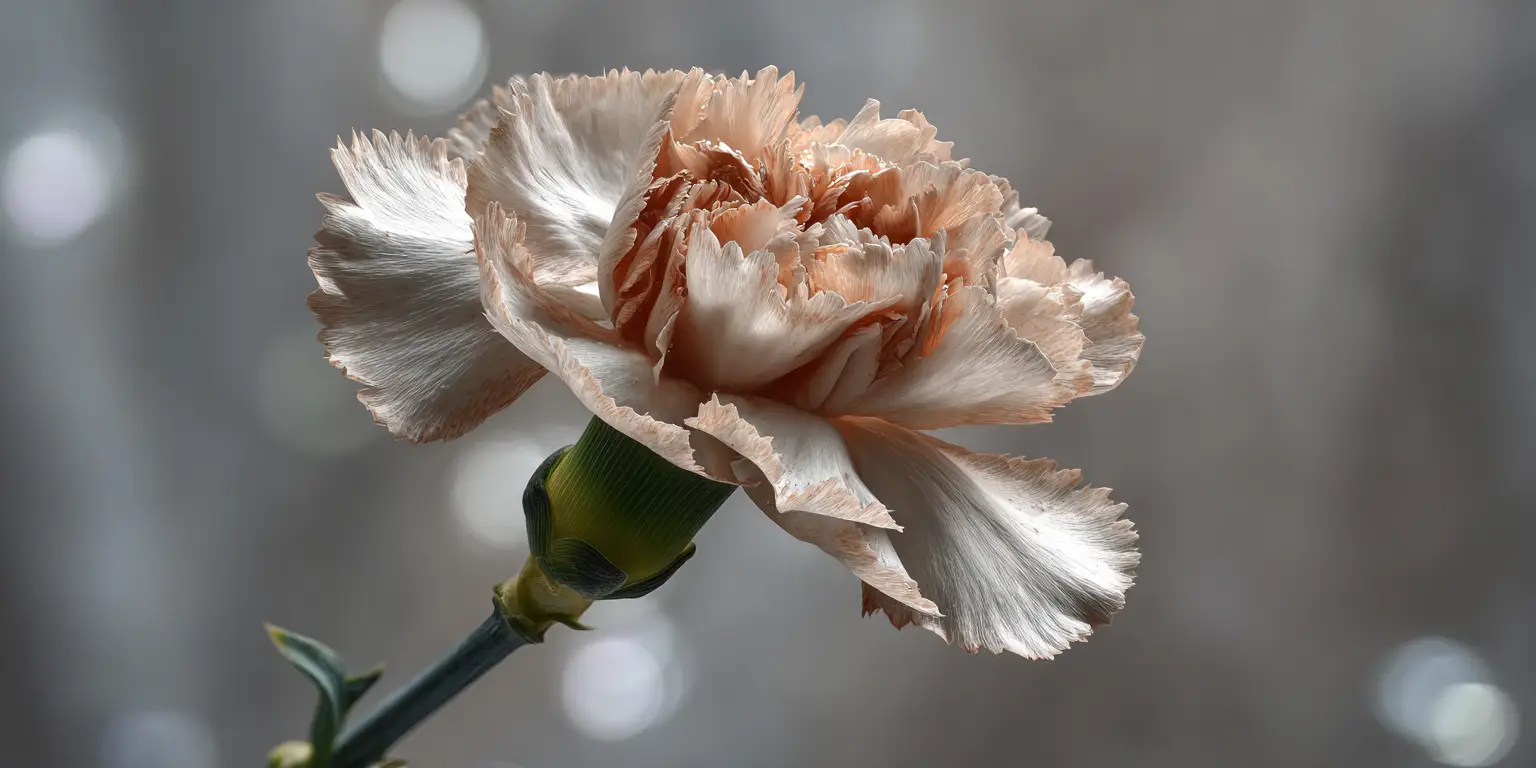
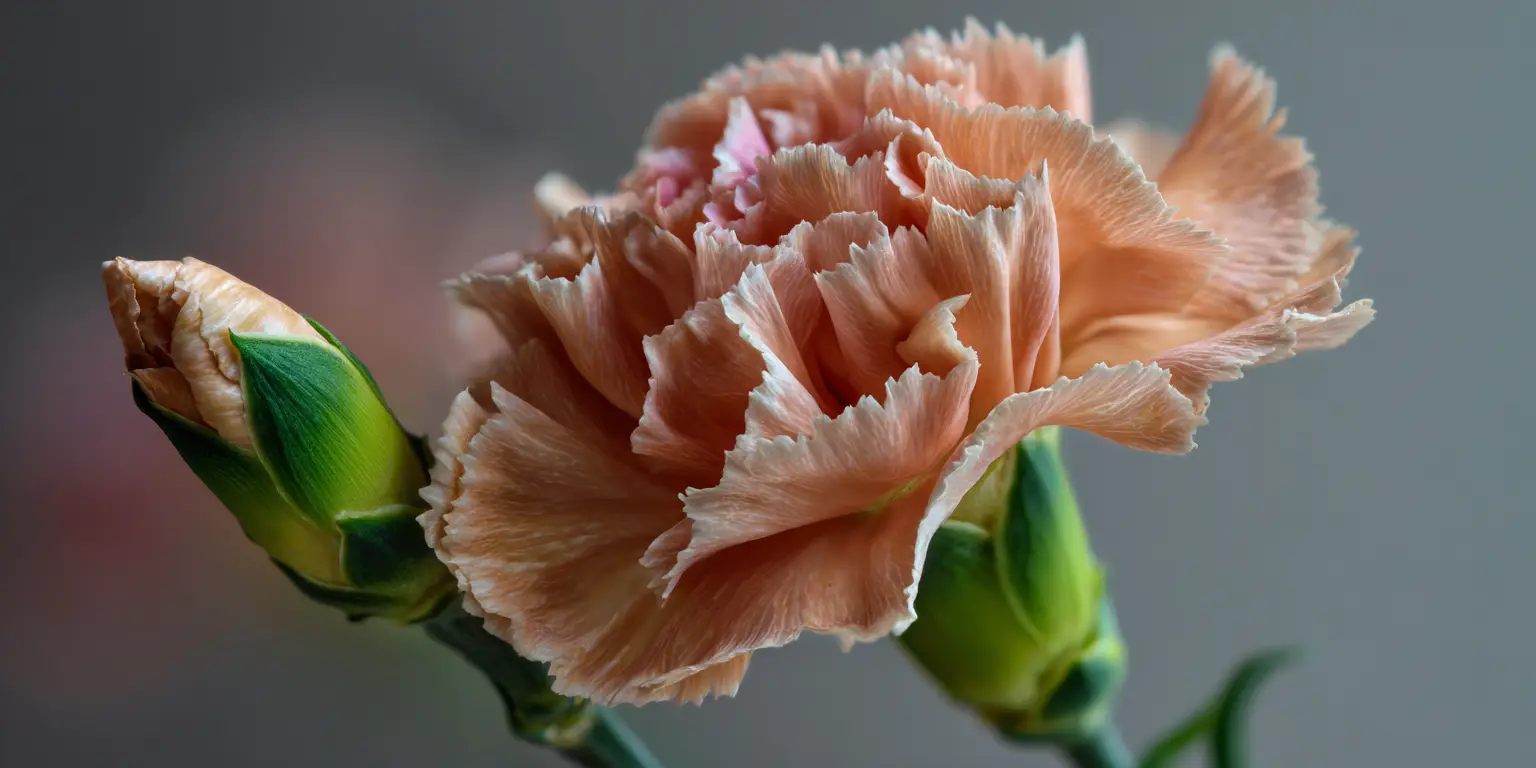
The carnation (Dianthus caryophyllus) is a flowering plant celebrated for its ruffled blooms, clove-like fragrance, and historic significance. A member of the pink family, this herbaceous perennial is often grown as an annual in cooler climates or for the cut flower trade. It produces an abundance of showy blossoms in virtually every color, spanning red, pink, white flowers, and even tinted hues like violet or dyed blue flowers. These versatile blooms have a long standing as classic occasion flowers, appearing in everything from boutonnieres and Mother’s Day bouquets to extravagant arrangements in wedding flowers guide collections. Carnations combine old-fashioned charm with modern practicality, making them one of the most popular types of flowers for both gardens and floristry. With their sturdy stems and long vase life, they are often seen as an affordable alternative to roses that still delivers rich color and a lovely scent. Gardeners prize carnations for their extended bloom season and ease of care, while florists value them for their resilience and symbolic meanings. Overall, the carnation stands out as a timeless flower, equally at home edging a cottage border or starring in a bridal bouquet alongside tulips, peonies, and other favorites.

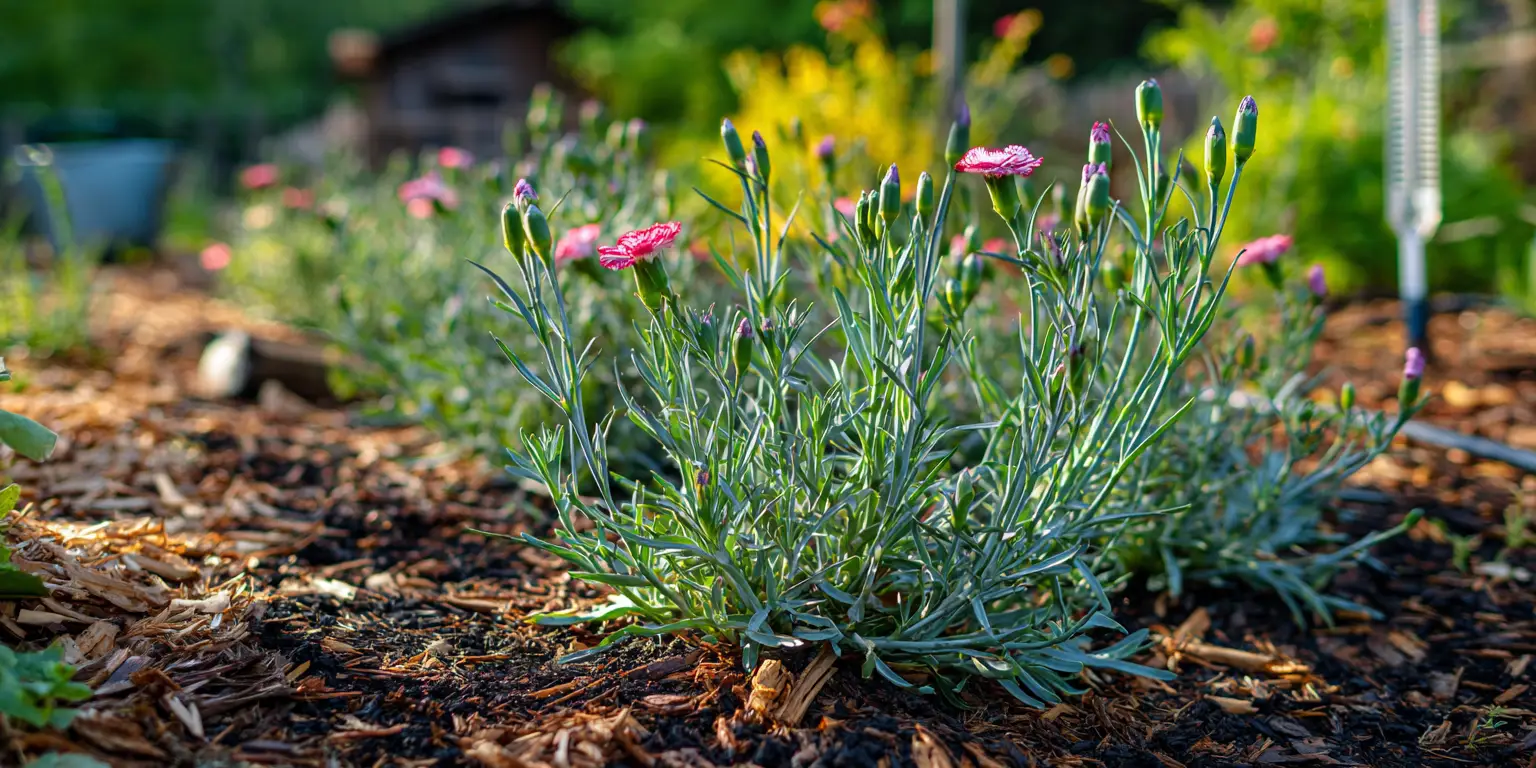
A clear, step-by-step guide to soil, planting, watering, feeding, pruning, and winter care. Includes zone timing, container tips, companions, and quick fixes for common problems.

Bouquet Ideas
Explore simple, beautiful bouquet ideas for the home, gifts, and special occasions from romantic mixes to clean, minimal styles. Each idea includes suggested flower combinations, color palettes, and sizes, with photos for quick inspiration.
🌱 Taxonomy and origin
Carnation belongs to the genus Dianthus, part of the Caryophyllaceae (pink family). Within this large genus-which includes garden pinks and sweet williams-Dianthus caryophyllus is the species specifically known as the carnation or clove pink. The scientific name reflects its divine status; “Dianthus” comes from Greek meaning “divine flower,” and “caryophyllus” alludes to the spicy clove-like aroma of the blooms. In addition to “carnation,” it has been affectionately called by common names like clove pink and gillyflower. This plant is native to the Mediterranean region, with wild origins thought to be in Greece and surrounding areas. It was first recorded in cultivation in ancient Greece over two millennia ago, making it one of the oldest cultivated ornamental flowers. From its Mediterranean homeland, carnation spread through Europe, becoming especially popular in Spain, Italy, and France by medieval times. Over centuries of breeding and selection, countless cultivars have arisen, expanding its flower forms and colors. Despite its long history, the exact wild range of the species is somewhat obscure due to millennia of cultivation-naturalized populations exist around southern Europe, but pure wild stocks are rare. Today, carnations are grown worldwide, both in gardens and commercially in greenhouses. Their rich heritage is reflected in art, literature, and tradition; for example, the pink carnation became a symbol of Mother’s Day in the United States, and the flower is associated with love and fascination in many cultures. Taxonomically, the carnation sits firmly among the “pinks,” sharing traits like opposite leaf pairs and fringed petal edges with its Dianthus relatives. Its long cultivation has also led to a range of hybrids and strains, but all carnations carry the legacy of that hydrangea macrophylla-hued Mediterranean wildflower cherished by the ancients.
🌸 Bloom time
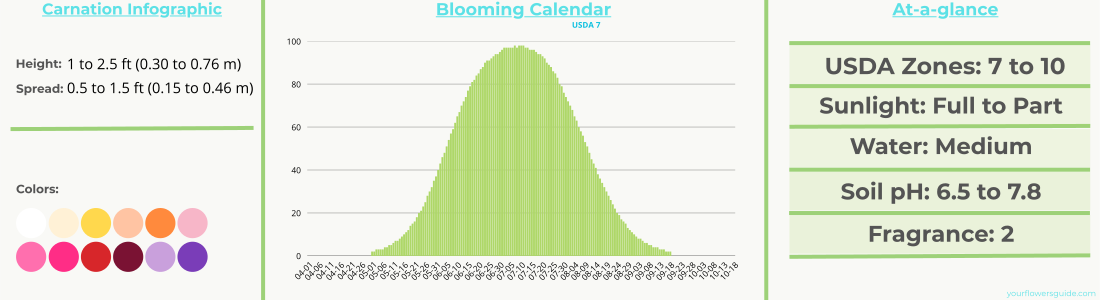
Carnations typically bloom in late spring to summer, with the peak flush often occurring in mid-summer. In many temperate gardens, flower buds begin forming in late spring (May to June), leading to a profusion of blooms through June, July, and into August. The natural bloom season for perennial border carnations is mid-summer, but this can be extended with proper care. Gardeners often deadhead (remove spent flowers) to encourage additional waves of blooming later in the season. With diligent deadheading and favorable conditions, carnations may continue to produce sporadic blooms into early fall until cold weather arrives. It’s worth noting that carnations generally do not flower in their first year if grown from seed – young plants focus on establishing themselves, then reward the gardener with blooms from the second year onward. However, if you purchase established plants or start seeds very early indoors, you might enjoy some blossoms the first summer. In climates with mild winters (or in greenhouse production), carnations can bloom year-round or nearly so, as commercial growers often manipulate conditions to produce continuous flowers for the floral industry. The timing of blooms can also depend on the specific cultivar: dwarf “annual” carnations or grenadin types might flower earlier in the season, whereas large florist varieties might have a somewhat later and longer bloom period. Overall, expect carnations to brighten the garden in the warm months – their colorful, frilled flowers arrive with the summer sun and can persist for weeks, providing one of the longest displays among comparable purple flowers or other perennials. By planting carnations alongside earlier spring bulbs and later autumn blooms, you can ensure a continuous tapestry of color in your garden from spring through fall.
📏 Height and spread
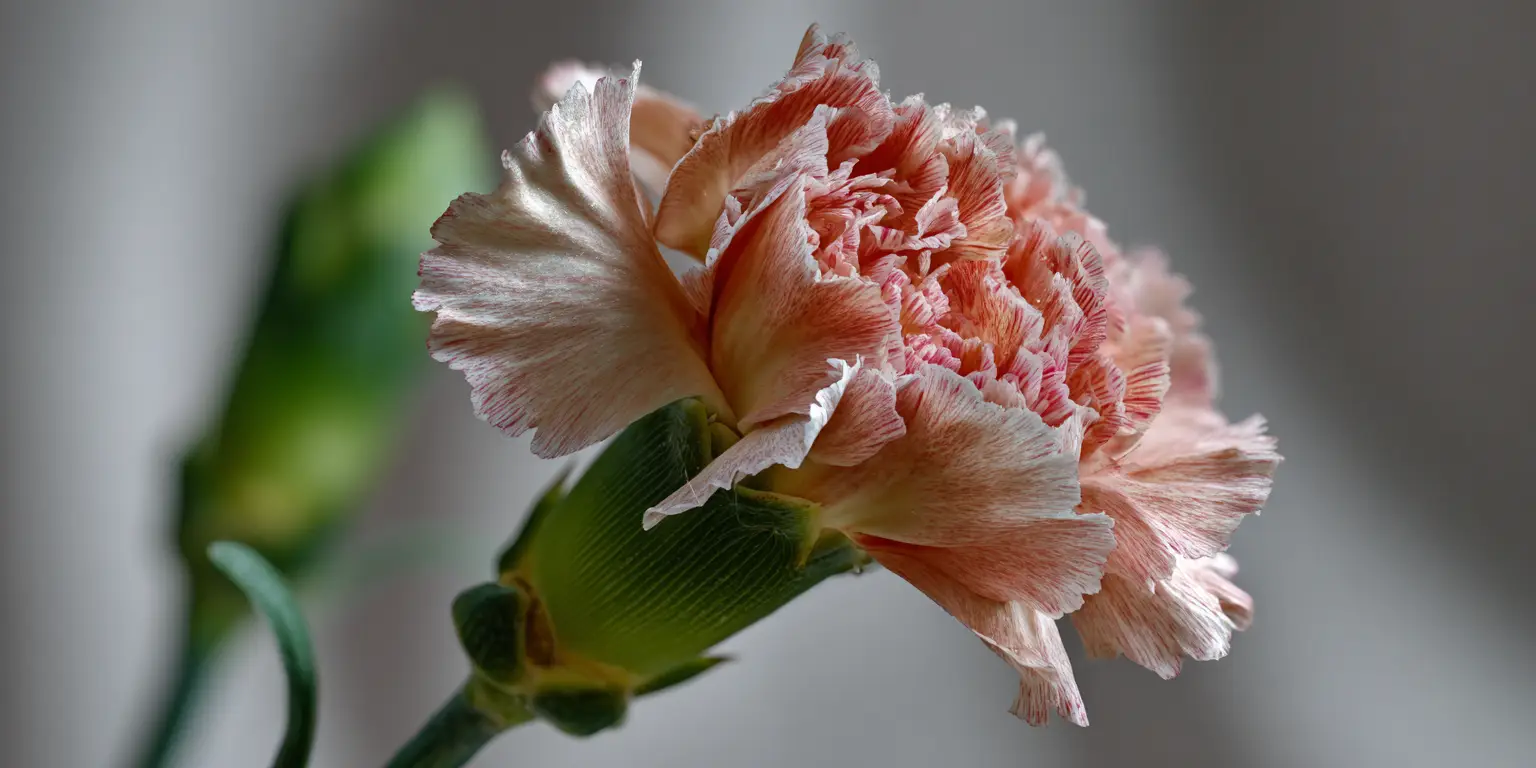
The size of carnation plants can vary widely depending on the type and cultivar, but they generally form upright, clump-forming habit. Typical garden carnations reach about 12 to 18 inches (30-45 cm) in height, with a spread of roughly 9 to 12 inches (20-30 cm) as the clump of stems and foliage expands. Dwarf border carnations and some newer hybrids may stay as short as 6 inches, creating neat mounds perfect for edging or containers. On the other end, the classic florist’s carnations (sometimes called standard carnations) are taller, often growing 2 to 3 feet in height (60-90 cm) when given support. In fact, specialized greenhouse-grown varieties can reach up to about 3 or even 4 feet tall (around 1 meter) with stout, straight stems ideal for cutting. These taller types tend to have one large bloom per stem. In the garden, without greenhouse conditions, carnation stems typically stay in the 1 to 2 foot range and may branch to carry several blooms. The leaves are narrow, lanceolate and bluish-gray green, growing opposite each other on the stems. Foliage usually stays low and somewhat tufted at the base, while flower stems rise above. Over time, perennial carnations can develop woody stems at the base, reflecting their semi-shrubby perennial nature. A healthy, established carnation clump might widen slightly each year but is not invasive or fast-spreading. You can expect a mature plant to form a dense crown of shoots about a foot across. This moderate size makes carnations suitable for foreground planting in mixed borders, where they won’t overwhelm neighboring plants. For instance, they can be placed in front of larger shrubs or blooms like sunflower or hydrangea macrophylla, providing a layer of color beneath taller backdrops. Their vertical, erect growth and medium height also lend well to cutting gardens; rows of carnations can be grown fairly close together to yield lots of long-stemmed flowers without taking up excessive space. In containers, compact carnation varieties stay tidy, and even taller ones can thrive in pots if staked. In summary, carnations offer flexibility in height and form – from petite bedding varieties to tall cutting types – but most share a relatively contained spread and an upright habit that’s easy to accommodate in garden designs.
☀️ Light
Carnations flourish in bright conditions and are best grown in full sun for optimal bloom and sturdy growth. “Full sun” means at least 6 hours of direct sunlight per day, and carnation plants truly enjoy soaking up morning and midday sun. In fact, ample sunlight encourages more prolific flowering and prevents the plants from getting leggy. However, in very hot summer regions, a bit of afternoon shade can be beneficial. Carnation petals, especially those of intense or deeply saturated colors, may fade if exposed to extreme sun and heat all day long. Therefore, giving them protection from harsh late-day sun in hot climates will help the flowers retain their vibrant hues. Ideally, plant carnations where they receive gentle morning sunlight and then perhaps dappled or light shade in the peak of afternoon. In regions with mild or moderate summers, full sun all day is perfectly fine and will produce the most vigorous plants. Inadequate light (such as planting carnations in predominantly shady spots) typically results in weak, spindly stems and fewer flowers. You might notice a carnation in too much shade reaching and stretching as it tries to find the sun, often with reduced bloom size or none at all. When grown indoors or in a greenhouse, bright light is also critical; a sunny windowsill or supplemental grow lights will be needed if attempting to keep a carnation as a potted houseplant. Overall, providing plenty of light is one of the simplest ways to ensure your carnations thrive. Just be mindful of balancing intense sun exposure in scorching climates – a location with high light but some heat relief will keep both the foliage and flowers in top condition. With the right light, carnations will reward you with robust growth and a profusion of large, healthy blooms that outshine many other white flowers or colored blooms in the garden.
💧 Water
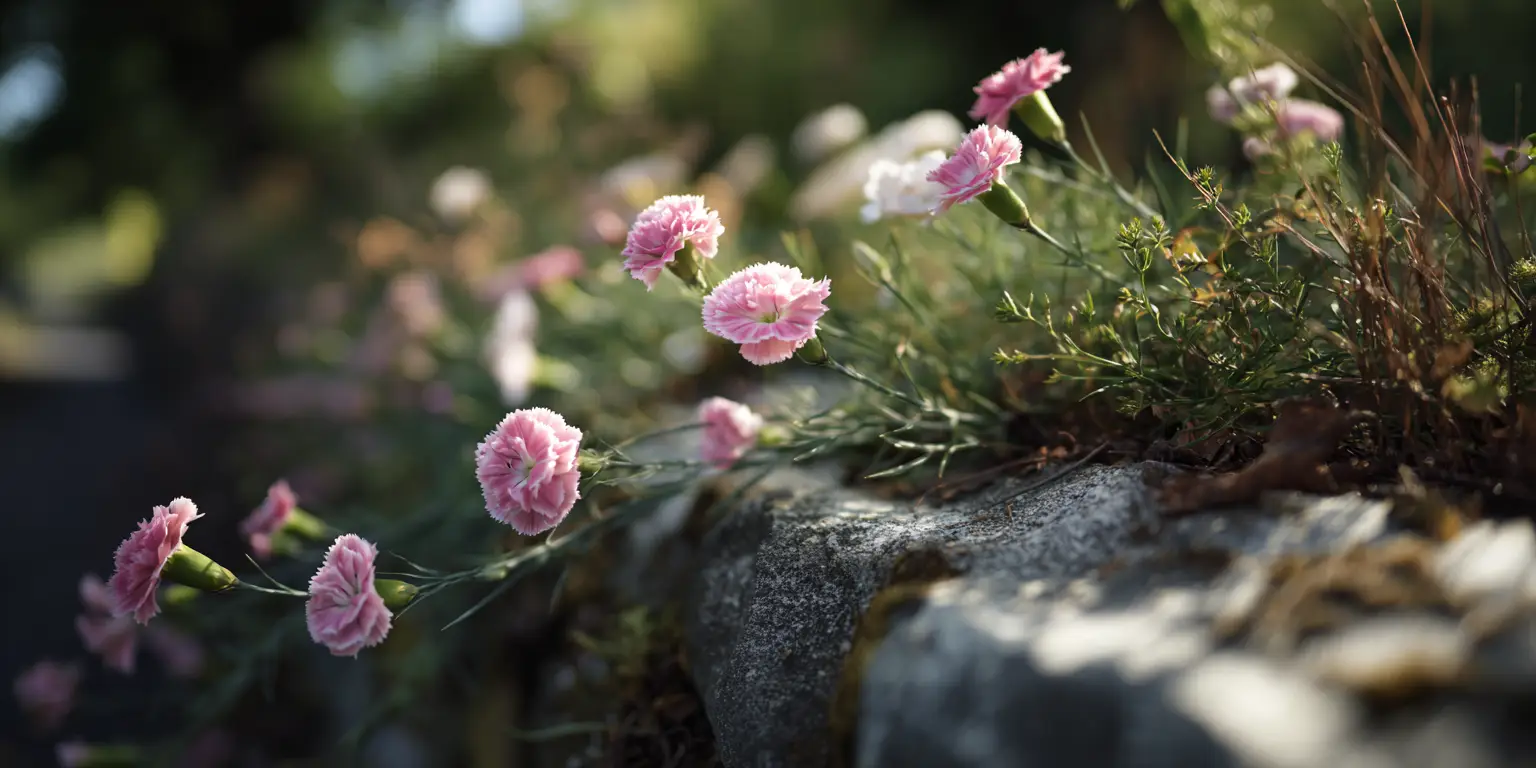
Moderation is key when watering carnations. These plants prefer consistently moist, well-drained soil but do not respond well to overwatering or waterlogged conditions. In practice, this means you should water carnations regularly during the growing season, allowing the top inch of soil to dry out slightly between deep waterings. Keep the soil evenly moist especially in spring when the plants are actively producing new growth and forming buds. Adequate moisture during this period supports strong stem development and quality blooms. During summer, carnations exhibit some drought tolerance once established, but prolonged dry spells can reduce flowering and cause leaves to turn yellow at the tips. It’s best to provide a thorough watering during dry weather, approximately once or twice a week depending on heat and soil drainage, rather than frequent light sprinkling. When you water, aim to soak the root zone deeply and then let excess water drain away – good drainage is critical to prevent root rot. Always avoid letting the plant sit in standing water. Conversely, take care not to overwater; soil that stays too wet can lead to yellowing foliage, limp stems, or rotting at the crown. A telltale sign of overwatering in carnations is the foliage developing a pale, yellowish cast and flower buds drooping or browning before opening. To minimize disease, water at the base of the plant rather than overhead. Wetting the leaves and blooms, especially in the evening, can encourage fungal issues like leaf spots or botrytis. A drip irrigation or soaker hose system works well for carnations, delivering moisture to the roots while keeping the plants’ tops dry. In summary, give your carnations a balanced watering regimen: not too dry to stress them, but never waterlogged. With this moderate, steady moisture approach, carnations will develop deep roots and show improved resilience against both drought and minor neglect. They will reward you with lush foliage and continuous flowers, unlike some thirstier types of flowers that demand constant watering.
🌍 Soil and pH
Carnations need a soil environment that is well-draining above all else. In the wild, Dianthus caryophyllus often grew on limestone-rich, gravelly hillsides, so it thrives in ground that doesn’t stay soggy. In the garden, provide loamy or sandy soil amended with organic matter to give both fertility and good drainage. A gritty, slightly coarse soil texture is ideal as it prevents water from pooling around the roots. Heavy clay soils will pose a challenge for carnations unless significantly improved with compost, aged manure, or coarse sand to open up the texture. Raised beds or mounds can also help with drainage if your native soil is too compact or wet. Along with texture, soil pH is an important factor for carnations. These plants prefer a neutral to slightly alkaline soil. A pH in the range of roughly 6.5 to 7.5 is suitable, with many growers finding the best success around 7.0 and above. In gardening terms, an “alkaline” or “sweet” soil often brings out the healthiest growth in carnations. If your soil is on the acidic side (common in regions with high rainfall or certain soil types), it’s beneficial to incorporate some lime at planting time. Adding ground limestone or dolomitic lime will gently raise the pH and also provide calcium, which carnations appreciate. Be cautious not to over-lime, but aim to neutralize overly acidic conditions. One sign of soil that is too acidic for carnations can be weak growth or yellowish leaves despite proper feeding and watering. By correcting pH, you create a friendlier environment for nutrient uptake. Carnations can surprisingly tolerate mildly saline conditions and poorer soils to an extent – they don’t need overly rich earth – but they do demand that oxygen reaches their roots. Thus, dense or waterlogged soil is to be avoided. If planting in containers, use a high-quality potting mix with perhaps a bit of extra perlite or grit mixed in to ensure quick drainage after watering. In summary, plant carnations in a soil that is loose, fertile, and above all well-drained, with a pH leaning neutral or slightly alkaline. When their roots are in the right medium, carnations will establish easily and exhibit robust health, far outshining their performance in heavy or sour soil. Good soil conditions are a cornerstone of success with this species, as they are for many beloved pink flowers and cottage garden plants.
❄️ USDA hardiness
Carnations are winter-hardy perennials in moderately mild regions, roughly corresponding to USDA Hardiness Zones 6 through 9. In these zones, well-established carnation plants can survive year-round, enduring winter frosts and returning in spring. Zone 7 and 8 are often cited as ideal for perennial carnation cultivation: winters are cool but not severe, allowing the plants to overwinter with perhaps just a protective mulch, and summers are warm but not relentlessly hot. In Zone 6, carnations may survive the winter, especially if given some insulation (such as straw or evergreen boughs over the crown in coldest months) and if soil drainage is excellent so the roots don’t freeze in waterlogged ground. There are even reports of certain hardy varieties overwintering in Zone 5 with heavy protection, but generally zone 5 or colder is risky for Dianthus caryophyllus. In those colder zones, carnations are best treated as annuals or grown in pots that can be moved to a frost-free spot over winter. On the opposite end, zones 9 and even 10 can sustain carnation perennials, but extreme heat can be an issue. Carnations prefer cooler summer weather compared to many heat-loving annuals. In zone 9 (for instance, parts of the U.S. Pacific Northwest or upper South), they often do well but might struggle or take a rest during the hottest part of summer. In zone 10, success may depend on local climate-carnations can tolerate the winter warmth but may not thrive if summers are very hot and humid. Coastal Mediterranean-like climates (cool nights, dry air) suit them better than tropical humidity. Gardeners in high heat areas sometimes grow carnations as a cool-season annual, planting them in fall or winter for spring bloom before the worst heat arrives. It’s notable that carnations are less cold-hardy than some other Dianthus species; for example, many small garden pinks or roses companion plants can handle freezing winters better. So if you’re in a cold region, you might opt for those hardier dianthus relatives. In summary, check your zone: if you’re zone 6-9, you can likely enjoy carnations as short-lived perennials. Provide mulch and good drainage for winter. If colder, use them as a summer annual and collect cuttings or seeds to replant next year. If hotter, treat them as a fall-to-spring bloomer or give them a cooler microclimate. Understanding your USDA zone and climate will help you get the most out of carnations year after year, ensuring these purple flowers and other colored varieties return or persist as expected.
🌼 Propagation and longevity
Carnations can be propagated by several methods, and doing so is often worthwhile given that many cultivars are somewhat short-lived. One common method is starting from seed. Garden carnations, particularly grenadin or Chabaud strain carnations, are readily grown from seed. Sow seeds indoors 6 to 8 weeks before the last frost (typically in late winter), pressing them lightly into a moist seed-starting mix. With warmth and light, carnation seeds germinate relatively quickly (often within a week). Seedlings grow best in bright light and cool conditions; once they have a few true leaves, they can be transplanted into individual pots. These seed-grown plants might not bloom until their second year unless started very early, but they will develop strong root systems for planting out after frost. Direct sowing outdoors is possible after frost, but those plants likely won’t bloom the first year. For gardeners eager for flowers sooner, vegetative propagation is preferred. Carnations are easily propagated from stem cuttings. The best time to take carnation cuttings is typically in summer or early autumn, after the main flush of bloom. Choose healthy, non-flowering shoots (often called “slips”) about 4-6 inches long. Remove the lower leaves and insert the cut end into a free-draining rooting medium (like sand, vermiculite, or a mix of perlite and peat). With high humidity and some bottom warmth, carnation cuttings root in a few weeks. Using a rooting hormone powder on the cut end can improve success, but carnations generally root readily. Once rooted, each cutting can be potted up and grown on to become a new clonal plant identical to the parent. Division is another propagation route, though used less frequently due to the plant’s growth habit. A well-established carnation clump can sometimes be divided in early spring. Carefully dig up the plant and gently separate sections of the crown that have their own roots and shoots. These divisions can be replanted immediately. Not all carnations lend themselves to division (they don’t form easily separable clumps like some perennials), but some mat-forming border carnations do.
In terms of longevity, carnations are often labeled “short-lived perennials.” Many cultivars will be at their best for 2-3 years in the garden, after which the vigor and flower production may decline. This is one reason gardeners propagate new plants regularly or keep a cycle of seedlings coming. However, if a carnation is in ideal conditions – full sun, well-drained soil, not too hot – it can persist and bloom for several years, sometimes up to five or more. Regular maintenance like deadheading and avoiding overcrowding helps extend a plant’s life. Still, it’s wise to view carnation plantings as something to renew periodically. Florists and commercial growers often treat the tall carnation varieties as annual or biennial crops, replacing them after each harvest cycle for maximum bloom quality. In a home garden, you might notice an older carnation developing a woody base and fewer, smaller flowers; that’s a cue to propagate a replacement or sow fresh seeds. Fortunately, keeping carnations going is not difficult with the propagation methods above. Whether by sowing a packet of seeds each year or rooting a few cuttings, you can maintain a continuous presence of this beloved flower in your garden. This strategy is similar to how one might handle other valued perennials that can dwindle over time. By renewing your carnation stock, you ensure the display of frilled blooms and peonies-like perennial charm never fades from your landscape.
👃 Fragrance
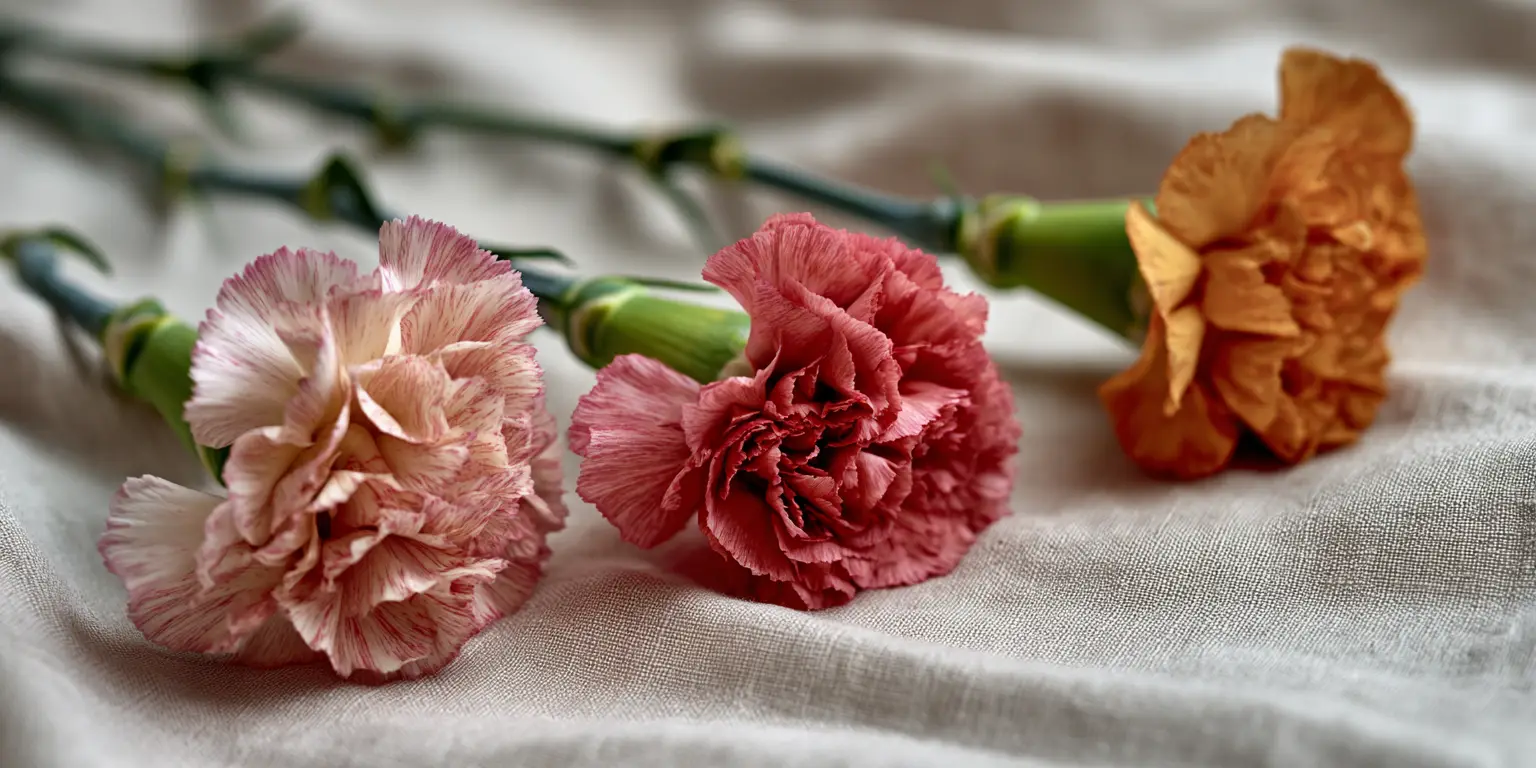
One of the most enchanting features of carnations is their fragrance. A fresh carnation bloom exudes a delightful spicy-sweet scent often compared to cloves or cinnamon. In fact, the nickname “clove pink” comes directly from this characteristic perfume. The fragrance is not overpowering or overly flowery; instead, it carries a warm, spicy note that many people find nostalgic and comforting. Smelling a bouquet of carnations, you might detect hints of clove and nutmeg, a scent profile quite distinct from the rose or lily families. This unique aroma has made carnations popular in corsages and boutonnieres – the bloom not only looks elegant but also gives off a pleasant scent when worn. Traditionally, many carnations had strong fragrance, though it can vary by variety. Some modern hybrid carnations (especially mass-produced florist types) have been bred more for color, form, or longevity than fragrance, so their scent may be faint. Conversely, heirloom varieties and garden border carnations often retain a richer aroma. You’ll typically notice the fragrance most if you put your nose close to the bloom or keep a cluster of carnations in a small space. On warm days, a bed of carnations in the garden can lightly perfume the air, especially if there’s a gentle breeze. The spicy smell comes from natural compounds (related to eugenol, which is also in clove spice) present in the petals. Beyond enjoyment in the garden, carnation’s scent has historically had some uses. In days past, carnation petals were used to flavor certain liqueurs, wines, and vinegars, taking advantage of their clove-like taste and smell. An essential oil from carnation flowers is used in perfumery, though it takes a vast number of petals to yield even a small amount of oil, making it quite precious. Most home gardeners will simply enjoy the fragrance as a sensory bonus of growing these flowers. When you cut carnations for indoor arrangements, their fragrance will continue to please for days, especially in comparison to unscented tulips or other common cut blooms. In summary, fragrance is a defining trait of the carnation. It adds another dimension to the plant’s appeal – not only do you get vibrant color and form, but also a gentle, spicy perfume that evokes tradition and grace.
⚠️ Toxicity and pet safety
While carnations are perfectly safe for humans to handle and even have edible petals for culinary decoration, they are considered mildly toxic to many pets. If you have cats, dogs, or horses that graze, you should be aware that Dianthus caryophyllus (and related Dianthus species) contain compounds that can cause irritation. According to pet safety experts, all parts of the carnation plant are potentially toxic to cats and dogs, though the level of toxicity is generally low. If a curious pet chews on or ingests carnation flowers or leaves, they may experience gastrointestinal upset. Typical symptoms include drooling, vomiting, or diarrhea. The reaction is usually mild and transient, and in most cases the pet recovers without lasting harm once the plant is expelled from the system. In some instances, skin contact can cause mild dermatitis or irritation in pets or people with sensitive skin, due to natural irritants in the sap. The exact toxic principle isn’t definitively known but is suspected to be triterpenoid saponins or similar compounds. From a practical standpoint, if you’re planting carnations in a garden accessible to pets, monitor your animals to ensure they aren’t nibbling on the plants. Most cats and dogs won’t find carnations especially enticing to eat (they don’t have a pungent bitter deterrent like some plants, but also not a delicious taste), so problems are not common. Nonetheless, caution is warranted because even a mild tummy ache for your pet is best avoided. Consider situating carnations in raised beds or containers out of reach, if your pet has a habit of sampling garden flora. When bringing carnation bouquets into the house, place them where pets cannot easily reach the vase. In the context of pet-safe gardening, carnations rank as a minor concern-certainly far less dangerous than highly toxic flowers like lilies or oleander-but it’s good to be informed. If you notice your pet has eaten carnation parts and is showing symptoms, consulting a veterinarian is recommended, although serious poisoning is unlikely. Always err on the side of safety and treat carnations as you would any plant that isn’t explicitly known to be non-toxic: with respectful distance from pets and small children. Aside from pet considerations, humans can handle carnations without issues (barring rare allergies), and as noted, the petals are even used in culinary applications once the bitter white base of the petal is removed. So, in summary, enjoy the beauty and fragrance of carnations, but be mindful around pets – these occasion flowers are meant to be enjoyed visually and olfactorily, not devoured by our furry friends.
🌿 Vase life
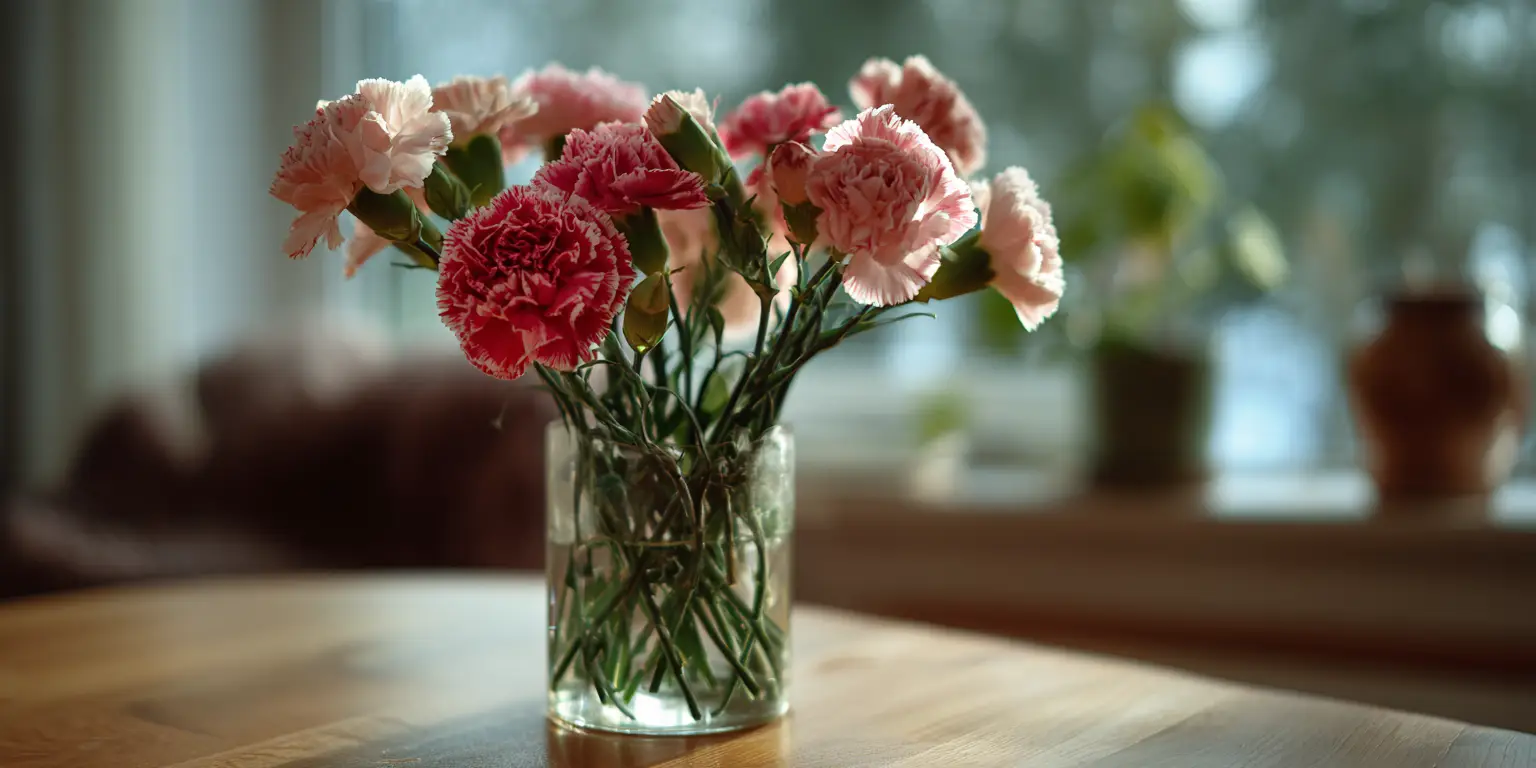
Carnations are famed for their exceptional vase life, outlasting many other cut flowers. When freshly cut and placed in water, carnation blooms can remain vibrant for a long time – often 7 to 14 days, and under ideal conditions sometimes up to 2 or even 3 weeks. This longevity makes them a favorite in the floral industry and for anyone who loves keeping fresh bouquets at home. To maximize the vase life of carnations, a few simple steps can be taken. First, always cut carnation stems with a clean, sharp knife or shears at a 45-degree angle. This increases the surface area for water uptake and prevents the stem from sitting flat on the bottom of the vase. Remove any leaves that would be submerged below the water line, as leaves in water can rot and promote bacterial growth that shortens flower life. Place the carnations in a clean vase filled with fresh, room-temperature water. It’s beneficial to use a floral preservative (the little packets that often come with bouquets) which provides nutrients and inhibits bacteria, though carnations will still last well even in plain water if it’s changed regularly. Position the vase in a cool spot, out of direct sunlight and away from heat sources or drafts. Carnations do well in moderate indoor temperatures; very warm rooms can speed their decline. Change the water every couple of days, trimming a small portion off the stem ends each time to keep the uptake channels open. Carnation flowers often continue to open further after cutting, especially tight buds that were harvested early, so you may see your bouquet become fuller over the first few days. One reason carnations have such a good vase performance is their sturdy petals and calyx. The petals are somewhat firm and resist wilting, and each bloom has a high petal count which means even as some outer petals age, the inner ones keep the flower looking fresh. Additionally, carnations don’t shed petals easily – unlike, say, roses that might shatter petals after a week, carnations tend to dry out slowly and retain their form. Eventually, old carnation blooms will shrivel at the edges or turn a bit brown, at which point you can pluck them out of an arrangement, but they won’t litter your table with fallen petals. Many people are pleasantly surprised to find carnation arrangements looking nearly as good on day ten as on day one, especially if care is taken. In fact, some modern varieties have been bred specifically for extra-long vase life, as evidenced by reports of certain cultivars lasting nearly a month under refrigeration or special care. While typical home conditions might not match that, you’ll still find carnations to be among the longest-lasting cut red flowers or blooms of any kind you can bring indoors. This quality, paired with their beauty and fragrance, makes carnations a top choice for anyone who wants flowers that provide great value and enduring enjoyment.
🐛 Pests and diseases
Carnations are relatively easy to grow and not extremely prone to problems, but like any garden plant they do have a set of potential pests and diseases to watch for. Being proactive about these issues will keep your carnations healthy and blooming their best.
Pests: Several common garden pests may target carnations. Aphids are frequent visitors; these tiny green or black sap-sucking insects often cluster on new growth and buds, extracting juices which can cause curled or yellowing leaves and deformed flowers. If you notice sticky residue (honeydew) or see the little bugs, treat the plant by washing them off with a strong water spray or applying insecticidal soap. Spider mites can also infest carnations, especially in hot, dry conditions or greenhouse settings. These microscopic spider-relatives feed on underside of leaves, causing a speckled, pale appearance to foliage and fine webbing. Misting plants (when it’s hot and dry) can deter spider mites, as they prefer low humidity, and again insecticidal soap or horticultural oil can control them if they appear. Thrips are another pest that sometimes affect carnation flowers, sneaking inside blooms and causing brown streaks or patches on petals. Thrips are harder to spot with the naked eye, but if your carnation flowers have unexplained discoloration, thrips could be the culprit; sticky blue traps and specific insecticides can manage thrip infestations. In outdoor gardens, cutworms and other caterpillars might chew carnation stems or buds. Cutworms are notorious for biting through stems at soil level, causing the plant to topple. Protecting young plants with collars (a paper or plastic ring around the stem base) can prevent cutworm damage, and hand-picking caterpillars in the evening is an organic control method. Slugs or snails are generally not a major threat to carnations due to the plants’ wiry stems and relatively tough foliage, but very young seedlings could be nibbled-so using slug bait or traps around new plantings might be prudent in moist climates. Fortunately, carnations have some natural resistances: deer typically leave them alone (they are considered deer-resistant, possibly due to the spicy taste), and rabbits also tend to avoid munching on carnation leaves, although one can never guarantee a hungry rabbit’s behavior.
Diseases: The most serious diseases affecting carnations are fungal and occasionally bacterial. Rust is a common fungal disease for Dianthus species; it manifests as orange-brown pustules on the undersides of leaves and sometimes on stems. This can cause leaves to yellow and drop. If you see rust, remove and destroy affected foliage and avoid overhead watering to keep leaves dry. Providing good spacing for air circulation and applying a fungicidal spray can help if rust becomes recurrent. Leaf spot diseases (such as those caused by Alternaria or Septoria fungi) create small brown or black spots on foliage that can coalesce and cause premature leaf drop. Similar sanitation and preventive measures (clean up debris, keep leaves dry, use fungicide if needed) apply. Botrytis blight, or gray mold, can affect carnation flowers especially in cool, damp weather or if spent blooms are left in place. Botrytis causes blossoms to turn brown, with a fuzzy gray mold often visible on petals. Removing faded flowers promptly (deadheading) and ensuring plants aren’t crowded will mitigate botrytis; in severe cases, fungicide can be employed. Another issue carnations may face is stem rot or wilt. Fusarium wilt is a fungal disease that can cause carnation stems to split, turn brown, or the entire plant to wilt and die. It often enters through the roots and clogs the plant’s vascular system. Unfortunately, Fusarium can persist in soil, so affected plants should be removed and destroyed, and it’s wise not to replant carnations in the exact same spot if this occurs. There is also a bacterial wilt (bacterial carnation wilt) that causes blackened stems and a slimy oozing if cut – similarly deadly to the plant. With any wilt or rot, immediately remove the plant to prevent spread, and be careful to disinfect pruning tools used on diseased plants. Root rot can occur if carnations are kept too wet; the roots will brown and the plant wilts as if thirsty, but adding water only worsens the problem. The best cure is prevention via excellent drainage, as mentioned in the soil section. If detected early, improving drainage and letting the soil dry can sometimes save the plant.
General care to prevent problems: Many carnation health issues can be avoided by proper cultural practices. Plant in well-drained soil and full sun to discourage fungi. Water the base of plants in the morning so that any splashes on leaves dry quickly. Give each plant enough space for air to move between them. Rotate planting locations each year if growing carnations as annuals, to avoid soil-borne disease buildup. Clean up any dead foliage or spent blooms, as decaying plant matter can harbor disease spores. If you do notice a problem, act promptly – early intervention can often stop a minor pest issue from becoming a major infestation or prevent a small patch of fungus from overtaking the whole plant. With attentive care, your carnations will remain healthy and continue to produce their gorgeous, fragrant blossoms, standing strong against the usual challenges that garden pink flowers and others might face. Healthy carnations can truly flourish, adding dependable color and form to your garden while suffering minimal pest or disease setbacks.

FAQ
Are carnations annuals or perennials?
Carnations (Dianthus caryophyllus) are technically short-lived perennials. In climates with mild winters (roughly USDA zones 6-9), they can survive and bloom for multiple years. However, in practice many people grow them as annuals – especially in colder zones where they don’t overwinter, or in very hot climates where they don’t summer well. Even in ideal conditions, a carnation plant tends to be most vigorous in its first few years, so gardeners often replant or propagate them periodically to keep the display strong.
How do I care for carnations in the garden?
Provide your carnations with full sun (at least 6 hours of sunlight daily) and plant them in well-draining soil that’s been enriched with a bit of organic matter. Water them regularly but avoid overwatering – let the topsoil dry slightly between deep waterings. Remove spent flowers (deadhead) to encourage more blooms. Avoid mulching directly around the stems (carnations prefer good air circulation and can rot if mulched heavily). Feed lightly with a balanced, slow-release fertilizer in spring, as carnations are not heavy feeders. During peak bloom, staking taller varieties can help keep stems upright. With these basic care steps, carnations will thrive and reward you with continuous colorful blooms.
When do carnations bloom and for how long?
Carnations typically bloom starting in late spring or early summer. The main bloom period is in summer – often June through July – but with good care they can continue flowering on and off into late summer or early autumn. Each individual flower can last a couple of weeks on the plant, and because new buds keep opening, a healthy carnation clump can be in bloom for several months. Deadheading (removing old blooms) greatly extends the overall flowering period by redirecting the plant’s energy into new buds. In warm climates or greenhouse conditions, carnations can even have multiple bloom cycles per year.
Do carnations have any special meaning or symbolism?
Yes, carnations are rich in symbolism. In general, they symbolize love, fascination, and distinction. Different flower colors carry their own traditional meanings: for example, light pink carnations often represent admiration or motherly love, while dark red carnations convey deep love and affection. White carnations can mean pure love or good luck. On the other hand, yellow carnations historically have signified rejection or disappointment, and purple can suggest capriciousness. Carnations have been used for many occasions – the wedding flowers guide often includes them for their meaning of love and commitment, and they are the official flower for Mother’s Day in many countries (a tradition that began with honoring one’s living mother with a pink carnation and one’s deceased mother with a white carnation).
Are carnations safe for cats and dogs?
Carnations are considered mildly toxic to cats and dogs. If a pet eats the foliage or blooms, it may cause an upset stomach, including symptoms like vomiting or diarrhea, and possibly some drooling or mouth irritation. The reaction is usually not severe, and many pets will avoid eating enough to cause serious harm because the taste is somewhat bitter. Nonetheless, it’s best to keep carnations out of reach of pets to prevent any ingestion. If you enjoy displaying carnation bouquets at home, place them where pets cannot nibble on them. If you suspect your pet has eaten carnation and notice persistent symptoms, consult your veterinarian for advice.
How long do cut carnations last in a vase?
Cut carnations are among the longest-lasting flowers for arrangements. On average, they stay fresh in a vase for about 1 to 2 weeks. With excellent care – such as giving them clean water, flower food, and a fresh stem trim every few days – they can last even longer, sometimes up to 3 weeks. This makes carnations a fantastic choice if you want blooms that don’t fade quickly. Remember to remove any leaves below the water line, keep the vase water clean, and place the bouquet in a cool spot away from direct sun or heat vents. You’ll find carnations maintain their beauty far longer than many other cut flowers.
How can I propagate my carnations?
Carnations can be propagated from seed, cuttings, or division. To propagate by seed, start them indoors a couple of months before your last frost; sprinkle the tiny seeds on the surface of moist seed mix and they should germinate within a week or two. Seed-grown plants often bloom in their second year. For faster results true to the parent plant, take stem cuttings. Cut a 4-6 inch non-flowering shoot, remove the lower leaves, and insert it into a moist, sandy propagation mix. Keep it humid (cover with a plastic dome or bag) until roots form, usually in 3-4 weeks. Once rooted, transplant the new start into a pot and let it grow on. Division is less common but if your carnation has formed multiple offshoots at the base, you can carefully split these apart in early spring, ensuring each piece has roots attached, then replant them separately. Each method can be successful – gardeners often find cuttings the easiest way to clone a favorite carnation cultivar.
Why are my carnations turning yellow or not flowering well?
Yellowing leaves or poor flowering in carnations can result from a few causes. One common reason is overwatering or poorly drained soil – carnations dislike “wet feet,” so excess moisture can cause root issues that manifest as yellow, wilting foliage. Make sure your soil drains freely and adjust your watering habits if needed (water less frequently, only when the topsoil is dry). Another cause could be lack of sunlight; carnations that don’t get enough sun may grow weakly and fail to produce many blooms. Ensure they have at least 6 hours of direct light. Nutrient deficiencies can also lead to yellow leaves – a bit of balanced fertilizer or adding compost can help if the soil is depleted. If buds form but don’t open or the plant seems stunted, check for pests like spider mites or aphids, which can sap the plant’s strength. Finally, remember that many carnations won’t bloom in their first year (when grown from seed), so if yours are young plants, it might just be a matter of time and patience before they flower.
Can carnations grow in pots or indoors?
Yes, carnations can be grown successfully in pots, and even indoors with sufficient light. In fact, their relatively compact size and affinity for well-drained soil make them good container candidates. Use a pot with drainage holes and a gritty, loamy potting mix. Place the potted carnation in a location that receives full sun – on a balcony, patio, or a sunny windowsill if indoors. They will need at least a half day of strong sunlight (or supplemental grow lights) to bloom well. Water potted carnations when the top inch of soil is dry, and ensure excess water can drain out to prevent root rot. Regularly pinch or deadhead spent blooms to keep the plant tidy and reblooming. Indoor carnations might stretch toward light, so rotate the pot periodically for even growth. While carnations are not a typical houseplant, they can be enjoyed inside for a season or two; some people pot up garden carnations in fall to bring them indoors over winter. Just be mindful that indoor heating can make the air very dry – using a humidity tray or misting occasionally can help if you see any spider mite issues. Overall, with attentive care, you can enjoy carnations in containers much the same as in the ground.
Interesting tips
- Carnations are the birth flower for January and the official flower for first wedding anniversaries, symbolizing love and loyalty. Incorporating them into celebratory bouquets or an occasion flowers arrangement can add a traditional touch of meaning.
- To prolong carnation blooms in the garden, pinch off the first flower bud on each stem when plants are young. This encourages the plant to branch and produce multiple buds, resulting in a bushier plant with more flowers overall. It’s a little trick many gardeners use to increase the floral display.
- Carnations (especially white ones) are famously used in science experiments for children. By placing the cut stem in colored dye water, the petals of the white flowers will gradually turn the color of the dye, visually demonstrating how plants absorb water. This fun project highlights the carnation’s capillary action and makes for an eye-catching lesson.
- If you want intensely fragrant carnations, try growing old-fashioned heirloom varieties or “heritage” strains. Many modern florist carnations have lost some scent, but older varieties, often found through specialty seed companies, can fill the air with that spicy clove perfume on warm days. Planting these near seating areas or doorways lets you enjoy their aroma in passing.
- Carnation flowers are edible and have been used to add a spicy kick to dishes. You can crystallize the petals in sugar for cake decorations or toss fresh petals (with the bitter base removed) into salads for a pop of color and clove-like flavor. Always ensure no pesticides or harmful chemicals were used if you plan to consume the petals.
- These blooms are remarkably hardy as cut flowers. To revive slightly wilted carnations, you can re-cut the stems and place them in warm water with a bit of sugar or floral preservative. They often perk up and continue to last days longer. Carnations will also last longer in a vase if you remove them from very warm environments each night – some florists store arrangements in a cool garage or fridge overnight to extend freshness.
- In the language of flowers, beyond the general color meanings, a striped carnation (white with colored streaks) traditionally meant “refusal” or “sorry I can’t be with you.” While such subtleties are mostly lost today, it’s an interesting historical footnote. Florists in Victorian times had to be careful which color of carnation they included in a bouquet, lest they send the wrong message!
- Carnations are relatively pest-resistant in the garden. Their peppery foliage seems to deter many common pests like deer. If you have a garden frequented by deer or rabbits, planting carnations (along with other resistant plants) might help minimize damage, as these animals usually prefer softer greens. This makes carnations a smart choice for boundary plantings around more susceptible flowers.
- When preparing soil for carnations, consider adding a bit of bone meal. Carnations appreciate the extra calcium and phosphorus, which help build strong stems and encourage flowering. It also gently raises soil pH over time. This old gardener’s tip comes from the days when carnations were grown en masse for the cut flower market – robust stems were crucial for florist use.
- If you live in an area with cold winters, you can overwinter potted carnation plants indoors. Trim them back lightly after the blooming season, then keep the pots in a cool, sunny location (like a sunroom or cool windowsill). Water sparingly through winter. Come spring, acclimate the plants back outdoors. This way you carry your favorite carnation through the winter and possibly get a head start on flowering next year.
Related Guides & Flowers
- Anemone
Crisp, elegant blooms that pair well with carnations in bouquets and spring arrangements. - Ranunculus
Ruffled, rose like layers that match carnation texture for romantic, full bouquets. - Alstroemeria
A long lasting cut flower that complements carnations with a lighter, speckled look. - Snapdragon
Adds vertical lines and movement, great for mixed vase arrangements with carnations. - Phlox
Soft clusters that echo the dense, garden feel carnations can create in borders and bouquets. - Cornflowers
A less obvious, cottage style match that adds airy blue accents next to carnations. - Globe Thistle
Bold, architectural texture that contrasts carnation ruffles in modern or dried friendly designs. - Love in a Mist
Delicate, lacy foliage and unique blooms for soft filler around carnations in garden style bouquets
References
- Carnation toxicity for pets, ASPCA Animal Poison Control
Shows that carnation is toxic to dogs, cats, and horses, with typical mild GI signs and possible dermatitis. - ABCs of Pot Carnation Culture, North Carolina State University
Practical greenhouse and pot carnation handling notes, including market stage guidance. - Managing Pests in Gardens, Carnation, UC IPM
Clear pest and disease list for carnations and what to watch for. - Miniature Carnation Cut Flower Production in Utah, Utah State University Extension
Cut flower production tips with fertilization and culture guidance for carnations.
Written by: Your Flowers Guide editorial team
We are a small independent group of flower lovers who research and review each guide using trusted horticultural and educational sources. Learn more about us