Contents
Dahlia
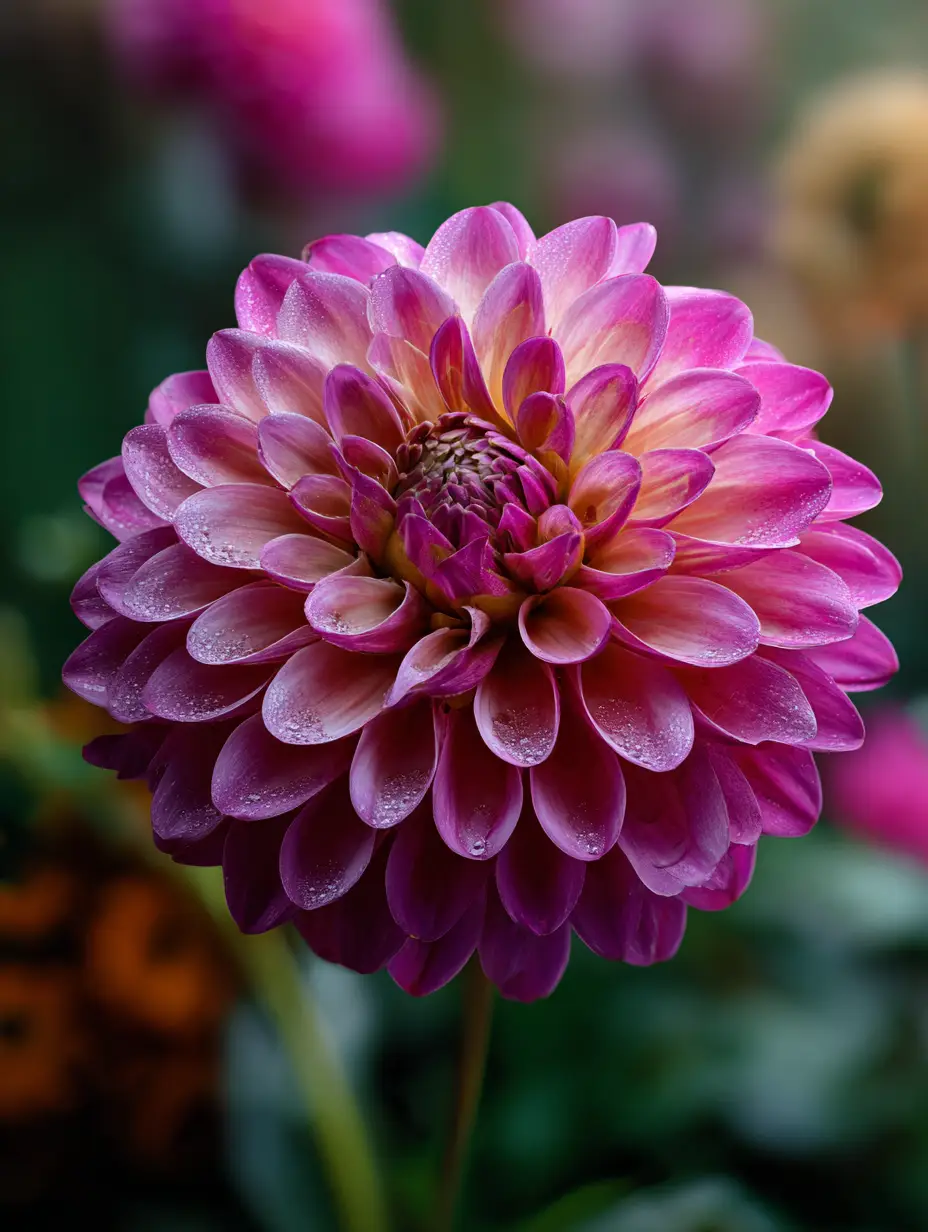
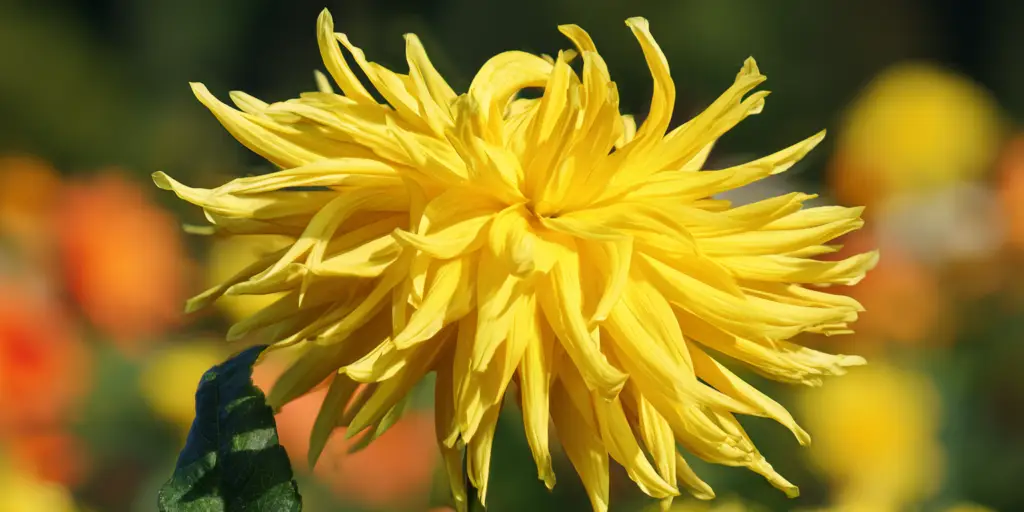
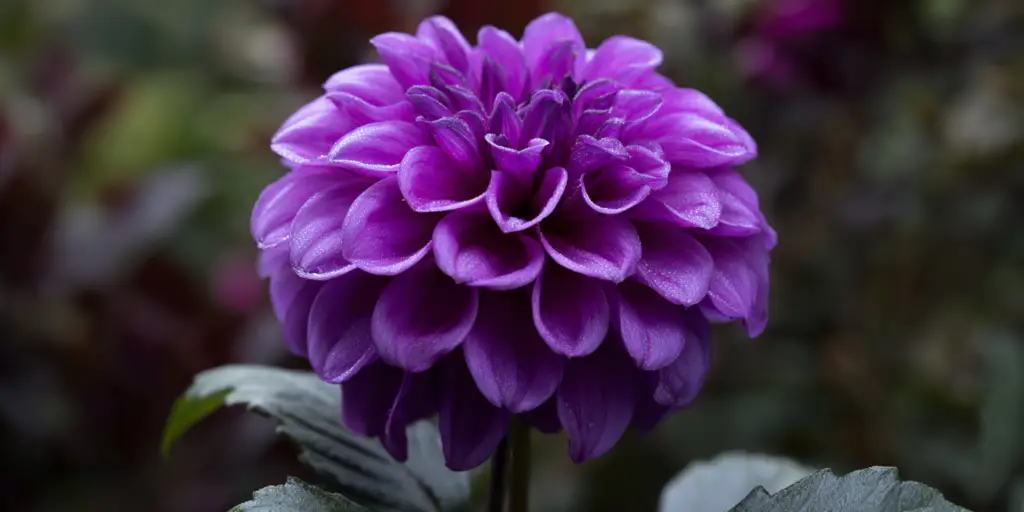
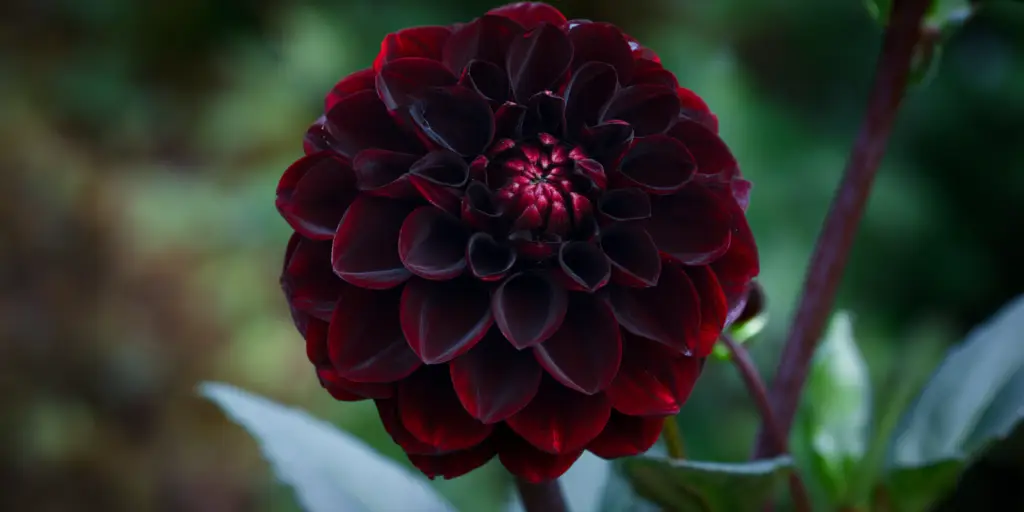
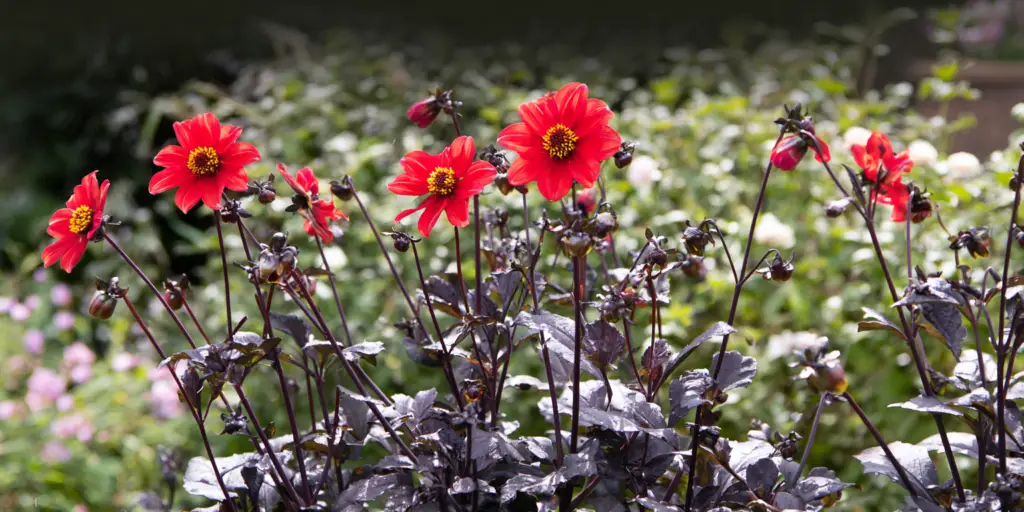
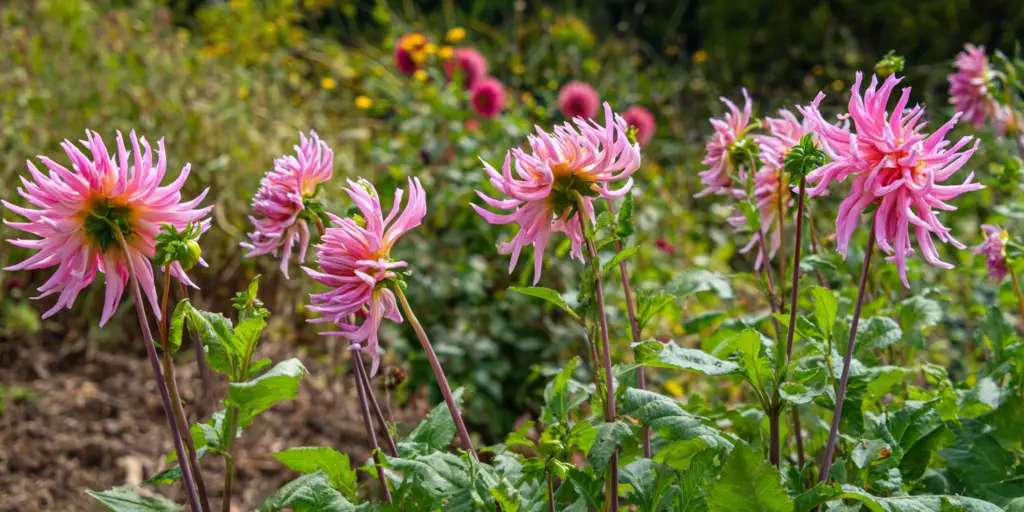
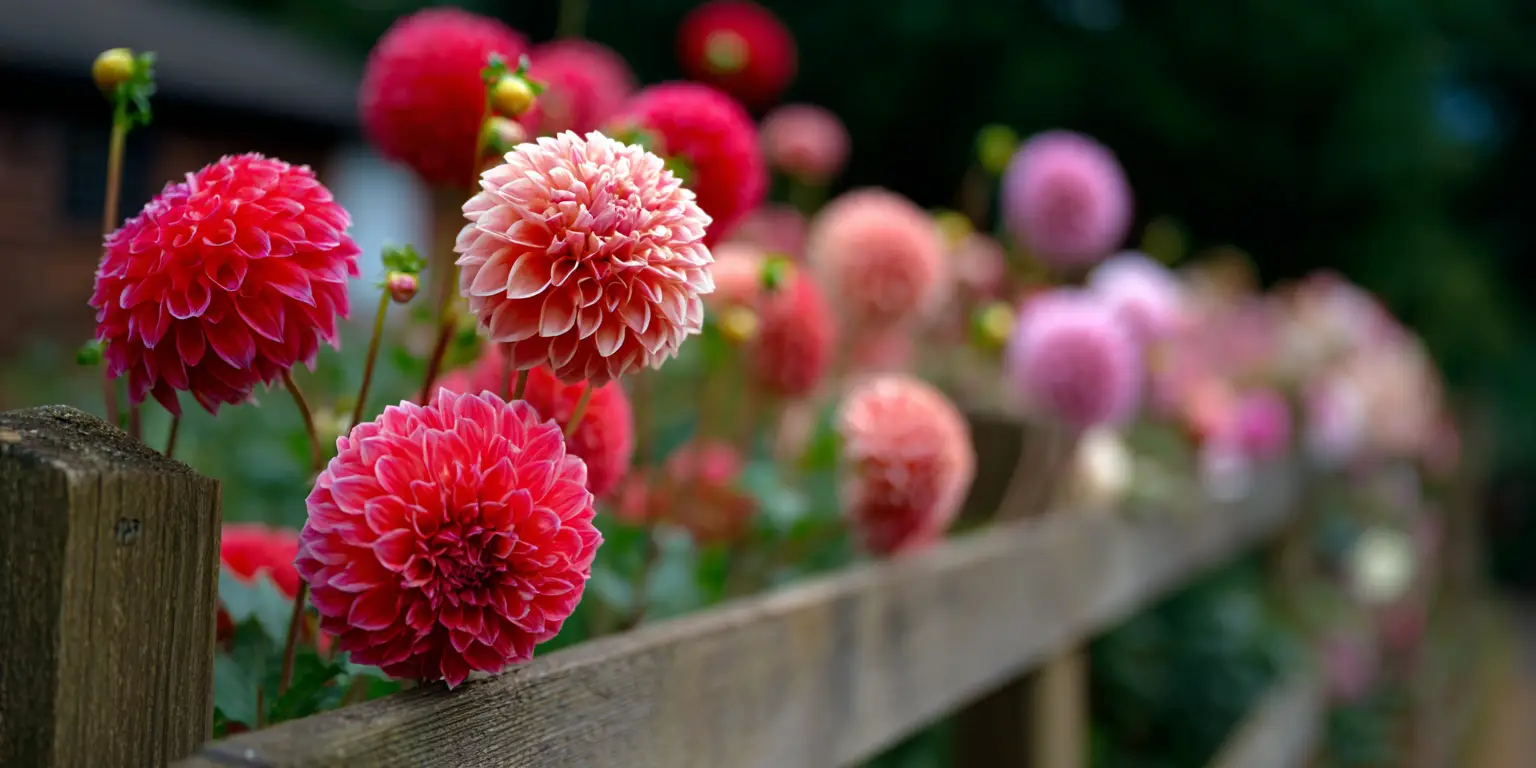
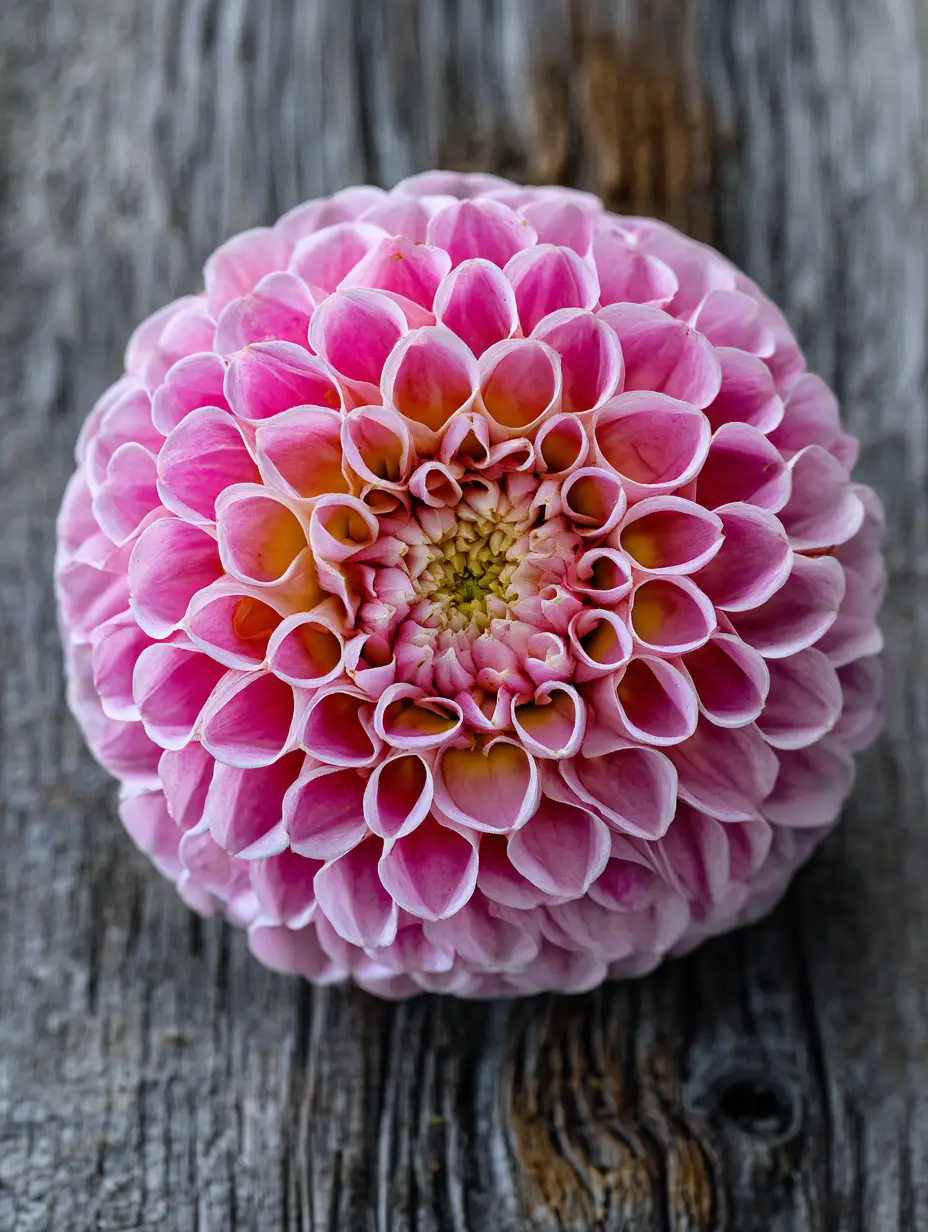
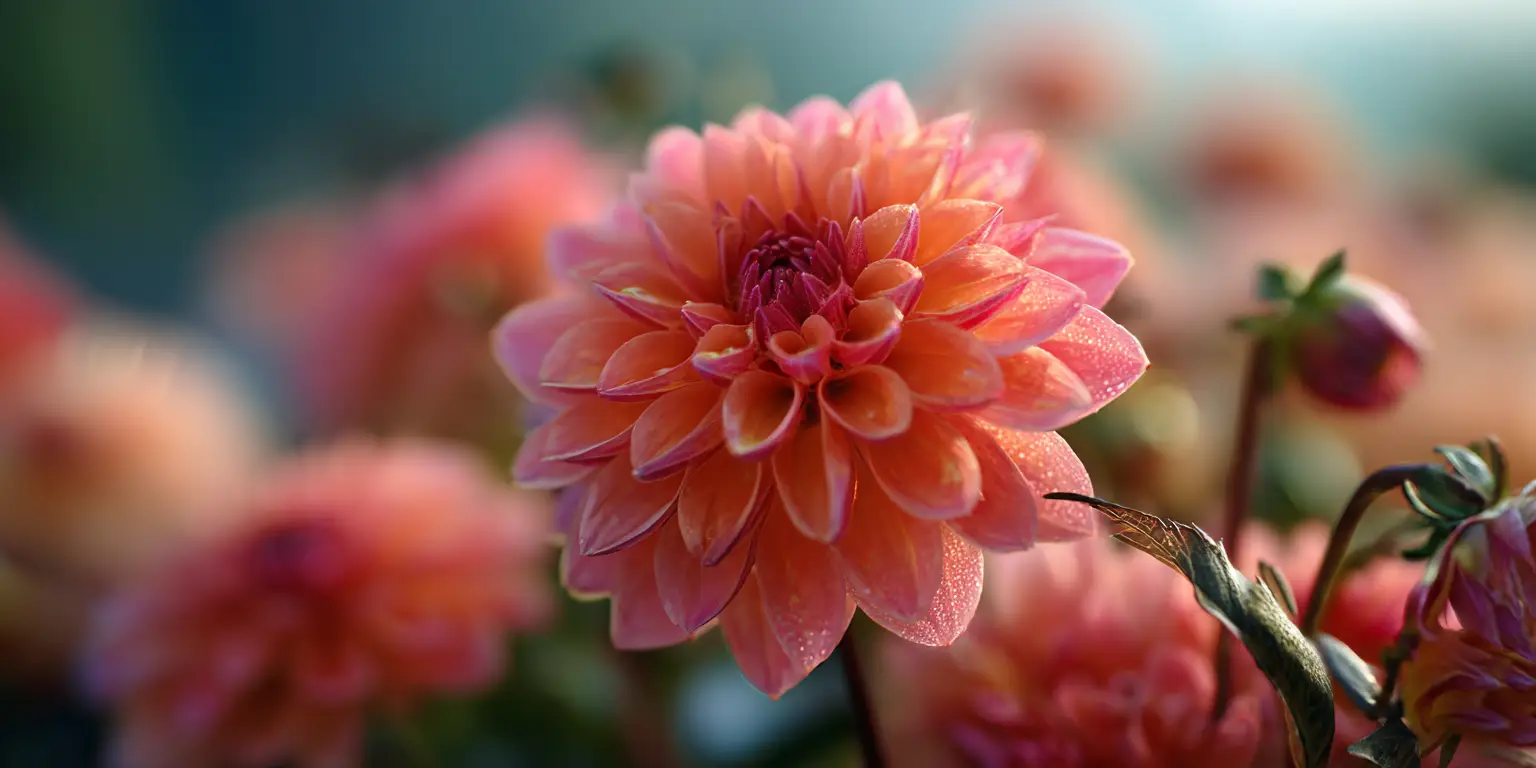
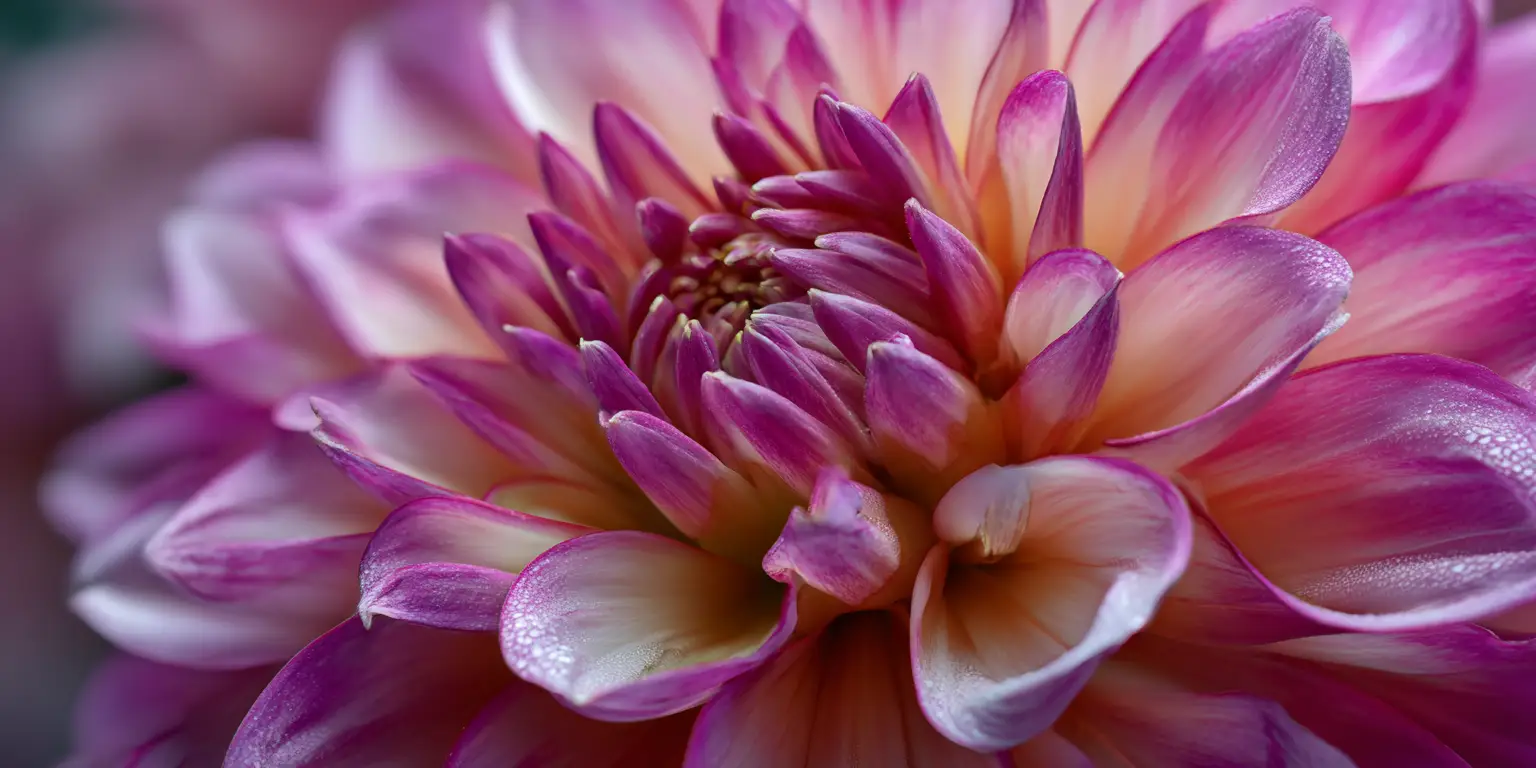
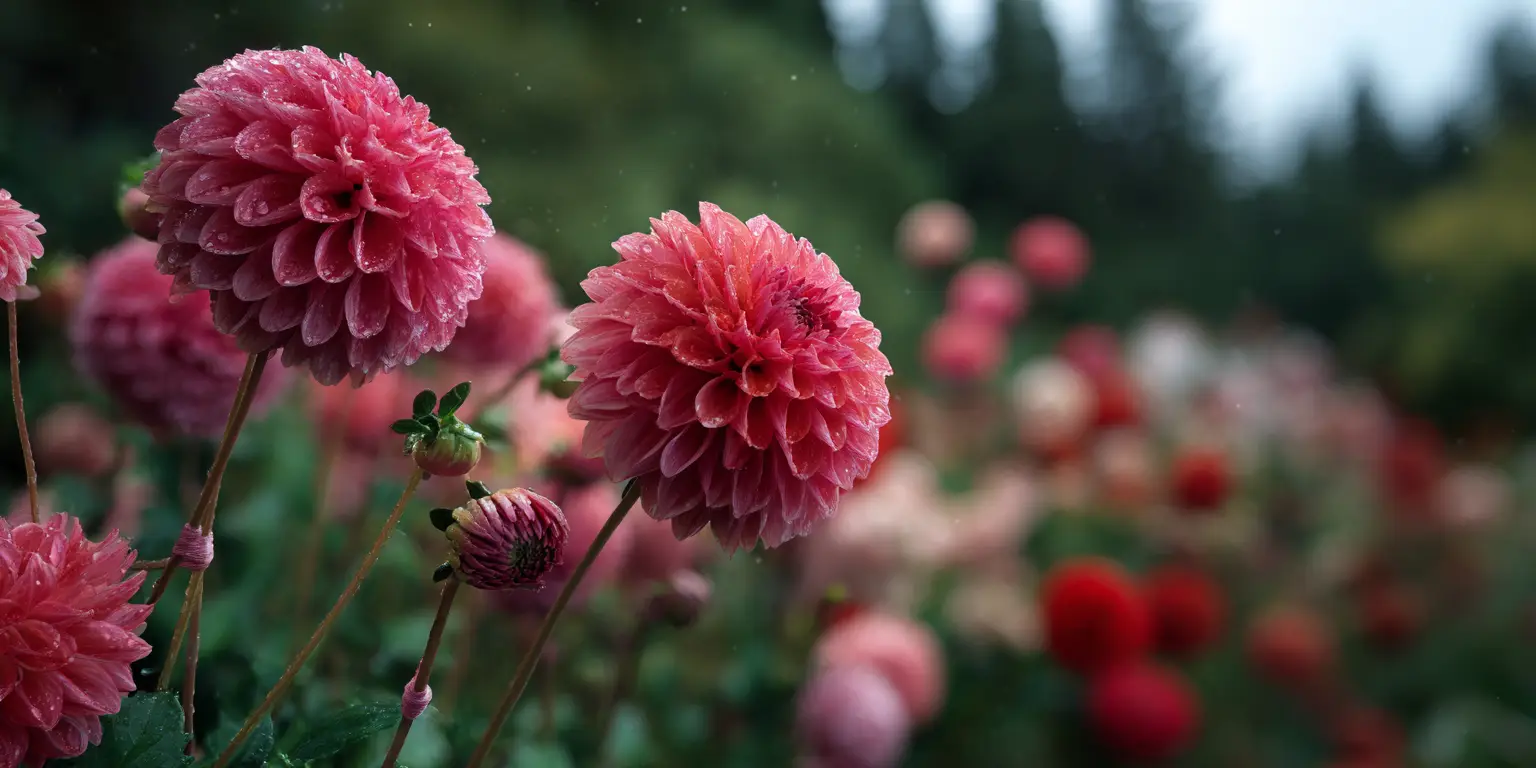
The Dahlia stands out among the many types of flowers in cultivation, renowned for its spectacular blooms and diversity. It is a genus of bushy, tuberous perennials in the daisy family, valued for large, intricate flower heads that brighten mid to late summer gardens. These classic summer flowers feature an astonishing range of bloom shapes and sizes – from spiky cactus dahlia blossoms to frilled decorative dahlia forms and perfectly round ball dahlia pompons. Each plant can produce a profusion of dazzling blooms that rival roses and peonies in lush beauty. Dahlias also come in nearly every color imaginable: vibrant pink flowers, brilliant yellow flowers, deep reds, purples, and bicolors – virtually every hue except true blue flowers. Their dramatic presence makes them favorites in both cottage borders and elegant arrangements. In fact, dahlias are often highlighted in bridal bouquets (wedding flowers guide), bringing show-stopping color and texture to summer and fall events.

A clear, step-by-step guide to soil, planting, watering, feeding, pruning, and winter care. Includes zone timing, container tips, companions, and quick fixes for common problems.

Bouquet Ideas
Explore simple, beautiful bouquet ideas for the home, gifts, and special occasions from romantic mixes to clean, minimal styles. Each idea includes suggested flower combinations, color palettes, and sizes, with photos for quick inspiration.
🌱 Taxonomy and origin
Botanically, the Dahlia genus belongs to the Asteraceae family (the composite or daisy family), which it shares with sunflowers, marigolds, daisies, and zinnias. There are dozens of Dahlia species native to the highlands of Mexico and Central America, and the plant was cherished by indigenous cultures long before European contact. Named in honor of 18th-century Swedish botanist Anders Dahl, the dahlia was introduced to Europe in the late 1700s after the Spanish encountered it during the colonial era. By 1789, the first dahlias bloomed in European botanical gardens, captivating growers with their exotic form. Over time, extensive hybridization produced today’s countless cultivars – over 50,000 registered varieties ranging from miniature bedding dahlias to giant “dinnerplate” types. The dahlia’s significance is underscored by its status as the national flower of Mexico (officially declared in 1963), symbolizing the country’s rich natural heritage. In taxonomy, all cultivated dahlias are complex hybrids, but for practicality they are often classed by flower form (such as pompon, decorative dahlia, or cactus) rather than strictly by wild species lineage. With their origin in mild, mountain climates, dahlias have become beloved garden plants worldwide thanks to their adaptability and extraordinary floral diversity.
🌸 Bloom time
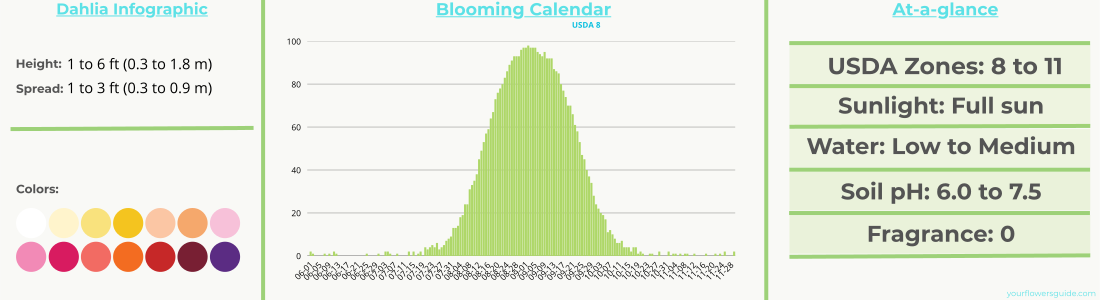
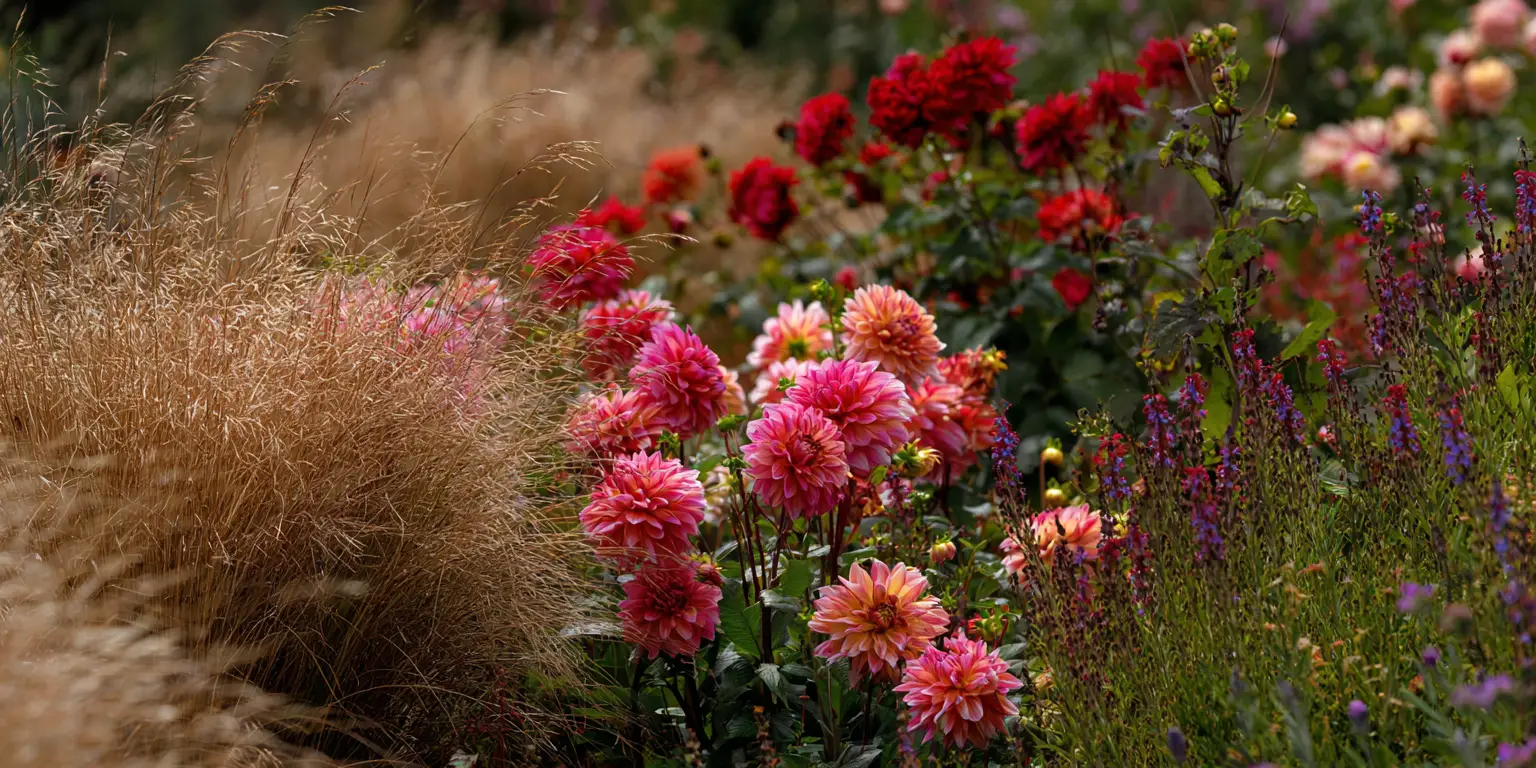
Dahlias are prized for a long blooming season that spans from midsummer well into autumn. In most climates, they begin flowering about 8 to 12 weeks after planting – often starting in July and reaching peak bloom in August and September. Unlike many perennials that fade after early summer, dahlias will continue to produce new flowers until the first hard frost. This means they provide fresh color in late summer and fall when many other summer flowers have finished for the year. Regular deadheading (removing spent blooms) or cutting flowers for arrangements encourages the plants to keep blooming vigorously. Each dahlia bloom can last for a week or more on the plant, and plants typically carry multiple buds in various stages to ensure a continuous show. In warmer regions with a long growing season, dahlias might even start blooming in early summer and carry on through October. Overall, gardeners treasure the dahlia’s ability to deliver abundant, showy blossoms from mid-season until cold weather arrives, making it a true workhorse for seasonal color.
📏 Height and spread
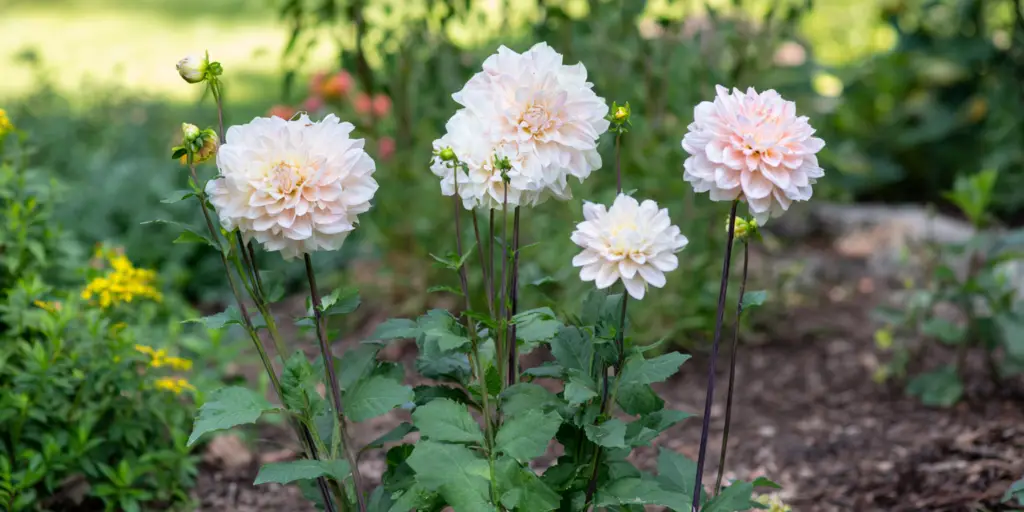
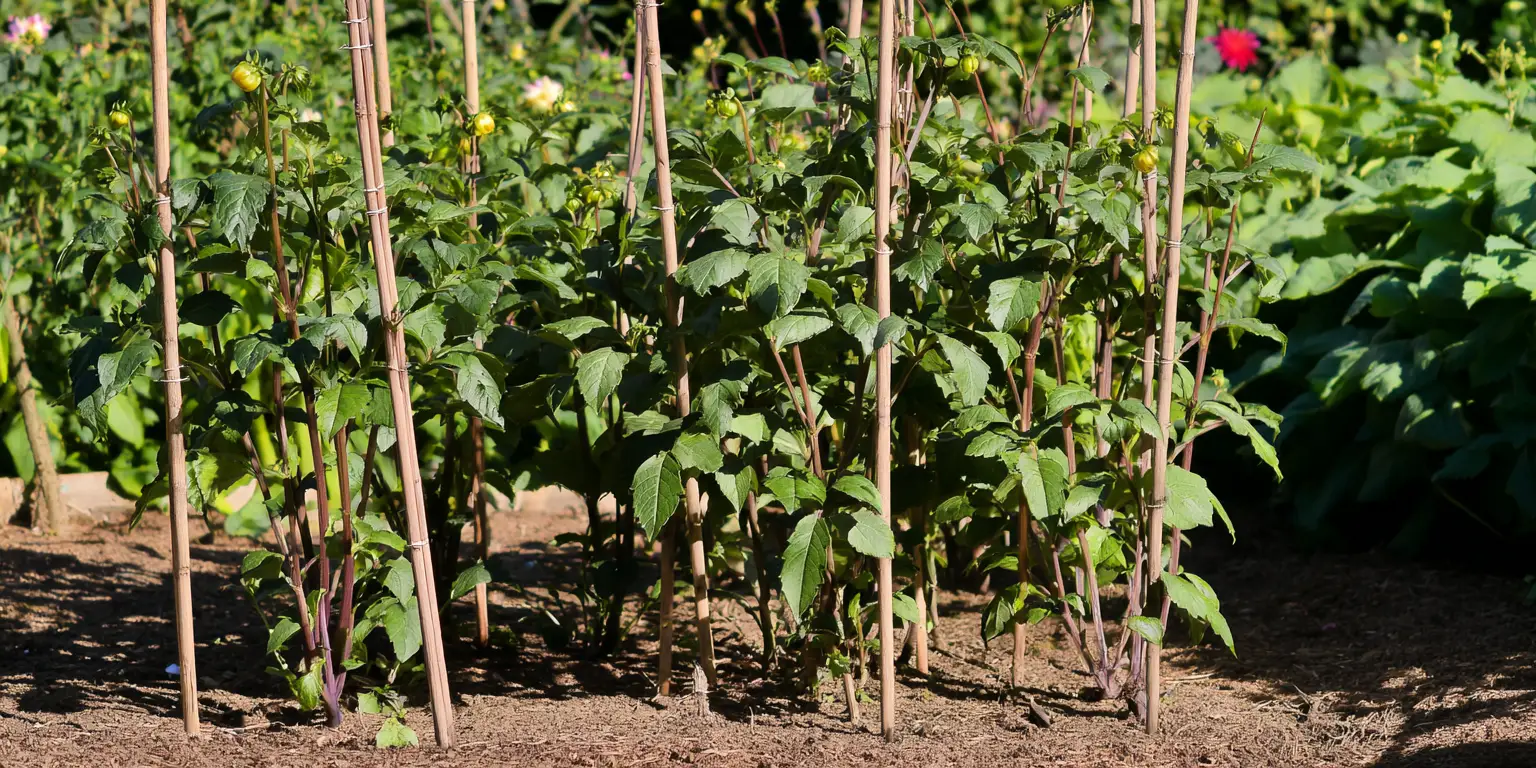
The height and spread of a dahlia plant can vary dramatically depending on the variety. Dwarf border dahlias may grow only about 1 foot (30 cm) tall and wide, forming compact mounds suited to edging and containers. In contrast, tall exhibition or “dinnerplate” dahlias commonly reach 4 to 6 feet (1.2 to 1.8 m) in height, with a bushy spread of 2 to 3 feet. These larger varieties often have thick, hollow stems that benefit from staking to prevent wind damage once they are laden with blooms. There are also extremes such as the tree dahlia (Dahlia imperialis), a species capable of towering 8 to 20 feet (2.5 to 6 m) high in favorable climates, though most garden dahlias stay under 6 feet. Each dahlia plant typically sends up multiple stems from its tuberous root clump, creating a full, rounded habit. Spacing requirements depend on the mature spread; large varieties might be spaced 2 to 3 feet apart, while dwarf types can be planted closer. When planting, it’s helpful to know the expected height: shorter dahlias work well at the front of beds, whereas tall varieties should go to the back or middle. With proper support and spacing, even the tallest dahlias will fill out into an impressive, flower-filled clump by late season.
☀️ Light
Dahlias grow and bloom best in full sun. Ideally, they should receive at least 6 to 8 hours of direct sunlight per day. Abundant light is crucial for vigorous growth and plentiful flowering – in too much shade, dahlia plants tend to become leggy and produce fewer blooms. Morning and early afternoon sun is especially beneficial. In very hot climates or peak summer heat, providing a bit of light afternoon shade can help prevent stress (since extreme heat, especially warm nights, can slow dahlia flowering). However, any shade should be limited; dahlias planted in deep or extended shade will have diminished performance. A sunny, open spot that still offers some protection from strong winds (which can snap tall stems) is ideal. Gardeners often plant dahlias on the south or west side of their property to maximize sun exposure. If growing in containers, placing them in a bright location is equally important. In summary, plenty of sun translates to stronger stems, healthier foliage, and more prolific blooming for dahlias.
💧 Water
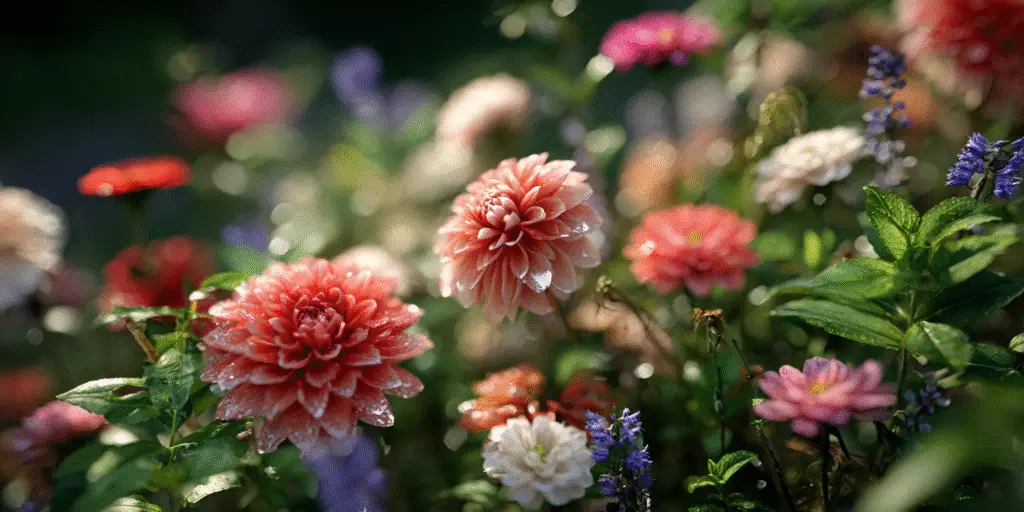
Adequate moisture is important for dahlias, as these plants have a relatively high water demand during their active growth and flowering phase. In general, aim to provide about 1 inch of water per week through rainfall or manual watering, and increase that in hotter, dry periods. Deep, consistent watering encourages the development of strong roots and supports the large blooms. It’s best to water at the base of the plant, keeping foliage as dry as possible to minimize fungal issues. Soaker hoses or drip irrigation can be effective for delivering moisture directly to the root zone. When watering, soak the soil thoroughly until it is moist 6-8 inches down; shallow, frequent sprinkling is less beneficial. At the same time, good drainage is critical – dahlia tubers can rot if they sit in waterlogged or soggy soil. Avoid overwatering newly planted tubers before they have sprouted; wait until green shoots appear above ground, then begin watering more regularly. During peak bloom in summer, check soil moisture often (especially in containers, which can dry out faster). Wilting foliage or drooping blooms in midday can be a sign the plant needs water (though slight midday wilt can also happen from heat). By maintaining even soil moisture (not too dry, not oversaturated), you will help your dahlias produce lush foliage and continuous blooms.
🌍 Soil and pH
Dahlias thrive in rich, well-draining soil with plenty of organic matter. A loose loam or sandy loam that retains moisture but doesn’t stay waterlogged is ideal, as their fleshy tubers need oxygen and dislike sitting in heavy, wet clay. Before planting dahlias, it’s beneficial to work compost, well-rotted manure, or other organic material into the top 8-12 inches of soil to improve fertility and drainage. In terms of soil pH, they prefer a slightly acidic to neutral range – about 6.5 to 7.0 is often cited as optimal. They can tolerate somewhat more acidic soil (down to around 6.0) or slightly alkaline conditions up to about 7.5, but extreme pH levels may lead to nutrient deficiencies. If unsure, performing a soil pH test can guide whether to add amendments (like lime to raise a low pH, or sulfur to lower a high pH) before planting. Once growing, dahlias are heavy feeders, so a balanced or bloom-oriented fertilizer (low in nitrogen, higher in phosphorus and potassium) can be applied to support ongoing growth. However, avoid over-fertilizing with high nitrogen formulas, as this can lead to abundant foliage with few flowers. Good garden soil prep – nutrient-rich, well-aerated, and properly pH-balanced – will set the stage for healthy dahlia plants that produce lots of blooms.
❄️ USDA hardiness
Dahlias are tender perennials and survive winter only in relatively mild regions. They are considered winter-hardy in approximately USDA Zones 8-11, where the ground does not freeze deeply. In these warmer zones, dahlia tubers can often be left in the ground year-round (especially if given a protective layer of mulch in zone 8). The plants will die back after frost, but the tubers can resprout the following spring. In colder climates – Zones 7 and below – the tubers will not reliably survive freezing temperatures in soil. Gardeners in those areas typically treat dahlias as annuals or lift the tubers for storage before winter (see Propagation and longevity). Practically speaking, dahlias can be grown as summer flowering plants in almost any zone (even as far north as zone 3 or 4) as long as the tubers are planted after the last spring frost and dug up in fall before the ground freezes. They simply will not overwinter outdoors in cold regions. Timing is important: in spring, wait until soil has warmed to about 60 °F (16 °C) and all frost danger is past before planting tubers or transplants. In summary, the geographic “growing zone” for dahlias is very broad (zones 3-11 for summer growth), but their “hardiness zone” for perennial survival is narrow (zones 8-11, with protection at the lower end). Knowing your zone helps determine if you can leave dahlias in the ground or if you must lift them each year.
🌼 Propagation and longevity
Dahlias are typically propagated from their fleshy underground tubers, which are often referred to as dahlia tubers or root divisions. At the end of the growing season, after frost blackens the foliage, gardeners carefully dig up the clump of tubers that has formed from each plant. These can be divided to produce more plants – each division must have at least one “eye” (a growth bud, usually near the tuber’s neck) to sprout the following season. Dividing is best done in late fall or early spring. The basic propagation cycle for dahlias involves saving tubers from season to season: in cold climates this means lifting and storing them, while in mild climates tubers can often remain in situ. Another propagation method is by cuttings – for example, taking cuttings from new shoots in spring and rooting them to create clones of a favorite variety. Dahlias can also be grown from seed, but seedlings will be variable and not true to named cultivars (this approach is used mainly by breeders or for single-season bedding dahlias). For gardeners, dividing tubers and replanting is the most reliable way to multiply prized dahlias.
With proper care, dahlia tubers can be kept alive and productive for many years, giving the plants notable longevity in cultivation. In frosty regions, overwintering dahlias involves storing the dug tubers in a cool, dry but frost-free environment. After digging, excess soil is gently brushed off and the tubers are allowed to cure (dry slightly) for a few days in a well-ventilated spot out of direct sun. They are then packed in materials like peat moss, wood shavings, or vermiculite and stored at around 40-50 °F (4-10 °C) with moderate humidity to prevent shriveling. Throughout winter, it’s wise to check on stored tubers periodically and remove any that show signs of rot. When spring arrives, these tubers can be potted up or replanted outdoors to grow another generation of plants. In warmer zones where tubers overwinter in the ground, the clumps should be dug and divided every few years to prevent overcrowding and rejuvenate the plant’s vigor. Many avid growers maintain a stock of different dahlia cultivars this way, essentially treating their tubers as a perennial collection. With each passing season, healthy tubers will sprout, grow into full plants, and reward the gardener with abundant blooms, whether in a display bed or a dedicated cutting garden for flowers.
👃 Fragrance
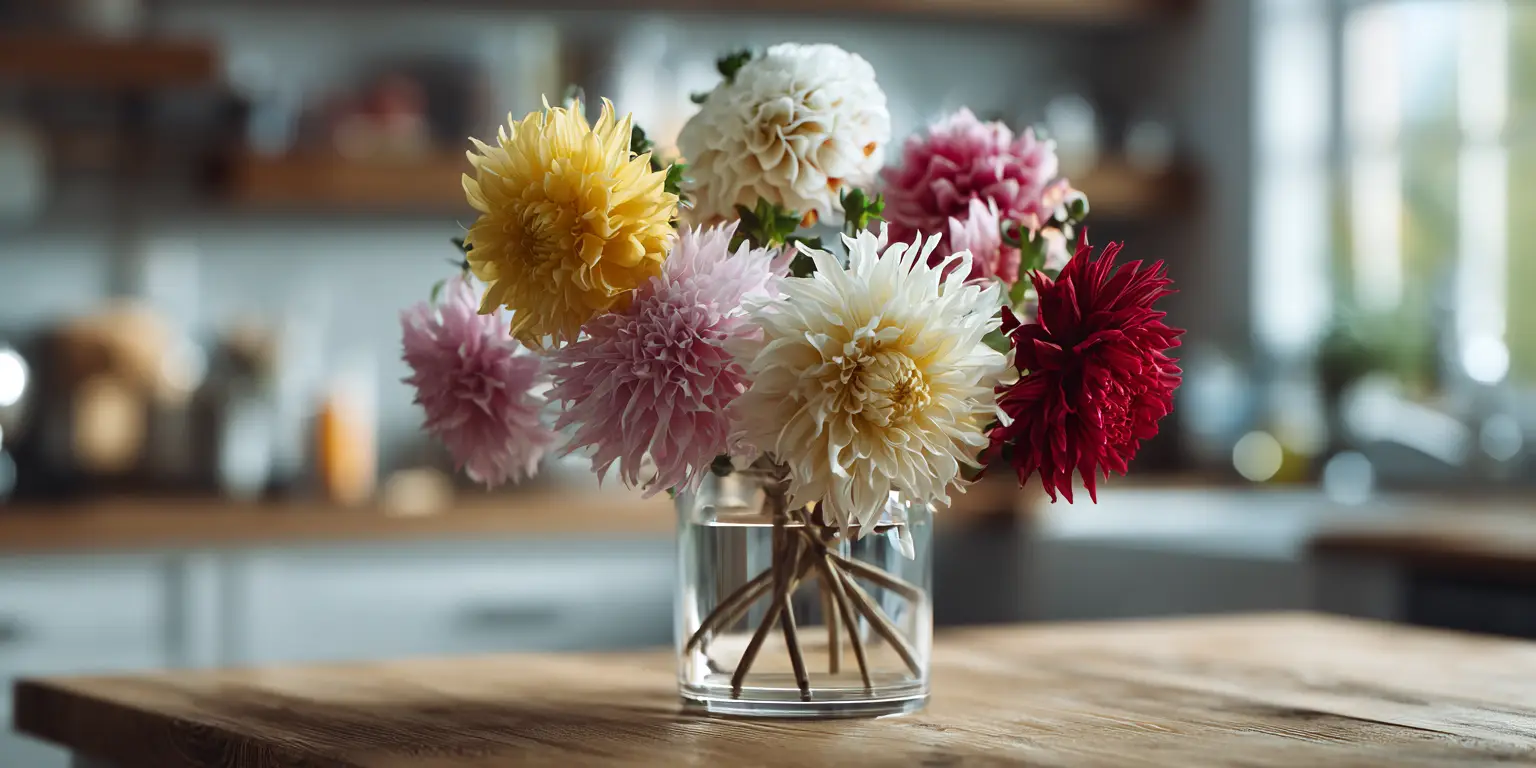
Despite their stunning visual appeal, most dahlias have little to no noticeable fragrance. The majority of dahlia blooms are essentially unscented, which is somewhat unusual for such showy flowers. This is a result of the plant’s pollination strategy – instead of luring pollinators with scent, dahlias attract bees, butterflies, and other insects with their bright colors and open pollen-rich centers (especially in single-flowered varieties). Gardeners should not expect a strong perfume from their dahlia patch; if you bend close to a blossom, you may detect at most a faint, subtly sweet or spicy odor in a few varieties, but nothing like the pronounced fragrance of roses or lilies. In fact, the absence of heavy fragrance can be considered a benefit for those who are sensitive to floral scents – dahlias can be used in large arrangements or mass plantings without overwhelming anyone with smell. A handful of breeding efforts have aimed to introduce more fragrance into dahlias, but scent has never been a primary focus of dahlia hybridizers, so truly fragrant cultivars are rare. Overall, what dahlias lack in aroma, they make up for in bold color and form. If fragrance in the garden is desired, one can plant complementary aromatic flowers nearby (such as lilies, lavender, or roses) while relying on dahlias primarily for their dramatic visual impact.
⚠️ Toxicity and pet safety
When planning a garden with pets or children in mind, it’s important to note that dahlias are considered mildly toxic to dogs, cats, and horses. According to the ASPCA and other sources, ingestion of dahlia plant parts (flowers, leaves, or tubers) can cause gastrointestinal upset in pets. Typical symptoms in cats or dogs might include drooling, vomiting, or diarrhea if they chew on or eat the plant. Some pets or people may also experience mild dermatitis (skin irritation) from contact with dahlia sap or juices. The specific irritant compound in dahlias hasn’t been clearly identified, but the effects are usually not severe or life-threatening – rather, they cause temporary discomfort. Nevertheless, pet owners are advised to keep curious animals from munching on dahlias in the garden or vase. If a dog or cat has consumed a significant amount of dahlia material and shows worrying symptoms, consulting a veterinarian is recommended. In practice, many animals instinctively avoid eating ornamentals like dahlias due to their bitter taste, but cautious placement or supervision is wise if you have a nibble-prone pet. For humans, dahlias are generally not poisonous, though there are rare cases of allergic skin reactions in gardeners handling the foliage. Wearing gloves when working with the plants can prevent possible rash for those who are sensitive. Overall, while dahlias are not among the most dangerous garden plants, a little care ensures they remain safe in a family and pet-friendly garden.
🌿 Vase life
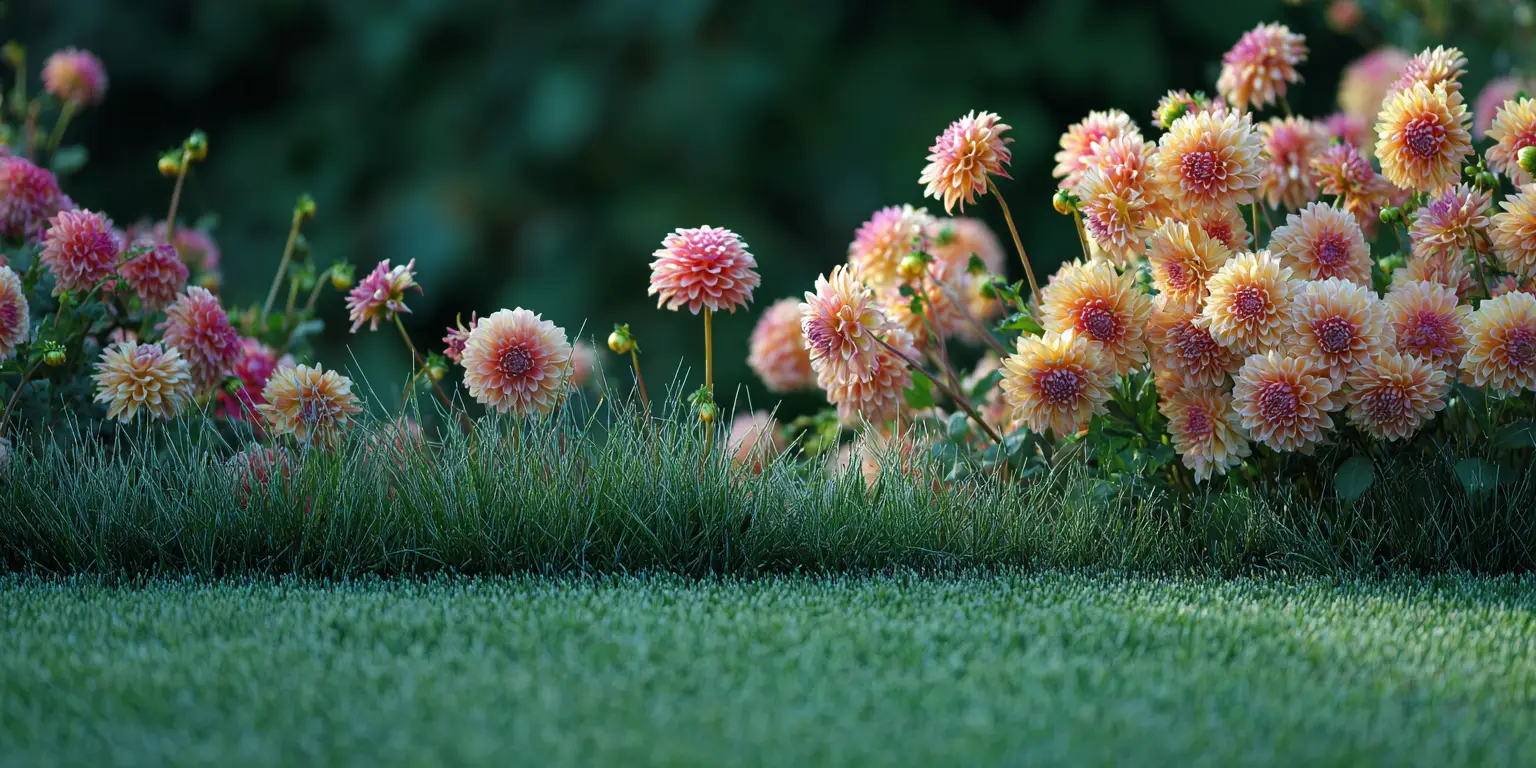
Dahlias are beloved as cut flowers, but they are known for having a somewhat shorter vase life compared to hardier cut blooms. On average, freshly cut dahlias last around 4 to 6 days in a vase under good conditions. Some smaller or tighter varieties (like ball and pompon dahlias) may edge toward a week, while very large, fully open “dinnerplate” dahlias might only stay vibrant for about 3 days. To maximize vase life, timing and handling are important. Dahlias should be cut in the cool of early morning or evening, ideally when the blooms are about 3/4 open (not in bud, but not overly mature). Use a sharp, clean knife or pruners to cut the stems, and immediately place the cut stems into a bucket of lukewarm water. Removing any leaves that would sit below the water line in the vase will help reduce bacteria and decay. Many growers condition dahlia stems by dipping the bottom inch of the cut stem into very hot (almost boiling) water for a few seconds or placing stems in warm water for an hour; this helps prevent the flow of sap from blocking the stem and can slightly extend longevity. Once arranged, display dahlias in a cool location out of direct sunlight and refresh the water daily. Even with these measures, expect that a dahlia arrangement will look its best for only about 5 days. Because of this short vase life, florists often treat dahlias as an “event flower” – perfect for weddings, parties, and immediate impact – rather than a long-lasting everyday bouquet flower. Regular picking is actually beneficial to the plant, as cutting the blooms will encourage more to develop on the plant, ensuring a continuous supply for decoration despite each individual bloom’s brief stay in the vase.
🐛 Pests and diseases
Dahlias are beloved as cut flowers, but they are known for having a somewhat shorter vase life compared to hardier cut blooms. On average, freshly cut dahlias last around 4 to 6 days in a vase under good conditions. Some smaller or tighter varieties (like ball and pompon dahlias) may edge toward a week, while very large, fully open “dinnerplate” dahlias might only stay vibrant for about 3 days. To maximize vase life, timing and handling are important. Dahlias should be cut in the cool of early morning or evening, ideally when the blooms are about 3/4 open (not in bud, but not overly mature). Use a sharp, clean knife or pruners to cut the stems, and immediately place the cut stems into a bucket of lukewarm water. Removing any leaves that would sit below the water line in the vase will help reduce bacteria and decay. Many growers condition dahlia stems by dipping the bottom inch of the cut stem into very hot (almost boiling) water for a few seconds or placing stems in warm water for an hour; this helps prevent the flow of sap from blocking the stem and can slightly extend longevity. Once arranged, display dahlias in a cool location out of direct sunlight and refresh the water daily. Even with these measures, expect that a dahlia arrangement will look its best for only about 5 days. Because of this short vase life, florists often treat dahlias as an “event flower” – perfect for weddings, parties, and immediate impact – rather than a long-lasting everyday bouquet flower. Regular picking is actually beneficial to the plant, as cutting the blooms will encourage more to develop on the plant, ensuring a continuous supply for decoration despite each individual bloom’s brief stay in the vase.
FAQ
Are dahlias annuals or perennials?
Dahlias are technically perennial plants, but they are tender perennials that cannot tolerate freezing temperatures. In warm climates (roughly USDA zone 8 and above), they can live for multiple years, as their tubers survive the winter in the ground. In colder regions, dahlias are treated as annuals unless the tubers are dug up and stored over winter. So, you can grow dahlias every year – either by leaving them in the ground where they won’t freeze, or by replanting the saved tubers each spring after the last frost.
When should I plant dahlia tubers?
How do I overwinter my dahlias (store the tubers)?
If you live in a region with freezing winters (below about zone 8), you’ll need to lift and store dahlia tubers to preserve them for the next year. After the first frost kills back the foliage in fall, cut the stems to about 4-6 inches above the ground. Gently dig up the clump of tubers, taking care not to damage them. Brush off loose soil and allow the tubers to air-dry for a day or two in a dry, shady spot (this helps prevent rot in storage). Once slightly dried, pack the tubers in peat moss, wood shavings, or newspaper inside a ventilated box or paper bag. Keep them in a cool, dark place where the temperature stays between roughly 40-50 °F (4-10 °C). Check on them periodically through winter; if they appear to be shriveling, you can mist the packing medium lightly, and if any tubers have started to rot, remove those to protect the others. In spring, when it’s time to plant, divide any large clumps into pieces (each with an eye) and replant after frost. In zones where the ground doesn’t freeze, you can leave the tubers in the soil – just be sure to dig and divide every few years to maintain plant vigor.
Why are my dahlias not blooming?
If your dahlia plants look healthy but aren’t producing blooms, a few common issues could be the cause. First, ensure they are getting enough sunlight – dahlias really need 6+ hours of direct sun; too much shade can greatly reduce flowering. Second, check your fertilizer: an excess of nitrogen (from lawn fertilizer or manure, for example) can lead to lush green growth but few flowers. It’s better to use a balanced or low-nitrogen fertilizer formulated for blooming plants. Third, overcrowding or competition can be a factor – if plants are too close together or shaded by neighboring plants, they may bloom less. Also, remember that most dahlias only begin blooming mid to late summer; if it’s early in the season, they might simply need more time. Pinching back the plant when it’s young (removing the top shoot once it’s about a foot tall) can encourage bushier growth and more flowering later on. And once buds form, keep up with deadheading. By removing spent flowers, the plant channels energy into new buds. Finally, extreme heat can temporarily slow down blooming – during very hot spells, dahlias might pause, then resume once temperatures moderate. Addressing these factors usually helps get dahlias blooming abundantly.
Are dahlias poisonous to pets?
Dahlias are classified as mildly toxic to pets. If a dog or cat chews on dahlia leaves, stems, or tubers, it may experience digestive upset (symptoms like vomiting or diarrhea) and possibly some skin irritation around the mouth. The toxicity is not considered severe – many pets will recover on their own within a day or two, as the effects are generally limited to a bad tummy ache or minor rash. However, it’s still wise to prevent pets from nibbling on the plants. You might use physical barriers or choose to plant dahlias in areas that pets can’t easily access. If you suspect a pet has eaten a significant amount of a dahlia and they exhibit concerning symptoms, consult your veterinarian for advice. In general, a nibble shouldn’t be life-threatening, but keeping any potentially irritating plant out of reach is the best policy for a pet-friendly garden.
How long do cut dahlias last in a vase?
Fresh-cut dahlia flowers usually last around 5 days in a vase, with a typical range of about 3 to 7 days depending on the cultivar and care. They are not as long-lived as some other cut flowers like carnations or chrysanthemums. To get the longest vase life, start by cutting dahlias at the right stage – pick them when the blooms are almost fully open (dahlias do not continue to open much after cutting). Cut early in the morning when the plants are well-hydrated. Immediately place the stems in a bucket of water. Before arranging, remove any foliage that will be below the water line in your vase, and give the stems a fresh trim underwater if possible. Using a clean vase with fresh water (plus floral preservative, if available) will help. Keeping the arrangement in a cool room, out of direct sun and away from heat sources or drafts, can extend their freshness a bit. Some people use a technique of dipping the stem ends in very hot water for a short time or splitting the stem base; results can vary, but it may help certain varieties. Despite all efforts, expect that you will enjoy your cut dahlias for several days up to about a week at most. For this reason, gardeners often stagger plantings or grow many dahlias so they can harvest new flowers regularly to replace those that fade.
Interesting tips
- Pinch the top of young dahlia plants when they reach about 8-12 inches tall. Removing the growing tip (the top few inches of the main stem) will encourage the plant to branch out. This pinching results in a bushier dahlia with more flowering stems, ultimately leading to a greater number of blooms over the season.
- Provide support early for tall dahlia varieties. Insert stakes or grow-through supports at planting time, or shortly after shoots emerge, to avoid damaging the tubers later. Tie the stems loosely to stakes as they grow (using soft ties or garden twine). Proper staking prevents heavy flower heads and wind from snapping the hollow dahlia stems.
- Deadhead spent blooms promptly. Once a dahlia flower fades or starts to dry out, snip it off just above a pair of leaves. This prevents the plant from putting energy into seed production and instead directs energy into new buds. Regular deadheading significantly extends the blooming period and keeps the plant looking tidy.
- Be mindful of fertilizer. Dahlias are heavy feeders, but they bloom best with a balanced or low-nitrogen fertilizer. Too much nitrogen leads to foliage at the expense of flowers. Use a fertilizer formula such as 5-10-10 or 10-20-20, applied after the plant is a few inches tall and again during bud formation. This feeding regimen boosts blossom production without over-stimulating leaf growth.
- Water deeply but infrequently to encourage strong roots. It’s better to give a thorough soaking every few days than a light sprinkle daily. Deep watering ensures moisture reaches the tubers and deeper roots. In hot weather, water in the morning so foliage dries by evening. Avoid wetting the leaves late in the day to reduce the risk of powdery mildew and other moisture-related diseases.
- When cutting dahlias for arrangements, do so in the cool morning hours. Use sharp scissors or pruners and place the cut stems straight into a bucket of lukewarm water. For the best vase results, condition the stems by keeping them in a cool, dark place in water for a few hours before arranging. Always use clean vases and change the water daily – dahlias respond well to fresh water, and this can add an extra day or two to their display life.
- Overwintering dahlias can be made easier by labeling and organizing your tubers. When you dig up tubers in the fall, tag each clump with the variety name or flower color. This way, when you replant in spring, you know which is which. Storing tubers in slightly damp peat or vermiculite helps prevent desiccation. Come spring, inspect each tuber for healthy, firm flesh before planting; discard any that turned mushy or completely dried out.
- For an abundant cutting garden, grow dahlias alongside other prolific bloomers. They pair beautifully with annuals like cosmos and summer zinnias which have similar flowering times. This combination ensures a continuous supply of blooms for bouquets. Plus, mixing different flower shapes and heights creates a more visually interesting garden and provides habitats for a variety of pollinators. In a dedicated cutting garden, space plants in rows and stake them well, making it easy to harvest armfuls of flowers all season long.
Related Guides & Flowers
- Chrysanthemum
Full late season flower heads with many petals and a similar color range to dahlias. Useful for extending the display into autumn and for mixed borders. - Zinnias
Bright annual flowers with bold daisy and semi double forms that echo smaller dahlia shapes. Popular for cutting gardens and summer beds. - Gerbera Daisy
Large modern looking flower heads in vivid colors that pair well with dahlias in bouquets and containers. - Ranunculus
Layered, rose like blooms from tuberous roots that offer a similar lush, romantic look in spring and early summer arrangements. - Anemone
Elegant cup shaped flowers with dark centers that mix well with dahlias in florist style bouquets and cool season beds. - Mexican Sunflower
Tall, branching plants with bright orange daisy like blooms that give the same bold, high impact color as many dahlia varieties in late summer. - Canna Lily
Tuberous plants with tropical foliage and large flowers that create a dramatic backdrop for dahlias in sunny borders. - Alstroemeria
Long lasting cut flowers with speckled petals that combine well with dahlias in vases and provide repeat color through the warm season.
References
- Utah State University Extension – Growing Dahlias
Concise fact sheet on dahlia origin, planting, soil preparation, watering, and general care for home gardens across the United States. - Oregon State University Extension – Dahlia Culture
Detailed guide that covers site selection, soil type, fertilizing, staking, and lifting or storing dahlia tubers in cooler climates. - Washington State University – Growing Dahlias East of the Cascades
Region focused fact sheet that explains watering, soil, and temperature needs for dahlias in dry climates, with practical advice on avoiding tuber rot. - Penn State Extension – The Dirt on Dahlias
Article that discusses sun requirements, fertilizing, staking, and general garden performance of dahlias, written for home gardeners. - ASPCA Animal Poison Control Center – Dahlia Plant Toxicity
Non commercial veterinary reference that notes mild toxicity of dahlias to dogs, cats, and horses, including typical clinical signs.
Written by: Your Flowers Guide editorial team
We are a small independent group of flower lovers who research and review each guide using trusted horticultural and educational sources. Learn more about us