You wait all spring for your hydrangea to wake up, and by midsummer, you are staring at a massive, leafy green bush with absolutely no flowers. This is the single most common frustration home gardeners face with Hydrangea macrophylla, commonly known as the bigleaf hydrangea. People often assume the plant is diseased or needs a special fertilizer to force blooms out of the stems. The reality is usually much simpler and comes down to either accidental removal of the flower buds or environmental damage during the winter. Understanding how these specific plants produce their flowers is the only way to solve the problem and get them blooming again. When you know where the buds are hiding, you can stop accidentally destroying them.
Contents 4 sections
The old wood blooming problem
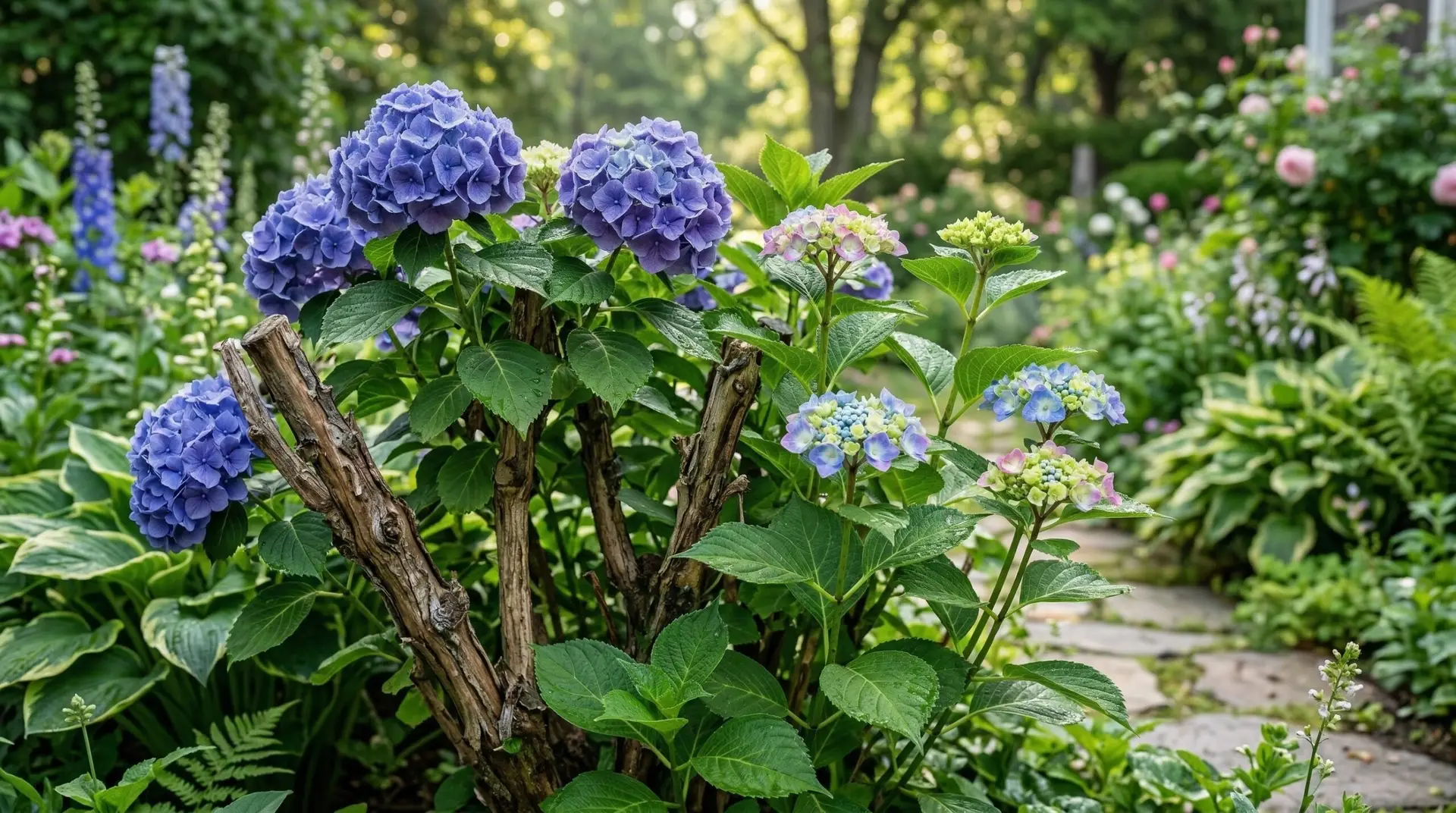
The biggest culprit behind a flowerless hydrangea is your own pair of pruning shears. Bigleaf hydrangeas bloom on what gardeners call old wood, which means they develop their flower buds for the following summer during the late weeks of summer and early fall of the current year. If you go out in October to tidy up the garden and cut those stalks down to the ground, you are throwing next year’s flowers straight into the compost bin. The same thing happens if you do your cleanup in early spring before the plant leaves out. Those bare, dead-looking sticks are actually holding the dormant flower buds waiting for warmer weather. The fix is incredibly simple: put the pruners away and completely stop cutting the stems of your bigleaf hydrangeas.
Leaving the plant alone goes against the instinct to clean up a messy garden, but you have to resist the urge to shape the shrub. If you absolutely must remove old, faded blooms because you hate how they look in the winter, you have to do it carefully. You can snip off just the dried flower head right above the first set of fat, green buds visible on the stem just below the old flower. Anything lower than that risks removing the primary buds that will open next summer. Many successful gardeners simply leave the dried flowers on the plant all winter to provide a small layer of physical protection for the buds underneath them, knowing the new growth will easily push past the old flower heads by late spring.
Weather conditions that kill flower buds
Sometimes you do everything right, you never touch the pruners, and you still get zero flowers. When this happens, a late spring frost or an unusually brutal winter is usually the cause of your problems. The dormant buds sit exposed on the stems all winter long, and if temperatures drop too low, those buds simply freeze and die. You will eventually see the plant push up brand new green stems from the roots, but because those are new wood, they will not produce any flowers that season. Early blooming spring shrubs like forsythia often suffer from similar late frost damage, leaving you with green leaves but missing their signature yellow display. If you live in a colder climate, you might need to wrap your hydrangeas in burlap and fill the cage with dry leaves in late autumn to insulate the stems.
Animal browsing and fertilizer mistakes
Animal damage and soil imbalances act as silent bud destroyers while you are busy worrying about pruning. Deer find dormant hydrangea buds delicious and will systematically eat the tips off every stem during the lean winter months. This has the exact same effect as you cutting them off with shears, resulting in a completely green, flowerless shrub the following summer. You will need to install physical barriers or use consistent repellents throughout the winter to keep the deer away from the stems. On the soil side, applying high-nitrogen lawn fertilizer near your hydrangeas will cause the plant to push all its energy into growing massive green leaves instead of developing flowers. Spring blooming plants like azalea and hydrangeas both prefer a balanced, slow-release acidic fertilizer that supports root and bloom health without forcing unnatural vegetative growth.
Fixing the problem with reblooming varieties
If you are tired of wrapping shrubs in burlap and stressing over late spring freezes, you can bypass the old wood problem entirely by planting reblooming varieties. Plants in the Endless Summer series and similar reblooming genetics have been bred to produce flowers on both old wood and new wood. If a late frost kills the buds on the old stems, the plant will simply grow new stems from the roots and produce flowers on those new stalks later in the same season. This takes the pressure off the gardener because even if you make a pruning mistake, the plant will recover and still give you flowers by August. Replacing a frustrating, non-blooming older hydrangea with a modern rebloomer is often the most practical solution for gardeners in northern climates.
The most useful piece of advice for anyone struggling with a stubborn bigleaf hydrangea is to treat it like a plant that never needs pruning. Give the shrub enough physical space in the garden so it can reach its mature size of four to five feet without encroaching on walkways or windows. When you plant it in a spot where it has room to grow, you completely eliminate the need to cut it back for size control. You will naturally stop removing the flower buds, and the plant will finally have the chance to complete its natural cycle. Patience and a hands-off approach will solve almost every hydrangea blooming problem you encounter.
More About Hydrangea macrophylla
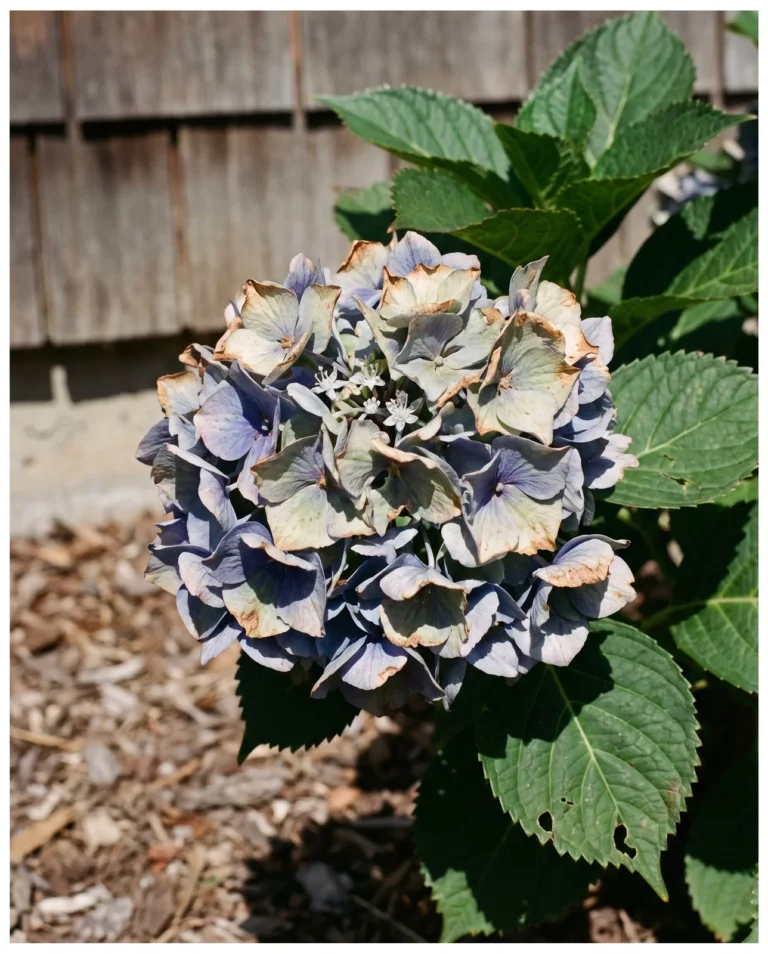
How to dry hydrangeas without losing their color
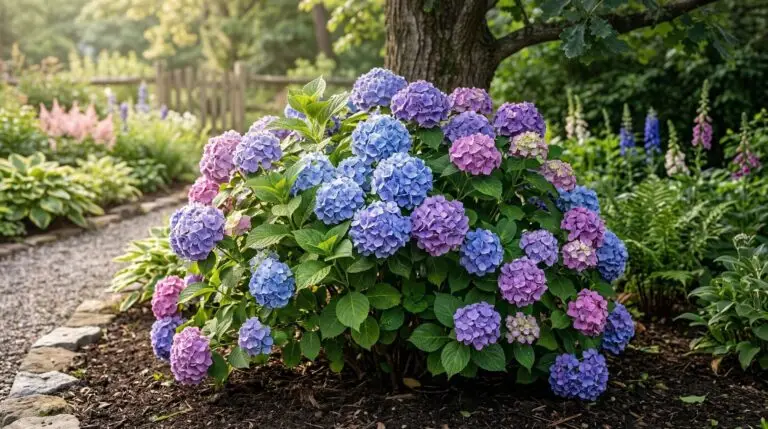
How to grow hydrangeas for massive flower heads that dominate the summer garden
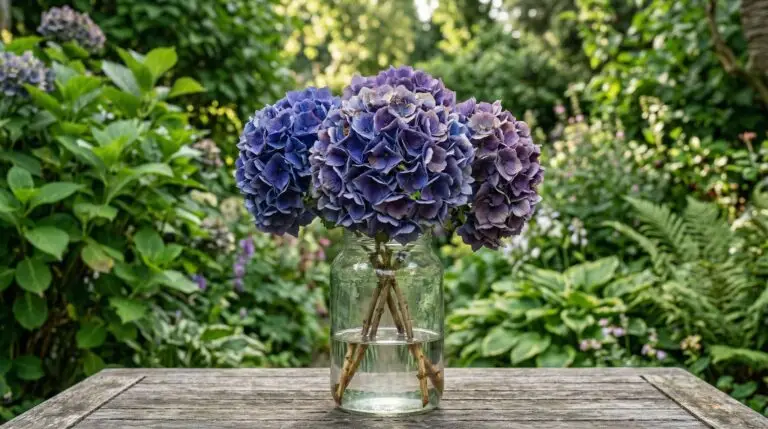
Drying hydrangea flowers for beautiful arrangements that capture summer all year
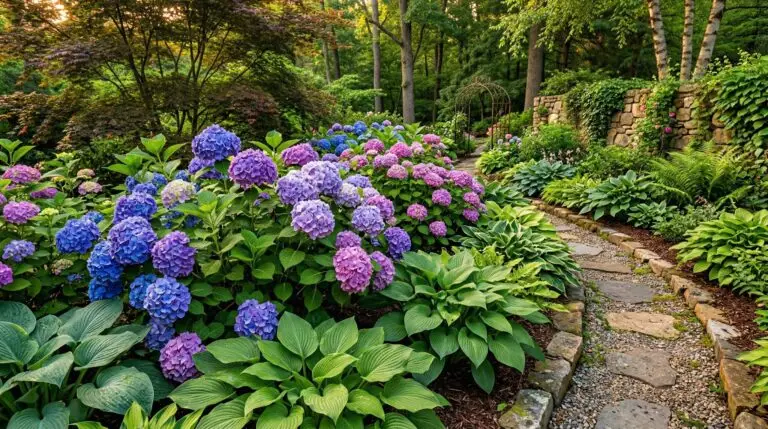
Companion plants for hydrangeas: what to grow and avoid
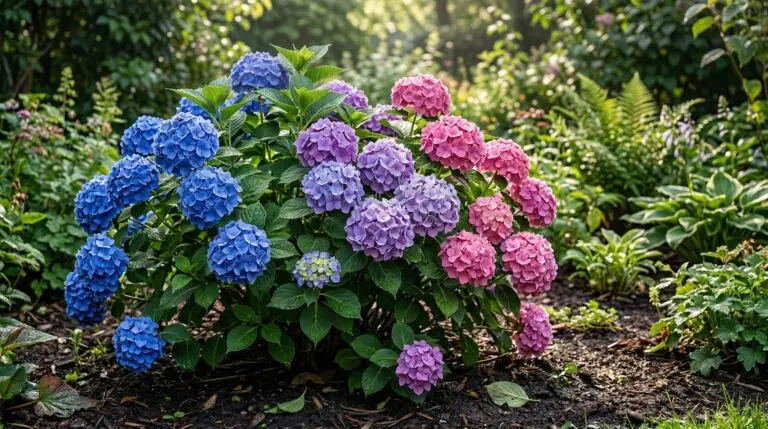
How to change hydrangea color from pink to blue and the soil science behind it
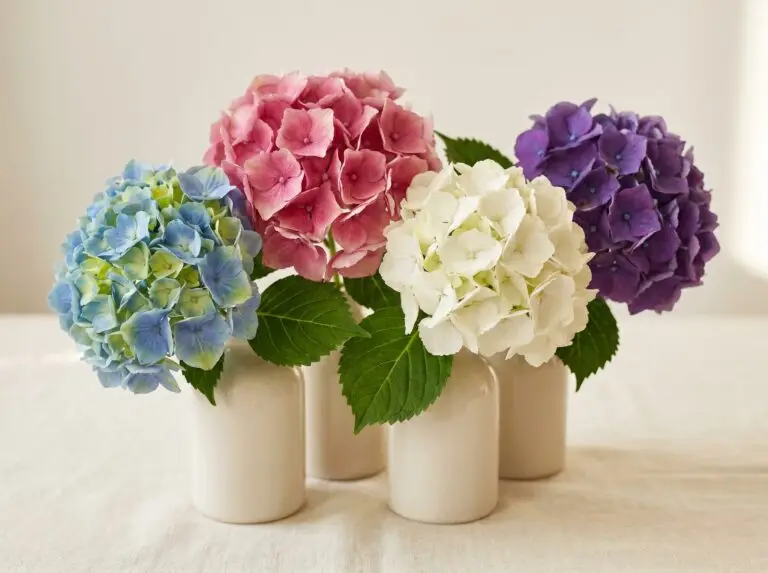
Hydrangea meaning, by colour and across the centuries, honestly explained
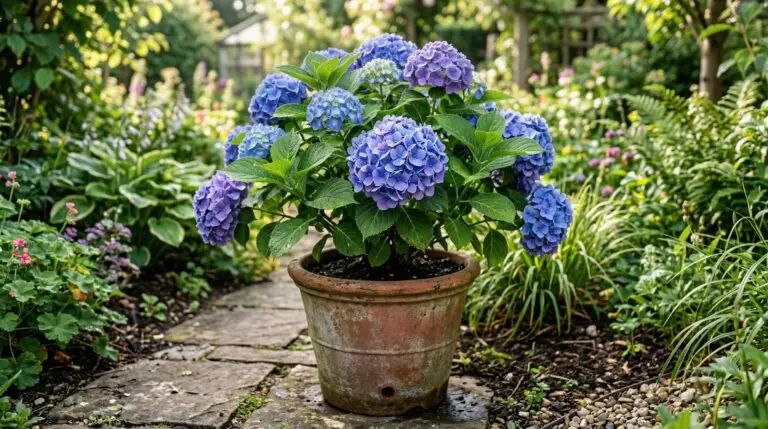
Growing hydrangeas in containers for stunning patio and doorstep displays
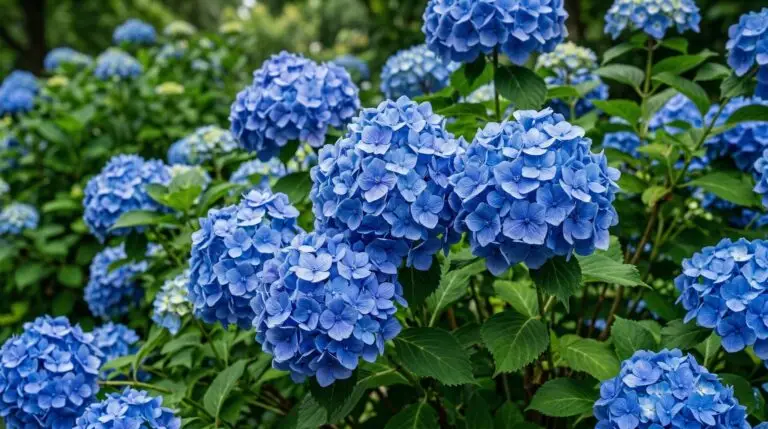
Best hydrangea varieties from classic Nikko Blue to reblooming Endless Summer
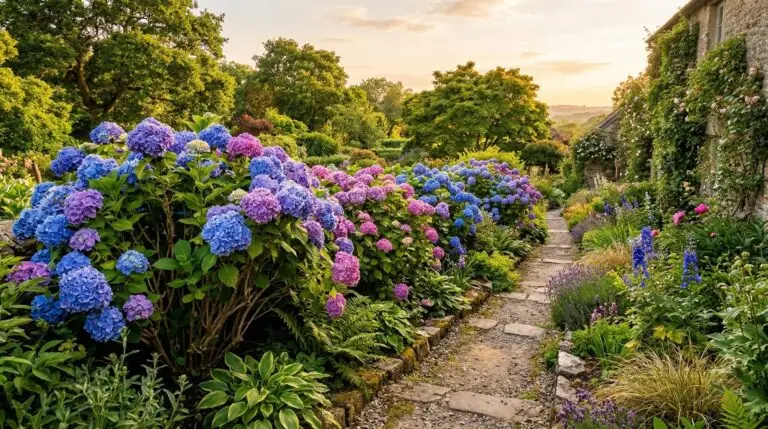
Pruning hydrangeas correctly and which type you have determines when you cut
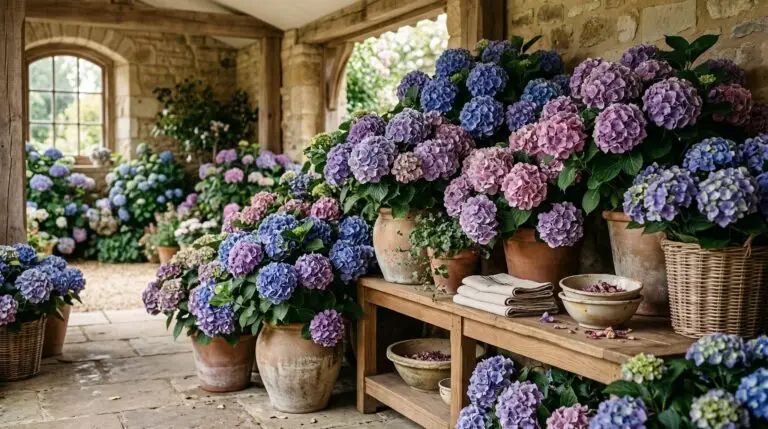
Hydrangeas in wedding flowers and why brides love these lush romantic blooms
Enjoying our flower guides? Add YourFlowersGuide as a preferred source on Google. It helps more readers find us.
Add to Preferred Sources