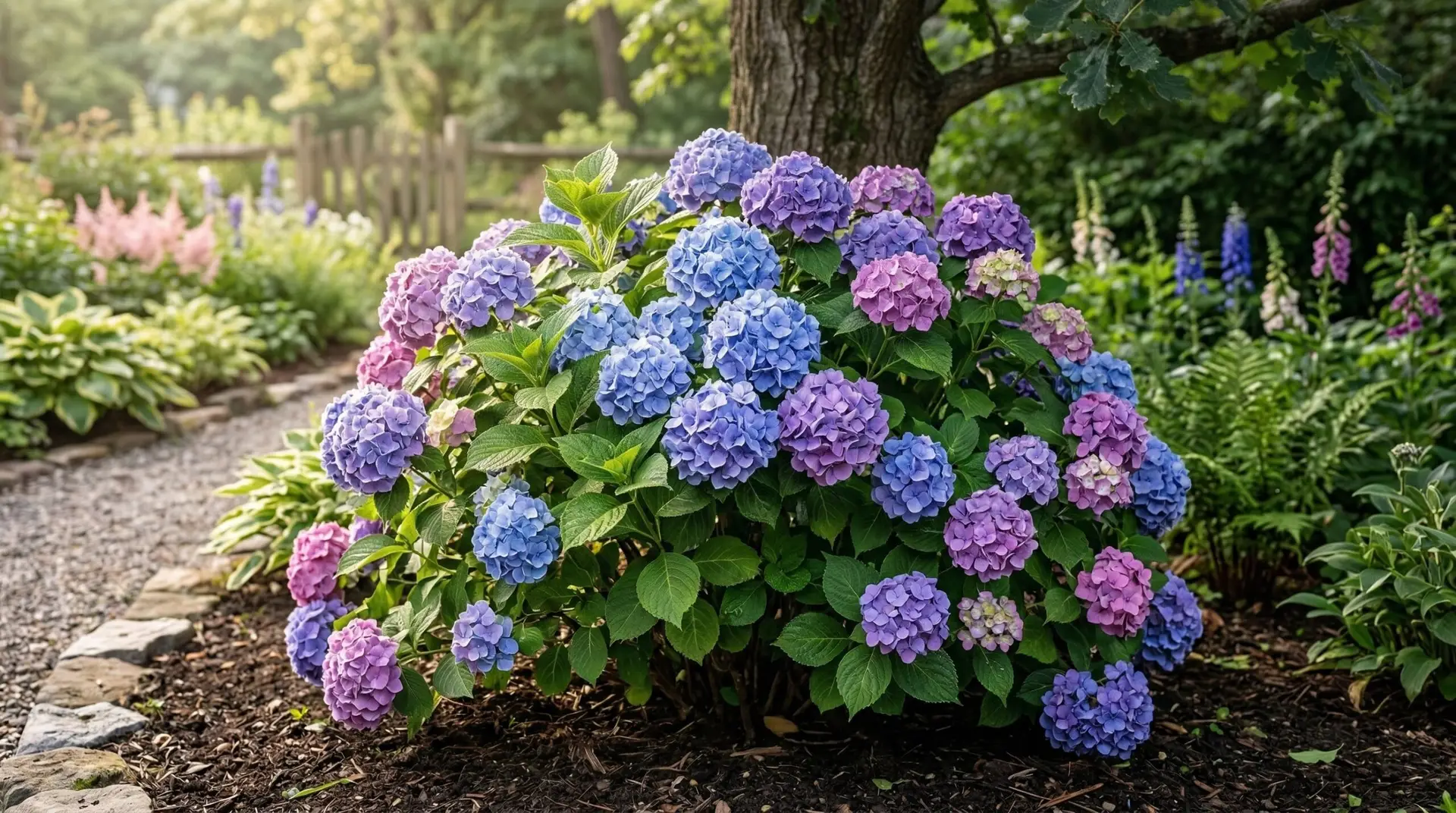
I have spent countless summer mornings observing Hydrangea macrophylla in both trial gardens and established residential borders, and I can tell you that few plants command a space quite like a mature specimen in full bloom. The species divides primarily into two distinct floral forms: the familiar mopheads with their large, globose clusters of sterile florets, and the lacecaps, which feature a flattened center of fertile flowers ringed by showy sterile ones. Growing hydrangeas successfully requires understanding that these big leaves lose water rapidly when exposed to harsh conditions. The specific epithet ‘macrophylla’ translates directly to large leaf, which should immediately signal to any grower that this plant demands a careful balance of light and moisture to thrive. Beginners often assume that achieving massive flower heads is a matter of applying heavy fertilizers, but the reality of hydrangea care rests almost entirely on site selection and protecting the dormant flower buds through winter. Once you understand the biological rhythm of this shrub, you will find it surprisingly resilient and rewarding to cultivate.
Contents 4 sections
Siting and light requirements for optimal bloom
The most common mistake I see gardeners make with Hydrangea macrophylla care is placing the shrub in full afternoon sun or deep, unremitting shade. The ideal exposure provides direct morning sunlight followed by dappled or complete shade during the hottest hours of the afternoon. Morning sun encourages robust bud development and helps dry the dew from the foliage, which reduces the incidence of fungal diseases like powdery mildew and Cercospora leaf spot. Conversely, afternoon shade protects the plant from excessive transpiration, a process where the broad leaves lose water faster than the shallow root system can replace it. When a hydrangea wilts dramatically at two in the afternoon despite moist soil, it is reacting to heat stress rather than a true lack of water. If you provide the right light exposure, the shrub will naturally maintain its turgor pressure and direct its energy toward expanding those massive flower heads instead of simply trying to survive the day.
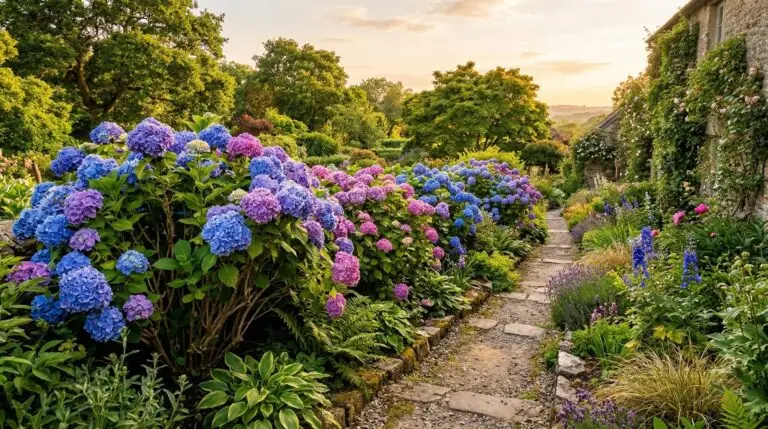
Finding the right location often means looking at the existing microclimates in your landscape and selecting companion plants that share similar cultural requirements. Hydrangeas thrive in the dappled light under deep-rooted shade trees, a habitat they share with several other classic garden staples. For instance, you might plant them alongside an azalea to create a succession of blooms from early spring into midsummer. Similarly, positioning a hydrangea near a camellia provides a solid evergreen backdrop that highlights the deciduous hydrangea’s summer display while both benefit from the same organically rich, well-draining soil. You can even underplant the entire area with a hellebore to ensure early floral interest before the hydrangea pushes its new leaves. Grouping plants with matching needs for morning sun and consistent moisture simplifies your watering routine and creates a naturally supportive environment for the entire bed.
Managing soil chemistry and consistent hydration
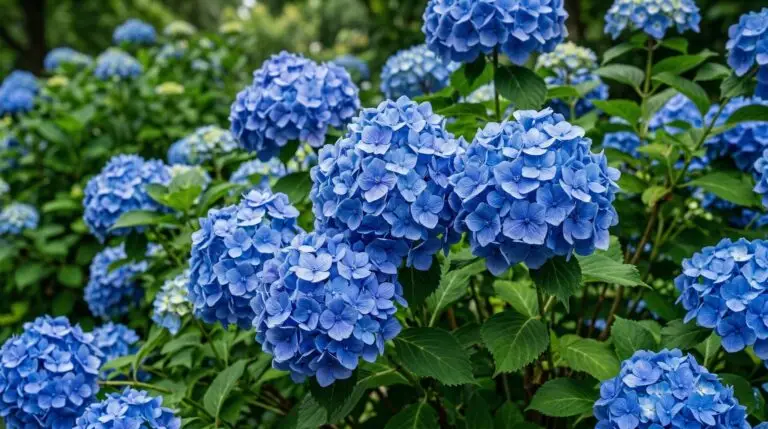
The relationship between soil chemistry and flower color in Hydrangea macrophylla is a subject of endless fascination, though the underlying mechanics are straightforward. The color of the blooms depends on the availability of aluminum in the soil, which is entirely dictated by the soil pH. In acidic soils with a pH between 5.2 and 5.5, aluminum becomes highly soluble and the plant absorbs it readily, resulting in clear blue flowers. When the soil pH rises above 6.0, the aluminum gets locked up in the soil chemistry and the plant produces pink flowers, regardless of how much aluminum is actually present in the ground. If you want to alter the color, you must begin the process in early autumn or early spring by applying aluminum sulfate to lower the pH or agricultural lime to raise it. Transitioning a mature plant from pink to blue can take a full growing season or more, and you should always test your soil before applying any amendments to avoid causing nutrient toxicities.
Beyond soil chemistry, consistent moisture is the absolute foundation of proper hydrangea care. The root system of Hydrangea macrophylla is remarkably fibrous and sits quite close to the soil surface, making it highly vulnerable to drying out during periods of drought. You need to provide roughly one inch of water per week, delivered slowly and deeply at the base of the plant to encourage downward root growth. Watering from overhead wets the foliage unnecessarily and invites fungal pathogens to take hold in the dense interior of the shrub. Applying a thick two-inch layer of organic mulch, such as shredded hardwood or pine straw, over the root zone is non-negotiable for serious growers. The mulch regulates soil temperature, suppresses weeds, and traps moisture in the upper soil profile where the hydrangea needs it most.
Navigating the complexities of pruning
Pruning generates more confusion among hydrangea growers than any other aspect of cultivation, and the stakes are undeniably high. Traditional Hydrangea macrophylla cultivars bloom on what horticulturists call ‘old wood’, meaning the plant forms its flower buds in late summer and early autumn for the following year. If you prune these shrubs to the ground in late fall or early spring, you are physically cutting off the entire floral display for the upcoming season. The only pruning traditional mopheads and lacecaps require is the removal of dead, damaged, or crossing branches in early spring just as the new leaf buds begin to swell. You can also carefully deadhead the spent blooms by cutting the stem just above the first set of healthy, plump buds you see moving down from the old flower. Leaving the dried flower heads on the plant through the winter actually provides a small measure of physical protection for the tender buds developing directly beneath them.
The introduction of remontant, or reblooming, cultivars over the last two decades has changed the rules of pruning entirely. These newer varieties have the genetic ability to form flower buds on both the previous season’s growth and the current season’s new stems. This trait offers a distinct advantage for gardeners in colder zones where harsh winter temperatures frequently kill the old wood buds right down to the snow line. While a traditional macrophylla would simply produce a flush of green leaves after such a winter, a reblooming variety will push new growth from the base and still manage to produce flowers by late summer. However, even with these modern cultivars, I strongly advise against heavy pruning unless you are actively trying to control the size of a wildly overgrown specimen. The largest, earliest, and most impressive flower heads always emerge from the surviving old wood buds, so preserving that mature wood should remain your primary goal.
Preparing for winter and future growth
Protecting those dormant buds from severe winter cold and late spring freezes is the final hurdle in growing hydrangeas successfully. In regions where temperatures drop below zero, the dormant flower buds are highly susceptible to desiccation from freezing winds. Many experienced growers construct simple enclosures using stakes and burlap wrapped around the shrub, filling the interior space with dry oak leaves or clean straw for insulation. You must wait until the plant is fully dormant and the ground has frozen before applying this heavy winter protection, and you must remove it promptly in the spring before the enclosed space heats up and causes the buds to rot. As you evaluate your garden this week, check the moisture levels around your hydrangeas and ensure they go into winter with adequate hydration. Taking the time to properly site, water, and protect your Hydrangea macrophylla now will directly translate into the massive, healthy flower heads you want to see in your garden next July.
More About Hydrangea macrophylla
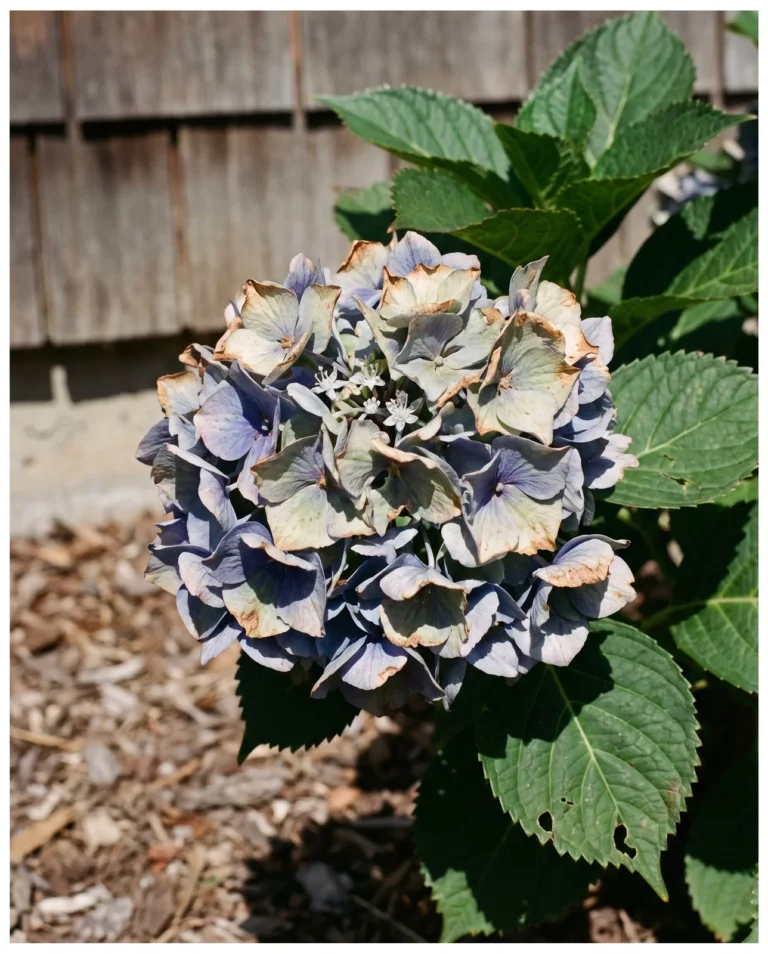
How to dry hydrangeas without losing their color
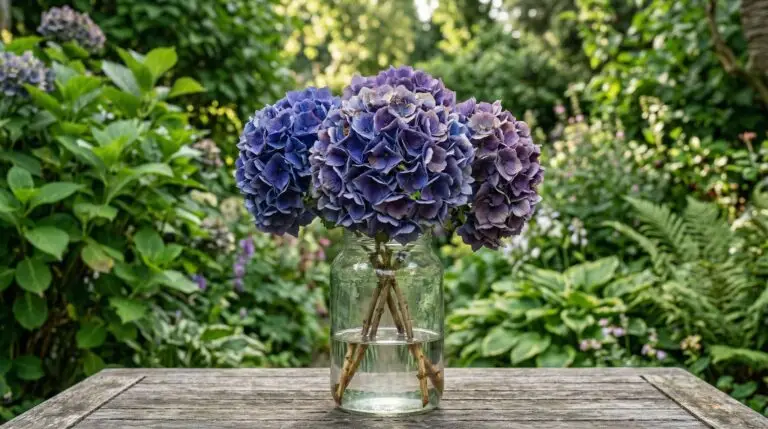
Drying hydrangea flowers for beautiful arrangements that capture summer all year
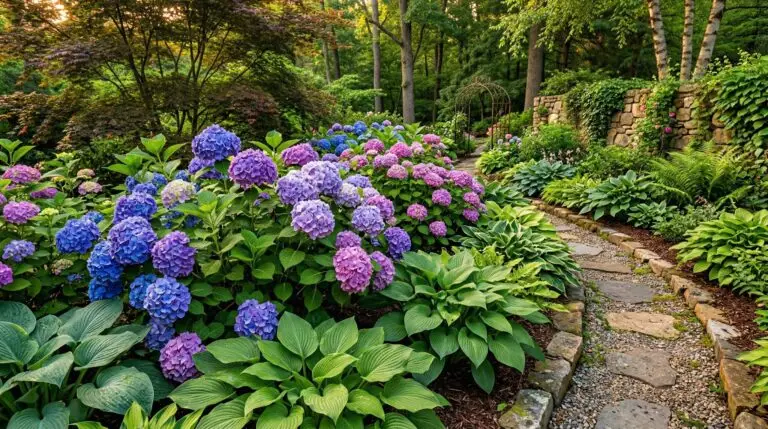
Companion plants for hydrangeas: what to grow and avoid
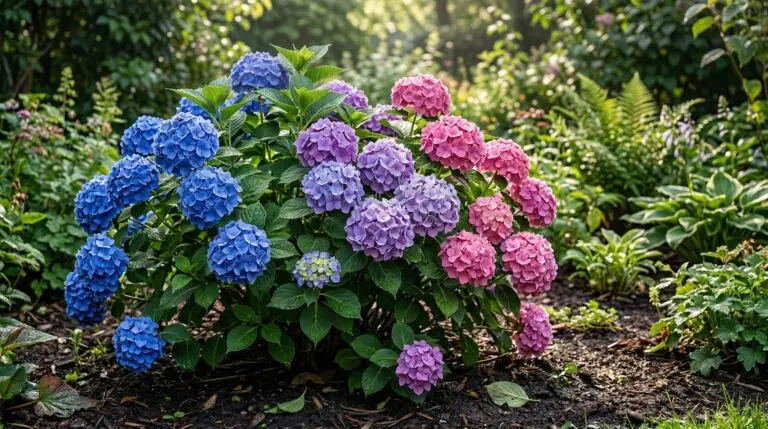
How to change hydrangea color from pink to blue and the soil science behind it
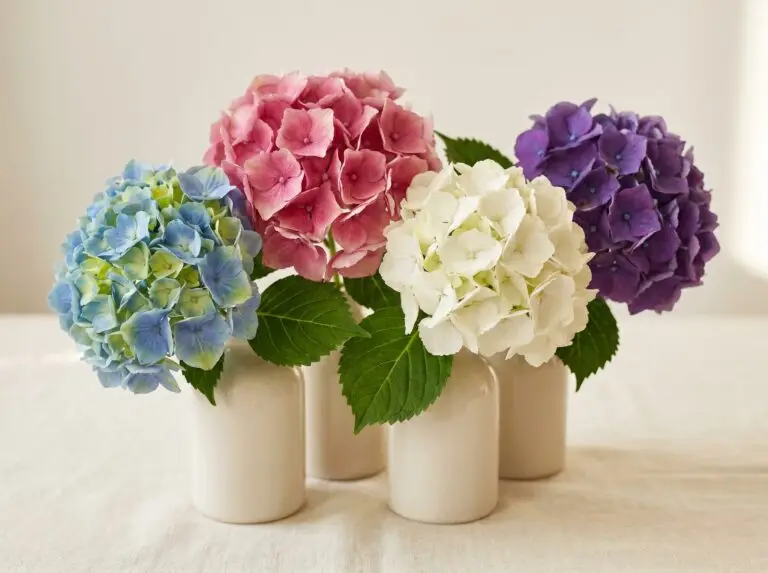
Hydrangea meaning, by colour and across the centuries, honestly explained
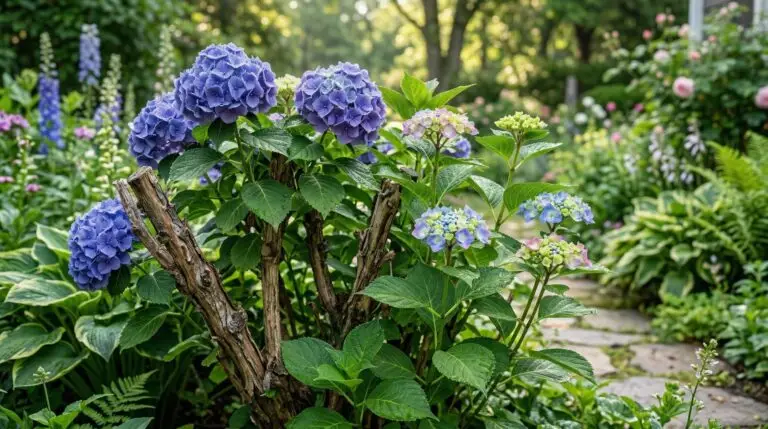
Why hydrangeas do not bloom and the pruning mistakes that remove all the flower buds
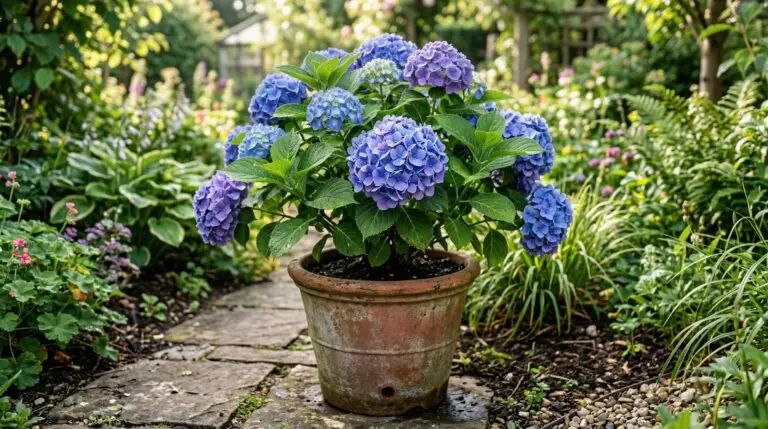
Growing hydrangeas in containers for stunning patio and doorstep displays
Best hydrangea varieties from classic Nikko Blue to reblooming Endless Summer
Pruning hydrangeas correctly and which type you have determines when you cut
Hydrangeas in wedding flowers and why brides love these lush romantic blooms
Enjoying our flower guides? Add YourFlowersGuide as a preferred source on Google. It helps more readers find us.
Add to Preferred Sources