The pairing · pick a flower
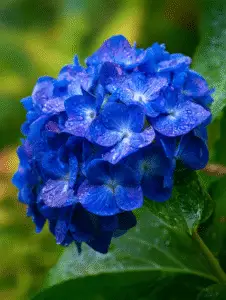 Bigleaf hydrangea+
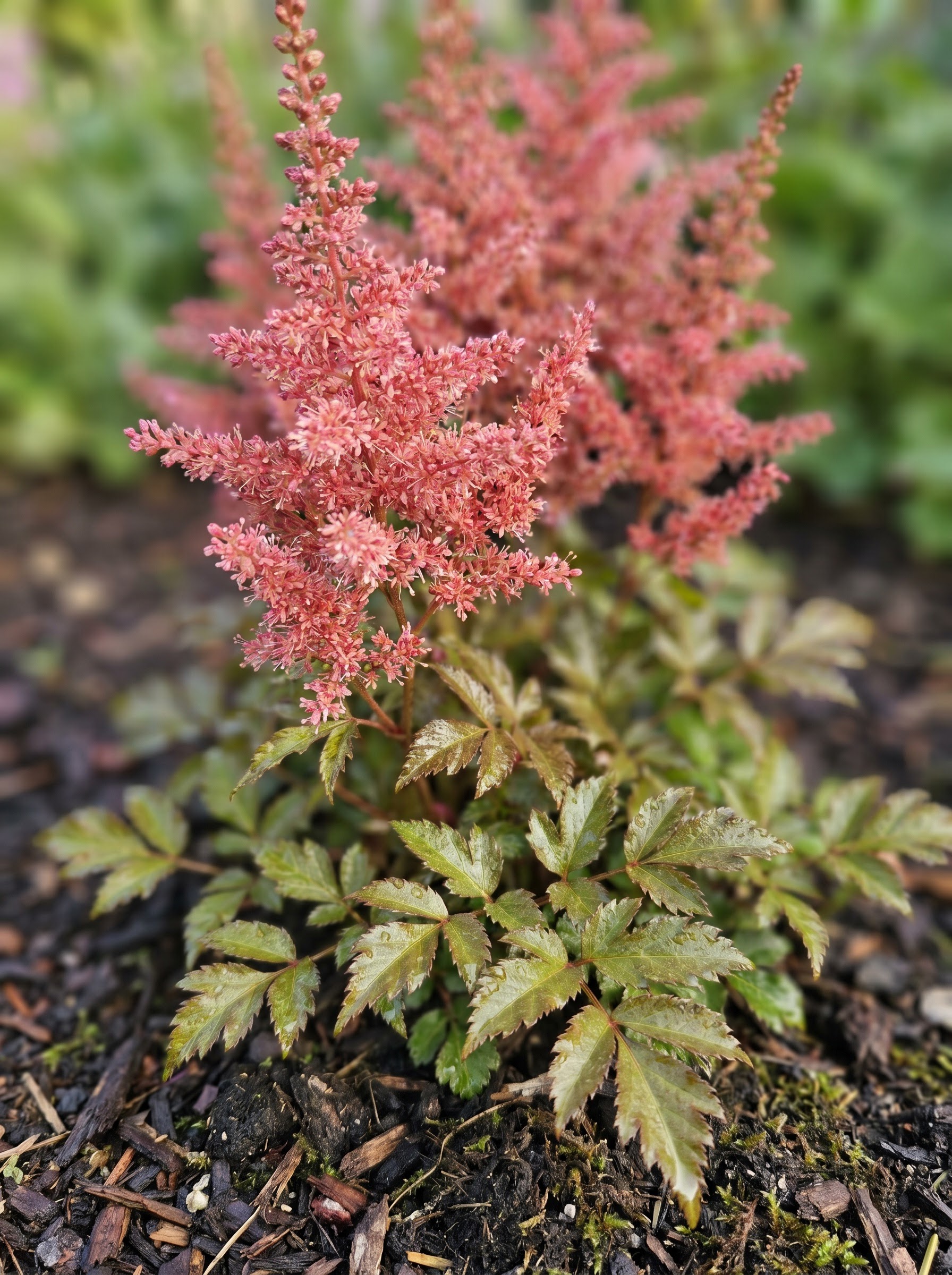 AstilbeProven
Feathery upright plumes need the same constantly moist, humus-rich shade as hydrangea and give the vertical, fine-textured contrast the mounding shrub can't supply on its own.
Bigleaf hydrangea+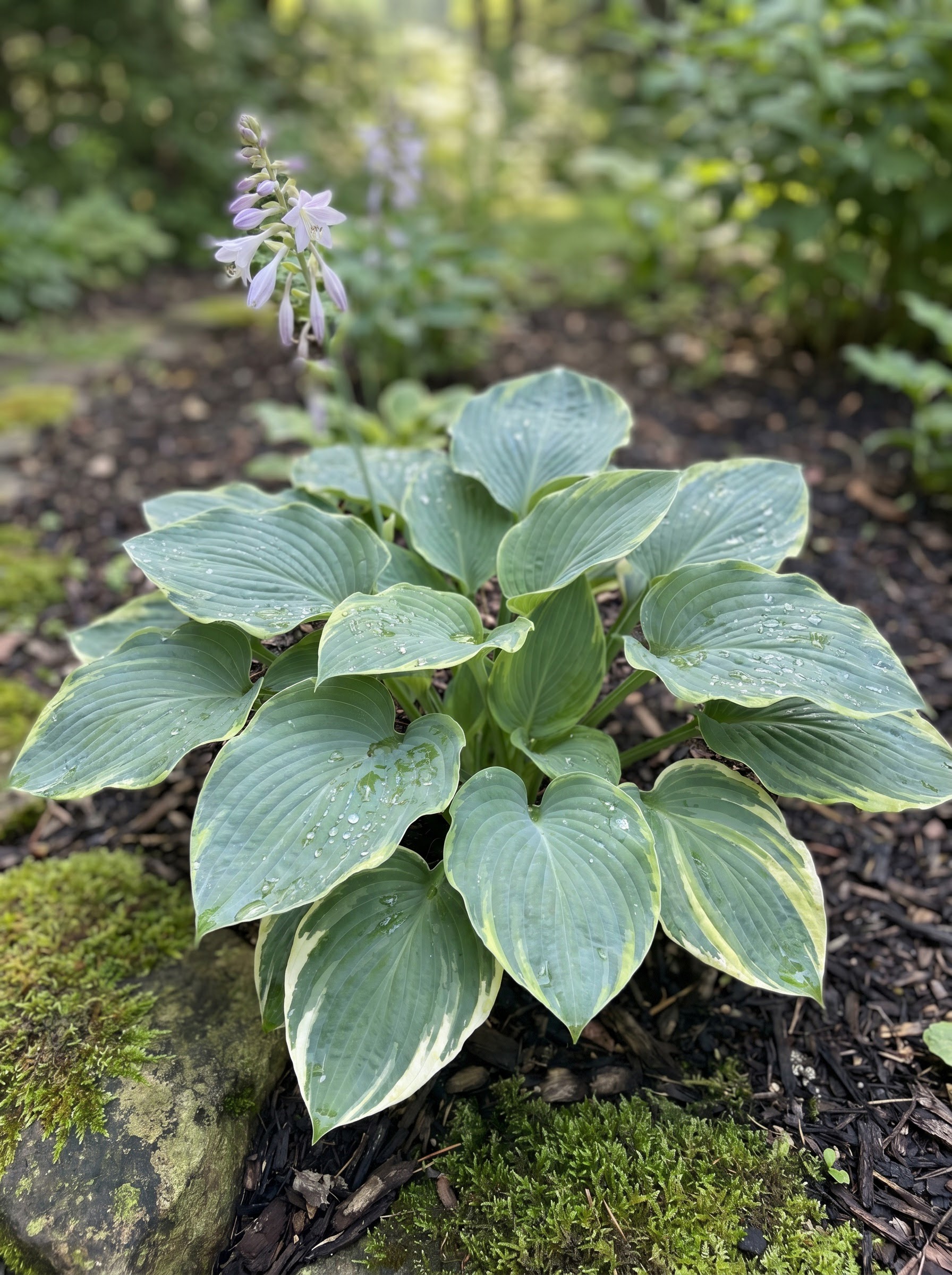 HostaPartial
Big ribbed leaves want the same part shade and steady moisture as hydrangea, and a row planted at the base hides the bare, woody lower canes the shrub develops by late summer.
Bigleaf hydrangea+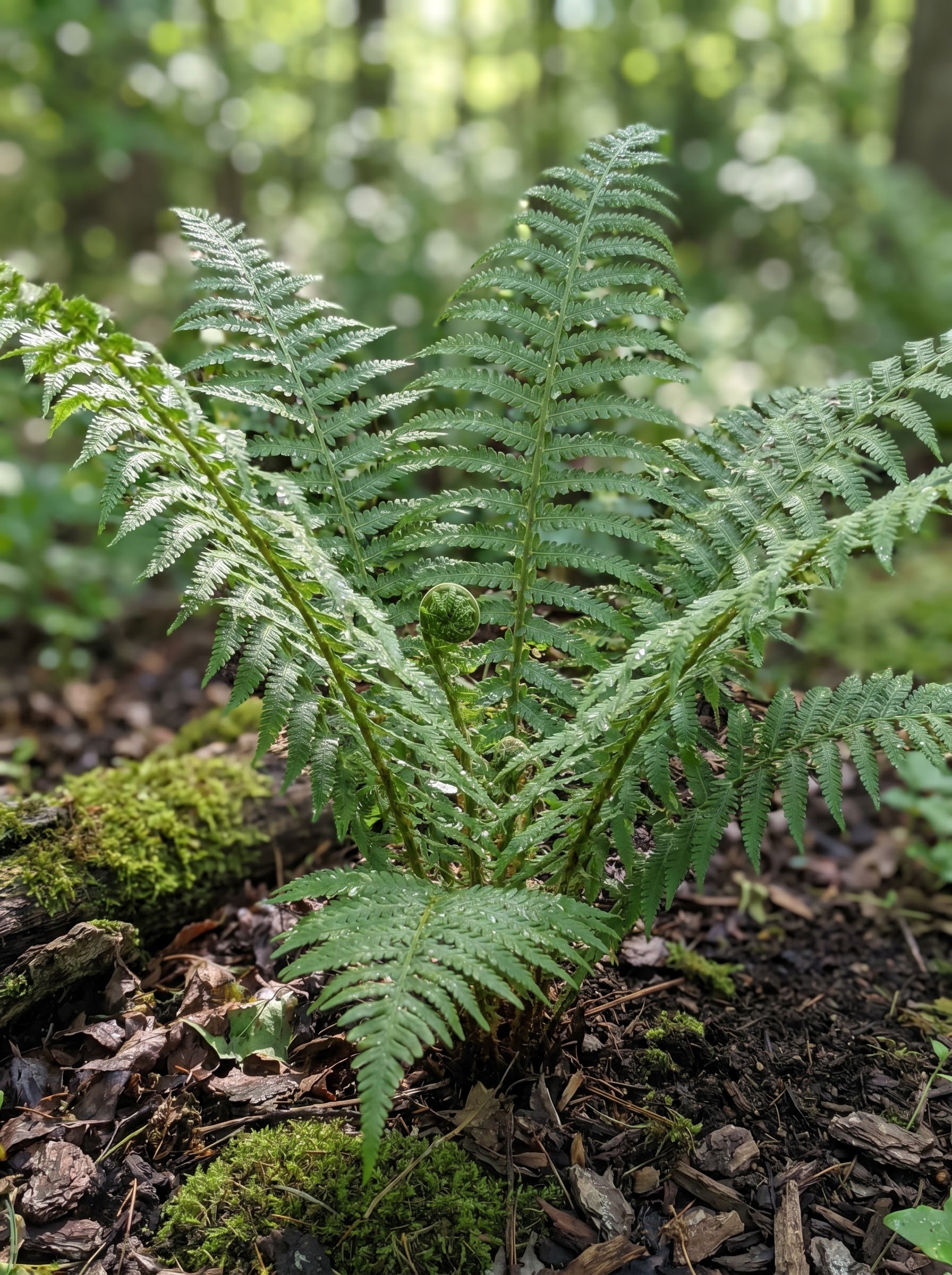 FernPartial
Fine-cut fronds want the same shade and constant moisture as hydrangea and give the strongest textural foil available to its coarse, broad leaves, doubling as underplanting that hides bare stems.
Bigleaf hydrangea+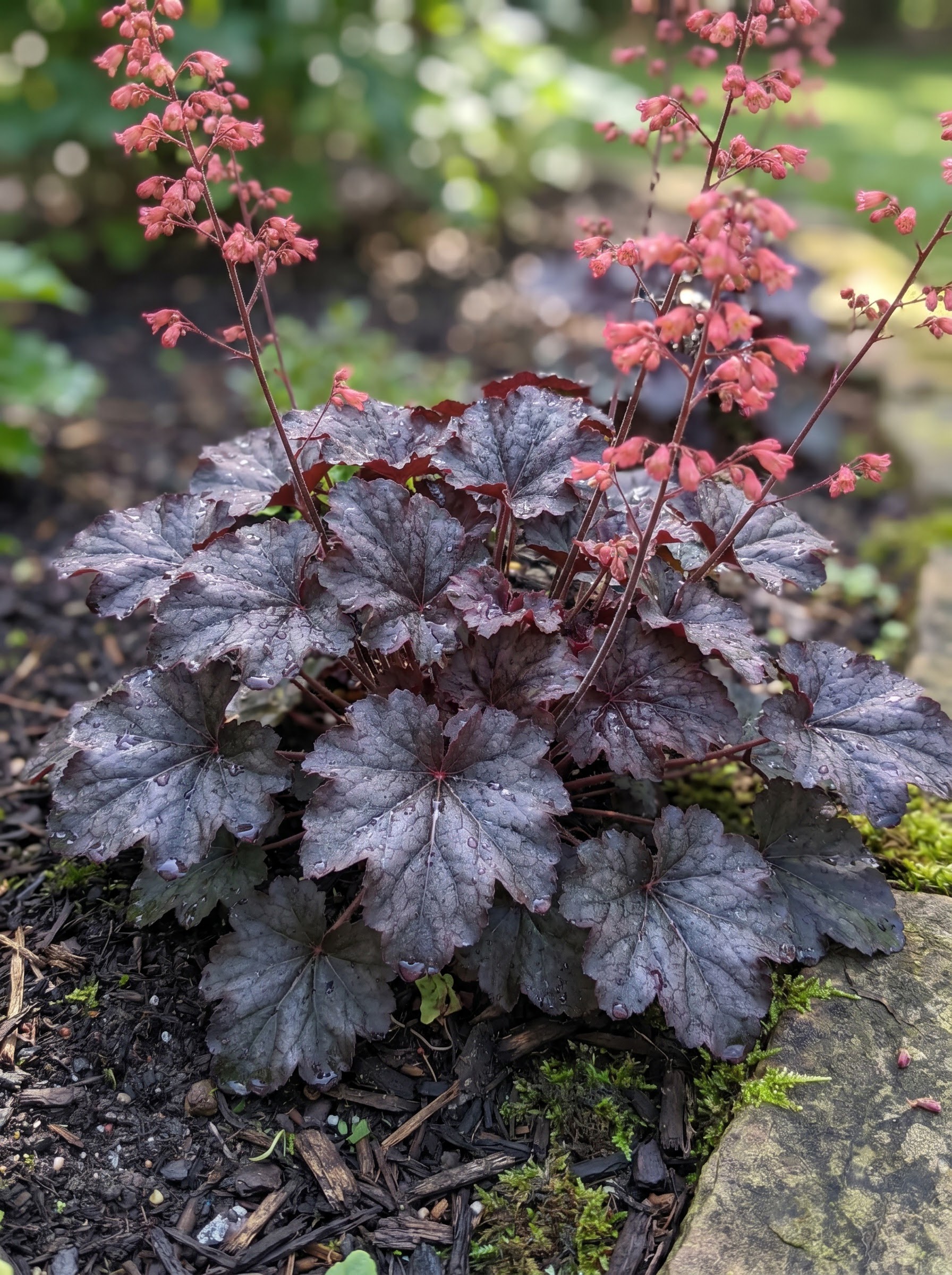 HeucheraPartial
Tolerates part shade as well as hydrangea does, and its dark or caramel foliage is a deliberate color-echo tool against blue or pink mophead blooms; like hydrangea, it still wants regular water in hot, dry spells rather than a true drought rest.
Bigleaf hydrangea+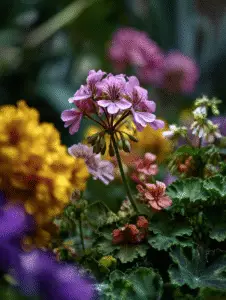 Hardy geraniumPartial
A spreading, moisture-loving mound that tolerates part shade to full shade, knits together as living groundcover under and in front of the hydrangea, and blooms for months.
Bigleaf hydrangea+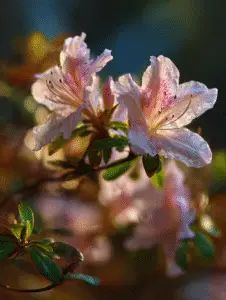 AzaleaPartial
Shares the same part shade and consistent moisture, and its own delicate, shallow roots mean it wants a dedicated mulched bed rather than a shared, tilled root zone with any neighbor, hydrangea included; it also blooms earlier, extending the border's color before the hydrangea leafs out.
Bigleaf hydrangea+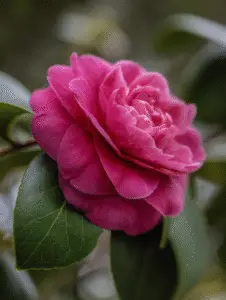 CamelliaPartial
Wants the same dappled shade, consistently moist soil and slightly acid lean as hydrangea, and its glossy evergreen foliage gives a dark, structured backdrop that the hydrangea's own bare winter canes badly need.
Bigleaf hydrangea+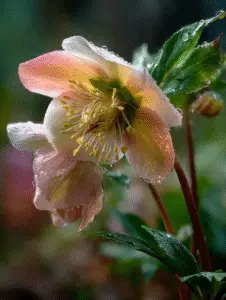 HelleborePartial
Evergreen, leathery foliage covers the hydrangea's shallow root zone year round and blooms in the depth of winter, filling the exact gap left by a big deciduous shrub that goes fully bare and dormant.
Bigleaf hydrangea+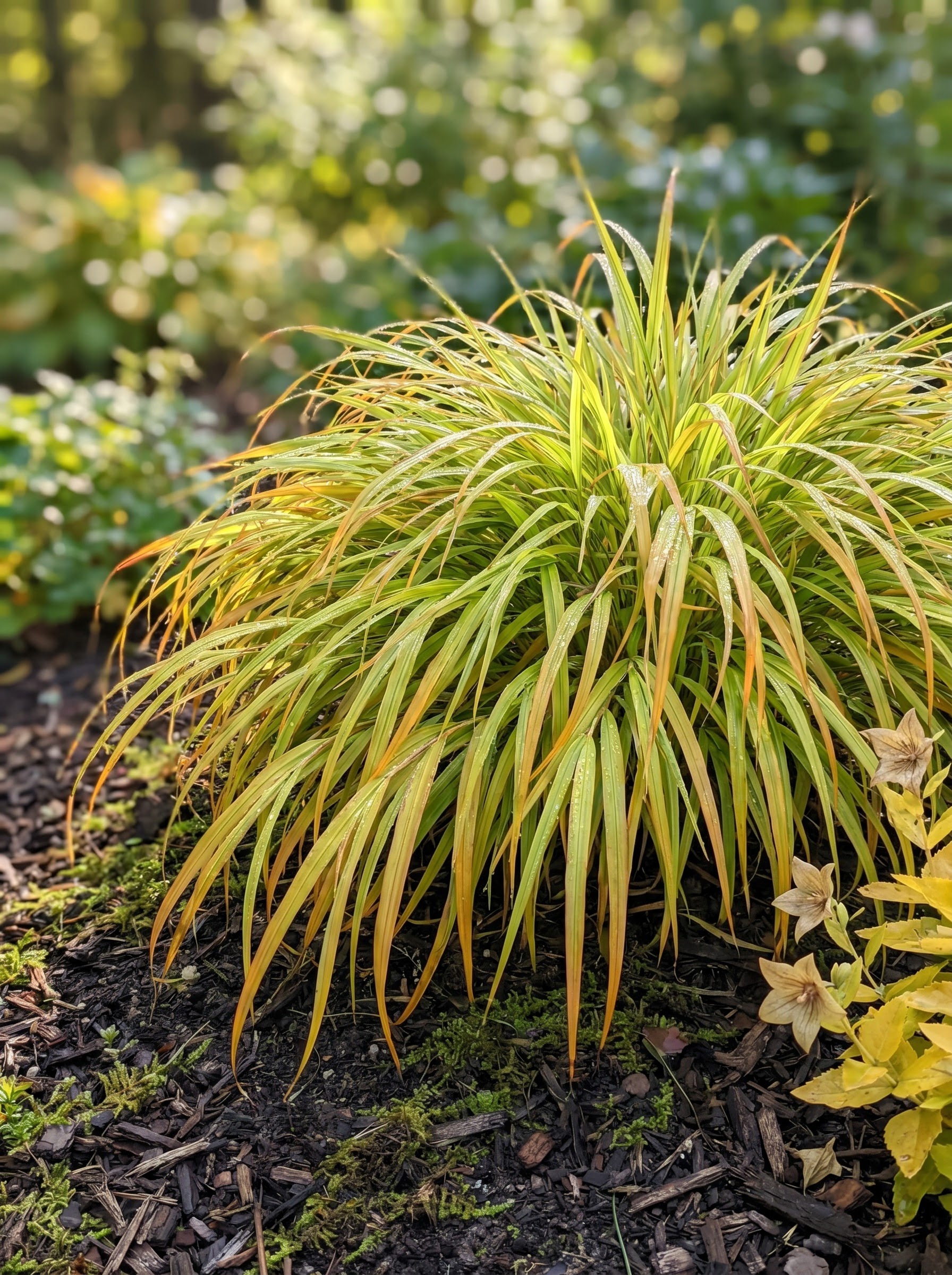 Japanese forestPartial
One of the few ornamental grasses that genuinely wants shade and steady moisture rather than tolerating it, and its arching, fine-bladed mounds are a soft counterpoint to the hydrangea's stiff, coarse form.
Bigleaf hydrangea+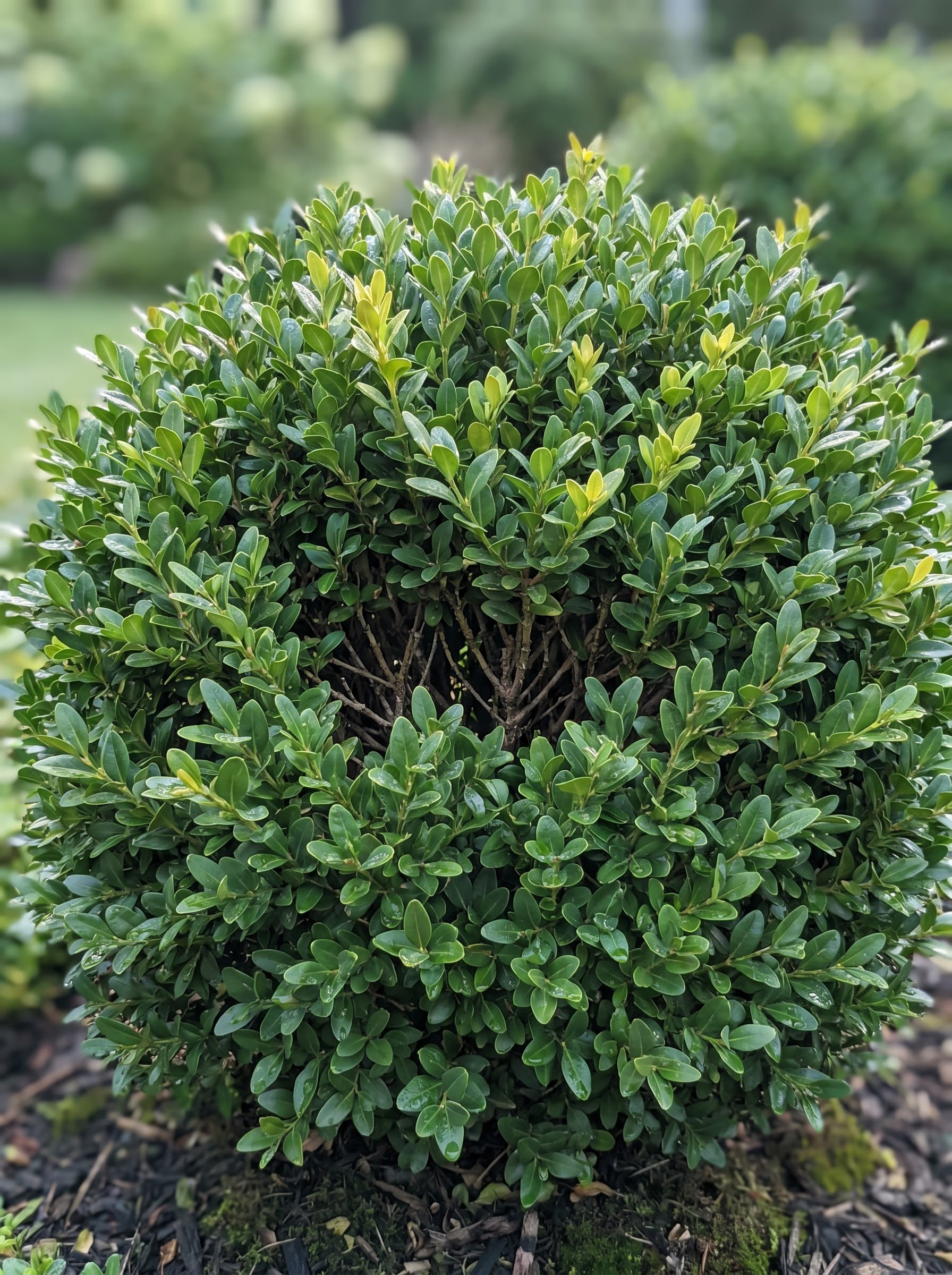 BoxwoodFolklore
Gives year-round evergreen structure once the hydrangea drops its leaves, but boxwood wants its own sun and air on all sides and a near-neutral to slightly alkaline soil, so it belongs as an edge or hedge, not tucked into the hydrangea's shaded, richly amended footprint.
All hydrangeas companions
10 flower companions, best match first
What not to plant near hydrangeas
Most bad neighbours are not evil, they just want the opposite light, water or root run. Here is what to keep away, and what to do instead.
Full-sun, dry-soil perennials (lavender, rosemary, sage and salvia types, Russian sage, most sedum)
These want at least 6 to 8 hours of direct sun and soil on the dry side, and go leggy or stop flowering in the hydrangea's shade; planted close, the hydrangea's consistently moist soil also sits wet against roots that need to dry out, which is a documented route to root rot in this group.
Black walnut (Juglans nigra)
This is a real, hydrangea-specific case: Iowa State University Extension lists hydrangea by name among the shrubs observed to grow poorly near black walnut, alongside lilac, rhododendron and viburnum, from the juglone the tree's roots and leaf litter release.
Large surface-rooted trees (oaks and maples especially)
This is a siting problem more than a pairing problem: big trees' feeder roots absorb the available moisture ahead of anything planted beneath them, and oak and maple are named specifically as trees whose roots are sensitive to disturbance and hard to plant under.
Aggressive spreaders (mint, bamboo and similar runners)
Running rhizomes travel underground and invade the hydrangea's shallow root zone, competing for water and space and choking the open base the shrub's roots want.
English ivy
A dense, fast-spreading groundcover that blankets the soil and competes directly with the hydrangea's own shallow feeder roots, and can climb into the shrub itself given the chance.
The best companions for hydrangeas, explained
A bigleaf hydrangea sets the terms for everything planted near it: part shade, soil that never fully dries out, and a big rounded shrub form that leaves an awkward, woody-legged gap low down by midsummer. The companions that actually work are the ones built for those same terms rather than plants chosen because they look pretty in a catalog photo next to a mophead bloom. Astilbe is close to the ideal partner for exactly this reason: it wants the same dappled shade and constantly moist, humus-rich soil, and its feathery upright plumes give the vertical, fine-cut texture a mounding hydrangea can’t produce on its own. Hosta does similar work at a different scale, its broad ribbed leaves echoing the hydrangea’s own big foliage while filling in low enough to cover the bare stems the shrub develops as the season goes on. Ferns, particularly Japanese painted fern and lady fern, do that same underplanting job with the opposite texture, their fine-cut fronds cutting against hydrangea’s coarse leaves in a way nothing else on this list quite matches, and their light, fibrous roots barely compete for water or space.
Heuchera and hardy geranium round out the front-of-border layer, both taking part shade as easily as hydrangea itself, which makes either a dependable choice near the front of the bed as long as the soil there stays just as evenly moist. Heuchera’s dark or caramel foliage is also a deliberate color tool: near-black leaves intensify a blue hydrangea’s blooms, while caramel and peach tones warm up a pink one, a pairing mechanic that shows up again and again in shade-border design because it holds up in practice, beyond simple repetition. Azaleas and camellia earn a place too, and both are worth naming specifically because they’re often mishandled in generic companion lists. Azalea shares hydrangea’s shade and moisture needs and, contrary to a few thin "avoid" claims floating around, is better read as a companion than a competitor, though its own roots are delicate and shallow enough that extension guidance recommends giving it a dedicated mulched bed rather than tilled, shared soil with any neighbor; it also blooms earlier, so the border has color before the hydrangea leafs out. Camellia wants that same dappled shade and steady moisture, plus a slightly acid soil lean the hydrangea tolerates easily, and its glossy evergreen structure earns its keep once the hydrangea drops its leaves for winter. Hellebore closes the seasonal loop, blooming in the dead of winter on evergreen foliage that quietly covers the hydrangea’s shallow root zone the rest of the year, and Japanese forest grass adds one more texture option for a bed that already leans heavily on broad-leaved shade perennials.
What not to plant near hydrangeas
The clearest mistake is pairing a shade-and-moisture plant with something that wants the opposite. Full-sun, dry-soil perennials, lavender, rosemary, sage and salvia types, russian sage, and most sedum, are the textbook version of this: they need at least six to eight hours of direct sun and soil that dries out between waterings, and tucked next to a hydrangea they get leggy and stop flowering in the shade while their roots sit in soil that’s wetter than they can handle. That combination of shade stress and constant moisture is a documented route to root rot in this group, so the fix is real distance rather than a compromise spot. Aggressive spreaders belong on the same list for a different reason: mint and running bamboo travel by underground rhizome, and once one gets into a hydrangea’s root zone it competes directly for water and space and is genuinely difficult to remove without disturbing the shrub. English ivy causes the same problem from a different angle, spreading as a dense mat that competes with the hydrangea’s own shallow feeder roots and can climb into the shrub itself if left unchecked.
Two more avoids are about where the hydrangea sits rather than what’s planted beside it. Black walnut is the one real chemical case on this list: research from Iowa State University Extension names hydrangea specifically among the shrubs that grow poorly near black walnut, alongside lilac, rhododendron, and viburnum, from the juglone the tree’s roots and fallen leaves release into the soil. There’s no workaround for this one beyond distance; if a black walnut is already established on the property, the hydrangea belongs somewhere else in the yard. Large surface-rooted trees, oaks and maples especially, cause trouble by simple competition rather than chemistry: their feeder roots pull the available moisture before a hydrangea planted beneath them gets a share, and both species are specifically flagged as difficult to plant under because their roots resent disturbance. A hydrangea can still go in that dappled shade if the site is right, but expect to water more than one planted in open ground, and dig a generous mulched pocket by hand rather than tilling through the structural roots. Worth saying plainly: azalea, camellia, and boxwood get listed as "avoid" on a surprising number of consumer sites, almost always for vague nutrient competition, and that claim doesn’t hold up against the actual shade-and-moisture overlap azalea and camellia genuinely share with hydrangea. Boxwood is a different, more specific case, covered below.
Do they like the same conditions?
The rule that actually filters this list is simple: part shade and steady moisture, tested against every candidate before it earns a spot. Morning sun with afternoon shade is the hydrangea’s ideal, and it will take more sun in cool coastal climates if the soil stays reliably damp, but full hot-afternoon sun scorches the leaves and causes genuine wilting that doesn’t recover by evening. Water is even less negotiable. Hydrangea wilts visibly and fast once the soil dries, which is precisely why lavender, sedum, and other lean-soil plants are a mismatch rather than a style choice gone wrong; one of the two is always being watered against its nature. This is also where the honest myth-busting belongs, because it’s the single most repeated piece of bad information about this flower: hydrangea does not need acidic soil to be healthy. Soil pH controls whether aluminum in the ground is available to the roots, and that availability decides flower color, blue where aluminum is taken up in acidic soil, pink where it’s locked away in neutral to alkaline soil, not whether the plant thrives. Azalea is the real acid-obligate plant in this list, needing a pH around 4.5 to 6.0 to do well at all, so the honest companion rule is to give azalea and camellia their own mulched, amended pocket rather than assuming hydrangea needs to match them chemistry for chemistry.
That distinction is exactly where boxwood gets interesting, and it’s worth being specific rather than repeating the usual design-blog line about evergreen structure. Boxwood’s own ideal soil sits near neutral to slightly alkaline, and Clemson Cooperative Extension’s guidance is direct: don’t plant boxwood alongside acid-soil plants like azalea, camellia, and gardenia, because their pH needs genuinely conflict in a shared, amended bed. That’s not a knock against pairing boxwood with hydrangea itself, since hydrangea tolerates a wide pH range and isn’t chasing a single number the way azalea is. It is a real reason to keep boxwood physically separate from any pocket of soil built up for azalea or camellia, and to treat boxwood as a hedge or edge sited for its own sun and airflow rather than a plant tucked directly into the hydrangea’s shaded, richly amended footprint.
How to plant them together
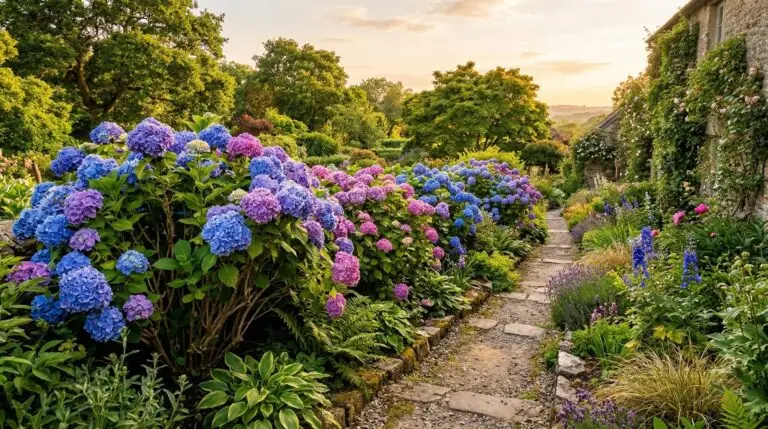
Layer by height and by season rather than filling the bed with everything blooming at once. Astilbe and Japanese forest grass work best as a middle layer, close enough to the hydrangea to share its moisture but far enough out, roughly 12 to 18 inches from the base, that neither is fighting for the same exact soil pocket. Hosta, hardy geranium, and fern belong at the front edge and directly under the lower canes, spaced 10 to 20 inches depending on the mature size of the cultivar, precisely where the hydrangea’s own bare stems need the most cover. Give azalea and camellia their own amended, mulched footprint 18 inches to several feet out rather than digging one shared soil pocket for the whole bed, since both genuinely want that acid lean the hydrangea can live without. Hellebore earns a spot right at the base, since its evergreen foliage is doing groundcover work through the hydrangea’s whole dormant season, and boxwood belongs at true arm’s length, at least two to three feet away and positioned so it keeps its own sun and air rather than sitting inside the hydrangea’s shade.
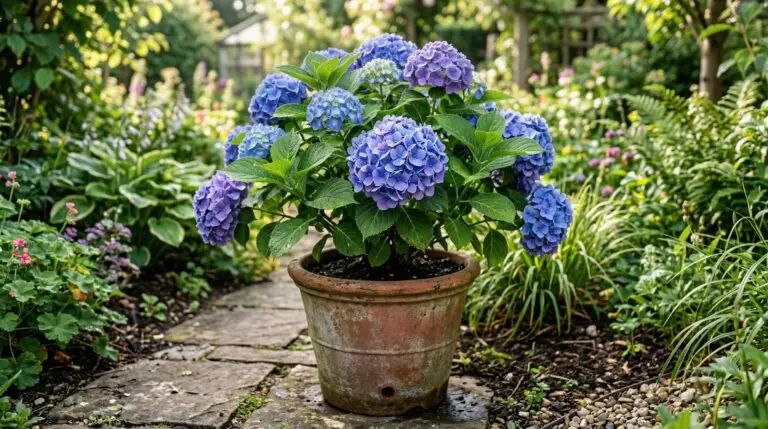
In containers the same logic holds at a smaller scale. A large pot lets the grower control soil pH directly, useful for anyone chasing blue blooms in naturally alkaline ground, and a low, shade-tolerant companion like heuchera or a small hosta at the rim does the same bare-leg cover job an in-ground planting would, as long as both plants get watered on the hydrangea’s schedule rather than a drought-tolerant one. Whatever the setting, mulch two to three inches deep over the whole planted area; it holds the moisture every genuine companion on this list actually needs and keeps root competition from aggressive spreaders like mint or ivy from ever getting a foothold in the first place.
Does companion planting actually work for hydrangeas?
Some of it, yes, and some of it is closer to a design habit than a horticultural fact, which is worth saying plainly rather than blurring the two together. The shared-conditions matches are the strongest claim on this page: astilbe, hosta, fern, heuchera, hardy geranium, azalea, camellia, and hellebore all genuinely want the same part shade and steady moisture hydrangea does, which is a real, verifiable overlap rather than a marketing line, and it’s why these pairings show up again and again across extension guidance rather than just garden blogs. The seasonal-succession argument is also real and specific to this flower: hydrangea is a large deciduous shrub that goes fully bare for months, and pairing it with something evergreen or winter-blooming, camellia, hellebore, or a boxwood sited at a proper distance, closes a genuine structural gap rather than just adding more flowers to a bed that already has plenty.
Where the evidence gets thinner is anything claiming a companion actively improves hydrangea’s health or bloom, beyond simply not fighting it for light and water. There’s no meaningful allelopathy case for hydrangea the way there is for black walnut against it, so no neighboring flower is protecting or feeding the shrub through some chemical mechanism; the benefit is entirely about shared conditions, seasonal structure, and deliberate color design, dark heuchera against blue blooms, caramel heuchera against pink ones. Boxwood’s placement is the clearest case of a popular pairing that needs a caveat rather than a blanket yes or no: it’s a genuinely good design partner for the winter structure a hydrangea bed loses, but it’s a poor bedfellow for azalea or camellia specifically, and that caveat rests on real soil-chemistry grounds rather than repeated blog folklore. That’s the honest verdict: match the conditions first, use foliage and bloom timing to do the design work second, and treat any claim beyond that, repelling pests, fixing a bloom problem, boosting flower size, as unproven until it’s shown otherwise.
Sources
- Iowa State University Extension, What plants are sensitive to the juglone produced by black walnuts?
- Penn State Extension, Underplanting Trees: Respect the Roots
- Utah State University Extension, How to Grow English Lavender in Your Garden
- Clemson Cooperative Extension (HGIC), Boxwood
- Clemson Cooperative Extension (HGIC), Camellia
- University of Missouri Extension, Growing Azaleas and Rhododendrons
More About Hydrangea macrophylla
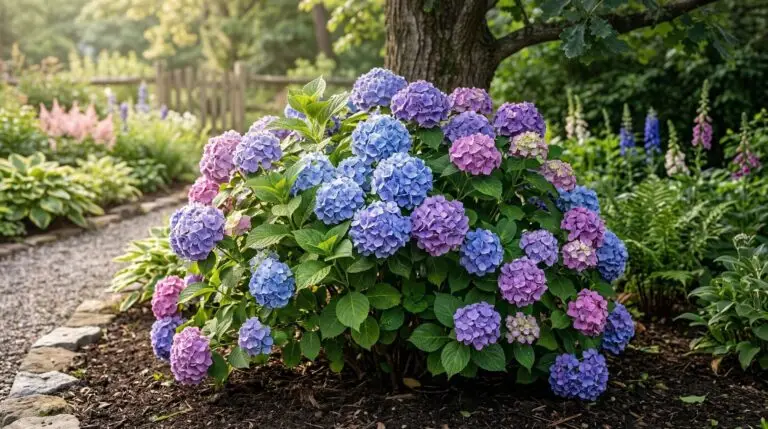
How to grow hydrangeas for massive flower heads that dominate the summer garden
Drying hydrangea flowers for beautiful arrangements that capture summer all year
How to change hydrangea color from pink to blue and the soil science behind it
Hydrangea meaning, by colour and across the centuries, honestly explained
Why hydrangeas do not bloom and the pruning mistakes that remove all the flower buds
Growing hydrangeas in containers for stunning patio and doorstep displays
Best hydrangea varieties from classic Nikko Blue to reblooming Endless Summer
Pruning hydrangeas correctly and which type you have determines when you cut
Hydrangeas in wedding flowers and why brides love these lush romantic blooms