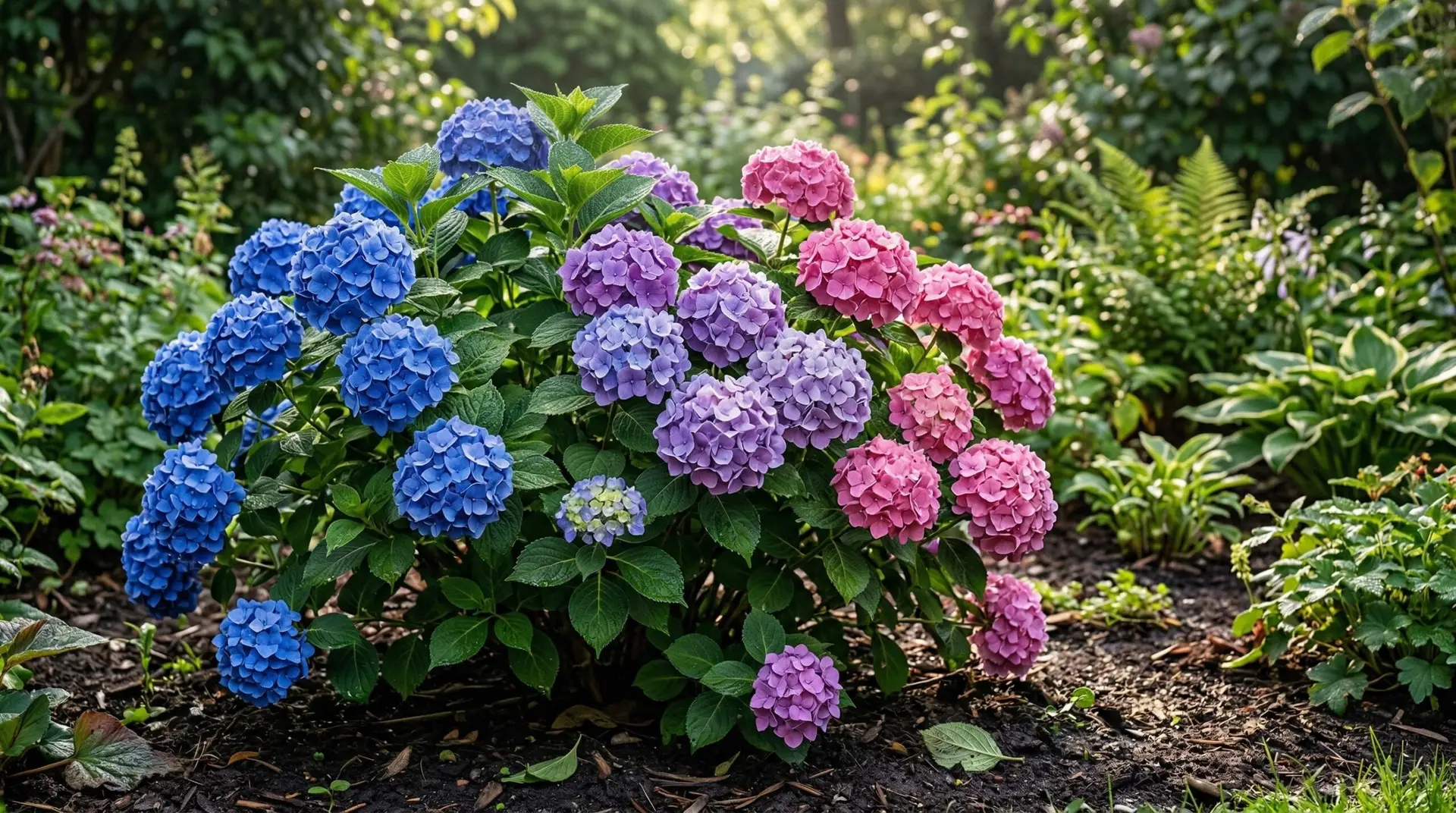
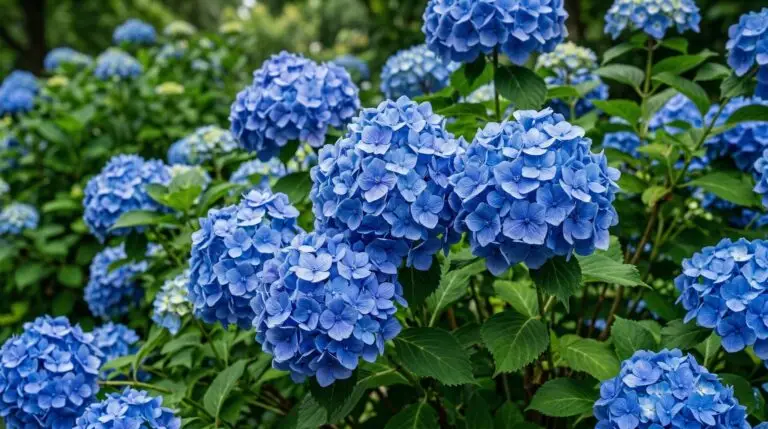
The color of a bigleaf hydrangea (Hydrangea macrophylla) depends entirely on whether the plant can absorb aluminum from the soil. While garden lore focuses heavily on soil pH, acidity alone does not turn flowers blue. Acidic soil merely acts as the key that unlocks aluminum, making it soluble and available to the plant root system. If your soil lacks aluminum entirely, lowering the pH will just give you a highly acidic bed of pink hydrangeas. Conversely, alkaline soil locks aluminum up in an insoluble form, meaning even a soil rich in the mineral will produce pink blooms because the plant cannot access it. Understanding this mechanic prevents wasted effort and directs your focus to the actual chemical requirements of the plant. Testing your soil for both pH and baseline aluminum content gives you the data needed to proceed correctly.
Contents 4 sections
The relationship between soil pH and aluminum availability
Soil pH dictates the chemical state of aluminum in the ground. When soil pH drops below 5.5, aluminum compounds dissolve into the soil moisture. The hydrangea roots take up this dissolved aluminum and transport it to the floral tissues. Inside the sepals, the aluminum binds with an anthocyanin pigment called delphinidin-3-glucoside. This specific chemical bond changes the molecular structure of the pigment, shifting the way it reflects light and producing a blue color. When the soil pH rises above 6.0, the aluminum precipitates out of the soil solution into a solid state. The roots can no longer absorb it, leaving the delphinidin pigment unbound and naturally pink.
Most native soils do not naturally hover at the exact pH required for intense blue flowers. Gardeners often attempt to lower pH using organic matter like pine needles or coffee grounds. Despite what many sources claim, these materials break down too slowly and have too little acidifying power to shift the soil pH enough for a color change. Elemental sulfur is a more effective method for lowering pH over the long term. Pelletized sulfur is easier to apply and produces less dust than powdered forms. Soil bacteria must digest the sulfur to convert it into sulfuric acid, a process that takes several months and requires warm soil temperatures. Because of this delay, applying sulfur in the spring will not affect the current year blooms. You must test your soil pH before adding any amendments to know your starting point and avoid toxic over-application.
Applying aluminum sulfate to shift blooms blue
Aluminum sulfate provides both the necessary mineral and the acidity required to make it available. This dual action makes it the most reliable compound for turning pink hydrangeas blue. You should apply a solution of half an ounce of aluminum sulfate dissolved in one gallon of water. Watering the plant thoroughly the day before treatment provides a buffer against root burn. Pour this mixture slowly around the drip line of the shrub, ensuring the soil is already moist before application. Applying any chemical salt to dry soil burns the fine feeder roots and stresses the plant. A mature hydrangea may require two to three gallons of this solution per application to adequately saturate the root zone. Avoid splashing the solution on the leaves or stems, as the concentrated salts cause immediate tissue damage.
The transition from pink to blue rarely happens uniformly after a single treatment. You will often see transitional colors like muddy purple or blooms with both pink and blue petals on the same plant. This indicates the aluminum is slowly accumulating in the plant tissues but has not reached the threshold for a complete color shift. Some specific cultivars are genetically predisposed to resist turning completely blue, stalling out at a lavender shade regardless of soil chemistry. Do not increase the concentration of the aluminum sulfate solution to speed up the process. High concentrations of aluminum are highly toxic to plant roots and will kill the shrub long before the flowers turn blue. Stick to the half-ounce per gallon ratio and accept that a full color change requires patience and consistent application over multiple growing seasons.
Timing and maintaining the color change
Timing determines the success of your aluminum sulfate applications. You must begin treating the soil in late winter or early spring just as the plant breaks dormancy. Spring rains help wash the dissolved aluminum sulfate down into the root zone where the plant can access it. The hydrangea needs time to absorb the aluminum and move it into the developing flower buds weeks before they open. Applying the solution after the buds show color is entirely ineffective for the current season. Continue applying the drench every three to four weeks until the flowers are fully open. Stop all applications in late summer to allow the plant to harden off naturally before winter dormancy.
Maintaining blue flowers requires ongoing soil management, especially if you live in an area with alkaline tap water or limestone bedrock. Irrigation water with a high pH will steadily neutralize the acidity you introduce, pulling the soil back toward a pink-producing state. You must reapply aluminum sulfate every spring to counteract this constant upward drift in pH. Acid-loving companion plants can help you monitor the general soil conditions in the bed. A nearby azalea or a gardenia will show yellowing leaves from iron chlorosis if the soil pH creeps too high. These indicator plants provide an early warning system that your soil is becoming too alkaline to support blue hydrangea blooms.
Recognizing hydrangeas that will never change color
Not all hydrangeas possess the genetic ability to shift colors based on soil chemistry. The color change mechanism relies entirely on the presence of anthocyanin pigments in the sepals. White Hydrangea macrophylla varieties lack these pigments completely. Because there is no pigment to bind with the aluminum, white flowers remain white regardless of how much aluminum sulfate you apply. The structure of the white sepals simply reflects all light, masking any minor chemical changes happening within the plant tissues. Adding acid or aluminum to a white hydrangea is a waste of resources and needlessly exposes the plant to salt stress. As white blooms age, they may develop faint pink or green tints, but this is a natural senescence process, not a reaction to soil pH.
Other hydrangea species also ignore soil chemistry completely. Smooth hydrangeas (Hydrangea arborescens) and panicle hydrangeas (Hydrangea paniculata) produce blooms that transition from green to white to pink as the season progresses. This color progression is driven by temperature and daylight changes rather than aluminum uptake. Oakleaf hydrangeas (Hydrangea quercifolia) follow a similar pattern, aging to deep rose or mahogany by late fall. If you want a reliably blue flower without managing soil chemistry, you must plant a specific cultivar bred for high aluminum uptake in less acidic soils. Otherwise, accept the natural color dictated by your native soil and spend your time managing moisture and pruning instead.
More About Hydrangea macrophylla
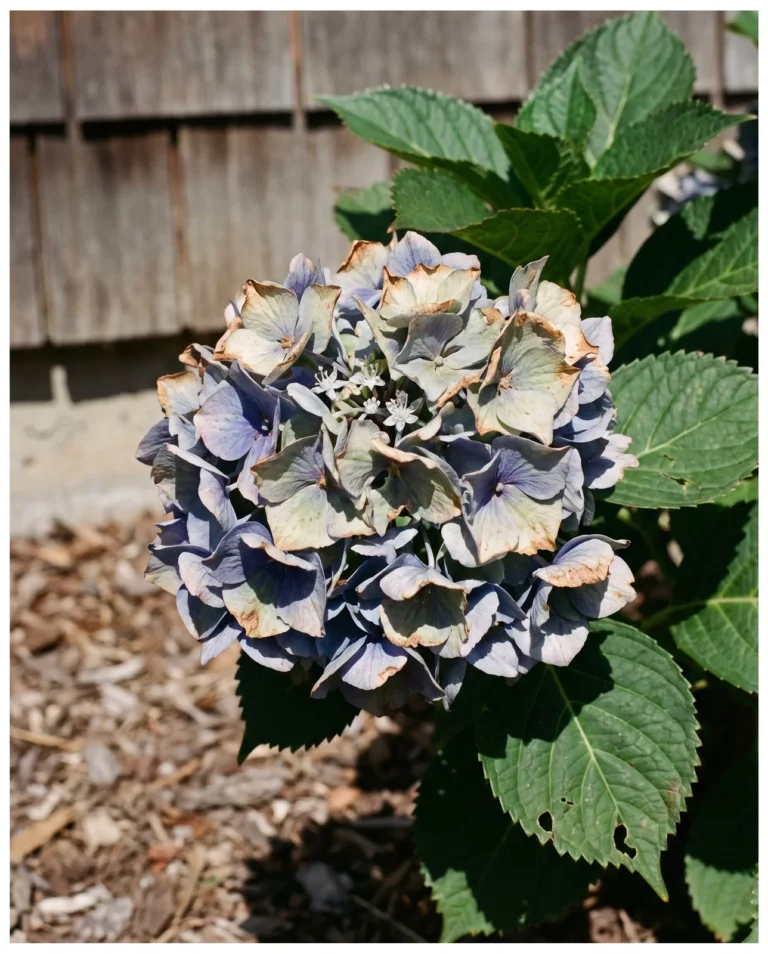
How to dry hydrangeas without losing their color
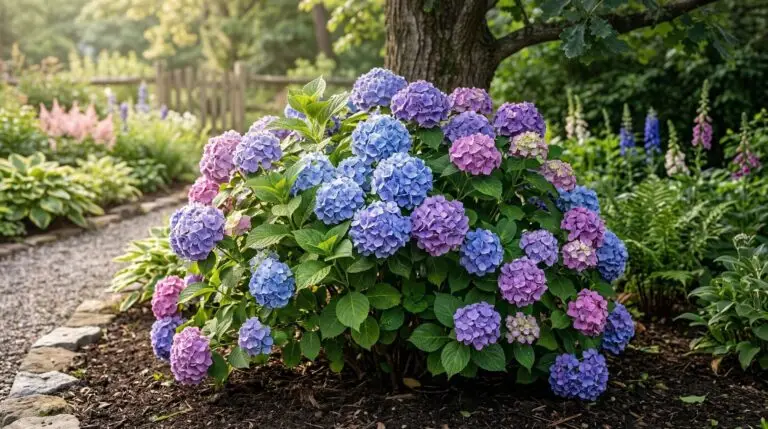
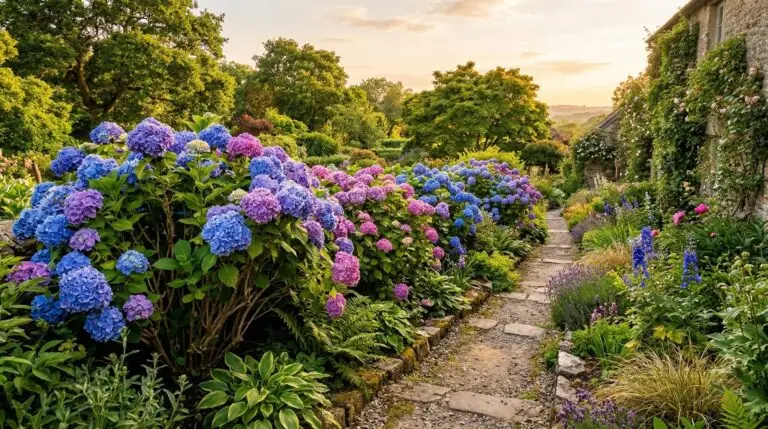
How to grow hydrangeas for massive flower heads that dominate the summer garden
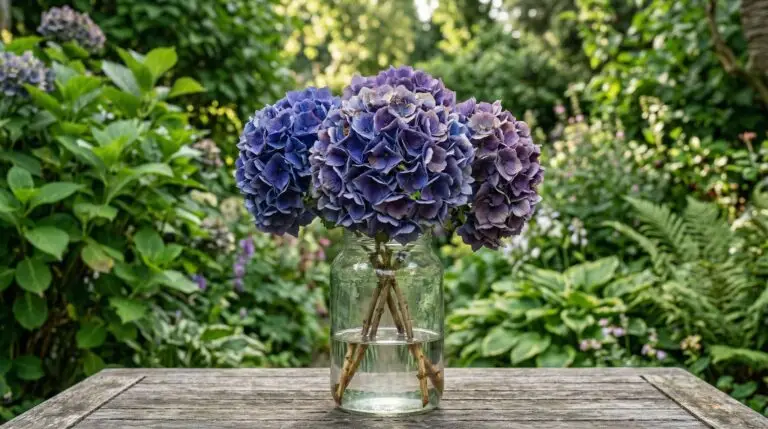
Drying hydrangea flowers for beautiful arrangements that capture summer all year
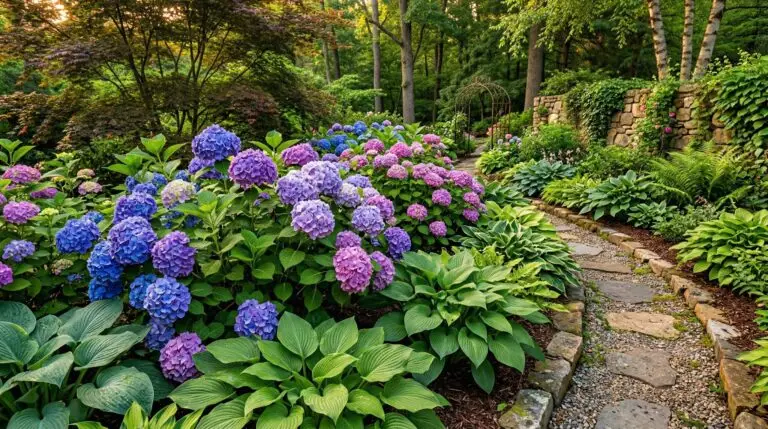
Companion plants for hydrangeas: what to grow and avoid
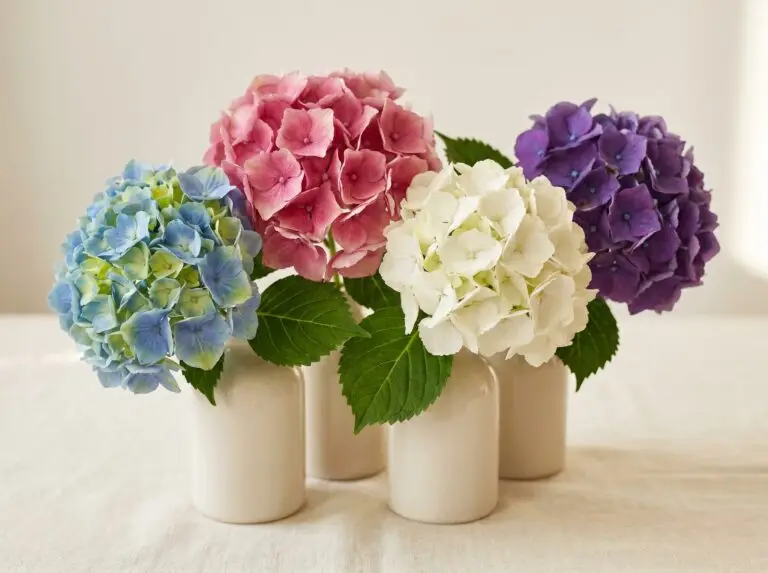
Hydrangea meaning, by colour and across the centuries, honestly explained
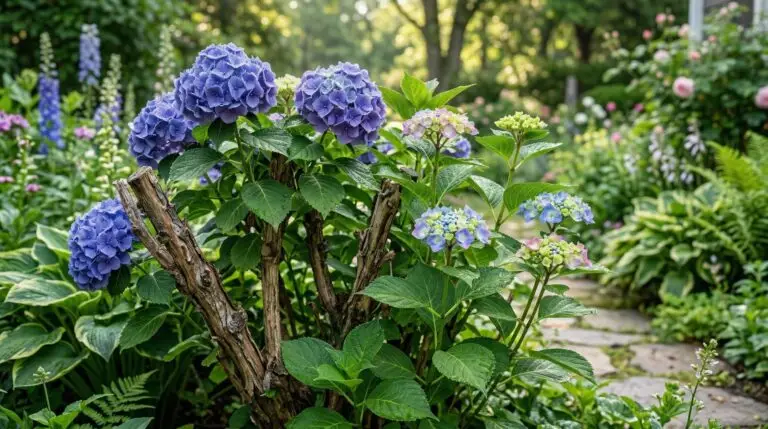
Why hydrangeas do not bloom and the pruning mistakes that remove all the flower buds
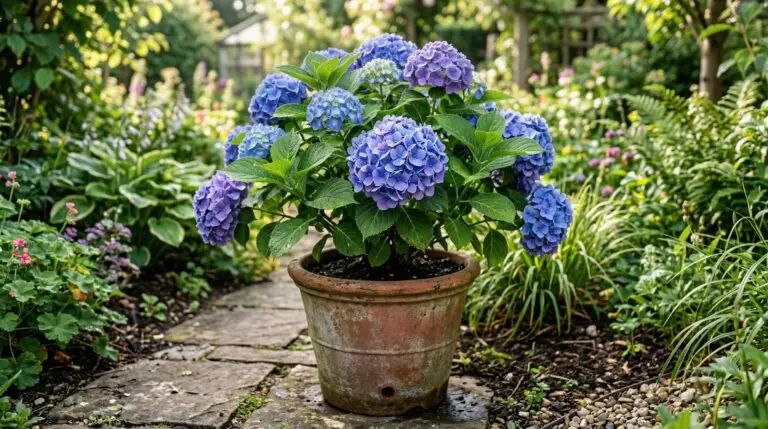
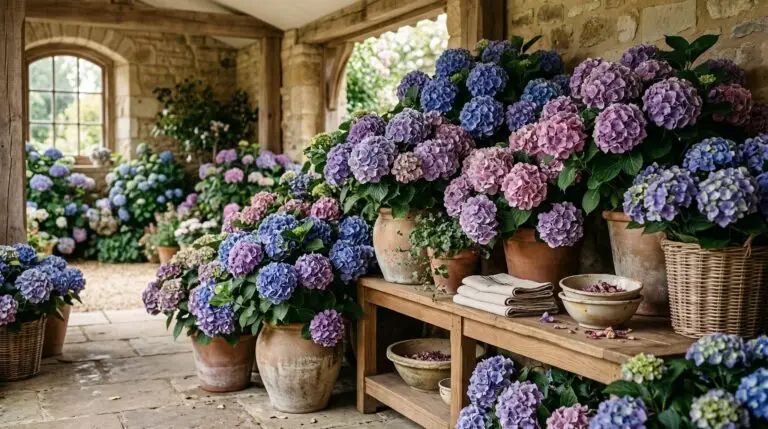
Growing hydrangeas in containers for stunning patio and doorstep displays
Best hydrangea varieties from classic Nikko Blue to reblooming Endless Summer
Pruning hydrangeas correctly and which type you have determines when you cut
Hydrangeas in wedding flowers and why brides love these lush romantic blooms
Enjoying our flower guides? Add YourFlowersGuide as a preferred source on Google. It helps more readers find us.
Add to Preferred Sources