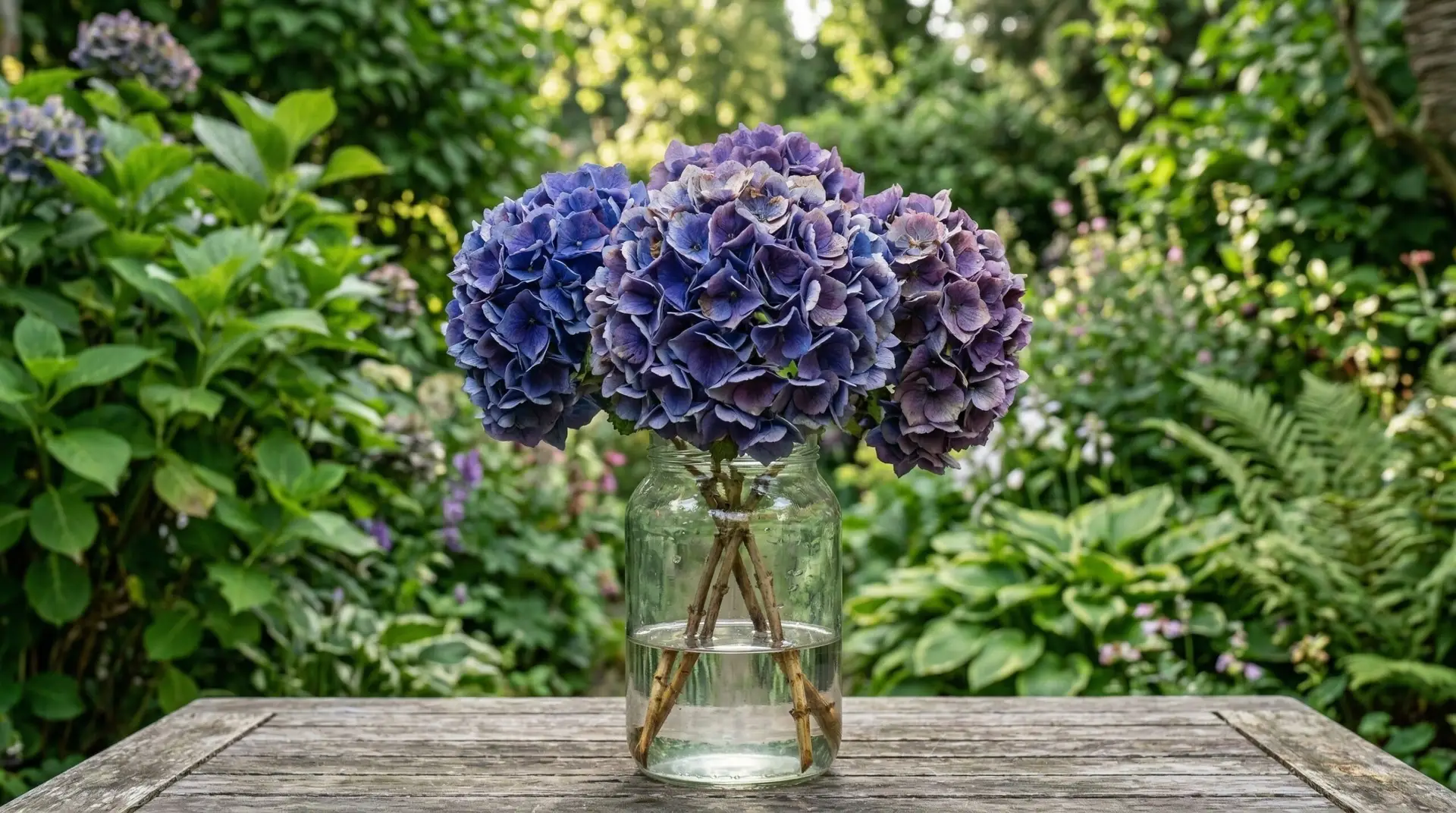
Late summer brings a distinct shift to the garden as the heavy heat softens into cooler evenings and the light takes on a golden, slanted quality. The large, rounded blooms of Hydrangea macrophylla respond to this change by slowly aging on the shrub. Their bright summer blues and candy pinks quiet down into muted tones of dusty plum, antique green, and soft mauve. Passing by these fading shrubs, there is a natural urge to bring those heavy flower heads indoors before the first frost ruins their petals. Preserving these blooms allows the gardener to hold onto a tangible piece of the summer garden long after the leaves have fallen. Learning how to dry hydrangea flowers requires just a bit of patience and an understanding of how the plant ages. The process transforms a fleeting garden moment into a lasting fixture for the home.
Most gardeners discover that snipping a fresh, spring-colored hydrangea and hanging it upside down results in a shriveled, disappointing mess. The secret to success lies almost entirely in the timing of the harvest rather than the drying technique itself. The petals need time to mature and develop a tougher, slightly papery texture while still attached to the mother plant. When you wait for the flowers to reach this specific stage of maturity, the actual work of creating a dried hydrangea arrangement becomes remarkably simple.
Contents 4 sections
Timing the harvest for lasting color
Knowing exactly when to cut the stems requires regular observation of the shrubs as August turns into September. You want to touch the petals gently and listen for a faint rustling sound, which indicates that the moisture content has begun to drop naturally. The flowers should feel slightly leathery or papery under your fingertips, rather than soft and fleshy like a fresh spring blossom. If you cut the stems while the blooms are still full of fresh sap, the petals will collapse inward and wither into tight little balls. Waiting too long presents its own problems, as autumn rains and early frosts will turn the edges of the petals brown and brittle. The ideal window often arrives when the flowers have just begun to transition into their autumn colors but still retain a strong hint of their original hue. Harvesting on a dry afternoon ensures that no morning dew or rain clings to the flower heads.
Taking a clean pair of bypass pruners to the garden, cut the stems at an angle, leaving about twelve to eighteen inches of length. Strip away all the large green leaves immediately, as these will only steal moisture from the stem and look untidy as they dry. Gathering the stems in a loose bunch, carry them indoors away from direct sunlight, which can bleach the remaining color from the petals. The preparation at this stage sets the foundation for whichever drying method you choose to pursue.
The water drying method
It sounds contradictory to use water for drying hydrangeas, but this slow-evaporation technique produces the most reliable and natural-looking results. You place the freshly cut, leafless stems into a vase filled with just a few inches of clean water. As the days pass, the hydrangea stems continue to drink the water, allowing the large flower heads to dry at a remarkably slow pace. This gradual process prevents the petals from wilting or curling in on themselves, maintaining the full, rounded shape of the mophead. You simply leave the vase in a cool, dark room with good air circulation and let the water evaporate completely over the course of two to three weeks. Unlike the traditional method of hanging globe thistle upside down in a dark closet, hydrangeas dry best right side up in a vessel. Once the water is gone from the vase, the stems should snap easily, and the flowers will feel crisp to the touch.
This water method is forgiving and requires almost no active maintenance once you set the vase in place. The blooms will naturally shift in color as they cure, usually taking on the antique, muted shades that look so fitting in an autumn room. Some gardeners prefer to gently crush the bottom inch of the woody stems before placing them in the water to help the plant drink more efficiently. The resulting dried flowers have sturdy, upright stems that slide easily into tall pitchers or large ceramic crocks.
Preserving hues with silica gel
For those who want to capture the bright, saturated blues and pinks of mid-summer rather than the muted tones of autumn, silica gel offers a completely different approach. This sandy substance consists of tiny, porous crystals that absorb moisture rapidly, pulling the water out of the petals before the colors have a chance to fade. You need an airtight plastic container large enough to hold the flower heads without squashing their rounded forms. Pour a base layer of the crystals into the bottom of the container, cut the hydrangea stem quite short, and rest the flower upright on the sand. Carefully spoon more silica gel over and around the petals, working the crystals into the spaces between the individual blossoms until the entire head is completely buried. The container gets sealed shut for about four to six days, locking out the ambient humidity of the room. When you gently pour off the crystals, the hydrangea emerges feeling like delicate paper but looking exactly as it did on the day you cut it.
Because this method requires removing most of the stem to fit the flower inside a container, the resulting blooms are best used in low bowls or attached to floral wire. The silica gel can be reused indefinitely, making it a practical investment for anyone who likes to preserve their garden harvest. It works perfectly on a variety of dense blooms, and many people use the same batch of crystals to dry a heavy rose blossom before moving on to their hydrangeas. The speed of the moisture removal is what locks the summer pigments securely in place.
Designing with the preserved blooms
Once the flowers are fully cured, they become incredibly useful materials for indoor decoration, though they do require a gentle touch. The petals are prone to shedding or shattering if bumped, so it helps to mist the finished flower heads with a light coat of unscented hairspray or a commercial floral spray fixative. This invisible shield gives the delicate tissues a bit of flexibility and keeps the tiny petals firmly attached to their central stems. A generous bundle of water-dried hydrangeas looks classic and substantial when massed alone in an iron urn or a woven basket. You can also wire the individual heads onto a grapevine base to create a dense, textured wreath for an interior door or a dining room wall. Mixing the heavy hydrangea heads with lighter, spiky elements like dried lavender creates a pleasing contrast in both shape and scent. Keeping the finished pieces out of direct sunlight and away from damp areas like bathrooms will ensure they last through the winter and well into the next year.
Dust will inevitably settle on the petals over the months, but you can clean them easily using a hairdryer set on the lowest, coolest setting. Hold the dryer a few feet away and let the gentle breeze push the dust off the flowers without causing any damage. If the colors eventually fade to a pale brown after a year or two, you can lightly mist them with floral tint or simply compost them to make way for a new harvest. Working with these blooms becomes an annual rhythm, marking the end of the active gardening season.
There is a quiet satisfaction in walking through a warm house in the middle of January and seeing the preserved shapes of summer flowers resting on a mantel or a side table. The dried hydrangeas catch the low winter light, their papery petals holding the memory of August afternoons and the heavy soil of the garden. They ask for nothing in return, requiring no water and no care, yet they bring a profound sense of the outdoors into the enclosed spaces of winter. Arranging them in a simple pitcher feels like a final act of the gardening year, a way to close the season with grace. You can almost smell the damp earth of late summer when you brush past the arrangement on a cold morning. The garden may be asleep under a thick layer of frost, but its history remains gathered in a simple vase.
More About Hydrangea macrophylla
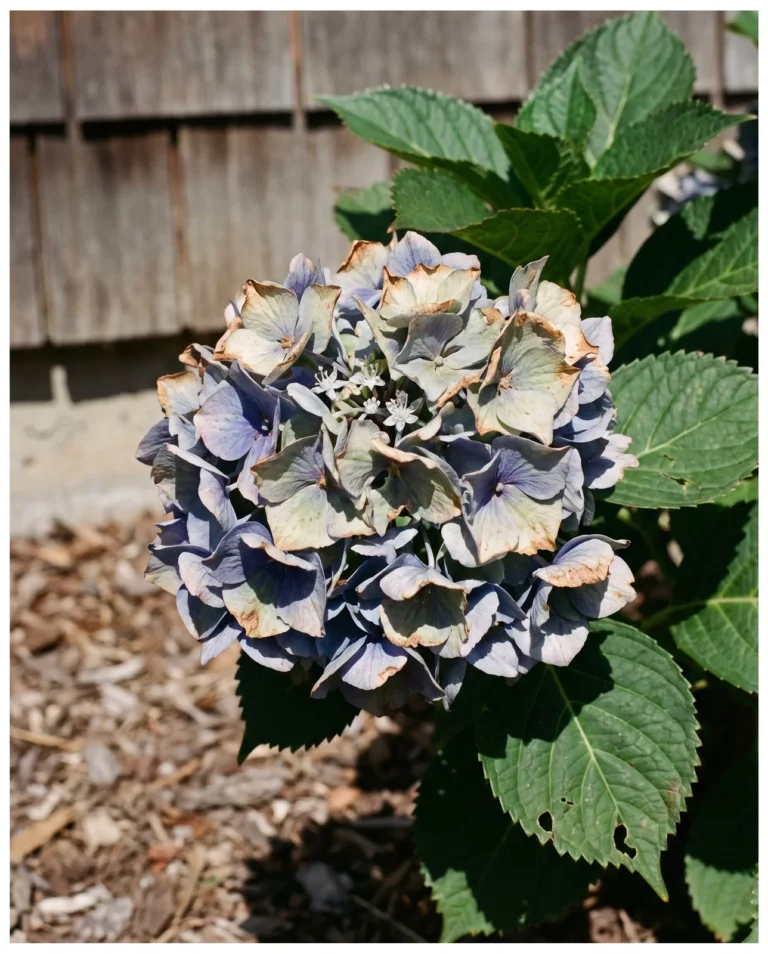
How to dry hydrangeas without losing their color
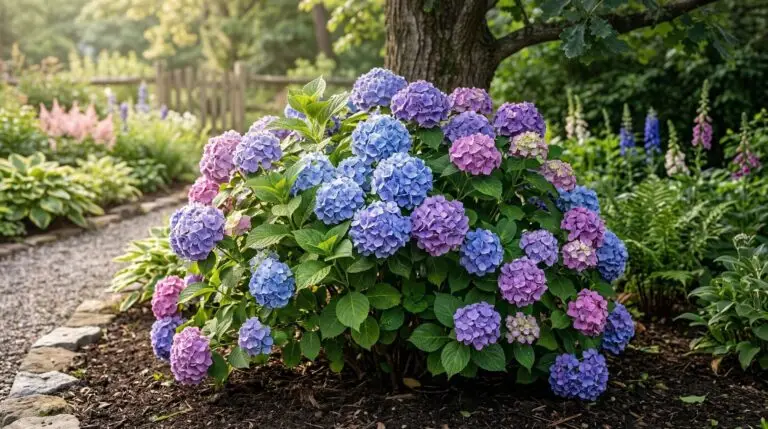
How to grow hydrangeas for massive flower heads that dominate the summer garden
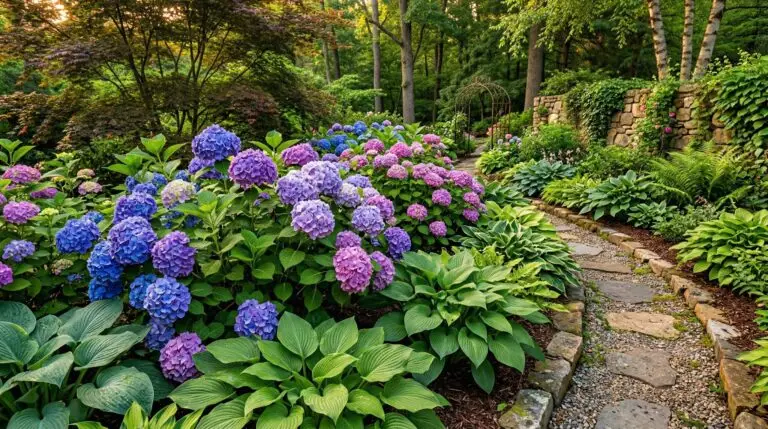
Companion plants for hydrangeas: what to grow and avoid
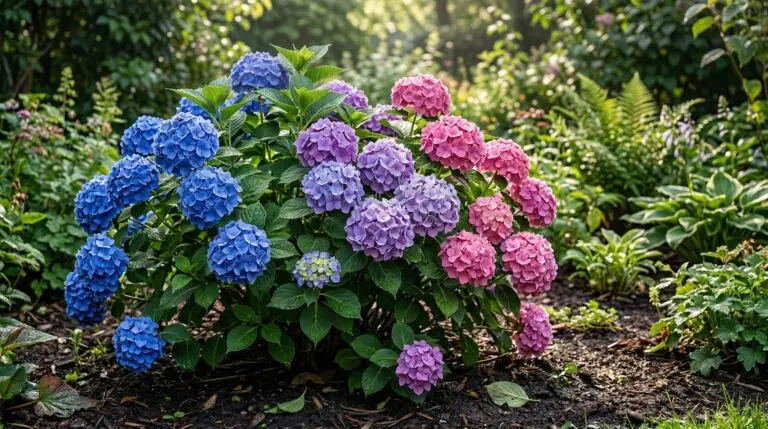
How to change hydrangea color from pink to blue and the soil science behind it
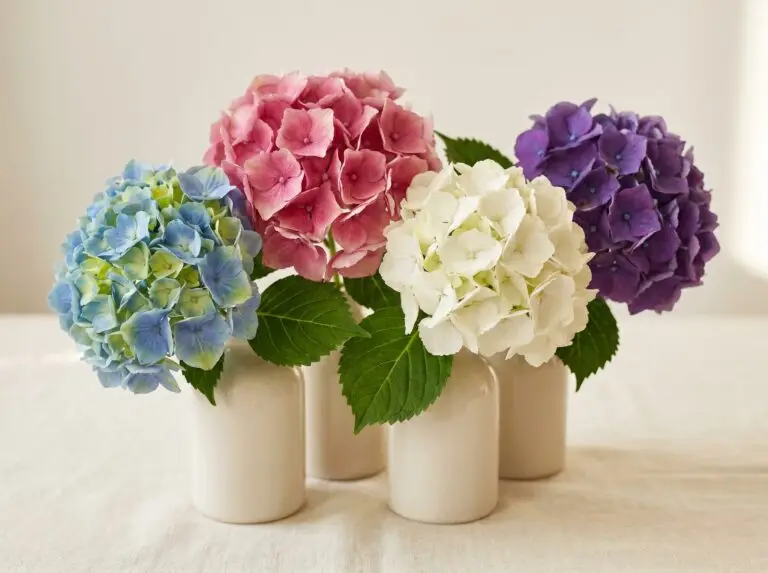
Hydrangea meaning, by colour and across the centuries, honestly explained
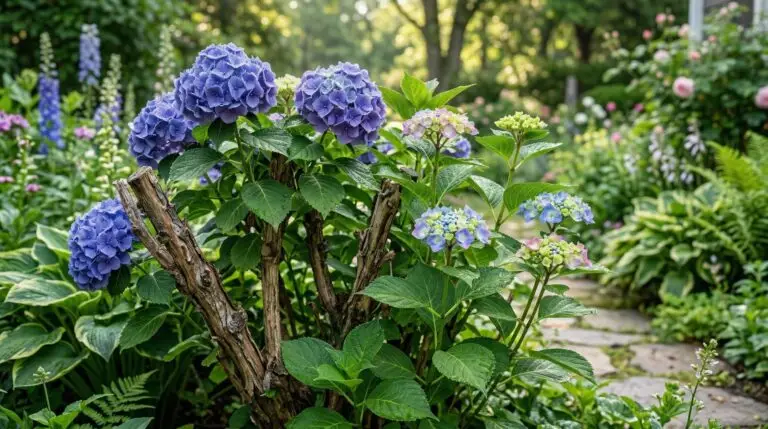
Why hydrangeas do not bloom and the pruning mistakes that remove all the flower buds
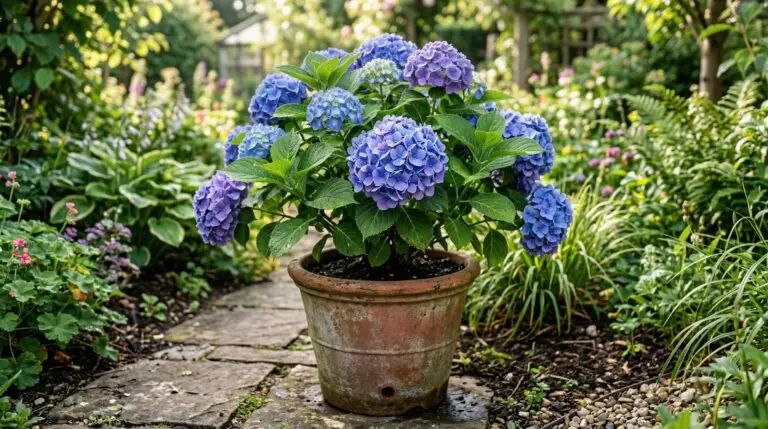
Growing hydrangeas in containers for stunning patio and doorstep displays
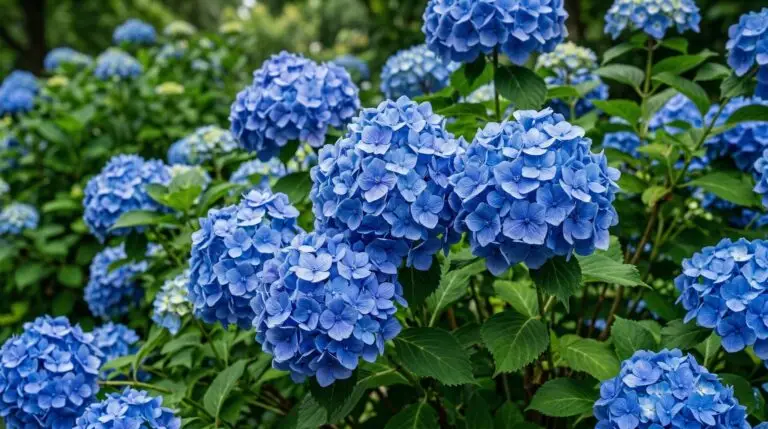
Best hydrangea varieties from classic Nikko Blue to reblooming Endless Summer
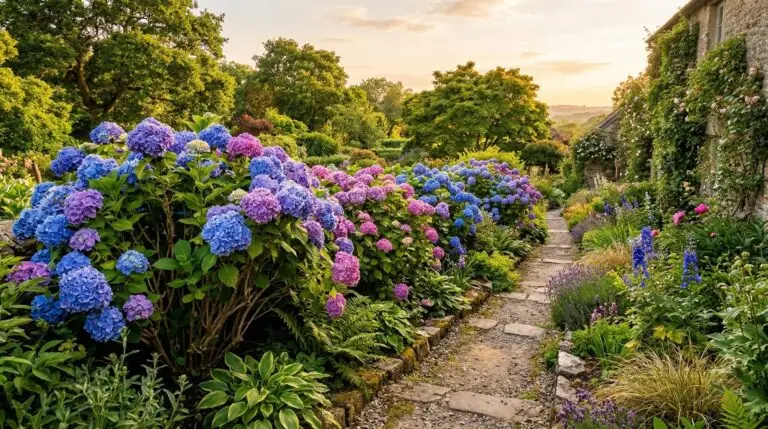
Pruning hydrangeas correctly and which type you have determines when you cut
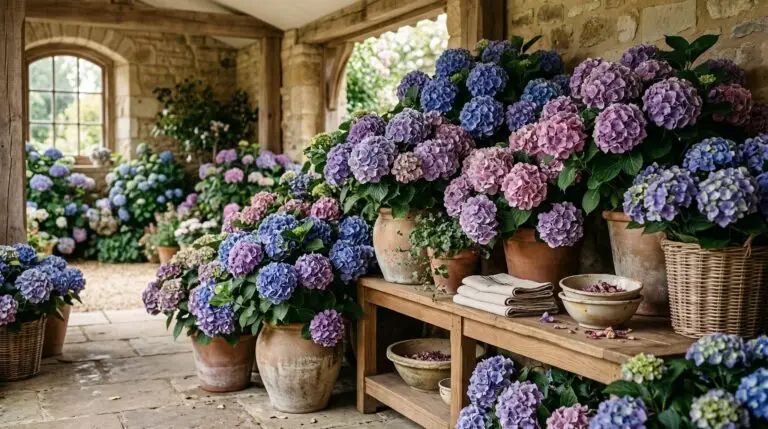
Hydrangeas in wedding flowers and why brides love these lush romantic blooms
Enjoying our flower guides? Add YourFlowersGuide as a preferred source on Google. It helps more readers find us.
Add to Preferred Sources