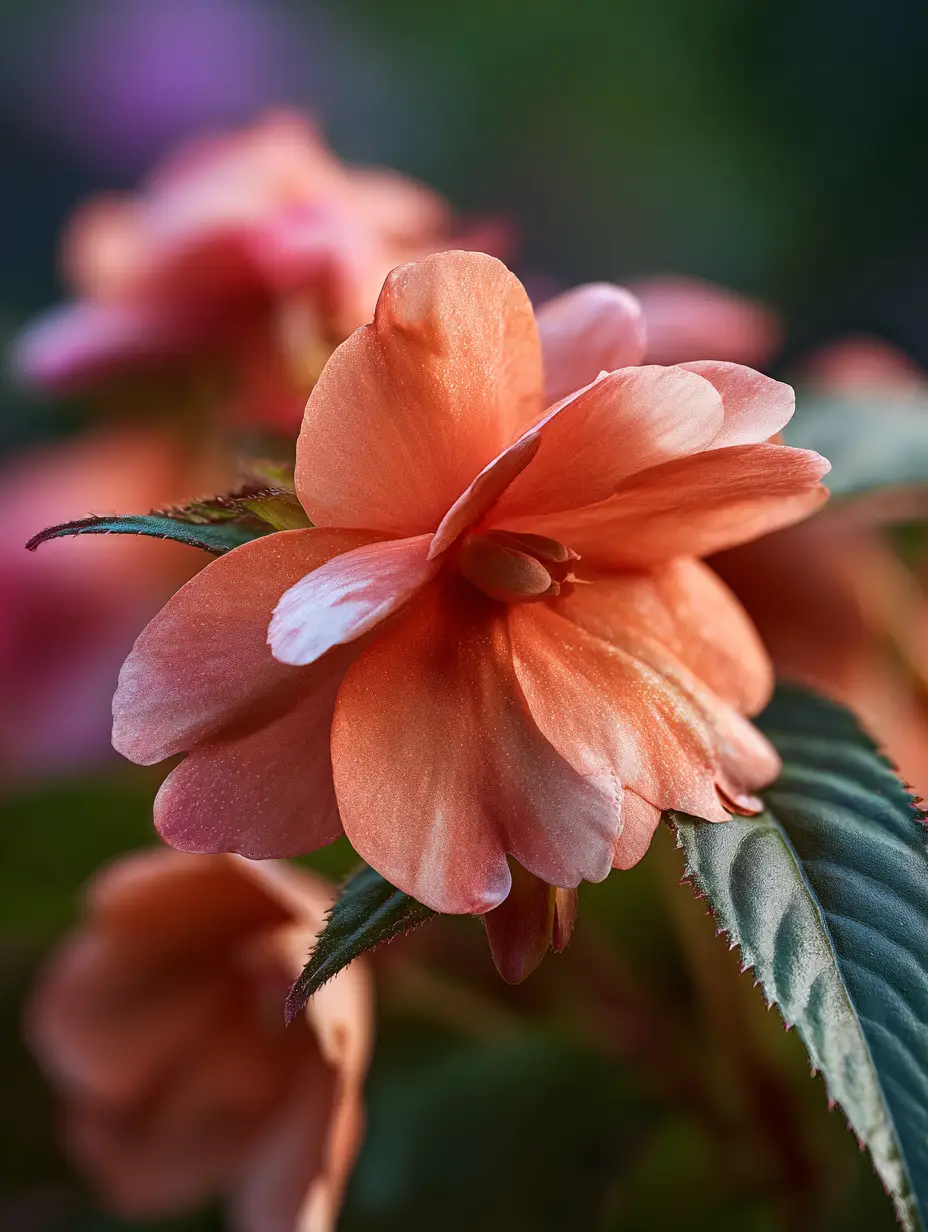
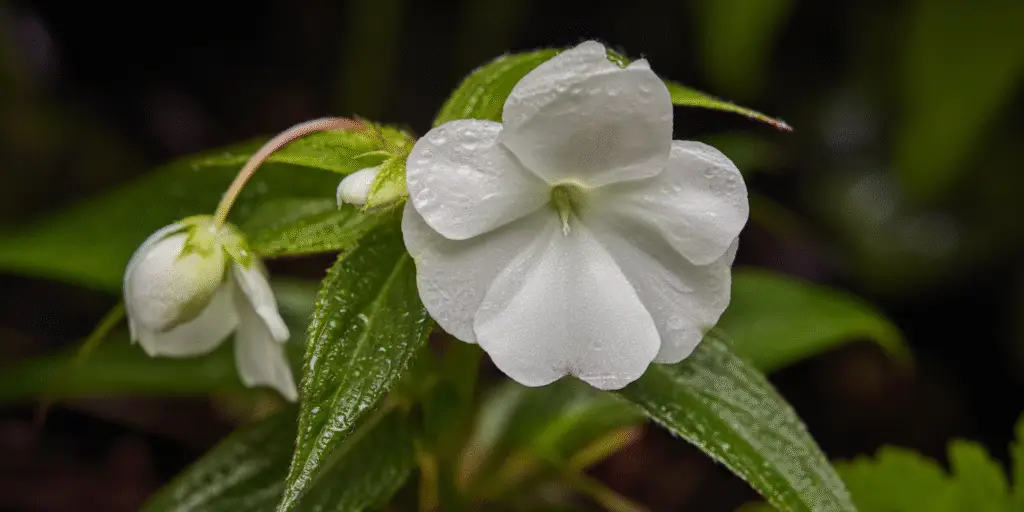
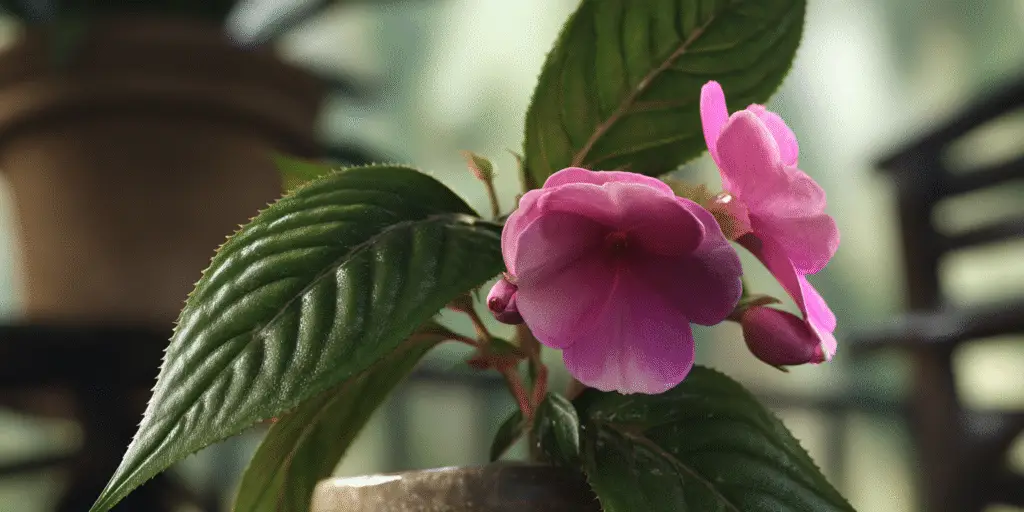
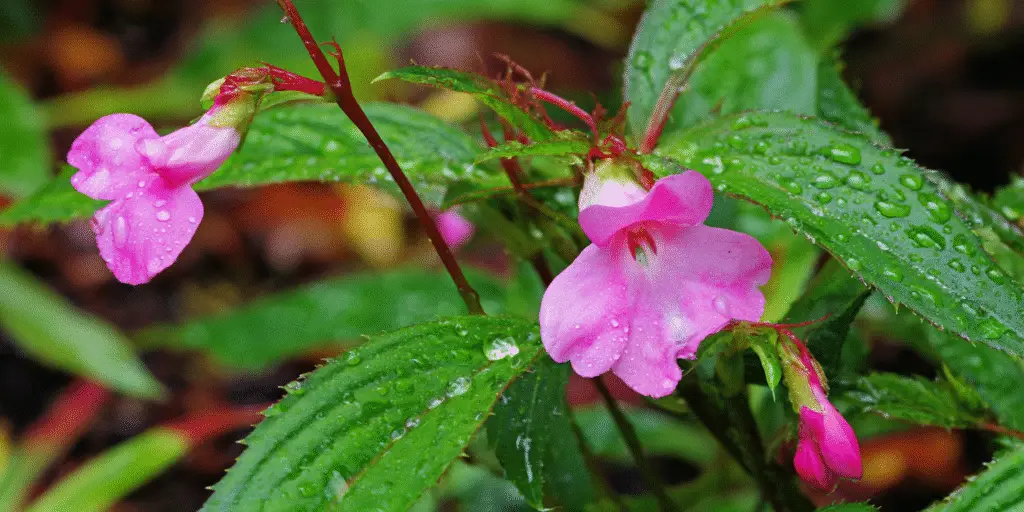
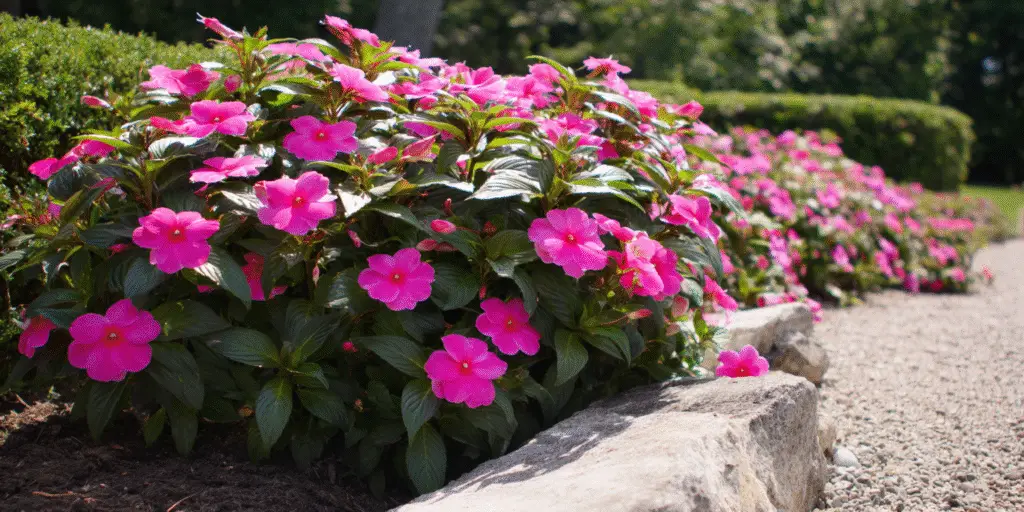
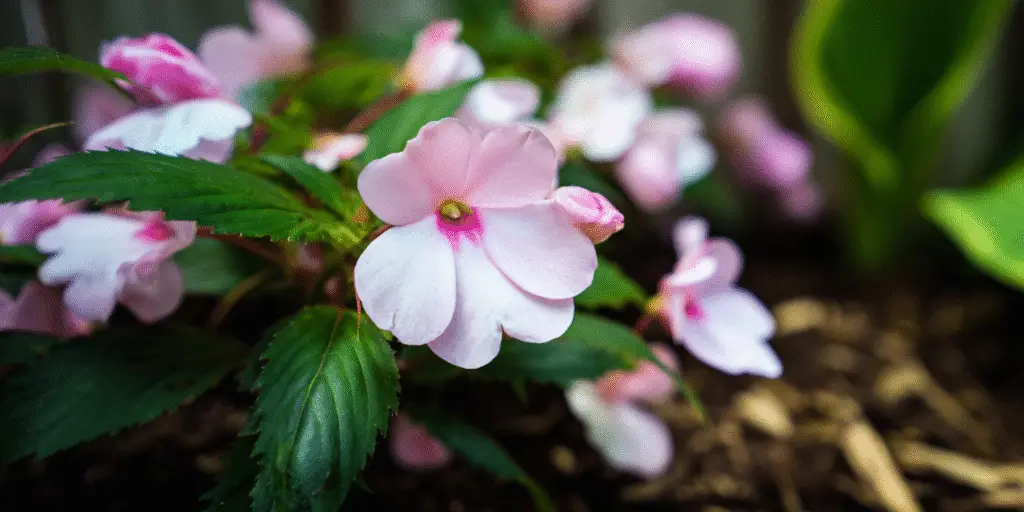
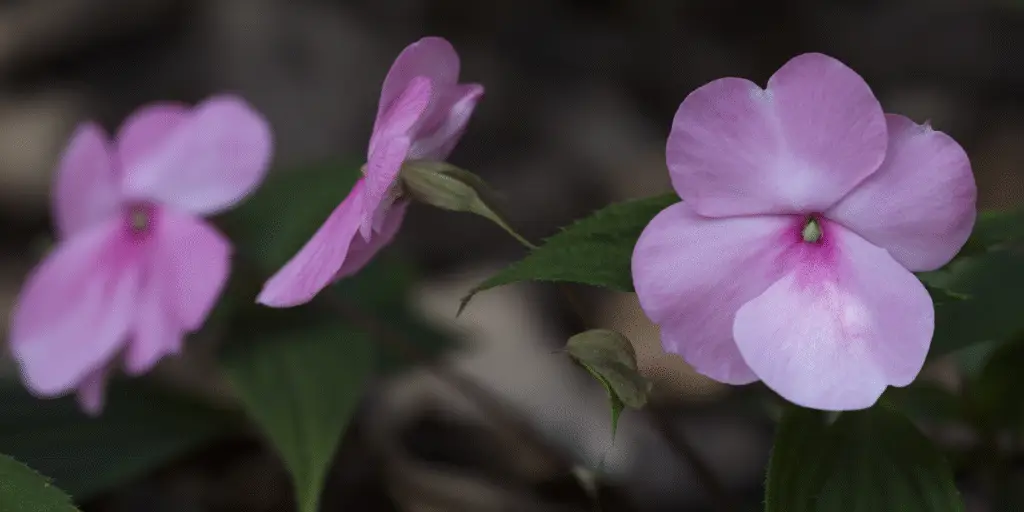
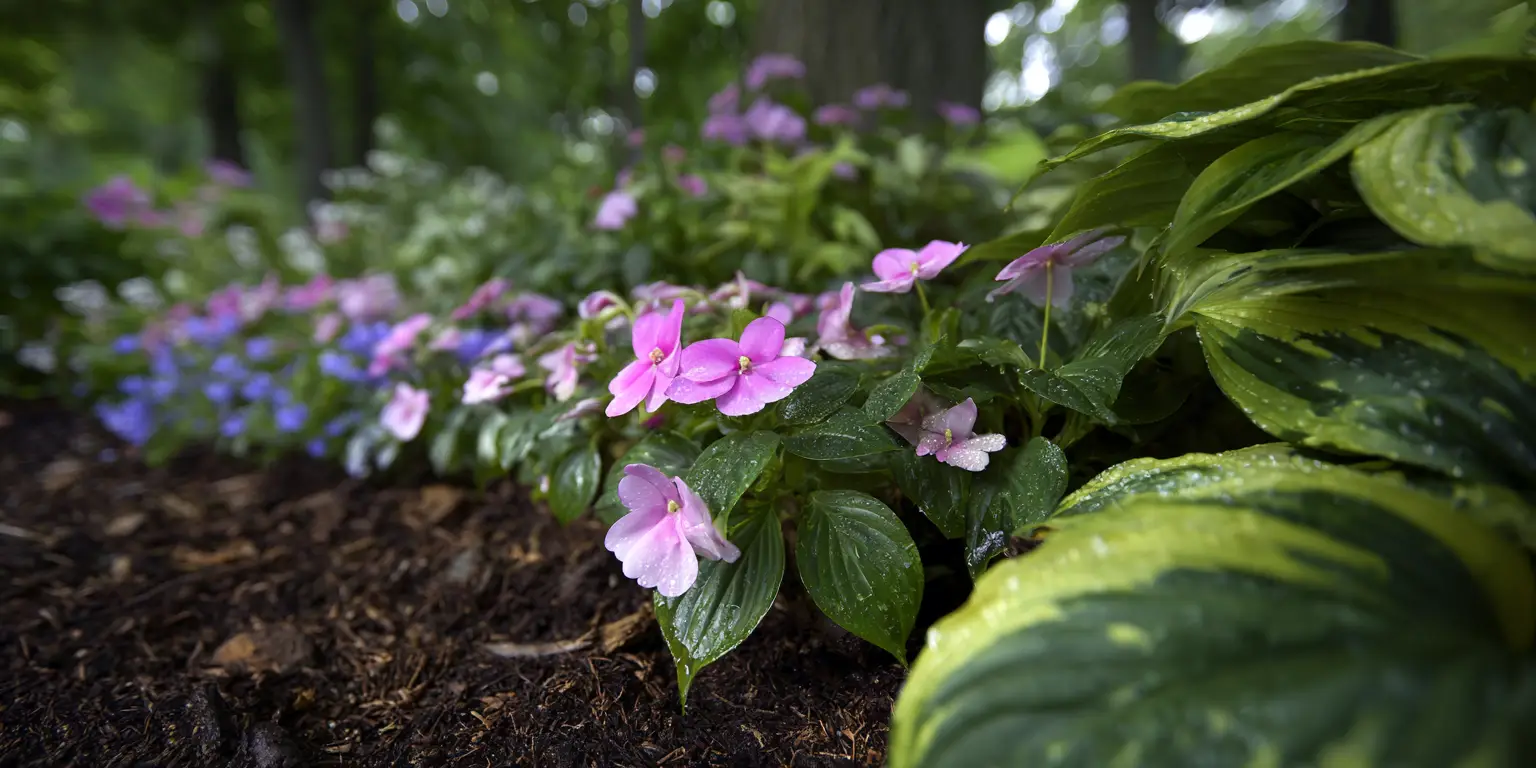
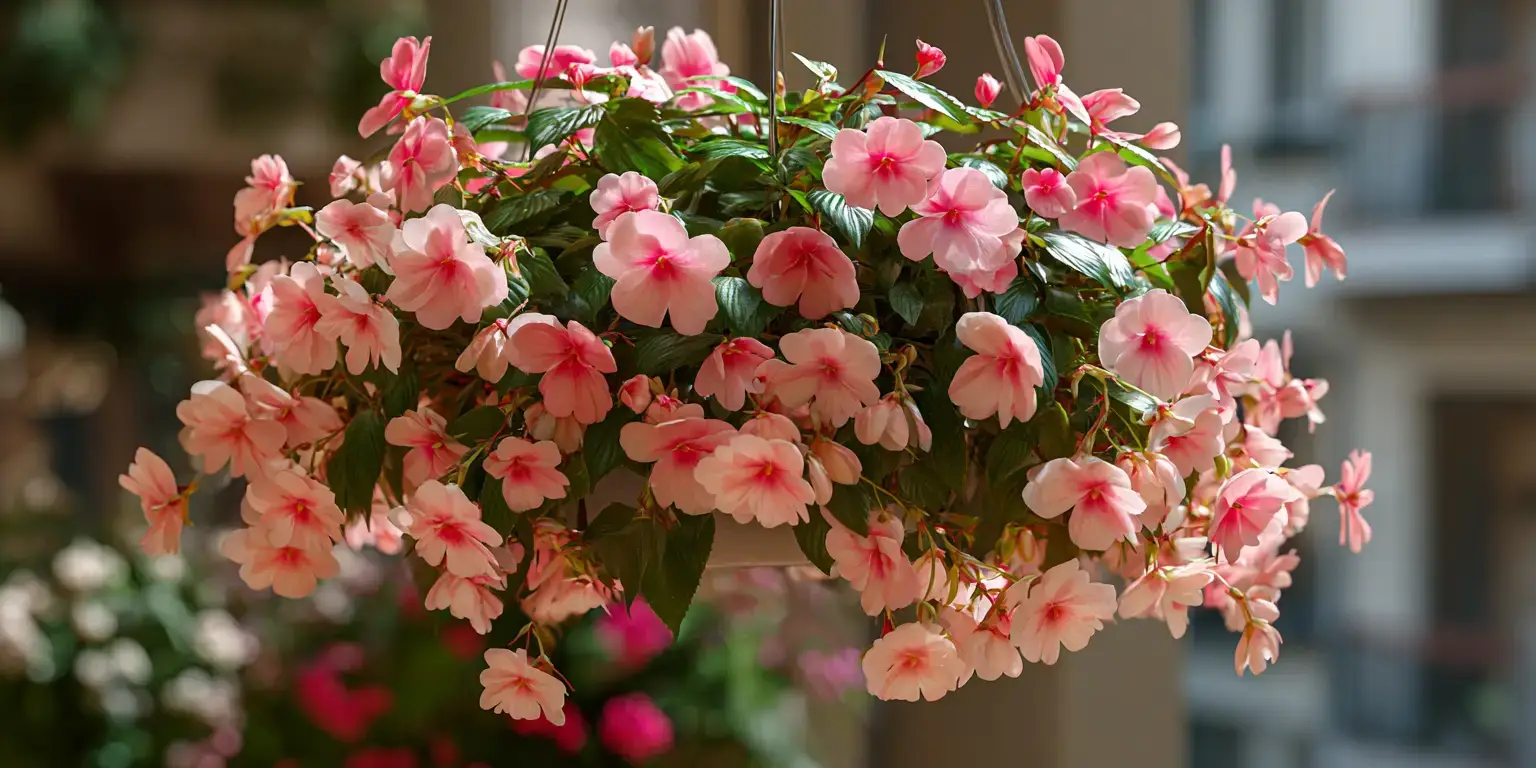
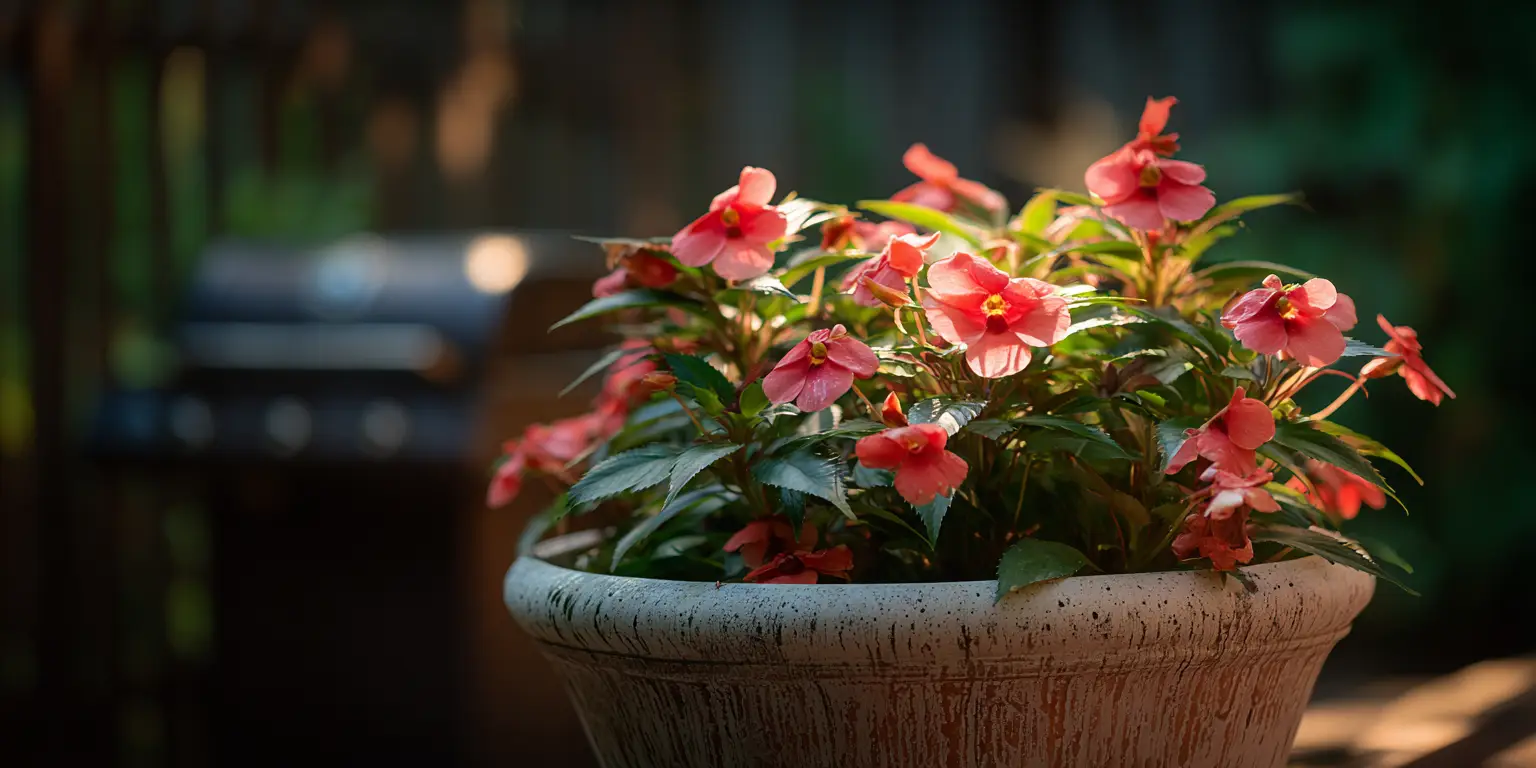
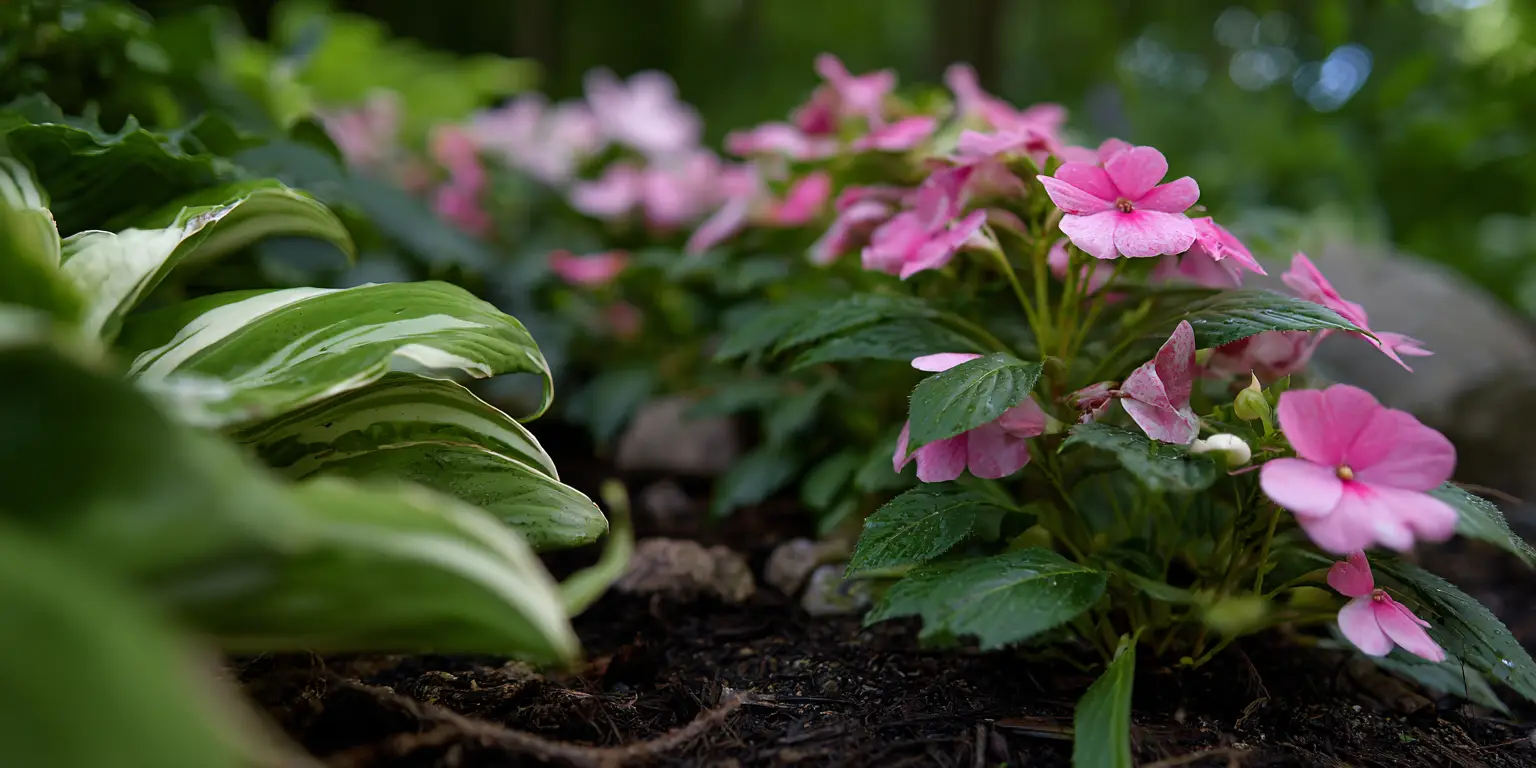
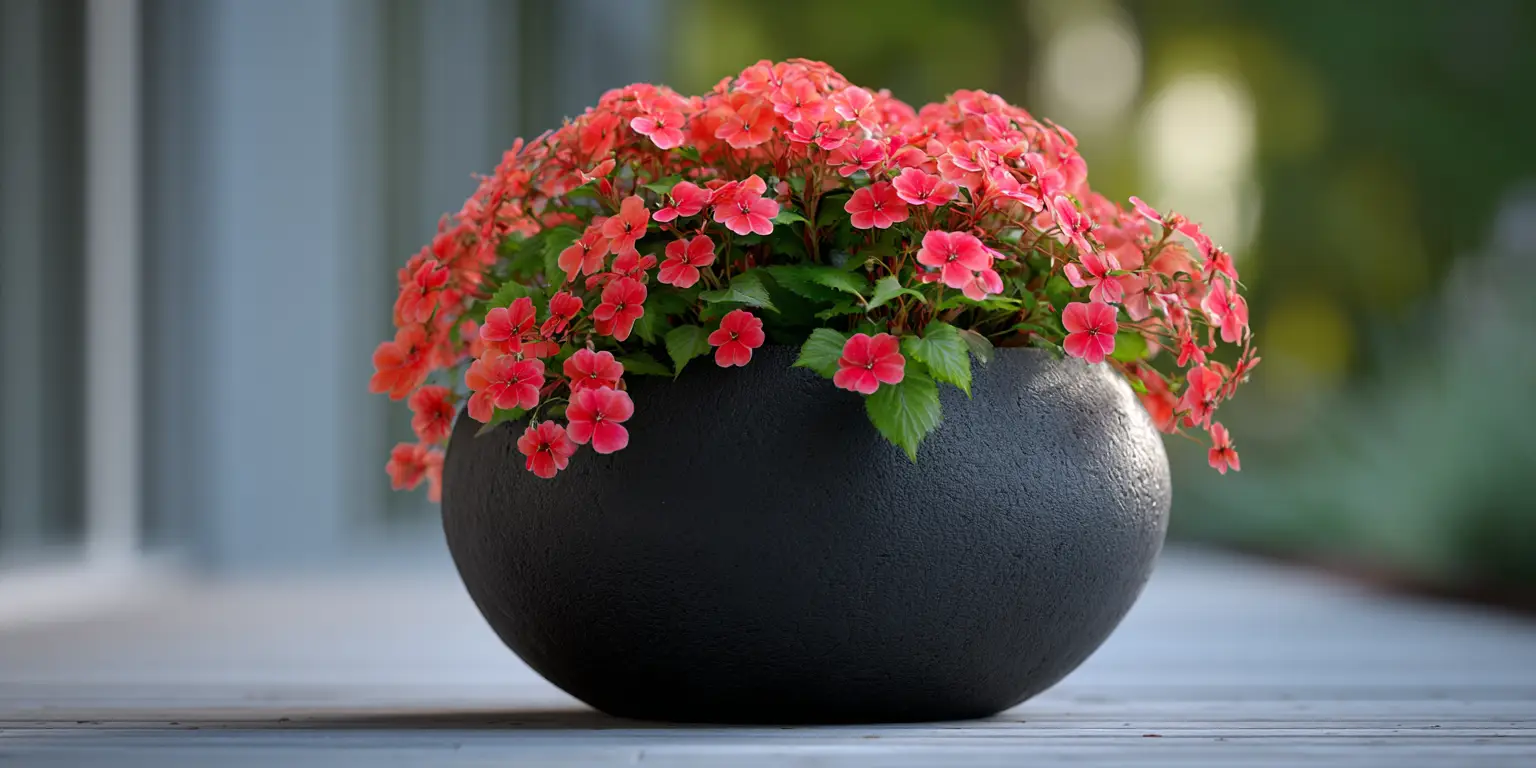
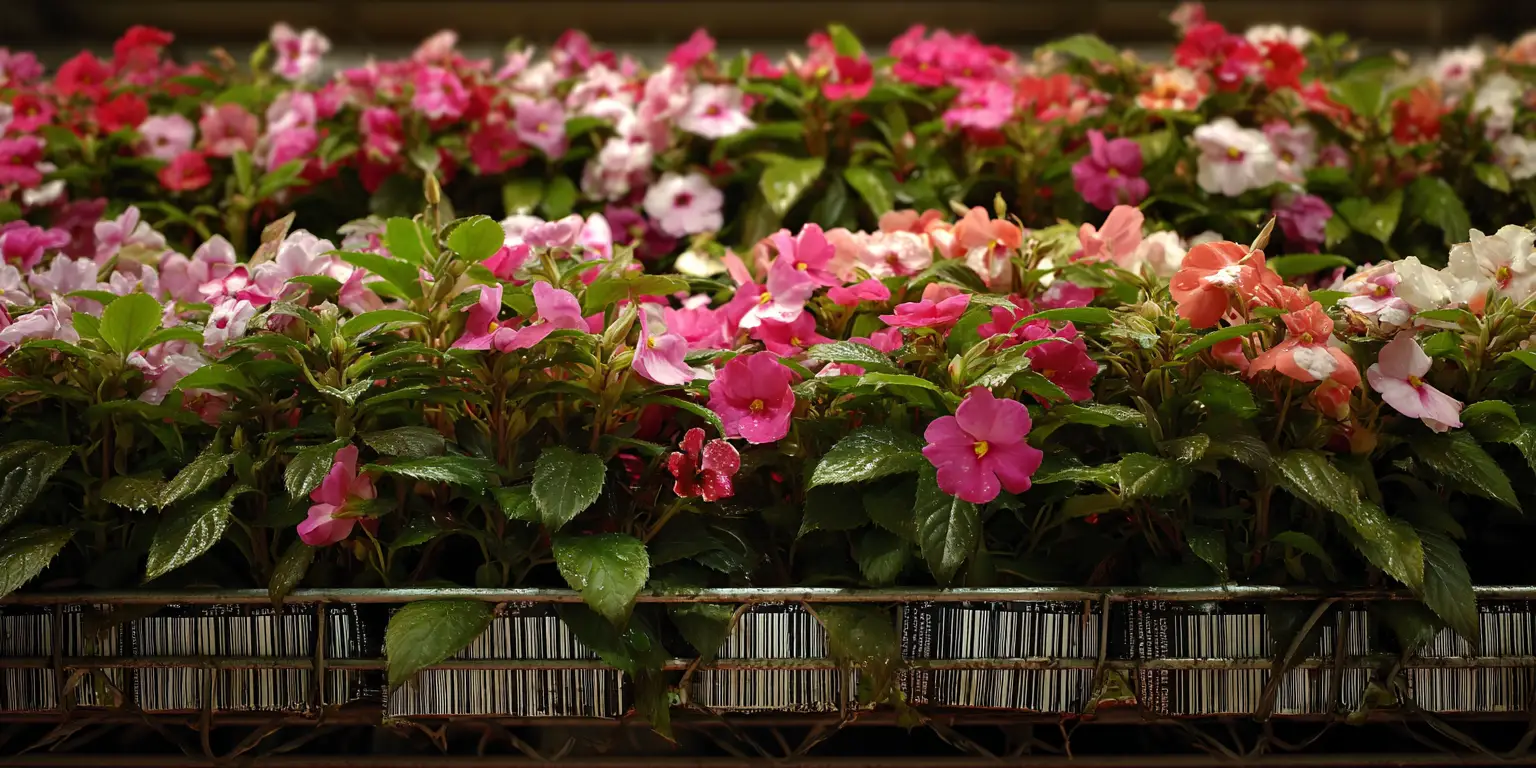
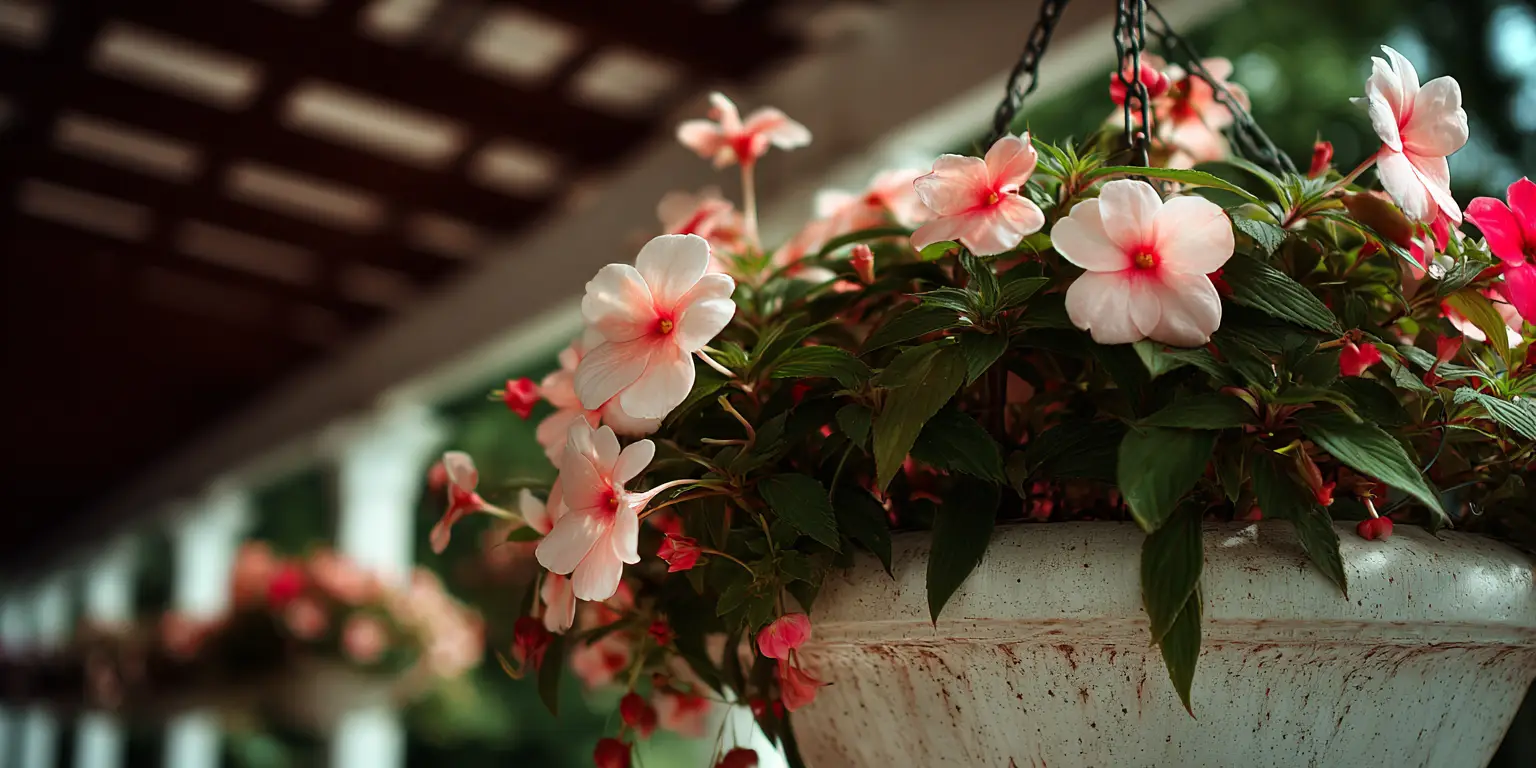
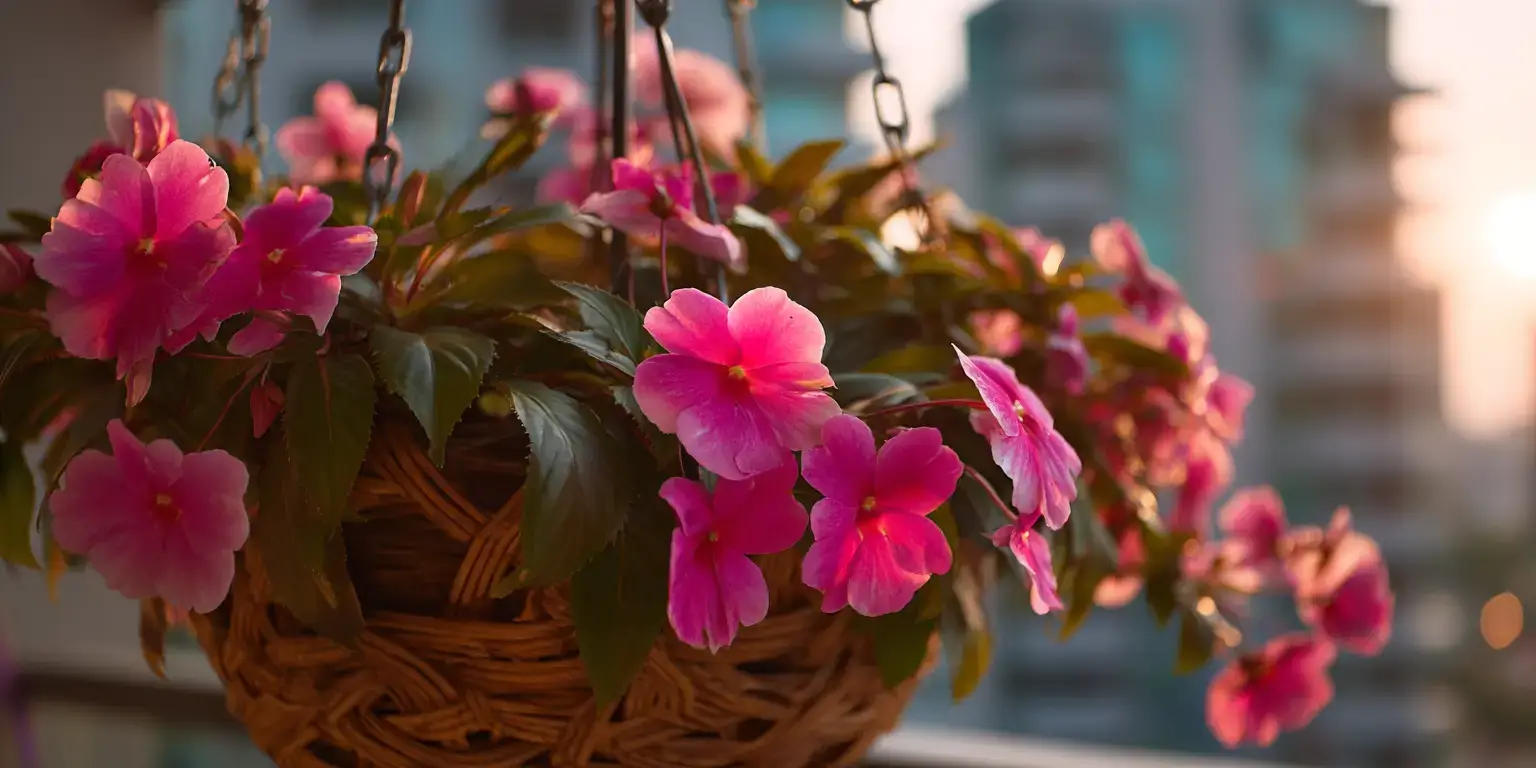
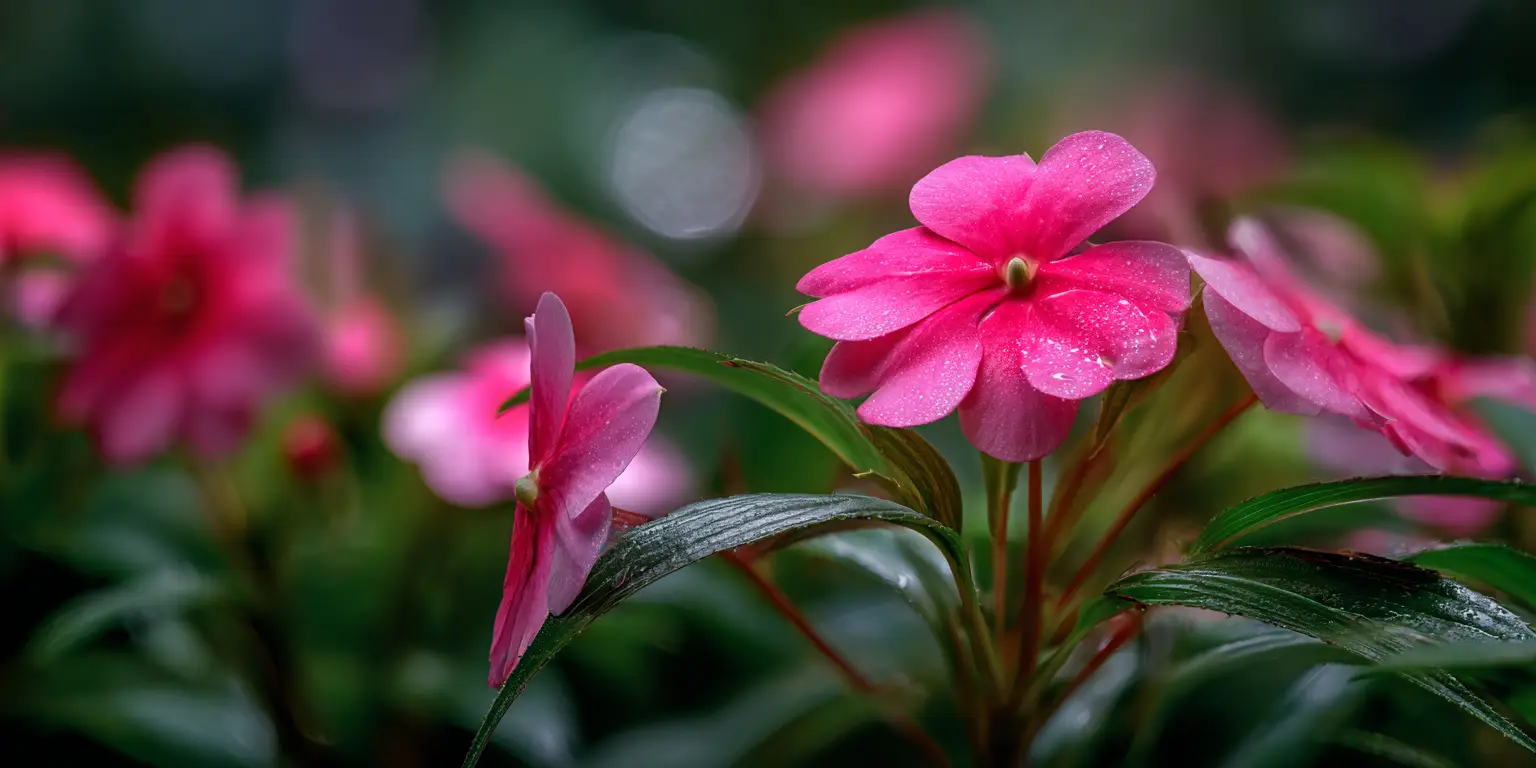
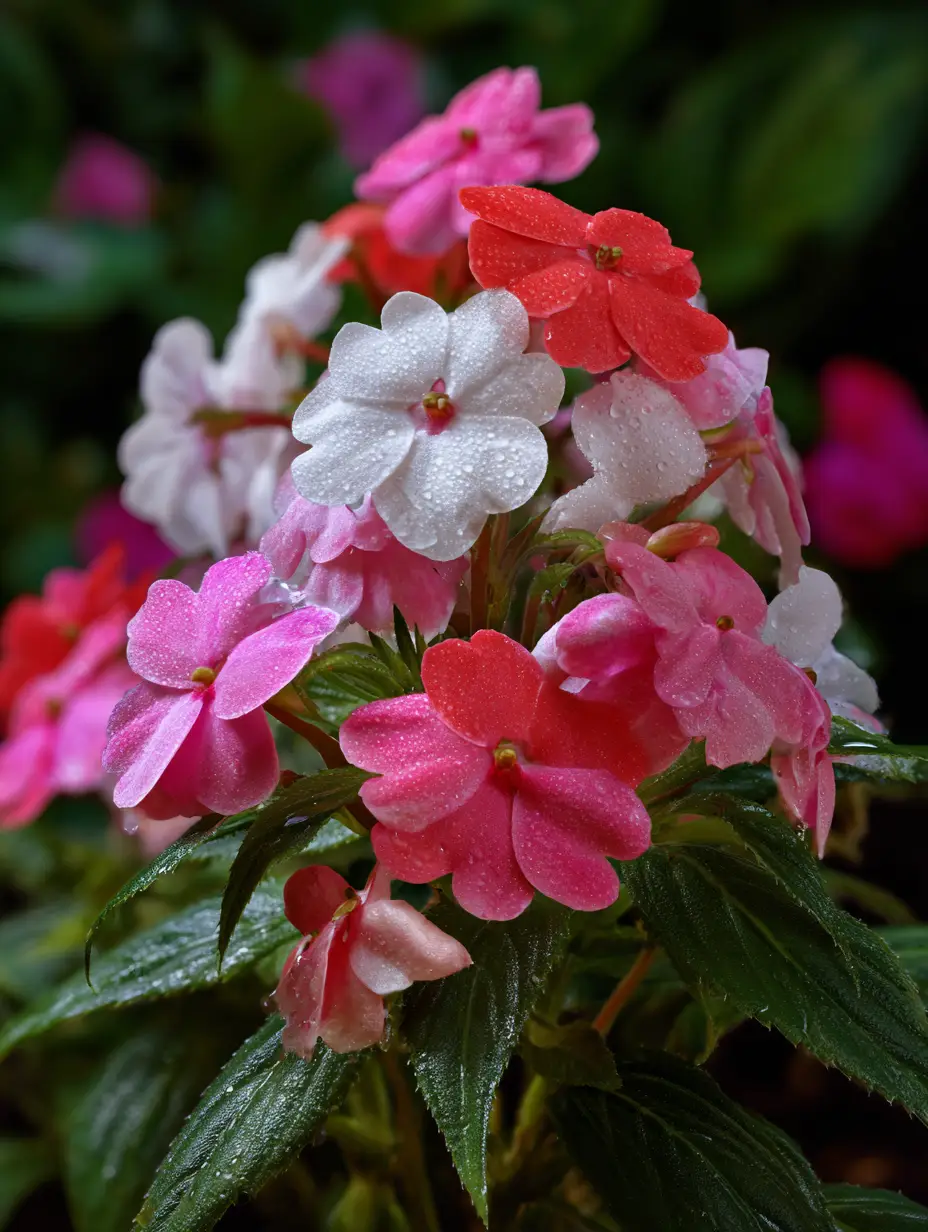
Impatiens are a genus of flowering plants that do well in shade and keep blooming for a long stretch of the season. Gardeners use them to bring pink, red, orange, purple, or white flowers to spots where sun-loving plants like zinniasor cosmosstruggle. The most common types are garden impatiens (Impatiens walleriana), often called busy Lizzie, and the larger New Guinea impatiens (Impatiens hawkeri). Both make five-petaled flowers from late spring until frost. The plants form compact mounds with fleshy stems and green leaves that may be plain, bronzed, or variegated. They work well in shady beds and borders, containers, and hanging baskets.
A clear, step-by-step guide to soil, planting, watering, feeding, pruning, and winter care. Includes zone timing, container tips, companions, and quick fixes for common problems.
Explore simple, beautiful bouquet ideas for the home, gifts, and special occasions from romantic mixes to clean, minimal styles. Each idea includes suggested flower combinations, color palettes, and sizes, with photos for quick inspiration.
Impatiens belong to the balsam family (Balsaminaceae) and include a large genus of over 1,000 species. The name Impatiens means “impatient” and refers to ripe seed pods that pop open when touched, scattering seeds. Garden impatiens(I. walleriana) are native to East Africa (from Kenya to Mozambique). New Guinea impatiens (I. hawkeri) come from the tropical forests of New Guinea and the Solomon Islands. These plants were introduced to European and American gardens in the late 19th and early 20th centuries and became common bedding flowers. Garden impatiens are often called busy Lizzies (especially in the UK) or sultanas. Although they are tropical perennials by origin, most people grow impatiens as annuals in regions with cold winters.
🌸 Bloom time
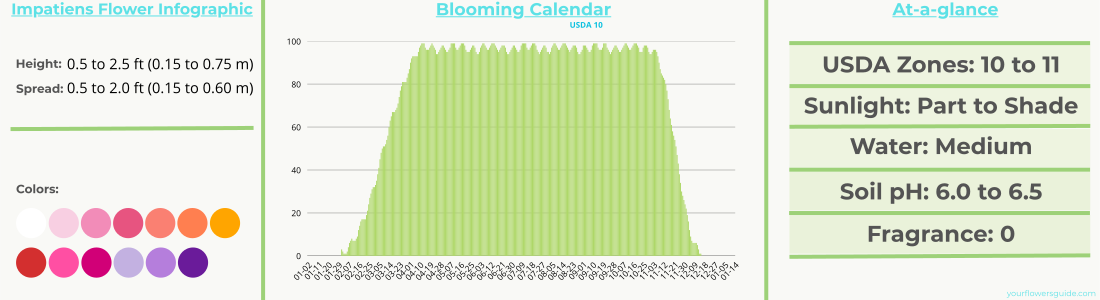
Once planted in late spring, impatiens usually begin flowering in early summer and keep going until the first autumn frost. In warm, moist conditions they keep producing new buds and blossoms, while cool temperatures or drought stress can slow flowering for a while. Spent flowers typically drop on their own (self-cleaning), so gardeners do not need to deadhead impatiens to keep them blooming. Consistent warmth and moisture give the best bloom display.
📏 Height and spread
Impatiens are compact plants. Common garden impatiens usually reach about 6 to 12 inches tall and spread roughly 12 to 18 inches wide, depending on the variety and growing conditions. Some robust varieties or well-fed plants can grow closer to 18 to 24 inches in height and width, forming a full mound of foliage and flowers. New Guinea impatiens tend to be slightly larger, often 12 to 18 inches tall with a spread of 1 to 2 feet. Both types have a mounding, bushy habit and fill space quickly. When spacing impatiens, give each plant around 8 to 12 inches of room so they can spread without overcrowding and air can move through the foliage.
☀️ Light
Impatiens grow best in partial shade. Garden impatiens often prefer full shade or dappled light, especially during hot afternoons. Too much direct sun can scorch leaves, stress the plant, and reduce flowering. New Guinea impatiens tolerate more sun and can handle morning sun or a few hours of direct light each day if they get enough water. Some modern hybrids (often sold as “SunPatiens“) are bred to take more sun, but they still do best with a break from intense midday light. In deep shade, impatiens will still bloom, but plants may stretch and produce fewer flowers.
💧 Water
Impatiens like evenly moist soil. They have shallow roots and stems with a high water content, so they wilt quickly when the soil dries out. Water deeply when the top inch of soil feels dry, and expect to water more often during hot weather, especially for potted plants. At the same time, avoid waterlogged soil. Good drainage helps prevent root rot and other fungal problems. A light layer of mulch can help the soil hold moisture and keep roots cooler. If your plants droop in afternoon sun, check the soil. If it is still damp, the wilt is more likely heat stress and the plants usually recover as temperatures drop.
🌍 Soil and pH
Plant impatiens in nutrient-rich, well-draining soil. Compost or other organic matter helps the soil hold moisture while still draining well. A loose, loamy mix works well because the roots need air as well as steady moisture. In heavy clay, mixing in compost or fine bark can improve drainage and aeration. In sandy soil, adding organic matter helps moisture last longer. Impatiens are not fussy about soil pH. They grow well in slightly acidic to neutral conditions, around pH 6.0 to 7.0. Very alkaline soil can lead to nutrient problems. If your soil tests high, adding organic matter and using mulch can help over time.
❄️ USDA hardiness
Impatiens are sensitive to cold and are usually treated as annuals outside of tropical regions. They cannot survive frost or freezing temperatures. Garden impatiens (I. walleriana) are winter hardy only in USDA hardiness zones 10 to 11, where winters stay mild and frost is rare. New Guinea impatiens (I. hawkeri) have similar hardiness and are sometimes listed up to zone 12. In colder areas, plant impatiens after the last spring frost and enjoy them until fall frost ends the season. If you want to keep a favorite plant, you can bring it indoors before frost or take cuttings to root for replanting next season.
🌼 Propagation and longevity
Impatiens are easy to propagate, either from seeds or from stem cuttings. Seeds are tiny and are often started indoors 8 to 10 weeks before the last frost date. Press them lightly onto moist seed-starting mix without burying them, and keep them warm and humid until they sprout. Seed-grown impatiens usually bloom in about three months. Cuttings root readily, too. Cut a healthy, non-flowering stem tip about 3 to 4 inches long, remove the lower leaves, and place it in water or damp potting mix. Roots often form within a couple of weeks, and you can pot up the new plant.
In temperate climates, impatiens are usually grown for one season. In tropical regions or indoors, a plant can live for several years, though it may become woody and flower less over time. Many gardeners find impatiens look and bloom best when started fresh each year. New Guinea impatiens often last longer than standard garden impatiens and may stay vigorous for multiple seasons when well cared for.
👃 Fragrance
Impatiens are not known for fragrance. Most varieties have little to no noticeable scent. They are mainly grown for color and steady flowering rather than perfume. If scent matters in a shaded area, some gardeners pair impatiens with fragrant plants that tolerate shade, such as lily of the valley or certain jasminevarieties, when those are suitable for the climate.
⚠️ Toxicity and pet safety
Impatiens are generally considered non-toxic to pets and people. They are not known to be poisonous to cats, dogs, or children. Still, it is a good habit to discourage nibbling on any ornamental plant. If a pet or child chews a small amount, it may cause mild stomach upset, but serious problems are uncommon. Impatiens are also not completely deer-proof, though deer often leave them alone when other food is available.
🌿 Vase life
Impatiens are not commonly grown as cut flowers, and their vase life is short. Cut stems placed in water usually look good for only a few days. If you want to bring a few blooms indoors, cut in the morning when plants are well hydrated, place stems in water right away, and remove leaves that would sit below the water line. Even with good care, expect 2 to 3 days of display. Most people enjoy impatiens best as living plants in beds, containers, and hanging baskets.
🐛 Pests and diseases
Impatiens are fairly easy to grow, but a few pests show up from time to time. Aphids can cluster on new growth and cause distorted leaves. A strong spray of water can knock them off, and insecticidal soap can help if the problem persists. Spider mites and whiteflies may also appear, especially on stressed plants or those grown indoors. Rinsing the foliage and keeping humidity from dropping too low can reduce outbreaks. Slugs and snails are common in damp, shady beds and may chew holes in leaves and stems. Clearing debris, watering in the morning, and using physical barriers can help.
A major disease issue for common garden impatiens is downy mildew. It thrives in cool, wet conditions and can cause leaves to yellow, wilt, and drop. If you see sudden leaf drop and pale, fuzzy growth on the undersides of leaves, downy mildew is a likely cause. There is no simple cure once it takes hold, so affected plants are usually removed and discarded, and it helps to avoid replanting impatiens in the same spot for a couple of years. New Guinea impatiens tend to be less affected. Other problems include root rot in waterlogged soil and powdery mildew in very humid, low-airflow areas. Good spacing, morning watering, and avoiding wet foliage late in the day can reduce disease pressure and help you spot issues early.
Flower photos
FAQ
Are impatiens annuals or perennials?
In warm climates, impatiens are tender perennials. In most regions with frost, they are grown as annuals: planted in spring, blooming through summer, and killed by the first hard frost. In a frost-free climate or indoors, a plant can live for several years, but older plants may get woody and bloom less. Many gardeners start fresh each year for the best growth and flowering.
Can impatiens grow in full sun?
Most impatiens prefer shade or partial shade. Full sun, especially hot afternoon sun, can cause wilting, scorched leaves, and fewer flowers. If your planting area is sunny, New Guinea impatiens or sun-tolerant hybrids such as “SunPatiens” are better choices, and they will still need steady moisture. For typical garden impatiens, morning sun with midday and afternoon shade works well.
How do I propagate impatiens plants?
You can start impatiens from seed or root them from cuttings. For seeds, start indoors 8 to 10 weeks before the last frost date. Scatter seeds on the surface of moist seed-starting mix, press them in gently, and keep the tray warm and humid until they sprout. For cuttings, snip a healthy, non-flowering stem tip about 3 inches long, remove the lower leaves, and place the cutting in water or damp potting mix. Roots usually form within a couple of weeks. Cuttings give you a clone of the parent plant, while seeds can vary, especially from hybrids.
What is the difference between common impatiens and New Guinea impatiens?
Common garden impatiens (Impatiens walleriana) and New Guinea impatiens (Impatiens hawkeri) look similar, but they grow a bit differently. New Guinea types often have larger, longer leaves that can be green, bronze, or variegated, while common impatiens usually have smaller, plain green leaves. New Guinea impatiens are typically bigger overall, often around 12 to 18 inches tall, with larger flowers and better tolerance of some direct sun. They have also shown more resistance to downy mildew in many areas. Common impatiens are still a reliable choice for full shade and for filling beds with steady color.
Do I need to deadhead or prune my impatiens?
Impatiens do not need deadheading because they drop spent blossoms on their own. If plants start to stretch or look uneven, pinching back the tips can encourage bushier growth. A light trim in mid-summer can also help freshen plants and bring on new growth. Use clean fingers or scissors and cut just above a leaf node.
Are impatiens safe for pets and children?
Impatiens are generally considered non-toxic and are commonly grown around pets and children. If a curious pet chews a leaf or flower, it is unlikely to cause anything more than mild stomach upset. Even so, it is best to discourage eating ornamental plants.
Interesting tips
Feed impatiens regularly. A balanced, water-soluble fertilizer every 2 to 3 weeks during the growing season helps support steady blooming.
Water at the soil line. Watering at the base of the plant keeps leaves drier, which can reduce fungal issues. Morning watering is a good habit.
Plant in groups, but give them space. Clusters look fuller, but spacing plants about 8 to 12 inches apart helps air move through the foliage.
Pair with other shade Impatiens mix well with ferns, hostas, coleus, and begonias, adding flower color against textured foliage.
Save a favorite variety for next year. Take cuttings before frost, or pot up a healthy plant and keep it indoors in a bright window over winter.
Related Guides & Flowers
Begonia– Shade-friendly bedding and container partner that flowers for months in humid summers.
Forget-Me-Nots – Soft spring color for dappled shade; naturalizes well along paths and under shrubs.
Bellflower (Campanula) – Bell-shaped blooms in blues and whites; many species thrive in part shade.
Virginia Bluebells – Early woodland carpets of sky-blue bells; perfect for shady borders with moist soil.
Great Blue Lobelia – Tall spikes for late-summer shade or wet spots; good pollinator value.
Gentian– Deep blue, tubular flowers; a connoisseur’s choice for cool, part-shaded beds.
References
NC State Extension Plant Toolbox – Impatiens walleriana Concise profile with height, habit, and toxicity notes; lists common issues.
Cornell University (Controlled Environment / Greenhouse) – Impatiens: Downy Mildew Disease gallery entry with visual symptom cues useful for accurate ID.
Written by: Your Flowers Guide editorial team We are a small independent group of flower lovers who research and review each guide using trusted horticultural and educational sources. Learn more about us