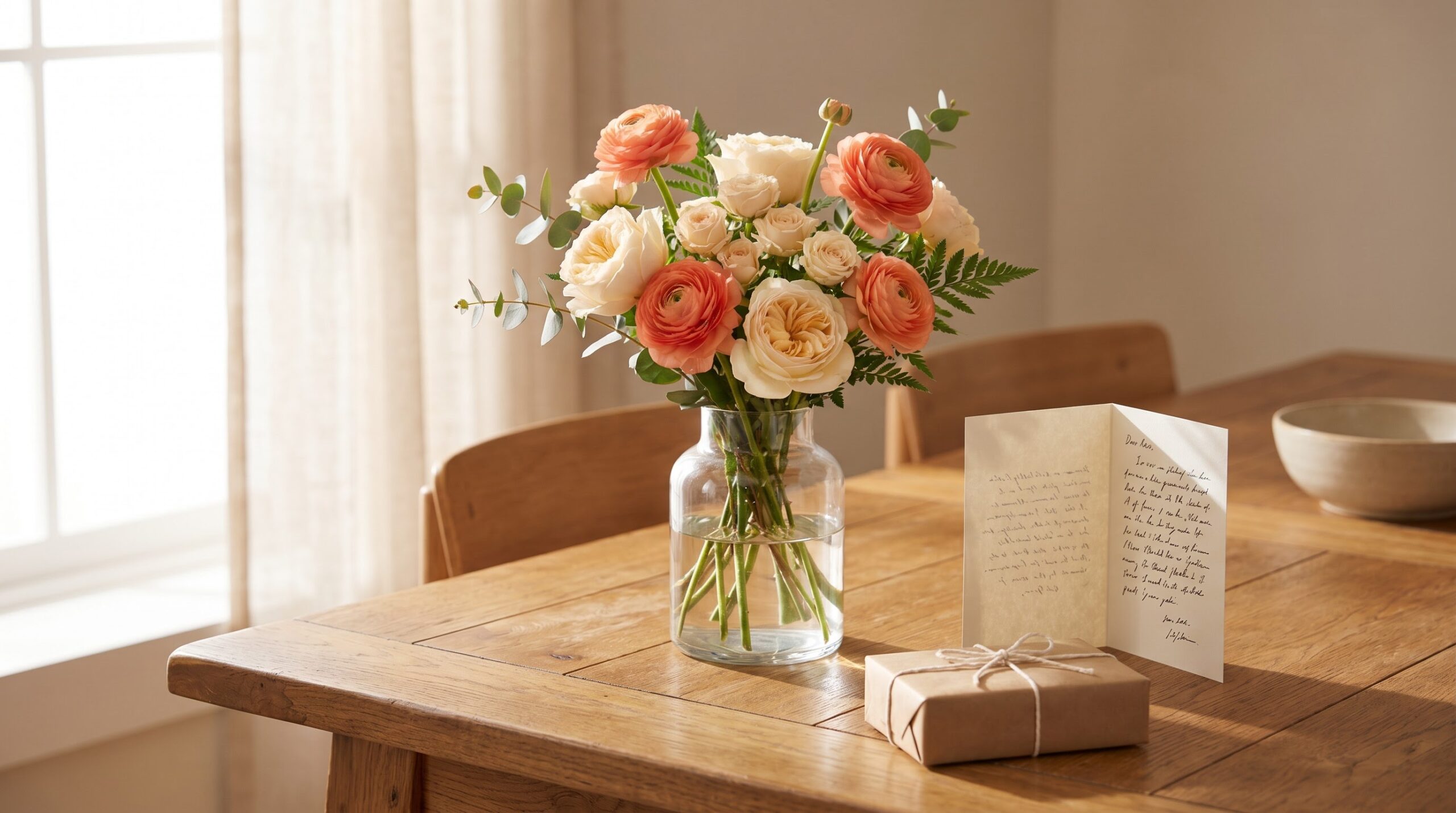
On her 30th birthday, a woman opened the door to her partner holding "some cheap flowers that he bought on his way to my house" and a card. That was the plan. Her reaction, posted to r/AITAH afterward: "I feel a bit down and deflated." The comment section split into two camps that have been arguing across the internet ever since. One side: "He got her flowers and a card from a local place, so he put about 10 minutes of effort into this, if that. What is she supposed to be grateful for?" The other: "Please. He got her flowers and a card. Low effort isn't no effort."
If you found this page mid-doubt, cart half open, here is where that argument actually lands. Flowers are one of the most reliably joy-producing gifts psychologists have ever measured, and the critics are still right about one specific thing: a default dozen grabbed on the way over is an errand with a receipt. The laziness lives in how the flowers are chosen, not in the flowers. A $9 grocery bunch picked because she once mentioned loving ranunculus will beat an $80 arrangement ordered on autopilot. Get the choosing right and flowers are a great birthday gift. Get it wrong and no bouquet is big enough to cover for you.
What the lazy-gift camp gets right
The case against birthday flowers is remarkably consistent wherever you find it. "It's a lazy gift. In warmer climates, the flowers won't last 2 days," goes the durability version. "Unless the person you're giving it to is really into flowers, flowers are a very generic thoughtless gift," goes the effort version. The practical objectors talk logistics: "Flowers are a job. They need prepping and putting into a vase... I now see flowers as work." And the minimalists close the loop: "flowers are clutter that you have to display... Rather just have the cash."
Read those complaints side by side and something stands out. Each one describes either a giver who chose on autopilot or a recipient whose actual tastes were never consulted. The two-day wilt happens when you buy the oldest stems at the register. The "generic thoughtless gift" is the identical dozen red roses, produced annually, with a signature-only card. Those are choosing failures. They're common enough that a whole camp of reasonable people has concluded the entire category is broken.
The defenders keep insisting on a distinction: "you can tell when someone put thought into flowers... like when they pick out colors or styles that remind them of you, or they remember your favorite flower." Look closely and both sides agree on the mechanism. Thought registers. Its absence registers louder.
It's also worth knowing who else is answering this question in your search results. The gift-retail pages that rank for it can't call the dispute, because a seller can never tell you flowers are the wrong purchase. ProFlowers poses "Are flowers a thoughtful birthday delivery gift?" in its own FAQ and answers with a product list. The recipients quoted above have no cart to protect, and their accounts line up with the strongest experimental data anyone has gathered on gifts, which comes next.
What scientists found when they tested flowers against other gifts
The best evidence in this argument comes from a Rutgers University research team led by psychology professor Jeannette Haviland-Jones. In a series of double-blind experiments, her team delivered one of three thank-you gifts to 147 women: a decorative candle, a fruit basket, or a bouquet of flowers. Every single woman who received the flowers responded with a Duchenne smile, the involuntary "true smile" that recruits the mouth, the cheeks and the muscles around the eyes all at once. It is extremely hard to fake, which is why researchers treat it as a marker of genuine emotion. Neither the candle nor the fruit basket produced anything like that across-the-board response. Haviland-Jones doubted her own data at first, recalling her reaction as "No, this doesn't happen." It held. Three days later, the flower recipients were still happier than the other groups, reporting less depression, anxiety and agitation.
Follow-up work pushed on the finding from other angles. In an elevator experiment, riders handed a flower broke the usual stare-at-the-doors protocol: they smiled that same true smile, stood closer, struck up conversations. Riders handed a pen did none of it. A separate Rutgers study flipped the lens to givers and found that people who give flowers are perceived as happy, capable and emotionally intelligent compared with people giving other gifts. Hold that against the "10 minutes of effort" charge for a moment. Observers watching a flower handoff conclude the opposite of lazy.
You will also run into marketing claims that flowers "lower cortisol." Cortisol was never part of the Rutgers protocol. The team tracked a facial muscle that fires only with real emotion, plus a mood lift that survived three days, and for a gift decision those are better measurements anyway. Candles and pens produced neither.
When flowers are the wrong birthday gift
The science describes most people. It doesn't describe everyone, and there are four situations where the critics simply win.
The first is the recipient for whom bouquets are work. "Flowers are a job. They need prepping and putting into a vase... I now see flowers as work," one woman wrote, and she speaks for a real contingent. For her, a bouquet arrives as a task with a deadline attached. No amount of better choosing fixes that. If this is your person, skip ahead to the table at the bottom of this page; it exists for exactly this situation.
Context can be poisoned, too. "I just realized my husband ruined flowers for me because he only bought them for apologies," another commenter wrote. If most of the flowers you've ever given this person came after a fight, a birthday bouquet drags all of that history in the door with it. Give the category a year off and pick something else.
Then there's age, which runs the opposite direction from what most givers assume. "You must be under 30. Flowers are a good gift because people at some point don't want stuff... a good rule of thumb is only give gifts that are perishable after you hit a certain age," one gift-thread regular argued, and the pattern repeats across dozens of these discussions. A 22-year-old furnishing a first apartment mostly wants things. A 50-year-old actively getting rid of things wants pleasures that clean up after themselves. At the far end of that curve, one woman sent birthday flowers to her sister with Alzheimer's and said it "felt like the best gift I ever gave anyone." Flowers appreciate with the recipient's age. For a very young recipient, pair them with an object, or just choose the object.
And there's biology. Cats and lilies are a genuinely dangerous combination, and a serious pollen allergy turns a bouquet into a week of congestion; the pet-safe and allergy-aware picks in the birthday flower guide cover the workarounds if flowers still feel right.
Two related questions live on their own pages: whether men actually like getting flowers for their birthday has a more surprising answer than most givers expect, and giving flowers to a friend or coworker without it reading as romantic is its own etiquette problem.
How to give flowers that read as chosen
Here is the pattern from thread after thread of women describing flowers they actually loved: someone picked colors or styles that reminded them of her, or remembered her favorite flower. Thought is the entire product. Which is why price works backwards in this category. "$80 flower bouquet from a florist is a waste of money. $6 bouquet from Trader Joe's is a perfect way to show someone you're thinking of them," runs one of the most repeated takes in these debates, and recipients confirm it from their side: "Is it weird that I actually prefer knowing that a bouquet was inexpensive?... The $9 ones from Trader Joe's... make me much happier." An expensive arrangement chosen in forty seconds signals budget. A cheap bunch in her exact favorite color signals attention. People can read the difference instantly. (One aside, since people search for it: Trader Joe's doesn't hand out free flowers on birthdays. There's no loyalty program to attach a freebie to. The chain's role in this story is simply cheap, fresh bouquets.)
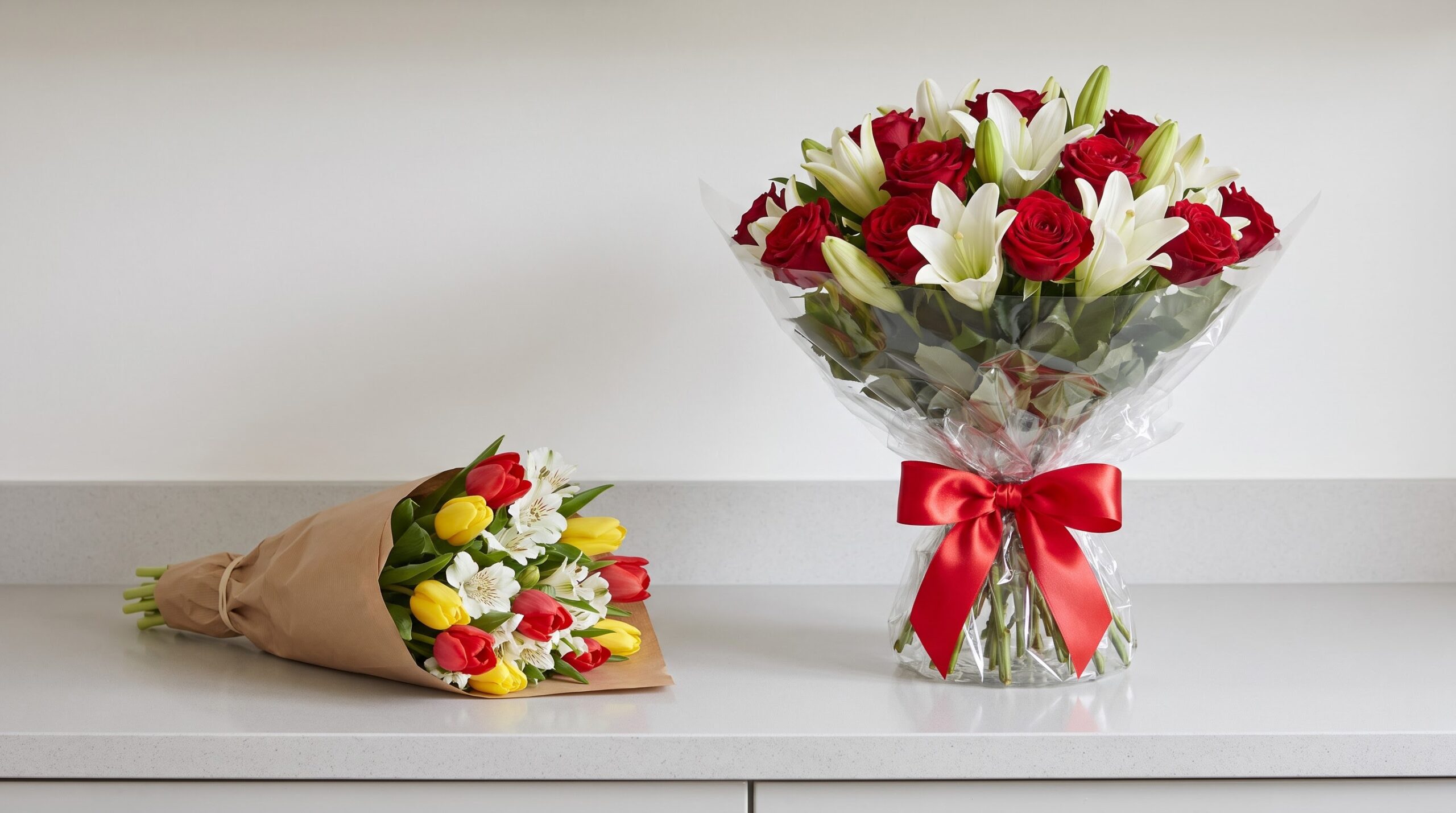
So spend the effort where it shows. Find out her favorite flower, or fall back on the colors she wears and decorates with. If you want one more personal layer, their birth month flower gives the card a built-in story. Bring the bouquet already in a vase; as one commenter put it, that way "she's not scrambling all over her house trying to find a suitable vessel while you stand awkwardly in her foyer." Write an actual card, several sentences, something only you could write. And land it on the right day. Flowers that arrive the day after a birthday read as an afterthought no matter how beautiful they are; if you're ordering rather than hand-delivering, how to order so the flowers arrive on the day covers cutoffs and the last-minute case.
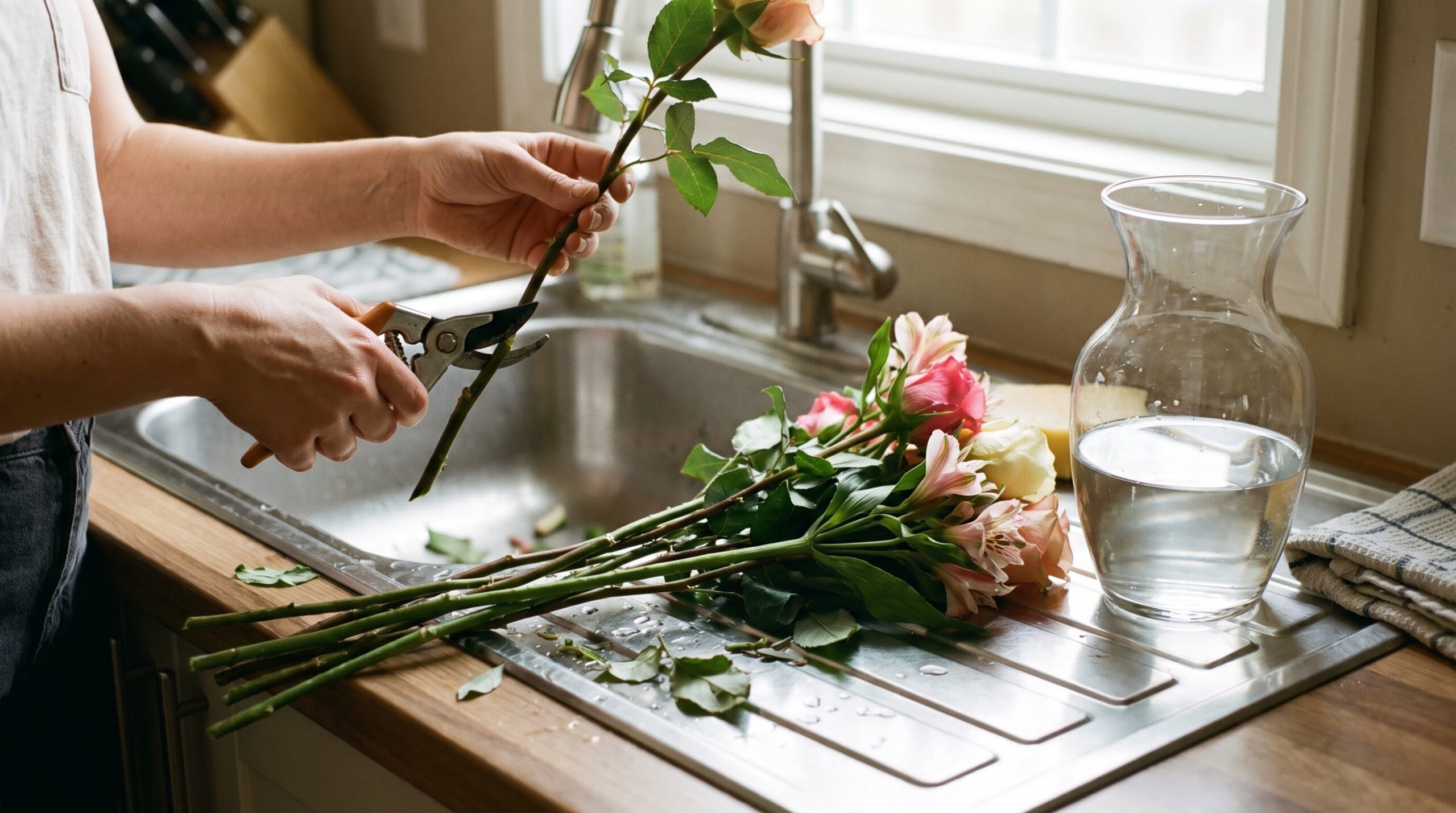
From there, the guide on how to choose birthday flowers that actually feel personal walks recipient by recipient through what to pick, for a mom, a friend, a girlfriend, and what each rose color accidentally says.
Should flowers be the whole gift?
That depends on the relationship and the day, and this is where most flower disappointment actually happens. The steadiest advice across gift threads: "flowers are good as a spur of the moment gift or supplementary to another gift... on birthdays, you should have something to go with it." For an acquaintance or a coworker, a bouquet alone is generous. For a partner, especially on a milestone birthday, the bar moves: "You've been dating 3 years and it's her birthday? You can do better than just flowers unless she's obsessed with them."
Go back to the 30th birthday story at the top of this page. Strip out the emotion and the mechanics are plain: milestone year, flowers grabbed en route, nothing else planned. Any one of those alone is survivable. All three together produced "down and deflated." The fix costs almost nothing. Flowers plus her favorite cake. Flowers plus a booked dinner. Flowers plus the small thing she mentioned in passing back in March. Paired like that, the bouquet becomes the presentation layer, which is the job it has always done best.
What to send instead of flowers
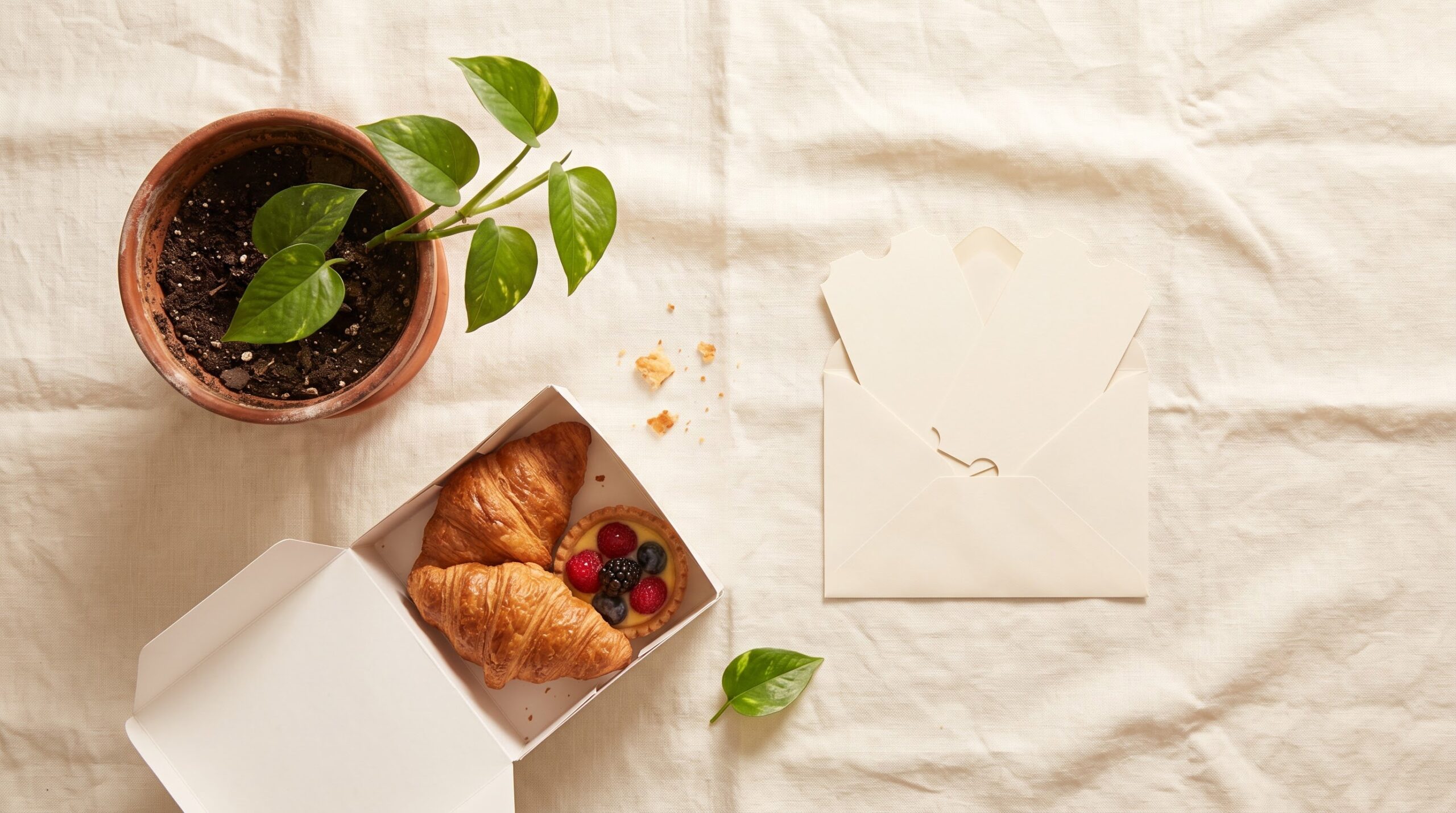
The most common argument for skipping flowers entirely is that they die. Plenty of recipients count that as the point: "I don't have to care for them for a long period... they go into the compost bin. There's no guilt attached." Another described the appeal as "something beautiful to have in my space for a week or so. Something I wouldn't have bought myself." If your recipient sees it that way, you don't need this table. If they've told you flowers feel like a waste, here is what holds up instead, along with the catch that pages selling these things will not mention.
| Instead of flowers | When it wins | The catch |
|---|---|---|
| A potted plant | Plant people and gardeners; it lasts, grows, and marks the year | It's a responsibility, and a dead orchid in month three produces a guilt no bouquet ever will; pots also read less romantic from a partner |
| Food they can't get every day | The "flowers just die" objector; the same perishable pleasure with zero clutter | Diets and allergies can misfire, and on a milestone birthday food alone reads casual |
| Cash or a gift card | Teens, students, and anyone who has literally said they'd rather have the money | From a partner it reads transactional; there is no story attached to hand over |
| An experience (dinner, tickets, a class) | Adults who say they don't want more stuff; it turns into a memory | Nothing to physically give on the day, and it requires knowing their calendar |
Swipe →
The cash row deserves one more sentence, because "Rather just have the cash" is a real position and sometimes the correct one. For a nephew, a college student, or a coworker collection, money is simply useful and nobody resents it. From a partner of several years it answers a different question than a gift does, and most people can feel the difference even when they can't name it. One boundary worth naming as well: this table is built for birthdays. Choosing gifts instead of flowers for someone in the hospital follows different rules entirely, from ward policies to energy levels, and deserves its own read.
That leaves you with three ways off this page, and any of them beats the autopilot cart. If your person lights up at flowers, choose deliberately: her flower, a real card, in a vase, on the day. If you're not sure, keep the flowers and add one thing, cake or dinner or the small wrapped something, because the pairing is what separates a birthday from a Tuesday. And if you just recognized your recipient in the flowers-are-a-job camp, pick a row from the table and don't second-guess it. The woman in that 30th birthday thread could have forgiven cheap stems. Ten minutes of effort is legible from across a room, and so is an hour.
Enjoying our flower guides? Add YourFlowersGuide as a preferred source on Google. It helps more readers find us.
Add to Preferred Sources