You're hesitating for a reason. On plenty of hospital units flowers never make it past the front desk, and even where they're welcome, a bouquet can read as the gift someone sends when they didn't know what else to do. That double worry, looking careless and getting turned away outright, is the exact energy behind a Reddit thread with 45,500 upvotes on what to send a hospitalized person instead of flowers. If the person you're thinking of is on a regular medical floor, or already home and recovering, flowers are still a fine gift and nothing here is telling you otherwise; the rules that block them come from specific units rather than the hospital as a whole. But if you're picturing an ICU, an oncology floor, a roommate with allergies, or a stay that keeps getting extended, your instinct to look elsewhere is the right one. What follows is the short list of things that actually get used, matched to the situation, instead of admired for five minutes and tossed at discharge.
When flowers genuinely aren't the right call
Three situations account for most of the "will this even get accepted" worry. Intensive care and oncology units routinely refuse cut flowers and potted plants altogether. Northeast Georgia Health System states plainly that patients in intensive care, oncology, and other immunocompromised units "may receive gifts but not flowers or plants," because vase water and potting soil can harbor mold and water-borne organisms that a healthy immune system shrugs off and a compromised one can't. The infection-control reasoning behind that rule, and exactly which units enforce it, is covered in full in our guide to can you send flowers to a hospital. Short version: it's a unit-by-unit policy, which leaves a standard medical or surgical floor free to allow a small arrangement. ICU and NICU rules run stricter again, down to details like plastic-only containers and zero soil, which we walk through separately in our piece on why ICUs almost never allow flowers, and what works there.
Allergies and fragrance sensitivity are the second reason, and they don't need a hospital policy to matter. One Reddit poster on r/LifeProTips described giving away flowers a well-meaning visitor brought because they were "severely allergic," in a thread that went on to collect 45,500 upvotes from people agreeing flowers were the wrong first instinct. Pollen and strong scent can trigger headaches or nausea, which matters even more for patients already managing nausea from surgery or treatment. Lilies especially can overwhelm a shared room. That's part of why nurses interviewed by SUNY Upstate Medical University advise against anything scented or flavored as a gift, a rule that extends well past flowers alone. And then there's simple duration: a stay that was supposed to run three days and stretches into three weeks outlasts any bouquet, so by the second week a gift with staying power is doing far more for the patient than a first impression ever could.
What to send, situation by situation
The gift that works depends less on the diagnosis and more on the ward, the length of stay, and how much room the person actually has for belongings. Here's how those variables play out, including the moves that look thoughtful on paper but land badly in the actual room.
| Situation | Send this | Why it works | What backfires |
|---|---|---|---|
| Allergy or fragrance-free ward | Unscented lotion, lip balm, a soft blanket, a specific handwritten card | Nothing airborne, nothing that needs a working nose to enjoy | Scented candles or lotions, strong perfume, pollen-heavy flowers like lilies or daisies |
| ICU, NICU, or oncology | A framed photo, a foil balloon tied to a gift bag, a small photo album | No soil, no vase water, nothing the unit has to inspect or turn away at the door | Any cut flower or potted plant, a latex balloon, anything that needs regular watering |
| A long hospitalization | A rotating stack of small wrapped items to open on separate days, a journal, noise-canceling headphones | Novelty spread across weeks beats one bouquet that's dead by day five | One big gesture up front and nothing after; anything that needs the patient's own upkeep |
| Recovering at home | A DoorDash or grocery gift card, a real bouquet, a meal drop-off (confirm dietary restrictions first) | No institutional ban applies here; this is where flowers and food are genuinely welcome | Showing up unannounced right when they most need a quiet house and a stocked fridge |
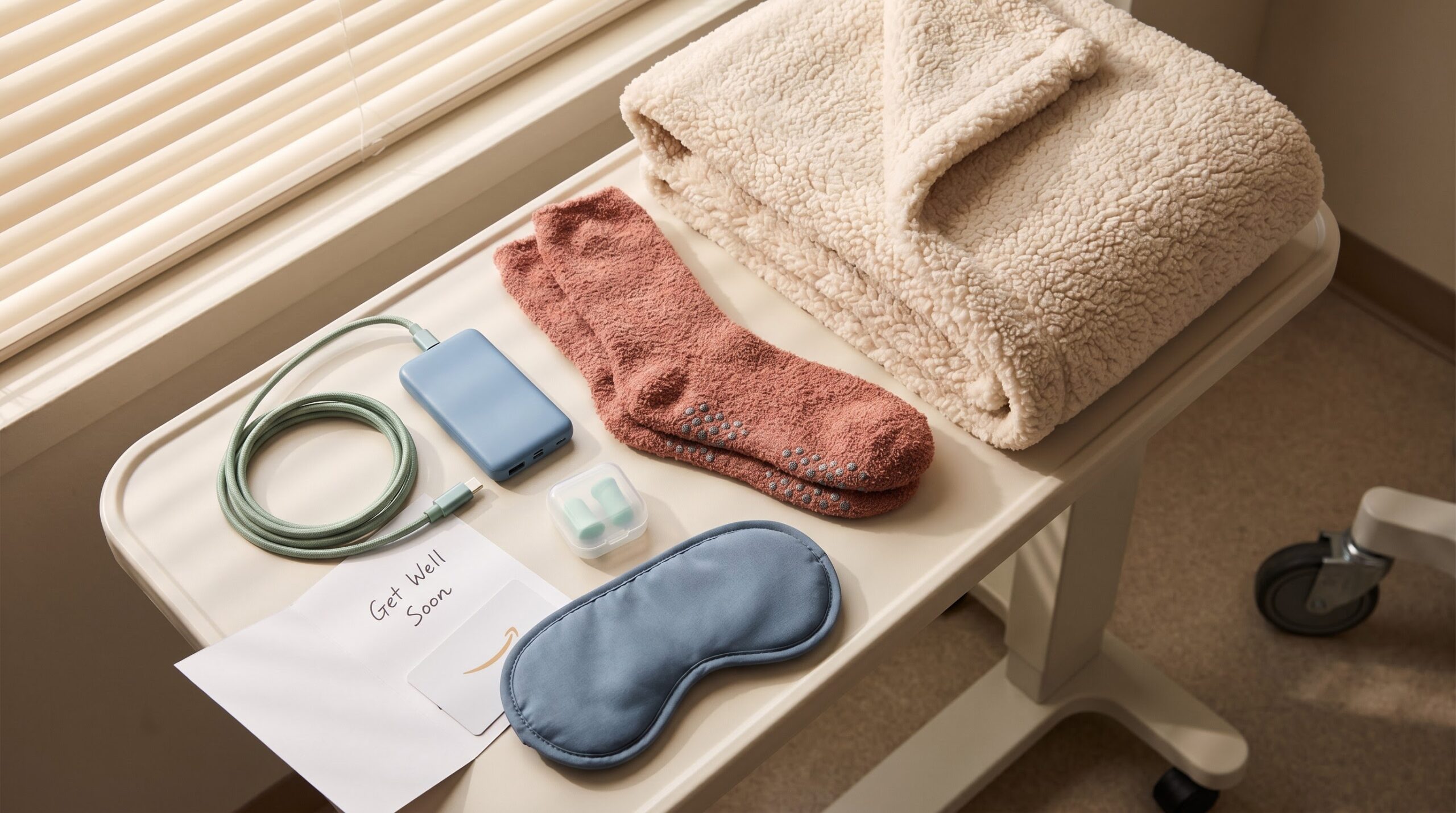
| The "please, no clutter" person | A long charging cable, earplugs, a sleep mask, a gift card, anything that fits in a drawer | Nothing to pack, store, or explain to a nurse; nothing left behind at discharge | Oversized gift baskets, large stuffed animals, anything that becomes one more bag to carry out |
Swipe →
Nothing for the nurses to carry, water, or store
Someone on r/cork asked the question a lot of people are quietly worried about: "would I just be pissing off the hospital staff giving them extra work to do ferrying flowers to someone?" That's a reasonable worry. Flower deliveries usually arrive at the nurses' station or a central desk rather than the patient's door, which means a staff member has to notice them, match them to a room, and carry them there on top of an already full shift. A granddaughter caring for her grandmother through cancer treatment put the patient-side version of the same problem plainly: "taking care of flowers was another chore on my list," meaning the trimming, the water changes, and the wilted-petal cleanup nobody asks for but somebody still has to do.
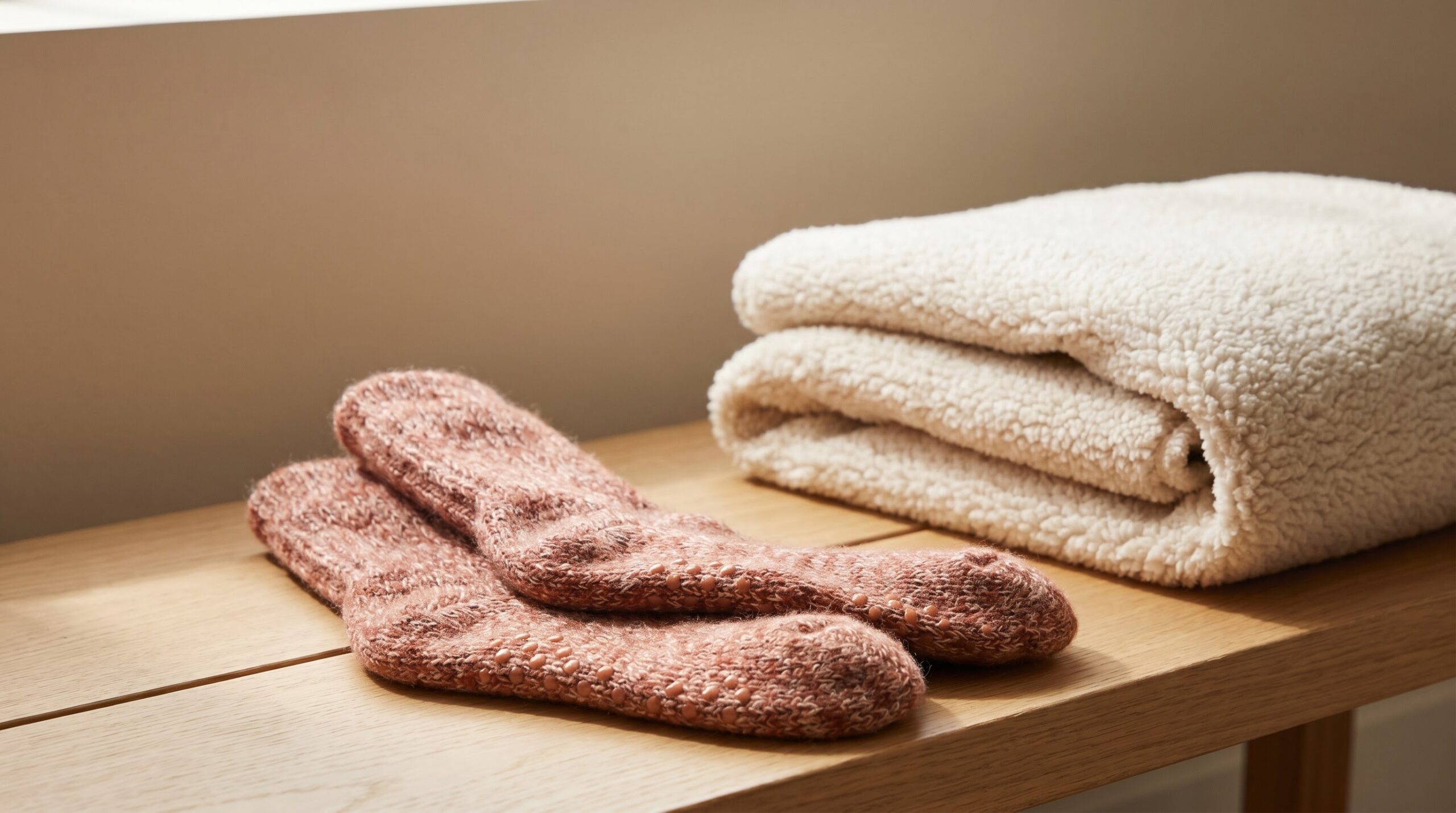
The gifts that avoid this entirely share one trait: they arrive finished. A blanket doesn't need refilling, a charging cable doesn't wilt, and nobody has to track down a vase for a gift card. That's also why food carries a caveat that flowers don't. Check with family or the patient directly before sending anything edible. "I don't want to clutter up the space or just have one more thing to deal with when they leave," one Reddit user wrote in r/Gifts, and dietary restrictions after surgery or during treatment rule out more food gifts than allergies alone would suggest.
Gifts that fit how well you actually know them
A coworker, an in-law, or someone you've only just started dating calls for a different register than a spouse or a parent. Red roses or anything overtly romantic reads wrong coming from a colleague. A somber, heavy arrangement can feel like you're bracing for the worst rather than rooting for a recovery. The safer lane for that distance is practical warmth: cozy socks, a paperback, a card that says something specific rather than generic, a modest gift card. None of it forces you to guess at closeness you don't actually have.
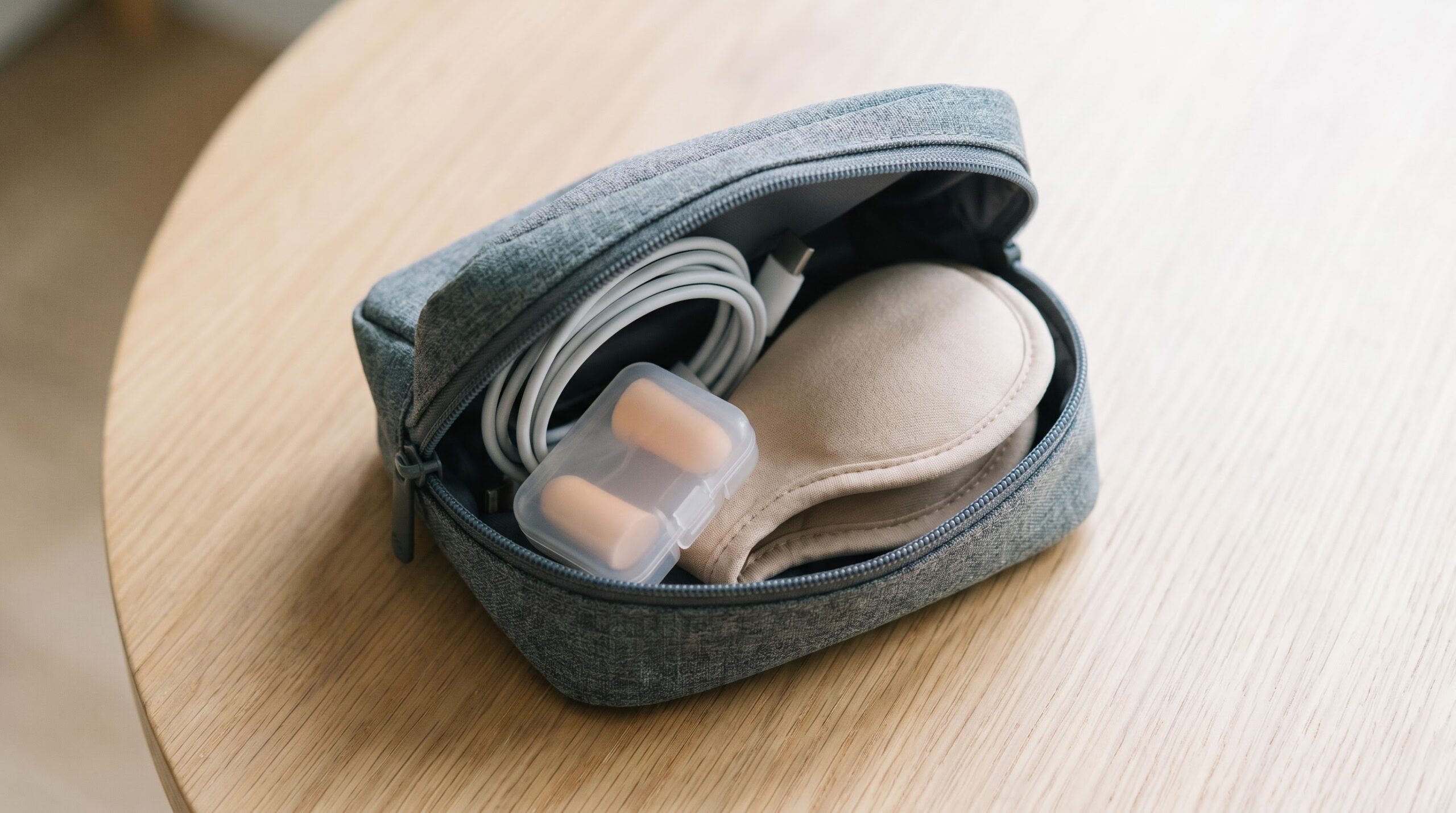
Modern hospital stays also run shorter than most people expect, and procedures that once meant a week in a hospital bed now often mean a night or two, which changes what counts as a good gift. Anything the patient has to pack up and carry home on crutches, in a wheelchair, or with a fresh incision is a liability, not a kindness. Small, soft, and packable beats large and decorative almost every time: a blanket that folds flat over a stuffed animal the size of a toddler, a slim charger over a gift basket with handles of its own.
What patients and nurses say they'd actually want
Two items come up again and again when patients and nurses talk about what actually helped: a blanket that isn't the thin waffle-weave hospital issue, and socks with real grip on the bottom so a trip to the bathroom doesn't happen in slick hospital-issued ones. A charging cable long enough to reach the bed from the room's one outlet, ten feet if you can find it, solves a problem almost nobody thinks to fix until they're the one lying six feet from the wall on 4 percent battery. Earplugs and a real sleep mask matter more than most gifts in a place where a blood pressure cuff can inflate at 2 a.m. and a roommate's television runs half the night.
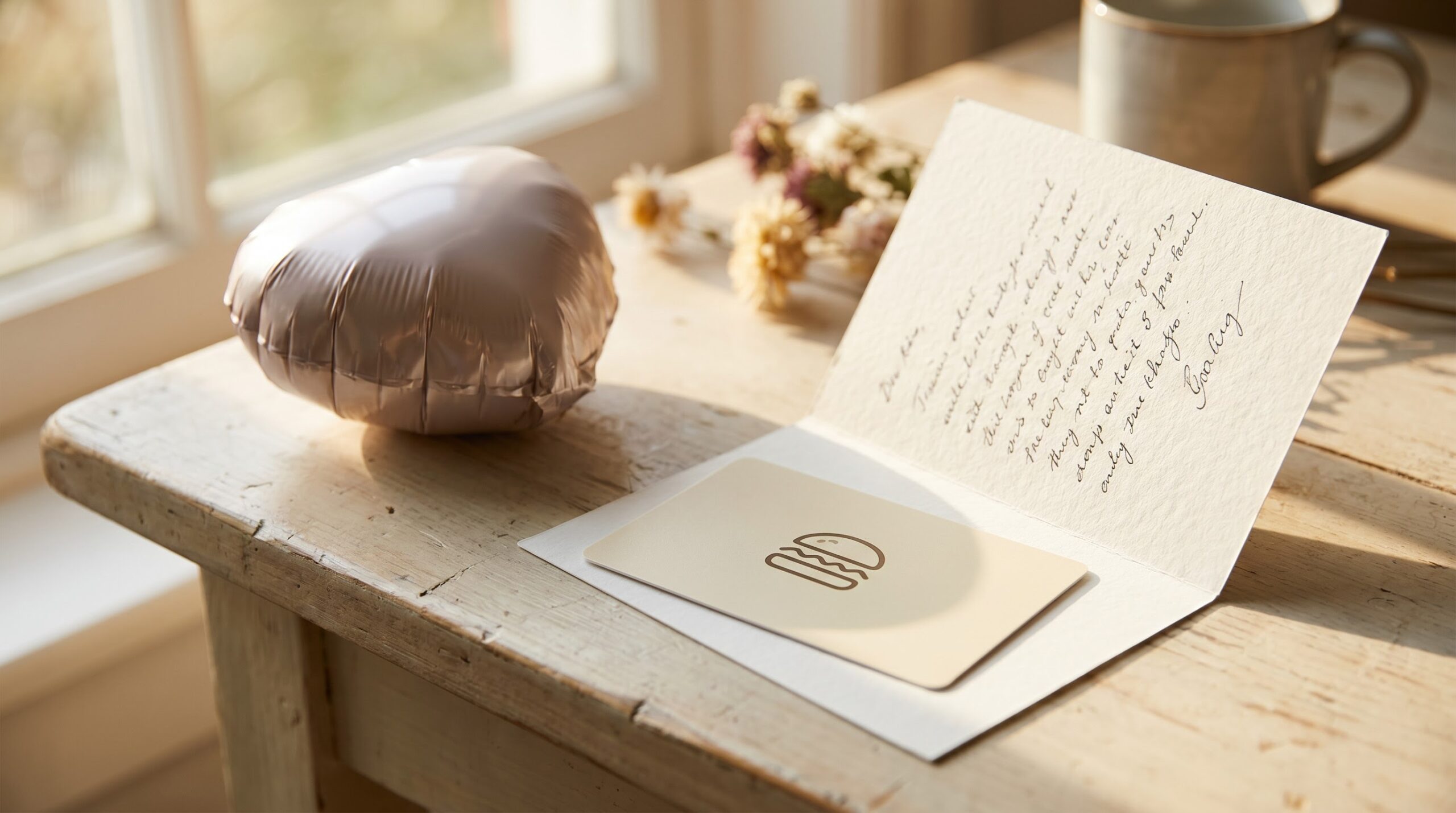
Nurses interviewed by SUNY Upstate Medical University about what actually helps hospitalized patients kept coming back to small, specific gestures over grand ones: photo boards from home, and a gift bag holding a few items wrapped separately so there's something to open on different days instead of all at once. One nurse remembered a stranger bringing her coffee while she sat with her sick son and said the simple things mean so much, a line that applies just as well to the caregiver in the room as to the patient in the bed. A food-delivery gift card covers similar ground for whoever can't easily leave, whether that's a patient once solids are approved or a spouse who hasn't left the chair in two days. On r/nursing, someone asked outright whether staff would rather get "a bunch of Starbucks gift cards" than flowers at the station, and the replies leaned toward yes, something the whole shift can use rather than one more vase to find room for.
If you want something decorative alongside the practical items, Ohio State University Extension recommends a cheery foil balloon over latex, since latex can trigger the exact allergic reactions you're trying to avoid. Past that, the move is simple: pick one or two items from the table above that match the actual situation and get them moving today. Most of this is a one-click order or a single stop at a drugstore.
Common questions
Should I skip flowers for a hospital patient entirely?
Not for every situation. Regular medical and surgical floors usually welcome a small arrangement, and there's no restriction at all once someone is recovering at home. The places to actually avoid are ICU, oncology, and any room with a roommate's allergy in play; our guide to hospital flower policies breaks those down unit by unit.
What should you send instead of flowers after surgery specifically?
Surgical patients often deal with nausea and limited mobility in the first days, so the safest picks are unscented, soft, and reachable from a hospital bed: lip balm, a blanket, a phone charger, rather than anything that needs tending. Once discharge gets closer, our guide to flowers after surgery covers timing for when a real bouquet fits again.
What do you give the caregiver or spouse waiting in the room?
Caregivers sitting in a hospital room for days rarely get anything themselves. A cup of coffee, a charger to share, or a food-delivery gift card covers someone who hasn't left the chair, the exact kind of small gesture nurses at SUNY Upstate pointed to as the thing people remember longest.
Can you pair a small gift with flowers where they're allowed?
Yes, and it often reads better than either alone. A foil balloon, never latex, tied to a small vase, alongside something practical like socks or a charger, covers both the sentimental and the useful. For picking a bouquet that means something specific, our guide to flower meanings is a good next stop.
Enjoying our flower guides? Add YourFlowersGuide as a preferred source on Google. It helps more readers find us.
Add to Preferred Sources