What flower actually means thank you (and where hydrangea trips people up)
Thank-you flowers go wrong in two different ways before you've even picked a species. Either the message misfires, reading as romance, pity, a bribe, or a funeral echo instead of plain thanks, or the flowers themselves become one more task for the person you're thanking. Bare stems dropped into a host's hands mid-party. An armful banned outright on a hospital floor. One more thing for a teacher to haul home on a Friday. The species matters less than most people assume. Still, two flowers do hold up across the part of the historical record that isn't actually contested.
A dark pink rose, or its peach-toned cousin, has carried a gratitude and appreciation meaning since Victorian floriography assigned it one, distinct from red's romance and yellow's friendship. Sweet pea carries a related, slightly softer message: appreciation for an invitation, a kindness, or a lovely time, which is why it turns up so often as a hostess or thank-you bouquet rather than a romantic one. Neither flower needs a footnote. If you want the safest possible pick and nothing more, either one does the job.
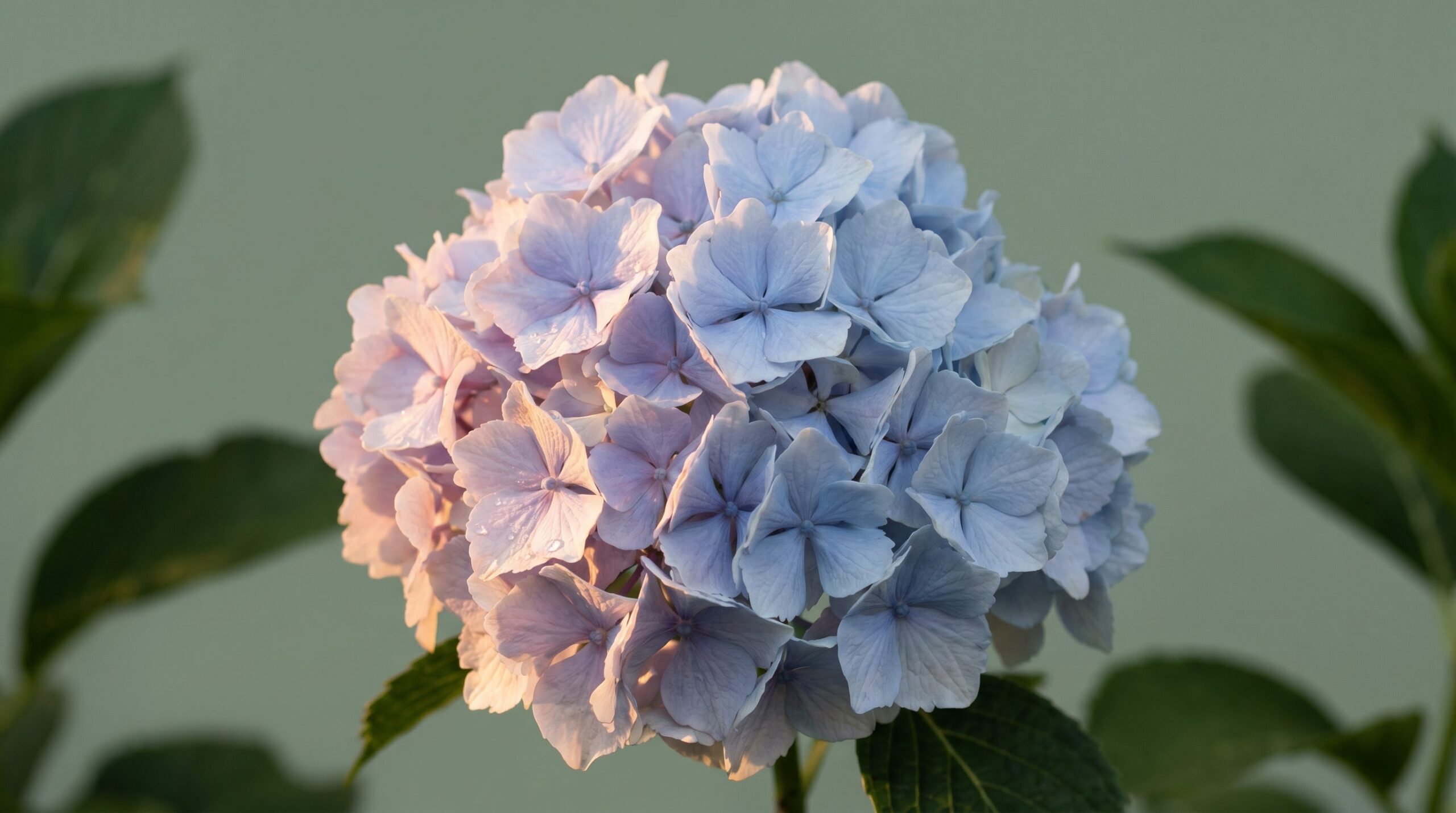
Hydrangea is where the "flowers that mean thank you" lists quietly skip the hard part. In Japan, hanakotoba assigns the hydrangea a meaning close to "thank you for understanding me," a sincere, heartfelt gratitude with real cultural weight behind it. In the Victorian code that most florist blogs are actually drawing from without saying so, hydrangea meant something close to the opposite: boastfulness, heartlessness, frigidity, vanity. English suitors reportedly sent hydrangeas to women who had rejected them, specifically to accuse them of coldness. According to Symbol Sage, the flower's own biology explains the split: hydrangeas throw off a spectacular volume of bloom relative to how few viable seeds they actually produce, and Victorians read that imbalance as showiness without substance. One stem, two cultures, opposite verdicts. Most modern buyers only ever encounter the pretty, low-effort Japanese reading that shops recycle without mentioning the older one existed at all. If the recipient has any tie to that Victorian code, or you would rather not gamble on which reading lands, a dark pink rose or a sweet pea sidesteps the question entirely.
A fair amount of what shows up in "thank you bouquet" listings beyond those three, gerbera daisies marketed as cheerful, a generic sunshine mix, carries no specific gratitude meaning in the historical language of flowers at all. It is simply inventory that photographed well and got a caption written around it. Buy it if you like it. Just do not trust the meaning printed under the product photo. Stick with the rose or the sweet pea if you want zero ambiguity, and treat everything else as decoration rather than a message.
The right pick for who you're thanking
The flower matters less than who is on the other end of it. The same bouquet can read as sincere gratitude to one recipient and as something else entirely, romantic interest, a bribe, an extra chore, to another.
| Recipient | Safe pick and form | The line not to cross | Why |
|---|---|---|---|
| Teacher | A modest mixed arrangement plus a handwritten card | A dozen roses, or anything that reads as one more thing to carry home | Many schools cap gift value around $50; cards get kept, bouquets get carried out and often left behind |
| Nurse | One arrangement sized for the whole unit, not one person, plus a card naming her by name | Cash or a gift card, the category most facility policies actually target | Flowers go to a station covering two shifts, not a single caregiver, and some units cannot take them at all |
| Host | Flowers already arranged in a vase, or sent the day before or after | Bare stems handed over mid-party | A host mid-event has nowhere to put unarranged flowers and no time to look |
| Coworker or boss | A modest, unbranded arrangement between peers, or a card alone for a boss | A dozen red flowers, or a large florist arrangement sent upward | Gestures are expected to flow down a hierarchy, not up, and a costly gift can read as currying favor |
| A man | Whatever you would give anyone else on this page, no apology in the delivery | Hedging the gesture with a joke about it being unusual | Most men who have never received flowers say they would welcome them; the hesitation is usually the giver's |
Swipe →
A teacher
Teacher appreciation runs into a real, boring constraint most people forget: plenty of school districts cap what a teacher can accept in gift value, often somewhere around $50, a rule about dollars rather than about flowers. One parent summed up the actual policy plainly on r/Teachers: "Teachers can't accept gifts over $50 here now." Inside that cap, a modest mixed arrangement with a thoughtful card reads fine. What does not read fine is showing up during Teacher Appreciation Week with a dozen roses, because so does everyone else, and a single teacher can end up hauling home ten armfuls of flowers on a Friday afternoon along with a stack of ungraded papers. Another commenter's assessment lined up with several others in the same thread: "A dozen roses might be really weird. A more 'general' arrangement of flowers with a thoughtful thank you card would probably be fine... Teachers tend to keep cards forever." The card is the part that survives. The flowers are the part that gets carried to a car and often left to wilt over a long weekend.
A nurse
Flowers for a nurse go to the whole unit rather than to one person, and that changes the math. A single bouquet on one nurse's counter reads oddly to the rest of the team caring for the same patient across two shifts. The better move, echoed across several threads on r/nursing, is sizing the gesture for the whole station: "Whatever you send, make sure there's enough for day shift and night shift." A card matters more here than almost anywhere else on this page, and naming names on it carries real professional weight: "If you send a card, mention your nurses by name! It goes on their 'permanent record' and affects their yearly review." The real line most facilities draw sits somewhere else entirely. According to Texas Nurse Lawyers, small tokens like flowers or cards are generally fine for nursing staff to accept, while facility policy typically asks them to decline anything of real monetary value, cash and jewelry among the examples named. Reddit's nursing community is blunter about where that line actually sits in daily practice: cash and gift cards, not a bouquet, are what gets a nurse in real trouble. Separately, and this has nothing to do with etiquette, some hospital floors will not take flowers at all as physical objects. Hospital guidance from the CDC keeps fresh flowers and potted plants out of care areas for immunosuppressed patients specifically, because vase water and soil can carry mold and waterborne organisms that pose little risk to a healthy visitor but a real one to a patient whose immune system is already compromised. If you are not certain which unit you are sending to, a phone call before the flowers beats one after. Our guide on which hospital units allow flowers at all covers that fuller policy picture by department.
A host
The complaint that shows up over and over in etiquette communities is less about the flowers themselves than about what a bouquet demands of a host who is already mid-party. "I hate when people just bring me a bouquet of flowers when I host," one host wrote on r/etiquette. "They've given me a job to do." Another commenter in the same thread put the fix plainly: "If you bring flowers to a dinner party, please bring them in a vase. It can be very distracting to hunt for a vase." Emily Post's own guidance on hostess gifts agrees with the instinct behind both complaints: a bouquet is a fine gift, but it is best brought already in a vase or a mason jar, and when that is not practical, sending flowers ahead of the event sidesteps the problem entirely. Guests seem to sense the risk before they even arrive; one wrote about the exact anxiety that drives the rule: "I could NOT stop thinking about how annoying I was going to be handing the host this bouquet and no vase!" The rule is simple enough to apply without overthinking it. Arrive with the flowers already arranged, or send them the day before or the day after. Never bare stems into a host's hands in the middle of serving dinner.
A coworker or a boss
Office gratitude has its own quiet hierarchy, and flowers can trip over it fast. The rule several people converged on independently across r/jobs and r/managers is short: "Gifts flow down, never up. A sincere thank you card is appropriate." Between peers, a modest bouquet reads fine, and the price tag is doing real work here: "$100 bouquet from a florist is not OK, but a $12 one from Trader Joe's is." Color and volume matter almost as much as price. A dozen red flowers of any kind, sent to a coworker or up to a boss, tends to read as more than gratitude, and more than one commenter flagged exactly that risk in their own words: "I would opt for something with less possible romantic undertones or risk of someone misunderstanding." Sending anything upward to a boss carries an extra caution that a peer-to-peer gift does not. One commenter's advice on a large arrangement to a supervisor, posted on r/AskHR, was blunt: "It looks like a bribe... check with HR and legal department before proceeding." If flowers still feel like the wrong register for a given office, several people suggested a plant instead, something that reads as thoughtful without the romantic charge: "another plant feels less 'romantic,' snake plant, spider plant, lasts much longer."
A man
The data on this does not back up the hesitation most people bring to it. A widely repeated industry figure, credited to the Society of American Florists though it circulates without an easy-to-find original study attached, puts it at roughly 60 percent of men saying they would welcome flowers, against only about 12 percent who ever actually have. That gap shows up in plain language too, across enough threads on r/AskMen and r/AskMenAdvice that it stops looking like an outlier: "Would absolutely love it. The surprise would be fantastic, as no ones ever bought me flowers." An older commenter put the same feeling more bluntly: "I'm 63 and never received any. If someone bought me flowers I'd be delighted." One giver, reflecting back on it, said the reaction surprised her every time: "every man I have gifted flowers has been shocked and appreciative." For a thank-you specifically, treat a man the way you would treat anyone else on this page. Pick the same flower you would pick for anyone else here, skip the apologetic framing in the card or the delivery, and do not hedge the gesture with a joke about it being unusual. The fuller case for giving a man flowers, including where the resistance actually comes from, lives on its own page; this one only needed the verdict for a thank-you specifically.
Color, stems, and how much to spend
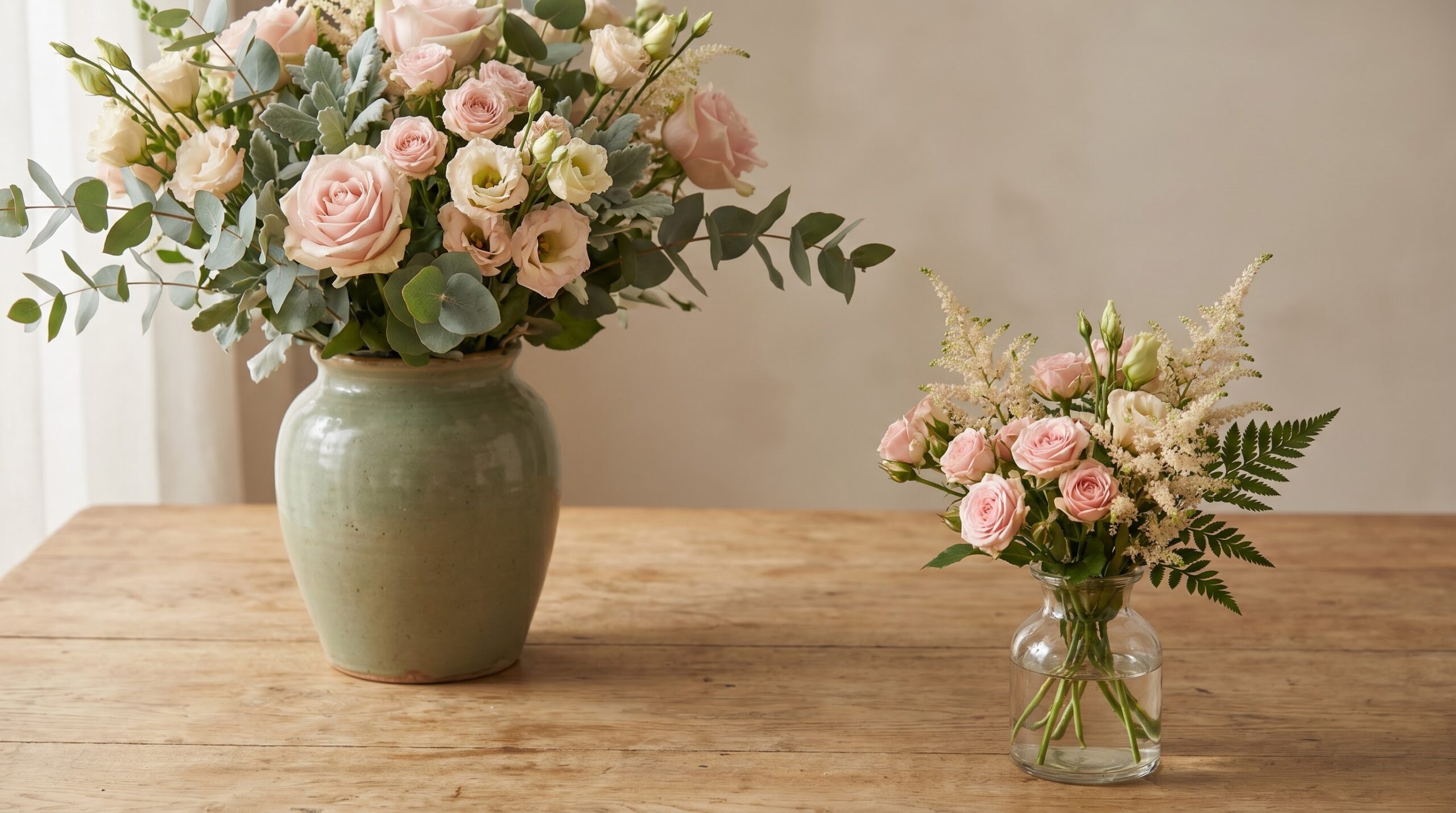
Pink and peach are doing most of the work in the "does this read as gratitude" question. Deep pink or peach reads as appreciation across the sources that document Victorian floriography, while red pulls the message toward romance regardless of species. White leans toward sympathy or purity rather than thanks, worth knowing since it shows up constantly in "elegant thank you" product photography without the color coding to back it up. If you want one rule to carry into a shop, it is this: reach for the pink or peach end of whatever is available before you reach for red or white. The fuller cultural rules on stem counts and white flowers, including where certain counts carry other meanings entirely in some traditions, are covered in more depth in our guide to birthday flower etiquette, which applies just as well outside a birthday.
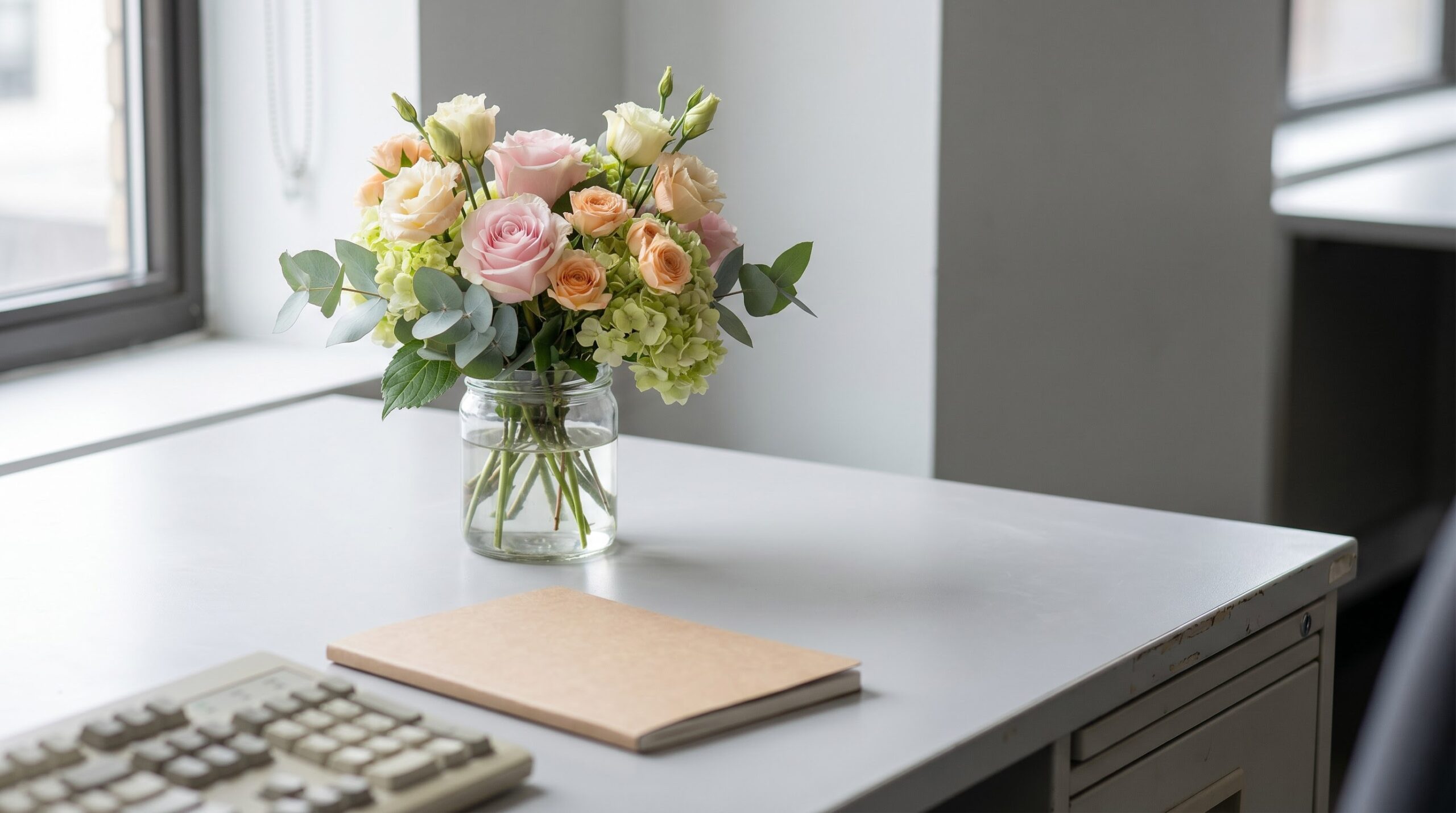
There is no fixed rule for exactly how many stems belong in a thank-you bouquet, and any specific number a listicle hands you is invented for the sake of having one. A small, honest handful reads as sincere. Anything that starts to look like a showpiece starts to shift the message toward something bigger than a thank-you, an apology, a romantic overture, a look-how-much-I-spent gesture. Budget follows the same logic, and it is worth saying plainly because the instinct to overspend on gratitude is common and mostly unnecessary: a five-dollar bouquet from a grocery store, paired with a handwritten note, reads exactly as sincere as the grandest arrangement from the most expensive florist in town. The card is doing more of the emotional work than the flowers are, in every recipient category on this page.
Two things this page won't try to finish for you
If you received flowers for a funeral and are wondering whether you owe the sender a thank-you note in return, that is a different question with its own etiquette timeline, and it belongs to our guide on whether a grieving family has to send thank-you notes for funeral flowers rather than to a page about giving flowers to say thanks. Do not try to answer it from what is written here.
If the open question is whether a specific hospital room accepts flowers at all, beyond the unit categories named above, that is an admissions and infection-control question that varies hospital to hospital and sometimes floor to floor. Our guides on which hospital units allow flowers at all and on flowers for someone in the ICU cover the fuller policy picture. A quick call to the nurses' station before you order is still the most reliable answer either page can give you. And if the gesture you are navigating is condolence rather than gratitude in the first place, the etiquette around condolence flowers specifically is its own set of rules, distinct from anything on this page.
Common questions
What flower symbolizes thank you?
Dark pink or peach roses and sweet pea are the two flowers with the most consistent, well-documented "thank you" meaning in the Western language of flowers. Hydrangea is often listed too, but its meaning is genuinely contested between a Japanese gratitude reading and an older Victorian reading that means close to the opposite.
What is the flower of gratitude?
There is not a single official answer. The rose, specifically its deeper pink and peach shades, comes closest to a consensus across floriography sources, with sweet pea as the widely agreed second choice for the same message. Hydrangea's full meaning across cultures, what a dark pink rose means, and the sweet pea's meaning each get a fuller treatment on their own pages if you want the history behind the short answer.
What color flower says thank you?
Deep pink and peach read most consistently as gratitude and appreciation. Red pulls toward romance no matter the species, and white tends to read as sympathy or purity rather than thanks.
Do men actually like receiving flowers?
The evidence says yes, more than the stereotype suggests. Most men who have never received flowers describe the idea positively when asked directly, and the hesitation people report tends to sit with the giver, not the recipient.
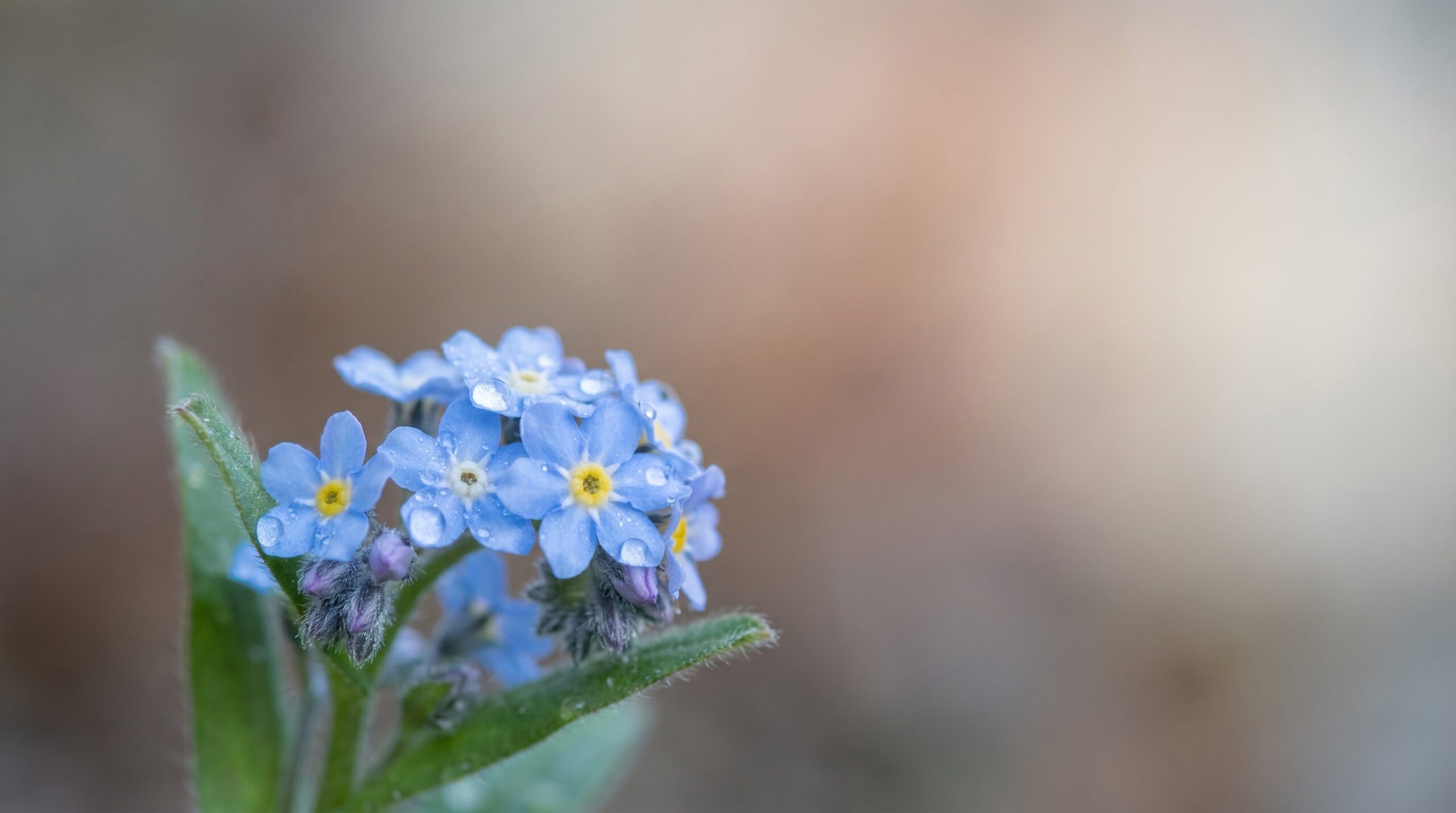
If a forget-me-not came up anywhere in your own research, it is tied to a specific month in the older floriography calendar. Our birth flower by month guide covers that bridge if you want to check whether it applies to the person you are thanking.
The flower and the form are both decided by now, whichever recipient sent you here. What is left is the words on the card, and that is a narrower problem than picking the right bouquet. If you are the one who received the flowers and need to reply instead of give, how to reply if you're the one who received the flowers covers that side of the conversation. Take the match you have landed on, whichever recipient it was, to the florist counter or the grocery aisle, and let the card carry the rest.
Enjoying our flower guides? Add YourFlowersGuide as a preferred source on Google. It helps more readers find us.
Add to Preferred Sources