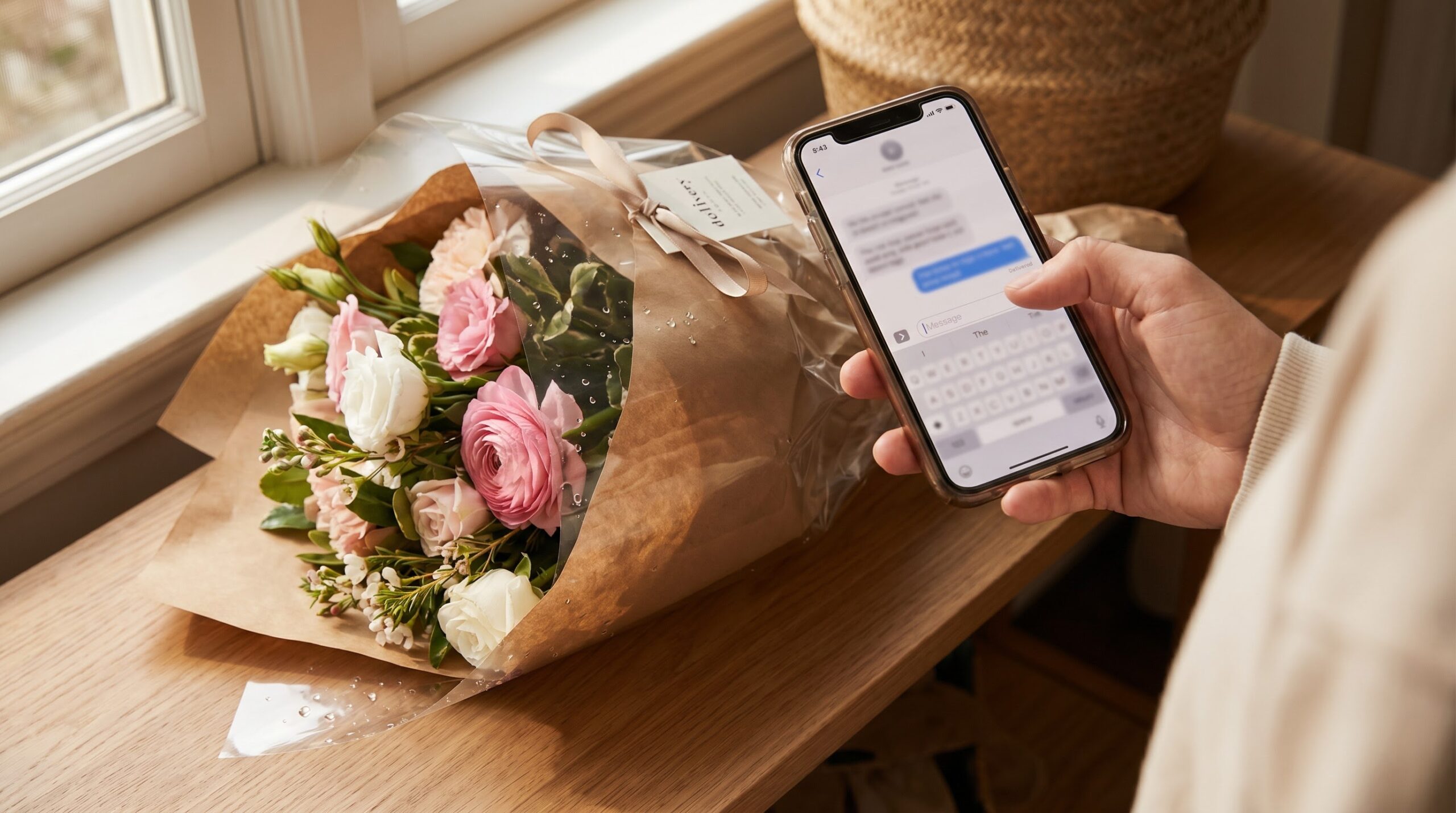
Flowers just arrived, or they're sitting on your desk, and you're staring at your phone trying to write something back that sounds like you and not like a card you'd buy at the store. The fastest fix is to stop composing and just say what's true, that it was thoughtful, that it made your day, that you're smiling. Who sent them changes the register more than the occasion does, so start there.
What to say when flowers show up from your husband or boyfriend
Keep it simple. "These are beautiful, thank you for thinking of me" works on its own, and "I love them, you didn't have to do this" works if you want to sound more like yourself than a greeting card. A photo of the bouquet attached to either line does more than a longer message would. He mostly wants to know the gesture landed, not a performance of surprise, and that's worth saying out loud if you're the type to overthink the reply.
If you're the man on the receiving end of a bouquet, the muted reaction you're worried about is usually exactly the right one. A theme comes up again and again on forums where men compare notes about being given flowers: the person who sent them isn't looking for a gasp or a scene. Plain appreciation registers as more genuine than acting shocked would. One man described sending his wife flowers for no occasion at all and said the reaction is always the same, real gratitude, every single time. Some men need a beat to figure out what to do with an unprompted bouquet, sure. But plenty of others in those same threads, older men especially, say they've waited decades for someone to hand them flowers and would have loved it immediately. If you've never gotten flowers before and aren't sure what the right reaction looks like, there isn't a special one. Thank the person, mean it, and let that be the whole response.
What to say when the flowers are from your boss or coworkers
Reuse a line rather than freestyling one. "Thank you for your support, your thoughtfulness is greatly appreciated" covers a hard week, a promotion, a hospital stay, almost anything, and it never reads as too personal for a work relationship. Say it in an email, a chat message, or in person the next time you see them. A boss doesn't need three paragraphs back, and over-explaining can turn a simple gesture into something that feels like it needs managing. If the flowers arrived because of a death in your family specifically, this same line still works as a starting point, though our guide to funeral and sympathy flowers is the better starting point for the fuller condolence context.
Flowers funded by a group of coworkers ask for something slightly different: a reply the whole group will see, that nobody can misread. "Thank you all so much, this really made my day" or "I'm so touched, thank you for thinking of me" both work whether it lands in a group chat or a card that's been passed around the office. Keep it to one line. A coworker-funded bouquet is a group gesture more than a personal one from any single person in that group, so a reply that's brief, warm, and addressed to everyone is what keeps it feeling like the group gift it actually is.
What to say when you have no idea who sent them
An anonymous delivery, or a dozen white or pink roses from a coworker you have zero romantic interest in, is its own category. It helps to know that white and pink roses lean toward gratitude and friendship rather than romance, the "roses mean love" shorthand really belongs to red ones specifically, but that distinction rarely survives a bouquet showing up at your desk with no card attached. Gushing and freezing both cause the same problem: they turn a small gesture into something bigger than it was. Say something warm and generic that doesn't assume intent either way. "Thank you, this was such a nice surprise" or "These made my whole day, thank you" works whether the sender meant something by it or was just being kind, and it doesn't hand anyone a signal you're not sure you want to send. If you do know who sent them and you're worried a warm reply will read as more interested than you are, keep it short and say it somewhere public rather than in a private message. A thank you said out loud in the office reads very differently, socially, than the same line sent one to one.
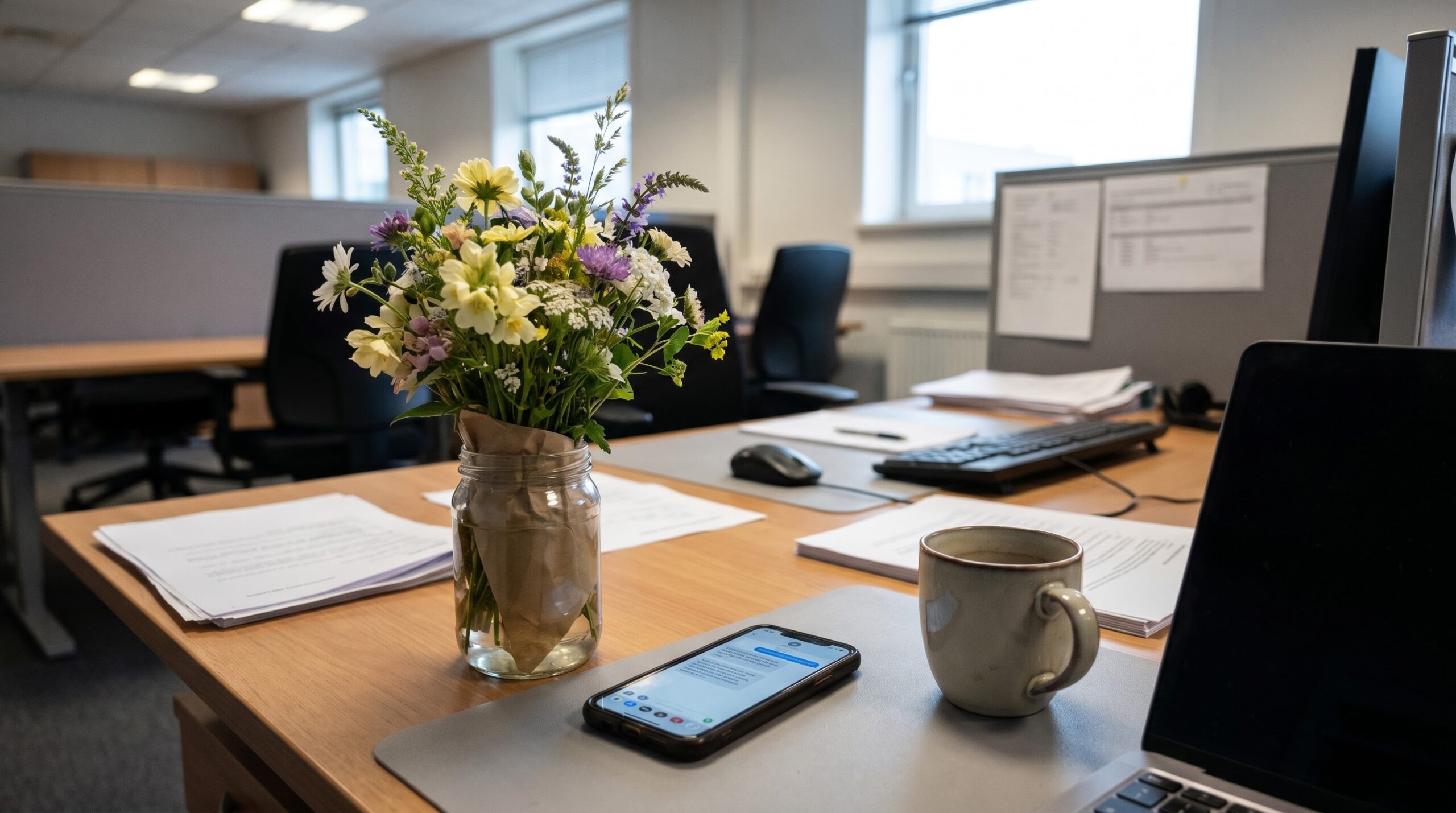
If there's no card at all, you're allowed to just thank the room, or ask the delivery person or front desk who placed the order before composing anything. Chasing that down first is a completely normal step that saves you from thanking the wrong person, or worse, treating an entire office like suspects for a week. One clear, warm acknowledgment closes the question. Interrogating everyone who walks past your desk keeps it open.
Do you actually need to write a note back
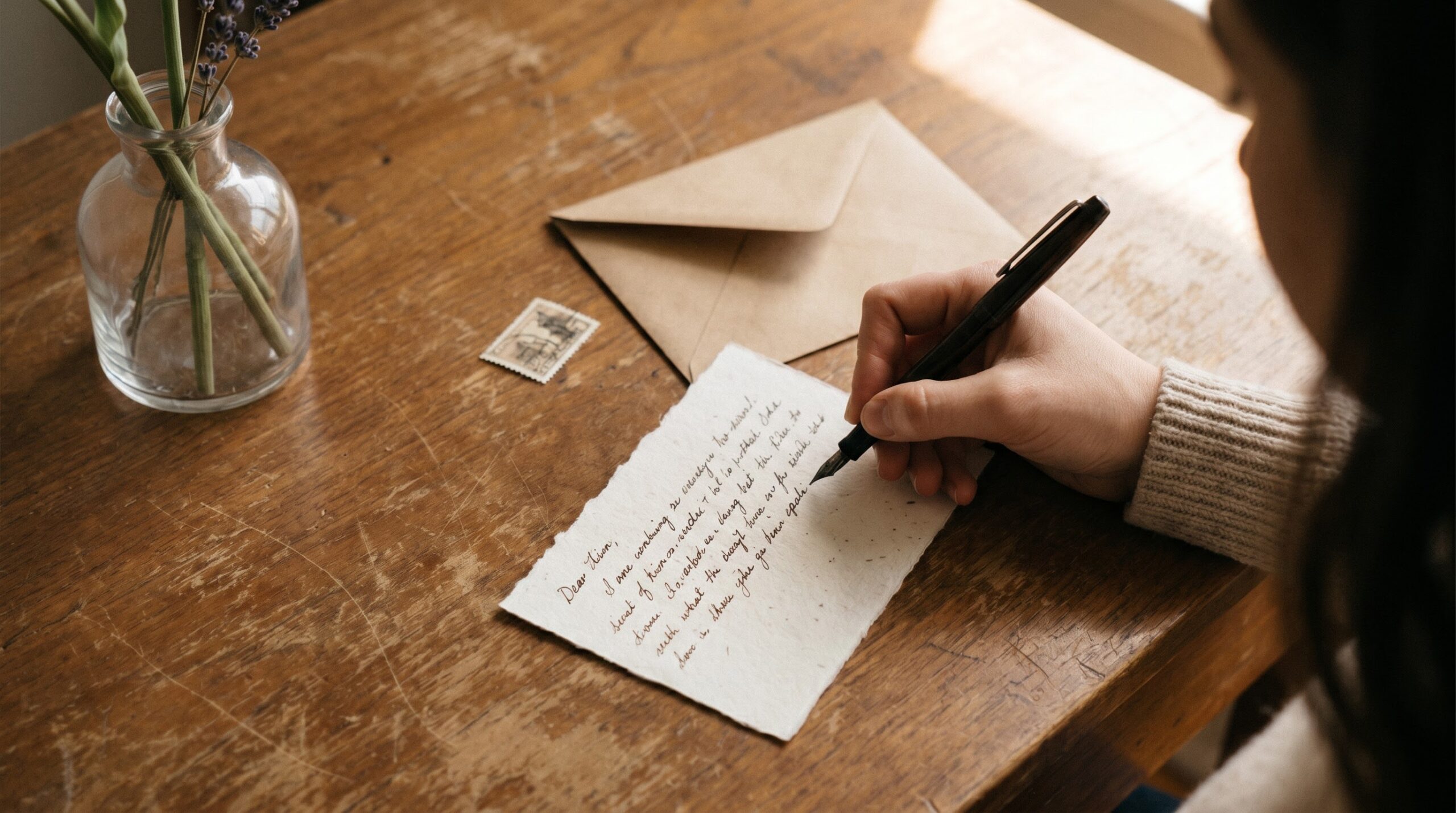
Most flowers don't require a handwritten note, and treating every bouquet like a wedding gift is what makes this feel like more work than it is. Emily Post's etiquette guidance allows a phone call or an email in place of a written note for close friends and family, as long as the gift gets acknowledged promptly. That same logic covers a same-day text or a photo of the bouquet for flowers that were handed to you in person or dropped at your home or desk. The one real exception is a delivery that arrives by mail from someone outside your inner circle, an aunt, a former boss, a family friend you don't see often, where a short written card is still the warmer move.
| How the flowers reached you | What actually closes it |
|---|---|
| Handed to you in person, or delivered same day to your home or desk | A text, a call, or a photo of the bouquet, sent that day |
| From a partner, close friend, boss, or coworker you see regularly | Same as above; a written note isn't expected |
| Arrived by mail or courier from someone outside your inner circle | A short handwritten card |
| Someone thanks you for a gift, and now you feel you should thank them back for thanking you | Nothing further; the exchange is finished |
Swipe →
That last line answers a question that comes up more often than you'd think. If someone thanks you for something you gave them, you don't owe them a second thank-you for the thank-you. Once both sides have acknowledged a gift once, the exchange is closed. Replying again just keeps a loop going that neither person actually wants. The same logic covers flowers you receive after thanking someone for something else entirely: one acknowledgment each, then it's done.
If you'd like to send something back that carries its own thank-you, hydrangeas are the flower most closely tied to that specific meaning. Though honestly, a card and a text do the same job for a lot less money and no pressure to match the gesture.
A few lines to borrow if you're stuck
If every version you type still sounds like a form letter, the fix is usually to cut it shorter. "I'm smiling so much right now, thank you" or "You made my whole week" say more than a longer message trying hard to sound sincere. Short reads as more genuine than a paragraph usually does. Nobody is grading the reply for effort. The flowers already did that work.
One more distinction worth making: if what you received wasn't a gesture of romance or plain thanks but flowers sent while you were recovering from surgery or a hospital stay, the wording shifts a little. Thanking someone for thinking of you during a hard stretch is a different note than thanking someone for a nice surprise, and it's worth writing on its own terms rather than reusing a line built for a birthday or an ordinary Tuesday.
Send whichever line actually fits, by text, by call, or by card if the situation genuinely calls for one, and let that be the end of it. The flowers already said the rest.
Enjoying our flower guides? Add YourFlowersGuide as a preferred source on Google. It helps more readers find us.
Add to Preferred Sources