Contents
Poppy
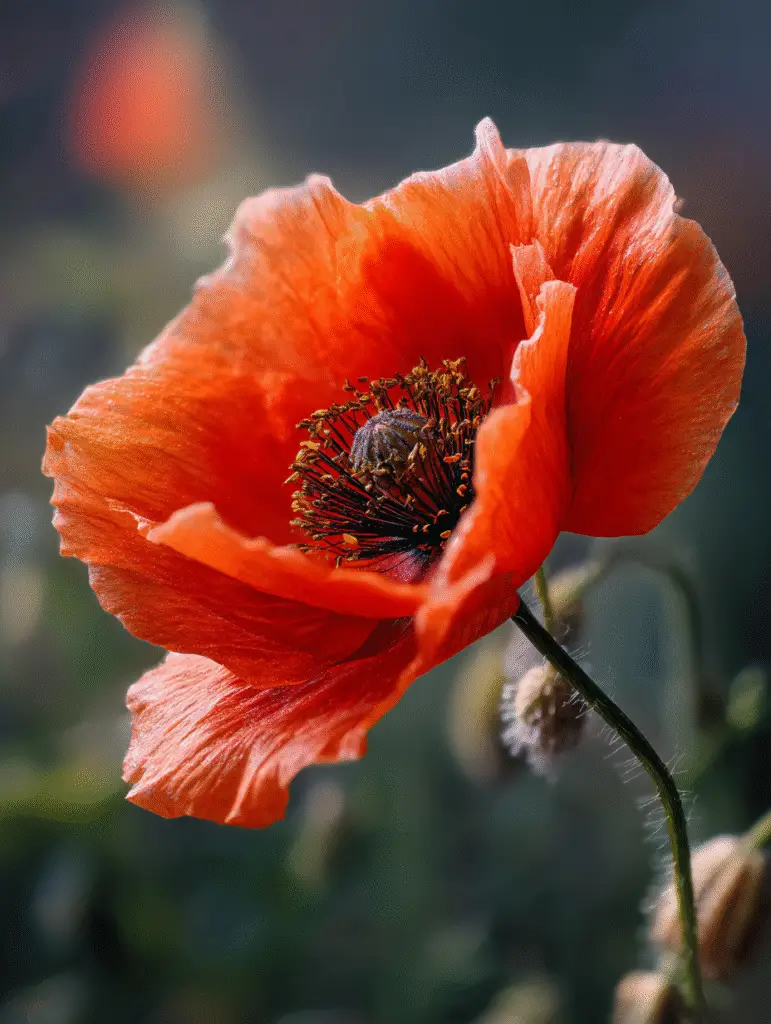
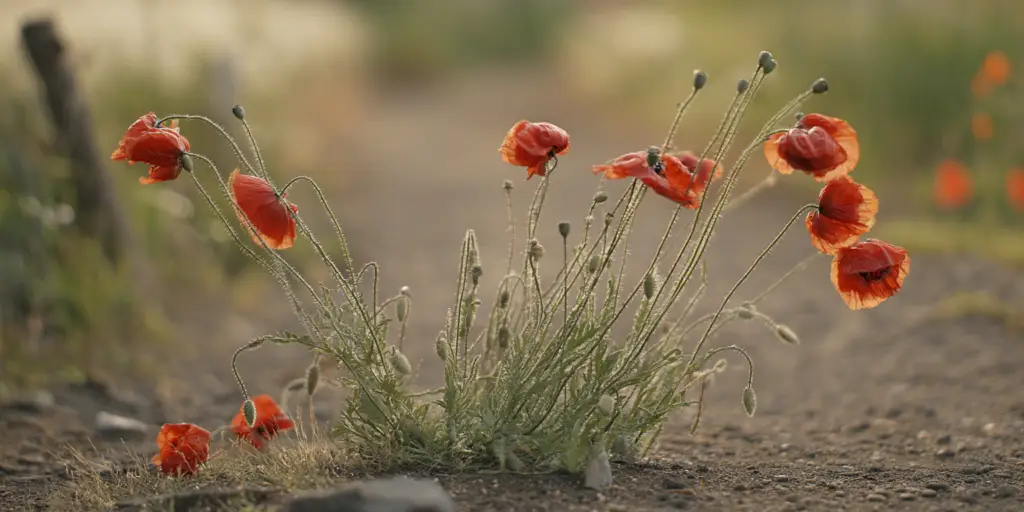
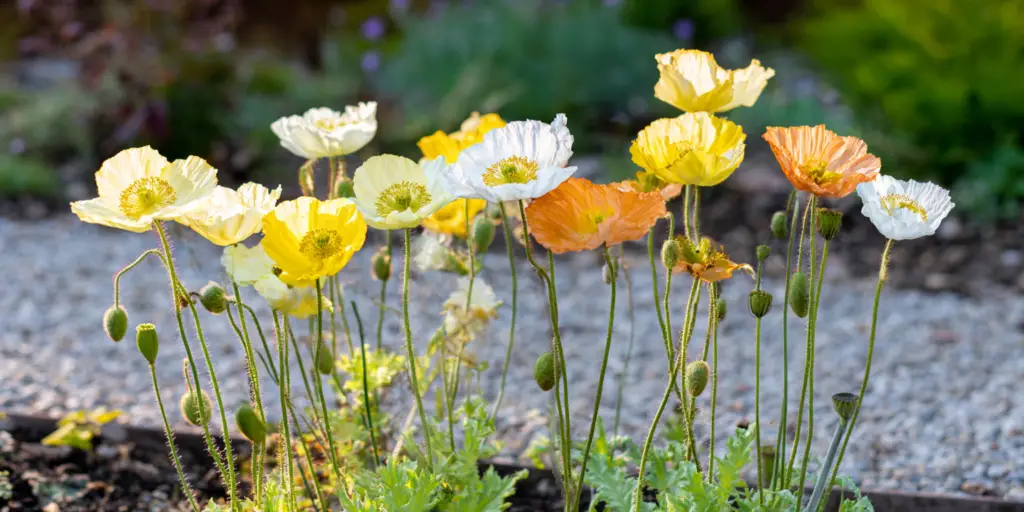
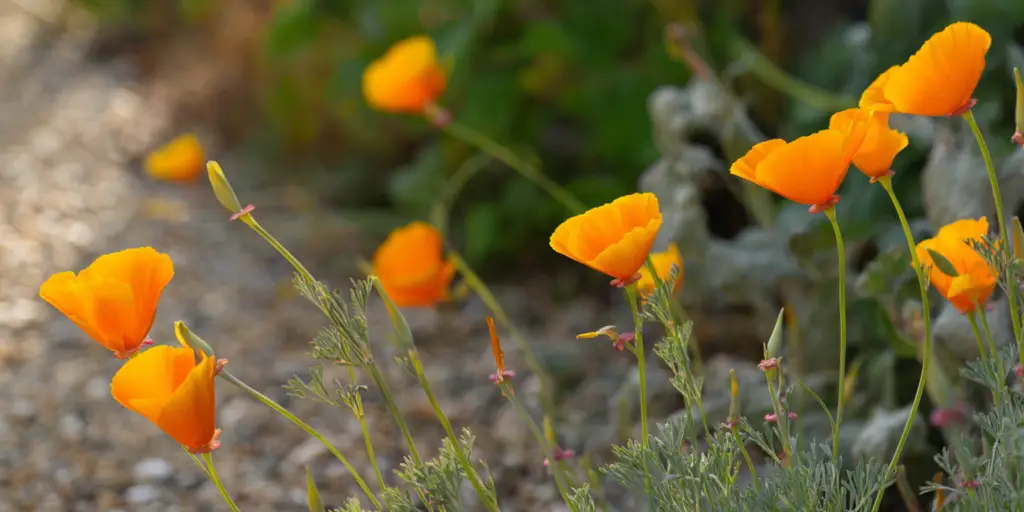
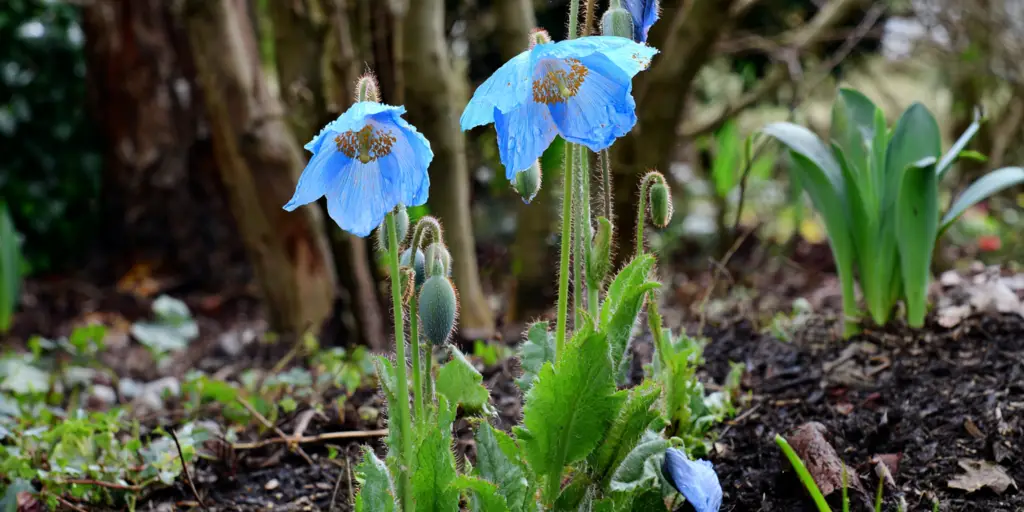
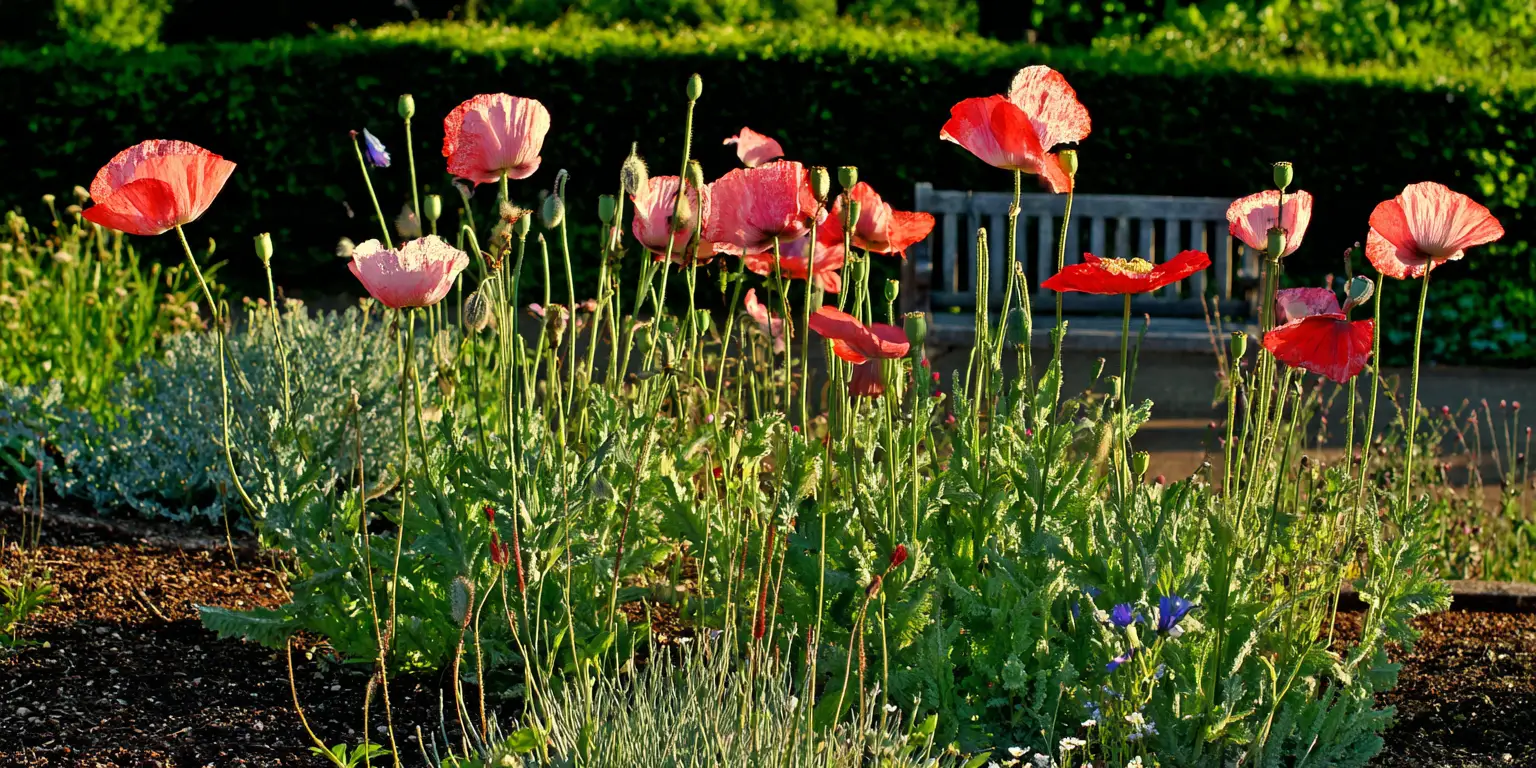
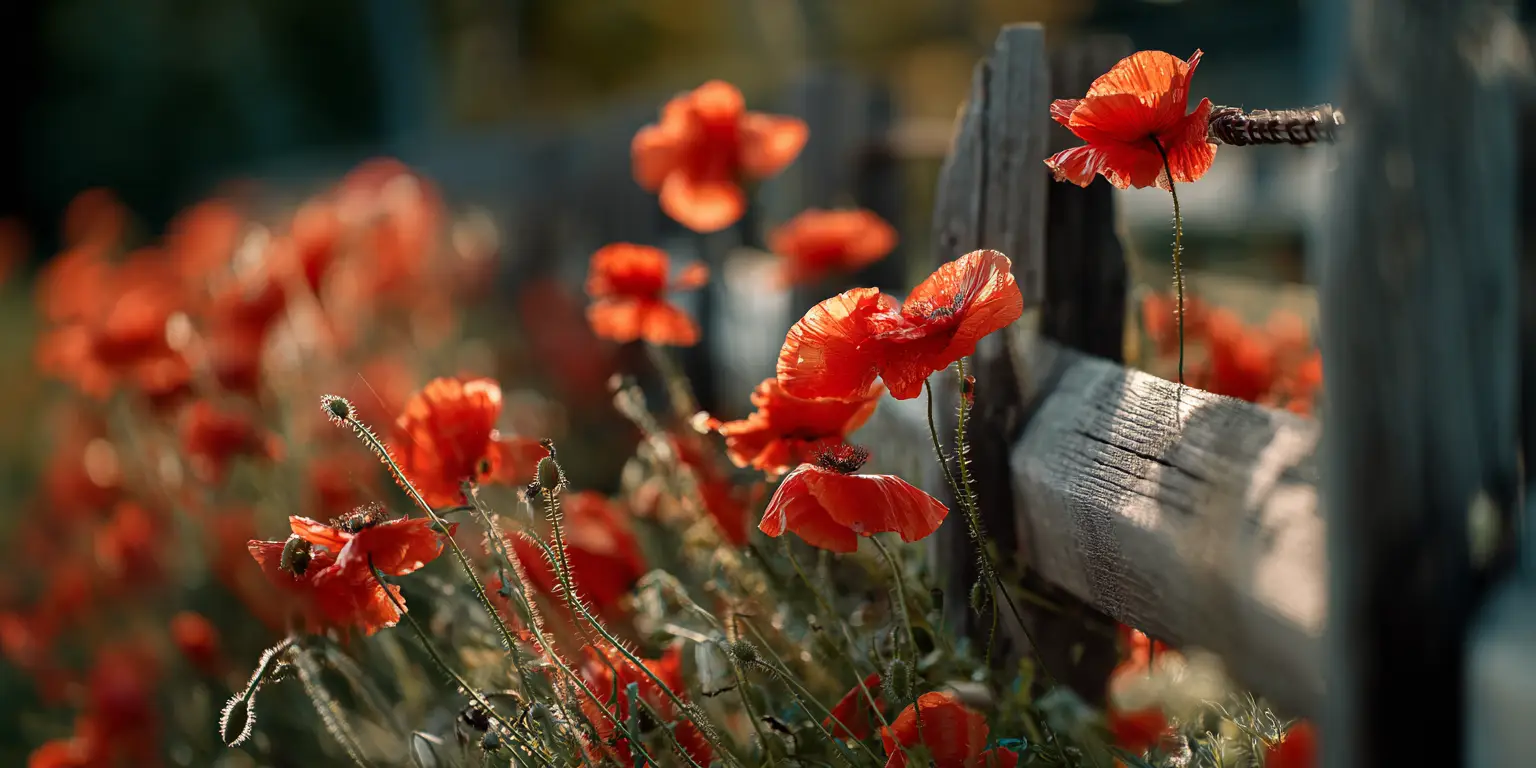
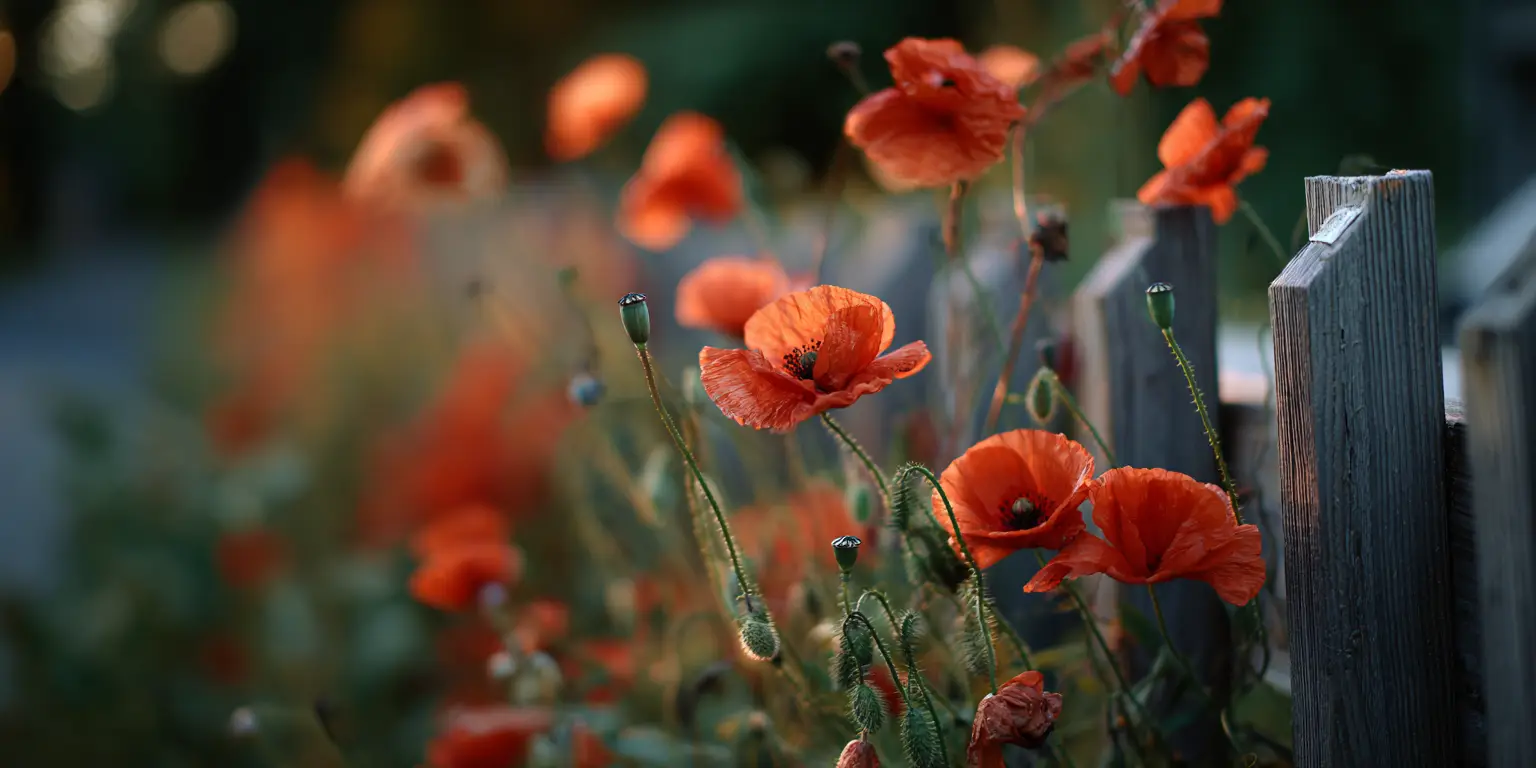
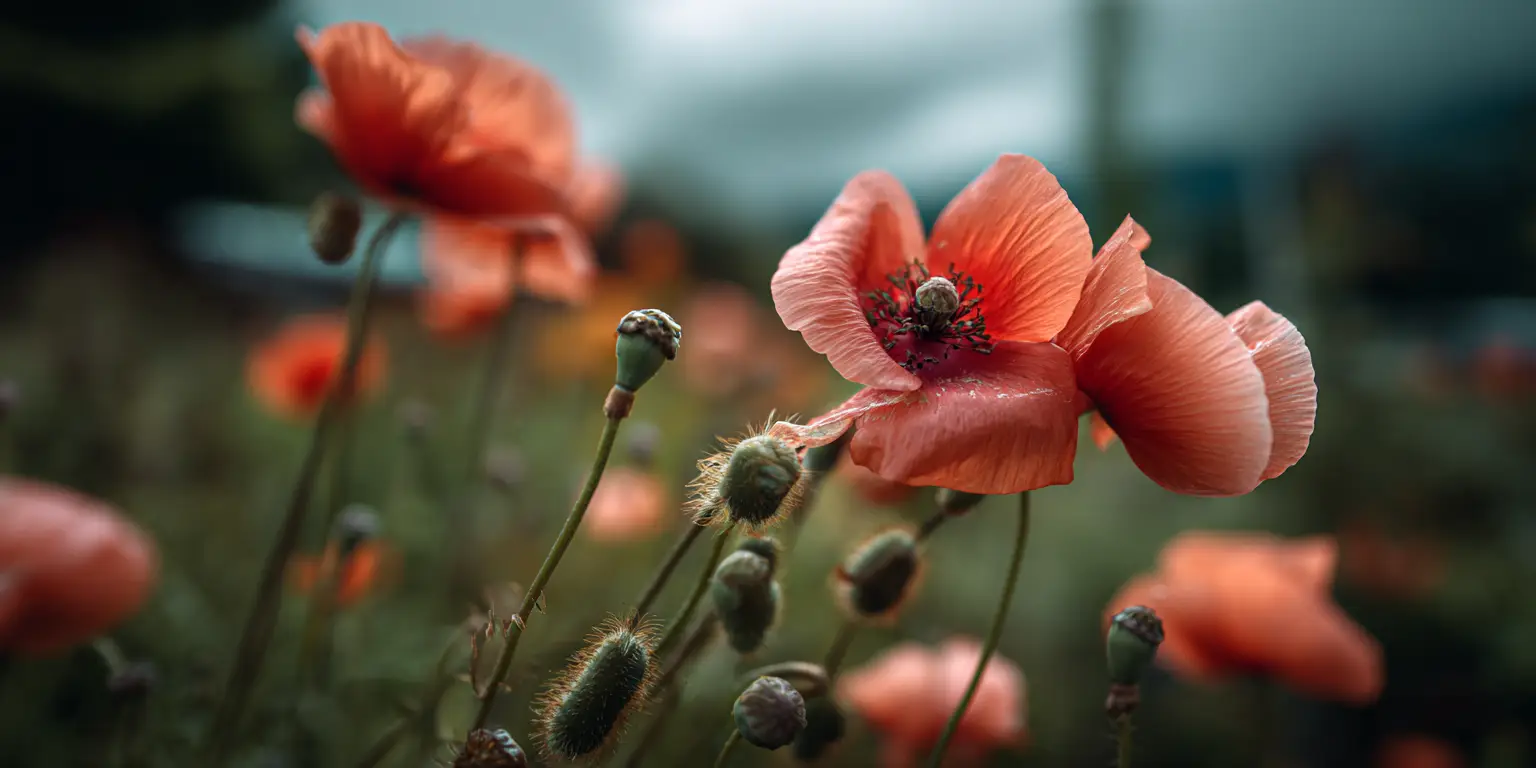
Among the many types of flowers that grace gardens and fields, the poppy flower (genus Papaver) stands out for its radiant colors and delicate, crinkled petals. Poppies include both cherished ornamentals and hardy wildflowers, celebrated for blooms that range from brilliant red flowers to pure white flowers, sunny yellow flowers, and even rare blue flowers or near-black flowers. The genus comprises over 70 species of annuals and perennials found mostly in Eurasia and North Africa. Notable examples include the red corn poppy (Papaver rhoeas), the opium poppy (Papaver somniferum), and the Oriental poppy (Papaver orientale), each with unique beauty and cultural significance. For instance, the red poppy has become a worldwide symbol of remembrance, while the opium poppy has been cultivated for millennia for its medicinal compounds and edible seeds. Whether swaying in a meadow or accenting a garden border, poppies captivate with their vivid hues and historical lore, making them enduring favorites in cultivation.

A clear, step-by-step guide to soil, planting, watering, feeding, pruning, and winter care. Includes zone timing, container tips, companions, and quick fixes for common problems.

Bouquet Ideas
Explore simple, beautiful bouquet ideas for the home, gifts, and special occasions from romantic mixes to clean, minimal styles. Each idea includes suggested flower combinations, color palettes, and sizes, with photos for quick inspiration.
🌱 Taxonomy and origin
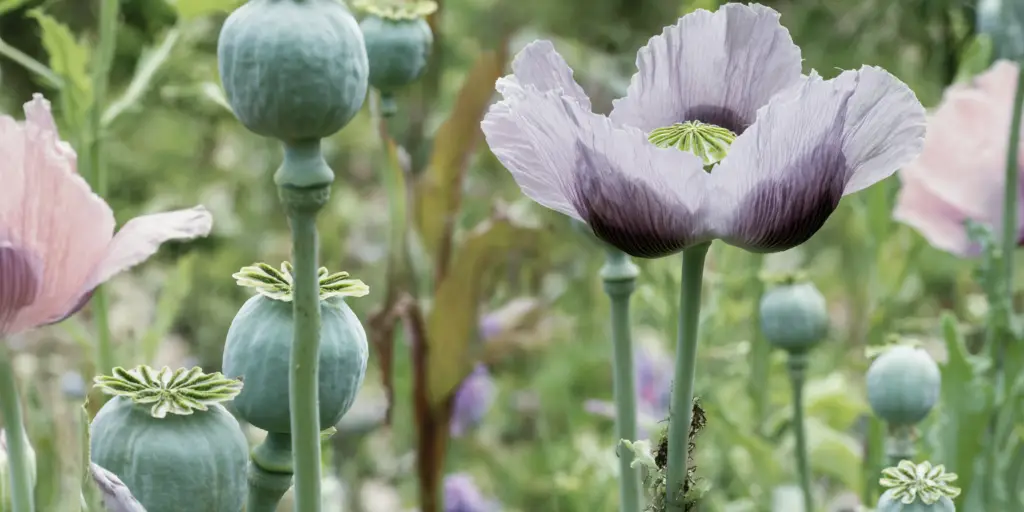
Poppies belong to the botanical family Papaveraceae. Within the Papaver genus, key species have diverse origins. Papaver rhoeas, the common field poppy, is native to temperate Eurasia and North Africa, often painting farm fields and roadsides scarlet. Papaver somniferum (opium or breadseed poppy) is thought to have originated in the Eastern Mediterranean region; it has been widely distributed by humans, given its ancient use for opium, medicine, and seeds. Papaver orientale (Oriental poppy) hails from the Caucasus region (northeastern Turkey and northern Iran), where it grows on rocky slopes. Despite their different native ranges, these species share common traits like four-petaled flowers and capsule seed pods. Botanically, poppies are defined by their milky latex sap and papery petals. They have been hybridized and cultivated around the world, so today one can find poppies thriving far beyond their natural habitats. This genus is related to other poppy-family plants (like Eschscholzia, the California poppy), but true Papaver poppies have their own distinctive form and rich history in cultivation.
🌸 Bloom time
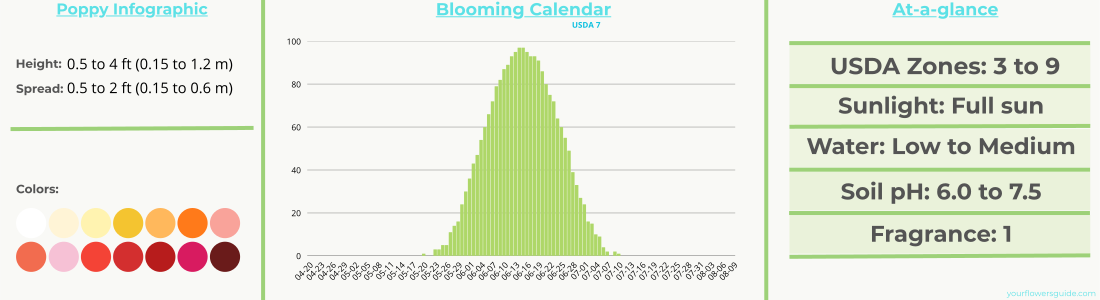
Most poppies bloom in the spring to early summer, filling the gap between spring bulbs and high summer perennials. In cool temperate climates, poppy blossoms often first appear in late spring (May to June) and can continue into mid-summer if conditions remain mild. Papaver rhoeas (corn poppy) and other annual types typically put on their main show in late spring through early summer, sometimes with a second flush in early fall if seeds germinate late. Papaver somniferum (opium poppy) usually blooms once in early summer, about 60-80 days after spring sowing. Perennial Oriental poppies burst into flower in late spring (often May into June), creating a spectacular display for a few weeks before the plants go dormant for summer. Bloom times can vary with climate: in very warm regions, annual poppies might flower in late winter or early spring then fade before the hottest months, whereas in cooler zones they may bloom later and last longer. Deadheading (removing spent flowers) can modestly extend the bloom period for annual poppies by preventing immediate seed set, but generally each individual poppy bloom is short-lived-often lasting only a few days-so gardens rely on successive buds opening for a sustained display.
📏 Height and spread
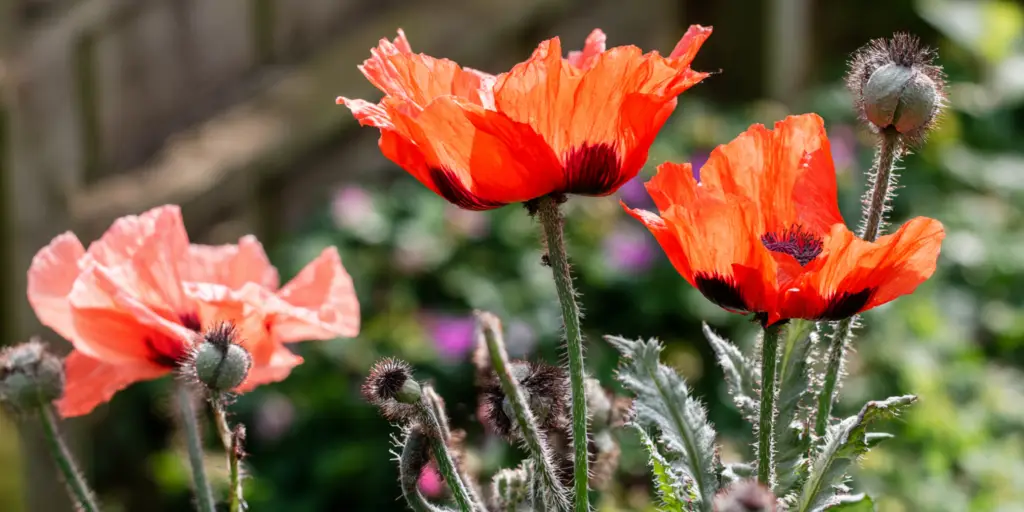
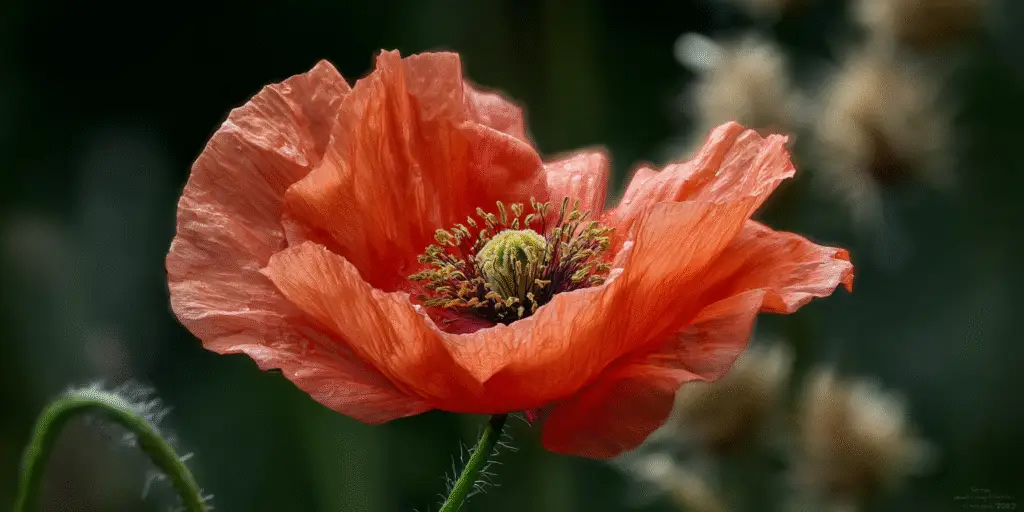
Poppies exhibit a moderate range of sizes depending on species and cultivar. Annual poppies like P. rhoeas and P. somniferum typically grow 1 to 3 feet tall on slender, upright stems. Their spread is usually narrow-often a single stem or a small clump about 6-12 inches across per plant-though a group of self-sown poppies can collectively cover a large area. Perennial Oriental poppies (P. orientale) emerge as leafy clumps and reach about 2-3 feet in height when in bloom, with a spread of 1-2 feet as the clump matures over years. These have a more substantial presence, with coarse, lobed leaves at the base and multiple flower stalks. Dwarf or alpine poppy species (and some cultivars of Iceland poppy) might stay under 1 foot tall. In garden design, poppies often occupy the mid-border or meadow niche: tall enough to stand above low edging plants yet not so massive as to overpower other flowers. For example, Oriental poppies around 3 feet tall pair well with early summer perennials like bearded irises or the spires of delphinium elatum behind them. In all cases, poppies tend to have an airy, open habit-swaying on thin stems-so they don’t create heavy visual blocks. Gardeners sometimes group many poppy plants together for impact, which effectively creates the look of a drift of color despite each individual’s modest spread.
☀️ Light
Full sun is essential for poppies to thrive and bloom abundantly. These plants evolved in open landscapes and need ample sunlight (at least 6 hours of direct sun per day) for strong growth. In full sun, poppy stems grow sturdier and flowers open fully, displaying their vibrant petals. In contrast, poppies grown in partial shade will often become leggy, leaning towards light, and produce fewer blossoms. Too much shade can also cause flower colors to be less intense and buds to abort. In cool-summer regions, poppies can handle sun all day long; in hotter climates, they appreciate morning sun and very light afternoon shade to prevent scorching of petals. However, even in warm areas they should not be placed in deep shade. It’s notable that many poppies (especially the annual species) actually follow the sun’s rhythm-opening their blooms in the morning sunlight and sometimes closing or dropping petals by evening. Just as sun-loving morning glories unfurl with dawn, poppy flowers also embrace the sun, and overcast days may keep them from opening completely. Therefore, for the best display, choose an open site where competition from taller plants or trees won’t deprive poppies of light. A sunny meadow, border, or hillside is ideal for cultivating poppies at their peak beauty.
💧 Water
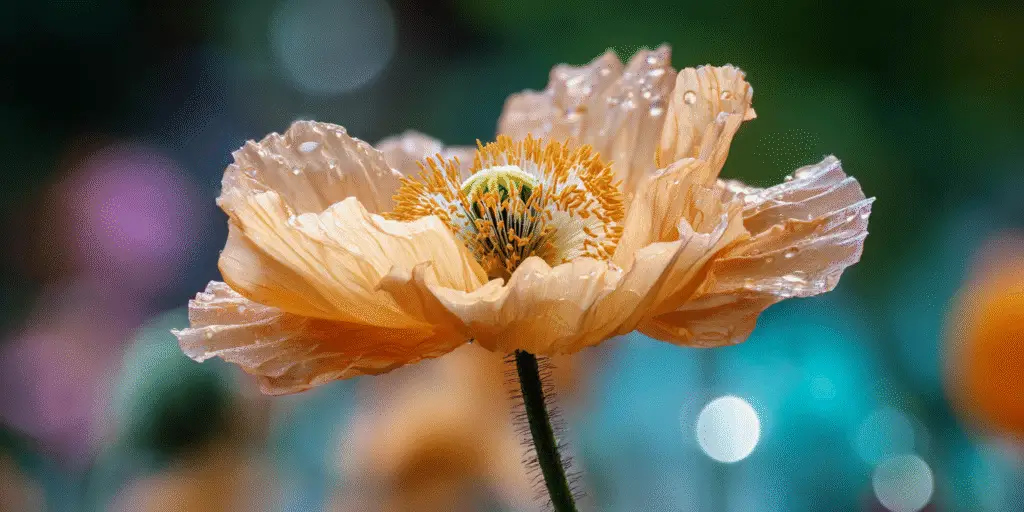
Poppies prefer moderate watering and are quite drought-tolerant once established. In fact, these plants do not like wet feet at all-soggy, waterlogged soil can quickly lead to root rot or fungal diseases. It’s best to grow poppies in conditions similar to those enjoyed by Mediterranean herbs like lavender: sunny and relatively dry. After planting or sowing, provide enough moisture for germination and initial growth. Young seedlings and newly planted perennials need consistently moist (but not waterlogged) soil until they establish roots. Once established, most poppies only require supplemental water during prolonged dry spells. As a rule of thumb, allow the top inch of soil to dry out between waterings. In spring, natural rainfall often suffices; in a dry spring, watering about once a week with a deep soak is beneficial. Avoid frequent shallow watering, which encourages surface roots. Instead, water deeply and infrequently to train roots to go deeper. Overwatering is a common mistake-excess water can cause tall poppy stems to flop and can foster mildew on the foliage. In high heat, adequate moisture can extend the blooming period a bit, but even then the soil should drain well. Many poppy species have taproots or otherwise efficient root systems for extracting water, and they can survive on scant rainfall. In summary, treat poppies as you would a xeric or semi-arid plant: they appreciate some moisture during active growth, but overall, they prefer the dry side to the wet.
🌍 Soil and pH
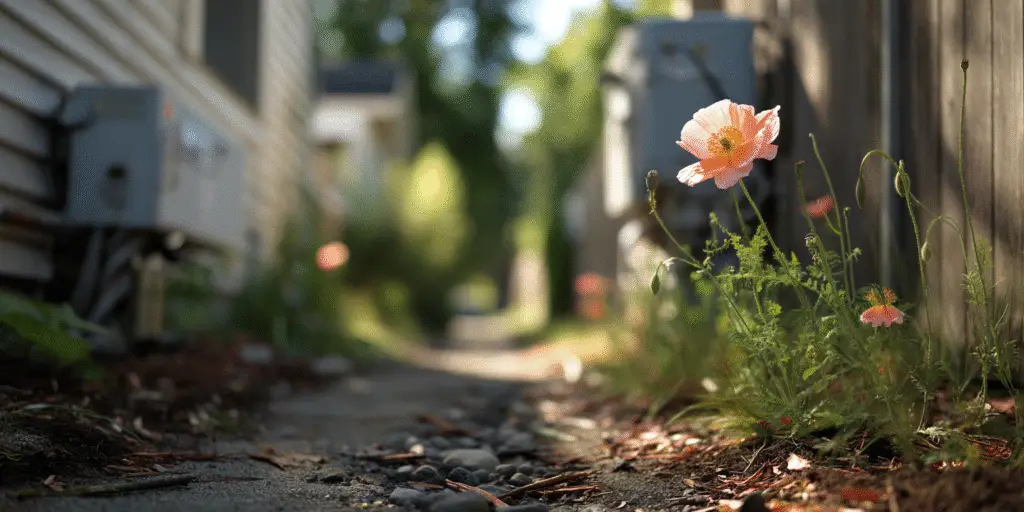
Good drainage is the most important requirement when it comes to soil for poppies. These flowers grow well in average garden soil and even poor, sandy or rocky soils, as long as excess water does not linger. Heavy clay soils that retain water can be fatal-if planting in clay, it’s advisable to amend the area with grit, sand, or organic matter to improve drainage, or plant on a slope or raised bed. Poppies are not particularly fussy about soil fertility; in fact, very rich soil with high nitrogen can lead to lush foliage but fewer flowers. A lean, well-drained soil mimics their natural habitats (like chalky fields or alpine slopes) and often yields more intense blooms. In terms of pH, poppies are adaptable. They generally prefer neutral to slightly alkaline soil conditions. Many wild poppies thrive in calcareous (lime-rich) soils and will tolerate garden lime additions. While they can grow in mildly acidic soil, extremely acidic environments are less suitable. In contrast to acid-loving plants like camellia that demand low pH, poppies usually perform better if the pH is around 6.5 to 7.5. If your soil is very acidic (below pH 6), incorporating some lime can create a friendlier environment for poppies. Overall, if you provide a patch of ground that is loose (well-tilled to accommodate their deep roots), not overly rich, and drains quickly, your poppies should be content. They often pop up in seemingly inhospitable spots-cracks in dry soil or gravel-attesting to their adaptability, but they truly shine in well-drained loam with a neutral pH.
❄️ USDA hardiness
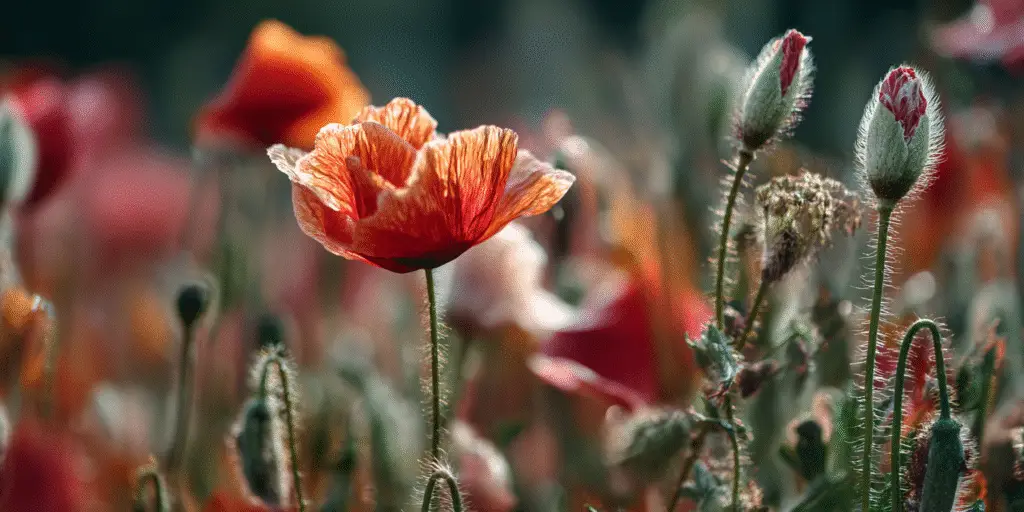
The cold and heat tolerance of poppies varies by species, but collectively they offer options for almost all USDA hardiness zones. Many Papaver species are quite cold-hardy. Perennial Oriental poppies, for example, are reliably hardy in Zones 3-7 (and even down to Zone 2 in some cases) – they easily survive freezing winters by dying back to their roots and resprouting in spring. Iceland poppies (Papaver nudicaule), though often grown as annuals, are perennial in cold climates and hardy to about Zone 2 as well; they can withstand harsh winters but dislike hot summers. Annual poppies such as P. rhoeas and P. somniferum don’t get rated by USDA zone for longevity (since they complete their life cycle in one season), but they can be cultivated in a broad range of zones. In practice, gardeners from Zone 2 up to Zone 10 can grow annual poppies by timing the sowing appropriately. In cold zones (2-6), poppy seeds are usually sown in early spring or even late fall (dormant seeding) so they germinate when weather warms, since these hardy annuals can survive light frosts. In warmer zones (7-10), it’s often best to sow poppies in late fall or winter so that they sprout and bloom during the mild part of the year before intense summer heat. Poppies generally prefer cool to mild conditions for germination and flowering. In very hot, humid zones (like 9b-10), some poppies may struggle or have a shorter season, but species like Papaver somniferum can still be grown in winter/spring. Overall, with suitable species available for climates across the spectrum, nearly any gardener can enjoy poppies. Just remember that perennial poppies will not thrive in tropical climates (they need a cold dormancy), and annual poppies will languish if the growing season is excessively hot and humid without a cooler period.
🌼 Propagation and longevity
Poppies are commonly propagated from seed, especially the annual types. Sowing poppy seeds is best done directly in the garden, as they have delicate root systems that do not transplant well. The seeds are extremely small (like grains of sand) and need light to germinate, so they should be scattered on the soil surface or only very lightly covered with a dusting of fine soil. In cool climates, seeds can be sown outdoors in early spring as soon as the soil can be worked; even a light frost will not harm germinating poppy seeds (in fact, freeze-thaw cycles can help break seed dormancy for some species). In mild winter regions, fall sowing is often recommended-seeds sprout with the winter rains and bloom in spring. Either way, keep the seedbed moist until seedlings emerge (which can take 10-20 days). Crowded seedlings can be thinned to give each plant space. While starting in pots is possible, careful handling is required; if growing transplants, use deep cells and transplant while small to avoid disturbing the fragile taproot. Longevity varies by species. Annual poppies like P. rhoeas and P. somniferum live only one growing season, but they tend to reseed themselves. If spent flowers are left to form seed pods, they will release hundreds of seeds that can sprout the next year. In this way, a stand of annual poppies can perpetuate for many years in the same spot, essentially naturalizing. They often intermingle well with other self-sowing flowers – for example, a cottage garden bed might soon have volunteer forget-me-nots, cosmos, zinnias, and poppies all popping up together each year. Perennial poppies like P. orientale can live for many years, sending up new growth each spring from a persistent root. Oriental poppies dislike being moved, but established clumps can be carefully divided in late summer after flowering, or propagated from root cuttings. To take root cuttings, one digs up a portion of the root (which is like a fleshy taproot), cuts it into segments a few inches long, and plants those in a sandy medium until they sprout new shoots. This method can clone named cultivars. Otherwise, Oriental poppies also can be grown from seed, though the seedlings may take 2-3 years to bloom and won’t be exact copies of the parent if it’s a hybrid. In summary, sowing seeds is the easiest way to propagate most poppies, and many will handle renewal themselves by self-seeding. Annual species persist through their seed bank (dried poppy seeds can remain viable in soil for years), while perennial species persist through their hardy root systems, sometimes outliving other perennials in the garden.
👃 Fragrance
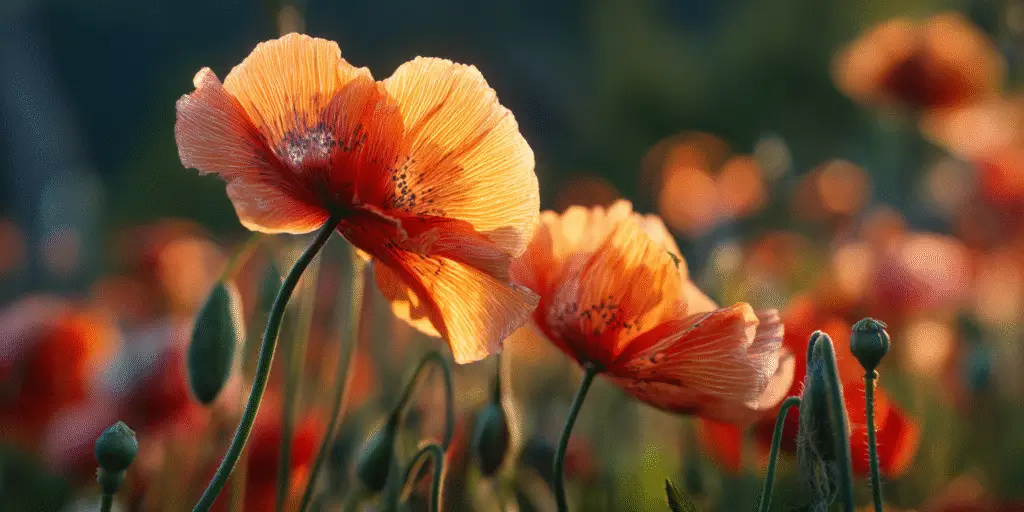
Despite their striking appearance, poppy flowers are not known for a strong fragrance. Most poppies have little to no detectable scent to human noses. When you bend down to a blooming poppy flower, you might notice a faint earthy or green smell from the pollen or sap, but there is no sweet or perfumed floral aroma as one might find in roses or lavender. The allure of poppies lies in their color and form rather than fragrance. Interestingly, because poppies produce abundant pollen but no nectar, they still attract bees and other pollinators – bees visit poppy blooms enthusiastically to collect protein-rich pollen. One could say the “scent” of a poppy patch is really the gentle hum of bees rather than any floral perfume. Gardeners who love poppies often pair them with other aromatic plants if fragrance is desired in a bed. The absence of scent in poppies is evolutionarily related to their pollination strategy: offering pollen as a reward instead of nectar and relying on visual signal (bright petals) rather than smell to draw in pollinators. In practical terms, this means you can cut poppy flowers for indoor enjoyment without worrying about overpowering fragrance; however, they also won’t add scent to bouquets.
⚠️ Toxicity and pet safety
All true poppies (Papaver species) contain alkaloid compounds that can be toxic if ingested by humans or animals. The opium poppy (P. somniferum) is the most notable, containing morphine, codeine, and related opiates in its sap; other poppies have similar compounds in lesser amounts. In pets, consumption of poppy plant material is dangerous. Cats and dogs, if they nibble on poppy pods, stems, or leaves, may exhibit symptoms of opioid poisoning – these can include lethargy or depression, unsteady walking, pinpoint pupils (in dogs) or dilated pupils (in cats), drooling, and even coma or respiratory depression in severe cases. All parts of the plant (green parts, sap, and seeds before they are dried) are considered toxic to pets, with the sap being especially potent. Fortunately, animals do not typically find poppies very palatable due to the bitter taste of the latex. Nonetheless, caution is advised: do not let pets or livestock graze among poppies. For households with curious pets or children, consider planting poppies in fenced areas or spots not easily accessed by them. Human poisoning from ornamental poppies is rare but possible – consuming raw poppy capsules or a large quantity of plant material can cause serious central nervous system effects. Poppy seed that is sold for culinary use (like the black seeds used on bagels and pastries) comes from Papaver somniferum, but those seeds are harmless when properly harvested and dried; they contain negligible alkaloids. It’s only the green parts and the milky sap of the plant that one must never ingest. In summary, poppies are best admired visually and left unchewed – they are beautiful but should be considered toxic to cats, dogs, and people if eaten.
🌿 Vase life
Cut poppy flowers are delicate and have a short vase life if not specially conditioned. Typically, a freshly cut poppy may only last 1-2 days in a vase before the petals fall, because the cut stem exudes a sticky white latex that can block water uptake. However, florists have techniques to extend the vase life of poppies up to about a week. The key is harvesting and handling. Poppies should be cut in the bud stage, just when the buds are starting to open and a sliver of petal color is visible (this is often called the “cracking bud” stage). Immediately after cutting the stem (preferably with a clean angled cut), the cut end should be cauterized to stop the flow of sap. This can be done by briefly flaming the cut end with a lighter or match for a few seconds, or dipping the stem end in boiling water for 10-20 seconds. Cauterizing seals the stem vessels and prevents the latex from leaking out, which in turn allows the stem to properly draw water once placed in a vase. After searing the ends, place the stems into a vase of clean warm water with floral preservative. With this treatment, poppies will continue to open their blooms and can last around 5-7 days, with Iceland poppies (P. nudicaule) being known for particularly impressive vase life when conditioned. It’s also important to remove the fuzzy outer casing from the bud (if it hasn’t already dropped) so the petals can unfurl. Refresh the water daily, as poppies prefer clean water. Even with the best care, remember that each individual flower is ephemeral – part of poppies’ charm is their fleeting beauty. As cut flowers they are finicky, but their vibrant color and form make them a prized addition to arrangements, even if briefly.
🐛 Pests and diseases
In the garden, poppies are relatively carefree but can occasionally face pest and disease issues. One common pest are aphids – these tiny sap-sucking insects often cluster on poppy stems and buds, especially the tender new growth, which can cause deformed flowers or stunted growth. A strong spray of water or a mild insecticidal soap can usually dislodge aphids if they appear. Slugs and snails are another culprit; they enjoy nibbling on young poppy seedlings or the foliage of Oriental poppies, particularly in damp conditions. Gardeners might notice ragged holes in leaves or missing seedlings due to slugs. Using slug bait or beer traps around young plants can help, as can keeping the area dry. In terms of diseases, fungal issues arise primarily when conditions are too moist or crowded. Poppies can suffer from downy mildew or powdery mildew on their leaves – downy mildew causes whitish patches on the underside of leaves in cool wet weather, while powdery mildew creates a white powdery coating in more humid, warm conditions. Good spacing for air circulation and avoiding overhead watering (which keeps leaves wet) will minimize these problems. Another disease is botrytis (gray mold), which may attack petals and stems in prolonged wet weather, causing a fuzzy gray rot; removing and destroying affected plant parts is the best response. There are also viral diseases (often spread by aphids) that can cause mottled or distorted foliage in poppies, but virus-infected plants should simply be removed since cures are not available. On the positive side, poppies are deer-resistant – the same compounds that make them toxic render them unappetizing to deer and rabbits, so those garden pests typically leave poppies alone. Overall, ensuring poppies are grown in well-drained soil with plenty of sun and not overwatering will prevent most issues. A healthy poppy plant can usually outgrow minor pest damage and will reward you with its resilient bloom.

FAQ
Are poppies annuals or perennials?
Poppies can be either annual or perennial, depending on the species. Many popular garden poppies are annuals – for example, the corn poppy (Papaver rhoeas) and the opium poppy (Papaver somniferum) complete their life cycle in one season (sprouting, blooming, and setting seed). These will not regrow from the same plant the next year, but they often reseed themselves. On the other hand, some poppies are true perennials. The Oriental poppy (Papaver orientale) is a herbaceous perennial that comes back from the roots every year and can live for many years. Another example, the Iceland poppy (Papaver nudicaule), is a short-lived perennial often grown as an annual or biennial in gardens. In summary, you’ll find both types: annual poppies give quick color and often self-sow, while perennial poppies establish longer-term clumps. Gardeners often mix the two for extended poppy displays.
When is the best time to plant poppy seeds?
The optimal time to sow poppy seeds depends on your climate. Generally, poppy seeds prefer to germinate in cool weather. In cold winter regions (USDA zones 2-7), the best time is early spring, as soon as the soil can be worked – often even a few weeks before the last frost. You can sprinkle the tiny seeds on the soil surface; they will germinate as temperatures rise but while nights are still cool. Some cold-area gardeners also sow in late fall (after hard frosts begin) – the seeds lie dormant over winter and sprout once conditions are favorable in spring. In milder winter climates (zones 8-10), fall and winter are ideal for planting poppy seeds. Sowing seeds in fall (around October or November) allows them to germinate with winter rains and establish during the cool season, leading to spring blooms. If you miss fall planting, you can also sow in late winter (January or February) in these regions. Poppy seeds need light to germinate, so do not cover them deeply – just press them into moist soil. Water gently to avoid washing them away. Within a couple of weeks (longer in cold soil), you should see tiny seedlings. By timing your planting this way, you align with poppies’ natural preference for starting in cool conditions. Avoid sowing seeds in the heat of summer; they will rarely germinate well or thrive then.
Will poppies reseed and come back each year?
Yes, many poppies will readily reseed themselves, often giving the impression that they are coming back annually. Annual poppies in particular are prolific seed producers. After the flowers fade, poppies form seed pods (capsules) filled with dozens or even hundreds of tiny seeds. When those pods dry and split (or are jostled by wind), the seeds scatter around the parent plant. If the conditions are right, those seeds will lie dormant until the next suitable germination period (often the following late fall or spring) and then sprout. In a garden where soil is occasionally disturbed or there’s open ground, you might find poppy seedlings appearing year after year without replanting. This self-seeding behavior is how corn poppies famously recolonize fields each year. Perennial poppies, on the other hand, don’t need to reseed to return – the same root will send up new growth every spring. However, they too can drop seeds that start new baby plants nearby. If you want poppies to reseed, allow the seed pods to fully mature and release their seeds; avoid heavy mulching (which can prevent seeds from reaching soil) and be cautious with weeding so as not to yank out seedlings that emerge. Conversely, if you wish to control self-sowing, you should deadhead the plants (remove spent flowers) before seeds ripen. Gardeners often welcome the spontaneous return of poppies – a handful of initial plants can turn into a charming colony over time.
Are poppies deer resistant?
Yes, most poppies are considered deer resistant. Deer and rabbits tend to avoid feeding on poppy plants, likely because of the unpalatable and potentially toxic milky sap that poppies produce. Poppy foliage has a bitter taste and the presence of alkaloids (the same compounds that make parts of the plant poisonous) acts as a natural deterrent. In areas with high deer pressure, gardeners have found that poppies are usually left untouched even when other flowers get browsed. Do note that “deer resistant” doesn’t mean “deer proof” – a very hungry deer will try eating almost anything – but poppies are certainly low on their preference list. Planting poppies can be a good strategy to add color to gardens frequented by deer. Additionally, the fuzzy, bristly texture of some poppy stems and leaves (like those of Oriental poppies) may also discourage grazing. So, in summary, you can generally count on poppies to thrive in deer-populated areas without special protection, making them a valuable addition to wildlife-resistant garden plans.
Can I grow poppies in containers or pots?
It is possible to grow poppies in containers, but there are some challenges to consider. Poppies typically have long taproots (especially the perennial and larger annual types), which makes them a bit unhappy in shallow pots. If you want to try container cultivation, choose a deep pot to accommodate root growth. Annual poppies like Papaver somniferum (breadseed poppy) and Papaver rhoeas can be grown in pots because they will live their whole life in the container; just be sure the pot has good drainage and is at least 8-12 inches deep. It’s best to direct-sow the seeds into the final container, because transplanting poppies can be tricky – they don’t like their roots disturbed. Sow a pinch of seeds on the soil surface, keep it moist, and thin the seedlings so each has space once they sprout. Perennial poppies (like Oriental poppies) are generally not well-suited to long-term container life; they develop extensive root systems and also have a summer dormancy period where the foliage dies back, which can be messy in a pot. If you do grow a perennial poppy in a pot, use one that is very deep (such as a tree pot or whiskey barrel) and provide winter cold as needed (they need a chill period). Remember that container-grown plants dry out faster, so you’ll need to water potted poppies more frequently, but lightly – never let them sit in saucers of water. With attentive care, you can enjoy poppy blooms on a patio or balcony, but many gardeners find they perform better in the ground.
Is it legal to grow opium poppies (Papaver somniferum) in the United States?
The legal status of opium poppies in the U.S. is a bit complicated. Papaver somniferum is the species from which opium is derived, and opium (and its derivatives like morphine and heroin) is a controlled substance. According to federal law, it is technically illegal to cultivate opium poppies with the intent to produce opiates. However, the seeds of Papaver somniferum are sold openly by many seed companies for ornamental and culinary use, and thousands of gardeners grow these poppies for their beautiful flowers and seeds (which are used in baking) without any legal trouble. In practice, law enforcement does not target hobby gardeners growing small quantities of opium poppies as flowers. The key issue is intent – if one were obviously growing vast fields of poppies or actively harvesting opium latex, that would be illegal. For the average person planting a patch of breadseed poppies for aesthetics or seed saving, it is generally tolerated. It’s worth noting that other poppy species (like Papaver rhoeas or Papaver orientale) are not subject to any special restrictions and can be grown freely. So while the letter of the law puts P. somniferum in a gray area, in practice you can find its seeds in garden centers and it’s grown in ornamental gardens across the country. Always source seeds from reputable suppliers and enjoy the plants purely for their flowers and seedpods. If you have concerns, you can also consult local regulations, but for small-scale gardening, opium poppies are commonly grown as part of the horticultural palette.
Interesting tips
Poppies have woven themselves into human culture and ecology in fascinating ways. The red corn poppy, for example, became a powerful symbol of remembrance after World War I – it was observed blooming on battlefields (famously celebrated in the poem “In Flanders Fields”), and today red poppies are worn in memory of fallen soldiers in many countries. An interesting ecological fact behind that symbolism is that poppy flower seeds can lie dormant in soil for decades and germinate en masse when the ground is disturbed (such as by trench digging or plowing), hence the sudden flush of poppies after battles. In the realm of celebration, the poppy is also known as an August birth flower by month. Alongside the gladiolus, the poppy represents the month of August in the language of flowers, symbolizing imagination, eternal sleep, and remembrance. Gardeners might be surprised to learn how tiny poppy seeds are – a single dried seedpod can contain thousands of dust-like seeds, allowing a few plants to reseed an entire area with ease. Those seeds have culinary uses too: the familiar blue-black poppy seeds on bagels and muffins come from Papaver somniferum. They impart a mild nutty flavor and are rich in oil. Historically, poppies have been associated with sleep and peace (due to their sedative properties – think of the magical poppy field in The Wizard of Oz that put characters to sleep). Lastly, in garden design, don’t hesitate to mix poppies with other cottage garden favorites. Their vivid colors and nodding heads look lovely alongside flowers like cosmos and forget-me-nots in a wildflower patch, or rising through a low carpet of greenery. And when Oriental poppies die back in summer, you can have companions such as daylilies or baby’s breath fill the gap. With their rich history, easy reseeding, and striking looks, poppies bring a special charm wherever they grow.
Related Guides & Flowers
- Cornflowers Centaurea
Short description
Classic meadow partner for red poppies with blue disk blooms, loved by pollinators in informal borders and wildflower style plantings. - Love in a Mist Nigella
Short description
Airy foliage, papery seed pods and self sowing habit that works well in the same cottage style beds and naturalistic mixes as poppies. - Anemone coronaria and relatives
Short description
Bold cup shaped blooms on slender stems that give a similar graphic look in spring borders and are popular in cut flower arrangements with poppies. - Ranunculus asiaticus
Short description
Layered tissue like petals in bright colors that echo the showy effect of poppies in cool season beds and florist bouquets. - Calendula Pot marigold
Short description
Easy annual with orange and yellow daisy flowers that fit the same informal, bee friendly style and often appear in seed mixes with poppies. - Cosmos bipinnatus
Short description
Tall, fine foliage annual that gives a light, dancing effect above meadow plantings and combines well with poppies in relaxed summer borders. - Zinnias
Short description
Strong warm colors and long blooming season, useful when gardeners want the same high impact color as poppies but later in the season.
References
- Seed Poppy in the Garden Utah State University Extension
Practical guide for Papaver somniferum in home gardens with details on sowing time, spacing, soil needs and general culture. - Papaver orientale profile North Carolina State Extension Gardener Plant Toolbox
Botanical and horticultural profile of Oriental poppy including size, growing conditions and a clear note that the plant is poisonous to humans and pets with low severity. - Poppy historical and medicinal uses University of California Davis Nutritional Geography
Overview of traditional uses of poppies, including sedative properties of capsules and leaves and historical medicinal preparations, useful for a short, careful history section. - Common Poisonous Plants Cornell Cooperative Extension bulletin
Extension bulletin that lists ornamental and wild plants with toxic properties, including members of the poppy family, with general guidance on toxicity levels for people and livestock.
Written by: Your Flowers Guide editorial team
We are a small independent group of flower lovers who research and review each guide using trusted horticultural and educational sources. Learn more about us