
in bloom
now
through Sep
Bloom calendar
Lemon Queen
Annual sunflower cultivar
At‑a‑glance
- Group/Class: Annual sunflower cultivar
- Height × spread: 5-7 ft × 2-3 ft (1.5-2.1 m × 0.6-0.9 m)
- Bloom window: mid summer to fall
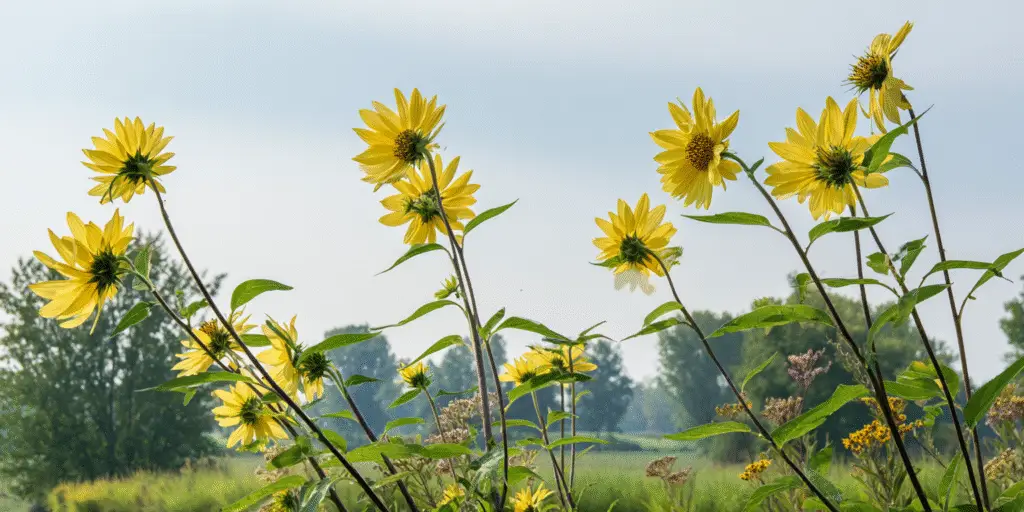
- Color & flower form: single lemon yellow rays with dark disk; 4-6 in (10-15 cm)
- Fragrance: 1 trace
- USDA hardiness: grown as annual in all USDA zones
- Breeder / Year / Origin: unknown
- Cut‑flower notes: many medium stems suitable for vases; typical vase life 6-12 days in clean water depending on cultivar and care
- Pet safety: safe
How it differs
- Lemon yellow color instead of golden orange
- Freely branching habit with numerous medium blooms
- Selected and used for pollinator observations
Strengths
- Prolonged bloom period
- Attractive to bees and other beneficial insects
- Reliable performance in average garden soils
Care in one minute
Site: full sun
Soil: well‑drained soil with a slightly acidic pH of 6.0 to 6.8
Water: deep, regular watering during dry spells
Feeding: avoid high nitrogen to limit floppy growth
Pinch: pinch once at 8-12 in tall to encourage branching
Overwintering: not applicable; warm‑season annual in North America
Watch‑outs
- Flowers can appear smaller in hot, dry weather
- Birds take seeds as they mature
Best uses (tags)
Provenance note
Listed by the Royal Horticultural Society and adopted by the Great Sunflower Project for pollinator counts; specific breeder details are not confirmed.
References
- RHS: Helianthus annuus ‘Lemon Queen’
- UC Master Gardeners of Santa Clara Co.: Lemon Queen annual sunflower (event listing height note)
- UMN Extension: Sunflowers
- ASPCA: Sunflower non‑toxic to pets
Similar Flowers
Enjoying our flower guides? Add YourFlowersGuide as a preferred source on Google. It helps more readers find us.
Add to Preferred Sources