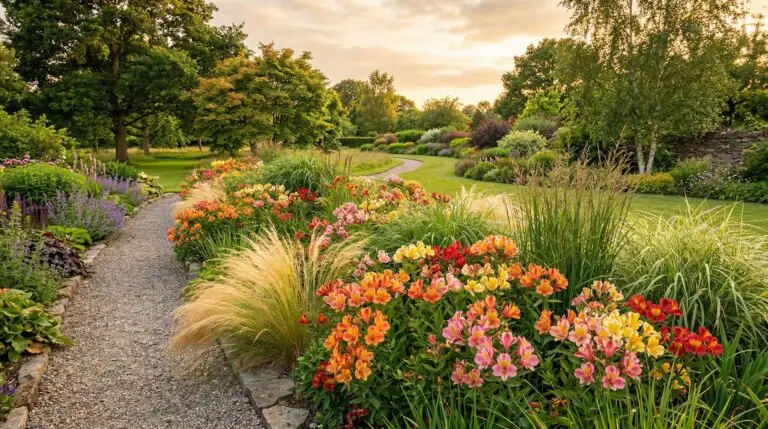
High in the cool, mist-shrouded altitudes of the Andes mountains, a distinctly patterned flower grows wild among the rocky slopes of Chile and Peru. Indigenous populations of South America knew these blooms long before European botanists arrived, recognizing them as a reliable marker of the changing Andean seasons. In the middle of the eighteenth century, a Swedish baron and naturalist named Clas Alströmer traveled to South America to collect plant specimens for study. He gathered the seeds of this resilient mountain bloom and sent them back across the Atlantic to his mentor, the famous taxonomist Carl Linnaeus. Linnaeus formally classified the plant in his botanical registry and named it Alstroemeria to honor his close friend and former student. This simple act of naming permanently tied the flower to the concept of mutual respect and enduring camaraderie. The plant eventually earned the common name Peruvian lily. It is not a true lily, belonging instead to its own distinct botanical family called Alstroemeriaceae.
The botanical journey from the Andes to Europe
The arrival of Alstroemeria seeds in Europe sparked intense interest among eighteenth-century botanists and wealthy estate owners who sought rare exotic specimens. Cultivating a plant accustomed to the specific atmospheric pressures and cool nights of the Andes proved difficult in the heavy, damp soils of northern Europe. Gardeners had to replicate the precise drainage and temperature fluctuations of the South American mountains within their newly constructed glasshouses. They learned to plant the fleshy, tuberous roots deep enough to protect them from winter frost while allowing the flowering stems to reach toward the filtered sunlight. These early horticultural experiments formed the foundation for how we grow the flower in domestic gardens today. Modern hybridizers still use variations of the same approach developed centuries ago to encourage stronger stems and larger, more prolific blooms. The successful adaptation of the Peruvian lily from wild mountain slopes to controlled European gardens marked a significant achievement in the history of global plant exchange.
The anatomy of friendship and twisted leaves
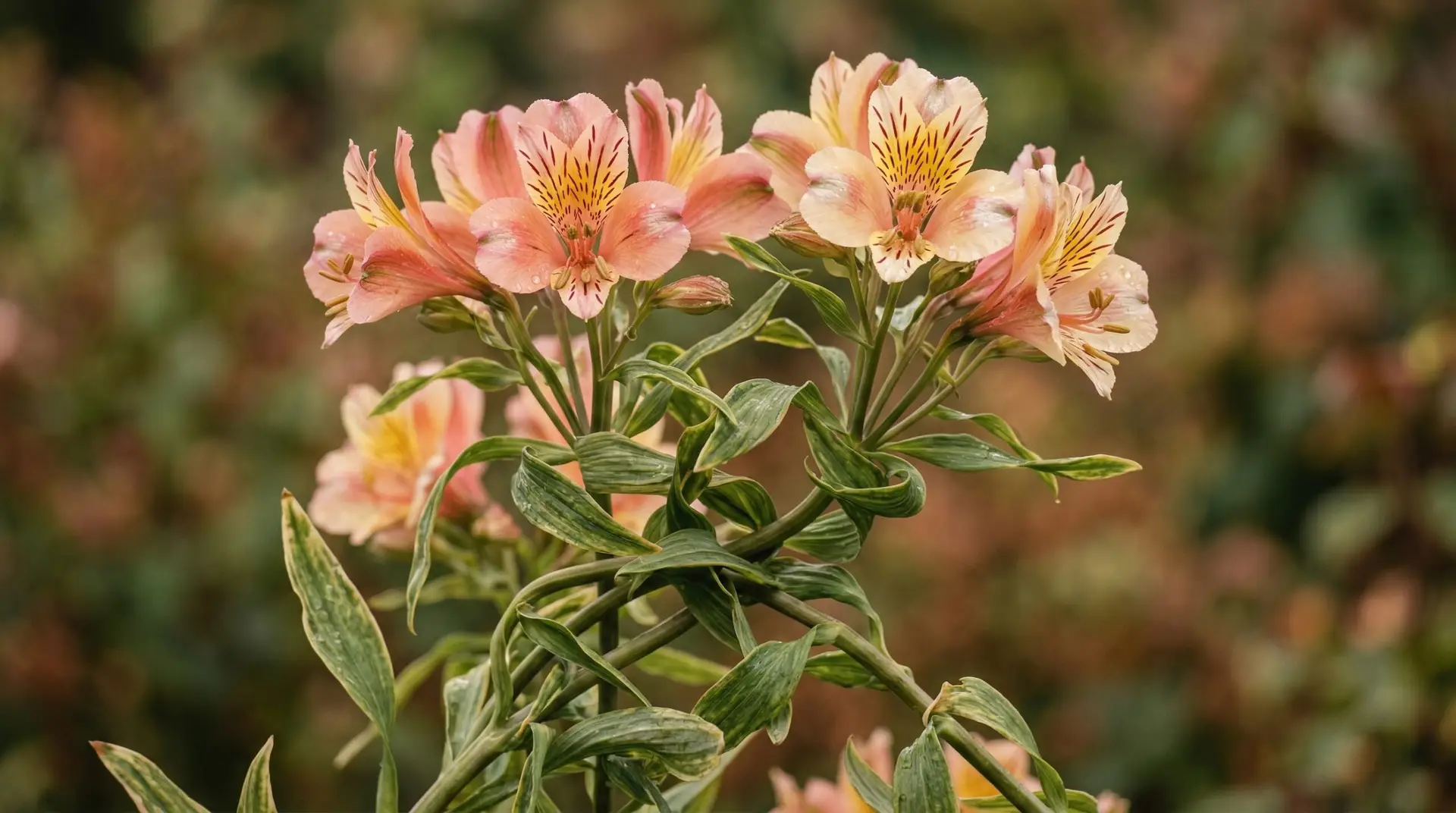
The alstroemeria meaning centers entirely on an unusual botanical trait that occurs as the plant grows toward maturity. The leaves of the Peruvian lily exhibit a characteristic called resupination, where they sprout from the stem, twist entirely upside down, and then point upward toward the sky. Cultural historians and florists adopted this physical twisting as a direct metaphor for the complicated nature of long-term friendship. The inverted leaves represent the unexpected changes, difficult trials, and inevitable shifts that two people experience over years of knowing one another. Because the leaf ultimately rights itself and continues growing upward, the flower communicates resilience, forgiveness, and steady support. While a deep red rose carries the heavy weight of romantic passion, the Alstroemeria offers a different kind of devotion entirely. It serves as the definitive friendship flower, given to celebrate platonic bonds that survive geographical distance, passing time, and personal hardship.
Nectar guides and Victorian floral communication
Beyond the twisting leaves, the inner petals of the Alstroemeria feature distinct dark spots and flecks that carry their own historical significance. In the wild, these dark streaks act as nectar guides, directing native South American bees and hummingbirds toward the center of the flower for pollination. As the flower entered the European language of flowers during the nineteenth century, these spots took on a new symbolic meaning among the upper classes. Victorian florists interpreted the individual flecks as representing the diverse shared experiences, inside jokes, and individual memories that make up a close relationship. No two Alstroemeria flowers have the exact same pattern of spots, just as no two friendships develop in the exact same way. This biological individuality made the Peruvian lily a highly personalized gift during an era when floral communication was strictly regulated by social etiquette. The physical traits of the flower perfectly matched the human desire to express unique, individualized affection toward a companion.
Color meanings and cultural interpretations
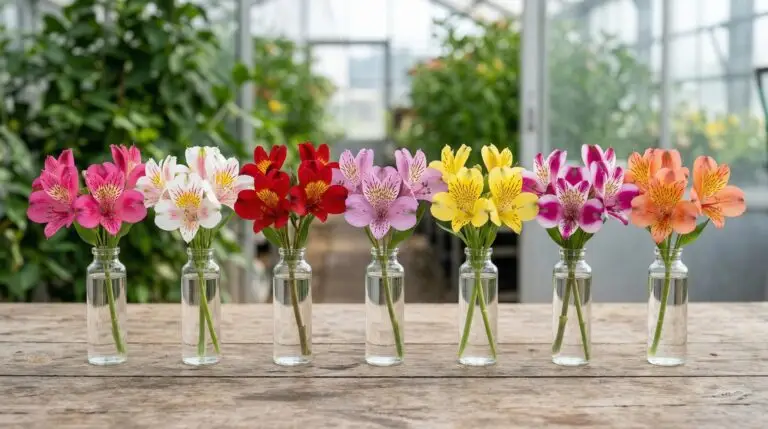
The symbolism of the Peruvian lily shifts depending on the specific color of the petals, drawing on both its native heritage and later European traditions. Yellow and orange varieties hold deep roots in the visual language of the Andes, where these warm colors represented the life-giving power of the sun and the changing of the seasons. In modern floral traditions, these bright blooms communicate active energy, joy, and encouragement for a friend facing a new life chapter or career change. Pink Alstroemeria carries a message of gentle affection and playful warmth without the complicated expectations of romantic love. White blooms represent pure, platonic devotion and are often given during times of grief to offer quiet, steadfast support to a grieving friend. This nuanced language of platonic love mirrors the cultural weight given to the chrysanthemum in many Asian societies, where specific flowers are cultivated specifically to honor friendship and loyalty. By selecting the right color, the giver communicates a highly specific message of solidarity that goes beyond generic well wishes.
Economic history and modern presence
The transition of Alstroemeria from a botanical curiosity to a staple of the global floral trade occurred primarily in the twentieth century. Dutch breeders recognized the commercial potential of the flower because of its extraordinarily long vase life, which often exceeds two weeks after cutting. They spent decades cross-pollinating the winter-growing Chilean species with the summer-growing Peruvian species to create robust hybrids that bloom year-round. This economic history reinforced the cultural meaning of the flower, as its physical endurance in a vase perfectly matched its symbolic association with lasting friendship. Today, these resilient blooms grow in massive commercial greenhouses around the world, yet they retain the characteristic spotted petals that evolved to attract specific South American mountain bees. The history of the Peruvian lily demonstrates how a wild Andean plant became an international symbol of human connection. Every bouquet gifted between friends today carries the legacy of eighteenth-century explorers, dedicated botanists, and the enduring nature of the flower itself.
More About Alstroemeria
Best alstroemeria varieties for cutting gardens that bloom all summer long
How to make alstroemeria last longer in a vase than almost any other cut flower
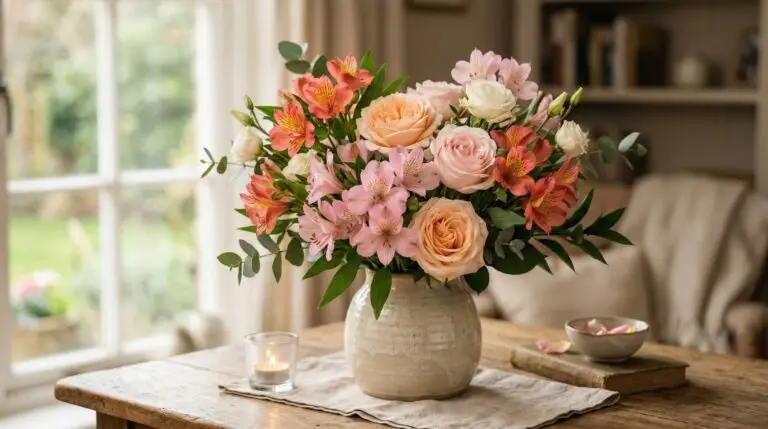
Stunning alstroemeria color combinations for mixed flower arrangements
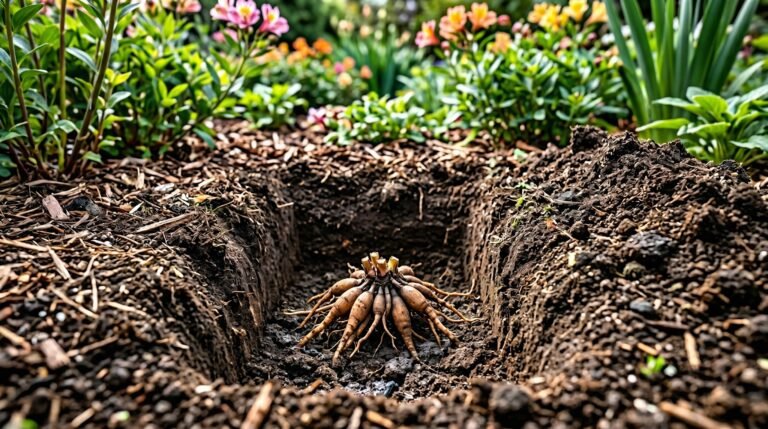
Growing alstroemeria from tubers in your garden for endless summer blooms
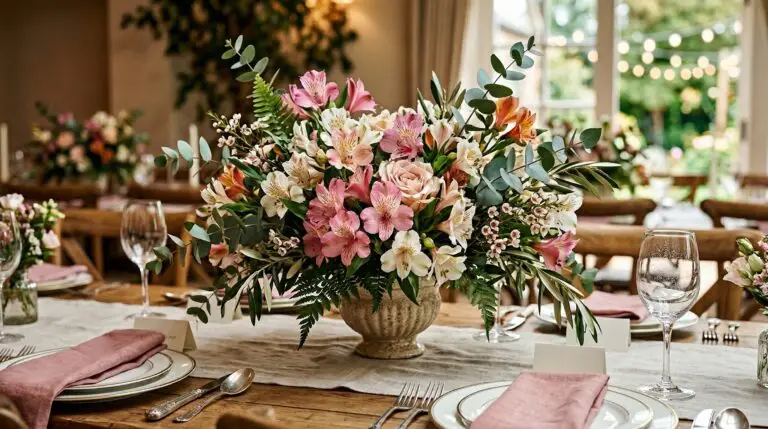
Alstroemeria wedding flowers and why florists love working with them
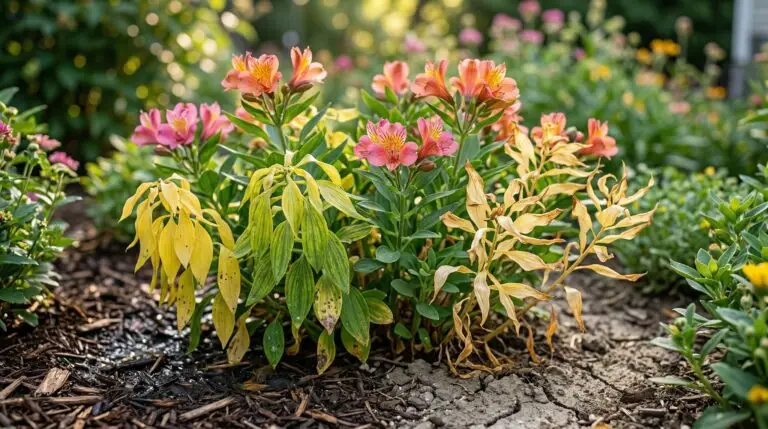
Why alstroemeria leaves turn yellow and how to bring your plant back to health
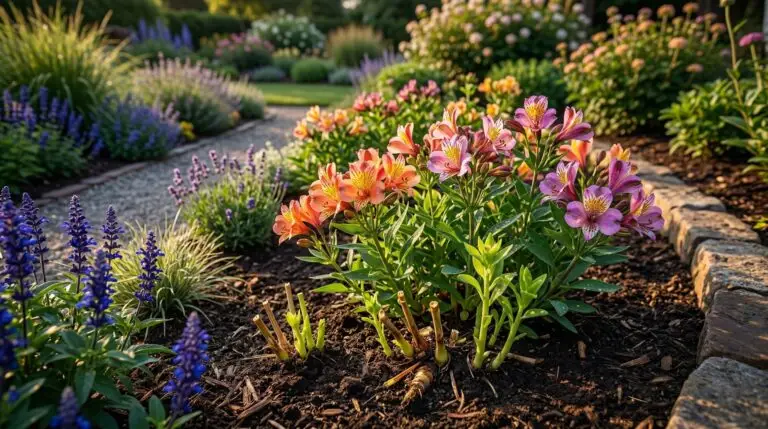
How to deadhead and pull alstroemeria stems the right way for more flowers
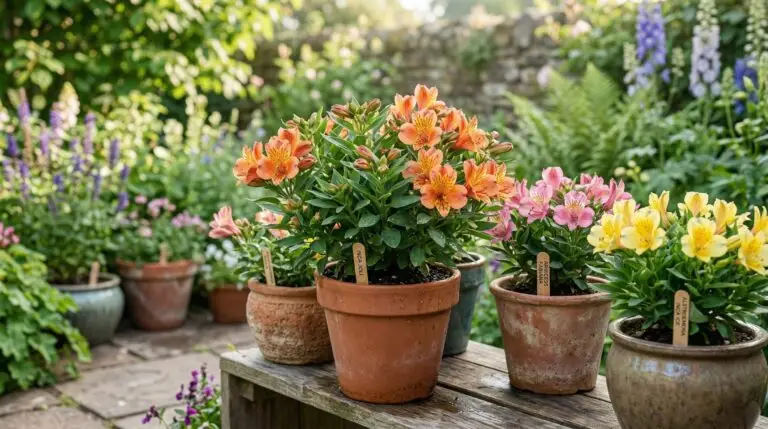
How to grow alstroemeria in containers on a balcony or small patio