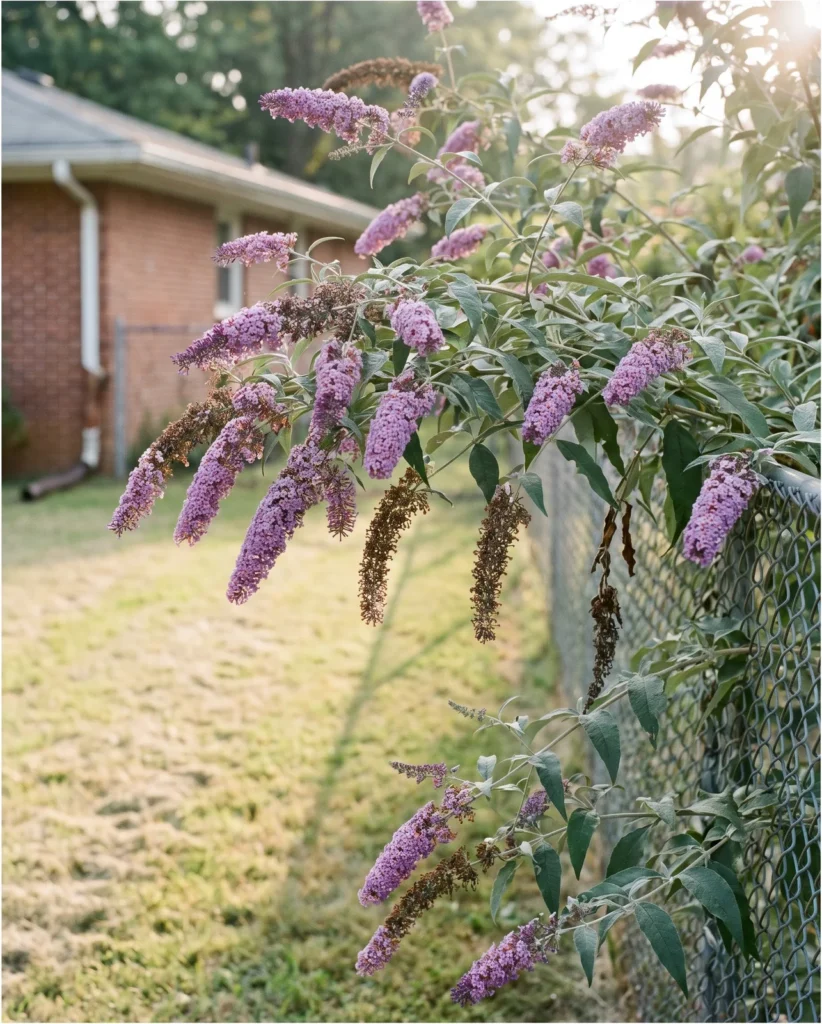
What butterfly bush is and where it came from
Butterfly bush is a fast-growing deciduous shrub from China, prized for fragrant flower spikes that bloom from summer into fall. Gardeners often call it buddleia, and tags still carry older names like summer lilac and orange eye. It forms a large shrub with arching branches that can reach fifteen feet, cane-like stems, and opposite leaves with felted gray undersides. That rapid growth brings high maintenance, and the plant spreads easily from both seeds and stem cuttings. It first reached North America from southwestern China around 1900, at the start of the 20th century.
The botanical name is Buddleja davidii, honoring Armand David, the naturalist and missionary who sent plant specimens from China to Europe. It was long placed in the Buddleja family, but now belongs to the figwort family, Scrophulariaceae. Its wild home covers Tibet and north-central, south-central, and southeastern China, or extends into Japan. Wild blooms are small and tubular, lilac with an orange throat, clustered in spikes 4 to 10 inches long. Garden breeding has expanded that palette well beyond the wild purple, adding at least fourteen flower colors including red, orange, yellow, blue, lavender, magenta, maroon and white.
The other shrub sold as butterfly bush
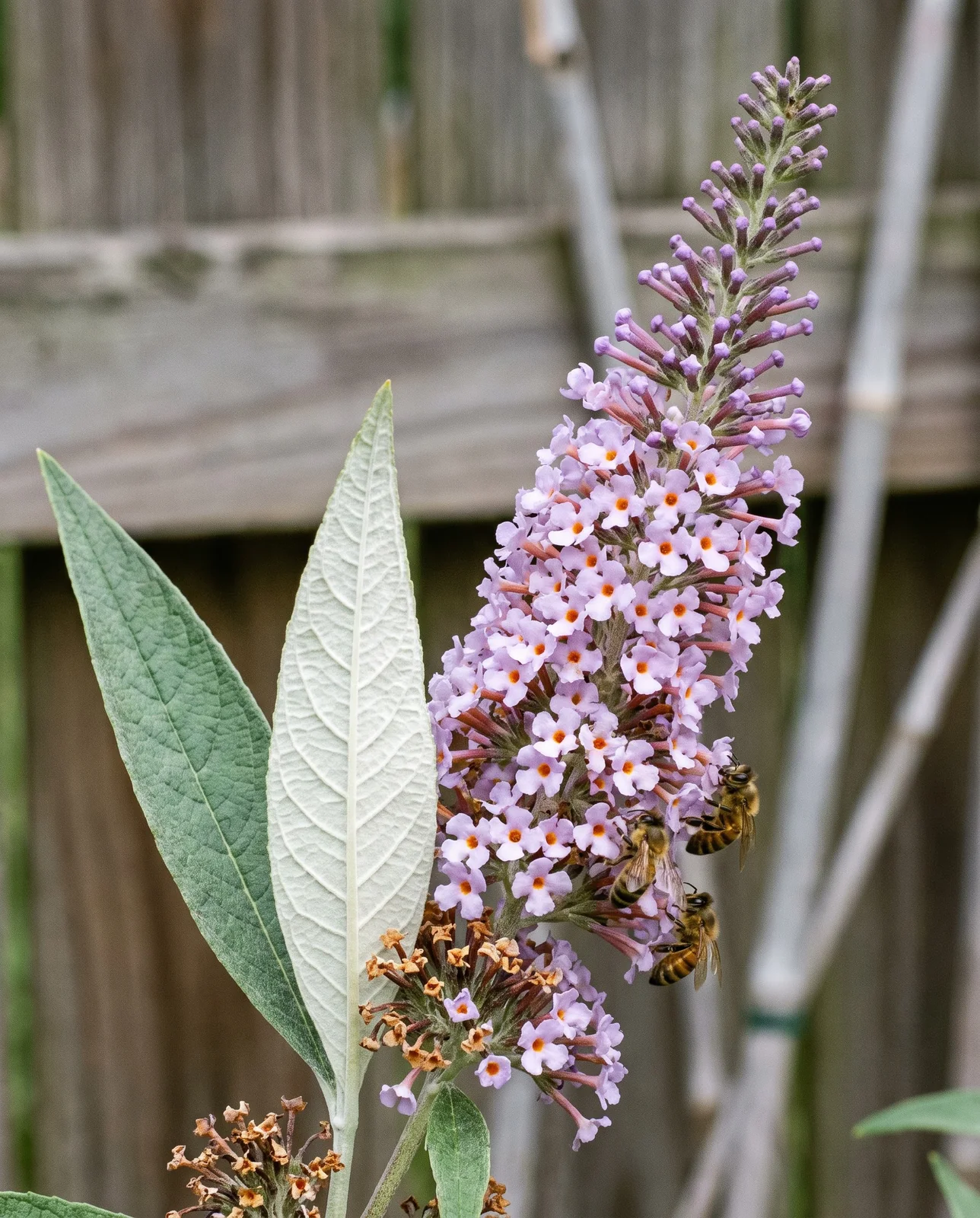
Not every shrub sold as butterfly bush is a Buddleja. You may also see Rotheca myricoides 'Ugandense' sold as blue butterfly bush. Blue glory bower is another accepted common name for it. Botanists first called it Clerodendrum ugandense, then Clerodendrum myricoides 'Ugandense'. In 1998, DNA studies led them to rename it Rotheca myricoides 'Ugandense'.
In the garden, the two plants look and act very differently. Rotheca belongs to the mint family, Lamiaceae, and is native to East Africa. It is a broadleaf evergreen that keeps its leaves all year. Its flowers are blue and purple, followed by black fleshy fruit in fall. It grows 6 to 10 feet tall and 2 to 3 feet wide, much narrower than Chinese butterfly bush. Winter cold marks the biggest difference, as Rotheca is hardy only in zones 9b through 11b. Check the tag on the plant to be sure: Clerodendrum or Rotheca marks the African bush, while Buddleja identifies the Chinese species.
Why people call butterfly bush a problem
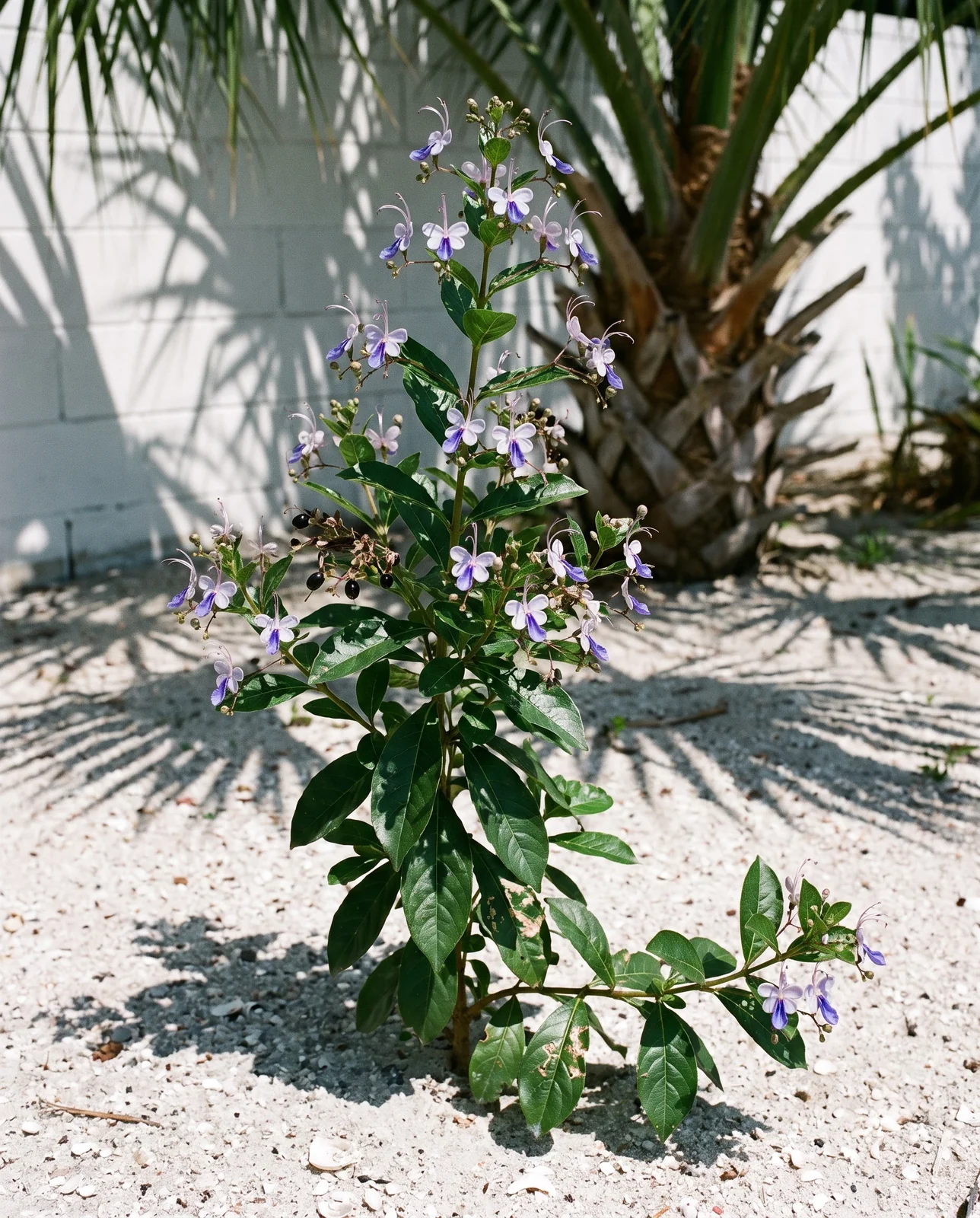
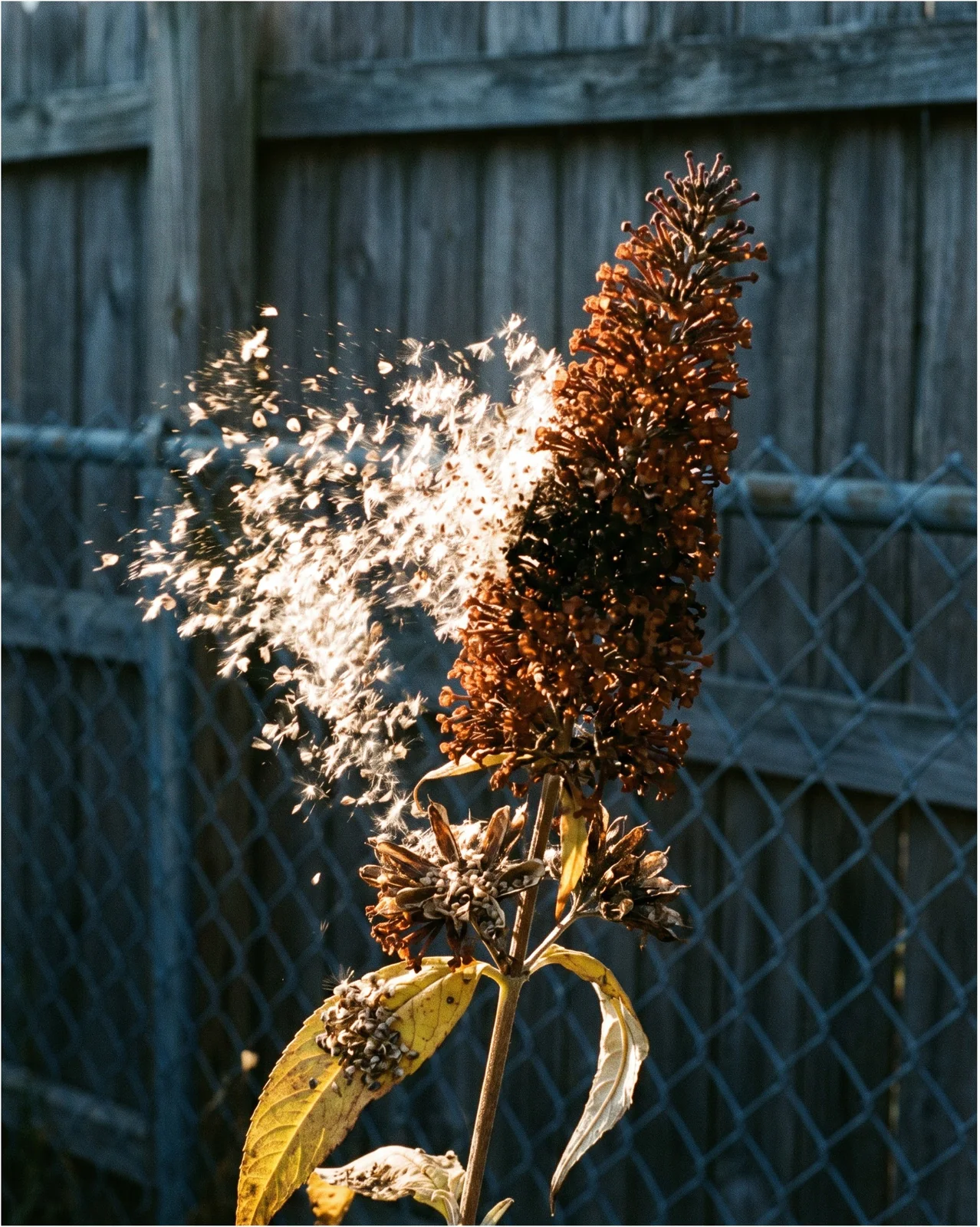
The main trouble with butterfly bush is how much seed it makes and how fast it spreads. The plant produces heavy crops of viable seed that blow easily into disturbed soil and wild places. A single flower spike can drop as many as 40,000 seeds, which can stay viable in the soil for 3 to 5 years. Over a full season, one shrub can set up to three million winged seeds. Young seedlings grow fast, gaining about 20 inches of height in a year while stems thicken by roughly 0.4 inches.
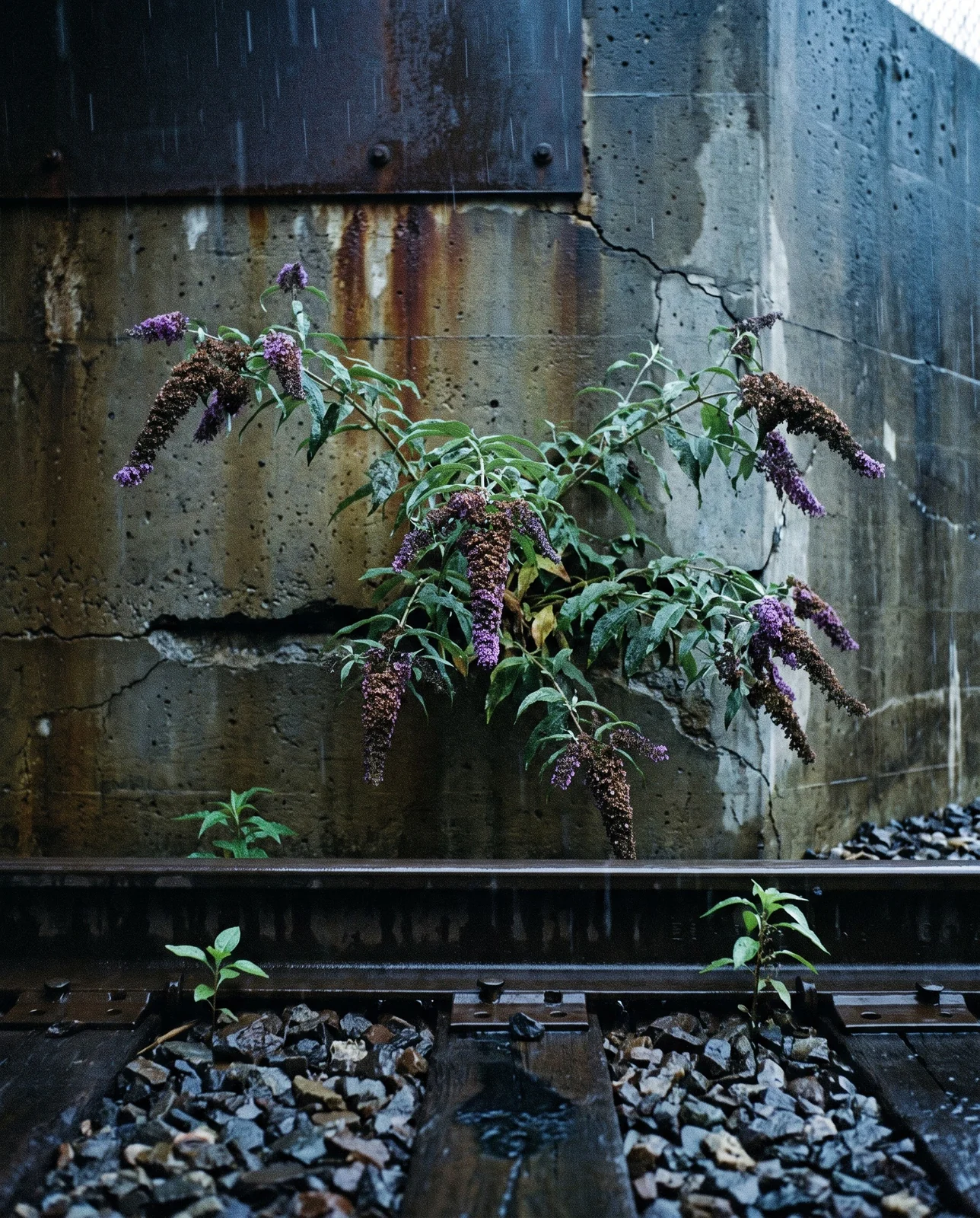
Those seedlings quickly take hold where native plants struggle. The shrub readily moves into roadsides, pastures, fields, and logged or burned woods, forming thickets along riverbanks that crowd out native willows. It also grows in spots with almost no soil at all, rooting into pavement cracks, railroad gravel, bridge abutments, and dry river cobble.
Butterfly bush has escaped gardens and naturalized across the eastern United States, as well as in Washington, Oregon, California and Hawaii. Aggressive spreading appears in Pennsylvania, New Jersey, West Virginia, Kentucky and North Carolina. In Maryland, the shrub was found in four counties in 2019 and spread to twelve by 2025. It is also established across southeastern Pennsylvania and in three counties of northern Virginia. It has invaded Redwood National Park in California and covers the Mountain and Piedmont areas of North Carolina. In New Zealand, damage to commercial forestry is estimated between $0.5 and $2.9 million from control costs and lost wood. As entomologist Doug Tallamy noted, where the shrub has not established yet, it probably will.
Where its sale is restricted
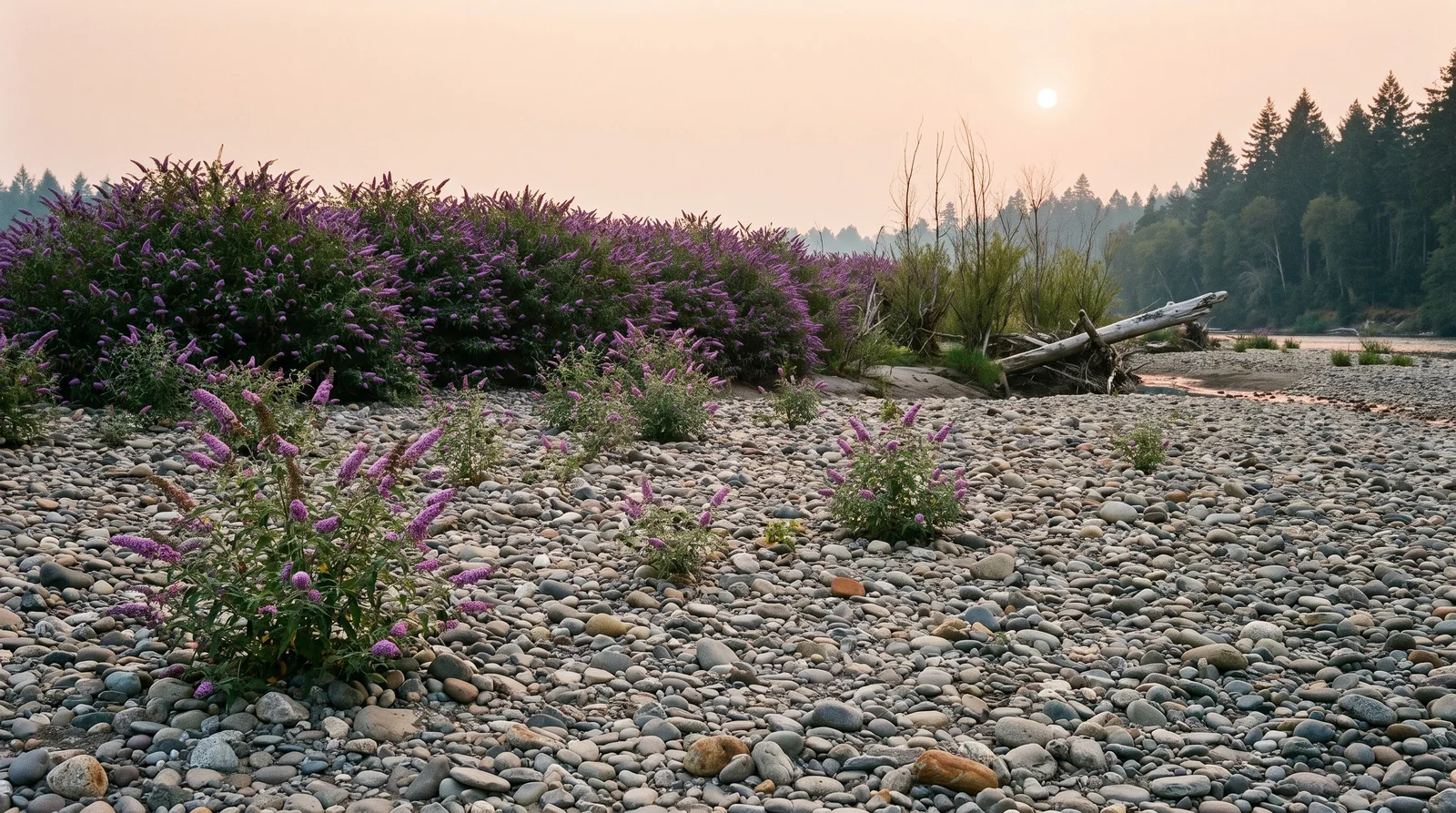
Washington and Oregon ban the sale of unapproved butterfly bush, while policies in other states are advisory and carry no legal penalty. The difference comes down to whether a state has set a quarantine or an educational watch list.
Nectar for the adults, nothing for the caterpillars
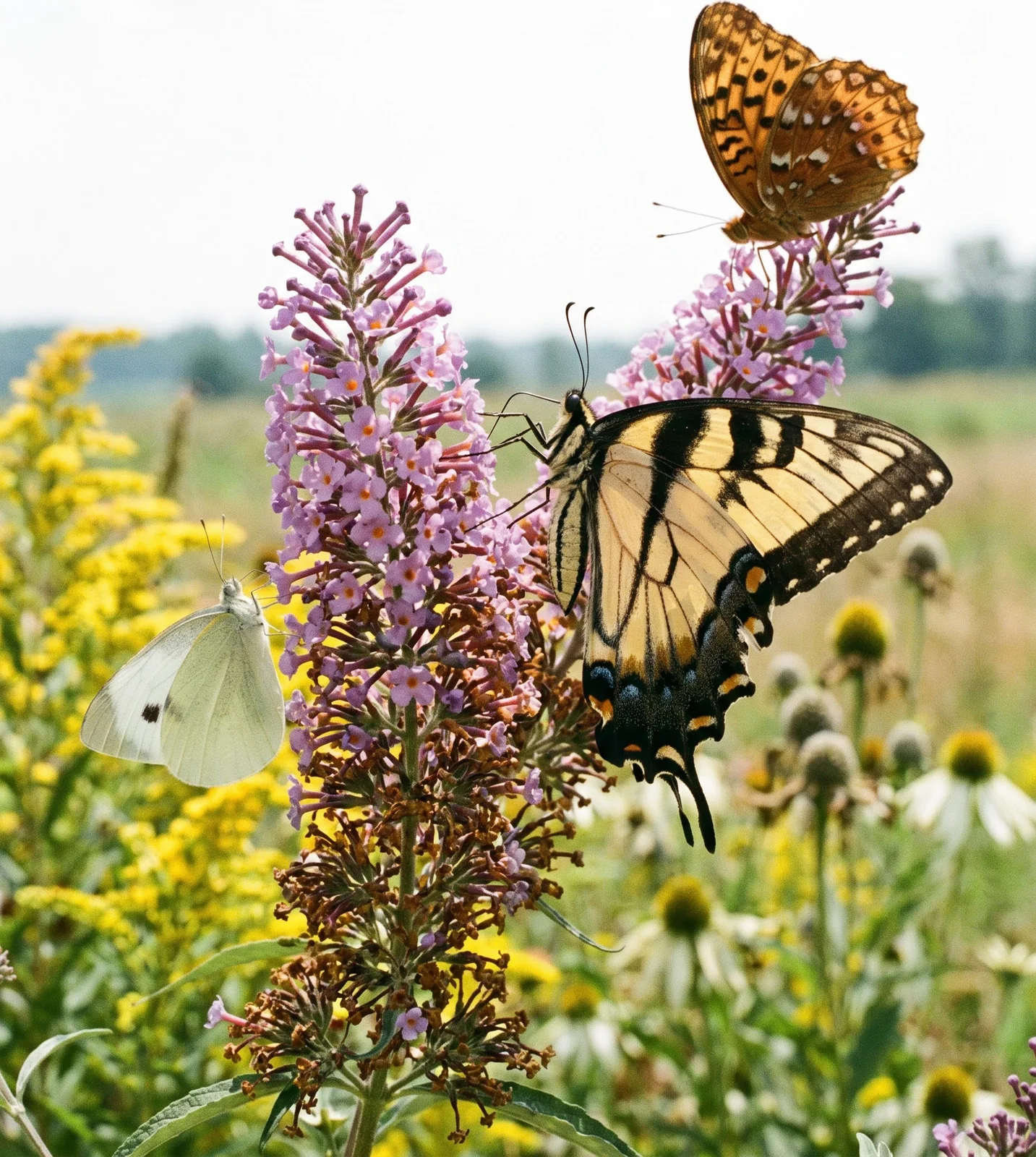
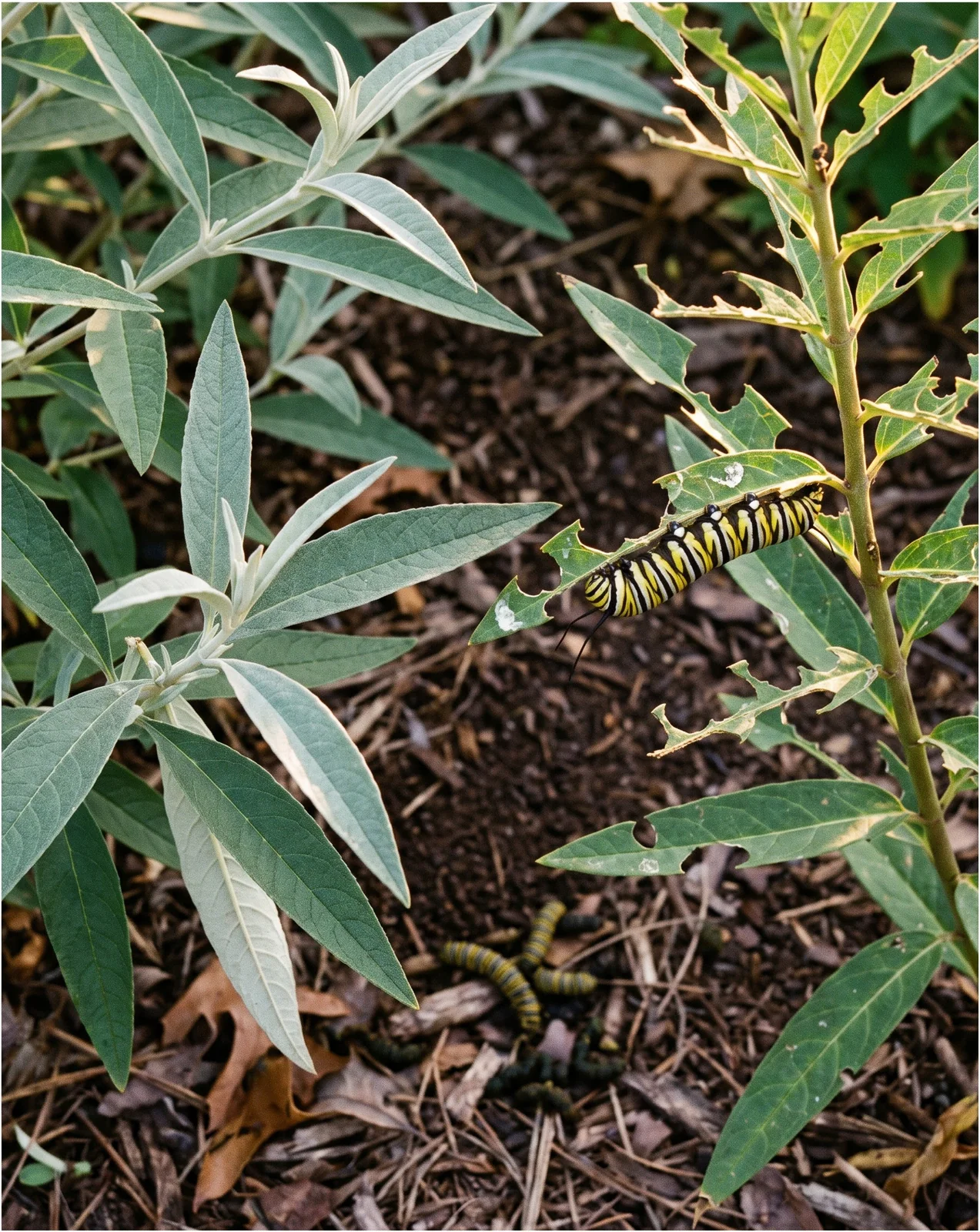
Adult butterflies visit butterfly bush for nectar, but the shrub provides no food or habitat for native caterpillars. Its leaves offer no nutrition for caterpillar larvae, which starves them and deprives songbirds like chickadees of insects to feed their young. Not a single native North American caterpillar feeds on the foliage. Because caterpillars cannot eat it, the shrub can easily out-compete the native asters and milkweeds that local larvae depend on. Across the entire continent, the plant serves as a larval host for only one of 725 native butterfly species.
The bush also crowds out native plants that wildlife depends on. It may displace native nectar sources like spreading dogbane, and along western streams it crowds out native willows. While the blossoms provide nectar for many visiting insects, they feed no caterpillars of local butterflies. To thrive, butterflies need host plants with leaves that young caterpillars can actually eat. Planting oaks, pawpaws, spicebush, milkweeds, asters, and goldenrods across a 0.4-acre yard supplies both caterpillar food and adult nectar. A garden with only butterfly bush feeds visiting adults but raises almost none of the next generation.
What sterile actually means on the tag
Sterile on a plant tag has an exact meaning. Oregon and Washington allow only cultivars that produce 2 percent or less viable seed. Breeding programs like InCheck develop nearly seedless varieties. That lowers the risk of plants spreading from gardens.
These varieties still produce some viable seeds. Even at 2 percent of a wild shrub's crop, a plant can still release roughly 60,000 seeds that blow on the wind and wash into runoff water. The flowers can also shed live pollen or take in pollen from wild bushes. That sometimes restores full fertility in the next generation. State lists also make distinctions you cannot see on the tag. Some varieties had tests in a lab, while hybrids like 'Miss Molly', 'Miss Ruby', 'Miss Violet' and 'Lilac Chip' were approved without fertility checks. Approvals for new cultivars are on hold while regulators review that process.
Plant tags often claim that these newer plants are seedless and non-invasive. Yet some of them can still set viable seed and may self-sow in some climates. That leaves gardeners wondering if shrubs sold as sterile are truly sterile. In truth, these plants cut down on seed without stopping it. Even a small share of seeds can add up fast.
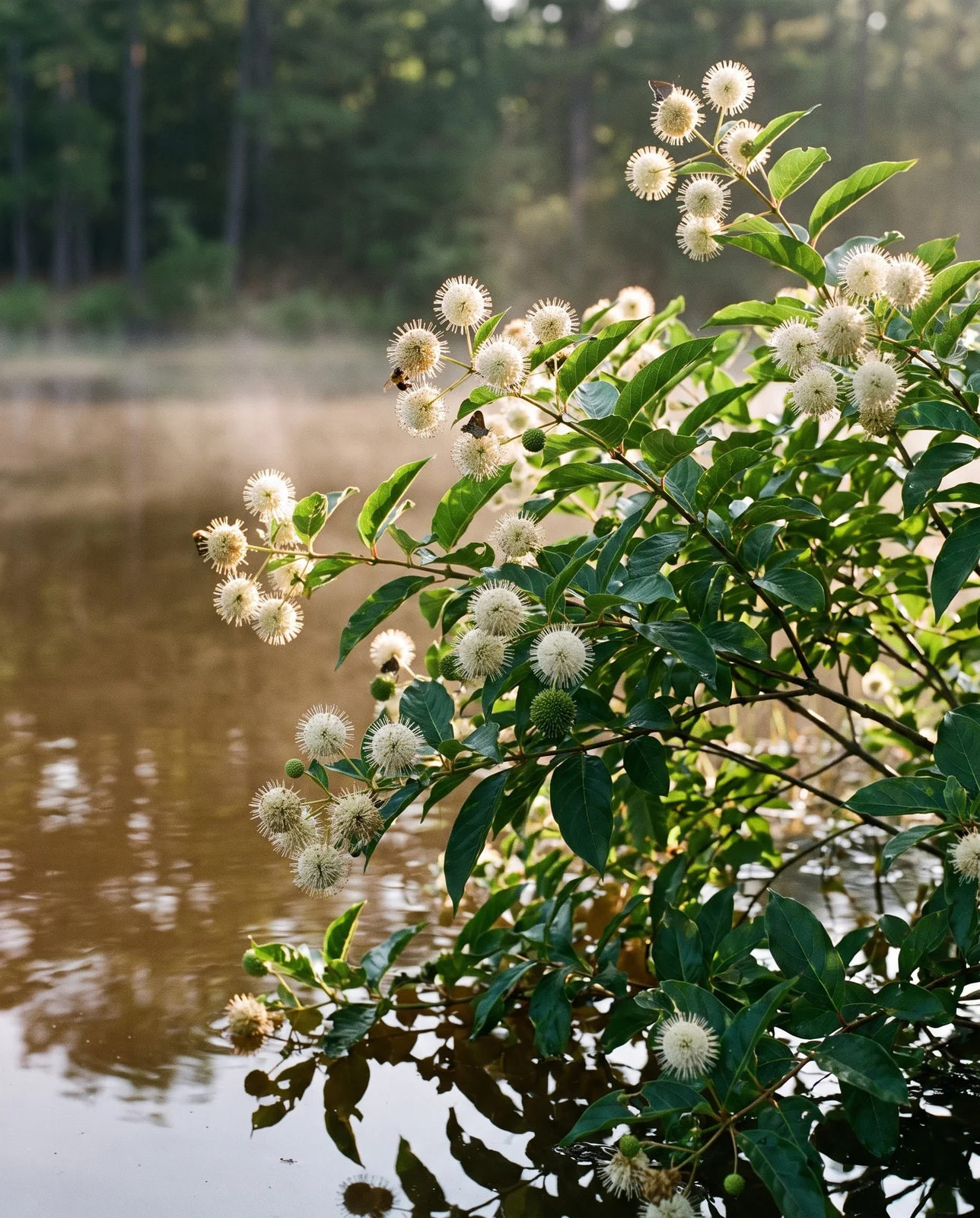
Native shrubs that do both jobs
These regional selections give gardeners dependable choices across the Southeast, Northeast, and Pacific Northwest.
Deciding whether to plant one
The decision comes down to your state laws first and how much deadheading you plan to tackle second.
Where to plant butterfly bush
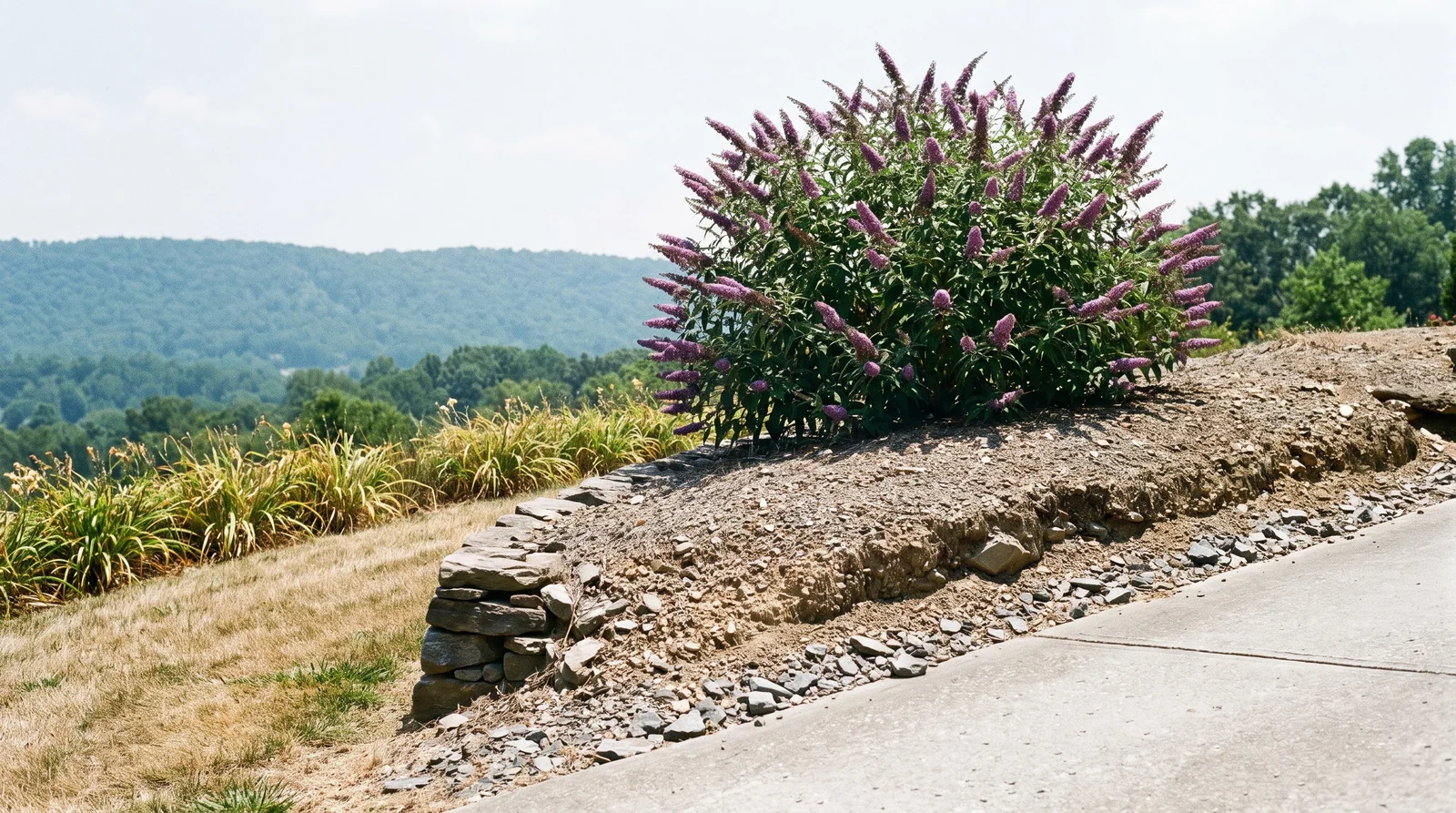
Butterfly bush wants full sun, and more of it than most garden shrubs. Give it at least 8 hours of bright sunlight each day, and no fewer than 6 hours even in warm southern climates. Without enough direct sun, the shrub turns weedy and sparse with diminished flowering, and it does poorly in wet, heavy ground. It thrives in a hot, wide-open bed with fast drainage, sharing summer sunshine easily with lantana.
Good drainage matters just as much, because waterlogged roots rot easily. Sitting in wet soil for any length of time can set the shrub back or kill it. It tolerates good drainage, occasionally dry periods, or occasionally wet spells, so ordinary garden soil that drains well after rain suits it fine. A low hollow where rainwater pools causes severe trouble, and summer sunshine overhead cannot save waterlogged roots.
It gets bigger than the tag says
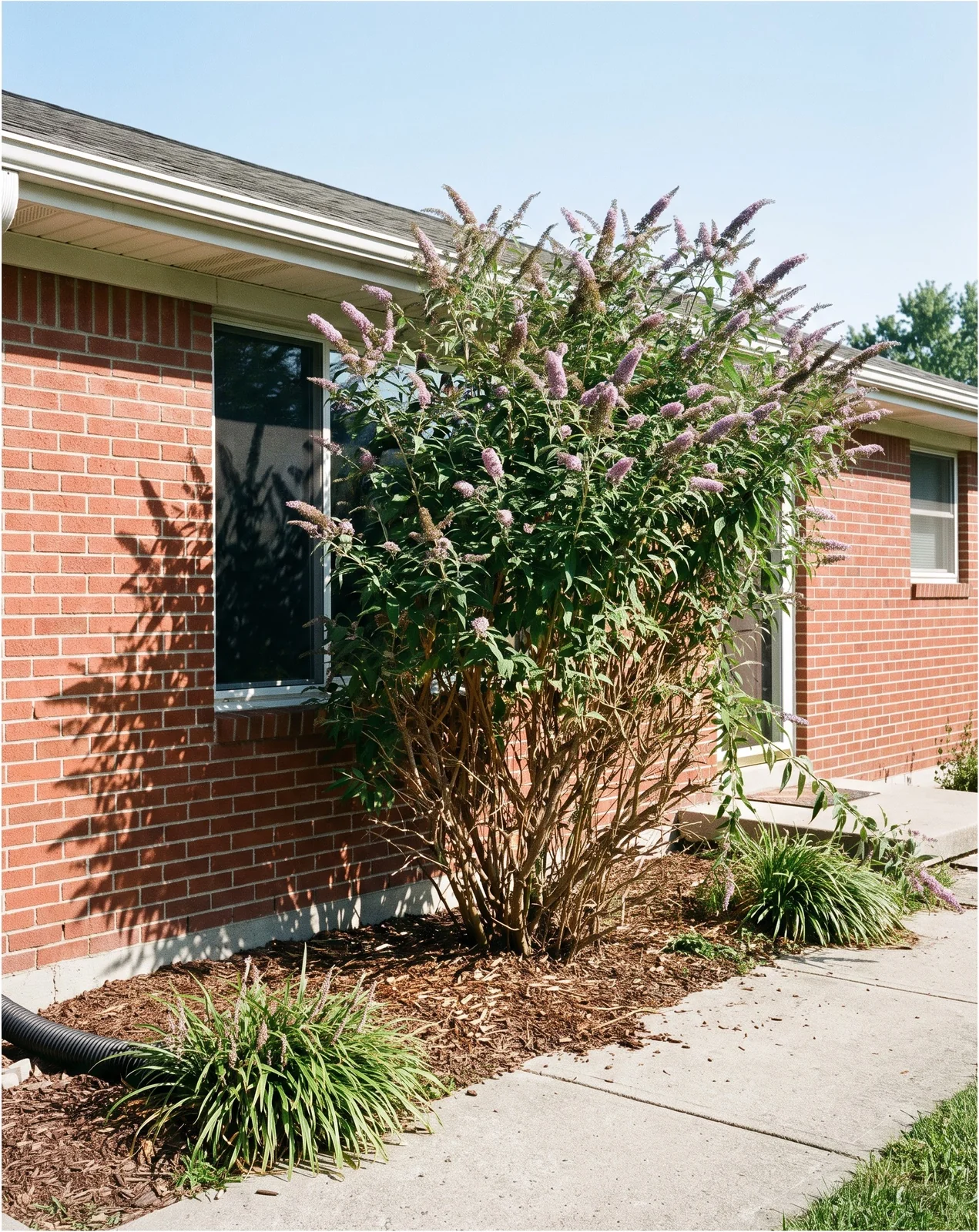
A young plant in a container gives little warning of how massive this shrub can become. Standard plants reach 6 to 12 feet tall and spread 4 to 15 feet wide, and they can put on 3 to 15 feet of growth in a single season. Older varieties climb quickly toward the top of that scale, and reaching 10 feet by the end of summer is not uncommon if you skip annual pruning.
Even cutting an older variety back hard will not keep it small for long. Pruned down to about a foot high in March, it might still reach around 8 feet tall by late summer because of its rapid growth. Modern compact cultivars stay far more manageable, with many maturing at about 4 to 6 feet tall whether cut back or not. At the tiny end of the range, 'Pink Micro Chip' is the tiniest butterfly bush on the market, reaching 1.5 feet tall and wide. That difference decides whether you have a neat mound beneath a window or a shrub that climbs past the sill.
Pruning is the answer to a shrub that will not bloom
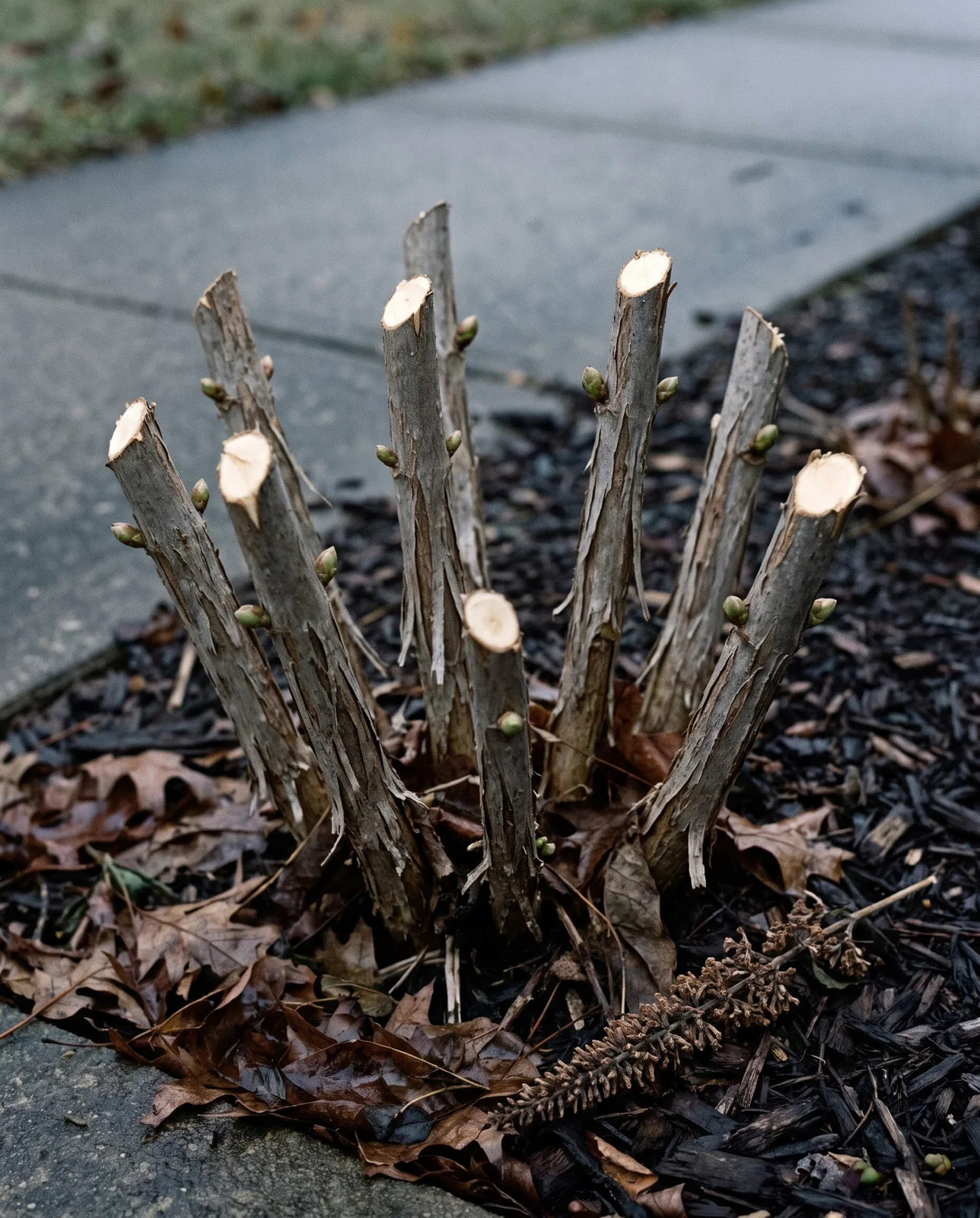
Butterfly bush blooms on wood grown in the same season, so an early spring cut controls its size and spurs heavy flower production. You can cut the shrub back drastically, to within about a foot of the ground in late winter or early spring, around early to mid-March. Leaving bare stubs might look severe, but those fresh spring shoots are where large summer flowers form.
You do not have to cut back that hard if you prefer a larger shrub. Leaving the framework at 4 feet is fine, though the taller you leave it, the closer it grows to its full mature size by the end of the season. When a shrub stays bare and refuses to bloom, poor pruning timing is often the cause, so cut it back hard in late winter or early spring. A plant standing as bare sticks in April, weeks after being cut back to a foot, is doing what it was cut to do.
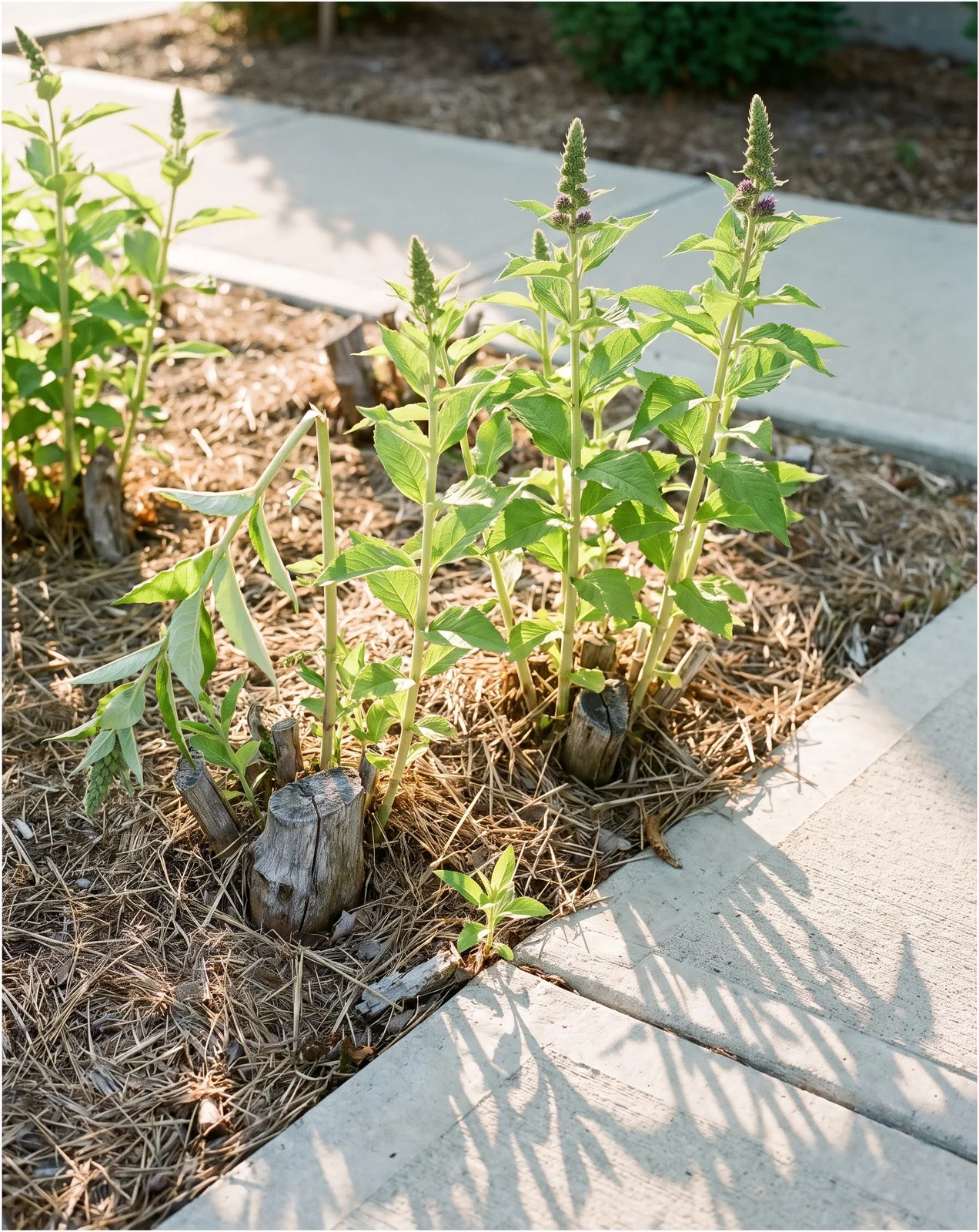
Deadheading, and why it does two jobs
Deadheading butterfly bush serves two distinct purposes: it extends flowering and stops the shrub from spreading. Removing spent flower spikes during the growing season usually encourages continued bloom until frost. Where self-seeding is a concern, snipping off faded clusters before seeds form and disperse prevents unwanted spread. The shrub self-seeds and naturalizes easily wherever it is grown, so timing matters far more than neatness. Trimming fading spikes through midsummer keeps the shrub blooming happily alongside sunny companions like coneflower.
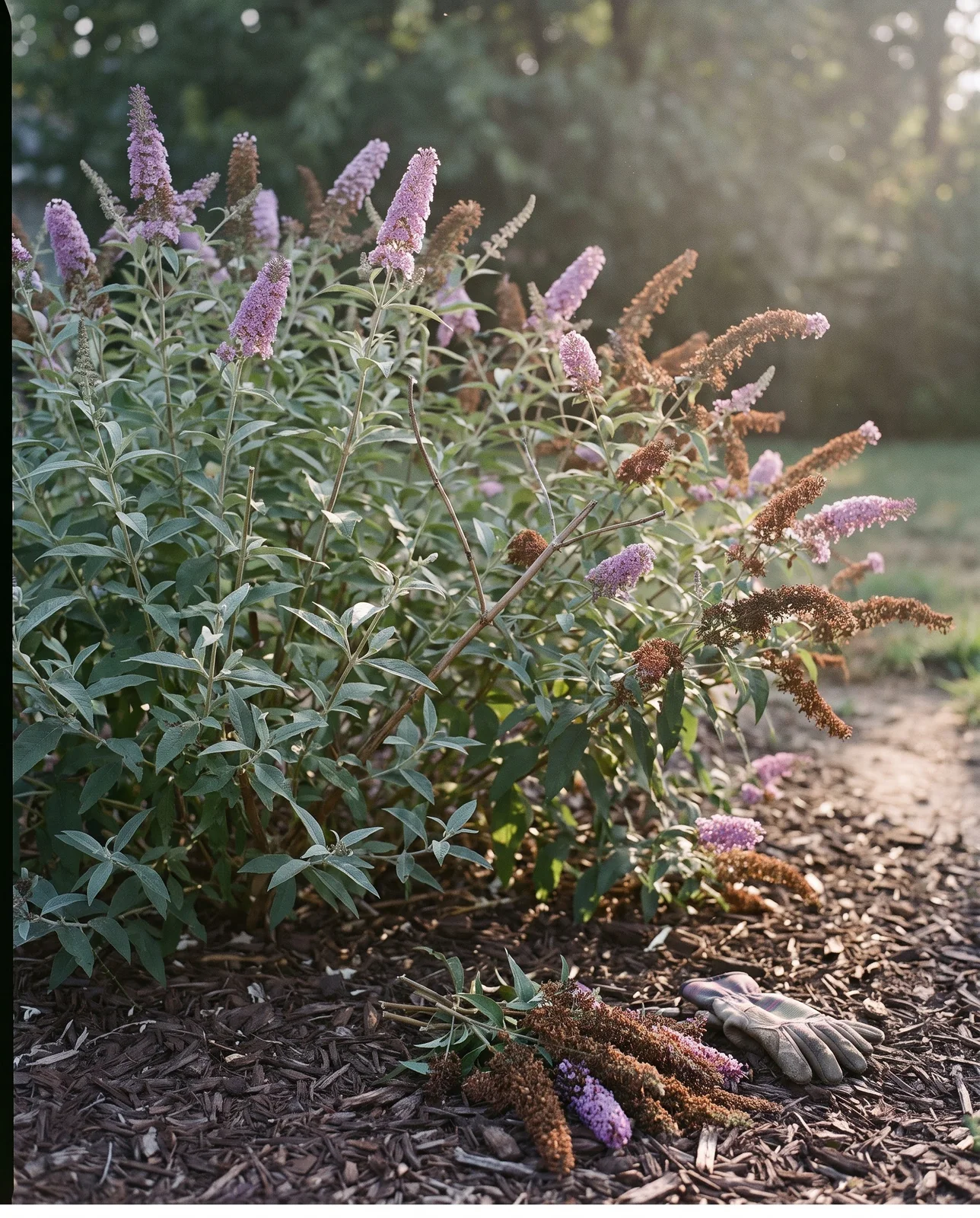
Why it is not blooming
Work down these checks to see what is holding your flowers back.
Yellow leaves come in three patterns
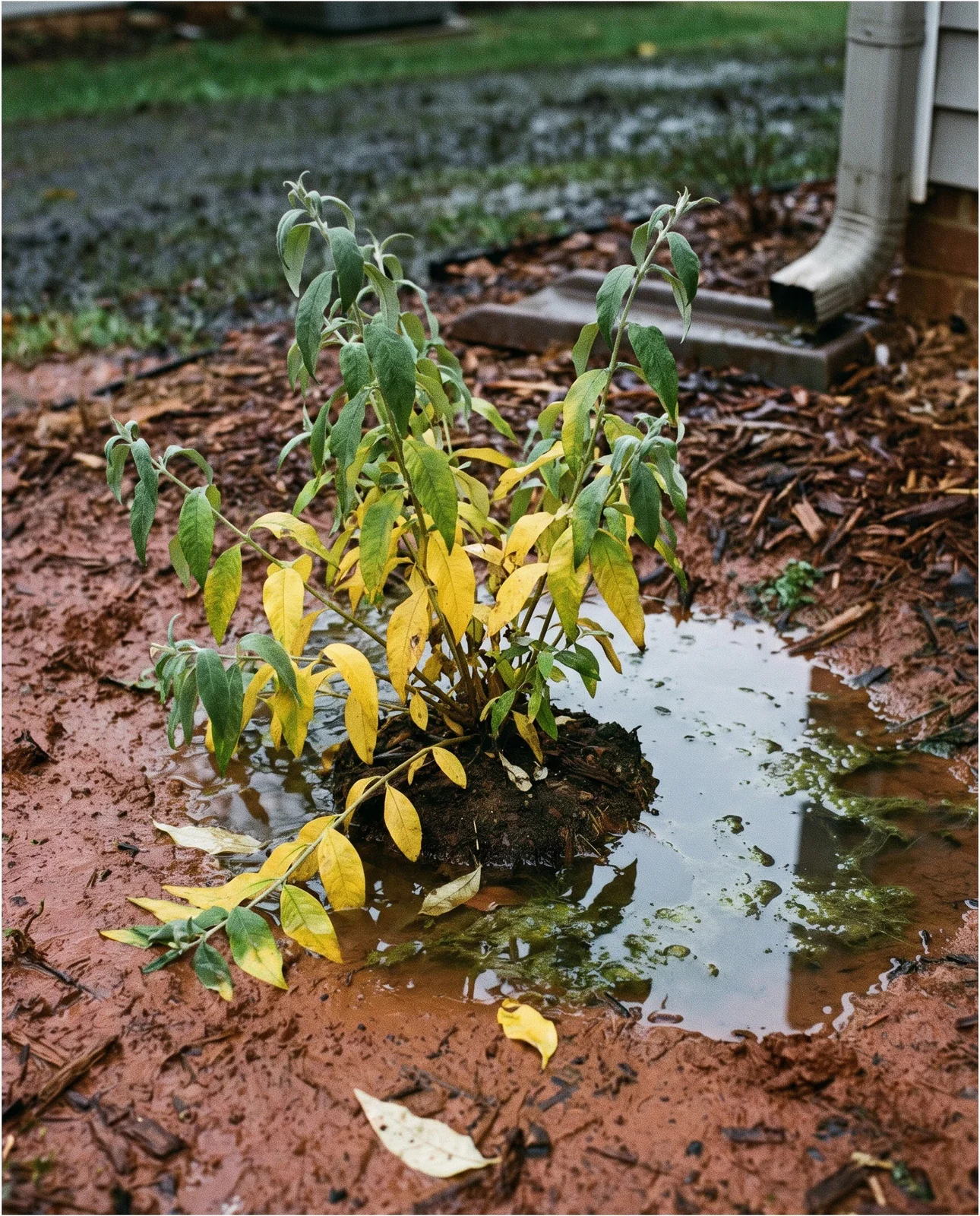
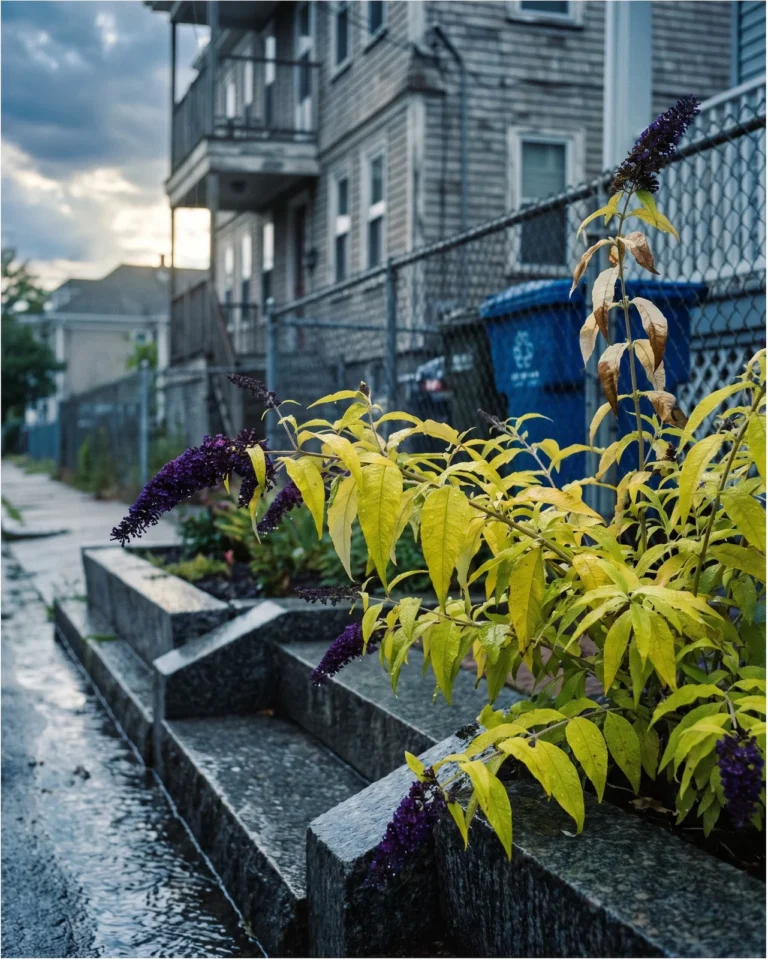
Yellow leaves show up in three patterns, and two of them signal problems. The first is uniform yellowing on a plant sitting in soggy ground. Butterfly bush prefers well-drained soil and full sun, and wet roots can cause the plant to decline, as roots may rot in overly soggy conditions. Overwatering hits young shrubs in hot weather hardest, where watering once or twice a day for a week should step down to once a week for 2 more weeks.
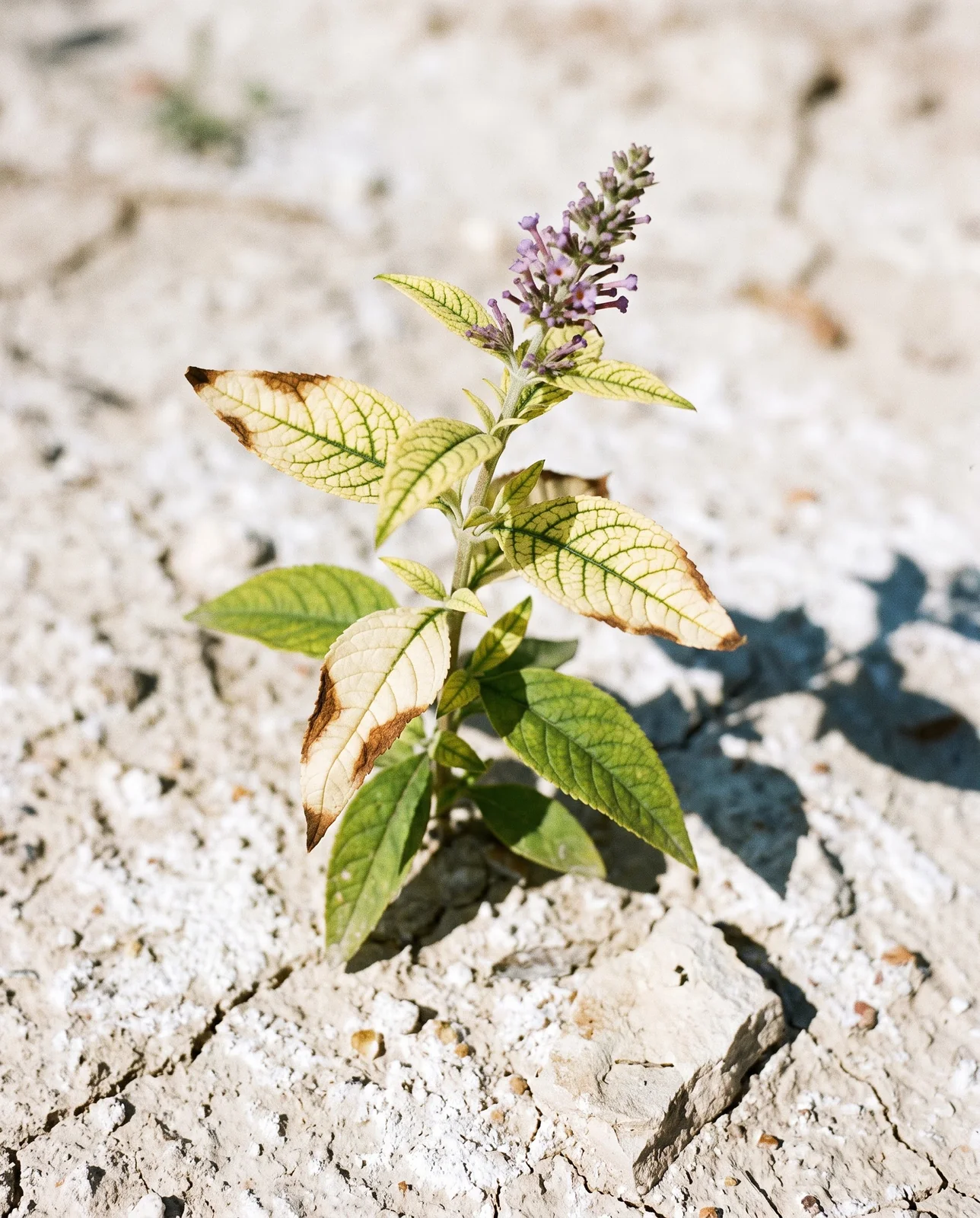
The second pattern shows yellow leaves with bright green veins, which points to iron chlorosis. In severe cases, this yellowing between the veins also brings brown scorching along leaf edges. The root problem is soil alkalinity. Above pH 7.0, iron binds into insoluble forms that roots cannot absorb, and adding iron alone fails because it converts to the same unavailable form. Remedies for chlorosis conflict: adding lime is sometimes recommended, but lime raises soil pH, whereas applying sulfur products lowers pH to release the iron. Avoid aluminum sulfate to lower soil pH, because it carries a risk of aluminum toxicity.
The third pattern is no cause for alarm. Yellow leaves in fall are normal on a deciduous shrub, setting them apart from yellowing during the active growing season. Identifying the cause comes down to pattern and season together: foliage washing out in midsummer over wet soil, yellow blades with green veins in alkaline dirt, or the shrub fading as nights cool. The first two call for action, while autumn yellowing takes care of itself.
Problems, ranked
The most common troubles, with the symptoms that separate each one and what to do.
Symptoms: leaves turn yellow across the plant while the soil stays wet. Cause: water sitting around the root system. What to do: fix drainage right away, because the roots are sensitive to rotting, and time spent in wet soil can set the shrub back or kill it. It prefers good drainage, tolerating soil that is only occasionally dry or occasionally wet.
Symptoms: a leafy, healthy shrub carrying few flower spikes or none. Cause: unpruned older stems. What to do: cut the shrub back in early spring, because flowers appear on new growth, and an early cut controls size while encouraging large flower heads.
Symptoms: leaf blades turn yellow while the veins stay green. Cause: alkaline soil locking up iron. What to do: lower the soil pH, because in ground above pH 7.0, iron binds into solid forms roots cannot absorb, and adding iron alone will not help because it quickly converts to the same unavailable form.
Symptoms: bare, dead-looking stems in spring while surrounding plants leaf out. Cause: winter cold killing top growth. What to do: wait for green shoots at the crown, because in zones 5 and 6 the top dies back to the ground over winter before sending up vigorous new growth in spring.
Symptoms: leaves look dull and speckled during hot, dry spells. Cause: spider mites attacking plants under drought stress. What to do: spray the undersides of the leaves with water to knock them back, and keep the soil watered until rains return.
Symptoms: young butterfly bush plants coming up around the parent and well beyond it. Cause: seed spreading into surrounding soil. What to do: pull seedlings while they are small, because an established plant can be difficult to eradicate, so preventing spread into clean areas comes first.
Zones, heat, and winter dieback
Butterfly bush is winter hardy in zones 5 through 9, covering zones 5a, 5b, 6a, 6b, 7a, 7b, 8a, 8b and 9. In summer heat it handles difficult garden spots with ease, proving deer resistant, rabbit resistant, salt tolerant, drought tolerant and heat tolerant. At the cold edge of its range, it stops behaving like a woody shrub.
In zones 5 and 6, the top often dies back to the ground over winter, so it grows as an herbaceous perennial that makes vigorous growth again in spring. When a plant fails to return, freezing temperatures, snow and ice take the blame unfairly, but most winter losses happen because the roots sat in cold, wet soil. Good winter survival comes down to sharp drainage.
When to plant butterfly bush
Spring is the safest time to plant in any climate. In zones 5 and 6 especially, plant from spring through mid-summer so the roots establish before winter. You can also plant after the last spring frost or before the first fall frost, as long as any fall planting goes into the ground well before that first frost. In the Southeast, spring planting is preferred for all types and cultivars across zones 5 to 9.
Varieties worth telling apart
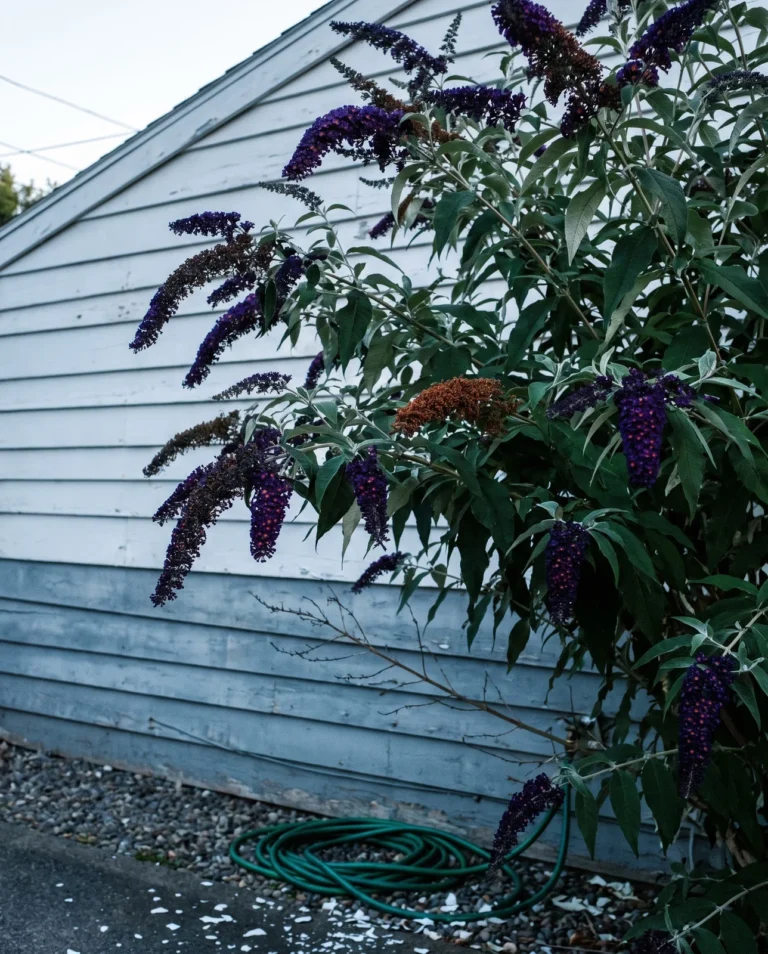
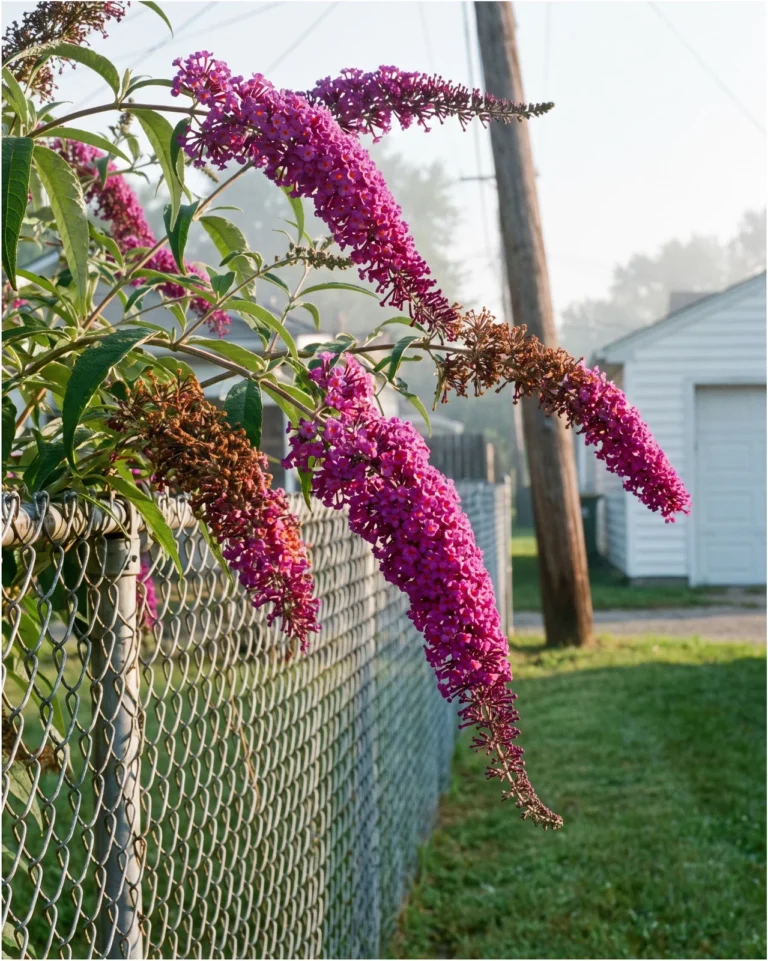
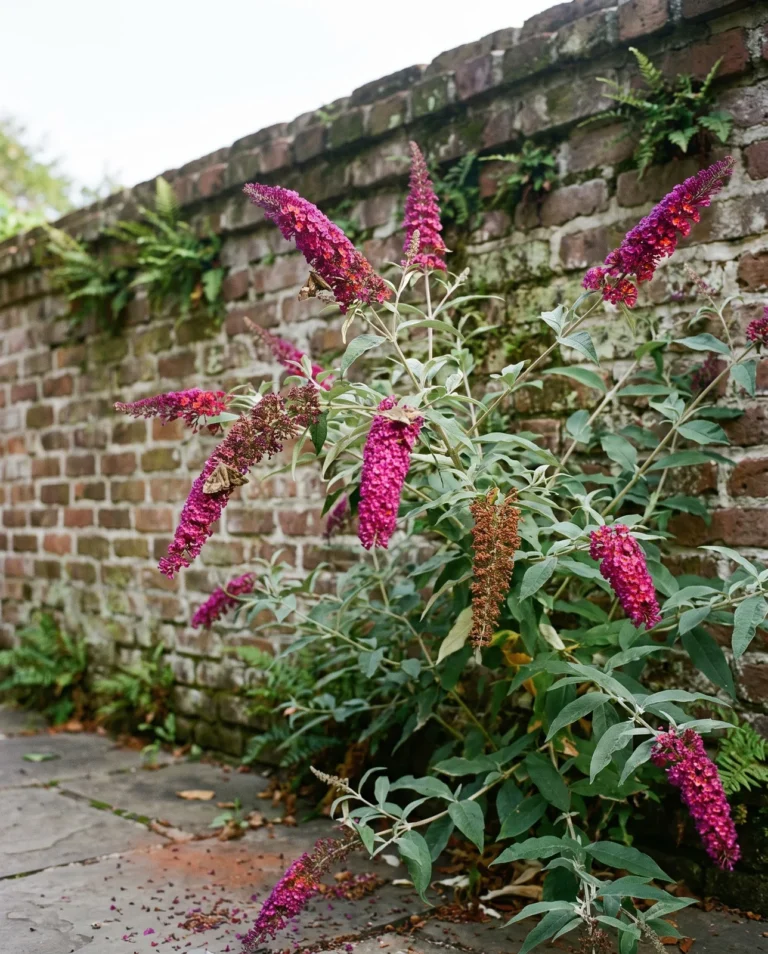
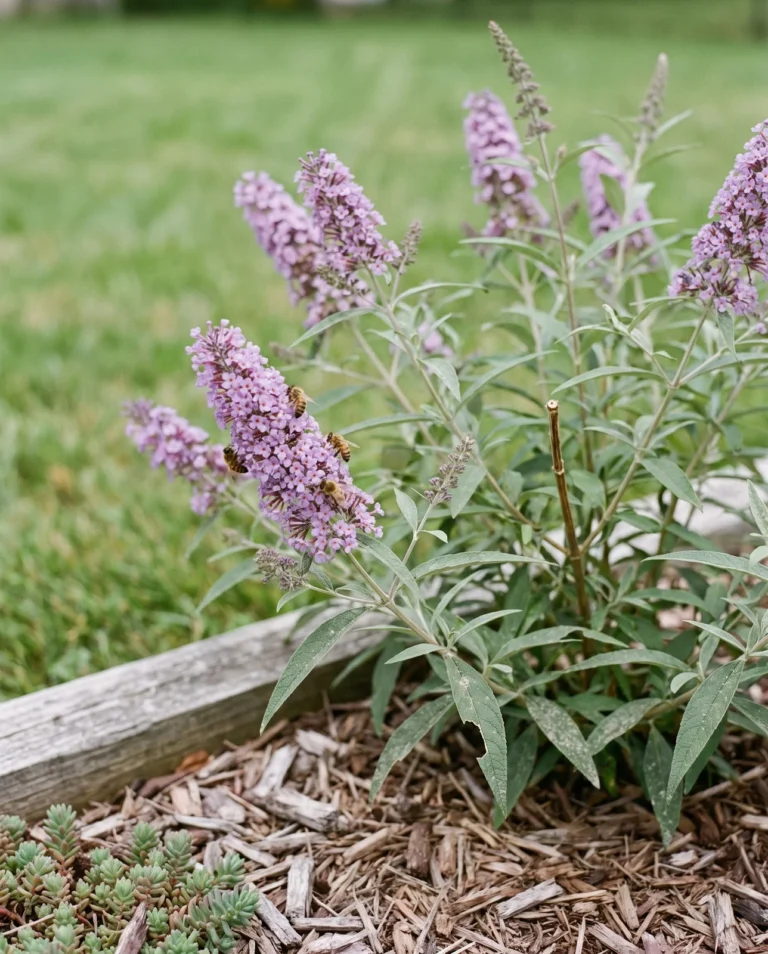
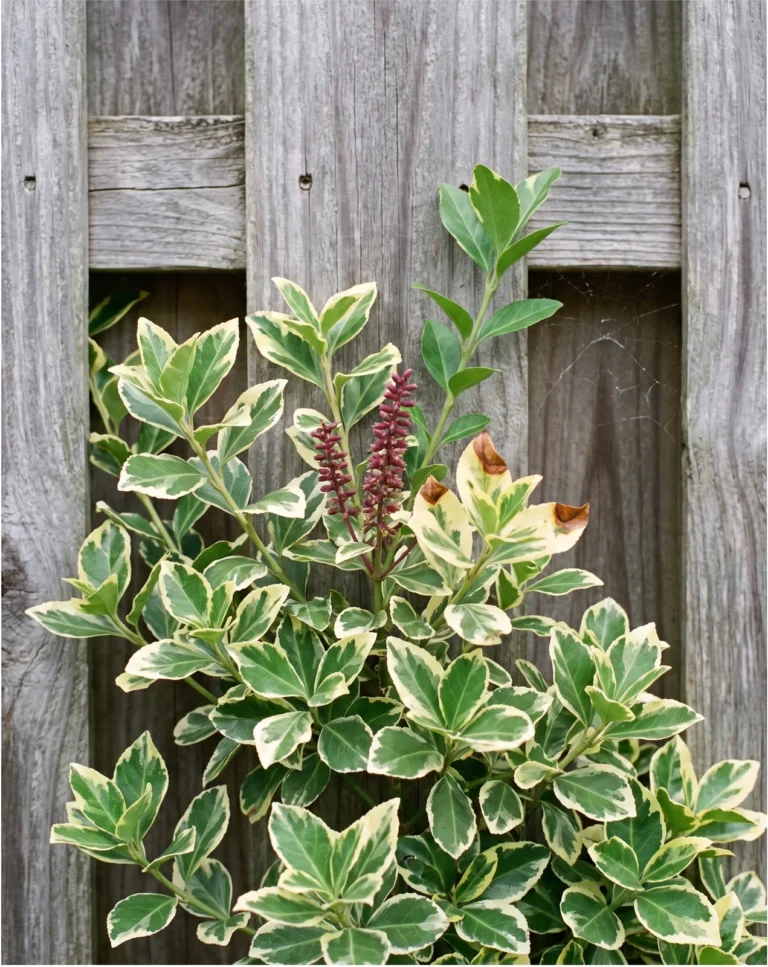
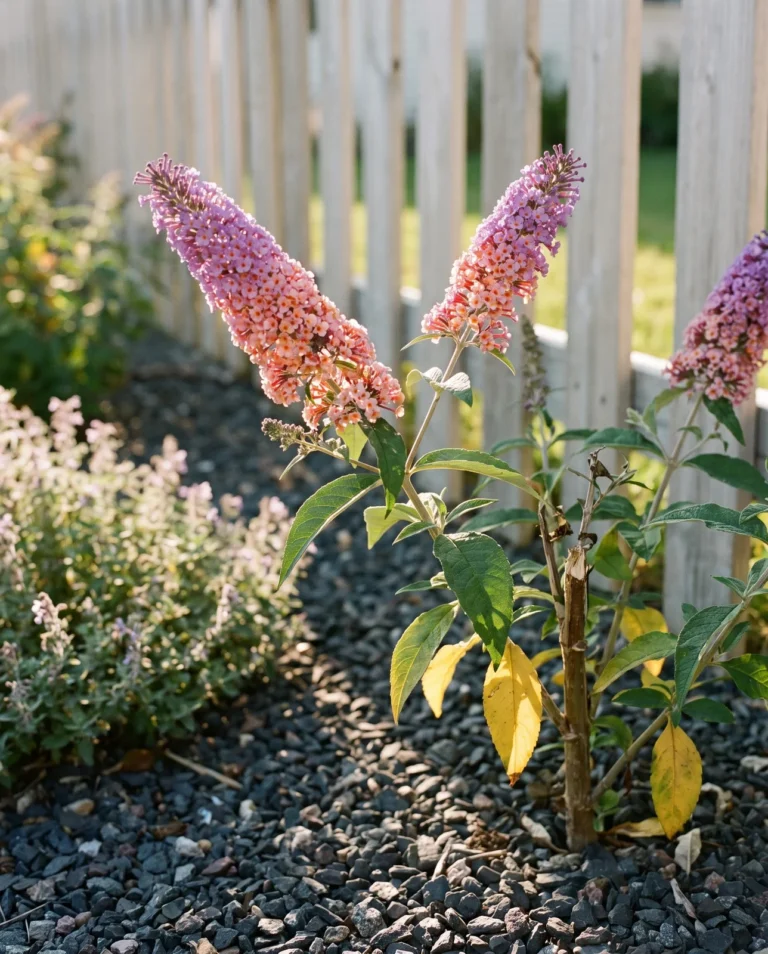
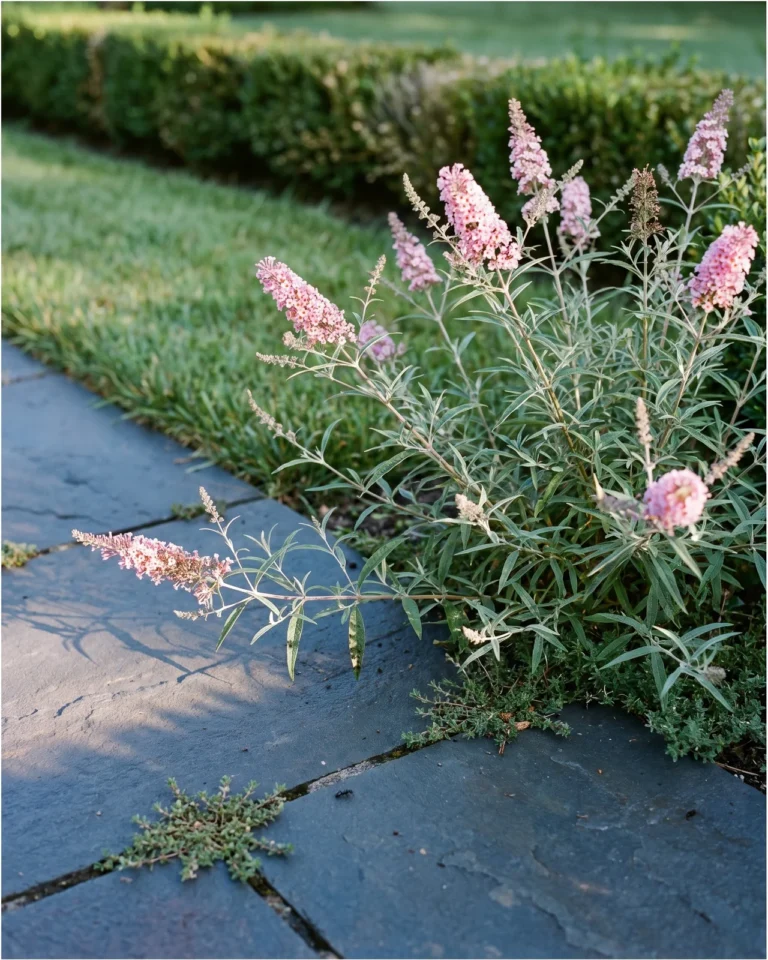
Selections range from traditional full-size shrubs to low-growing compact types, with distinct flower colors, habits, and seed behaviors.
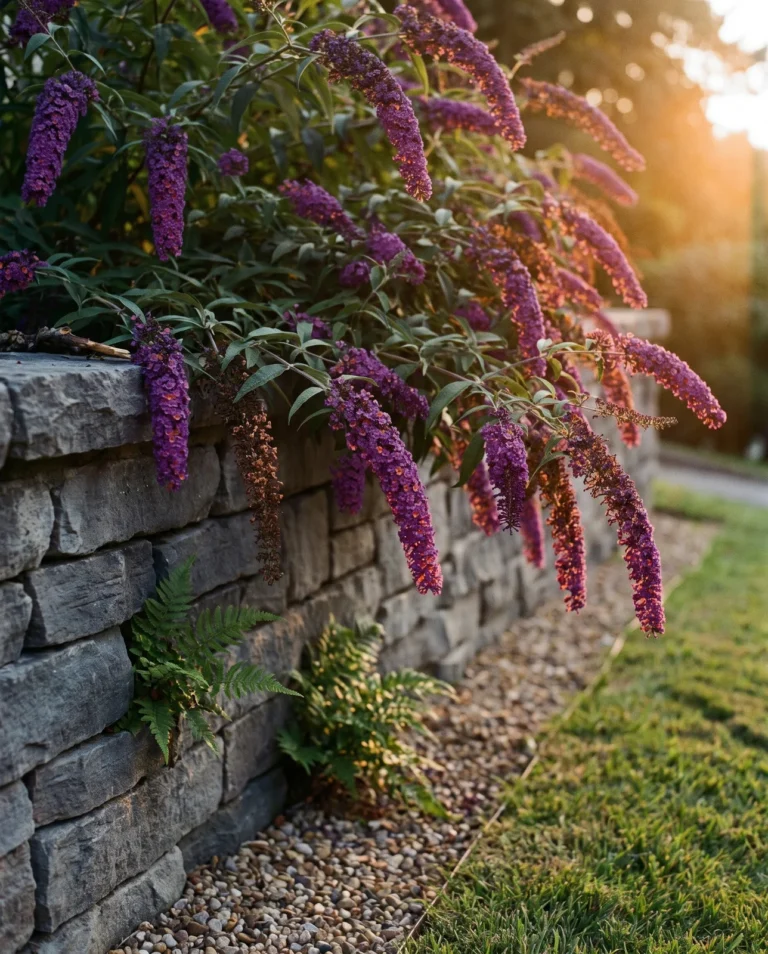
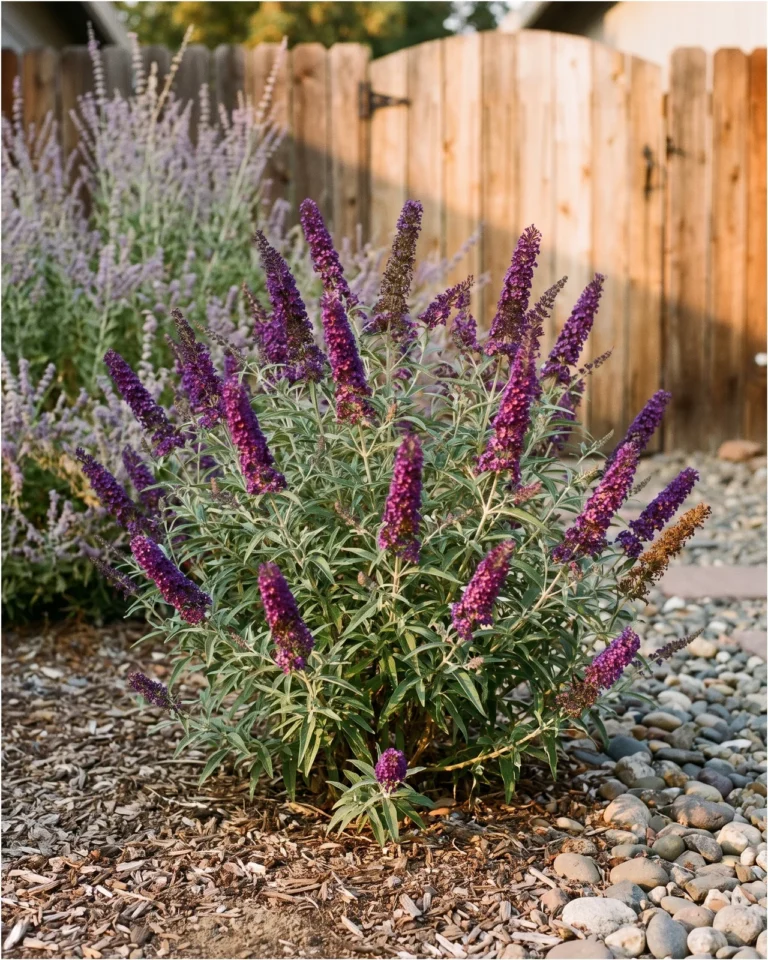
Soil, drainage, and the pH that decides the leaf color
Butterfly bush grows easily in moist, well-drained soil and adapts to most garden ground, though clay needs amending to prevent waterlogged conditions. The plant should be grown at a pH of 6.0 to 7.0. In soils naturally high in lime, calcium carbonate raises the pH above 7.5, and iron chlorosis is common on susceptible plants in those conditions. A quick pH check tells you whether pale leaves stem from alkaline soil or standing water.
Watering an established plant
An established butterfly bush has medium water needs and requires low maintenance once it settles into the garden. Giving it too much moisture is easy to do, and a lack of blooms paired with yellow leaves often points to overwatering and wet feet. Newly planted shrubs do need steady watering for their first few months to establish, though overwatering remains probably the most common fault. Once settled, it thrives in well-drained borders alongside black-eyed susan, where full sun and dry conditions keep roots healthy.
Pests and diseases
Butterfly bush suffers from no serious insect or disease problems, though spider mites can become a problem during drought. These tiny pests live on leaf undersides and draw out sap, leaving foliage with a discolored, yellow or gray-mottled look you may need a magnifying glass to spot. Avoid pesticides when treating them, because butterfly bush attracts many beneficial insects, and never spray the blooms while bees are active.
What to expect, year by year
The first summer is about establishing roots, even though the top growth shoots up quickly, reaching 3 to 15 feet in a single season. Watering is where mistakes happen most. If a young plant shows yellow, burnt-looking leaves, overwatering is probably the most common fault, so water well for the first few months to get it established.
In the second spring, establish a routine of cutting the plant back hard before new shoots emerge. An older variety cut to about a foot high in March might still reach around 8 feet tall by late summer. Many compact cultivars mature at only about 4 to 6 feet tall, whether cut back or not. Flowers open in June and can continue through September or stretch into mid-October.
By then, the shrub delivers the display you planted it for. The flowers are showy, fragrant, and good for cutting, drawing hummingbirds as well as butterflies into the garden.
Four things the threads keep repeating
Four common assumptions about butterfly bush, and how the plant behaves in real gardens.
The myth: Sterile cultivars produce no seedlings.
The reality: Breeding has reduced fertility without removing it, and sterile cultivars still produce some fertile seeds.
The myth: Bare sticks in April mean the shrub died over winter.
The reality: Bare branches in spring usually reflect pruning timing. Prune hard in late winter or early spring when new growth shows to remove dead wood and encourage more blooms.
The myth: Yellow leaves mean the plant is hungry.
The reality: Yellow foliage usually reflects water problems or soil chemistry. Wet roots can cause the plant to decline as they rot in soggy conditions, while yellow leaves with green veins signal iron chlorosis on alkaline soil. In fall, yellowing leaves are just normal seasonal behavior for a deciduous shrub.
The myth: It is a butterfly habitat plant.
The reality: Butterflies visit the blooms for nectar, but the caterpillars of native butterflies cannot feed on the leaves. They need plants native to North America for food.
FAQ
Why is butterfly bush a problem?
It self-seeds and naturalizes easily. While adult butterflies drink its nectar, native caterpillars cannot feed on its leaves and need North American plants for food.
In what states is butterfly bush illegal?
Washington makes it illegal to buy, sell or offer butterfly bush for sale, and Oregon prohibits its transport, sale and propagation. Oregon permits approved cultivars that produce 2 percent or less viable seed. Other states keep the shrub on advisory lists with no legal penalties.
Do butterfly bushes come back every year?
Yes, they come back each year. In zones 5 and 6, the shrub often dies to the ground in winter and is grown as an herbaceous perennial.
Does a butterfly bush need full sun or shade?
It needs full sun. Give it a minimum of 8 hours of bright sunlight a day, or no fewer than 6 hours even in warm climates.
How do I fix yellow leaves on butterfly bush?
Look at the pattern of the yellowing first. Whole leaves yellowing in soggy ground point to roots rotting in overly wet conditions. Leaves that turn yellow with green veins signal iron chlorosis. How to treat chlorosis is disputed: some advise sweetening the soil with lime, while others apply sulfur products to lower the pH.
What does an overwatered butterfly bush look like?
Yellow leaves paired with a lack of flowers often point to overwatering. The plant develops wet feet, with its roots suffocating in ground that does not drain.
Which butterfly bushes are sterile?
Oregon sets the threshold for sterile cultivars at 2 percent or less viable seed for legal transport and sale. Selections such as 'Miss Molly', 'Miss Ruby', 'Miss Violet' and 'Lilac Chip' are accepted as non-regulated interspecific hybrids without separate seed fertility testing.
What month do you plant butterfly bushes?
Plant in the garden after the last spring frost or before the first fall frost. In zones 5 and 6, plant from spring through mid-summer so the roots establish well before winter.
How tall do butterfly bushes get?
The standard shrub grows 6 to 12 feet tall and spreads 4 to 15 feet wide. Many modern dwarf cultivars mature at only about 4 to 6 feet tall, whether you cut them back or not.
When should I cut back a butterfly bush?
Cut the shrub back in early spring, because flowers appear on new growth and pruning encourages large blossoms. It responds well to being cut back drastically to within a foot of the ground, commonly done around early or mid-March in central Maryland.
Is butterfly bush toxic to dogs and cats?
The ASPCA toxic and non-toxic plant lists for dogs and cats include no entry for butterfly bush. Treat its safety as unconfirmed around pets that chew, and consult a vet if an animal eats a noticeable amount.
What can I plant instead of butterfly bush?
Several shrubs make good substitutes: chaste tree suits hot, sunny spots, while Pacific ninebark offers a native choice for sun or shade. Summersweet blooms in shade, supplying high-quality nectar and pollen for hummingbirds, butterflies and bees. Native buttonbush takes pruning well, prefers moist ground, and brings strong wildlife benefits.
Interesting tips
- Choose noninvasive butterfly shrubs like the low-seed Lo & Behold series, bred at North Carolina State University as a substitute for the straight species.
- Prices range from $3.15 for an unbranded plant to $62.85 for a branded one, and at least one of those named varieties is a patented cultivar.
- Oregon bans the shrub, but you may collect wild material in areas already infested if you do not propagate or sell it in the state.
Related Guides & Flowers

Butterfly weed
The native milkweed a northeastern conservancy list names as a replacement here.

Aster
A late native perennial that keeps the pollinator traffic going once the shrubs finish.
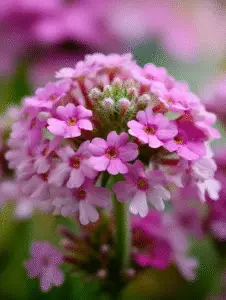
Verbena
Another long blooming plant for hot, sunny beds and heavy butterfly traffic.

Types of flowers
The full index of flowers on the site, sorted by type and season.
Enjoying our flower guides? Add YourFlowersGuide as a preferred source on Google. It helps more readers find us.
Add to Preferred Sources