in bloom
now
through Nov
Bloom calendar
Gerbera jamesonii
species
At‑a‑glance
- Group/Class: species
- Height × spread: 12 to 18 in × 12 to 18 in (30 to 45 cm × 30 to 45 cm)
- Bloom window: spring and fall in warm climates; summer in cooler areas
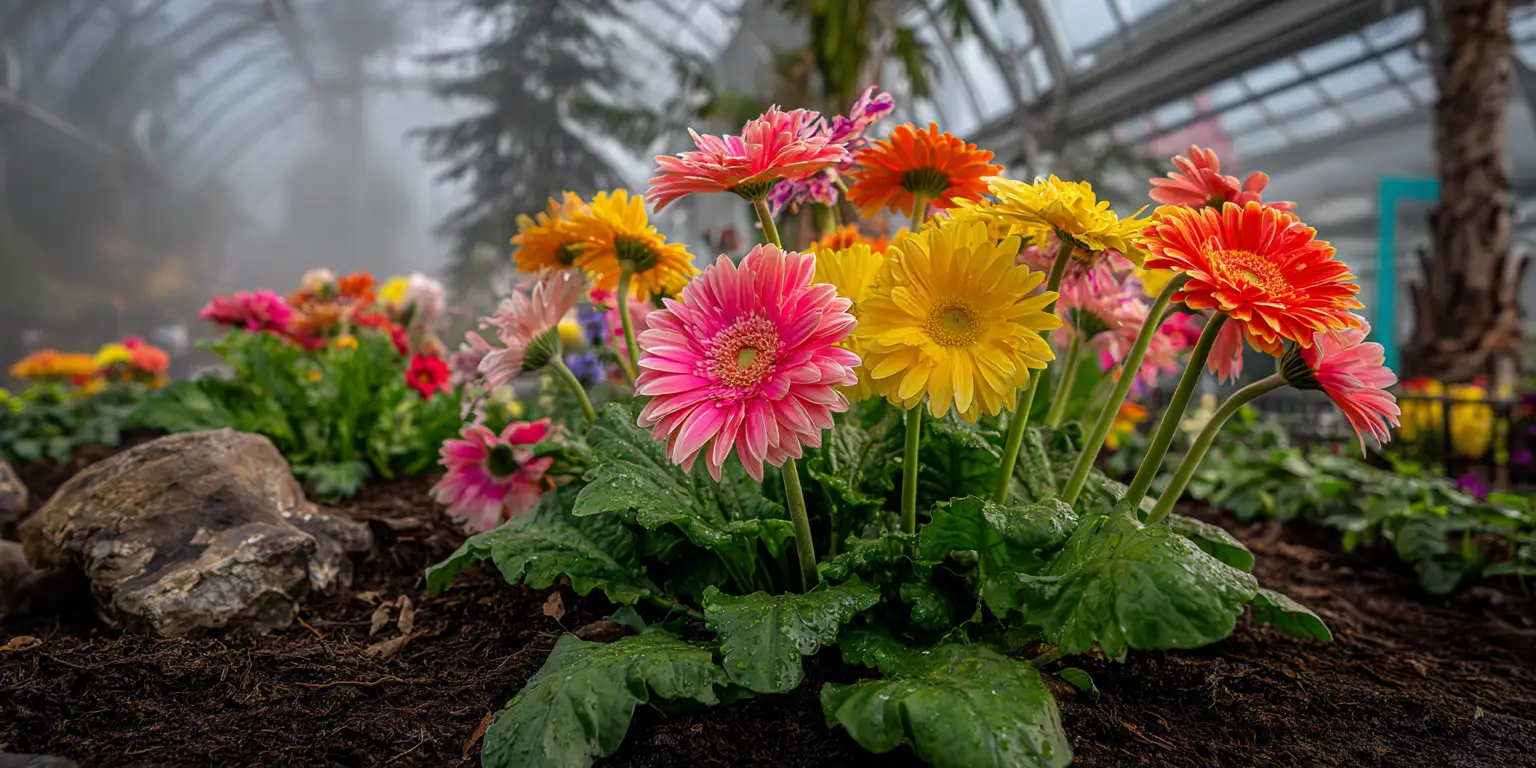
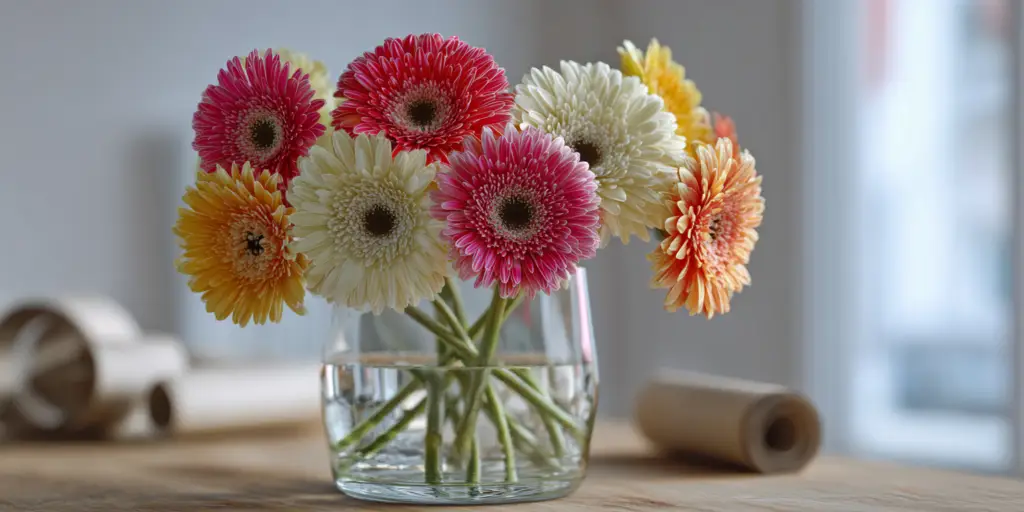
- Color & flower form: single daisy capitula in red, orange, pink, yellow, and white
- Fragrance: 0 none
- USDA hardiness: zones 8 to 10; grown as annual farther north
- Breeder / Year / Origin: wild species; year unknown; South Africa
- Awards/registration: none
- Cut-flower notes: stems are strong; typical vase life 7 to 12 days with proper conditioning
- Pet safety: safe
How it differs
- Species form with rosette leaves and taller flowering stems.
- Less tolerant of cold and winter wet than garden-bred lines.
- Bloom peaks in mild seasons rather than all summer.
Strengths
- Classic daisy blooms with good stem strength.
- Performs well in containers with good drainage.
- Parent of many hybrid series available to gardeners.
Care in one minute
Full sun with afternoon shade in hot climates.
Fertile, well-drained soil kept slightly dry at the crown.
Water at the base to keep foliage and crown dry.
Feed every 3 to 4 weeks during active growth.
Deadhead entire spent stems to encourage more buds.
Overwinter indoors in bright, cool conditions where winters freeze.
Watch‑outs
- Susceptible to crown rot in poorly drained or wet soils.
- Thrips and mites can blemish blooms and foliage.
- Frost damages foliage; protect or grow as an annual outside zones 8 to 10.
Best uses (tags)
Provenance note
Native to Mpumalanga and adjacent regions of South Africa. Named for Robert Jameson, who collected it near Barberton in the late nineteenth century.
References
- NCSU Extension – Gerbera jamesonii
- SANBI – Gerbera jamesonii profile
- Clemson HGIC – Gerbera Daisy care
- MDPI Horticulturae – Vase life of cut gerbera (research)
- ASPCA – Gerber Daisy (non-toxic to pets)
Similar Flowers


Enjoying our flower guides? Add YourFlowersGuide as a preferred source on Google. It helps more readers find us.
Add to Preferred Sources