returns in
273
days
Bloom calendar
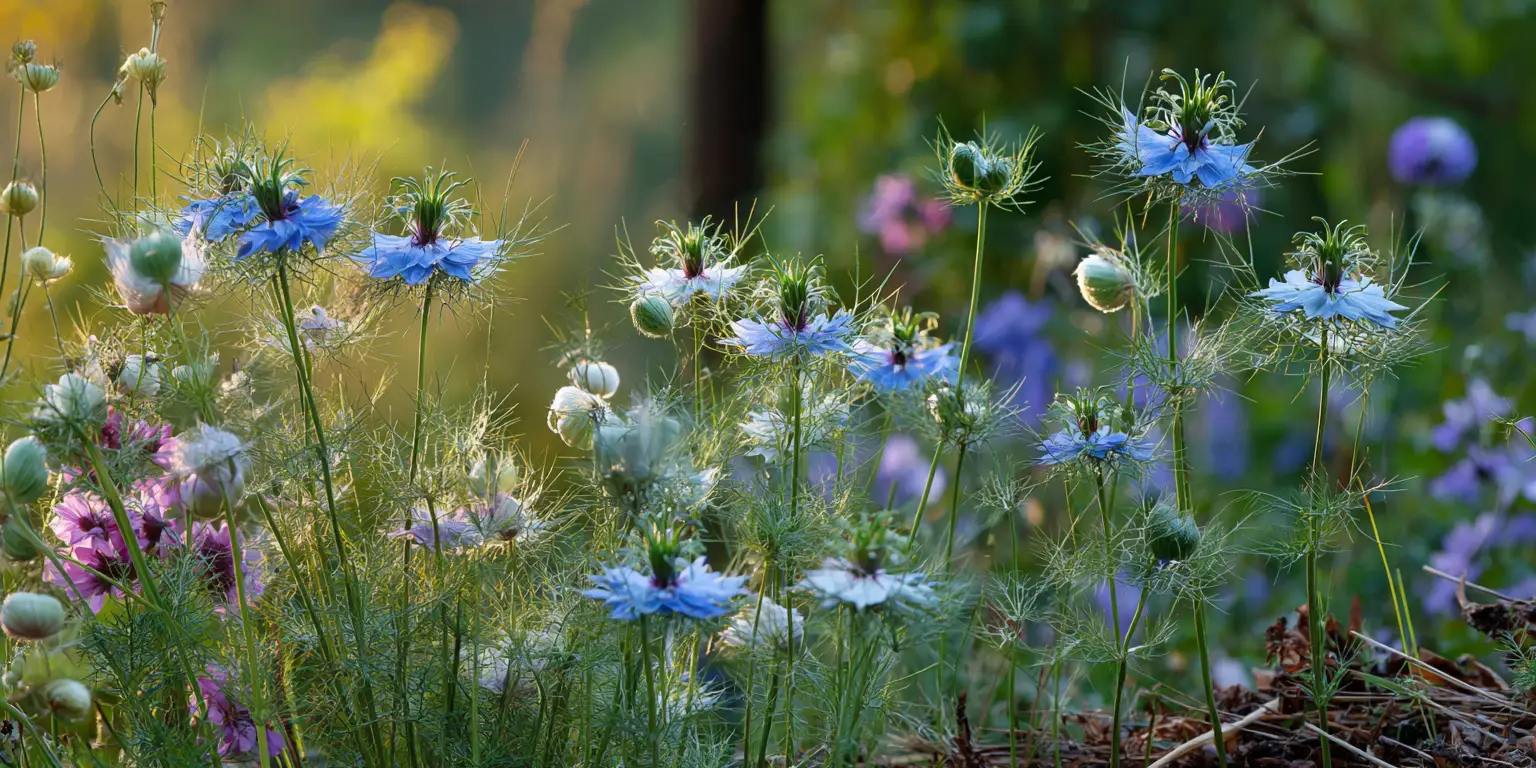
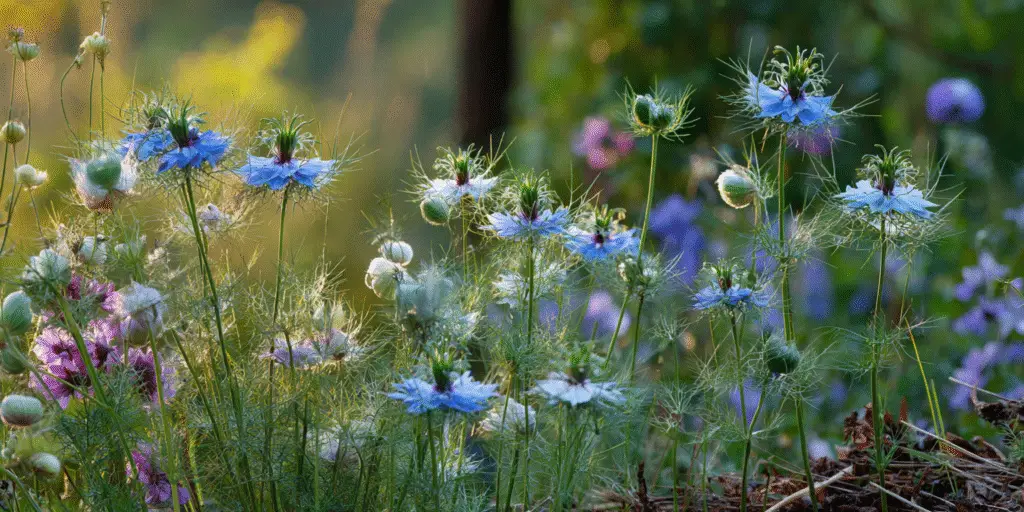
Nigella damascena
Annual nigella
At‑a‑glance
- Group/Class: Annual nigella
- Height × spread: 18-24 in (45-60 cm) × 12-18 in (30-45 cm)
- Bloom window: Late spring to early summer
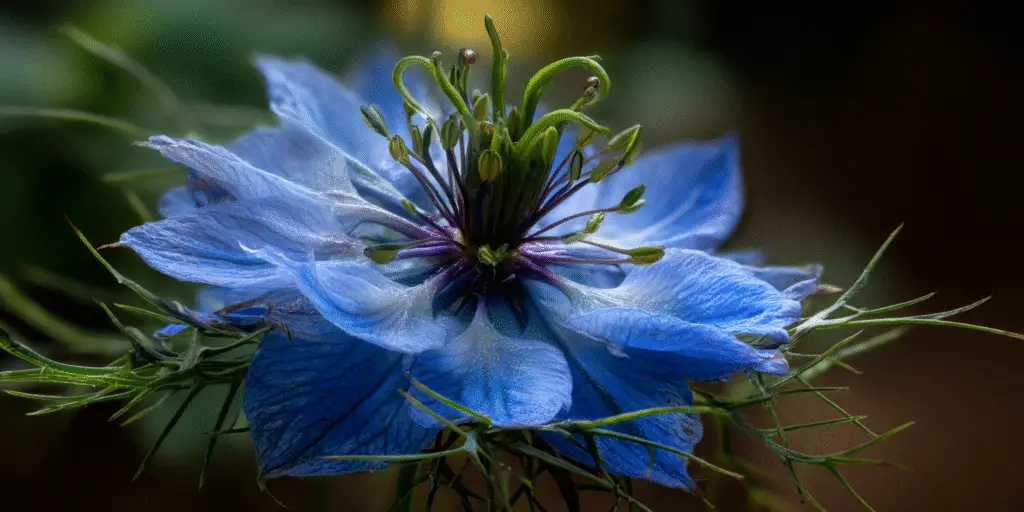
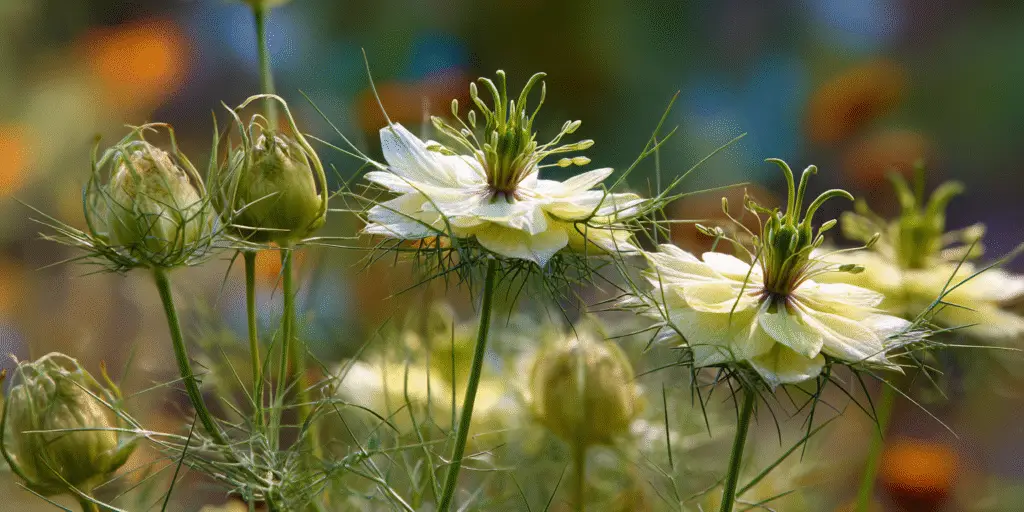
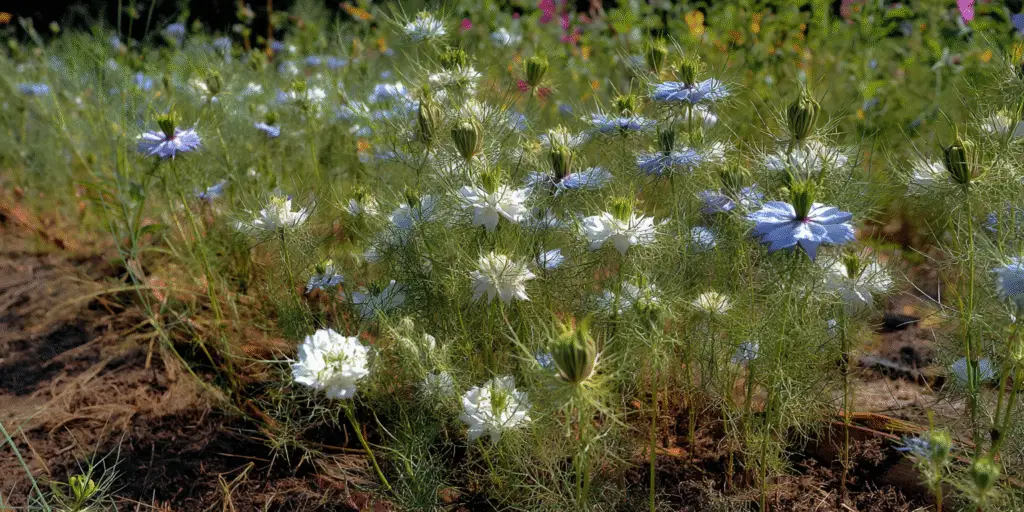
- Color & flower form: Blue to white or pink; starry flowers with feathery bracts; inflated horned pods
- Fragrance: 0 none
- USDA hardiness: Grown as annual across North America
- Breeder / Year / Origin: unknown; native to Mediterranean Basin to NW Iran
- Cut‑flower notes: Good fresh and dried; remove lower leaves to extend vase life
- Pet safety: unknown
How it differs
- Earlier to bloom in cool spring than many nigellas.
- Shorter stems than taller cutting selections.
- Classic strong bracts; pods round with short horns.
Strengths
- Self seeds to sustain displays.
- Pods add structure in dried work.
- Adaptable if drainage is good.
Care in one minute
Site: full sun with some wind shelter.
Soil and pH: average, well drained soil; neutral to slightly alkaline.
Watering: keep evenly moist during establishment; avoid soggy sites.
Pinch/stake/deadhead: do not pinch; deadhead to extend bloom or leave some flowers for pods.
Watch‑outs
- Declines in sustained summer heat.
- Direct sow; transplanting often disappoints.
Best uses (tags)
Provenance note
Native to the Mediterranean region and western Asia; long in cultivation.
References
- Missouri Botanical Garden Plant Finder: Nigella damascena
- North Carolina Extension Gardener Plant Toolbox: Nigella damascena
- University of Wisconsin Horticulture: Love in a Mist, Nigella damascena
- Kew Science POWO: Nigella damascena
Similar Flowers
Enjoying our flower guides? Add YourFlowersGuide as a preferred source on Google. It helps more readers find us.
Add to Preferred Sources