The pairing · pick a flower
 Moonflower+
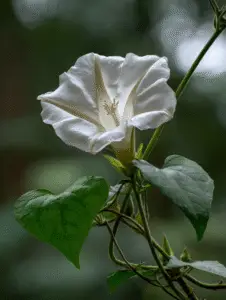
 Morning gloryPartial
Same genus, same twining full-sun habit, and NC State Extension rates the common form's own growth rate as rapid, so it opens by day while moonflower opens by dusk and one trellis can cover 24 hours of bloom, provided you train both vigorous vines actively rather than letting them fight for the same light.
Moonflower+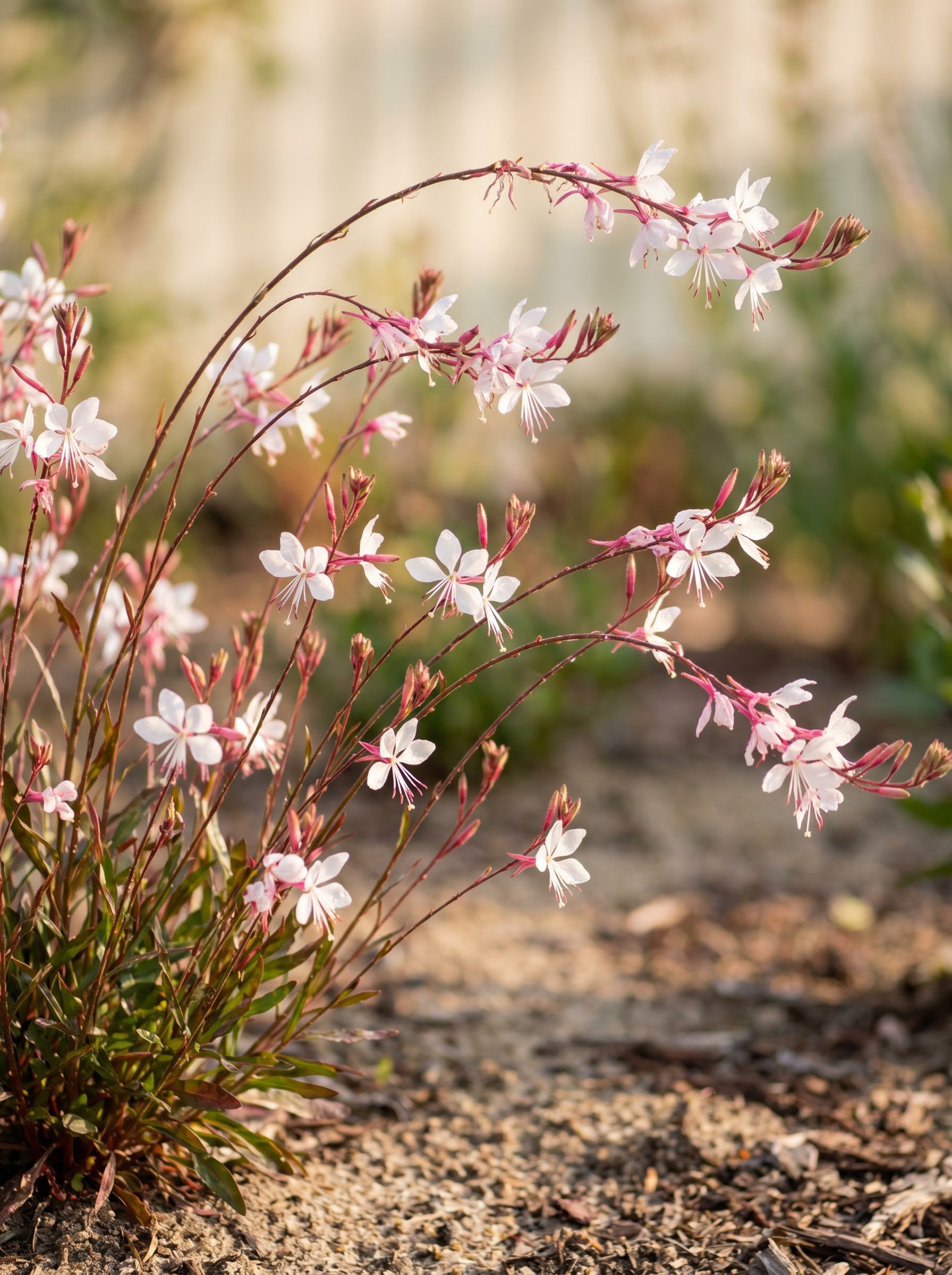 Evening primroseProven
A genuine dusk-to-dawn bloomer that NC State Extension confirms is fertilized by night-flying moths, the same pollinator group moonflower itself draws, and Colorado State's Pueblo County Extension names it directly as a moon-garden anchor alongside moonflower.
Moonflower+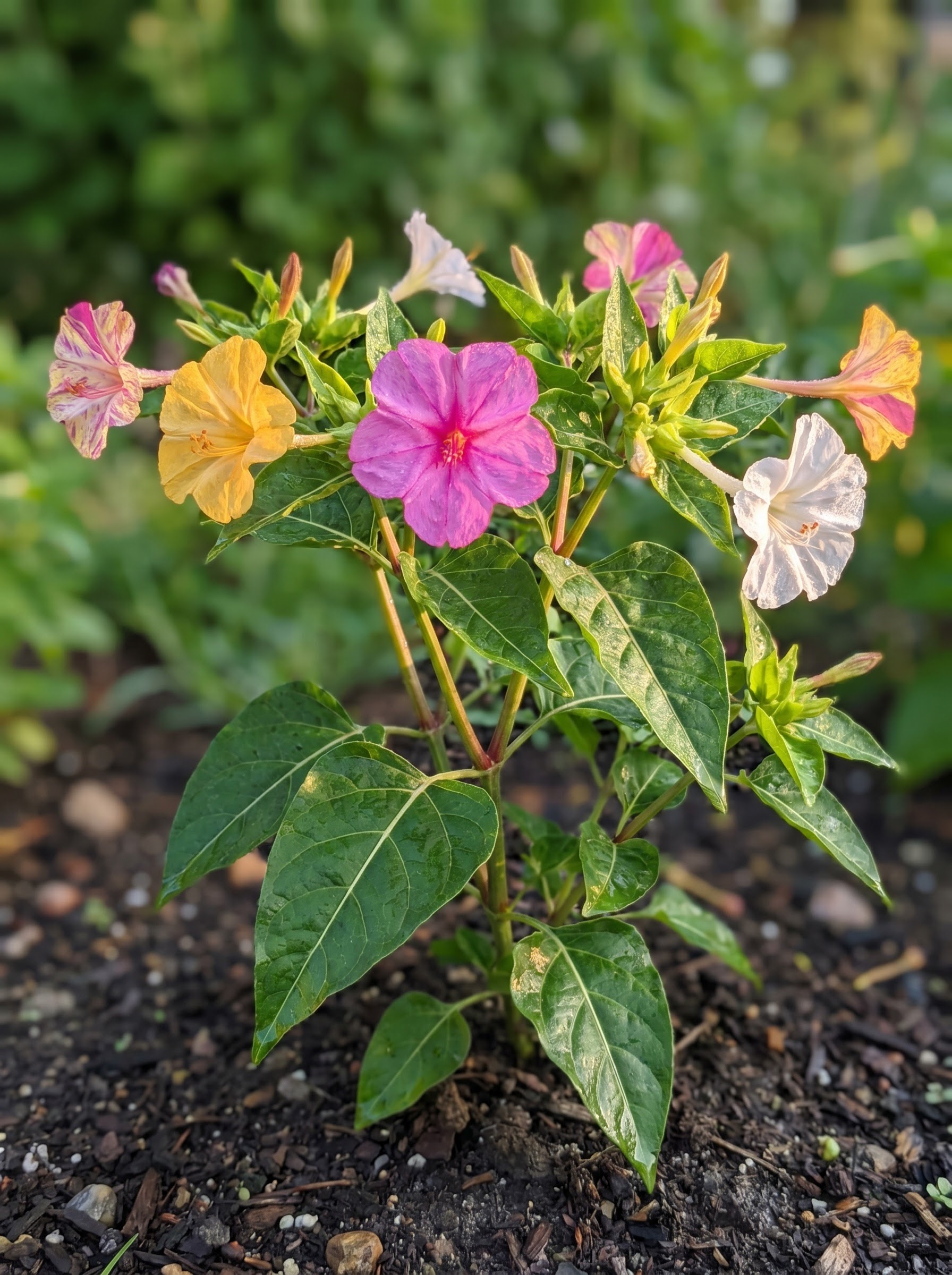 Four o'clocksPartial
A shrubby dusk-opener with a comparable heat-loving, full-sun profile and its own moth-drawing scent, sitting low at the vine's feet while moonflower climbs overhead.
Moonflower+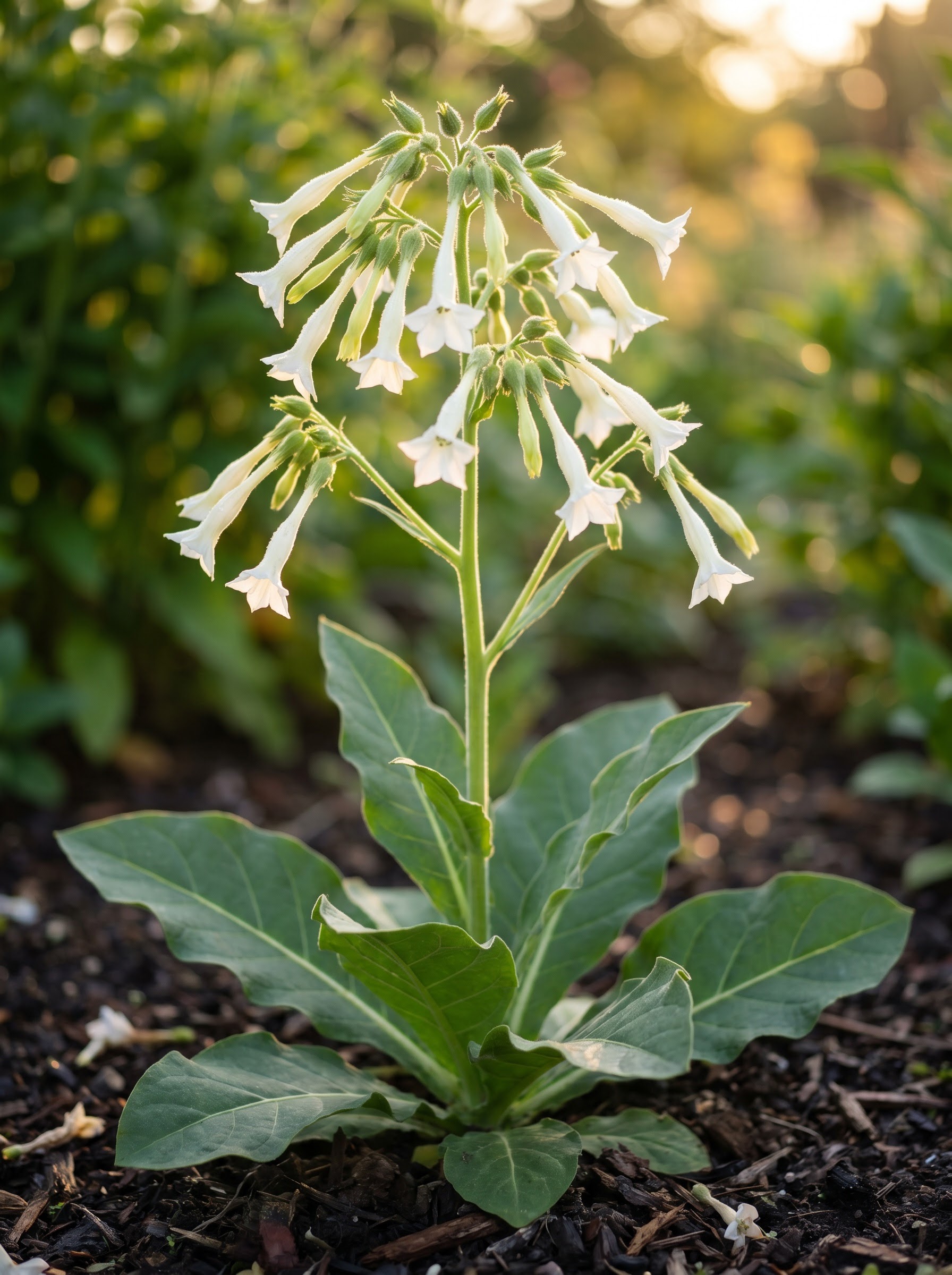 Flowering tobaccoProven
Opens and releases scent at night like moonflower, and its tolerance for a half day of sun means it can sit at the vine's shaded base once the trellis leafs out, something few true full-sun companions can do.
Moonflower+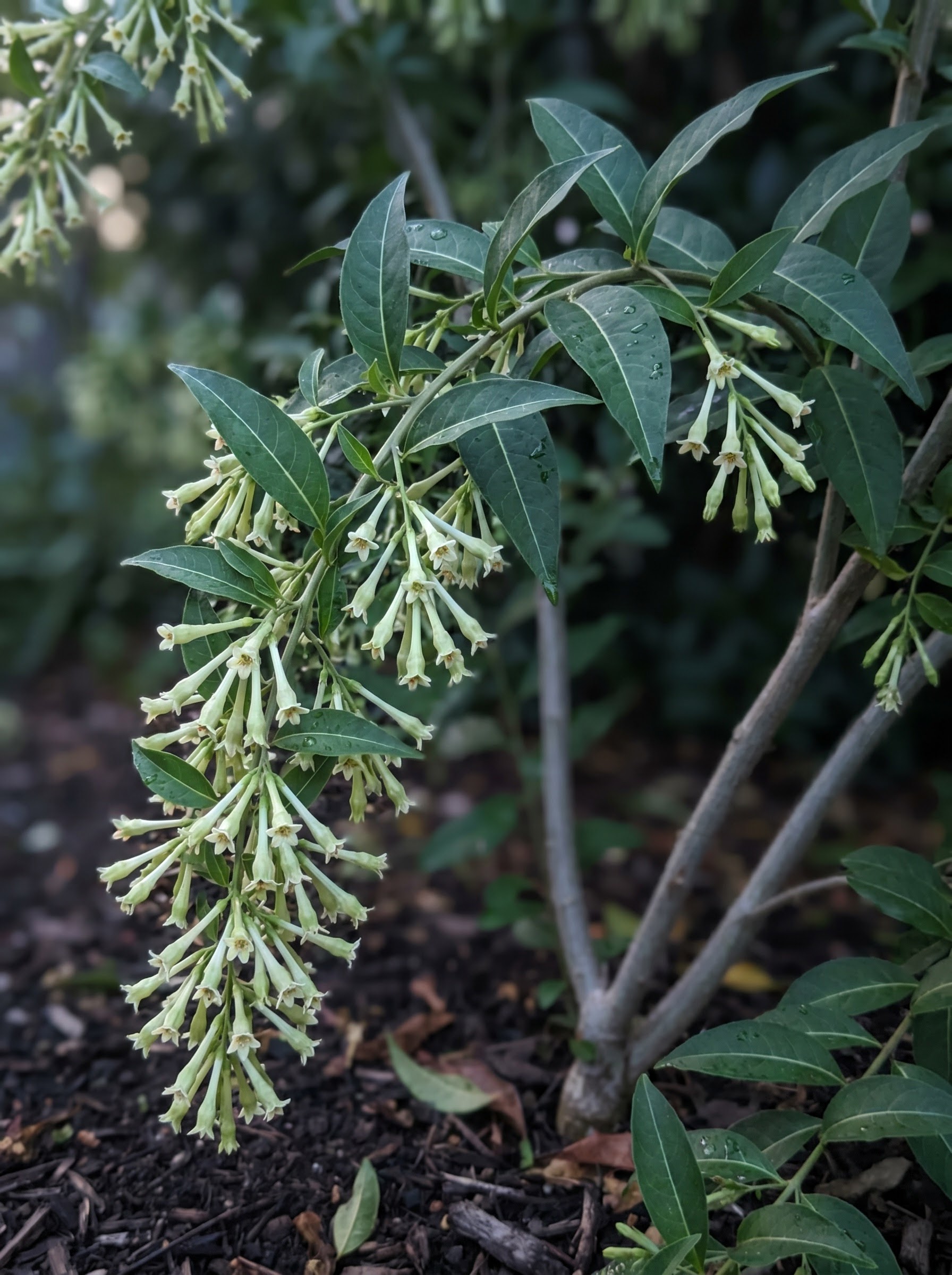 Night-blooming jasminePartial
The most-cited moon-garden shrub for extending fragrance after moonflower closes for the night, with a comparable warm-climate, full-sun profile, though its berries are toxic to pets and it wants its own footprint, not the vine's shared support.
Moonflower+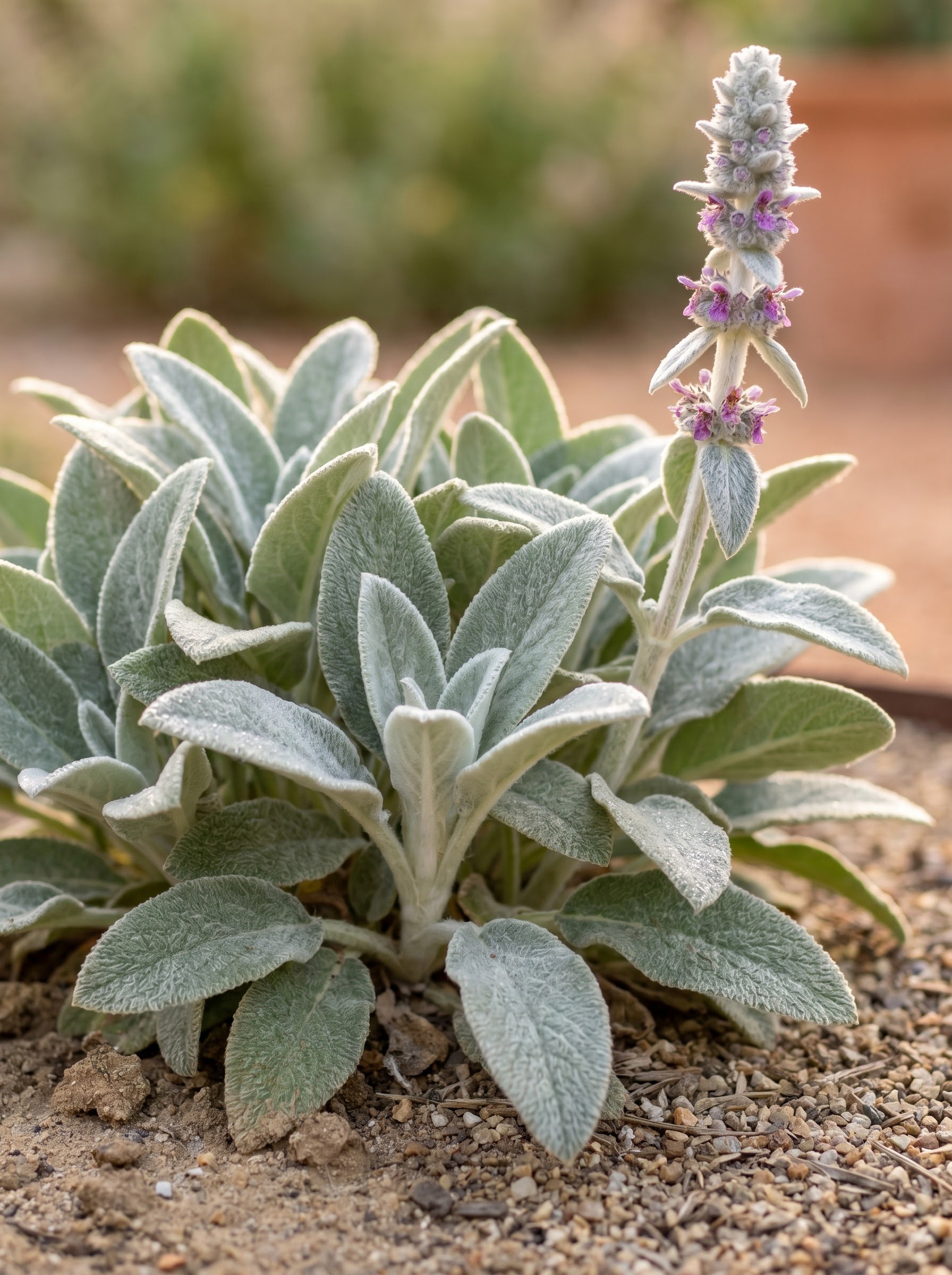 Silver foliage:Partial
Pale, felted foliage that Colorado State's own moon-garden guidance names by name for catching available light after dark, though both plants want drier, leaner soil than the vine's consistent moisture, so they belong at the path edge, not the vine's root zone.
Moonflower+ GardeniaPartial
A glossy, cream-flowered backdrop shrub with real nighttime fragrance of its own, but it needs strongly acidic soil (pH 5.0 to 6.0) and is reliably hardy only to zone 8, both narrower than moonflower's own comfort range, so treat it as a design pairing, not a shared-bed one.
All moonflower companions
7 flower companions, best match first
What not to plant near moonflower
Most bad neighbours are not evil, they just want the opposite light, water or root run. Here is what to keep away, and what to do instead.
Weak or slow-growing vines sharing the same trellis
NC State Extension describes moonflower as a fast-growing vine that builds a dense canopy of large leaves once summer heat arrives, and that kind of vigorous, heat-driven twining growth overtops and shades out a less vigorous vine on the same support before the weaker plant can establish; even the vine it pairs best with, morning glory, is itself rated a rapid grower and needs active training to avoid the same outcome.
Shade-lovers or dry-soil plants at the vine's base
NC State Extension describes a dense canopy of large heart-shaped leaves on a vine that demands full sun and moist soil, and once that canopy fills in by midsummer it stands to reason the vine's own footprint gets shadier and damper than it started, so a true shade-and-dry-soil plant tucked directly underneath is working against both its own light and moisture preferences at once.
Datura species planted nearby under the shared "moonflower" name
Datura and Ipomoea alba are both sometimes called moonflower, but they are unrelated genera with very different risk profiles; Datura's tropane alkaloids are markedly more dangerous than the ergine in Ipomoea alba's seeds, and growing both under one common name in a high-traffic bed compounds identification risk near patios and doors.
Delicate perennials directly beneath the mature vine's canopy
This is the same vine-vigor and shading mechanism as the two avoids above restated at the plant level: a fragile perennial planted right at the base competes with the vine's own root zone for water and then loses its light once the canopy fills in, so it is folded into the general spacing rule rather than treated as its own separate claim.
The best companions for moonflower, explained
Most flowers ask one companion question. Moonflower asks two, because it isn’t really a bed plant at all, it’s a vine, and a vine’s closest neighbor is whatever shares its trellis, not whatever shares its soil. The single most concrete pairing on this page is morning glory, the same genus, the same twining full-sun habit, and a flowering schedule that hands off perfectly: morning glory opens at dawn and closes by afternoon, moonflower takes over at dusk and holds until morning. Trained up opposite sides of one sturdy arbor or given their own separate supports along a fence, the two vines cover a full day-and-night bloom cycle on a single structure. The catch, and it’s a real one, is that both plants are vigorous climbers competing for the same light and root space, so morning glory’s faster spring start can shade out a slower-establishing moonflower before it gets going, which is exactly why the site’s own comparison between the two vines frames this as a managed pairing, not an effortless one.
Once you step off the trellis and into the bed around it, the companion question changes shape entirely. Moonflower is grown almost always as the anchor of a moon garden or night garden, a design tradition built specifically around dusk-to-dawn bloomers, pale petals, and heavy evening scent, and the standout partners here are the ones that keep that display going once the vine’s own flowers close for the day. Evening primrose opens on the same schedule and draws the same sphinx and hawk moths that pollinate moonflower itself, which is about as close to a proven pairing as this flower gets. Four o’clocks and flowering tobacco extend the fragrance layer lower down, filling the space at the trellis’s feet while the vine is still climbing. Night-blooming jasmine and gardenia work as fixed, woody anchors nearby, glossy backdrops that keep releasing scent after the vine’s blooms have folded shut for the morning. None of these plants are trying to solve a pest problem or fix moonflower’s soil, and none of them need to. Their whole job is honest and simple: keep the evening garden interesting after one vine’s flowers close, which they open around 4 p.m. and hold through the night before wilting with the morning sun.
What not to plant near moonflower
The most concrete avoid on this page has nothing to do with soil chemistry or pest attraction; it’s a straightforward vigor mismatch. Moonflower is an unusually fast, heat-driven twining vine, and NC State Extension’s own plant profile puts its mature height as high as 30 feet, built from a dense canopy of large leaves that fills in fast once temperatures climb. Put a slower, weaker vine on the same trellis, expecting a gentle partnership, and you’ll likely get one plant overtopping and shading out the other before the weaker one establishes. This is the same mechanism that makes even the best-matched pairing on this page, morning glory, a plant you have to actively train and redirect rather than simply set loose. The fix isn’t complicated: reserve any shared support for a vine with comparable vigor, and give anything gentler its own separate structure entirely.
The second real avoid sits at the vine’s own base rather than on its trellis. Moonflower wants full sun and consistently moist soil, and NC State’s own profile describes a dense canopy of large heart-shaped leaves once the vine matures by midsummer, which by simple physics leaves less light at its own footprint while its own watering habits keep that ground damper than a lot of companions want. A true shade-loving, dry-soil plant tucked right under a mature vine gets squeezed from both directions at once, too little light and too much moisture, and struggles regardless of how good the pairing looked on paper in spring. The honest fix is spacing: keep anything with those opposite needs at least 3 feet out, past where the vine’s midsummer shadow actually falls, which is also roughly the distance the site’s toxicity guide recommends for a separate reason, discussed below.
That separate reason is the one avoid unique to this flower, and it isn’t horticultural at all. "Moonflower" is a shared common name for two unrelated plants: Ipomoea alba, the subject of this page, and several Datura species, which carry markedly more dangerous tropane alkaloids. Gardeners sometimes end up growing both under the same label without realizing they’re different genera with very different risk profiles, and since moonflower is typically sited close to a patio, door, or bedroom window specifically for its scent, placing a true Datura in that same high-traffic bed compounds an identification risk that’s easy to avoid with one simple check. Confirm the botanical name before you buy, and if you want the full comparison, the site’s own toxicity and safety guide covers it in depth; this page won’t re-litigate the chemistry, only flag that the confusion exists and that it’s worth one look at the tag.
Do they like the same conditions?
Test every companion on this page against moonflower’s own profile and the honest answer is that its needs are fairly ordinary, just unusually strict about one thing: light. NC State Extension lists full sun, 6 or more hours of direct light daily, as the requirement, and while UF/IFAS notes some tolerance for partial shade in the hottest climates, that’s a concession to heat stress, not a genuine preference. This sun requirement is stronger than what a lot of shade-tolerant "companion flower" picks can offer, which is exactly why this page splits its companions into two groups: full-sun plants that can sit at the vine’s actual base (evening primrose, four o’clocks), and slightly shade-tolerant ones like flowering tobacco that can genuinely handle the dappled light under a mature canopy.
Water and soil are the less dramatic half of the ruler. Moonflower wants evenly moist, well-drained ground, not the drought tolerance you’d expect from a sun-loving vine, and definitely not standing water, which invites root rot. Its pH comfort zone, roughly 6.0 to 6.8 per most horticultural sources, though NC State’s own toolbox notes the plant actually tolerates a wider acid-to-alkaline range in practice, is broad enough that pH alone rarely disqualifies a pairing here. The one place this ruler genuinely breaks a pairing is hardiness zone: moonflower is only perennial in zones 9 through 12, and everywhere colder, which covers the overwhelming majority of readers, it’s grown fresh from seed each year. That reframes every companion relationship on this page as an annual-season pairing rather than a multi-year bed partnership, which matters less for design and more for expectations: nothing here is a permanent structural investment the way a shrub-and-perennial pairing would be for a hardier flower.
How to plant them together
Because the trellis and the bed are functionally two separate planting problems, plan them separately rather than as one continuous design. On the structure itself, if you’re pairing moonflower with morning glory, seed or plant both 8 to 12 inches apart, either interspersed for a blended look or on opposite sides of a wide arbor to keep them distinct early on, and give the moonflower a slight head start indoors since it’s the slower grower of the two coming out of winter. Nick or soak the seed coat overnight before sowing either way; it’s a step the site’s own growing-from-seed guide covers directly, and skipping it is the single most common reason a moonflower vine lags behind its trellis partner all season.
Around the base, layer by bloom timing as much as by height. Set evening primrose or four o’clocks 18 to 30 inches out from the trellis foot, close enough to read as one display but far enough to avoid direct root competition once the vine matures; both fill the display with color early in the season while moonflower is still climbing and not yet blooming, which in cooler zones can mean a genuinely bare-looking trellis well into midsummer. Flowering tobacco, being the one true-shade-tolerant option here, can sit closer, right at the vine’s base once it starts casting shade, since its own moisture needs actually match the vine’s rather than clashing with it. Reserve gardenia and night-blooming jasmine for fixed anchor spots several feet away, in their own amended soil where their differing pH and cold-hardiness needs don’t have to compromise with the vine’s ground, and use silver foliage plants like lamb’s ear or artemisia purely as edging along the path to the trellis, where their job is visual, marking the way after dark, not functional. In containers, the vine’s mature size (up to 15 feet) makes true companion planting in the same pot a poor fit; keep container moonflowers solo and treat any nearby balcony planting as a separate pot rather than a shared one.
Does companion planting actually work for moonflower?
Separate the proven part from the folklore part and moonflower holds up better than most vines this page could cover. The shared hawk-moth and sphinx-moth pollinator overlap between moonflower and evening primrose is genuinely documented, not decorative; Colorado State’s Pueblo County Extension names both plants directly as anchors of the same moon-garden pollinator strategy, and the mechanism, both plants opening on the same dusk-to-dawn schedule to court the same night-flying moths, is straightforward and real. The vine-vigor caution around shared trellis space is equally solid: it’s basic plant physiology, not myth, confirmed by the exact same extension source that documents the vine’s own explosive summer growth rate.
Where the evidence gets softer is the aesthetic layer, and it’s worth saying so plainly rather than dressing it up. The idea that pale, silver-leafed plants "reflect moonlight" and make a night garden easier to navigate after dark is repeated across nearly every moon-garden source, including Colorado State’s own guidance, but it’s a design observation passed down through gardening tradition, not a tested horticultural claim with a measured mechanism behind it. That doesn’t make it wrong, color contrast against dark foliage is a real, visible effect anyone can confirm by walking their own garden at dusk, but it belongs in a different evidence category than "these two plants share pollinators" or "this vine will smother a weaker one." The honest verdict: moonflower’s best companion relationships are functional and provable (shared pollinators, shared light and water needs, a genuine vigor mismatch to avoid), while its prettiest ones (silver foliage, glossy gardenia backdrops) are real design choices resting on tradition and eyesight rather than data, and both are worth doing, as long as you know which is which.
FAQ
Can you plant moonflower and morning glory on the same trellis?
Yes, and it’s the single most common pairing this flower gets, since the two vines share a genus and growing needs while blooming on opposite schedules. It does take active training though, since both are vigorous climbers and morning glory tends to establish faster in spring.
What can I plant at the base of a moonflower vine?
Full-sun, moisture-tolerant plants that won’t fight the vine for light before it matures, evening primrose and four o’clocks both work well, and flowering tobacco is one of the few options that genuinely tolerates the shade the vine casts once it leafs out.
Will moonflower kill or smother my other plants?
Not by running roots or spreading underground; it spreads mainly by dropped seed. The real risk is a shared trellis or a spot directly under the mature canopy, where its vigorous growth and shade can genuinely outcompete a weaker neighbor.
Is moonflower the same as Datura?
No. Both are sometimes called "moonflower," but they’re different genera with different toxicity levels, Datura is markedly more dangerous. Always check the botanical name on the tag before buying, and see the site’s own toxicity guide, linked above, for the full comparison.
What attracts the same pollinators as moonflower?
Evening primrose is the best-documented match, opening on the same dusk schedule and drawing the same hawk moths and sphinx moths. For the pollination story in more depth, the site covers it in its hawk moth guide.
Sources
- NC State Extension Gardener Plant Toolbox: Ipomoea alba
- UF/IFAS Gardening Solutions: Moonflower
- Colorado State University Extension, Pueblo County: Moon Gardens
- NC State Extension Gardener Plant Toolbox: Nicotiana alata
- NC State Extension Gardener Plant Toolbox: Mirabilis jalapa
- Clemson Cooperative Extension, HGIC: Gardenia