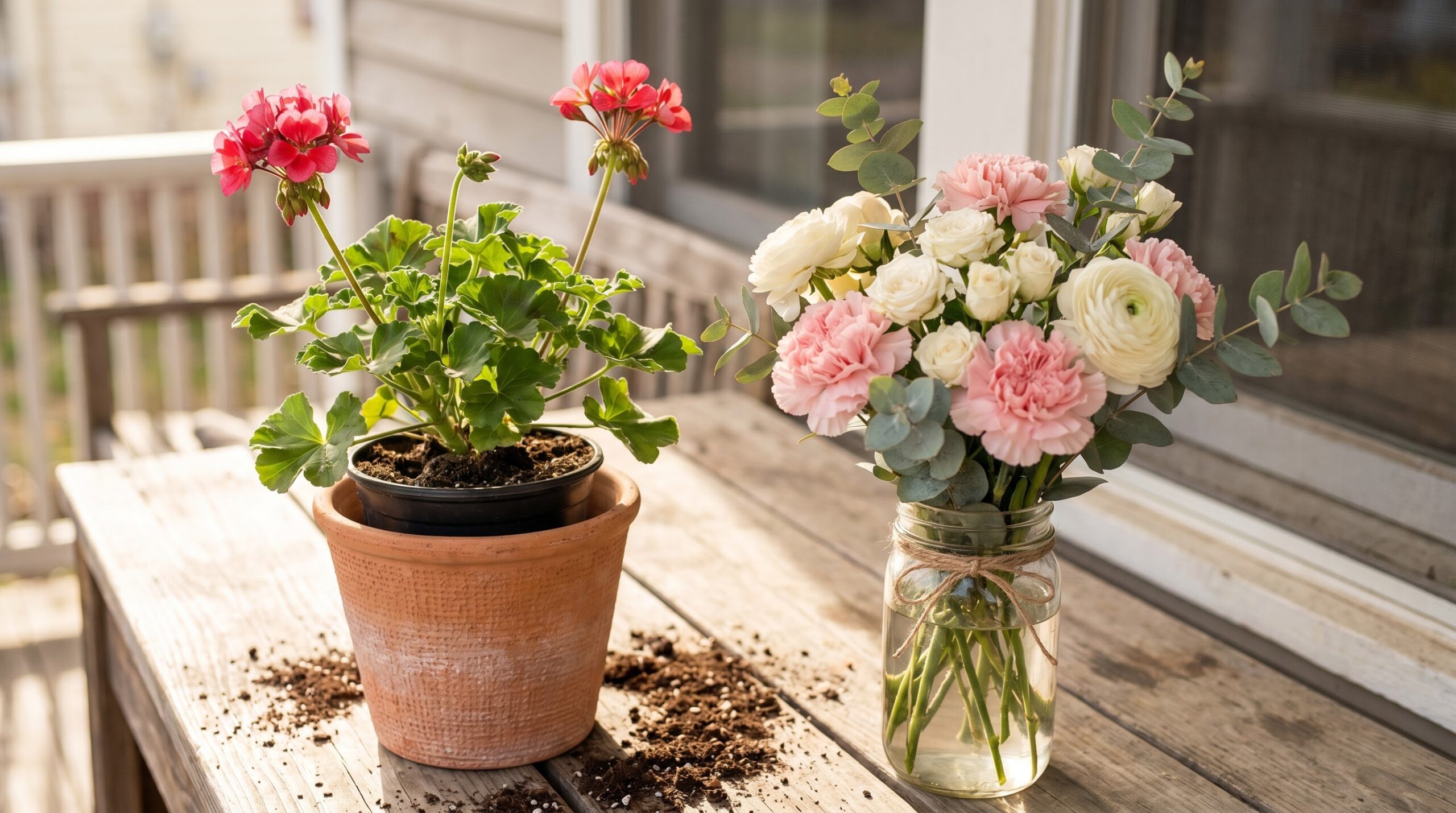
Somewhere between ordering a bouquet and standing in the nursery aisle, a lot of gift givers freeze on the same question. Does a living plant read as the more thoughtful gift, or is that just a story we tell ourselves to avoid spending forty dollars on carnations that are gone in a week? There is no single right answer, and treating one as universal is how you end up handing your mother a fern she never asked for. Some mothers have said exactly what they want, more than once, in almost the same words: "I'm a mom, flowers are dumb expensive. Buy a live plant." Others have said just as plainly that a pot solves nothing: "I can't keep potted plants alive... So a potted plant for me would be just like having cut flowers. They're both gonna die." The starting point is simple: which gift matches the woman you're buying for.
That distinction gets lost fast, because both sides of this argument have a marketing motive behind them. Florists have their own frustration with the "get her something that lasts" pitch. One florist put it on Reddit: "Why do businesses always have to market 'your mom doesn't want flowers she wants our product instead.'" Another added, "the constant 'flowers will just die, get her this instead' line. Drives me nuts." Plenty of mothers still want cut flowers, full stop. "My mom wants flowers. Always, anytime, everytime," one daughter wrote. But the plant side isn't invented by garden centers either. It shows up again and again in the same threads, unprompted: "As a mom receiving gifts I would appreciate flowers but if my kid was spending that much on a gift then I'd rather have a potted plant I can enjoy longer." That sentence, or something close to it, repeats across at least four separate threads.
Potted or cut: why there is no single right answer
Sorting this comes down to the mother in front of you rather than a generic gift category. A few patterns show up consistently enough in how people actually talk about this to work as a rough guide.
| If she sounds like this | Lean toward | Why |
|---|---|---|
| She's told you, more than once, that flowers feel like a waste of money | A potted plant | She's already told you what she wants. Buying flowers anyway serves tradition more than it serves her. |
| She's never once complained about a bouquet and lights up every time one arrives | Cut flowers | "My mom wants flowers. Always, anytime, everytime." Don't fix what she never said was broken. |
| She's mentioned she can't keep plants alive, or the ones she has are already struggling | Cut flowers | A plant she then watches die becomes a small, recurring source of guilt every time she looks at it. |
| She already gardens, or has asked for something to put in the ground | A potted plant meant for planting, like a geranium or a garden rose | This is already a yearly habit in a lot of families. |
| You don't know her well yet, this is a first Mother's Day buying for her, or she's a girlfriend's mother or new mother-in-law | Cut flowers | Lower stakes, no ongoing care expectation, and it reads as thoughtful without presuming what she wants long term. |
Swipe →
Retailers on both sides have a pitch: plant sellers frame cut flowers as a losing category, cut-flower sellers lean on convenience over sentiment. Ignore both pitches and check the pattern above against what she's already told you, then buy accordingly.
The living tradition of giving her something to plant, and where it backfires
For a real slice of families, giving mom something to plant on Mother's Day is simply what they do every year. "Usually every year on mother's day my husband gets me Geraniums to plant in my garden," one woman wrote, describing a routine rather than a one time idea. Another buyer put it just as simply: "I buy my mom a rose to plant on mothers day most often." Both point to the same quiet pattern. A geranium or a garden rose, bought already potted from a nursery or grocery store display, gets handed over on the day and put in the ground sometime that week. It costs about what a decent bouquet costs, it photographs the same way at the moment of giving, and unlike a bouquet, it's still there in July.
Where this goes wrong is in what happens after the handoff. One woman described getting flowers, then being told to go do the work herself: "last year I got the flowers and he was like 'go plant them before they die' so it kinda felt like being handed an extra chore for mother's day." The gift wasn't the plant. It was the plant plus an unstated job, on a day that was supposed to be about not having jobs. If you give something meant for the garden, plant at least part of it yourself first, or make a specific offer to do it with her. Don't leave it on the counter and assume she'll get to it.
Not every living gift needs a shovel at all. "My husband spent about that much on flowers for me just in the form of hanging baskets, which is what I wanted," one woman wrote. A hanging basket sits on a hook and looks finished the moment it arrives: full color, nothing to bury, nothing to fail at.
What actually survives being planted
If the plan is to give her something meant for the ground rather than a vase, a short list of choices shows up over and over. They're forgiving, widely available at nurseries and even grocery stores in the two weeks around the holiday, and they hold up without expert-level care.
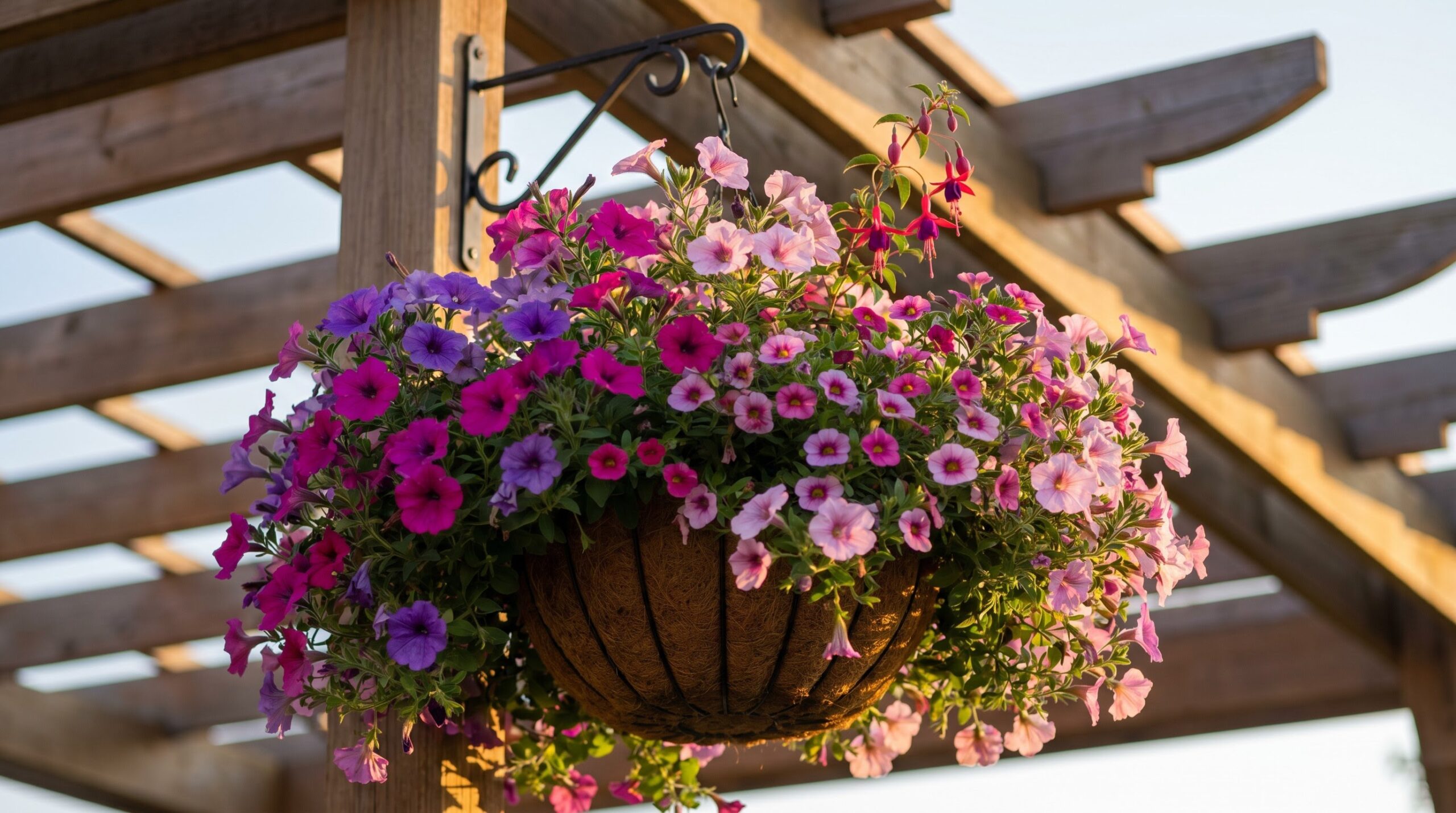
- Geraniums, the single most repeated planting tradition in the research behind this piece. Grown as an annual in most of the country, but consistently full and colorful from Mother's Day straight through the first fall frost. - A garden rose, sold already potted for the spring rush at most nurseries, often a compact own-root or shrub variety meant to go straight into a bed rather than a vase. Care basics live on our full rose growing guide. - A hanging basket of petunias, calibrachoa, or fuchsia. No digging required, and it's already at its fullest the day you hand it over, which is exactly what made it the right gift for the reader quoted above. - True perennials, the kind that come back on their own every spring without being replanted: daylilies, peonies, coneflowers, black-eyed Susans, catmint. These cost more upfront than a bouquet but keep paying out for years, which is the appeal for a mother who already gardens.
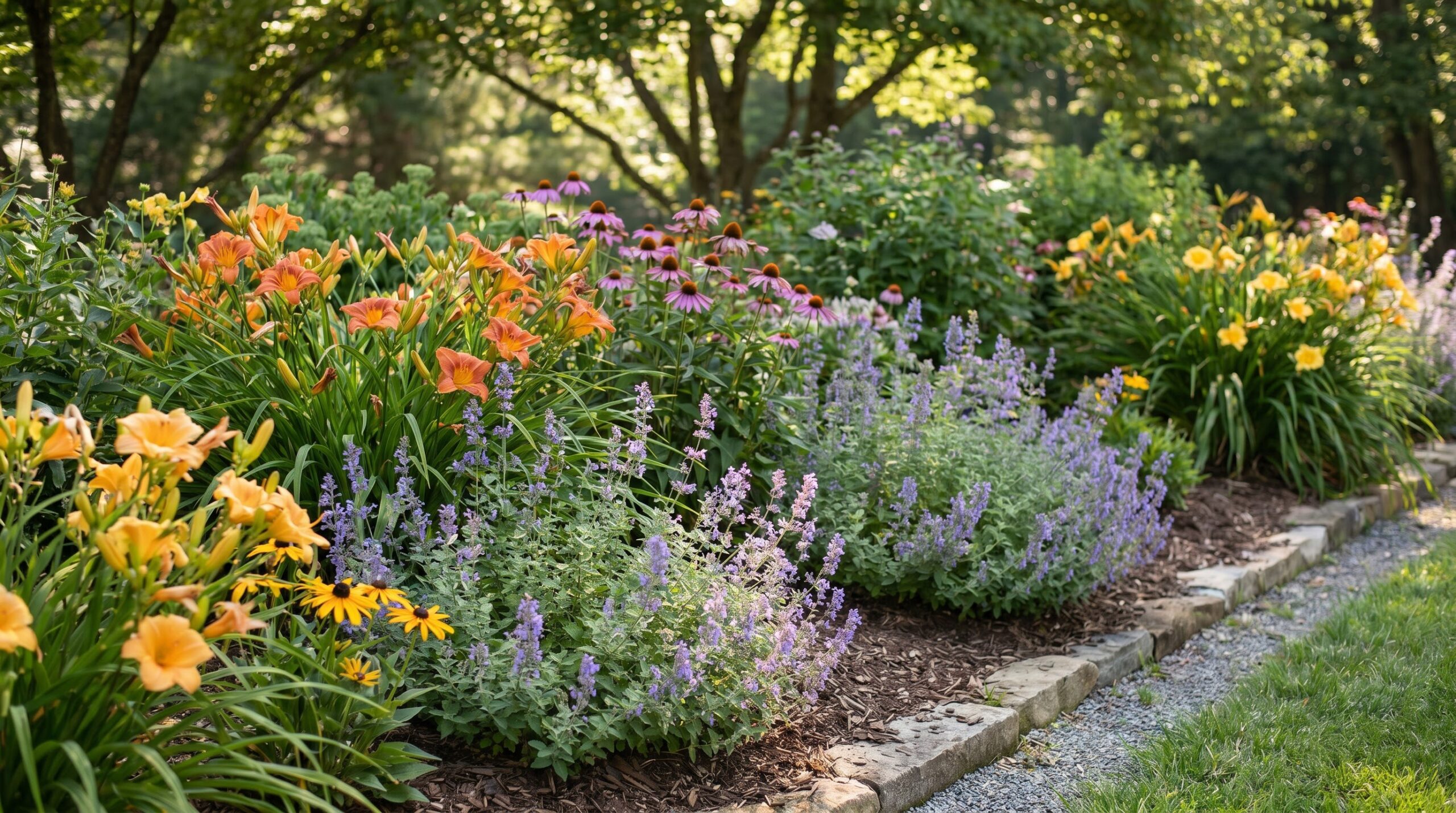
If she's the type to want the bed to work together rather than just filling gaps, our companion planting guide breaks down which flowers actually help each other and which ones compete for the same light and water.
If she already has a gifted hydrangea, orchid, or azalea to keep alive
A lot of Mother's Day gifts arrive already potted and already blooming rather than bare root and waiting to be planted: a florist hydrangea, a phalaenopsis orchid, an azalea wrapped in foil. These raise a different question than whether to plant something. The question is whether this particular plant can be kept alive at all, and the answer depends on which one it is.
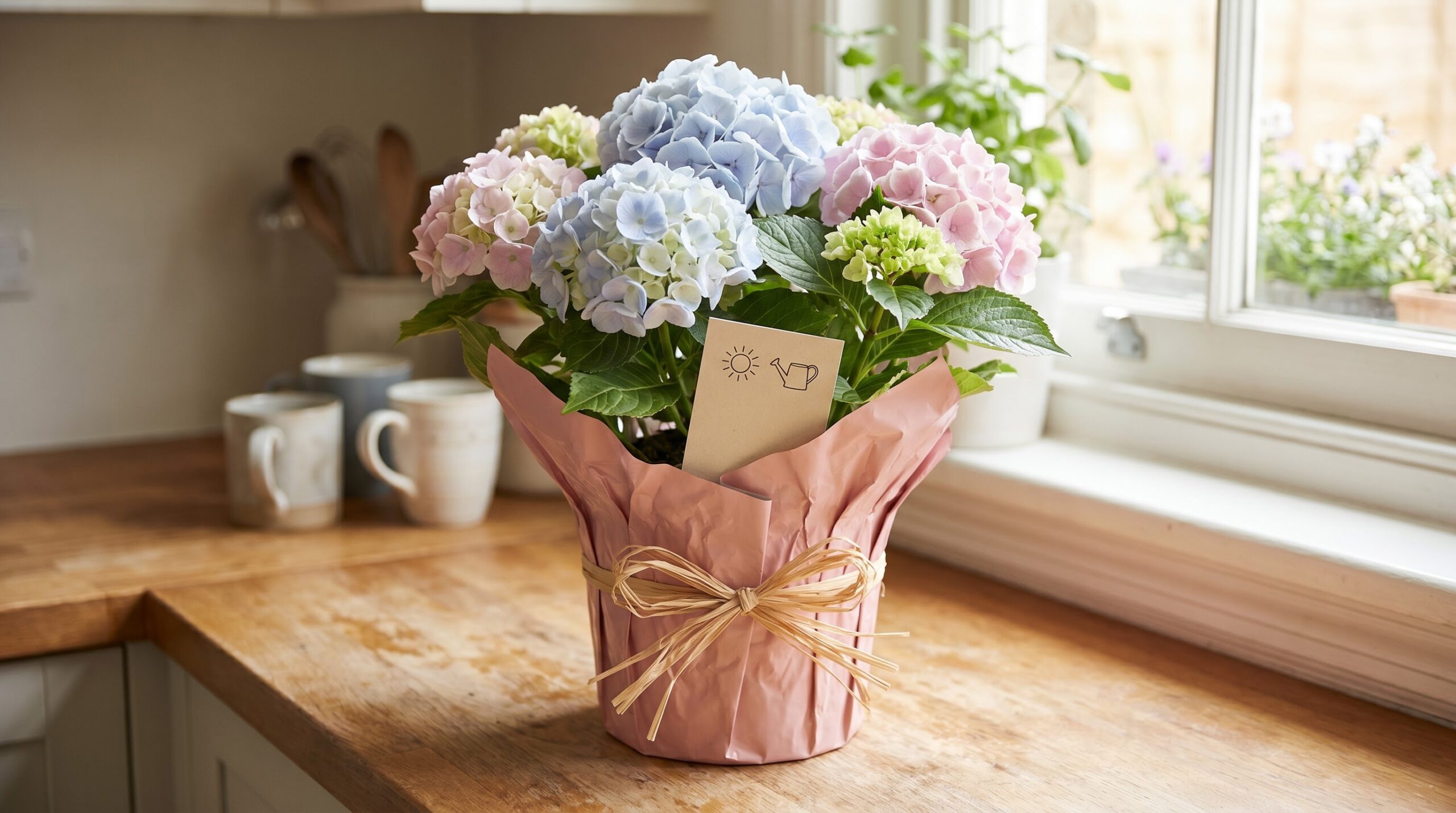
Iowa State University Extension's guidance on potted florist hydrangeas is more candid than most gift shop advice: keep the soil evenly moist, don't let water pool under a foil wrap, and give it bright, indirect light. The extension office also warns that the hydrangea cultivars sold as gifts "are not reliably winter hardy" in much of the country, and even where they survive, they often don't rebloom. Its own recommendation is to enjoy the blooms and discard the plant once they fade, rather than count on years of flowers from it. That's worth knowing before you promise your mother a plant will outlast the cut flowers it's replacing. Orchids and geraniums are a better long-term bet with basic care. Our orchid care guide and geranium care guide cover what a gifted plant needs once the first bloom fades, and our hydrangea guide covers what winter protection looks like for the varieties that do have a real shot at coming back.
Can you plant before Mother's Day, or is it too early
Whether you can safely put something in the ground before the holiday depends on your local frost date, which rarely lines up neatly with the calendar date of Mother's Day itself. Michigan State University Extension makes this point bluntly in its guidance on frost timing: two towns a few miles apart can have last frost averages weeks apart, and that number is itself just a historical average that an unusual spring can beat easily. Geraniums and most of the annuals sold for Mother's Day are tender, meaning a hard frost after planting can kill or badly set back what you just put in the ground.
In practice, that means checking your specific county's average last frost date before you plant, rather than assuming a garden center full of Mother's Day displays means it's safe to plant everywhere on the same weekend. In much of the northern half of the country, the safer move is to buy the plant potted on the day itself and let her enjoy it on the porch or windowsill. Plant it out once the frost risk has passed in her zone, even if that's a couple of weeks later. A geranium that spends an extra ten days in its nursery pot is fine. One planted into cold, still-freezing ground usually isn't.
None of this replaces knowing the person you're buying for. If cut flowers are what she's always wanted and never complained about, our full guide to choosing Mother's Day flowers by recipient, part of our broader occasion flowers coverage, covers what to buy and how to style it. If she's the type who would rather have something to put in the ground, pick one suited to her climate and her patience for upkeep. Then be honest with yourself about how much of the follow-up work is really going to land on her.