Valentine's Day Flowers Guide | Step-by-Step
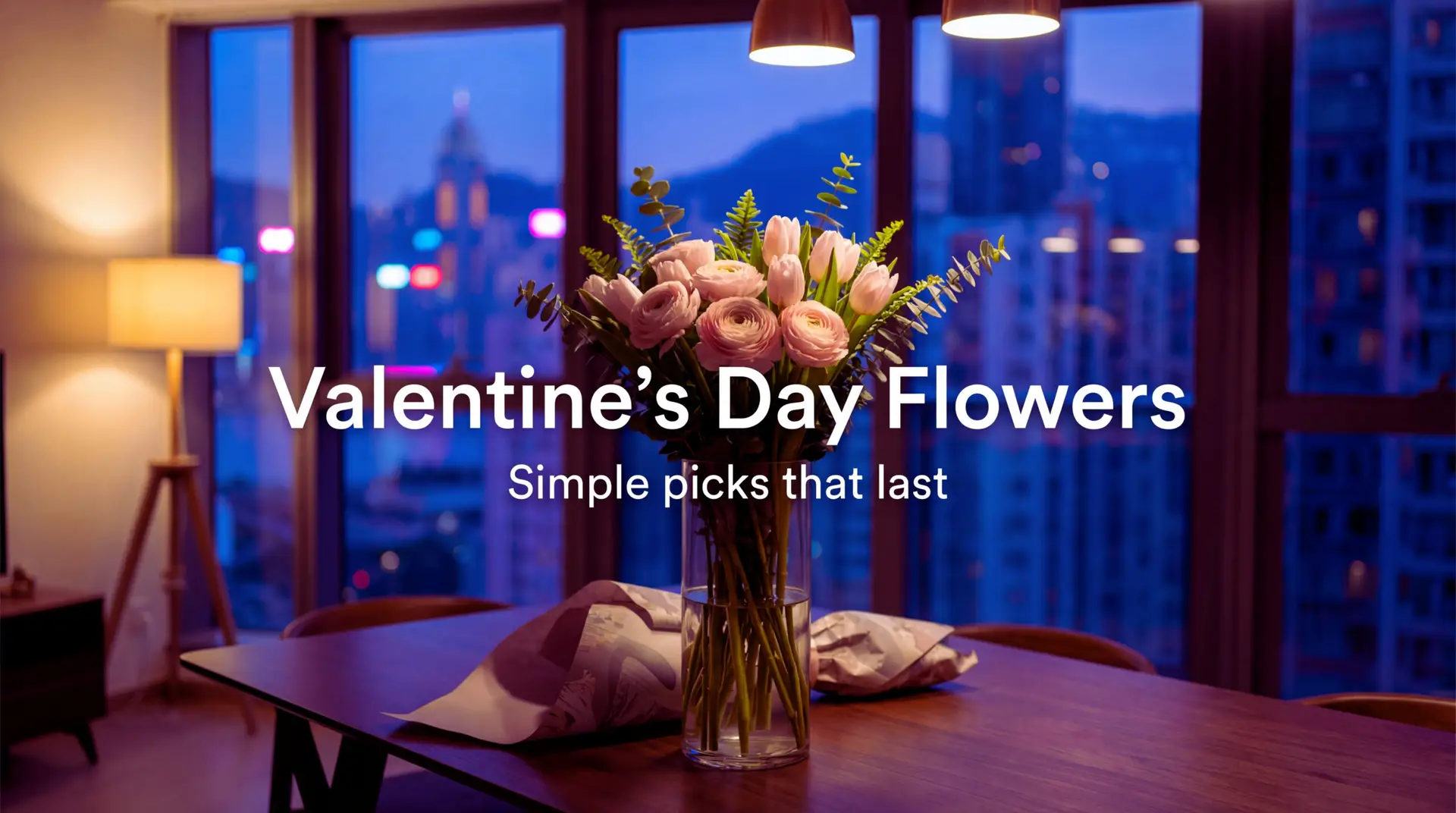
For a classic Valentine’s Day look, roses still lead because they read as romantic from across the room and fit every budget when the size is adjusted. A smaller bunch of roses with clean greenery can look more intentional than a crowded, mixed bouquet. For someone who likes a softer feel, peonies are not usually in season, but the same full, ruffled effect can be matched with ranunculus or lisianthus, both of which photograph beautifully and feel special.
Seasonal and easy to find choices matter because February shopping often comes down to what is fresh, not what is ideal. Tulips are widely available and feel modern, especially in a simple, tall vase. Carnations are often underestimated, but they hold color well and can look upscale in blush, deep red, or creamy white. For long-lasting winners, alstroemeria and chrysanthemums are practical picks that can stretch a mid-range budget into a fuller arrangement without looking cheap when the palette stays tight.
Low-fragrance or allergy-friendlier options help when sensitivity is unknown. Tulips, orchids, and hydrangea are commonly easier to live with than very scented stems. A budget-smart approach is to build around carnations, alstroemeria, or tulips, then add a small accent of roses for the Valentine signal. Potted gifts can feel more personal because they stick around. A phalaenopsis orchid, an African violet, or a tidy anthurium plant works well in homes and offices.
Grow-it-yourself friendly picks should be simple and realistic for February. A small kit with zinnia or cosmos seeds can be framed as a spring promise, while a bulb kit for paperwhites or hyacinth offers indoor blooms with minimal effort.
Table of Contents

The Step-by-Step Plan
A Valentine’s Day flower gift works best when it matches the relationship and the setting, not a trend. The first decision is the gift path: cut flowers for instant impact, a potted plant for a longer presence, or a grow-it-yourself gift for someone who enjoys the process as much as the result.
Next comes a practical check. Delivery timing, vase access, fragrance tolerance, and pet safety shape the best choice more than social media photos do. A great bouquet is not the biggest bouquet. It is the one that arrives in good condition and fits the recipient’s real life.
- Pick the gift path: cut flowers, potted plant, or grow-it-yourself kit based on lifestyle and space.
- Choose one main color and one accent color to keep the look clean and intentional.
- Select one hero flower, such as roses or tulips, then add one supporting flower, not three.
- Decide the size by location: desk-friendly for office, medium for home, compact for hospital.
- Ask the florist for sturdy stems and tight buds, not fully open flowers, for better vase life.
- Add a simple greenery and skip heavy filler if the goal is a modern look.
- Confirm fragrance tolerance when possible, then choose low-scent flowers if uncertain.
- If pets are in the home, avoid high-risk choices and keep arrangements out of reach.
- Plan delivery for the day before when possible to reduce delays and protect freshness.
- Include a short message that matches the relationship and avoids jokes that can misread.
Budget and setting change the same plan without changing the feeling. Under $30, focus on one flower type like tulips with clean wrapping. In the $30 to $75 range, add a second flower and better greenery. For tight delivery windows, a compact arrangement in a stable container can travel better than a tall bouquet.

Color Palettes That Always Work
Classic Red and Green fits traditional romance and works best for a partner or spouse. The common mistake is adding too many extra colors, which can turn the bouquet into a holiday mix instead of a clean Valentine look. Keeping the greens simple and the red dominant protects the message.
Blush, Cream, and Soft Peach feels gentle and works well for a new relationship, a close friend, or anyone who dislikes bold red. The most common mistake is using too many pale flowers without contrast. A small touch of deeper pink or a darker greenery keeps the bouquet from looking washed out.
Modern White and Burgundy reads mature, stylish, and a little dramatic, which suits anniversaries and formal settings. The typical mistake is choosing a container that is too casual, like a busy printed wrap. A plain wrap or a simple vase makes the colors look expensive.
Pink Monochrome works for almost any recipient, including coworkers and friends, because it feels cheerful without being intense. The mistake is mixing warm pinks with cool magenta in equal amounts. Choosing one pink family and staying consistent keeps it polished.
Sunset Coral and Warm Neutrals is great for someone who loves lively color and casual style. The common mistake is adding bright yellow, which can shift the tone away from romance. If yellow is included at all, it should be a tiny accent, not the main event.
Minimal Green and White is calm and office-safe, and it suits recipients who prefer clean design. The mistake is picking flowers that bruise easily in pale shades. Sturdier choices like orchids or chrysanthemums in white can hold up better than fragile stems.

Bouquet Styles and Sizes (What Looks Expensive vs Budget)
A bouquet looks expensive when it has a clear shape and a clear plan. A tight, rounded bouquet of one main flower, like roses or ranunculus, often reads more premium than a large mix with many different bloom types. The eye likes repetition. That is why a simple bunch of tulips in one color can look high-end, especially when the stems are long and the wrap is plain.
Budget bouquets often look budget when they try to do too much. Too many filler flowers, too many colors, and too many short stems create a busy, uneven shape. A better budget move is to choose one sturdy flower, like carnations or alstroemeria, then add a small amount of a more iconic bloom, such as roses, to signal the occasion. A modest bouquet can still feel romantic when the flowers are fresh and the palette stays tight.
Premium look without premium price comes from small upgrades that do not add many stems. Cleaner greenery, a better wrap, and a stable vase do more than extra filler. A florist can also be asked to keep blooms at different stages, with some buds and some open flowers, which adds depth without adding cost.
Potted plant gifts look best when they are treated like a full gift, not a plant on a plastic tray. A simple ceramic cover pot, a clean ribbon, and a small note turns a phalaenopsis orchid or African violet into a finished present. Grow-it-yourself gifts can be made more impressive with a small seed-starting set, labeled packets, and a clear first step card. The goal is to make the start feel easy.
By Recipient (Ideas That Match the Relationship)
A partner or spouse often fits the cut-flower path because the gift is meant to land with impact. A tight bouquet of roses with a hint of ranunculus or tulips can feel romantic without being overdone. Message tone line: “Happy Valentine’s Day, always grateful for you.”
A new date or early relationship usually benefits from something warm but not overwhelming. A small cut bouquet of tulips or lisianthus in blush tones keeps it thoughtful and light, and a potted African violet can also work if the recipient likes cozy home things. Message tone line: “So happy to spend today thinking of you.”
A close friend can be matched with cheerful, modern flowers that do not look like a romantic script. Cut flowers like tulips with carnations in pink, coral, or white feel friendly, and a potted orchid reads thoughtful without pressure. Message tone line: “Hope your day feels loved and bright.”
A coworker gift should prioritize office practicality and low scent. A compact arrangement of chrysanthemums and alstroemeria in white and soft pink keeps pollen and fragrance lower for many spaces, and a small potted plant is often easier than a tall bouquet. Message tone line: “Wishing you a happy Valentine’s Day at work and beyond.”
A host or hostess gift works well as a potted plant or a simple cut arrangement that looks good on a counter. Orchids and anthuriums are strong choices for a tidy, longer-lasting present, while a bunch of tulips in one color feels clean and easy. Message tone line: “Thank you for hosting, hope these brighten your week.”
A teacher or mentor gift should feel respectful and uncomplicated. A small mixed bouquet anchored by carnations and tulips avoids the overly romantic look, and a small flowering pot can be easier for a classroom. Message tone line: “Thank you for everything you do, happy Valentine’s Day.”
A grieving family or someone having a hard season needs a calm approach. White and soft pink blooms, like white tulips or gentle chrysanthemums, can communicate care without pushing cheer. Message tone line: “Thinking of you today and sending support.”

By Setting (Home, Office, Hospital, Event Venue, Outdoor)
At home, bouquet size can be chosen for the space, not the price. A medium arrangement that fits a 10 to 12 inch vase is usually easier to display than an oversized bouquet that needs a tall container. Delivery can be flexible, but a bouquet should arrive before dinner plans, not during them. For fragrance, strong-scented stems can fill a small room quickly, so mild options like tulips or orchids are often safer when the home is small or shared.
In an office setting, stability and discretion matter. A compact arrangement in a low vase is less likely to tip on a desk and can fit under monitors. Transport should be upright and protected from cold, since February temperatures can damage petals fast. Pollen and fragrance can bother neighbors, so cleaner designs with low-scent flowers are a smarter default than heavy fragrance blooms.
Hospitals bring extra rules and sensitivities. Many hospitals limit strongly scented flowers, and some units restrict plants or standing water. A small arrangement with low fragrance and minimal pollen is often the safest option, and delivery should be timed for staff intake hours so it does not sit at a front desk. If a vase is not guaranteed, a small arrangement in a stable container can prevent last-minute scrambling.
For an event venue, travel and timing shape everything. Bouquets should be kept cool and upright, and pickup should be close to event time to avoid wilting. Outdoor gifting needs cold and wind planning in February. Choose sturdier flowers, keep the bouquet wrapped until the last moment, and avoid delicate petals that bruise easily.
Fragrance, Pollen, and Allergy Notes (Always Include)
Fragrance can be romantic in the right context, but it can also be a problem in tight spaces or shared air. A low-fragrance direction is usually safest when sensitivity is unknown. Bouquets built around tulips, orchids, hydrangea, ranunculus, or chrysanthemums often feel easier to live with than heavily scented stems, especially in offices and hospitals.
When allergy sensitivity is unknown, the goal is not perfection. It is risk reduction. Strong fragrance can be avoided, and high-pollen flowers can be minimized by choosing cleaner designs and asking the florist to remove visible pollen-bearing parts when possible. Keeping arrangements away from faces, like on a table instead of a bedside, can also reduce irritation without turning the gift into a medical project.
Simple pollen tips can help without making claims. A bouquet with fewer loose stamens tends to shed less. Fresh water, a clean vase, and removing dying blooms reduces both odor and mess. If a bouquet arrives with visible pollen dust, a gentle shake outdoors before bringing it inside can help.
A safe default bouquet plan is a compact, two-flower design: one main flower for color and one supporting flower for volume, plus simple greenery. For example, pink tulips with white chrysanthemums can look sweet, hold up well, and stay relatively mild. The key is to keep the bouquet clean and avoid adding extra scented stems just to fill space.

Pet Safety and Toxicity (Short, Practical)
Some popular Valentine’s Day flowers can be toxic to pets if chewed or swallowed. Cats and dogs explore with their mouths, and even small bites can lead to problems. It is safest to assume that a curious pet may reach a bouquet at some point, especially in smaller homes, and to choose flowers with that reality in mind.
A safer approach is to pick the look first, then choose swaps that keep the same mood. For a lily-like shape, a florist can suggest alternatives that still feel elegant. For a romantic red look, choosing sturdy flowers that are less tempting to chew and keeping the bouquet on a high shelf can reduce risk. No bouquet is fully risk-free, but thoughtful choices and placement help.
Safer alternatives
Care Tips to Extend Life (Cut Flowers + Potted Gifts + Starter Plants)
Cut flowers
Cut flowers last longer when the first hour goes well. A clean vase matters because bacteria shortens vase life fast. Stems should be recut by about 1 inch under running water if possible, then placed into fresh, cool water right away. Leaves that sit below the waterline should be removed so they do not rot.
Water should be changed often, and the bouquet should be kept away from heat vents, direct sun, and ripening fruit on counters. When flowers start to fade, removing only the failing stems can keep the rest looking good for longer. Taller bouquets can be tied loosely once to keep the shape without crushing stems.
Potted gifts
Potted gifts last when the plant is treated like a living thing, not a decoration. A cover pot should have a way to drain, or the nursery pot should be lifted out for watering, then set back after excess water drains. Bright, indirect light is usually safer than hot sun through a window. Overwatering is the most common mistake with gift plants, especially in winter.
Grow-it-yourself starters (first 2 weeks)
A grow-it-yourself gift should start with a simple win. For seeds, the first two weeks should focus on light, warmth, and even moisture, not fertilizer. A sunny window is often not enough in February, so a small grow light can help if seedlings stretch. For forced bulbs, the goal is cool roots and moderate light once shoots appear, with watering kept light so bulbs do not rot.

FAQ + Common Mistakes
Are red roses always the best choice?
Red roses are the safest traditional pick, but not always the best match for every recipient. A modern bouquet of tulips or a potted orchid can feel more personal and still read as Valentine.
What lasts longer, roses or tulips?
Both can last well with good care, but tulips keep growing in the vase and can change shape. Roses often hold a steadier look when kept cool and hydrated.
What is a good budget bouquet that still feels special?
A tight bunch of tulips in one color, or carnations mixed with a few roses, often looks more thoughtful than a crowded mixed bouquet. Clean wrapping helps the budget look intentional.
Is it better to send flowers on Valentine's Day or earlier?
Sending a day earlier can reduce delivery delays and can keep flowers fresher. If the goal is a surprise at a specific time, confirming availability matters more than the exact date.
What works well for an office delivery?
A compact arrangement in a stable container is easiest for desks and shared spaces. Low-fragrance flowers are also a safer choice around coworkers.
What if the recipient might be sensitive to scent?
Choosing low-fragrance flowers and avoiding heavy perfume-like blooms is a practical default. A smaller, cleaner bouquet is often easier to live with than a large, scented one.
Are potted plants a good Valentine's Day gift?
Yes, especially for recipients who prefer something lasting. An orchid or African violet can feel personal and keeps the gift visible for weeks.
How can a bouquet look more expensive without spending more?
A tight color palette, fewer flower types, and better greenery usually makes the biggest difference. A simple vase or clean wrap can also change the whole impression.
What is the easiest grow-it-yourself Valentine's gift?
A small bulb-forcing kit, like paperwhites or hyacinth, is often simpler than starting seeds in February. It offers visible progress without advanced gear.
Should the card message be long or short?
Short is usually better. One clear line that matches the relationship feels more genuine than a long note that tries to sound poetic.
Common mistakes tend to cluster around timing. Ordering too late leads to limited choices and more delivery risk, while ordering too early without a plan can result in flowers arriving before anyone is home. Another timing miss is transporting flowers without protection in cold weather, which can bruise petals quickly.
Style mistakes are usually about mixing too much. Too many colors, too many filler flowers, and too many different bloom shapes can make even expensive stems look messy. A smaller bouquet with one main flower and one supporting flower often looks more premium than a big mixed bunch.
Allergy and fragrance mistakes show up when strong scent is treated as a guaranteed plus. In shared spaces, scent can backfire. Choosing a low-fragrance bouquet and keeping pollen mess low is a safer move when the recipient’s preference is unknown.
Care mistakes shorten the gift fast. Dirty vases, leaves in the water, and placing flowers near heat sources are common problems. Potted plants also suffer when kept in decorative pots with no drainage and watered too often.
Written by: Your Flowers Guide editorial team
We are a small independent group of flower lovers who research and review each guide using trusted horticultural and educational sources. Learn more about us