The pairing · pick a flower
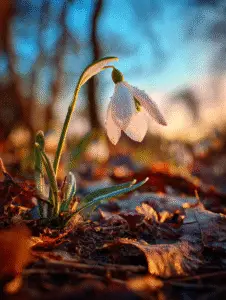 Snowdrop+
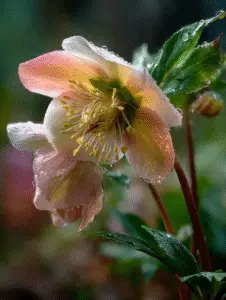 HelleboreProven
Hellebore's leathery, deeply lobed evergreen foliage gives snowdrops the coarse structural backdrop their fine, sparse leaves lack, and both plants share the exact same shade, moisture and rich-soil profile down to the week they bloom.
Snowdrop+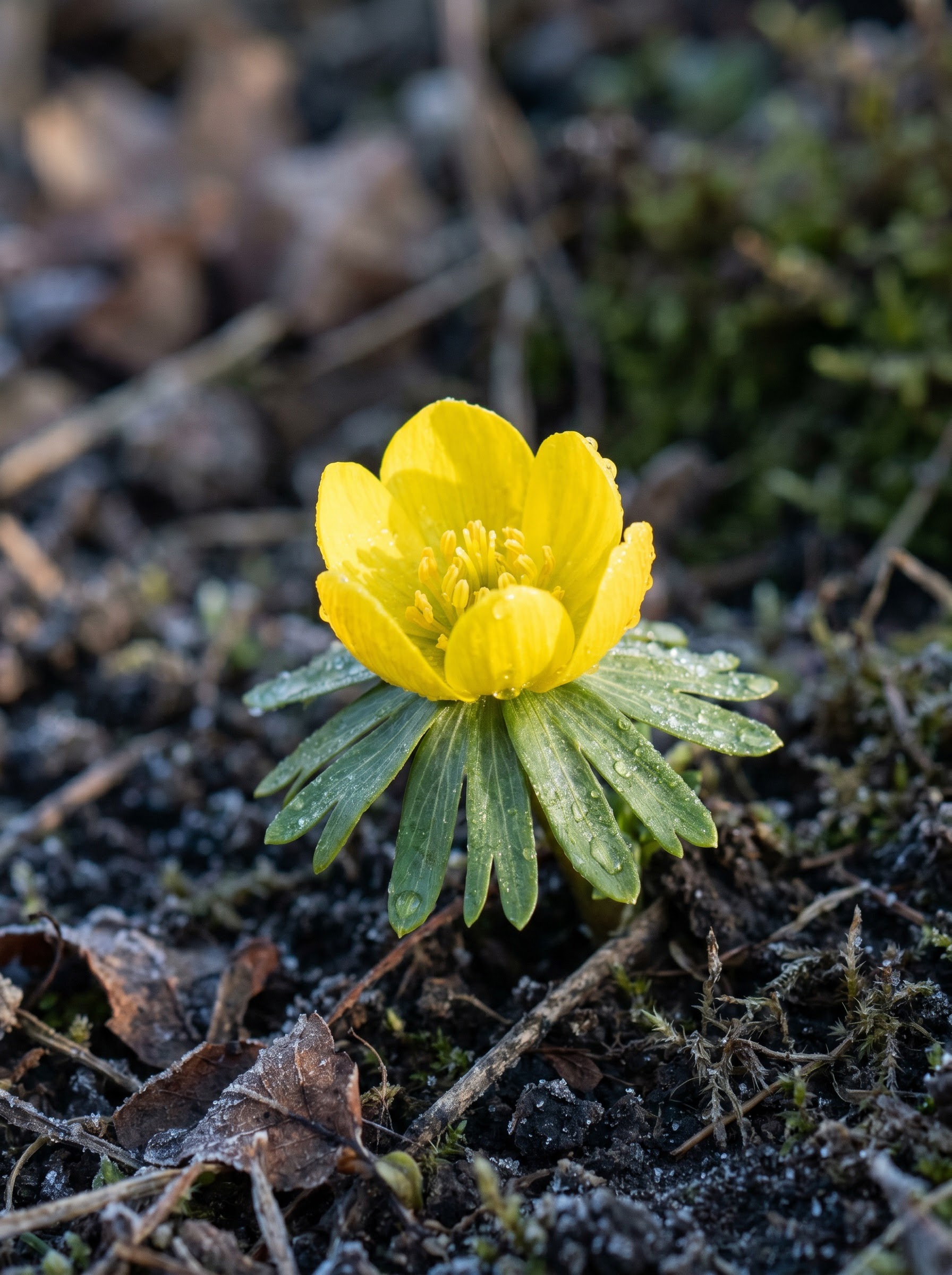 Winter aconiteProven
Butter-yellow cups open within days of the first snowdrops, giving the white blooms genuine color contrast rather than a solo act, and Wisconsin Extension itself lists winter aconite as a companion for the same naturalized, deciduous-shade setting.
Snowdrop+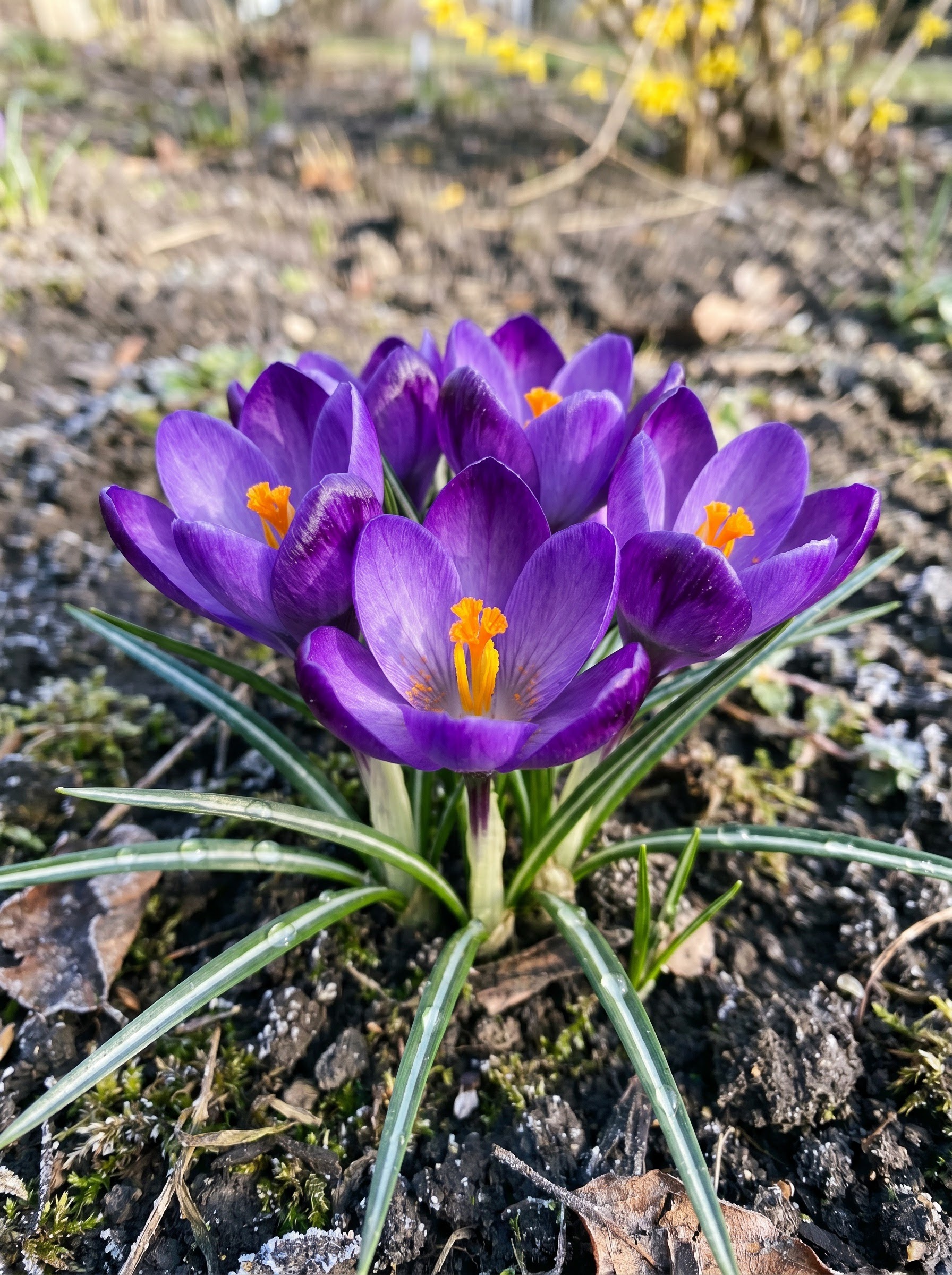 CrocusPartial
Crocus opens in the same window as snowdrops and adds a third color layer of purple or lilac to the white-and-yellow late-winter stage, and the RHS names the two together as one of the classic naturalized-in-grass spring combinations, sharing the identical fall-planted, dry-summer-dormant bulb cycle.
Snowdrop+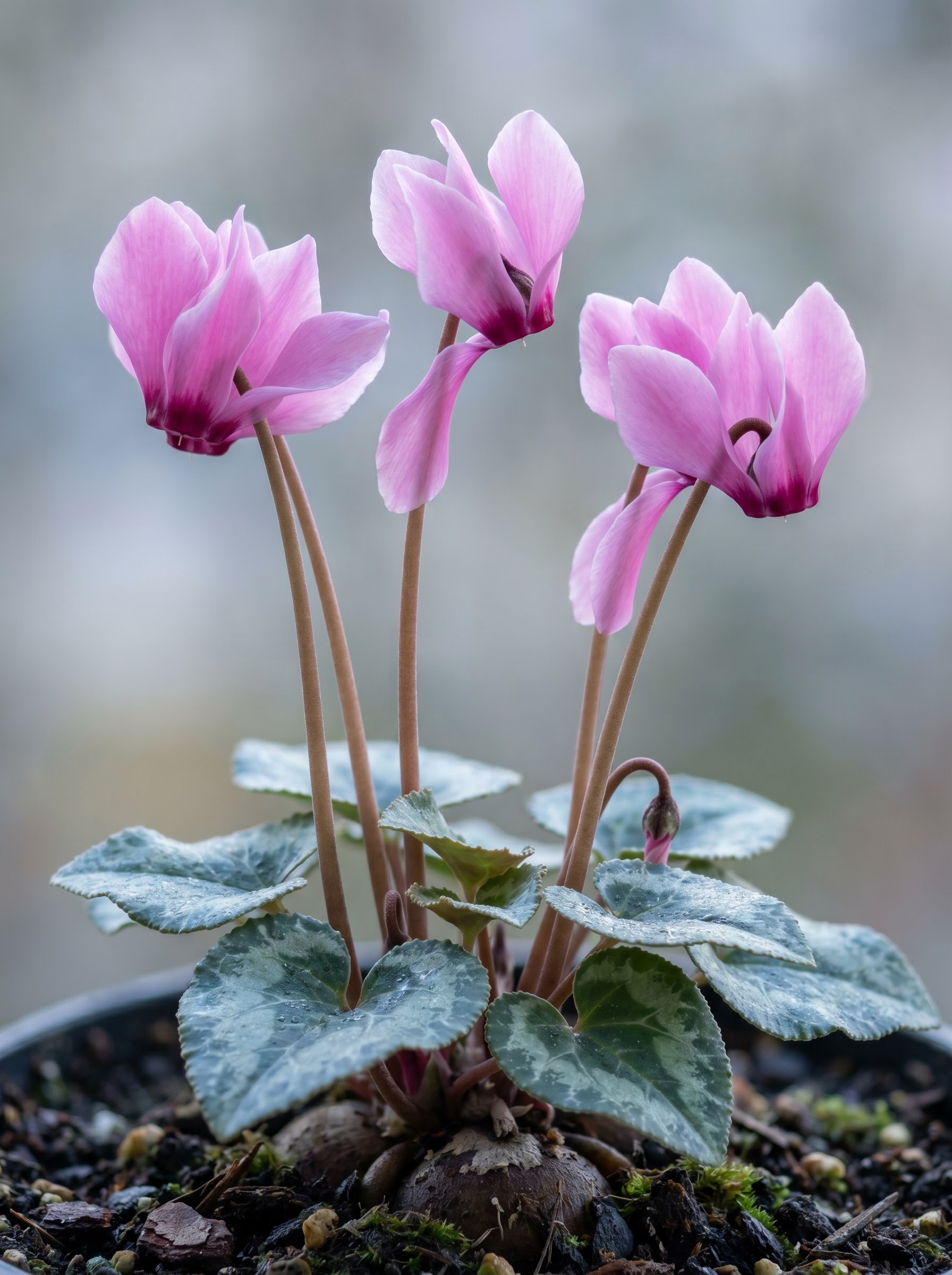 Cyclamen coumPartial
Magenta and shell-pink blooms over marbled round leaves add jewel-toned weight against the white of a snowdrop drift, and Cyclamen coum wants the identical part-shade, humus-rich, deciduous-canopy setting.
Snowdrop+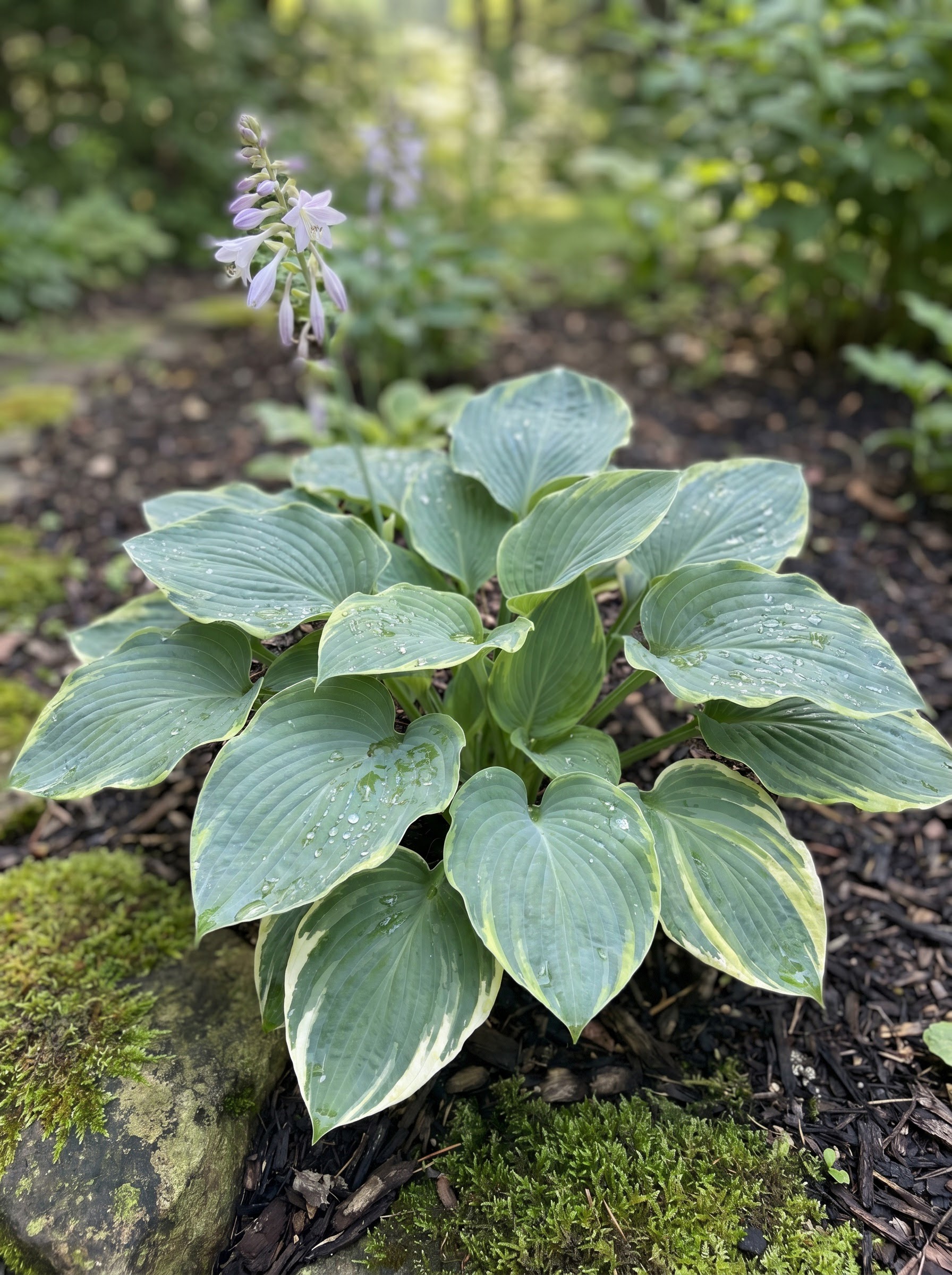 HostaPartial
Hosta stays completely dormant through snowdrop's whole show, then leafs out through late spring exactly as snowdrop foliage is yellowing, screening the fading leaves without ever competing for late-winter light.
Snowdrop+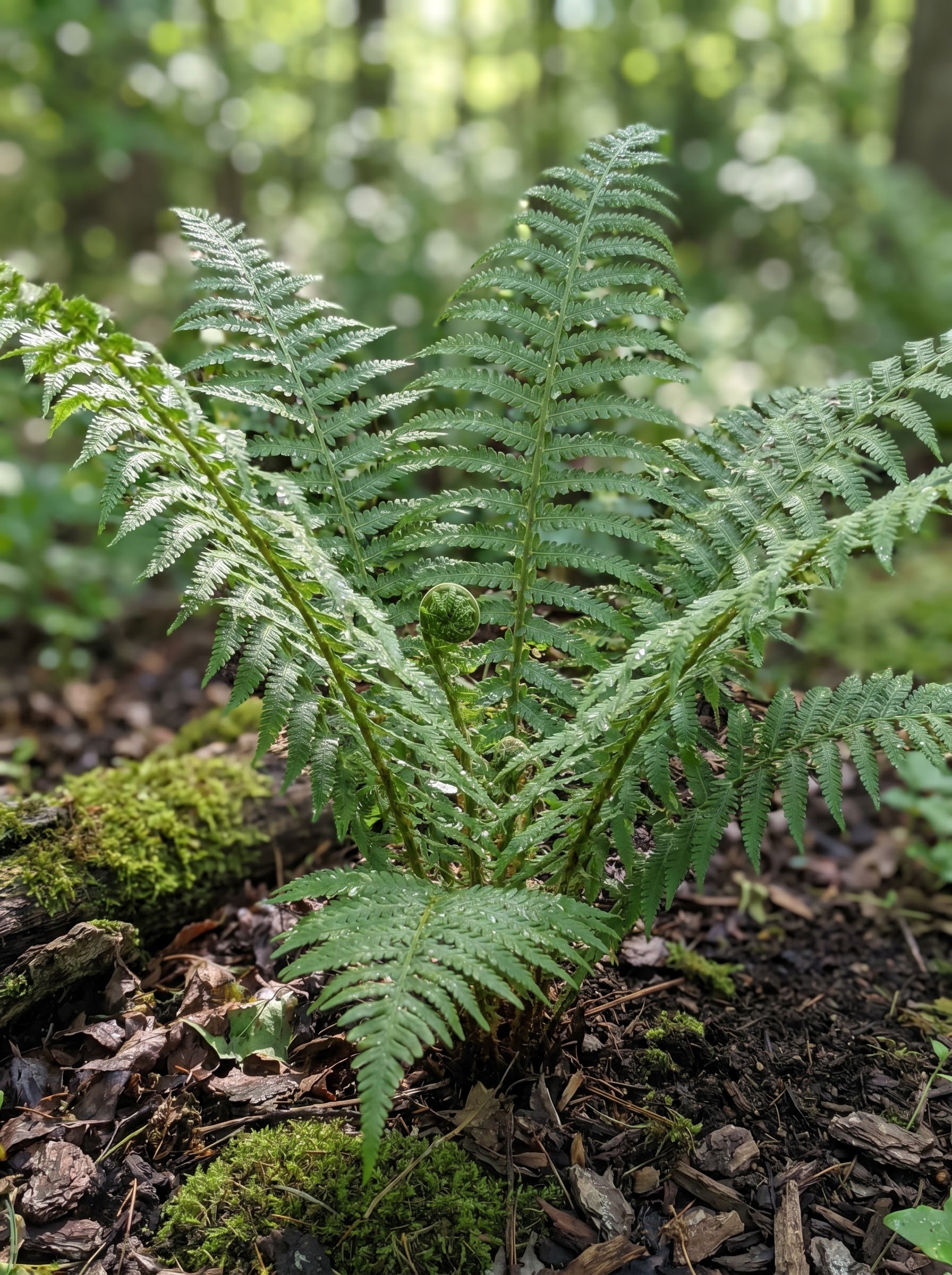 FernPartial
Fine-cut fronds unfurl through spring in the same humus-rich shade snowdrops want, giving a soft textural foil to the strappy snowdrop leaves and later masking them as they collapse into dormancy.
Snowdrop+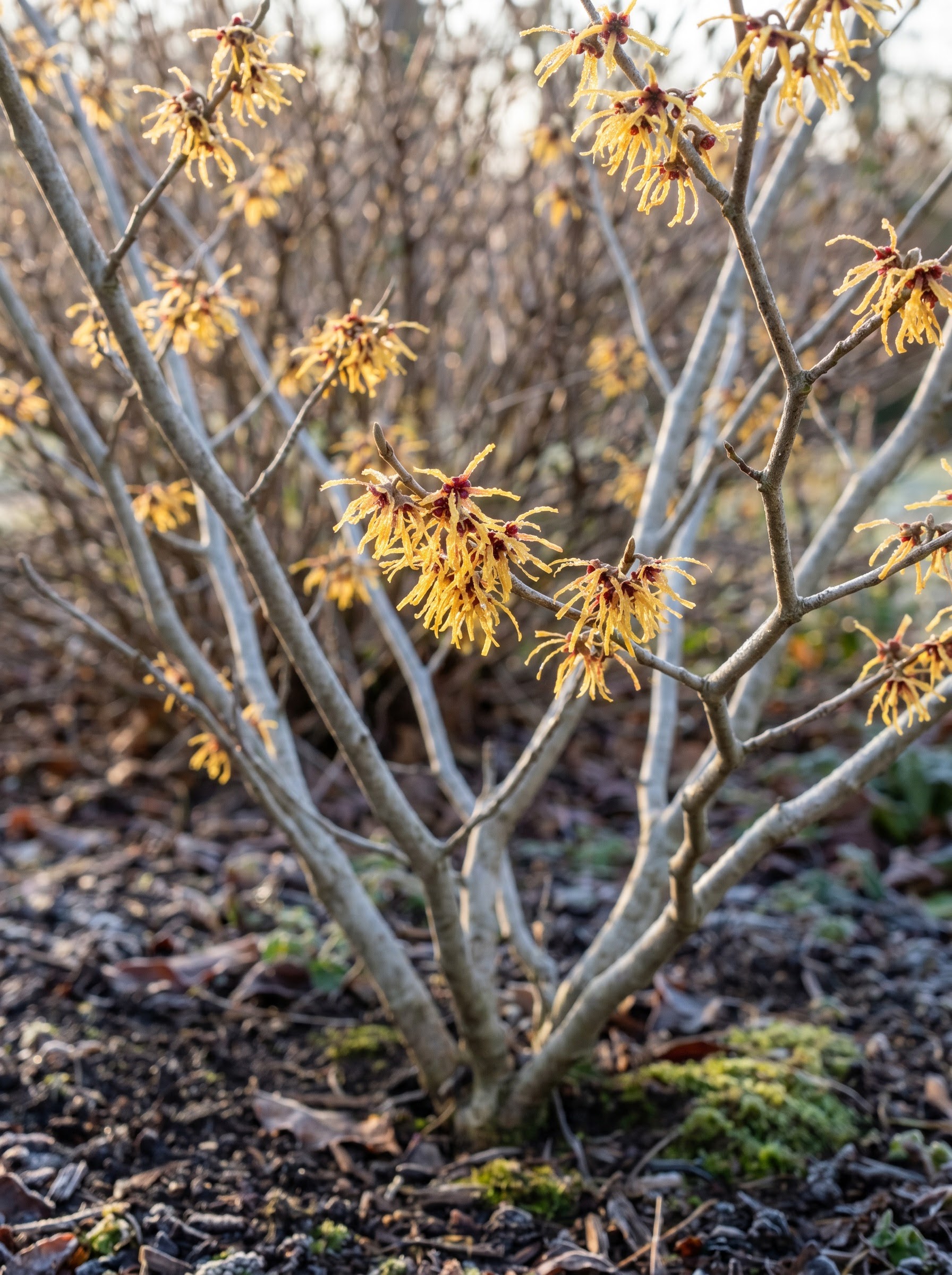 Witch hazelPartial
A large winter-blooming shrub that tolerates the same dappled shade as snowdrops and blooms on the same calendar, giving low white drifts a fragrant, structural backdrop rather than sharing the same square foot of soil.
Snowdrop+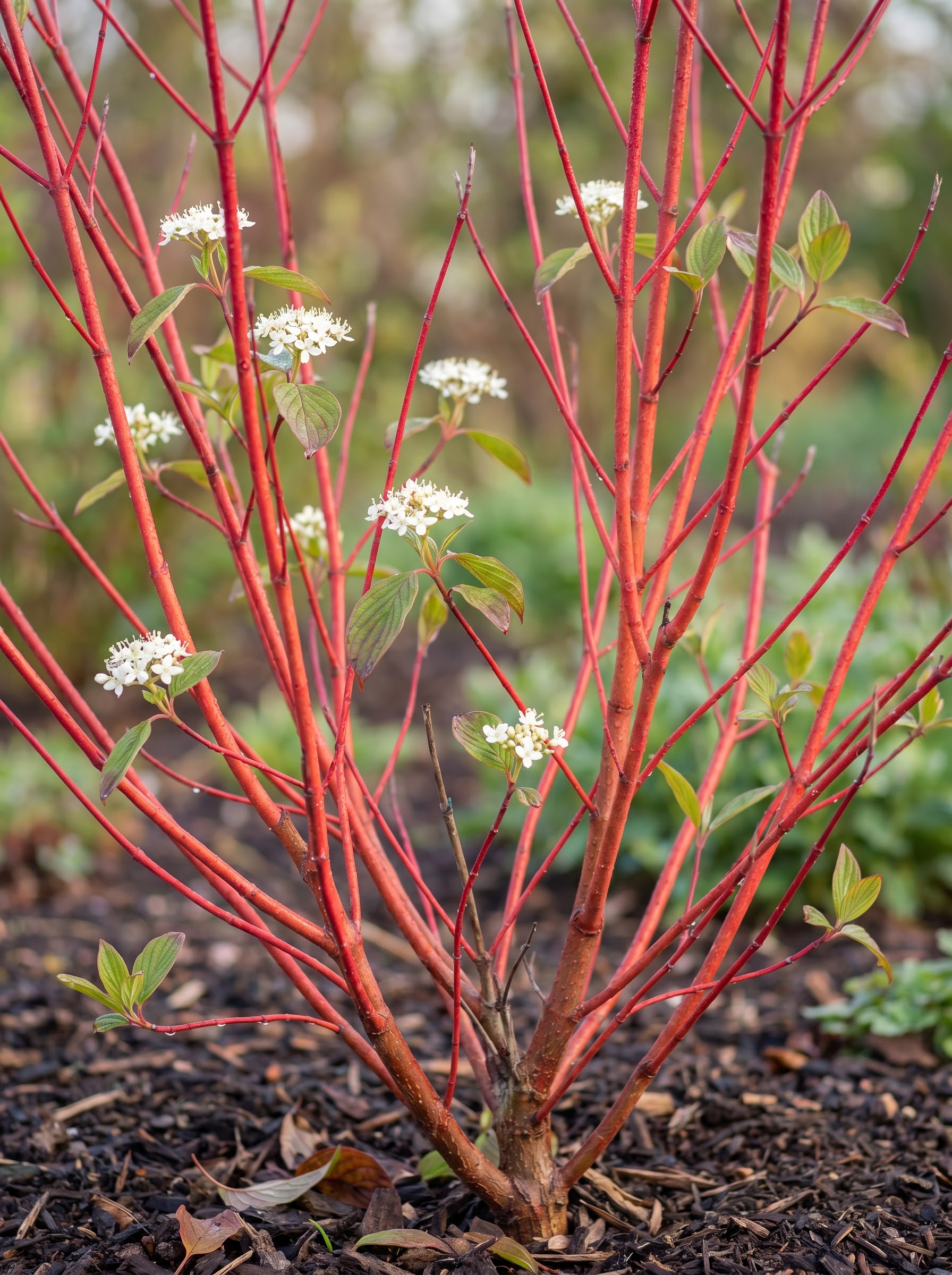 Red-twig dogwoodFolklore
Bare crimson stems give a white snowdrop carpet a vertical, high-contrast winter backdrop, and the shrub tolerates the same moist, part-shade conditions snowdrops want at a woodland edge.
Snowdrop+ DaffodilsProven
Early daffodils pick up the display right as snowdrops fade, sharing the same deciduous shade, fall-planting depth range and dry-summer dormancy, with no toxicity conflict between the two despite some listicle claims otherwise.
Snowdrop+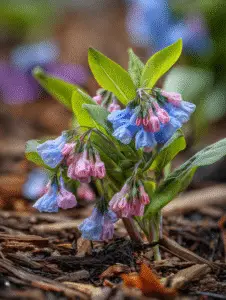 Virginia bluebellsPartial
A later-arriving woodland ephemeral that continues the same pollinator-friendly, deciduous-shade succession snowdrops start, sharing the identical spring-active, summer-dormant cycle in the same rich, moist soil.
Snowdrop+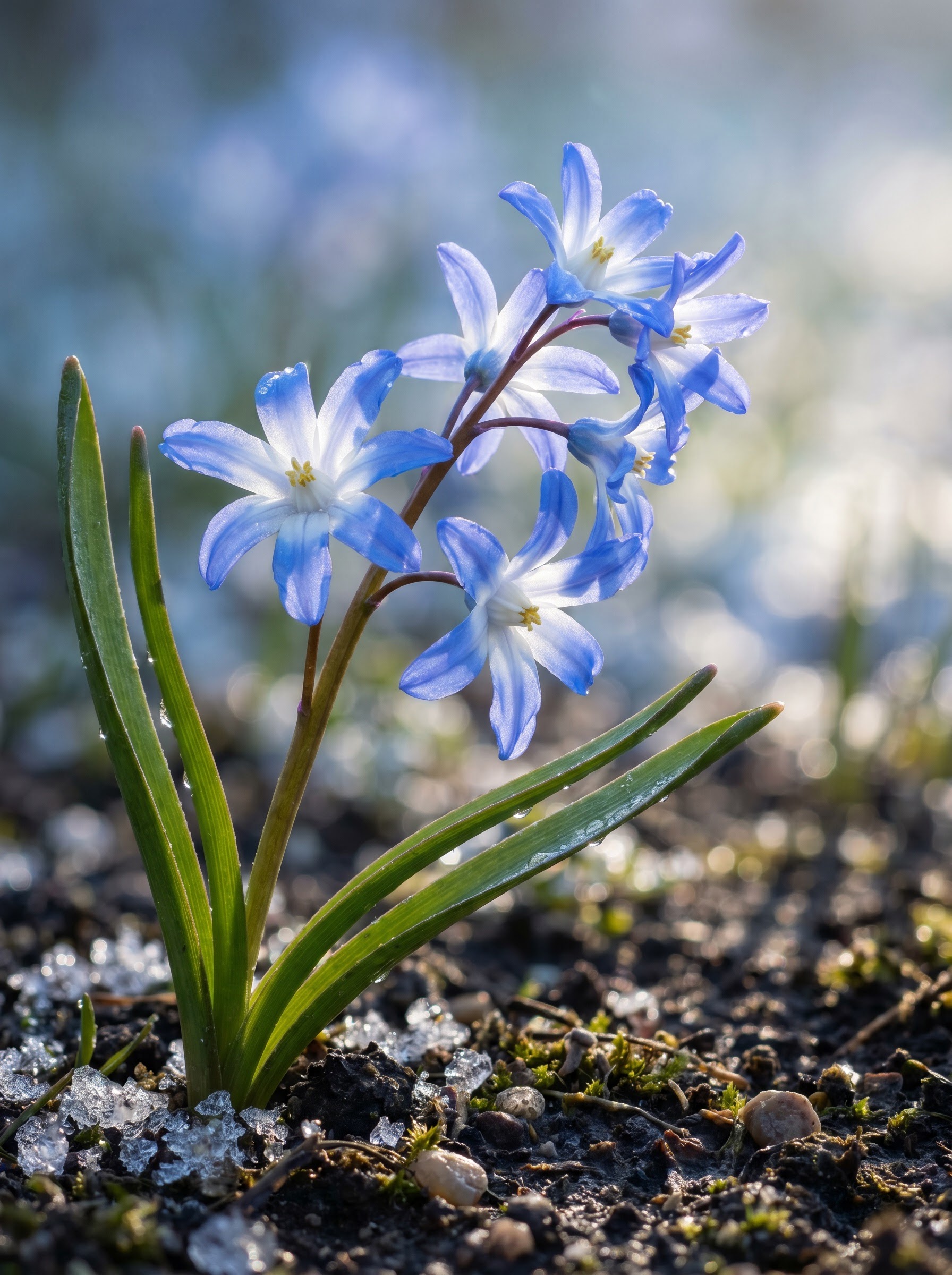 Glory-of-the-snowPartial
A small blue-flowered bulb that opens in the same late-winter window and asks for the identical light, drainage and dry-summer-dormancy conditions, adding a cool blue note to the white-yellow-purple palette already forming.
Snowdrop+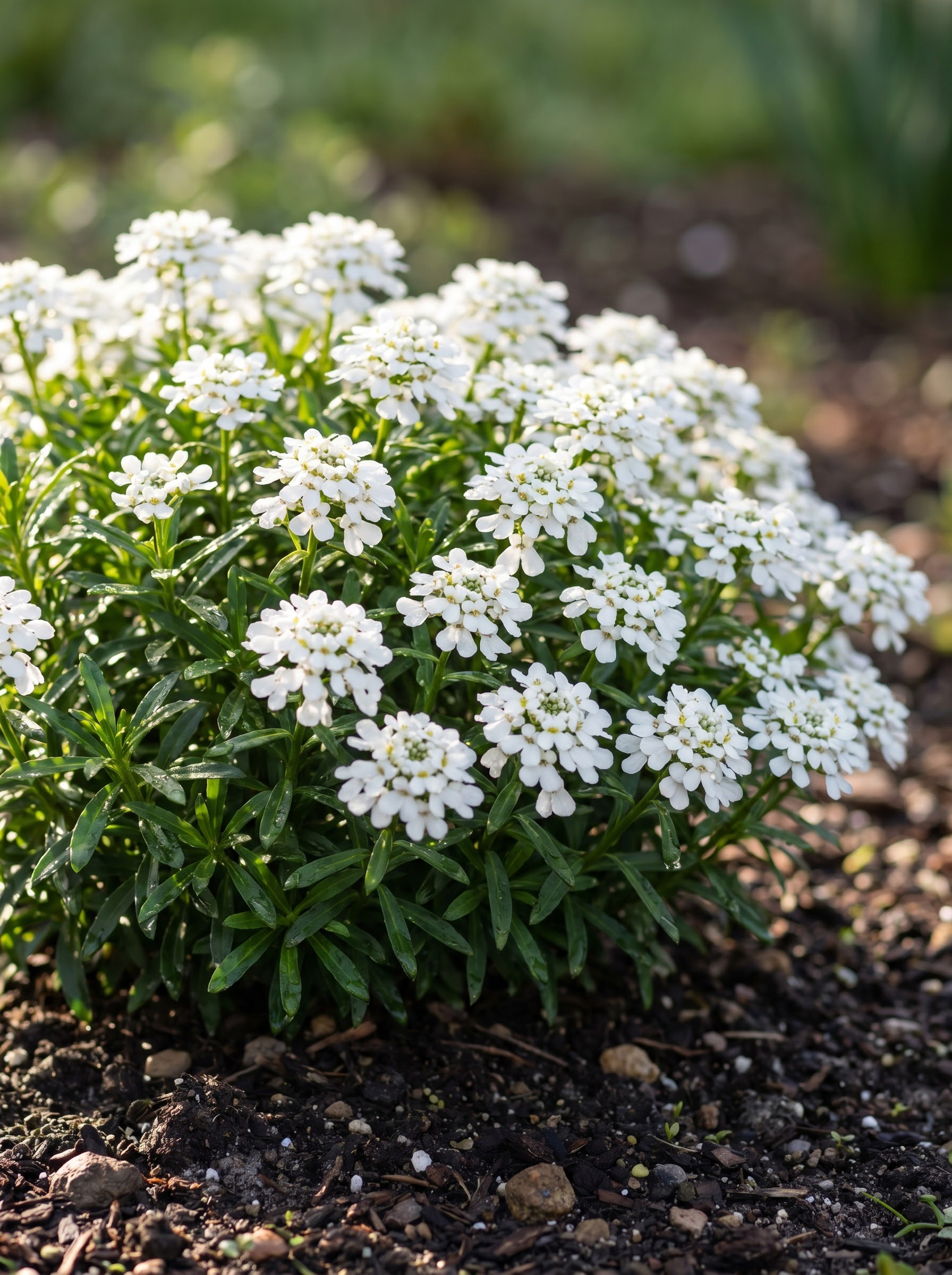 CandytuftProven
A low, spreading evergreen perennial named directly by Wisconsin Extension as a snowdrop companion, giving year-round groundcover structure, though it grows dense enough that it belongs at the drift's edge rather than mixed through a young colony.
All Snowdrop companions
12 flower companions, best match first
What not to plant near Snowdrop
Most bad neighbours are not evil, they just want the opposite light, water or root run. Here is what to keep away, and what to do instead.
Vigorous, fast-spreading ground covers (running geraniums, aggressive pulmonaria, unchecked ivy, epimedium)
Snowdrops take a few years to bulk into a real drift, and Wisconsin Extension notes they multiply more slowly than other small bulbs, so a fast-running neighbor planted directly on top of a young colony can smother or outcompete it before it ever establishes.
Dense evergreens and conifers directly overhead or immediately adjacent
Snowdrops need full sun during the narrow late-winter window while their foliage is up, and the RHS notes it is very difficult to establish plants under conifers because the evergreen canopy shades the ground all year and the soil underneath stays dry, exactly the opposite of what a bulb breaking dormancy in February needs.
Mowing or heavy bed disturbance during the roughly six-week post-bloom die-back window
Snowdrop foliage has to stay attached and sun-exposed for about six weeks after bloom to recharge the bulb, and Wisconsin Extension states directly that a lawn area with naturalized snowdrops should not be mowed until the foliage has matured; cutting or digging that same footprint early starves next year's flower.
A single snowdrop clump is small: four to six inches tall, one nodding white bloom per stem, easy to lose in a bed of bare, wet, late-winter soil. The plant itself is close to bulletproof once it has shade and moisture, so the real question behind most searches isn’t how to keep it alive. It’s what else can be doing something in February so the bed doesn’t read as a lone white speck in dead mud, and what to leave alone so the bulb has the strength to come back bigger next year.
The best companions for snowdrops, explained
The strongest snowdrop pairings work on the same late-winter calendar the flower does, opening in the same narrow window rather than waiting politely for their turn. Hellebore is named again and again for exactly this reason: its leathery, deeply lobed evergreen leaves give snowdrops the coarse structural anchor their thin, sparse foliage lacks, and the two plants want the identical part shade, rich soil and steady late-winter moisture down to the week they flower. The RHS pairs the two directly in its own display gardens, mingling greater snowdrop with hellebores and Cyclamen coum in the same shaded beds. Winter aconite and early crocus do a different job, adding real color rather than structure. Winter aconite’s butter-yellow cups and crocus’s purple or lilac blooms both open within days of the first snowdrops, and University of Wisconsin-Madison Extension lists winter aconite by name as a companion for the same naturalized planting, while the RHS names crocus alongside snowdrops as one of the classic bulb combinations for naturalizing in grass, turning what would be a single white note into a three-color late-winter stage.
A second useful strategy is choosing plants that stay completely out of the way until snowdrop foliage starts dying back, then take over the same square footage. Hosta and shade ferns are the standouts here: both remain dormant or barely emerged through snowdrop’s entire show, then expand fast through April and May exactly as the strappy snowdrop leaves are yellowing and flopping over, screening the mess without ever competing for the early light the bulb actually needs. Virginia bluebells extend the same idea further into spring, continuing the pollinator-friendly succession in the same moist, humus-rich soil after snowdrops have gone fully dormant. And early daffodils pick up the display directly, opening as snowdrops fade and sharing the same fall-planting depth, deciduous shade and dry-summer dormancy, a genuine bookend pairing rather than a conflict, despite a claim floating around some low-quality plant sites that the two compete or that daffodils are somehow toxic to snowdrops. No extension source or peer-reviewed study backs that claim, and it directly contradicts what growers and horticulturists actually observe when the two are planted together season after season.
There’s a smaller, more practical angle worth naming too. Snowdrop bulbs contain a bitter, toxic alkaloid that deer and rodents find genuinely unpleasant, which is why the plant shows up on deer-resistant and squirrel-resistant bulb lists without exception. Gardeners have long used that unpalatability to their advantage, tucking snowdrop bulbs in among more vulnerable ones like tulip or crocus so the scent helps mask the sweeter bulb from a hungry squirrel. It’s the same logic already documented for daffodils on this site, just working on a smaller, earlier scale, and it’s a reasonable bet rather than a guarantee.
What not to plant near snowdrops
Snowdrops don’t have a long list of chemical enemies. What they have is a slow start and a narrow light window, and most real avoids trace back to one of those two facts rather than to toxicity or disease. University of Wisconsin-Madison Extension notes that snowdrops multiply more slowly than most other small bulbs, often taking a few years just to become established before they form the kind of dense, self-sustaining colony most gardeners picture. That means a vigorous, fast-running neighbor planted directly on top of a young drift, a spreading geranium like ‘Wargrave Pink’, unchecked ivy, aggressive pulmonaria, or a running epimedium, can physically choke out the clump before it ever gets that chance. This isn’t a documented toxicity conflict, just simple competition for the same patch of ground while one plant is still finding its feet, so the honest fix is timing: give a new drift two or three seasons of relative peace before letting anything vigorous move in close.
The second real avoid is about light, not soil chemistry, and it’s more clear-cut than the spreader issue. Snowdrops need full sun during the specific stretch in late winter and early spring when their foliage is up and active, which is exactly why underplanting bare-branched deciduous trees works so well. Plant them instead under or beside a dense evergreen or conifer, and the RHS states plainly that establishing anything underneath a conifer is very difficult, because the canopy shades the ground year round and the soil underneath stays dry no matter the season. A snowdrop breaking dormancy in February under a spruce or a thick holly gets neither the light nor the moisture it needs at the one moment it needs both.
The single most concrete, actionable avoid on this whole page isn’t about a plant at all. It’s a practice: don’t mow, till, or dig into a snowdrop footprint for roughly six weeks after the last bloom drops. University of Wisconsin-Madison Extension states this explicitly for snowdrops naturalized in lawn, and the underlying mechanism is the same one that governs every spring bulb: the yellowing foliage is still manufacturing food for next year’s flower, and cutting it short starves the bulb before it has finished the job. Any companion whose own care routine requires digging or heavy bed disturbance in that exact stretch, most commonly annual bedding-out in April and May, creates a real conflict with whatever snowdrops are planted in the same patch of ground.
Do they like the same conditions?
Snowdrops want part shade to full sun, and that range sounds vague until you add the timing NC State Extension is explicit about: what actually matters is full sun during the narrow window in late winter and early spring while the plant is active and blooming, after which it tolerates deep summer shade just fine because it’s dormant and invisible underground by then. This is precisely the mechanism that makes deciduous-tree underplanting work. Bare branches let the necessary light through exactly when the bulb needs it, and by the time the canopy closes over in late spring, the plant has already finished the work sunlight was for.
Water and soil are more forgiving than for many spring bulbs, which is worth stating plainly because it undercuts the idea that snowdrops are a fussy, woodland-only specialist. NC State Extension notes the plant grows in clay or loam soil with high organic matter, tolerates a variety of soil types, and will even handle a site that stays occasionally wet as long as drainage isn’t genuinely poor. No extension source found in researching this page ties snowdrops to a narrow pH requirement either, unlike flowers where soil acidity is a real, load-bearing constraint. The one hard ceiling worth naming honestly, since it caps who this whole page is useful for: snowdrops need a real cold spell, below 20 degrees Fahrenheit, to bloom reliably, which is why the plant performs poorly or not at all in the warmest zones of the Deep South regardless of what’s planted beside it.
How to plant them together
Snowdrops go into the ground in fall as dry bulbs, typically two to three inches deep and two to three inches apart, or get transplanted immediately after flowering while still leafy, a method gardeners call planting in the green. Both are extension-confirmed approaches, and in-the-green planting tends to establish faster because the roots never fully dry out between digging and replanting. When adding a same-season bloomer like winter aconite, crocus, or glory-of-the-snow, plant them close, three to four inches apart, mixed directly through the drift rather than in a separate block, since the goal is a layered carpet of color, not tidy rows of single species.
Foliage-hiding perennials need a different approach. Give hosta or fern ten to fourteen inches of clearance from an established snowdrop clump, and plant them a full season ahead if possible so their root systems are ready to expand by the time snowdrop leaves start yellowing in late spring. Structural companions like hellebore or a witch hazel shrub want more room still: twelve to eighteen inches for hellebore so its wide clumps don’t shade out a still-establishing snowdrop drift, and four to six feet from the trunk of a witch hazel or red-twig dogwood, letting the snowdrops naturalize under the outer branches where they still catch direct winter light rather than sitting in the shrub’s own shade. In containers, snowdrops pair well with a same-season bloomer like Cyclamen coum at similar shallow depths, though pots need excellent drainage and should be sunk into the ground or heavily insulated over winter, since a container freezes and thaws far more aggressively than open garden soil.
Does companion planting actually work for snowdrops?
Some of this is about as solid as this kind of claim gets. Wisconsin Extension itself names winter aconite and candytuft as companions, which is unusually direct sourcing for what is normally treated as design advice rather than tested horticulture, and the RHS independently pairs snowdrops with hellebores and Cyclamen coum in its own gardens, and again with crocus as a classic naturalizing combination. The shared-conditions logic checks out cleanly too: every one of these plants wants the same part-shade-to-full-winter-sun, humus-rich, moisture-retentive setting snowdrops do, so the pairings aren’t just pretty, they’re mechanically sound.
The design-tradition companions sit in a more honest middle zone. Red-twig dogwood as a winter backdrop and Cyclamen coum’s jewel-toned contrast are both well established in garden writing and repeated across enough sources to take seriously, but neither rises to the level of an extension source specifically testing the pairing rather than just confirming each plant’s own culture independently. They’re good bets, not proven claims, and this page tries to be honest about that gap rather than dressing every pairing up the same way. What is proven beyond any real doubt is the six-week rule and the shade requirement, both stated directly by extension sources, and both matter more to whether a snowdrop planting actually thrives than any single companion choice does.
Frequently asked questions
What can I plant with snowdrops?
Hellebore, winter aconite, and early crocus are the most directly sourced choices, all sharing the same late-winter bloom window and part-shade, rich-soil conditions, while hosta and ferns take over later in spring specifically to hide the dying foliage.
What should you not plant near snowdrops?
Nothing needs to be kept away for chemical reasons. The real avoid list is about light and timing: skip dense evergreen or conifer cover that blocks the late-winter sun snowdrops need, keep aggressive spreaders off a young drift until it establishes, and never mow or dig that footprint for about six weeks after the last bloom.
Can I mow over snowdrops naturalized in my lawn?
Not right away. University of Wisconsin-Madison Extension states the area should not be mowed until the foliage has matured, roughly six weeks after blooming ends, since the yellowing leaves are still rebuilding the bulb for next year’s flower.
Are snowdrops and daffodils a good pairing, or should I avoid planting them together?
They’re a good pairing. Early daffodils bloom right as snowdrops fade, sharing the same planting depth and dormancy cycle, and the claim that the two compete or that one is toxic to the other traces to no credible source and contradicts how the two are actually grown together.
Do squirrels or deer eat snowdrop bulbs?
No. A bitter, toxic alkaloid in the bulb makes snowdrops unpalatable to both, which is why the plant appears on deer-resistant and squirrel-resistant bulb lists and why some gardeners interplant it with more vulnerable bulbs like tulip to help mask their scent.
Sources
- RHS, How to grow snowdrops
- RHS, Plants for under trees
- RHS, Enjoy snowdrops at RHS gardens
- RHS, Bulbs for naturalising in grass
- University of Wisconsin-Madison Extension, Snowdrops (Galanthus spp.)
- North Carolina State Extension Gardener Plant Toolbox, Galanthus nivalis
- North Carolina State Extension Gardener Plant Toolbox, Dryopteris erythrosora
- Penn State Extension, Snowdrops
- Penn State Extension, Hardy Cyclamen for the Home Garden
- Penn State Extension, Witch Hazels: A Promise That Spring Is on the Way