Taxonomy and origin
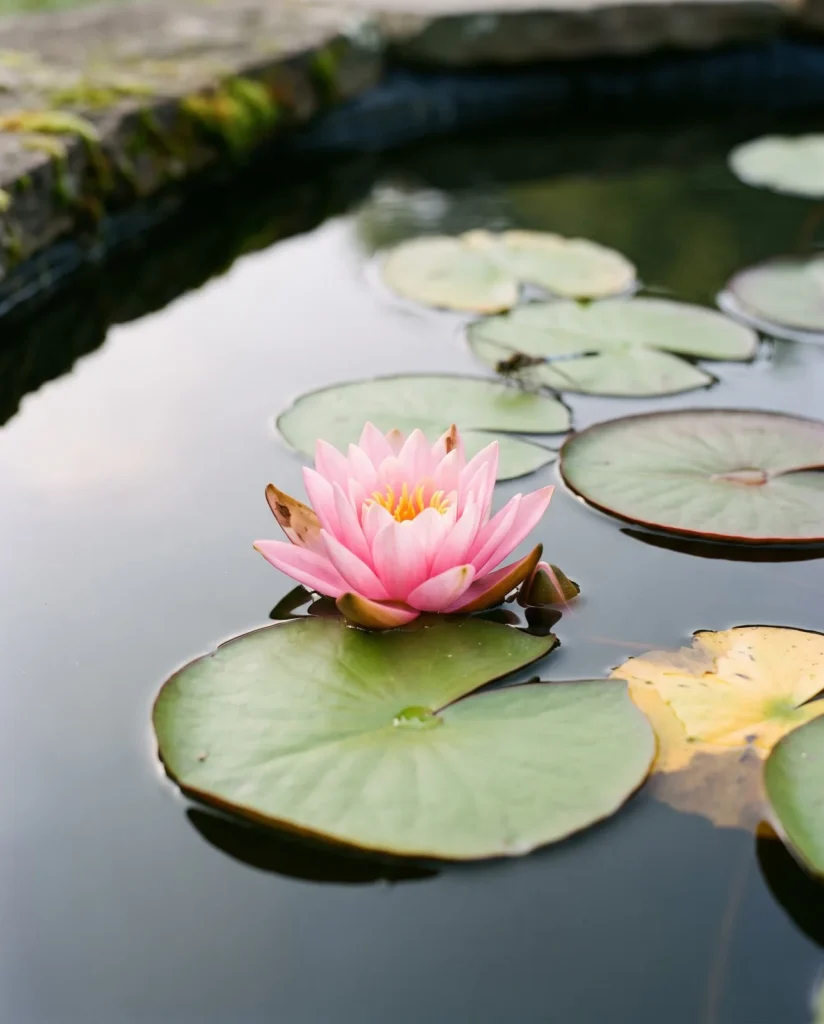
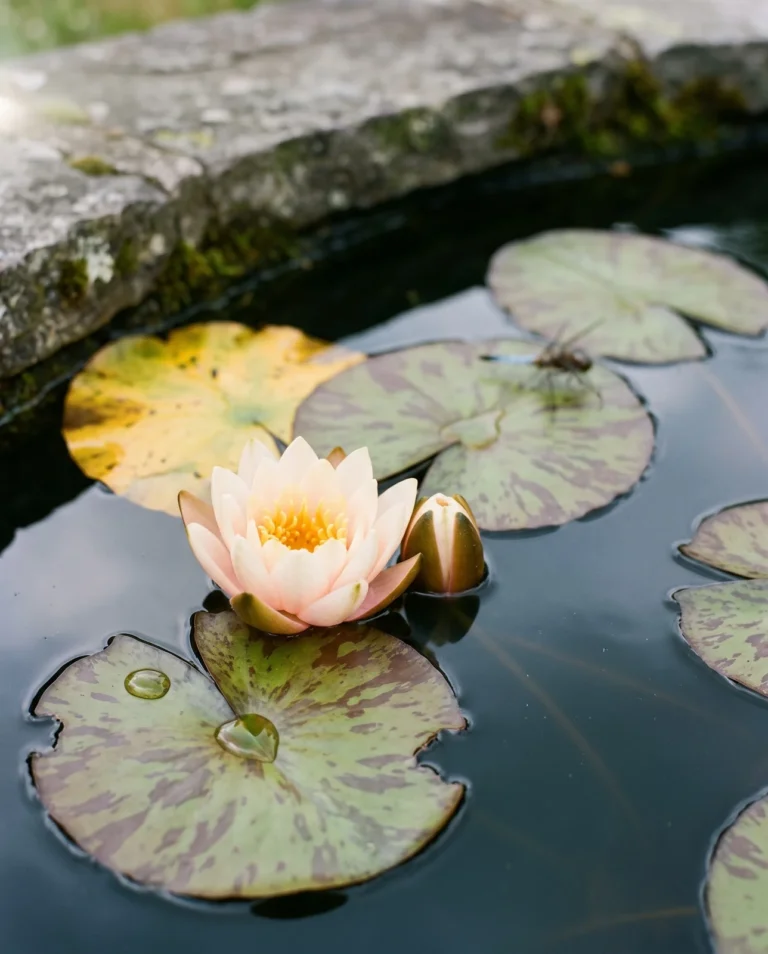
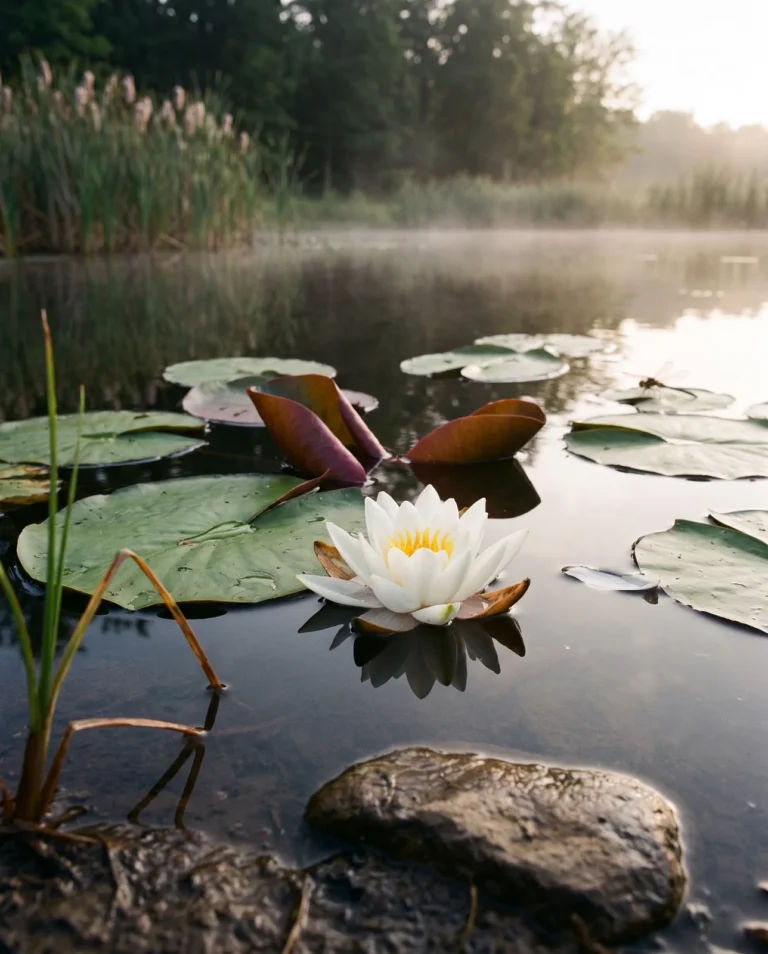
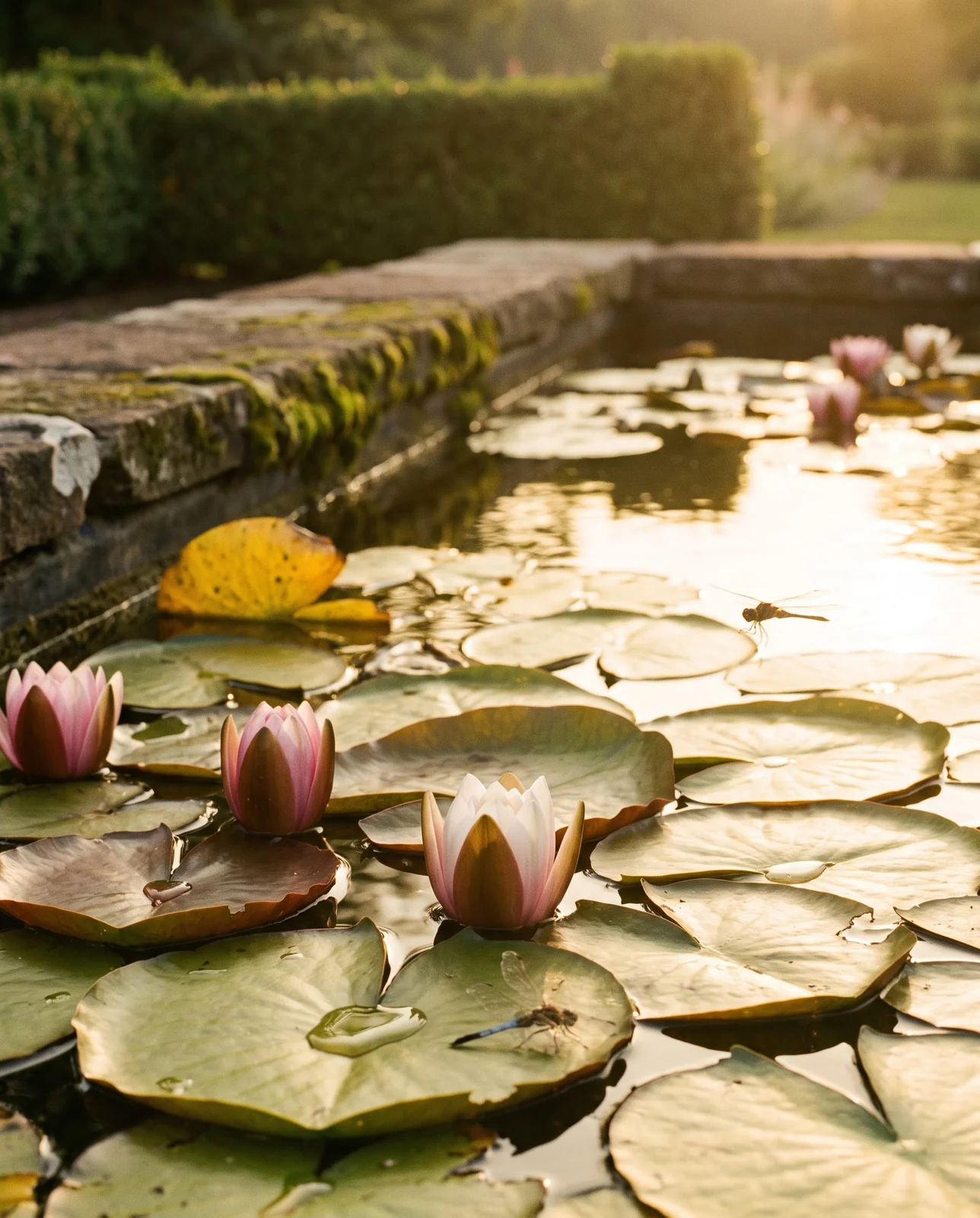
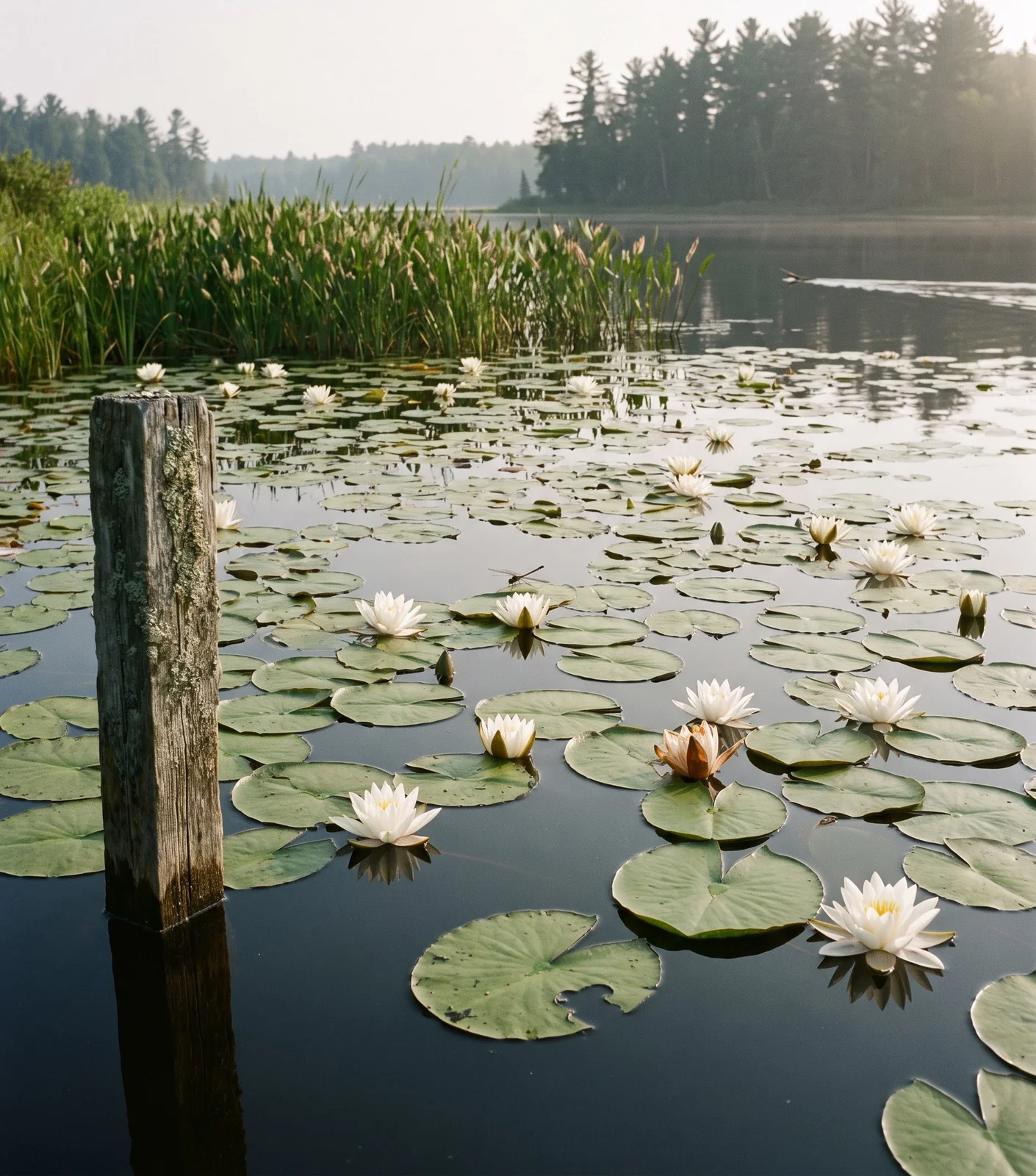
A water lily is a rooted aquatic perennial, growing from a fleshy rhizome in the pond bottom. Counts of the species run from 65 to about 70. The pad is round to oval with a single V-shaped notch where the stalk joins the blade, and on the white species of the American Midwest it runs 8 to 16 inches across. Leaves and stems are spongy, green on top and purple or red underneath. The tissue inside is riddled with air pockets, the way an aerated chocolate bar is, and they hold a pad flat under rain, insects and the occasional frog. Flowers come one to a stalk, floating or standing above the water depending on the type.
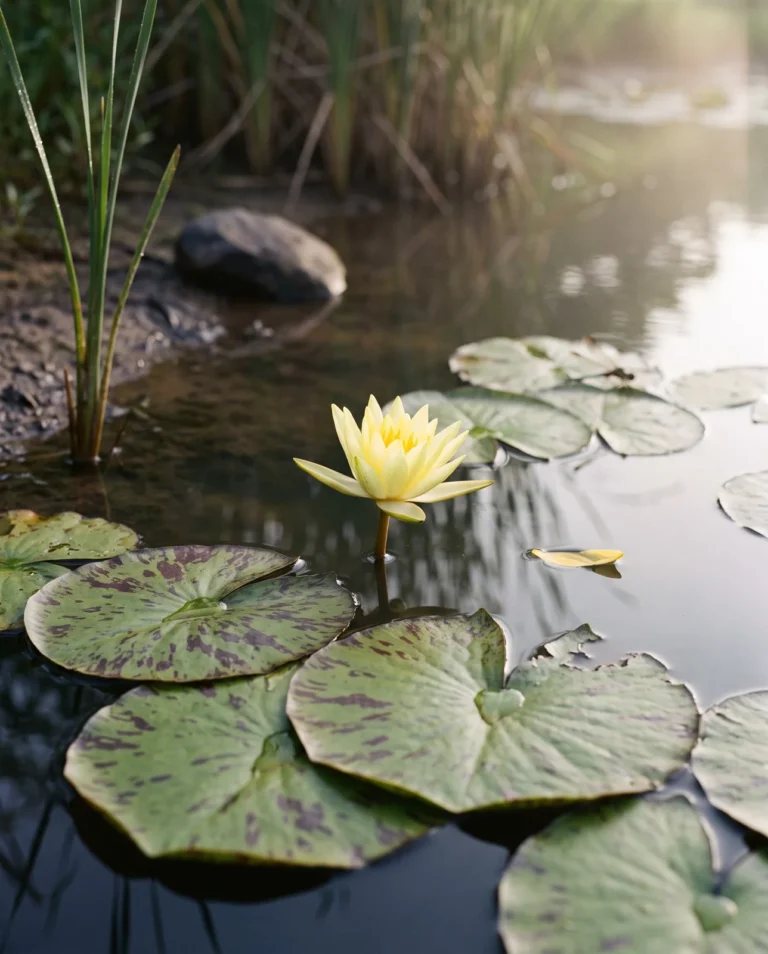
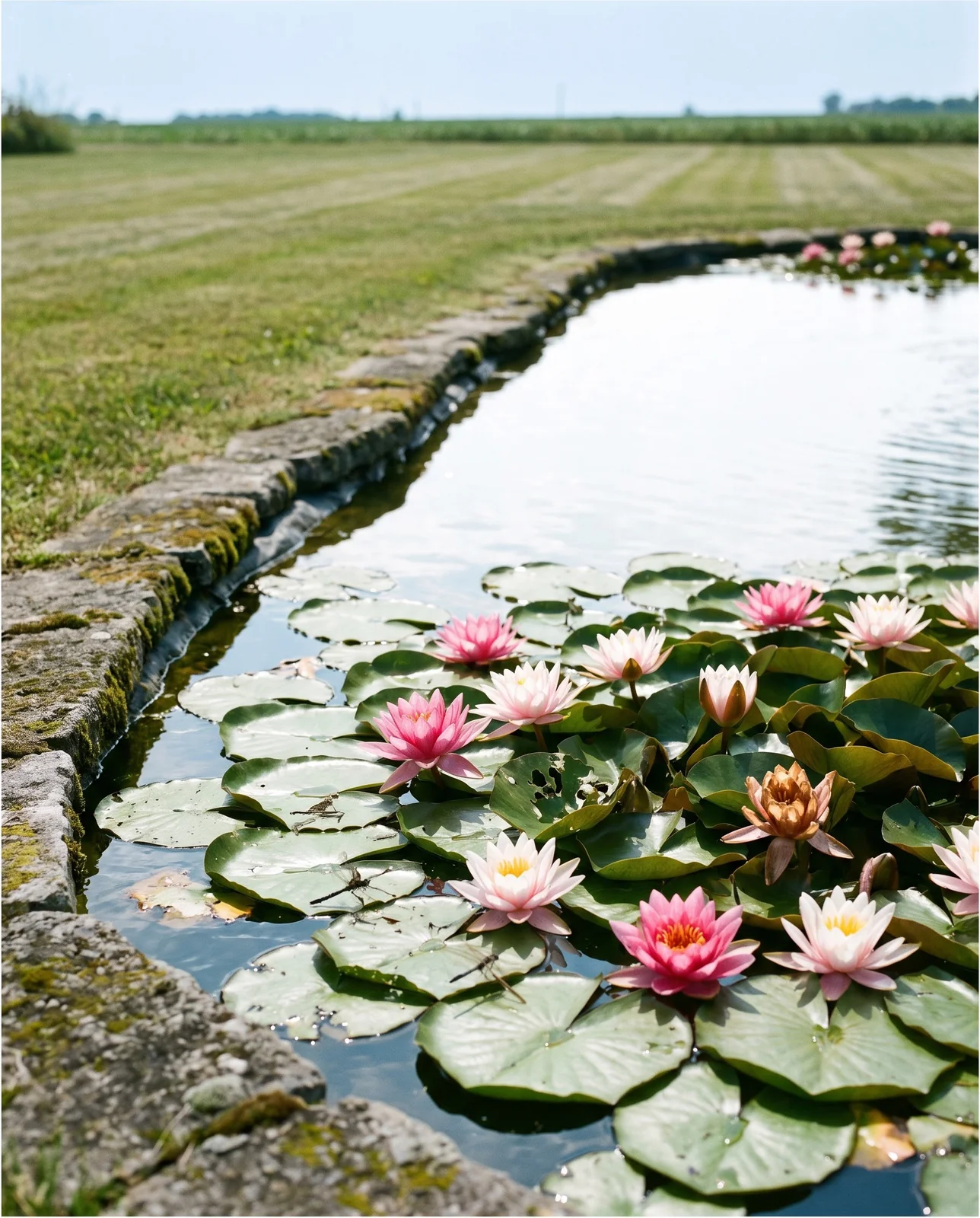
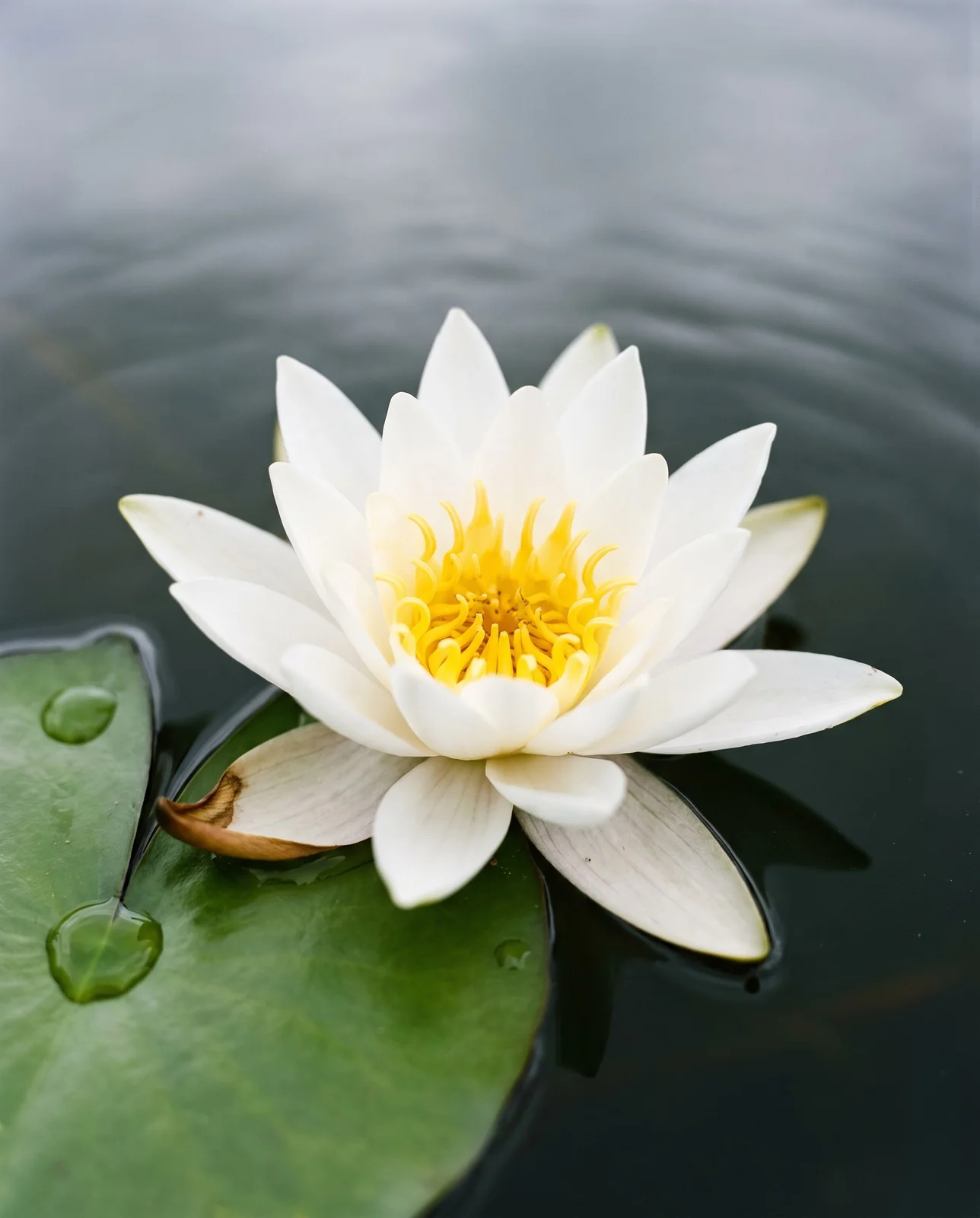
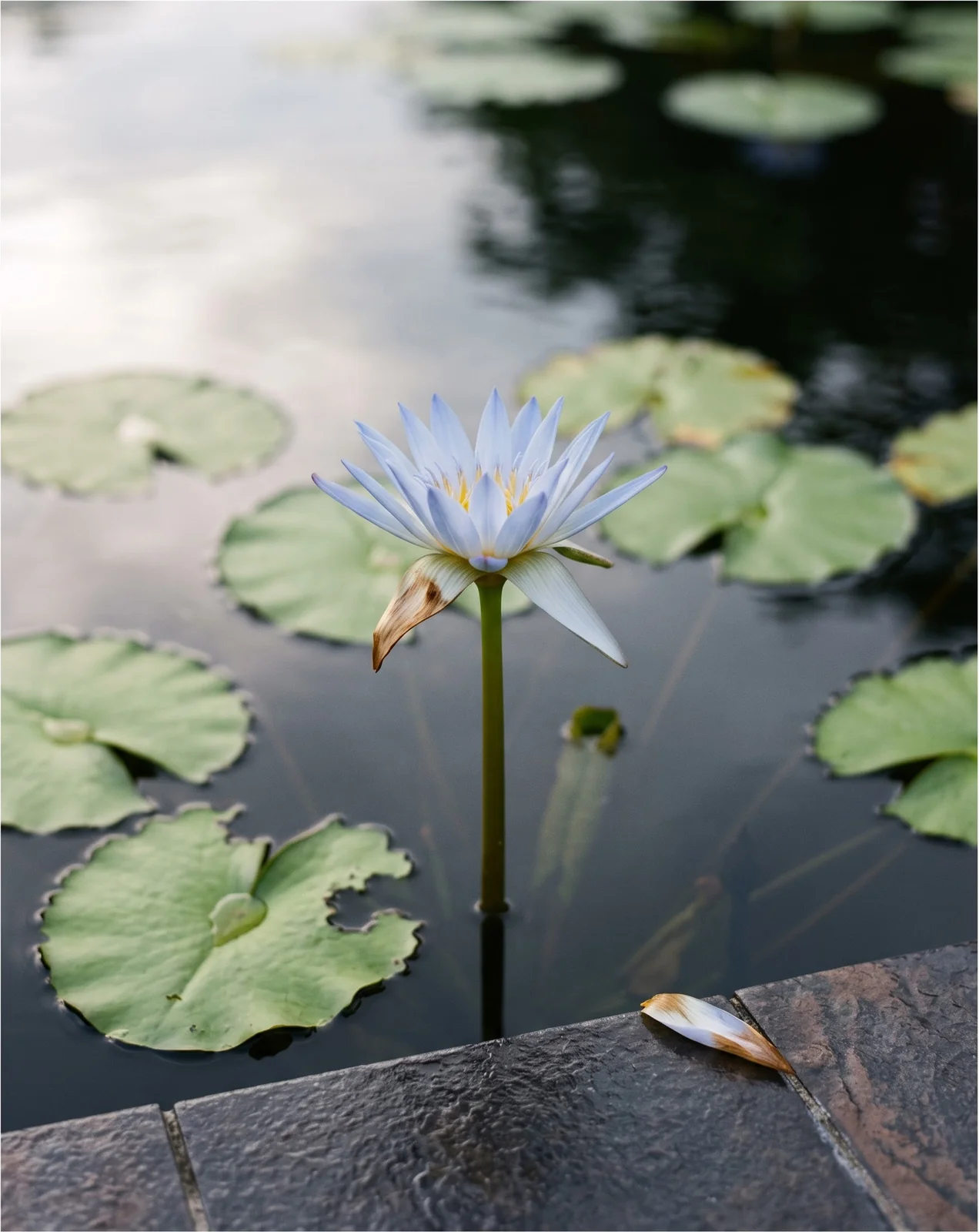
The fragrant white species is native to the eastern half of the continent, southern Canada included, and it grows from Florida and Puerto Rico to Alaska. Hardy types come from temperate species and stay in the pond for good; tropicals need warm water to start and to keep going, so most of the country treats them as summer stock. Among the wild species, Nymphaea mexicana carries yellow flowers, N. elegans light purple and yellow, N. odorata white and yellow, and breeding has pushed the garden forms into pink and light purple too. That is range enough to plan a pond around one shade, the way a border of white flowers is. A bloom carries 17 to 43 petals in rings opening outward from the center.
Water lily or lotus: how to tell them apart
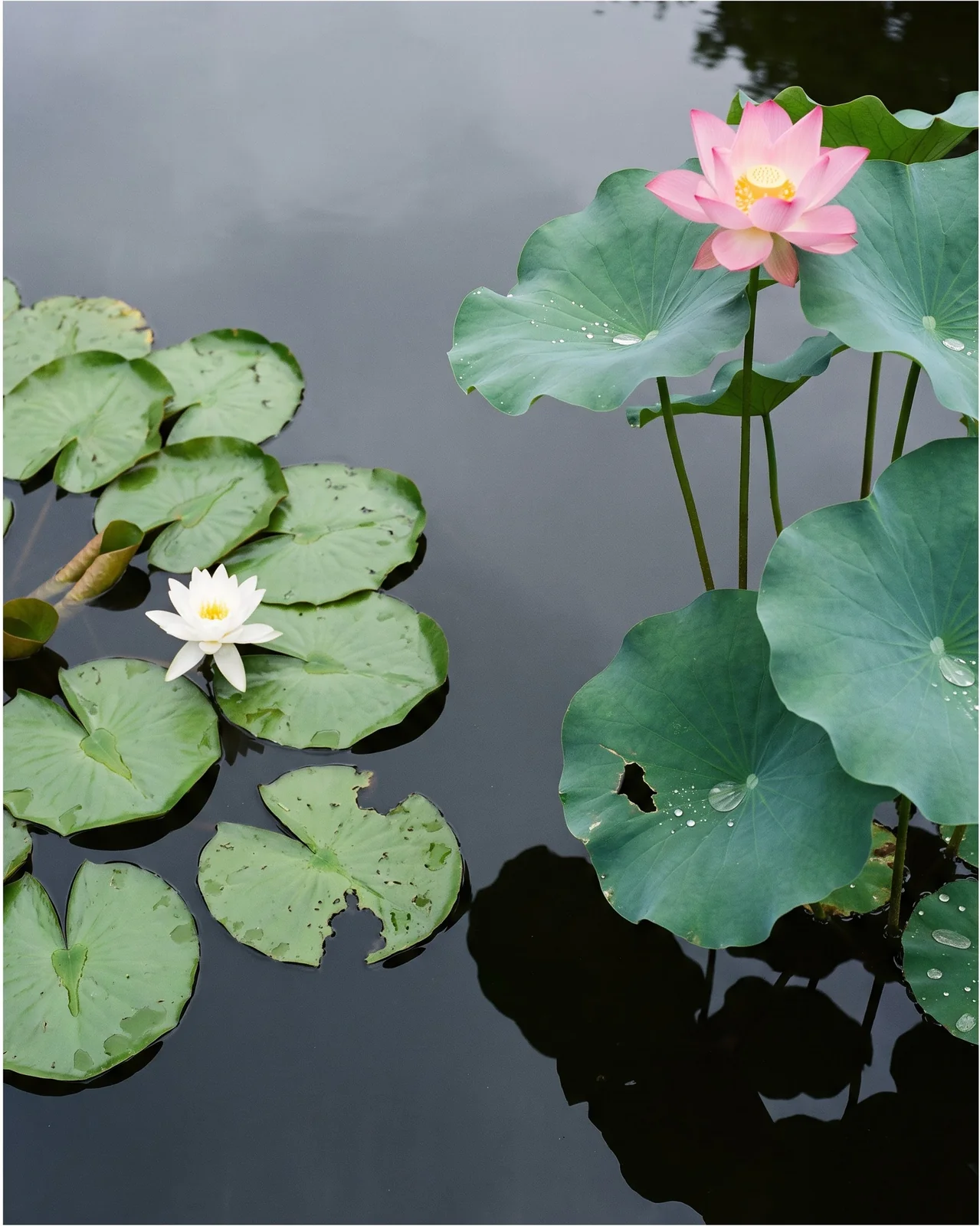
Check the leaf first. A water lily pad lies flat on the water with a notch where the stalk meets the blade. A lotus leaf has no notch at all and usually stands on a stem above the surface. Touch is the second test: water lily flowers and leaves are thick and waxy, a lotus thin and papery. Petals are pointed on a water lily, so the open flower reads as a star, and rounder or ruffled on a lotus. A water lily is strongest for scent the moment the flower opens and fades from there, while lotus fragrance stays subtle throughout. After bloom a spent water lily wilts and sinks, and a lotus leaves a seed pod that keeps growing above the surface. The sacred lotus was long filed with the water lilies and now stands in its own family, Nelumbonaceae.
Bloom time
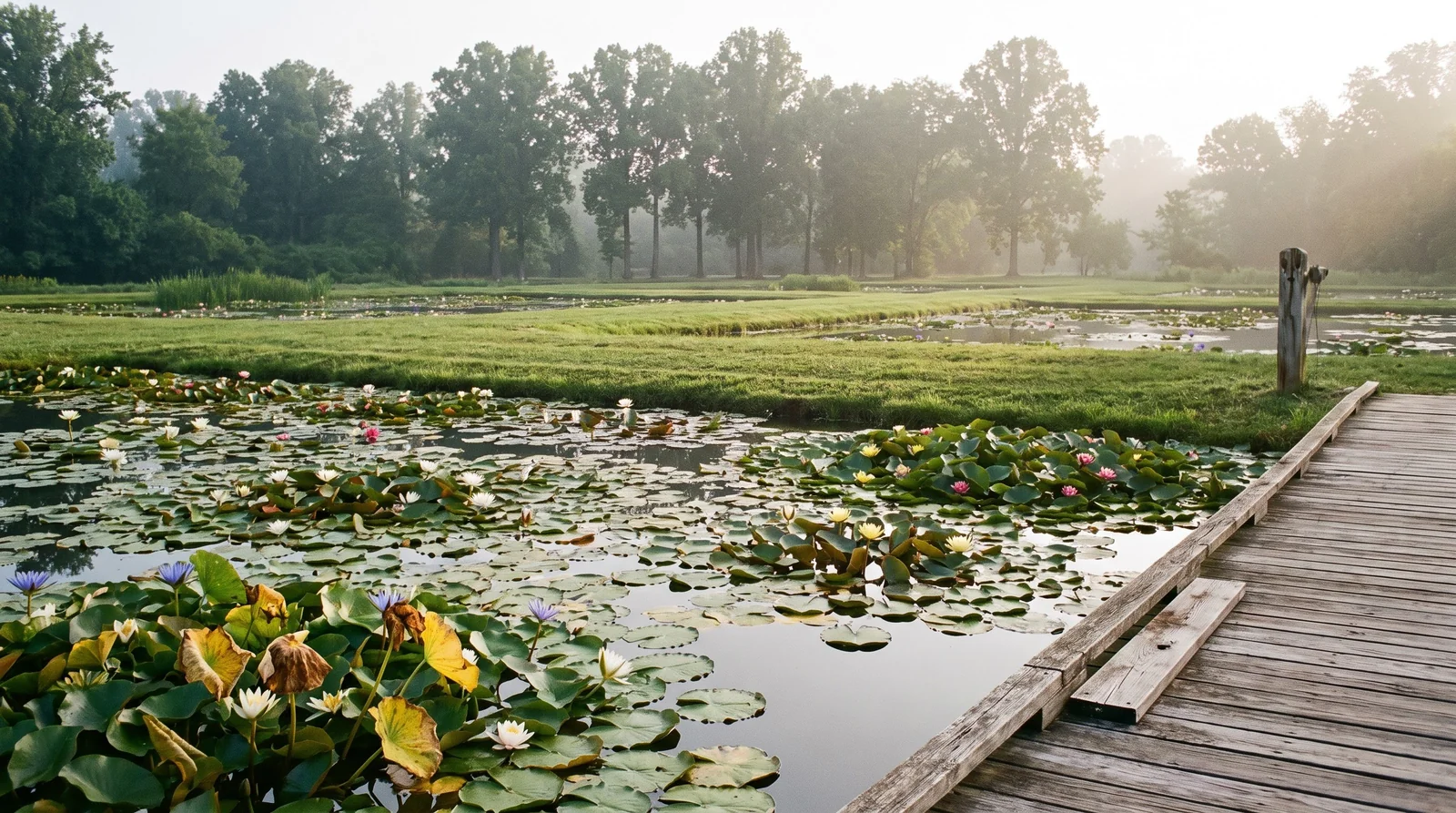
Water lilies flower through the warm months, and the type in the pot sets the start date. The hardy 'Marliacea Chromatella' opens in May and carries on until frost. The tropical 'Director George T. Moore' waits for summer heat and runs from June to frost. The wild white species of the Midwest is later than either, blooming July through October. Buds rise on their own stalks and open among the pads, and a settled plant keeps sending up replacements, so the pond looks continuously in flower. Each 'Marliacea Chromatella' flower stays in play about five days, each 'Director George T. Moore' about three to four. The daily open and close has a job behind it: male and female parts are usually active at different times, which moves pollen between flowers.
Hardy or tropical: which water lily is in the pond
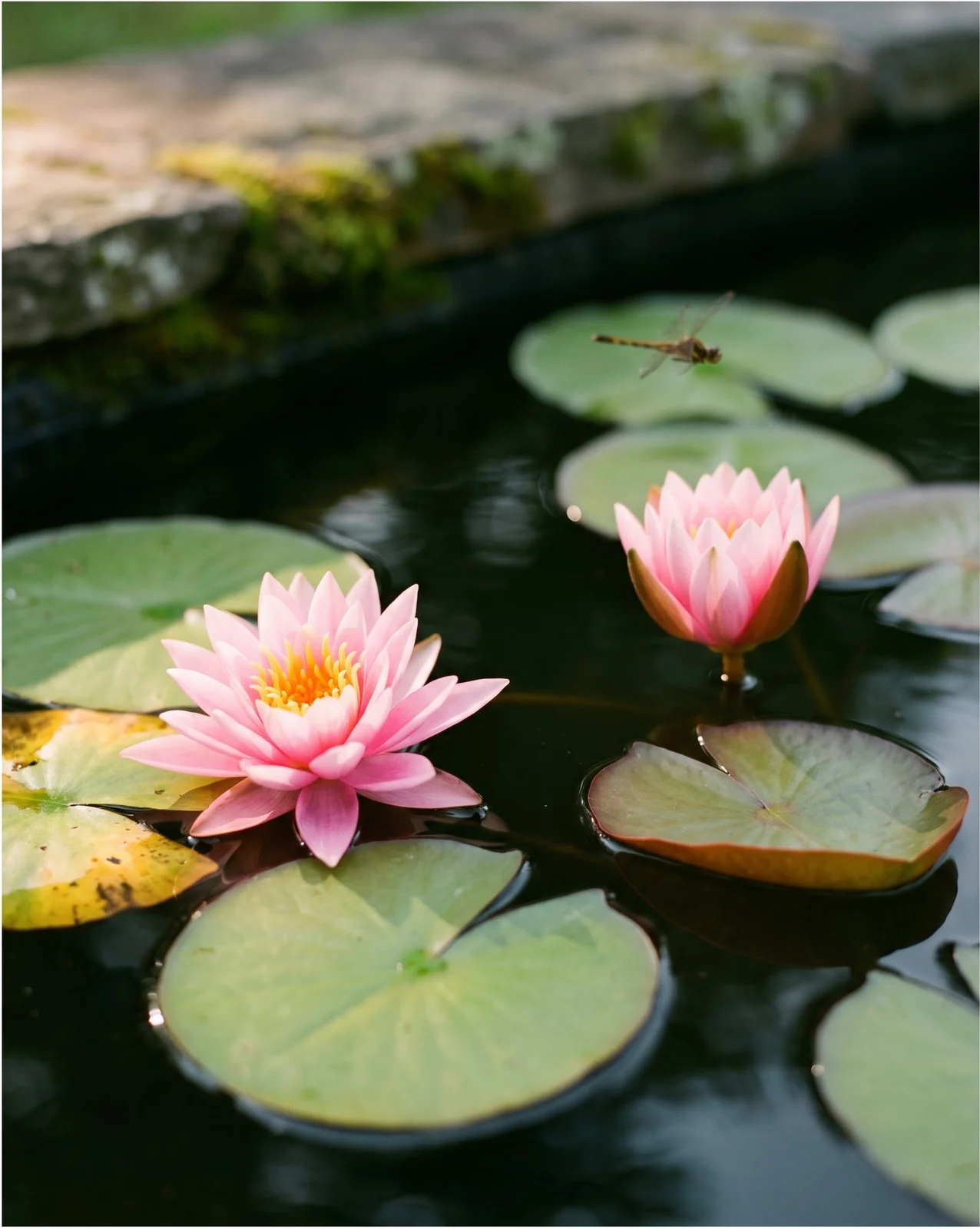
Nearly every care decision splits on this question, and the answer shows in the pot and in October.
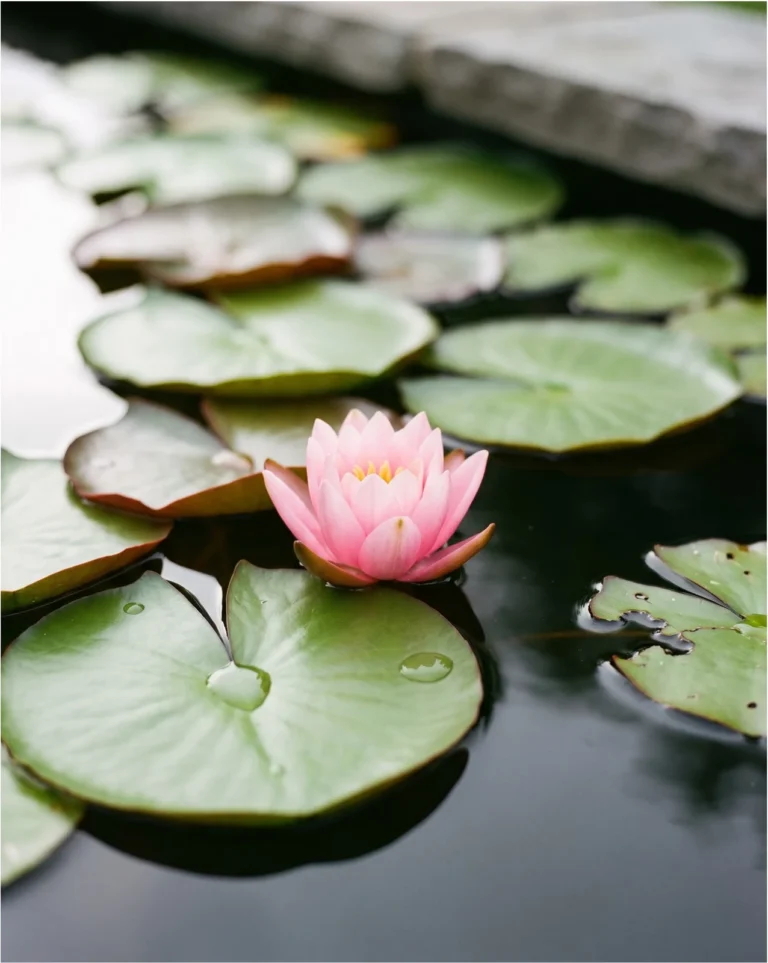
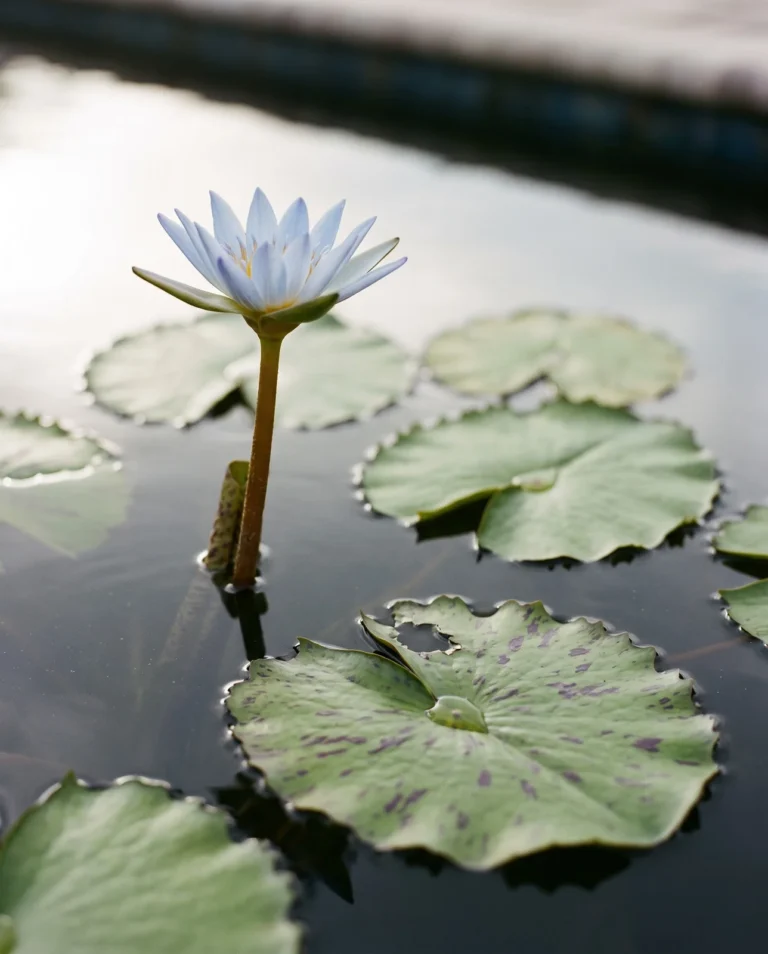
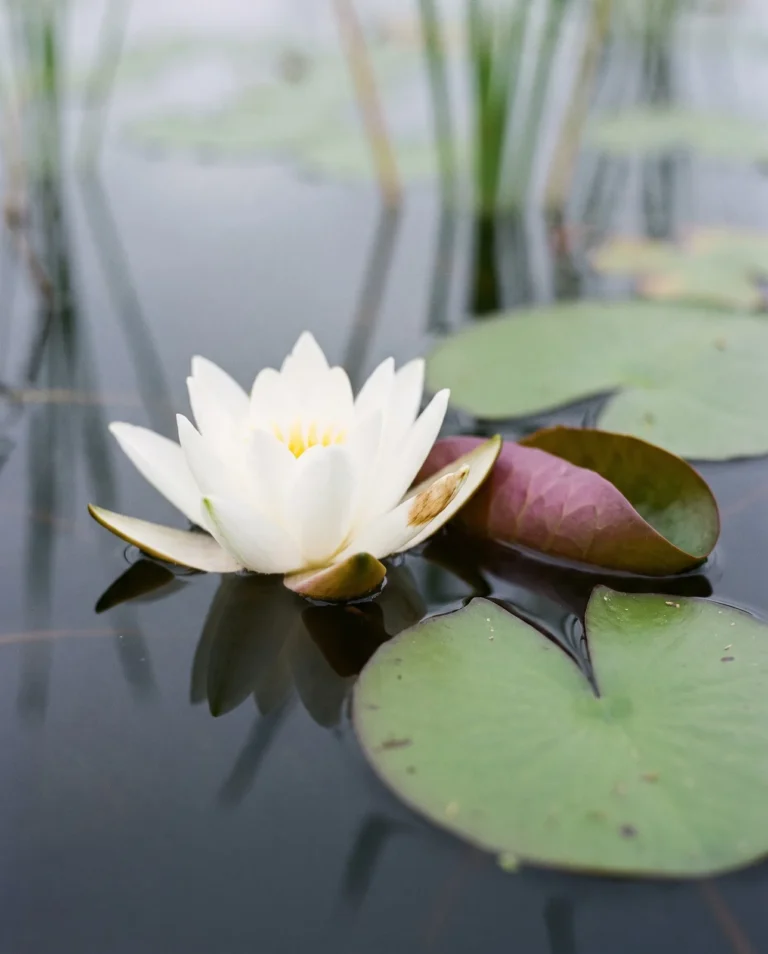
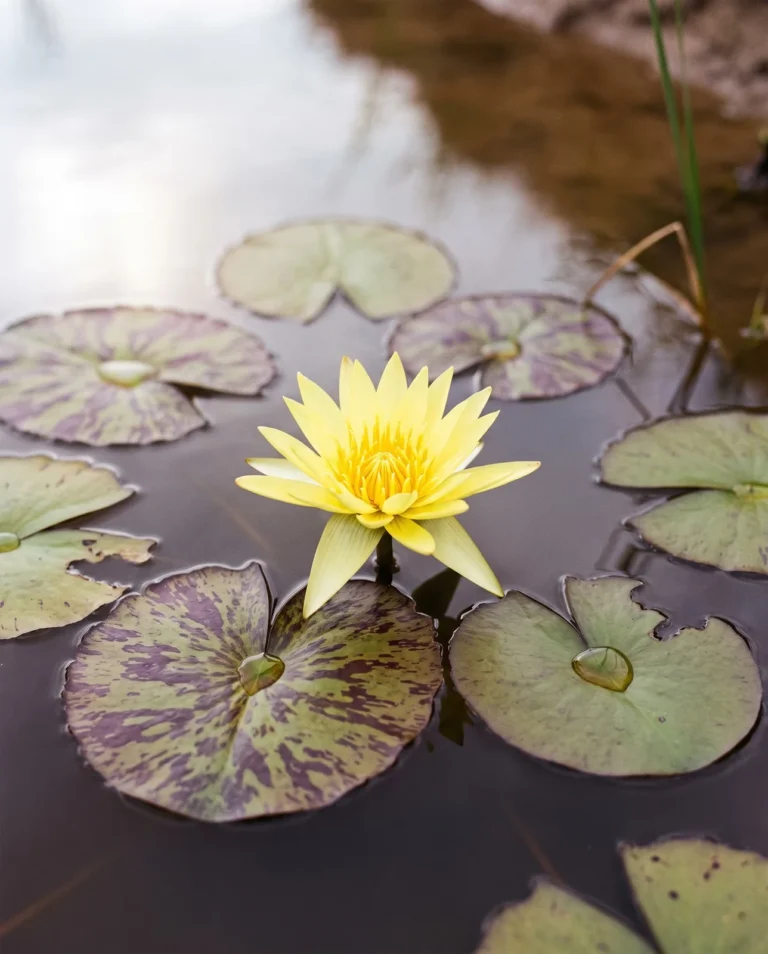
Planting a water lily in a pond or tub
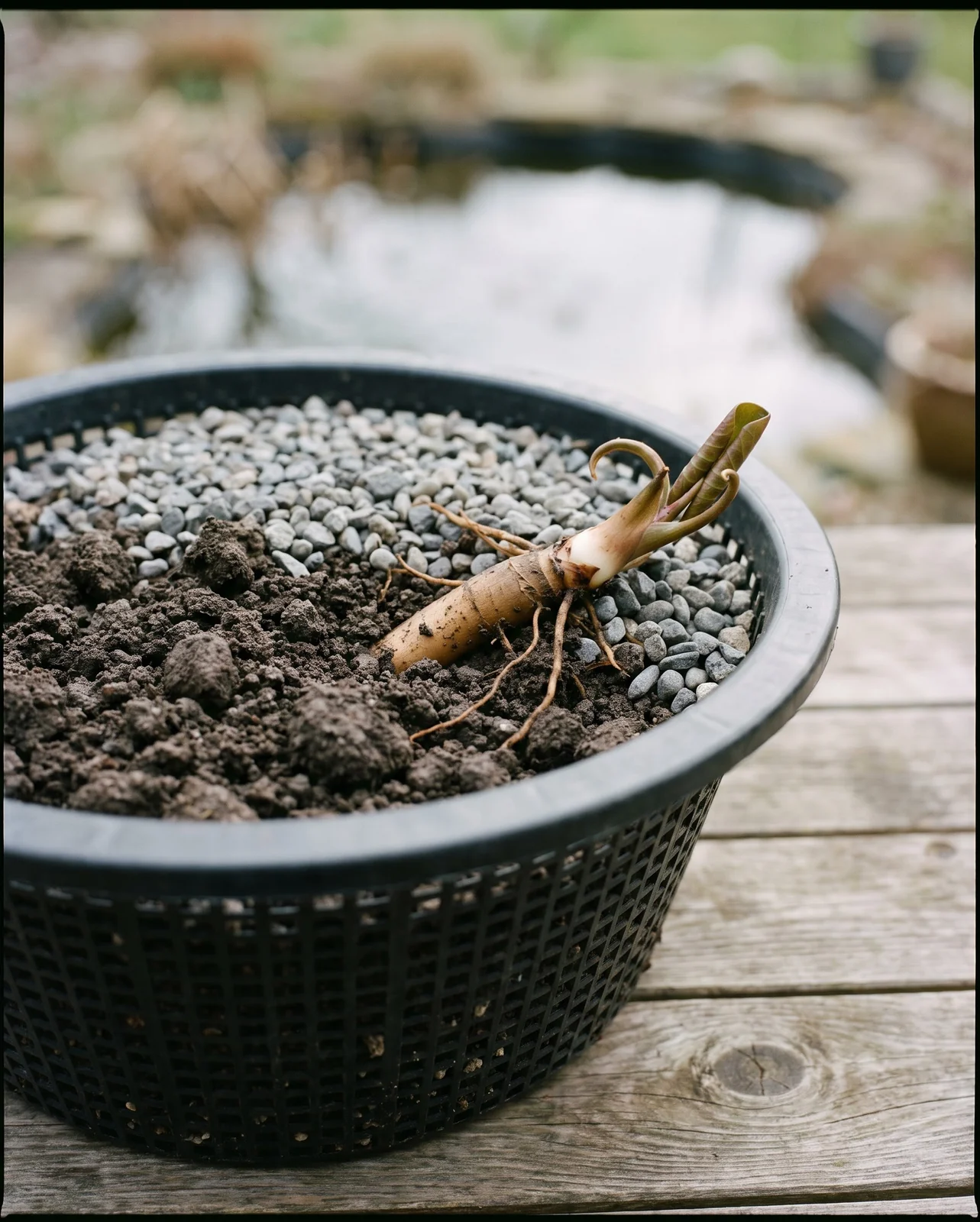
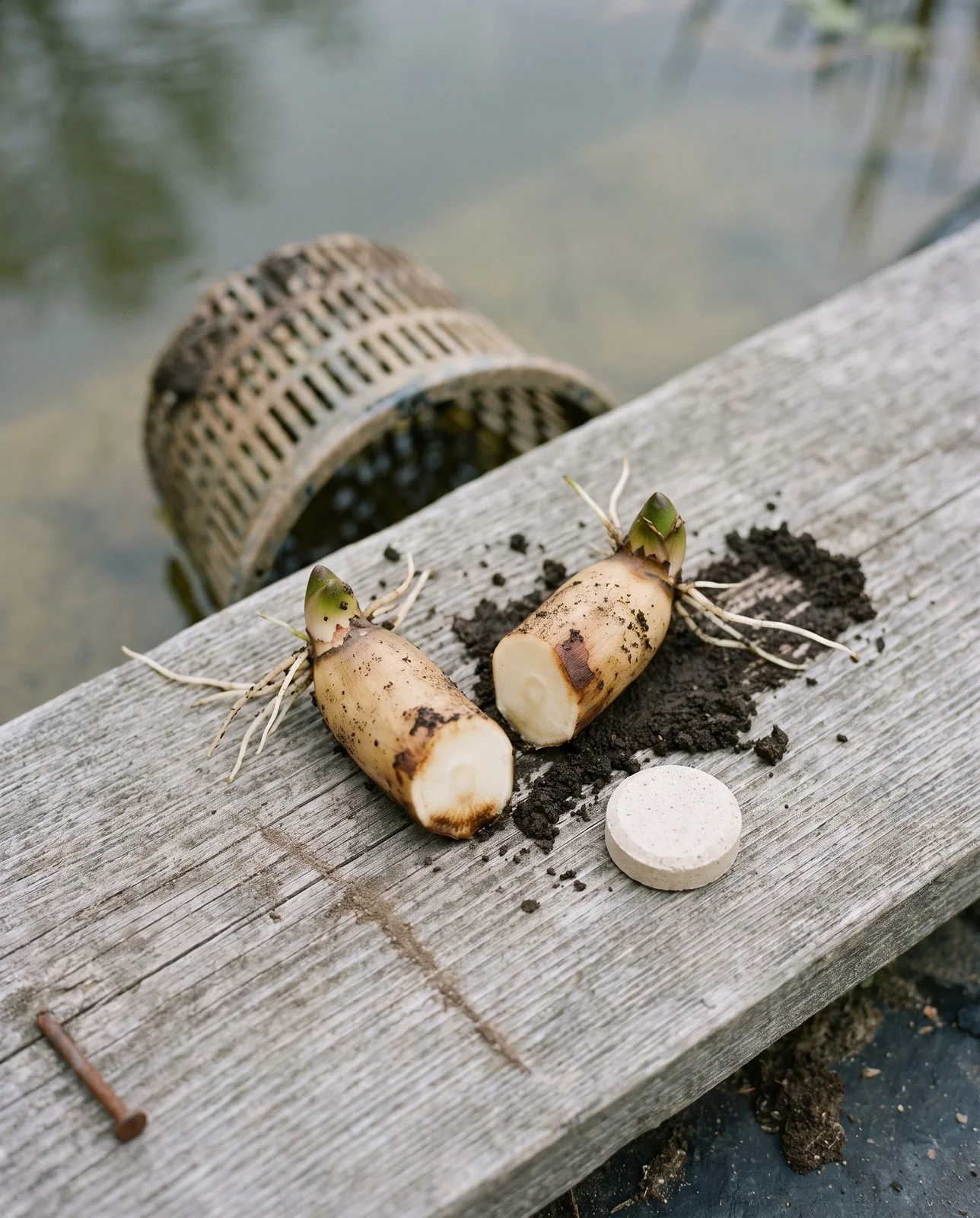
A water lily goes into a wide, shallow container of heavy soil, and the container goes into the pond, which keeps the plant liftable, easy to feed and where you put it. Clay, loam, silt and soils high in organic matter all work. Set a hardy rhizome flat on the soil in spring, bud end up, in a container that will sit 12 to 48 inches below the surface. Width matters more than depth in a pot, because the rhizome lies down and travels sideways. Fill the pot most of the way and cap the soil with pea gravel, clear of the growing point, so nothing clouds the water when the fish come past.
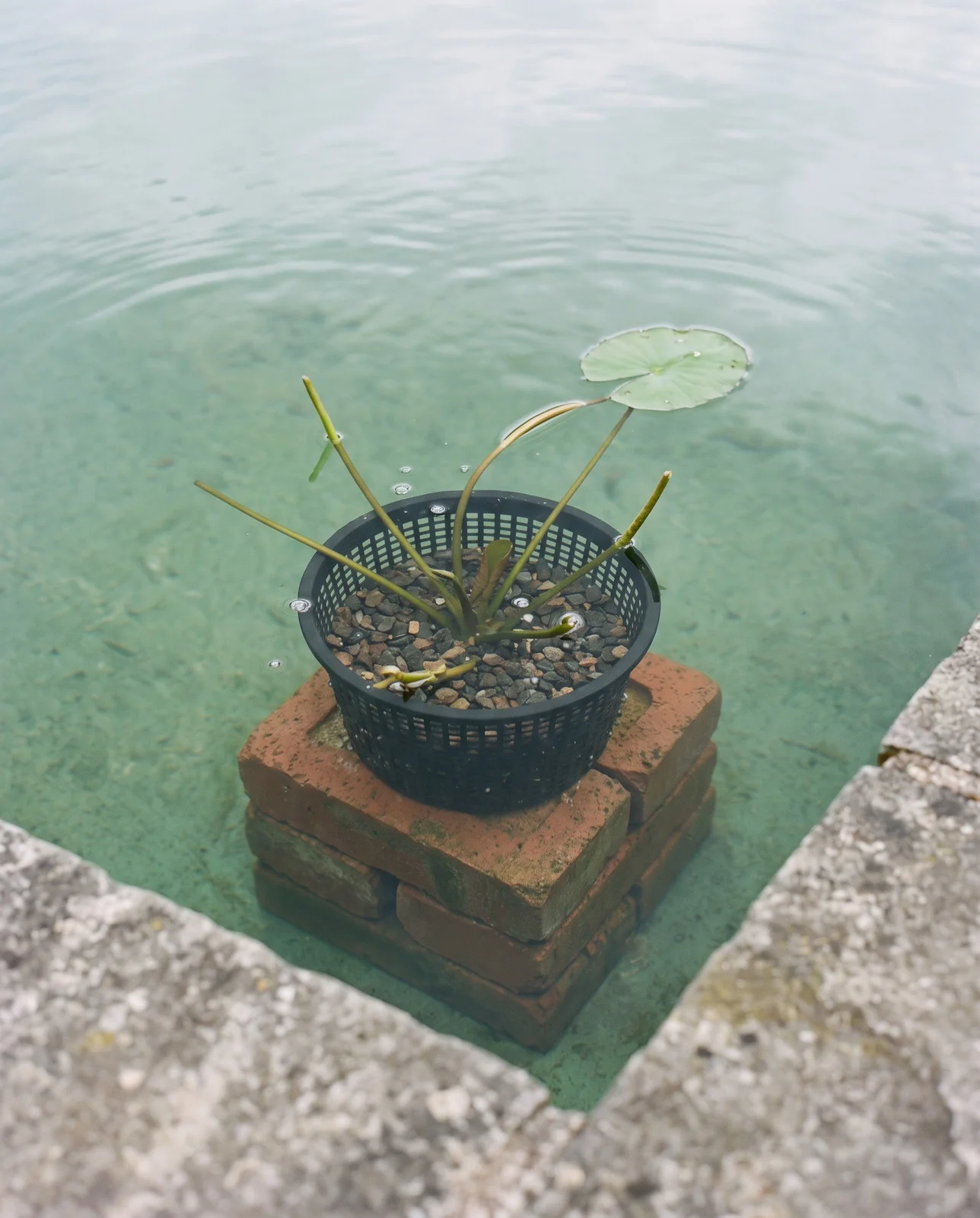
Start a new rhizome at about 6 inches of water over the crown, let it root and throw pads that lie flat, then lower the pot in stages if the spot calls for it. Most cultivated plants settle at 6 to 18 inches over the crown, in a pond that can run 2 to 5 feet deep with the pot on a pedestal. Where the floor sits deeper, a stack of bricks or an upturned crate lifts the crown back into range. Tropicals start warmer: 6 to 12 inches of water, once the pond has reached about 75 degrees Fahrenheit.
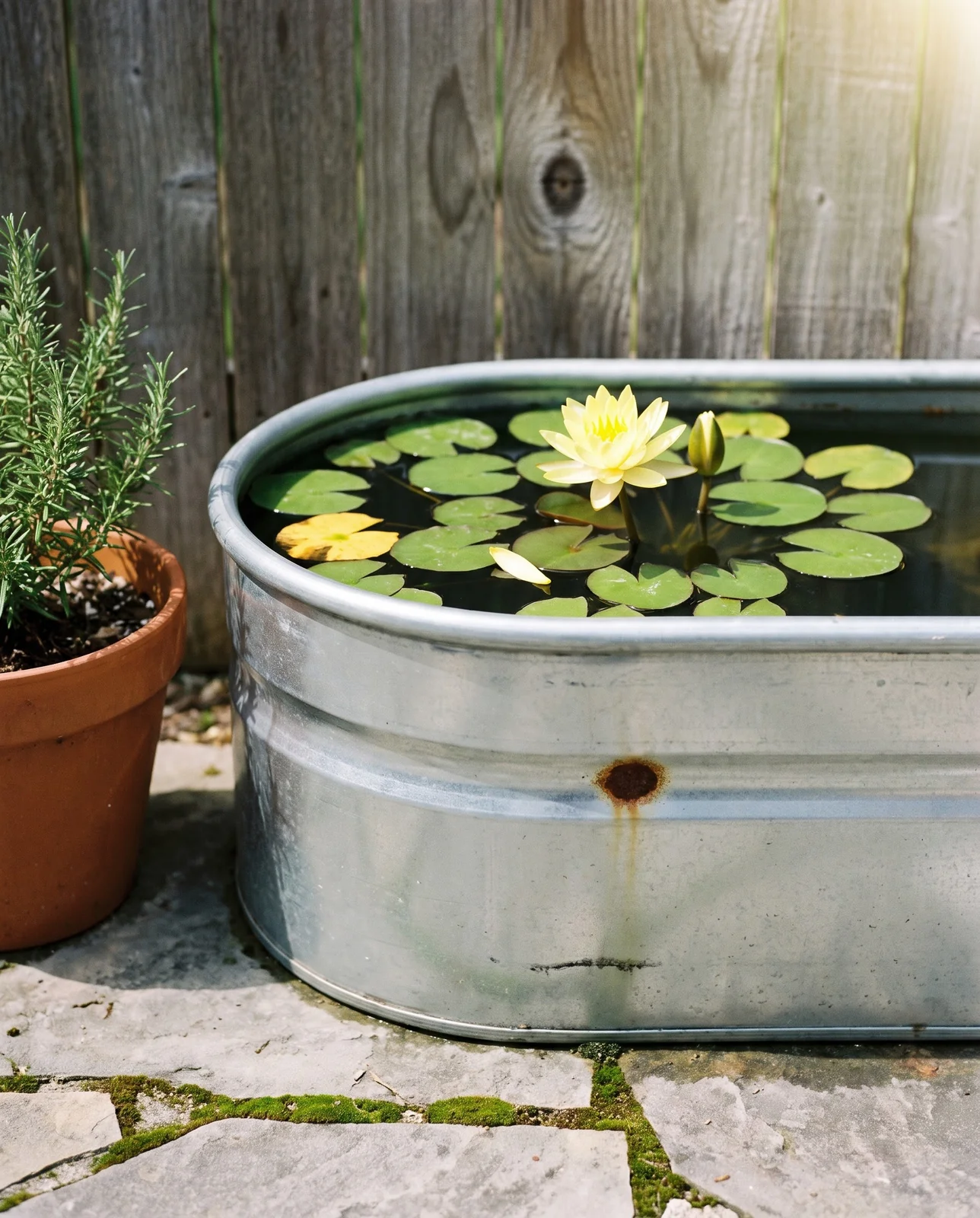
Site the pot in calm, open water. In the wild these are plants of ponds and slow-moving streams, and a pad taking spray from a fountain never settles flat. The middle of the pond belongs to the lily, and the shelf at the edge is where a marginal such as water iris goes. The same rules scale down to a half barrel: one dwarf lily to a pot, gravel on top, a few inches of water over the crown, and a canna lily beside it for height.
Pot width and water depth by lily size
Pot width follows the size class printed on the tag, and the water over the crown follows the pot.
Why a water lily will not bloom
A water lily that makes pads and no flowers is short of light, sitting too deep, or short of food. Hardy water lilies want at least 5 hours of sun a day in fertile loamy soil, with regular feeding. A shaded pond gives leaves and stops there. A pot on the floor of a deep pond holds the crown a long way from the light, and the flower count rises as the pot comes up. Read the pads: flat ones with slack in their stalks say the depth is right, and pads that arrive stretched tight, or never arrive, say the pot is too low.
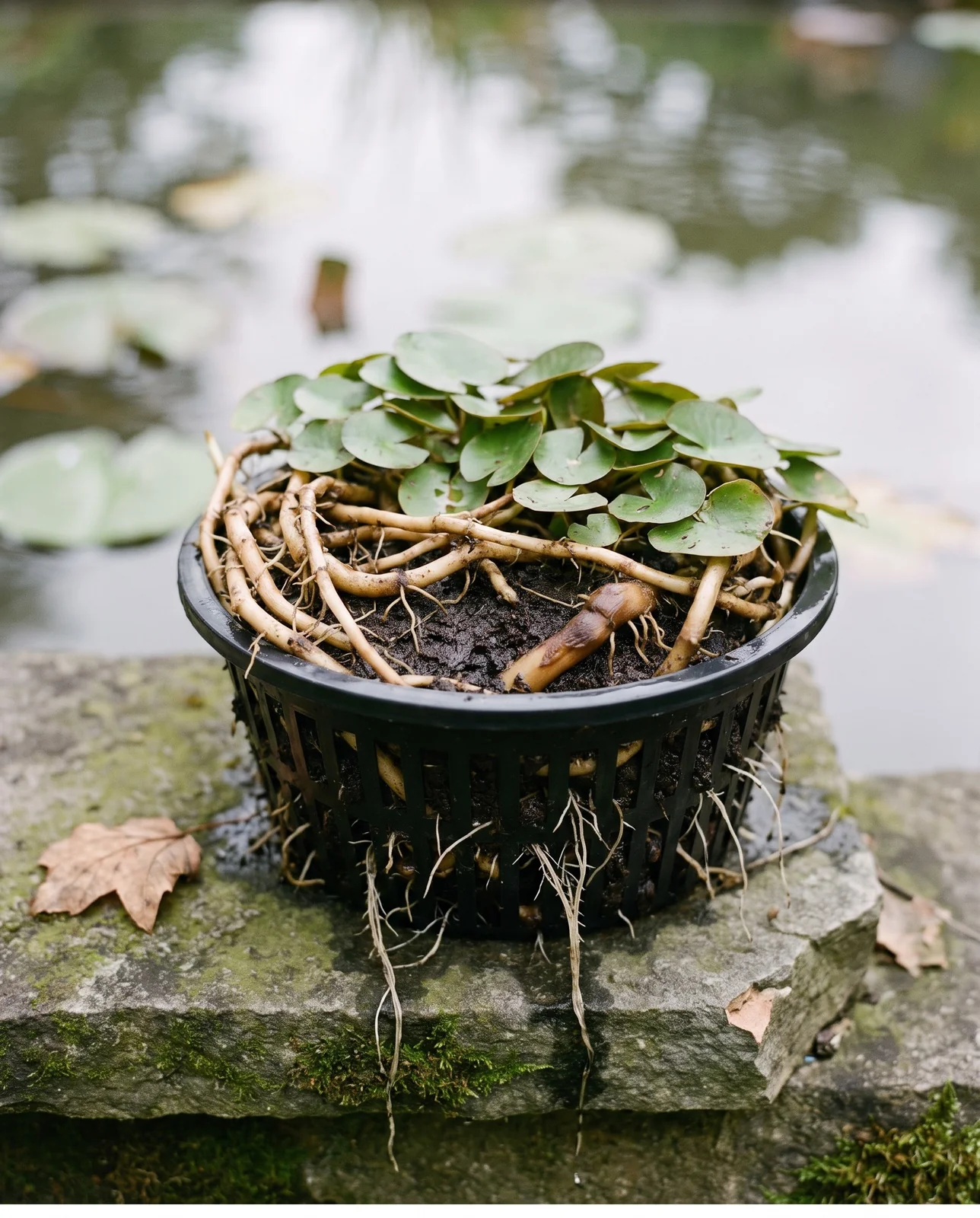
Food is the cause that catches owners whose plants look healthy. A lily works through only a few gallons of soil, so it can hold a potful of green pads and still run on empty. Two or three aquatic fertilizer tablets pressed into that soil at each feeding bring the flower color back up. Crowding works slower. A hardy lily fills its basket with rhizome, and dividing every 1 to 2 years, as soon as the pot is full, keeps it flowering. Two more causes are not about care: moving water from a fountain keeps the pads unsettled, and fish working the pot lift a rhizome before it sets a bud.
Working out why the flowers stopped
The checks run cheapest and most likely first.
Winter care
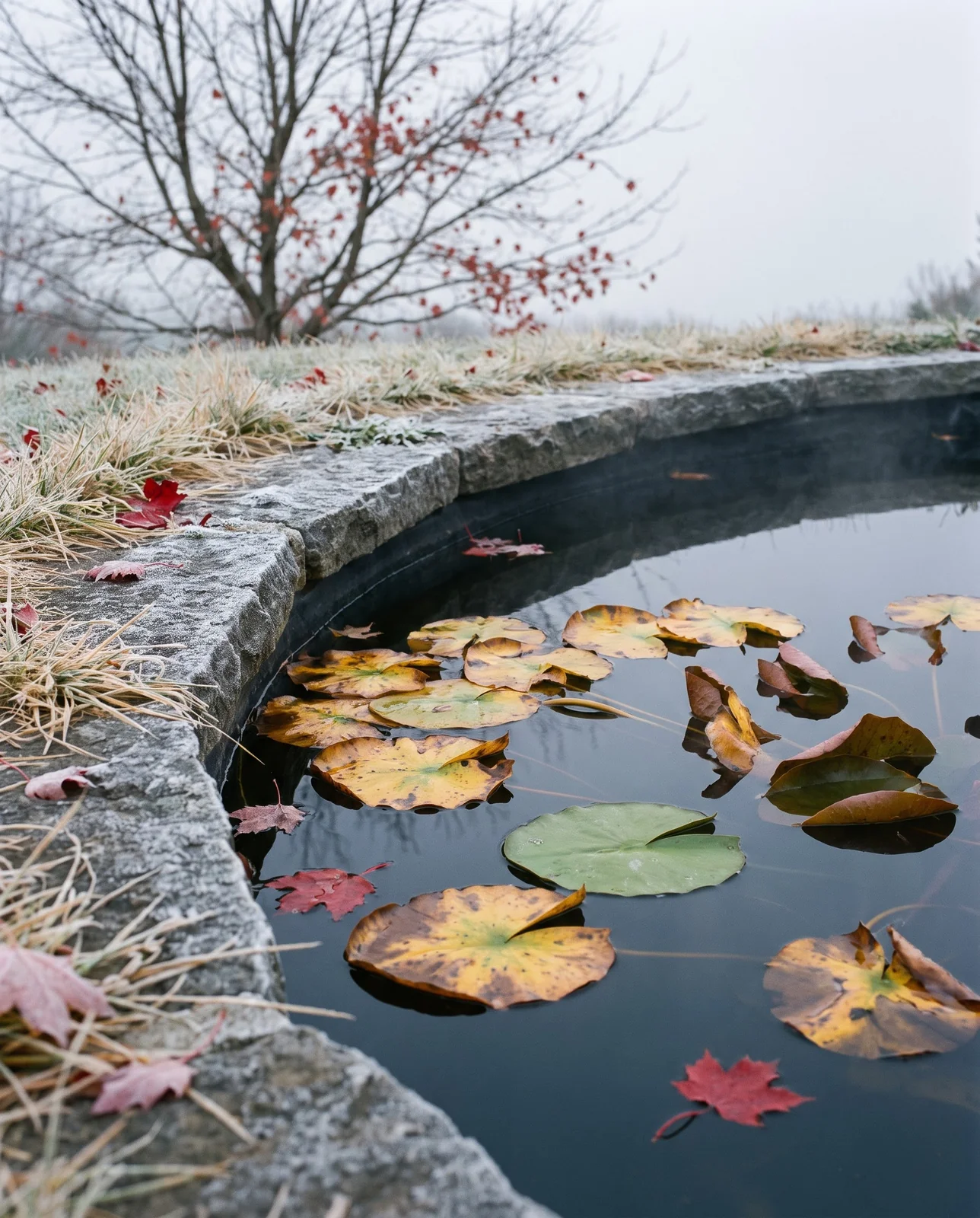
A hardy water lily spends the winter in the pond, below the ice. Cut the collapsing pads away in fall and move the container to the deepest water you have, so the crown sits under the ice line. Hardy lilies come through a St. Louis winter as long as the water does not freeze solid around them. Where the bottom cannot stay liquid, or the tub freezes through, the container comes out. It winters indoors at 40 to 45 degrees Fahrenheit, dark and damp, in a basement or an attached garage.
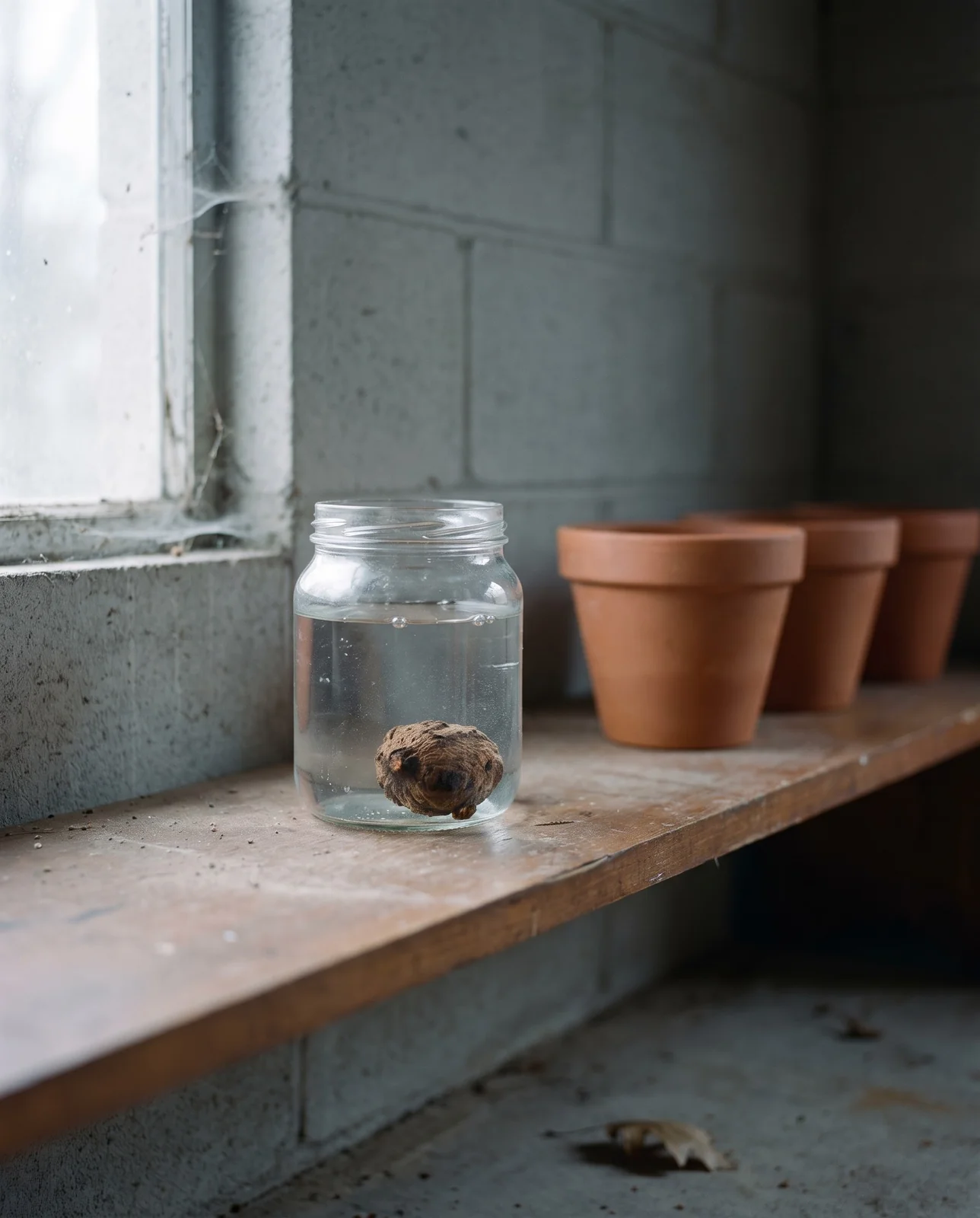
A tropical is a different plant in October. It is hardy only in zones 10 to 11, so everywhere else it gets lifted, stored, or bought again in spring. Let the plant take one or two frosts to push the tuber into dormancy, then lift the pot, wash the tuber and strip the old leaves and roots. One storage method is jars of distilled water in a basement that stays in the 50s Fahrenheit. The other is damp sand at 55 to 60 degrees, with viviparous varieties better at 60 to 65. The sand should be barely damp, at the moisture of pipe tobacco. A third route skips the washing and leaves the plant in its pot, soil barely moist, somewhere cool such as a garage. Start the tuber in spring in a 3 to 4 inch pot of soil, in water at 65 degrees Fahrenheit or warmer, and put it back in the pond once it has leaves and roots of its own.
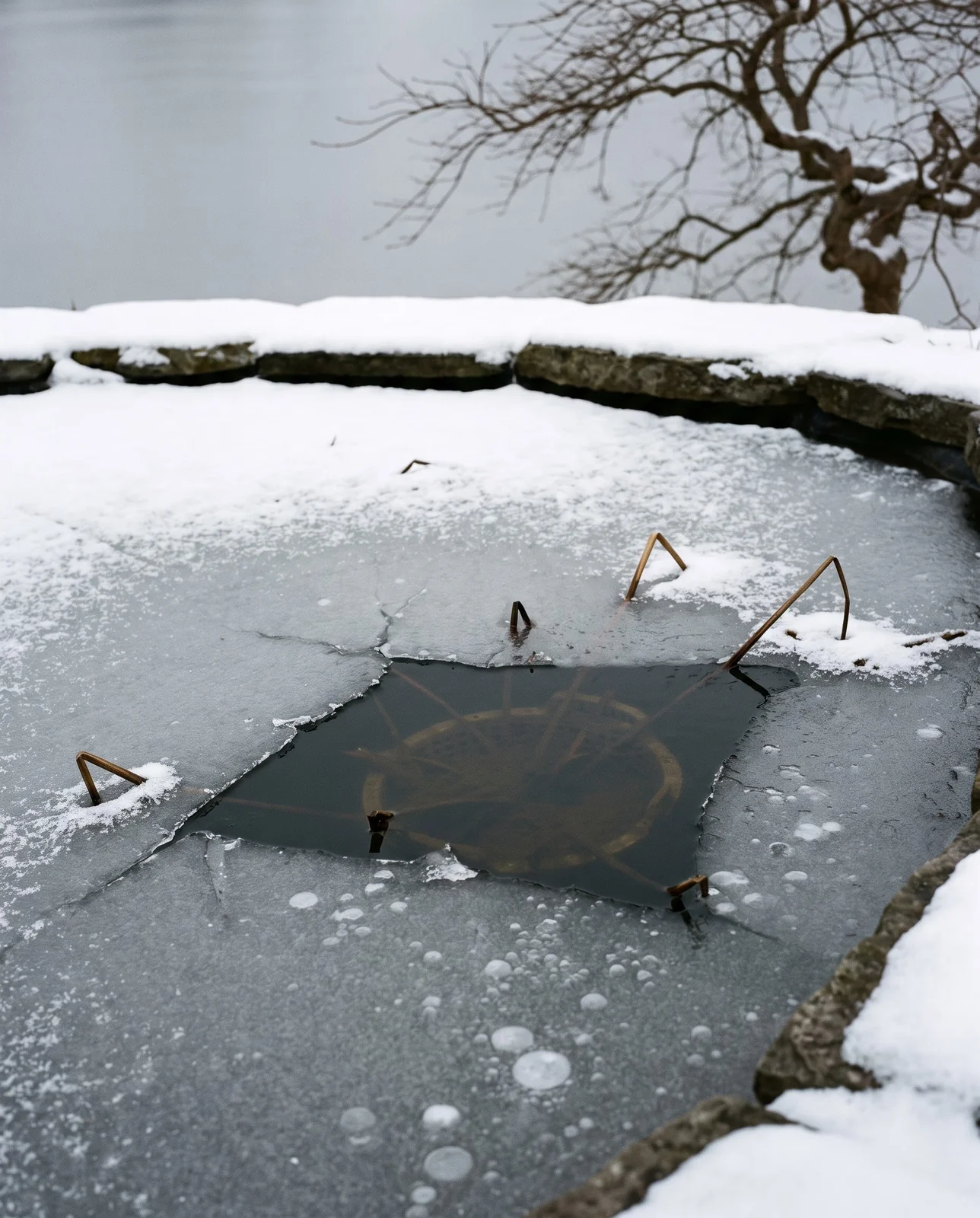
Winter by zone
Zone decides how cold the water gets, and type decides whether the plant can sit in it.
Koi and what else eats a water lily
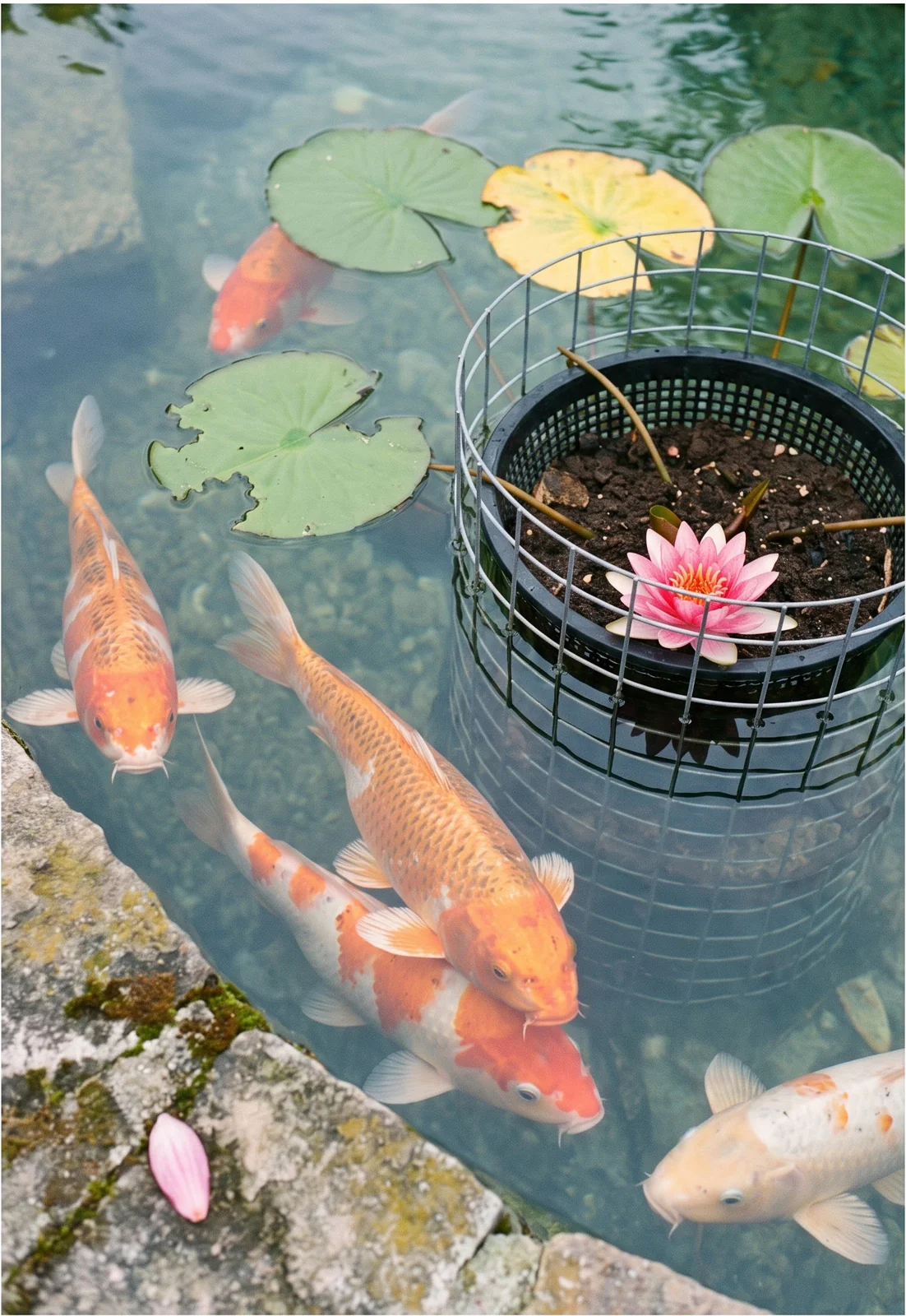
Koi and water lilies can share a pond, and every protection that works is physical. Start with an oversized container topped with gravel, then cage the pot in PVC-coated wire, plastic mesh or netting so the fish cannot reach the soil. Stocking several plants at once gives them better odds than adding one or two at a time. Koi have preferences worth using: they leave water lettuce, lotus, water poppy and umbrella plant alone when something more palatable is available.
Fish are not the only mouths on the plant. Deer, beaver, muskrat, nutria and other rodents eat the leaves and the rhizomes of the native white water lily, and deer take the leaves of the yellow Mexican species too. The plant gives something back: the undersides of the pads work as nurseries for aquatic insects and snails, which in turn feed and shelter small fish.
Water lily varieties worth knowing apart
Two facts decide where a named lily can live: how much surface it covers, and whether it survives a frozen pond.
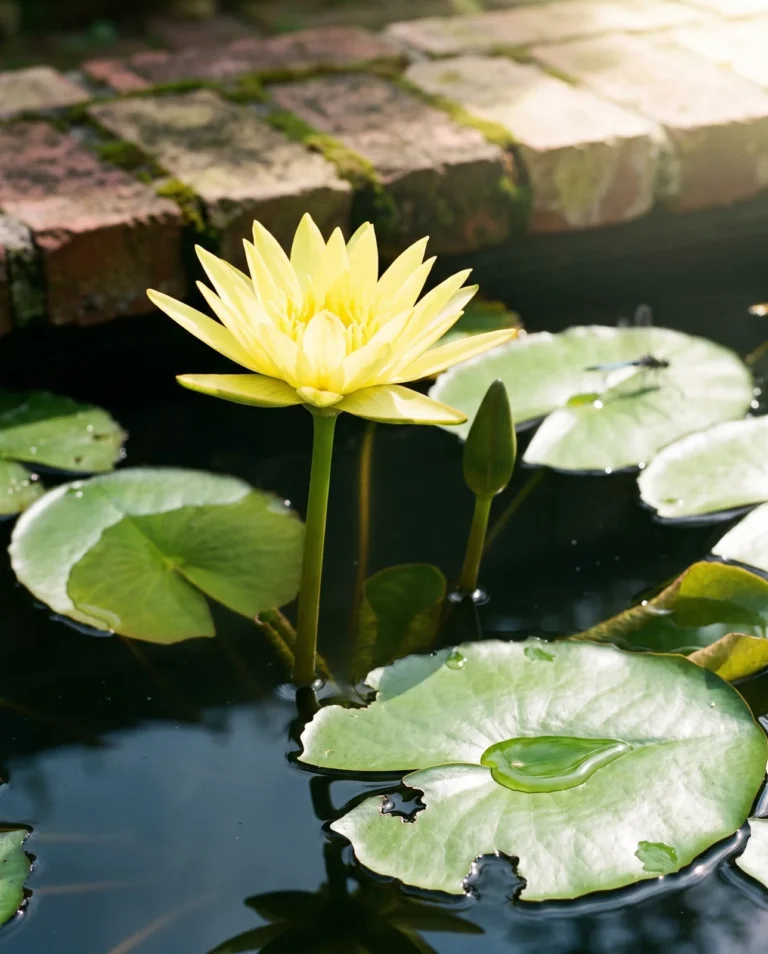
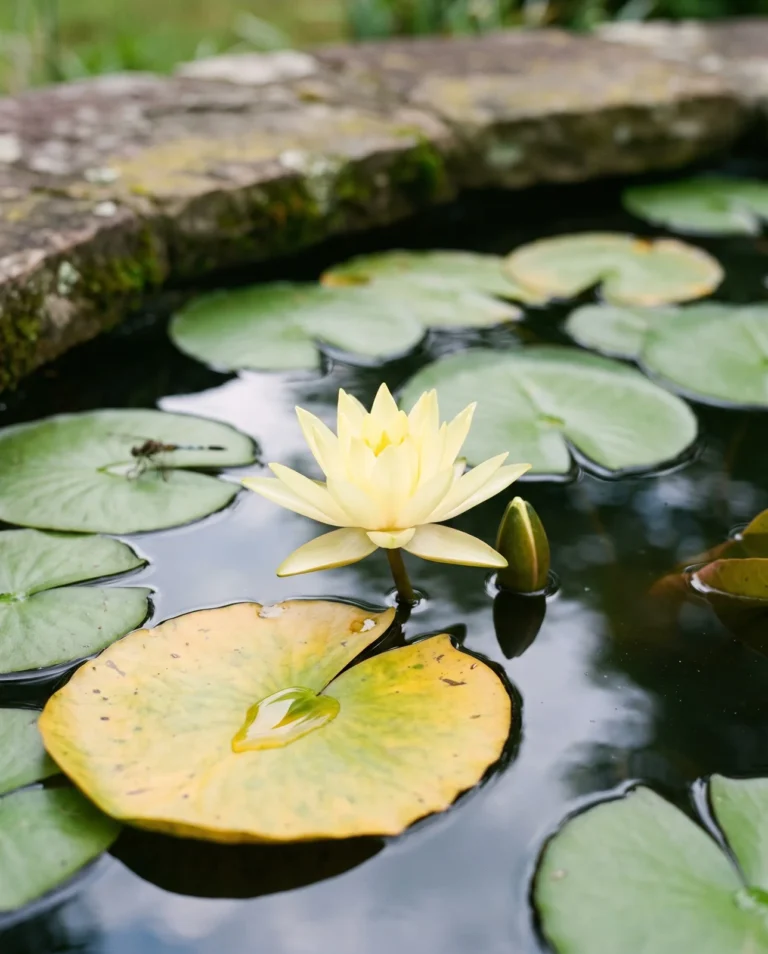
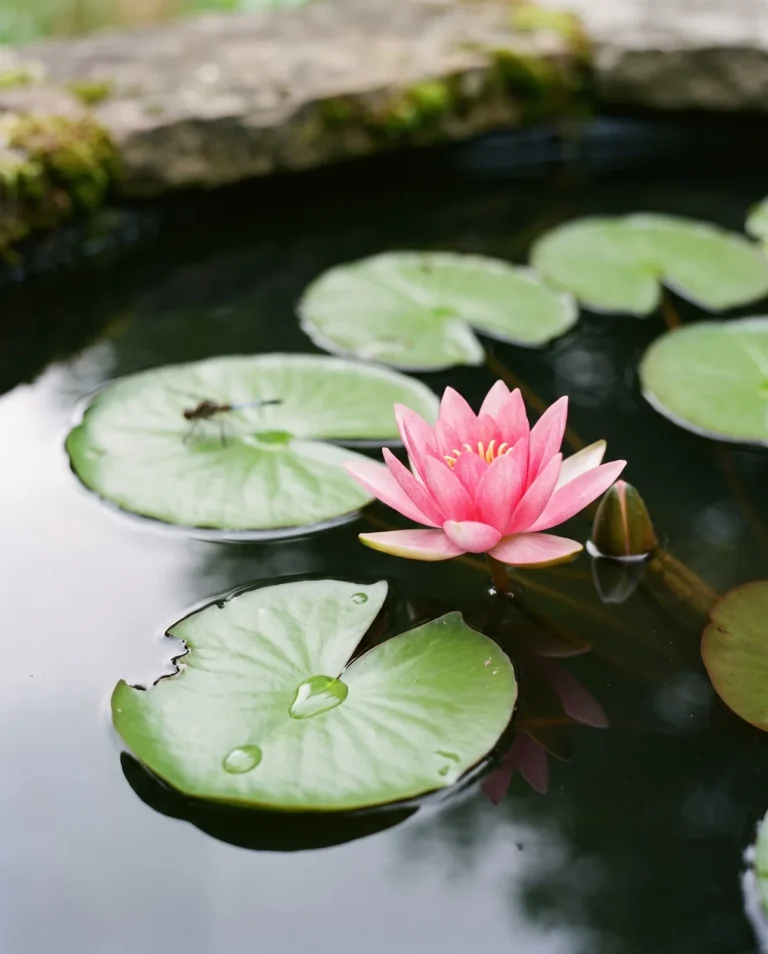
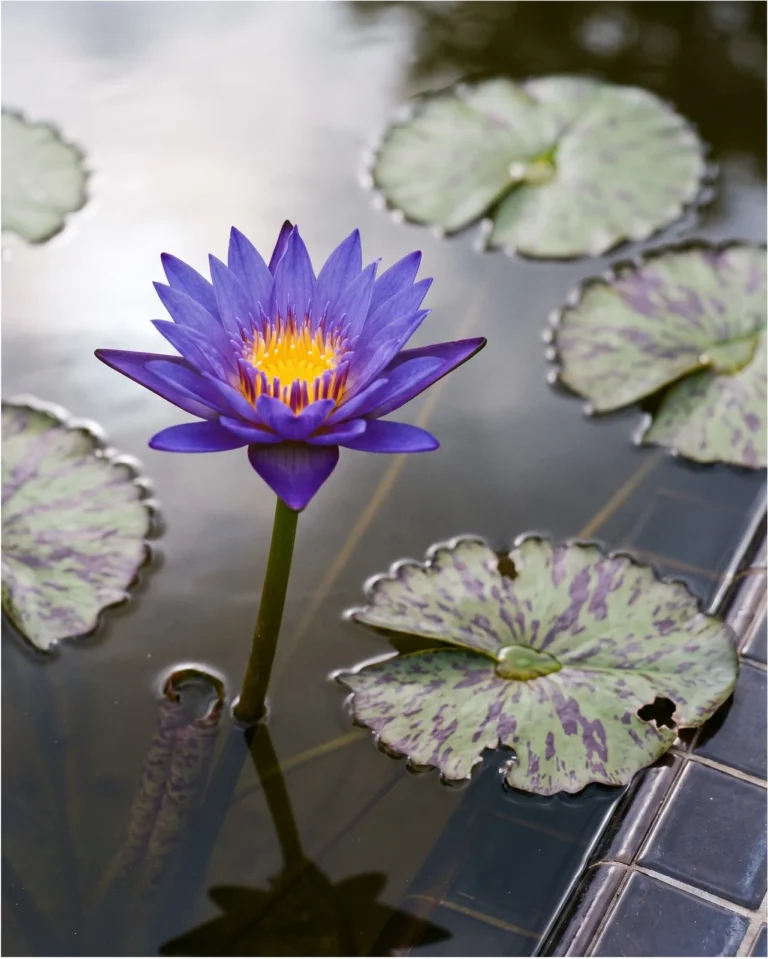
How far a water lily spreads, and where it is a weed
Put a water lily straight into pond mud and it will keep going. The rhizomes are about an inch thick and branch as they travel, so one crown becomes a colony with nobody planting a second plant. Left alone, the fragrant white species forms dense stands covering hundreds of acres. Inside its own range it is a native: the one native water lily of Missouri, sporadic nearly statewide. West of that range the same species is a problem, and Washington State classifies fragrant water lily as a Class C noxious weed, added to the list in 2002. A lily in a container stays a plant you own, and the same lily loose in an earth-bottom pond becomes a management job. Broken rhizome is how it moves between waters.
Light
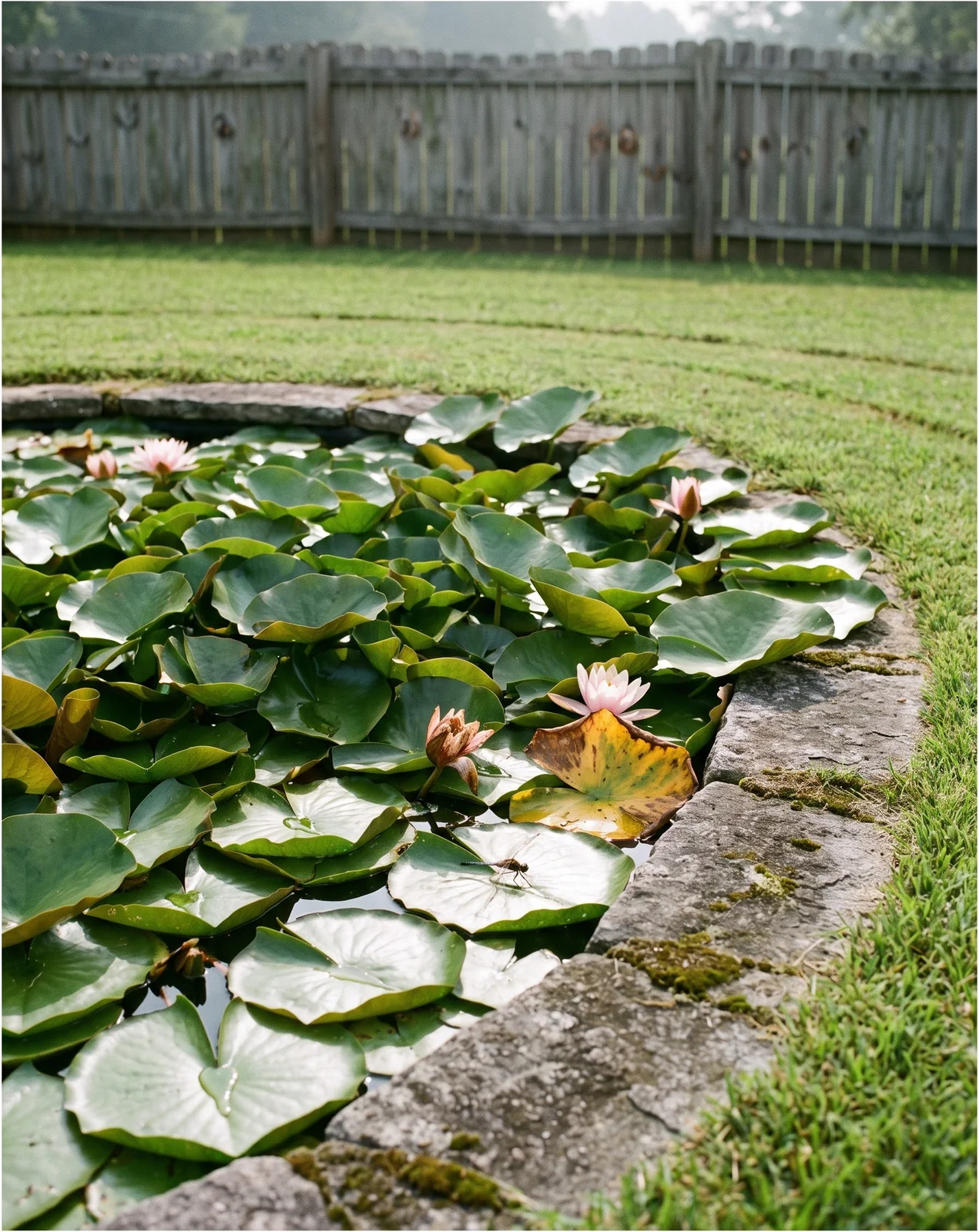
A water lily wants full sun, and for this plant that means 6 or more hours of direct sunlight a day, counted on the water itself and not on the patio beside it. At 2 to 6 hours the pond is in partial shade, which keeps a lily alive and does not keep it in flower. Shade usually arrives from something you cannot move: a fence line, a garage wall, a maple that was smaller when the pond went in. A pond in deep shade grows algae and frogs perfectly well. It does not grow a flowering water lily.
Feeding and what goes in the pot
Water lilies are fed with fertilizer tablets pushed down into the pot's soil, where the roots are. Feed about every four weeks through the growing season, two tablets per gallon of soil, and stop when growth stops in fall. Or press the tablets 3 to 4 inches into the soil on the 1st and 15th of the month. Hardy water lilies do well across a broad neutral band, roughly pH 6.0 to 8.0, so garden clay or loam rarely needs correcting.
How big a water lily gets
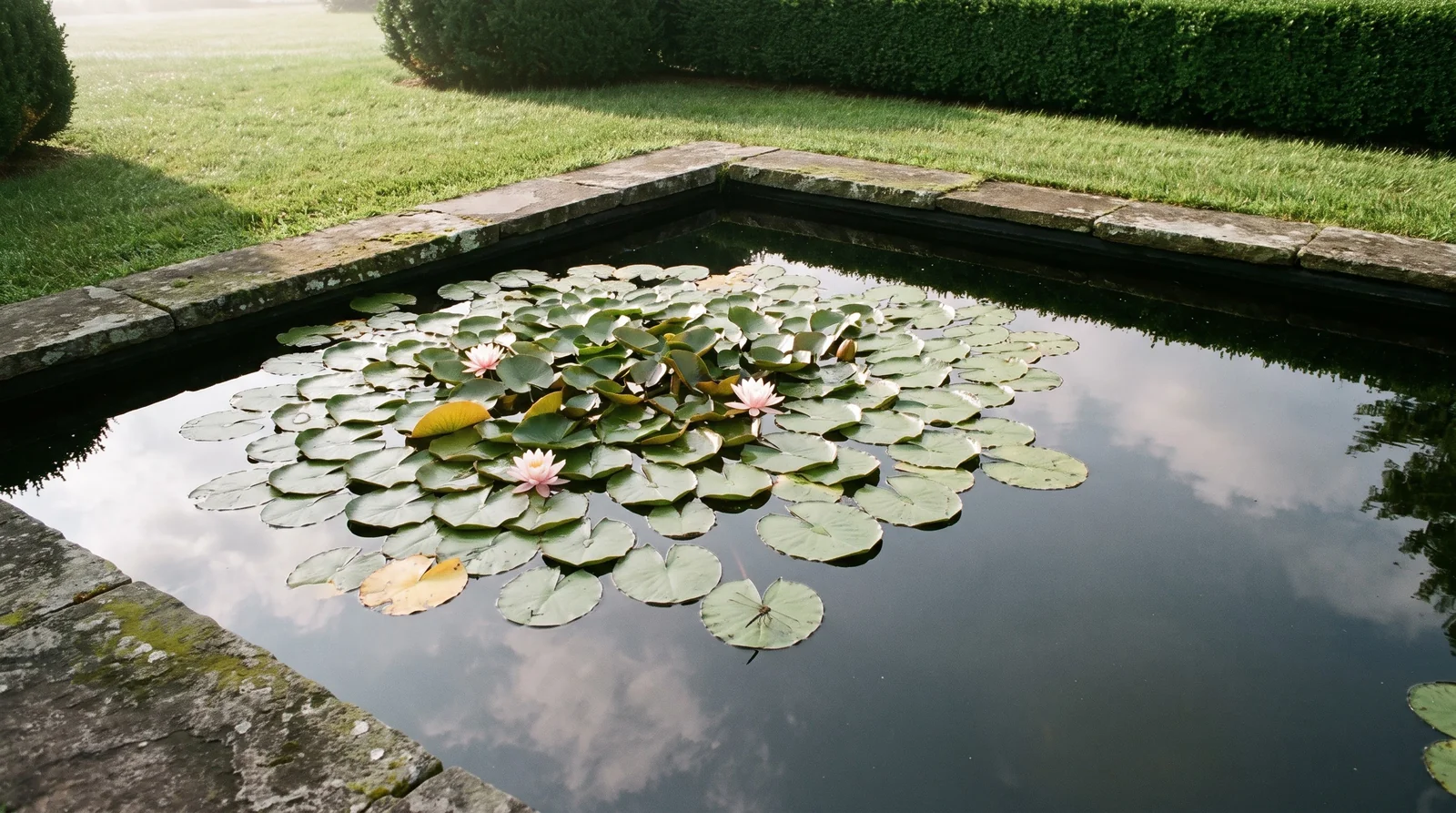
A water lily has almost no height, so its size is a question of how much water one plant covers. A medium hardy cultivar such as 'Marliacea Chromatella' spreads 5 to 6 feet across the surface from a single crown. Check that figure before buying: a plant sized for a farm pond will cover a preformed liner completely and leave the fish in permanent shade. Hardy garden lilies open 3 to 6 inches across, on petals up to about 3 inches long in the wild white species. The bloom is followed by a fruit about an inch across.
Aphids and the moth that cuts the pads
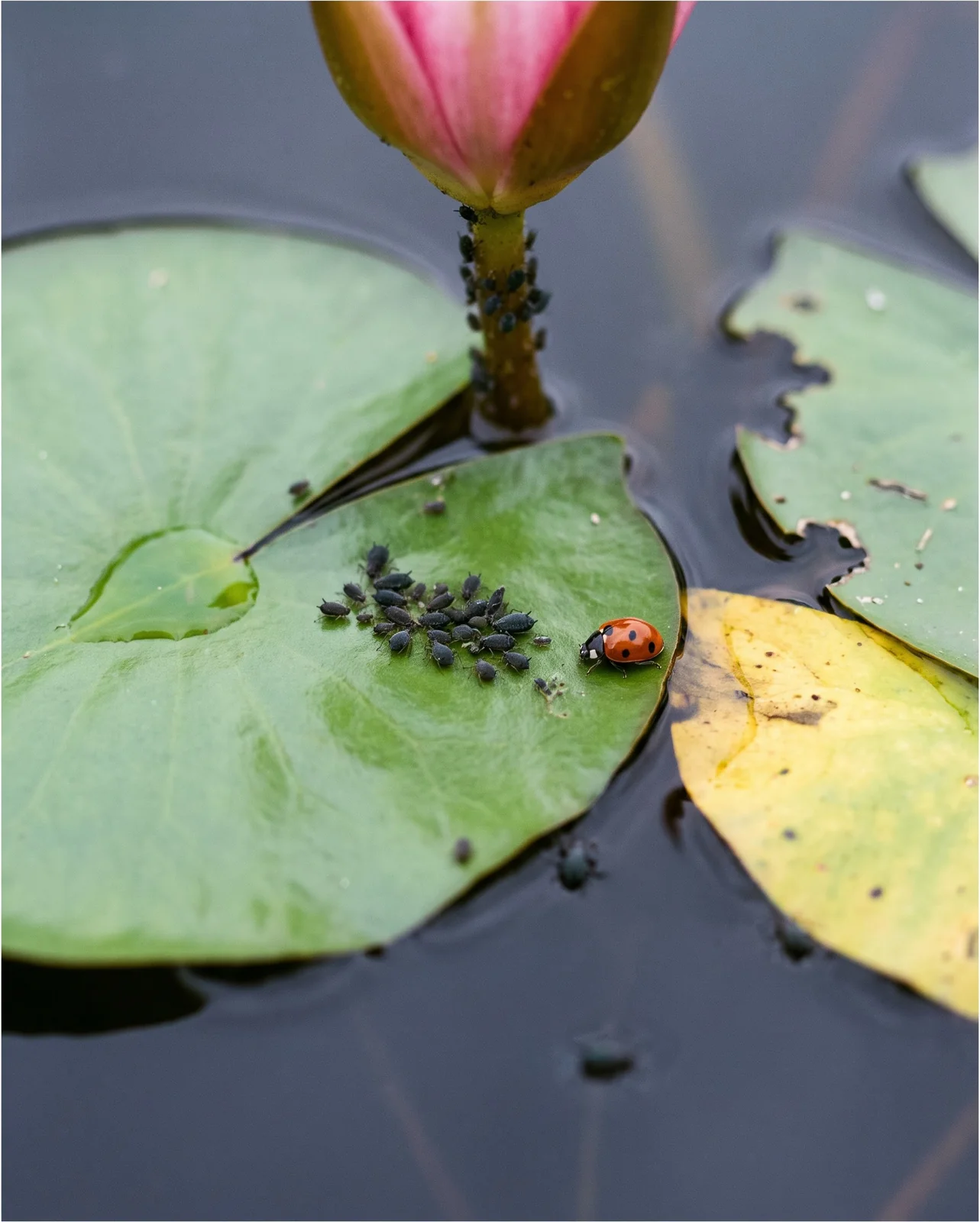
Two insects do nearly all the visible damage. The waterlily aphid has been in American ponds since it was first recorded here in 1890. A pond usually settles the matter itself, since ladybugs, syrphid flies and parasitoids all feed on the aphid and arrive once there is something to eat. The China mark moth does more damage. Its larvae pass through four instars. The late ones cut pieces out of the pads and build cases 0.5 to 0.75 inch long to live inside. The adult is easy to miss at about a 1-inch wing spread. Where the population needs knocking down, University of Maryland Extension names Bacillus thuringiensis 'Kurstaki' and the insecticide spinosad as effective against the larvae.
What actually goes wrong, in the order pond owners report it
The complaints that come up most often, in the order pond owners meet them.
A full pot of green pads and no buds, or buds that swell and stay shut. Check sun, then depth, then food, then a basket packed with rhizome.
Shredded pads, soil clouding the water, a rhizome lifted clear of the pot. The fish will not change, so the fix goes on the pot: bigger container, gravel, a cage on top.
Hardy crowns in ponds too shallow to hold liquid water, and tropical tubers going soft in storage. Wet sand rots them. Move the pot deeper or bring it in.
A medium lily bought for a tub, pads climbing the rim and standing above the water. Match the size class on the tag to the pot before the plant goes in.
Pads across open water within a couple of seasons, with no clear edge. It happens in earth-bottom ponds where nothing was potted. Pull what you can reach.
Colonies on the tops of the pads and on the buds after a warm spell, with sticky pads underneath. Predators normally take them down within a week.
Pads yellowing one at a time while new ones arrive, or pads held clear of the surface on stiff stalks. Standing pads follow a pot out of room. Tip it out and divide.
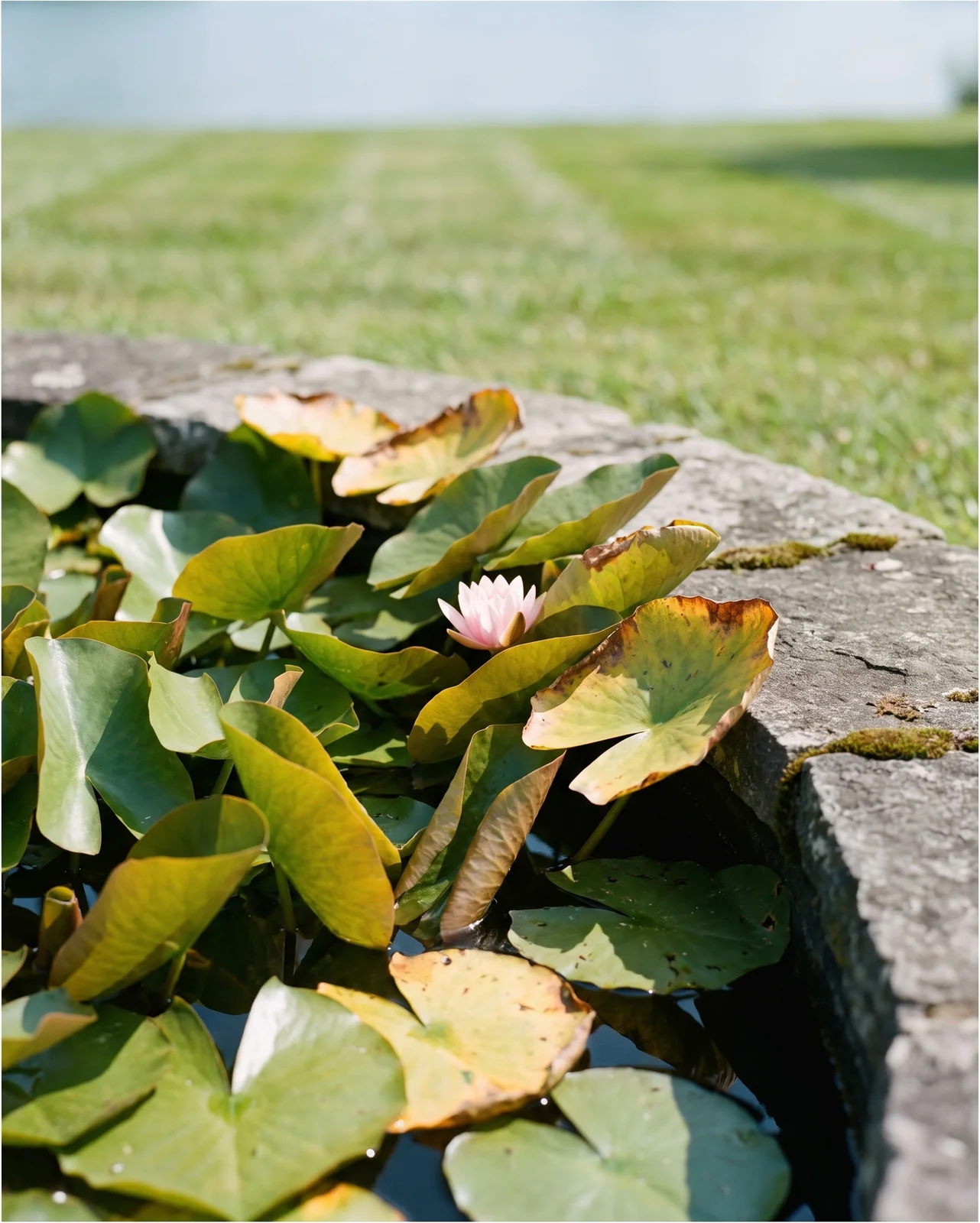
Monet's pond and the biggest leaf in the world
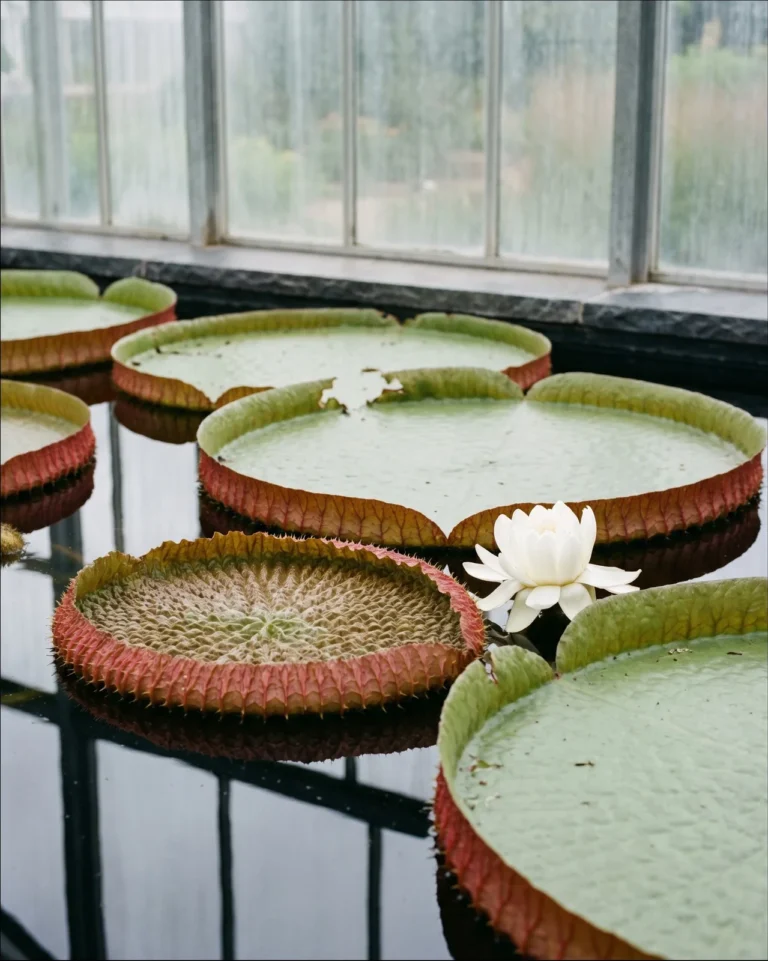
The water lily reached most people through one painter and one enormous leaf. Claude Monet produced more than 250 paintings featuring water lilies, nearly all worked from the pond he built himself. A still green surface broken by pink and white flowers reads as a picture before it reads as a plant. The giant Victoria carries leaves up to ten feet across, tested every summer at a weigh-off run by Denver Botanic Gardens. The winning pad held 183 pounds before it went under, with entries of 182 and 176 pounds close behind, in a contest drawing more than 40 participants across nine countries. Ribs radiate from the center of the leaf, and cross veins between them trap pockets of air that spread the load over the whole pad.
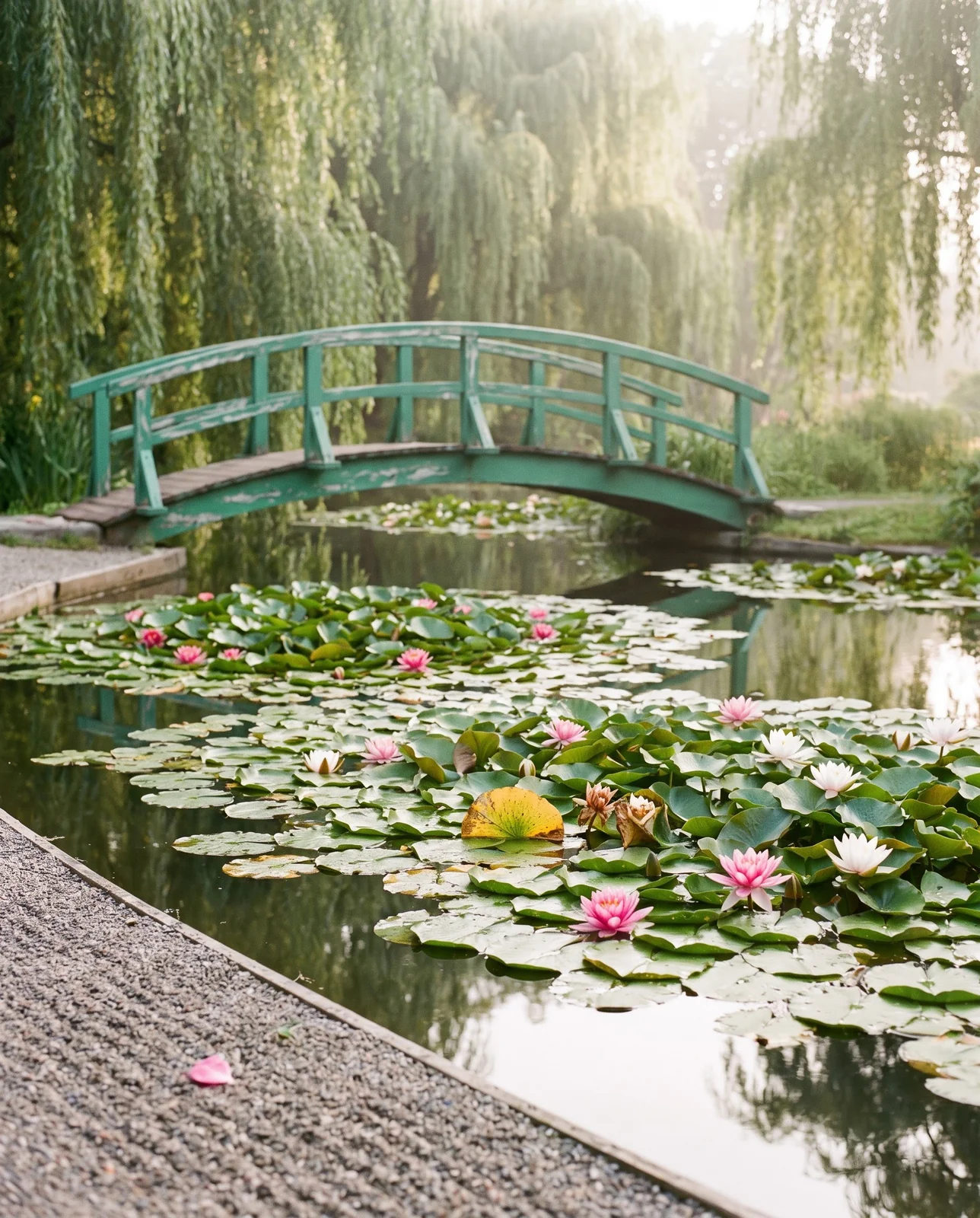
What people get wrong about water lilies
Five beliefs that send pond owners after the wrong fix.
The myth: Hardy lilies float their flowers and tropicals hold theirs up.
The reality: Plenty of hardy cultivars carry flowers above the water: 'Texas Dawn', 'Charlene Strawn' and 'Pink Sensation' all do it.
The myth: Neat round holes in the pads mean fish or turtles.
The reality: Shot holes 0.25 to 0.75 inch across are China mark moth larvae, and the late ones move on to eating the entire leaf.
The myth: A few aphids on a pad will pass on their own.
The reality: One waterlily aphid mother turns out about 50 offspring at two to four a day, and her nymphs are mothers themselves in about a week.
The myth: One water lily cannot take over a pond.
The reality: It can take over a shallow lake. Pond guidance calls for containers or isolated shallow islands for that reason.
The myth: Water lilies are tropical plants.
The reality: Some grow as far north as zone 3 or 4, while the lotus they get confused with is hardy only to zone 9.
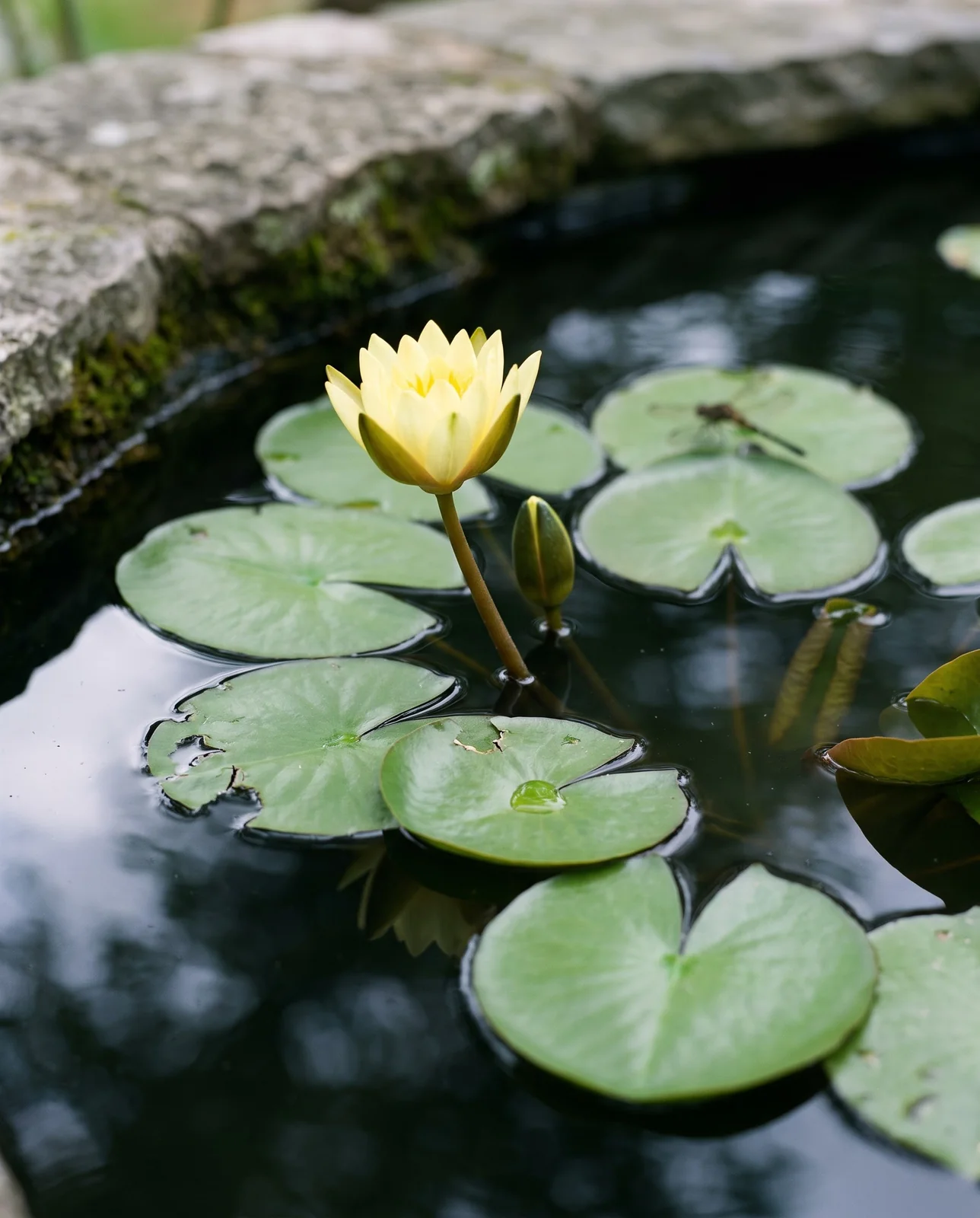
What to expect, season by season
A water lily is slow to convince and then hard to stop.
Planting year: pads come before flowers. A bare-root rhizome set out when the water warms spends its first weeks pushing leaves up, and the earliest may sit submerged and look drowned. Flowers follow once the pot has root in it, and a plant that went in during high summer flowers late or not at all.
Second year: this is the year the plant pays. The pot is full of root and the pads cover the water they are going to cover. Bloom runs from the first warm weeks to the first frost, with new buds replacing spent ones.
Third year and after: flowers get smaller and fewer as the rhizome fills the basket. Divide and repot as soon as the pot is crowded, and work three to five fertilizer tablets into the top of the fresh soil.
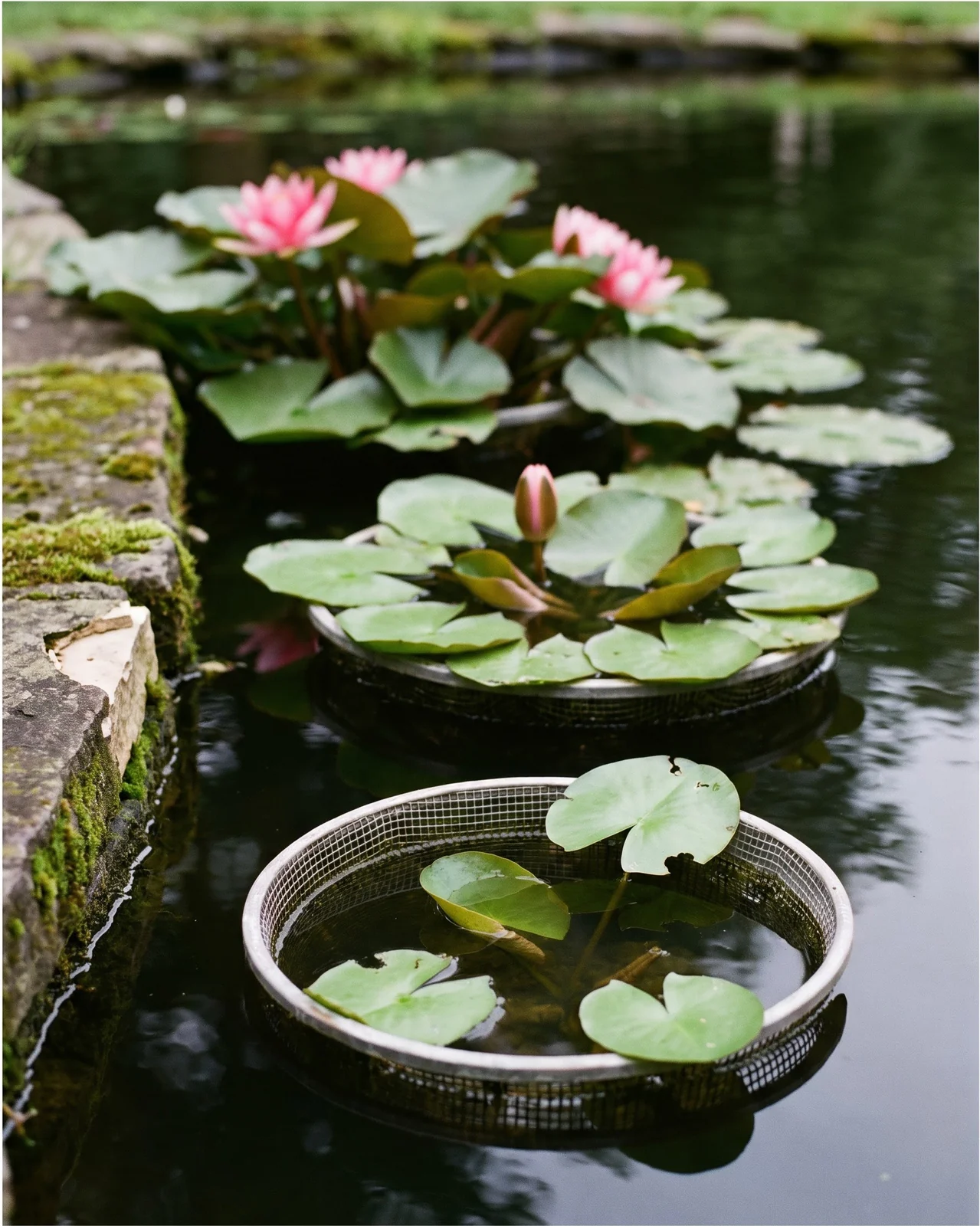
Flower photos
FAQ
How deep should a water lily be planted?
Start at about 6 inches of water over the crown. Most do well from 6 to 18 inches over it, and the shallow end is where the flowers are.
Do water lilies come back every year?
Hardy ones do, as long as the water around the pot does not freeze solid. Tropicals are hardy only in zones 10 to 11 and are lifted or replaced everywhere else.
What is the difference between a hardy and a tropical water lily?
The plant part and the water temperature. A hardy lily grows from a rhizome and winters in the pond; a tropical grows from a tuber and goes out at about 75 degrees Fahrenheit.
Do koi eat water lilies?
They graze the pads and dig at the pots, and only physical protection works: an oversized container with gravel over the soil and a cage of wire or netting on top.
What kills water lilies in a pond?
Cold that reaches the crown, fish that dig the rhizome out, and China mark moth larvae, whose late instars eat the whole leaf. Rot in storage takes most of the tropicals.
What is the best fertilizer for water lilies?
Aquatic fertilizer tablets pushed into the pot's soil. Two per gallon every four weeks until fall keeps a lily fed, or press them 3 to 4 inches down on the 1st and 15th.
How much sun does a water lily need?
Six or more hours of direct sun a day counts as full sun. At 2 to 6 hours the pond is in partial shade, where plants make pads and skip flowers.
Is a water lily the same thing as a lotus?
No. A water lily pad has a notch where the stalk meets the blade and a lotus leaf has none. The lotus sits in its own family, Nelumbonaceae.
What size water lily fits a patio tub or a small pond?
A small or dwarf one, in a container 10 to 12 inches wide. A medium plant wants 14 to 18 inches, more than a half barrel holds once gravel and water are in.
How often do water lilies need dividing?
Every 1 to 2 years, as soon as the pot fills with rhizome. Work three to five fertilizer tablets into the fresh soil when the divided piece goes back.
Are water lilies good for pond fish?
At moderate density, yes. It makes excellent habitat for fish and other aquatic animals, and the flowers pull in pollinators.
Interesting tips
- If a China mark moth has found your pond, variety choice becomes a control. It passes over Nymphoides cristatum 'White Snowflake' and Nymphaea 'Mrs. C.W. Thomas', so a chewed-out pot is a chance to replant.
- The aphids on your pads are not lily specialists. The same insect feeds on duckweed, arrowhead, water milfoil, water plantain, cattail, bladderwort, pondweed and rice, so a weedy margin keeps supplying them.
- Wild plants are no guide to how deep to sink a pot. Fragrant water lily roots in sediment under six to seven feet of water, on stalk length a potted cultivar does not have to spare.
Related Guides & Flowers
Peace lily
Another plant carrying the lily name without being one, and it lives indoors in a pot.
Pink flowers
Where the pink hardy cultivars sit among the other pink flowers worth planting.

Types of flowers
The full catalog of flowers on the site, grouped by type.
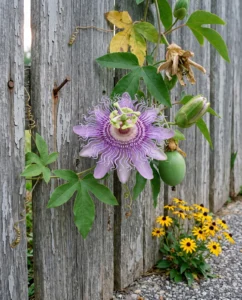
Passionflower
Another flower built on an unusual arrangement of parts that repays a close look.
Enjoying our flower guides? Add YourFlowersGuide as a preferred source on Google. It helps more readers find us.
Add to Preferred Sources