Agapanthus
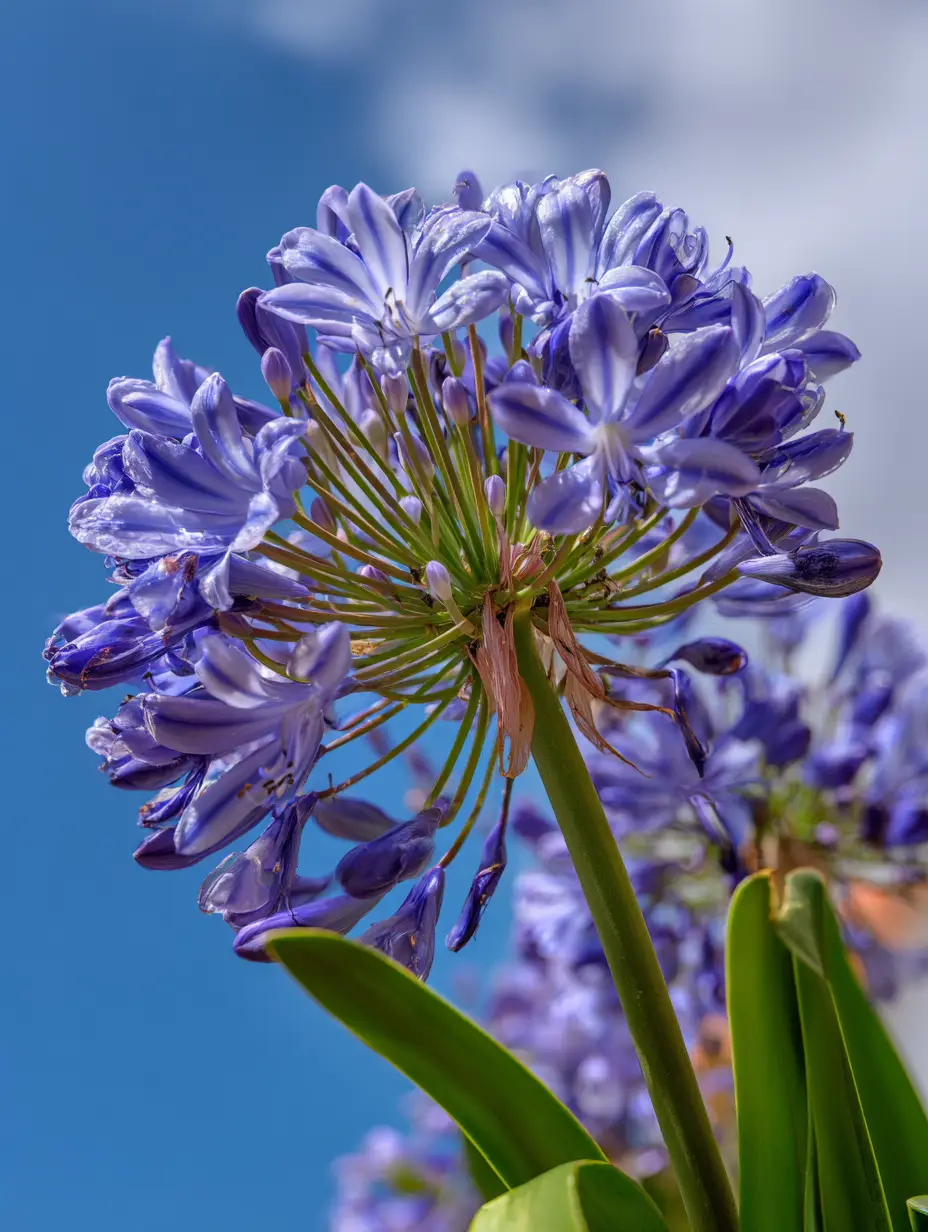
Agapanthus, the African lily or lily of the Nile, is a clump-forming perennial topped in midsummer by round heads of blue or white trumpet flowers on bare stems above strap-shaped leaves. The most common complaint is that it grows lush leaves but refuses to flower, and the cause is almost always too little sun, a plant that is still too young, or a clump that has been disturbed by recent division. It is not a true lily.
Native to southern Africa, agapanthus splits into two practical groups that decide nearly everything about how you grow it: frost-tender evergreen types that need winter protection in cold regions, and hardier deciduous types that die back and return. It flowers best when its roots are crowded, so it rewards being left alone more than fussing, asks for full sun and sharp drainage, and carries a mildly irritant sap that makes gloves sensible whenever you cut or split it. The sections below cover why it stalls, how to overwinter each type, and how to handle it safely.
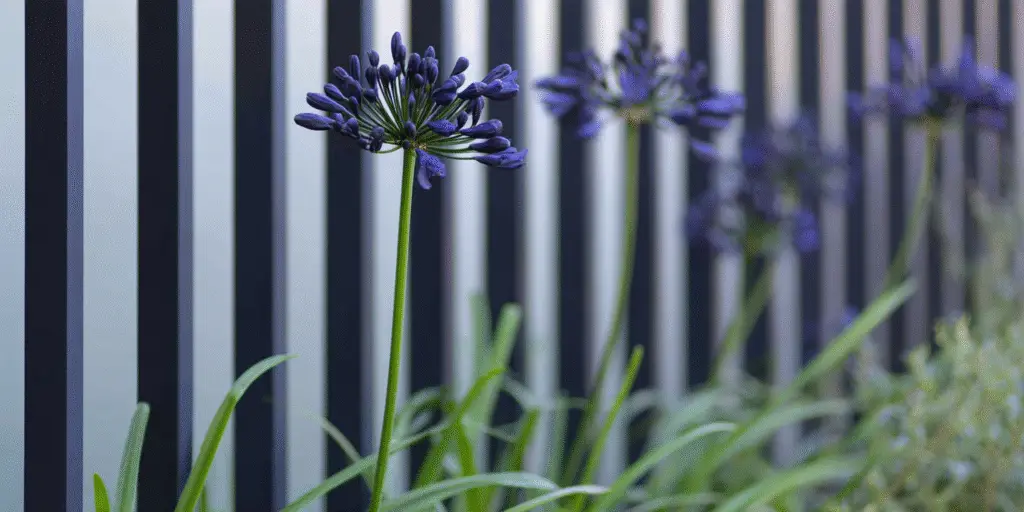
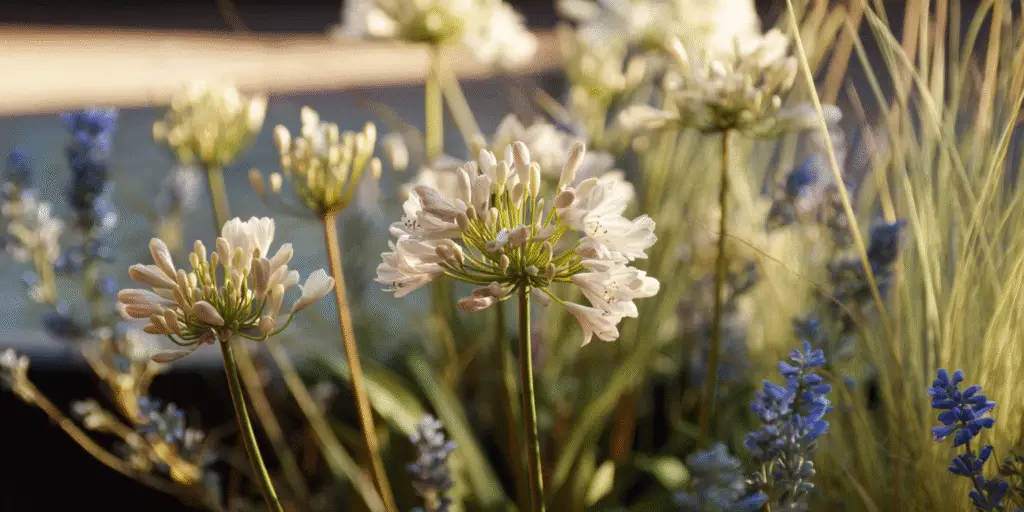
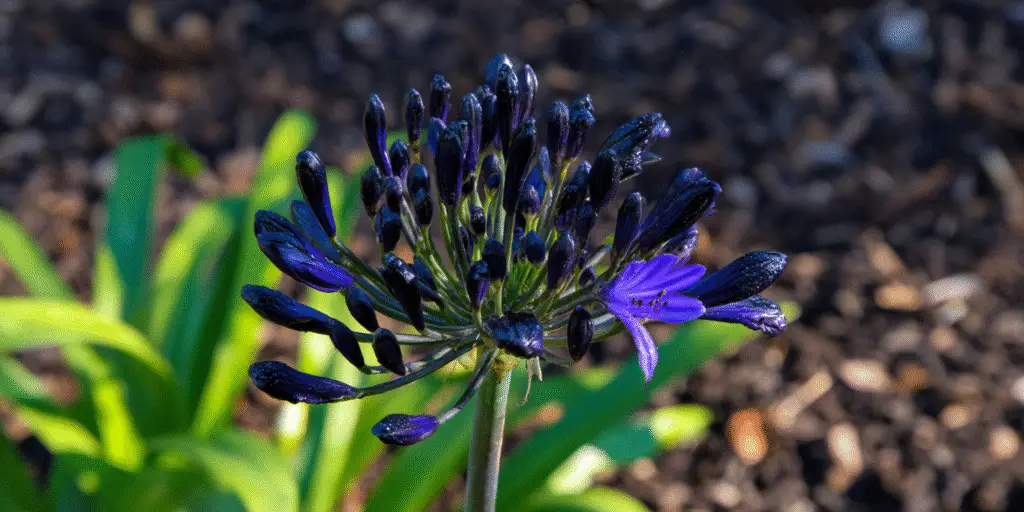
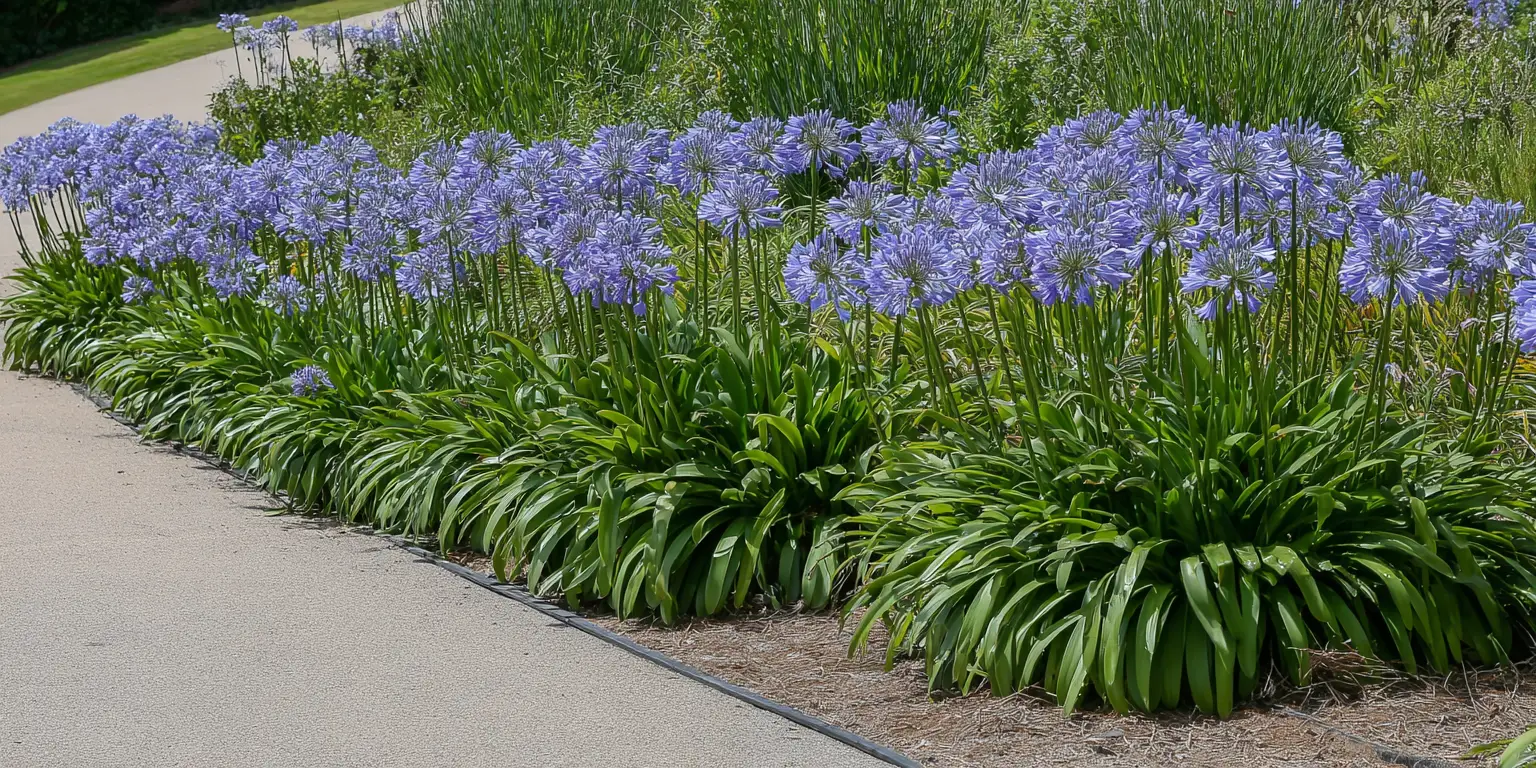
A clear, step-by-step guide to soil, planting, watering, feeding, pruning, and winter care. Includes zone timing, container tips, companions, and quick fixes for common problems.

Bouquet Ideas
Explore simple, beautiful bouquet ideas for the home, gifts, and special occasions from romantic mixes to clean, minimal styles. Each idea includes suggested flower combinations, color palettes, and sizes, with photos for quick inspiration.
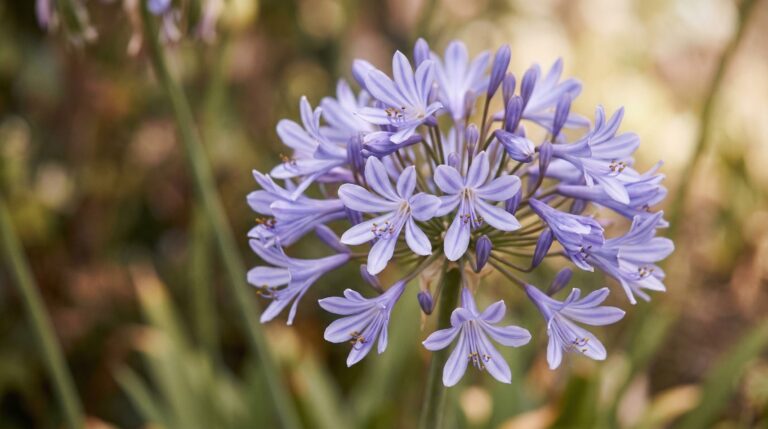
The meaning and symbolism of agapanthus flowers across cultures
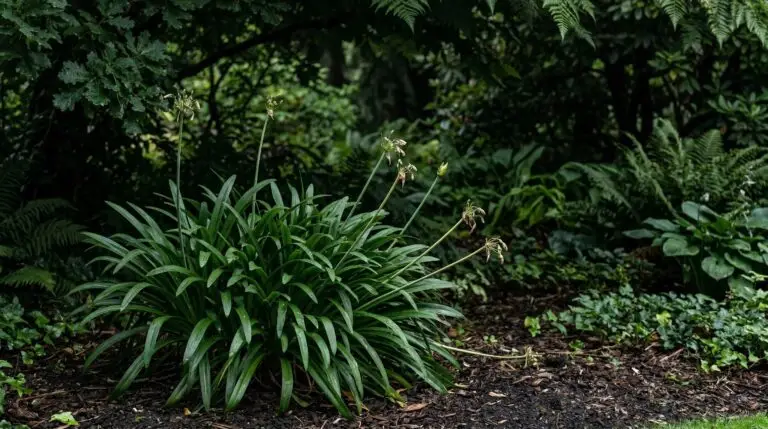
Why your agapanthus is not blooming and how to fix it
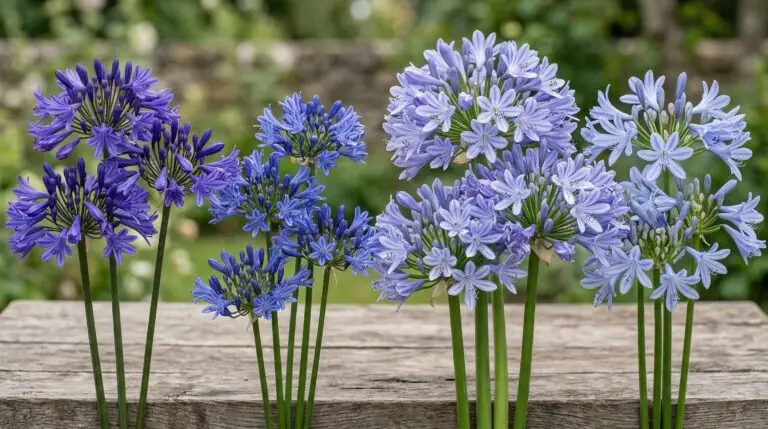
Evergreen versus deciduous agapanthus and which type suits your garden
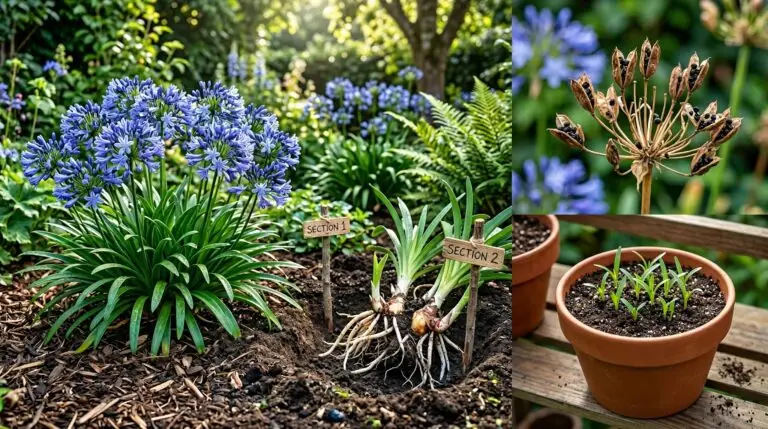
How to divide and propagate agapanthus for more plants every season
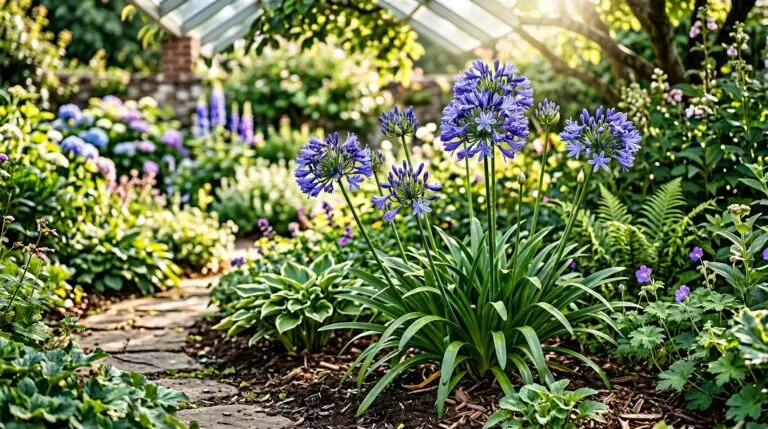
Growing agapanthus indoors as a striking houseplant that actually blooms
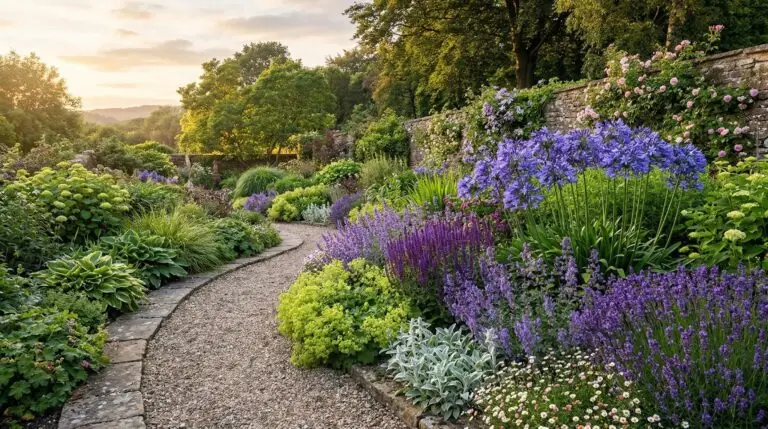
Companion plants for agapanthus: what to grow, avoid
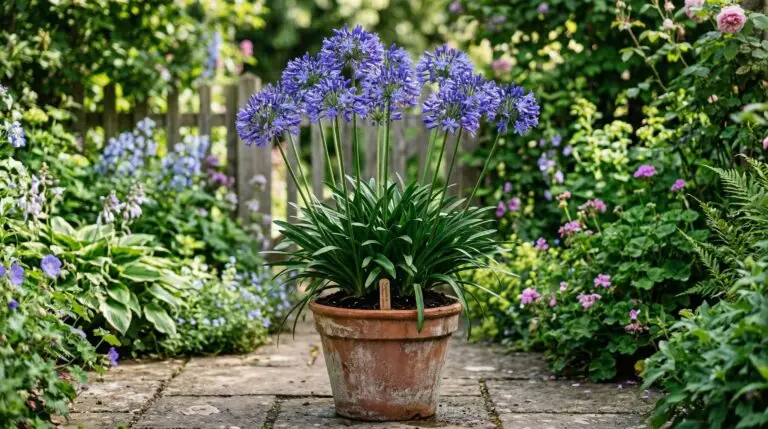
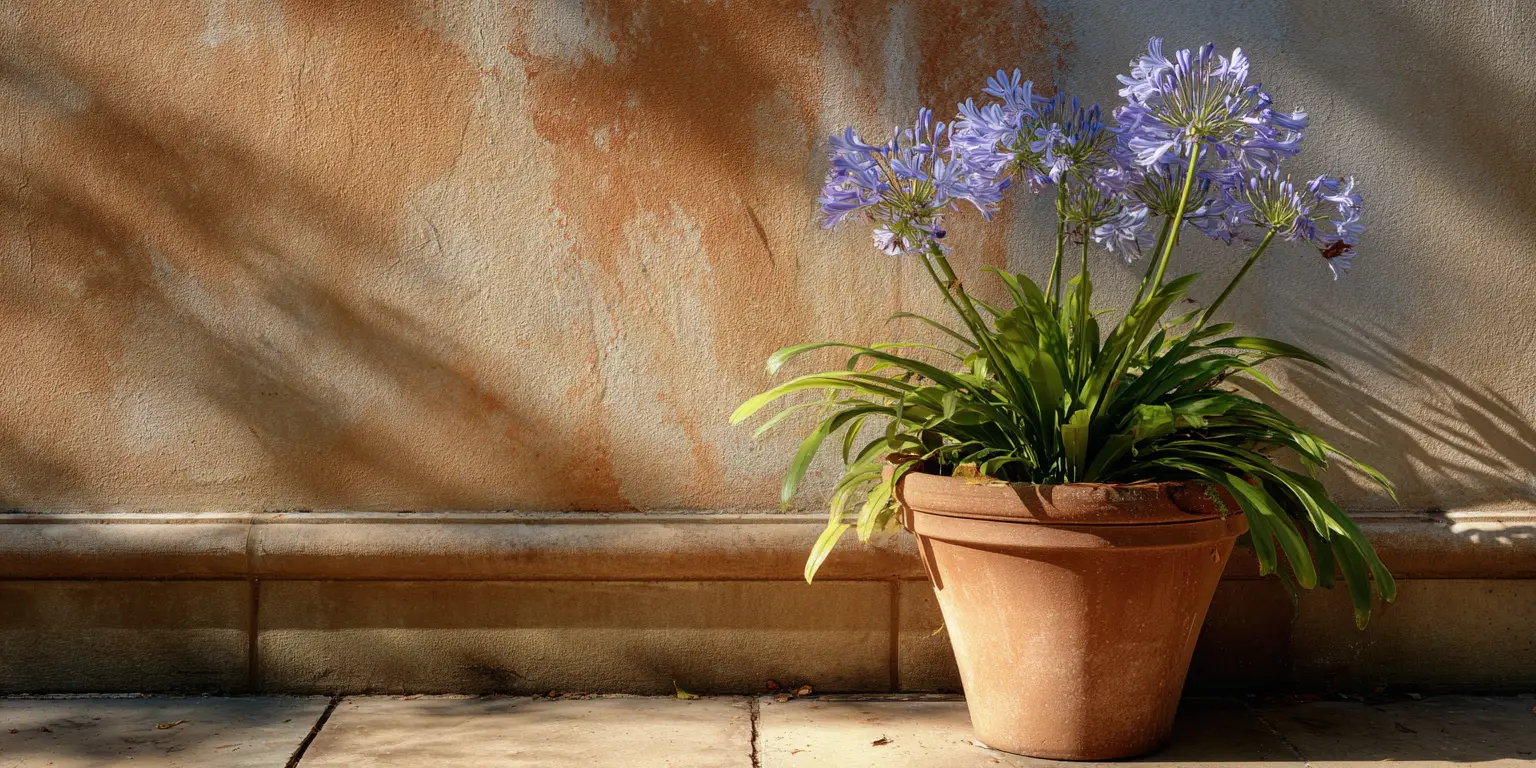
How to grow agapanthus in pots and containers for a spectacular patio display
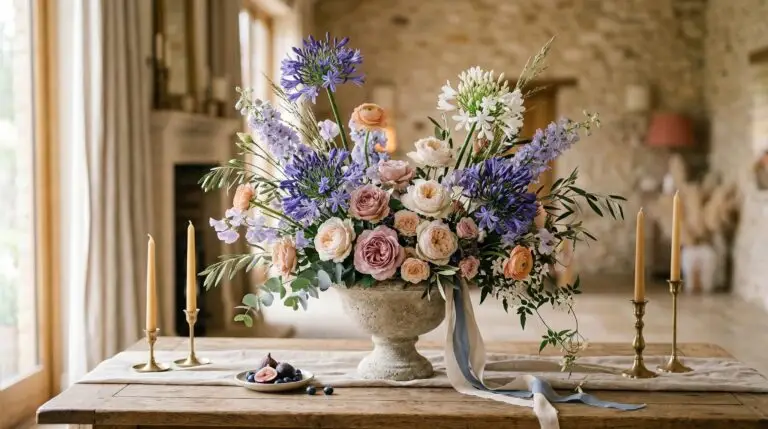
Agapanthus wedding bouquets and floral arrangements that feel effortlessly elegant

Overwintering agapanthus in cold climates without losing your plants
On this page
🌱 Taxonomy and origin
Agapanthus is a genus in the amaryllis family (Amaryllidaceae), placed in the subfamily Agapanthoideae and formerly treated as its own family Agapanthaceae. Every species is native to southern Africa, growing wild on rocky slopes and grasslands, and the plant reached European cultivation in the 17th century through Dutch ships rounding the Cape of Good Hope. The everyday names African lily, lily of the Nile, and Nile lily all attach the word lily to it, but it is not a true lily: true lilies belong to the genus Lilium in a separate family, while agapanthus sits closer to amaryllis and clivia. The distinction matters for a practical reason. True lilies are deadly to cats, while agapanthus is only a mild irritant, so the shared common name should not be used to judge its safety.
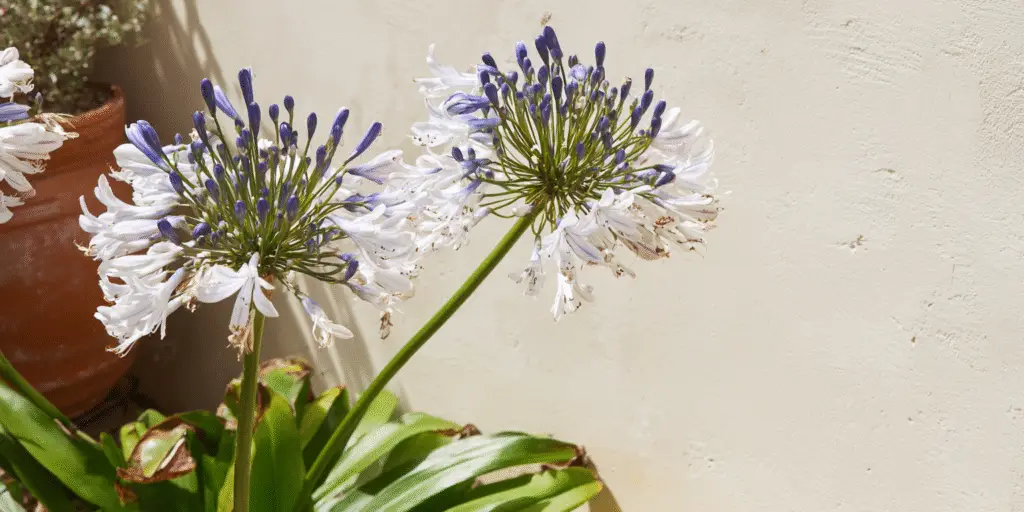
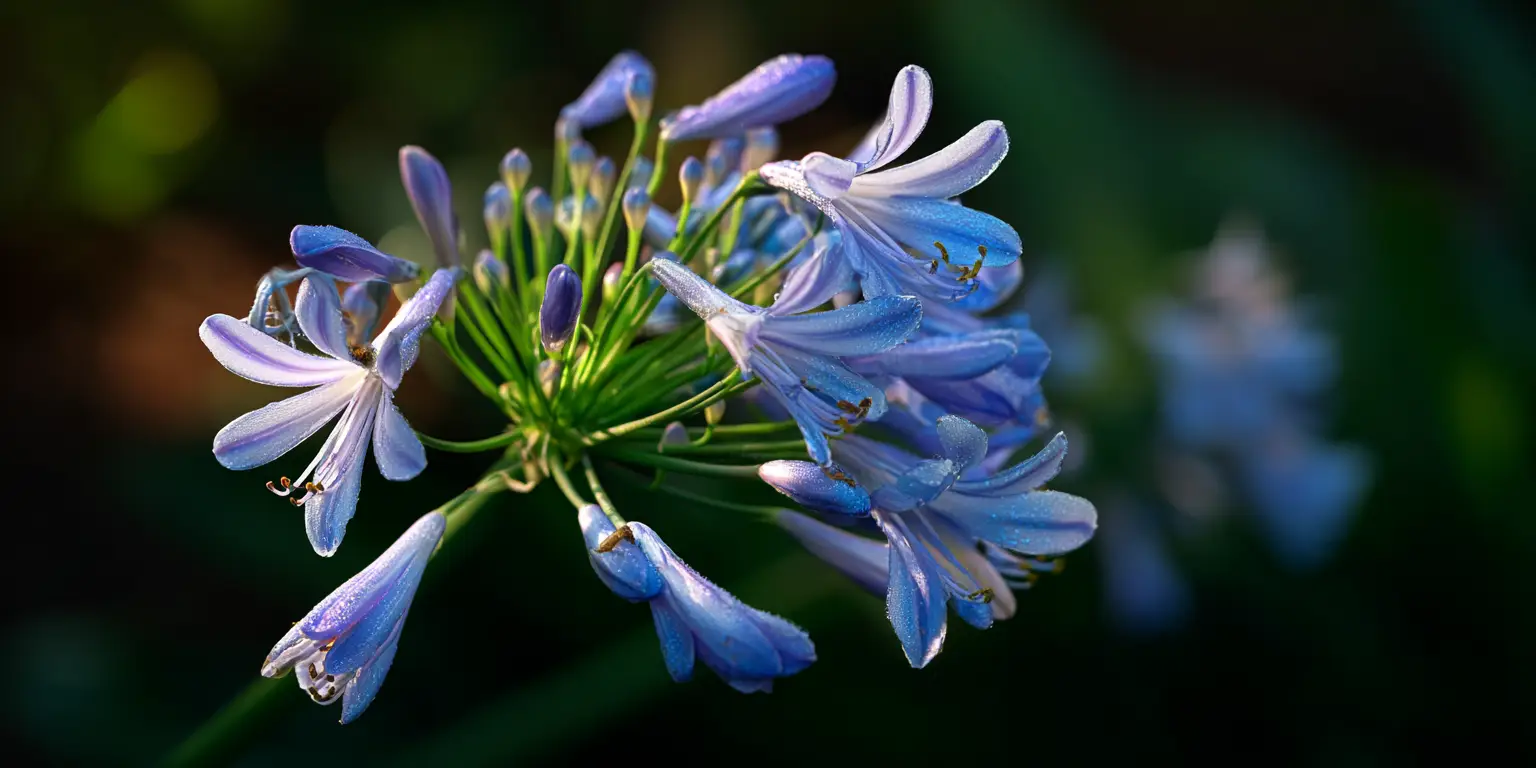
Most garden plants are hybrids bred from a small group of South African species, and they fall into two camps that govern hardiness and winter care. Evergreen types, descended from species such as Agapanthus africanus, keep their leaves year round and are the more frost-tender group. Deciduous types, derived largely from Agapanthus campanulatus and praecox, lose their foliage in autumn, rest underground through winter, and are the hardiest choice for cold gardens, sometimes sold under the older Headbourne Hybrids name. Within both groups, height ranges from dwarf cultivars near a foot tall, such as ‘Peter Pan’, to selections topping five or six feet. Flower color is dominated by shades of blue and violet alongside crisp whites, which is why agapanthus is a mainstay of any planting built around blue flowers.
🌸 Bloom time
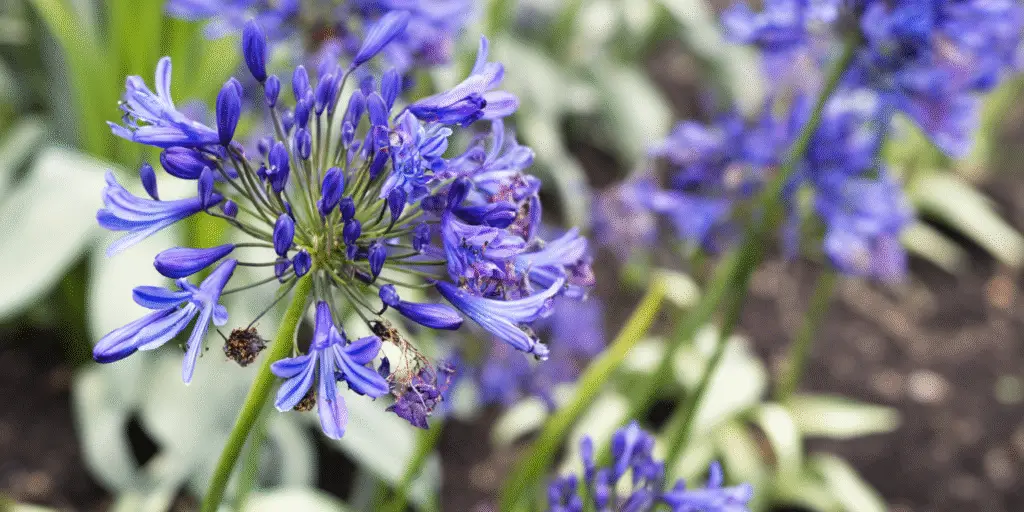
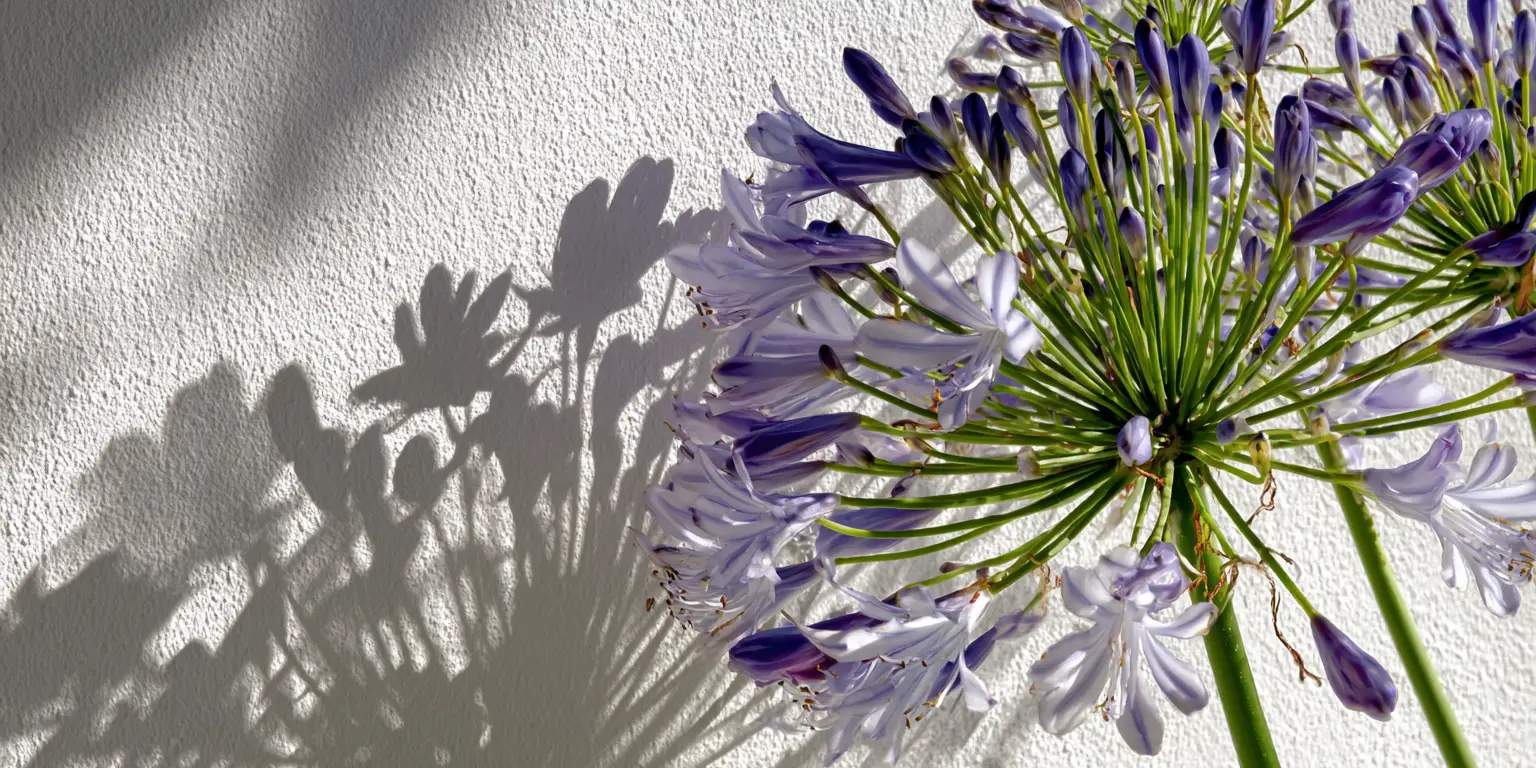
Most agapanthus bloom in midsummer, with heads opening from early to late summer depending on cultivar and climate; in mild-winter regions some begin in late spring and flower on and off for longer. Each plant sends up several bare stems, and each round cluster holds many florets that open in sequence, so a single head stays colorful for weeks and fills the gap between spring bulbs and autumn flowers. A clump in full flower is the payoff for getting the growing conditions right, which is exactly where many gardeners fall short.
When the leaves look healthy but the flowers never come, the reasons are consistent. The plant needs full sun to set buds, so shade is the first suspect. Young plants grown from seed or recent divisions commonly take two to three years to reach flowering size, so patience is part of the answer. Too much nitrogen, often from a lawn feed drifting into the bed or a rich general fertilizer, pushes leafy growth at the expense of flowers. Cold can also strip an evergreen type of the buds it formed, leaving foliage but no display. The cause-and-fix table in the FAQ separates these out.
📏 Height and spread
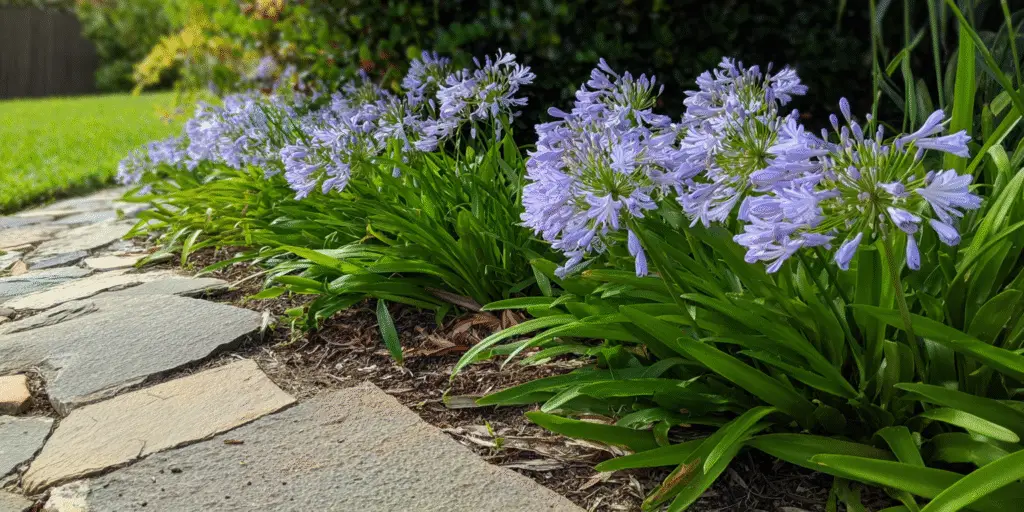
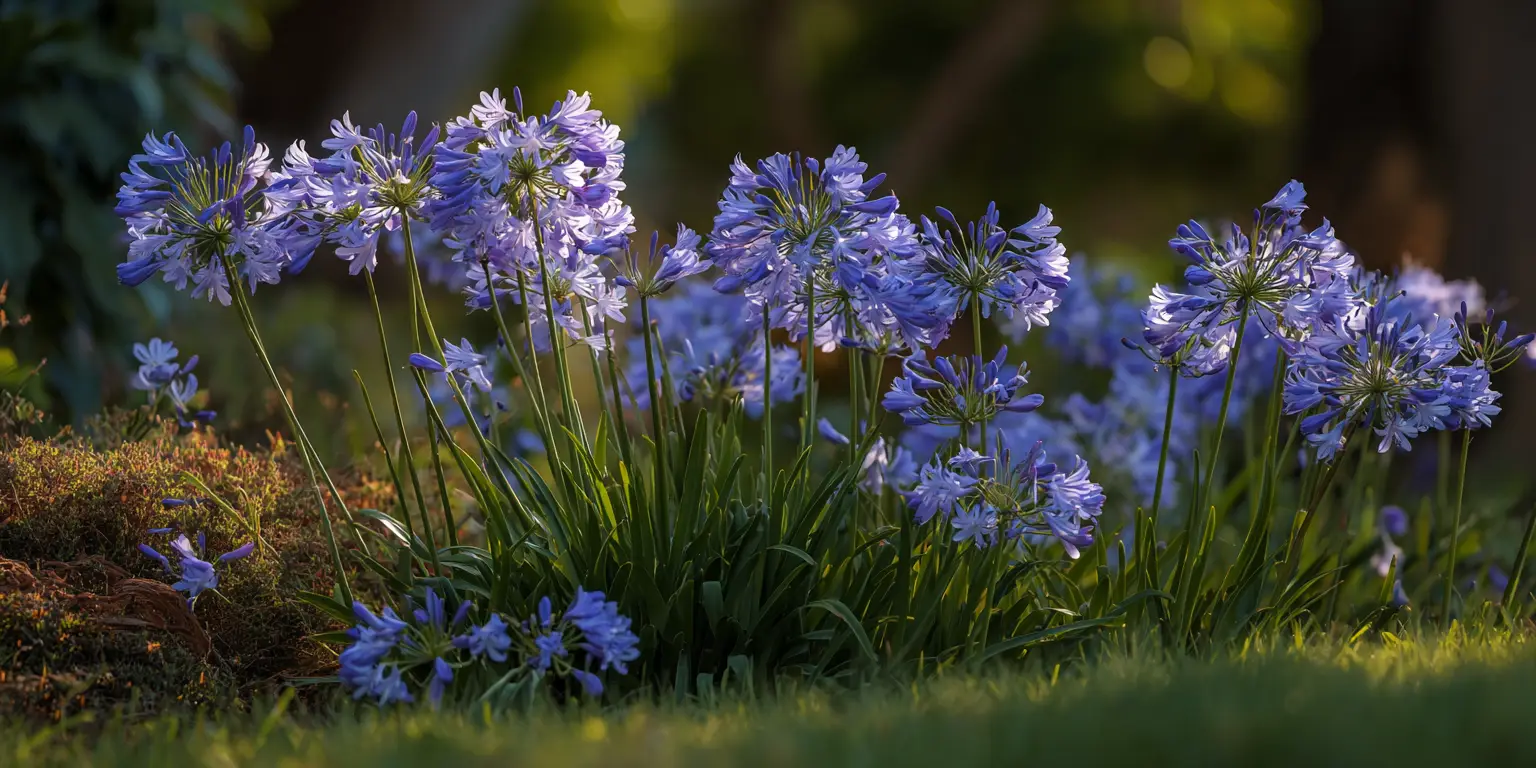
Agapanthus forms a tidy clump of arching basal leaves usually 12 to 24 inches tall (30 to 60 cm), with flower stems most often reaching 2 to 4 feet (60 to 120 cm). Dwarf cultivars such as ‘Peter Pan’ stay near a foot, while tall selections climb to 5 or 6 feet (1.5 m and up), so the mature size depends heavily on the type chosen. The plant spreads slowly outward from its crown rather than by running roots, and a mature clump reaches roughly 2 to 3 feet (60 to 90 cm) across after several years. For borders or mass plantings, space plants 18 to 24 inches apart, remembering that the slow, clumping habit means they hold their position for years rather than wandering.
☀️ Light
Full sun is not optional for flowers. Agapanthus blooms best with 6 to 8 hours of direct light a day, and shade is the single most common reason a healthy-looking clump fails to bloom. In partial shade the foliage stays green and full while the flower count drops sharply, and deep shade can stop blooming altogether. The one exception is very hot climates, where light afternoon shade prevents leaf scorch without costing many flowers, though the plant still needs strong morning and midday sun. Container plants follow the same rule and perform best on south- or west-facing patios where they catch the most light.
💧 Water
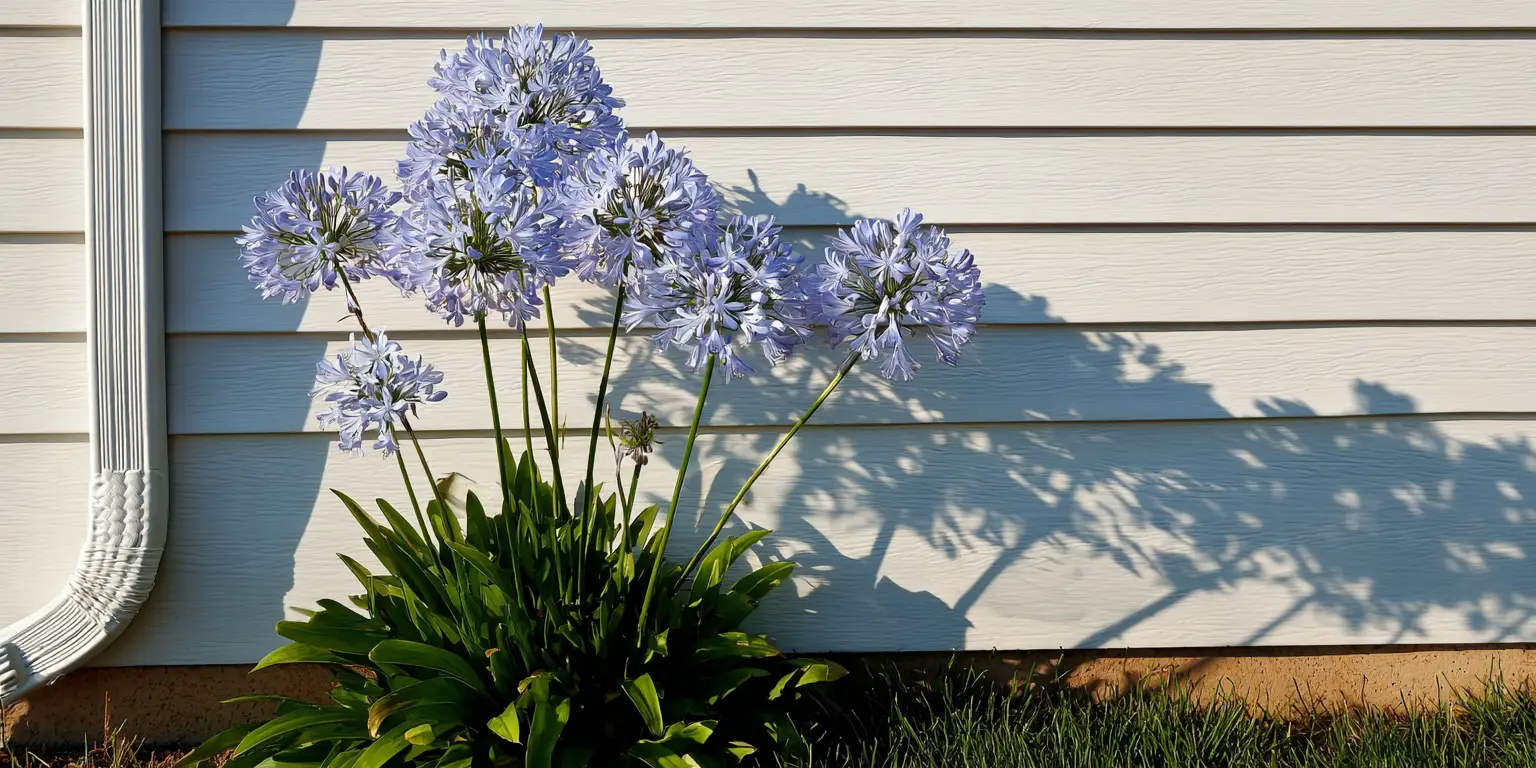
Agapanthus likes even moisture during active growth but resents sitting in soggy soil. In spring and summer, water when the top 1 to 2 inches of soil dry out, then soak thoroughly so the fleshy roots reach down. Container plants are the exception that proves the rule, since a pot left to dry out completely through summer flowers poorly the following year, so they need steadier watering than plants in the ground. Once established in a bed it shrugs off brief dry spells, though a prolonged drought will cut flowering. The real danger runs the other way: overwatering and poor drainage cause root rot, and waterlogged winter soil is a frequent killer, especially for deciduous types that are dormant and using almost no water. Winter watering should drop off sharply as growth slows.
🌍 Soil and pH
Drainage matters more than richness, because the thick roots rot quickly in standing water. A well-draining soil of moderate fertility is ideal: in beds, a loam improved with compost works well, while heavy clay needs added organic matter or grit, or a raised bed, to move water away from the crown. Agapanthus tolerates a fair range of pH, doing best in roughly neutral to slightly acidic ground around pH 6.0 to 7.0. Slightly alkaline soil is fine where drainage is good, but very high pH can trigger nutrient problems that show as pale, weak foliage. When feeding, favor a fertilizer higher in potassium and phosphorus than nitrogen, since heavy nitrogen is one of the classic causes of leaves without flowers.
❄️ USDA hardiness
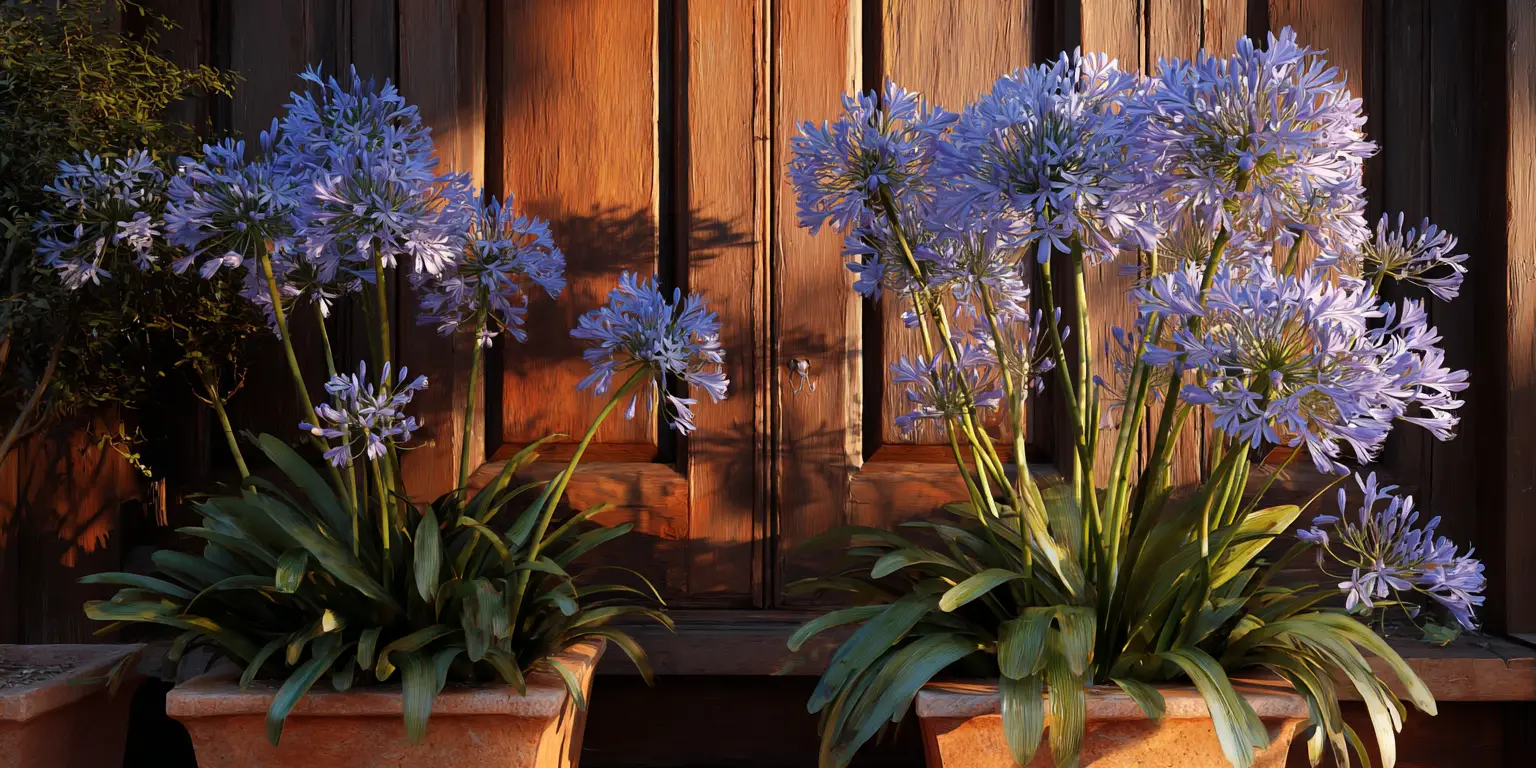
Hardiness is the point where the evergreen and deciduous split becomes a buying decision. Evergreen types are the tender group, generally listed for USDA Zones 8 to 11, and they need winter protection or to be moved under cover where frost is hard. Deciduous types are the toughest, with many handling Zone 7 and some surviving lower with a deep winter mulch over the crown. Where winters regularly drop hard below freezing, the safest approach is to grow agapanthus in containers and move them to a sheltered, frost-free place for the cold months. The table below matches each group to its hardiness and winter routine.
| Type | Foliage | Cold hardiness | Frost tolerance | Overwintering |
|---|---|---|---|---|
| Evergreen (e.g. A. africanus hybrids) | Keeps leaves year round | Roughly USDA 8 to 11 | Frost-tender | Move pots to a cool, bright, frost-free place; wrap or mulch and shelter in-ground plants in marginal zones |
| Deciduous (e.g. A. campanulatus, Headbourne Hybrids) | Dies back in autumn | Hardier, many to Zone 7 | More frost-hardy | Apply a deep 6 to 9 inch winter mulch over the crown in the ground, or move pots somewhere cool and frost-free in cold zones |
🌼 Propagation and longevity
Agapanthus is propagated by seed or by division of established clumps. Seed germinates slowly over weeks to months and seedlings take years to flower, and because most garden plants are hybrids, the seedlings will not match the parent. Division is the reliable route, and it is also where many gardeners sabotage their own flowering. Agapanthus blooms best when its roots are congested, and it performs poorly when overpotted or over-divided, so splitting a clump too often resets it and buys a season or two of leaves with no flowers while it re-roots. There is no need to divide on a schedule. Leave a healthy clump undisturbed and split only when it grows so dense that flowering finally drops, or when a potted plant has filled its container, doing it in spring or just after flowering and replanting at the same depth. In a suitable climate agapanthus is long-lived, and an undisturbed clump can hold the same spot for many years, flowering more freely the more crowded it becomes.
👃 Fragrance
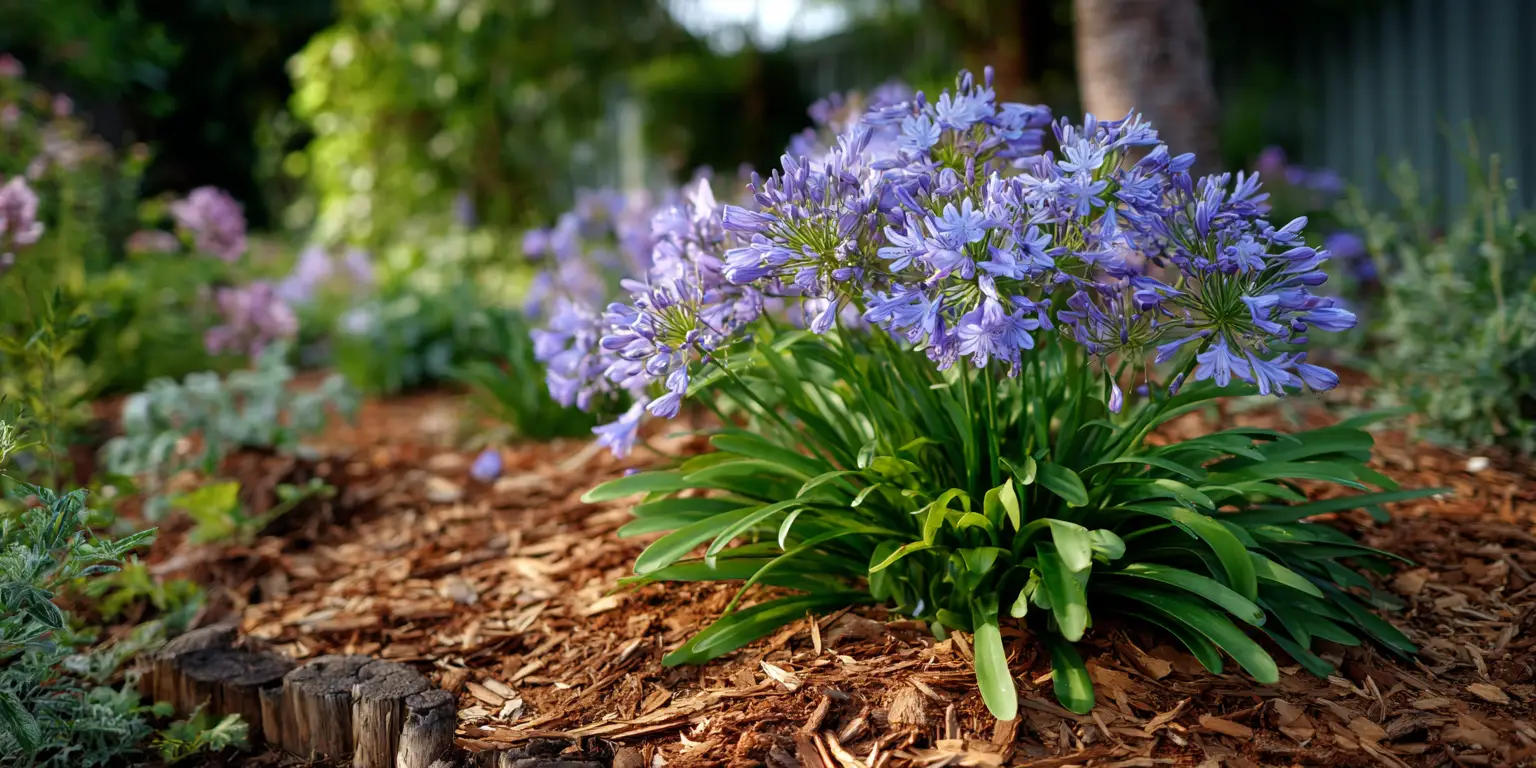
Agapanthus has little to no scent. Up close a faint sweet note is sometimes detectable, but the plant earns its place through the architecture of its flower heads and its cool blue and white color rather than fragrance, so it is rarely chosen for perfume in a planting.
⚠️ Toxicity and pet safety
Agapanthus is an irritant rather than a serious poison. The sap and rhizome contain saponins, and skin contact can cause irritation or a mild dermatitis in sensitive people, which is why gloves are sensible whenever you cut stems or divide a clump. If any part is eaten, it tends to cause mouth irritation and mild stomach upset; a dog or cat that chews the leaves or roots may drool, retch, or vomit, with the toxins most concentrated in the roots and bulb-like base, but a pet would generally have to eat a fair amount to be affected. It is not on the ASPCA’s list of plants toxic to cats and dogs, and it is not poisonous in the way true lilies are, which are deadly to cats. The sensible course is still to keep it out of reach of pets and small children and to rinse skin after handling. Gardeners weighing it against other plants can cross-check it in the guide to flowers that are safe around cats and dogs.
🌿 Vase life
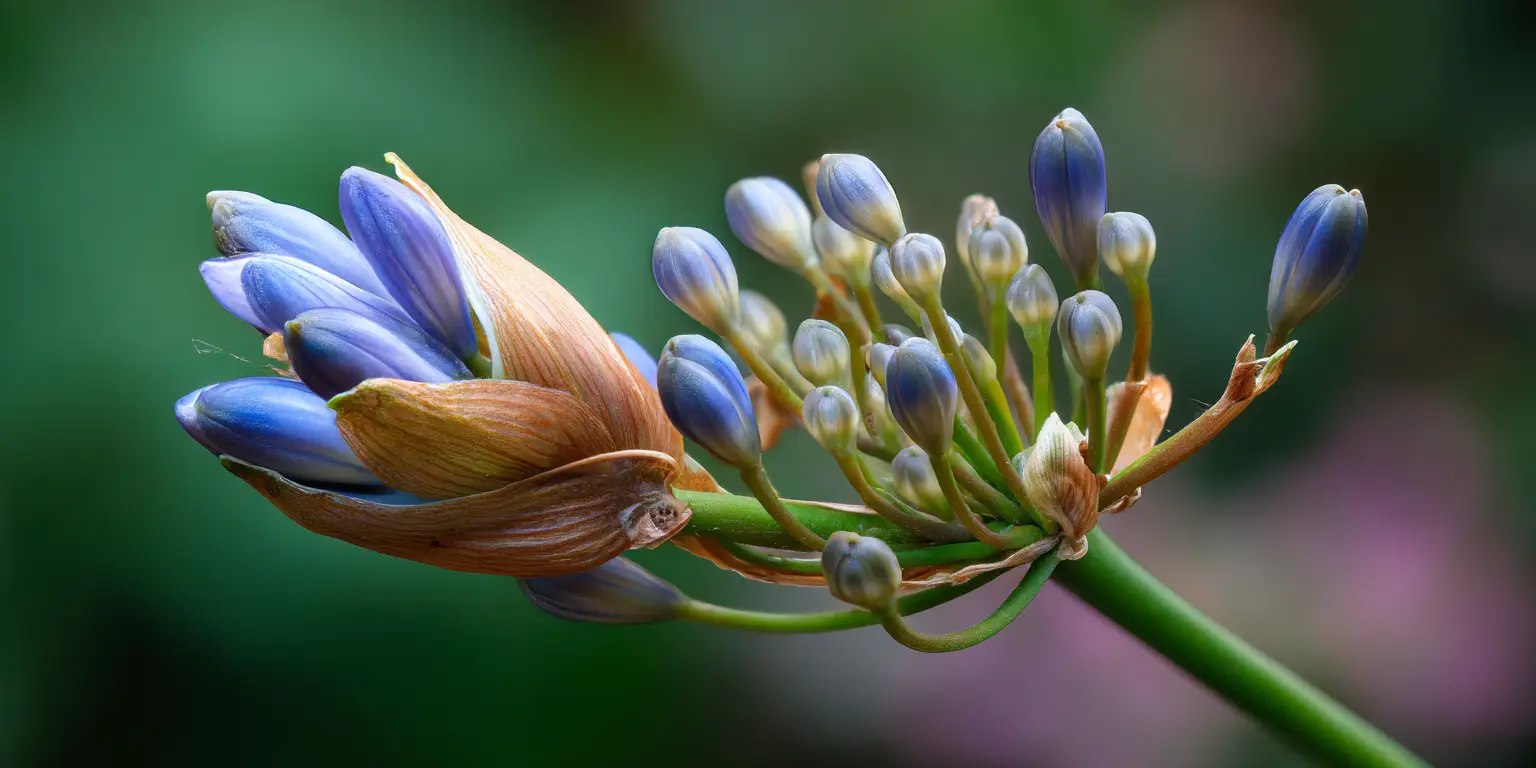
Agapanthus cuts well, and the round heads give arrangements height and structure. Stems typically look good for about a week, sometimes a little longer in a cool room with fresh water. Cut in the morning, choosing stems with a few open florets and others still in bud, since buds often keep opening in the vase. Strip any leaves that would sit below the waterline, recut the stems before arranging, and refresh the water every couple of days. Because the sap can irritate skin, it is worth wearing gloves when stripping and recutting stems for the vase as well.
🐛 Pests and diseases
Agapanthus is fairly tough, and most trouble traces back to plants kept too wet or too crowded. In humid weather, leaf spots and gray mold can appear, and good spacing, airflow, and the removal of spent flower stalks go a long way to preventing them. The biggest single risk is root rot in poorly drained soil; yellowing leaves and a sudden collapse of the clump almost always trace back to waterlogged conditions rather than any disease. Snails and slugs chew ragged holes in the foliage, while aphids and thrips turn up occasionally. In parts of Europe the agapanthus gall midge has become a problem, deforming and discoloring developing buds so they fail to open, and removing and destroying affected buds is the main way to limit it.

FAQ
Why is my agapanthus not flowering?
Usually one of a few causes, and they are easy to separate.
| Cause | What you see | Fix |
|---|---|---|
| Too little sun | Lush leaves, few or no stems | Move to a spot with 6 to 8 hours of direct sun |
| Plant too young | Healthy seedling or small division, no buds | Wait; seedlings and divisions often take 2 to 3 years to flower |
| Recently divided or overpotted | Was flowering, then stopped after splitting or moving to a big pot | Leave it undisturbed; it blooms best when roots are congested |
| Too much nitrogen | Tall, leafy, dark green growth, no flowers | Switch to a low-nitrogen, higher-potassium feed |
| Cold-damaged evergreen | Foliage survives but buds fail | Protect evergreen types from frost or grow hardier deciduous ones |
Do agapanthus need full sun?
Yes. Six to eight hours of direct light a day is what drives flowering; in shade you get foliage and few blooms. Only in very hot climates does light afternoon shade help, and only to prevent leaf scorch.
Are agapanthus hardy, and will they survive winter?
It depends on the type. Evergreen agapanthus are frost-tender and survive winter outdoors only in about Zones 8 to 11, while deciduous types are hardier and many return in Zone 7 under a deep mulch. In colder zones, grow them in pots and overwinter them in a cool, frost-free place.
What is the difference between evergreen and deciduous agapanthus?
Evergreen types keep their leaves all year and are the more tender group needing winter protection. Deciduous types die back in autumn, rest underground, and are hardier, making them the better pick for cold gardens. The hardiness table above pairs each with its overwintering routine.
Is agapanthus a true lily?
No. Despite the names African lily and lily of the Nile, it belongs to the genus Agapanthus in the amaryllis family, not the genus Lilium. It is not toxic the way true lilies are, which is an important distinction for cat owners.
How often should I divide agapanthus?
As rarely as you can. It flowers best when crowded and performs poorly when over-divided, so leave a clump alone and split only when it grows so dense that flowering drops off, or when a pot is completely full. Frequent division is one of the most common reasons a plant stops blooming.
Can I grow agapanthus in pots?
Yes, and it often blooms better slightly snug in a pot. Use a container with drainage holes and a free-draining mix; a 12-inch (30 cm) pot suits one plant. Keep it watered through summer rather than letting it bake dry, and pots make winter easy in cold regions, since you can move evergreen types somewhere cool and bright and keep deciduous types cool and nearly dry.
Is agapanthus poisonous to cats and dogs?
It is a mild irritant rather than a serious poison, and it is not on the ASPCA’s toxic-plant list. A pet that chews it may drool or vomit, and the sap can irritate skin, so wear gloves to handle it and keep it away from animals and children, but it is not in the dangerous league of true lilies.
When do agapanthus bloom, and what colors?
Most flower in midsummer, from early to late summer, in shades of blue and violet or in white, with each head staying colorful for weeks as its florets open in sequence.
Interesting tips
A few habits separate a heavy-flowering agapanthus from a leafy one. Resist the urge to divide or feed it generously, since both work against bloom: it flowers most freely when its roots are crowded and its diet is lean, so overfeeding and frequent splitting are the two surest ways to lose flowers. In cold regions, grow it in containers from the start, which lets you move tender evergreen types under cover for winter and keeps slightly root-bound plants flowering well. The sturdy stems rarely need staking, and deadheading before the seed pods mature limits any self-seeding in frost-free areas. For color pairings, the cool blue heads sit well beside warm yellows and oranges from companions such as marigolds and daylilies, and dwarf forms like ‘Peter Pan’ suit edging while tall selections anchor the back of a border.
Related Guides & Flowers
- Bellflower (Campanula)
Elegant bell shaped flowers in shades of blue and purple that echo the rounded umbels of agapanthus in softer, more cottage style borders. - Delphinium elatum
Tall, dramatic spires of blue flowers that pair beautifully with agapanthus in vertical, layered borders for summer displays. - Great Blue Lobelia
A moisture loving blue perennial with upright spikes that offers a more naturalistic, meadow or pond side look next to agapanthus. - Blue Flax
Airy stems and sky blue saucer shaped blooms give a light, floating texture that contrasts nicely with the bold agapanthus clumps. - Cornflowers
Classic intense blue annuals that can fill gaps around agapanthus and reinforce a strong blue color theme in mixed beds. - Love in a Mist (Nigella)
Fine, feathery foliage and hazy blue flowers create a romantic, airy foreground for more architectural agapanthus clumps. - Gentian
Deep, saturated blue trumpet blooms that extend the cool palette and add a more alpine or rock garden note near agapanthus.
References
Written by: Your Flowers Guide editorial team
We are a small independent group of flower lovers who research and review each guide using trusted horticultural and educational sources. Learn more about us