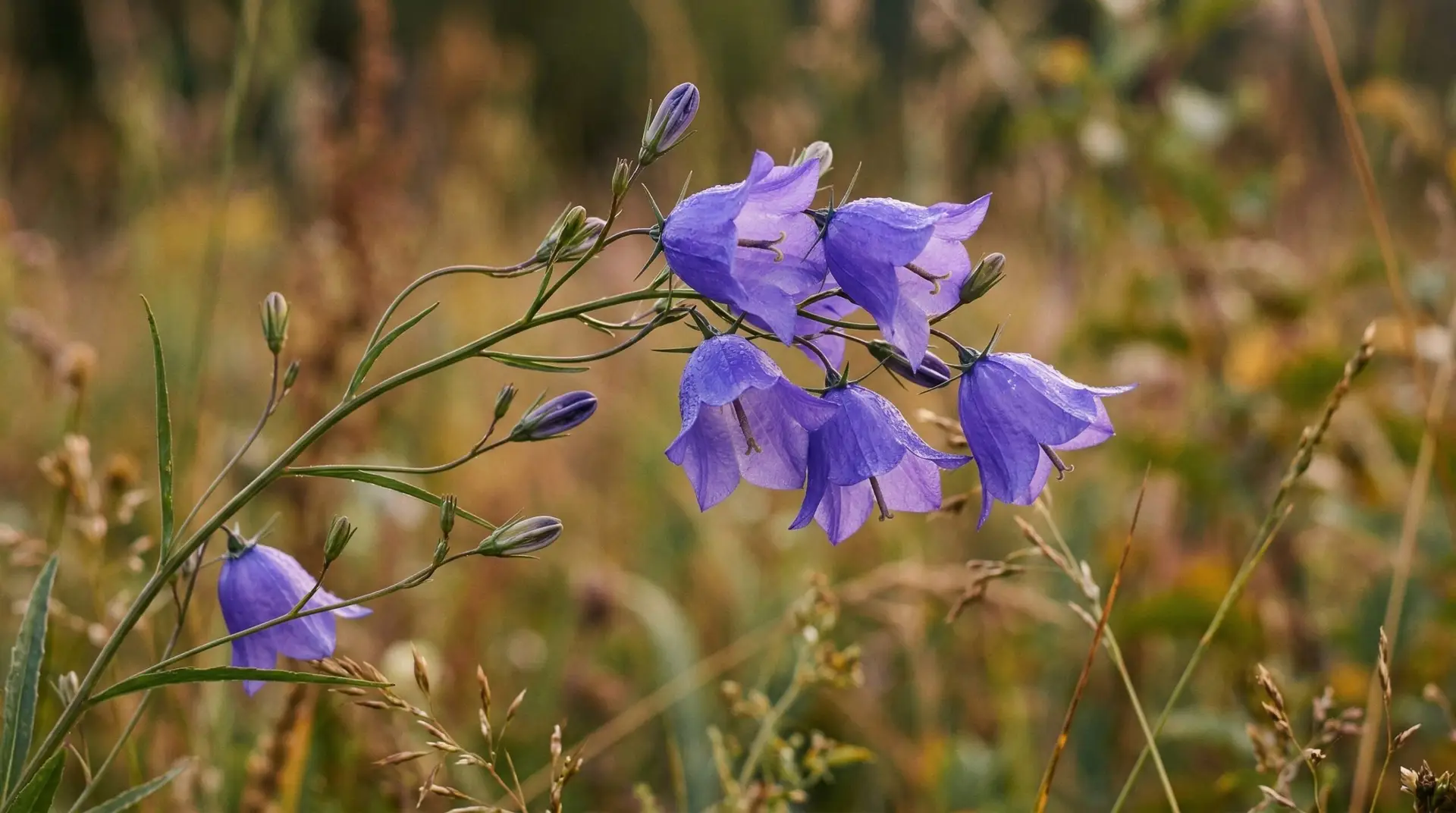
In the agrarian communities of medieval Europe, the rhythm of daily life was dictated by the ringing of the local church bell. When villagers walked through the ancient woodlands and chalk downlands of England and France, they noticed a delicate blue flower nodding in the breeze with a shape that perfectly mirrored those massive bronze bells. This physical resemblance gave the bellflower its common name and its botanical designation, as sixteenth-century botanists adopted the Latin word for little bell to classify the plant. The visual connection to church bells immediately imbued the flower with spiritual and superstitious significance among rural populations. People began to weave stories about the flowers ringing to summon fairies to midnight revels or chiming to warn travelers of approaching danger. The bellflower became a botanical mirror of human society, reflecting the sacred architecture of the church and the deep folklore of the European countryside.
Contents 4 sections
The folklore of fairy thimbles and woodland magic
The association between bellflowers and the supernatural ran deep in Celtic and Germanic traditions. In Scottish folklore, the blue varieties growing in the highlands were often called “fairy thimbles” or “witches bells” by the local population. Rural people believed that picking these wild blooms would anger the woodland spirits who used the overturned blossoms as drinking cups for evening dew. If a human heard the faint, high-pitched ringing of a bellflower, it was considered an omen of imminent death or a sign that the listener was about to be pulled into the fairy realm. This darker mythology eventually softened as the Campanula genus was brought out of the wild margins and cultivated in domestic cottage gardens across Europe. The wild associations faded, but the flowers retained their reputation as plants of quiet magic and gentle warning. Gardeners planted them near doorways and gates, holding onto the old belief that the little bells would silently welcome friendly visitors while warding off malicious spirits.
Rampion roots and the origins of a famous fairy tale
Before the bellflower was prized strictly for its ornamental beauty, specific varieties held significant agricultural and dietary value in early modern Europe. Monks and peasant farmers cultivated Campanula rapunculus, commonly known as rampion, in their kitchen gardens for its fleshy, turnip-like roots and edible leaves. The root was boiled and eaten in winter salads, providing necessary sustenance during the lean months of the year. This specific culinary history directly inspired one of the most famous stories in European literature, recorded by the Brothers Grimm in the early nineteenth century. In the tale of Rapunzel, a pregnant woman develops an intense, desperate craving for the rampion growing in a neighboring walled garden. Her husband steals the bellflower greens, setting off a chain of events that leads to their child being taken and named after the stolen plant. The story perfectly captures how deeply connected the bellflower was with daily survival, hunger, and the literal roots of European peasant life.
Messages of gratitude and constancy in the nineteenth century
As the nineteenth century progressed, the bellflower transitioned from a practical food crop and wild fairy plant into a highly codified symbol of romantic communication. During the Victorian era, the language of flowers became a popular social tool for the upper and middle classes in England and France. Botanical dictionaries assigned highly specific meanings to different blooms, and the bellflower meaning was firmly established as an expression of gratitude and unwavering constancy. The color of the blossom altered the specific message sent between lovers or friends. A bouquet featuring blue bellflowers communicated a promise of eternal faithfulness and steady affection over time. White bellflowers were used to express pure gratitude or to thank a host for their hospitality after a long visit. Much like the Forget-Me-Not, the bellflower was used to signal lasting devotion, but it carried a quieter, more grounded message of thankfulness rather than a desperate plea to be remembered.
The bellflower in historical and modern wedding traditions
The Victorian translation of the bellflower as a symbol of constancy naturally secured its place in European wedding ceremonies. Brides in the late nineteenth and early twentieth centuries began incorporating the delicate blooms into their bouquets to represent their faithful commitment to their new spouses. The distinct shape of the flower also echoed the wedding bells that would ring from the church tower after the ceremony concluded, creating a visual and thematic harmony on the wedding day. Blue bellflowers became a popular way for a bride to include the traditional “something blue” in her wedding attire, bringing a touch of woodland wildness to formal church settings. While wealthy brides might import heavily scented, tropical blooms like Stephanotis for their arrangements, the bellflower remained the flower of choice for country weddings and garden ceremonies. The practice of using these specific blooms to signal marital fidelity spread across the continent and became a standard element of rural wedding customs.
The historical weight of the bellflower continues to influence how the plant is used in contemporary horticulture and floral design. Modern plant breeders still utilize the exact species that medieval monks grew and Victorian gardeners arranged, maintaining the genetic lines that have crossed centuries of human history. When a gardener plants a border of blue bellflowers today, they are participating in a tradition that stretches back to the earliest European cottage gardens. Florists still reach for the nodding, bell-shaped blooms when they want to add a sense of movement and historical romance to a bridal bouquet. The flower remains a quiet but powerful botanical artifact, carrying the echoes of medieval church bells, the warnings of woodland fairy lore, and centuries of human promises of constancy.
More About Bellflower
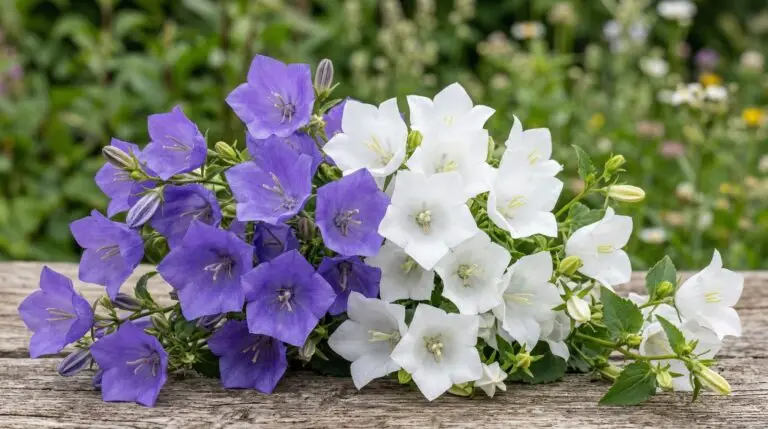
Carpathian bellflower as the perfect low-growing perennial for rock gardens

Bellflower and lavender planted together for a dreamy purple and blue summer garden
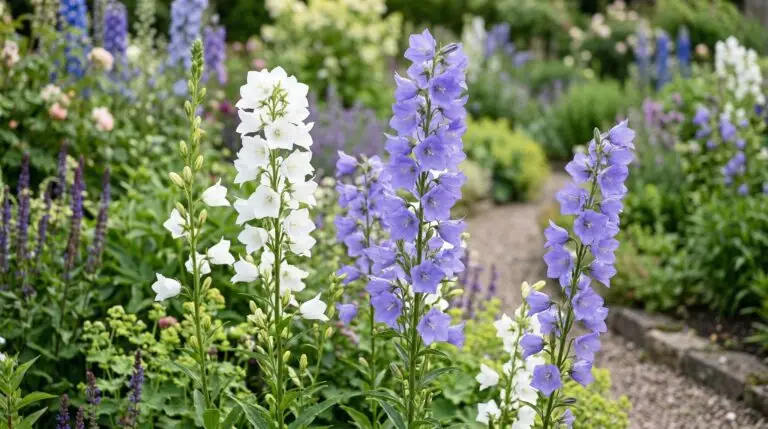
Using bellflowers as cut flowers for charming cottage-style arrangements
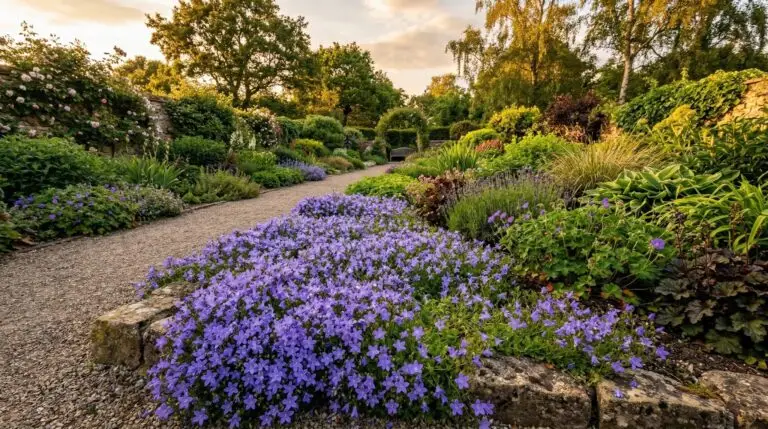
Bellflower ground covers that spread beautifully between stepping stones and rock walls
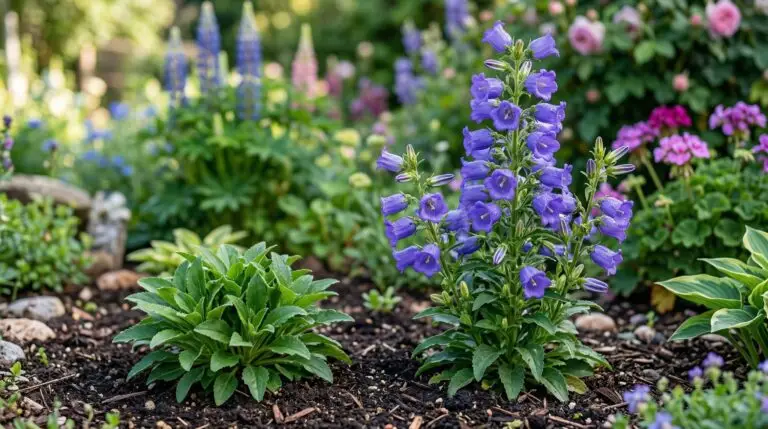
How to grow Canterbury bells from seed for old-fashioned garden charm
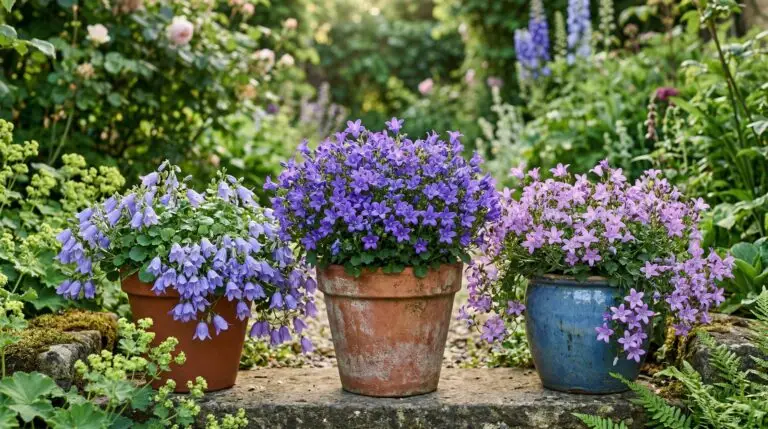
Growing bellflowers in containers for balconies and small urban gardens
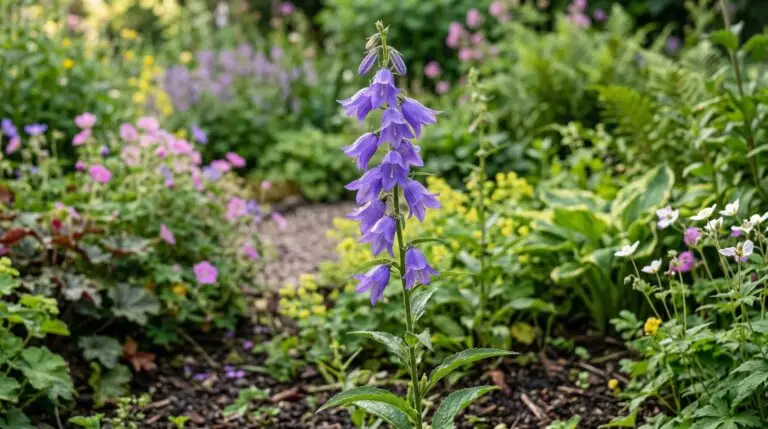
How to control invasive bellflower that has taken over your garden beds
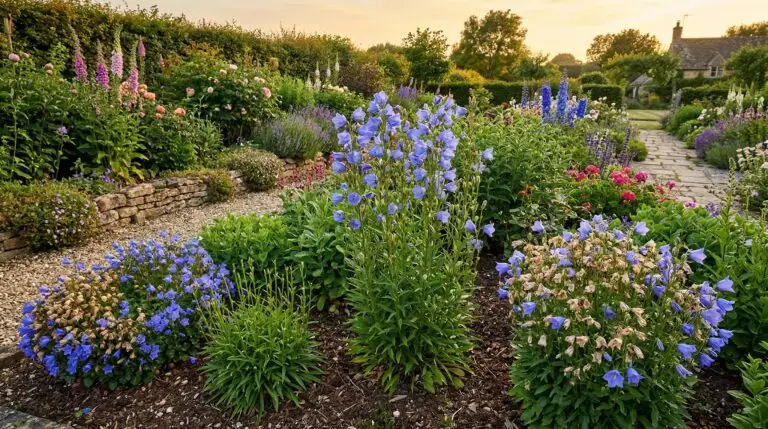
How to deadhead and maintain bellflowers for continuous blooming all summer
Enjoying our flower guides? Add YourFlowersGuide as a preferred source on Google. It helps more readers find us.
Add to Preferred Sources