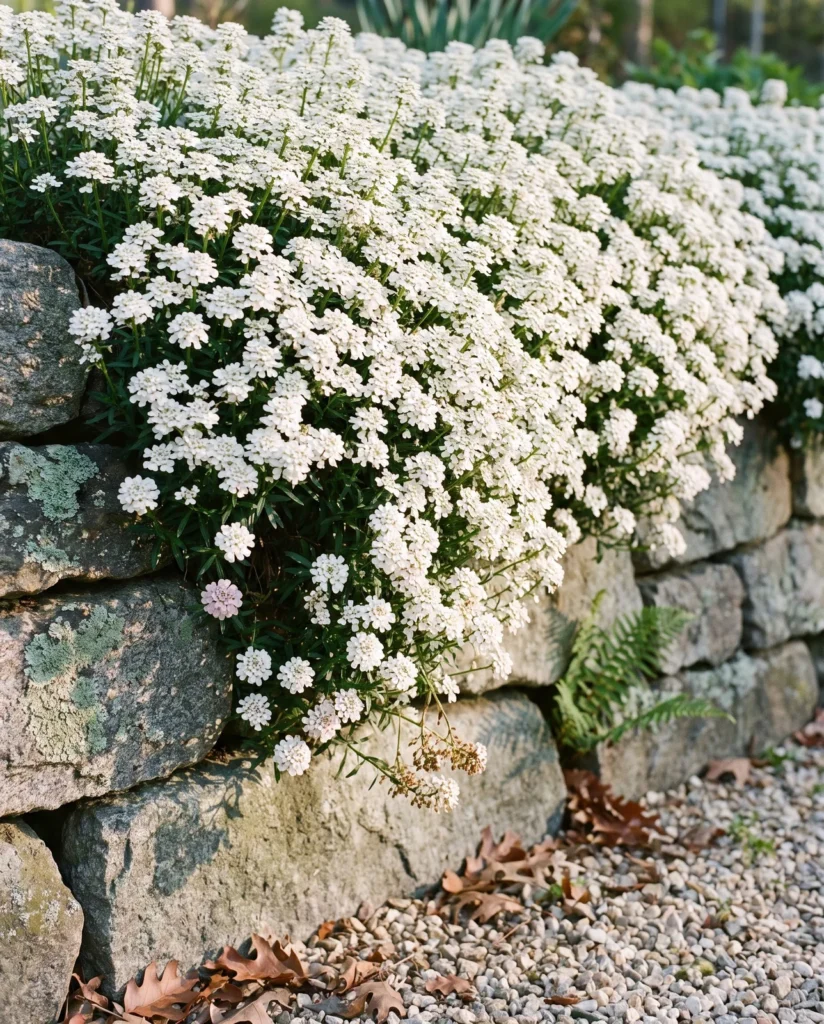
Two plants share the name candytuft
Two very different plants share the name candytuft in garden centers: an evergreen perennial and an annual. Two annual kinds in the same family also sell under that name, Iberis umbellata and Iberis amara. The genus Iberis includes annuals, evergreen perennials, and low shrubs with white, pink, or purple flowers. Between 32 and 45 species grow across southern Europe, North Africa, and the Mediterranean. In American gardens, candytuft usually means the sprawling evergreen plant, while in Europe the name often points to an annual.
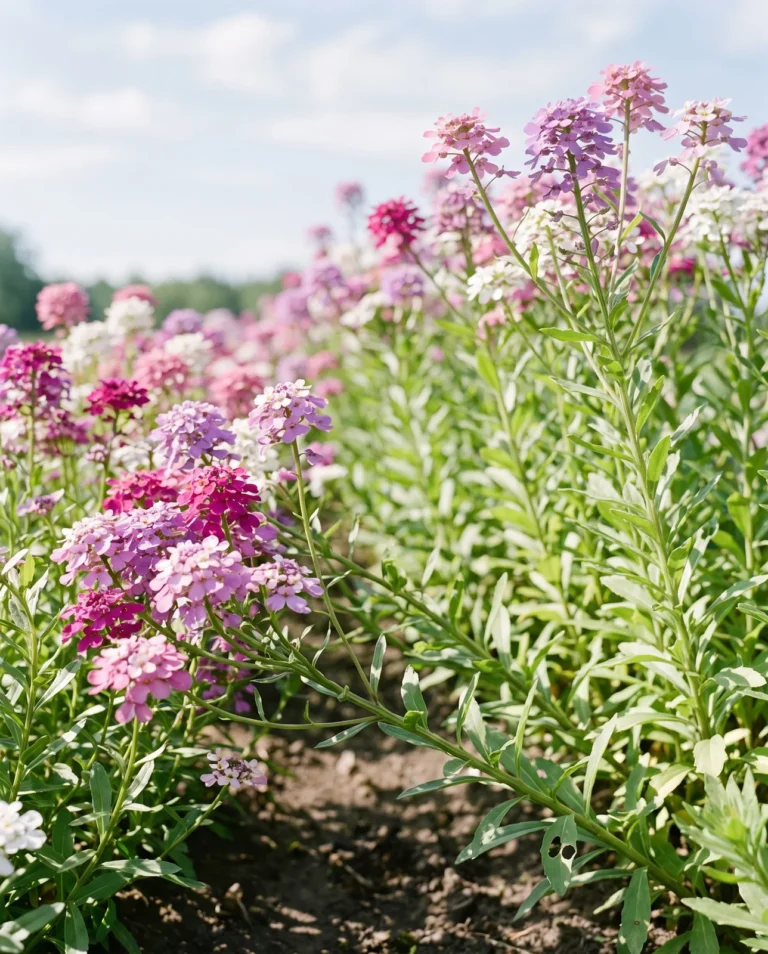
Flower color is the quickest way to tell the two apart. The evergreen perennial blooms pure white, sometimes aging softly to pale pink with yellow centers, but never purple or lavender. The annual Iberis umbellata fills seed packets with sweet-scented flowers in pink, purple, lavender, red, crimson, and white. Colors for that annual can also run from yellow through pink to lilac. In the wild, the other annual, Iberis amara, opens white to pale violet or lavender. Garden varieties can bloom in deeper pink, violet, and fuchsia.
Plant tags can easily blur the line between annuals and perennials. The cultivar 'Summer Snowdrift' often sells as a perennial, even though Iberis amara is normally grown as an annual. The plant is actually an Iberis hybrid. Even with hardiness zones for perennials on its tag, it proves short-lived in the South and behaves as an annual in the North. For a low white border that returns every spring, Iberis sempervirens is the plant to choose. It pairs easily on sunny edges with sweet alyssum.

Which candytuft did you buy
Four details separate the three plants: flower color, life cycle, how you start them, and when they bloom.
What perennial candytuft is
Perennial candytuft is Iberis sempervirens, an evergreen subshrub in the mustard family that covers itself in white flowers every spring. It is botanically a low, woody subshrub, but gardeners often grow it as an herbaceous perennial. That woody base explains why you shear only the green tips, and why an untended clump eventually opens up in the middle. The common name has nothing to do with candy: it comes from Candia, an old name for Crete. Its species name sempervirens comes from the Latin words semper, meaning always, and vivus, meaning alive.
Flowering arrives in mid-spring, opening heavily in April and lasting through May. Depending on how cool the spring stays, blooms can keep coming from April into July.
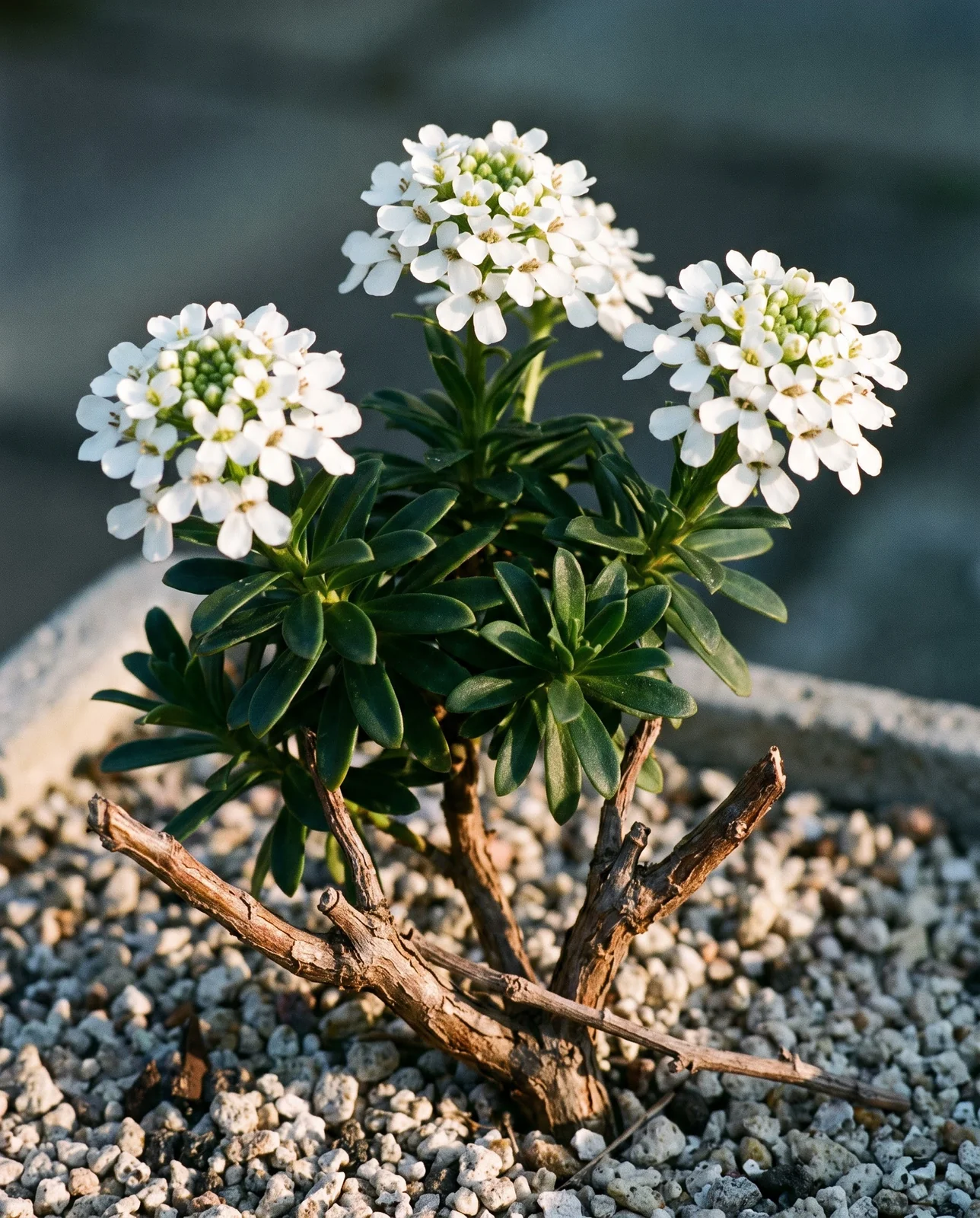
What it looks like, and how big it gets
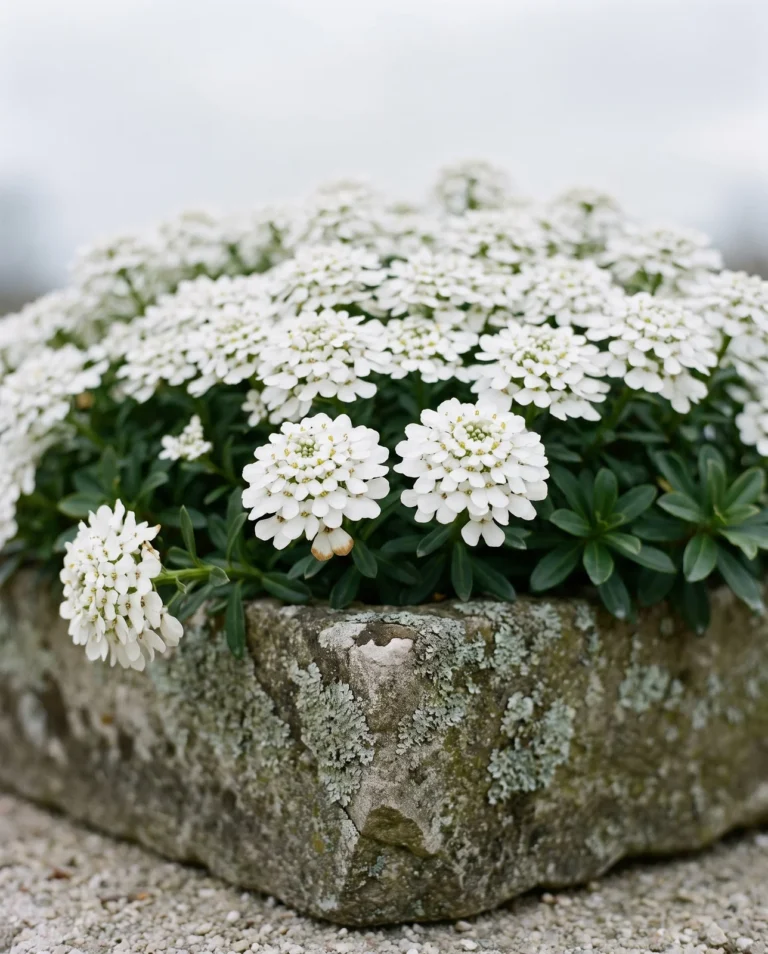
Perennial candytuft forms a dense, mounding mat of dark green leaves that disappears beneath flat white flower heads in spring. Most plants stand 6 to 12 inches tall, though some mature clumps reach 10 to 12 inches, and colder northern plantings may stay between 2 and 10 inches. Spread varies with the location: a standard clump measures 6 to 18 inches wide or about 16 inches. Given good conditions, a vigorous plant can stretch 12 to 35 inches across and spread up to 3 feet wide.
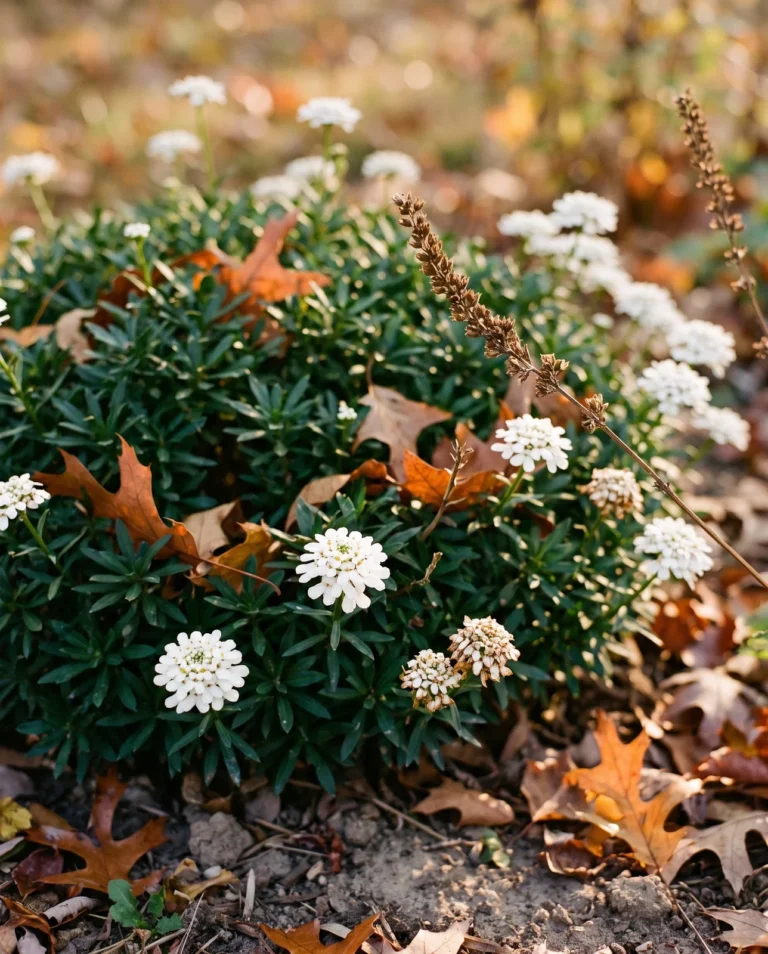
The foliage earns its place long after the flowers are gone. In mild winters the mound stays glossy and evergreen, but where winters are cold, it becomes semi-evergreen and the foliage may turn straggly or decline significantly. Growth is unhurried. Perennial candytuft expands at a medium pace, while annual candytuft grows rapidly to fill a bed in a single season.

Zones, and where the numbers disagree
Hardiness ratings for perennial candytuft agree on its cold tolerance and disagree at the warm end. Most guidelines place it across USDA zones 3 to 8, while others extend the warm limit into zone 9. Some northern ratings list it simply as hardy to zone 4, while in hot, dry southern regions the range often narrows to zones 4 through 8. British ratings reflect that same endurance, ranking the evergreen perennial at H5 for severe winters while the annual candytuft rates H4.
Named cultivars carry their own hardiness limits. Among popular white varieties, 'Snowflake' handles zones 3a through 9a, Snow Cone covers zones 3a through 8b, and Snowsation spans zones 4a through 9b. A named selection can shift the boundary one zone in either direction, so rely on the tag for the plant you bought.
Summer heat is what tests the southern boundary. Evergreen candytuft can produce a fine display under bright light and hot summer temperatures, although annual types tend to dislike sustained heat. Annual Iberis umbellata resists heat and poor soil, yet it behaves as a cool-season annual that dislikes hot weather. Where summers are long, sun exposure makes the difference: give it full sun in zones 5 to 7, and partial sun in zones 8 to 9.
Where it actually grows
Sharp drainage determines where candytuft actually thrives, and the plant cannot tolerate wet ground. That need for fast drainage makes it a classic choice for rock gardens, gravel beds, coastal sites, patios, containers, and dry stone edging. A raised edge or wall top sheds rain within minutes, keeping the roots firm and dry.
Direct sunlight governs how heavily the mound blooms. Aim for more than 6 hours of direct sun each day, though plants will tolerate light or partial shade. Flowering is strongest in neutral or alkaline soil that stays moist without holding excess water, so a sunny, sloping bed suits it far better than flat, wet ground.

When to plant, and when to sow
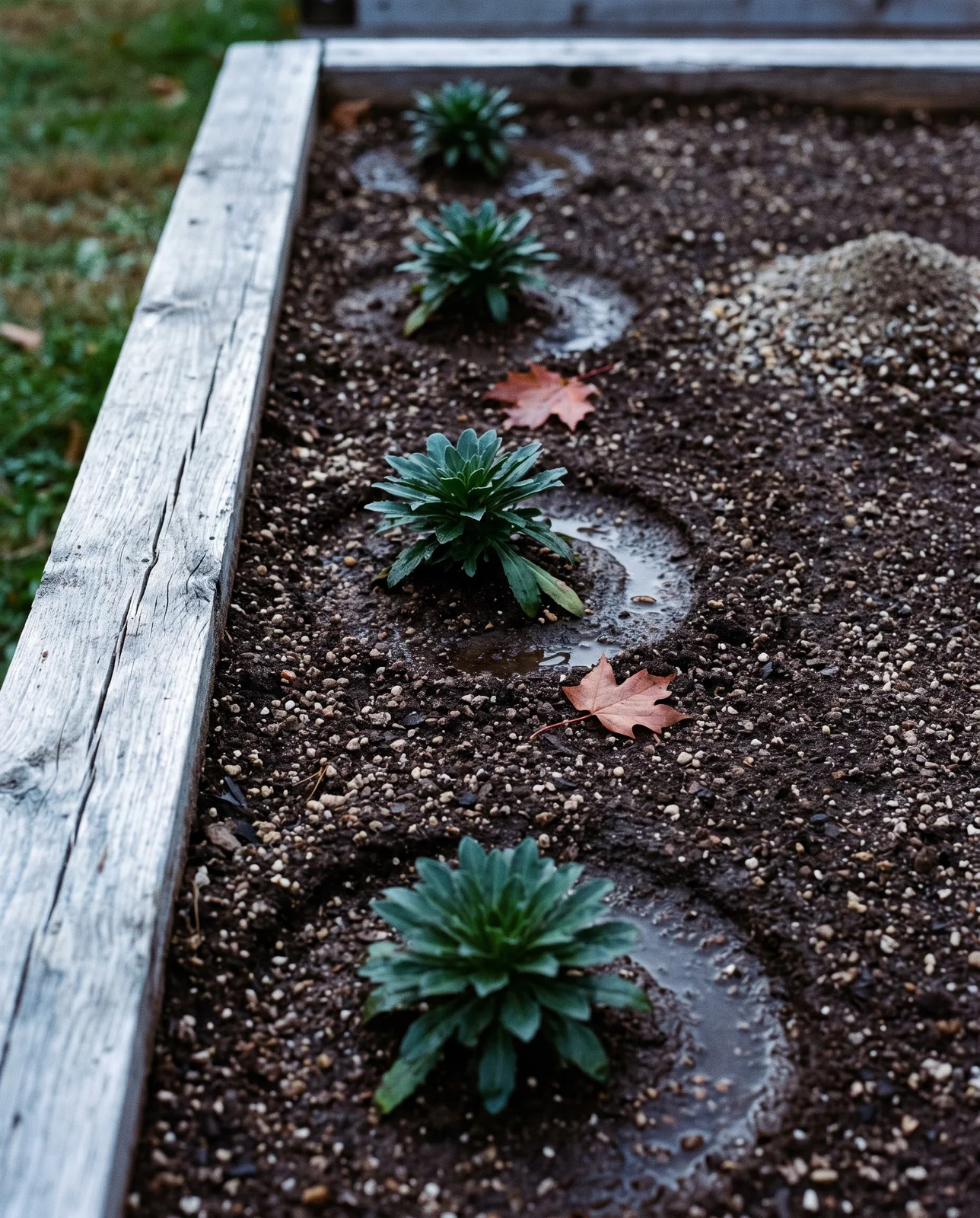
Early fall is the best time to plant perennial candytuft, though mid-April is an acceptable alternative. Candytuft is easily transplanted, but a large plant with extensive woody growth moves poorly and recovers slowly.
Annual candytuft starts from seed. For Iberis umbellata, sow seed in fall for early spring bloom, or start it indoors in pots eight weeks before frost. Sowing in spring after the last frost brings flowers from May through June, while a fall sowing prepares next year's crop. Iberis amara is also raised from seed and blooms through mid- to late summer, flowering from July through August.
Shear it when it finishes flowering
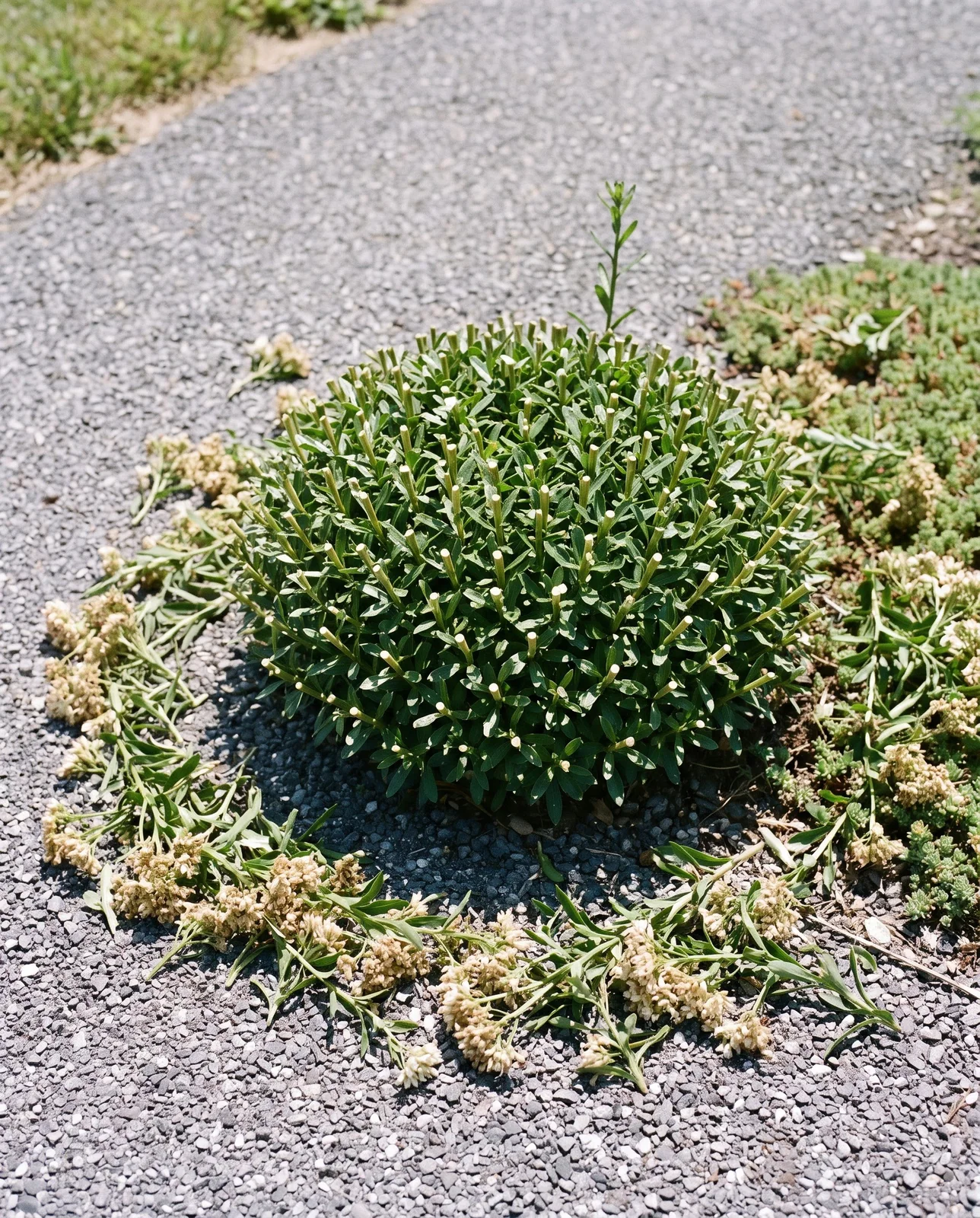
Shear the mound back by about one third as soon as the blooms fade to encourage fresh growth and keep the plant compact. A light trim after flowering also keeps it neat, and you can even tidy spent flowers with a string trimmer once blooming ends. Shearing candytuft right after bloom keeps the evergreen foliage dense, whether grown alone or alongside catmint in a sunny border.
How far back to cut depends on the stems in front of you. A light shearing takes off just 2 to 3 leaves below the flowers as they begin to fade. Another approach cuts stems back to within 2 or 3 inches of the ground after bloom. The standard middle path removes about one third of the growth, staying within the leafy green parts of the stem.
Skipping the post-bloom cut allows clusters of seed heads to form while the plant loses its compact shape. On repeat bloomers, regular shearing pays off directly: 'Purity' reblooms 2 to 3 times through the growing season when sheared.
When the middle goes woody
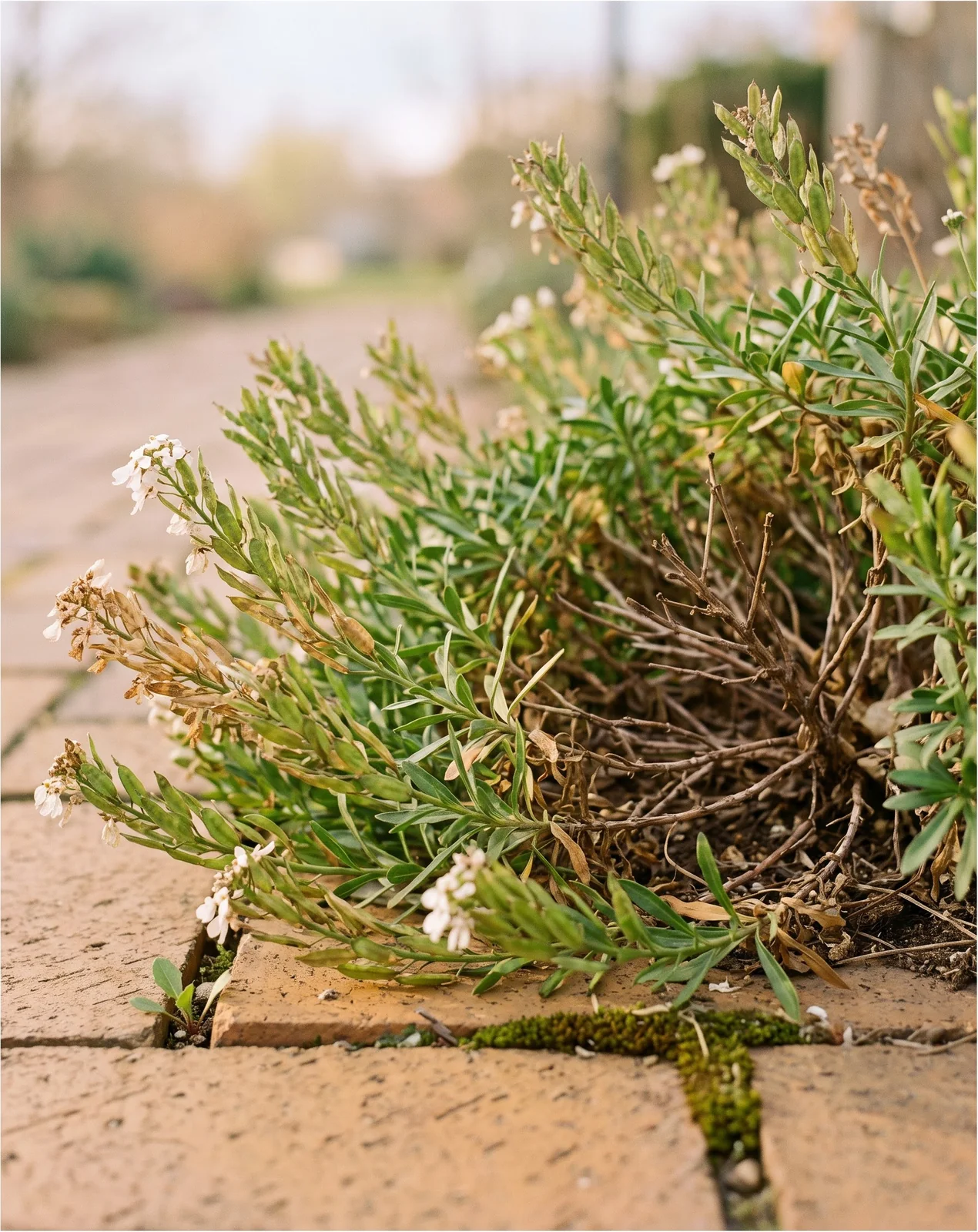
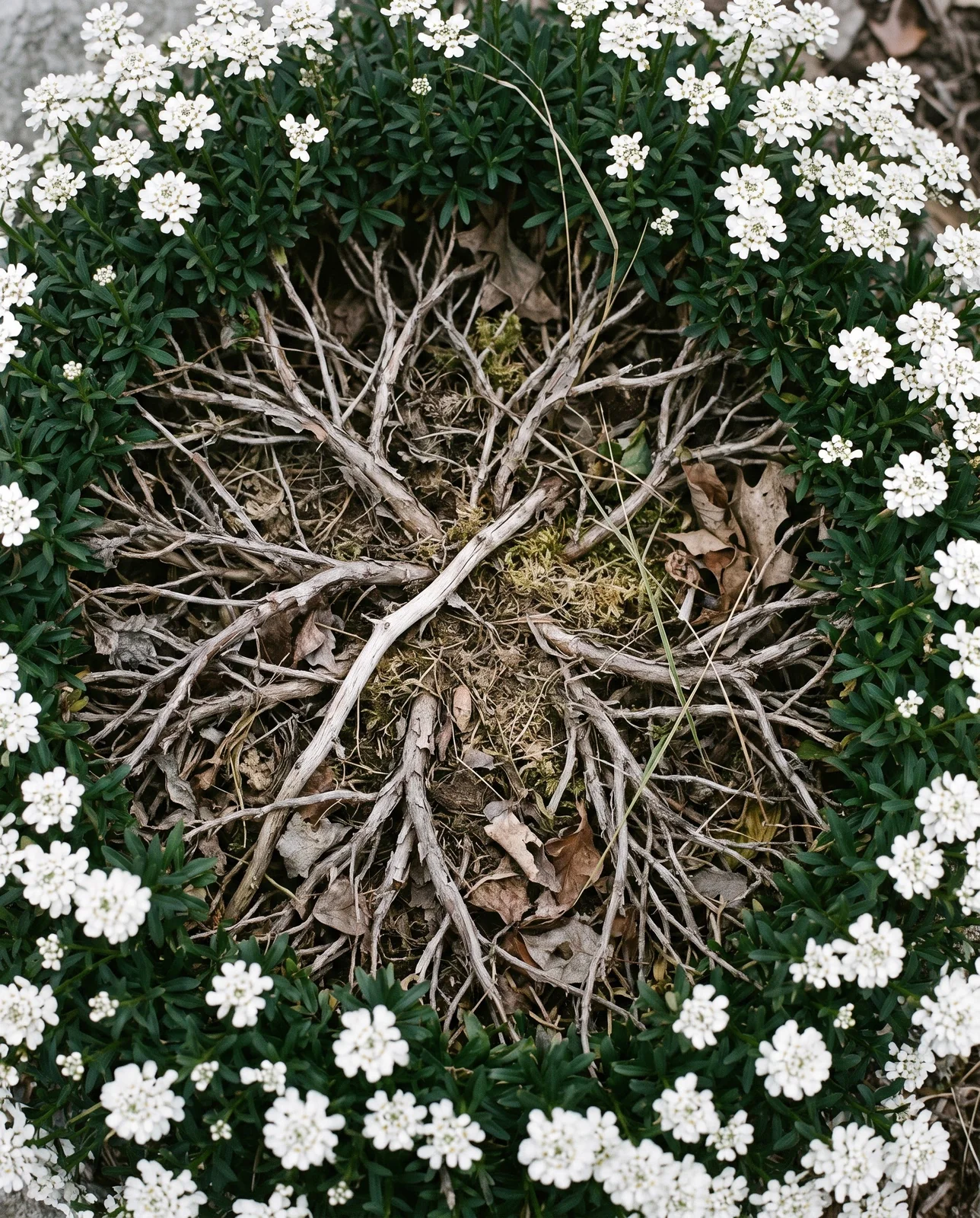
An old candytuft naturally opens up in the middle as its stems turn woody. Over time it becomes a woody framework with fibrous roots that cannot be dug and pulled apart into clean rooted crowns. Cutting hard into that bare center will not revive it, because hard pruning often leaves a leafless core with growth only around the edges. Stubs cut below the lowest leaf usually do not break at all, so cutting into bare wood will not bring foliage back.
Candytuft is a small woody shrub that is not easily divided and should not be split. Although dividing clumps in spring or fall is sometimes suggested, layering is far more dependable. Cut off branches that have rooted where they touch the soil, then dig them up and replant them like divisions. Starting new plants from cuttings or layers and digging out the old mound is simpler and faster than trying to rejuvenate it.
Why it stops flowering
When candytuft stops flowering, check the calendar before trying to fix anything. Normal spring bloom lasts about 3 to 4 weeks, though flowers can persist for up to 10 weeks in early to mid-spring. The species typically blooms from early spring through early to mid-summer, with some cultivars reblooming in early fall. Selections like 'Autumn Snow' and 'Snowflake' flower in spring and fall, as does 'Autumn Beauty'. The selection 'Masterpiece' blooms from mid-spring to fall with larger flowers. A plant that finishes a heavy spring flush has usually just completed its natural cycle.
If flowering is genuinely sparse, light is the first thing to evaluate. Candytuft produces noticeably fewer flowers in partial shade, so moving it into full sun restores the bloom. Fertilizer is the second factor: use a slow-release granular fertilizer lower in nitrogen in spring specifically to encourage flowering.
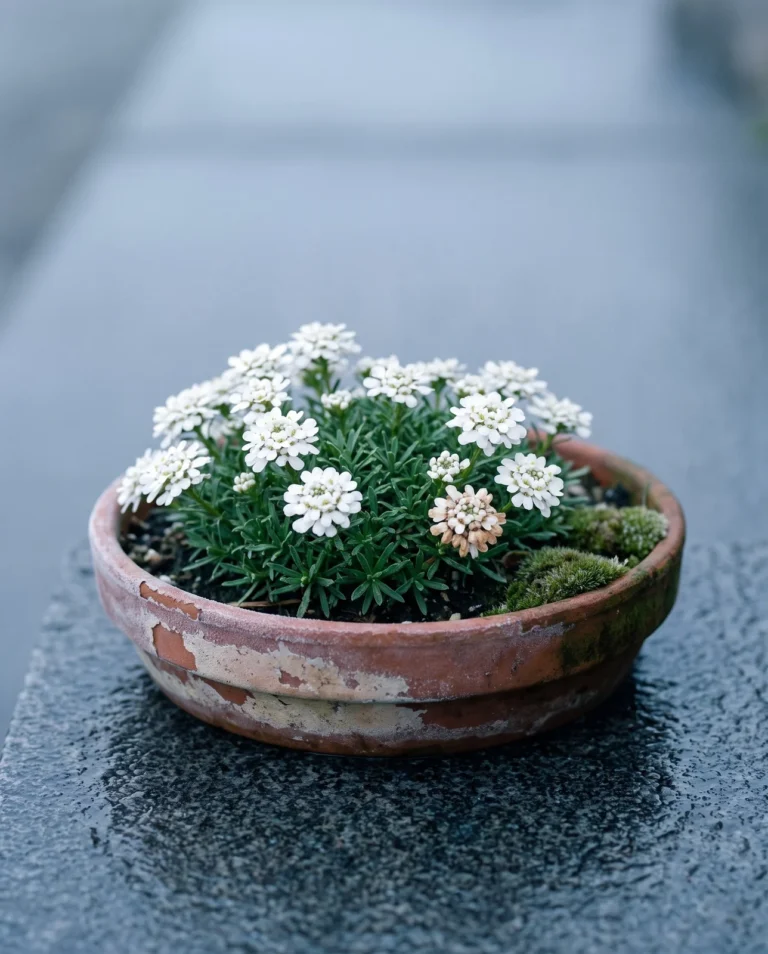
Container plants often follow their own rhythm. A potted candytuft displays green foliage after its spring bloom until it produces a second flush in fall. With the right selection and a mild autumn, that second wave of flowers arrives just as surrounding perennials fade.
Working through a plant with no flowers
Work down in order. The first two checks cover the plant's basic needs, while the last one needs no fixing at all.
Yellow leaves, pattern by pattern
Yellow leaves on candytuft point to a few distinct causes, depending on recent handling, soil moisture, and the season. The most common pattern follows a recent move, when foliage yellows or wilts while new roots establish, especially on an older plant. This post-planting sulk asks for nothing more than sharp drainage, regular water while the roots settle, and time.
The second pattern comes from wet soil, which poses the greatest danger to the plant. Poor drainage or watering too frequently leads directly to fungal root and crown rot that can devastate an entire planting. The plant is also susceptible to club root, which stunts top growth as the roots fail below. When foliage turns yellow in heavy ground that stays soggy after rain, improving drainage is the urgent remedy.
Yellow foliage is rarely a sign of nutrient deficiency, because candytuft needs very little fertilizer. The fourth pattern appears in winter, when cold temperatures can leave the evergreen foliage sun-scorched. Drought by itself rarely turns the leaves yellow, so discoloration in late summer usually traces back to earlier root troubles.

What actually goes wrong
Listed from the most common complaint down. Each one gives the symptoms, the cause and what to do.
Symptoms: plants decline or collapse where the ground stays wet. Cause: wet, poorly drained soil inevitably leads to crown rot that can devastate a planting, and poor drainage or watering too frequently can cause fungal root rot. What to do: improve drainage before planting, and let the soil dry out between waterings.
Symptoms: leaves turn yellow or the whole plant wilts shortly after planting or repotting. Cause: transplant shock while roots settle into new soil. A large, old plant with woody growth transplants poorly and recovers slowly, whereas young plants move far better. What to do: hold off on fertilizer and give the roots time to settle in well-drained soil.
Symptoms: white powdery coating, discolored spots, rust pustules, or fuzzy gray mold, all of which occasionally appear. Cause: fungal spores taking hold in stagnant, humid air. What to do: plant in sunny, open spots where air circulates freely, keeping in mind that candytuft is generally disease-free in good conditions.
Symptoms: stunted growth with nothing visible on the leaves to explain it. Cause: candytuft is susceptible to club root, which results in stunted growth. What to do: remove affected plants, as the damage happens underground and the plant does not recover.
Symptoms: ragged holes and chewed leaves along the stems. Cause: caterpillars, slugs, and snails feeding on the foliage. What to do: check beneath the mat and along the edges to find the culprit before deciding how to treat it.
Symptoms: pale yellow or trailing foliage that does not match candytuft leaves. Cause: mistaken identity, as spreading plants like creeping Jenny are easily confused with candytuft. What to do: confirm the plant's identity by checking its foliage and growth habit before starting any treatment.
Does it spread
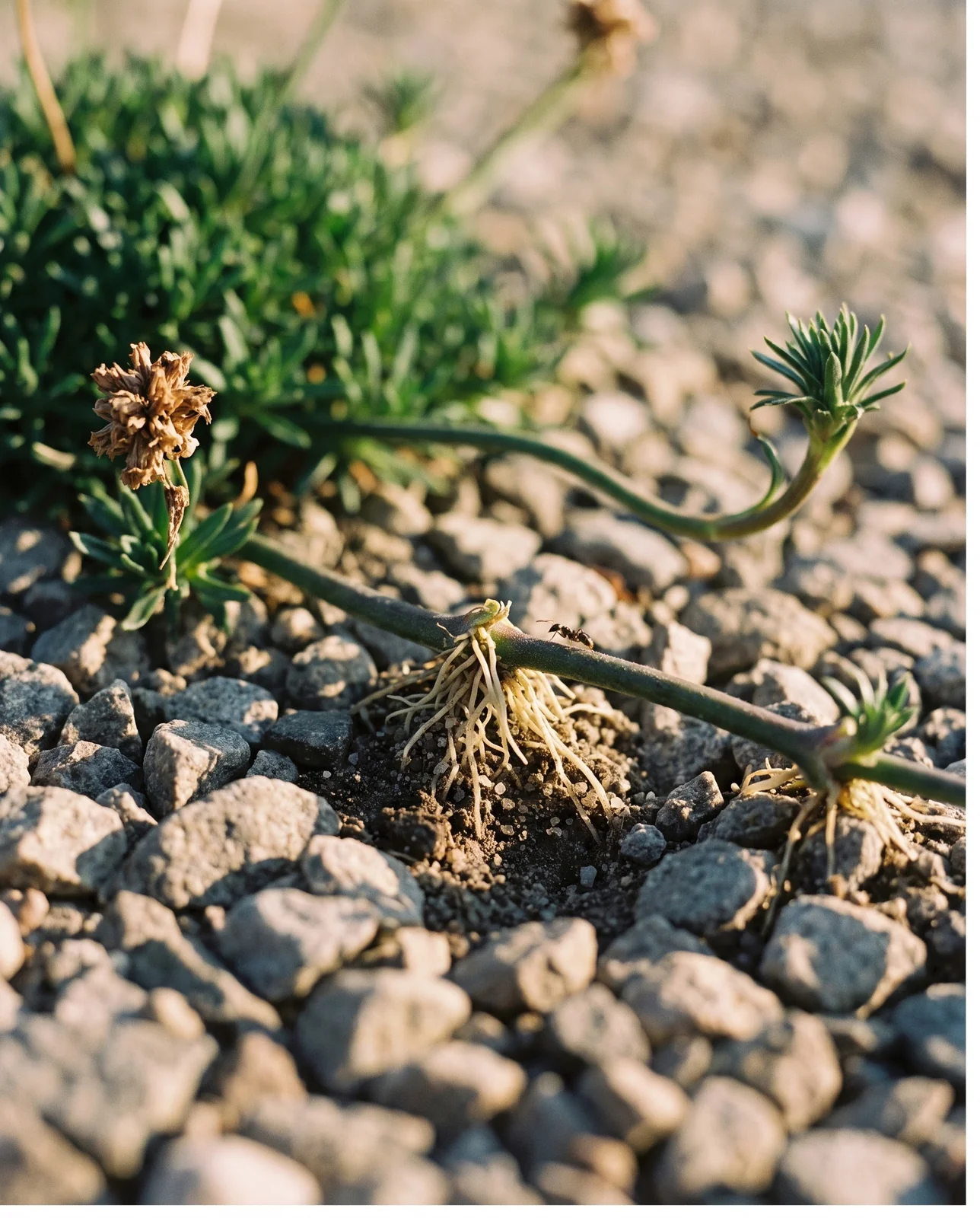
Candytuft spreads outward slowly as it widens over time. The stems lie along the ground and curve up at the tips, branching freely and rooting wherever they touch moist soil. That creeping habit widens the mat each year. Fresh green growth stays around the edges while the older center slowly turns woody.
Spreading by seed depends on which plant you grow. Annual candytuft drops seed freely in the garden without causing real trouble. It only now and then escapes into waste ground and along railroads in Maine and New Hampshire. Perennial candytuft can be invasive in some settings. Even so, it rarely escapes gardens, showing up only in scattered waste ground in New Hampshire and Vermont. The upright annual Iberis amara has also escaped cultivation in some parts of the United States, but is not considered invasive.
Named selections, and the annual mixes beside them
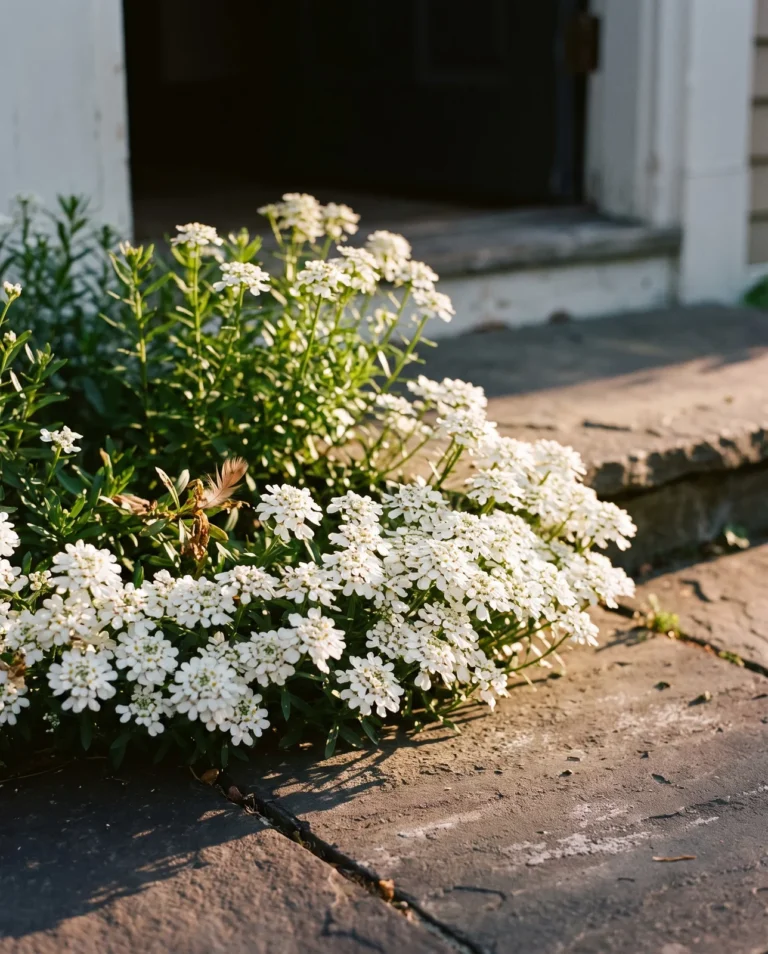
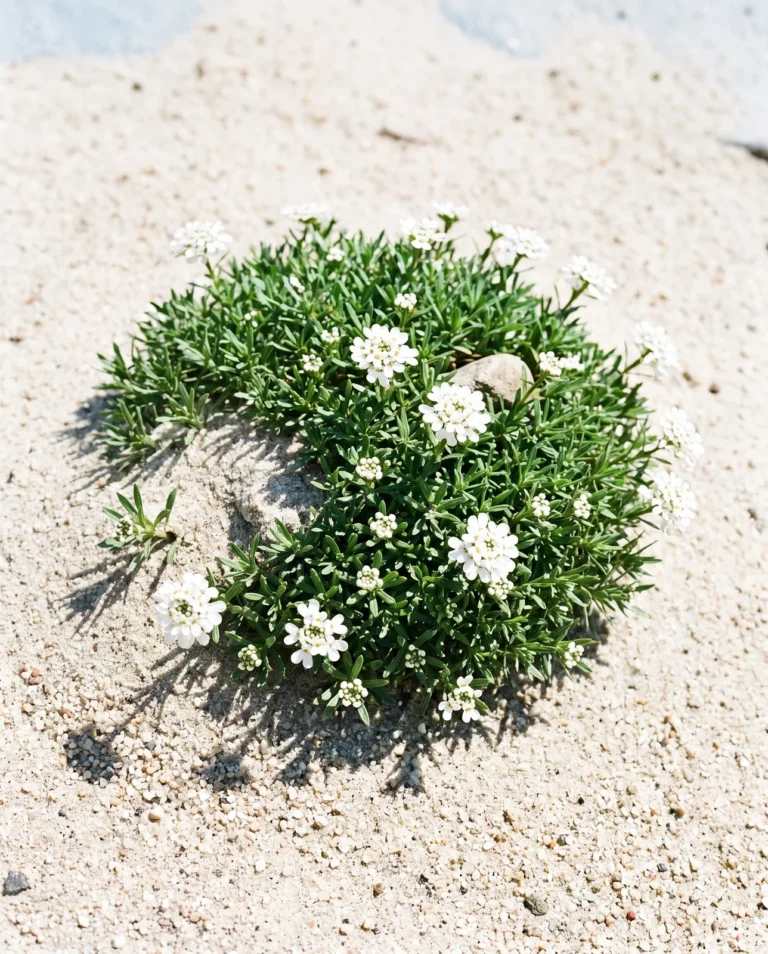
Garden centers often display perennial and annual candytufts side by side under the same common name. The classic white evergreen selections appear first below, followed by annual and hybrid cards that offer different bloom habits and a wider range of colors.


Light
Perennial candytuft flowers best in full sun, needing six or more hours of direct sunlight each day. It tolerates light shade, though flowering is noticeably more profuse in full sun. Where a bed gets sun for only part of the day, annual candytuft adapts easily to both full sun and partial shade.
Soil and drainage
Perennial candytuft adapts easily to clay, loam, or sand, thriving in neutral to alkaline soils. It requires moist to slightly dry soil and cannot tolerate wet or poorly drained ground. Heavy soil on a sloping rock wall sheds excess moisture quickly, while flat clay beds hold standing water around the crown. Annual candytuft accepts the same textures, but it tolerates acidic soil below 6.0 pH as well.
Water
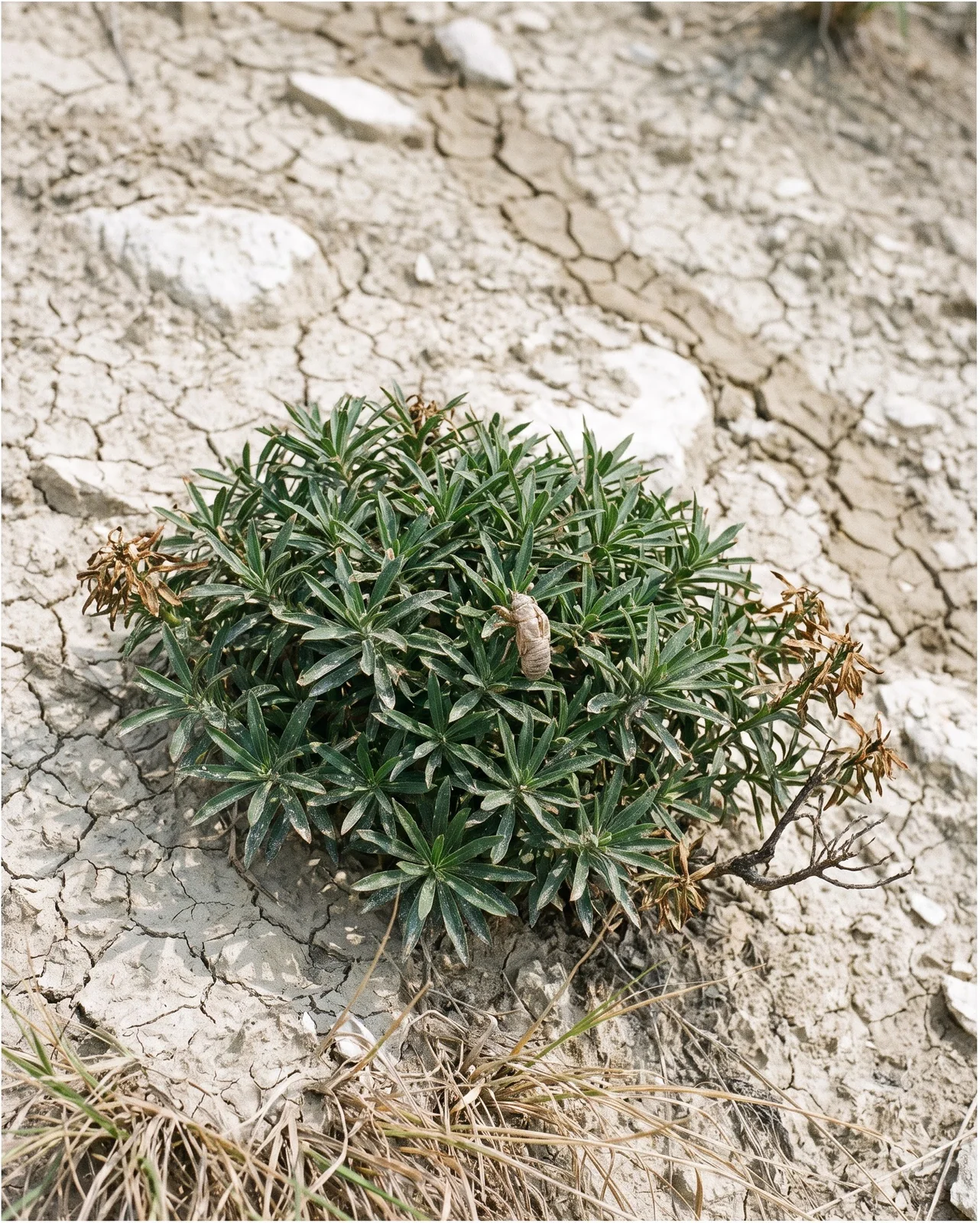
Water new candytuft while it settles in, then let the soil dry out between waterings. Water once the first few inches of soil become dry, and let the ground dry out again before the next watering. Standing moisture is the main danger, because poor drainage or watering too frequently can lead to fungal root rot. Once established, the plant is drought tolerant, so a light hand with the hose keeps it healthiest.
Feeding
Feed candytuft lightly or skip fertilizer altogether. It is a moderate feeder that needs only a slow-release granular fertilizer in spring. When you do fertilize, always err on the side of underfeeding. A single modest feeding as new growth begins in spring is all the plant ever needs.
In rock gardens, on walls and along edges
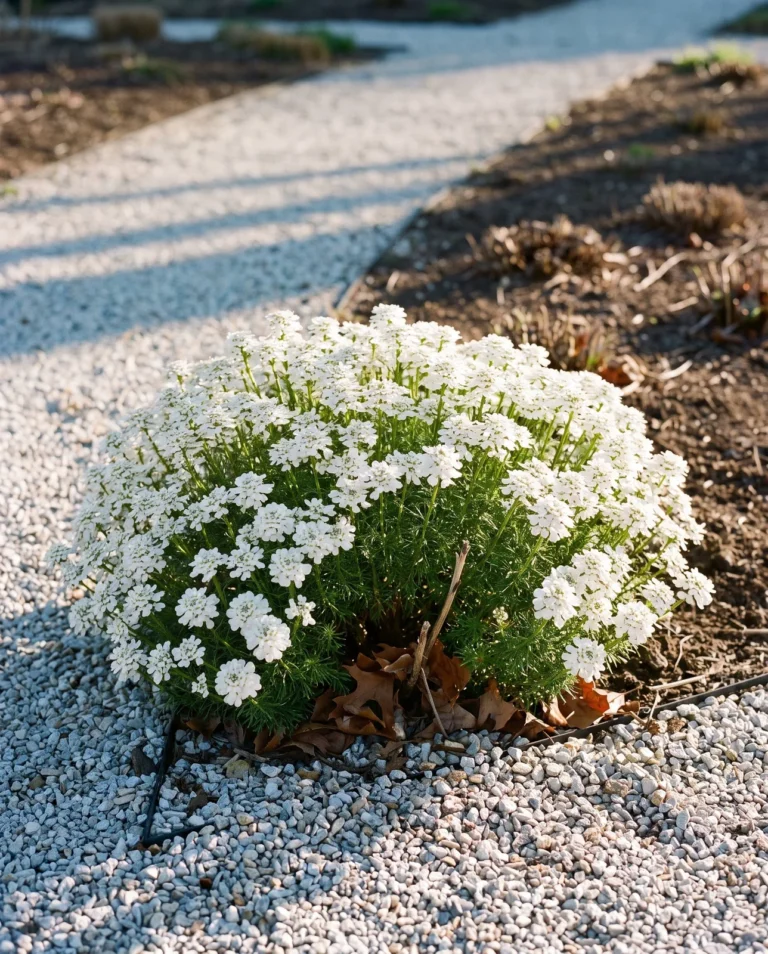
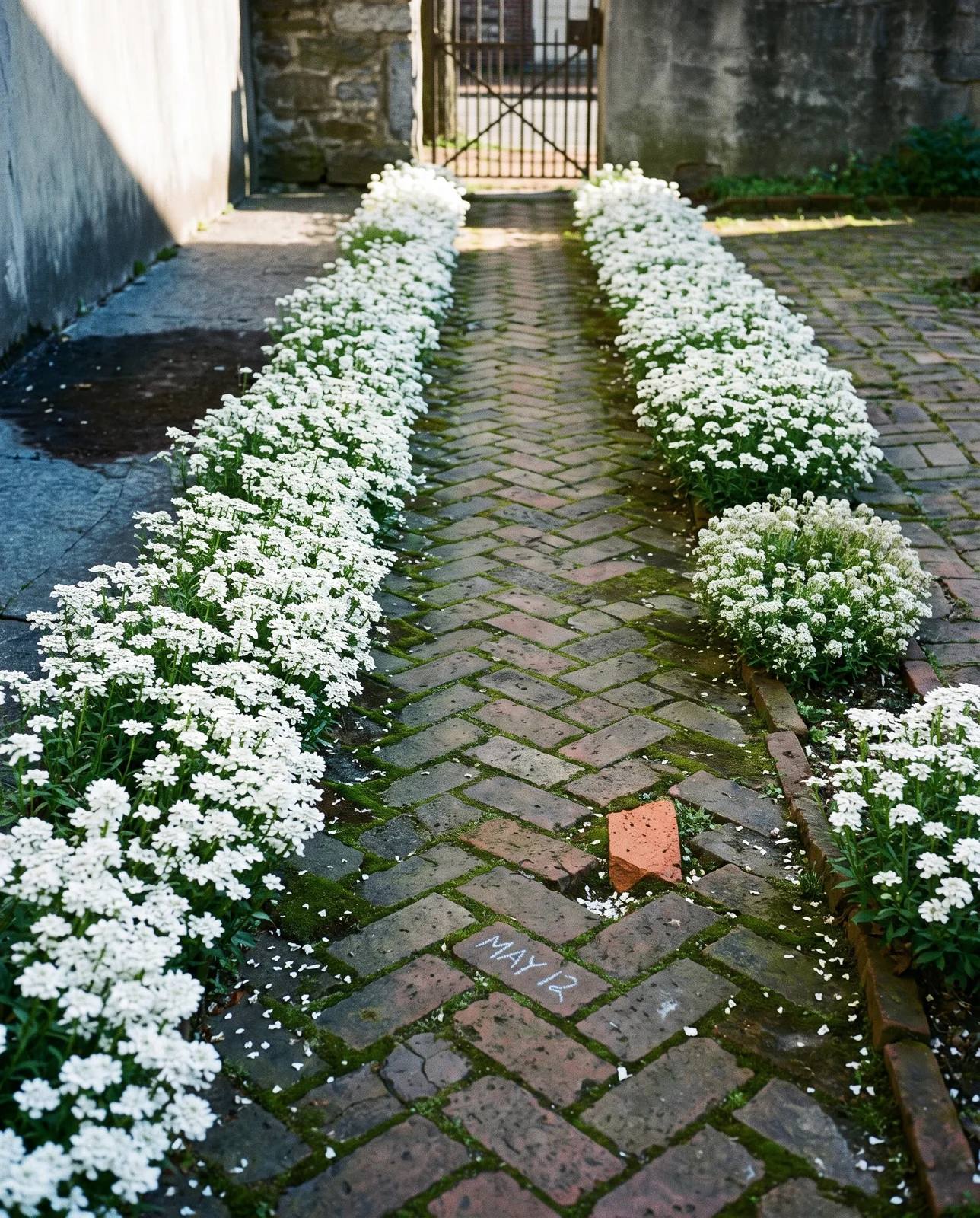
Perennial candytuft thrives anywhere water drains away quickly from its crown. It makes an excellent edging along paths and walkways, spills over stone walls, and suits rock gardens, small sunny spots, or containers. It shares sunny walls and gravelly borders naturally with sedum and creeping phlox, where all three enjoy the same fast drainage. Annual candytuft takes on different roles, brightening containers, walkways, small spaces, and sunny banks for a single season.
Spacing determines whether an edging reads as a continuous ribbon or a row of separate cushions. Set plants 12 to 18 inches apart to allow good air circulation, or up to 24 inches for wider spreading types. A new planting looks modest in its first year, but the creeping stems gradually close the gaps from the edges inward. Once the white spring blooms fade, that dark green foliage holds a neat, attractive line right through the winter.
Deer, rabbits and pollinators
Deer and rabbits tend to avoid candytuft, making the perennial a dependable choice against browsing wildlife. That protection has its limits, though, and in some yards deer treat the foliage like candy. Rutgers groups garden plants into four tiers of browsing damage, recommending the two least damaged categories where deer are common. Both the annual Iberis umbellata and the perennial Iberis sempervirens sit inside those safer categories.
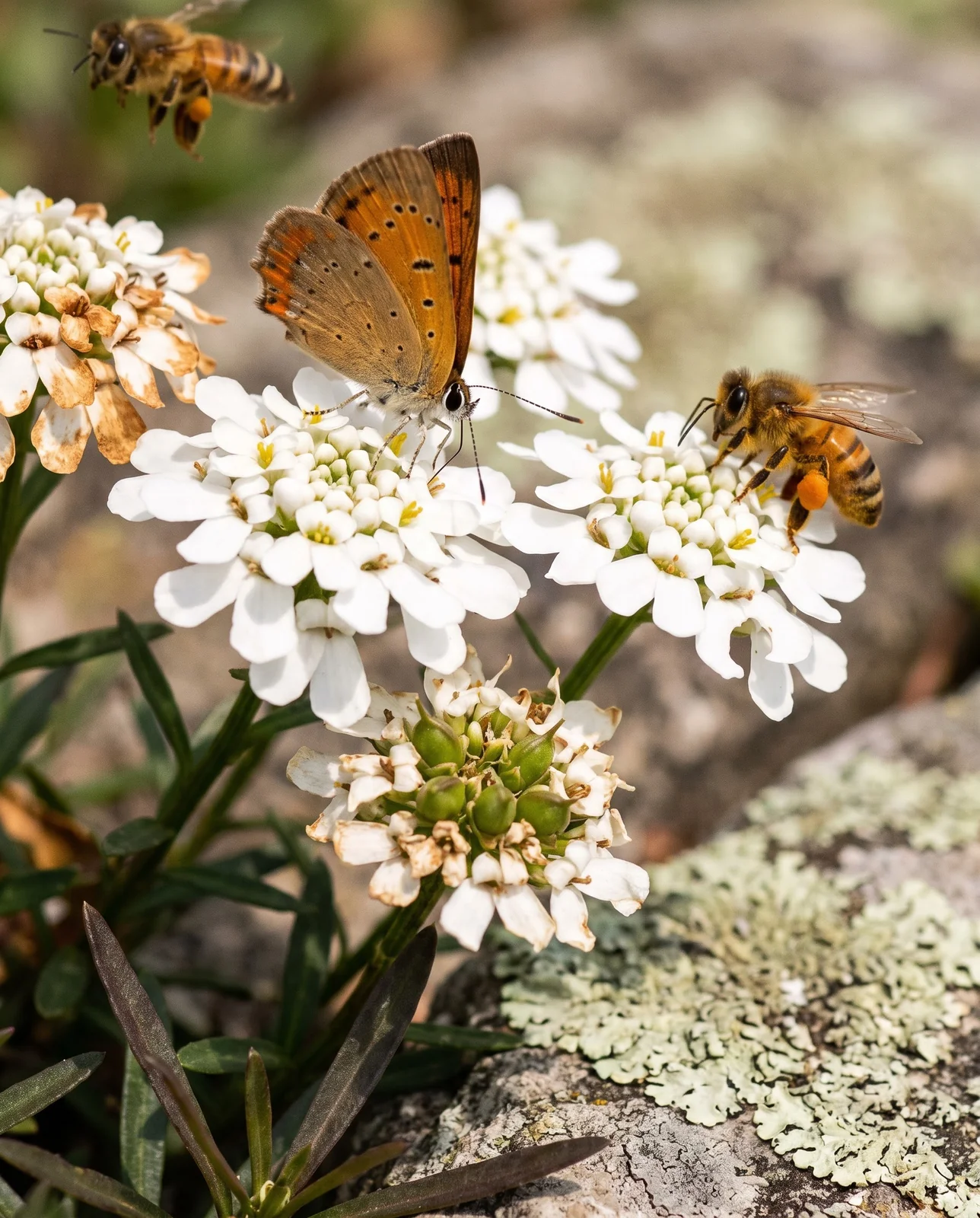
Once in flower, candytuft becomes an inviting landing pad for wildlife. The evergreen species brings in butterflies and birds. The annual Iberis umbellata draws an even broader mix, pollinated by bees, moths and butterflies. The flat flower heads open level with each other, making an easy surface for insects to work across while the white bloom lasts.
Candytuft in winter
An evergreen mound does not escape winter untouched, and cold is rarely what damages it. Candytuft is killed far more often by winter wet than by cold, and a mild, damp winter in heavy or poorly drained soil is close to the worst case. Cold temperatures trigger dormancy, but warm, damp ground encourages crown and root rot, particularly where snow melts and refreezes. That risk compounds after a hard pruning, because a weakened plant is more vulnerable to waterlogging.
Winter cover is meant to shield the foliage from harsh sun and dry winds. In cold winter climates, a modest covering of evergreen boughs helps minimize damage from sun scorch and desiccation. How green the mound looks in February depends on the season and the variety you grow. The selection Snowsation will withstand a few freeze temperatures and a winter season with light snow while staying green between bloom times.

What to expect, season by season
What to expect from a new planting, in the order the seasons take it.
The first season is about settling roots and filling gaps. Early fall is the best time to plant, though mid-April serves as a dependable spring alternative. Young plants take root far better, because a large, old plant with extensive woody growth transplants poorly and recovers slowly. Expect the row to look thin at first, and a newly moved plant may yellow or wilt for a short time. The roots simply need time to settle into the soil.
The first full spring brings a heavy flush of flowers and the one yearly shearing. Once blooms fade, shear the mound by removing no more than the top third, keeping cuts in the leafy, green parts of the stems. Left unpruned, the plant develops clusters of seed heads and loses its compact shape. A freshly sheared plant is temporarily stressed, leaving it more vulnerable to waterlogging while it recovers.
In later years, the cushion either holds together or opens into an empty ring. An old plant becomes a woody framework with fibrous roots and often a bare center, so you cannot dig it up and pull it apart into clean rooted crowns. Starting new plants from cuttings or layering is simpler and faster than trying to rejuvenate the old growth. Once the new starts take hold, the worn shrub can be removed.

Four common claims, checked
Four common ideas about candytuft, and how the plant actually behaves in the garden.
The myth: All candytuft is perennial.
The reality: The common name covers annual species as well as the evergreen perennial. Both Iberis umbellata and Iberis amara are annuals, though an Iberis amara selection like Summer Snowdrift is sometimes sold under a perennial label.
The myth: It blooms all summer.
The reality: Candytuft typically blooms from early spring through early to midsummer, though some cultivars re-bloom in early fall. Plants that hold flowers across a longer stretch are named selections, including a hybrid that blooms from early spring into fall depending on the region.
The myth: Yellow leaves mean it needs feeding.
The reality: Yellow foliage usually points to soggy ground, shock after a recent move, or cold winters that leave foliage sun-scorched. Extra fertilizer will not solve the trouble, and it is safer to err on the side of underfeeding.
The myth: It wants good garden soil.
The reality: Candytuft grows well in poor soils, settling into clay, loam and sand alike. Sharp drainage is what decides its health, because a rich bed that holds water will rot the roots.
FAQ
Do candytuft come back every year?
Perennial candytuft does. Botanically, Iberis sempervirens is a woody subshrub, though it is often treated as an herbaceous perennial. Two other species sold as candytuft, Iberis umbellata and Iberis amara, are annuals that finish in a single season.
Will candytuft bloom all summer?
Usually not. Candytuft typically blooms from early spring through early to mid-summer, though some cultivars re-bloom in early fall. A few named selections stretch that window, such as 'Masterpiece', which blooms from mid-spring to fall with larger flowers.
When can I plant candytuft?
Early fall is the best time to set out plants, though they can also be planted in mid-April. For annual candytuft, sow seeds in spring after the last frost for summer flowering, or in fall for next year's crop.
Why are my candytuft leaves turning yellow?
Poorly drained soil is a common cause, leading to root and crown rot. Moving a plant can also cause trouble, because a large, old plant with extensive woody growth transplants poorly and recovers slowly. Cold winters can also cause the leaves to get sun-scorched.
Does candytuft spread quickly?
Not quickly. Perennial candytuft spreads at a medium pace, while annual candytuft grows rapidly. The perennial creeps as stems lie along the ground, curve upward, and root where they touch soil, and the annual also self-seeds.
Is candytuft invasive?
It can be invasive. In New England, however, it is rarely encountered outside gardens, having been collected from waste areas in New Hampshire and Vermont. The annual Iberis amara has escaped cultivation in parts of the United States, but is not considered invasive.
Is candytuft toxic to dogs and cats?
Candytuft has no official listing either way. The ASPCA toxic and non-toxic plant list carries no entry under candytuft or Iberis, and has no dedicated profile for the plant. Treat that as missing information and keep pets from chewing the plant.
How far back should candytuft be cut after flowering?
Shear the stems back by about one third as the flowers fade. You can also trim two to three leaves below the flowers, or cut stems back to within two or three inches of the ground. Keep cuts in leafy green growth, because stubs cut below the last leaf usually do not break at all.
Can candytuft be divided?
Usually not. Candytuft is a small woody shrub that is not easily divided and should not be divided. Clumps can be divided in spring or fall, or you can cut off rooted layers and replant them as though they were divisions.
Does candytuft like sun or shade?
Full sun. Perennial candytuft needs six or more hours of direct sunlight a day, and it flowers less in partial shade. Annual candytuft (Iberis umbellata) tolerates partial shade as well as full sun.
Does candytuft need winter protection?
In cold winter climates, a modest covering of evergreen boughs helps minimize damage from sun scorch and desiccation. Winter wet is often the greater danger, because a mild, damp winter in heavy or poorly drained soil is close to the worst case for this plant.
Interesting tips
- Annual candytuft has an upright habit that reaches close to a foot tall. Most garden plants stand 12 to 20 inches high, though plants can range anywhere from 4 to 28 inches.
- American gardeners first planted candytuft to edge formal Victorian flower beds, before moving it into rock gardens where it can cascade over a rock face.
- Iberis amara prefers soil high in calcium, but it tolerates mildly acidic or low-nutrient soil, and it grows about 18 inches tall.
Related Guides & Flowers

Lavender
The other woody subshrub for dry sunny ground, kept alive by a cut that stays out of old bare wood.

Yarrow
A tougher perennial for the same lean, sharply drained beds, flowering long after candytuft has finished.

Snowdrop
The white that opens before candytuft does, and the usual partner at the front of the same border.

White flowers
The rest of the white plants for edges, walls and beds, grouped in one place.
Enjoying our flower guides? Add YourFlowersGuide as a preferred source on Google. It helps more readers find us.
Add to Preferred Sources