Contents
Canna lily
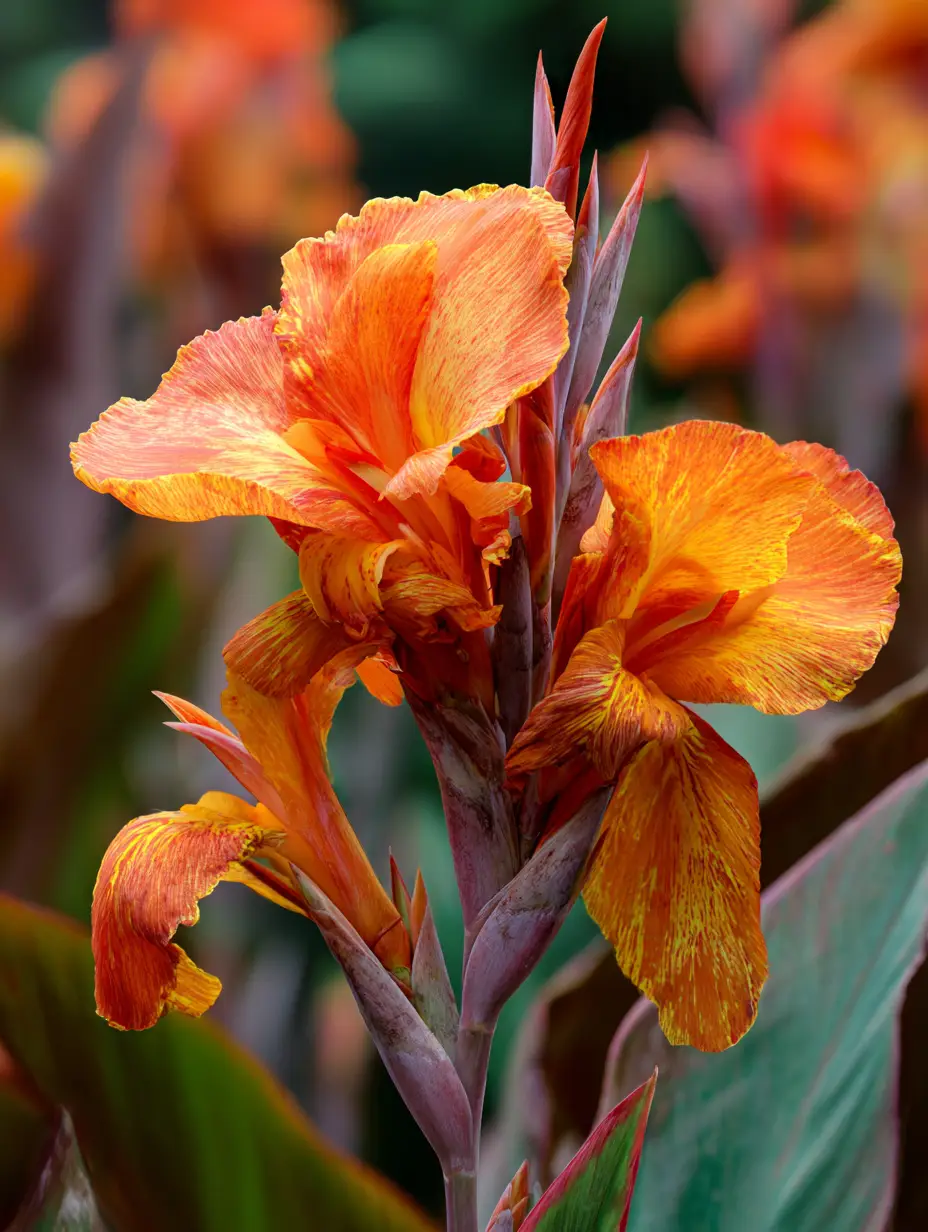
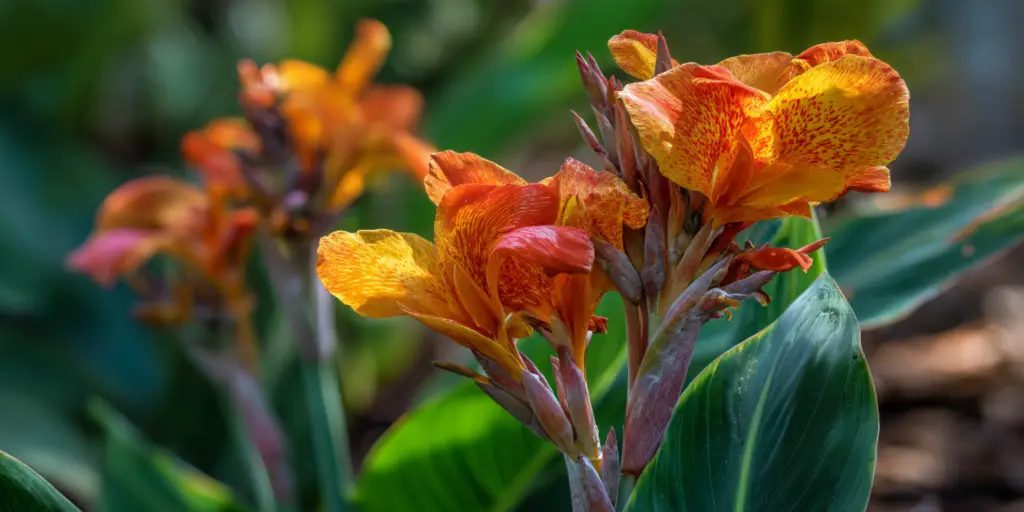
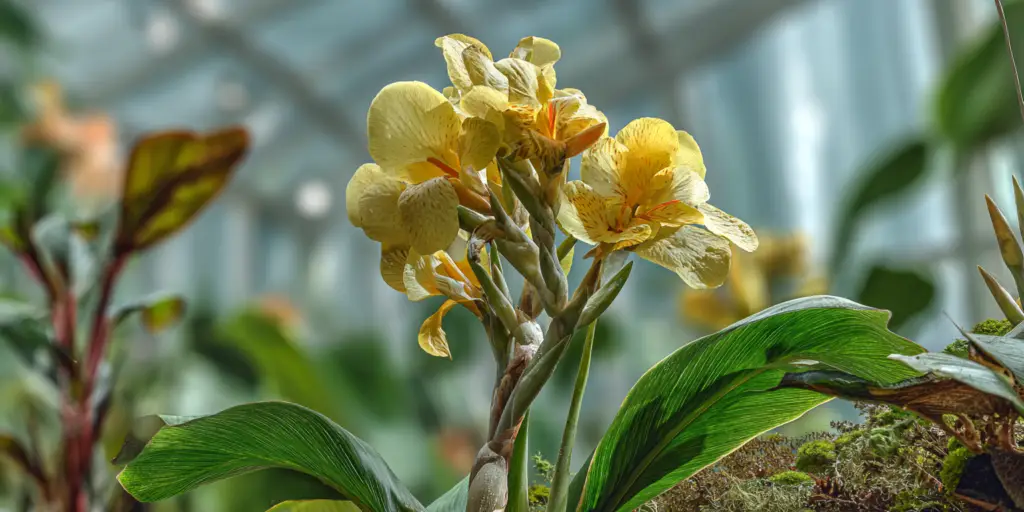
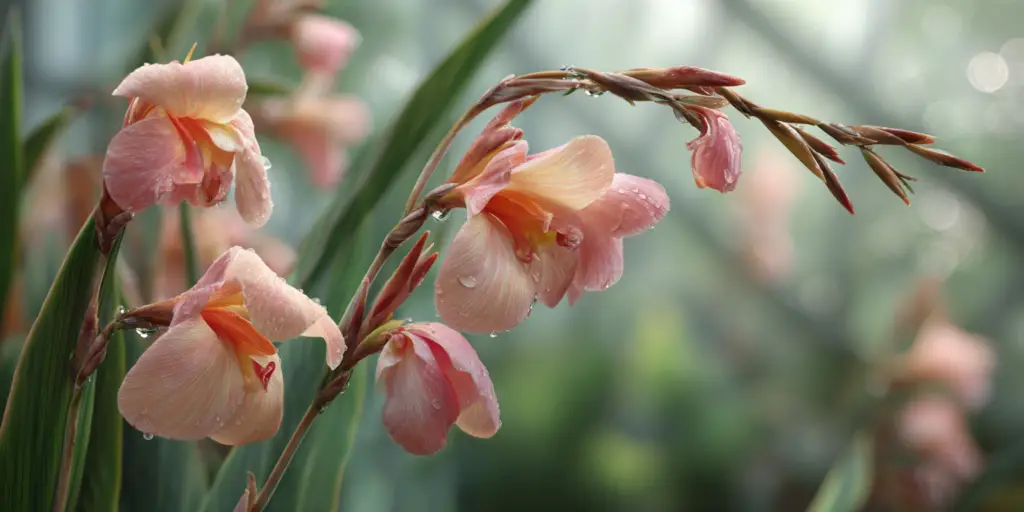
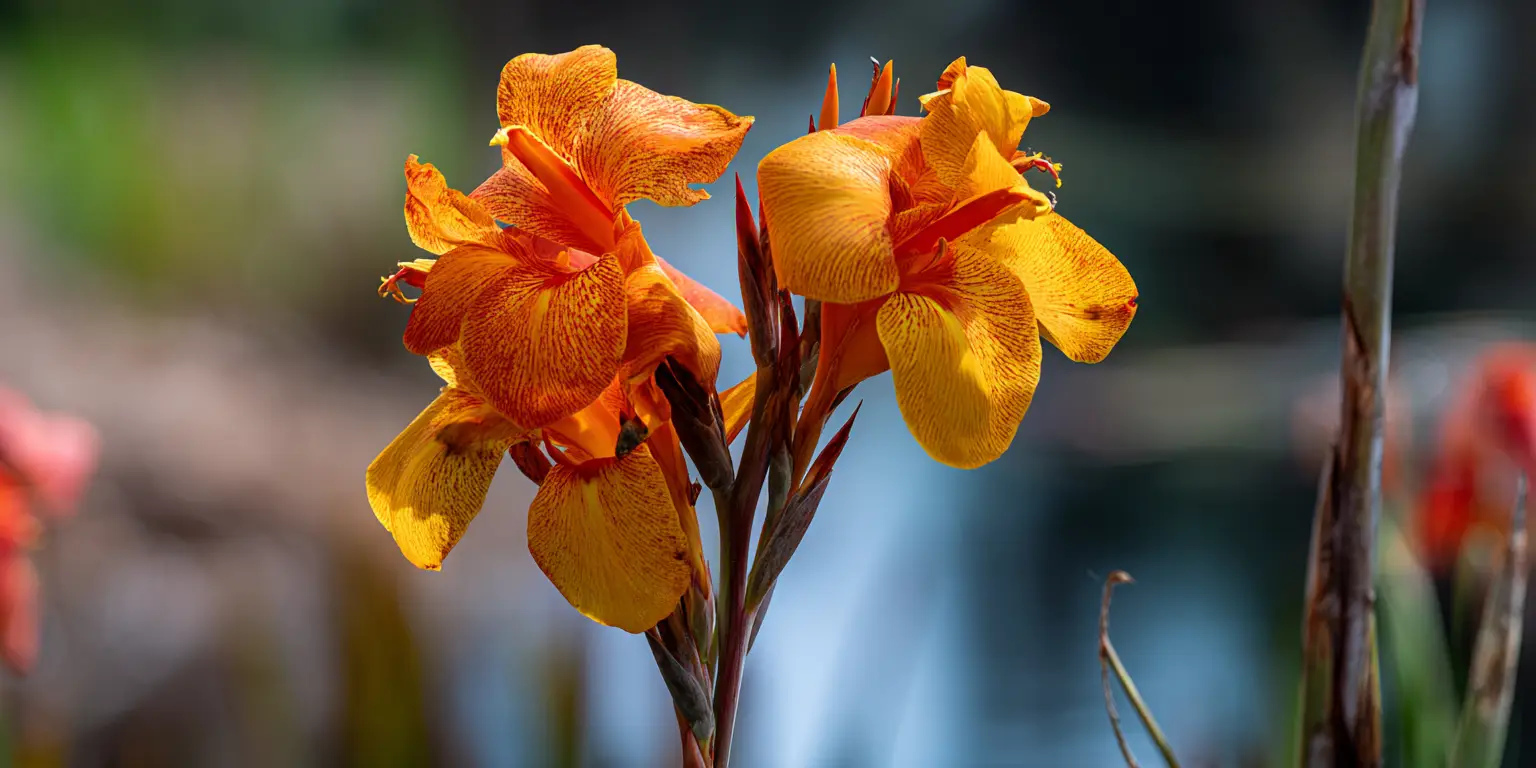
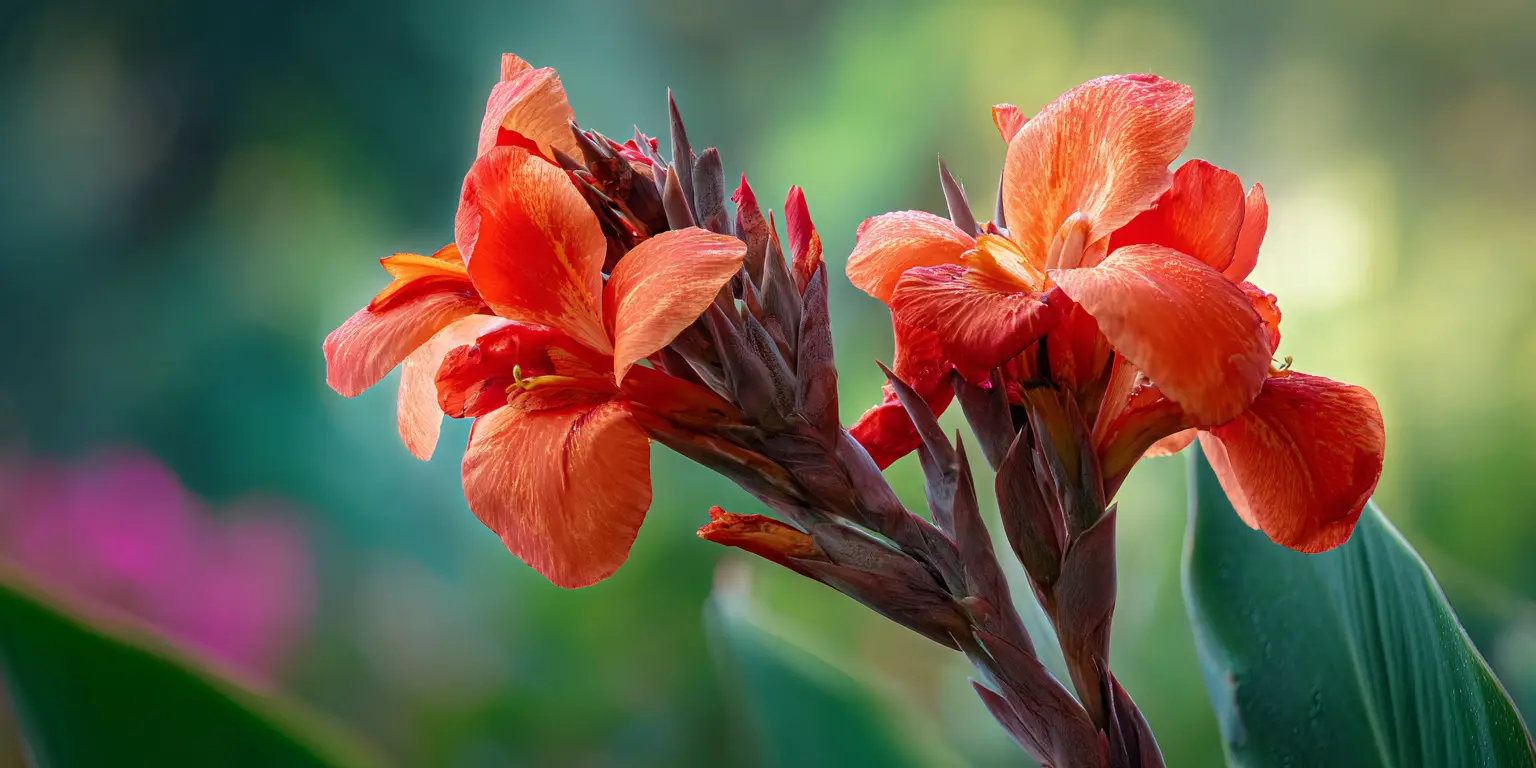
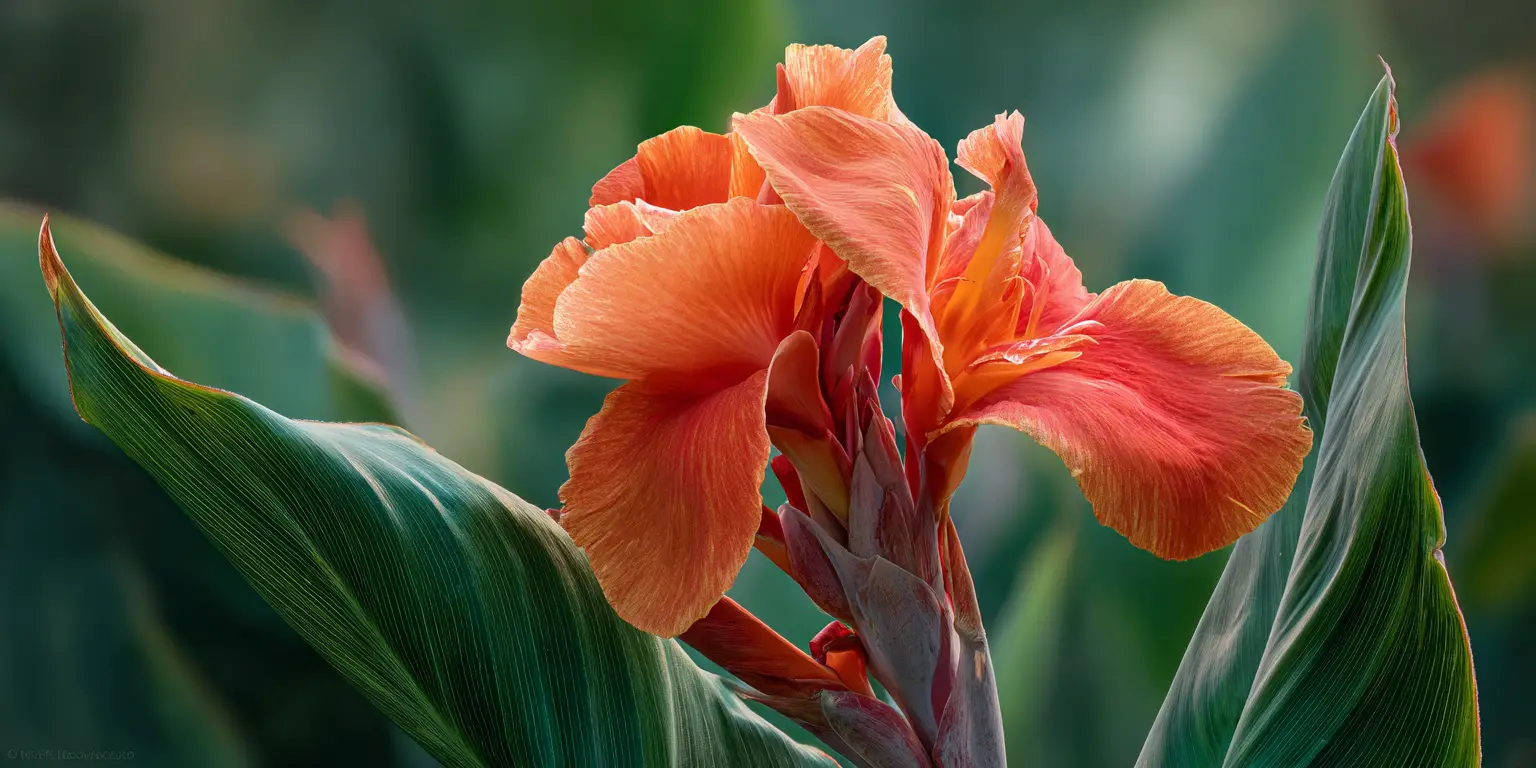
Canna lily is a striking tropical perennial known for its lush foliage and vivid blooms. Although commonly called a lily, it is not a true lily at all. Instead, this ornamental plant belongs to the genus Canna in the Cannaceae family. Gardeners prize canna lilies for their bold, exotic presence, with large paddle-shaped leaves and vibrant flowers that create a lush, tropical atmosphere. The blossoms come in fiery shades of red, orange, yellow, and soft pink flowers, often with speckled or variegated patterns. Notably, true blue flowers or purple flowers do not occur in cannas, making their palette mostly warm colors. A mature canna lily clump provides a dramatic focal point in beds, borders, or containers, and it’s often used to lend a paradise-like feel to temperate gardens.
Canna lilies are grown widely as ornamental plants around the world, especially in warm climates or as summer bulbs in cooler regions. They thrive in the heat of summer when many other flowers start to fade. Their ability to produce continuous blooms from mid-summer to fall gives consistent color at a time when earlier blossoms like peonies and lilacs have finished. Thanks to their rhizomatous root system, cannas multiply and can be easily dug up and stored for replanting year after year. With bold foliage that can be green, bronze, or variegated, they add a tropical flair reminiscent of hibiscus or banana plants. Whether planted en masse or as a single specimen, the canna lily commands attention with its height, color, and luxuriant leaves.


A clear, step-by-step guide to soil, planting, watering, feeding, pruning, and winter care. Includes zone timing, container tips, companions, and quick fixes for common problems.

Bouquet Ideas
Explore simple, beautiful bouquet ideas for the home, gifts, and special occasions from romantic mixes to clean, minimal styles. Each idea includes suggested flower combinations, color palettes, and sizes, with photos for quick inspiration.
🌱 Taxonomy and origin
The canna lily belongs to the genus Canna, which is the only genus in the family Cannaceae. There are several species (around 10 naturally occurring species) within this genus, but most garden cannas are hybrids grouped under Canna × generalis. Despite its common name, the canna lily is not a true lily and is more closely related to plants like banana and ginger. It is sometimes also called “Indian shot” due to its hard, round seeds that resemble shotgun pellets. In terms of origin, canna lilies are native to the tropical and subtropical regions of the Americas. Their natural range extends from the southern United States through Central America and into South America. These exotic plants were introduced to Europe and other parts of the world in the 16th and 17th centuries, quickly gaining popularity for their striking appearance. Today, cannas are cultivated worldwide and have become a staple of tropical-themed gardens and summer flower displays.
🌸 Bloom time
Canna lilies are known for their long bloom period during the hottest months of the year. In most temperate regions, cannas begin flowering in mid-summer, often starting in July, and continue to bloom prolifically until the first fall frosts. Each flower stalk produces multiple blossoms in succession, ensuring a show of color that can last for weeks. Individual florets on a stalk may only last a couple of days, but as they fade, new buds open to keep the display going. With proper care (for example, by removing spent blooms), the flowering season can be extended. In warm, frost-free climates, canna lilies might bloom almost year-round or in multiple flushes. Their peak performance, however, is typically during the long days and intense sun of summer when they really show off their tropical splendor.
📏 Height and spread
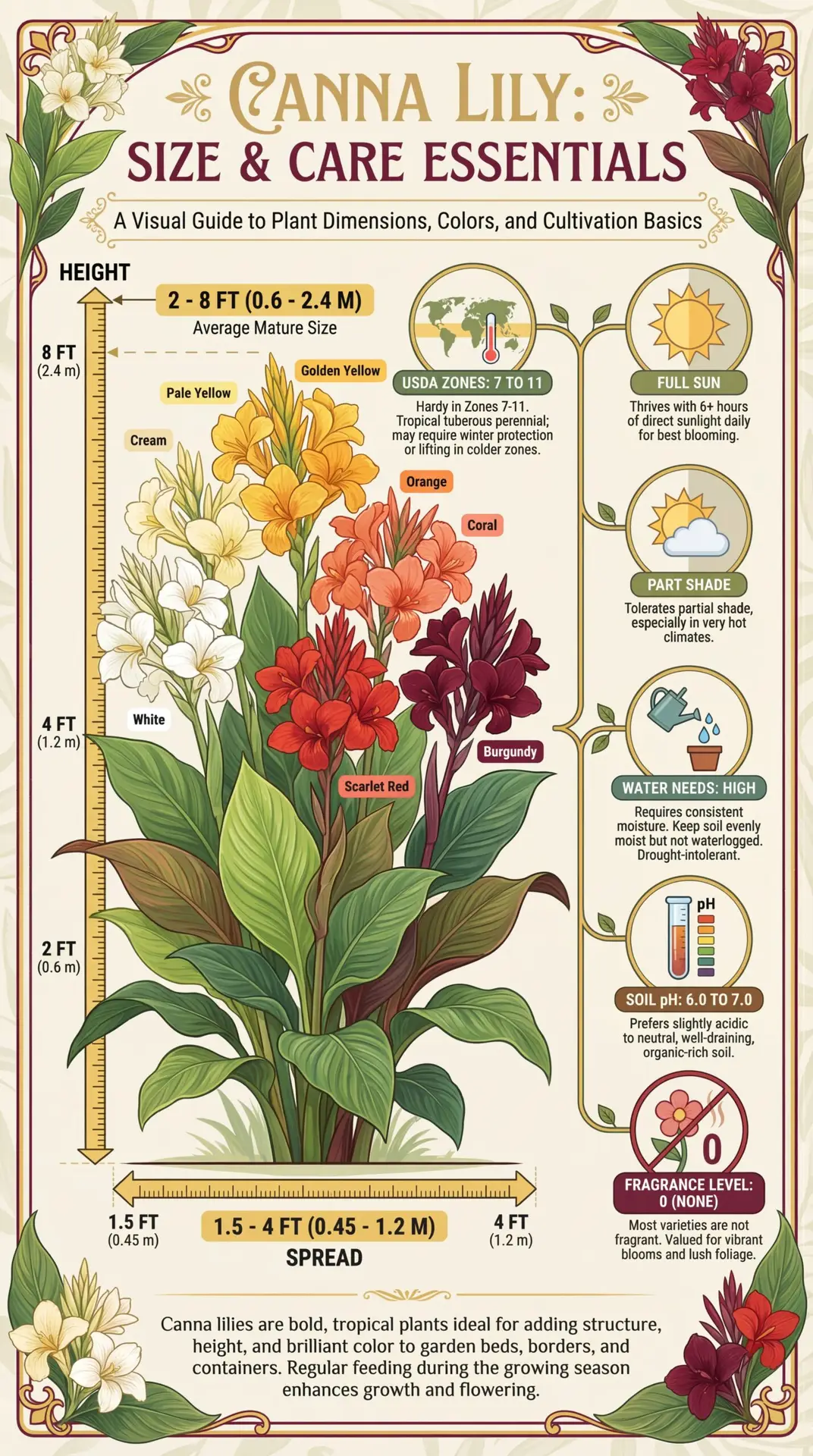
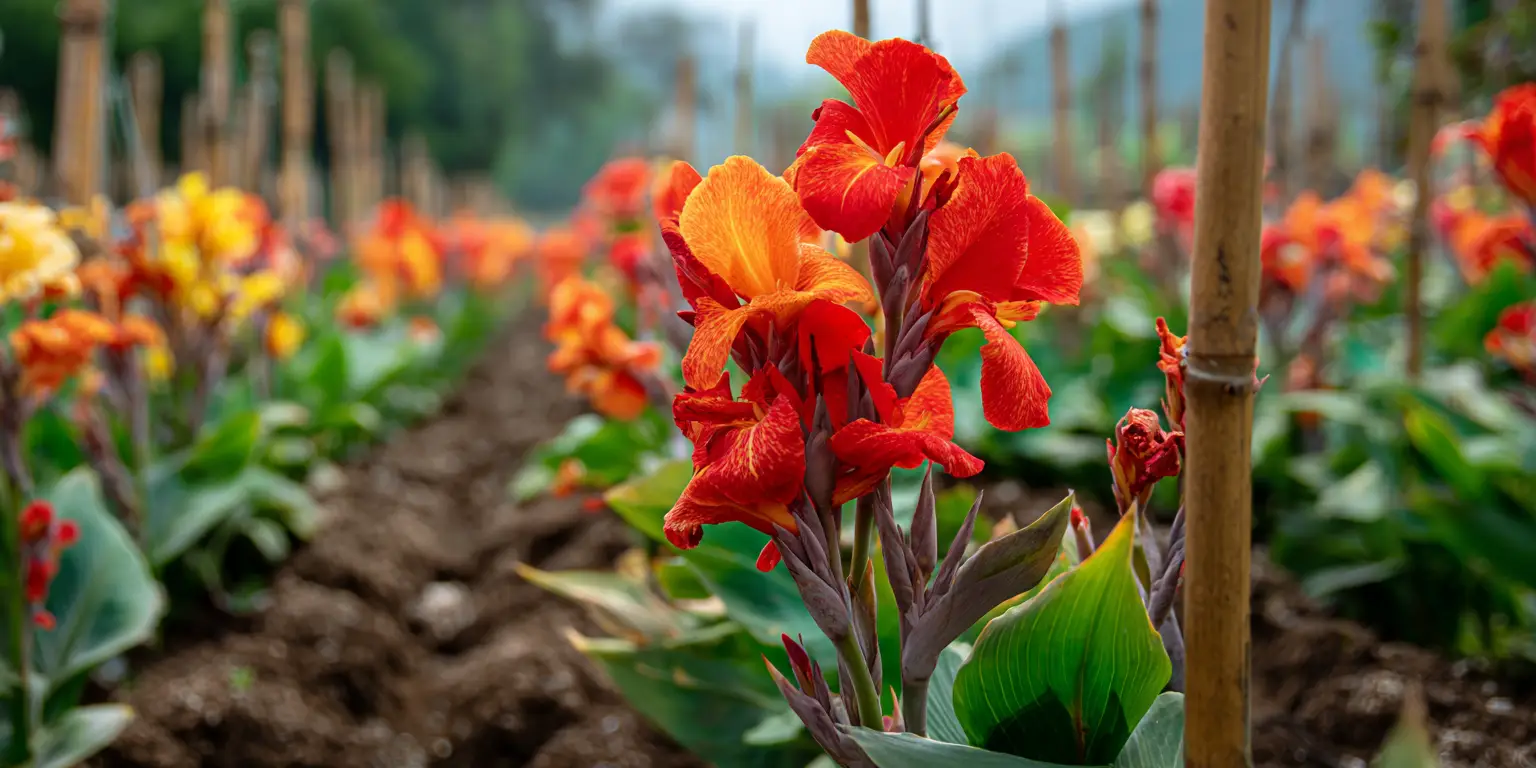
Canna lilies vary in size depending on the variety. Dwarf cultivars may reach only about 1 to 3 feet tall (30 to 90 cm), while standard varieties commonly grow 4 to 6 feet (1.2 to 1.8 m) in height. Some giant types can even approach 8 to 10 feet (2.4 to 3 m) under ideal conditions, towering over many other perennials. The large, banana-like leaves contribute to a substantial presence. A single leaf can be over a foot long. In terms of spread, cannas grow from rhizomes that gradually multiply into clumps. A healthy clump can spread 2 to 4 feet (60 to 120 cm) wide over time if not divided. Gardeners typically plant rhizomes about 1 to 2 feet (30 to 60 cm) apart to allow enough room for their foliage to unfurl without crowding. Though they grow tall, canna lilies have an upright habit, so they don’t sprawl far beyond where their rhizomes are planted, making it easier to predict their footprint in a garden bed.
☀️ Light
Full sun is ideal for canna lilies to achieve their best growth and flowering. These plants originate from tropical regions, so they are adapted to intense sunlight. Aim to provide at least 6 to 8 hours of direct sun per day for abundant blooms and sturdy foliage. In less light, such as partial shade, cannas will still grow but may become taller and leaner as they stretch for sun, and flowering could be reduced. They can tolerate some light shade, especially in very hot climates during the peak afternoon heat, but too much shade will result in fewer flowers. Gardeners often place canna lilies in open, south-facing spots where they can soak up maximum rays. In summary, lighter generally means a more prolific and robust canna lily display.
💧 Water
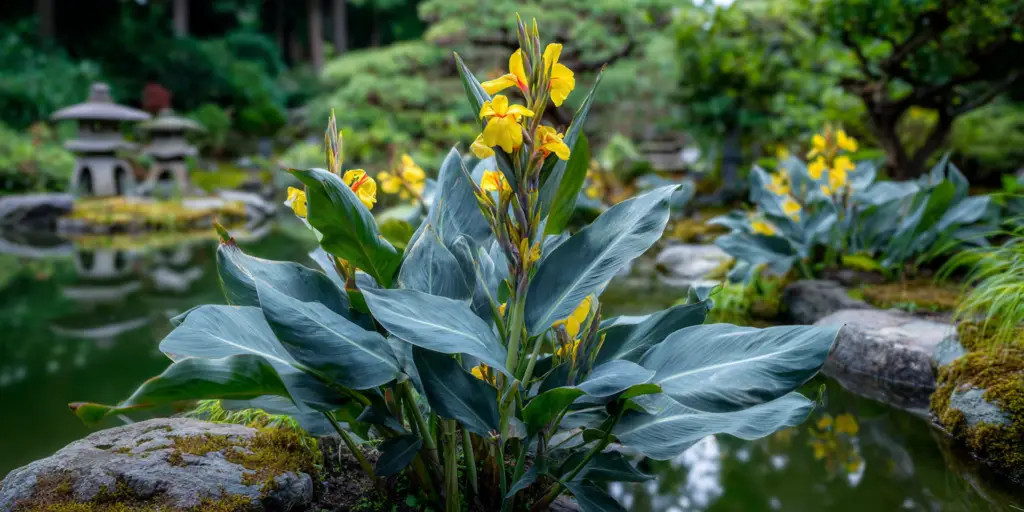
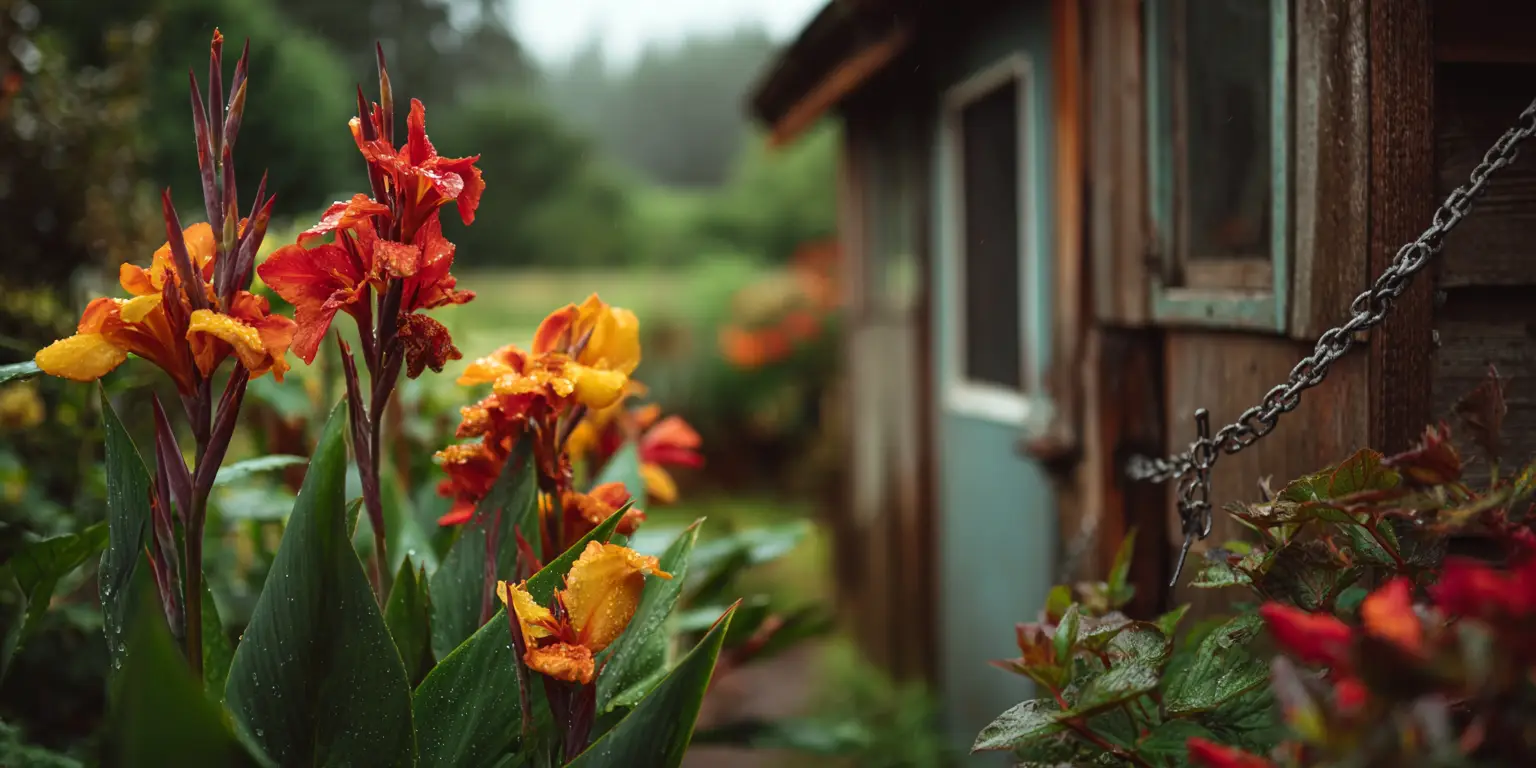
Canna lilies have relatively high watering needs, thriving in soil that is kept consistently moist. During the active growing and blooming season, regular watering is important to support their large leaves and continuous flower production. These plants do not handle drought well: dry conditions can lead to scorched leaf edges and fewer blooms. In fact, cannas are often found in rain gardens or at pond edges because they can tolerate wetter soils better than many other ornamentals. Some varieties will even grow in shallow water if given the chance. While cannas enjoy moisture, it’s still essential that their soil drains reasonably well to prevent the rhizomes from rotting, especially in cooler weather. Water deeply whenever the top inch of soil begins to dry out. In containers, they may need daily watering in hot weather. As fall arrives and growth slows, you can reduce watering, especially if preparing to lift the rhizomes for winter storage.
🌍 Soil and pH
Canna lilies thrive in rich, well-draining soil with plenty of organic matter. A loose, loamy soil helps their rhizomes expand and roots breathe, while also retaining the moisture they love. In terms of soil chemistry, cannas prefer a slightly acidic to neutral pH. An optimal range is around 6.0 to 6.5, but they can generally tolerate soils a bit outside this range. Unlike specialized acid-loving plants such as hydrangea macrophylla or camellia that require very low pH to absorb nutrients properly, canna lilies are fairly adaptable. They will grow in soils from slightly acidic to slightly alkaline as long as other conditions are favorable. If your garden soil is extremely acidic (well below pH 6), adding a bit of lime can raise the pH closer to neutral for cannas. Conversely, if the soil is too alkaline, working in compost or peat moss can help moderate it. The key is providing fertile, nutrient-rich ground. Cannas are heavy feeders and respond well to an annual addition of compost or a balanced fertilizer for robust growth and flowering.
❄️ USDA hardiness
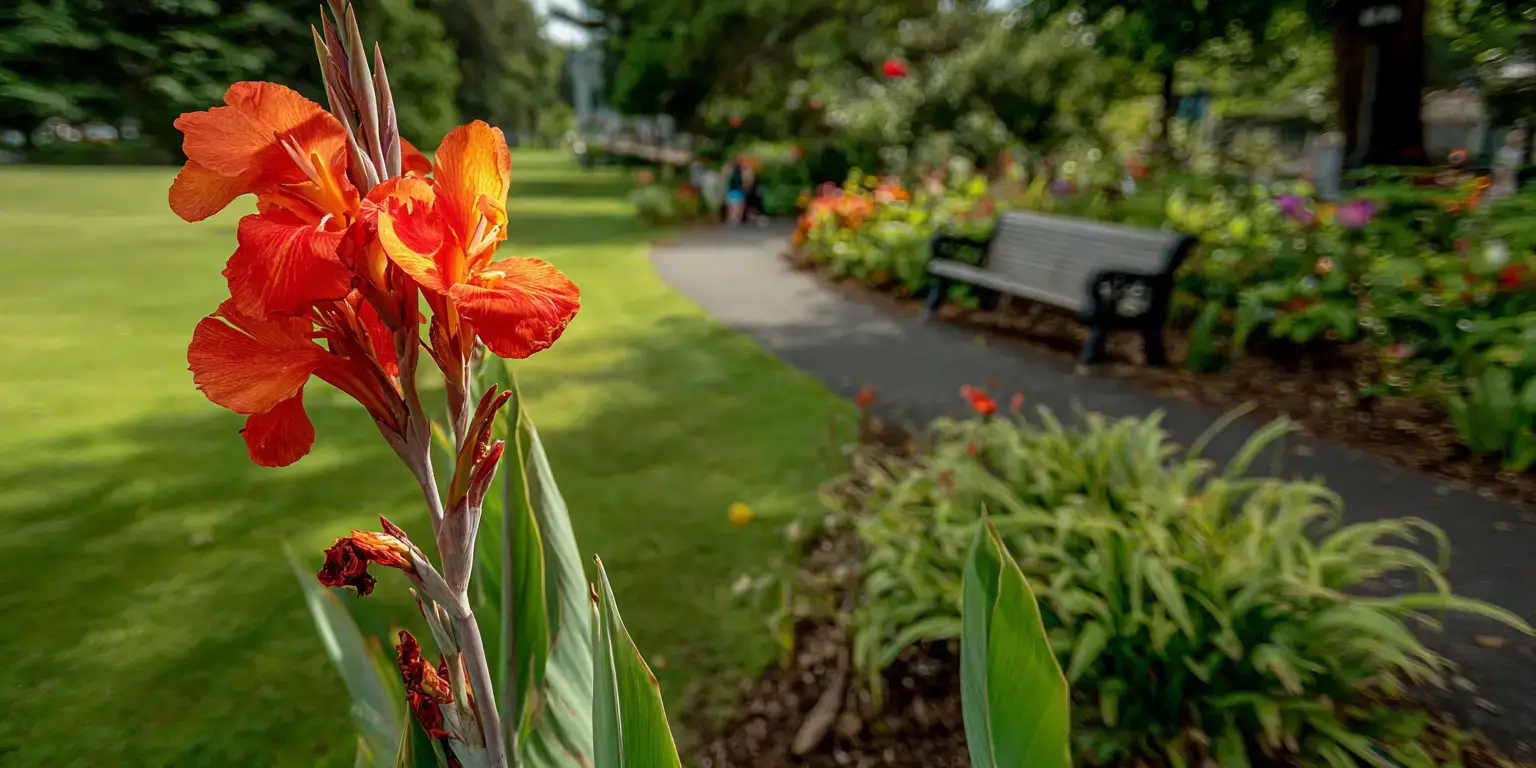
Canna lilies are tropical perennials, which means they thrive in warm climates and cannot tolerate freezing temperatures for long. Generally, they are winter-hardy in USDA Zones 8 through 11. In those warm regions, gardeners can leave the rhizomes in the ground over winter, and the plants will resprout the next growing season. In borderline areas such as Zone 7, a mild winter or heavy mulch might allow cannas to survive, but it isn’t guaranteed. In colder zones (6 and below), canna lilies are typically treated as annuals, or the rhizomes are dug up in fall for storage and replanted in spring once warm weather returns. Unlike hardy spring bulbs such as tulips that can overwinter in frozen ground, canna rhizomes will rot or die if subjected to hard freezes. Therefore, in regions with cold winters, it’s necessary to lift the rhizomes after the first frost kills back the foliage. Store them in a cool, dry place indoors until planting time the following spring. Gardeners in warm climates, by contrast, can enjoy their canna lily clumps getting larger and more vigorous each year without the extra work of annual digging.
🌼 Propagation and longevity
Canna lilies are easy to propagate, mainly through division of their rhizomes. Each year, a healthy canna will produce new rhizome offshoots that can be separated from the parent clump. To propagate, gardeners typically dig up the rhizomes in late winter or early spring (or after the foliage has died back in fall if lifting for storage). The rhizomes can be cut or broken into sections, making sure each piece has at least one good “eye” or growing bud. These divisions can then be replanted to start new plants. Canna can also be grown from seeds, although this method is less common for hybrids since seed-grown plants may not resemble the parent. The seeds, known as Indian shot, have a very hard coat and may need to be scarified (nicked or filed) to improve germination. Starting cannas from seed can take longer to reach blooming size (often a year or more), so most gardeners prefer the quicker and more reliable rhizome division.
In terms of longevity, canna lilies are perennials that can live and multiply for many years with proper care. In warm climates where they remain in the ground, a clump of cannas can persist indefinitely, expanding gradually as new shoots emerge each season. In colder regions, as long as the rhizomes are dug up and stored through winter, the same stock can be replanted year after year. Gardeners often save their favorite cultivars this way for decades. It’s a good practice to divide and rejuvenate canna clumps every few years. Overcrowded rhizomes can lead to decreased vigor and flowering. By splitting them apart and replanting the healthiest sections, you effectively keep the population young and vigorous. With disease-free stock and attentive care, there is really no set lifespan for a canna lily – it will continue to thrive and multiply, making a long-term feature in the garden.
👃 Fragrance
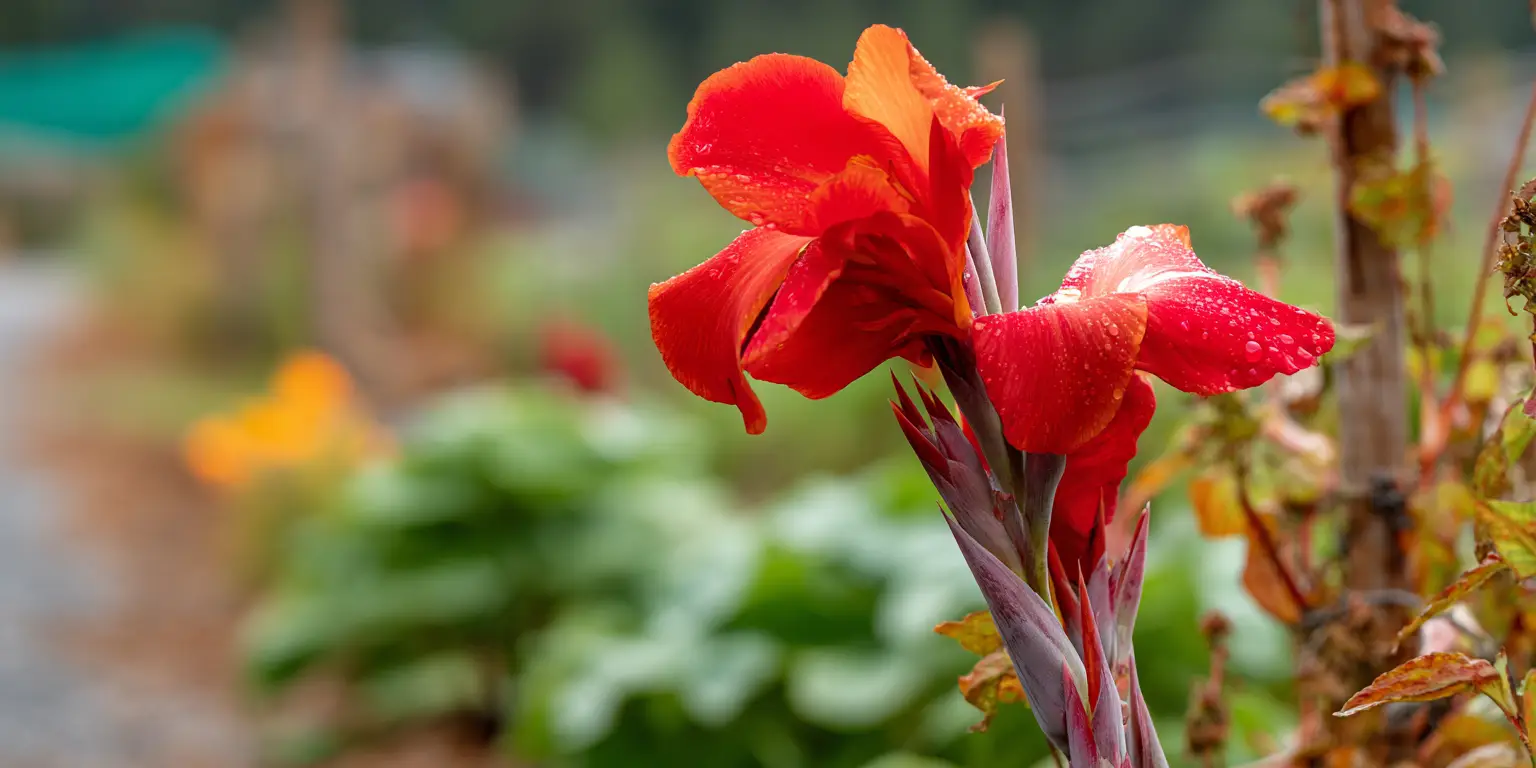
Unlike many popular garden flowers, canna lily blooms are not known for their fragrance. In fact, most cannas have little to no detectable scent. Gardeners grow them primarily for the vivid colors and tropical foliage rather than perfume. This contrasts with flowers such as roses or lilacs, which are cherished largely for their aromatic blossoms. If a sweet scent is a priority in the garden, cannas can be paired with other fragrant plants to compensate. The lack of fragrance in cannas is partly due to their pollination strategy – they tend to attract hummingbirds and butterflies with bright colors and nectar, so a strong smell isn’t necessary. There are a few uncommon species (for example, one or two wild types) reported to have a slight scent, but generally don’t expect noticeable fragrance from a canna lily. Instead, enjoy them for the splash of color and tropical texture they contribute to the landscape.
⚠️ Toxicity and pet safety
Gardeners with pets or children can rest easy with canna lilies – these plants are considered non-toxic. According to the ASPCA, canna lilies are not poisonous to dogs, cats, or horses, making them a pet-friendly choice for the home landscape. This is a noteworthy advantage, as many other ornamental bulbs and lilies can be hazardous if ingested. (It’s important to note that the canna lily is not a true lily at all. For example, the similarly named calla lily contains compounds that can irritate pets, but the canna lily does not.) In fact, canna rhizomes have even been used as a food source in some cultures once cooked, sometimes referred to as arrowroot. Of course, it’s still wise to discourage any pet from chewing on garden plants, as ingesting large quantities of any fibrous material could cause mild stomach upset. Overall, you can feel confident planting canna lilies in a family- and pet-friendly garden without fear of toxicity.
🌿 Vase life
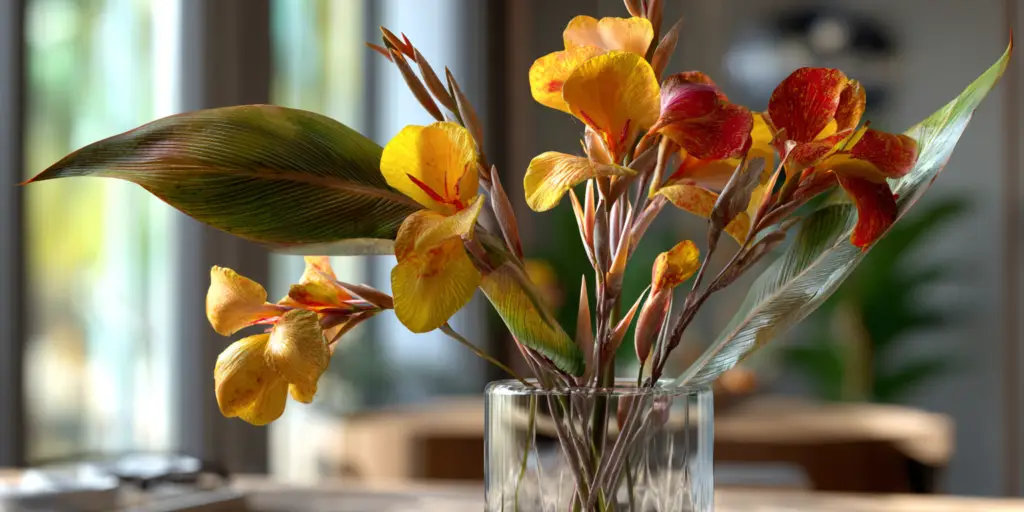
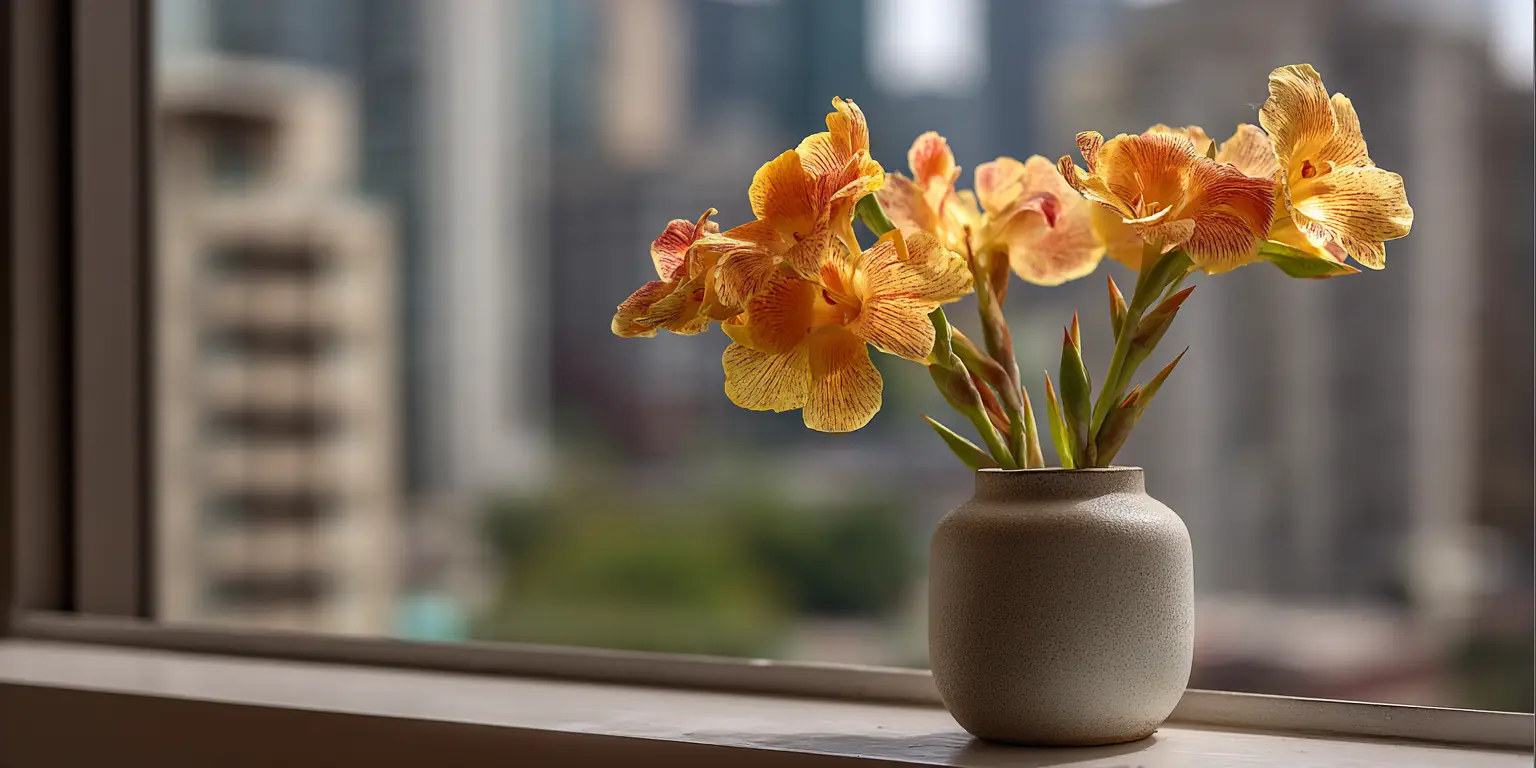
Canna lilies can be used as cut flowers, but their vase life is relatively short. When cut, a canna flower spike may last around 3 to 5 days in an arrangement, and individual blooms on the spike often only stay fresh for a day or two. One way to get the most out of cannas in a vase is to cut the stem when the first bud is just opening. This way, additional buds on the stem will continue to open sequentially, providing a few days of color. Even with this staggered blooming, canna lily cut flowers are not as long-lasting as some classic bouquet flowers. Their delicate, tropical petals can bruise easily, so handle them gently and use clean water with floral preservative to slightly extend their freshness. Interestingly, the broad canna leaves can also be cut and used as dramatic greenery in large arrangements, often outlasting the flowers themselves. Overall, expect only a brief display from canna blooms in a vase, making them best for short-term occasions or immediate enjoyment.
🐛 Pests and diseases
Canna lilies are generally robust, but they do have a few pests that gardeners should watch for. One notable pest is the canna leaf roller – the larva of certain moths or butterflies (such as the Brazilian skipper) that will roll and chew up the leaves from the inside, creating unsightly folded leaves. Regular inspection and removing or treating infested leaves can control this. Other common pests include aphids, which cluster on new growth and flower buds to suck sap, and Japanese beetles that may chew on the foliage or blossoms. Slugs and snails might also take bites out of the large leaves, especially in damp conditions. In most cases, hand-picking pests, using organic insecticidal soap for soft-bodied insects like aphids, or applying appropriate biological controls (for example, Bacillus thuringiensis for caterpillars) can keep infestations in check. On the plus side, canna lilies are not particularly attractive to deer – they are often considered deer resistant, meaning deer will usually pass them by unless food is scarce.
In terms of diseases, cannas can occasionally suffer from fungal or bacterial issues, especially in humid or wet conditions. Canna rust is a fungal disease that causes orange powdery spots on the leaves, eventually leading to leaf yellowing. Another issue is bacterial leaf spot (sometimes called canna blight), which creates dark, water-soaked patches on foliage and can deform new shoots or flower buds. Botrytis blight may attack fading flowers or foliage, appearing as gray mold in cool, wet weather. Additionally, cannas are susceptible to certain plant viruses (often spread by aphids or from infected stock) that cause streaked or mottled leaves and stunted growth. Unfortunately, viral diseases have no cure except to remove and destroy the affected plant to prevent spread. To minimize disease problems, plant cannas in well-drained soil, avoid overhead watering (which can spread spores and keep leaves wet), and provide good spacing for air circulation. Removing and disposing of any diseased foliage promptly is important. With proper cultural care and attention, most canna lily plants stay healthy and reward the gardener with their showy growth.
FAQ
Are canna lilies perennials or annuals?
Canna lilies are perennials in warm climates and are grown as annuals in colder climates. Botanically, they are tropical perennials that can live for many years in the right conditions (generally USDA Zone 7 or 8 and warmer). In those zones, the rhizomes survive underground over winter and resprout in spring. In colder regions, however, the freezing temperatures will kill the rhizomes if left in the ground. Gardeners in such climates often treat cannas as annuals by planting new rhizomes each spring and then digging them up in fall to store indoors. If you save the rhizomes over winter and replant them the next year, you’re effectively keeping them as perennials – just with a little extra effort to protect them from the cold.
How do I overwinter canna lily bulbs?
To overwinter canna lily rhizomes (often called bulbs), you should lift them from the ground after the first frost has caused the foliage to die back. Gently dig up the clump, shake off or rinse away excess soil, and let the rhizomes dry for a day or two in a cool, dry spot. Once they’ve dried slightly, trim off the remaining foliage. Store the rhizomes in a breathable container (such as a cardboard box or paper bag) filled with peat moss, wood shavings, or dry sand to keep them from desiccating. The ideal storage temperature is around 40 to 50°F (4 to 10°C) – somewhere like a basement, garage, or cold cellar that stays above freezing but not too warm. Check on them occasionally to make sure none are rotting or completely drying out. Come spring, after the last frost, you can replant the rhizomes outdoors and the canna lilies will grow again.
Can I grow canna lilies in pots or containers?
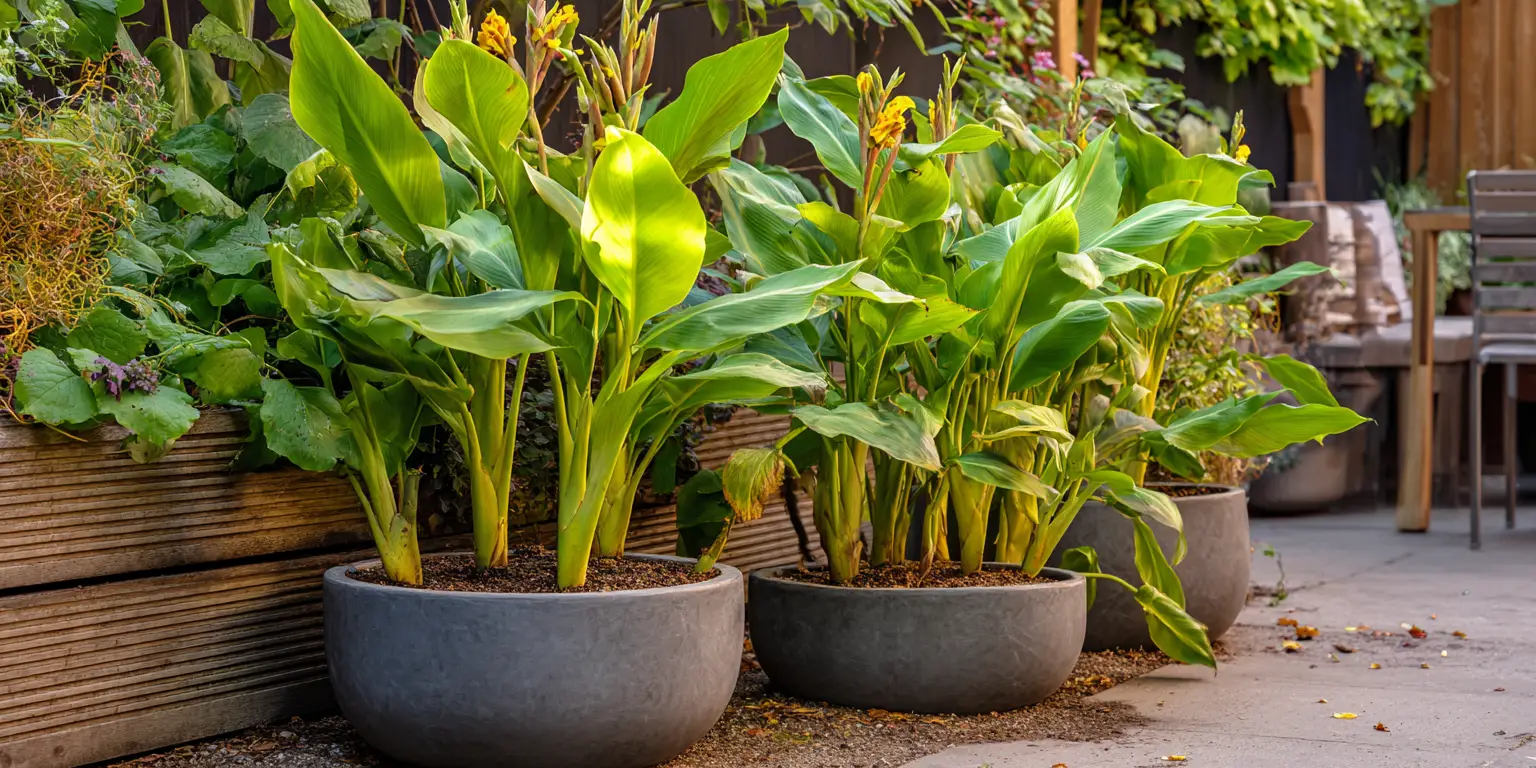
Yes, canna lilies can be grown successfully in pots and containers. Because they have a substantial root system and can grow tall, choose a large pot (at least 12 to 18 inches in diameter and depth) to give the rhizome ample space. Use a rich, well-draining potting mix and plant the rhizome a few inches deep. Place the container in full sun and keep the soil consistently moist – container-grown cannas may need frequent watering, as pots can dry out faster than garden beds. Regular feeding is also important. Use a balanced liquid fertilizer every few weeks during the growing season to support their vigorous growth and blooming. In cold climates, you can simply move the pots indoors or to a sheltered area after the growing season, letting the foliage die back and storing the whole pot in a cool spot until the next spring. Growing in containers is a great way to enjoy the tropical look of cannas on patios or decks, and it also makes overwintering easier in chilly regions.
Why are my canna lilies not blooming?
If your canna lilies have healthy green leaves but no blooms, a few factors could be at play. The most common issue is insufficient light – cannas need plenty of sun (ideally 6+ hours a day) to produce flowers. If they are in too much shade, they may grow foliage but fail to bloom. Another factor is nutrition. Cannas are heavy feeders and may not bloom well if the soil is poor in nutrients. Make sure you’re providing enough fertilizer or compost throughout the growing season, but avoid excessive nitrogen which can encourage leaves at the expense of flowers. Overcrowding can also be a problem – if rhizomes are packed too tightly (either in the ground or a pot), the plants might need dividing to restore their vigor. Finally, temperature and season matter: cannas only start blooming once the weather is warm enough. A cool summer or a very late start (like planting rhizomes in mid-summer) might delay or reduce flowering. By addressing these issues – more sun, proper feeding, spacing, and patience for warm weather – you can usually get your cannas to bloom beautifully.
Do canna lilies attract hummingbirds or pollinators?
Yes, canna lilies are known to attract hummingbirds and other pollinators. Their bright red, orange, or yellow flowers and tubular shape make them particularly appealing to hummingbirds seeking nectar. Gardeners often notice hummingbirds hovering around canna blooms in the summer, especially red varieties which these birds seem to favor. Butterflies may also visit the flowers, although hummingbirds are the most common pollinator for cannas. While the flowers don’t have fragrance, they produce nectar that draws these visitors. Planting canna lilies can thus add not only visual tropical beauty to your garden but also the lively activity of hummingbirds darting around. Just be sure to provide a consistent water source and other pollinator-friendly plants nearby to create an inviting habitat. In summary, cannas are a great choice if you want to support pollinators, and they can be a highlight in any hummingbird garden.
What is the difference between a canna lily and a calla lily?
Canna lilies and calla lilies are often confused due to their similar names, but they are very different plants. A canna lily (genus Canna) is a tropical flowering plant with large banana-like leaves and vibrant blooms that sit atop tall stalks. It grows from rhizomes and is related to gingers and bananas. In contrast, a calla lily (genus Zantedeschia) is actually not a true lily either, but it is a different type of plant native to Africa, with arrowhead-shaped leaves and a distinctive trumpet-like flower (spathe) usually white or colorful with a yellow spadix in the center. Calla lilies grow from bulb-like rhizomes but prefer cooler, moist conditions and are often used as houseplants or pond margin plants. Another key difference is toxicity: calla lilies are poisonous to pets and humans if ingested, due to calcium oxalate crystals, whereas canna lilies are non-toxic. Visually, the two are quite distinct once you know them: cannas have large colorful petals and a tropical foliage presence, while callas have a more refined, vase-like flower form. Both are beautiful in their own right, but they require slightly different care and growing conditions.
Should I deadhead my canna lilies?
Deadheading – the practice of removing spent flowers – is beneficial for canna lilies. While cannas will often continue blooming on their own as new buds open along the flower spike, snipping off the faded blooms can improve the plant’s appearance and may help redirect energy to new buds. To deadhead, you can cut off the flower stalk just above the next set of buds or down to where it meets the main stem once all buds on that stalk have bloomed and finished. This tidying up prevents the plant from putting effort into seed production and can encourage a longer bloom season. Deadheading is not strictly required for cannas to rebloom (since many cultivars will flower continuously regardless), but it keeps the plant looking neat and can subtly promote more vigorous blooming. Always use clean pruning shears and make a clean cut to avoid any damage or disease entry.
Do canna lilies spread or become invasive?
Canna lilies do spread over time, but they are not generally considered invasive. Each year, a healthy canna will produce additional rhizomes, causing the clump to expand gradually outward. In a garden bed, you might notice the patch getting larger each season. However, cannas lack aggressive runners or self-seeding mechanisms that truly invasive plants have. They stay in the area where they’re planted and are quite easy to control by digging up excess rhizomes if they grow beyond the space you want. In some warm regions or wet habitats, cannas that escape cultivation could potentially naturalize, but this is not common in most gardens. You won’t find them overtaking your yard like some invasive species do. With routine maintenance (like dividing overcrowded clumps every few years), the canna lily will remain a well-behaved, striking feature without becoming a nuisance.
Interesting tips
- Start cannas early in pots: In cooler climates, consider potting up canna rhizomes indoors a few weeks before the last frost. Giving them a head start in warmth will result in earlier blooms once you move them outside.
- Plant after soil warms: Wait until the soil temperature is reliably above about 60°F (15°C) before planting cannas outdoors. They are sensitive to cold, and planting too early in chilly soil can stunt their initial growth.
- Feed for more flowers: Canna lilies are heavy feeders. Apply a balanced slow-release fertilizer in spring and supplement with liquid feed during summer. Well-fed cannas produce larger leaves and more numerous flower spikes.
- Water deeply and mulch: Keep cannas consistently moist by watering deeply. Adding a layer of organic mulch around the plants helps retain soil moisture and keeps the roots cool, which cannas appreciate during hot spells.
- Watch for leaf rollers: If you notice leaves that are rolled up and chewed, you likely have canna leaf rollers. Unfurl the leaves and remove any caterpillars you find. Treating with an organic caterpillar control early can prevent extensive damage.
- Dig and divide clumps: Every few years, dig up and divide crowded canna clumps to rejuvenate them. This not only creates new plants to spread around the garden, but also encourages stronger flowering in the remaining rhizomes.
Related Guides & Flowers
- Alstroemeria
Lily like blooms with a bold, tropical feel for borders and cutting gardens. - Crocosmia
Arching flower spikes in hot colors that pair well with canna foliage and height. - Scarlet Sage
Bright red spikes that echo canna color and keep the same summer energy in beds. - Lantana
Heat loving color clusters that complement cannas in sunny, drought prone landscapes. - Hibiscus
Big tropical style blooms that match cannas for a lush, resort look. - Amaryllis
Bold blooms and a bulb style growth habit that fits the same dramatic planting style. - Anthurium
Glossy, exotic flowers for containers and indoor tropical decor that still feels canna adjacent. - Bird of Paradise
Statement tropical structure and color, great for the same modern, high impact garden vibe.
References
- Calla and canna lilies
Practical planting depth, spacing, sun needs, and bloom season notes for cannas. - Canna
Clear care guidance on rich, moist soil, sun exposure, and general growth habit. - Cannas Can Take the Heat
Extension tips on site selection, moisture, and growing cannas in beds or pots. - Canna Lily toxicity
Pet safety reference noting canna lily as non toxic to cats, dogs, and horses.
Written by: Your Flowers Guide editorial team
We are a small independent group of flower lovers who research and review each guide using trusted horticultural and educational sources. Learn more about us