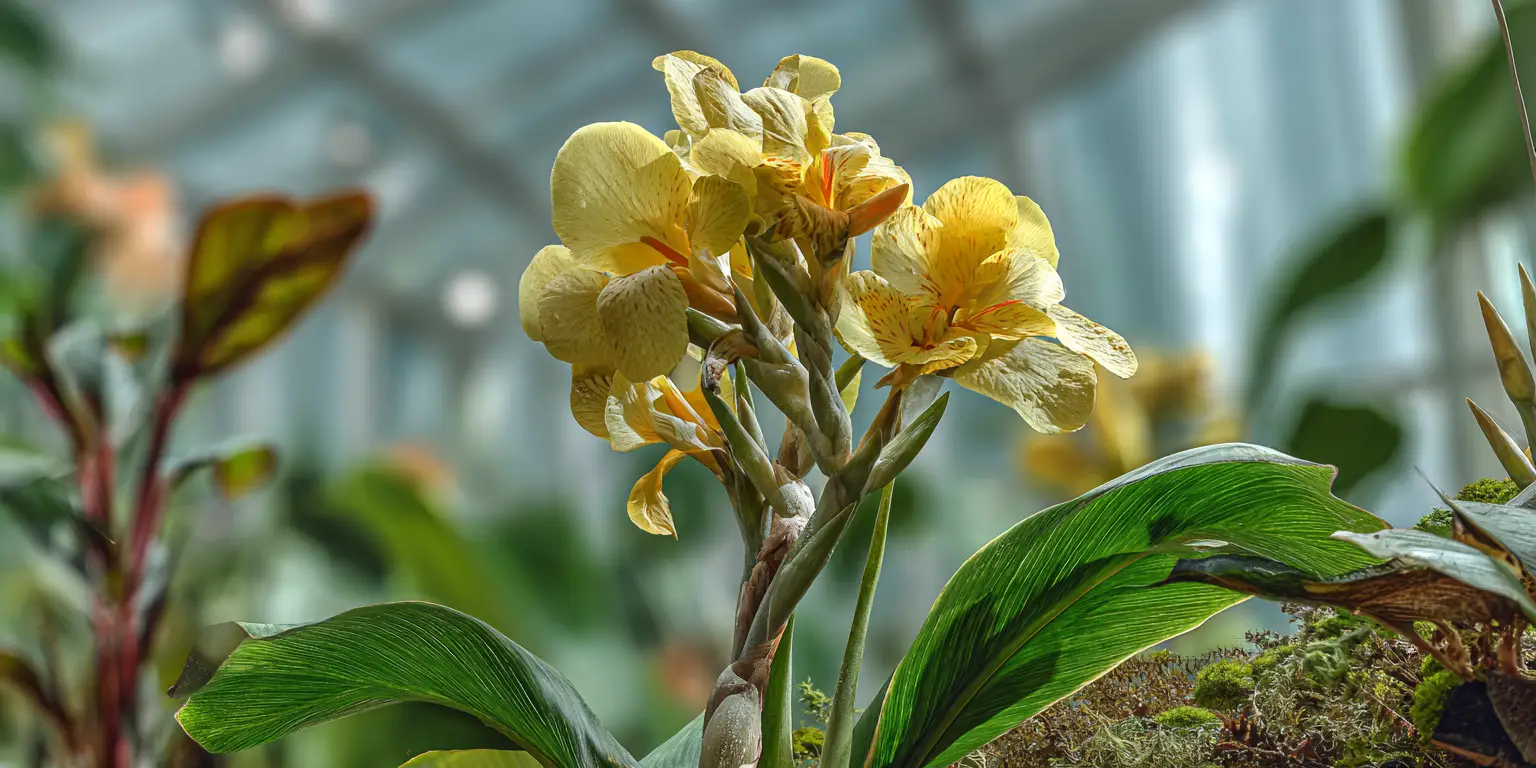
in bloom
now
through Oct
Bloom calendar
Canna flaccida
Species
At‑a‑glance
- Group/Class: Species
- Height × spread: 3 to 5 ft (0.9 to 1.5 m) × 1 to 1.5 ft (0.3 to 0.45 m)
- Bloom window: late spring to summer (varies by climate)
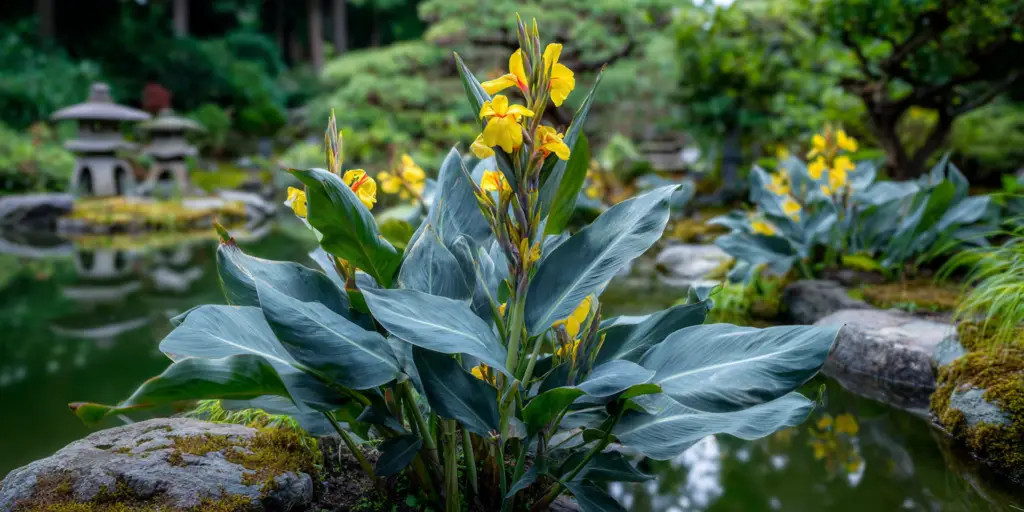
- Color & flower form: bright yellow; open, irregular flowers
- Fragrance: 0 none
- USDA hardiness: zones 8 to 10; grown as annual or lifted in colder regions
- Breeder / Year / Origin: unknown
- Pet safety: safe
How it differs
- Native wetland species adapted to saturated soils and shallow water.
- Yellow flowers distinguish it from many hybrid cannas.
- Leaves are thick and upright with a narrower profile.
Strengths
- Native option for wetland and rain-garden designs.
- Supports butterflies and the Brazilian skipper larvae.
- Tolerates periodic flooding.
Care in one minute
rain gardens, pond margins, native plantings, pollinators
Watch‑outs
- Not tolerant of prolonged hard freezes; protect or lift rhizomes.
- Leafrollers and canna viruses can reduce vigor.
- Plants decline if soil dries for extended periods.
Best uses (tags)
Site: full sun to light shade with constant moisture.
Soil: sand, loam, or clay with organic matter; acid to neutral pH.
Water: keep evenly moist; shallow submersion okay.
Feed: light, balanced fertilizer in spring; compost mulch.
Overwinter: in zones 7 or colder, lift and store rhizomes at 45 to 50°F.
Provenance note
Native to the Southeastern United States and widely used in Florida landscapes.
References
- UF/IFAS EDIS: Golden canna (Canna flaccida)
- NC State Extension: Canna flaccida
- USDA PLANTS: Canna flaccida
- ASPCA: Canna Lily y
Similar Flowers
Enjoying our flower guides? Add YourFlowersGuide as a preferred source on Google. It helps more readers find us.
Add to Preferred Sources