
in bloom
now
through Oct
Bloom calendar
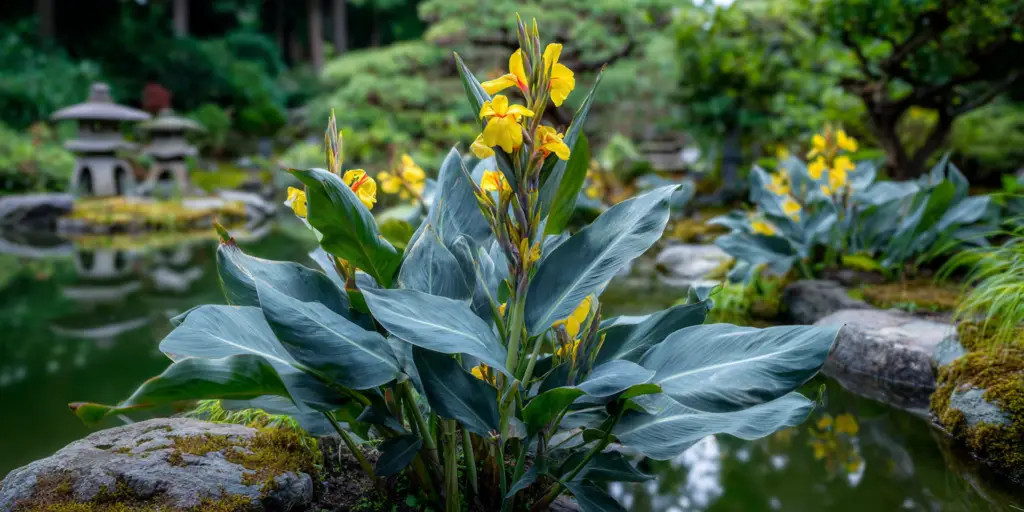
Canna glauca
Species (aquatic)
At‑a‑glance
- Group/Class: Species (aquatic)
- Height × spread: 4 to 6 ft (1.2 to 1.8 m) × 2 to 3 ft (0.6 to 0.9 m)
- Bloom window: summer to early fall
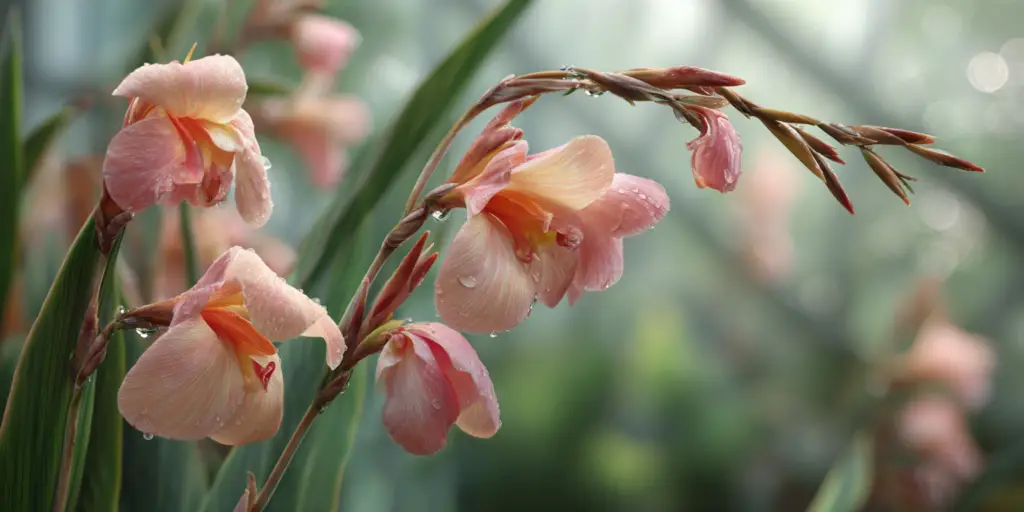
- Color & flower form: pale yellow; smaller open flowers
- Fragrance: 0 none
- USDA hardiness: zones 7 to 11; grown as annual or lifted in colder regions
- Breeder / Year / Origin: unknown
- Pet safety: safe
How it differs
- Tolerates shallow standing water up to about 6 inches in summer.
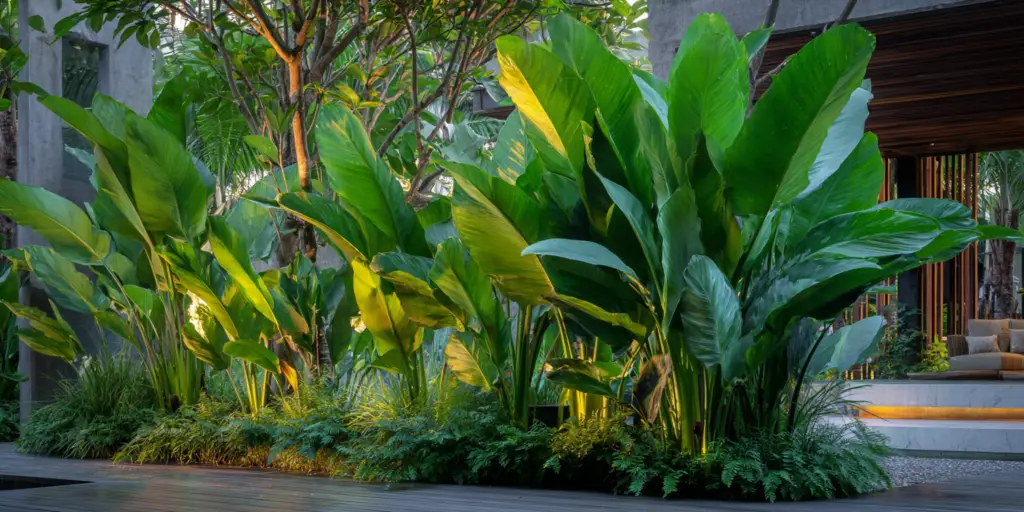
- Leaves are narrower and glaucous versus many hybrids.
- Flowers are smaller than typical hybrid cannas.
Strengths
- Suited to rain gardens and pond margins.
- Heat and humidity tolerant.
- Supports pollinators; host plant in the South.
Care in one minute
Site: full sun to light shade.
Soil: humus-rich loam; acid to neutral pH; keep oxygenated.
Water: keep constantly moist; submerge containers 0 to 6 inches in still water in summer.
Feed: slow-release fertilizer in spring; top-dress with compost mid-summer.
Overwinter: lift and store at 40 to 50°F in cold zones; cut back after frost in frost-free areas.
Watch‑outs
- Rhizomes may rot in stagnant, airless media.
- Leafrollers, slugs, and Japanese beetles can damage foliage.
- Divide clumps to manage spread in ideal conditions.
Best uses (tags)
Provenance note
Native from South Texas through the Caribbean and tropical America; widely cultivated.
References
- NC State Extension: Canna glauca
- Lady Bird Johnson Wildflower Center: Canna glauca
- Missouri Botanical Garden: Canna (aquatic group)
- ASPCA: Canna Lily
Similar Flowers
Enjoying our flower guides? Add YourFlowersGuide as a preferred source on Google. It helps more readers find us.
Add to Preferred Sources