The pairing · pick a flower
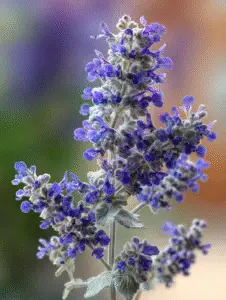 Catmint+
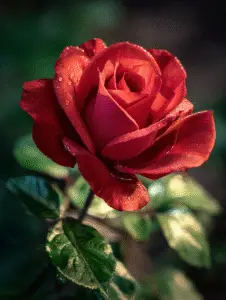 RosePartial
The classic pairing: catmint's low, sprawling mound covers a rose's bare lower canes and supplies the blue-violet tone roses lack, while both want full sun and sharp drainage.
Catmint+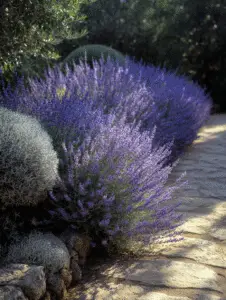 LavenderProven
Near-identical needs: both want full sun, sharp drainage, and lean feeding, so lavender's silvery mounds sit beside catmint without any watering or fertilizing conflict.
Catmint+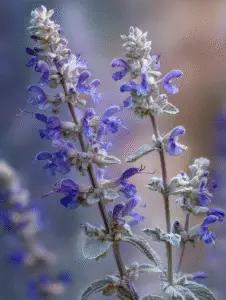 Russian sageProven
Full sun and well-drained soil are non-negotiable for both, and Russian sage's tall, see-through violet-blue haze extends the color after catmint's first flush fades.
Catmint+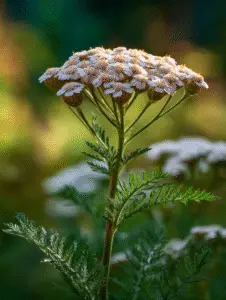 YarrowProven
Yarrow shares catmint's exact taste for poor, dry soil and full sun, and its flat pollinator-friendly flower heads read as a strong shape contrast to catmint's soft spikes.
Catmint+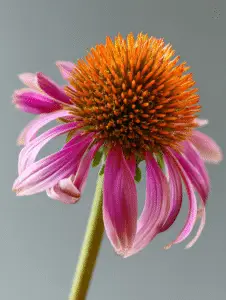 ConeflowerProven
Both plants are drought-tough once established and want the same full sun and neutral, well-drained soil, and coneflower's upright daisy form breaks up catmint's low, soft mound.
Catmint+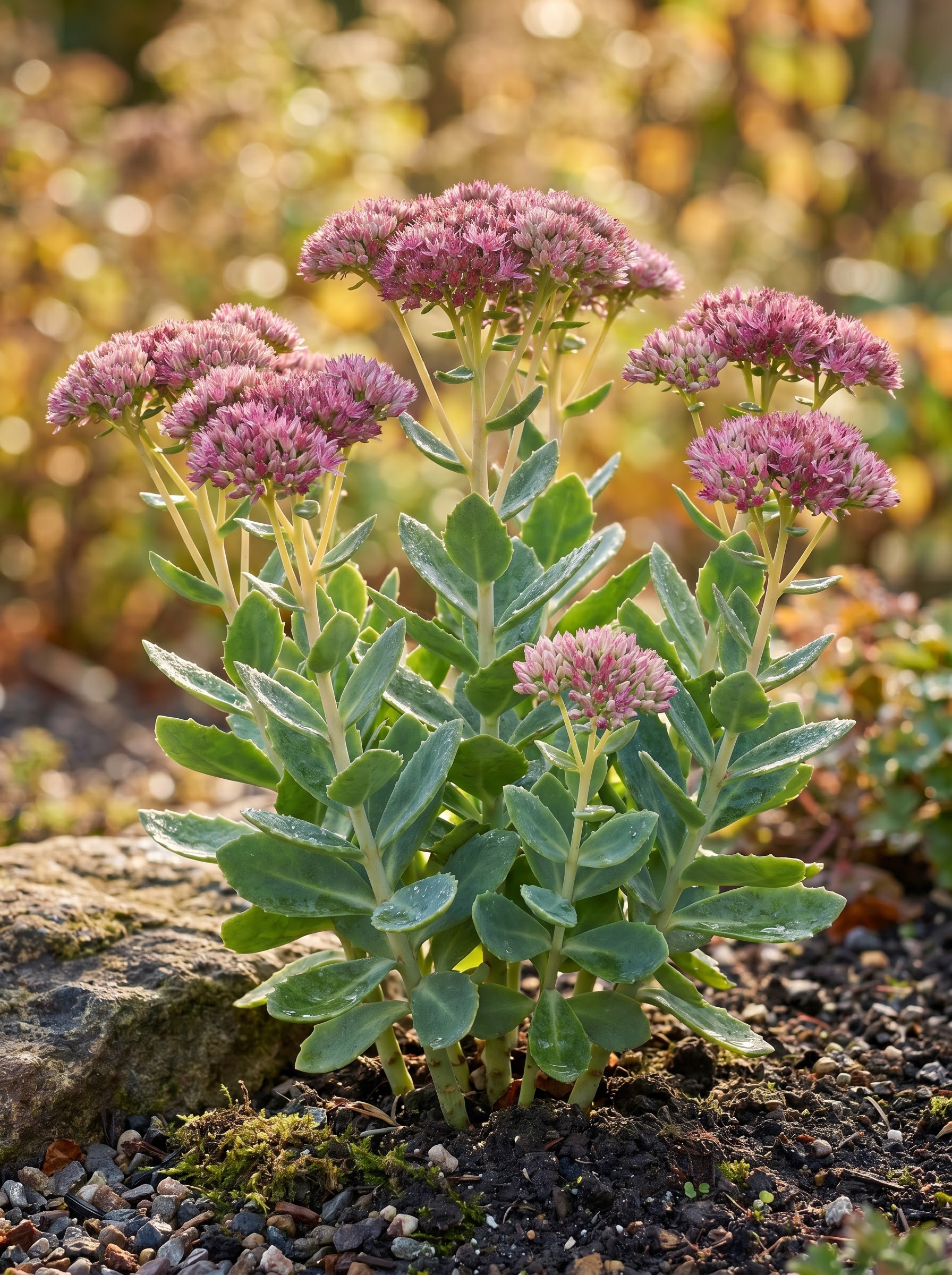 SedumProven
Sedum wants the same well-drained, average-to-low-fertility soil catmint does and actually suffers in rich, moist ground, so the two share a feeding and watering rhythm without conflict.
Catmint+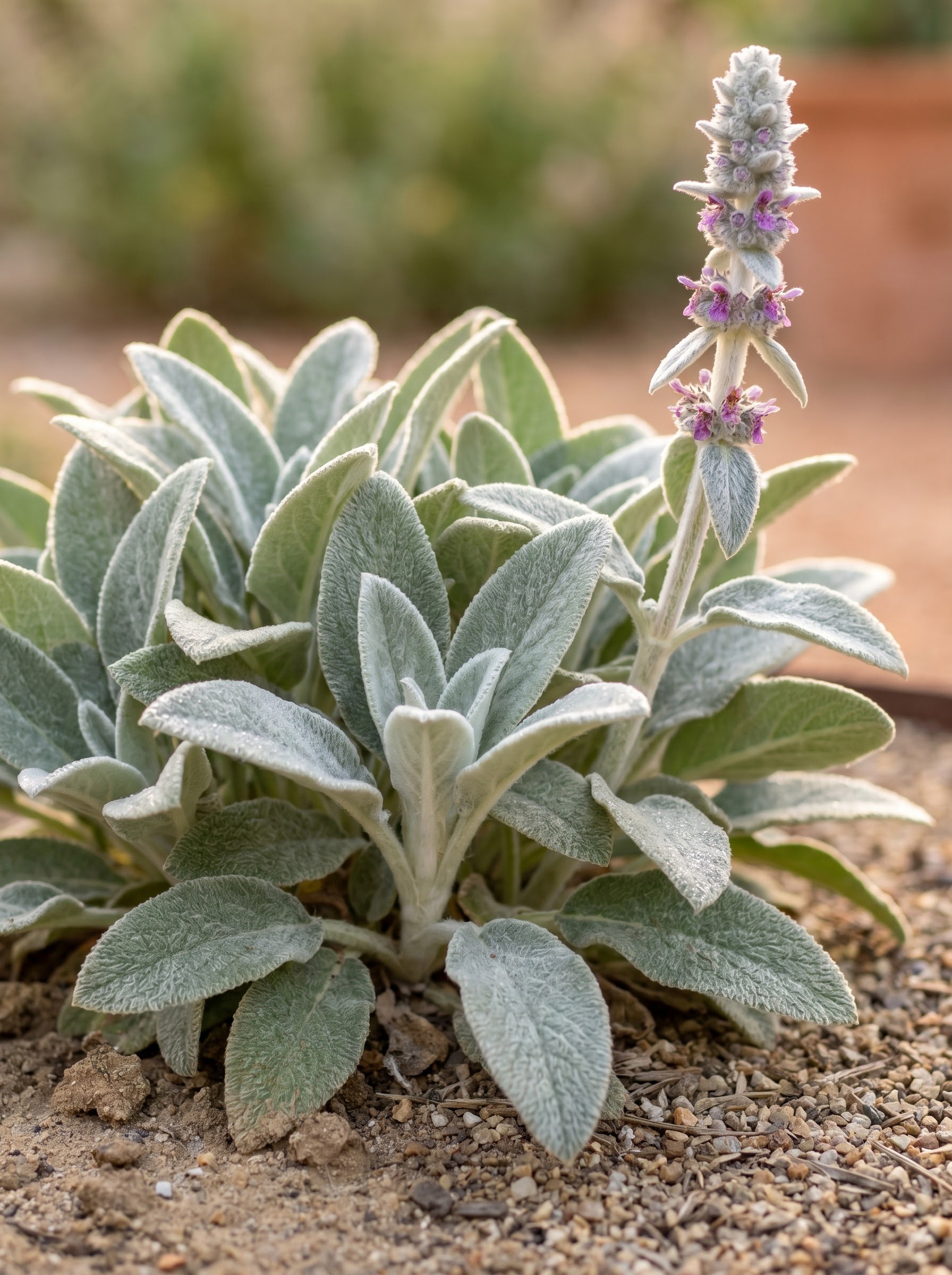 Lamb's earPartial
Both plants share full sun and sharp drainage, and lamb's ear's woolly silver foliage echoes catmint's own gray-green leaves while adding a soft, tactile edge to the border.
Catmint+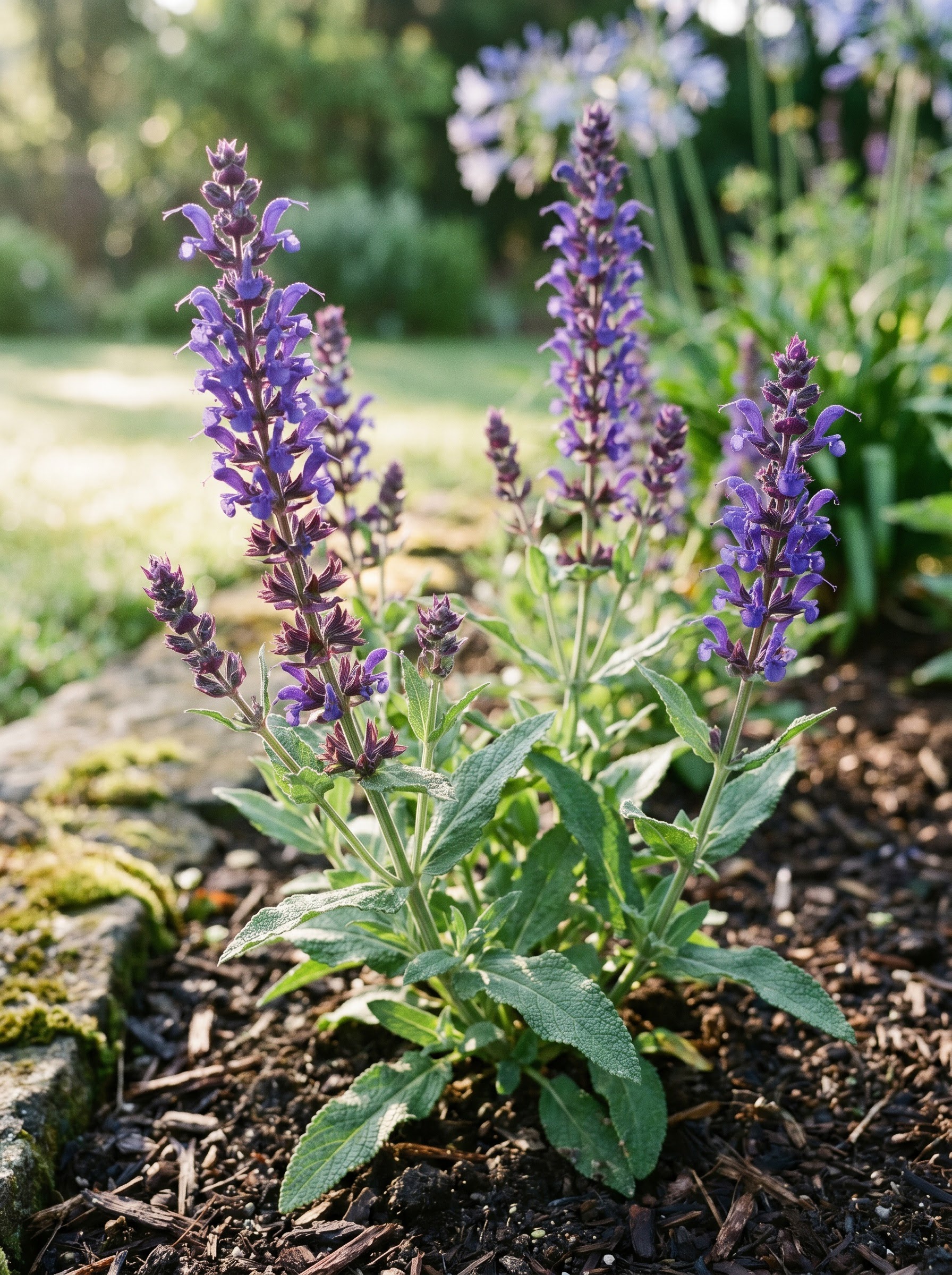 Salvia 'MayProven
Nearly identical needs to catmint, full sun and dry-to-medium, well-drained soil, and its dense violet spikes deepen the same blue-purple color family while adding upright structure.
Catmint+ Blue salviaPartial
Full sun and well-drained soil are the same non-negotiables here, and mealy sage's saturated blue spikes bloom from late spring into fall, well past catmint's own season.
Catmint+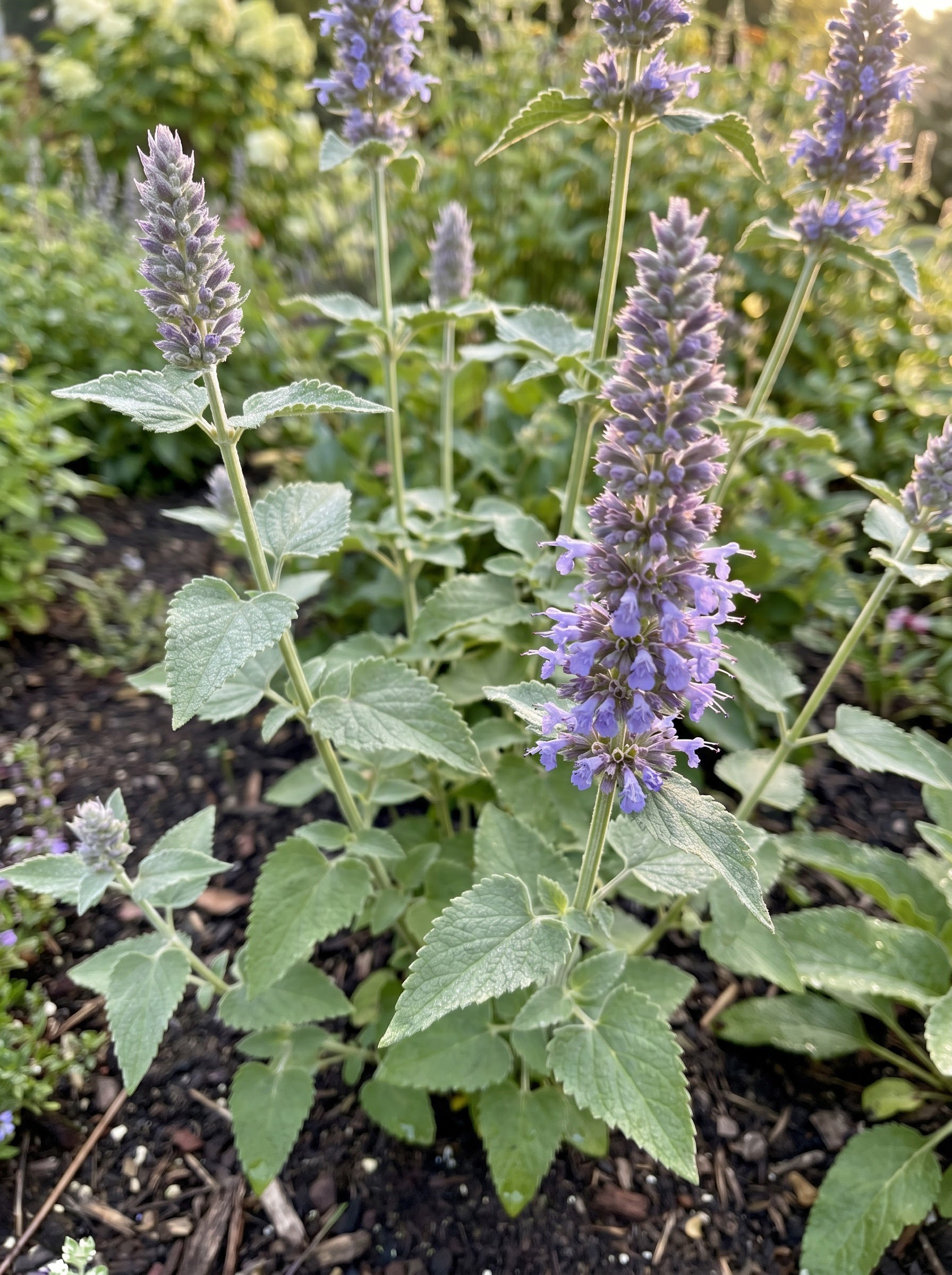 AgastacheProven
Despite the name, agastache is not an aggressive spreader and wants the same lean, well-drained soil and full sun catmint does, adding upright spikes and strong hummingbird and bee traffic.
Catmint+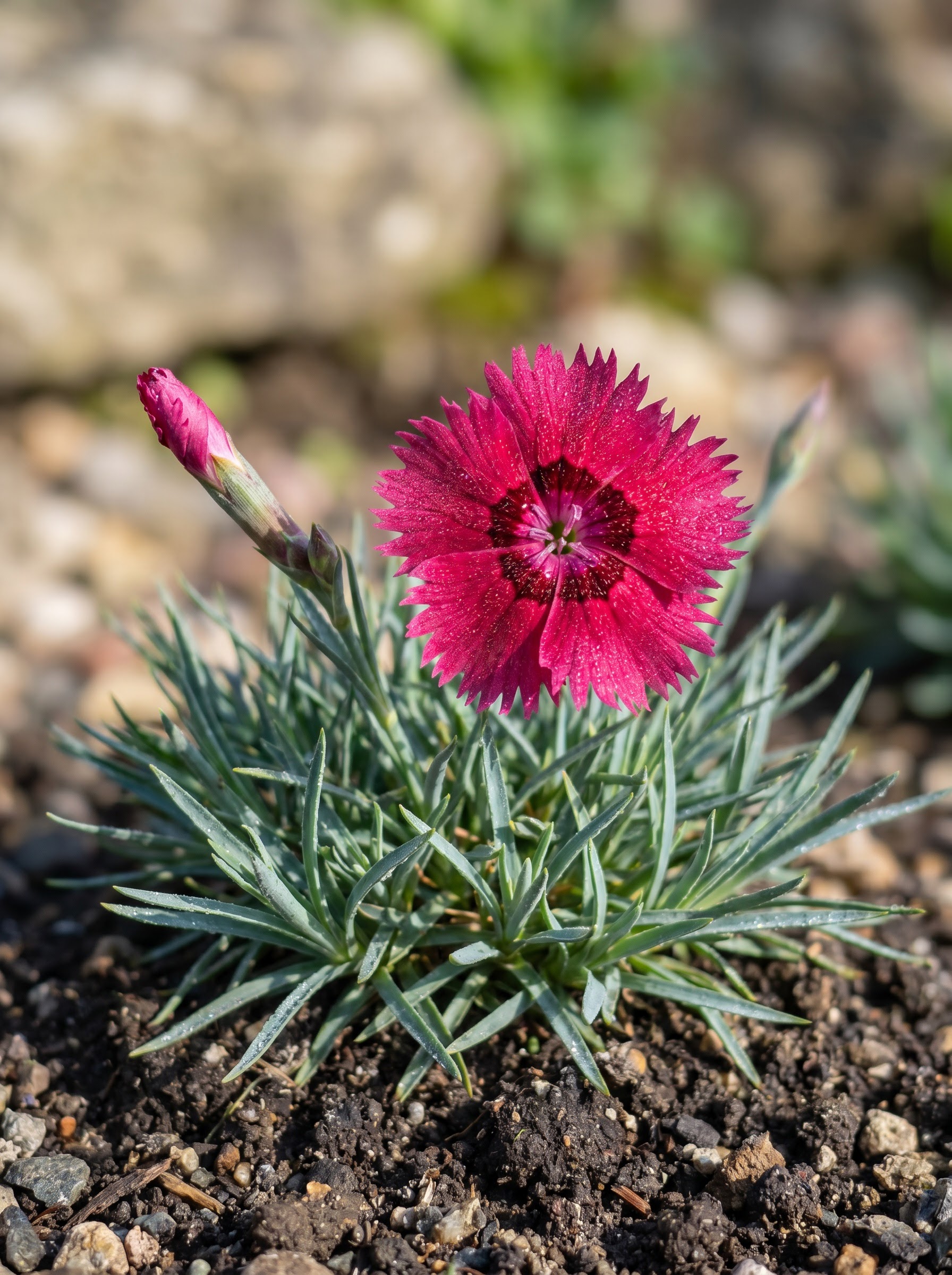 DianthusPartial
Dianthus wants the same lean, alkaline, sharply drained soil catmint does and actually performs worse in rich ground, making it an honest low-edging partner rather than a mid-bed one.
All catmint companions
11 flower companions, best match first
What not to plant near catmint
Most bad neighbours are not evil, they just want the opposite light, water or root run. Here is what to keep away, and what to do instead.
Moisture-loving perennials (astilbe, ligularia, Japanese iris, hosta needing steady water)
These plants wilt within days if the soil dries even briefly and need consistently moist ground to hold their flowers, the exact opposite of catmint's dry-between-waterings preference, so the two set up a watering conflict where one is always wrong.
Heavy feeders sharing catmint's soil (dahlias, and any plant fed richly across the whole bed)
Catmint stays compact and floriferous only in lean, low-fertility soil, and dahlias need a steady, heavier feeding program to bloom well, so broadcasting fertilizer for a heavy feeder pushes catmint into soft, floppy, sparse-flowering growth.
True mint-family runners (mint, lemon balm, oregano)
True mints spread by underground rhizomes that colonize new ground each season and are nearly impossible to fully remove once established, and planted near catmint's shallow, fibrous roots they will physically invade and outcompete the clump.
Plants that need frequent digging up for division (daylilies, bearded iris, some hostas)
Digging up a neighboring clump every few years to divide it disturbs any established planting nearby, and catmint's roots are shallow enough that repeated excavation next door sets it back.
The best companions for catmint, explained
Catmint’s whole design job in a border comes down to one trait: it is a low, soft, drought-tough mound that never competes hard for water or food. That makes its best partners other sun-loving, lean-soil plants running on the same rhythm, not showier flowers that expect rich feeding and steady moisture. The most famous pairing on this site and everywhere else is roses, and the logic holds up under scrutiny: catmint’s sprawling habit covers a rose’s bare lower canes, both plants want full sun and sharp drainage, and the blue-violet haze supplies a color roses cannot produce on their own. The one caveat worth carrying forward from the site’s existing rose pairing is feeding discipline, direct any fertilizer to the rose’s own root zone rather than broadcasting it across the bed, because catmint sulks and flops the moment its soil gets rich.
Beyond roses, catmint’s strongest matches are the classic dry-garden cluster: lavender, russian sage, yarrow, salvia ‘May Night’, and blue salvia all share catmint’s exact preference for full sun, lean or average soil, and infrequent watering, verified plant by plant against university extension growing guides rather than assumed from a shared color palette. Coneflower, sedum, lamb’s ear, agastache, and dianthus round out the set with the same lean-soil, full-sun profile, each adding something catmint’s soft mound lacks on its own: coneflower’s upright daisy form, sedum’s fleshy fall interest, lamb’s ear’s silvery texture, agastache’s vertical spikes, dianthus’s low, alkaline-loving edge. None of these pairings depend on catmint doing anything active for its neighbor. The benefit is almost entirely a shared-conditions match plus genuine design contrast, and that is a more honest, more durable reason to plant them together than a vague pest-control claim.
What not to plant near catmint
Catmint is not a fussy or fragile plant, so its avoid list reads less like a warning and more like a maintenance note. The clearest rule involves water: consistently moist-soil perennials like astilbe, ligularia, and Japanese iris need steady moisture to hold their flowers and wilt within days if the soil dries out, which is the precise opposite of catmint’s dry-between-waterings preference. Put the two in the same bed and one of them is always getting the wrong treatment. The fix is simple bed geography, not avoidance of the whole garden: keep catmint on the dry, sunny side and moisture-lovers in a separate irrigated or shaded pocket.
The second real conflict is feeding, and it directly touches catmint’s own pillar page, which already states a preference for lean conditions over nutrient-rich soil. Heavy feeders like dahlias, or a rose fed generously across the entire bed rather than at its own root zone, push the surrounding soil toward the rich, fertile end catmint cannot handle without going soft and floppy. This is not a reason to skip dahlias or roses as neighbors, only a reason to keep fertilizer targeted rather than broadcast. Third, true mint-family runners, actual mint, lemon balm, and oregano, spread by underground rhizomes that are notoriously hard to fully remove once established, and they will physically invade and outcompete catmint’s shallow, fibrous root zone if planted in open soil nearby. Confine any true mint to a sunken pot. A smaller, softer caveat: plants that need frequent digging up for division, daylilies, bearded iris, some hostas, can disturb an established catmint clump each time you excavate a neighbor, so it is worth leaving extra room, though this is a maintenance courtesy more than a hard rule, and the sourcing behind it is thin enough that it should be read as a caveat, not a verdict.
Do they like the same conditions?
Catmint wants full sun, at least six hours daily, average to poor and sharply drained soil, and a dry-between-waterings watering rhythm, a profile confirmed across multiple university extension sources rather than assumed. That is a stricter, less forgiving ask than it sounds, because it rules out almost every plant marketed as needing "rich, well-amended soil," a phrase that shows up constantly in general perennial advice and applies to none of catmint’s real companions. Every plant on this page’s companion list, lavender, Russian sage, yarrow, coneflower, sedum, lamb’s ear, salvia, agastache, dianthus, independently carries the same full-sun, well-drained, lean-to-average-fertility description in its own extension growing guide. That is not a coincidence engineered for this page. It reflects a genuine dry-garden plant guild that gardeners have converged on for decades because the conditions match is real, not decorative.
The one myth worth retiring here concerns soil pH. Catmint tolerates a wide pH range and has no pH-linked bloom color or vigor story the way, say, bigleaf hydrangea does, so pH-matching a companion to catmint is a soft, almost irrelevant constraint compared to the water and fertility rules. The harder, more useful rule is the one about richness: soil that is good enough for a rose or a dahlia is too rich for catmint, and soil that is right for catmint will underfeed a heavy bloomer. That tension is manageable with spacing and targeted feeding, not with pH adjustment.
How to plant them together
Give catmint’s mounding neighbors, lavender, salvia, dianthus, roughly 12 to 24 inches of separation depending on their mature spread, enough that each plant’s center stays open to air rather than crowding into a damp, tangled mass. Taller upright partners like Russian sage, globe thistle, and agastache want more room, 24 to 36 inches, both because they grow into substantial subshrubs and because you do not want their shade falling across catmint’s lower, sun-hungry mound. Layer the bed by height and bloom sequence rather than by color alone: low catmint and dianthus at the front, mid-height salvia and coneflower through the middle, taller Russian sage or agastache behind, so the planting keeps producing color as catmint’s own big spring flush tapers into midsummer.
Catmint reblooms hardest after a hard shear right after its first flush, cutting the whole mound back by roughly a third, and most of its best dry-garden partners, lavender and the salvias especially, respond to the same treatment on a similar calendar, so a single midsummer cutback session can reset several plants in the bed at once. In containers, catmint pairs well with other drought-tolerant lean-soil plants like dianthus or a compact salvia, provided the pot has real drainage holes and the mix skews gritty rather than rich, since container soil that is fine for a heavy feeder will hold too much moisture for catmint’s roots.
Does companion planting actually work for catmint?
The shared-conditions logic behind catmint’s pairings is genuinely proven, not aspirational. Every companion named on this page carries an independently sourced university extension description confirming the same full-sun, well-drained, lean-soil profile catmint itself needs, which is a stronger, more falsifiable claim than "these flowers look nice together." Where the evidence gets thinner is the pest-repel story. Catmint’s nepetalactone compound does activate the TRPA1 irritant receptor in mosquitoes and other insects, a mechanism documented by researchers whose work has been covered through Northwestern University and Lund University and published in a peer-reviewed study, and in lab conditions catnip has performed comparably to DEET against mosquitoes. That research, though, tested Nepeta cataria, true catnip, against insects specifically, and it found no effect on the human TRPA1 receptor and no data at all on deer or rabbits. The widely repeated claim that catmint’s scent keeps deer and rabbits off a rose bed is a real, commonly observed pattern, but it rests on field anecdote and scent-aversion behavior rather than the same rigorous receptor-level science backing the mosquito claim, so it earns a Partial tier here, not a Proven one.
The honest verdict: plant catmint next to roses, lavender, Russian sage, or salvia for the conditions match and the genuine design payoff, expect a real if unmeasured pest-deterrent bonus, and do not treat catmint as a chemical shield against every browsing animal or insect in the yard. Sanitation, spacing, and the right plant in the right spot still do more work than any single companion’s scent.
FAQ
What can I plant in front of catmint?
Low, sun-loving edgers with the same lean-soil preference work best, dianthus is the strongest match since it wants the identical dry, alkaline conditions and stays under 12 inches tall, keeping it from shading catmint’s own low mound.
What should you not plant near catmint?
Avoid consistently moist-soil perennials like astilbe or Japanese iris, since they need steady watering that will rot catmint’s roots, and keep true mint, lemon balm, or oregano confined to pots rather than open soil, since their rhizomes will invade catmint’s root zone.
Does catmint really repel pests and deer?
Partly. Lab research confirms catmint’s nepetalactone activates an irritant receptor in mosquitoes and other insects, comparably to DEET in some tests, but that same research found no effect on humans and no data on deer or rabbits, so the deer and rabbit-repelling reputation is a real, widely observed pattern rather than a lab-proven one.
Can I plant catmint under a rose bush?
Yes, this is catmint’s signature use. Space it 18 to 24 inches from the rose’s base, feed the rose at its own root zone rather than across the whole bed, and catmint’s low mound will cover the rose’s bare lower canes while pulling in pollinators.
Is catmint invasive, or does it spread aggressively into its neighbors?
No. Nepeta x faassenii is a sterile ornamental hybrid that does not self-seed and does not spread by rhizome the way true mint does, so in nearly every pairing on this page, catmint is not the aggressive one; a failed pairing is almost always a conditions mismatch on the neighbor’s side.
Sources
- NC State Extension Gardener Plant Toolbox: Achillea millefolium
- NC State Extension Gardener Plant Toolbox: Echinacea purpurea
- NC State Extension Gardener Plant Toolbox: Salvia nemorosa
- NC State Extension Gardener Plant Toolbox: Salvia farinacea
- NC State Extension Gardener Plant Toolbox: Agastache
- NC State Extension Gardener Plant Toolbox: Echinops ritro
- NC State Extension Gardener Plant Toolbox: Symphyotrichum novi-belgii
- University of Wisconsin-Madison Extension: Russian sage (Perovskia atriplicifolia)
- University of Wisconsin-Madison Extension: Verbena bonariensis
- University of Wisconsin-Madison Extension: Dianthus (pinks)