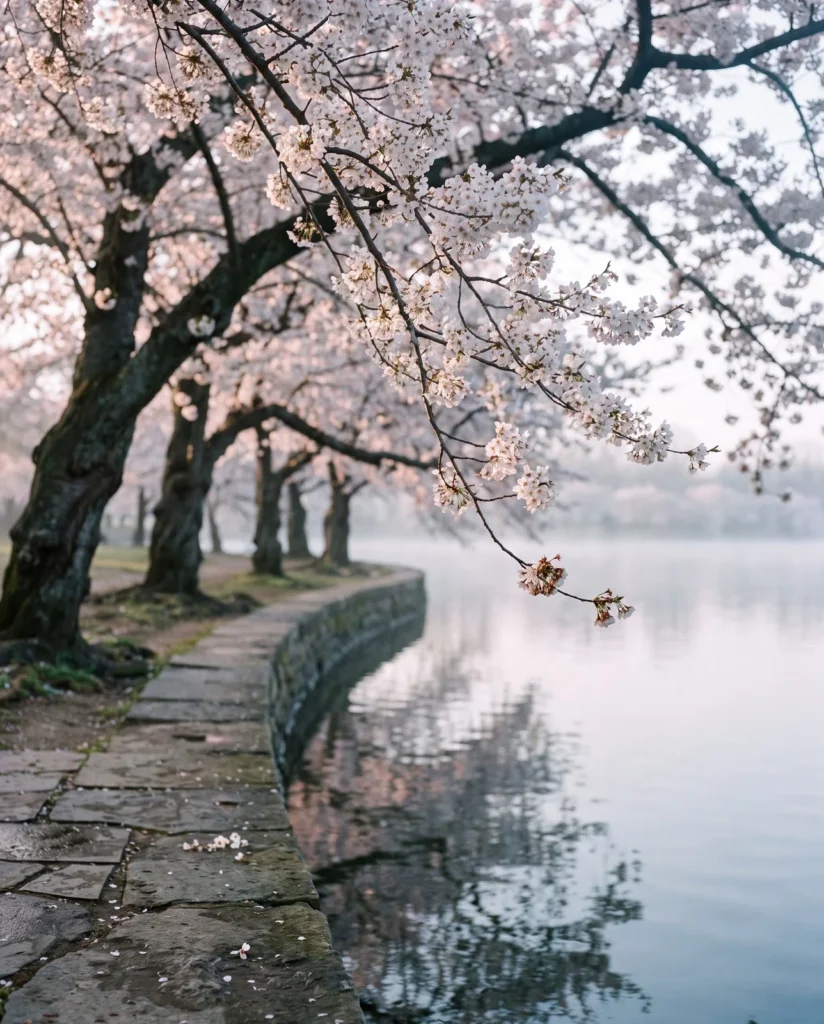
What a cherry blossom is, and how it differs from a fruiting cherry
A cherry blossom is the flower of an ornamental cherry, a Prunus grown for its spring display. The genus runs to about 200 species and also holds plum, apricot, nectarine and peach. Ornamental cherries are close relatives of the orchard trees, grown for the flowers and the shape of the tree. The difference is simple: an orchard cherry is chosen for what you eat in July, an ornamental for what opens in April. Most cultivars of the Japanese flowering cherry set no fruit at all.
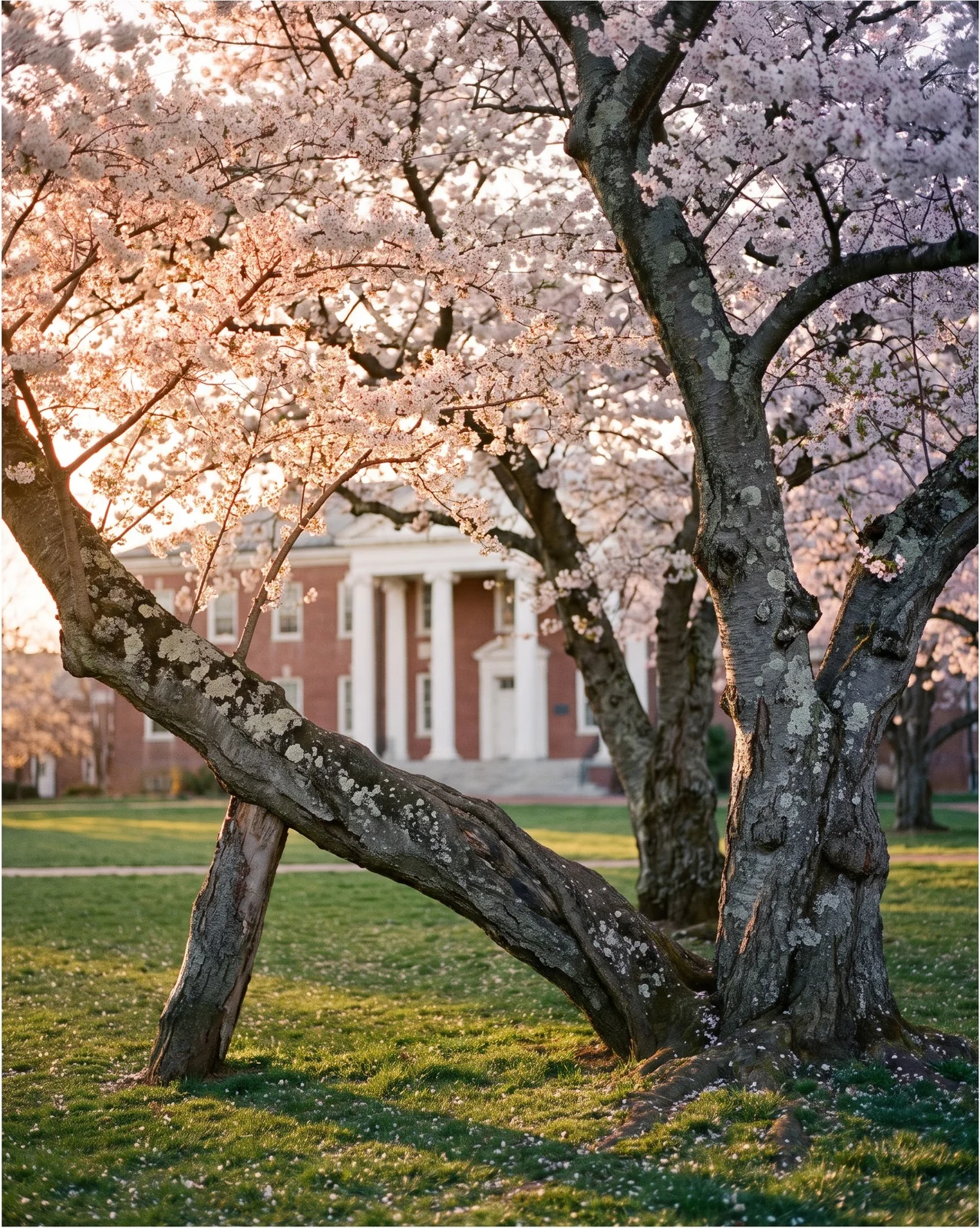
More than one East Asian tree stands behind the name. Prunus serrulata, the Japanese flowering cherry, is native to East and South China, Japan and Korea, and its flower is the national flower of Japan. Yoshino, the tree most Americans picture, appeared in Tokyo about 1872, and its parents are unknown. 'Okame' came out of England, bred by Captain Collingwood Ingram from Prunus incisa and Prunus campanulata to keep the hot pink flowers without the cold sensitivity. The American story starts in 1912, when Japan sent cherry trees to Washington as a gift of friendship. 3,020 trees of twelve varieties landed that March, 1,800 of them Somei-Yoshino. About 3,800 cherry trees stand in the park today, Yoshino and Kwanzan the commonest.
When cherry blossoms bloom
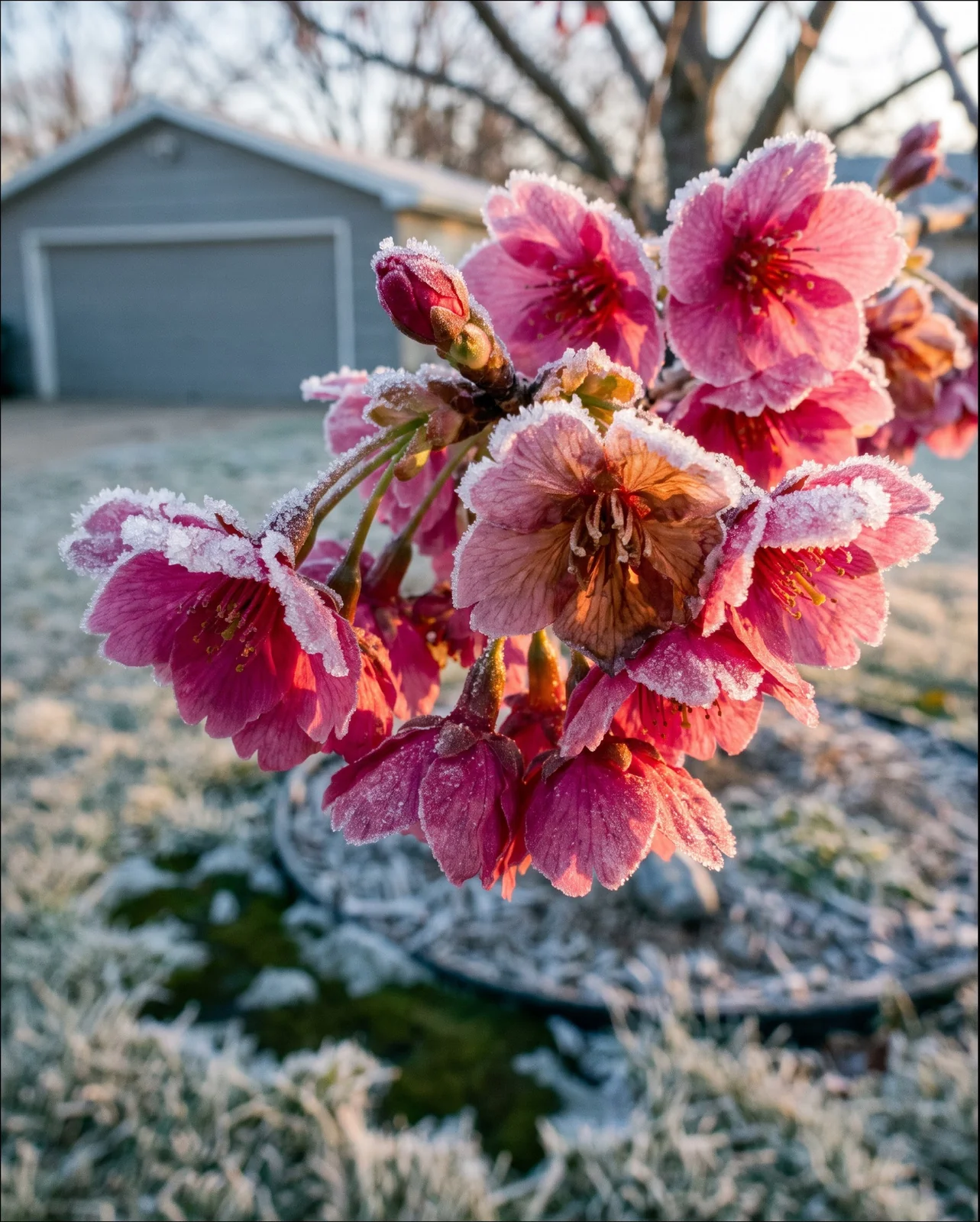
Flowering cherries open in early spring, and Yoshino, the tree everything else is timed against, blooms March to April. Peak bloom in Washington is the day 70 percent of the Yoshino flowers are open, and it usually falls between the last week of March and the first week of April. The extremes are March 15 in 1990 and April 18 in 1958. Warmth pulls the date forward and cold holds it back. Cold winters favor a good bloom, and warmth followed by snow and freeze does the damage. A frost on March 14 to 16, 2017 cost roughly half the Yoshino flowers at the Tidal Basin.
How far your own date sits from Washington is mostly latitude. New England opens some 20 days later, and Georgia, Tennessee and Texas a week and a half to two weeks earlier. Japan spreads wider, from January on Okinawa to May on Hokkaido, with Tokyo, Kyoto and Osaka in late March or early April. Within one town the season is a relay, not a day. 'Okame' opens first, early enough for a late freeze to catch it. Yoshino follows, and 'Kanzan', sold as Kwanzan, comes two weeks after it. With 'Ukon' it closes a season that runs about a month from the first cherry to the last. Plant from both ends of that order and one garden holds flower for weeks.
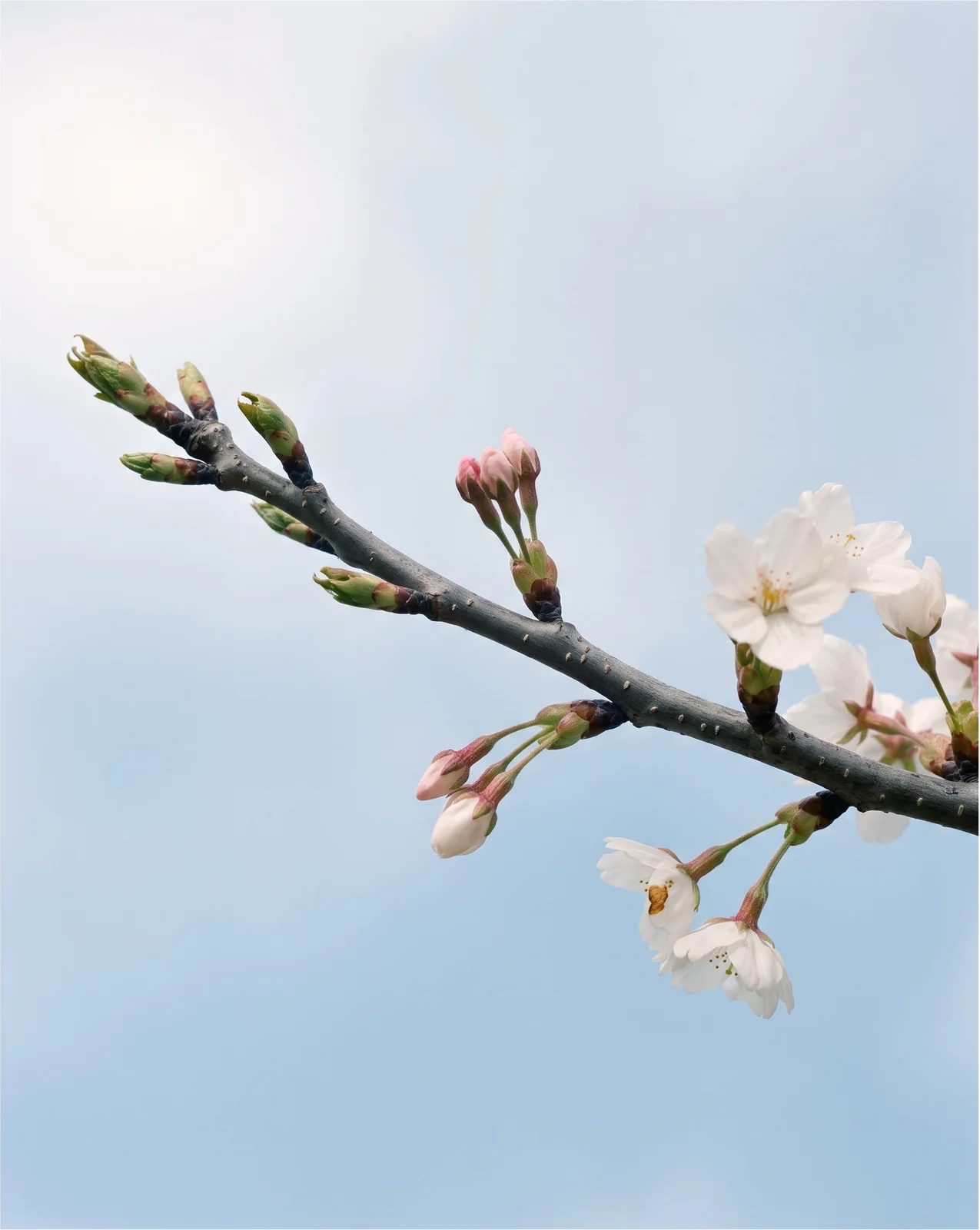
Cherry blossom season city by city
Where the season falls, with the regional offset where a place keeps no window of its own.
How long cherry blossoms last
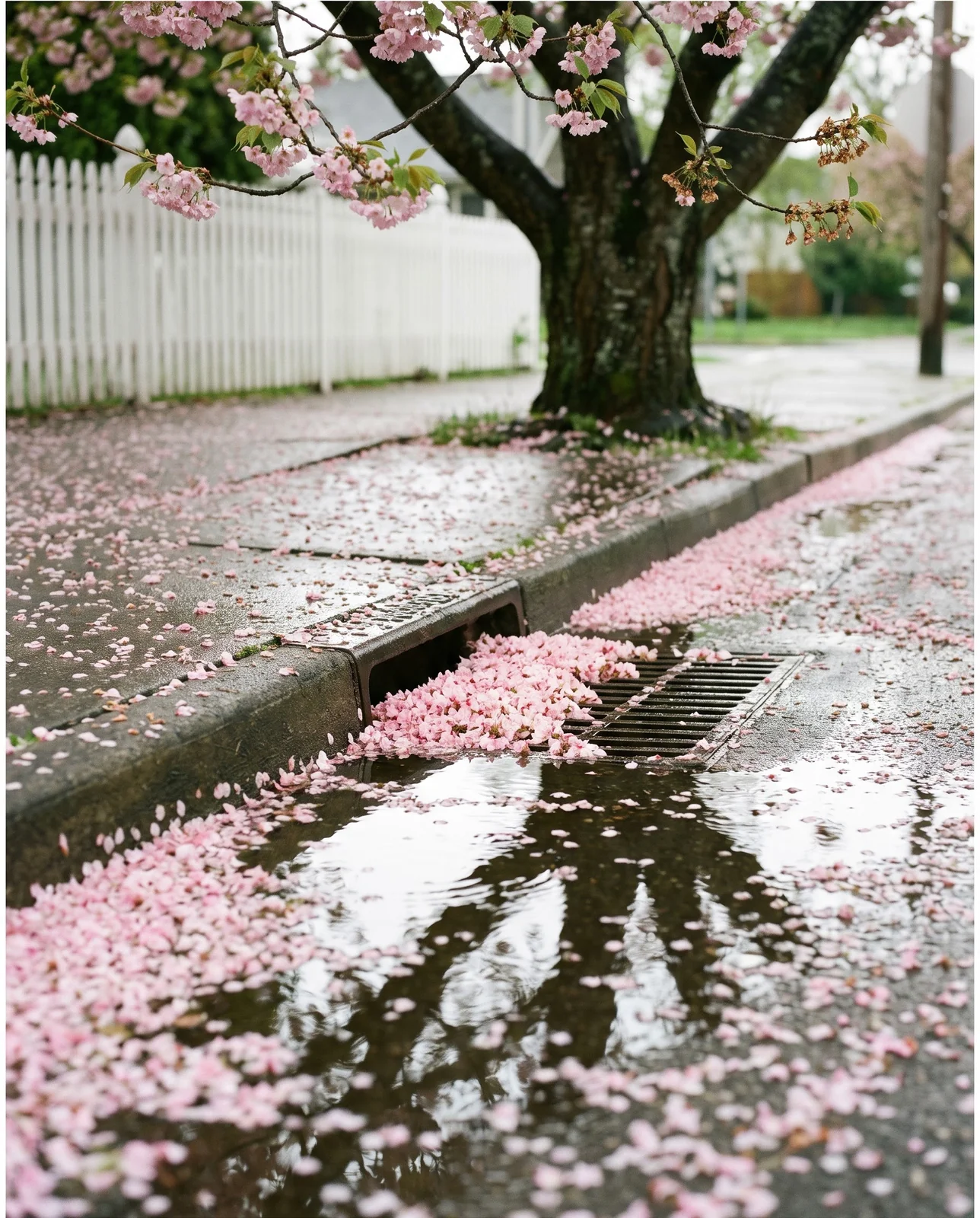
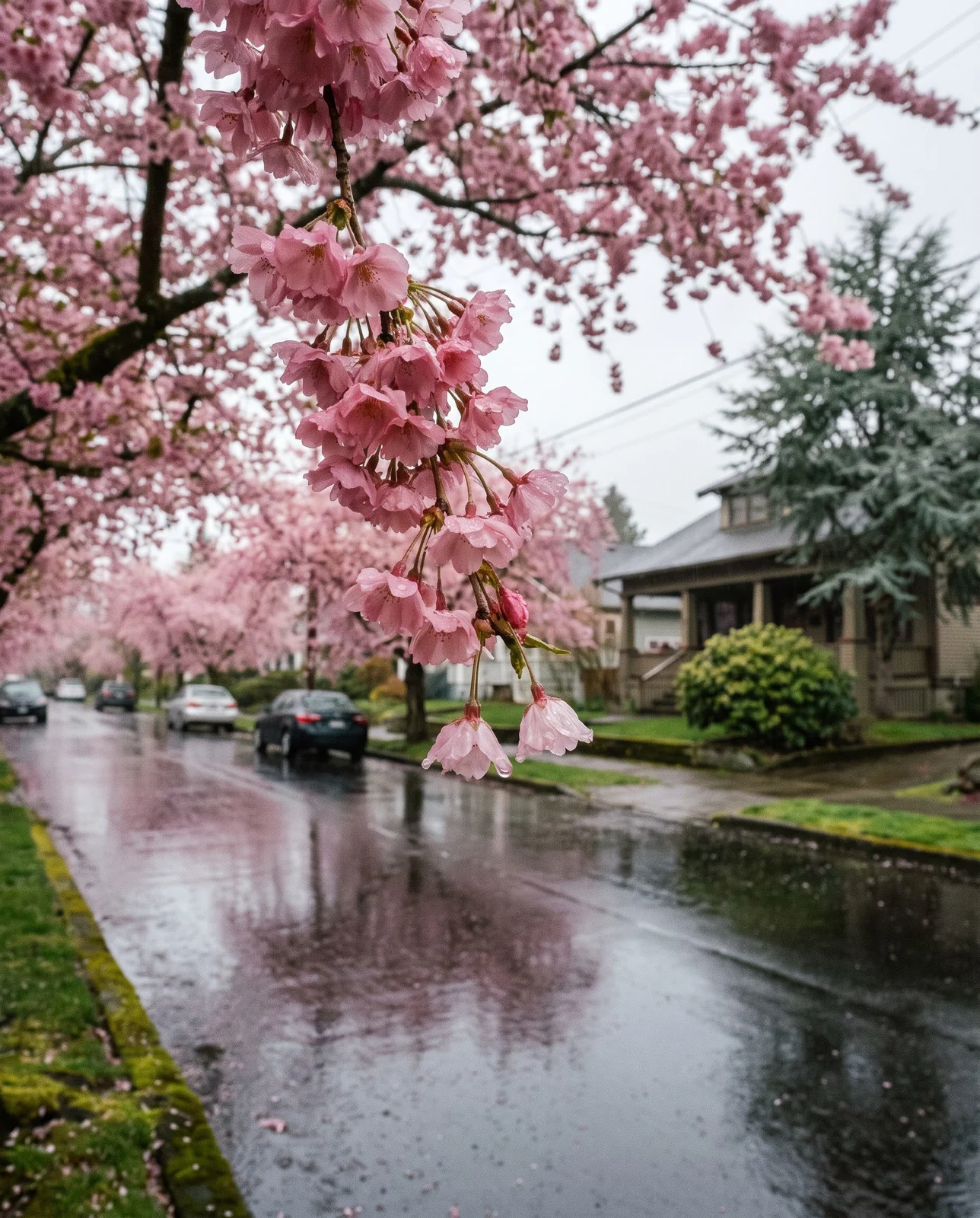
One tree flowers for about a week, and a whole grove blooms and drops in about two. Cool calm weather stretches the display, and one rainy, windy day ends it. Japan counts the same stretch more plainly: full bloom about a week after the first flowers open, petals falling about a week after that. The word for that ending is hanafubuki, the blizzard of falling petals. Form decides the rest, since double-flowered cherries hold their bloom longer than single-flowered ones.
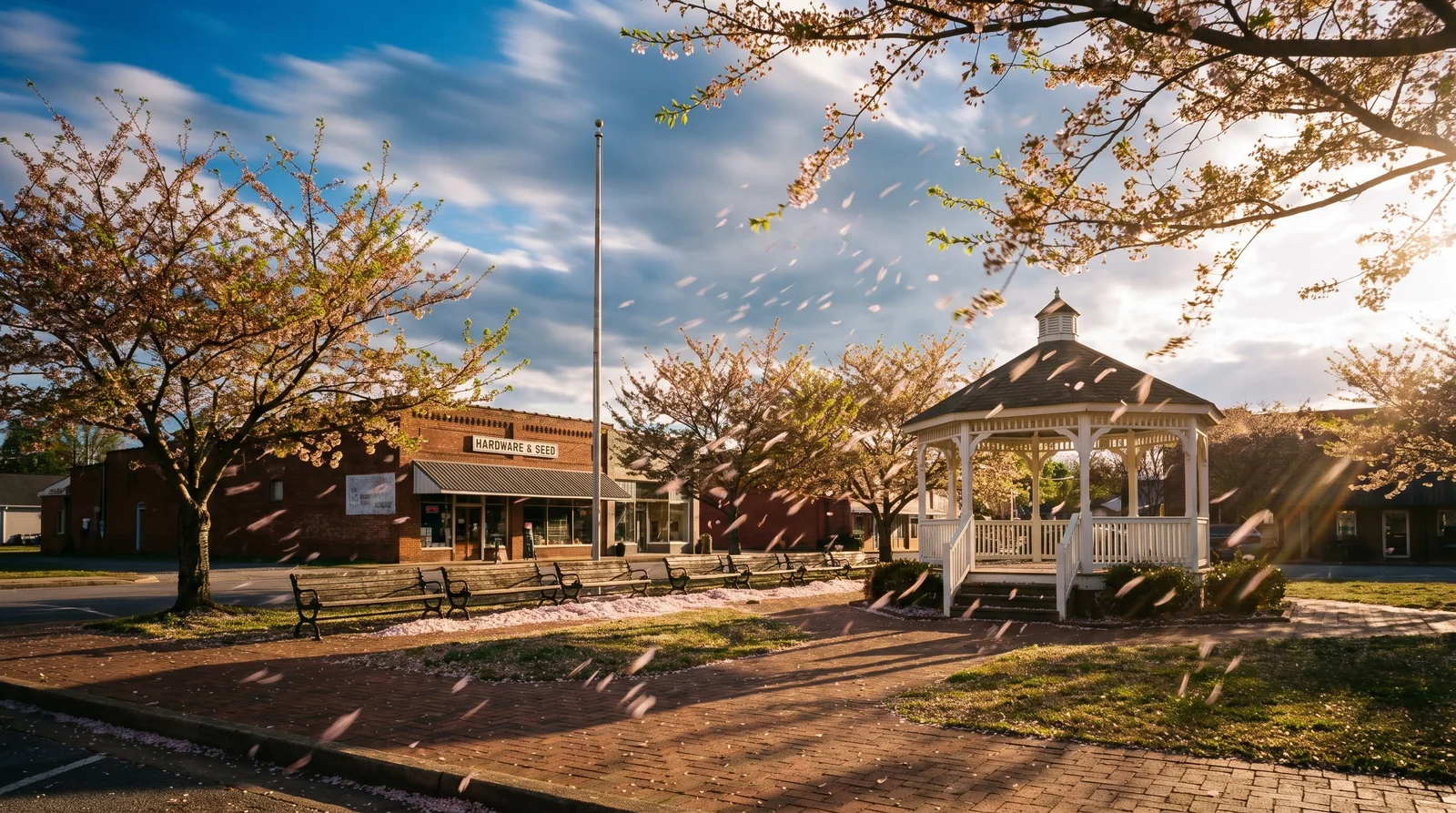
Types of cherry blossom trees worth telling apart
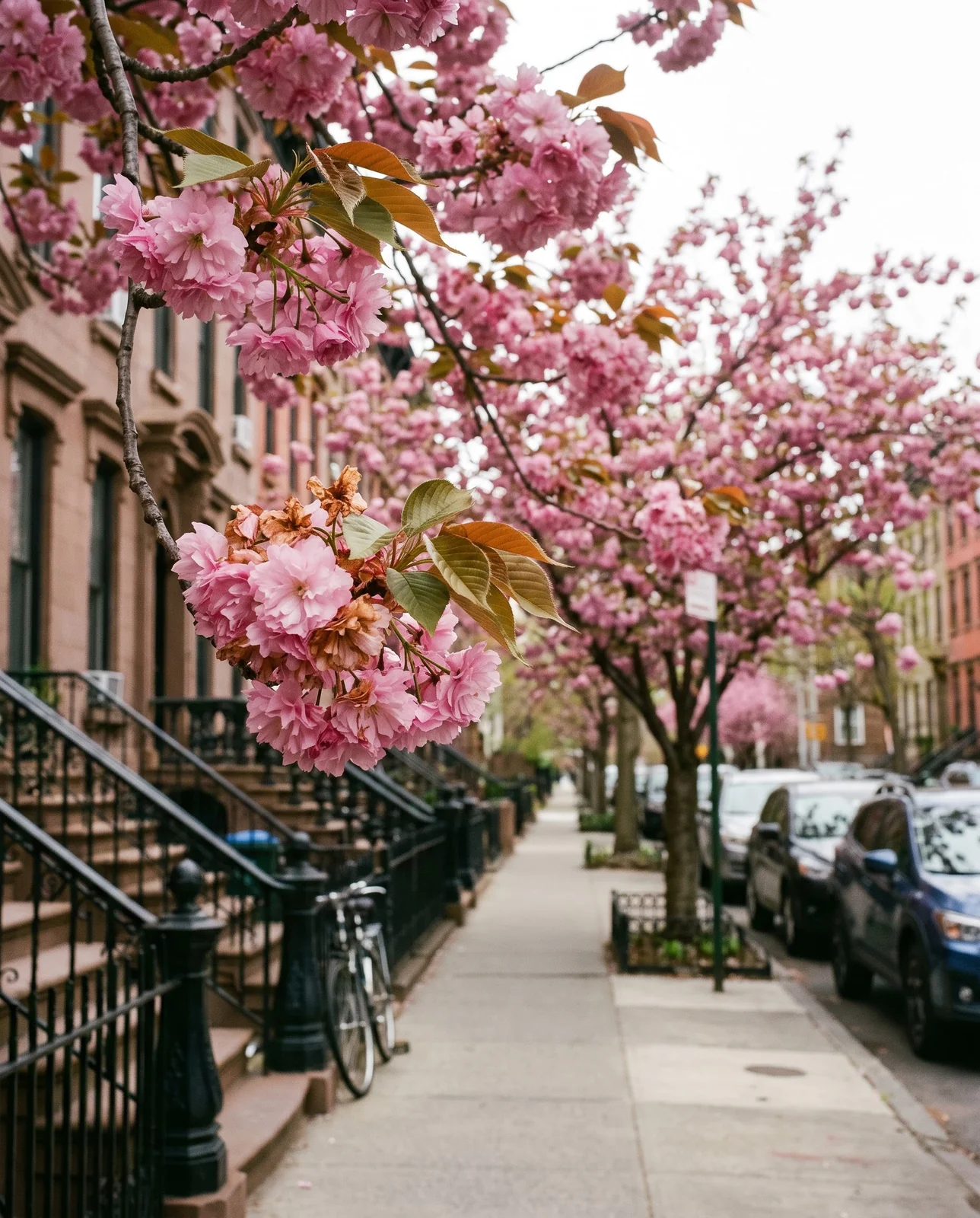
Cherry species carry five petals, while cultivars bred for fuller blossoms carry many more, as many as 28 on a 'Kanzan'. That is the difference between a tree that reads white from the road and one that reads solid pink.
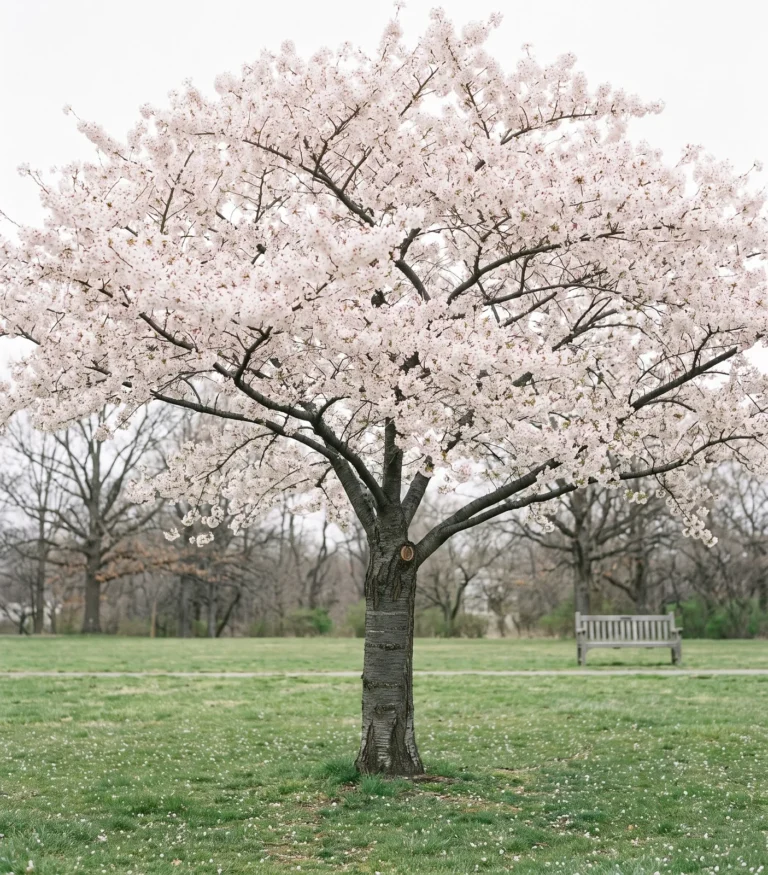
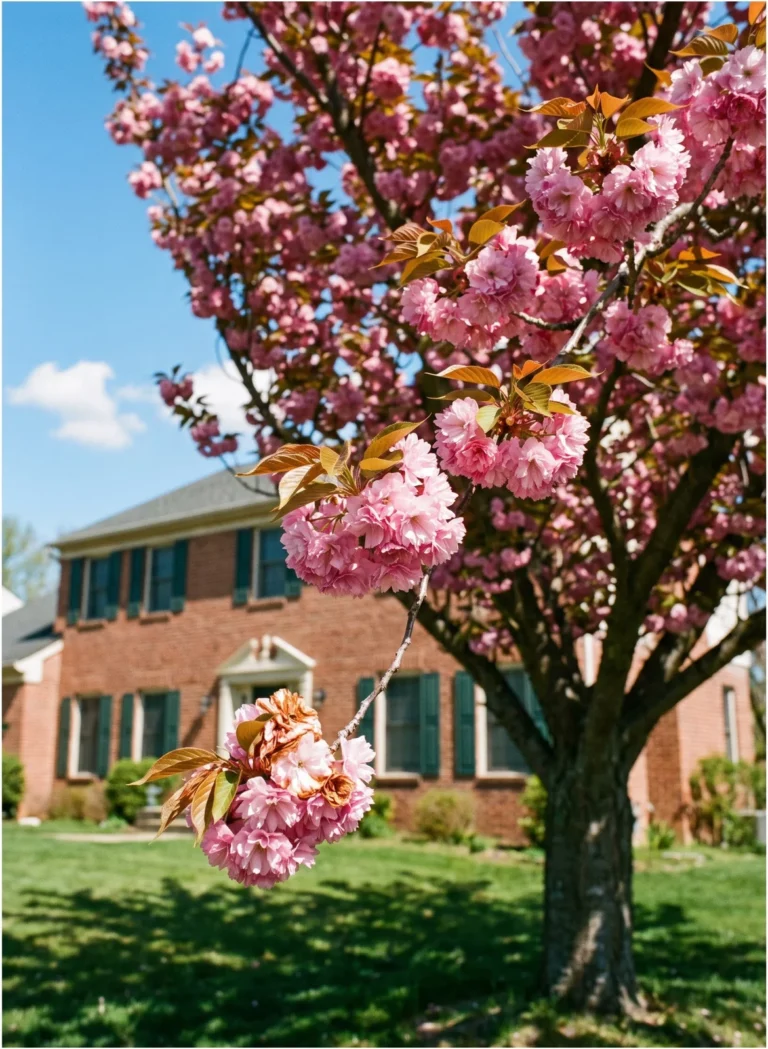
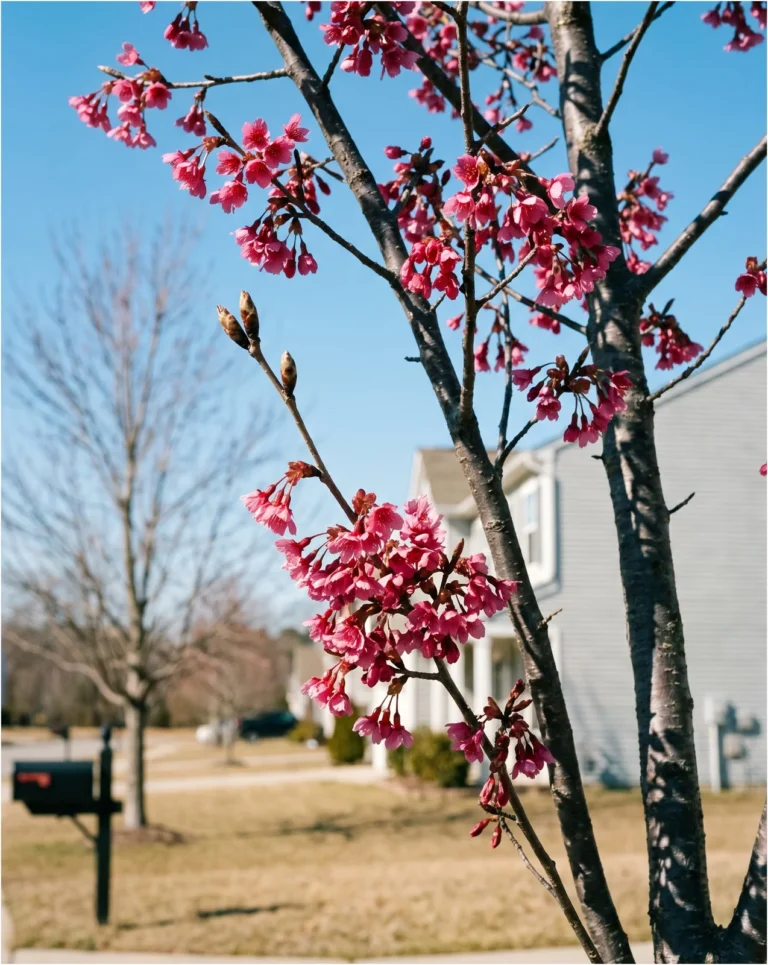
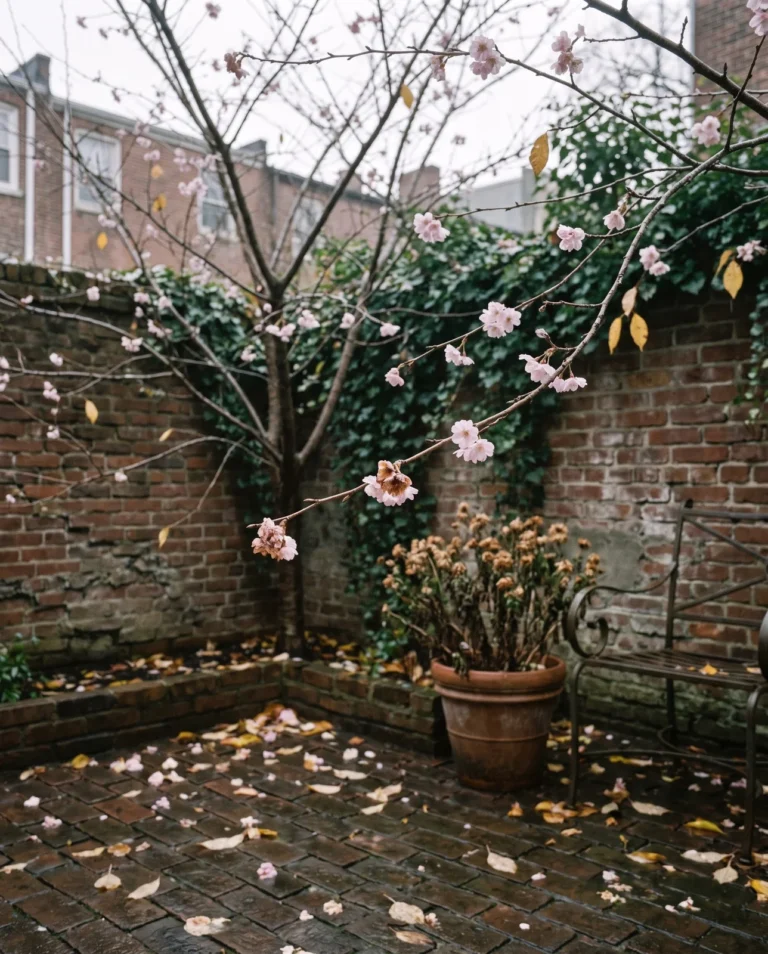
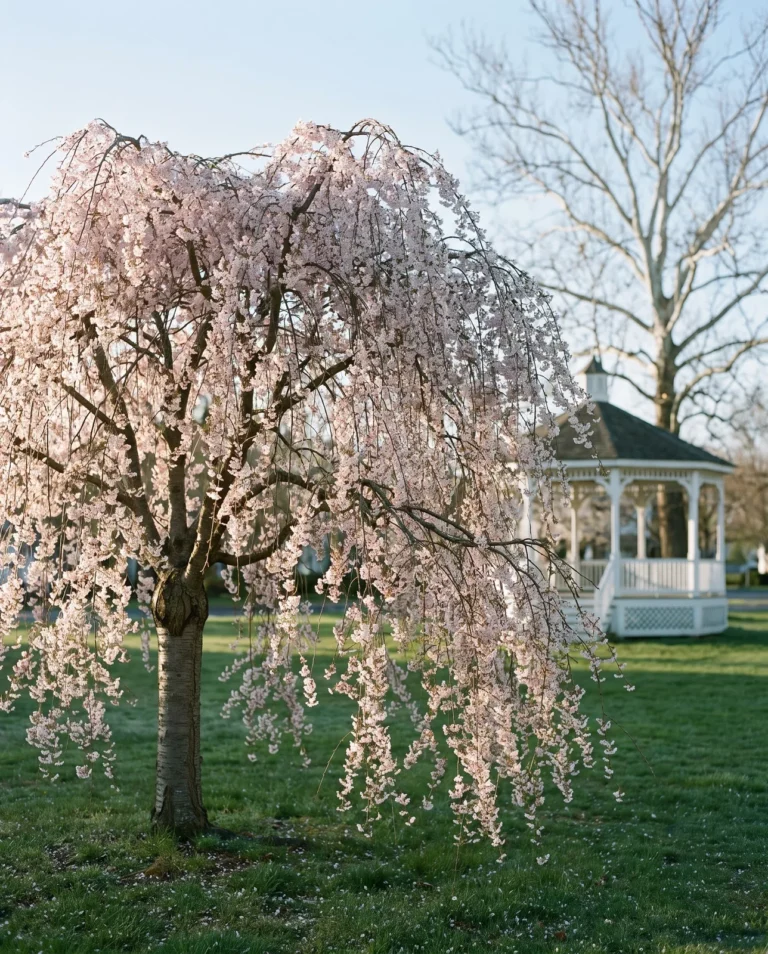
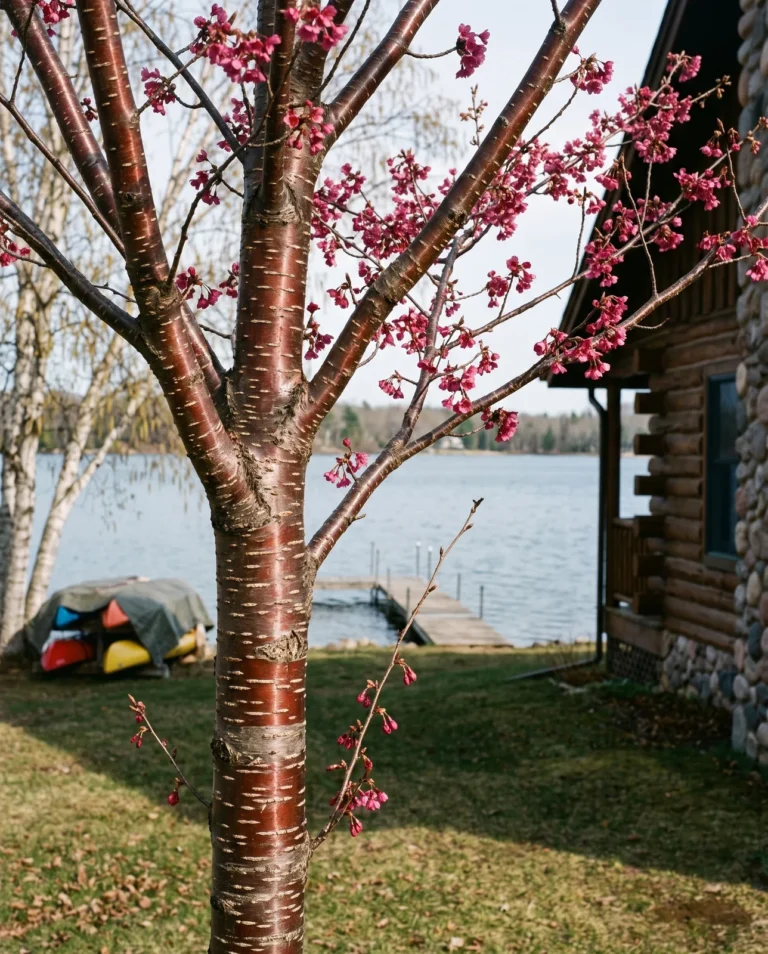
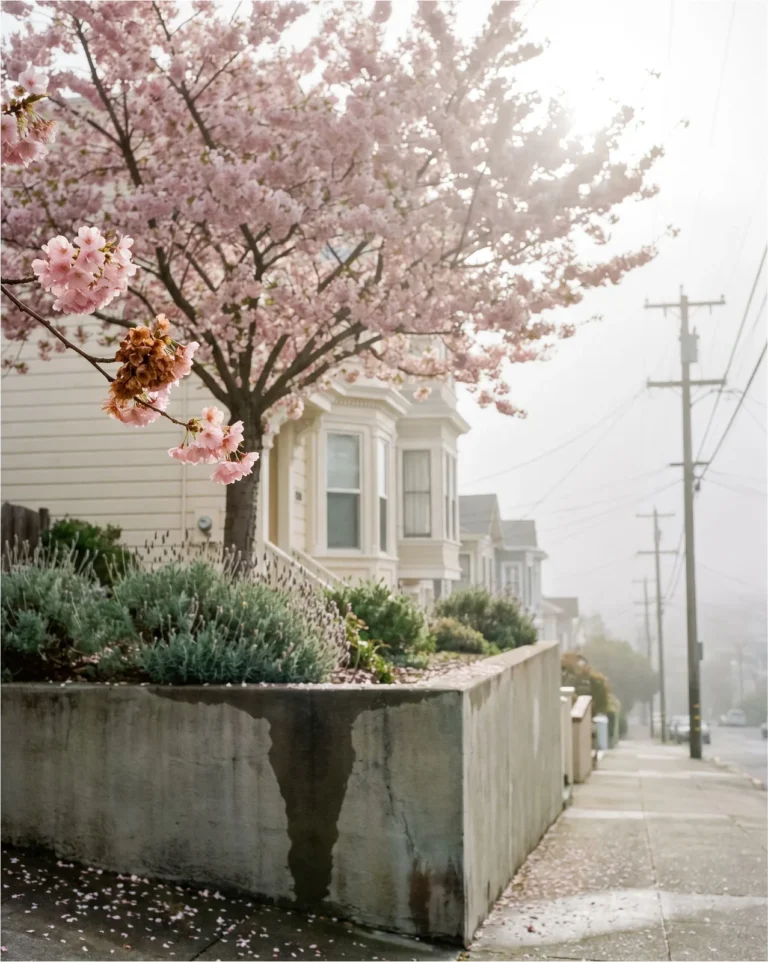
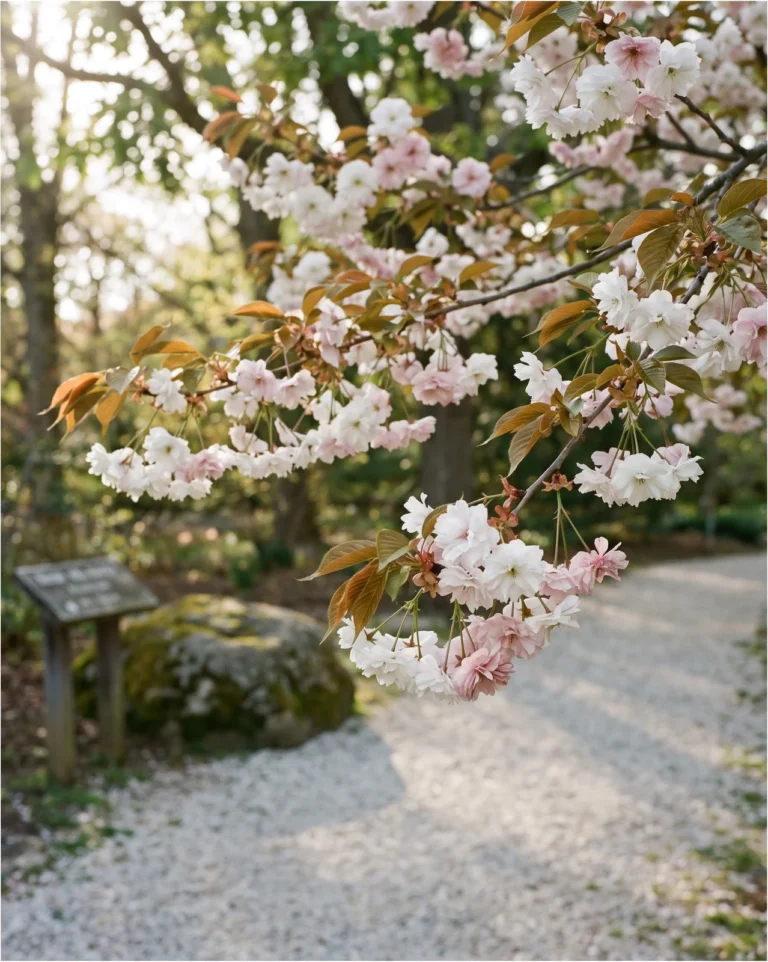
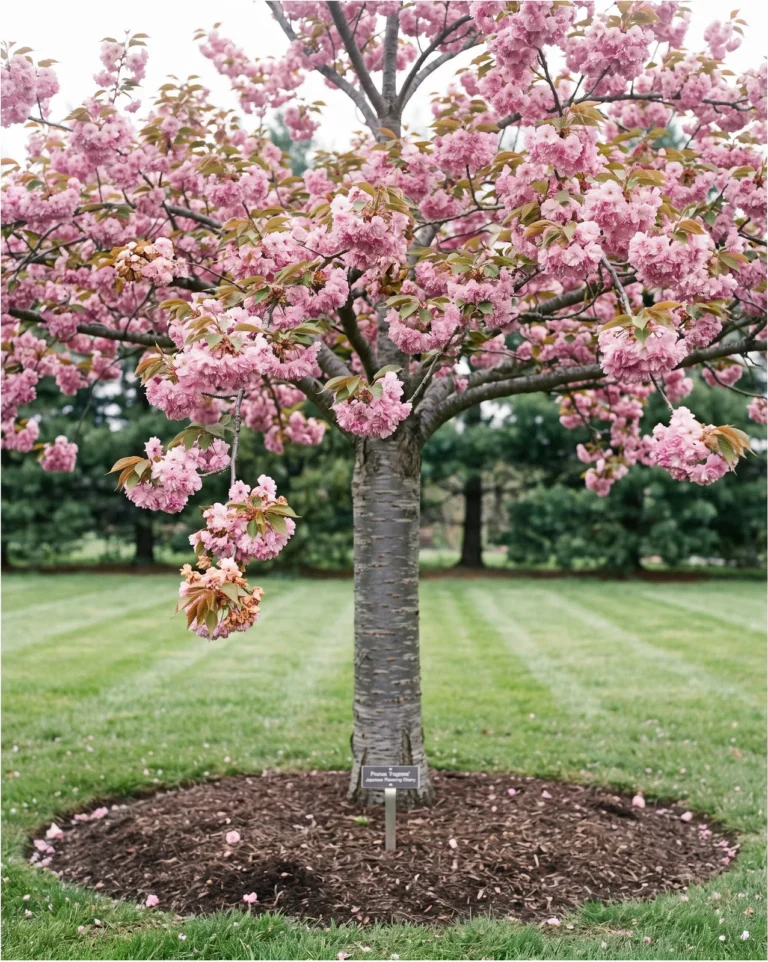
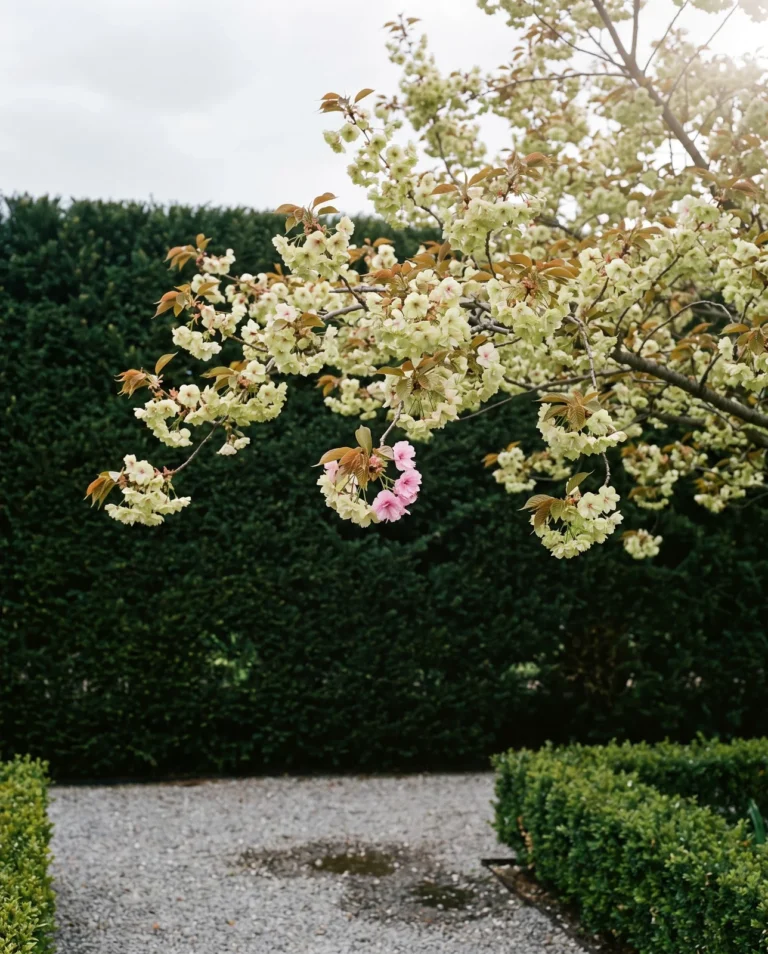
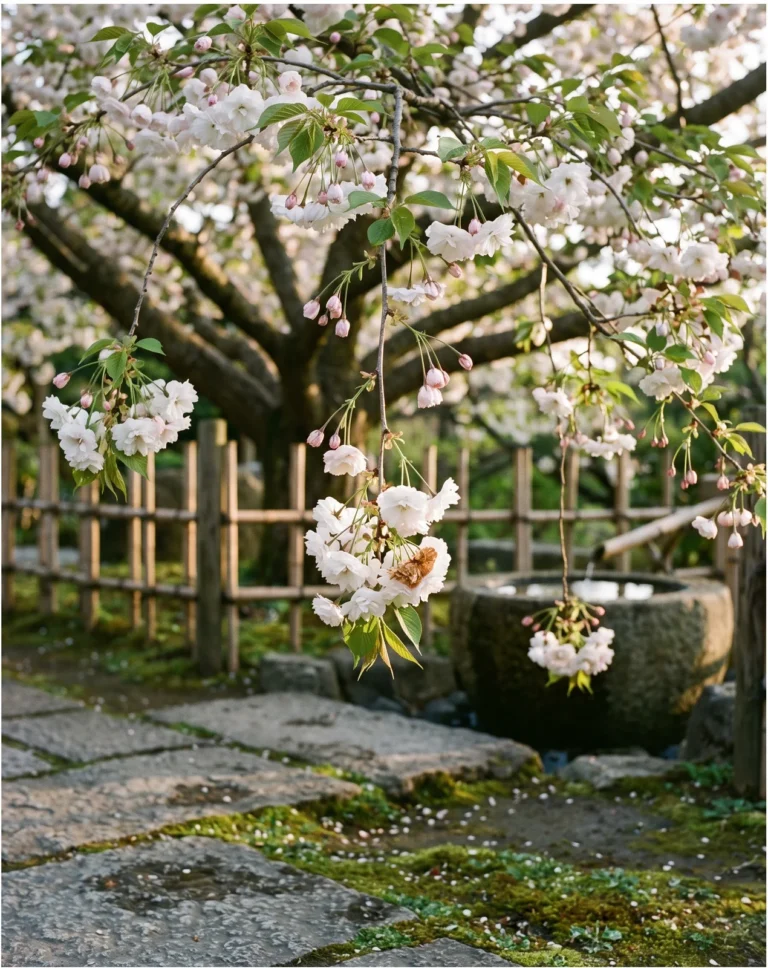
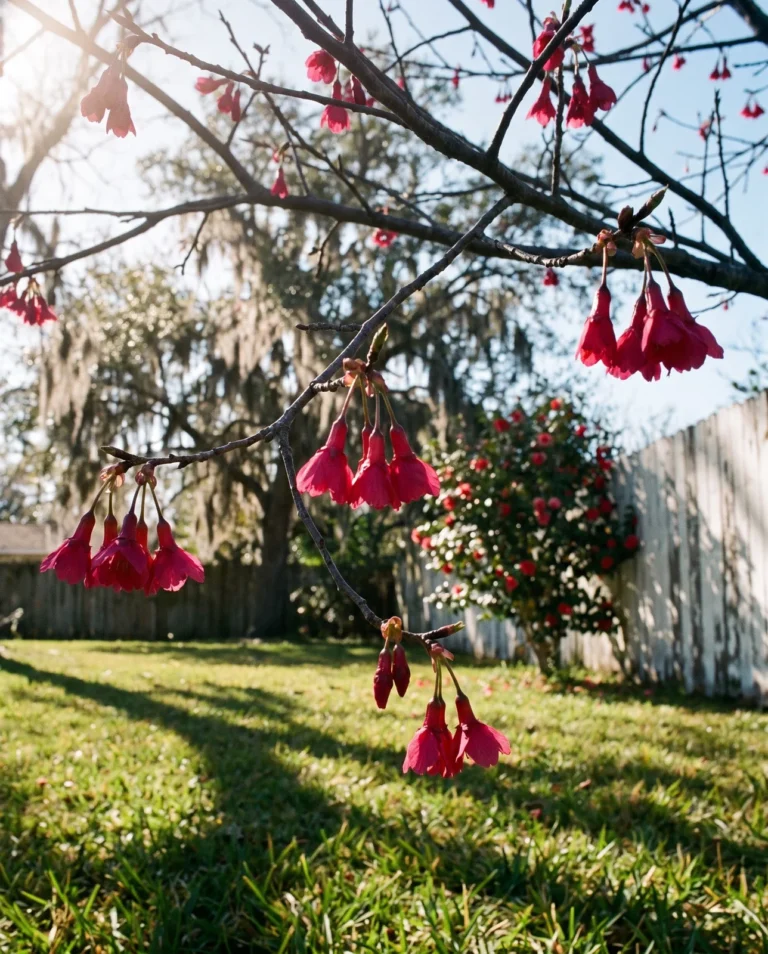
Is that a cherry? Telling the spring blossom trees apart
Several trees get called cherry every April, and the tell is rarely the petal. A magnolia is the one most often mistaken for it from a car window, and bark settles the rest.
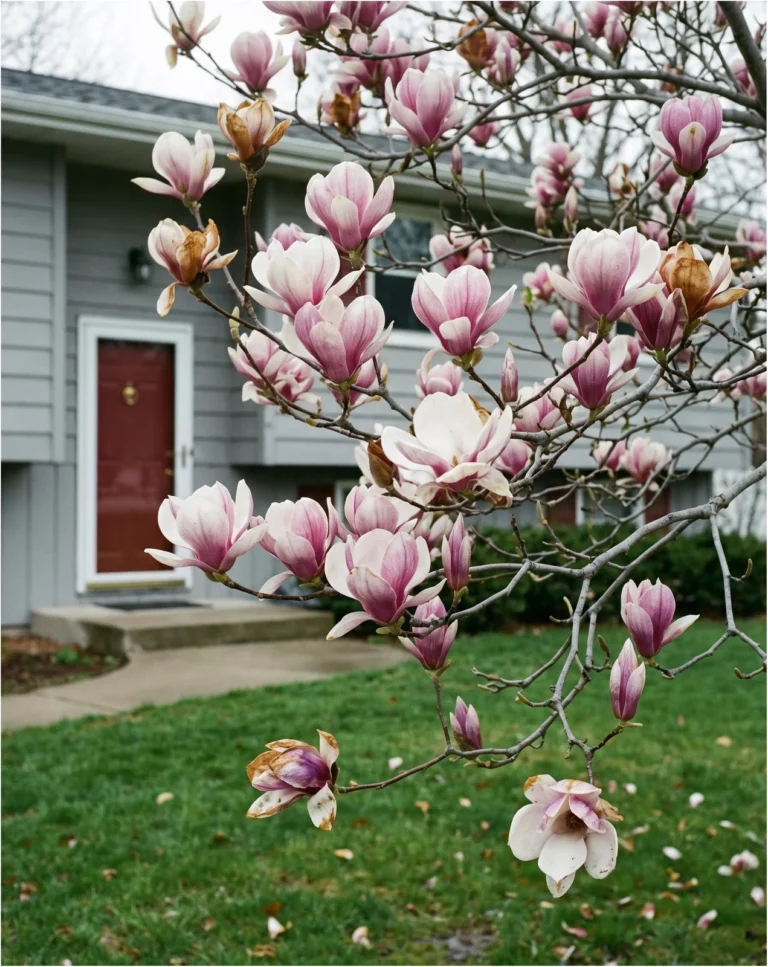
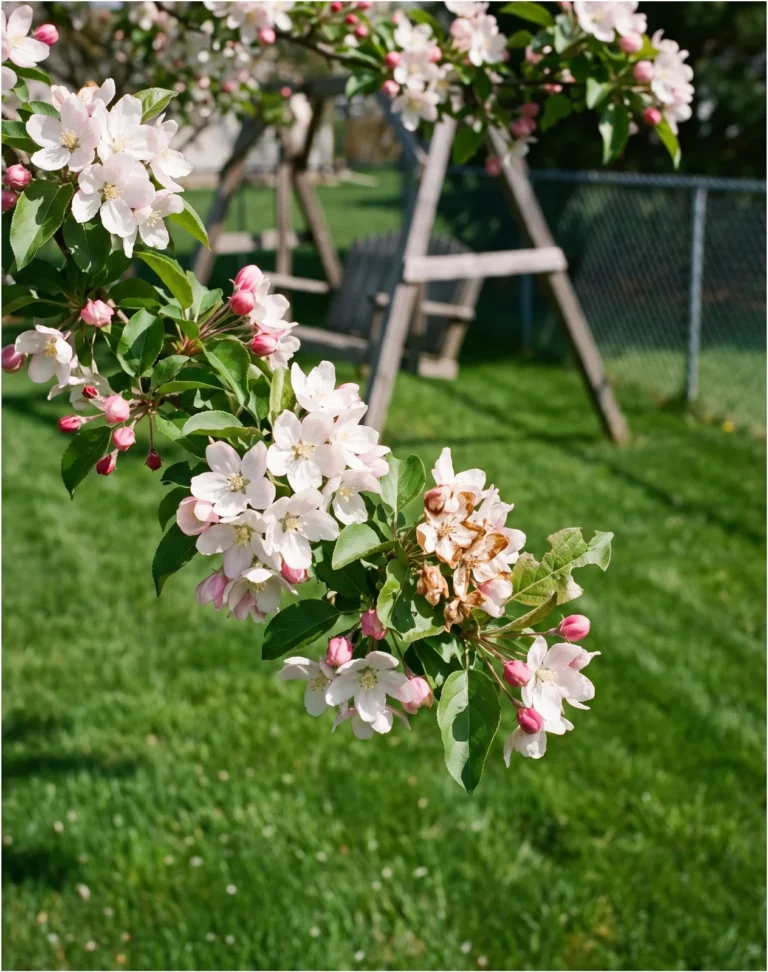
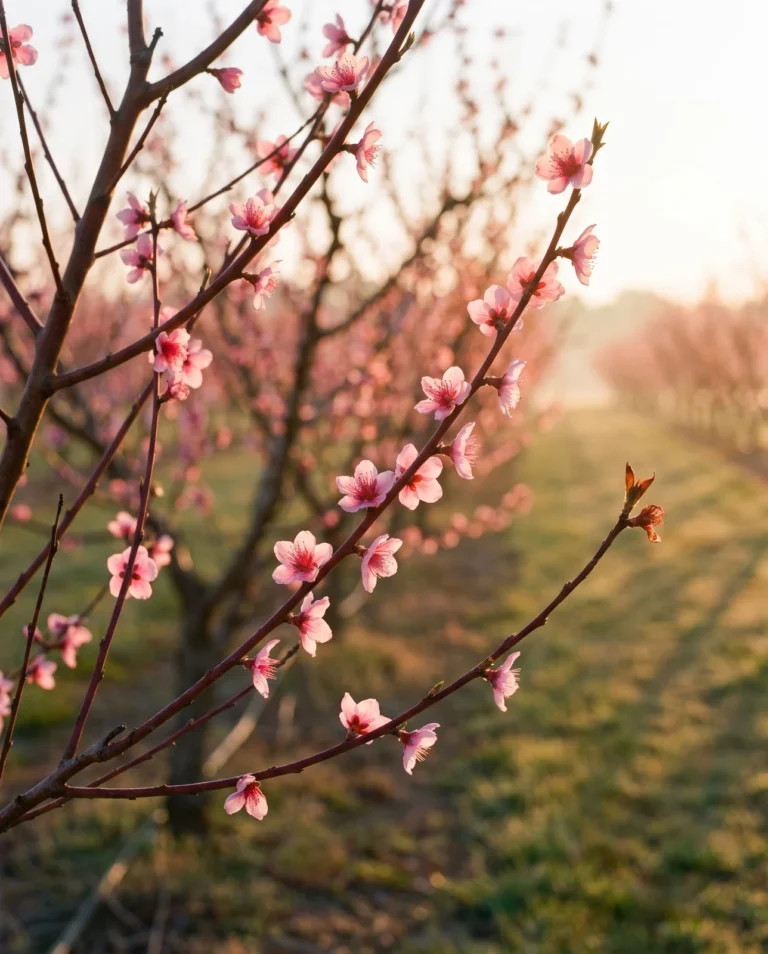
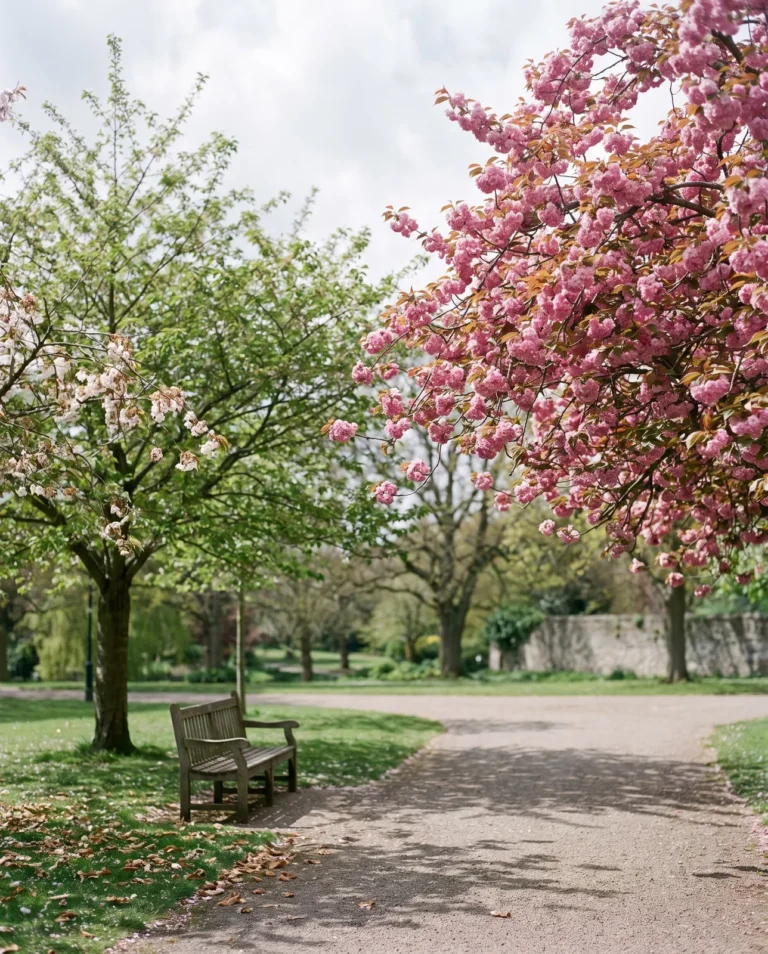
Where to see cherry blossoms in the United States
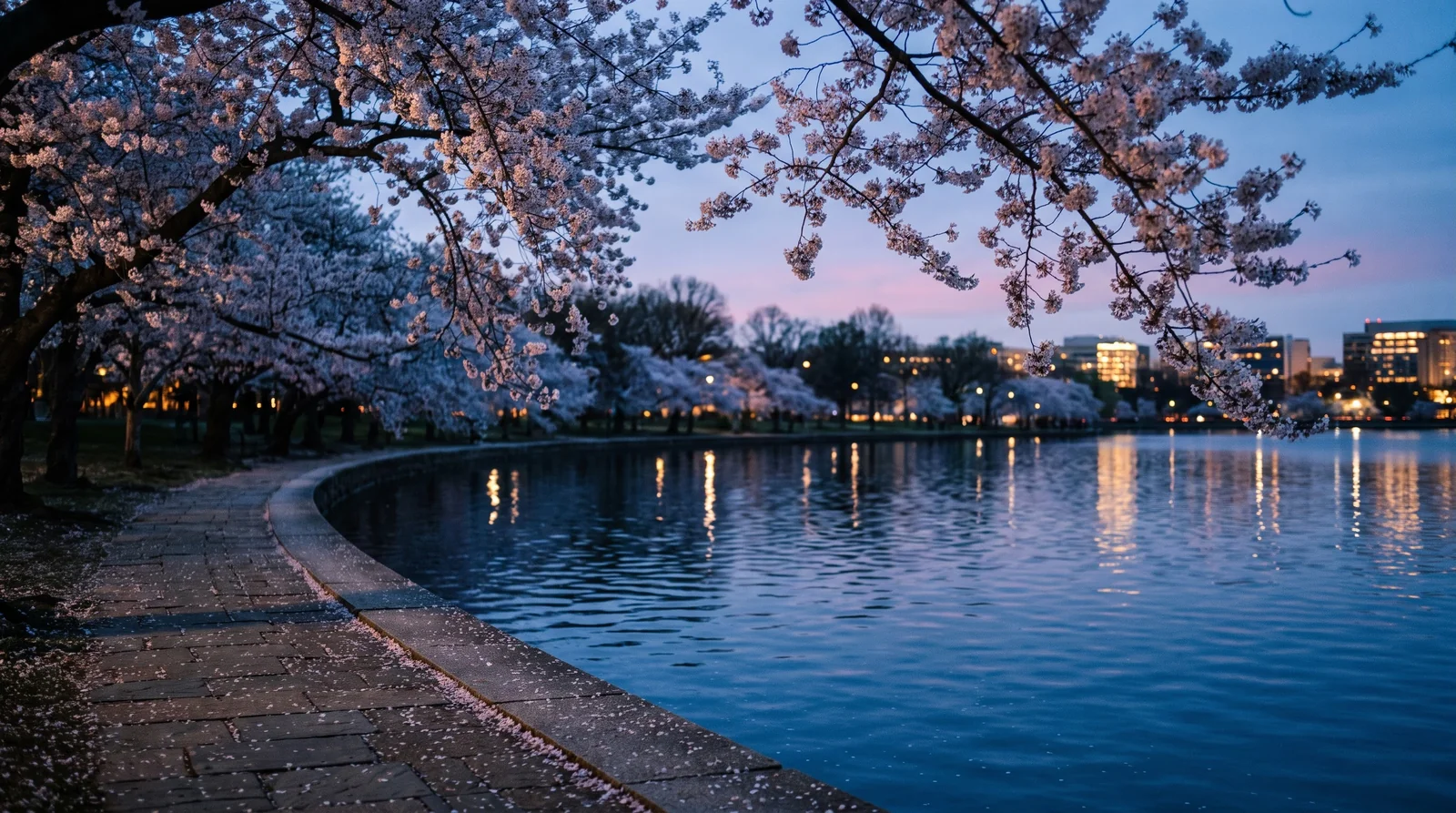
Picking the place is easy, picking the week is the hard half. The Tidal Basin in Washington is the biggest draw, eleven species of flowering cherry around the water and some 1.5 million people during the spring celebration. Peak bloom cannot be called more than 10 days ahead, so booking early is a gamble. Either book late and accept the risk, or go where the collection runs in relay. Brooklyn Botanic Garden is the second kind, and its Cherry Walk still holds two weeping higans from the 1921 planting.
What cherry blossoms mean
Cherry blossom stands for the fleeting, and the short bloom is the reason. In Japan the brief flowering makes the tree a symbol of the ephemeral, and the trees go into parks more often than gardens, because hanami is a picnic held in public under the branches. Those parties date from the late eighth century, and the flowers have long served as a reminder to live in the present moment. In the United States a second meaning sits on top, since the Washington planting began as a gift of friendship. The color readings, the poetry and the tattoo tradition are set out under cherry blossom meaning.
Height and spread
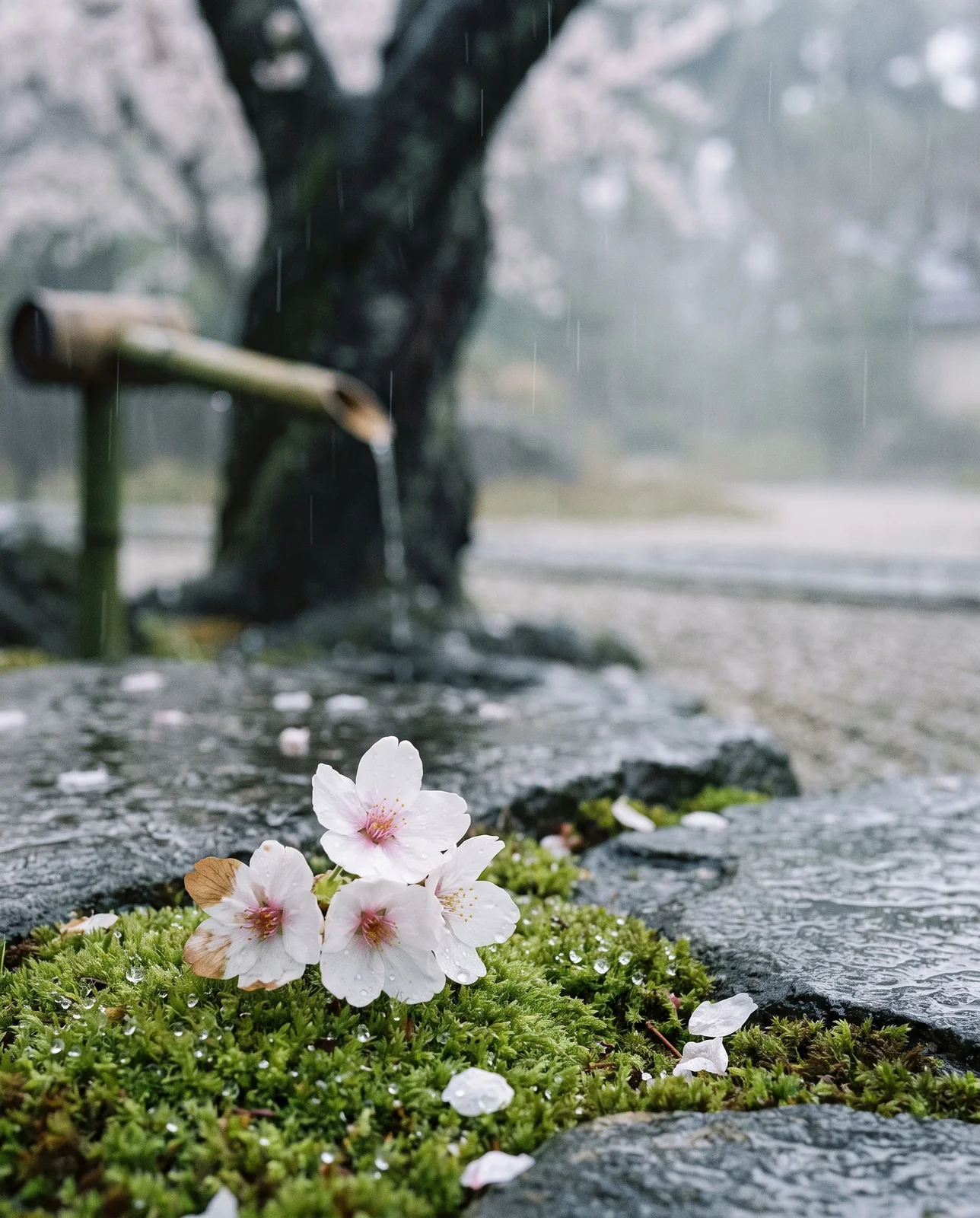
Flowering cherries are small to medium trees, and the number that decides the site is the width. Yoshino sets the benchmark at 30 to 40 feet tall and about as wide. It can reach 50 feet across, and 24 to 60 feet of clear space is the honest allowance at planting. Plan on the wide end. A cherry given half its mature width grows into a wall or a drive, and it does not take hard cutting back. Prunus serrulata itself runs about half that, 15 to 25 feet each way.
Light
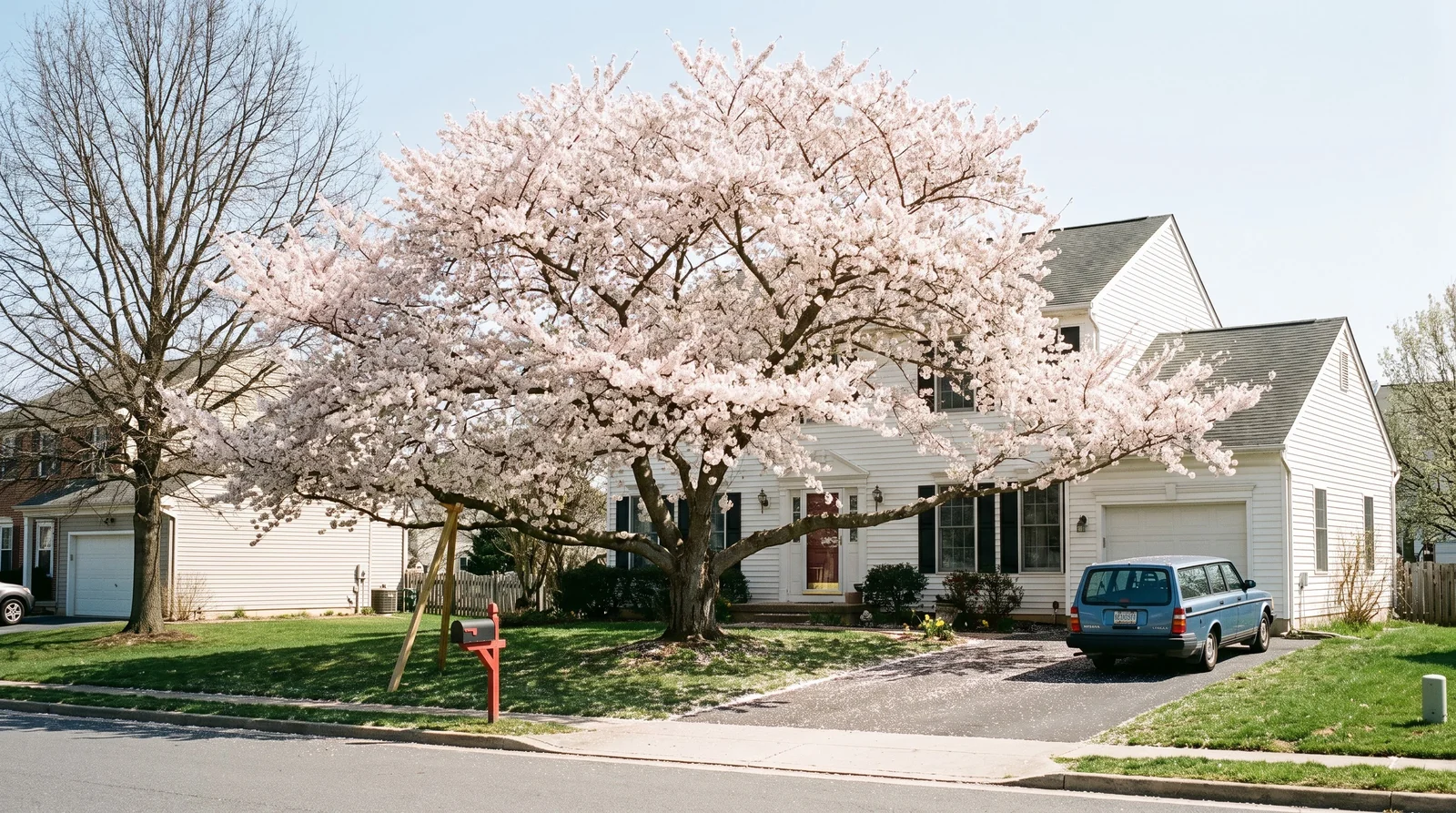
A flowering cherry wants full sun, six or more hours of direct sunlight a day. It will live in light shade and it will not flower well there. A tree in full leaf carrying a thin scatter of blossom has usually lost its light to something taller. Far south the balance shifts: 'Okame' still needs full sun, but in the southern part of South Carolina it prefers filtered sun in the afternoon.
Water
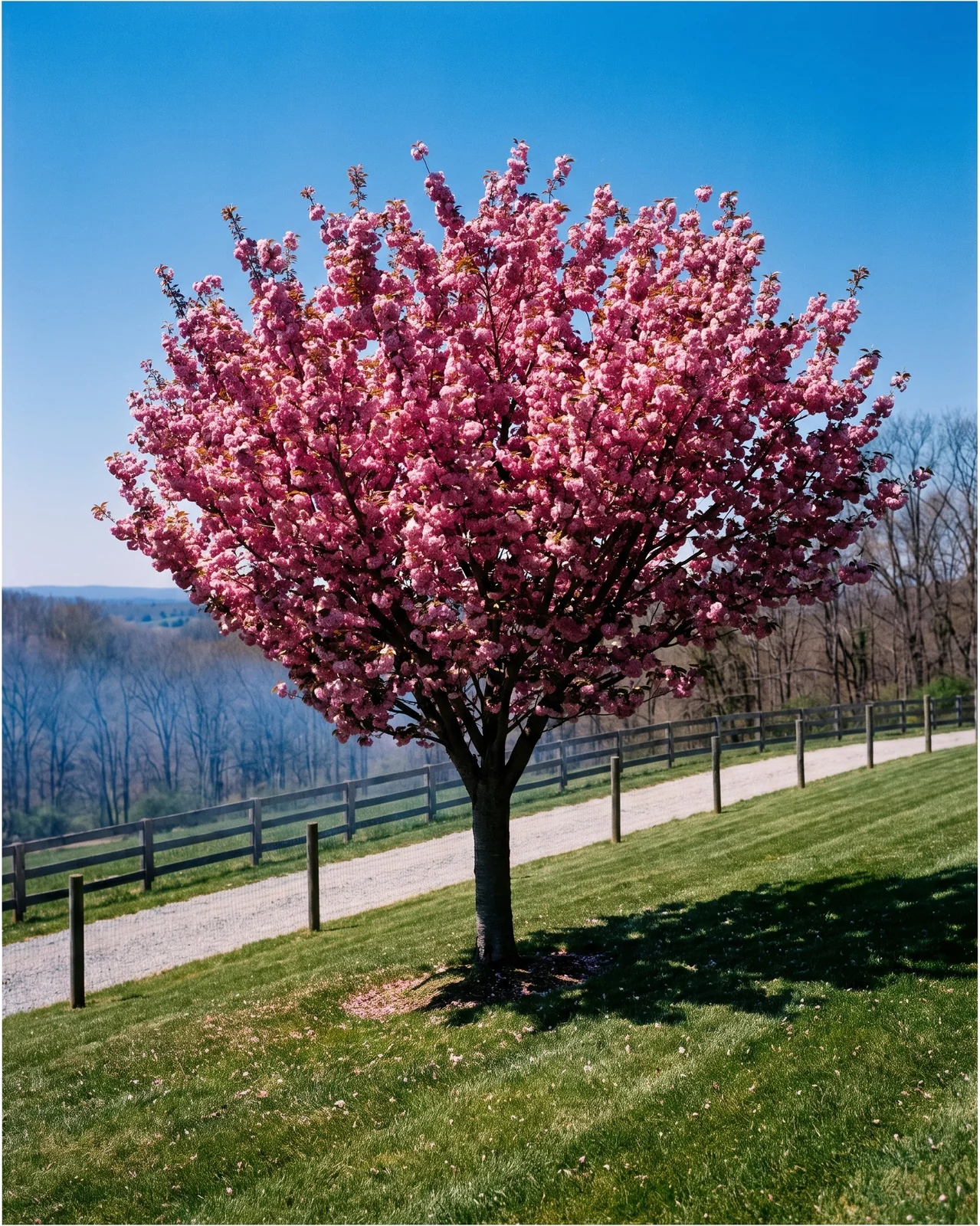
Keep the roots of a cherry moist. The tree handles heat and humidity and does not tolerate a prolonged drought, and watering through an extended drought keeps disease and insect problems down. Wet ground is the more expensive mistake, because the root diseases that yellow a cherry through summer are more common on soils that stay wet.
Soil and pH
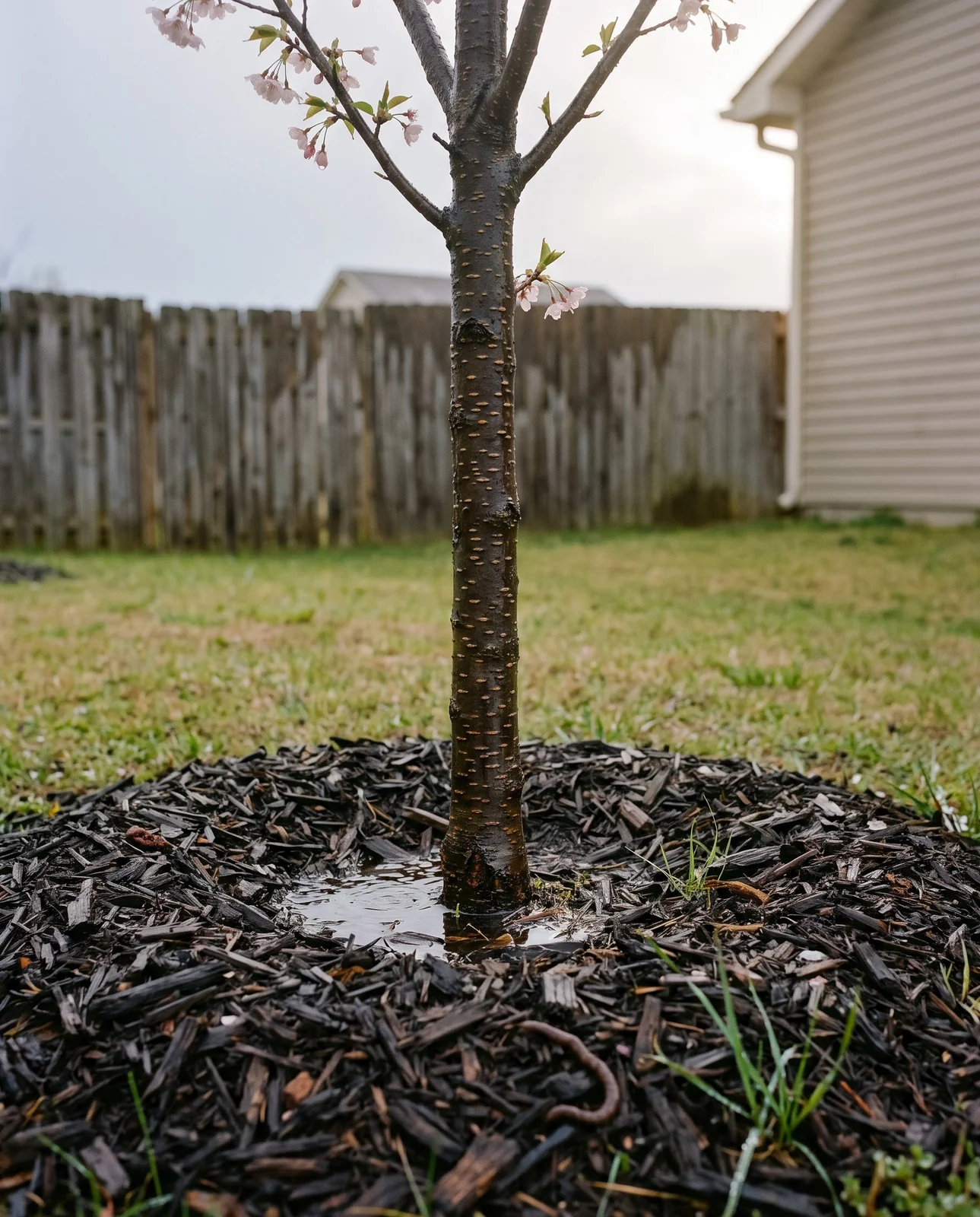
Ornamental cherry trees grow well in fertile, well drained soil with a pH of 6.0 to 7.5. Texture matters less than drainage. Yoshino handles clay, loam, sand and shallow rocky ground as long as water moves through it. Prunus serrulata wants a moist, well drained loam and will not tolerate ground that drains poorly. In a lawn, mulch out as far as the limbs reach: mowers and string trimmers easily damage the thin bark.
USDA hardiness: can you grow one where you live?
The zone that matters is the one printed on the tree you buy. Sargent cherry is the coldest hardy at zones 4 to 7, 'Autumnalis' Higan cherry runs 4 to 8, and 'Kanzan' carries the widest band at 5 to 9. Yoshino is the one to check twice, usually sold for zone 5 and held to zone 6 by the National Park Service. In the coldest gardens the list comes down to the first two.
Heat and humidity set the other boundary. Sargent cherry is somewhat intolerant of both and generally does not grow well south of zone 7. Yoshino tolerates heat and humidity though not drought, and Higan cherry handles both better than most flowering cherries. On the coast the ranking changes again: in South Carolina 'Kwanzan', 'Shirotae' and 'Shogetsu' are poor selections for coastal areas, while 'Okame' blooms well even in the Coastal Plains. Surviving a zone and flowering in it are two different things.
Planting a cherry blossom tree
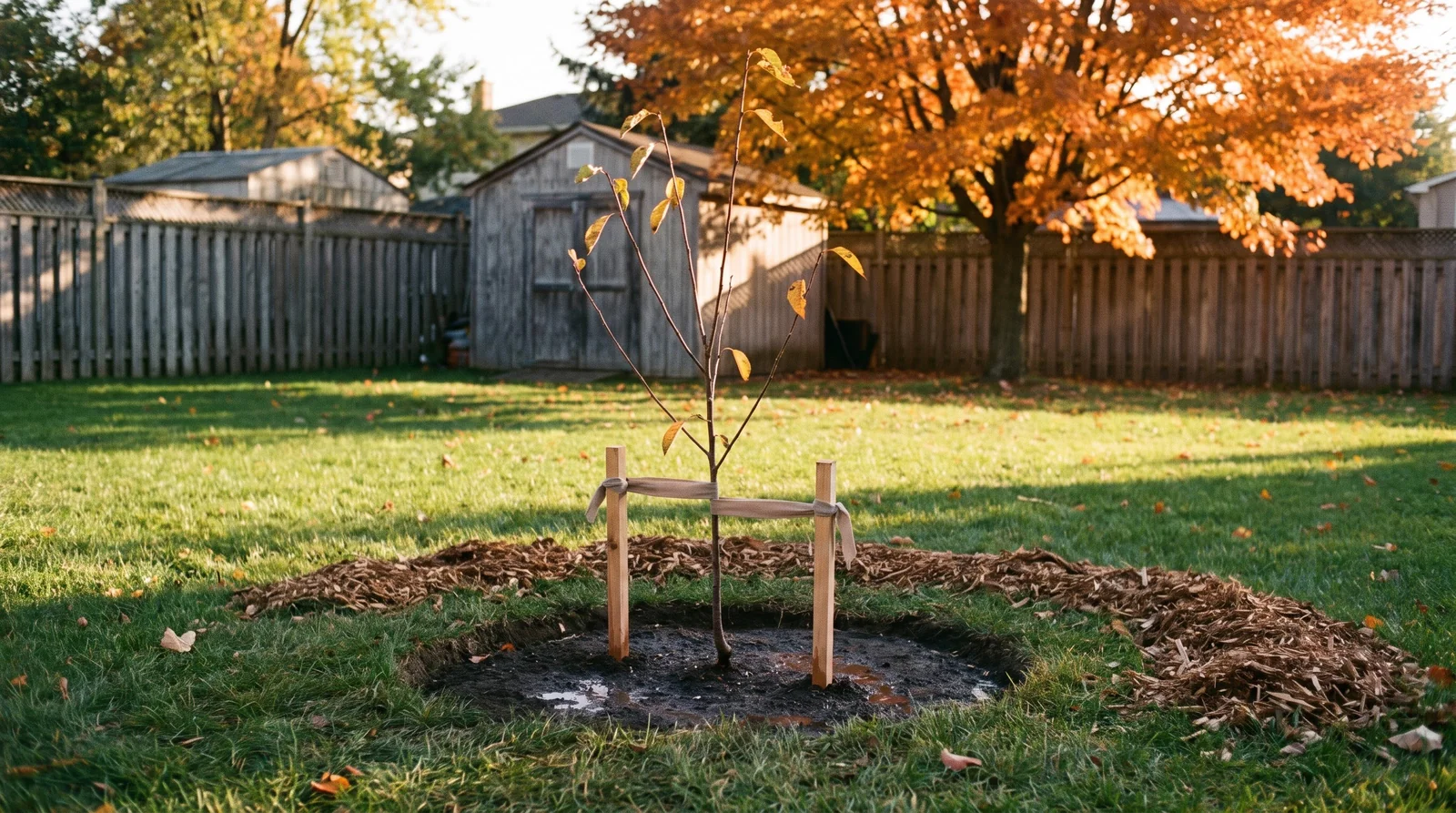
Plant a flowering cherry in the open with full sun, or at least six to eight hours of sunlight a day. Leave air on every side of it, because crowded trees trap humidity and keep their leaves wet for longer. Mulch no more than 2 to 3 inches deep and hold it 6 inches clear of the trunk, which prevents vole damage, borer problems and trunk diseases. Water whenever the week has brought less than an inch of rain. Where winters bring deep snow, wrap the lower trunk in hardware cloth run 2 to 3 inches below soil level: voles girdle and kill a young cherry at the base.
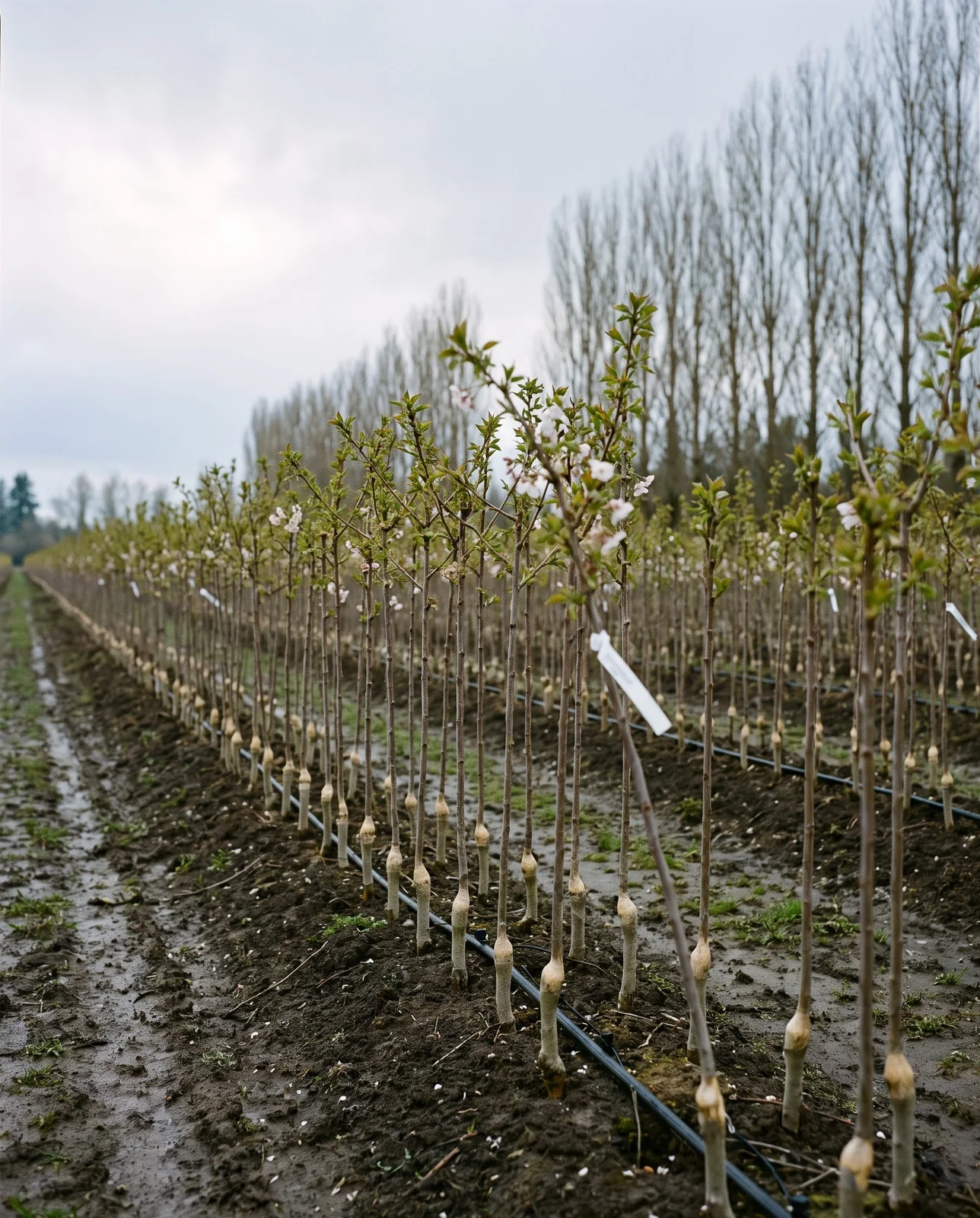
The other half of the job is buying a tree worth planting. The cheap weeping cherries at home improvement stores are weeping higan branches grafted onto a straight trunk cut off at five feet, often weak before they reach a garden. Poor planting stock sits on the same list as drought, trunk damage and badly drained soil, and everything on that list encourages borers and disease.
Which cherry blossom tree fits your yard
Five questions settle which flowering cherry belongs in a yard, and cold and space rule out more trees than color does. Where none of them fits, the wider catalog of flower types covers the same weeks.
How flowering cherries are propagated, and how long they live
Flowering cherries are multiplied by grafting, so every tree of one cultivar flowers like the last. Nursery stock is worked onto a separate understock, sometimes top grafted at the 4 to 6 foot level so the flowering head sits on a trunk grown by a different plant. Growth rising from the base or the bare trunk belongs to that understock and will never turn into the tree on the label. The short life these trees are known for has as much to do with the wood as the genes. The bark is thin and easily damaged, and the trunk is prone to splitting.
Pruning without losing next spring
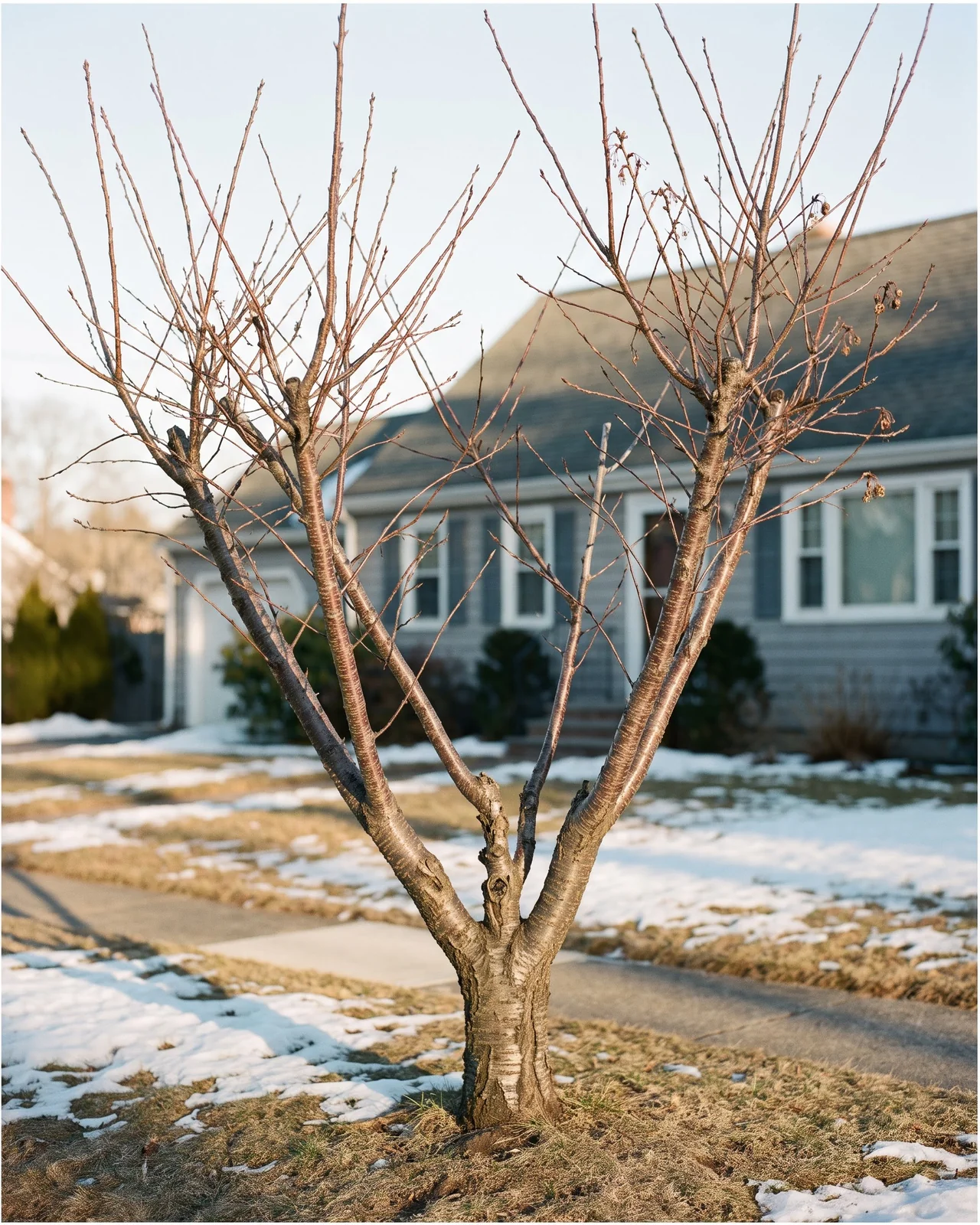
Prune a flowering cherry as little as possible, and prune it straight after it flowers. Pruning is seldom necessary beyond dead or diseased wood and branches that cross and rub. The crossing branches come out immediately after flowering so the following year's display is not reduced, while dead or diseased wood can come out at any time of year. Nothing here calls for shaping cuts or a shortened crown. What the work buys is air circulation inside the tree, which reduces the potential for foliar diseases, and broken wood gone before it encourages disease and insects.
Pests and diseases of flowering cherries
Borers are the pest that kills flowering cherries outright. Peachtree borer larvae grow into thick-bodied grubs about an inch long. They burrow through the inner bark at or just below the base of the tree, where one borer can kill a small tree and two or more a larger one. Oozing sap is the sign to read. Gummosis comes from borers, mechanical injury, stress or cankers, and the disease kind carries no sawdust or bark pieces in the sap.
Past borers the list is long: aphids, scales, spider mites, caterpillars and Japanese beetles among the insects, and leaf curl, root rot, fire blight, black knot and powdery mildew among the diseases. Black knot makes black, gnarled swellings along twigs, easiest to find after the leaves drop; cut the infected wood out below the damage and dispose of it. Brown rot attacks late in spring, 'Kwanzan' worst, just as the flowers begin to fade. Cherry shot hole punches round holes about an eighth of an inch across, runs worse through a wet spring and ends in leaves yellowing and falling early.
What actually goes wrong, ranked
The five complaints that come up most often, with what to check for each.
Branches leaf out thin or not at all, and limbs that looked sound last year stand bare. Start with the causes that are not alive: drought, excessive rainfall, low sunlight, compacted soil, planting too deeply, too much mulch and root damage. Then check the base for borers, where one grub can kill a small tree. White, fan-shaped fungal mats between bark and wood mean Armillaria root rot, and those trees tend to collapse in mid-summer.
Full leaf and few or no blooms, sometimes a scatter low down and nothing above. Rule out the weather first, since a late frost can prevent the trees blooming at all.
Bark stripped low on the trunk, twigs torn, a young tree rocked loose by a buck. Ornamental flowering fruit trees may need protection from deer: enclose the trunk loosely in hardware cloth and rotate repellents where pressure is heavy.
Foliage yellowing gradually and falling before autumn. Scrape a little bark and look underneath: browning tissue points to Phytophthora root rot or Verticillium wilt, both more prevalent on wet soils. Change the drainage before anything else.
Amber gum at or just below ground level, often with sawdust-like grit in it. Gum carrying frass is borer work, and the gum itself is the tree's defensive response to the injury.
Why a cherry blossom tree stops blooming
Bloom failure on an established cherry is almost always weather, light or a badly timed cut, in that order.
Toxicity and pet safety
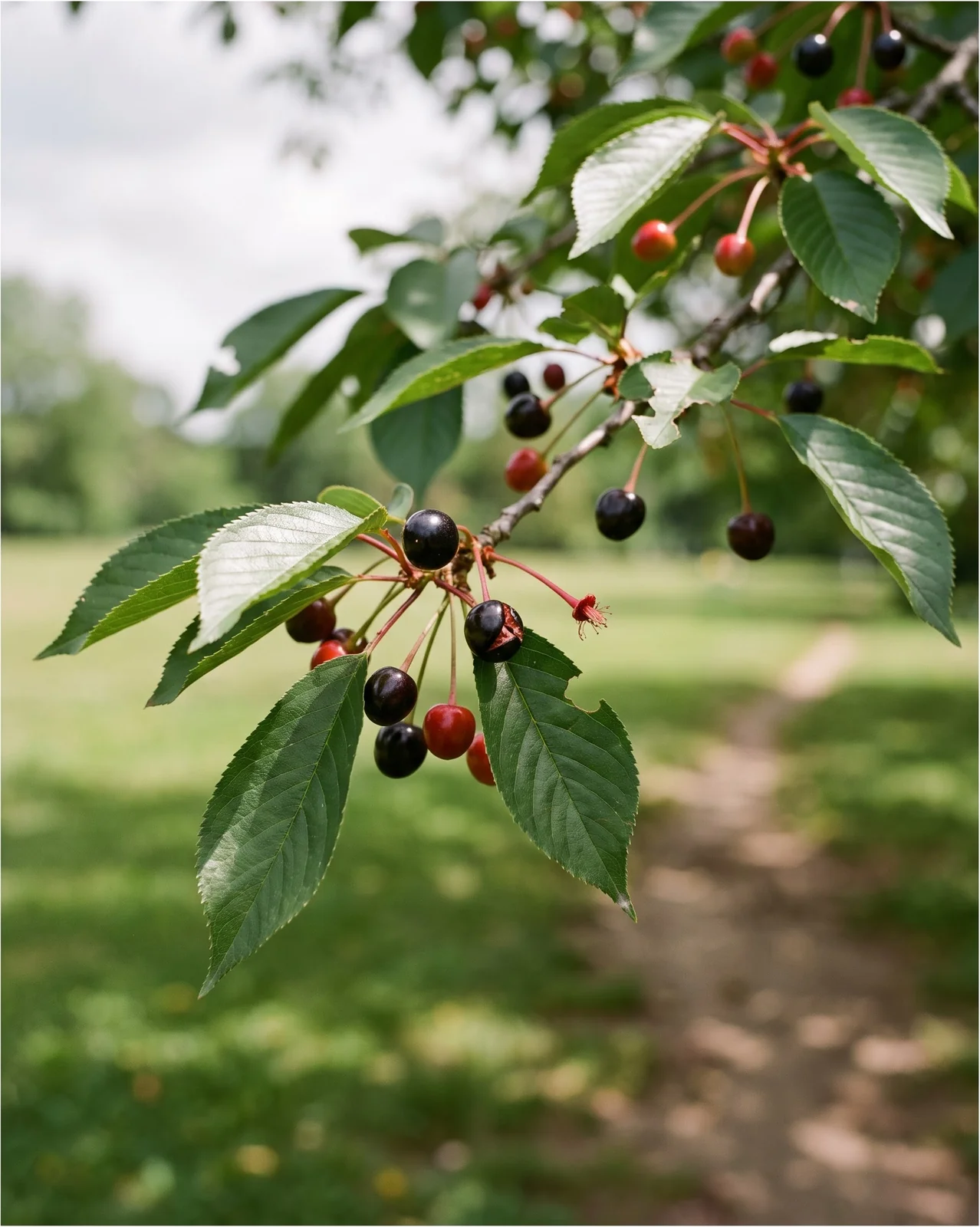
Cherry is toxic to pets, and the danger sits in the parts nobody plants the tree for. The ASPCA lists cherry, the whole genus Prunus, as toxic to dogs, cats and horses, with cyanogenic glycosides as the toxic principle. The stems, leaves and seeds contain cyanide and are particularly toxic while wilting, and the signs are brick red mucous membranes, dilated pupils, difficulty breathing, panting and shock. A lawn covered in fallen blossom is a different matter from a pile of prunings by the fence.
Do cherry blossoms smell of anything?
Cherry blossom scent is faint at best, and on many cultivars there is none at all. Yoshino is the one to plant for it, with a slight almond fragrance in the flowers. 'Kanzan' has no scent, while 'Okame' is mildly fragrant. None of it competes with a lilac hedge in May, and what scent there is has to be met under the branches.
Cherry branches forced indoors
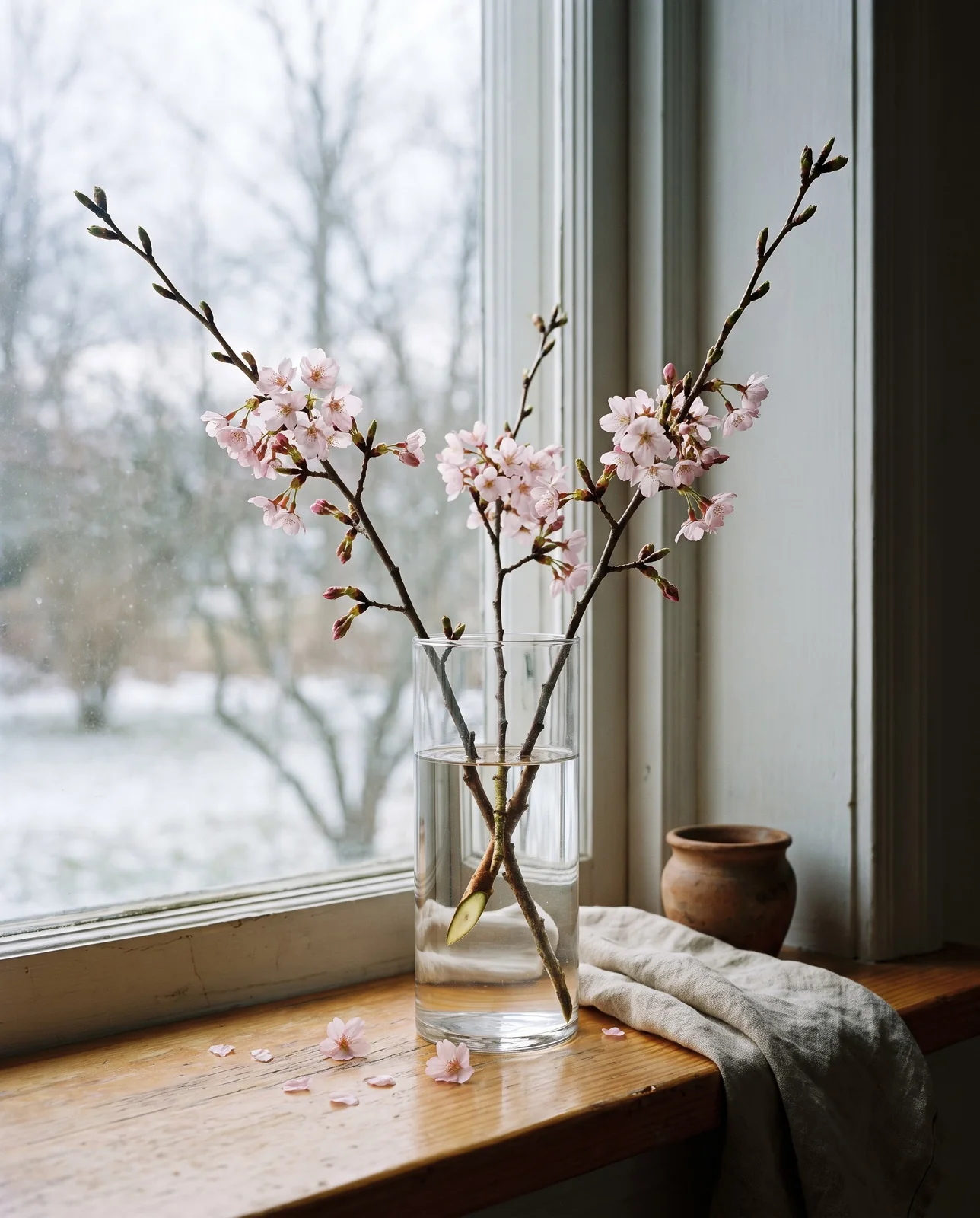
Cut branches are the one way to have cherry blossom before the tree is ready to give it, and cherry sits among the fruit trees suited to forcing. Nobody has published a forcing time for cherry itself; forsythia takes one to three weeks and apple two to four.
Cherry blossom myths worth dropping
Four beliefs come up almost every time a flowering cherry is bought.
The myth: Cherry blossom trees grow cherries you can eat.
The reality: Some of them fruit, but not for a kitchen. Yoshino carries small black cherries about half an inch across, bitter to people and loved by birds.
The myth: Straight shoots from the base mean a weeping cherry is reverting and can be trained back.
The reality: Those are water sprouts and root suckers thrown by the understock below the graft, and the instruction is to prune them out. Nothing from below the graft will ever weep.
The myth: Flowering cherries are deer resistant.
The reality: Yoshino cherry is frequently damaged by deer while Prunus serrulata is called deer resistant. In deer country, treat a young tree as vulnerable.
The myth: The cherry trees at the Tidal Basin are the original trees Japan sent.
The reality: The line survives; most of the trees do not. Japan sent 3,800 more Yoshinos in 1965, and four hundred trees propagated from the survivors of the first gift went in between 2002 and 2006.
What to expect year by year
The first decade on a young flowering cherry after planting.
Year one belongs to the roots: little top growth, a thin scatter of flowers at best, and watering through the first dry spells. Yoshino grows rapidly after that, and asks for a lot of upkeep.
By the third and fourth spring the canopy reads as a tree. A Japanese flowering cherry may put on about 10 feet in 10 years. That is fast enough that a spacing mistake shows early, and slow enough that nothing needs cutting back to fix it. This is also the stretch when the trunk is most worth protecting, since the bark is still thin and one mower strike lasts the life of the tree.
After that the tree pays for its wood. Most live 15 to 20 years and some reach 30 to 40, and which end a tree reaches is decided mostly by what has hit its trunk along the way.
Flower photos
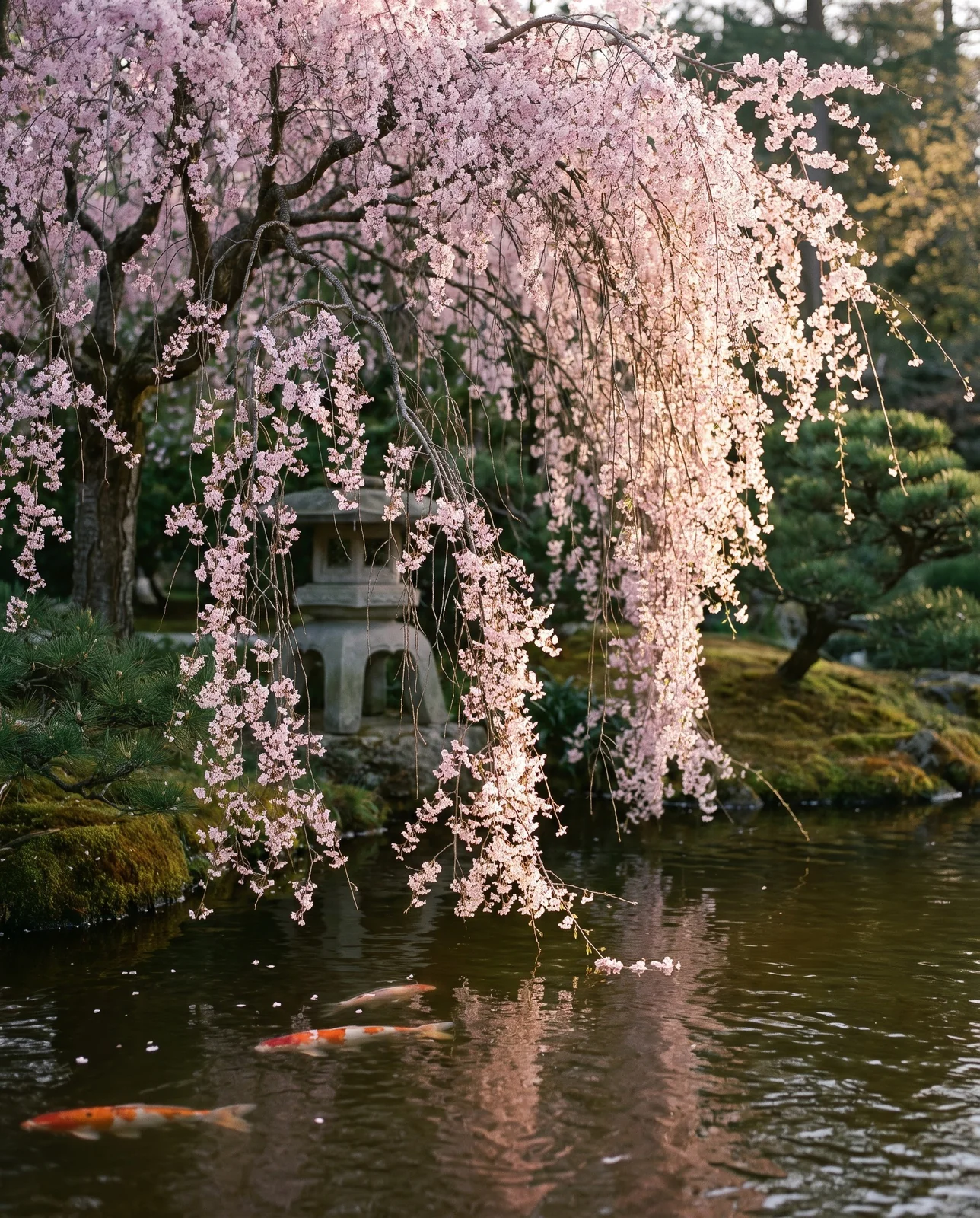
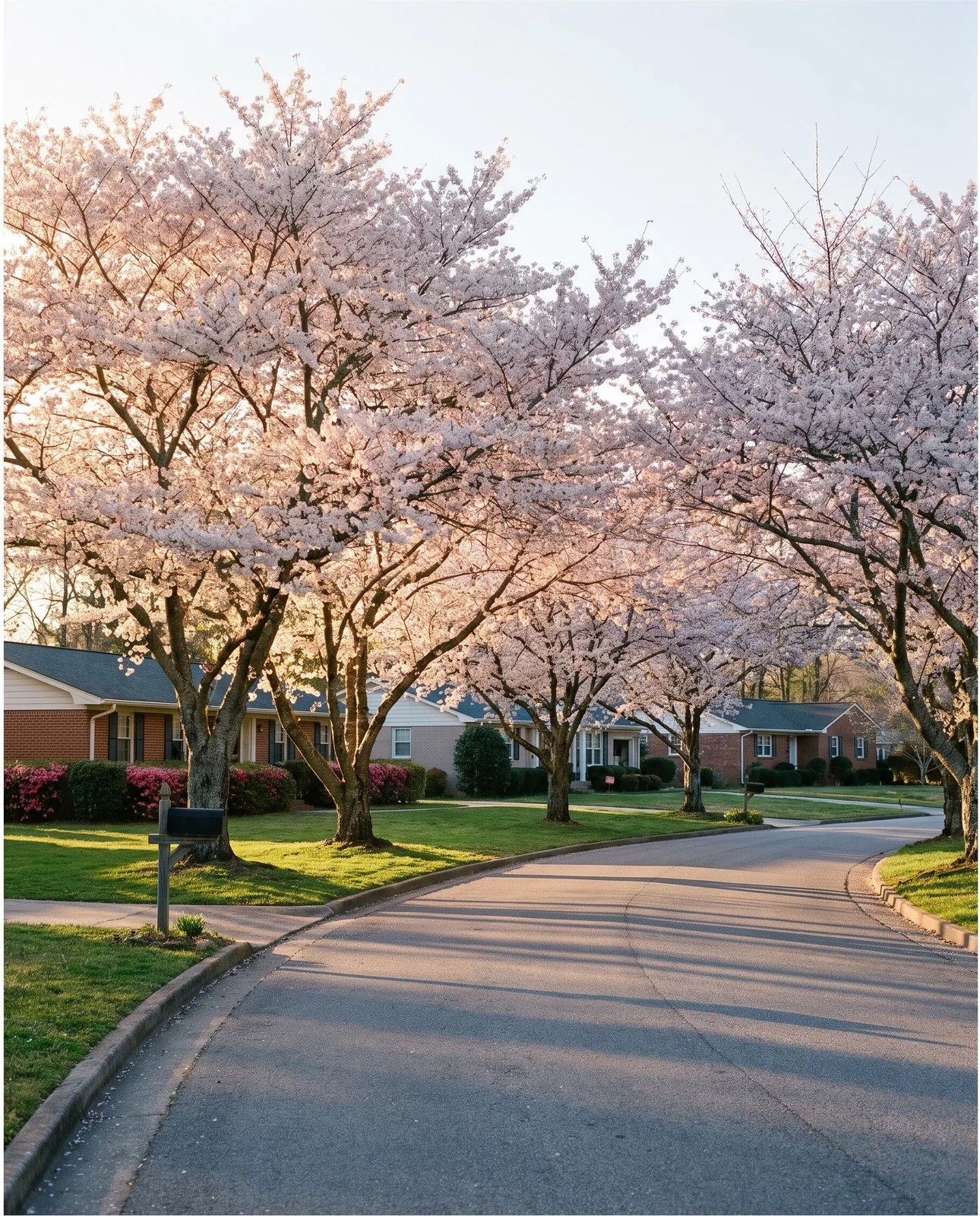
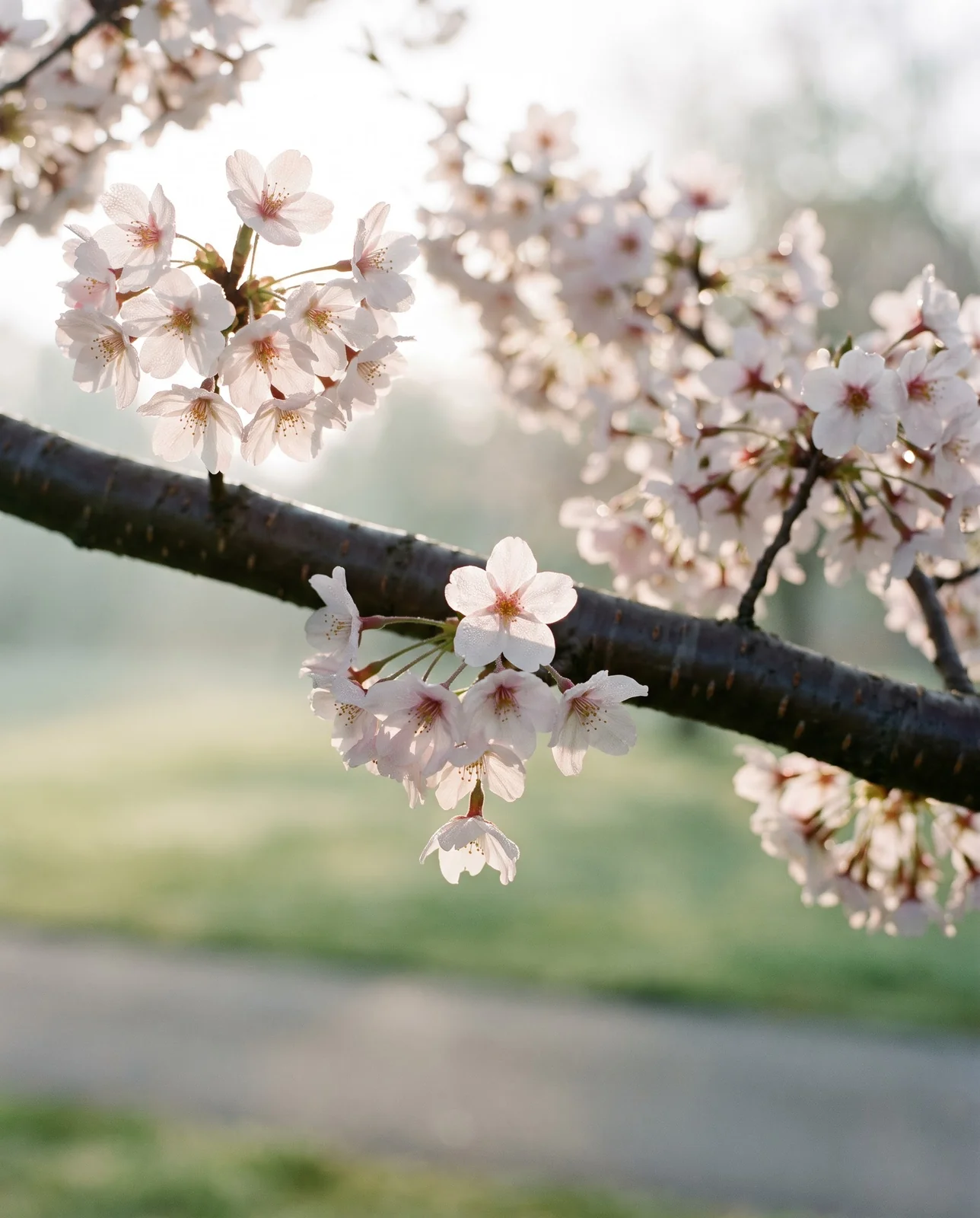
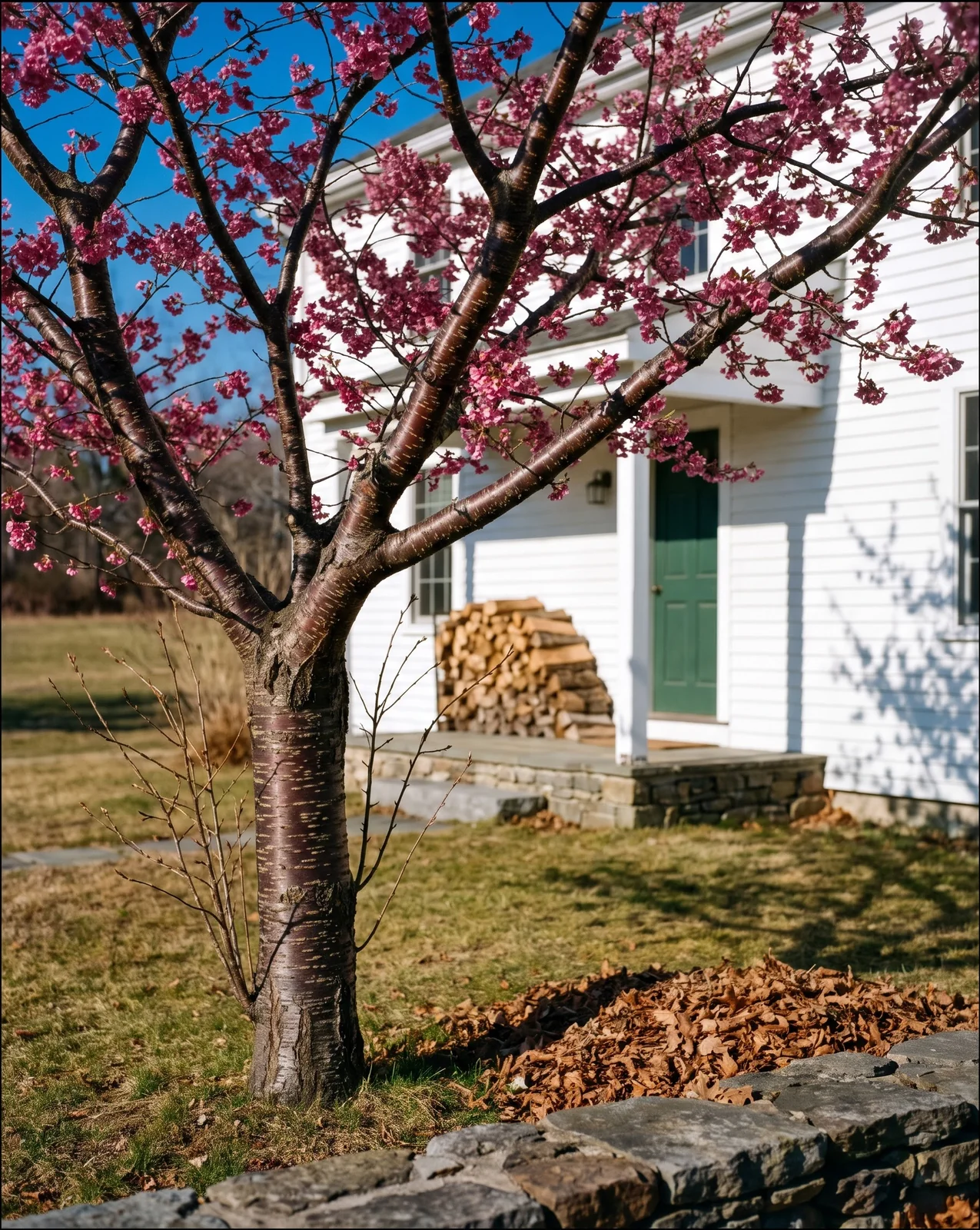
FAQ
Can you grow a cherry blossom tree in the USA?
In most of the country, yes. Sargent cherry holds the cold end at zones 4 to 7 and 'Kanzan' the warm end at 5 to 9.
Is there a difference between a cherry tree and a cherry blossom tree?
Close relatives grown for opposite reasons: the orchard trees for fruit, the ornamentals for the flowers and the shape of the tree.
Which month is cherry blossom month?
March and April across most of the country, and where several cultivars stand together the season runs about a month.
Is April too late to see cherry blossoms?
Rarely. The late doubles carry the back half of the season: Kwanzan comes two weeks after Yoshino, and 'Shirofugen' and 'Shogetsu' later still.
Why do cherry blossoms only last two weeks?
They open together and go over together, full bloom about a week after the first flowers and petals falling a week after that.
What is the most common type of cherry blossom tree?
Yoshino, wherever the trees are counted, roughly 70 percent of the cherries in the Washington park.
What is the prettiest cherry blossom tree?
That is taste. The two usual answers are opposites, single white Yoshino and deep pink double 'Kanzan'.
What state has the most cherry blossom trees?
Nobody counts them by state. Macon-Bibb in Georgia holds the most cherry trees of any US county.
Are cherry blossom trees difficult to grow?
They ask little of the soil and they wound easily. Yoshino grows rapidly and asks for a lot of upkeep.
Are cherry blossoms poisonous to dogs?
Yes. Cherry is toxic to dogs, cats and horses, and the stems, leaves and seeds are at their most toxic while wilting. Clear prunings away from where an animal can chew them.
What is so special about cherry blossoms?
The bloom is brief and it happens all at once. That is what made it a Japanese symbol of the ephemeral.
Interesting tips
- 'Kanzan' is also sold as 'Kwanzan' and as 'Sekiyama', so one cultivar can stand on three benches under three labels and look like three trees.
- A cherry can be named with no flower on it. The leaf stalk carries two or more large wart-like glands near its tip, usually touching the base of the blade.
- Japan's bloom forecasts track one clone, since the dates refer to Somei Yoshino trees. That is why one cultivar's calendar stands in for a whole country, and why a garden of mixed cherries keeps its own schedule.
Related Guides & Flowers
Cherry blossom meaning
What the flower stands for, how the colors read, and why a bloom this short carries so much of the symbolism.
Magnolia
The other early flowering tree people mistake for a cherry from the road, and what it asks for in a yard.
Lilacs
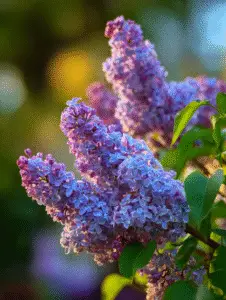
The spring shrub grown for scent, for anyone who wanted perfume from a cherry and did not get it.
Pink flowers
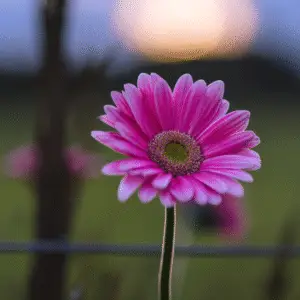
Where the cherry sits among pink bloomers, and what opens in that range before and after it.
Enjoying our flower guides? Add YourFlowersGuide as a preferred source on Google. It helps more readers find us.
Add to Preferred Sources