Both germinate for a child in a paper cup. The table picks by what happens after July.
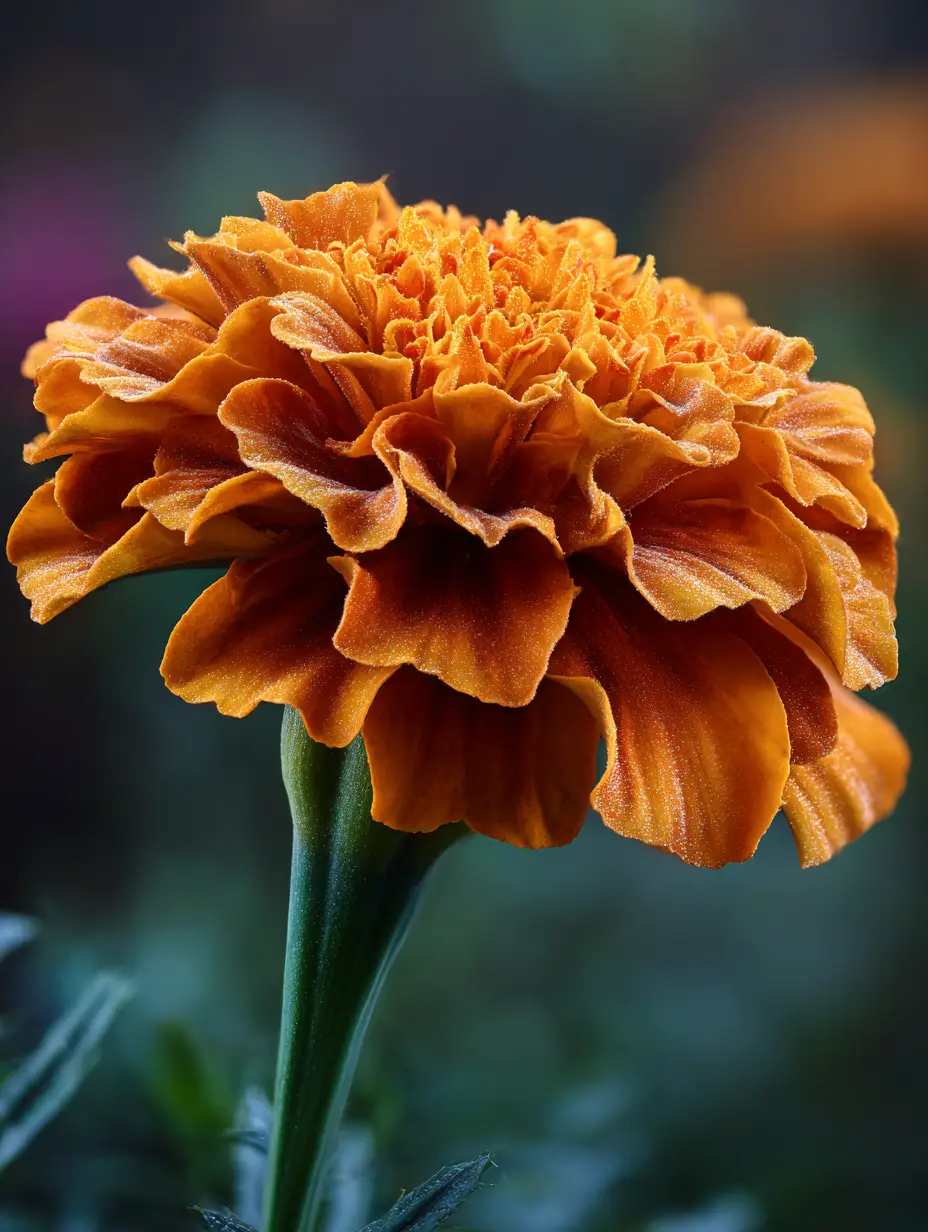
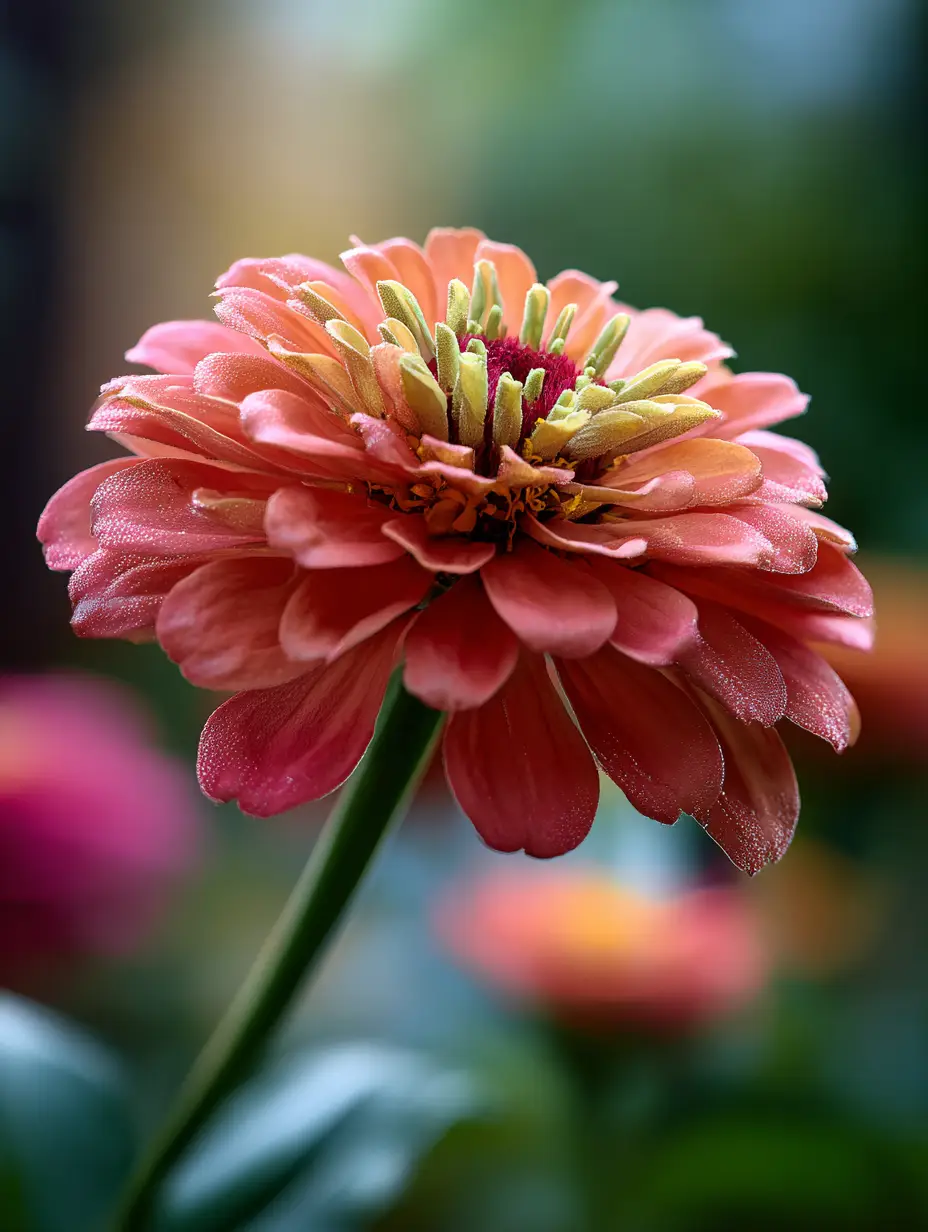
Shot to one scale: bloom beside bloom, from our own library.
The verdicts, line by line
Every line below is a field of the open table, not an opinion.
In the vase
In plain water the gap is not taste, it is arithmetic: marigolds hold 7 days while zinnias manage 7 to 10. On price the two are interchangeable: the wholesale ranges overlap, so the choice is not a budget question. Out of water, for a boutonniere or an arch, the one that survives the afternoon is marigolds.
In the garden
Neither is a perennial in most of the country: both are planted fresh each year, which makes the choice a matter of the season you want, not the winter you have. On upkeep the table sides with marigolds: rated low maintenance against medium.
The full card
A line is marked only where one flower clearly leads. Equal or too-close values are left plain.
| Field | Marigolds | Zinnias |
|---|---|---|
| Vase life, days | 7 | 7 to 10 |
| Wholesale, per stem | $0.45 to $1.10 | $0.75 to $1.50 |
| Fragrance | Aromatic foliage and flowers, described simply as fragrant | Not noted as fragrant |
| Light | Full sun to part shade | Full sun |
| Water | Medium | Medium |
| Hardiness zones | 2 to 11 | 2 to 11 |
| Bloom months | 5 months | 5 months |
| Deer (Rutgers) | Seldom severely damaged (Rutgers B) | Seldom severely damaged (Rutgers B) |
| Cats (ASPCA) | Never evaluated | Listed non-toxic |
| Out of water | Fair | Poor |
We keep one table of 85 flowers, with 25 documented facts each, drawn from university and extension sources. Every ranking is a published formula worth 100 points; tap any score and it unfolds into the lines that made it. A flower that does not fit a job is not scored lower: it is excluded, and the reason is named. Nothing here is sponsored, and no score can be bought. When the table changes, every score and stamp updates itself. The full method ↗
Read the full profile
Everything the table holds on each of them, in plain prose.