One is the June splurge everyone photographs; the other quietly outlasts everything in the vase.
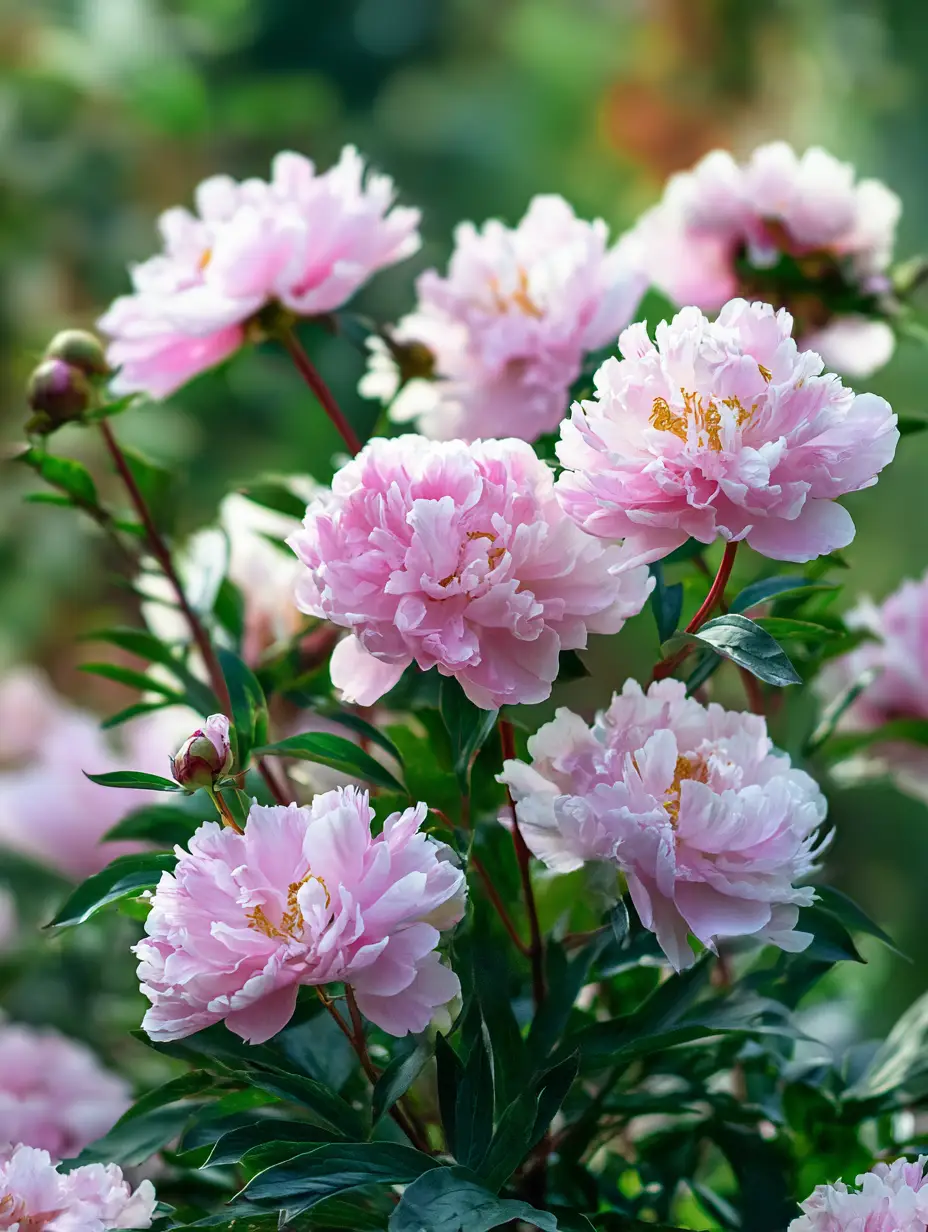
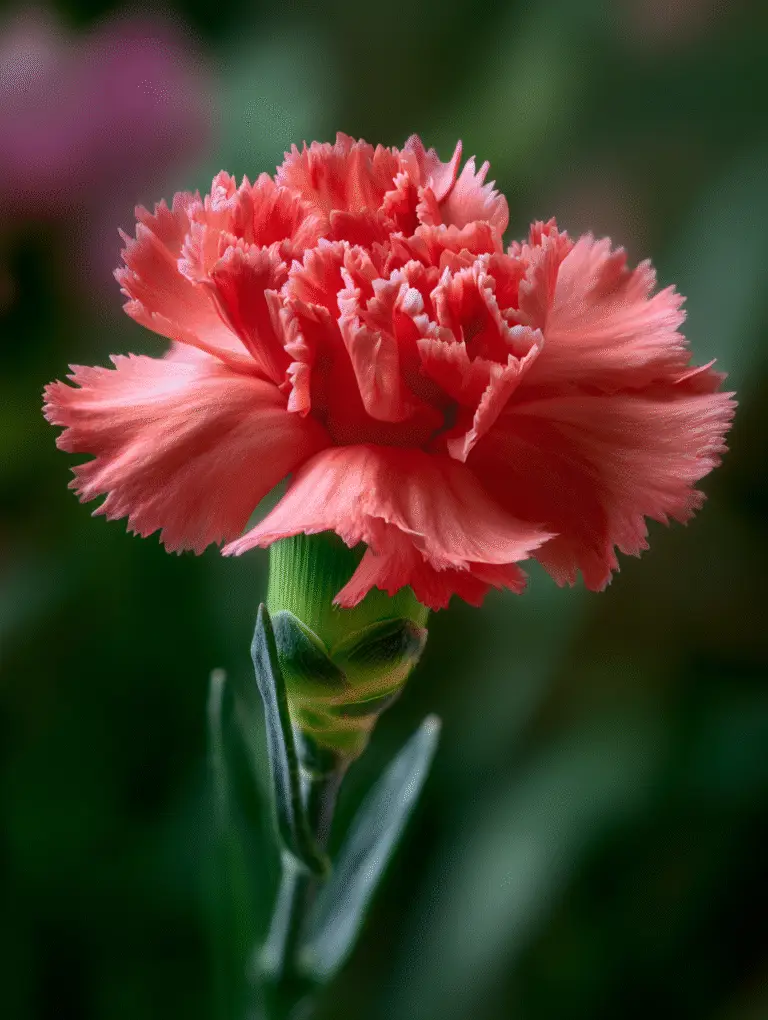
Shot to one scale: bloom beside bloom, from our own library.
The verdicts, line by line
Every line below is a field of the open table, not an opinion.
In the vase
In plain water the gap is not taste, it is arithmetic: carnation holds 10 to 34 days while peonies manage 3 to 7. Money settles the rest of the argument: carnation wholesales around $0.26 to $0.75 a stem against $3 to $8, roughly double for the same job. Those are typical trade prices, not a quote: what a florist charges you moves with the season and the region.
In the garden
Both come back, but not everywhere: peonies shrug off zone 3 winters while carnation taps out below zone 6.
The full card
A line is marked only where one flower clearly leads. Equal or too-close values are left plain.
| Field | Peonies | Carnation |
|---|---|---|
| Vase life, days | 3 to 7 | 10 to 34 |
| Wholesale, per stem | $3 to $8 | $0.26 to $0.75 |
| Fragrance | Fragrant by cultivar | Clove-scented, strength varies by cultivar |
| Light | Full sun to part shade | Full sun to partial shade |
| Water | Medium | Medium |
| Hardiness zones | 3 to 8 | 6 to 9 |
| Bloom months | 2 months | 3 months |
| Deer (Rutgers) | Rarely damaged (Rutgers A) | Seldom severely damaged (Rutgers B) |
| Cats (ASPCA) | Toxic | Toxic |
| Out of water | not recorded | Good |
We keep one table of 85 flowers, with 25 documented facts each, drawn from university and extension sources. Every ranking is a published formula worth 100 points; tap any score and it unfolds into the lines that made it. A flower that does not fit a job is not scored lower: it is excluded, and the reason is named. Nothing here is sponsored, and no score can be bought. When the table changes, every score and stamp updates itself. The full method ↗
Read the full profile
Everything the table holds on each of them, in plain prose.