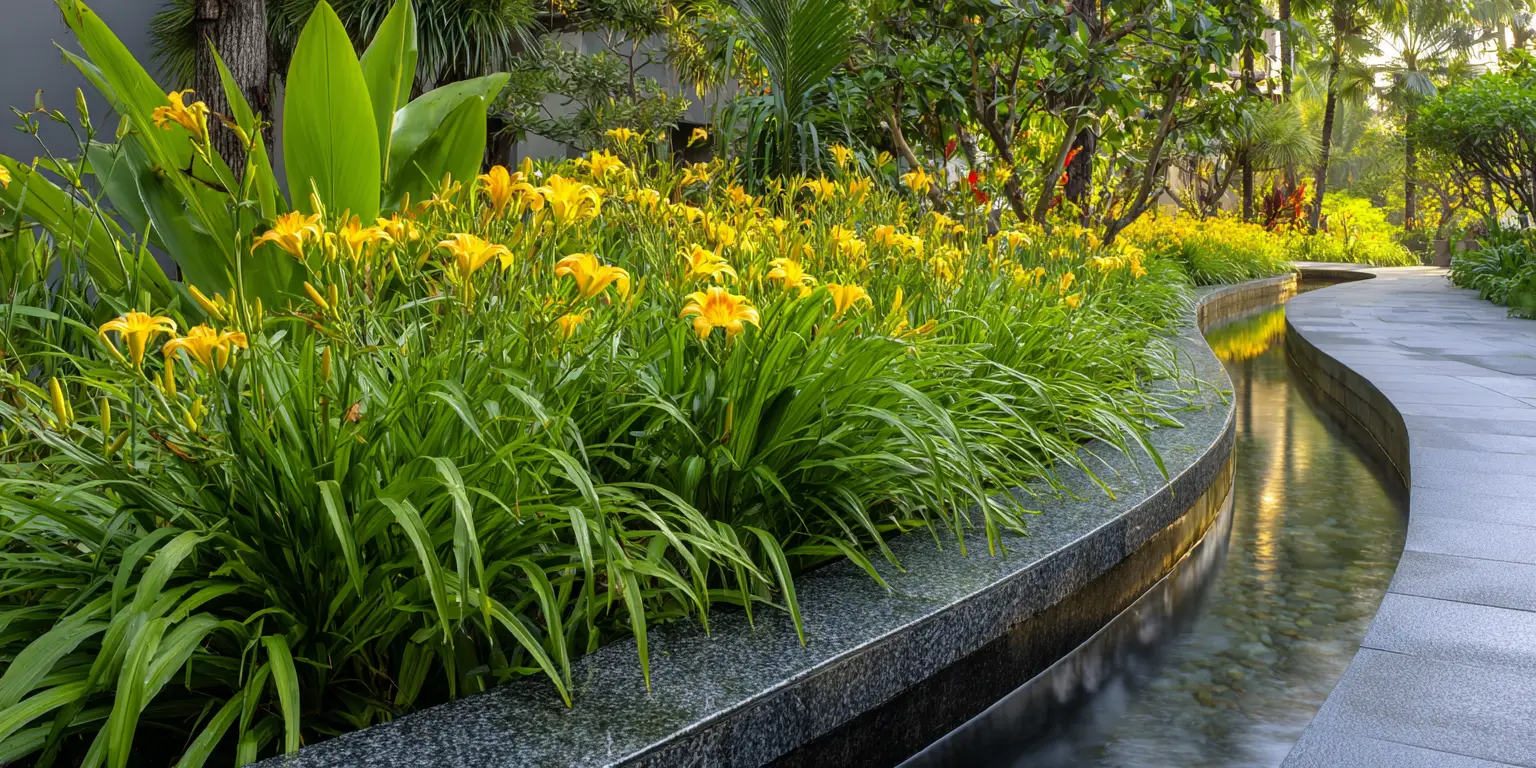
in bloom
now
through Aug
Bloom calendar
Stella de Oro
Reblooming miniature daylily · Jablonski, 1975, USA
At‑a‑glance
- Group/Class: Reblooming miniature daylily
- Height × spread: 9-12 in (23-30 cm) × 9-12 in (23-30 cm)
- Bloom window: May to August; may repeat
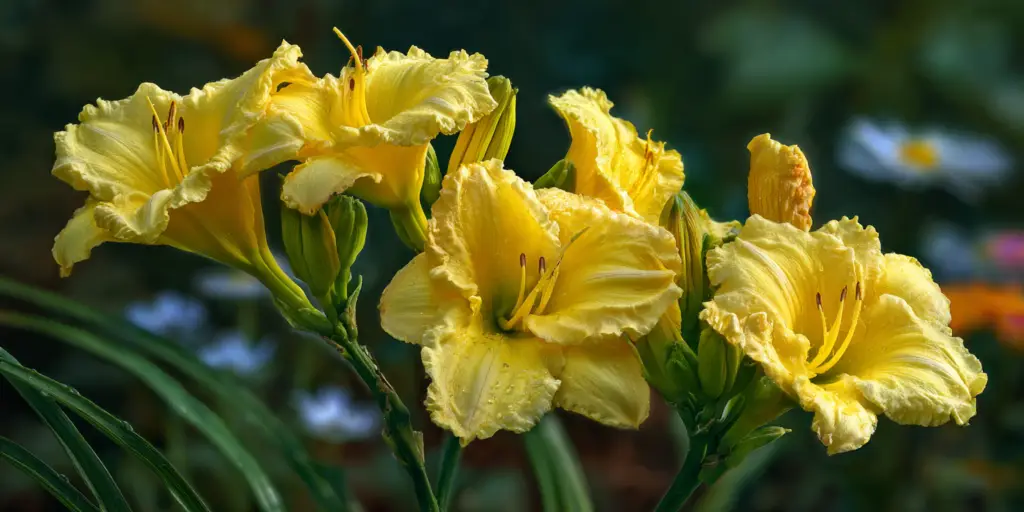
- Color & flower form: Golden yellow; miniature, ruffled, about 2.75 in
- Fragrance: 1 trace
- USDA hardiness: zones 3-10
- Breeder / Year / Origin: Jablonski, 1975, USA
- Awards/registration: Stout Silver Medal (1985)
- Cut‑flower notes: Each flower lasts 1 day; buds on scapes continue to open in water
- Pet safety: avoid: toxic to cats; generally non‑toxic to dogs
How it differs
- Very compact habit compared with many daylilies
- Miniature flower size with ruffled edges
- Exceptionally long bloom window for a daylily
- Reliable rebloom in long warm seasons
- Tolerates urban air pollution
Strengths
- Long, profuse bloom noted by public gardens
- Low maintenance once established
- Handles summer heat and humidity
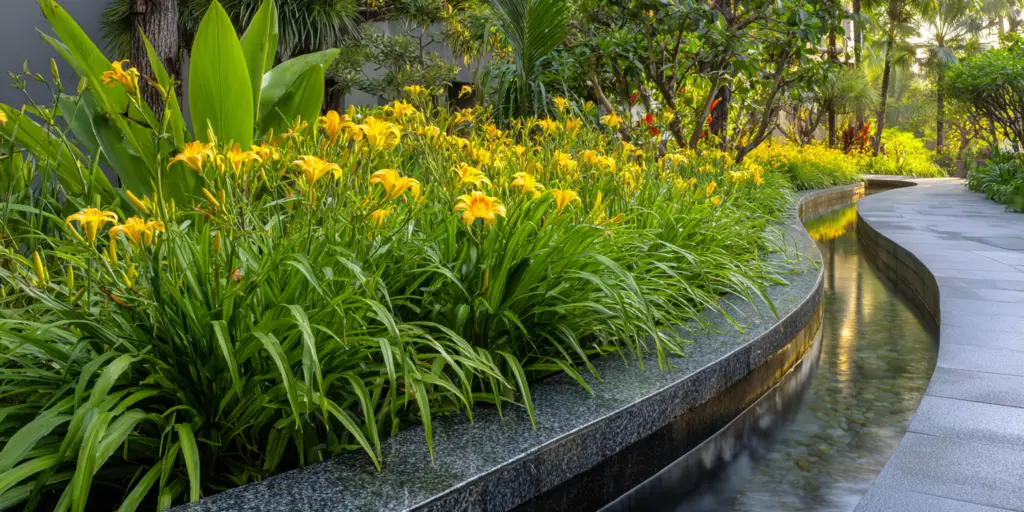
- Good performance in containers and tight spaces
Care in one minute
Site: full sun for best bloom; light shade tolerated
Soil: well‑drained, moderately fertile; slightly acidic to neutral
Water: about 1 in per week; water deeply in dry spells
Feeding: light spring fertilizer or compost
Grooming: deadhead spent flowers and remove finished scapes
Divide every 3-4 years in early spring or after bloom
Watch‑outs
- Rebloom decreases in shade
- Daylily rust and leaf streak can appear in humid or wet seasons
- Divide clumps every 3 to 4 years to maintain vigor
- Poor drainage can lead to crown or root issues
Best uses (tags)
Provenance note
Registered by Jablonski in 1975. Received the American Daylily Society Stout Silver Medal in 1985.
References
- Missouri Botanical Garden Plant Finder – Hemerocallis ‘Stella de Oro’
- American Daylily Society – Stout Silver Medal winners
- University of Minnesota Extension – Daylilies (care and bloom facts)
- ASPCA – Day Lilies (Hemerocallis spp.) toxicity to cats
Similar Flowers
Enjoying our flower guides? Add YourFlowersGuide as a preferred source on Google. It helps more readers find us.
Add to Preferred Sources