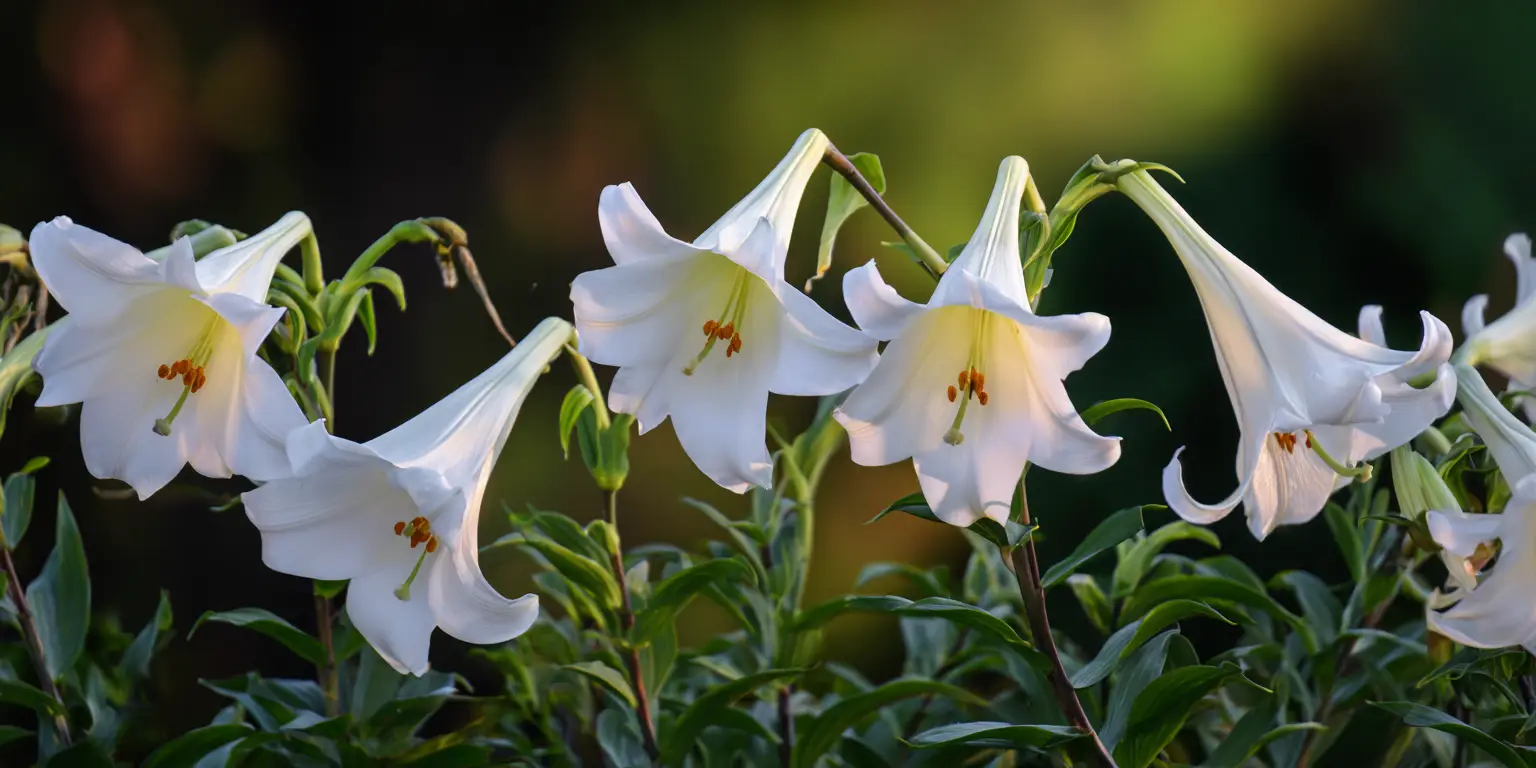
in bloom
now
through Aug
Bloom calendar
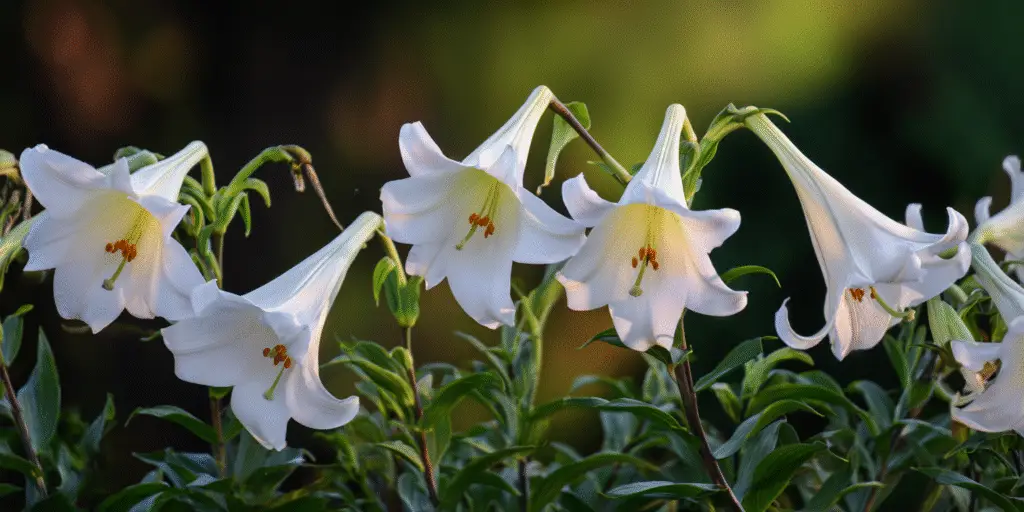
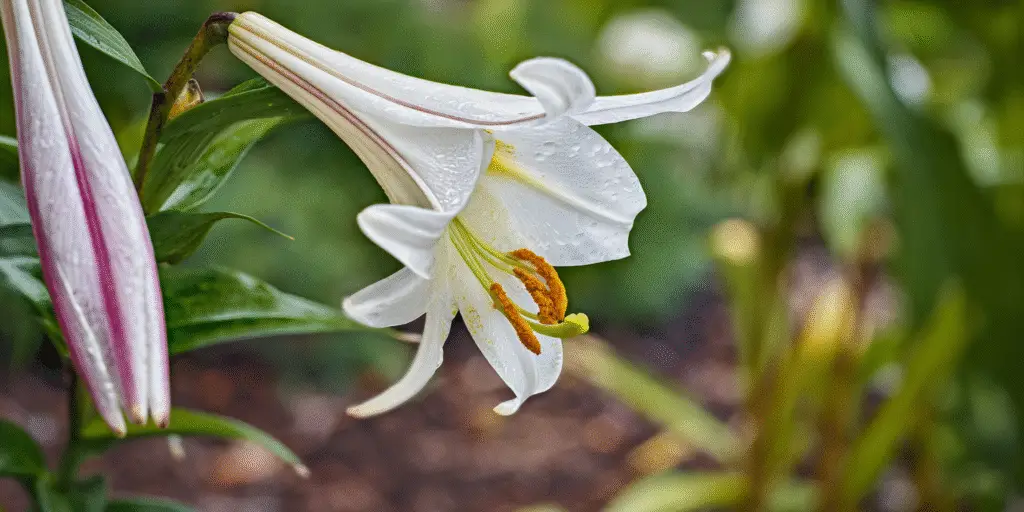
Lilium longiflorum
Species; Longiflorum group
At‑a‑glance
- Group/Class: Species; Longiflorum group
- Height × spread: 24–36 in (60–90 cm) × 9–12 in (23–30 cm)
- Bloom window: July to August
- Color & flower form: Pure white outward‑facing trumpets
- Fragrance: 3 strong
- USDA hardiness: zones 4 to 8
- Breeder / Year / Origin: unknown, native to Japan and Taiwan
- Cut‑flower notes: Stems are fairly stiff; typical lily vase life 9 to 14 days with preservative; remove anthers
- Pet safety: avoid
How it differs
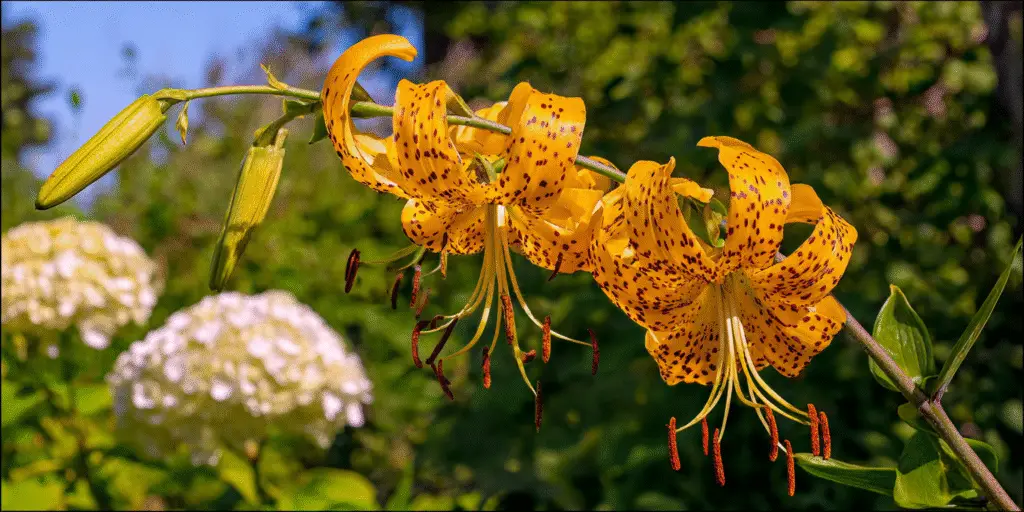
- Pure white trumpets instead of spotted or reflexed forms
- Blooms earlier than most Oriental species
- Moderate height with a narrow footprint
Strengths
- Highly fragrant, showy flowers
- Performs in sun to light shade with cool roots
- Good container and border subject
Care in one minute
Full sun to part shade; mulch to keep roots cool
Rich, well‑drained soil; slightly acidic to neutral
Even moisture during growth; avoid drought or waterlogging
Deadhead and leave stems to yellow; stake in wind
Watch‑outs
- Bulb rot in poorly drained soils
- Botrytis leaf blight in prolonged wet, cool weather
Best uses (tags)
Provenance note
Native to southern Japan and Taiwan; widely forced for Easter bloom.
References
- Missouri Botanical Garden Plant Finder – Lilium longiflorum
- NC State Extension Plant Toolbox – Lilium longiflorum
- University of Maryland Extension – Production of Hybrid Lilies for Cut Flowers
- ASPCA – Easter Lily
Similar Flowers
Enjoying our flower guides? Add YourFlowersGuide as a preferred source on Google. It helps more readers find us.
Add to Preferred Sources