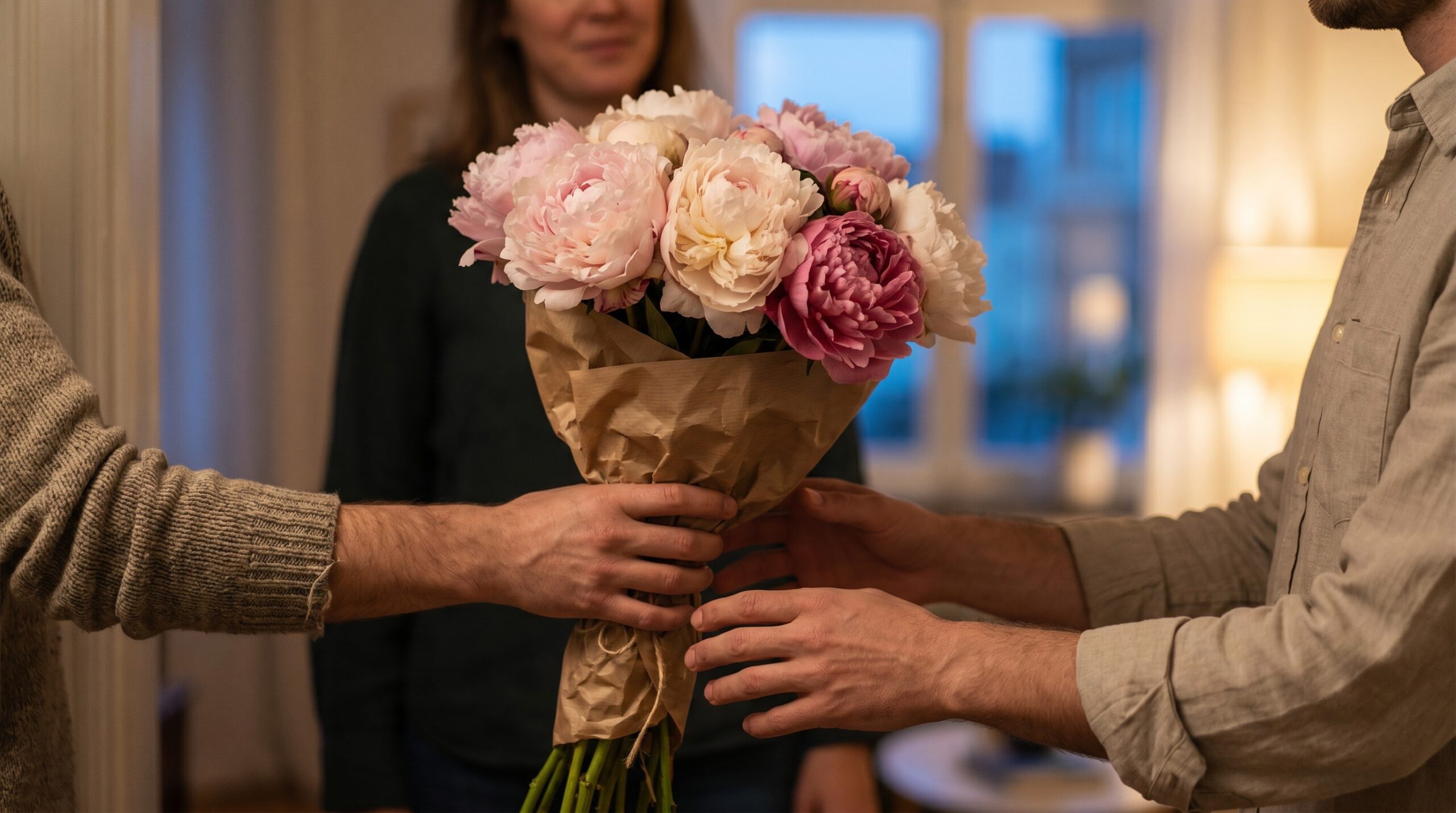
Standing in front of the rose bucket, the easiest and safest pick in the whole shop, and walking past it on purpose is basically the whole premise of this page. That instinct is sound. Roses are the cultural default in romantic flower giving, the answer a florist hands over the moment someone asks for "something romantic" without further instruction, and defaults get chosen out of habit more than thought. Swapping in tulips or peonies with that same habit and zero reasoning behind the swap accomplishes exactly nothing: the same generic gesture, just wearing an unfamiliar flower. The upgrade happens only when the alternative carries a meaning the rose can't reach on its own: her actual favorite flower, the one blooming near the restaurant on your first date, the color she mentioned once in passing that you actually remembered. That specificity is the entire trade being made here.
Reddit's own language on this is blunt about it. "They're the default romantic flower," reads one answer to a thread asking why men tend to only buy roses, and the framing holds up on its own. A separate thread puts the advice about as plainly as it can be put: "Not roses, but flowers. The gesture is right on but you should go with something less symbolic." That's the permission this page exists to give, in the reader's own words rather than a florist's marketing copy. There's real research behind why the gesture works no matter which flower gets picked, too. A study out of Rutgers University, published in the journal Evolutionary Psychology, found that flowers produced a genuine Duchenne smile, the kind that involves the eyes and can't be faked on command, in every recipient in the flower group within the first several seconds of opening the box. The flowers used weren't roses specifically; researchers tried a mixed bouquet in one experiment and single gerbera daisies in another, with the same effect both times. That emotional payoff comes down to the thought behind the choice more than the species that ends up in the vase.
The short list: alternatives that still read as unmistakably romantic
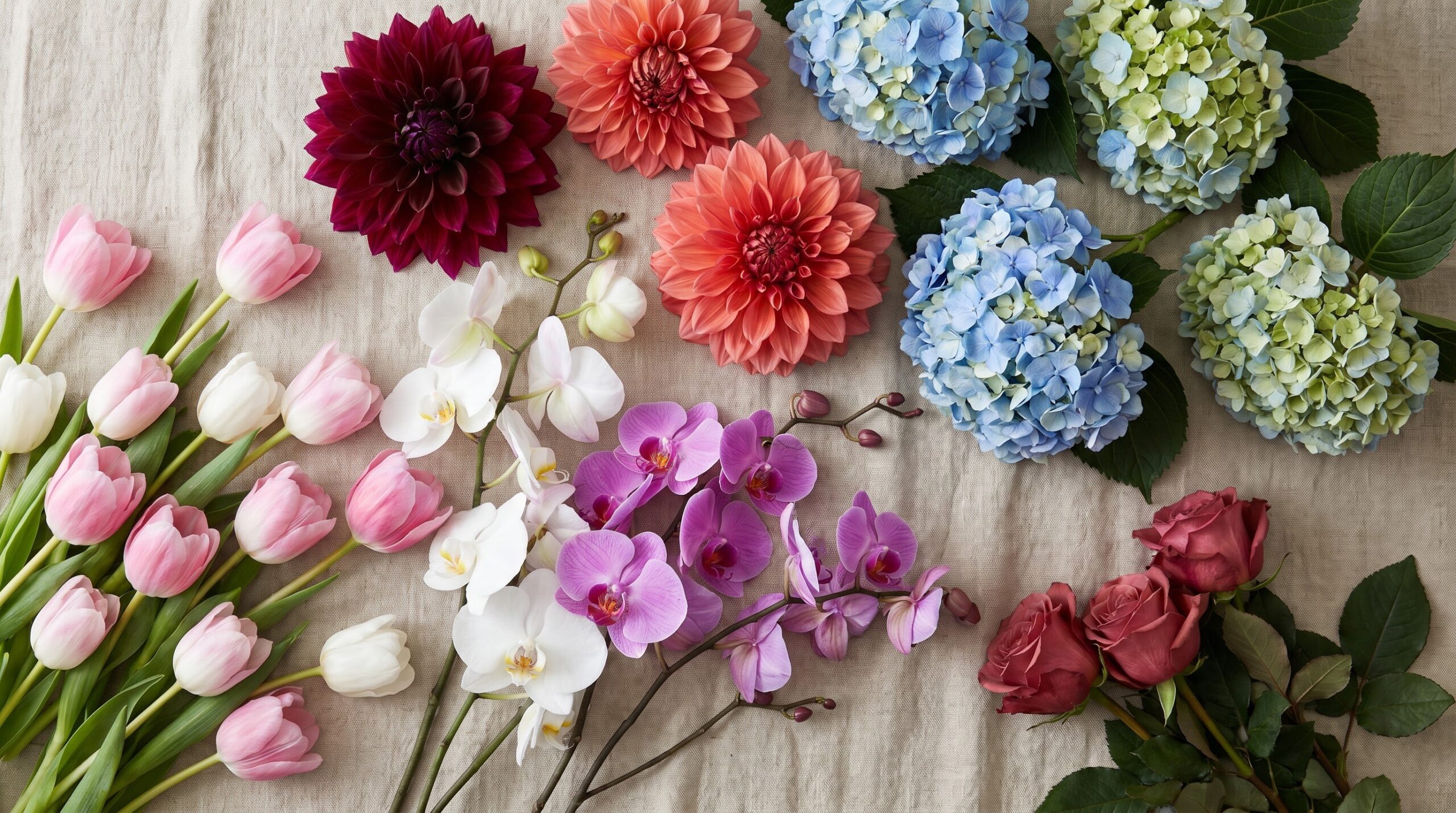
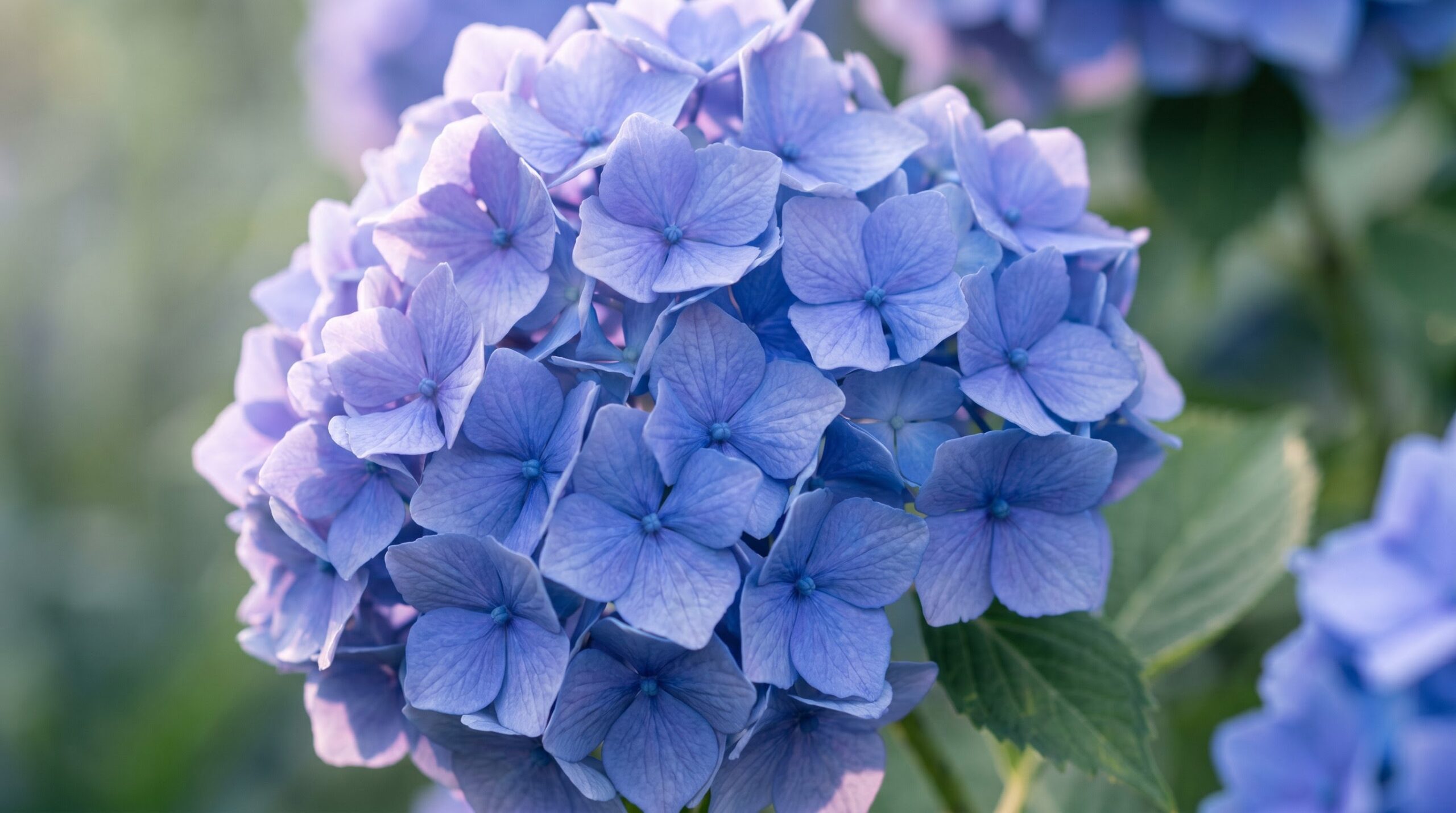
Five flowers keep showing up as the real, lived answer to "what do I get her instead," and each earns its place for a different reason. Tulips read as clean, confident, unfussy love, close to saying exactly what you mean without decorating it. There's a longer legend behind what tulips mean if the symbolism itself interests you, but the modern read is that simple. Peonies are romance's next most obvious pick after roses, full and lush enough that nobody mistakes the gesture for an afterthought, especially inside their short spring window. What peonies symbolize runs deeper into luck and a happy marriage, worth a look if peonies are the one you're leaning toward. Orchids look deliberate in a way grocery-store flowers rarely manage, which makes them the pick when you want the gift itself to say "I planned this" rather than "I stopped somewhere on the way." Dahlias bring the drama roses claim to have, minus the cliché attached to it, big dinner-plate blooms in colors nothing else in a bouquet quite matches. And hydrangeas are the one Reddit brings up completely unprompted: "Hydrangeas!! They are in season now and EVERY woman loves them!!" reads one reply to a stranger asking what to bring on a first date, two exclamation points doing a lot of the persuading on their own.
| Situation | Alternative | Why it lands | How to give it |
|---|---|---|---|
| Early dating, still feeling each other out | A single tulip or ranunculus stem | Signals real thought without declaring more than the relationship has actually earned yet | Handed over in person, no wrap, no note required |
| She's said outright she doesn't love roses | Her actual favorite flower, whatever that turns out to be | Personal specificity beats any flower's built-in symbolism, including a rose substitute's | A full arrangement built specifically around it |
| Long-term couple, tired of the rose habit | Peonies in season, or dahlias out of it | Familiar enough to register as romantic, different enough to register as real effort | A full, deliberate bouquet, never a grab-and-go bunch |
| Anniversary or another marked milestone | Orchids | Reads as planned in advance, unlike a last-minute stop on the way home | A potted orchid or a structured, single-variety arrangement |
| No occasion at all, just because | Hydrangeas, in season | The flower people online recommend without being asked twice, full stems that fill a vase on their own | Whatever's freshest at the counter that day |
Swipe →
How much flower the moment can carry
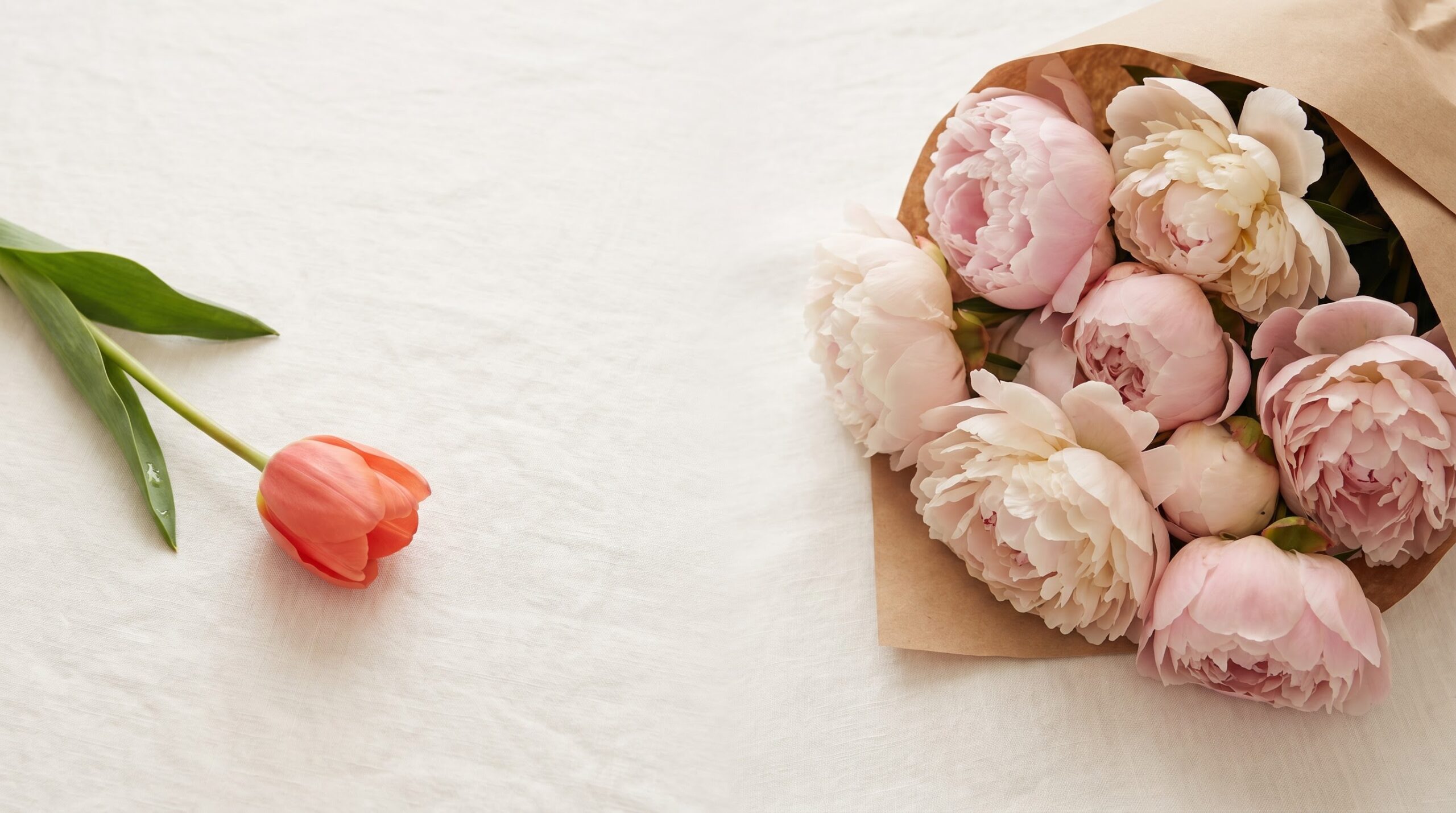
The five alternatives above carry different amounts of weight, and treating them as interchangeable is where a well-intentioned pick goes wrong. A dozen of anything, tulips included, is a loaded gesture on a second date, the same overcorrection a dozen roses would have been, just wearing a different flower. The read Reddit keeps landing on for early dating is smaller than most people expect going in: one stem, handed over rather than delivered, doing the job a dozen would do less gracefully this early on. That single-stem logic, along with the fuller first-date etiquette and how to avoid overshooting it, is covered in more depth in our step-by-step romance guide for anyone starting from zero on flower basics who wants the full walkthrough rather than the short version here. Once the relationship has some real history behind it, the calculation flips. A single stem on a five-year anniversary reads as forgotten, and that's exactly where the fuller picks in the table above, the peonies, the orchids, the dahlias, earn their size. Match the amount to the history you two actually have together instead of whatever feels safest to grab in the moment.
Why roses became everyone's default
None of this happened by accident, and knowing how it happened is most of what lets a person explain their own choice with confidence instead of just hoping it lands. The rose's tie to romantic love goes back to Greek and Roman mythology, where it was linked specifically to Aphrodite and Venus, giving it a head start no other flower had. Victorian flower language, the elaborate system where nearly every bloom carried an assigned meaning, formalized that head start into a hierarchy with the red rose sitting at the very top, unambiguous and universally understood in a way that removed the guesswork for an entire century of givers who had no other shorthand to work from. What turned "top of a Victorian hierarchy" into "the only flower anyone thinks to buy" happened closer to the twentieth century: florists built their Valentine's Day and anniversary marketing squarely around red roses precisely because the association already existed and needed no explaining, and each year of that marketing reinforced the next. That's the ordinary result of one flower getting a two thousand year head start and then a hundred years of an entire industry's advertising budget on top of it, nothing stranger than that. Knowing that is what lets a person say, out loud and without hedging, "I got her peonies because they're her favorite," instead of quietly hoping the peonies read as romantic enough on their own to need no explanation.
What to actually say when you order
Walk in already knowing the name and the color, and be ready to say why you picked it. "Do you have peonies, in blush if you've got them, she mentioned once that they're her favorite" gets a florist working with far more specific information than a vague ask for "something romantic" ever will, and it keeps you from defaulting back to a dozen red ones out of uncertainty the moment a follow-up question catches you off guard. If the actual question on your mind right now is how often this should happen or what a reasonable amount to spend looks like, that gets its own answer over in how often and how much to spend on flowers for her. If there's no occasion driving this at all, just an ordinary Tuesday and a reason to be thoughtful, the full case for sending flowers with no occasion at all lives on its own page too. And if what actually happened is a fight rather than something worth celebrating, the flower logic changes in ways worth reading before you order, which is exactly why our apology flowers guide exists as its own separate page instead of a footnote here. For everything else romance related that this page didn't need to cover, the full occasion flowers guide collection rounds up the rest.
Enjoying our flower guides? Add YourFlowersGuide as a preferred source on Google. It helps more readers find us.
Add to Preferred Sources