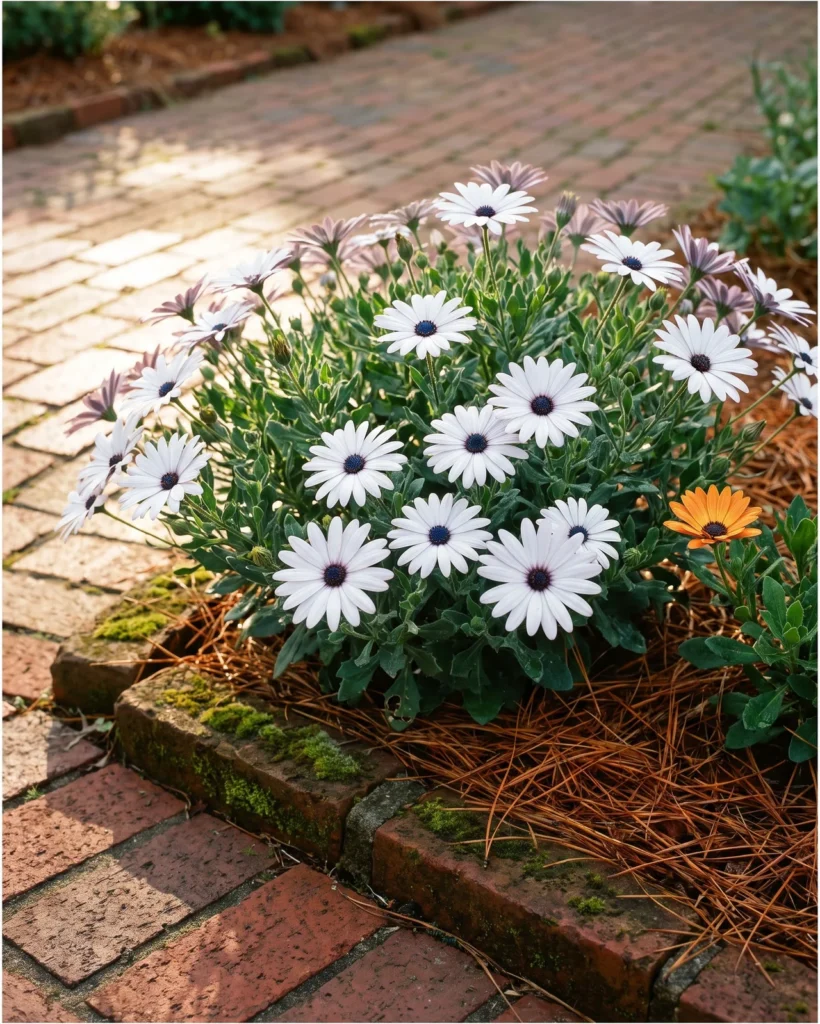
What osteospermum is and where it comes from
Osteospermum is a daisy native to southern Africa and the Arabian Peninsula, sold widely as African daisy and Cape daisy. It belongs to the sunflower family, Asteraceae. Its tribe, Calenduleae, is named after calendula. Species counts range from over 50 to about 70 or 74. The botanical name comes from Greek words for bone and seed, after its hard seeds. Most plants sold today are hybrids bred from O. ecklonis, O. jucundum and several other species.
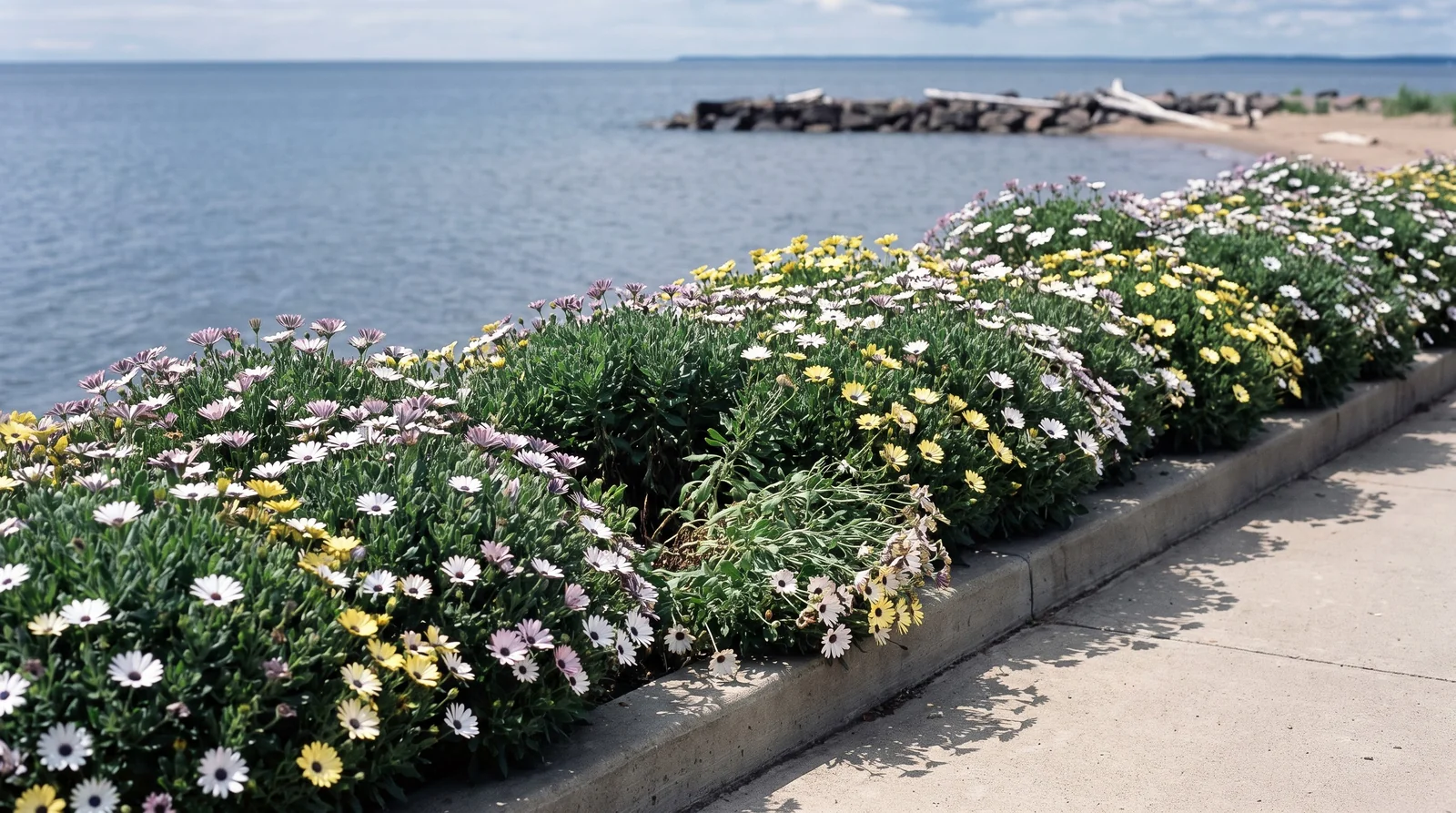
In the garden, it forms a mound of daisy flowers. It suits sunny borders, slopes, pots and ground cover. Where summers stay cool, it flowers freely from spring straight through to fall frost. The common names can confuse buyers, since Cape daisy also applies to Dimorphotheca pluvialis.
African daisy names more than one plant
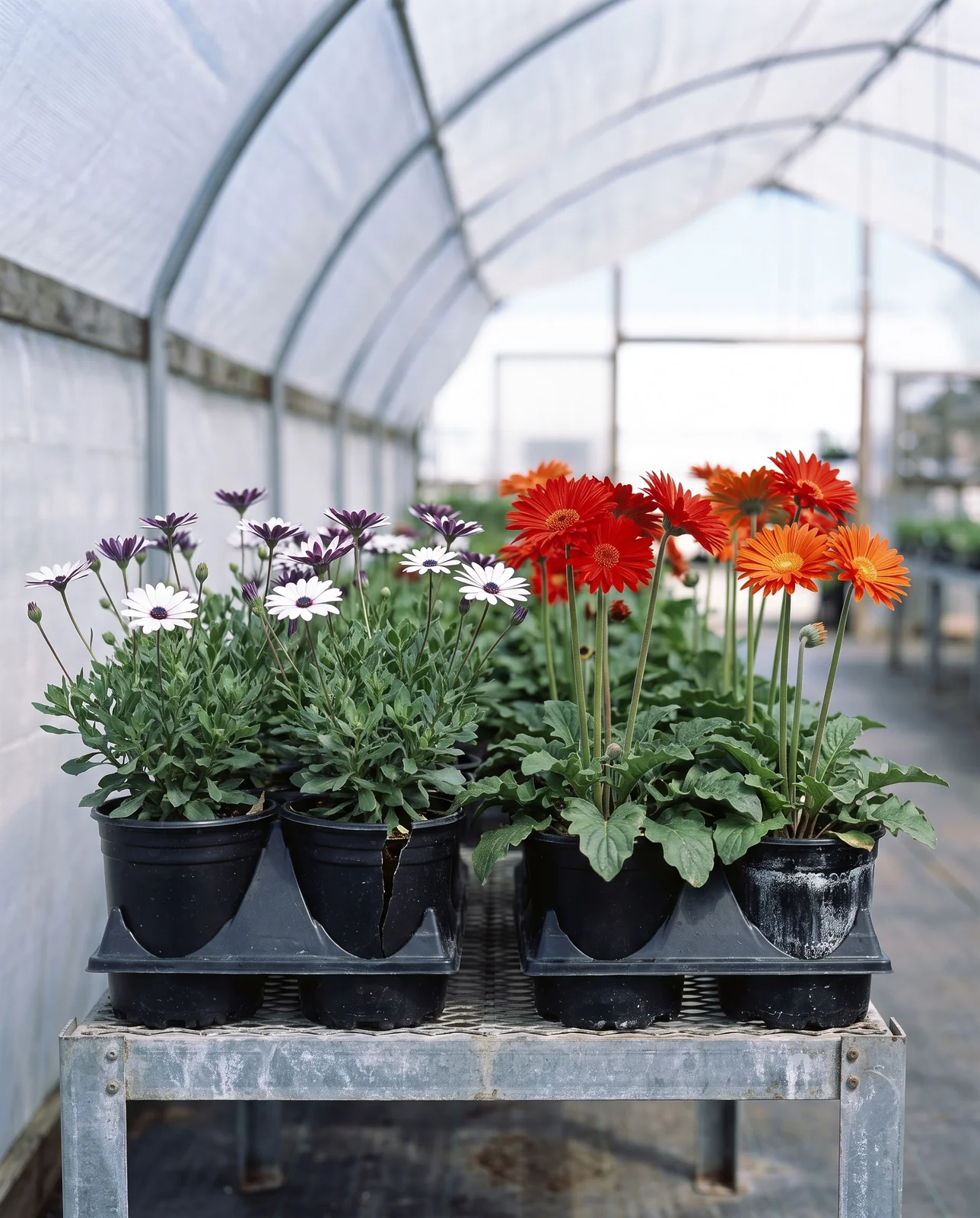
Osteospermum shares the name African daisy with several other plants, while also answering to South African daisy, Cape daisy and blue-eyed daisy. Dimorphotheca sinuata also sells as African daisy, Cape marigold and star of the veldt. Another species, D. pluvialis, is called Cape daisy, ox-eye daisy and rain daisy. A third plant is the florist's gerbera daisy, which is sometimes called African daisy as well, though gerberas are generally not as tall and produce larger, more intensely colored flowers. Other composites such as Arctotis share the common name too. The confusion runs so deep that African daisy, Osteospermum and Dimorphotheca are often grouped together as one name.
Osteospermum and Dimorphotheca are treated as sister genera, though taxonomists disagree on where the lines fall. Some species long sold as osteospermum have been reclassified into Dimorphotheca, while a broader definition keeps them in Osteospermum. Familiar garden plants like O. ecklonis, O. jucundum and O. fruticosum appear on lists under Dimorphotheca. The shift runs both ways, and Dimorphotheca pluvialis is sometimes included in Osteospermum. Some Dimorphotheca species can also hybridize with Osteospermum, and the crosses are sold as garden ornamentals.
In the garden center, the technical differences between these plants are hard to spot by eye. Dimorphotheca gets its name from having two seed shapes in each head, but that trait belongs to the whole tribe. Life cycle tells them apart: Dimorphotheca pluvialis is a tender annual, while osteospermum includes subshrubs and herbaceous perennials. Reading the botanical name on the tag is the surest way to know what you are buying.
Telling the African daisies apart
You can tell the most common plants sharing this name apart by a single clear feature.
What the flowers look like
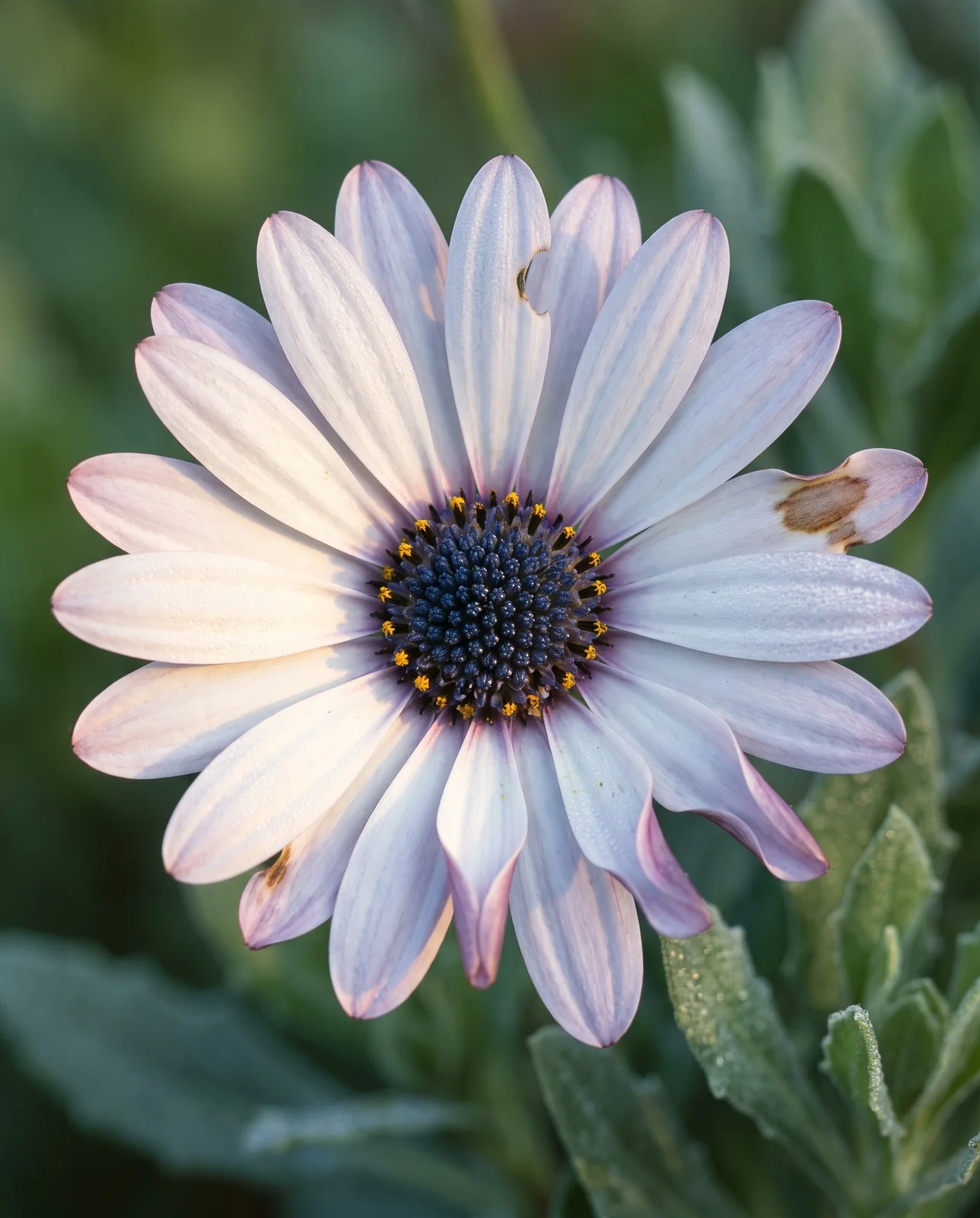
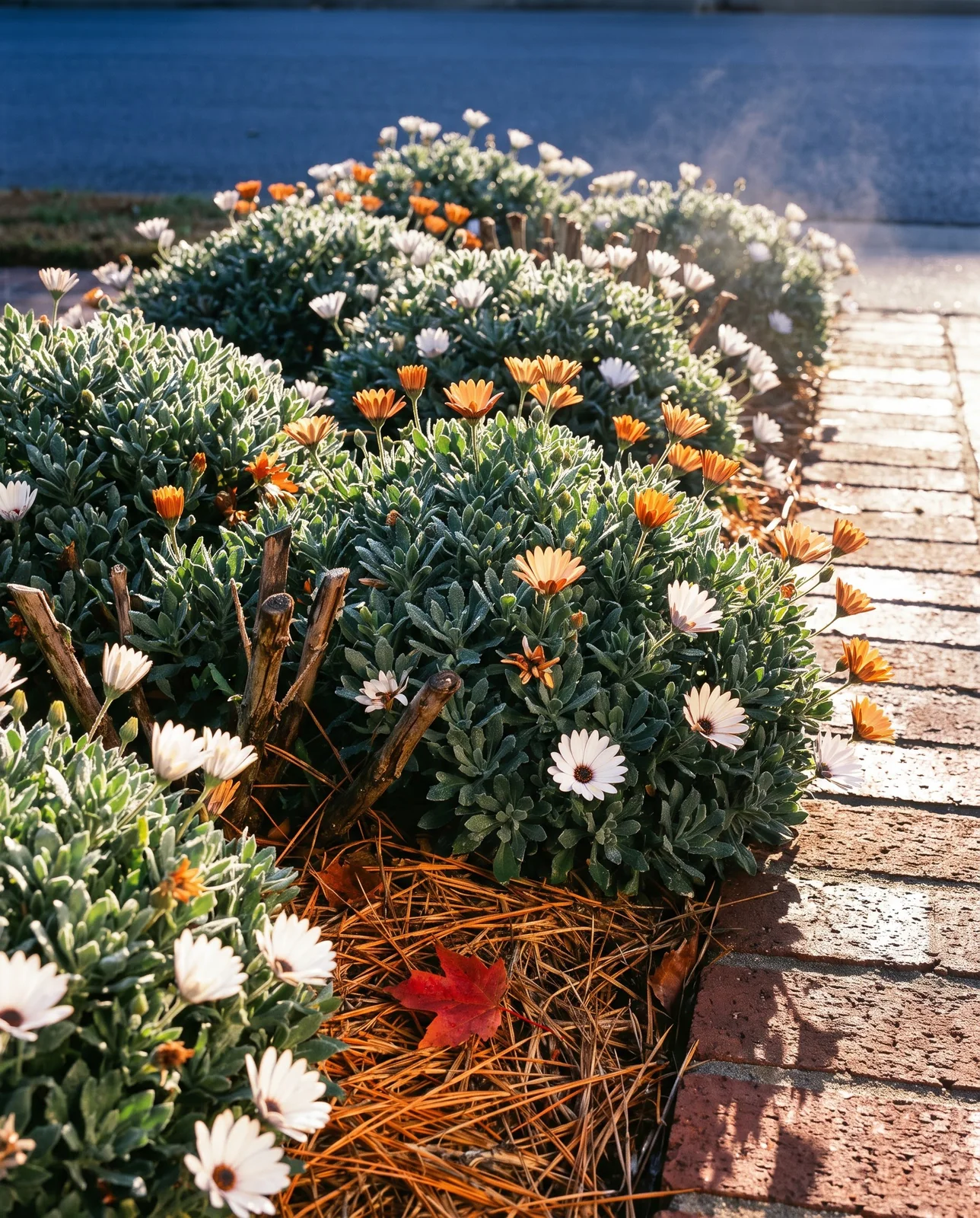
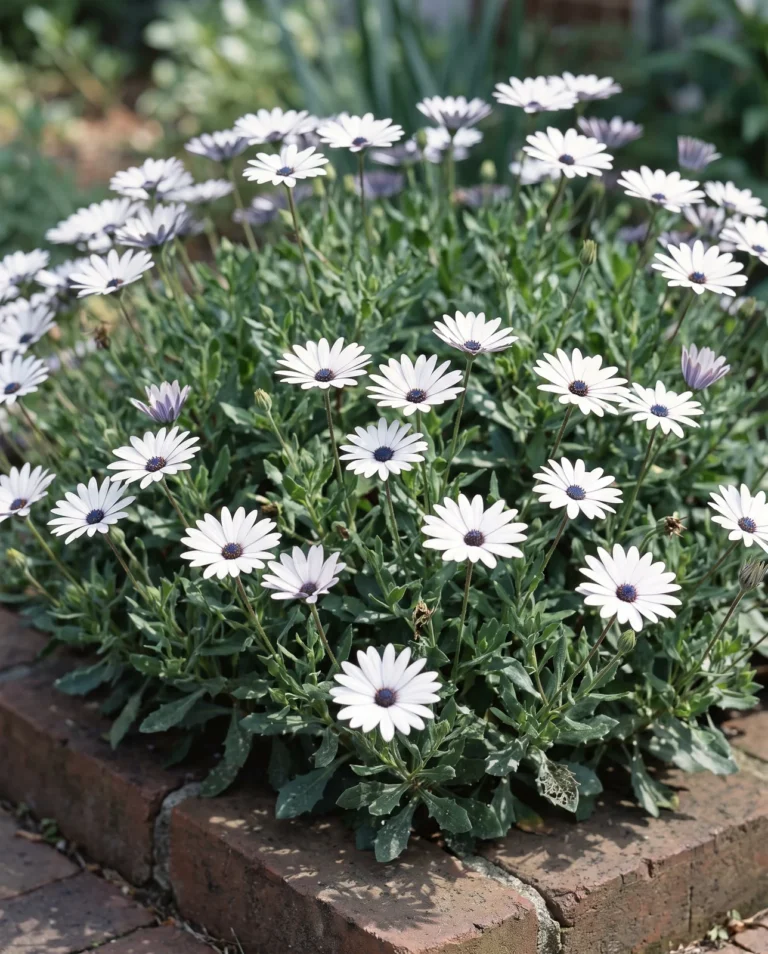
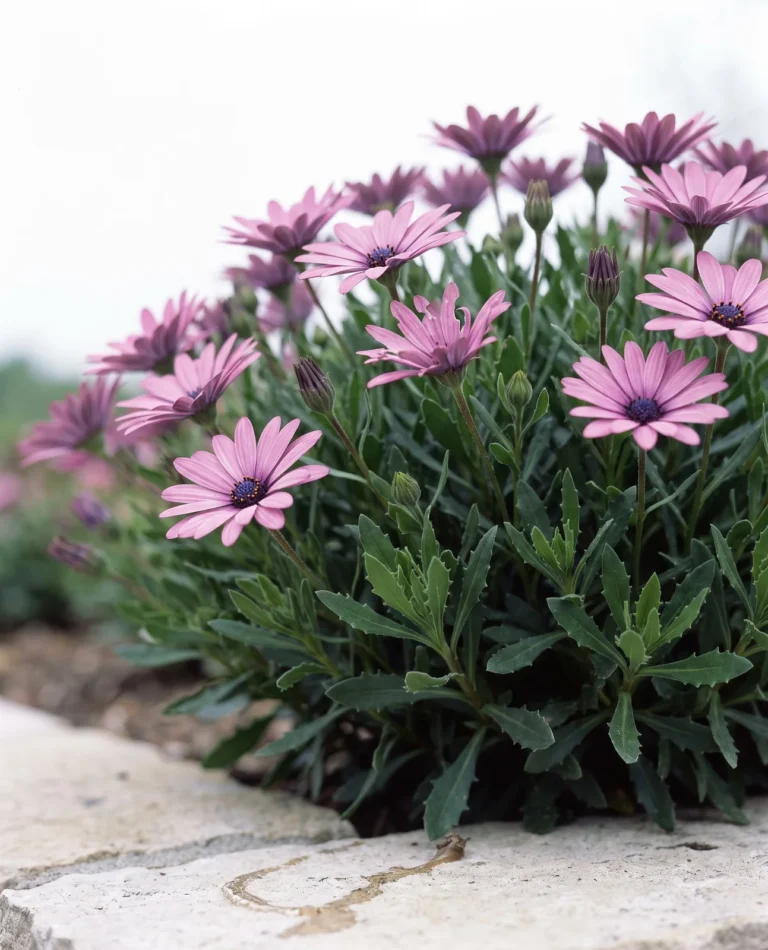
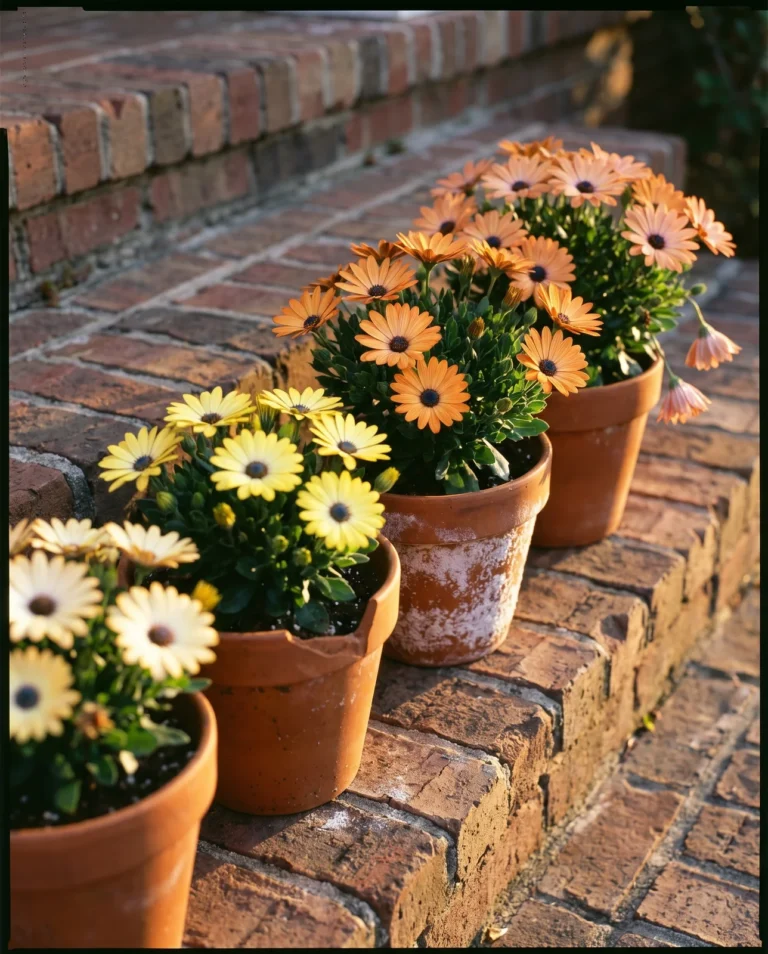
The flower is an open daisy with a contrasting center disc that usually shows dark blue until yellow pollen sheds, giving it the blue-eyed name. The petals come in white, cream, pink, purple, mauve and yellow, while garden varieties also offer warm orange and red. Together, these shades cover nearly every color found on garden benches in spring.
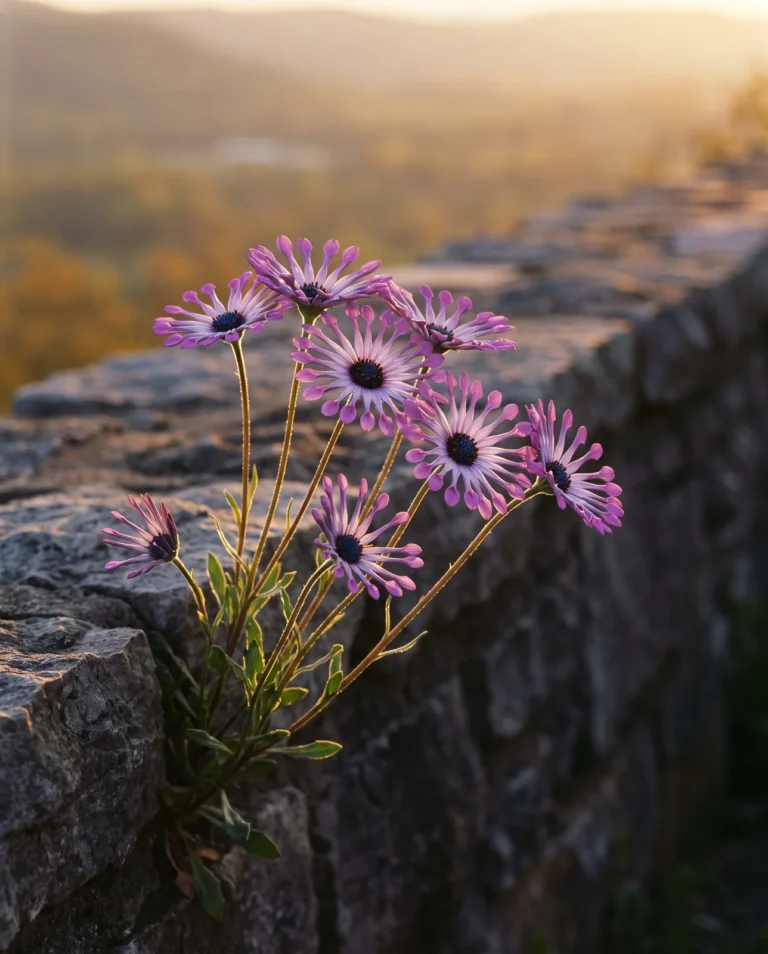
Plants grow anywhere from 8 to 36 inches tall and 8 to 24 inches wide depending on the variety. That spread covers everything from low mounds for containers to wide clumps at the front of a border. Some cultivars have spoon-shaped petals, such as 'Pink Whirls'. Some varieties carry this petal shape, giving them the common name spoon daisies. Because this shape is bred into specific varieties, the cultivar name on the pot tag will tell you what to expect.
Sun, and why it comes before everything else
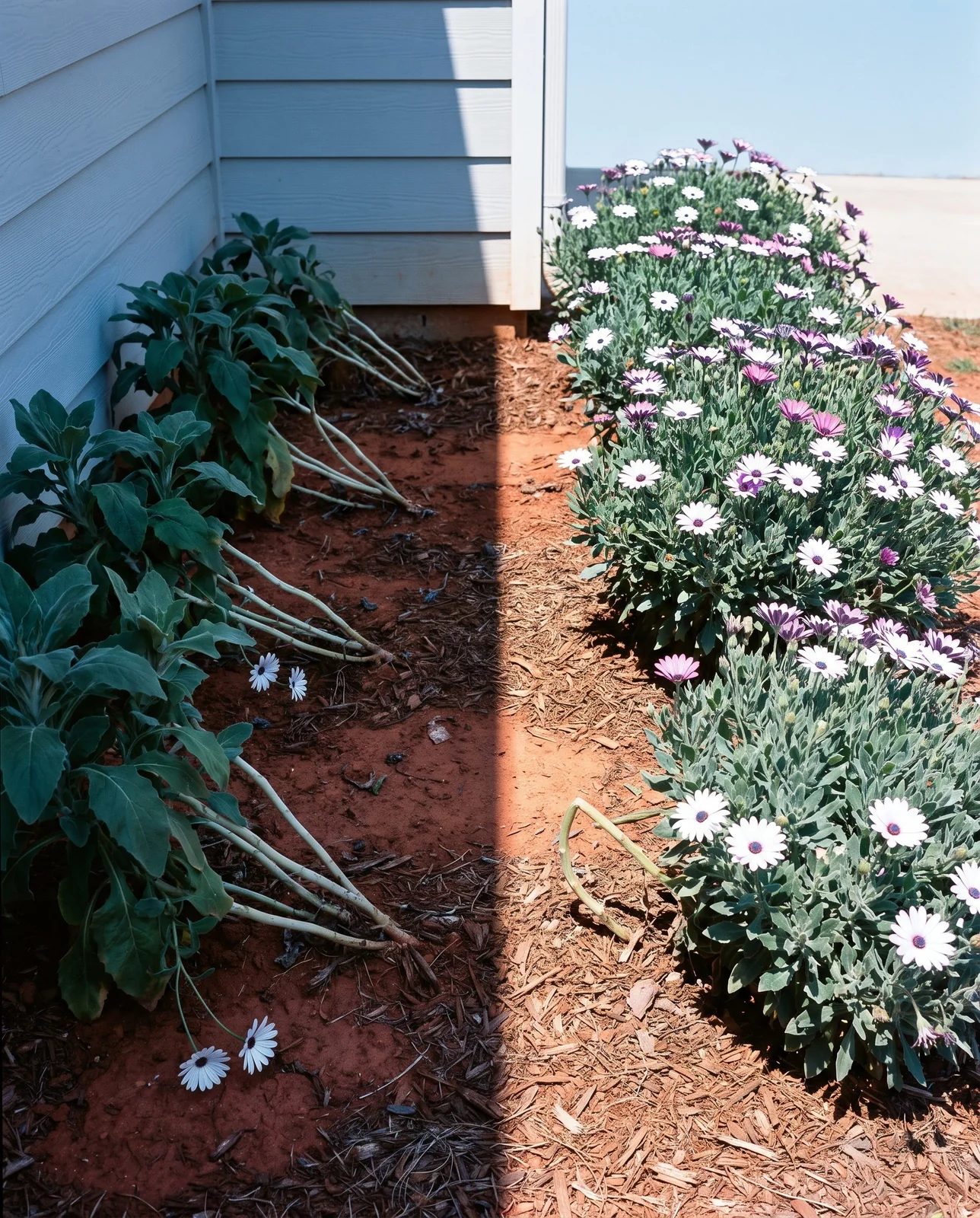
Osteospermum needs 6 to 8 hours of direct sun every day to bloom heavily, and too much shade quickly reduces flowering. When a plant stops setting buds, too little light is usually the first cause to check. Without strong sun, extra water and fertilizer cannot make up for the shade.
In weak light, stems stretch out and grow leggy, producing lush foliage with few or no flower buds. The one exception arrives in severe heat or drought, where temporary shade and extra water help a stressed plant recover. Outside of baking midsummer spells, full sun is what keeps the buds coming.
Soil, water and feeding
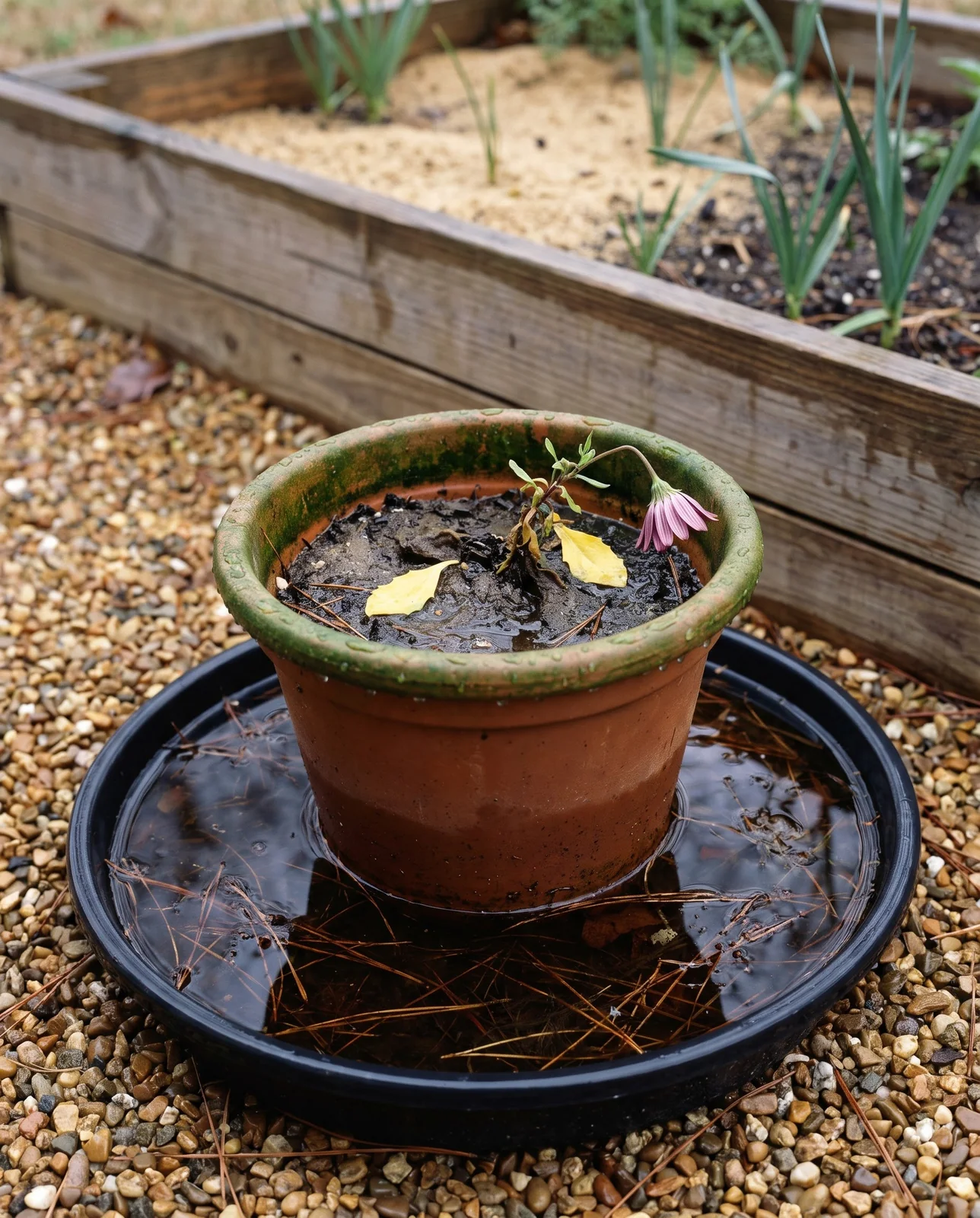
Osteospermum grows best in well-draining sandy loam or potting mix with a slightly acidic to neutral pH between 5.8 and 7.0. Sharp drainage is essential, because waterlogged ground can lead directly to root rot.
Give the plant about 1 inch of water a week, keeping the soil evenly moist without letting water pool. Overwatering can lead to root rot, while underwatering may cause plant stress and reduce flowering. Feed with a balanced fertilizer every 2 to 4 weeks through the active growing period.
Zones, and how long the plant actually lives
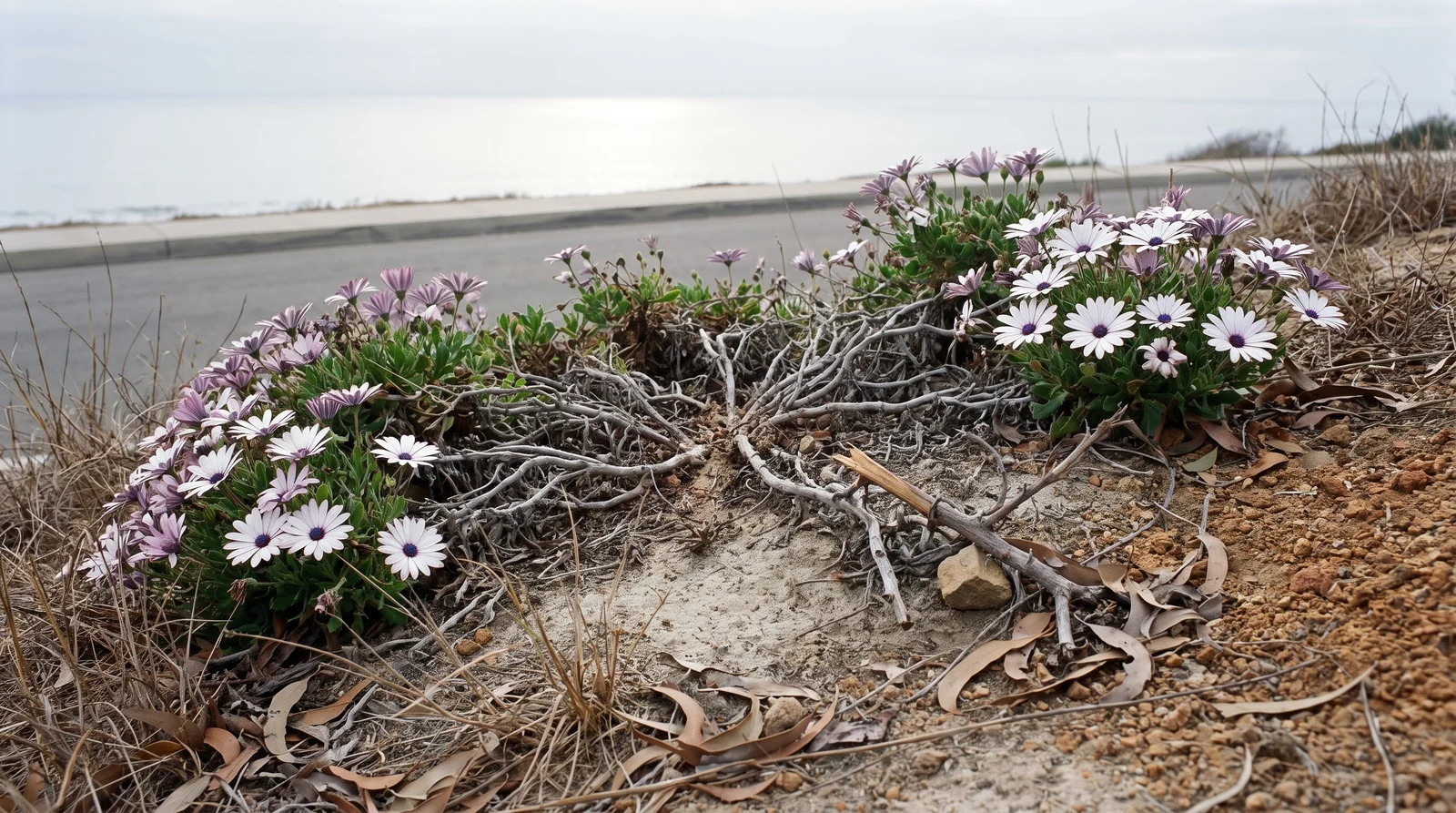
Osteospermum grows as a tender perennial in USDA zones 9 to 11, though the most reliable perennial performance is in zones 10 and 11. In colder regions, gardeners treat it as an annual or bring pots indoors for winter. Many varieties behave mainly as cool-season annuals, since even types that withstand zones 9 to 11 cannot endure genuine freezing cold.
How osteospermum performs through winter depends on how cold temperatures drop. In zone 9, plants can get through a mild winter, while in zones 10 and 11 they come back every year. Everywhere else, they are grown as annuals and replanted each spring.
Even where winters are mild, osteospermum is naturally short-lived. Perennial selections usually last about 2 to 3 years, though in frost-free gardens they can persist for several years with good care. Annual varieties live for only one growing season. Cold tolerance also varies across varieties: hardy cultivars can survive dips to 30 F, while more tender plants show damage below 40 F.
When to plant, and how long it takes to flower
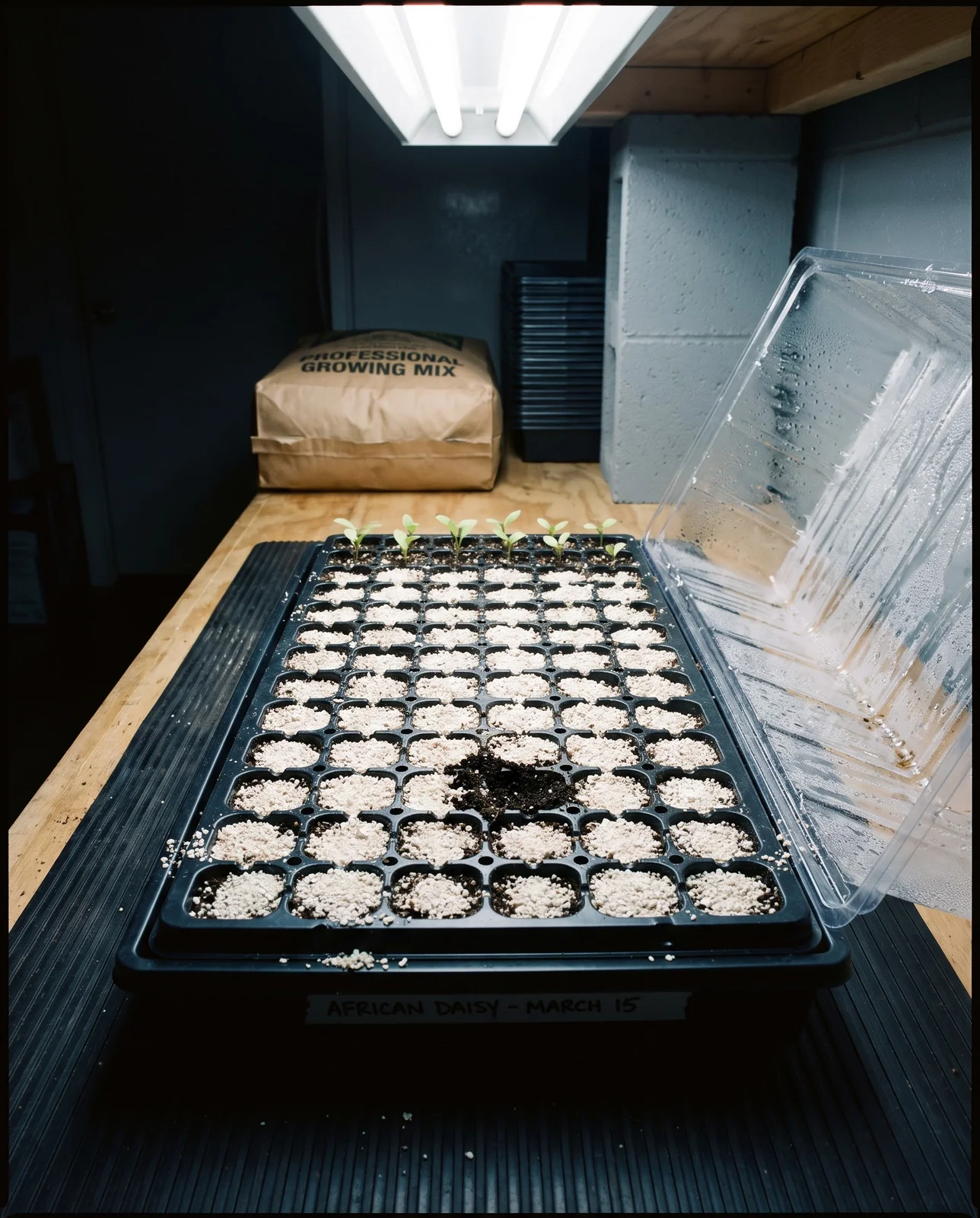
Start seed indoors about 6 to 8 weeks before the last spring frost date. The seed needs darkness to sprout, so cover it lightly with vermiculite and keep trays at 65 to 68 F. Move young plants outdoors once frost danger has passed and night temperatures stay consistently above 50 F. Planting earlier slows growth and risks losing plants to freezing.
From seed, osteospermum is relatively quick to flower, opening blooms around 2 months after sprouting. Plugs need 4 to 5 weeks before transplanting, then another 7 to 12 weeks depending on the season to finish. In cell packs they finish in 7 to 12 weeks. In 4-inch or quart pots they take 10 to 12 weeks, while 6-inch or gallon pots need 12 to 14 weeks. The Akila series is bred for predictable timing, blooming within a 7 to 10 day window and needing no pinching or vernalization.
Why it stops flowering in the heat
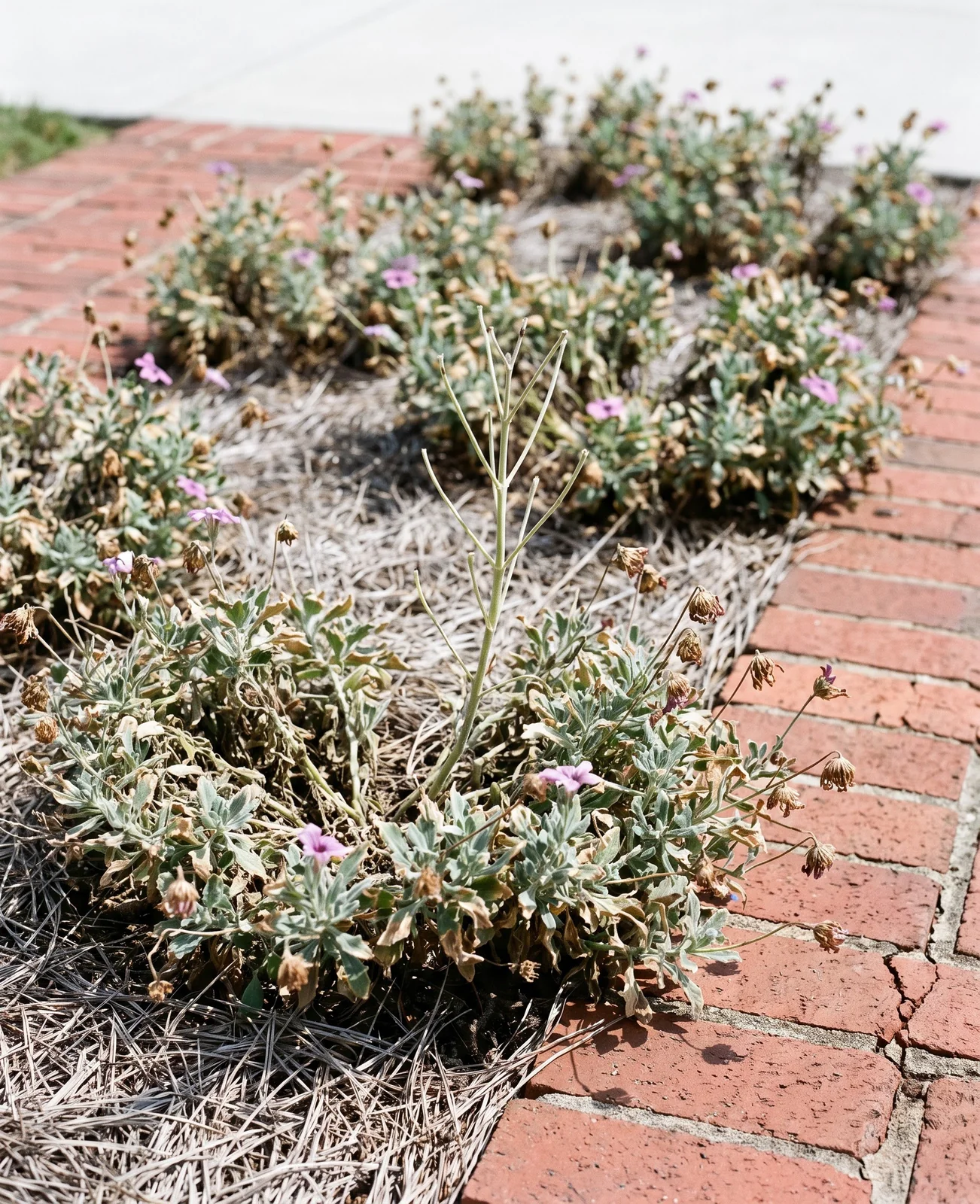
A plant that stops flowering in July is usually doing what the species does in heat. It blooms heavily from spring into early summer, then flowering often drops off or comes to a complete standstill once hot, dry weather sets in. When temperatures stay above about 85 F, many plants slow down, taking a rest or sulking until cooler weather returns.
The summer pause ends once temperatures begin to fall. Flowering naturally diminishes as temperatures rise in late spring, but plants rebound and bloom again as the weather cools in fall. Many species flower a second time in late summer, stimulated by cooler nights, though hardy types do not get that second flush. Moderate to cool night temperatures below 55 F are what promote flower buds in the first place.
Through peak summer heat, the plant needs water and patience. African daisies often pause flowering in heat and bloom again as temperatures cool, so keep them watered and wait for cooler weather. In hot climates, plants can go dormant during high summer temperatures before being cut back in autumn. A resting plant can look finished, but it is often only taking a break during severe heat.
Why it will not bloom
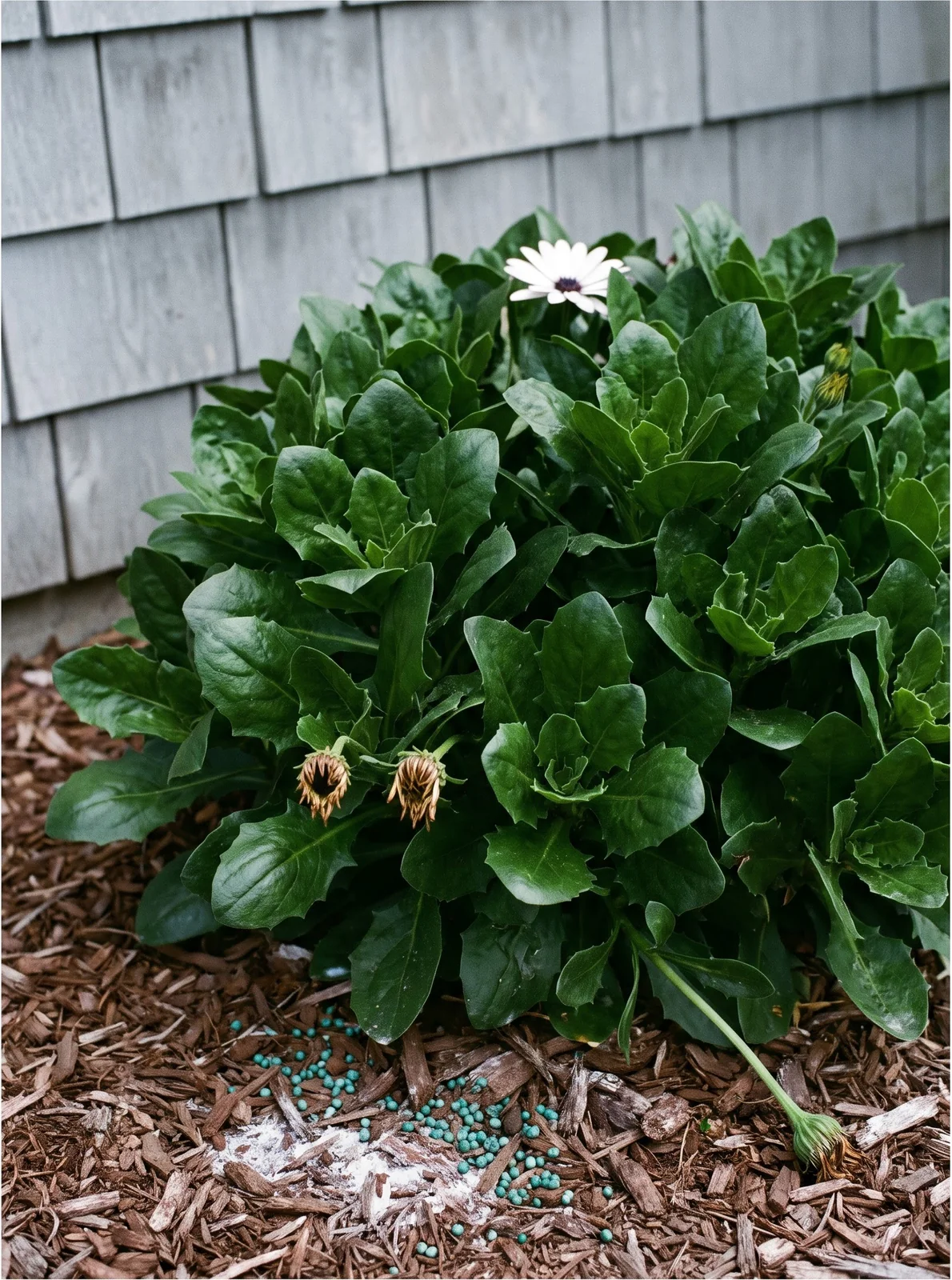
Outside of summer heat, bloom failures usually come down to shade, unpruned spent flowers, or rootbound plants in need of a larger pot. Water problems stall flowers from both directions, because severe drought halts bloom production while soggy soil leads to root rot.
Feeding is another place where care can backfire. Excess nitrogen feed drives lush foliage at the expense of blooms, because phosphorus encourages bud formation while high nitrogen can encourage excess foliage growth. To push flowering on mature plants, choose a bloom formula high in phosphorus, such as a 4-10-6 blend. Young plugs need the opposite approach, using a nitrate-based feed and avoiding high phosphorus until the plant is established.
Bloom check, in order
Six checks in order, starting with the simplest causes before you repot or feed.
Deadheading and the midsummer trim
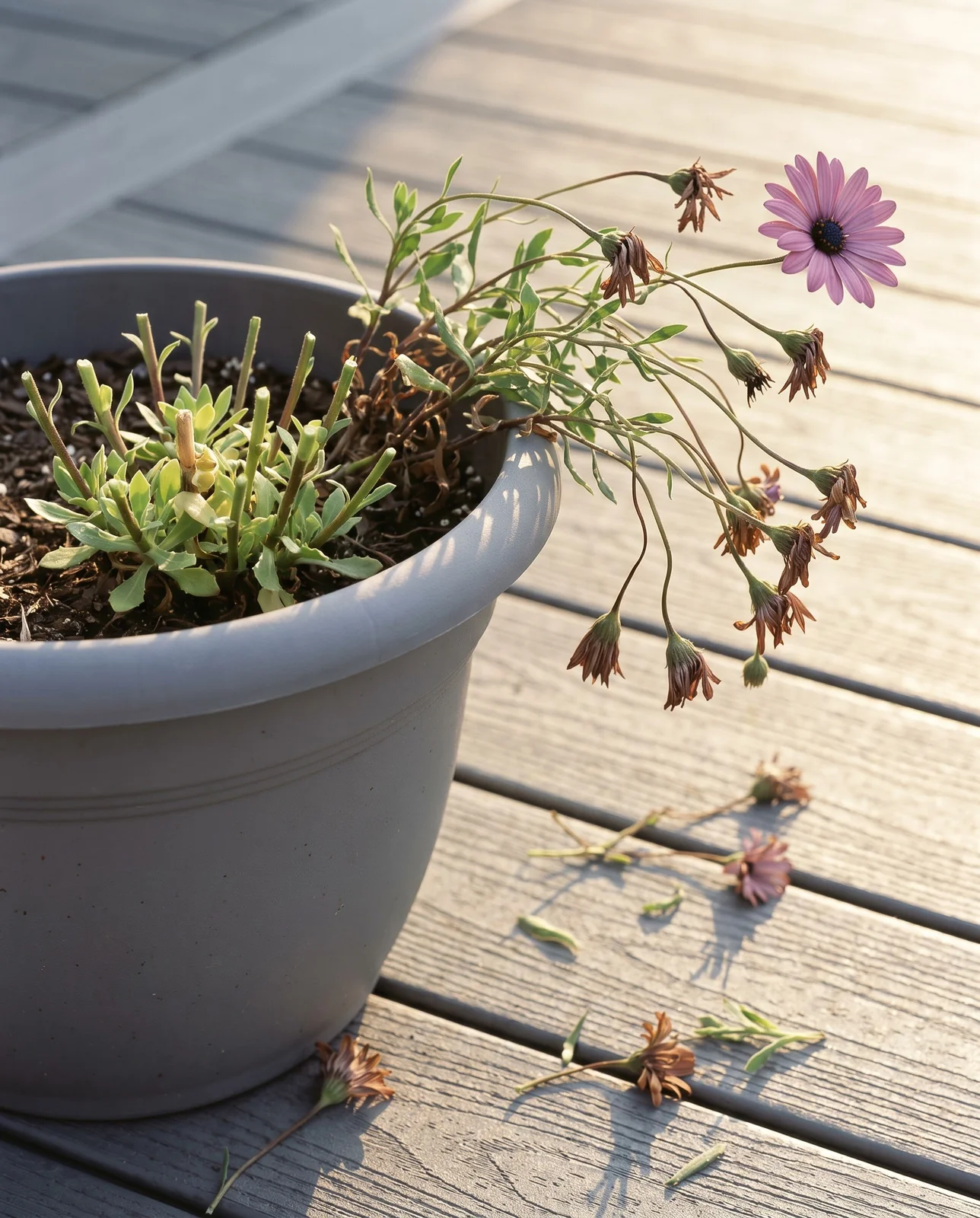
Deadheading regularly prolongs the bloom season. Cut each spent flower down to the next set of leaves to encourage fresh growth and more blooms. Some newer varieties bury their dead, quickly covering faded blossoms with fresh growth so deadheading is less necessary. A plant that leaves brown flower heads in plain sight is the kind that needs regular trimming.
A light midsummer trim keeps the plant tidy and prepares it for autumn. By midsummer, stems can turn leggy, and trimming them back shapes the plant and encourages fresh, bushy growth. Cutting back at this stage prepares the plant to produce more flowering stems as temperatures cool in late summer. Light pruning in early spring or late summer maintains good form and promotes fuller growth. Earlier in the year, pinching the growing tips two or three times encourages strong stems and a bushier habit. In fall, avoid cutting plants back too hard, since heavier pruning is generally best done in spring.
Why the leaves are turning yellow
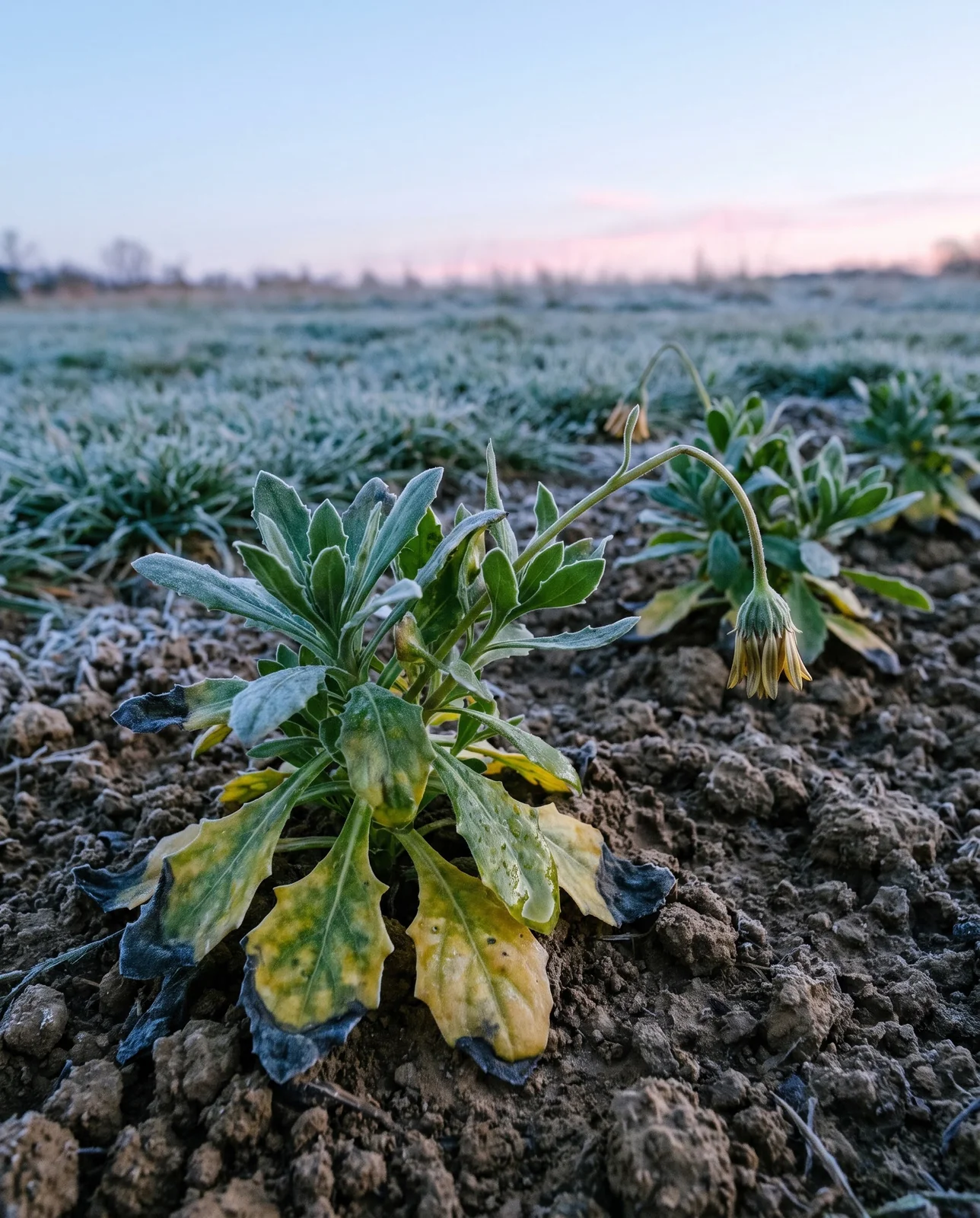
Yellow leaves usually point to wet soil and trouble at the roots. Overwatering can lead to root rot, where fungal pathogens including Rhizoctonia solani, Pythium species, and Phytophthora attack roots in waterlogged soil. The symptoms usually appear together: leaves turn yellow and wilt, growth is stunted, and the stem base may turn brown and crack. Below ground, damaged roots show brown sunken patches and lack root hairs, a condition favored by cool, wet, poorly drained soil. Yellowing on a plant that stays upright and vigorous is very different from yellow leaves paired with wilt in soggy ground.
Cold weather brings a different pattern of damage that works much faster than rot. Below 50 F, leaves suffer cold injury, looking water-soaked and soft before turning black, with damage appearing immediately.
Aster yellows also discolors foliage, but its true mark appears on the blooms: flowers fail to develop, remain small and green, and may be distorted. Gardeners often suspect poor feeding or shade when leaves look off, but neither causes foliage to turn yellow. Both reduce flowering and encourage extra growth, but the leaves stay green.
Care mistake or disease
The three patterns separate by how quickly damage appears, what the soil is doing, and whether the flowers are involved.
Problems, in the order a grower meets them
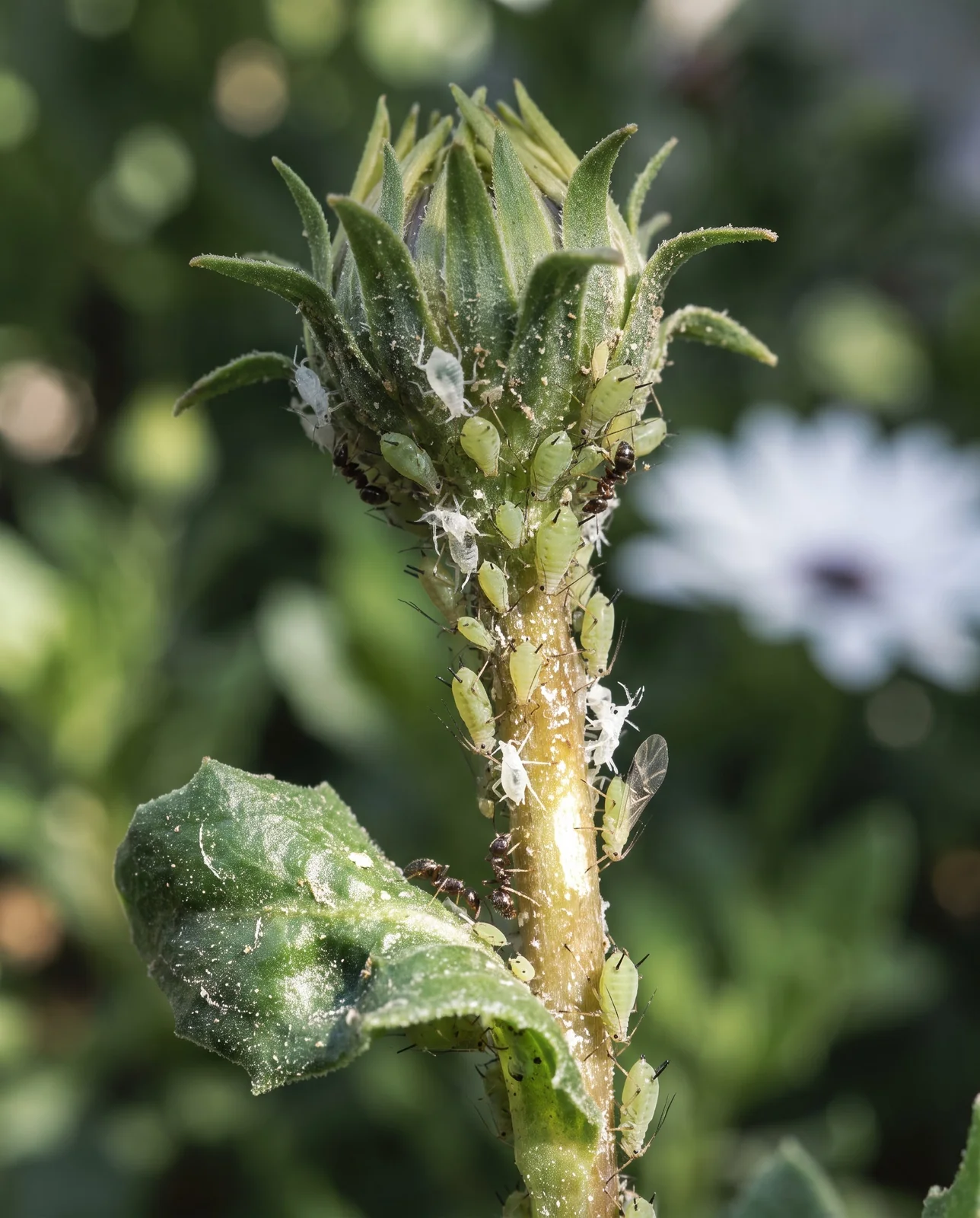
African daisies typically face no serious insect or disease problems, though you should watch for aphids, and mildew or verticillium wilt may occur. Root rot caused by Rhizoctonia and Pythium species can also strike in wet conditions.
Symptoms: aphids are the primary insect to watch for on these plants. What to do: check fresh shoots occasionally, but routine sprays are unnecessary because the plant has no serious insect or disease problems overall.
Symptoms: a stunted plant wilts and discolors over soggy ground, sometimes showing a brown, cracked base on the main stem, while the root system shows brown sunken areas and lacks hair roots. Cause: cool, wet, poorly drained soil, which favors fungal diseases including Phytophthora crown and root rot. What to do: improve drainage before planting, let soil dry between waterings, and discard rotting plants.
Symptoms: foliage turns sodden and limp before turning black, with the injury appearing right after the cold night. Cause: temperatures falling below 50 F. What to do: watch nighttime forecasts in spring and autumn, and protect plants whenever temperatures threaten to drop below that mark.
Symptoms: mildew can show up on foliage, as African daisies are susceptible to downy mildew during wet weather. Cause: poor air movement around damp leaves. What to do: space plants so air circulates freely, and water at ground level to keep leaves dry.
Symptoms: wilting and dieback that can kill the plant, as African daisies are susceptible to this fungal problem. Verticillium wilt may occasionally occur. Cause: a fungal disease with no cure. What to do: pull up infected plants and throw them away, keeping them out of the compost.
Symptoms: blooms stall as small, green, and sometimes misshapen buds. Because this condition produces discolored foliage alongside stunted flowers, both clues stem from the same problem. What to do: pull out affected plants and discard them, as deformed flower buds cannot recover.
Does osteospermum close at night?
Osteospermum flowers often close at night or during cloudy weather and reopen when the sun returns, so a plant folding up at dusk is ordinary behavior. Early strains closed at night and on cloudy days, which discouraged gardeners until breeders set about developing cultivars with blooms that stayed open much longer. Some modern varieties stay open continuously, such as the 4D series with quilled center petals that do not close.
Related daisy flowers sold under the African daisy name close in the same way. Dimorphotheca pluvialis closes at night, on cloudy days, or before rain, earning its common names of rain daisy and weather prophet. Arctotis blooms also tend to close in late afternoon or dull weather, though many cultivars have been bred to stay open longer. For osteospermum itself, no university, extension, or botanical garden source among those checked documents this closing habit.
For gardeners, plant tags offer the most practical clue. If you want flowers that stay open day and night, look for series bred to keep their petals spread. If your daisies fold up at dusk and reopen by morning, that rhythm is normal, even though botanical records neither confirm nor contradict it for this plant.
Varieties worth telling apart
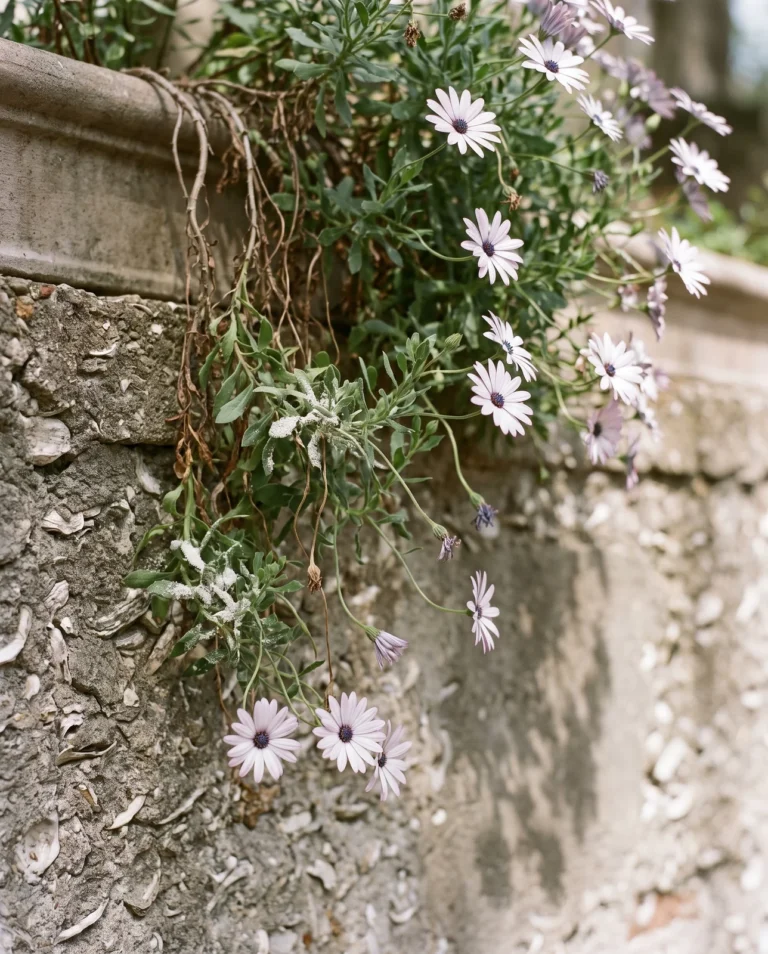
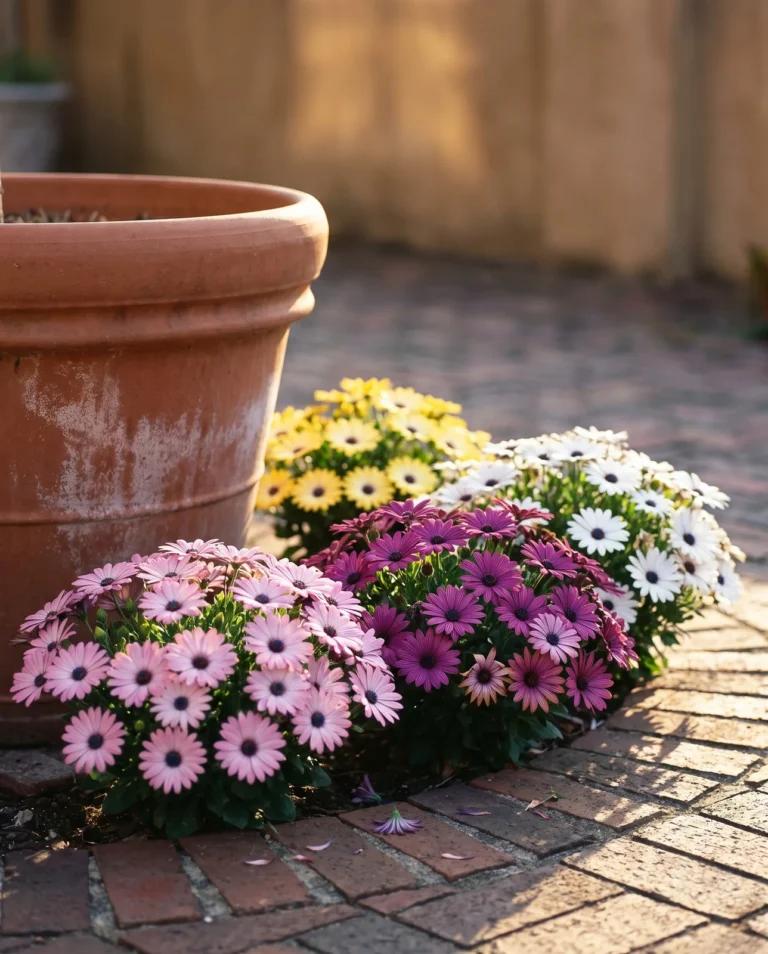
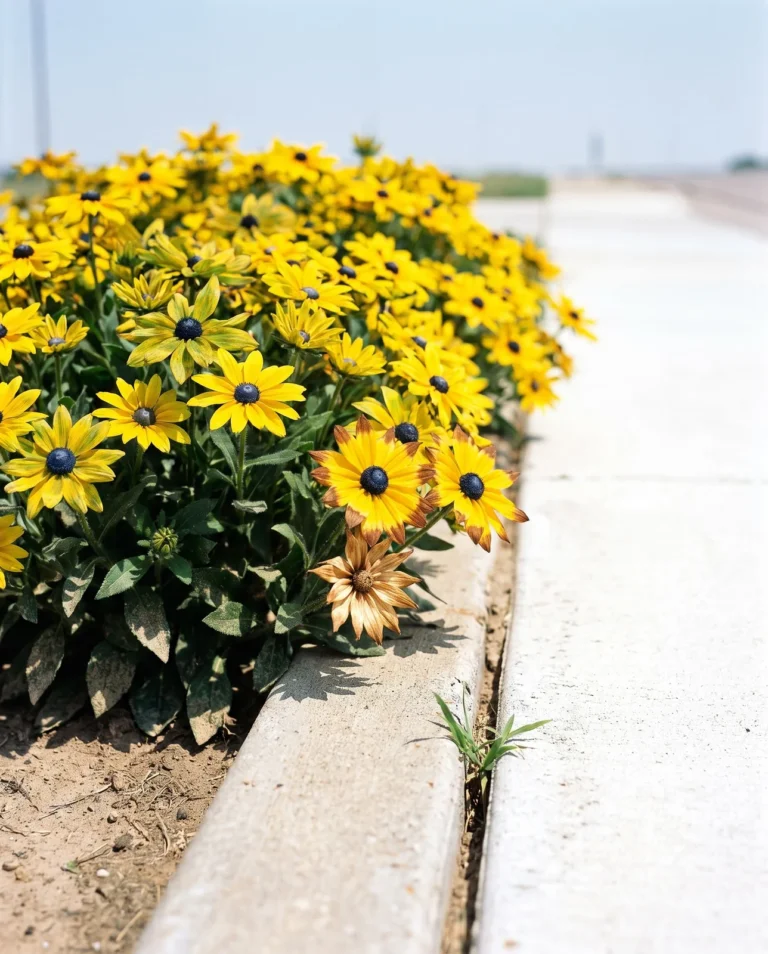
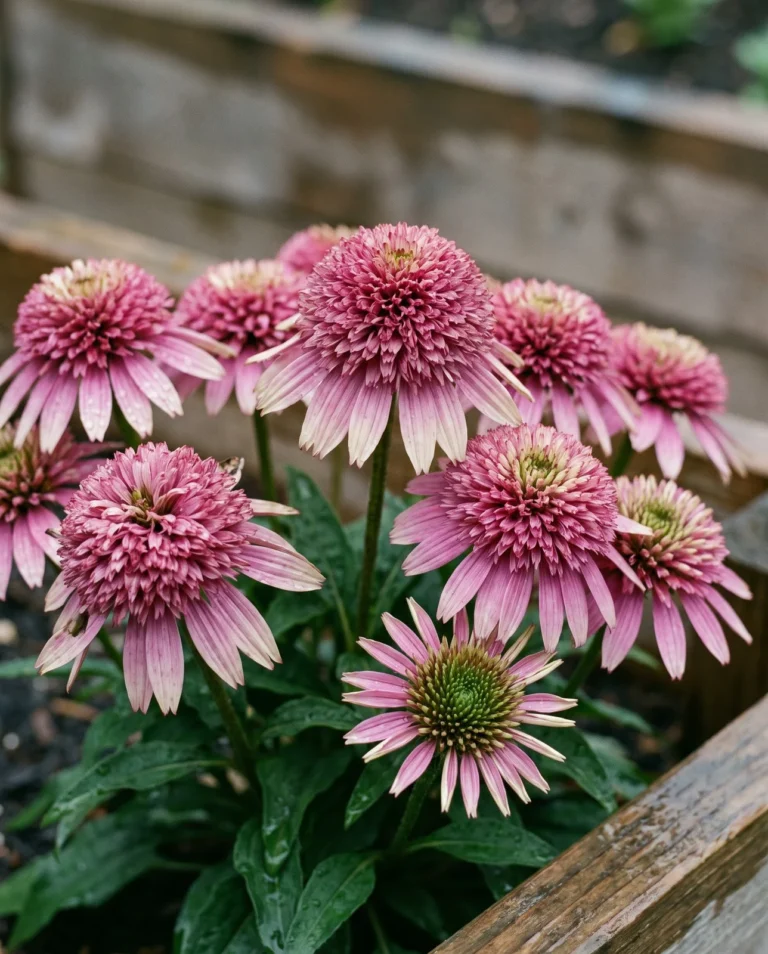
Nine varieties stand out in gardens, including three species and six bred series. Distinct petal shapes appear directly in variety names, such as 'White Spoon'.
Cuttings, and why saved seed will not do
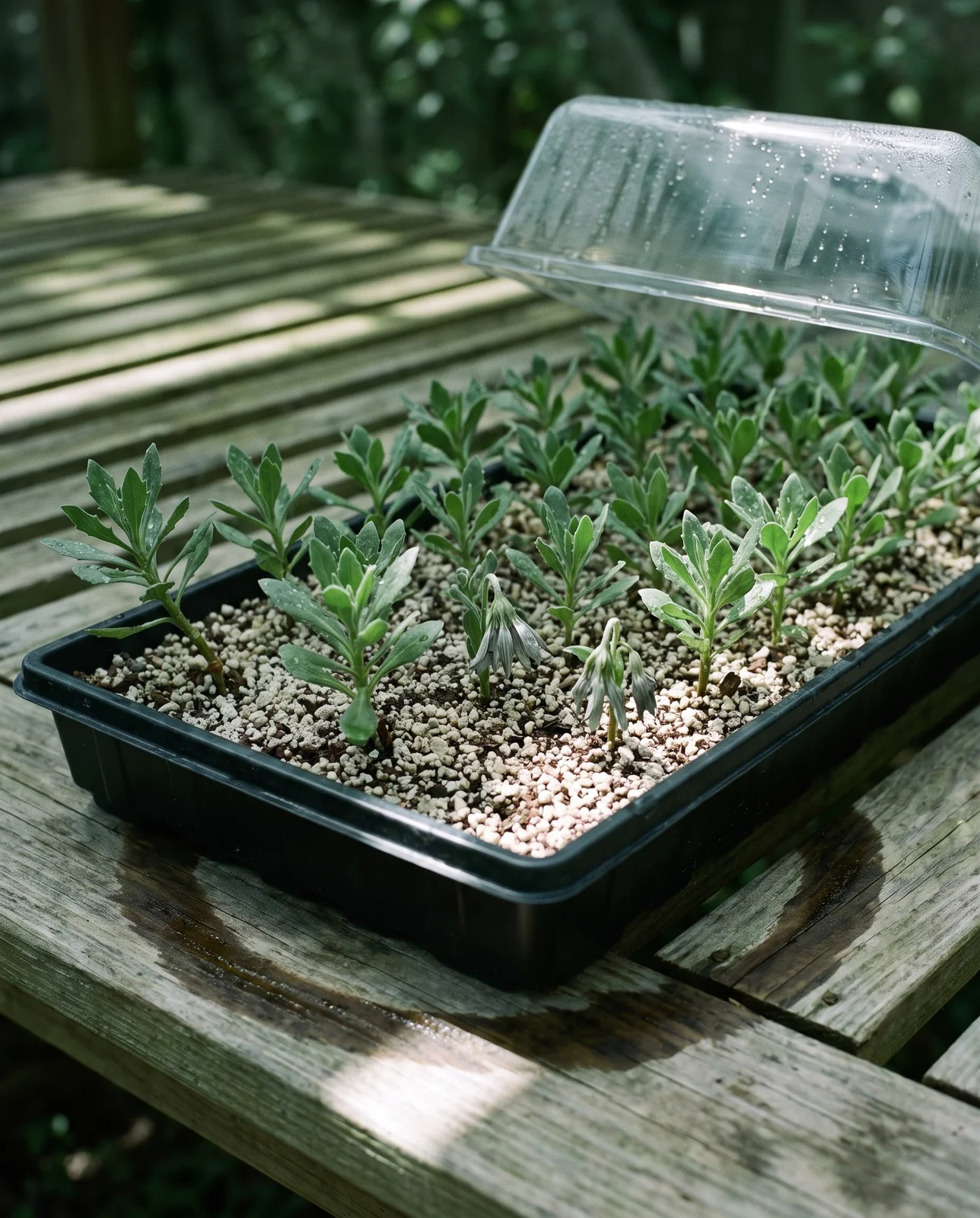
Seed saved from your garden will not give you the same flower. Most African daisies are hybrids that will not produce true plants from seed, so buy new plants or propagate from cuttings. Growing from cuttings is also much easier than starting from seed. Take a 4 to 6 inch cutting with at least two leaf nodes. Take these softwood cuttings late in summer and keep them indoors for transplanting the following spring. They serve as practical insurance in case outdoor plants do not survive the winter.
Timing matters here. Take your cuttings in late summer while parent stems are still soft and actively growing, before cold weather puts garden plants at risk. Waiting until frost arrives means the softwood window has passed. Because hybrid seeds will not reproduce the parent plant, cuttings let you carry your favorite cultivar into next year.
Growing it in pots and containers
African daisies make excellent container plants for pots, window boxes, and hanging baskets. Growing in a container simply tightens the margin for error. Choose a pot with good drainage holes, fill it with a well-draining potting mix, and plan on watering frequently. Because watering often washes nutrients through the mix much faster, frequent fertilizing is encouraged for containers.
When container soil dries out, the plant goes into survival mode and aborts its flower buds, even though it survives the drought. Pots also introduce one blooming problem unrelated to the weather: plants that become rootbound stop flowering until you move them into a larger container. Giving roots room to grow and keeping the soil moist will keep container displays blooming through summer.
Does osteospermum spread?
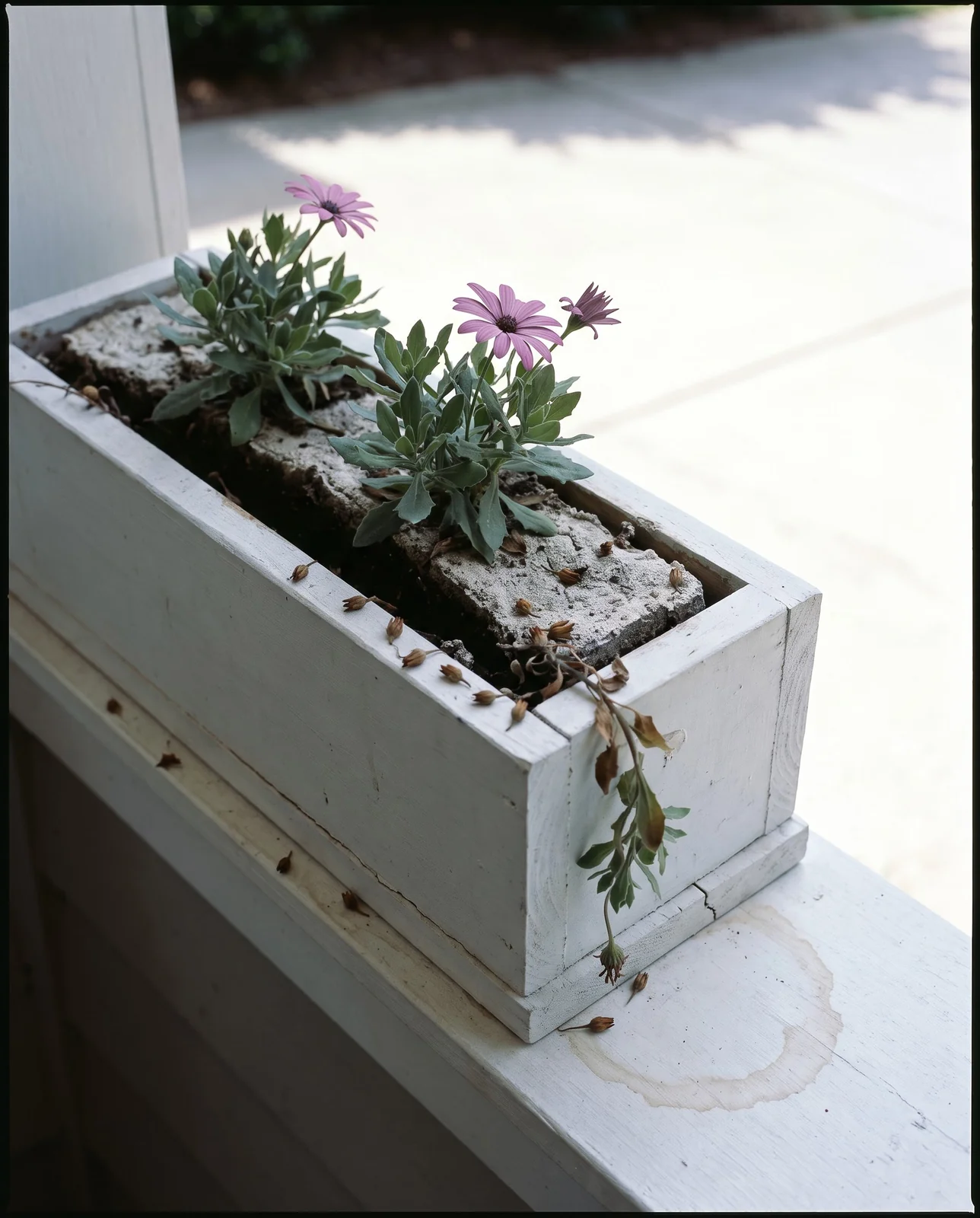
Two different things get called spreading here, and the plant only does one of them. Growth habits in the genus typically range from mounding to spreading, with some varieties staying compact and others trailing. Osteospermum fruticosum has a trailing habit suited to rockeries and hanging displays, while Osteospermum ecklonis, the most widely grown species, forms a mound up to 24 inches tall. The plant does not run underground, and self-seeding is minimal because modern cultivars set seed with difficulty and need no deadheading. The habit printed on the nursery tag decides where the plant goes, just as it does with any other garden flower.
Overwintering, and whether it comes back
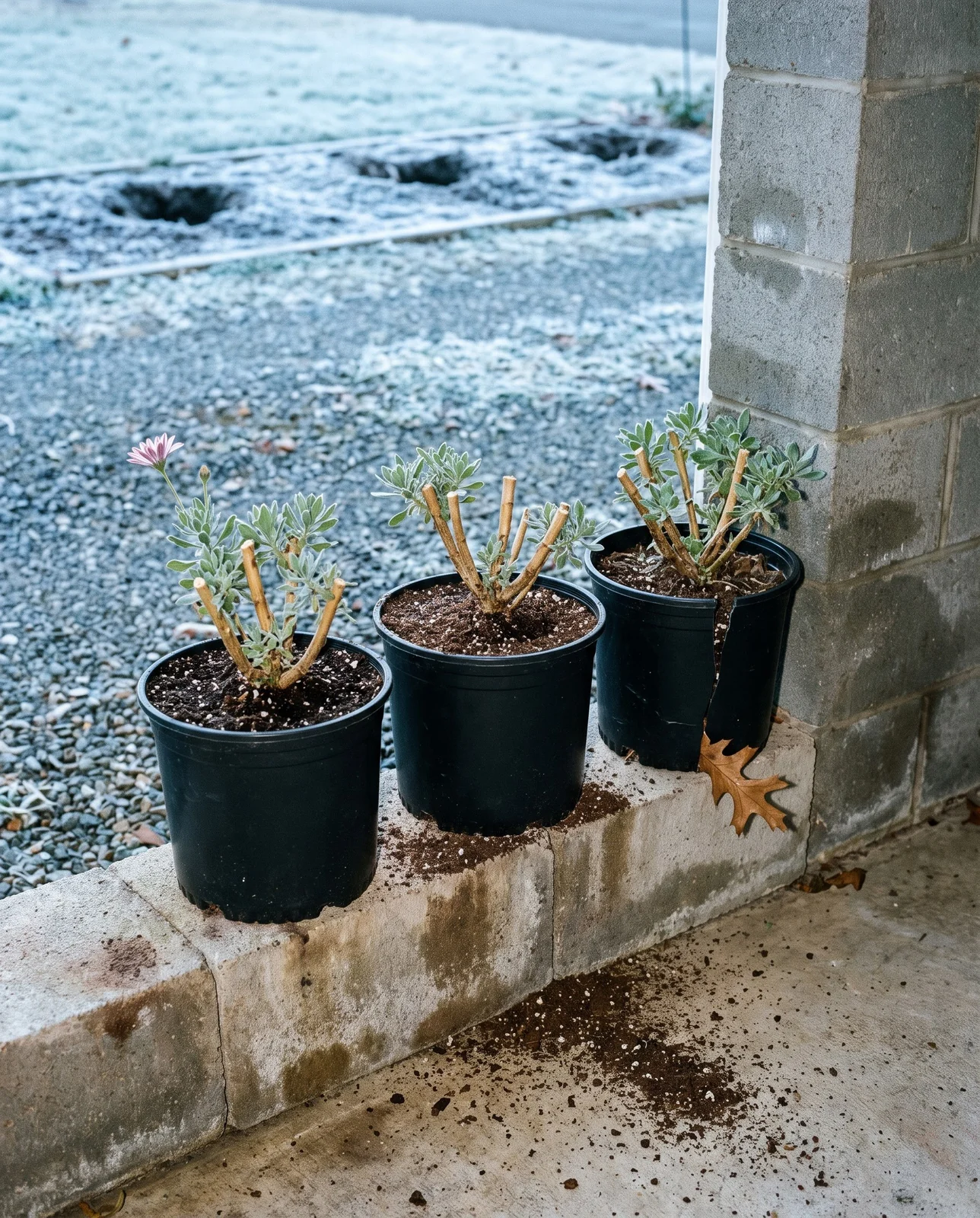
Where frost hits, osteospermum will not survive winter outdoors, because plants do not overwinter well and die off with the first hard frost. In mild gardens, you can protect plants in the border by cutting them back and laying mulch around them. Types rated H3, hardy down to about 23 F, can overwinter in mild areas if you move potted plants under cover.
You can dig plants up before cold weather and pot them into 1-gallon pots. Winter is a rest time, so do not fertilize and water sparingly. Even so, the plant seldom survives a transition indoors without a greenhouse or sunroom, making cuttings the favored choice in frosty regions.
Is osteospermum toxic to pets?
Osteospermum has no entry in ASPCA records, and three plants that share the African daisy name belong to other genera. The African daisy in those records is Gerbera jamesonii, also called Barberton daisy, veldt daisy, Transvaal daisy and Gerber daisy. Cape marigold, which also carries African daisy among its common names, is Dimorphotheca pluvialis, while blue-eyed daisy, which counts blue-eyed African daisy among its common names, is Arctotis stoechadifolia. All three are non-toxic to dogs, cats and horses.
Osteospermum itself is not considered toxic to humans or pets. Even so, individual reactions can vary, and some plants in the same family may be toxic. The plant is not recommended for human or animal consumption, so keeping pets from chewing on it is the sensible choice.
What to expect, year by year
The plant follows a short arc, and seeing it bloom in a second year takes deliberate care.
In the first year, a plant set out after spring frost blooms until hot summer weather brings the show to an end. Flowers return as temperatures cool in the fall. Then the outdoor season ends, because plants do not overwinter well and die off with the first hard frost. That pattern is normal, not a mistake in care.
Seeing flowers a second year takes planning before cold weather arrives. Where frost hits, starting fresh from late-summer softwood cuttings held indoors until late spring gives dependable results, because mature plants seldom survive moving indoors without a greenhouse or sunroom. An overwintered potted plant needs a quiet rest inside, unfed and watered sparingly.
Perennial varieties are generally short-lived, lasting around 2 to 3 years on average even where they persist. Annual plants live for one growing season only. Replacing plants every spring simply works with that short natural habit.
Osteospermum myths
Four common claims follow this flower, but its real habits tell a different story.
The myth: African daisy is one plant.
The reality: More than one flower shares the name. Osteospermum species have several common names, including African daisy, South African daisy, Cape daisy and blue-eyed daisy. Dimorphotheca pluvialis is another composite commonly called African daisy, alongside Arctotis. Gerbera daisies are sometimes called African daisies as well, though gerberas are generally not as tall and produce larger, more intensely colored flowers.
The myth: It stopped flowering in July, so it is dying.
The reality: The plant is resting during the summer heat. It stays in full bloom until hot summer weather brings the show to an end. When temperatures stay above about 85 F, many plants naturally slow down. Once temperatures cool in the fall, the plants flower again.
The myth: It is a perennial, so it will come back.
The reality: Plants come back each year as perennials in zones 10 and 11, but in zone 9 they are often grown as annuals. They typically thrive as cool-season annuals, and while some selections withstand zones 9 to 11, they cannot endure cold weather.
The myth: Deadheading is optional on modern varieties.
The reality: It depends on which variety you grow. Some modern selections bury their dead, with new flowers quickly covering old ones, and the Symphony series needs no pinching or deadheading. For other types, cut spent flowers down to the next set of leaves to encourage fresh growth and bloom.
FAQ
Why did my osteospermum stop flowering in July?
Summer heat is the usual cause. Flowering declines rapidly once consistently hot summer weather sets in, and many plants slow down when temperatures stay above about 85 F. Plants flower again as temperatures cool in fall.
Do osteospermum flowers close at night?
Flowers often close at night or in overcast weather and open again when the sun shines, so do not worry if they fold up in the evening. Whether this habit holds for the genus is unsettled, and double varieties in the 4D series do not close.
Will osteospermum come back next year?
It can come back in zones 10 and 11, and sometimes in zone 9. In colder climates it is grown as an annual, because plants do not winter well outdoors and die off with the first hard frost.
Why are my osteospermum leaves turning yellow?
Yellow leaves that wilt on stunted plants, with a stem base that may turn brown and crack, point to root rot in cool, wet, poorly drained soil. Leaves that look water-soaked and soft before turning black show cold injury, which happens below 50 F.
Is osteospermum toxic to dogs and cats?
Osteospermum is not considered toxic to pets, though individual reactions can vary and some plants in the same family may be toxic. The ASPCA entries that share its common names cover Gerbera jamesonii, Dimorphotheca pluvialis and Arctotis stoechadifolia, and they are non-toxic to dogs, cats and horses.
Can you grow osteospermum from cuttings?
Yes, and cuttings are much easier than growing from seed, because most garden plants are hybrids that do not come true from collected seed. Take a 4 to 6 inch cutting with at least two leaf nodes. You can take softwood cuttings late in summer and keep them indoors for spring planting.
Does osteospermum spread?
It depends on the variety. Plants typically have a mounding or spreading growth habit, with some varieties being more compact or trailing. The trailing African daisy, Osteospermum fruticosum, has a spreading habit well suited to ground covers. Self-seeding is limited, because modern cultivars do not set seed easily.
Do you have to deadhead osteospermum?
Usually yes. Cutting stems down to the next set of leaves encourages more growth and blooming. Some newer varieties quickly cover old flowers with new ones, and the Symphony series needs no pinching or deadheading.
How long does osteospermum live?
Perennial plants are generally short-lived, lasting about 2 to 3 years on average. When grown as an annual, a plant lives for one growing season.
Can osteospermum grow in pots?
Yes, they make excellent container plants and thrive in pots, window boxes and hanging baskets. Choose a pot with good drainage holes, use a well-draining potting mix, and water frequently. Feed them more often than garden plants, because frequent watering leaches nutrients out of the soil faster.
Is osteospermum the same as African daisy?
Not quite. Osteospermum species have been given several common names, including African daisy, and that name is shared by several different plants. The same name is also used for Dimorphotheca, Arctotis, and sometimes the florist gerbera.
Interesting tips
- It takes a lab test to tell Rhizoctonia and Pythium root rot apart. At home, you can only go by the symptoms and how wet the soil stays.
- How evenly seedlings sprout depends on the seed line you choose. Akila is bred for uniform growth, giving 5 percent higher germination than competing lines so the whole flat is ready at the same time.
Related Guides & Flowers
Petunia
The other spring bedding plant usually sitting in the next tray at the garden center.
Sweet alyssum
Sold for the same sunny front edge of a bed.
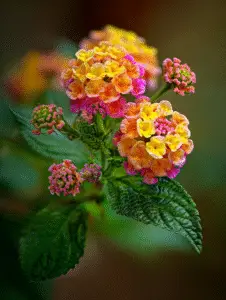
Lantana
Another plant sold for the same sunny beds and containers.
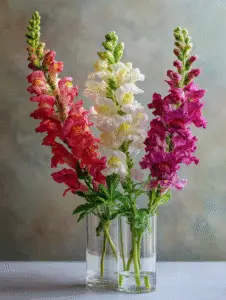
Snapdragon
A spring bedding flower sold for the same borders.
Enjoying our flower guides? Add YourFlowersGuide as a preferred source on Google. It helps more readers find us.
Add to Preferred Sources