Taxonomy and origin
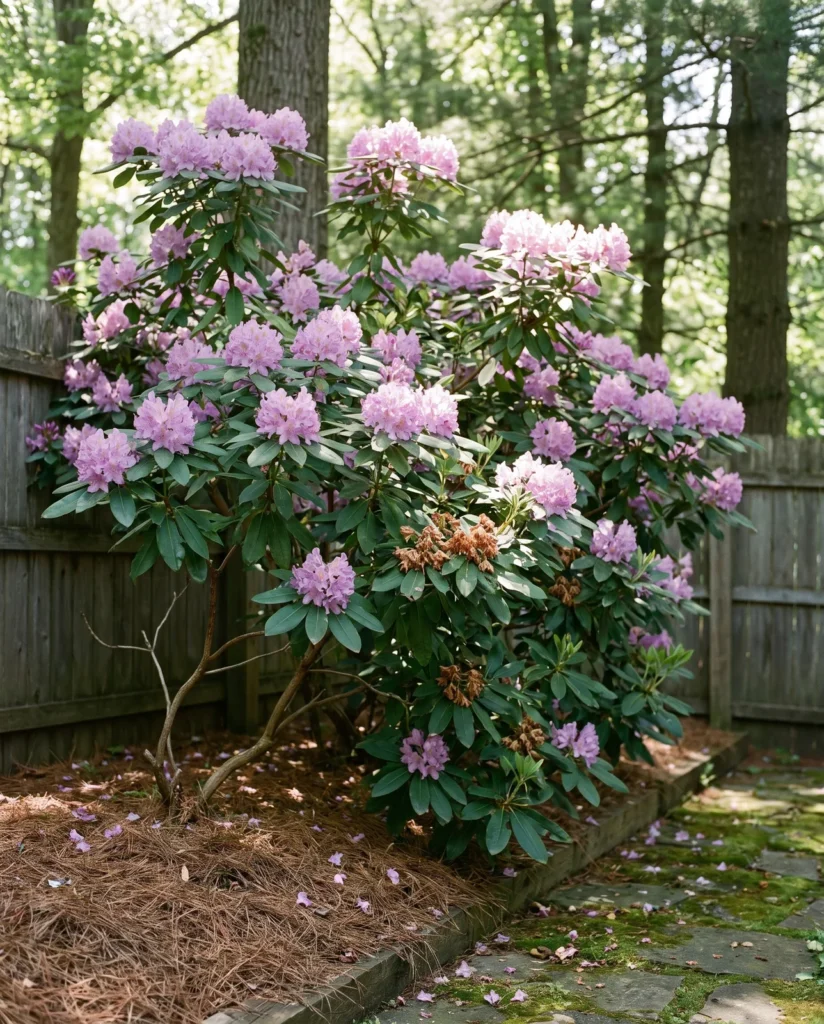
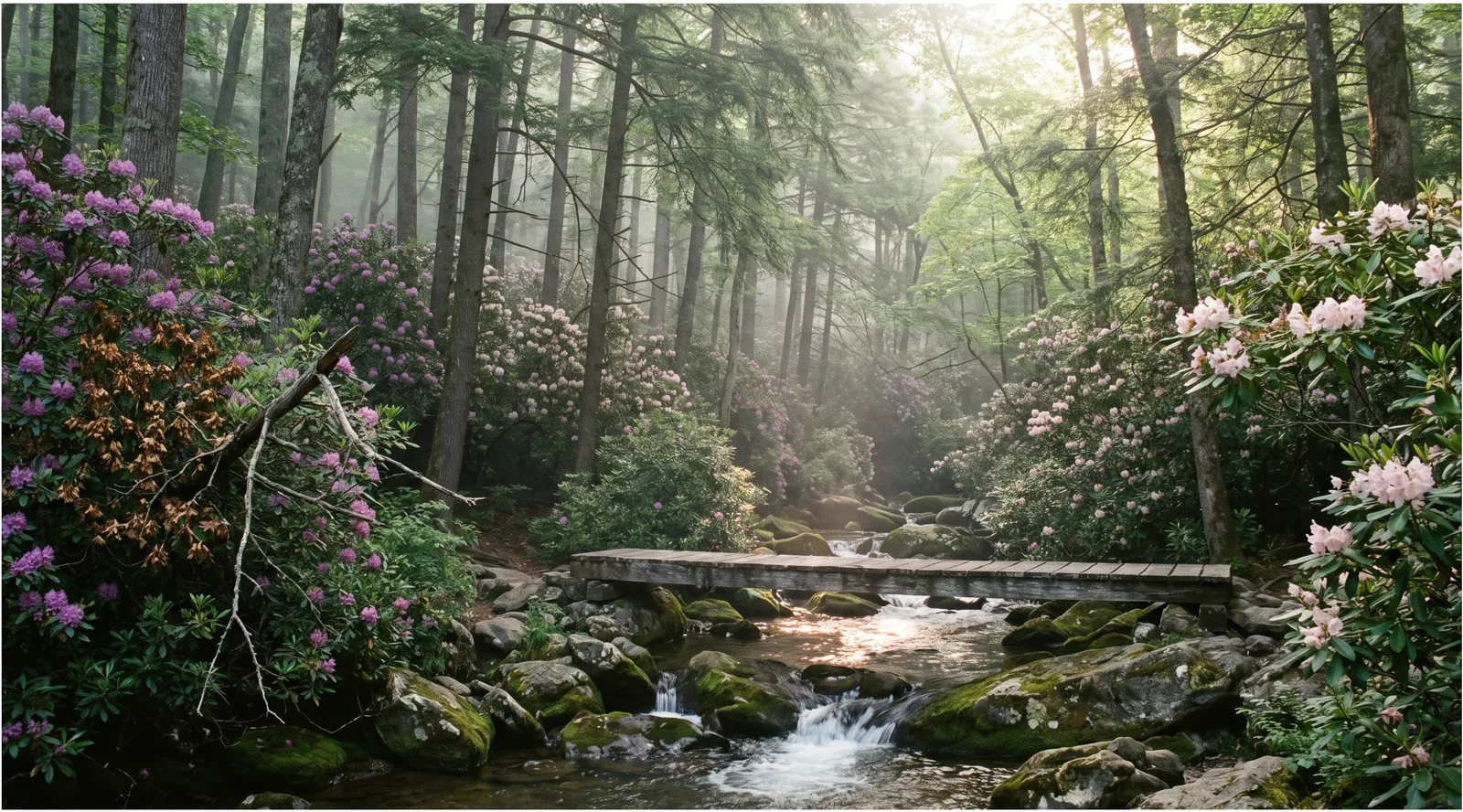
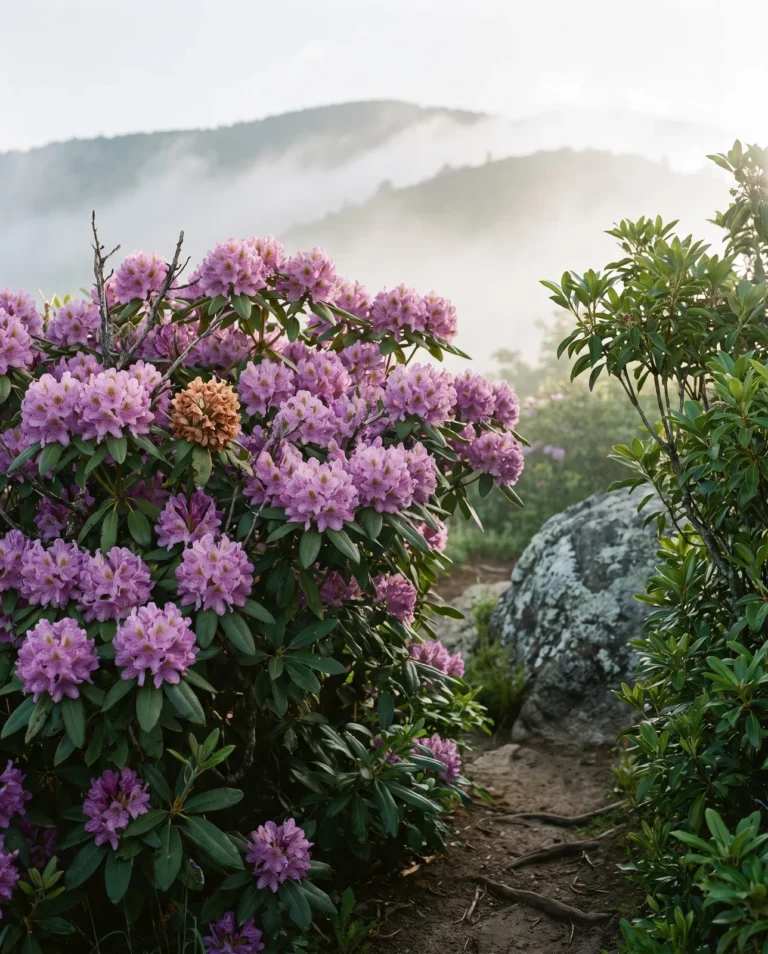
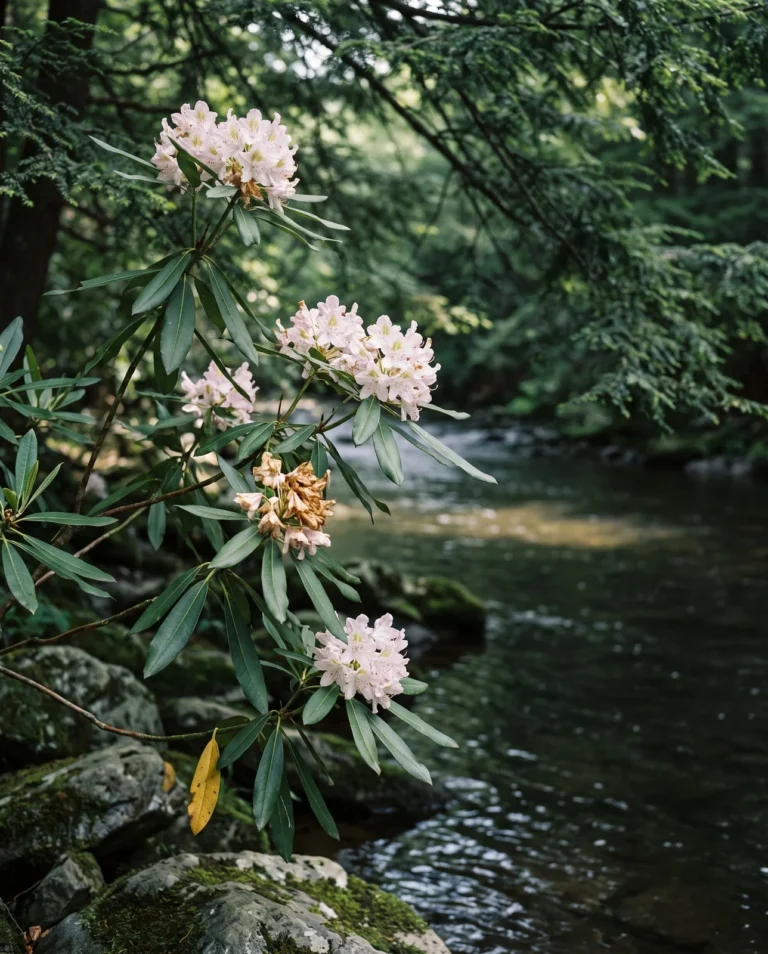
Rhododendron is a genus of about 1,024 species of woody plants in the heath family, evergreen or deciduous, and the name is Ancient Greek for rose and tree. Most species come from eastern Asia and the Himalayan region, with smaller numbers in North America, Europe, and Australia. Azaleas sit inside the same genus as two subgenera. What most people mean by the word is narrower: large-leaved evergreens with leathery foliage and heavy trusses of bell-shaped flowers. Almost nothing in a garden center is a wild plant, since the register holds more than 28,000 cultivars. The eastern natives stand behind the hardy ones. Catawba rhododendron forms dense thickets on slopes along the Appalachian range.
Varieties worth knowing, by hardiness and size
Hardiness settles the shortlist first, so the zoned kinds lead. Buy a well branched shrub with four or more limbs close to the ground.
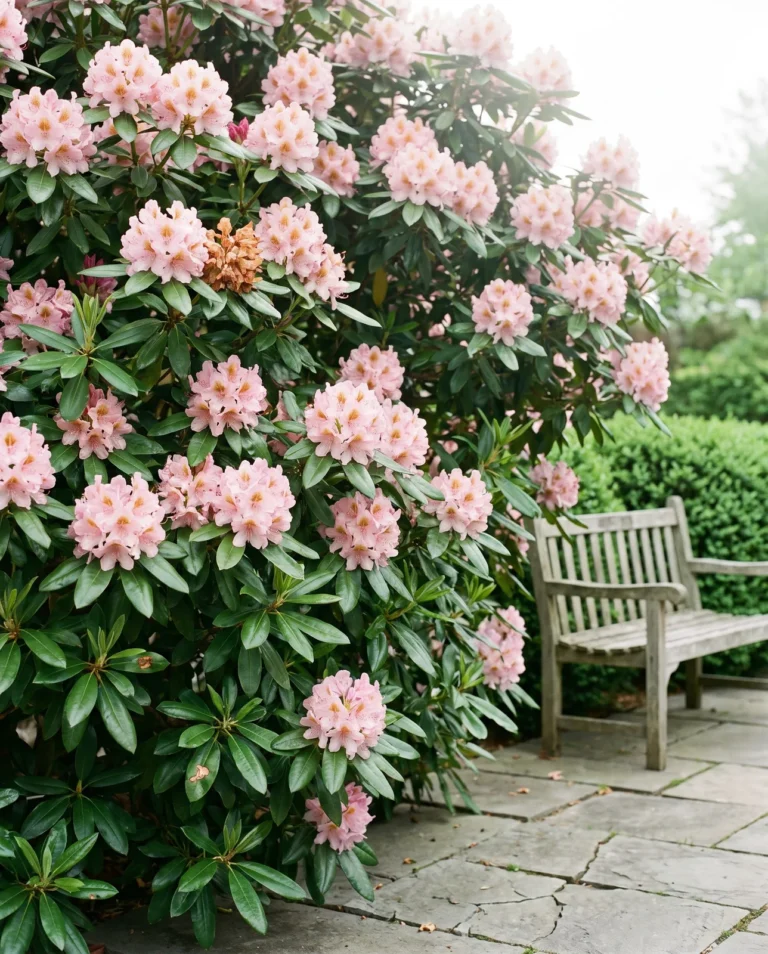
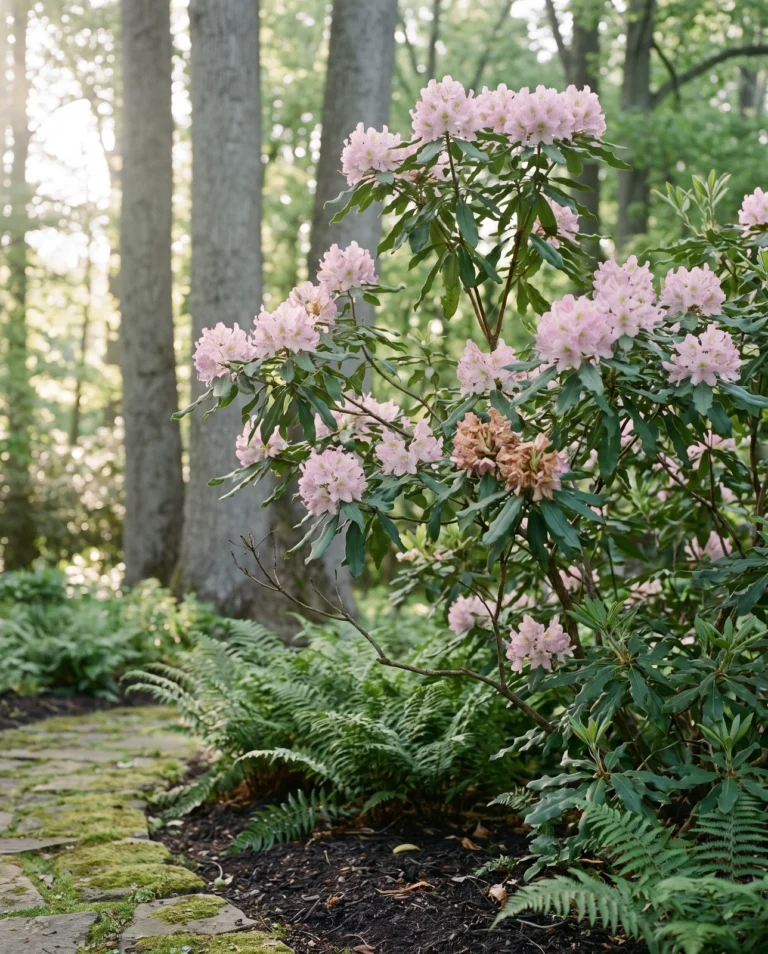
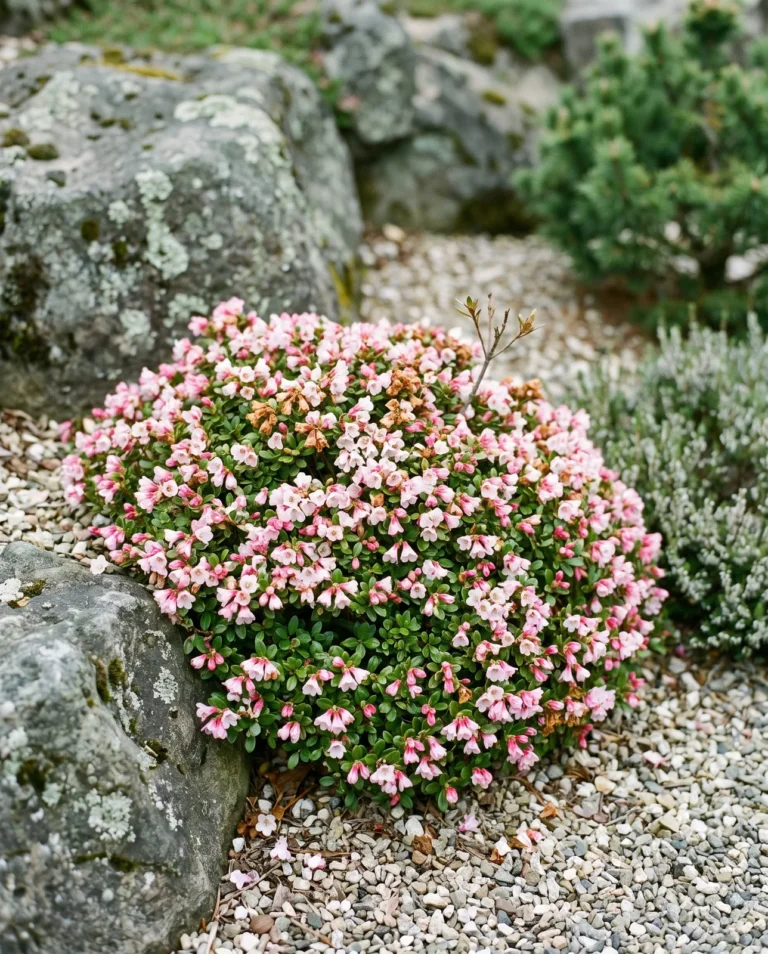
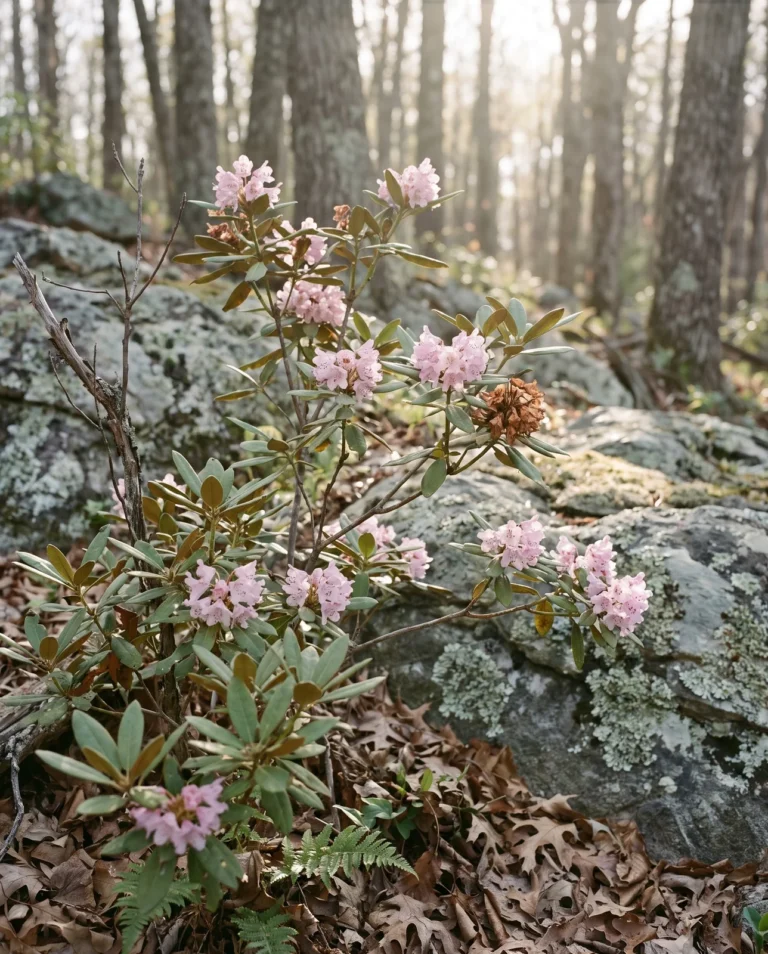
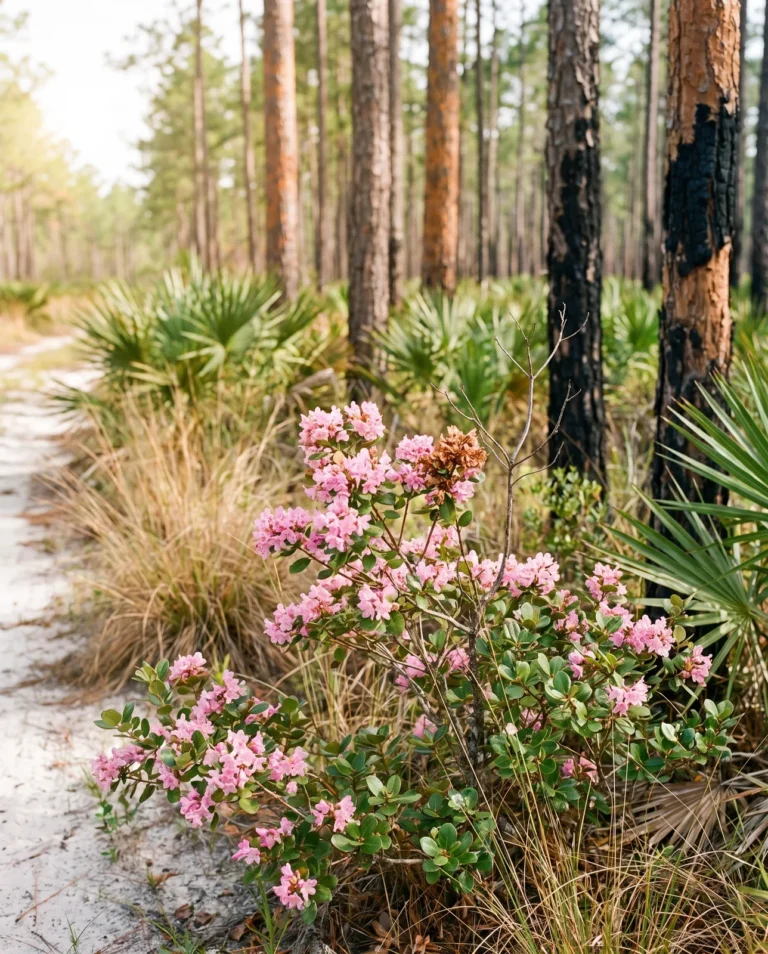
Rhododendron or azalea, and which one to plant
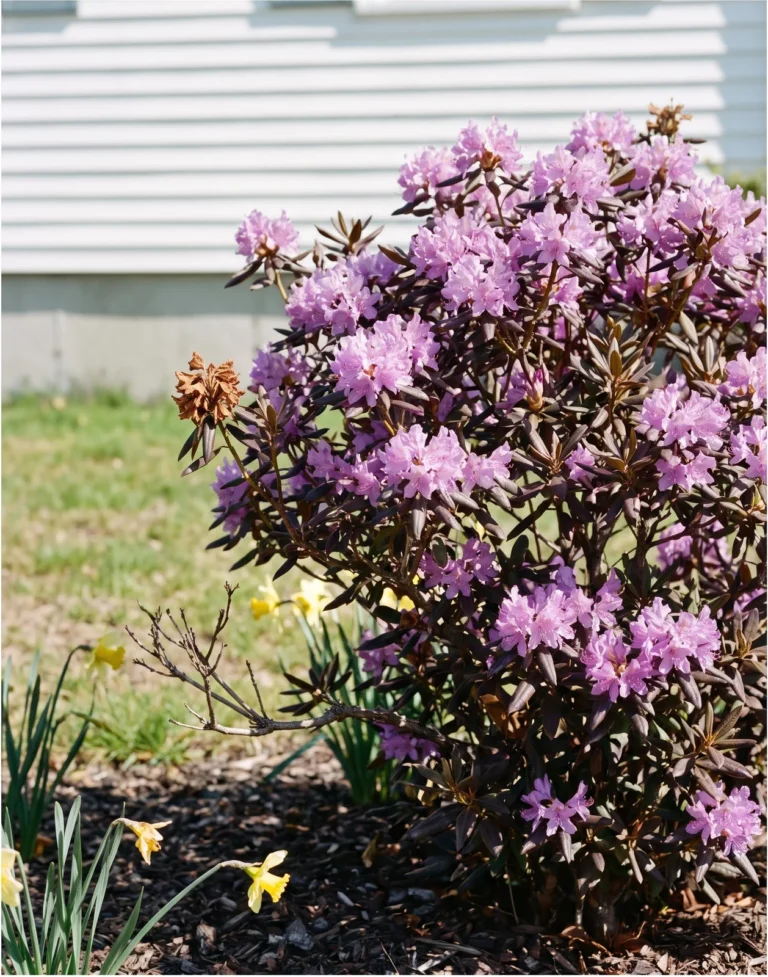
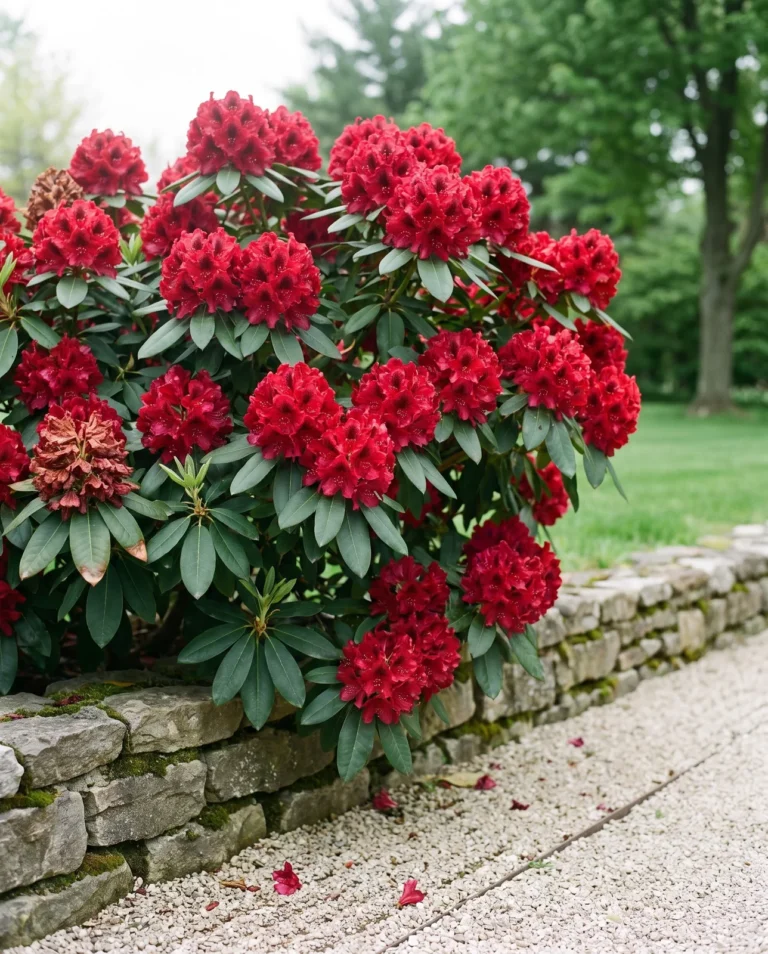
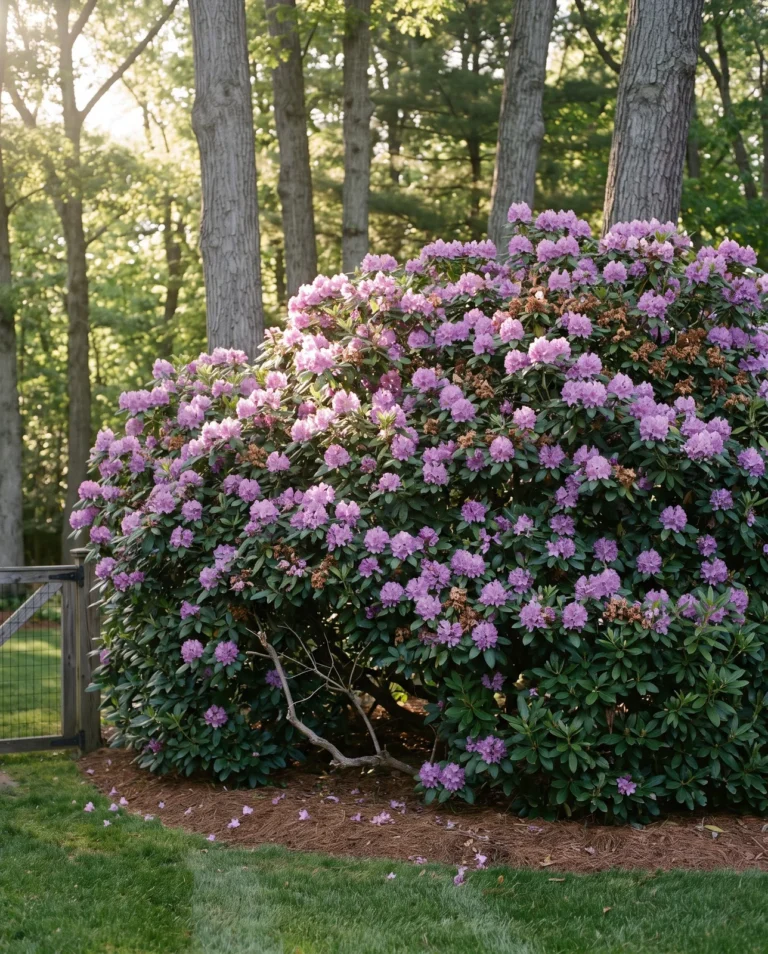
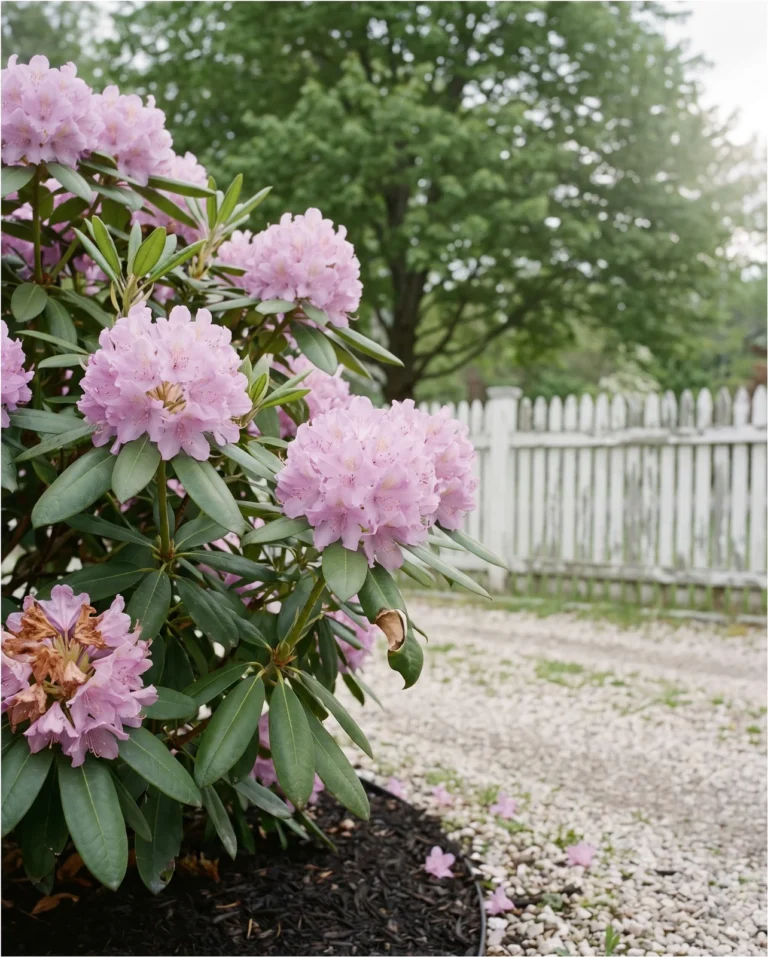
Both want the same cool, moist, well-drained acid soil and the same partial sunlight, so size and habit decide. Catawba rhododendron takes 6 to 10 feet of height and 8 to 10 feet of width and rosebay grows 10 to 20 feet, while 'Ginny Gee' stops at 2 feet. Give the big evergreens a woodland edge, and keep azaleas and the small-leaved kinds for a walk or a foundation strip.
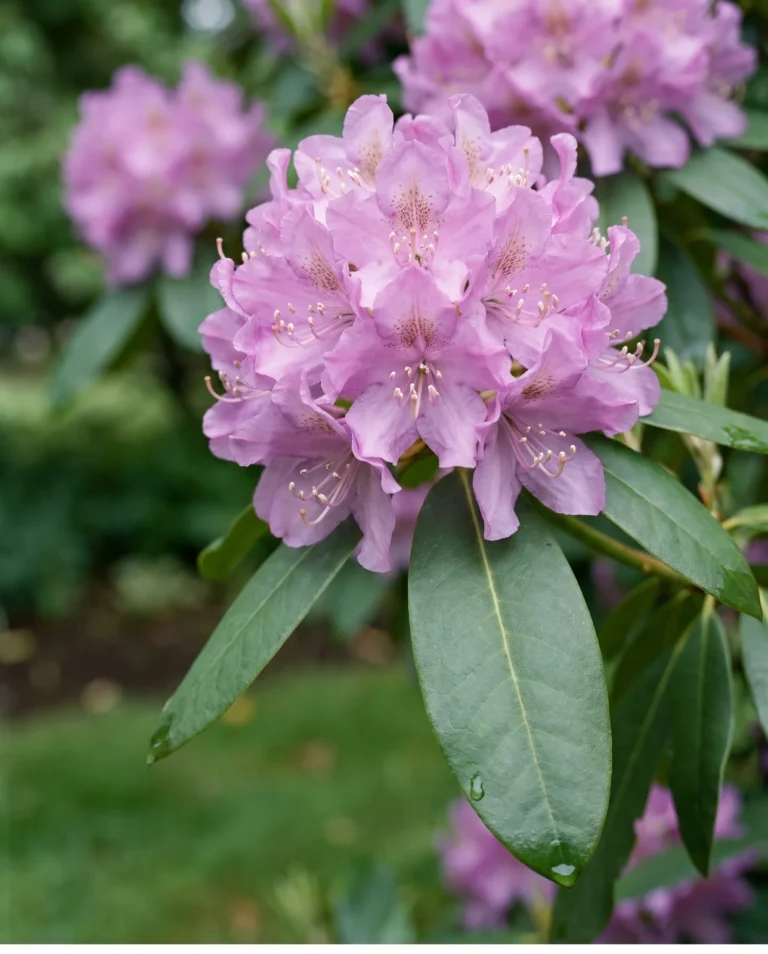
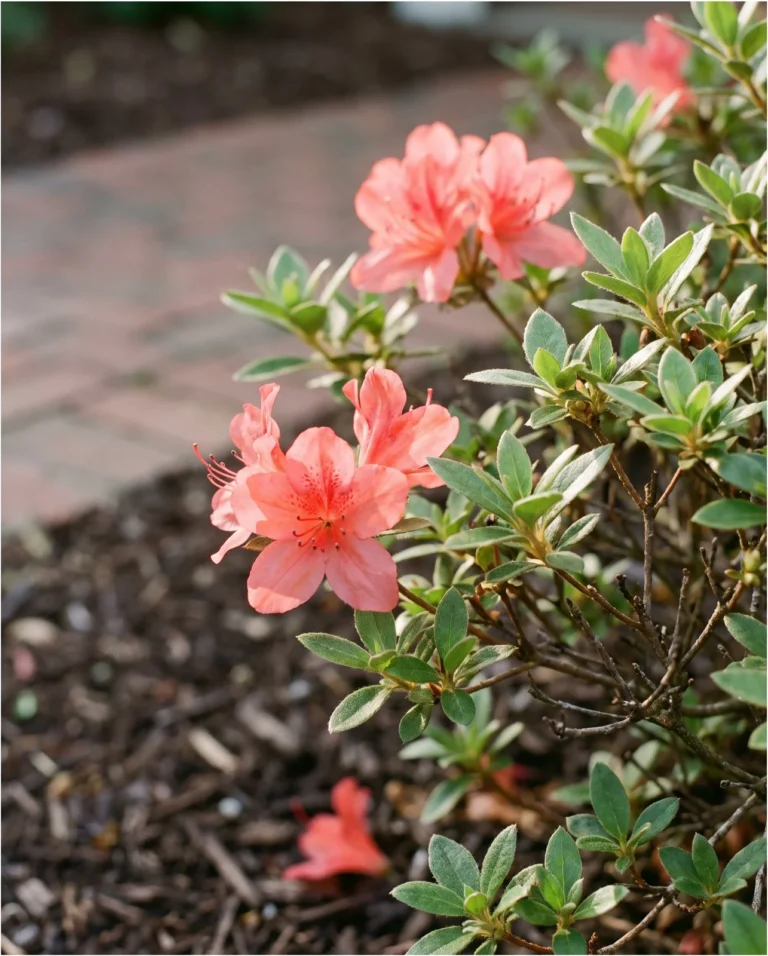
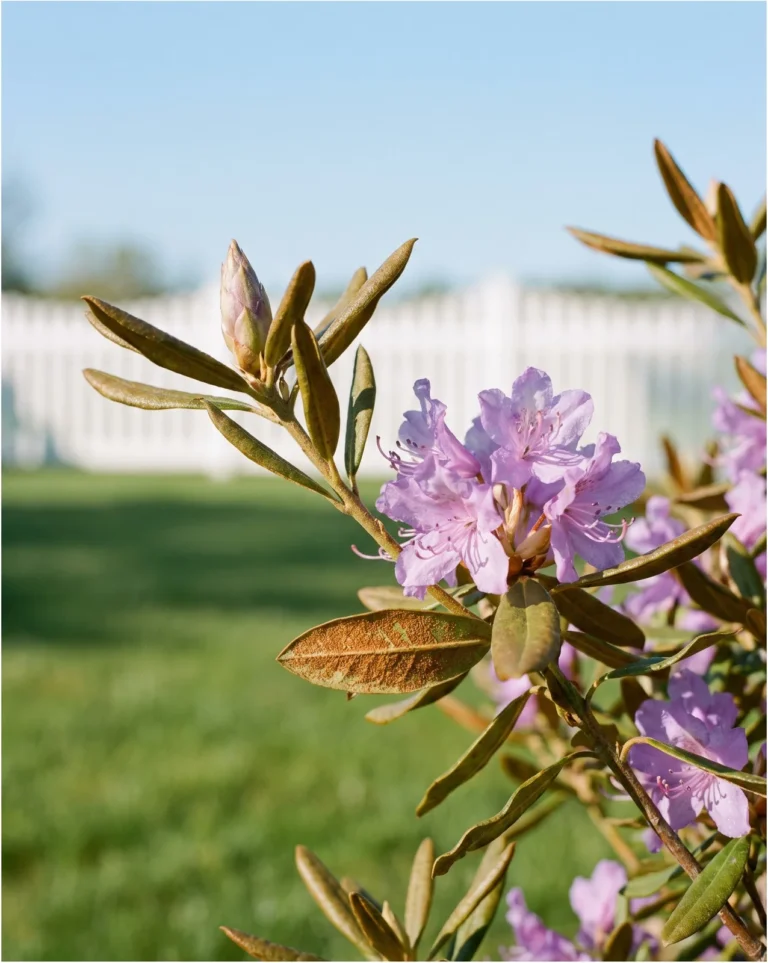
Bloom time
Flowers come from early spring to midsummer, and which weeks you get is set by the variety and by where you garden. The early small-leaved hybrids start in April, carrying 4 to 9 flowers in a cluster. Catawba rhododendron and the hybrids built on it flower from April into June, and rosebay closes the season, from June to August. Next spring is decided the summer before, since the flower buds form by mid to late summer. Winter then takes them, since low temperatures damage flower buds and can split the bark near the base of the stem.
Where to plant it and how much sun it wants
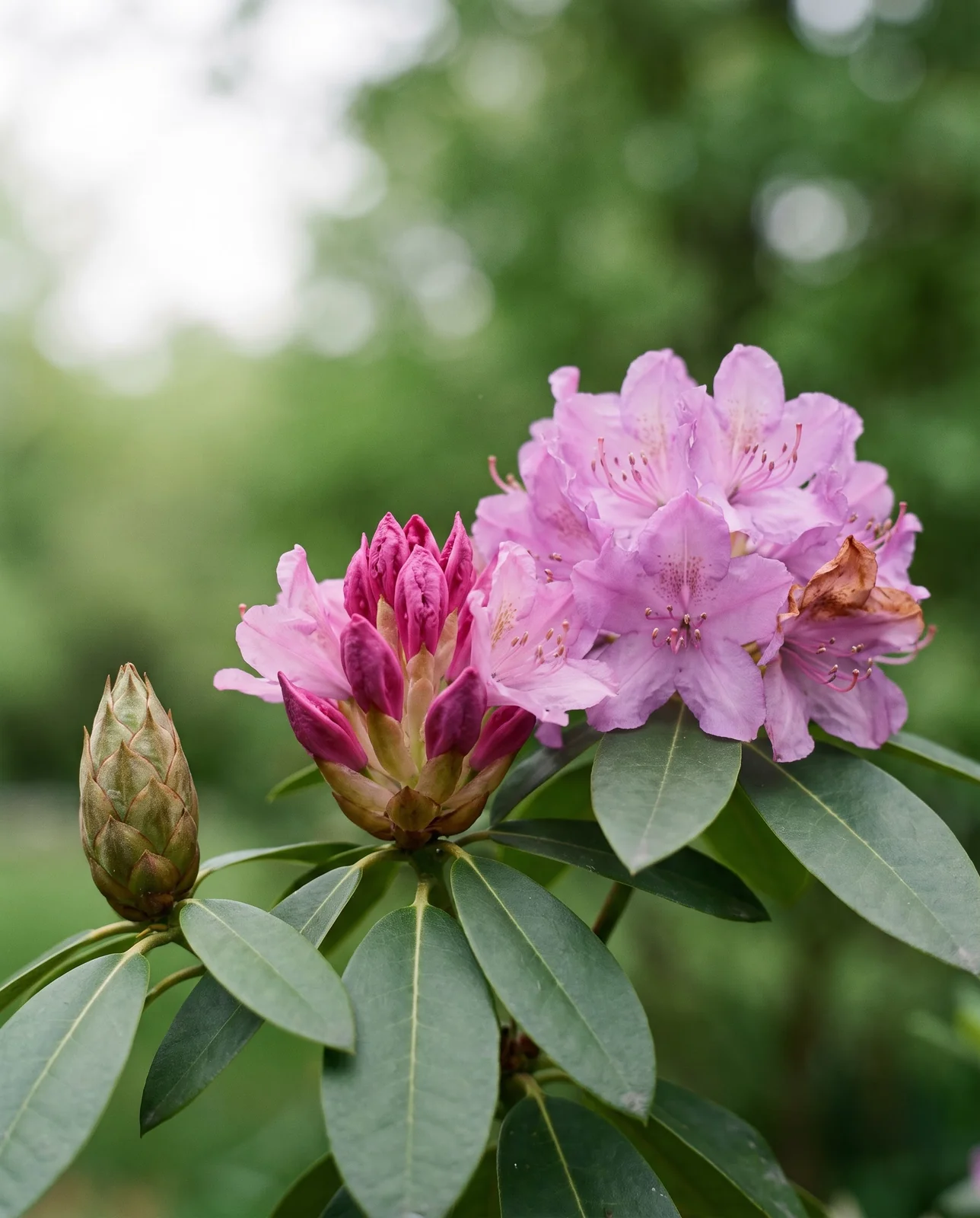
Rhododendrons want direct light for part of the day and shelter from the hottest part of it, and excessive shade normally results in very limited flowering. Dappled sun or high open shade is ideal, and the leaves scorch where the afternoon sun is hot. Farther south, plants go out of the wind under a high cover of limbs, and most need protection from the intense southern sun.
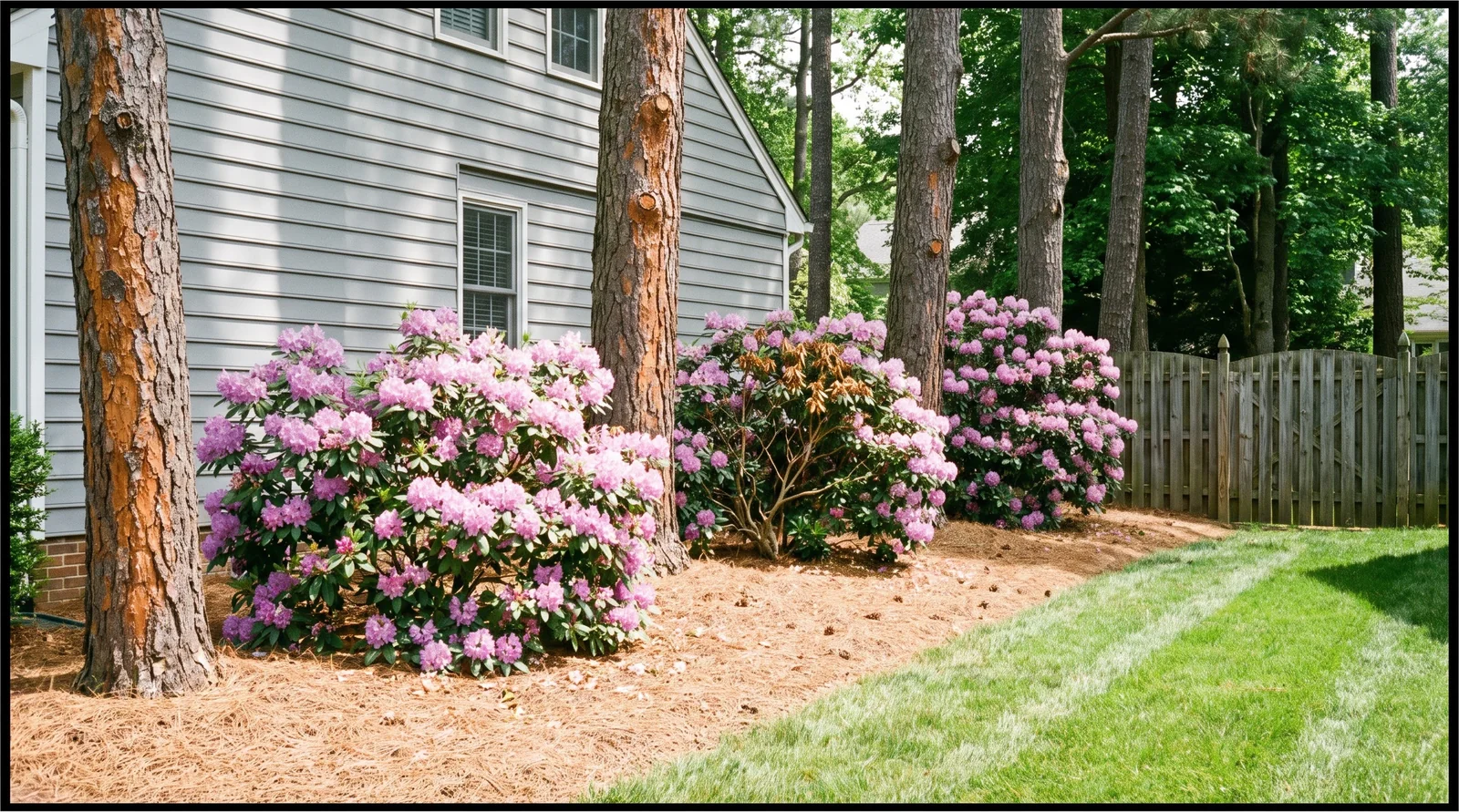
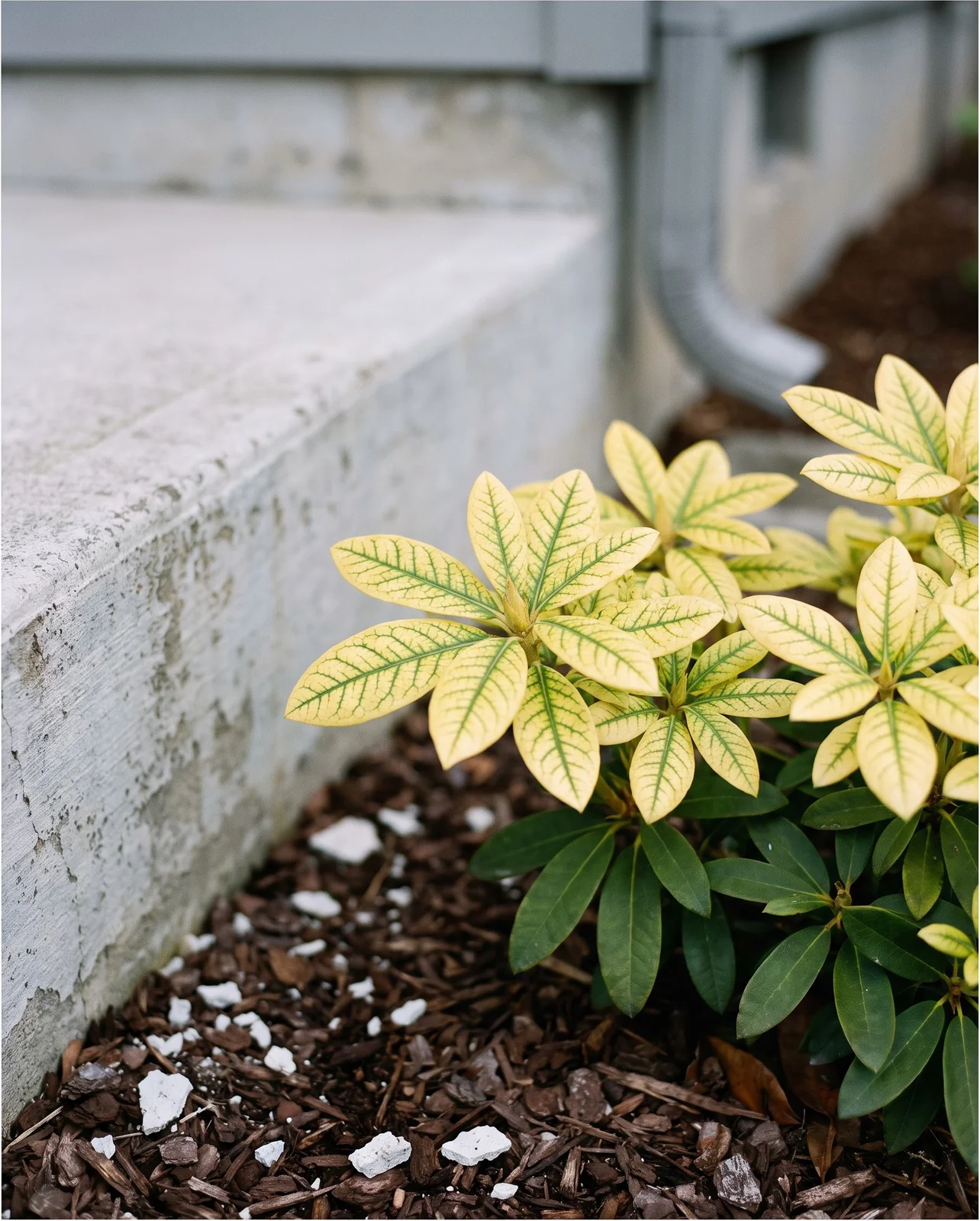
Plant on the north or east side of a building, avoid southern exposures in a foundation bed, and prefer a northern slope. Walks and foundations are the hidden trap. They create alkaline conditions at a pH of 6 or above that harm rhododendron and azalea growth, and the calcium leaching out of them shows in the foliage as yellow or yellow-white leaves. Keep the plant out from under walnuts, butternuts, pecans, and hickories, whose roots produce juglone that most rhododendrons are sensitive to. Waterlogged plants decline and become susceptible to root rot.
Soil and pH
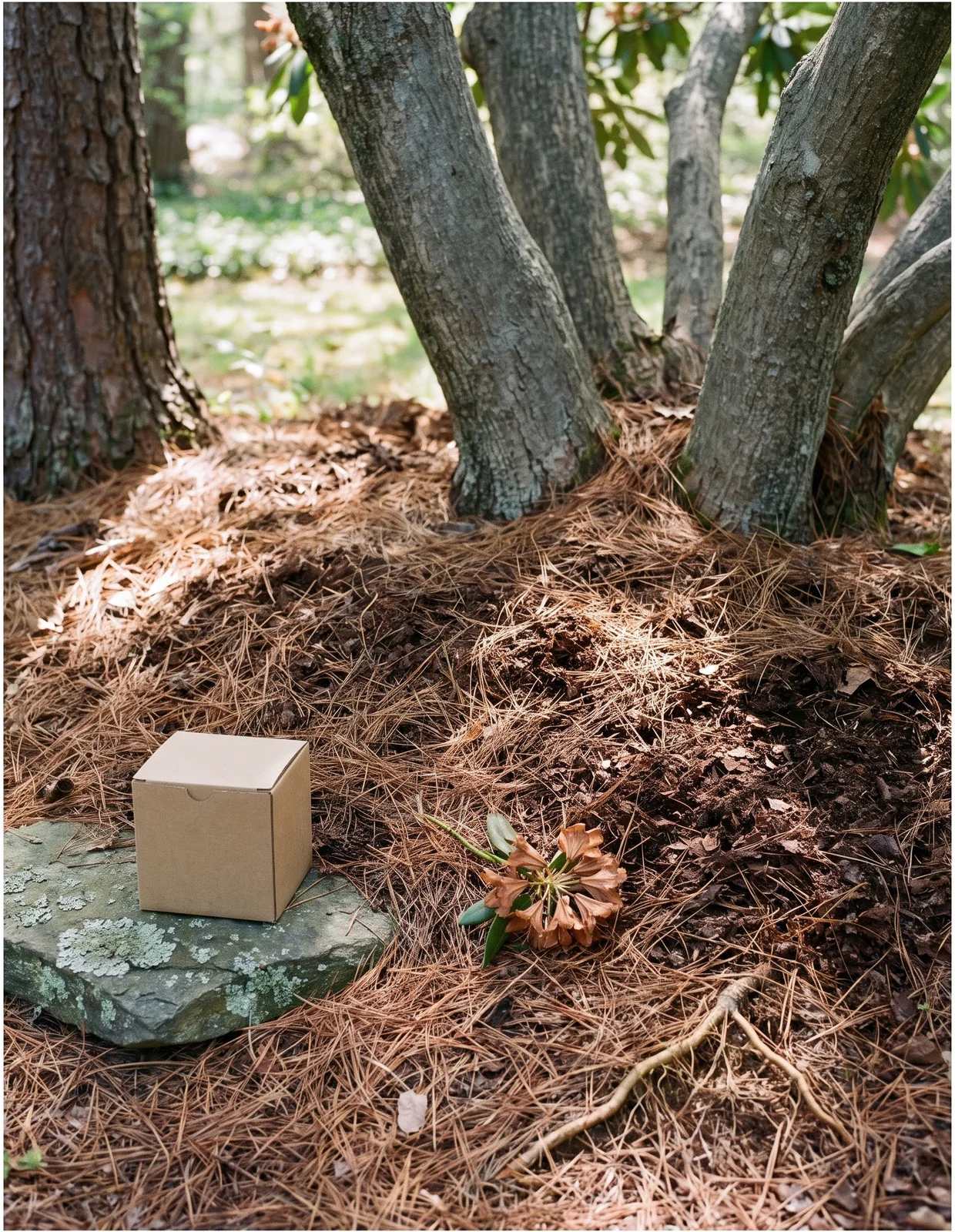
Rhododendrons are acid-loving plants, and the working target is a soil pH between 4.5 and 6.0. Iron is the reason. It is most available to roots inside that band, and above pH 6.5 the ground can hold plenty of iron in a form the plant cannot use, locked up by calcium carbonate. Aluminum sulfate, the bag that comes out when gardeners are turning a bigleaf hydrangea blue, is toxic to rhododendron roots. The roots themselves are shallow and fibrous, they must never dry out, and they resent cultivation, which makes bark the standard amendment. Spread about 4 inches of pine bark over two to three times the ground the branches will cover, and mix it into the top 6 to 8 inches of soil. Over heavy clay, build up instead, since a hole backfilled with a light mixture works as a bucket.
Planting
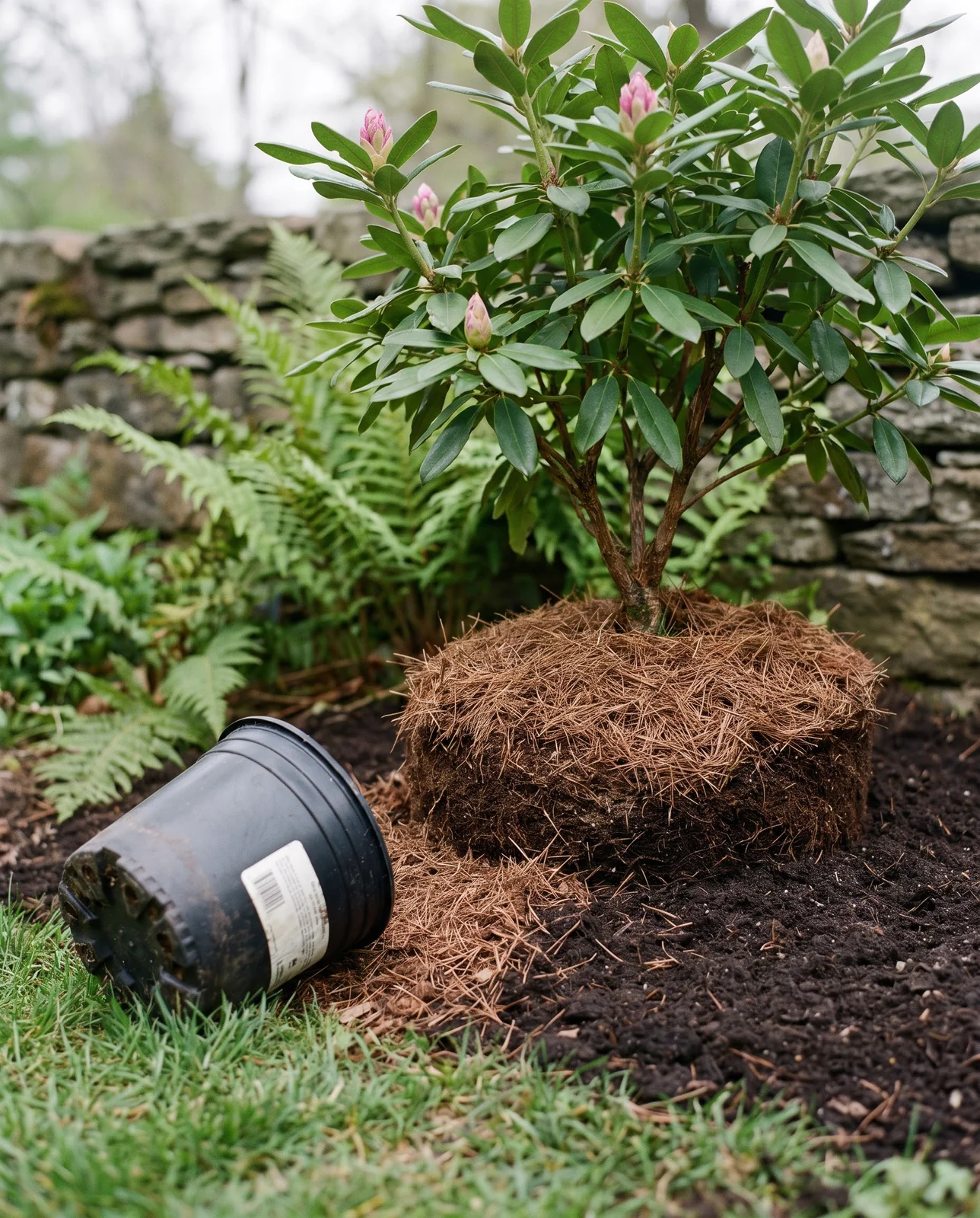
Set the plant high, and never lower than the soil around it. The top of the root ball goes at or slightly above the surrounding level, or several inches above it, with the roots no more than covered. Planting too deep can eventually kill the shrub, and a deep hole in wet ground invites crown rot, a brown discoloration of the wood near the soil line.
Open the root ball before it goes in. On a pot-bound plant, make vertical knife cuts 2 inches or more deep around the sides, then loosen them by hand and pull the roots outward. Mulch with 2 to 3 inches of compost, pine bark, or pine straw, carried beyond the outermost branches and back from the stem. Plant in early spring in cold areas, and in fall where summers are hot.
Water
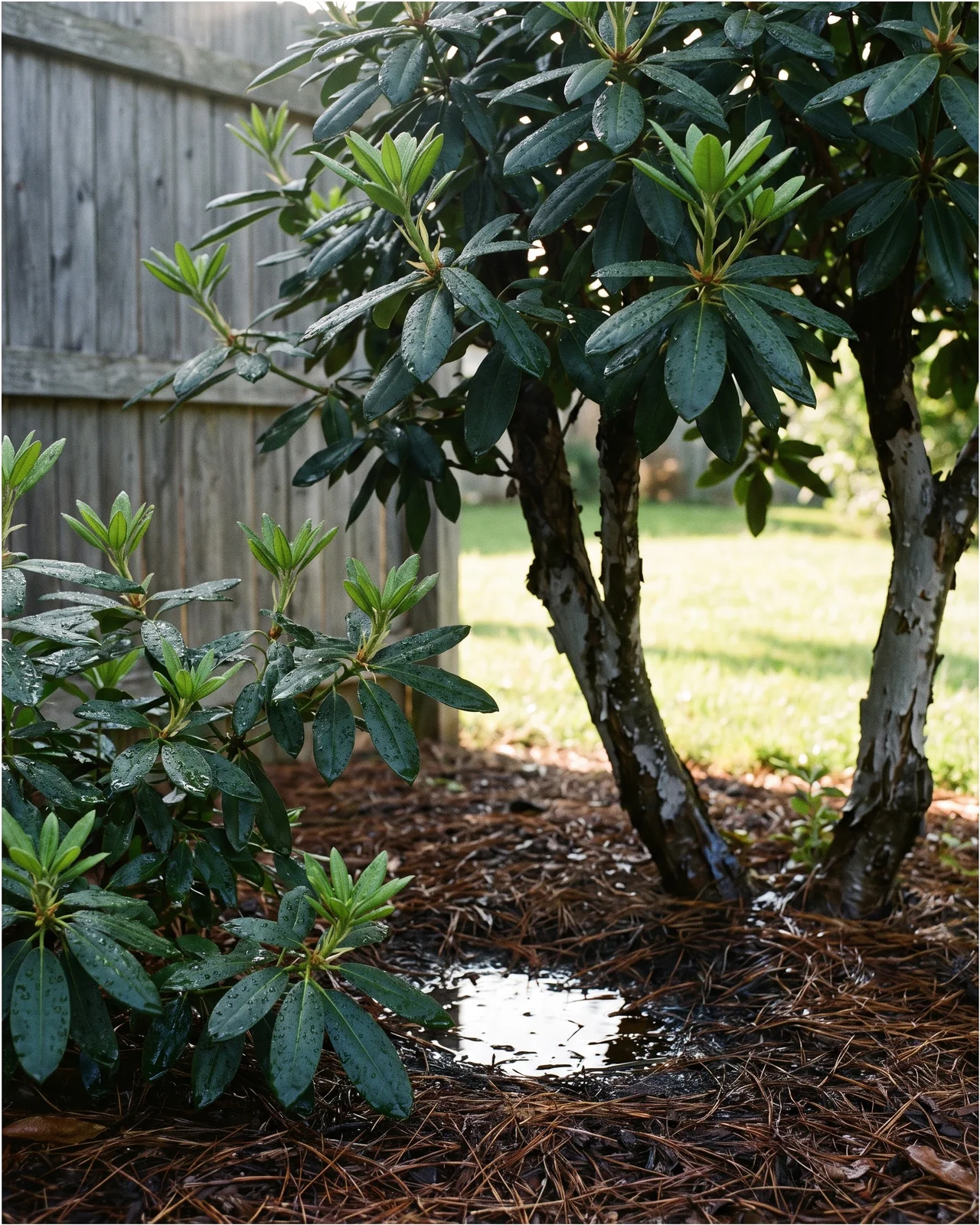
Rhododendrons want steady moisture and free drainage at once, the hard combination in an ordinary garden. Water when the week brings less than an inch of rain, and treat that as the rule for anything planted in the last two years. Established plants take the same inch a week. When the soil under the mulch is dry, water to a depth of 8 to 12 inches with a soaker hose run slowly at the base. Late summer and fall decide the next season. Keep the water going through dry spells from July onward, while the flower buds are forming, and carry it into fall until the temperature drops below 40 degrees Fahrenheit.
Height and spread
Height depends on which rhododendron you buy. The genus covers a range no other garden shrub matches, from a smallest species of 4 to 40 inches to a largest reported at 100 feet. Nursery plants sit in far narrower bands, the Carolina types settling around 5 to 6 feet. In the big evergreen types a mature plant covers about as much ground as it stands tall, and a shrub bought for a gap beside the porch ends up leaning over the walk.
USDA hardiness
The hybrids on a garden center bench generally run from zone 4 to zone 8, and the rating belongs to the variety, so read the number on the pot. The native species hold the cold end, and rosebay is hardy below anything on the hybrid shelf. The ironclad hybrids opened cold gardens to the plant at all, being the most cold hardy and often the most heat resistant of them. At the warm end the trouble starts below ground. Heat with wet soil brings on Phytophthora root rot, so hot climates get the mound already described, built with 50 percent or more fine pine bark.
Feeding
Most rhododendrons need very little fertilizer. With the soil prepared and the bed mulched, very little is necessary, and older plants need less still. Where no soil test is available, use a complete fertilizer at a ratio of 3:1:2 or 3:1:3, something like 12-4-8 or 15-5-15. Stop early: feeding after mid-July pushes growth that will not harden before winter, and the latest any guidance allows is mid-September. Leave lime and alkaline fertilizers out either way. Read the foliage before opening the bag. Pale green or dwarfed leaves point to nitrogen, and small dark green leaves with dead tips to low phosphorus. On high-pH soil, sprays of iron sulfate or chelated iron reduce chlorosis quickly, while acidifying the soil is the long-term fix.
What the leaves are telling you
One symptom carries several causes, and a curled leaf in January means something different from one in July.
What actually goes wrong, in order
The complaints that come up most often, each with the check that settles it.
Three faults end in the same color: shaded interior leaves, iron locked up by alkaline soil, roots drowning in wet ground. Feel the soil before feeding.
Decided months earlier, by a cut made after midsummer, a dry August while the buds formed, or a freeze.
Asked about in spring and usually not a disease: winter wind browned the margins while the roots were frozen. Wait for new growth, then cut.
Bare stems with leaves only at the top can be renewed, but the cut goes in before growth starts and costs that year's flowers.
The shallow roots make it practical and the timing is what goes wrong. Use the planting calendar, early spring in a cold garden and fall in a hot one.
A shrub that stays limp after a good soak is losing roots to Phytophthora, and no spray reaches it once symptoms show. Rebuild the bed higher.
Everything within reach can go in one winter. Catawba rhododendron is frequently damaged by deer, so a new plant in deer country needs a fence.
Pale speckling on the upper surface means lace bugs feeding underneath. Turn the leaf over before spraying.
Why it will not bloom
A shrub that leafs out and sets no trusses lost its flowers months earlier.
Pruning and deadheading
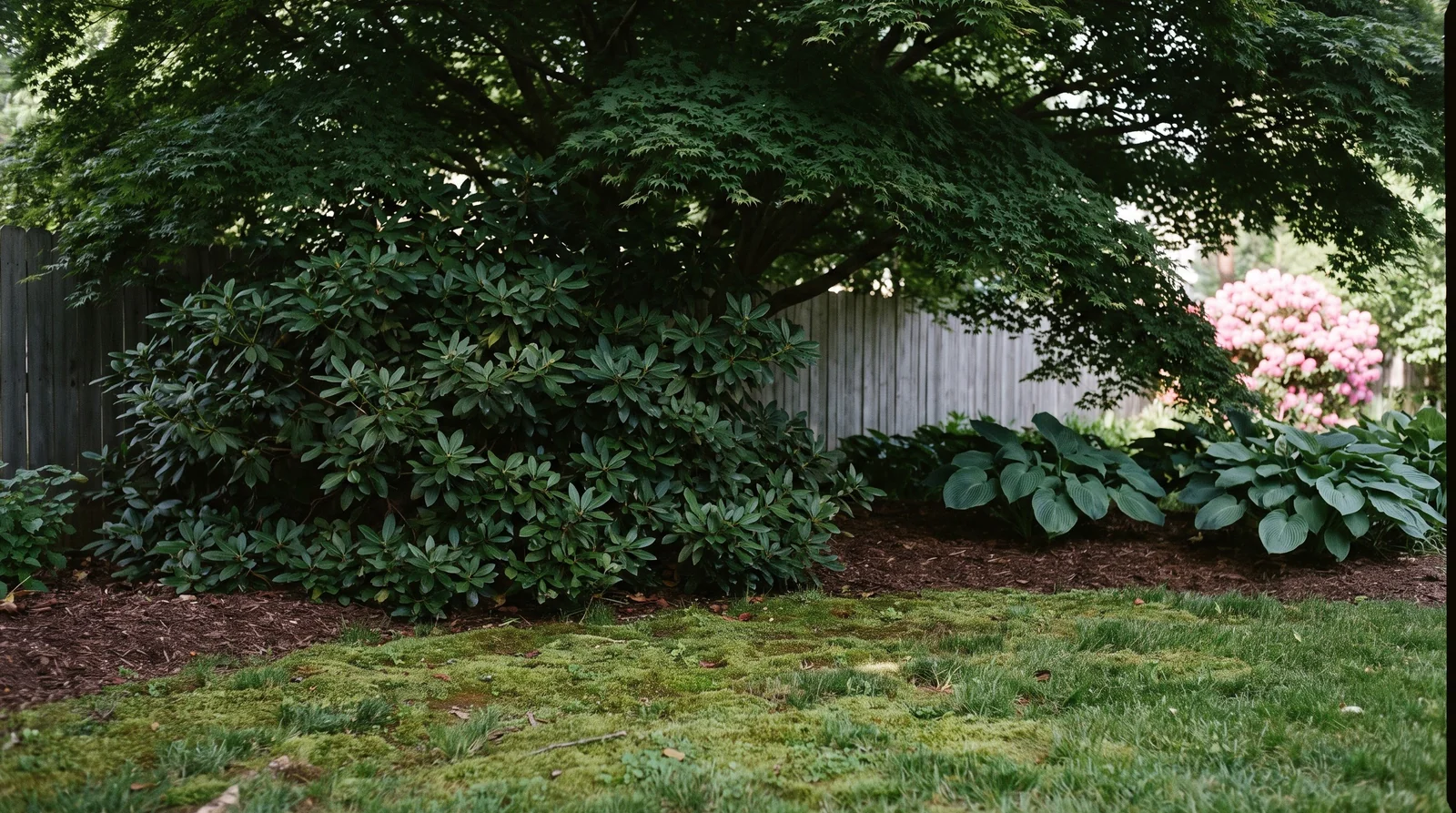
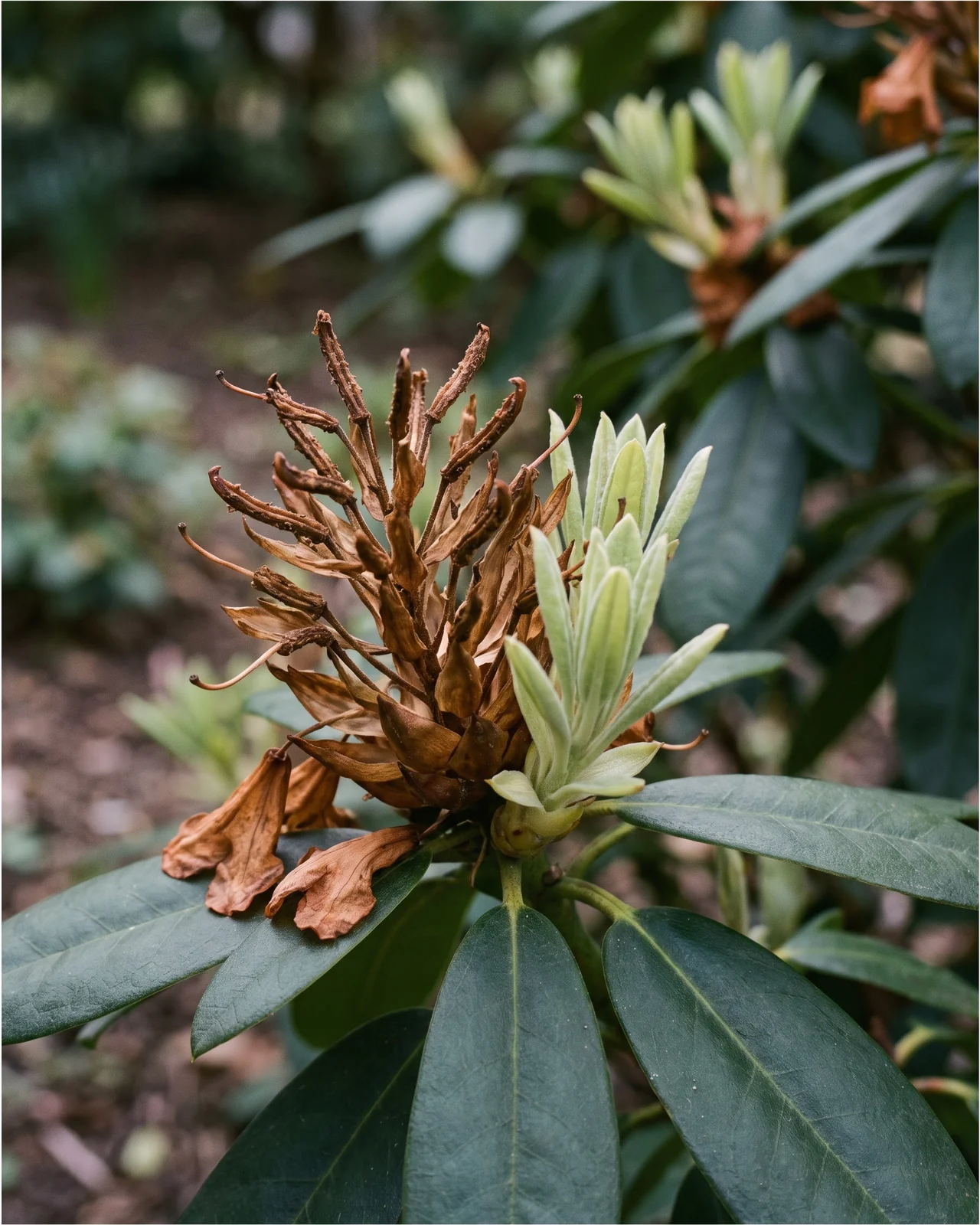
Cut a rhododendron in the weeks right after the flowers fade, because next season's blossoms appear on old growth. Every later cut is a withdrawal from spring. Deadheading needs no tool: break out the spent blooms and leave the dormant buds beneath them undamaged, and the truss comes away with a sideways snap of finger and thumb. Shape a young plant by disbudding, pinching out the terminal leaf bud on new growth so the dormant buds below it wake and push side branches. Shears do the opposite, cutting every branch to one height and stripping the flowering wood. An overgrown shrub with bare legs is the hard case. Rejuvenation pruning restores its shape and brings new growth, and the cut goes in early spring, at the price of that year's flowers.
Pruning calendar
Flowering wood and winter hardiness sit on the same calendar, so the date decides more than the shape.
Toxicity and pet safety
ASPCA lists rhododendron as toxic to dogs, cats, and horses, with grayanotoxin as the toxic principle, and a few leaves can cause serious problems. Effects usually appear within a few hours, starting with drooling, digestive upset, and loss of appetite. Weakness and loss of coordination follow, then leg paralysis, a weak heart rate, and an animal down for two or more days. Those are emergency signs, and a call to a veterinarian comes before any home remedy. The plant keeps its leaves when the border is bare, so the risk sits at nose height all winter.
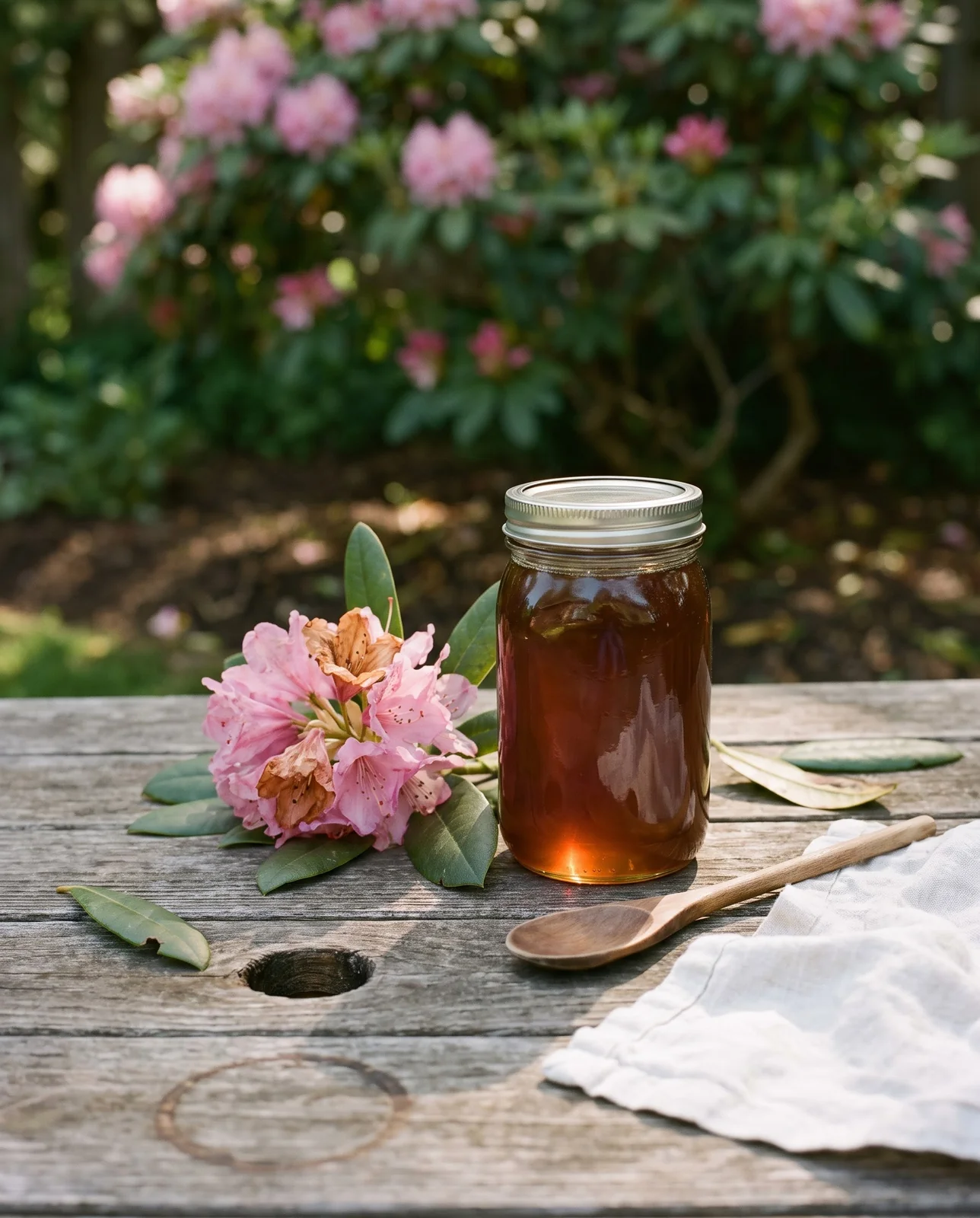
The human side is mostly about honey. Grayanotoxin sits in the pollen and nectar, which is why some species poison grazing animals, and bees working these flowers make mad honey that has made people ill. Xenophon described Greek soldiers behaving strangely after eating honey in a village surrounded by Rhododendron ponticum in 401 BCE. Symptoms start within 20 minutes to 3 hours of eating it. In people the poisoning is rarely lethal, while cattle and pets sit at the serious end.
Getting it through the winter
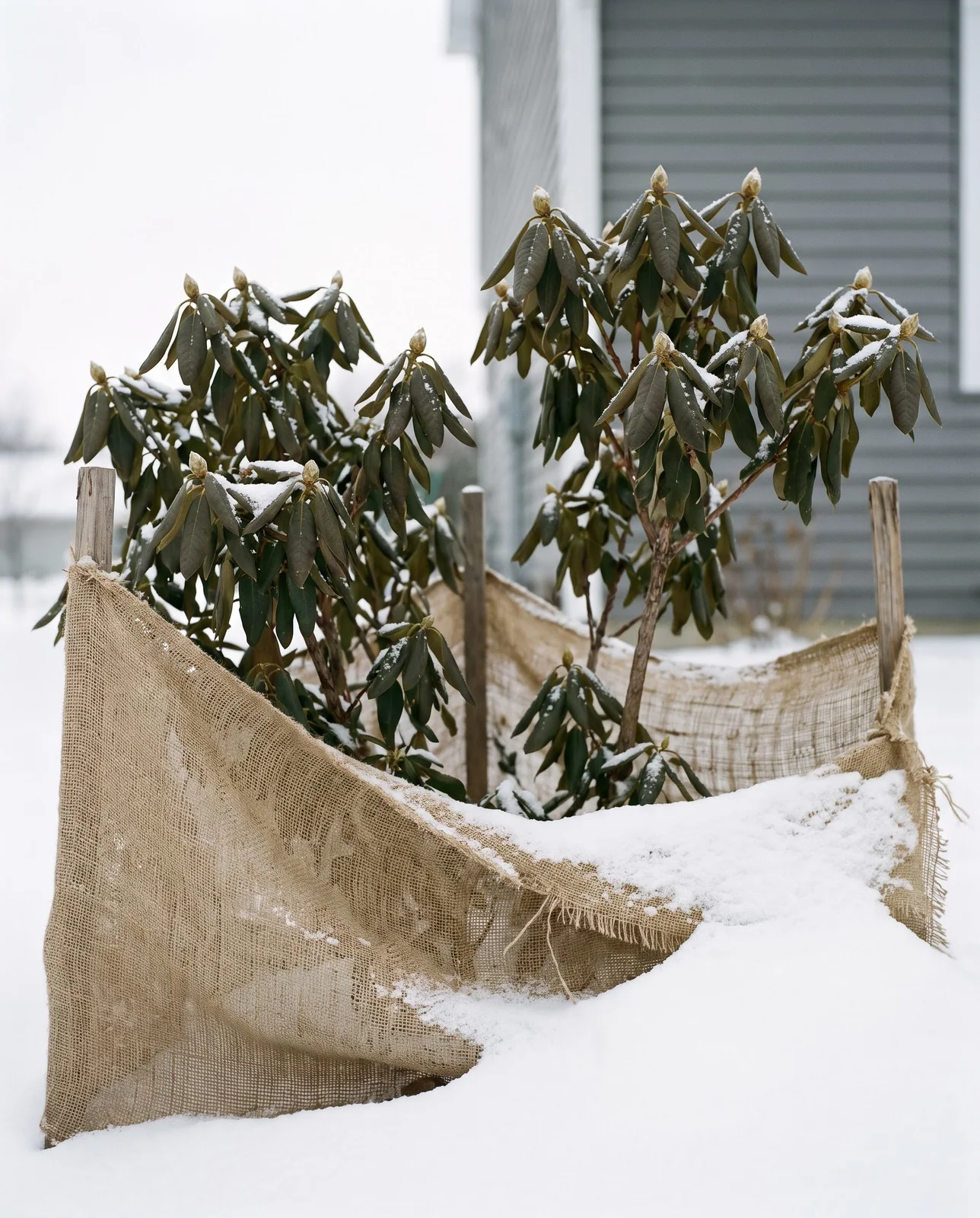
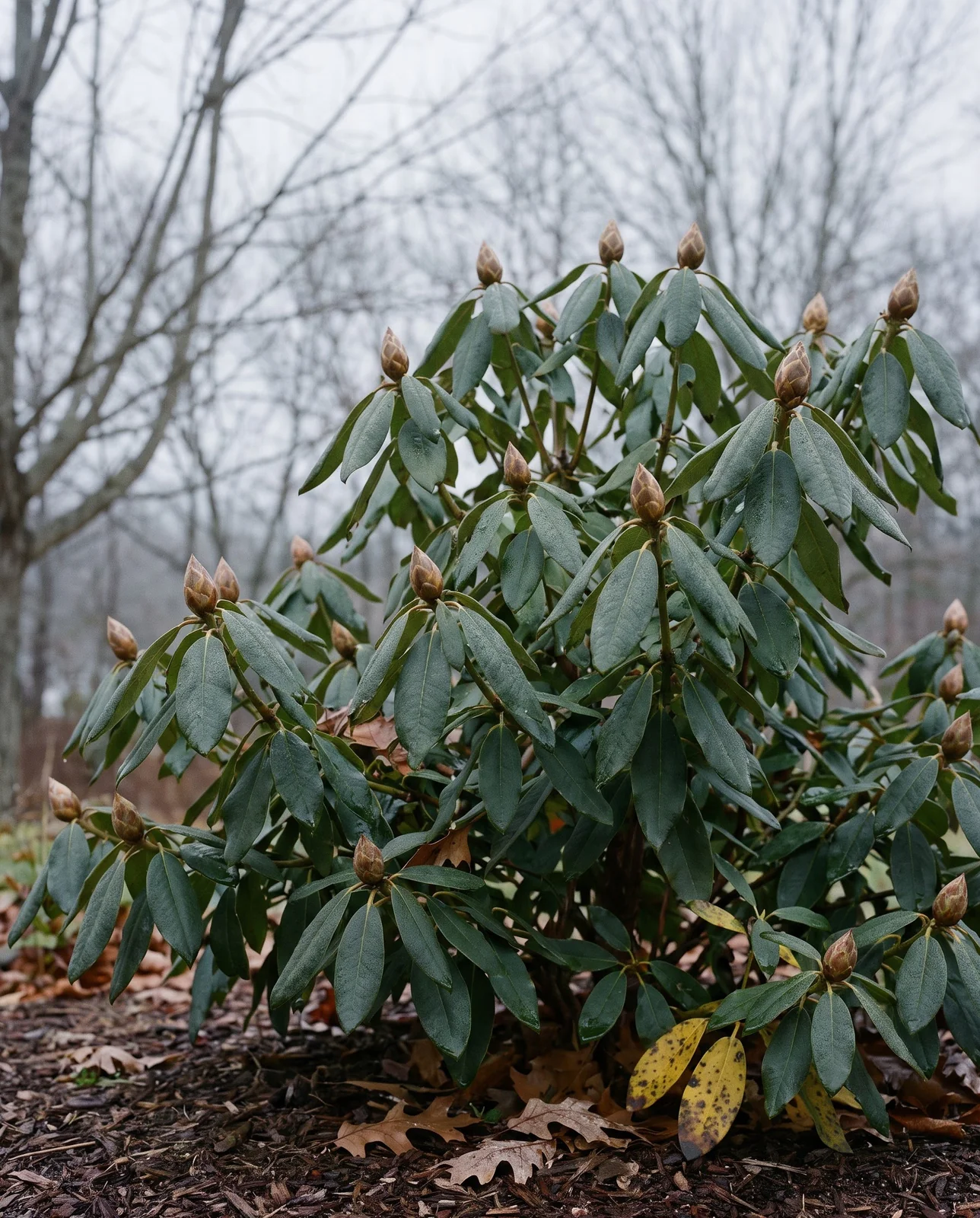
Broadleaf evergreens keep losing water through their leaves all winter, on mild sunny days and in high wind, and frozen ground stops the roots replacing it. Snow insulates the leaves buried under it, so the damaging winters are the cold ones with bare ground. On an exposed site a screen earns its keep. Drive stakes 4 to 5 feet tall about 2 feet outside the drip line and wrap them with burlap, leaving the top open. Take it down once spring temperatures hold above 28 degrees Fahrenheit. Winter damage reads clearly only in spring, so resist cutting in March. Scrape a little bark from a doubtful branch, and green underneath means it is alive. By the end of June the plant should have produced new leaves, and that is when dead branches come off.
Propagation
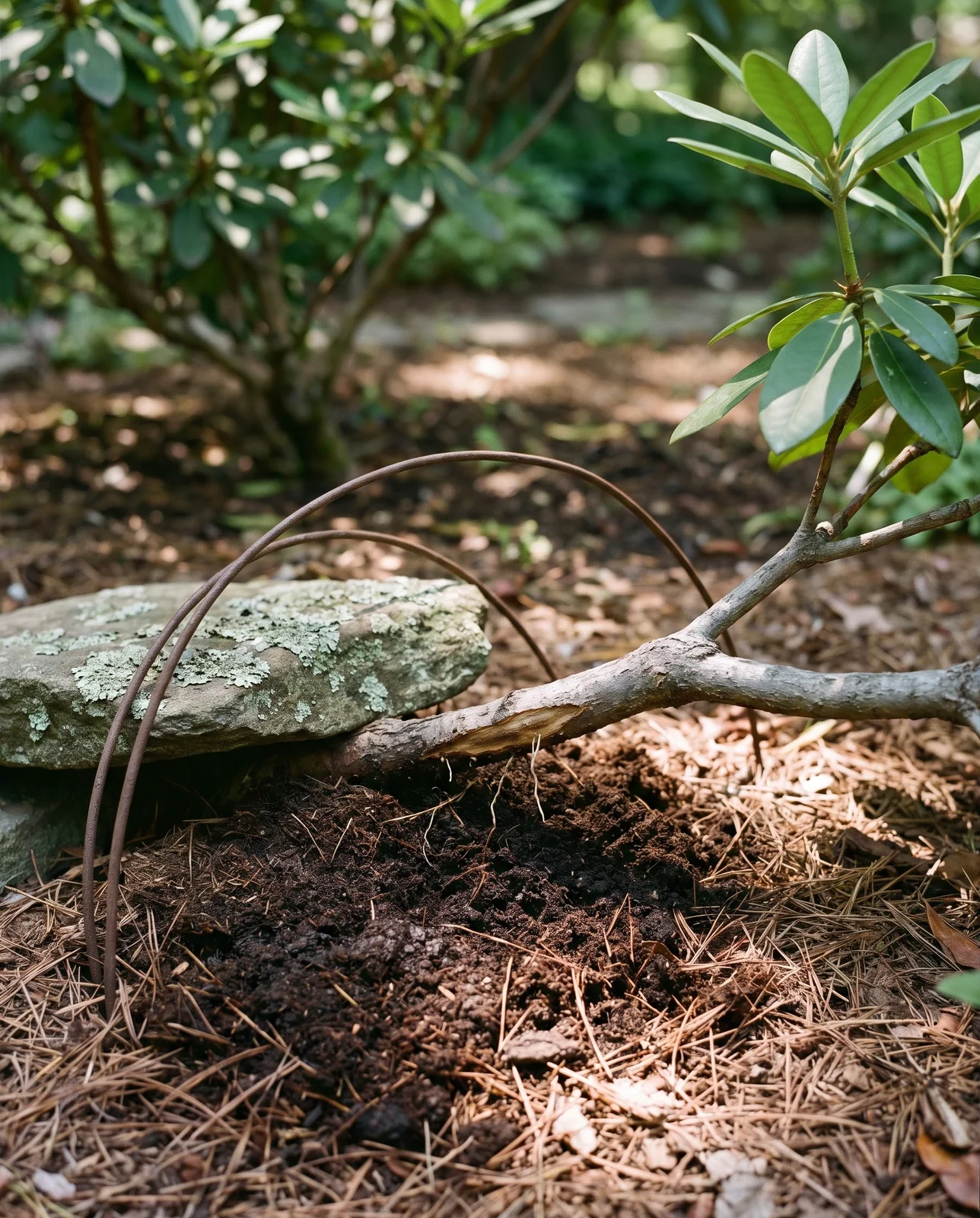
Only species rhododendrons come true from seed, so a named cultivar has to be raised from semi-ripe cuttings, by grafting, or by layering. Layering needs no equipment and a long wait, taking 15 months to two years to root, and up to three years for some smooth-barked kinds. Everything sold under a cultivar name is a clone of one original plant. The PJM Group, bred by Peter J. Mezitt and his son in the 1930s to be exceptionally winter hardy, reaches gardens as named selections including 'Aglo', 'Landmark', 'Olga', 'Pink Diamond', 'PJM Elite', and 'PJM Regal'.
Pests and diseases
Lace bugs do the most visible insect damage. They feed on the undersides of the leaves, and the result shows on top as pale speckling, called stippling, while the underside develops a fly-specked look from egg coverings and droppings. Leaf undersides are worth checking from early May. A heavy infestation turns leaves yellow and then brown, and a shrub standing in full sun can be killed by one. Notching along the leaf margins is a different insect, the black vine weevil.
The rhododendron borer announces itself as drought, with off-color, wilted leaves on one branch as the early symptom. The cause is a clearwing moth larva that tunnels through the inner tissues and reaches the sapwood by late fall. No insecticide reaches it there, so cut below the active larvae and destroy the wilting branches before the adults emerge. Phytophthora is the disease that kills outright, a water mold that thrives in wet or poorly drained ground, and chemical control is ineffective once symptoms appear.
Growing in pots
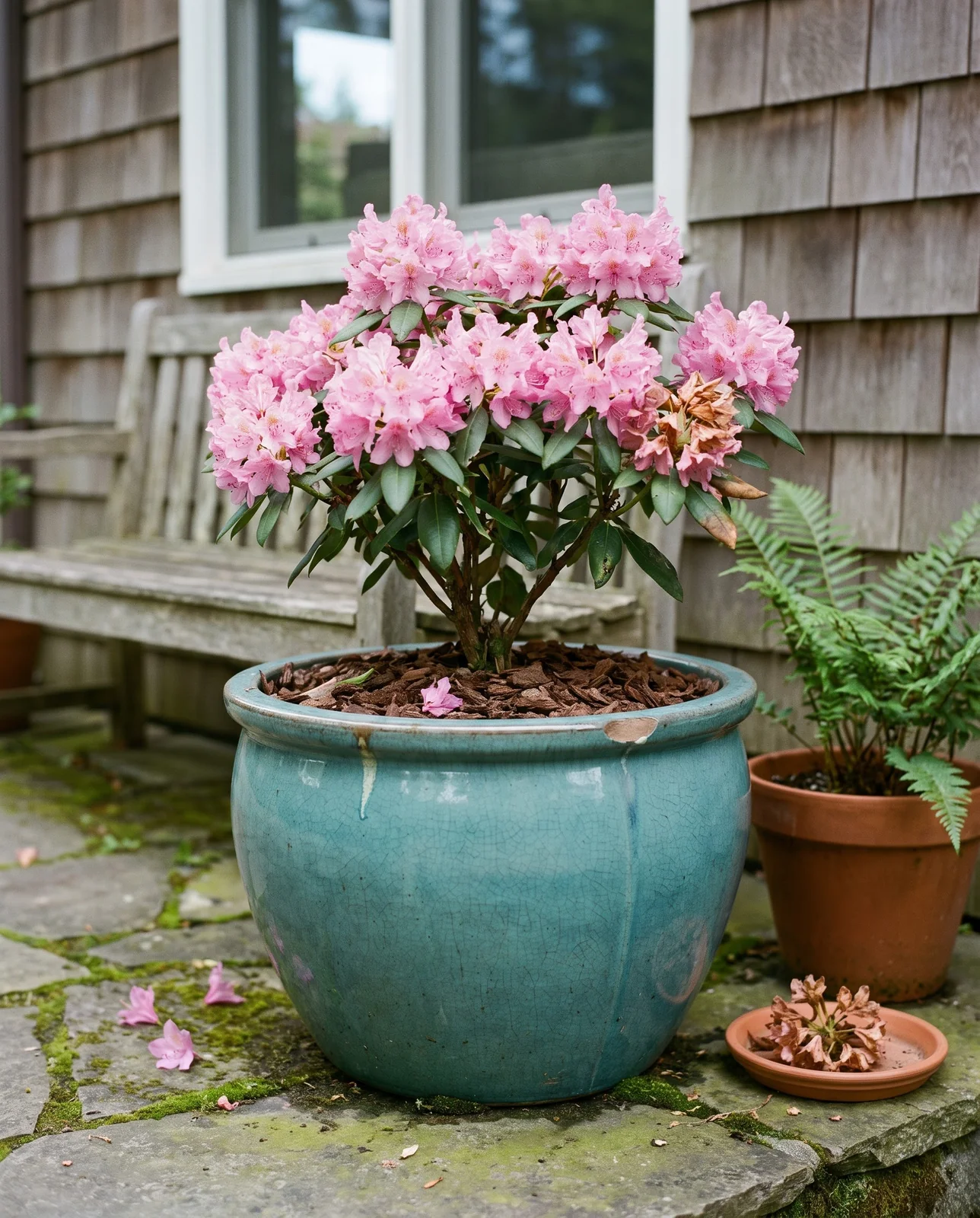
A container is the workaround where the ground is alkaline, heavy, or too shallow to plant into. Soil-less ericaceous media suit rhododendrons, peat-free ones included, with one caution: those mixes lose their structure over time, and the poor drainage that follows browns the leaves and kills them back. Move the plant into fresh potting compost every other year in early spring, as soon as growth shows. Replace the top 2 inches in the intervening year, and trim off up to a third of the roots if it goes back into the same pot.
Fragrance and colors
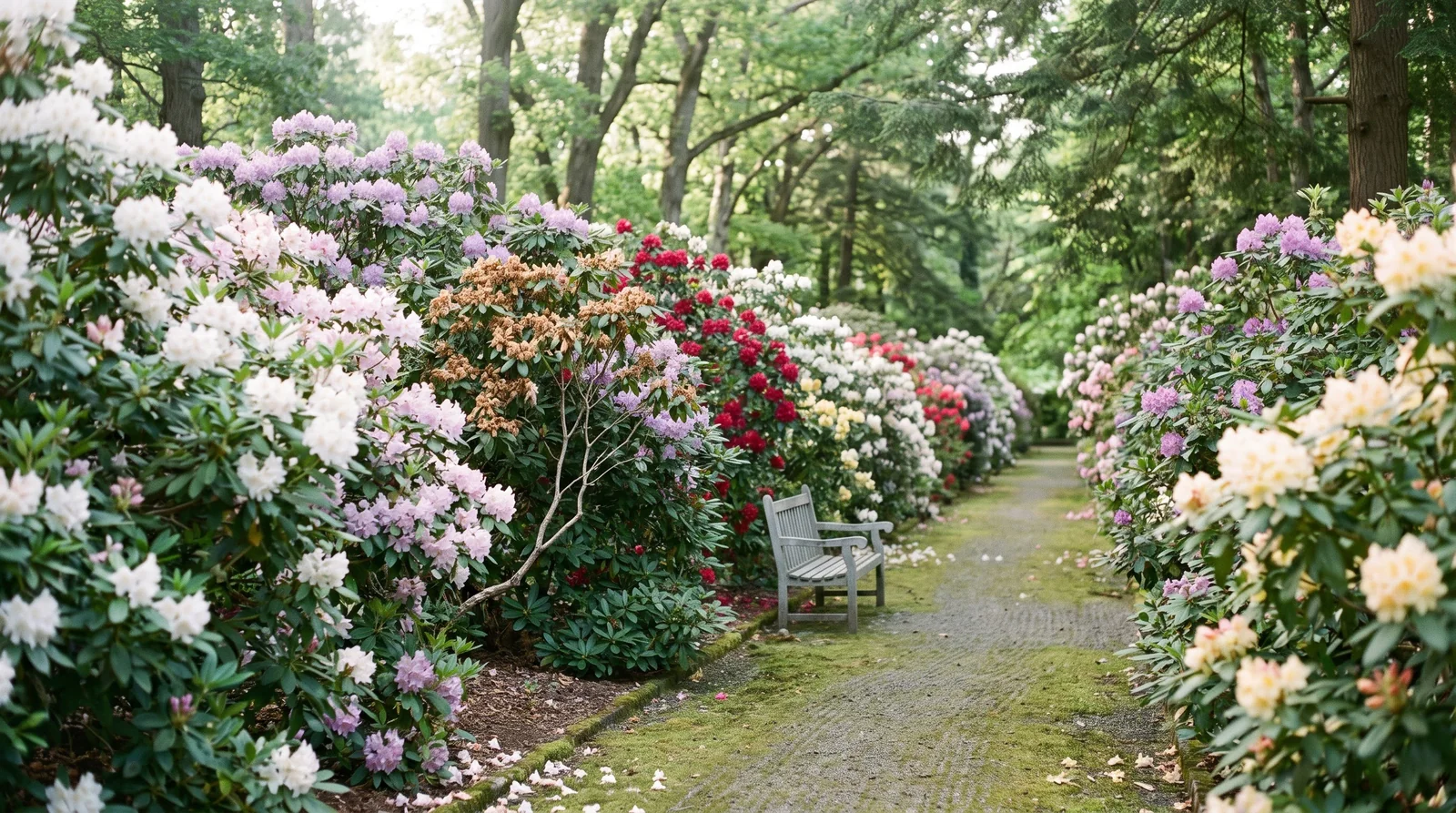
Scent depends on parentage. Some hybrids carry fragrant flowers, among them the Loderi hybrids, and a plant bought out of bloom gives no clue which group it came from, so scent is a reason to shop in flower. Color is where the genus has the range, covering pure white, cream and yellow, apricot and salmon, soft pinks, deep reds, lavender, and deep purple and blue. That anchors almost any scheme, whether the bed is built around purple garden flowers or pink ones.
A national flower and two state flowers
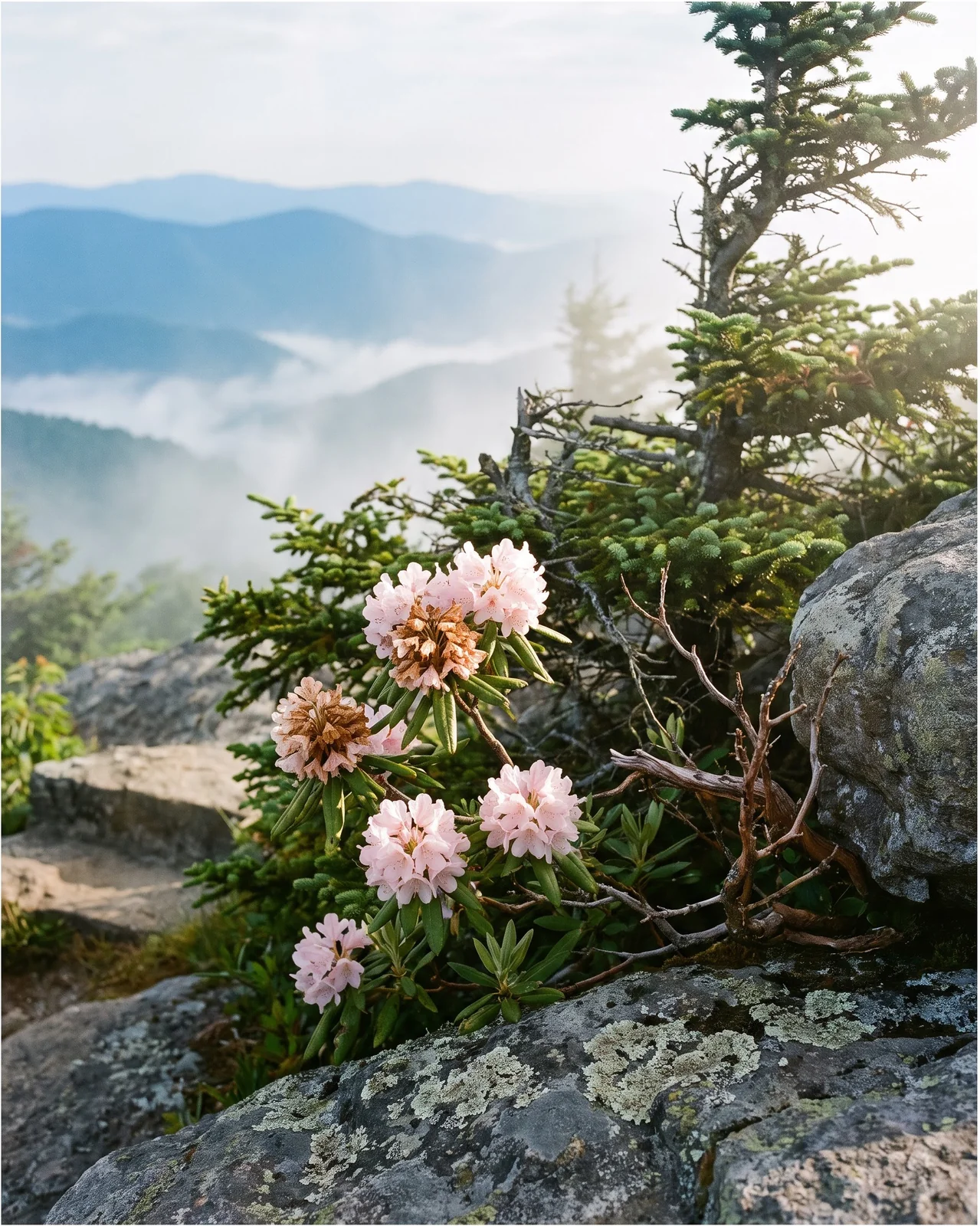
The genus holds two United States state flowers at once. Washington's came from a vote taken before women there could vote in elections. They selected the coast rhododendron by ballot in 1892 for a floral exhibit at the 1893 World's Fair in Chicago, and the legislature made it official in 1959. West Virginia's is rosebay, the most widespread rhododendron of the Appalachian Mountains, and it appears on the state flag. Abroad, Rhododendron arboreum is the national flower of Nepal, where the flower is eaten for its sour taste, pickled to keep for months, and sold as juice. Two at once is uncommon company among the flowers grown in American gardens.
What gardeners get wrong
Five beliefs account for much of the damage done to healthy plants.
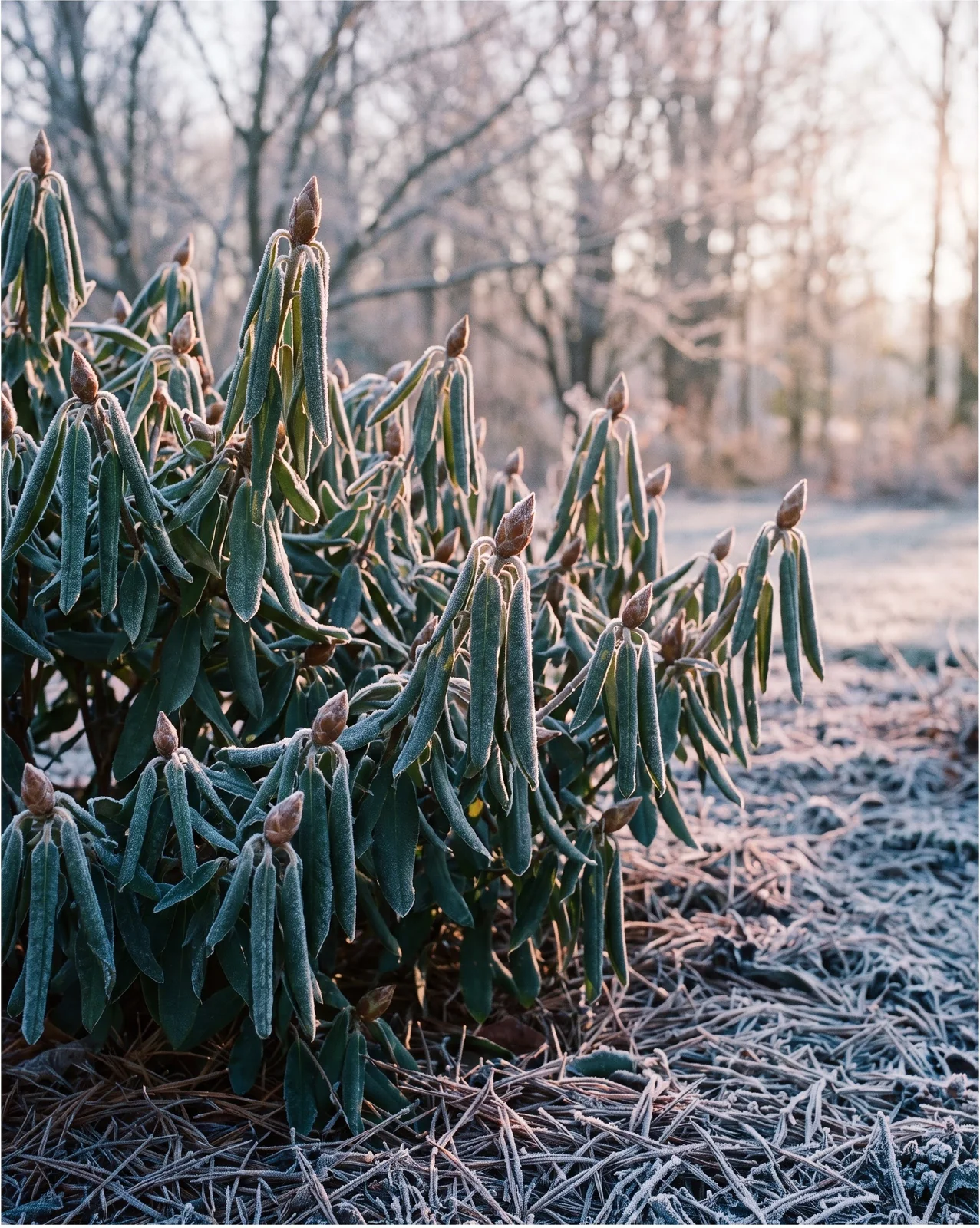
The myth: Curled, drooping leaves in midwinter mean the plant is dying or thirsty.
The reality: The curl is not insects or disease, and plants recover when the weather warms. Its tightness tracks the temperature closely enough to work as a thermometer.
The myth: Rhododendrons need full shade because they are woodland plants.
The reality: They want direct light for at least part of the day. A dark corner behind the garage produces a green, healthy, flowerless shrub.
The myth: Yellow leaves mean the plant is hungry and wants fertilizer.
The reality: Weather alone discolors leaves and mimics a nutrient deficiency, sun scorch in hot spells and frost injury in winter.
The myth: Deer leave rhododendrons alone.
The reality: Catawba rhododendron is frequently damaged by deer. Rabbits are a separate question, and the PJM Group resists their browsing.
The myth: Spots on the leaves mean the shrub is diseased and needs spraying.
The reality: Fungal spots of various colors turn up through the year and are usually only cosmetic. The troubles that matter show as stippling, notching, or whole branches browning.
What to expect in the first three years
Rhododendrons are slow to settle, and the work drops away over the first three seasons.
Year one is watering, and little else. A shrub set out in warm weather on sandy ground can want water twice a week that first season, and young plants need a soak in every dry spell for several years. Nothing goes into the hole with it, since rhododendrons are fed only once established.
The second year is spent underground. The root ball was cut open at planting so the roots would leave the shape of the pot behind. The ground over them is left alone and watered whenever the week brings less than an inch of rain.
By the third year the plant stops being a project. Two to three years of establishment is where a well sited rhododendron needs very little maintenance and stays relatively pest free. What is left is a calendar, with the shaping done in the weeks after bloom, because next season's blossoms form on old growth.
Flower photos
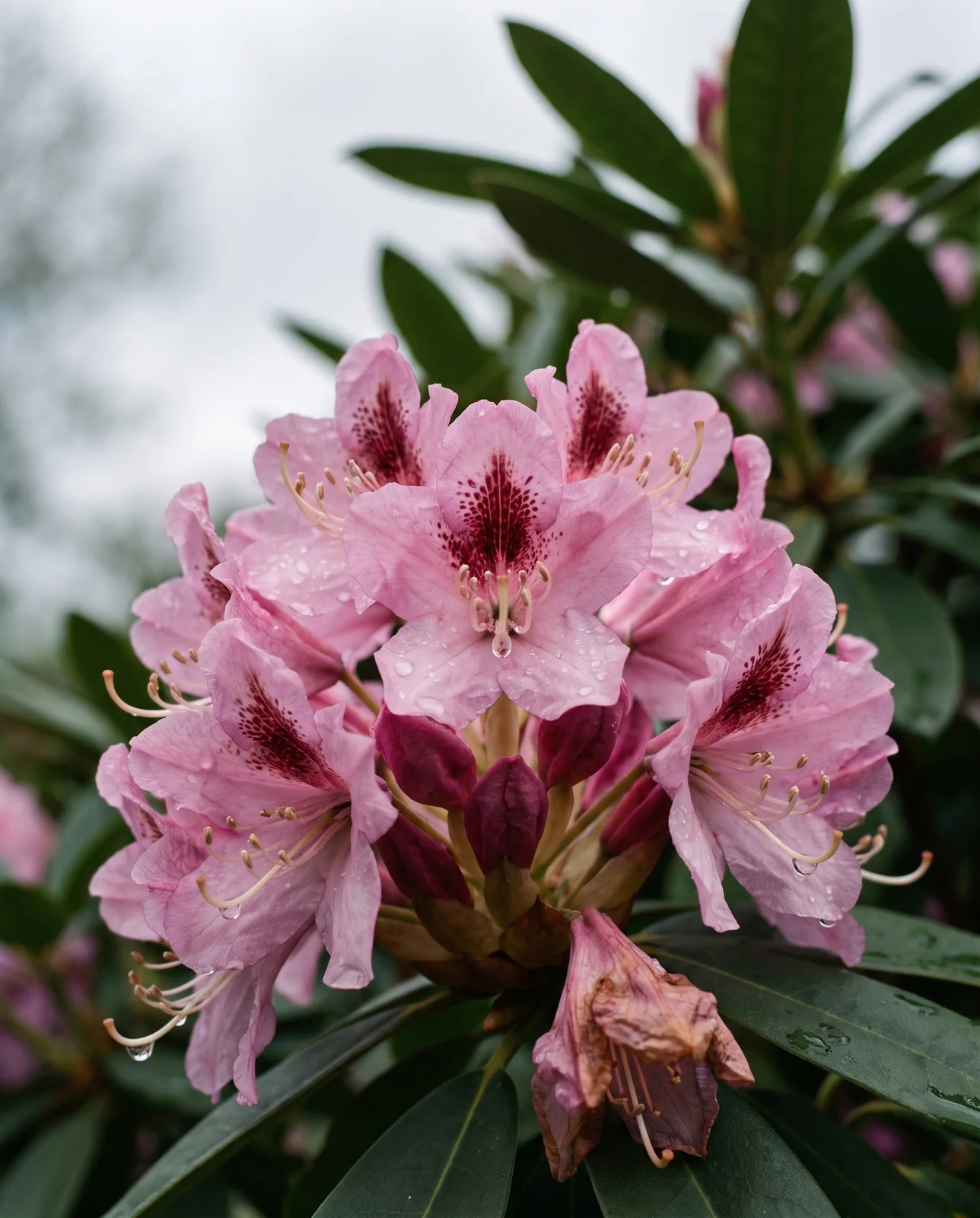
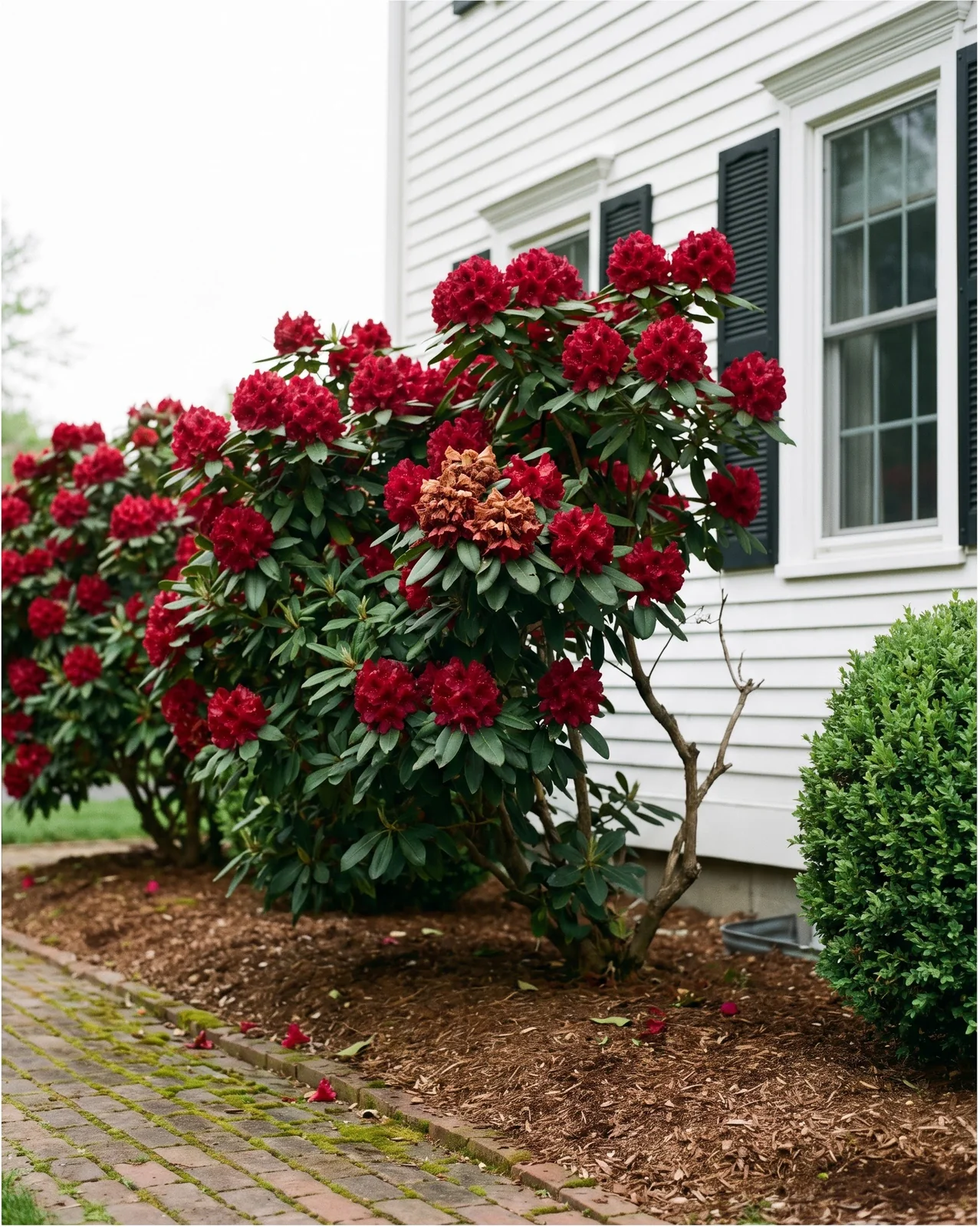
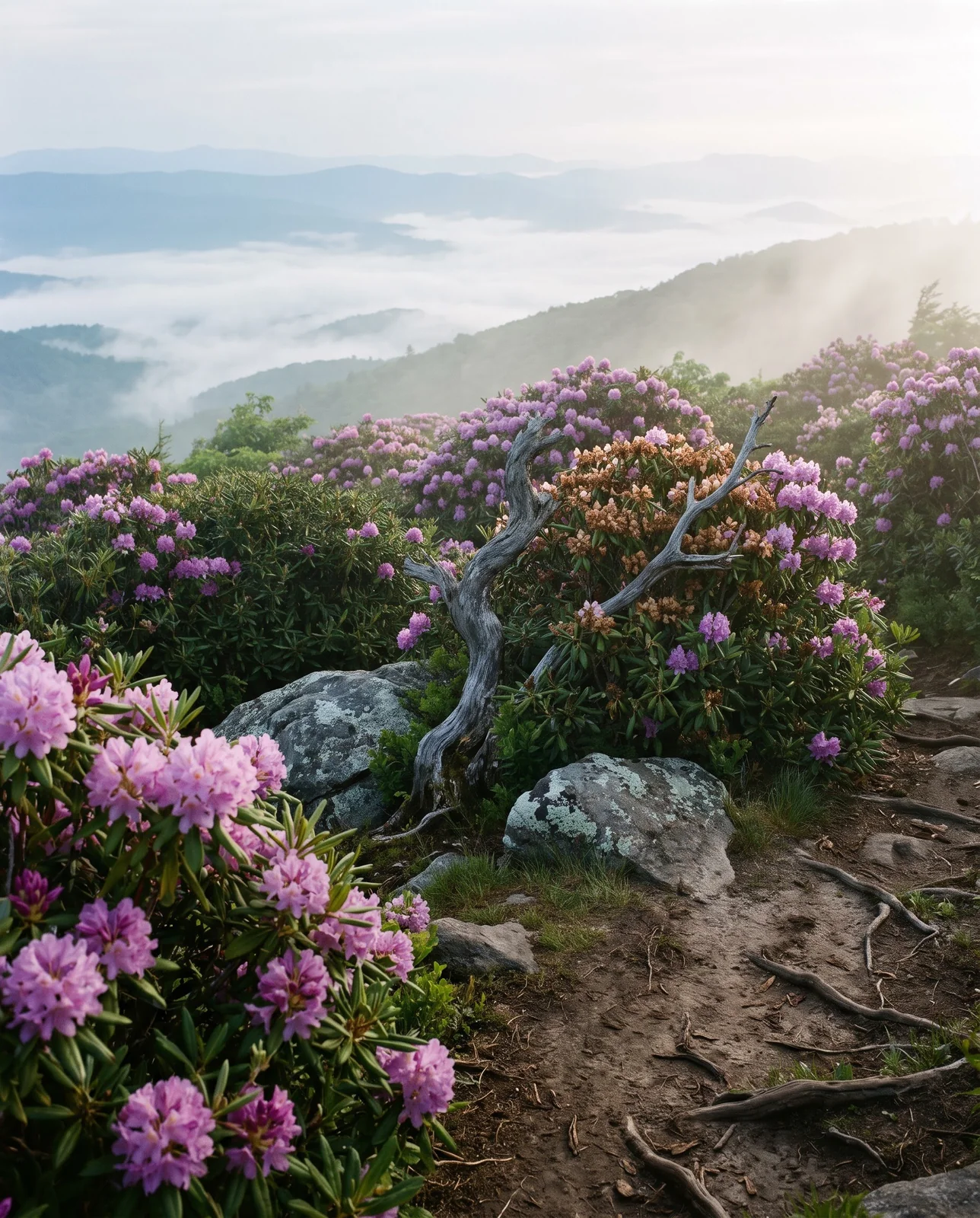
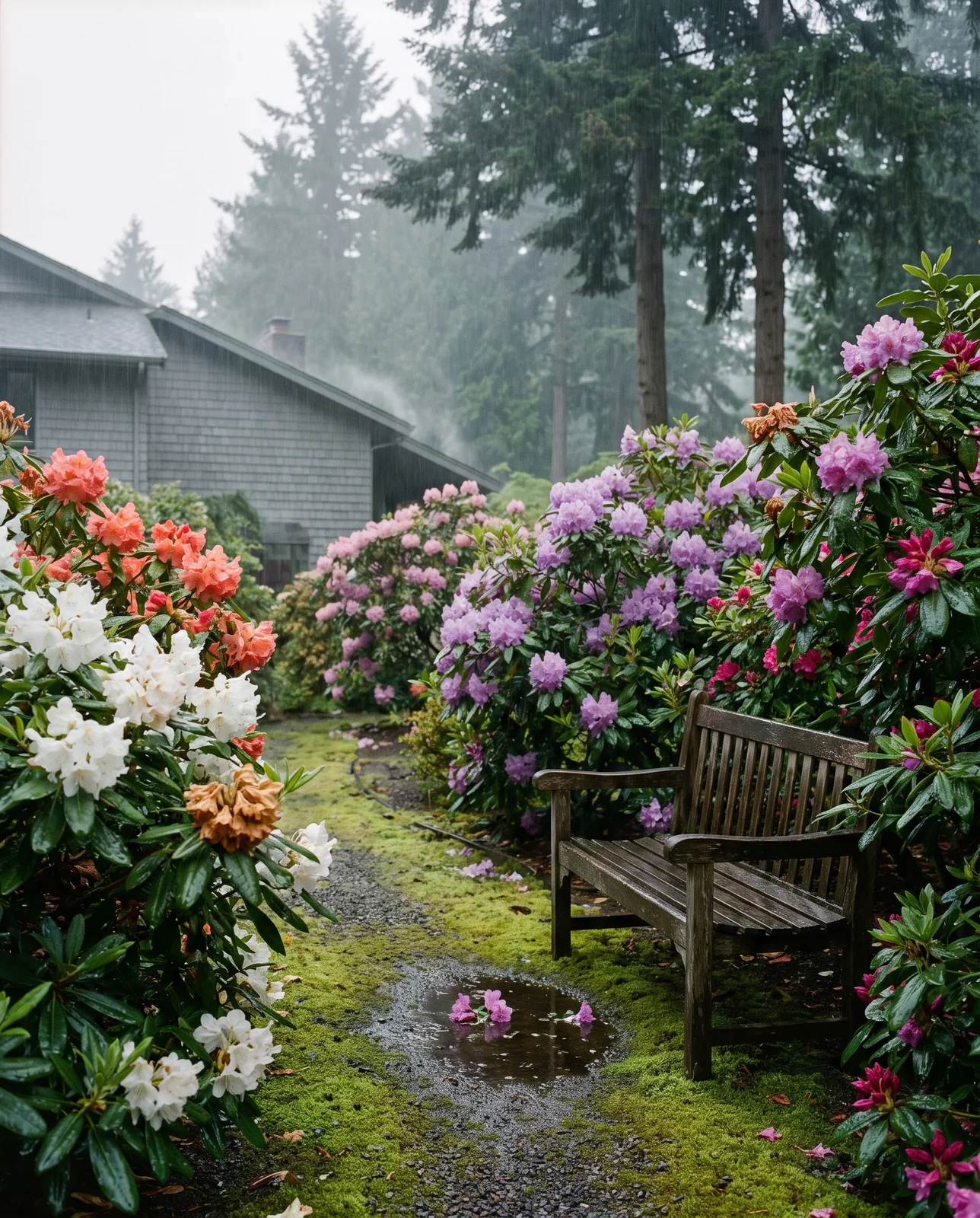
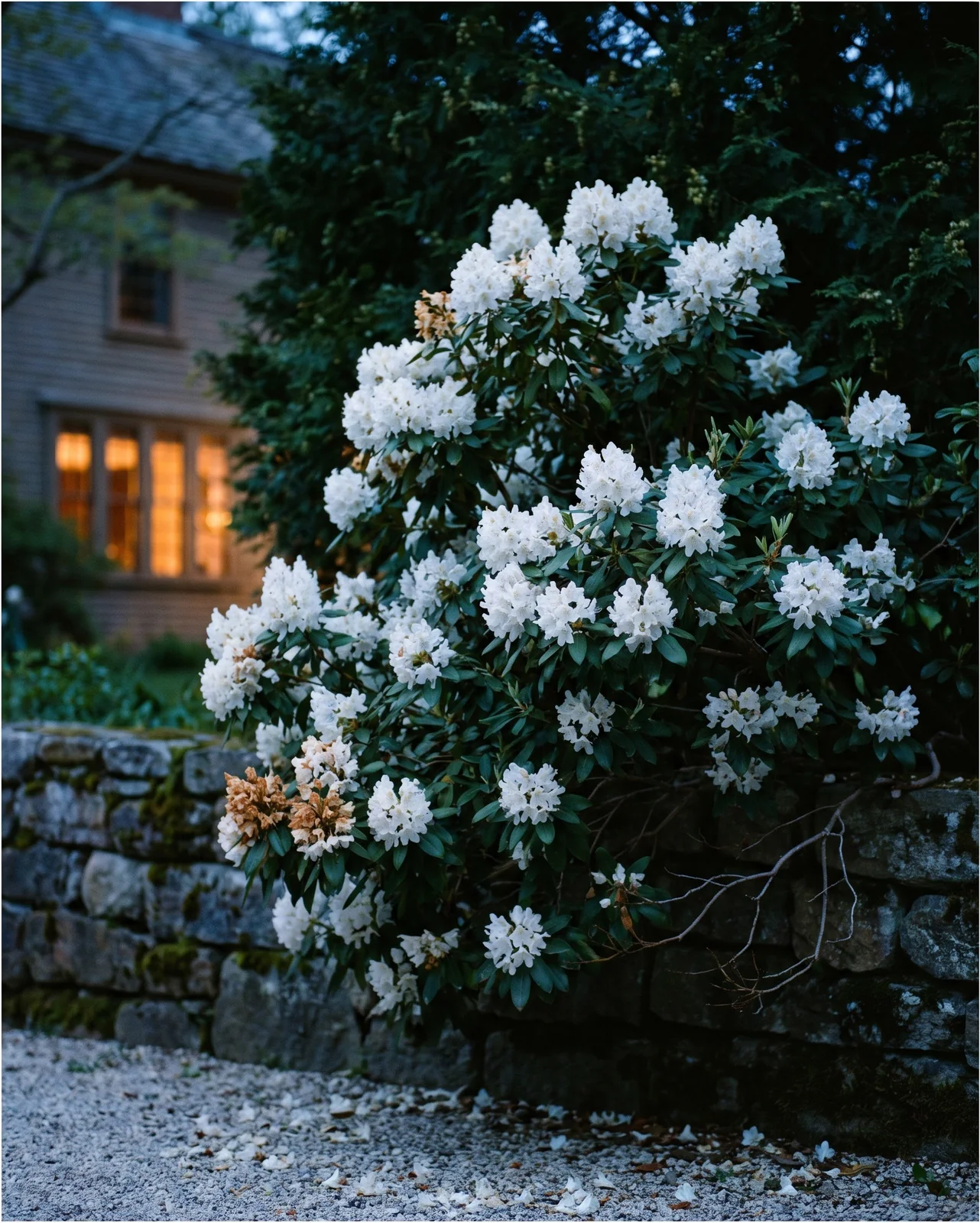
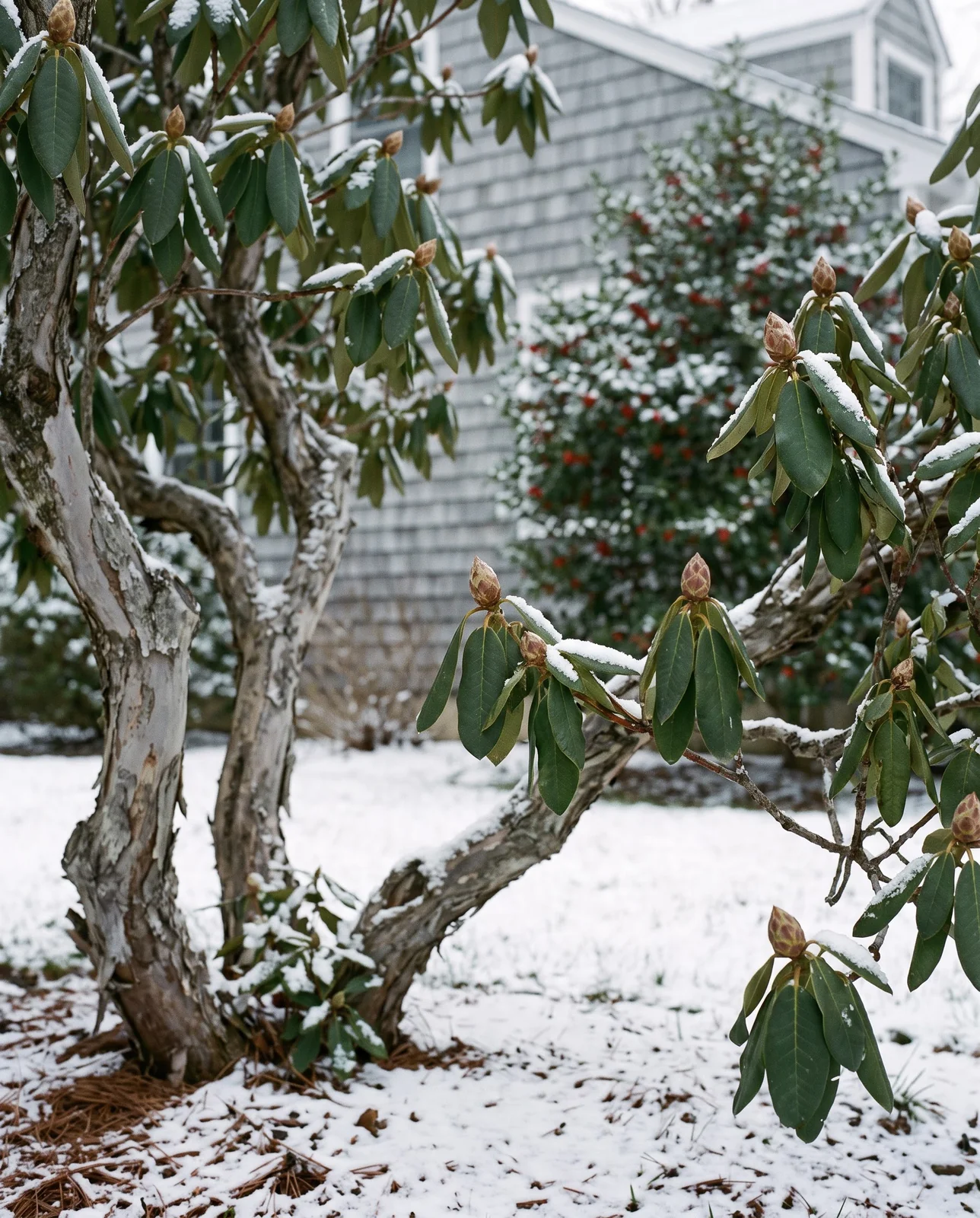
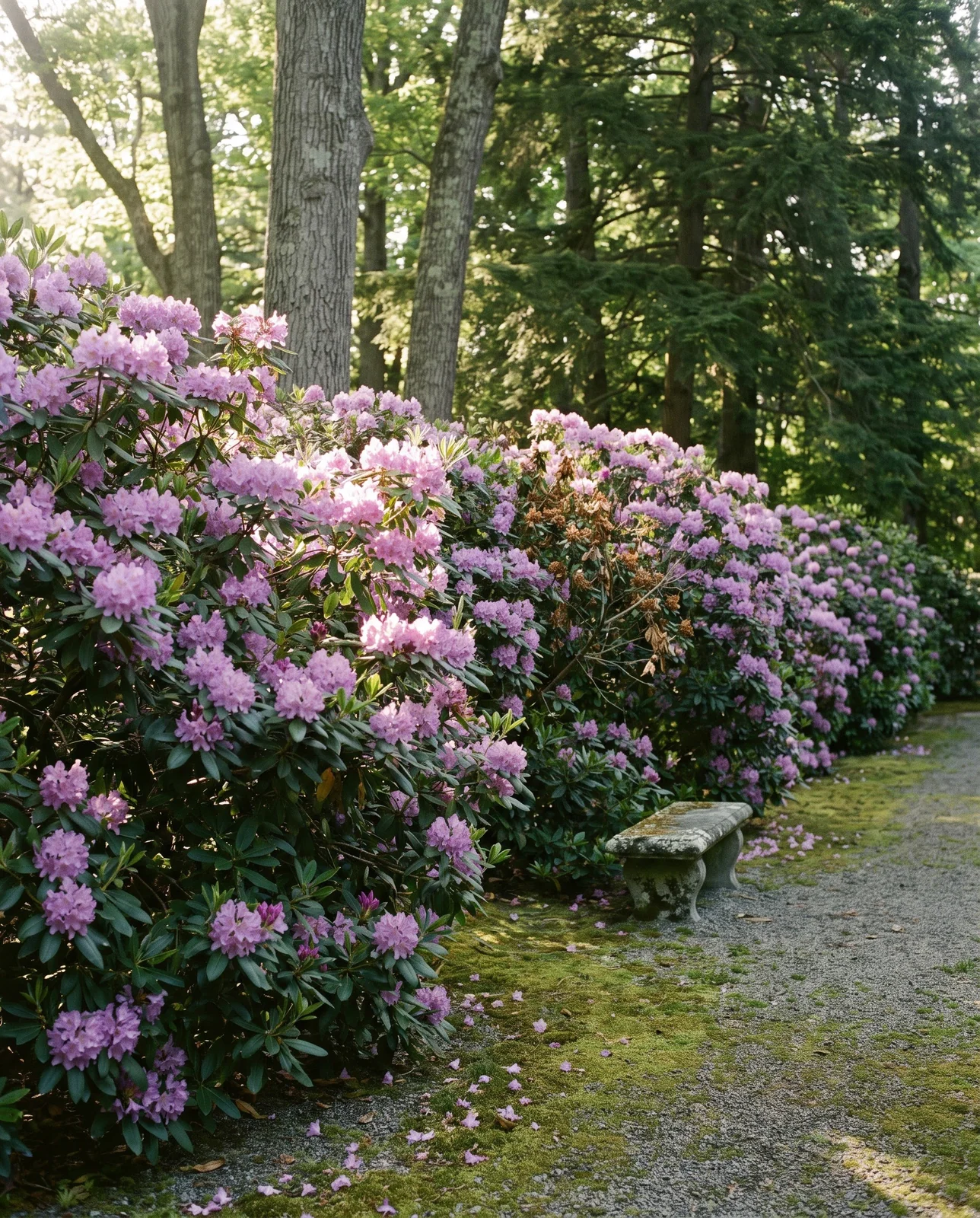
FAQ
Where is the best place to plant a rhododendron?
On the north or east side of a building, out of the wind and under a high cover of limbs. Keep it away from concrete, which pushes soil to a pH of 6 or above, and from walnut and hickory roots.
Are azaleas or rhododendrons easier to grow?
Neither. Both want the same cool, moist, well-drained acid soil and the same partial sunlight, so size and habit decide.
Are rhododendrons native to the United States?
Some are. Most of the genus comes from eastern Asia and the Himalayan region, but Catawba rhododendron and rosebay are Appalachian natives.
Do you have to cut a rhododendron back every year?
No. They need minimal pruning beyond dead, diseased, or damaged branches. Deadheading pays, since seed development draws strength from next year's flower buds.
Can an established rhododendron be moved?
Yes. The shallow fibrous roots make it practical, though they must never dry out. Move it in early spring in the north, in fall in the south.
What should I use to make the soil more acidic?
Wettable sulfur or ferrous sulfate, or a fertilizer that acidifies as it feeds, ammonium sulfate among them.
Can I grow a rhododendron in a pot?
Yes, in a soil-less ericaceous mix, renewed on a schedule: it loses structure and then drains badly enough to brown the leaves.
Are rhododendron flowers dangerous to people?
Through honey. Mad honey made by bees working these flowers has made people ill, though it is rarely lethal in humans.
When will winter damage show?
Not until spring. Scrape the outer bark of a doubtful branch, and green underneath means it is alive and likely to recover.
What are the tiny pale specks all over the leaves?
Lace bugs feeding underneath. Turn a leaf over: their egg coverings and droppings leave a fly-specked look.
Interesting tips
- A plant lost to dieback is worth replacing with a cultivar that resists it: 'Boursalt', 'Chionoides White', 'Cunningham's White', or 'English Roseum'.
- A branch killed by dieback holds its dead leaves until late summer, so a brown branch in a green shrub in July has already died and can come out.
Related Guides & Flowers
Azaleas
Azaleas belong to the same genus, and their own page covers the many-stemmed side of it, the one with thinner, softer, more pointed leaves.
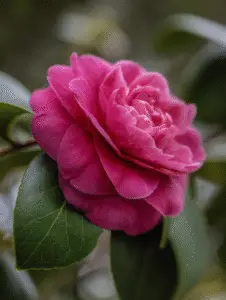
Camellia
A full guide to camellia, the other broadleaf evergreen people weigh for a shaded corner.
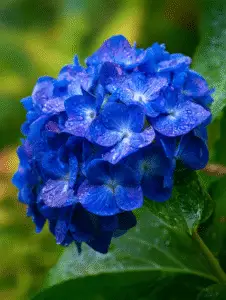
Bigleaf hydrangea
A full guide to bigleaf hydrangea, the mophead shrub whose flower color follows soil chemistry.

Types of flowers
Garden flowers grouped by type, for whatever else the bed still needs.
Enjoying our flower guides? Add YourFlowersGuide as a preferred source on Google. It helps more readers find us.
Add to Preferred Sources