Spiderwort is not a spider plant
Spiderwort lives outdoors in the garden, while the spider plant on the windowsill belongs to a different plant family. Most garden types come from two species, Tradescantia virginiana and Tradescantia ohiensis. Both belong to the dayflower family. All spiderwort species are native to the Americas. They belong to a genus of 86 species reaching from southern Canada to South America. The potted spider plant is Chlorophytum comosum, which shares only part of its name with garden spiderwort. True spiderwort forms a hardy clump that dies back in winter and returns each spring, staying outdoors all year.
Leaf problems are easily mixed up between the two plants. Questions about yellow or brown leaves often pull up advice meant for the indoor plant, including ways to revive a yellowing houseplant. Care guides sometimes place garden spiderwort among houseplants. Tender indoor relatives like inchplant and purple heart often share the same plant name. Virginia spiderwort even turns up under the mistaken name spider lily.
The mix-up matters because the two plants need very different care. Advice about potting soil, indoor air, or window light applies only to the houseplant, and using it outdoors wastes a season. Garden spiderwort grows in garden soil, takes a midsummer shear, and stays outside all winter. Botanical names keep them straight. Tradescantia virginiana, Tradescantia ohiensis, or the garden hybrids mark the outdoor perennial, while Chlorophytum marks the houseplant. Tender relatives in the genus grow in containers, hanging baskets, or as summer bedding.
Four plants, one name
Four plants share the name spiderwort or its genus, but only one is the hardy outdoor perennial. The other three are grown indoors or planted as summer bedding.
What spiderwort looks like
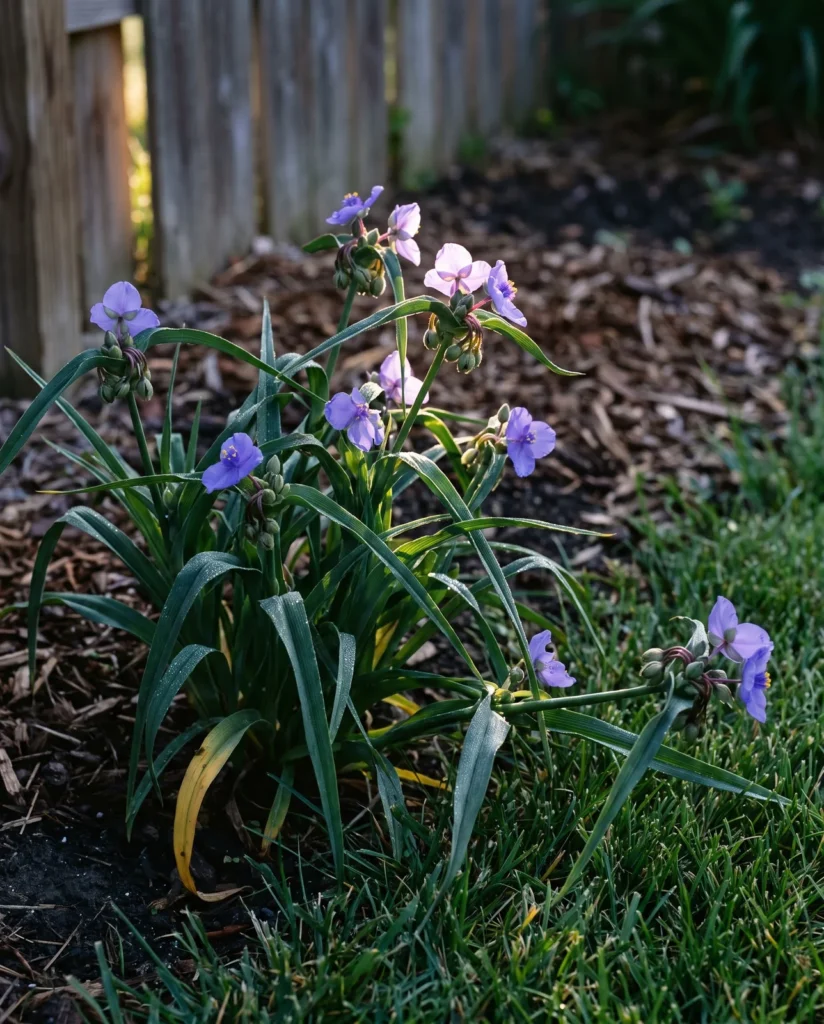
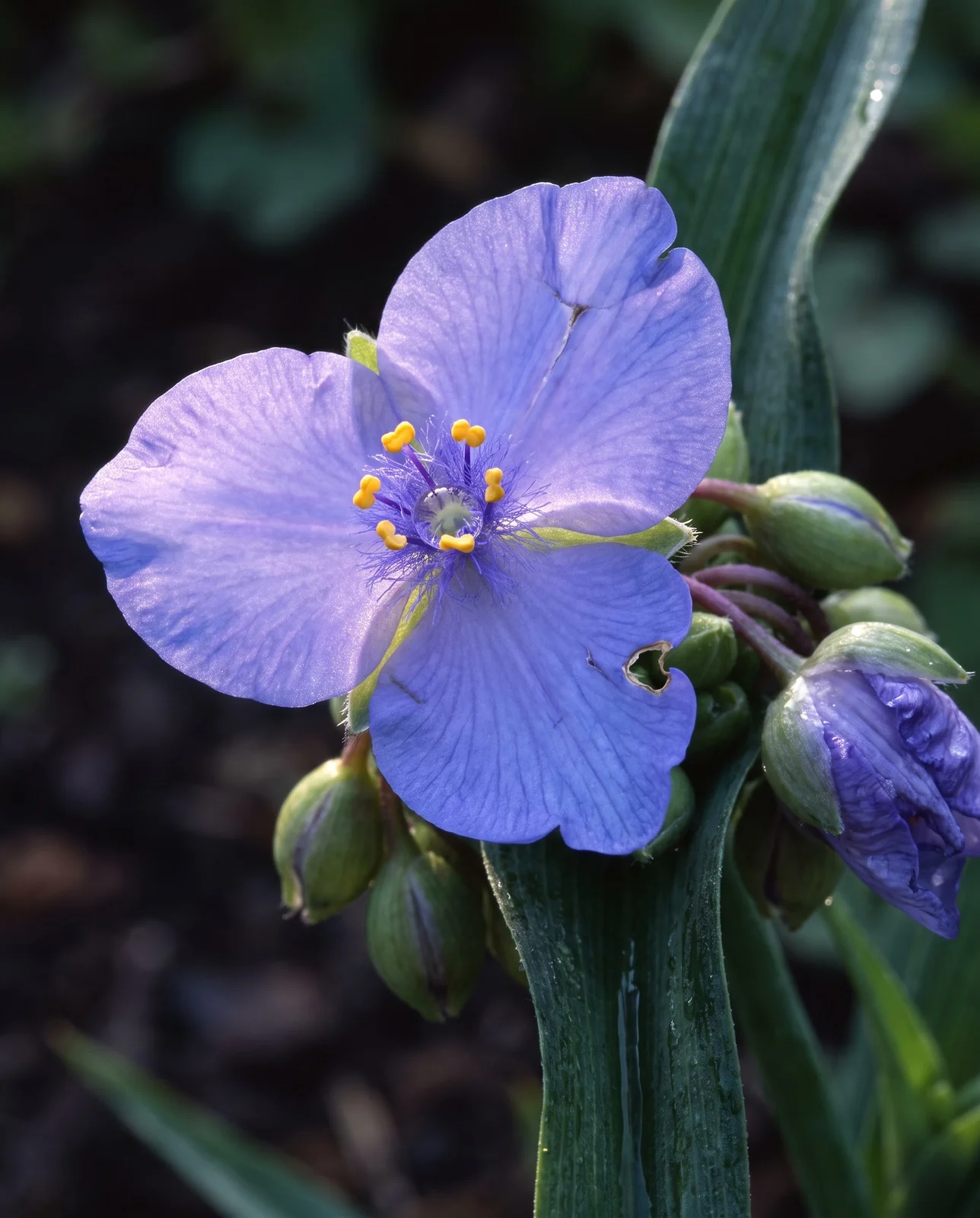
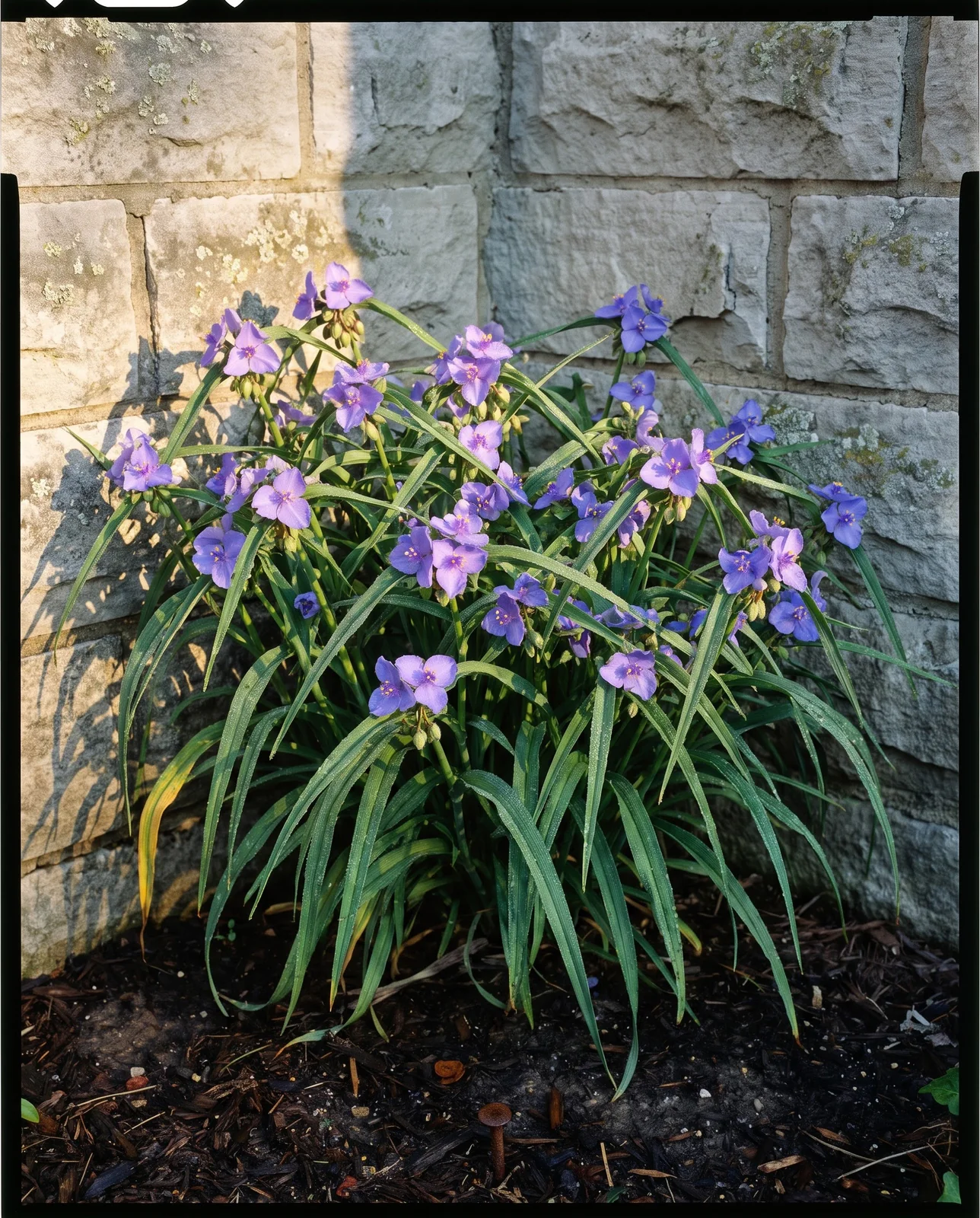
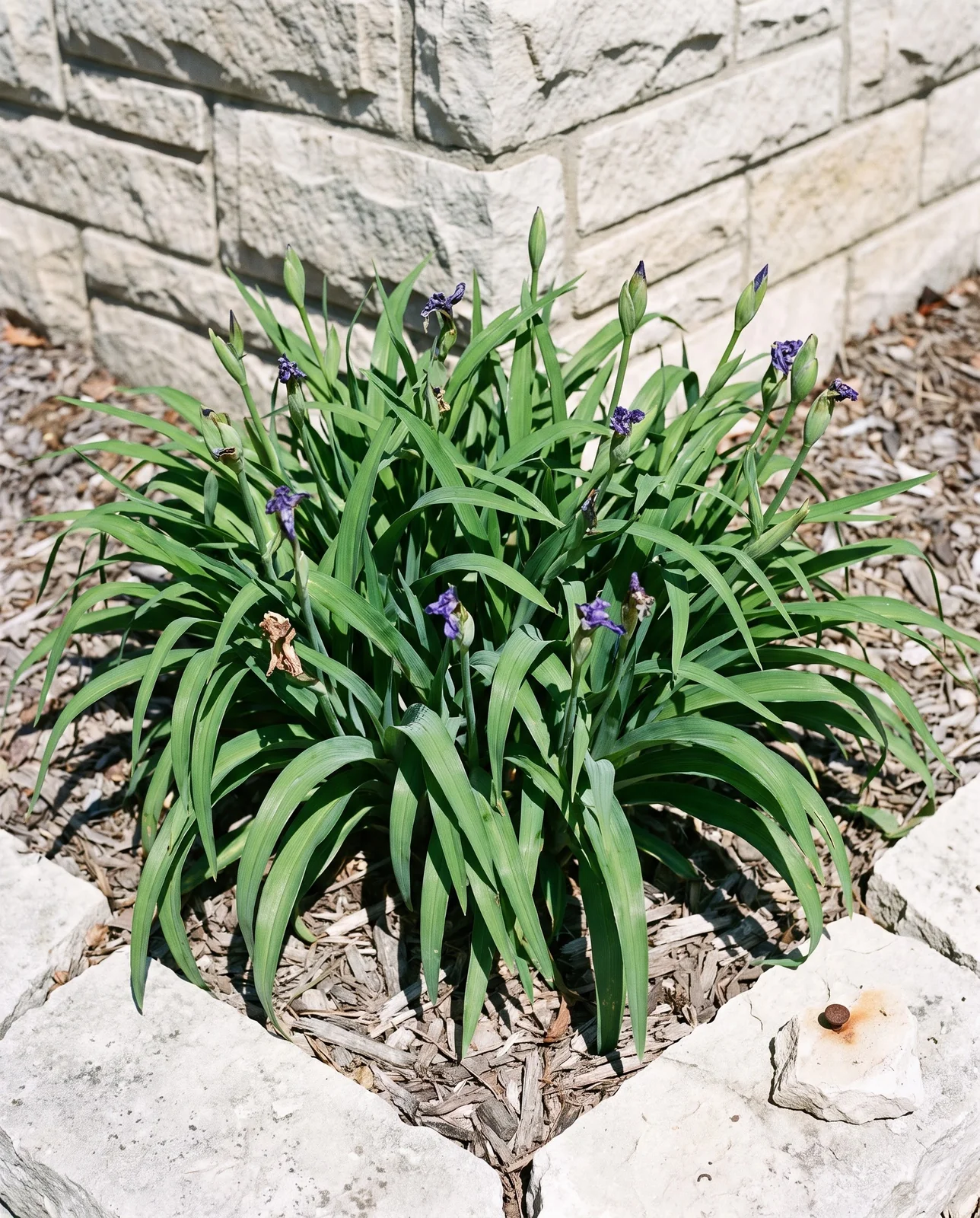
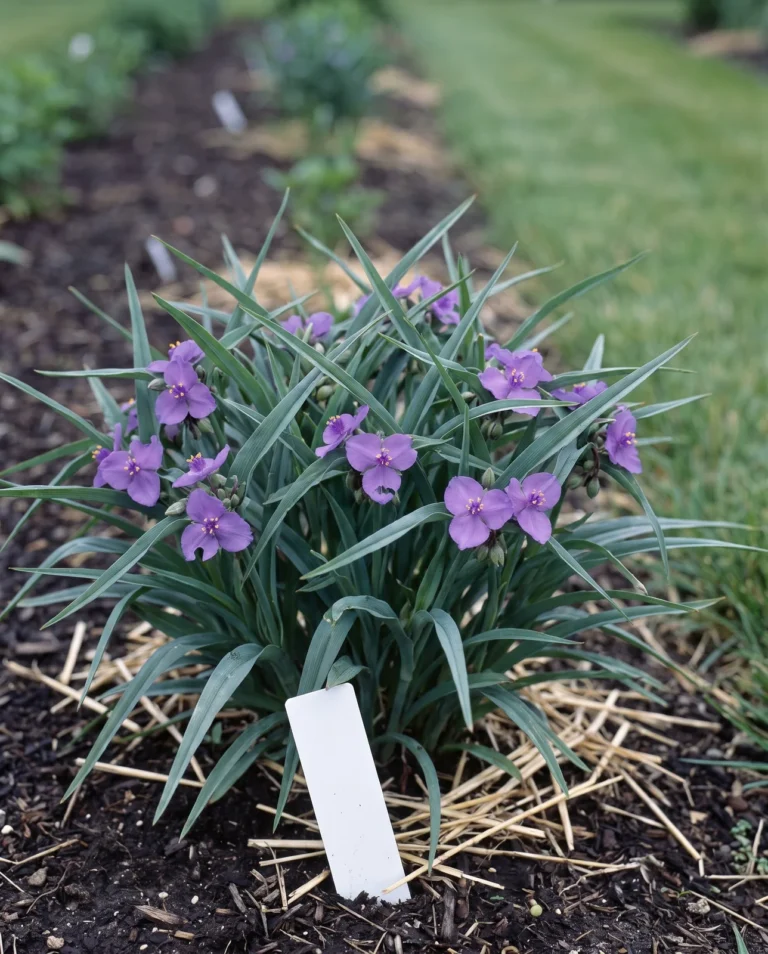
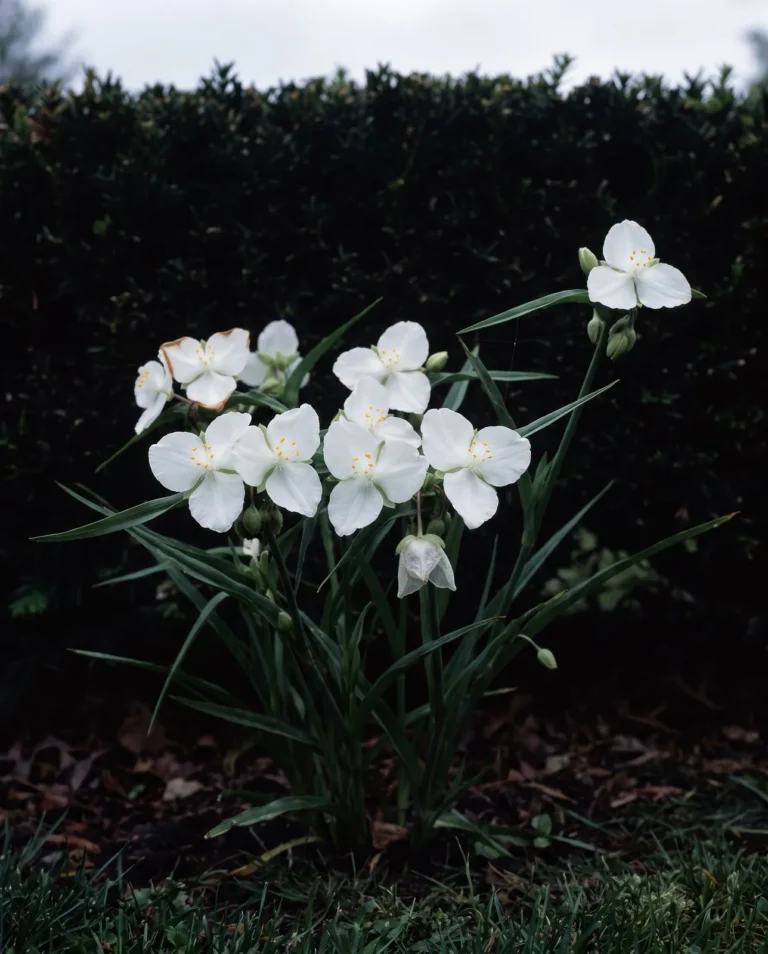
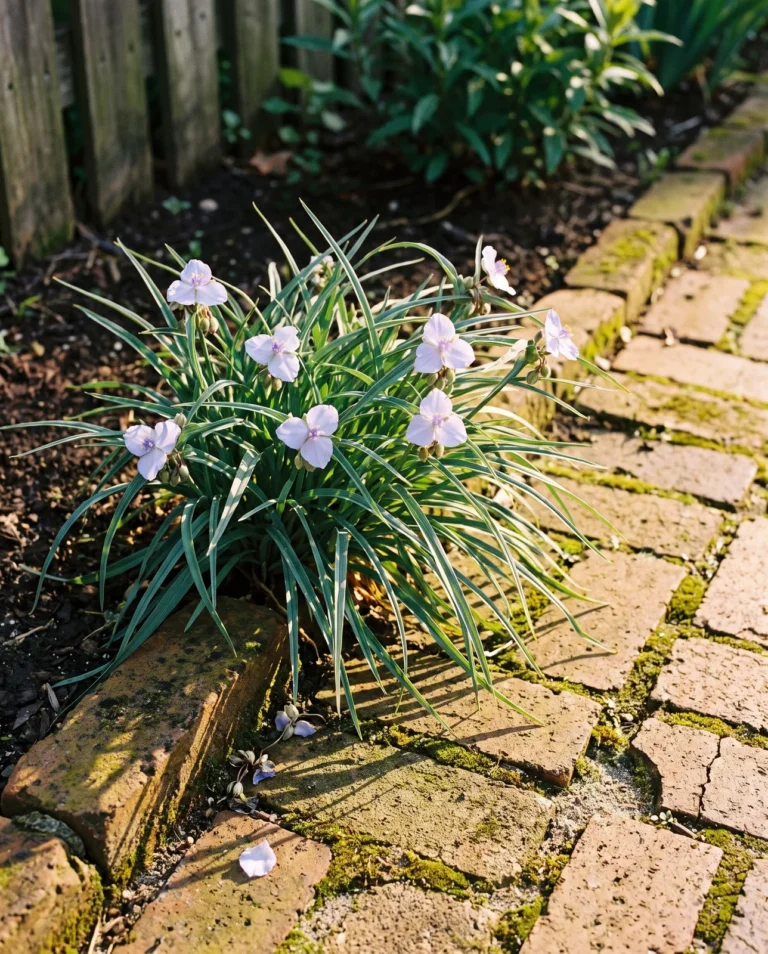
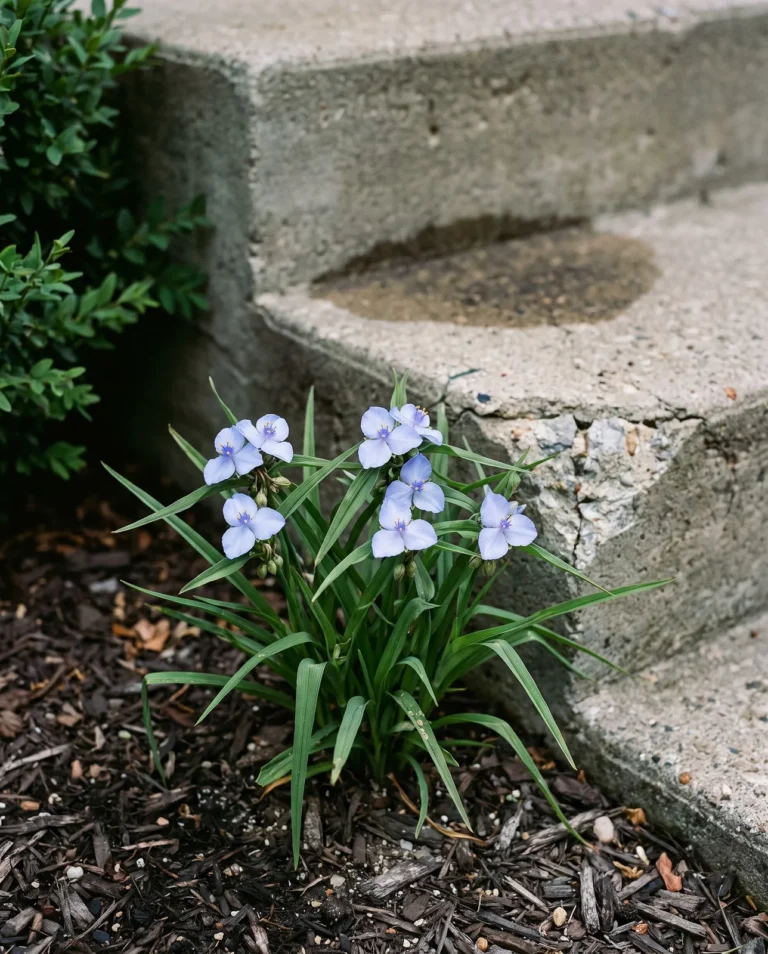
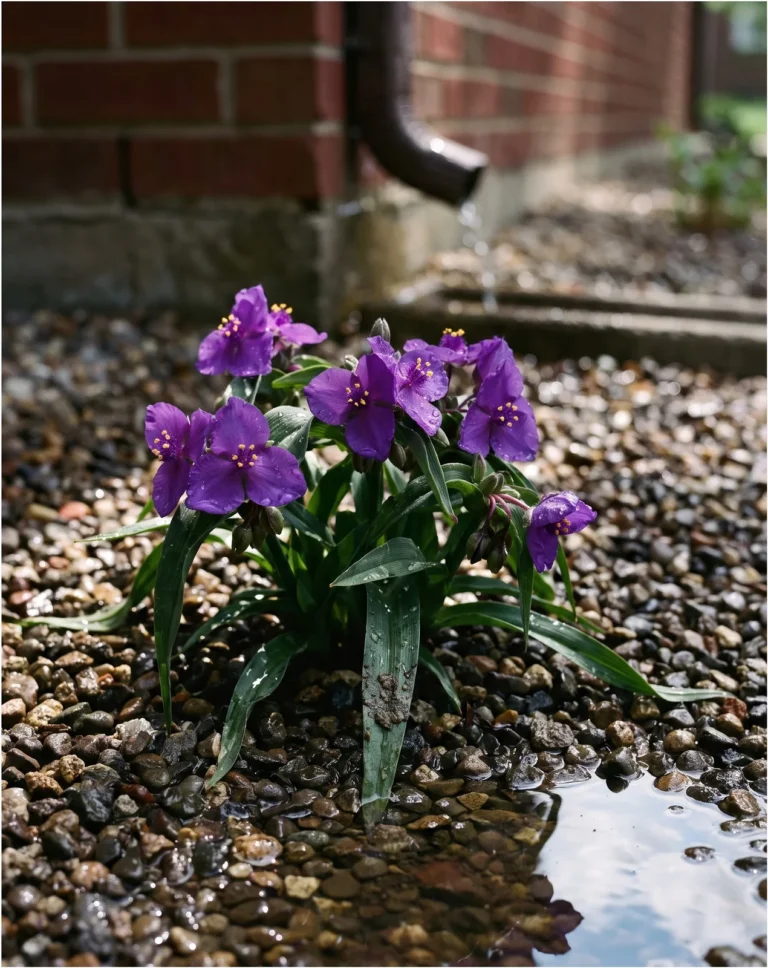
Spiderwort grows as a knee-high clump of grassy foliage topped with three-petaled blooms. Virginia spiderwort forms a clump up to 3 feet tall. Its arching, iris-like dark green leaves reach up to 1 foot long and 1 inch wide, folded lengthwise into a shallow groove. The violet-blue to purple flowers measure 0.75 to 1.5 inches across, with three petals set off by bright yellow stamens. Ohio spiderwort grows slightly larger, carrying dark blue-green, grass-like leaves up to 1.5 feet long and 1.75 inches wide. Those leaves often carry a waxy coating that lends a soft blue-green cast, while Virginia spiderwort leaves remain plain green. Garden hybrids fall between the two, bearing strap-like leaves 12 to 18 inches long and three-parted flowers with spidery hairs along the stamens. Wild plants can occasionally produce white flowers, though that is very rare.
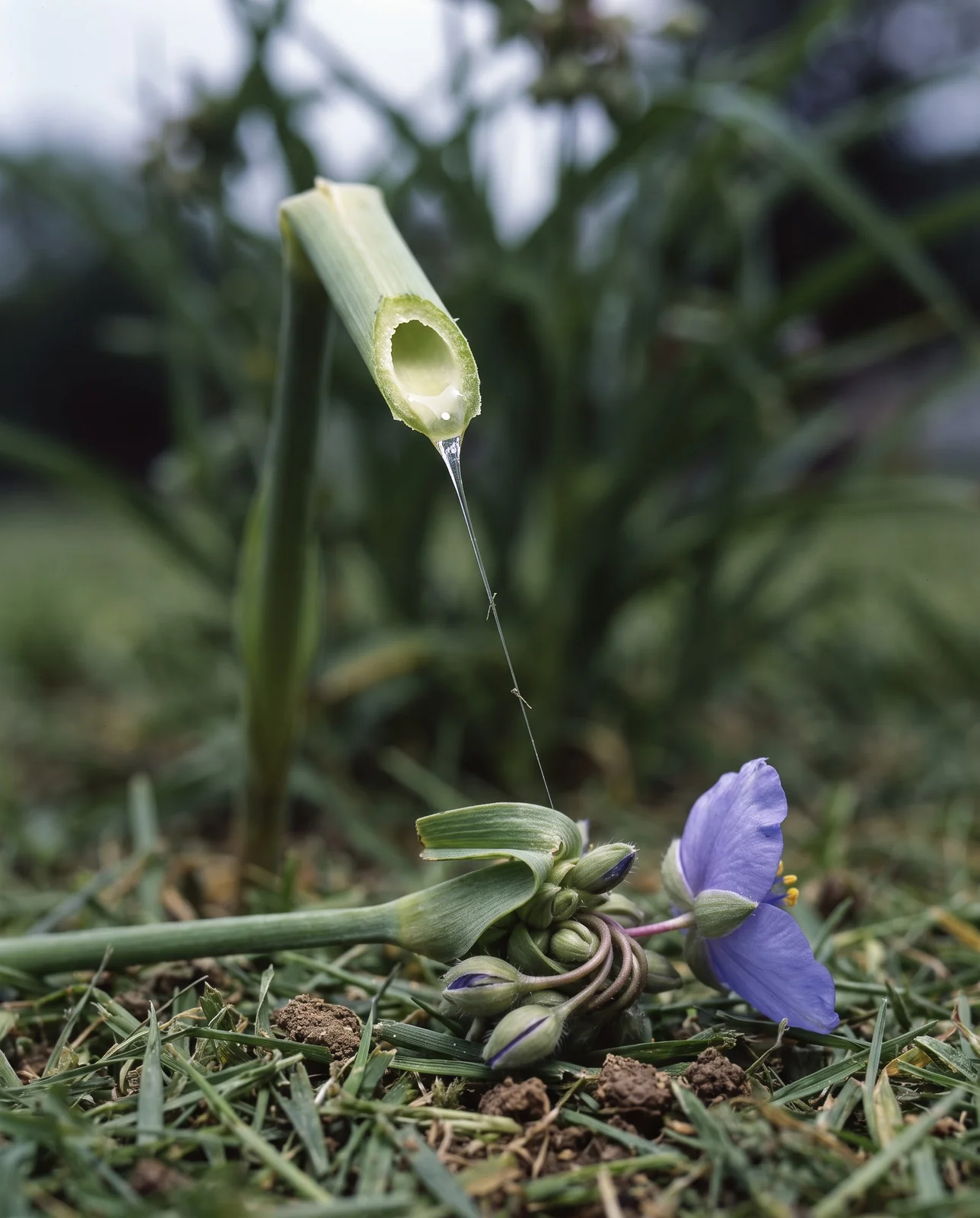
The plant earned its name from what happens when you cut it. Snapping a stem releases a sticky sap that hardens into silky strands resembling a spider's web. Historical names for the Virginia species include Job's tears, snake-grass, spider-lily, trinity, trinitylily, and widow's-tears. Telling the two garden species apart comes down to the flower stalks: Virginia spiderwort has hairy stalks, while Ohio spiderwort shows no noticeable hairs near the blooms. Virginia spiderwort also carries larger bracts beneath the flowers and tends to stay shorter, with stouter leaves that lack the bluish cast of Ohio spiderwort. In gardens, many plants sold as Tradescantia virginiana are actually the hybrid group.
Each flower lasts one morning
Individual spiderwort flowers open in the morning and close in the heat of the afternoon, never opening again. The petals do not fold away neatly; they wilt and soften into a jelly-like fluid. On Ohio spiderwort, a flower touched in the heat of the day shrivels into a fluid jelly. Weather changes the closing time: Virginia spiderwort blooms close by early afternoon in full sun, but they can linger longer on cloudy days or in shade. Garden hybrids close if exposed to afternoon sunshine. By early afternoon the clump shows only green stems and can look as though flowering has ended. Planting spiderwort beside a group of daylily creates a border where both perennials open fresh blooms for a single morning and drop them by afternoon.
The plant is far from finished, because dozens of buds wait in line behind each flower. Fresh buds open daily, keeping the display going for weeks from spring into midsummer even though individual blooms fade fast. An individual blossom usually lasts just one day, though in some conditions it can hold for two. Spent petals do not dissolve on the spot, and withered petals stay attached to the plant for an extended period. Seeing yesterday's withered petals cling through the afternoon can look like damage, but nothing is wrong with the clump.
Hardiness and where spiderwort grows
Both garden species thrive in USDA zones 4 to 9. Common garden hybrids share that same hardiness. In colder northern gardens, Virginia spiderwort can survive down into zone 3. A hardiness range of zones 3 to 8 usually belongs to prairie spiderwort, a shorter native kind. Check plant tags closely, since many plants sold as Virginia spiderwort are really garden hybrids that handle zones 4 to 9.
The two species divide the country differently. Virginia spiderwort is native from western Connecticut to Wisconsin, reaching south to Georgia, Tennessee, and eastern Missouri. It has also escaped gardens in parts of New England. Ohio spiderwort covers more ground, stretching from Massachusetts to southeastern Minnesota and south to Florida and eastern Texas. Both plants are also native across the eastern and central United States, and in California. Across the northern border, Ohio spiderwort is native to Canada, while Virginia spiderwort is an introduced plant there. Choosing a plant native to your region gives you a flower that fits your local climate.
How common each plant is also changes from state to state. In Illinois, Virginia spiderwort is fairly common in central and southern counties, but uncommon or absent in the north and far west. Ohio spiderwort is common across most of Illinois, becoming uncommon or absent only in the southeast. In Florida, Ohio spiderwort is the most common of four native species and adapts easily. Choosing between the two comes down to where you live, matching the plant to its home ground.
Where to plant spiderwort
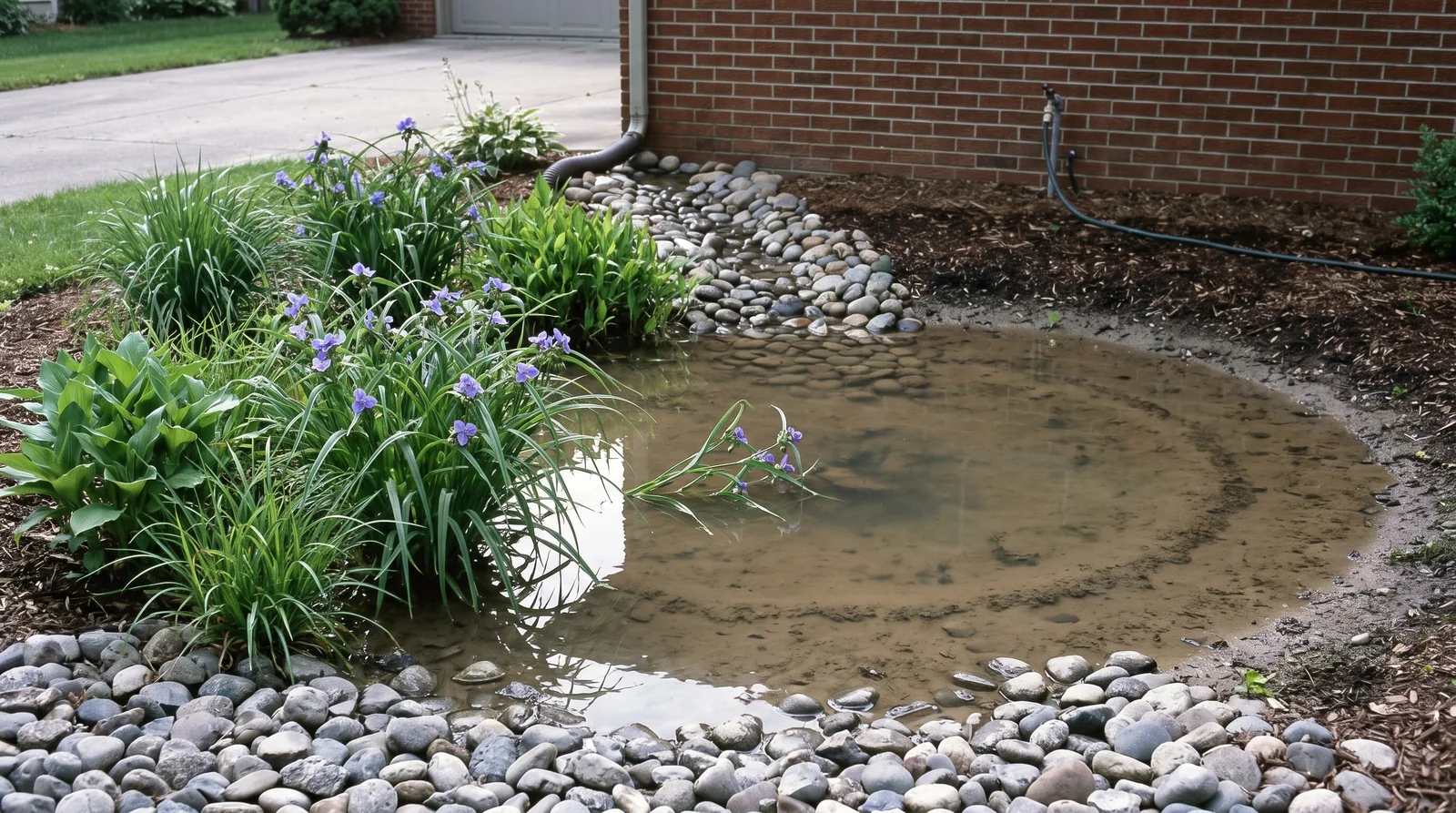
Spiderwort belongs naturally in damp ground, such as rain gardens, stream banks, pond borders, and shaded woodlands. It thrives in moist soil with protection from hot afternoon sun, taking either full sun or partial shade. A damp waterside border shared with great blue lobelia suits both plants well.
The two species suit very different garden spots. Virginia spiderwort thrives in part shade to full shade. Ohio spiderwort takes full sun to part shade with dry to medium moisture. In southern gardens, Ohio spiderwort takes full sun to light shade in dry to moderately moist, well-drained soil. Virginia spiderwort keeps its water needs low to medium, growing in sun, part shade, or full shade. A soggy pocket and a dry slope can both grow spiderwort, provided you choose the right species for the site.
Summer heat and light shape how the clump performs through the season. Midday sun cuts the morning show short as blooms close, and warmer weather can pause growth. Foliage decline is another factor to plan around, because sprawling summer stems can look messy at the front of a formal border.
When to plant it, and how far apart
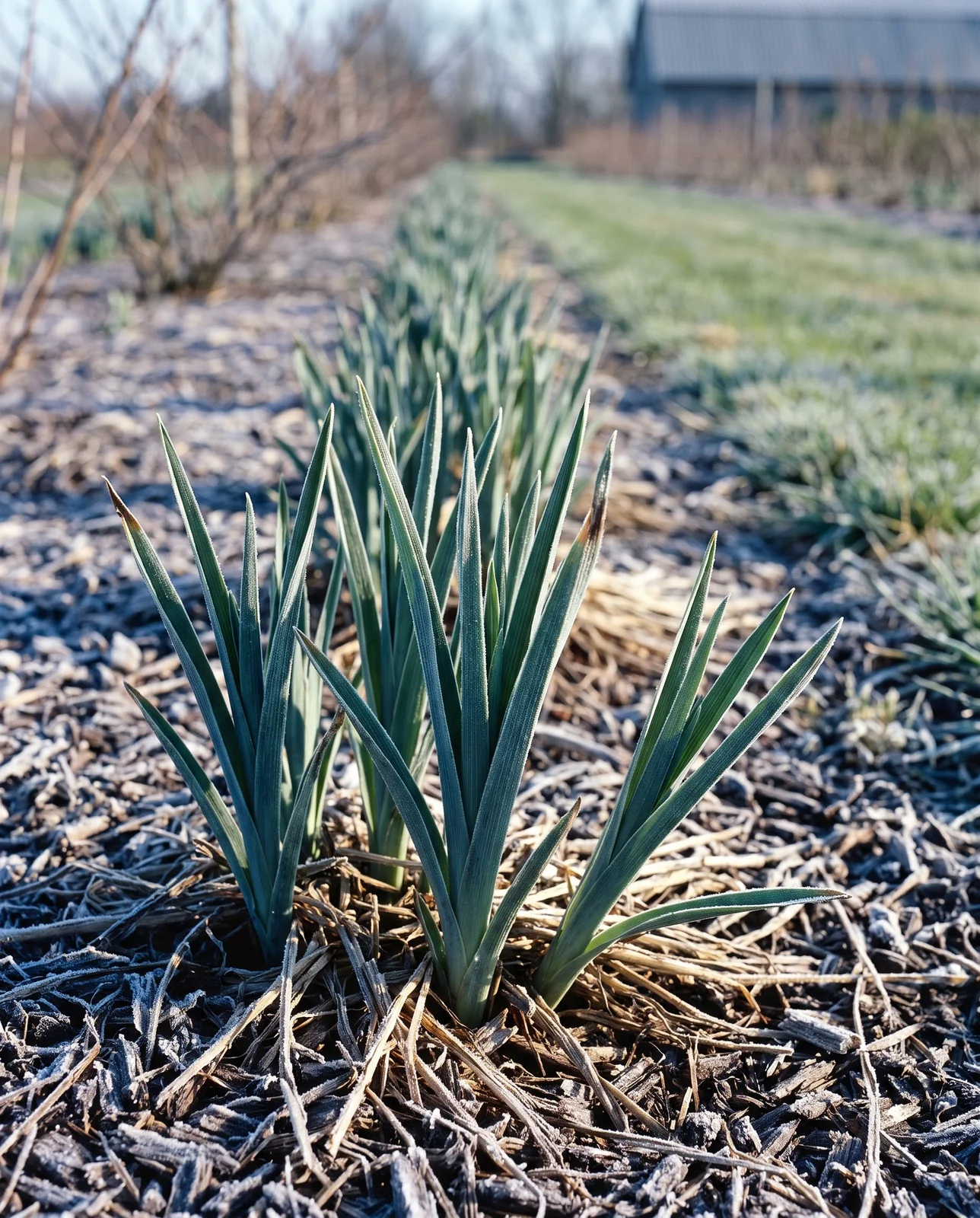
Plant spiderwort in early fall or very early spring, the same planting window that works for dividing an established clump. Space Virginia spiderwort 1 to 2 feet apart so each clump has room to spread out. Prairie spiderwort stays lower, so set it closer at 6 to 10 inches apart. Water new transplants to keep the ground damp but not soggy during their first week. You can also start Ohio spiderwort from stem cuttings taken during the growing season, an easy way to fill an open spot.
Why spiderwort stops flowering
When spiderwort stops blooming, it has usually finished its natural flowering run. Virginia spiderwort flowers through May, June, and July. After that spring display, the leaves often turn straggly and flop. In Florida, Ohio spiderwort blooms from spring straight through summer. An empty clump in August is usually right on schedule. A plant that never opened a bloom in May is the real problem to solve.
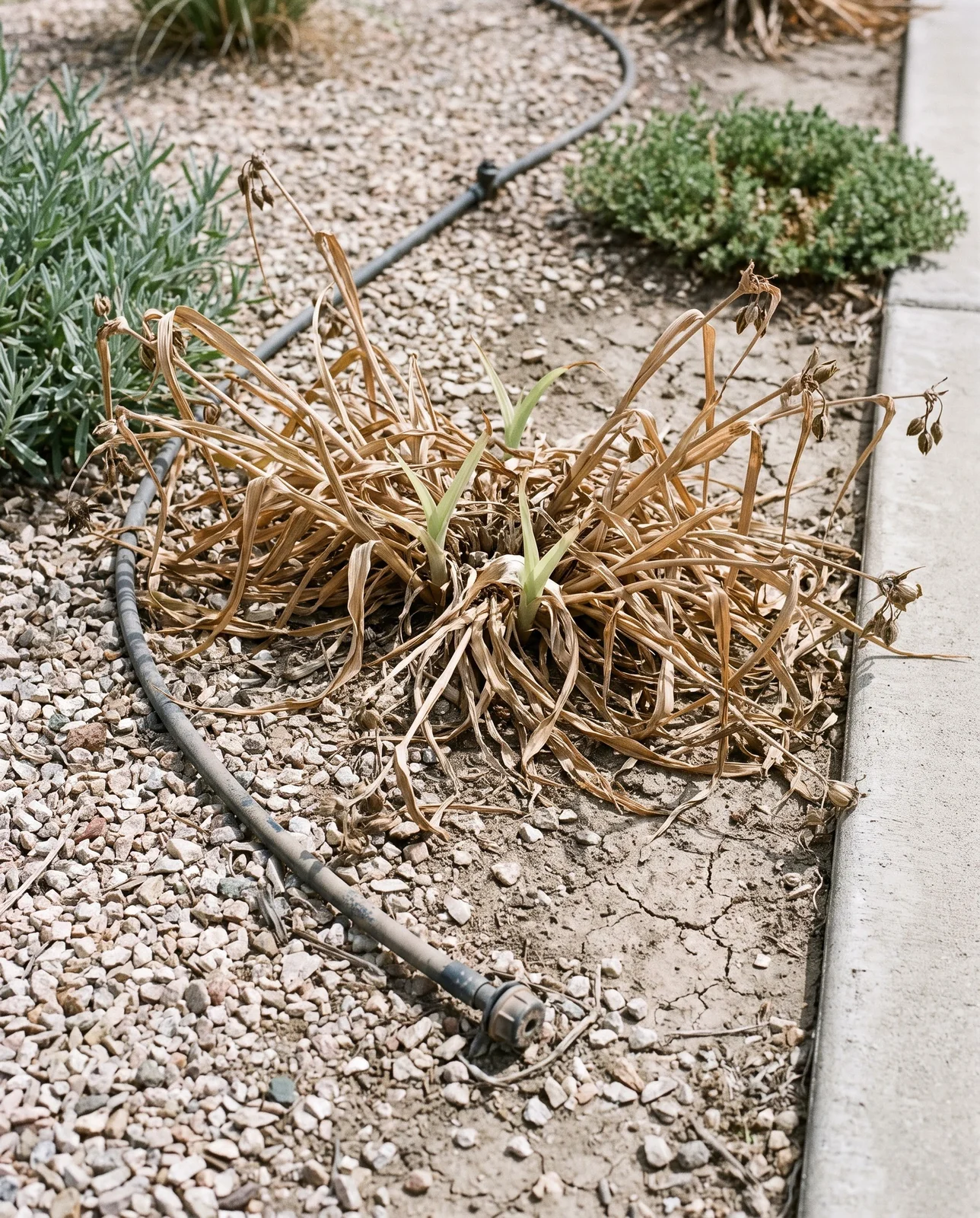
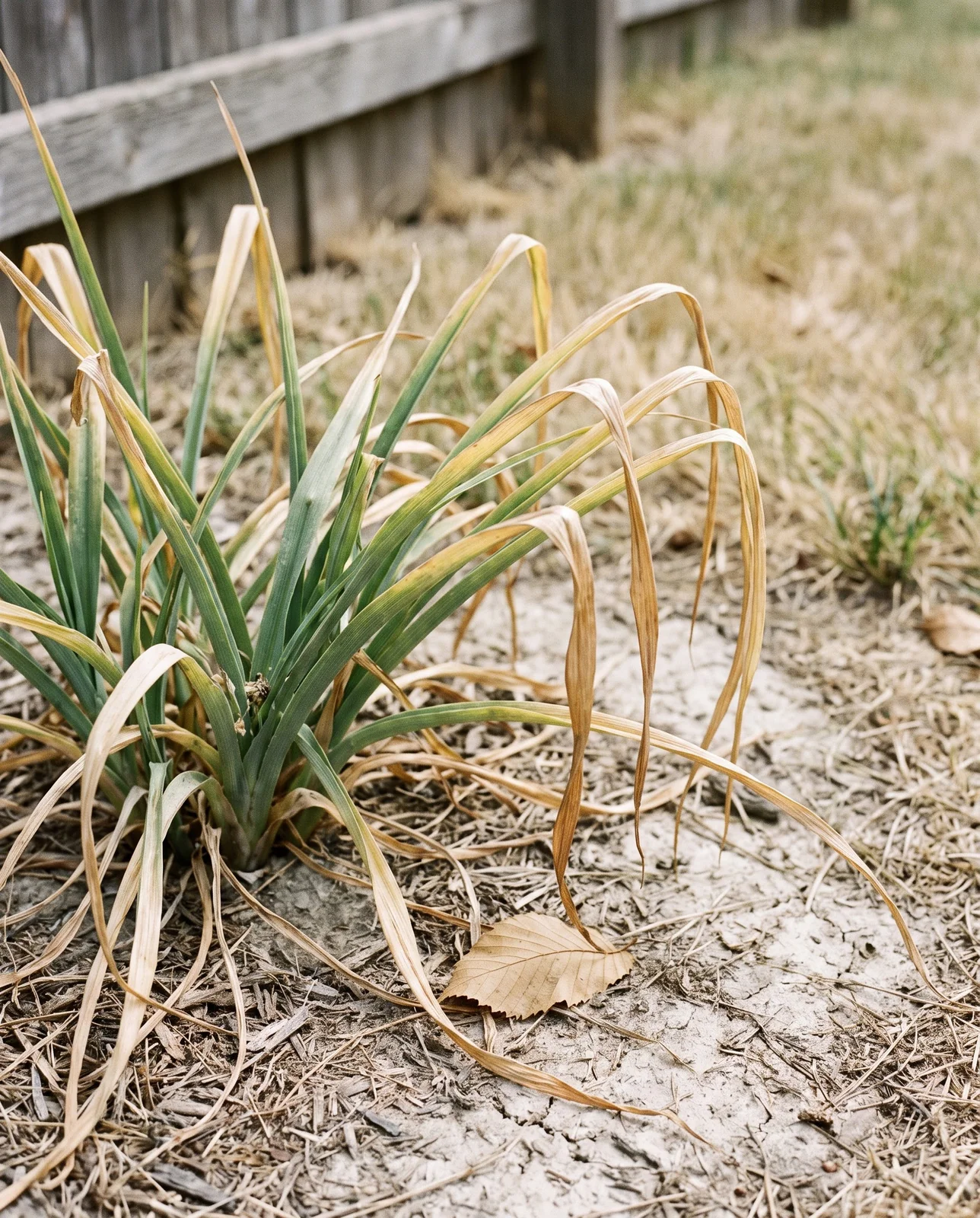
Summer heat and dry ground can cut that bloom season short. As summer heat climbs, garden spiderworts decline and die back if they lack moisture. Hot weather can pause flowering as leaves decline. In warmer regions, Ohio spiderwort may go dormant during summer heat. Full-sun plantings often need extra water to hold up, and plants benefit from afternoon shade. A clump that browns down in July has rarely died. Going down early is simply an ordinary summer habit.
Too much shade and crowded roots explain most other bloom shortages. Virginia spiderwort blooms well in shady spots, while Ohio spiderwort may bloom less out of full sun. Clump age also slows flower growth over time, so dividing crowded clumps every few years keeps them healthy. Removing spent blooms helps stretch the season. When flowering finishes and foliage looks worn in July, shearing the clump back gives it a fresh start.
No flowers: what to check
Work down this checklist step by step. Most missing blossoms come down to the time of day or where the clump sits in its seasonal cycle.
Yellow leaves on a garden spiderwort
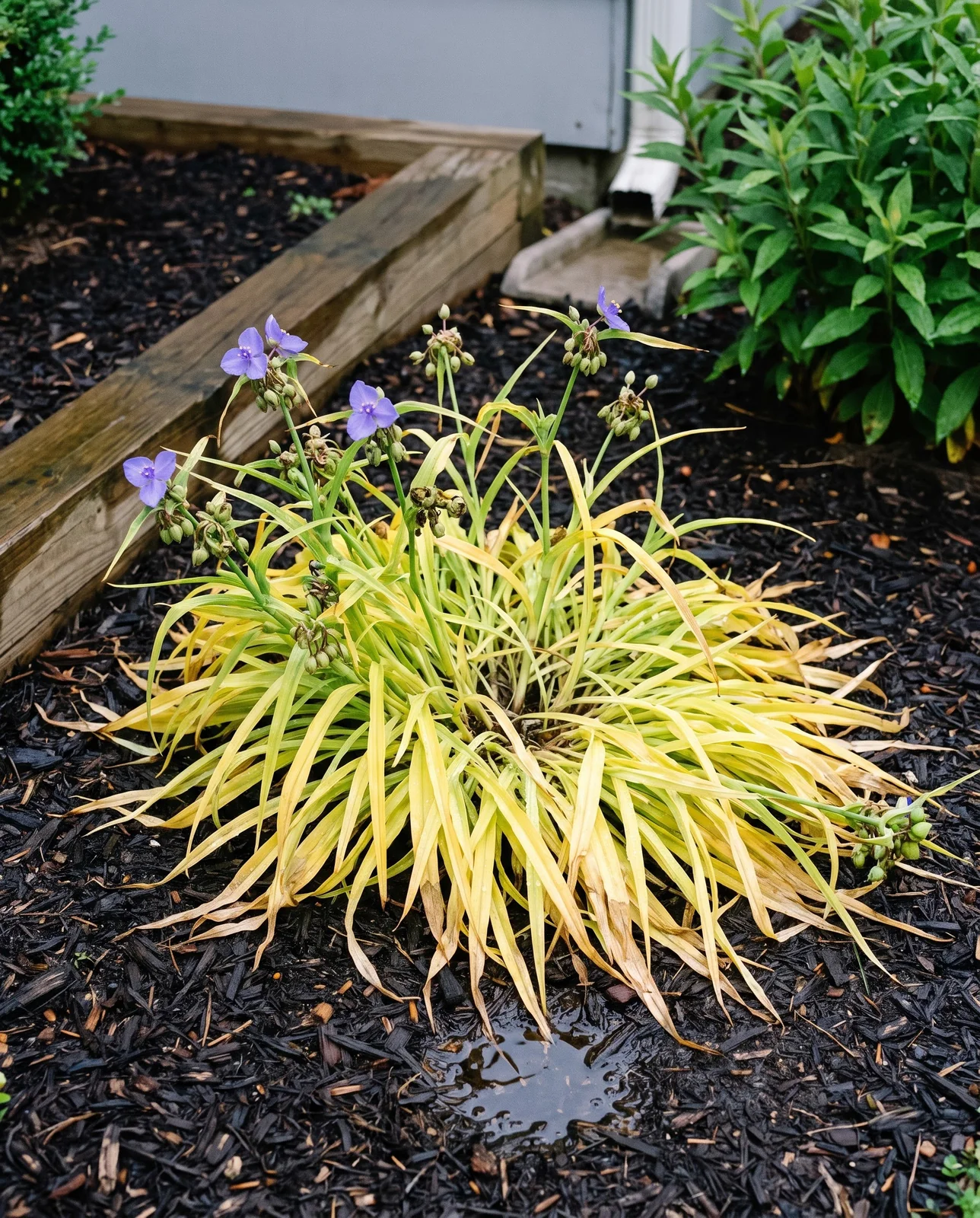
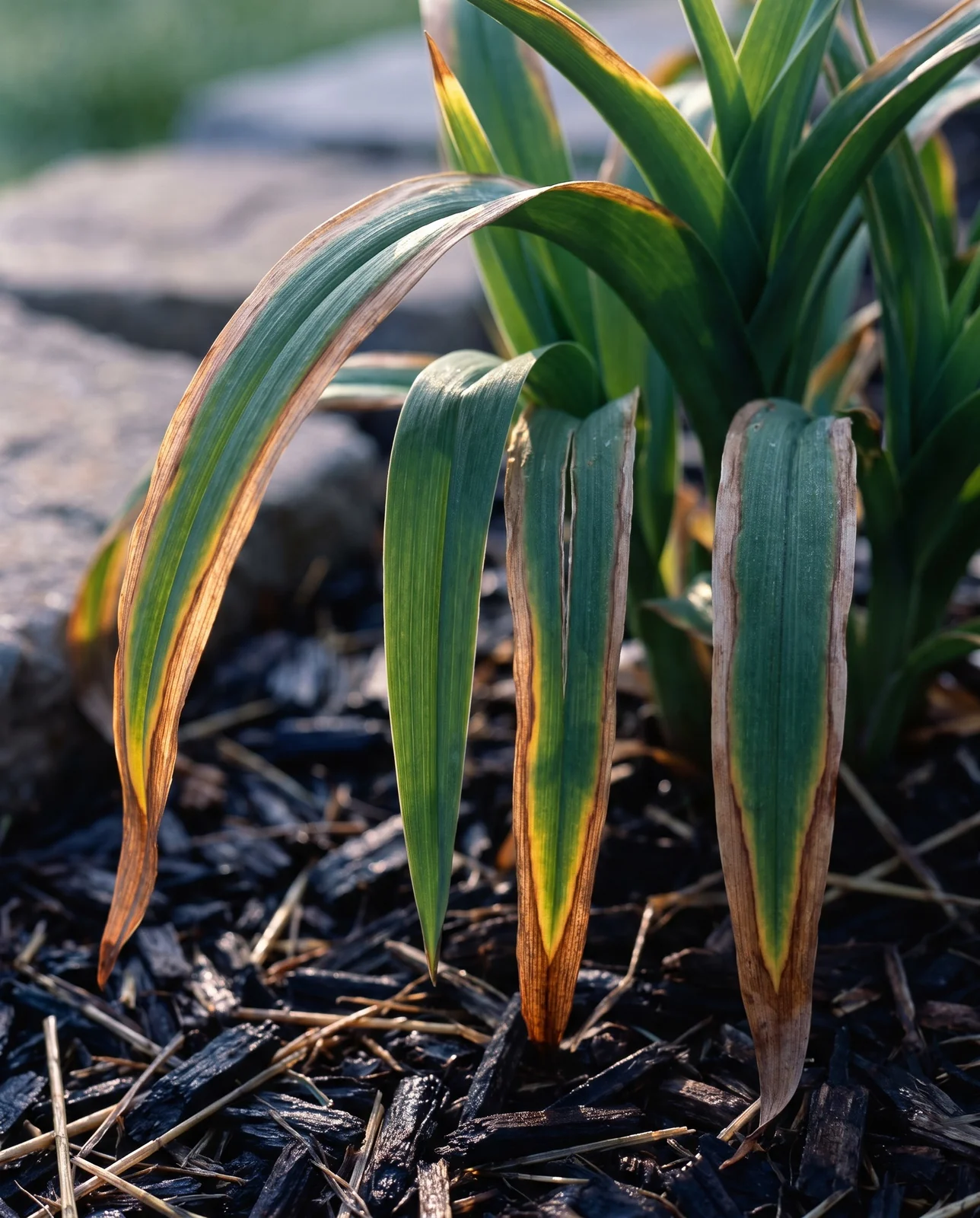
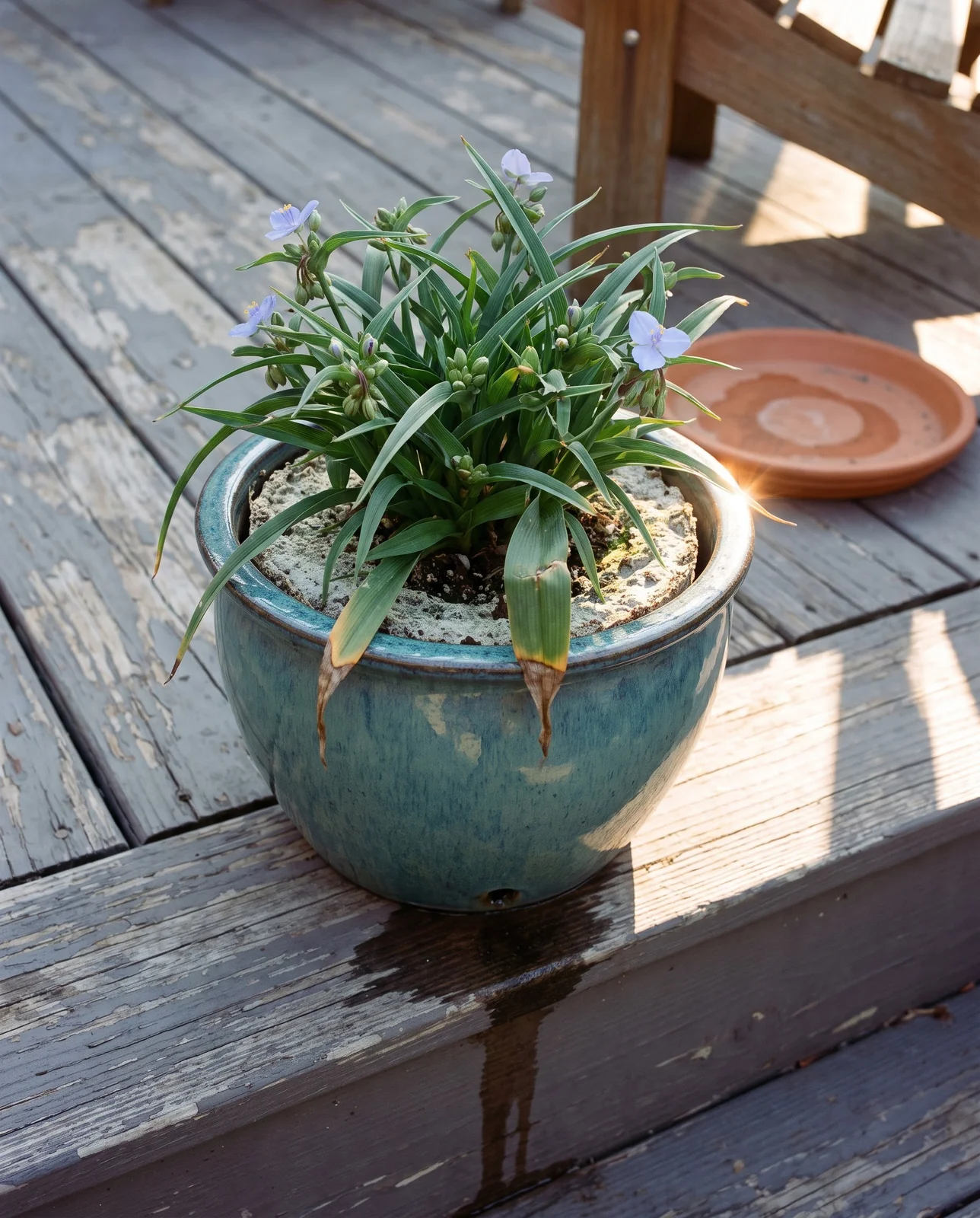
Yellow leaves on a garden spiderwort usually point to watering issues, weather stress, or the natural age of the foliage. Leaves can turn yellow from too much water just as easily as from too little. Brown leaf edges indicate a different issue, pointing to scorch from a late frost or soil that became very dry. During dry spells, Virginia spiderwort often develops yellow or brown tips and outer leaf margins. On Ohio spiderwort, yellowing and brown blotches also appear after harsh weather, competition from nearby plants, or simple leaf age. Check the leaf pattern closely before watering, because adding moisture makes several of these problems worse.
Fungal leaf diseases produce their own distinct spots. Slugs, snails, leaf spot, and foliar rust can all affect the plant, and overhead watering makes foliar diseases worse. Anthracnose from Colletotrichum and fungal leaf spot from Phyllosticta cause dark spots across leaves and stems. In cool, humid weather, botrytis blight can also appear as a gray mold covering leaves and flowers. Blue-green-leaved selections generally suffer less leaf spotting than green-leaved plants, with infection staying low or absent in most years and never severe. Fungal spots show up across the blade, while browned outer leaf edges point to late frost or dry roots.
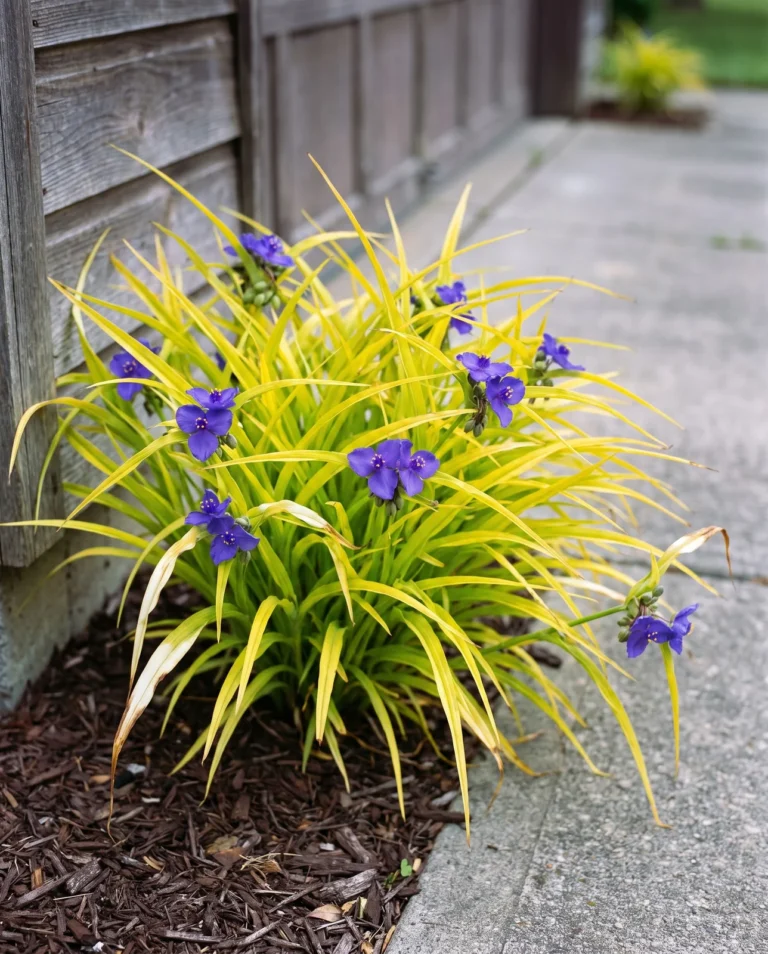
The final common cause of yellowing is simply part of the plant's seasonal cycle. Once the main spring flush ends, the foliage naturally sprawls unattractively by midsummer as stems yellow and collapse. A midsummer trim with garden shears cleans up that tired foliage. Yellow leaves can also be intentional: the cultivar 'Sweet Kate' was bred specifically for bright yellow foliage, though its valid name is 'Blue and Gold'. Checking the plant tag confirms whether you are growing a yellow-leaved selection.
Spiderwort problems, in the order they get asked
Listed from the most common complaints down, with the symptoms, the cause, and what to do for each one.
Symptoms: foliage turns yellow across the plant, or leaf tips and outer edges turn yellow and brown during drought. Cause: either overwatering or dry soil. What to do: check the ground moisture before watering, because adding water to soggy soil worsens the discoloration.
Symptoms: after blooming in May and June, the 1 to 3 foot grass-like foliage turns straggly and flops over. Cause: stems naturally collapse once the primary flowering cycle ends. What to do: cut stems down to about 2 to 3 inches above the soil in early July to stimulate fresh growth.
Symptoms: foliage declines and dies back as summer heat rises, and Ohio spiderwort may go dormant in warmer areas. Cause: summer heat and dry ground. What to do: keep the soil moist and provide shelter from hot afternoon sun; give supplemental water if growing in full sun.
Symptoms: dark spots or foliar rust form across the leaves. Cause: leaf spot and anthracnose caused by Phyllosticta and Colletotrichum fungi. What to do: avoid frequent overhead watering, which worsens foliar diseases.
Symptoms: browned leaf margins appear in spring. Cause: late frost scorch or roots that became very dry. What to do: leave the foliage in place through flowering, then shear off the damaged leaves during the midsummer cutback.
Symptoms: chewed holes appear on young shoots and foliage. Cause: slugs and snails feeding on tender growth, or the leaf beetle Lema collaris eating the leaves. What to do: protect vulnerable young shoots from snails if needed, but established Virginia spiderwort needs no routine pest control because it has no serious insect problems.
The midsummer cutback
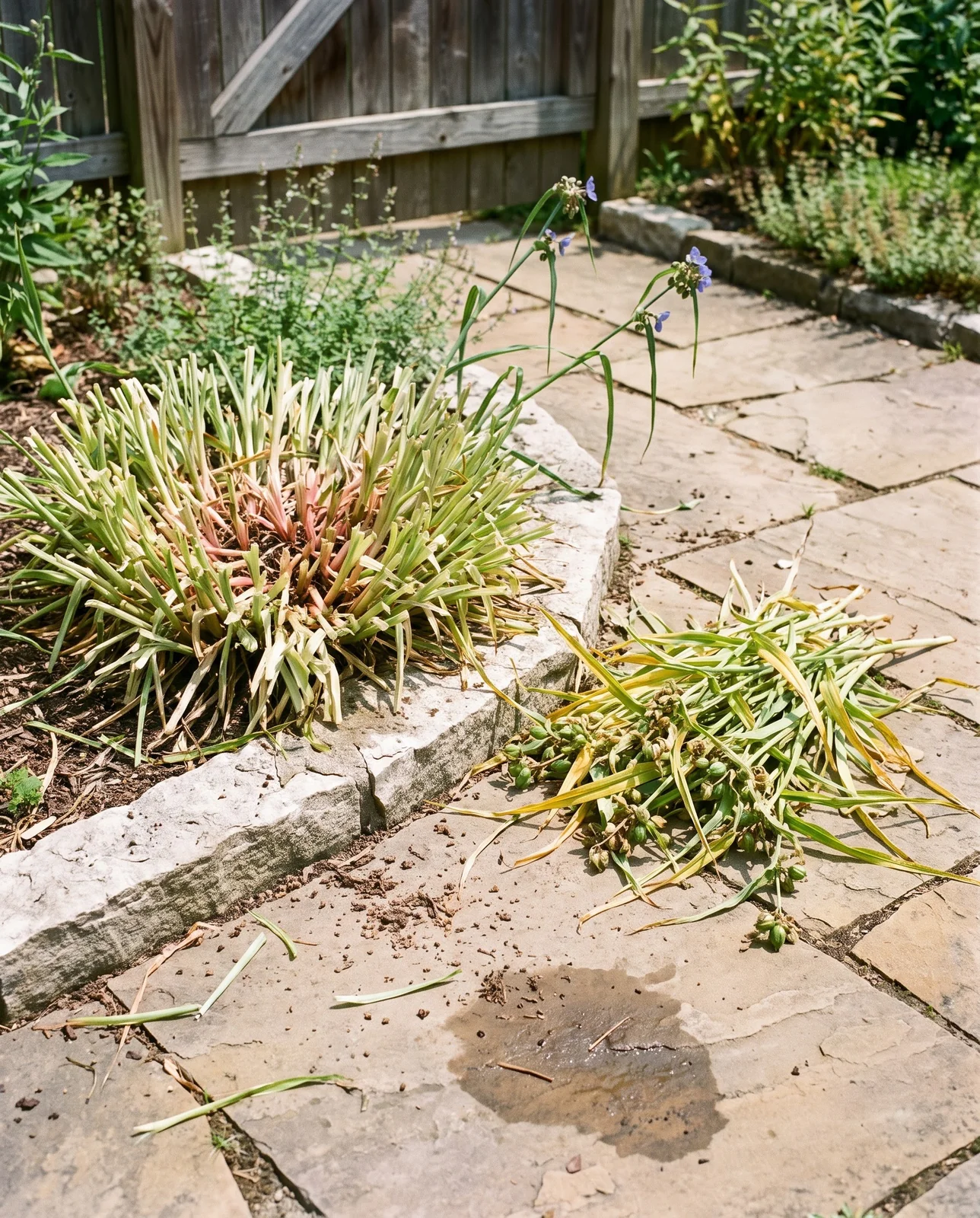
When the primary flush ends and foliage turns shabby, shearing the clump back brings fresh growth for late summer. After blooming through May and June, the 1 to 3 foot grass-like stems often turn straggly and flop, so pruning them down to 2 or 3 inches in early July cleans up the clump. Fresh green leaves appear promptly, followed by a second flush of flowers by September. That single trim answers flopping foliage and midsummer yellowing together.
Advice on how low to shear splits in three directions. An early July cut down to 2 to 3 inches is the firmest common recommendation. A lighter approach leaves stems at 6 to 12 inches in midsummer to encourage new growth and a possible fall bloom. You can also shear stems right to the ground to produce fresh foliage and a late-summer to fall display, or cut the clump to its base in early August. Whichever height you choose, the right time to shear is when the main flush ends and stems begin to flop.
Skipping the cut leaves tired foliage standing in the garden, and common Andersoniana hybrids can become somewhat unattractive in midsummer without pruning. An early July shear can bring a second bloom flush by September, while trimming back to 6 to 12 inches leaves a fall bloom possible. Deadheading spent blossoms is a lighter option that extends the flowering window and helps encourage a second flowering in late summer. Either way, the work lands right in the middle of summer when the foliage looks its most worn.
How spiderwort spreads, and whether it is invasive
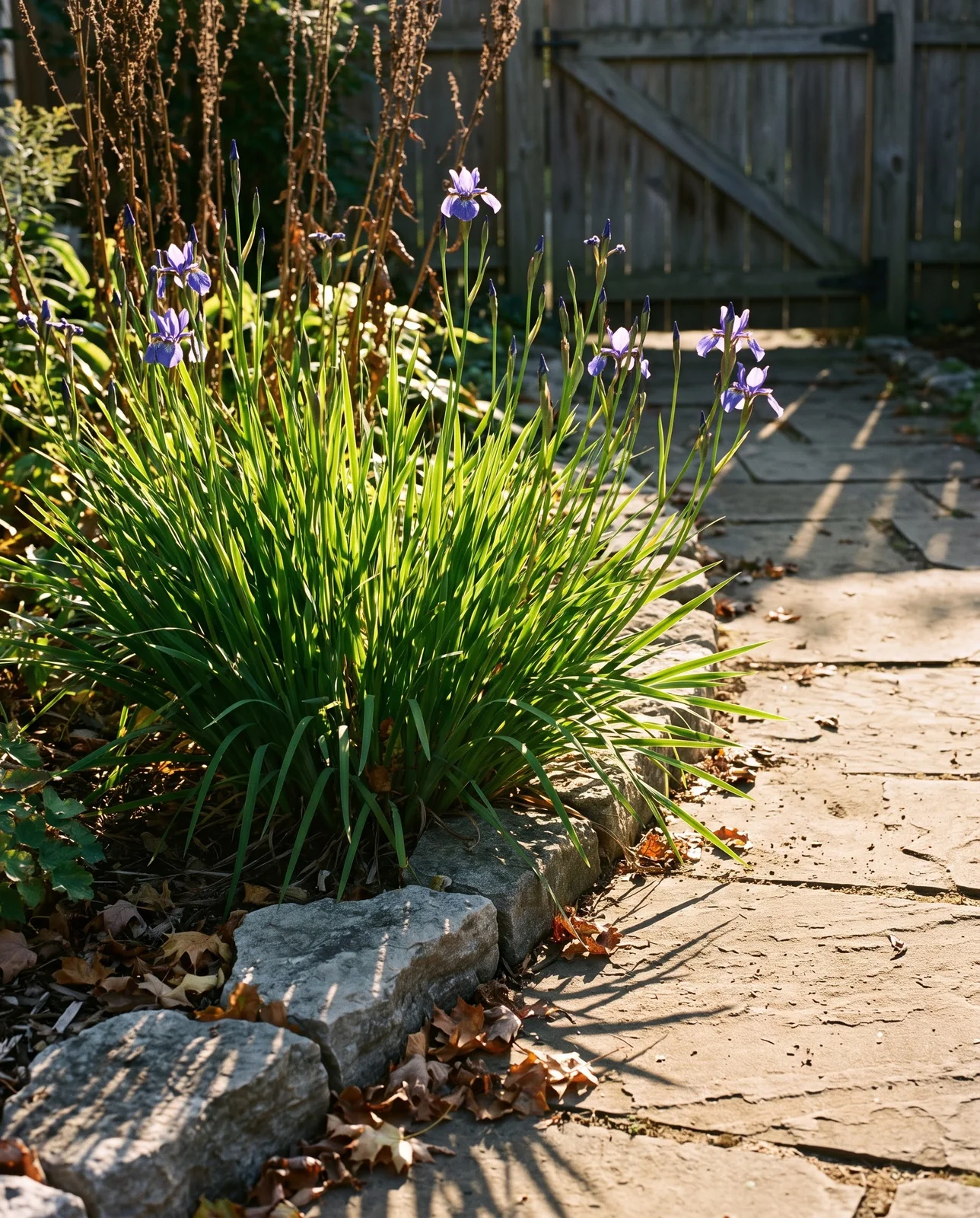
Spiderwort spreads readily by seed, and under favorable conditions it can grow aggressively enough to need control. The plants usually grow as widely scattered individuals, though they can form sizable colonies in disturbed areas.
How the plant moves underground is less settled. In some gardens it spreads only by dropping seed, but it can also form large colonies through underground stems, rhizomes or stolons. Give both species plenty of room to expand, because they may spread aggressively by underground runners and seeds.
You can keep Virginia spiderwort confined by regularly removing slumping stalks, which root at the nodes wherever they touch the ground. Dividing overcrowded clumps also keeps the plants in bounds. Split clumps every 3 to 5 years, or every 2 to 4 years to keep vigorous Virginia spiderwort under control. A midsummer shear removes spent growth before seeds drop.
Dividing spiderwort and starting new plants
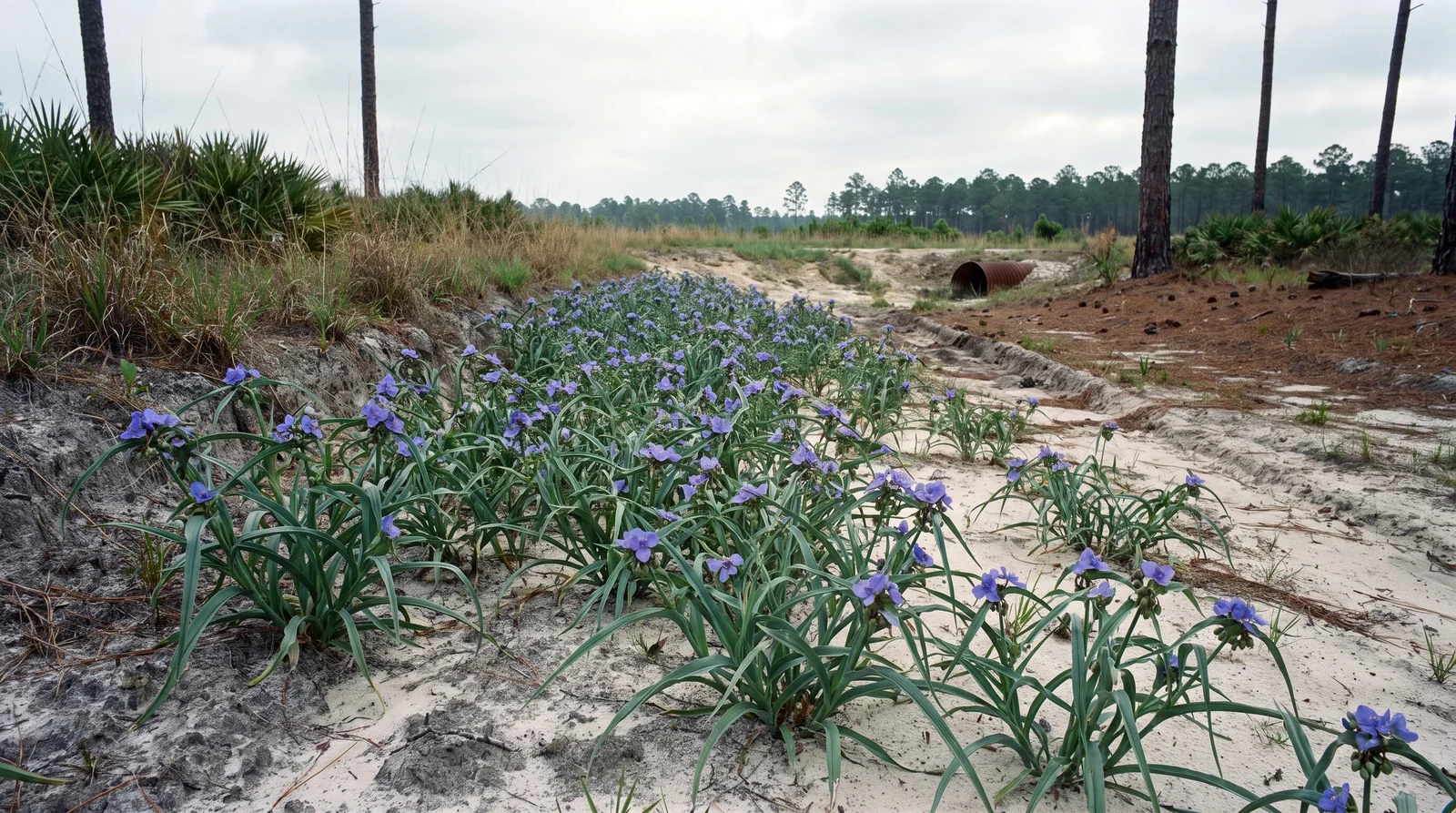
Dividing spiderwort renews an overcrowded clump and gives you fresh plants to spread around the garden. The best window is early fall or very early spring. Early fall works especially well for both native species and hybrids, since both bloom in spring. Lift the clump and split it into pieces with four to six shoots each and roots attached, then replant and water the divisions immediately. Keep the new divisions damp without letting them sit soggy through their first week in the ground.
You can also start new plants from stem cuttings or seed. For cuttings, take a single-node stem cutting late in the season, just as the plants begin to bolt. Starting Ohio spiderwort from seed takes more time, because the seed requires 120 days of cold, moist stratification before it will sprout. Where conditions suit them, both species also reseed readily on their own, giving you young seedlings in spring that are easy to lift and move.
Spiderwort varieties worth telling apart
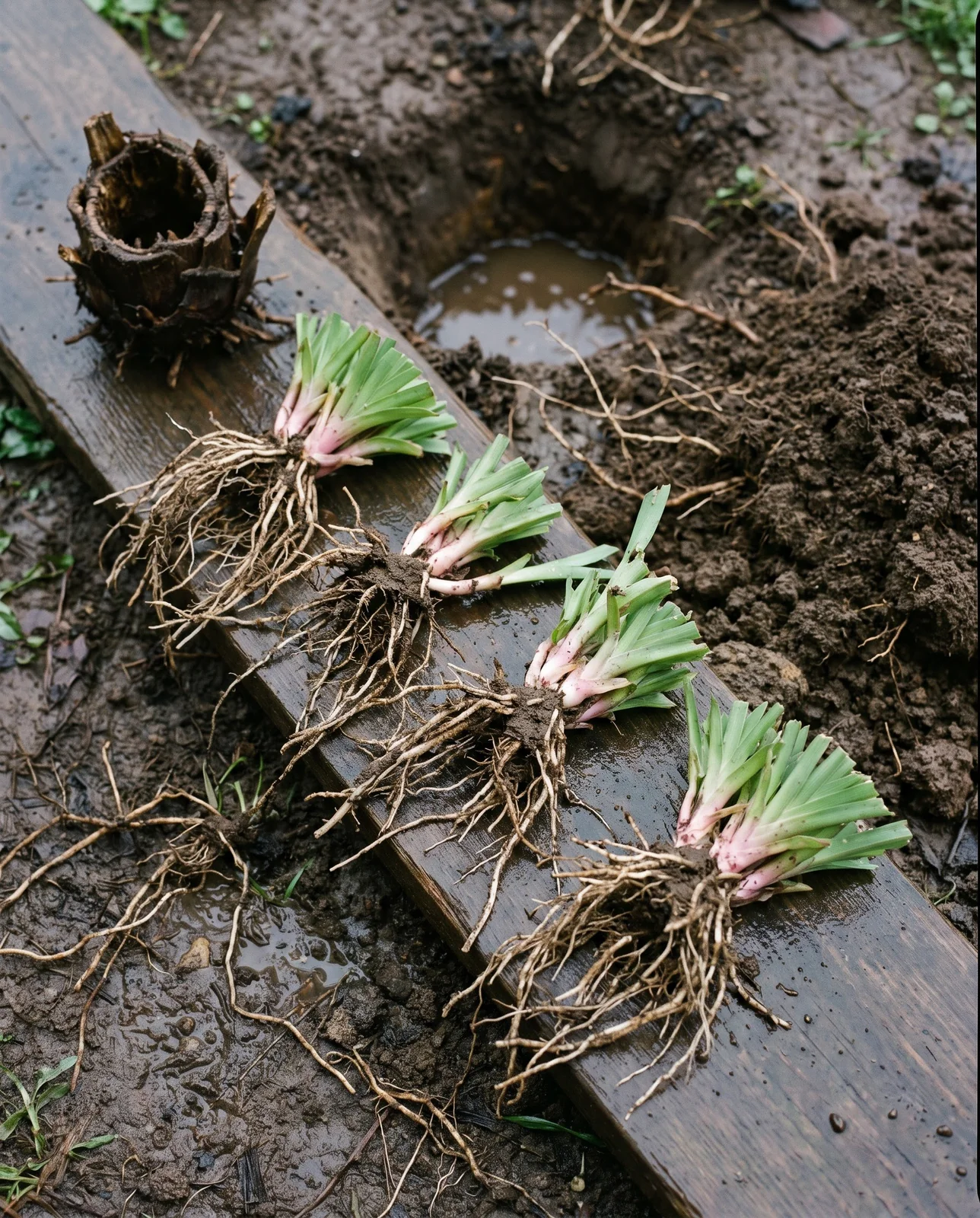
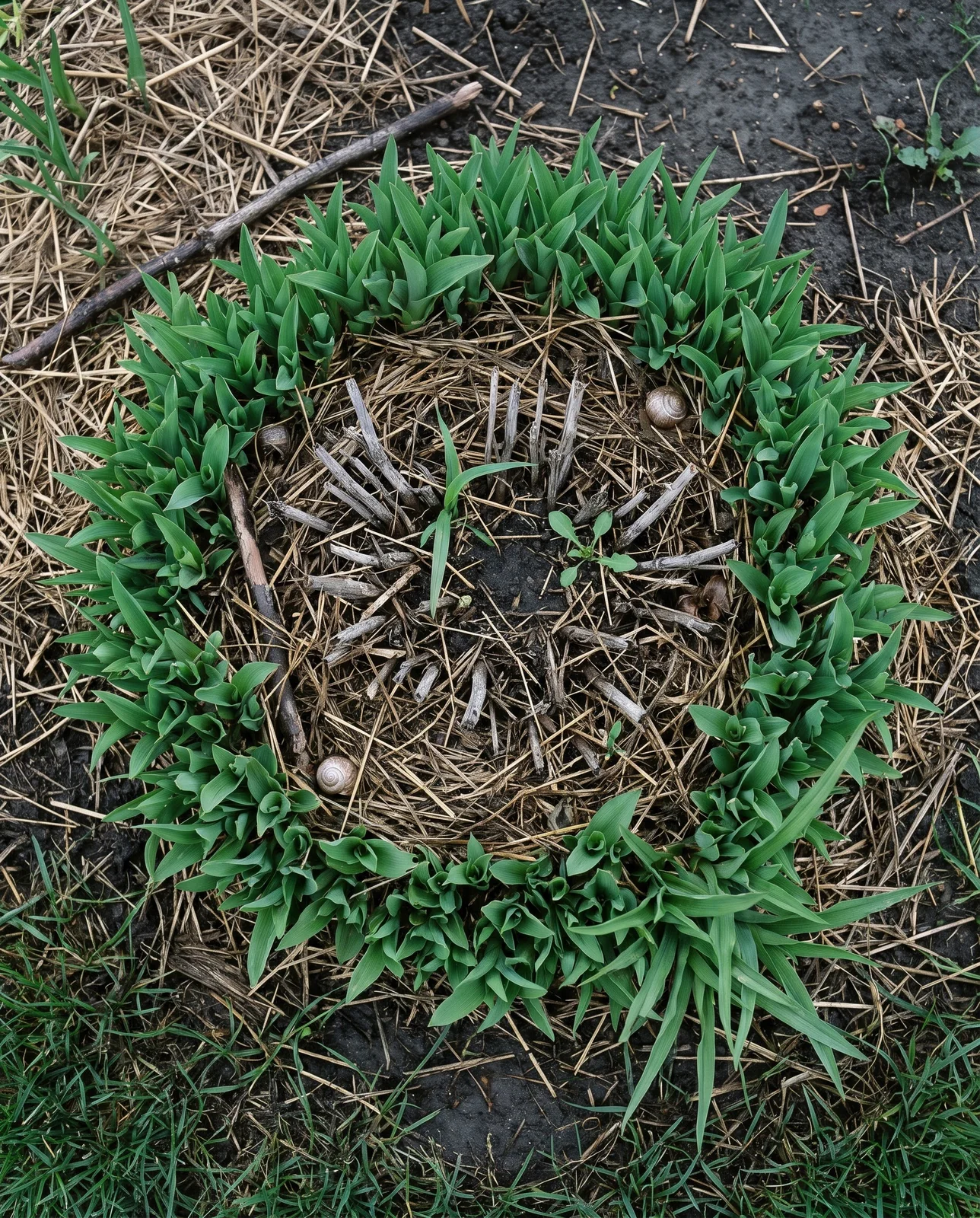
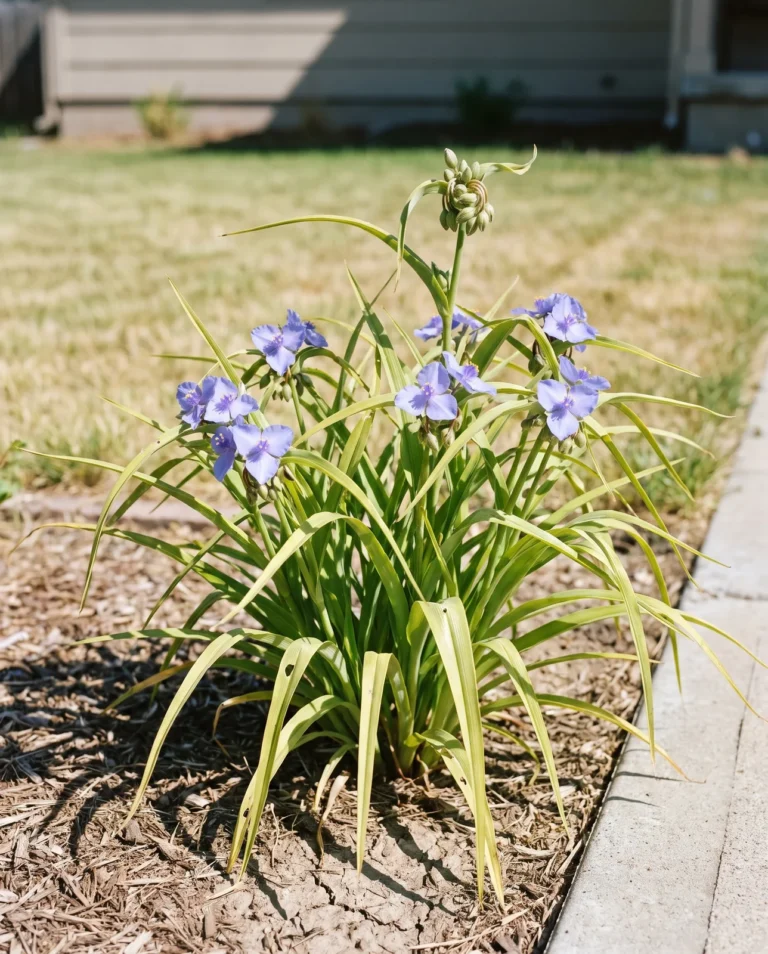
Most named garden spiderworts belong to the Andersoniana hybrid group, bred from Virginia and Ohio spiderwort or from crosses that also include T. subaspera. Fourteen selections earned four-star ratings for strong habit, good flower production and greater resistance to fungal leaf spotting. Three cultivars, 'Charlotte', 'Osprey' and 'Satin Doll', were dropped after being incorrectly identified, with no retest.
The native species, and where to buy them
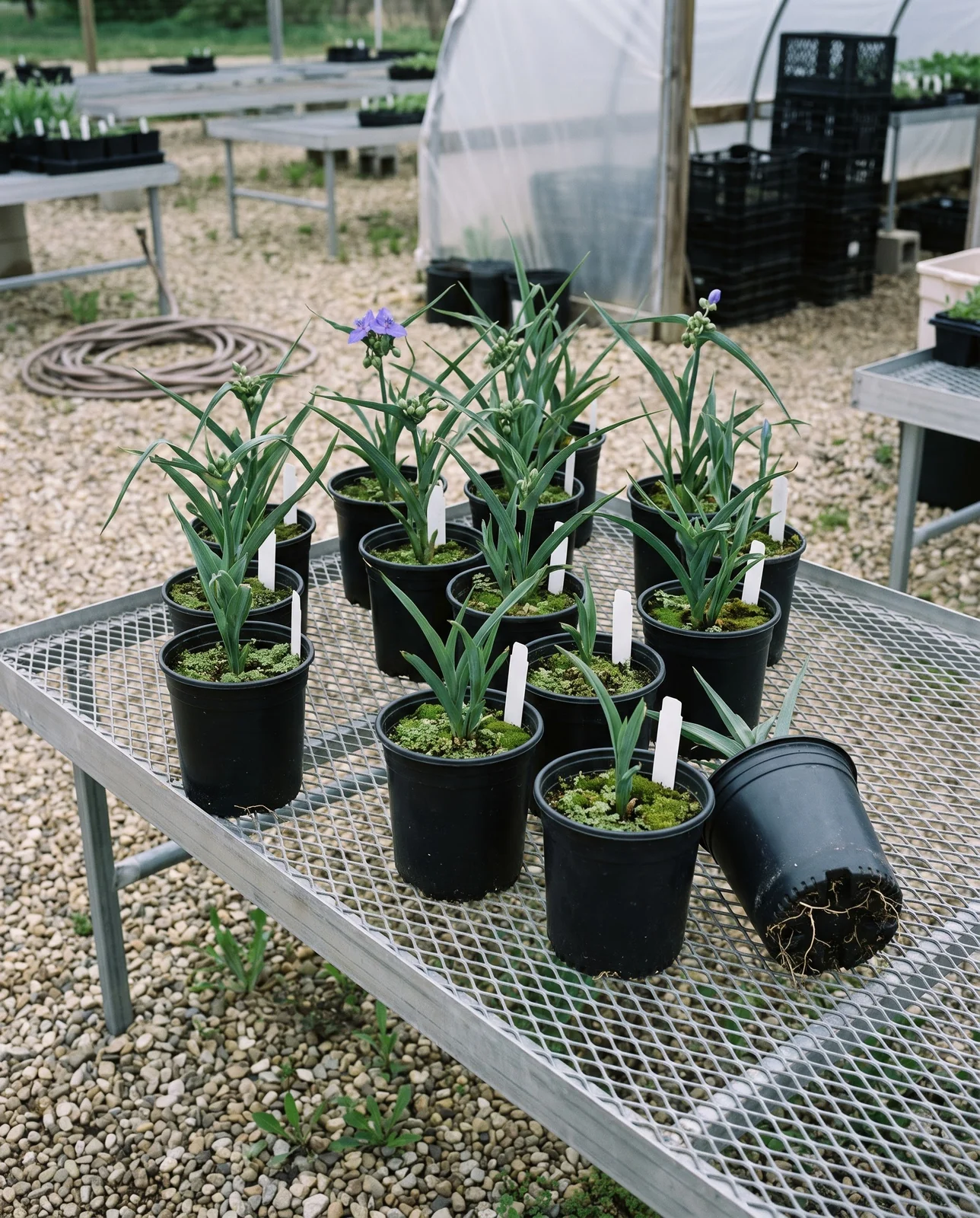
You can buy the straight native species from specialty nurseries for very little money. A seed packet of Virginia spiderwort costs $3.50, while Ohio spiderwort runs from $3.50 to $10.00. Nurseries sell them under their botanical names, which helps you choose the right plant for your garden. In damp, partly shaded soil, Virginia spiderwort makes a natural companion for Virginia bluebells.
For a dry, open spot, prairie spiderwort makes a compact third native choice. It stays low at about 12 inches tall and handles cold winters. Common spiderwort prefers shade and moist soil, but prairie spiderwort takes full sun and medium to dry ground.
Pollinators, and whether deer eat it
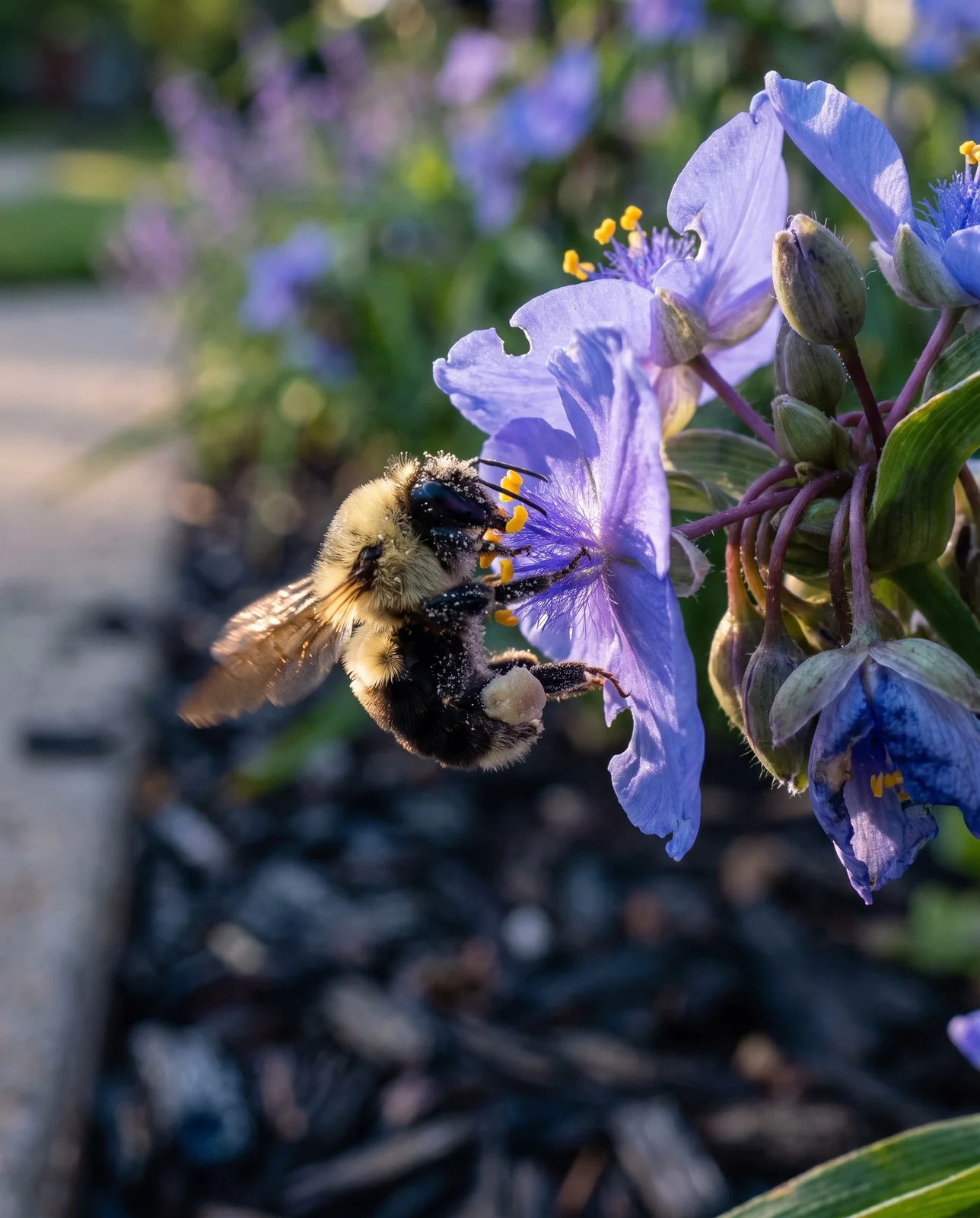
Bumblebees do most of the pollinating on spiderwort. They visit the flowers most often, along with honeybees, halictine bees, and little carpenter bees. On Ohio spiderwort, long-tongued bees and bumblebees act as the main pollinators. Syrphid flies stop by for stray pollen, but they do not pollinate the blooms. Because blooms open in the morning and close in afternoon heat, bees visit early. Once flowering ends, the seeds feed songbirds. Planting black-eyed Susan in the same bed keeps blooms coming for pollinators later in the season.
Deer usually leave spiderwort alone, and pests rarely cause trouble. Plants are seldom badly damaged. Even so, deer, rabbits, box turtles, leaf beetles, and snails may eat the leaves of Ohio spiderwort. That foliage is safe and non-toxic to grazing animals. On Virginia spiderwort, deer, rabbits, livestock, and wood tortoises also eat the stems and leaves from time to time.
Is spiderwort poisonous?
Garden spiderwort carries a low poison risk and does not appear on the ASPCA toxic plant list, nor does purple heart. The only relative on that list is the trailing houseplant sold as inch plant, variegated inch plant or wandering Jew, which can cause dermatitis in dogs, cats and horses. Contact with the leaves or sap of some species can cause minor skin irritation, redness and itching in people and pets, though the severity is low. It can also cause an allergic skin reaction in cats and dogs, and eating the plant may cause mild mouth and stomach irritation.
Touching the leaves of Virginia spiderwort can cause minor skin irritation with redness and itching, though the overall risk is low. The exact cause is unidentified, though the reaction may come from oxalate crystals. Whether the foliage is safe to eat is unsettled: the stems and leaves can be eaten raw or cooked, but the leaves may also cause skin irritation. Wearing gloves when working around the plants protects against any reaction to the sap.
Light
Spiderwort takes everything from full sun to deep shade, depending on the species you choose. Ohio spiderwort takes full sun to part shade, while Virginia spiderwort needs part shade to full shade. Too much shade costs flowers. Ohio spiderwort tolerates part shade well, but its bloom may be less profuse there. In full sun, supplemental watering may be necessary to keep plants from drying out. For an open sunny spot, 'Charlotte's Web' carries gold leaves that do not scorch in full sun.
Soil and water
Spiderwort grows best in moist soil and shade, but it does well in sun if the ground stays moist enough. It also prefers acidic soil, with a pH of 5 to 6. Virginia spiderwort adapts to almost anything. While it prefers humus-rich soil, it will grow in moist or dry ground, clay or sand, and acid or alkaline conditions. It even tolerates heavy clay, wet soil and nearby black walnut trees. Ohio spiderwort takes the dry end of the scale, tolerating drought, dry soil and shallow, rocky ground. Water at the base of the clump, because frequent overhead irrigation worsens foliar diseases.
Height and spread
Spiderwort generally grows knee to waist high, forming a clump that spreads 1 to 2.5 feet across. Virginia spiderwort reaches 2 to 3 feet tall and spreads 1 to 1.5 feet wide. Ohio spiderwort makes a wider clump at 1.5 to 2.5 feet, standing 2 to 3 feet tall, though in Florida it grows 1 to 2 feet.
Growing spiderwort in a container
Hybrid spiderworts grow well in containers as patio plants, hanging baskets or houseplants, though they can become somewhat unattractive by midsummer. Compact varieties suit pots best, with 'Little Doll', 'Purple Dome' and 'Bilberry Ice' staying between 6 and 12 inches tall. A container needs steady watering, because spiderwort thrives when the potting mix stays consistently moist.
What to expect, year by year
First spring. A division planted in early fall or very early spring comes up as a mound of grassy leaves and starts blooming in May, with bloom running into June and July on Virginia spiderwort. Starting from seed takes longer, because Ohio spiderwort seed requires 120 days of cold, moist stratification before it sprouts.
The flush and the cut. The main bloom cycle typically runs seven to eight weeks from the first flower before plant health and habit begin to decline. After blooming in May and June, foliage that stood 1 to 3 feet tall often becomes straggly and may flop. Cut the clump back in midsummer, shearing the plant down to about 2 to 3 inches in early July or cutting Ohio spiderwort to 6 to 12 inches. New growth appears promptly, followed by a second flush of flowers by September.
An established clump. A mature clump measures 1 to 1.5 feet wide on Virginia spiderwort and 1.5 to 2.5 feet on Ohio spiderwort. In ideal growing conditions, the plants self-seed readily and can become aggressive enough that they may need to be controlled. Divide the clumps every 3 to 5 years, or every two to four years to keep vigorous stands of Virginia spiderwort in check.
Spiderwort myths
Four beliefs that send gardeners the wrong way, and how the plant actually behaves.
The myth: Spiderwort is a spider plant.
The reality: Spiderwort is a hardy perennial with grass-like foliage and three-petaled flowers that open in the morning and close by the afternoon. The common spider plant is an unrelated houseplant.
The myth: The spent flowers melt away within minutes.
The reality: Spent blooms do not vanish within minutes. Withered petals often remain attached to the plant for an extended period, so a clump carrying yesterday's shriveled flowers through the afternoon can be in good health.
The myth: Yellow leaves mean the plant is thirsty.
The reality: Yellow leaves can come from too much water just as easily as too little. Browned leaf edges can point to scorch from a late frost or to a plant that got very dry, while by midsummer the foliage often sprawls on its own once blooming ends.
The myth: It is invasive everywhere.
The reality: Spiderwort spreads by self-seeding, though whether it also spreads through underground stems is unsettled. Ohio spiderwort usually grows as widely scattered plants, though it sometimes forms sizable colonies in disturbed ground.
FAQ
How invasive is spiderwort?
Spiderwort can become aggressive where it is happy, mainly by dropping seed. Under favorable conditions, Virginia spiderwort spreads so rapidly by seed that you may need to control it. Ohio spiderwort can also self-seed and become somewhat aggressive in ideal growing conditions. In the wild, Ohio spiderwort usually grows as widely scattered plants, though it sometimes forms sizable colonies in disturbed areas.
Does spiderwort spread quickly?
It spreads quickly by seed, and Ohio spiderwort reseeds readily. Whether it spreads only by seed or also through underground runners is unsettled. Both species may spread aggressively by runners and seeds, so choose your planting site with that in mind. You can confine a clump by regularly removing slumping stalks, which root at the nodes when they touch soil.
Does spiderwort prefer sun or shade?
It depends on which spiderwort you grow: Ohio spiderwort takes full sun to part shade, while Virginia spiderwort needs part shade to full shade. Ohio spiderwort is very tolerant of part shade, though bloom may be less profuse there. If you plant in full sun, spiderwort may need supplemental watering.
Where is the best place to plant spiderwort?
Plant spiderwort in moist ground that stays damp through the summer. It suits native gardens, rain gardens, pond edges, stream banks, and naturalized woodlands. It grows best in shade and moist soil, but it will do well in sun if the soil stays moist enough.
Why are my spiderwort leaves turning yellow?
Yellow leaves usually point to water problems, as both too much and too little water cause yellowing. Browned leaf edges point to late frost scorch or to a plant that got very dry. Fungal leaf spot and anthracnose caused by Colletotrichum and Phyllosticta also mark the leaves, though foliage naturally sprawls in an unattractive manner by midsummer.
Why is my spiderwort not blooming?
Check the time of day first, because spiderwort flowers tend to open in the morning and close in the heat of the afternoon. Next, check the calendar, since the primary bloom cycle typically runs seven to eight weeks after the first flower opens. In areas with hot summers, the foliage declines and flowering can stop completely.
In what growing zones does spiderwort grow?
Zones 4 through 9 cover both common garden species and the hybrid varieties. Virginia spiderwort can also manage colder winters, surviving down to zone 3.
Should you cut spiderwort back after it blooms?
Yes, shearing the plant back is standard care once flowering slows and the foliage looks shabby. You can cut it back to about 2 to 3 inches in early July, or shear it to 6 to 12 inches in midsummer. New growth appears promptly, followed by a second flush of flowers by September.
Do deer eat spiderwort?
Occasionally, but spiderworts are usually resistant to deer damage and are seldom severely damaged. Deer, rabbits, box turtles, leaf beetles, and snails may feed on the foliage of Ohio spiderwort. On Virginia spiderwort, deer, livestock, rabbits, and wood tortoises eat the leaves and stems occasionally.
Is spiderwort poisonous to dogs and cats?
The ASPCA lists no entry for spiderwort, Tradescantia, or purple heart. Poison severity is low, but contact with the leaves or sap of some species can cause minor skin irritation, itching, and redness, while ingestion may cause mild mouth and stomach irritation. The plant can also cause allergic reactions resulting in red, itchy skin for cats and dogs.
Where can I buy spiderwort plants?
Native-plant nurseries sell the straight species, with Virginia spiderwort seed packets at $3.50 and Ohio spiderwort from $3.50 to $10.00. Garden centers carry named cultivars, including gold-leaved selections like 'Sweet Kate' and 'Charlotte's Web', along with white-flowered varieties like 'Innocence' and 'Snow Cap'.
Interesting tips
- The leaves of Ohio spiderwort are mucilaginous, and you can use the juice to soothe insect bites the way you would aloe. The Cherokee mashed the plant and rubbed it onto insect bites to relieve pain and itching.
- Spiderwort seeds feed songbirds. You can still confine the plant by regularly removing slumping stalks, which root at the nodes on contact with soil.
Related Guides & Flowers
Blue flowers
More blue-flowered plants for a border, for a reader who came for the color.
Flowers for shade
What else fills the damp, half-shaded corner spiderwort is usually bought for.
Best flowers for bees
The plants that keep bumblebees fed after the morning flowers have closed.
Types of flowers
The full index of flower guides on the site, by family and by season.
Enjoying our flower guides? Add YourFlowersGuide as a preferred source on Google. It helps more readers find us.
Add to Preferred Sources