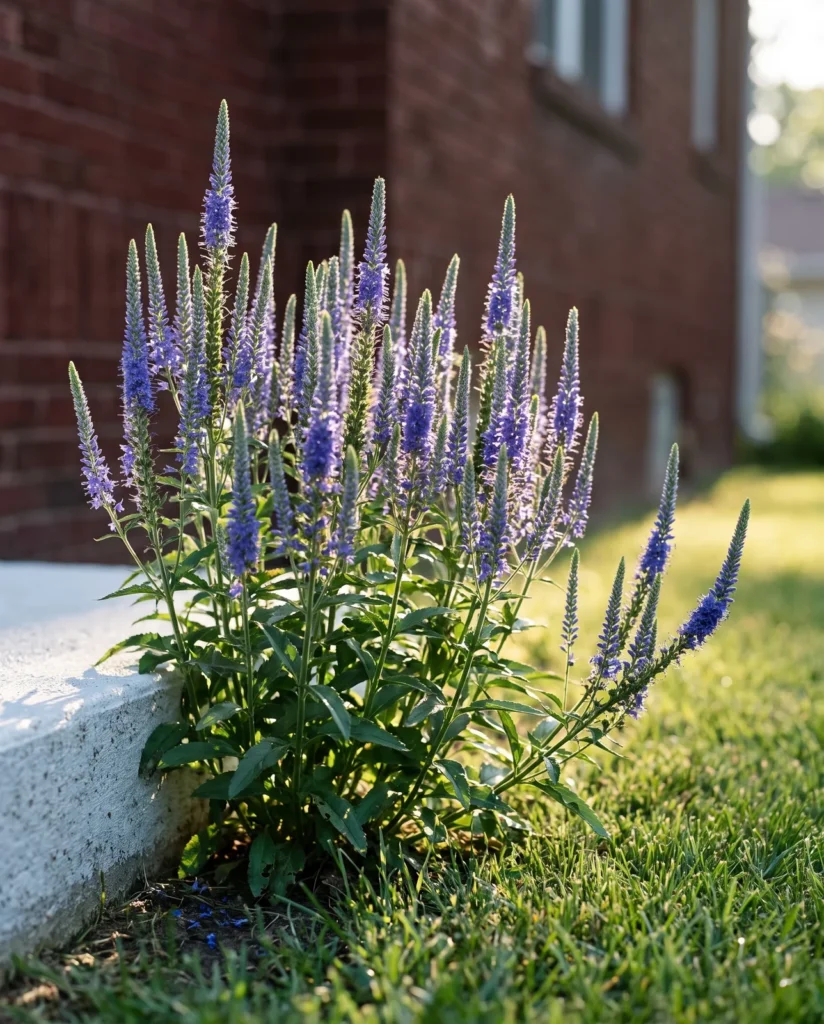
Upright spikes or creeping mats
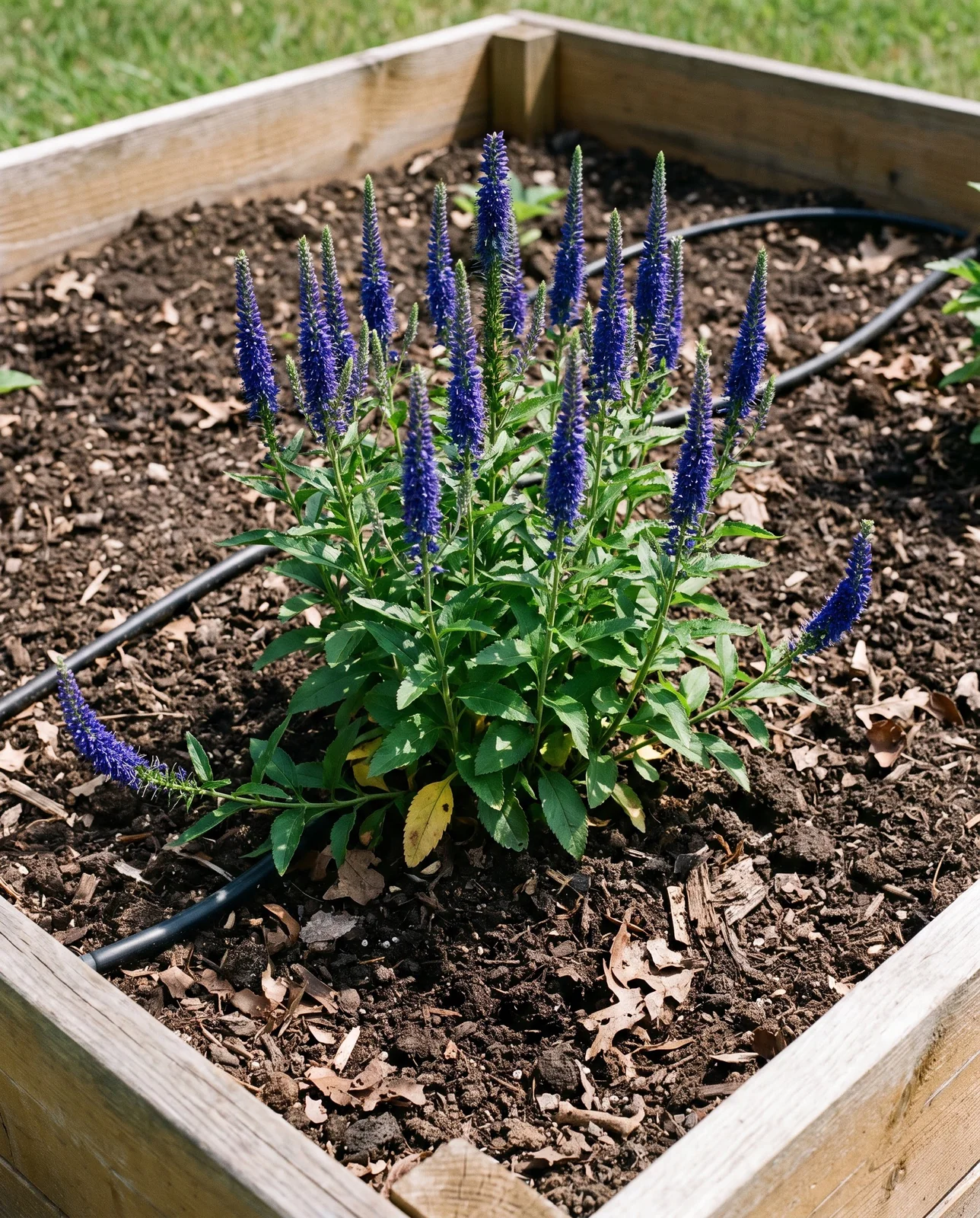
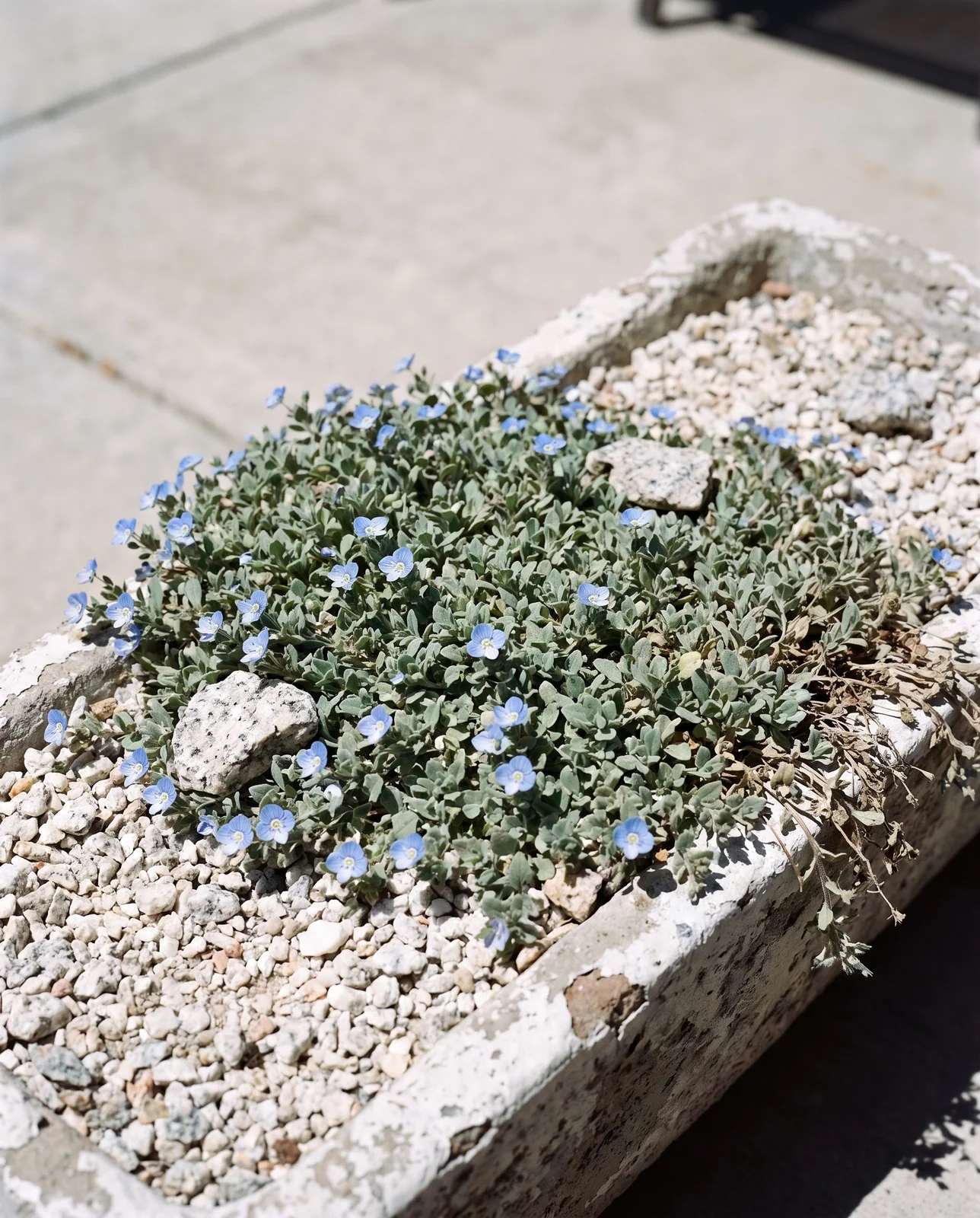
Veronica comes as either an upright spike or a creeping mat, and knowing which form you have decides where it belongs in the garden. Upright types grow in clumps with tight, spiked flower heads, while creeping types run flat across the ground with shorter, more open clusters. The tall upright kinds suit borders and cut flower arrangements, while creeping speedwells tuck into rock gardens, fill gaps between pavers, or replace small patches of lawn. That division changes the watering, soil, and cutting back each plant needs. In a sunny bed, upright speedwells grow happily alongside perennials like phlox, while creeping types belong along dry, stony edges.
Pots at the garden center rarely make the choice obvious, because tags often show only a close-up photo of the flowers. Looking at the stems settles it quickly: upright speedwells build leafy clumps beneath rising flower stalks, while creeping types lie flat against the soil. Even within the upright group, spiked speedwell tends to be shorter and more drought tolerant than longleaf speedwell. Any measurement that spans 1 to 4 feet tall and 1 to 2 feet wide simply combines both habits into a single range.
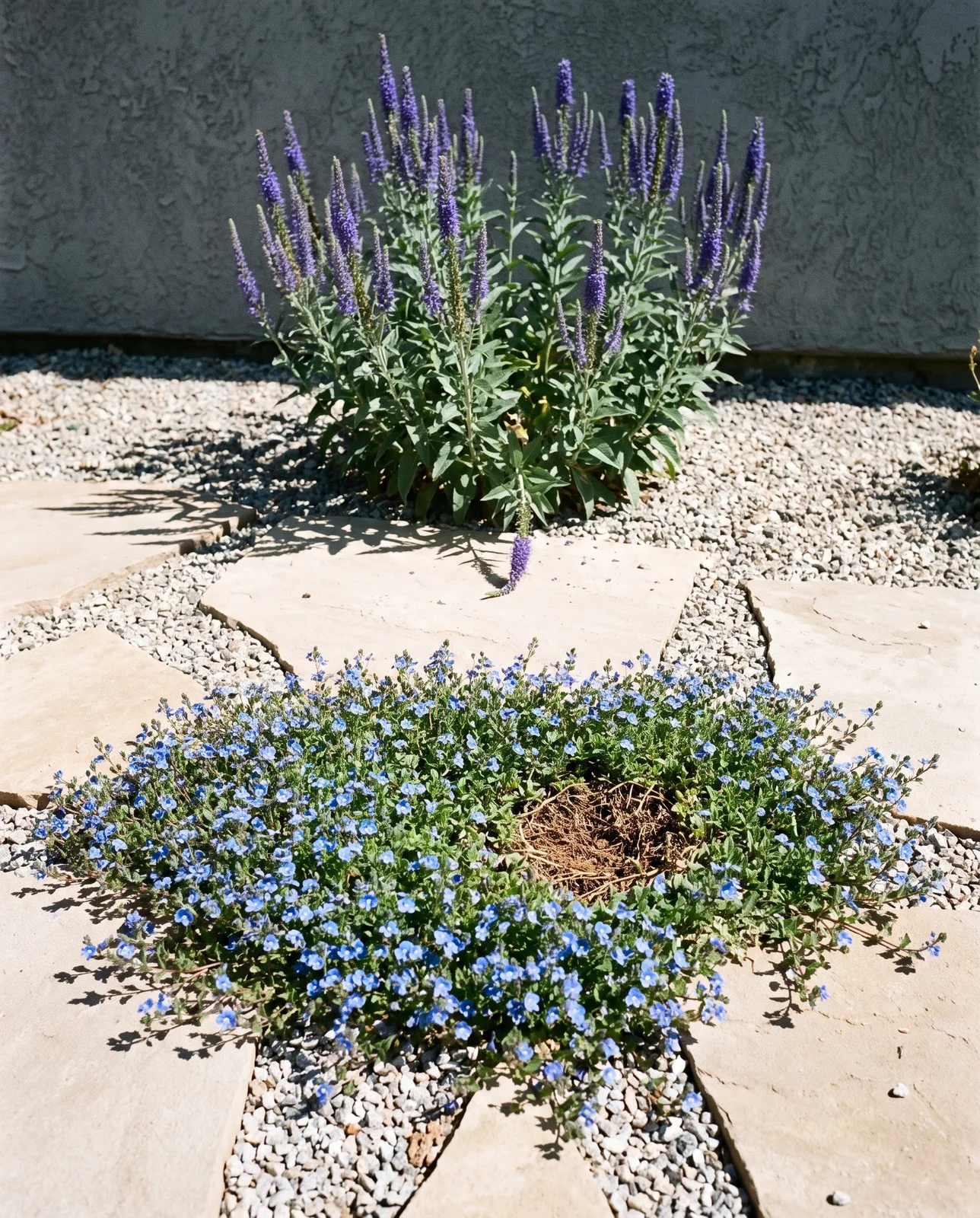
Telling the two groups apart
A side-by-side look at the dimensions and garden roles that separate upright border speedwells from creeping mats.
What veronica is, and what speedwell means
Veronica is a genus of flowering perennials in the plantain family, known best by the common name speedwell and occasionally called bird's eye or gypsyweed. The botanical name is pronounced veh-RON-ih-kah and honors Saint Veronica. It used to belong to the figwort family, Scrophulariaceae, and the move is recent enough that the older family name still turns up. Most garden varieties originate in Europe and Russia. A few American native species like marsh speedwell and American brooklime thrive in boggy wetlands, but they lack showy flowers and are rarely grown in gardens.
Botanists do not agree on how many species the genus holds. Counts run from about 250 to roughly 460 species and hybrids, and some go past 500, which makes Veronica the largest genus in the plantain family.
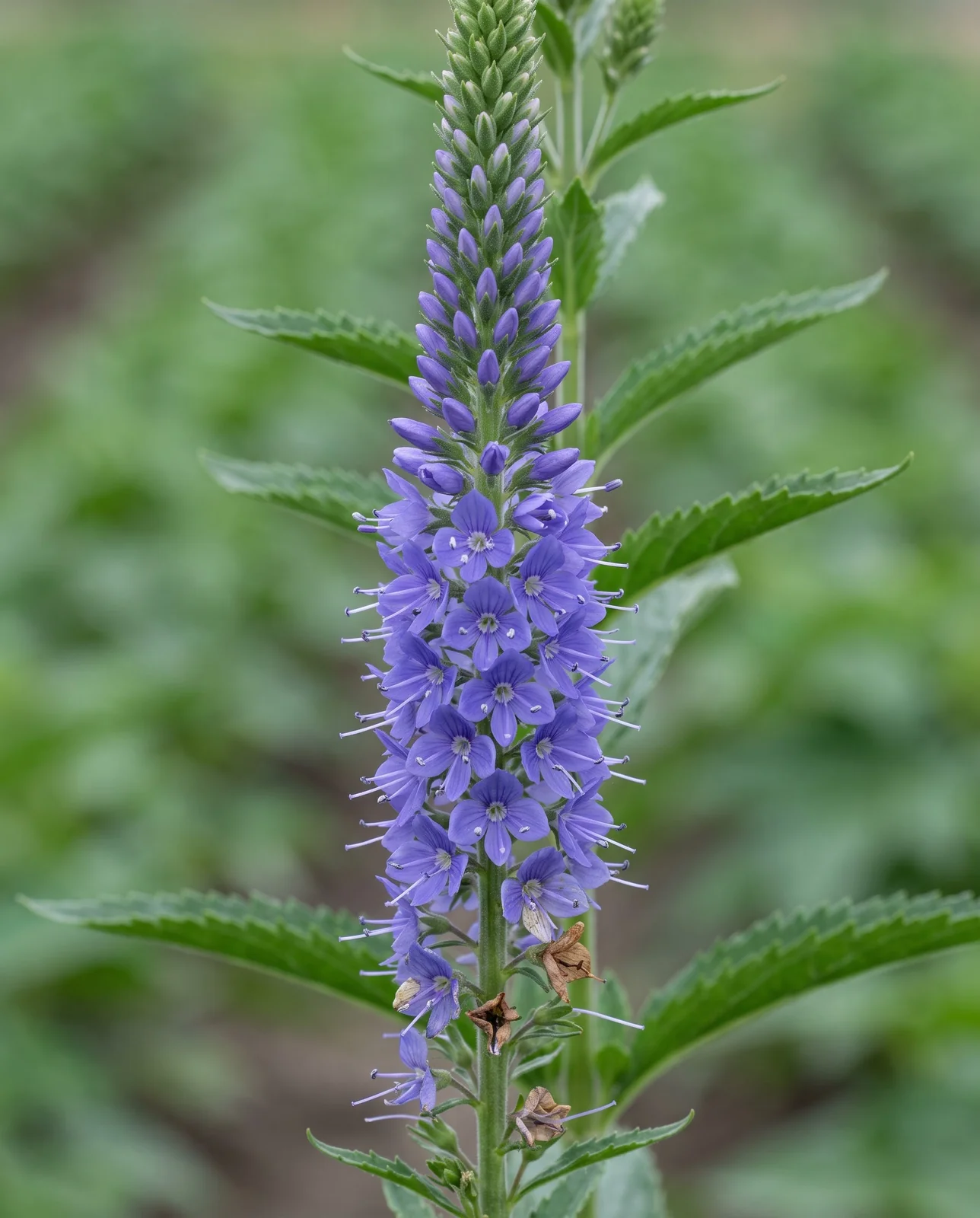
Telling speedwell from purple loosestrife
Telling speedwell apart from purple loosestrife is critical, because loosestrife belongs to a different family, Lythraceae, and behaves as an aggressive invasive weed. Both plants carry small purple flowers on tall spikes, leading gardeners to confuse them until they examine the square stems, smooth leaves, and flower petals. Loosestrife also grows naturally along lakes and waterways, wet ground where garden speedwell cannot survive. Plant size separates them clearly as well. Purple loosestrife typically reaches 3 to 7 feet tall with a thick root system. Individual plants can reach up to 10 feet tall and 5 feet wide, and each plant may have 30 to 50 stems.
Examining the foliage and blooms settles the identification. Loosestrife leaves have smooth edges and usually sit opposite each other in pairs. They grow 1 to 4 inches long, downy and stalkless, and sometimes circle the stem in whorls of three. Spiked speedwell leaves, by comparison, are opposite and toothed along the middle, growing up to 2 inches long. The flowers provide a third distinction. Loosestrife blooms have five or six pink petals surrounding a small yellow center. These flowers crowd onto dense magenta spikes 4 to 16 inches long with 5 to 7 petals. Individual blossoms measure about 0.4 to 0.8 inches across with 12 stamens, usually showing six petals and occasionally five. Spiked speedwell bears tiny star-shaped blue flowers packed onto narrow spikes that taper at the tips.
Purple loosestrife arrived in North America in the early 1800s, likely through ship ballast dumped at eastern harbors. The plant spreads aggressively through immense seed crops. A single stem can produce 100,000 to 300,000 seeds a year, and a mature plant can release 2 million to 2.7 million seeds annually. Those seeds can remain viable in wet ground for 2 to at least 7 years. Because of that persistent spread, at least 13 states restrict or prohibit its importation and distribution. Washington listed it as a Class B noxious weed in 1988 and placed it on the state quarantine list, prohibiting transport, sale, or distribution, with control required by law in King County. Wisconsin classifies it as Restricted. Minnesota lists it as both a prohibited control noxious weed and a prohibited invasive species, making possession, import, purchase, transport, or introduction a misdemeanor except under a permit for disposal, control, research, or education. Gardeners replacing loosestrife in wet ground can choose native options like blue vervain, which provides similar purple flower spikes but has distinctly toothed leaves.
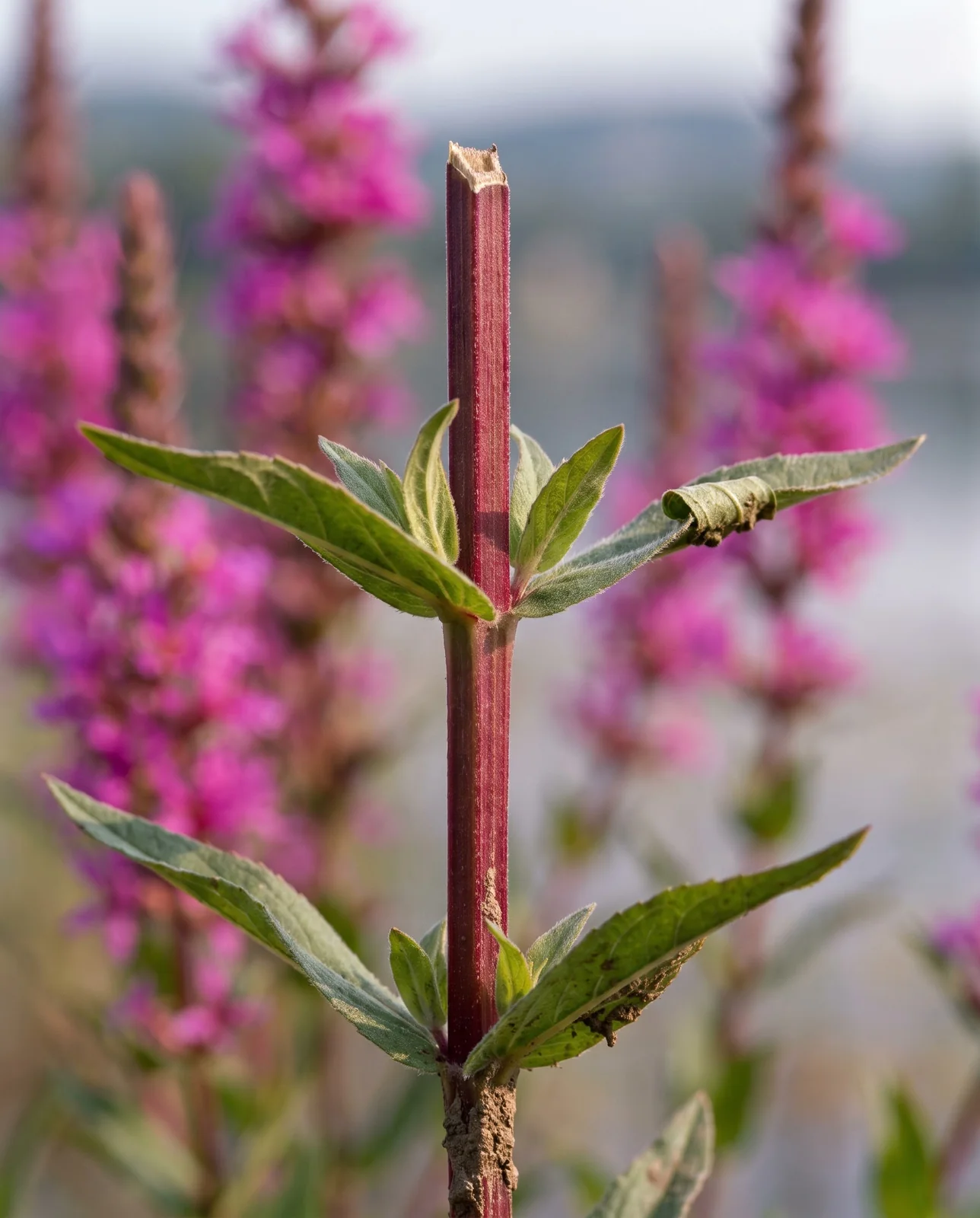


Three plants mistaken for speedwell
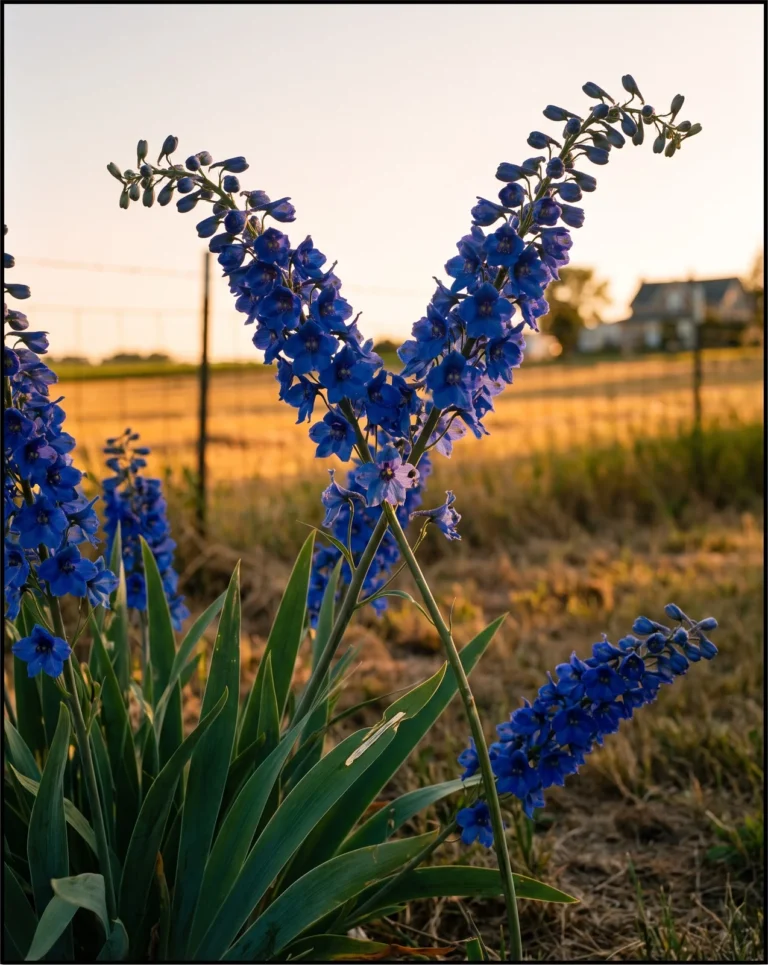
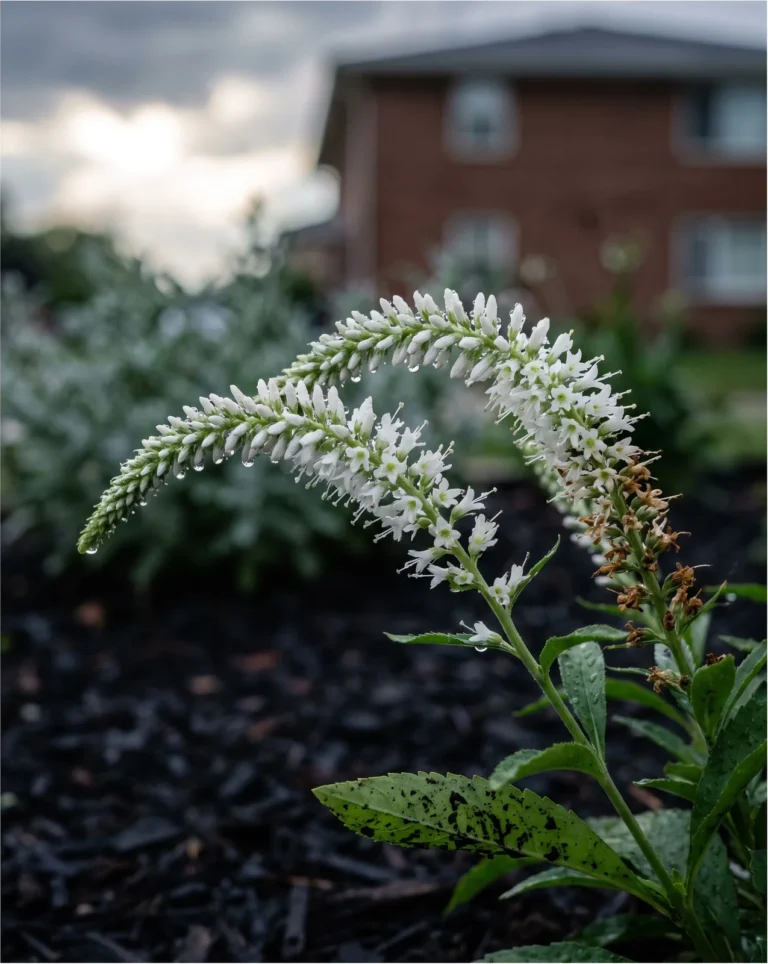
A single reliable feature separates each look-alike from garden speedwell.
What the flowers look like
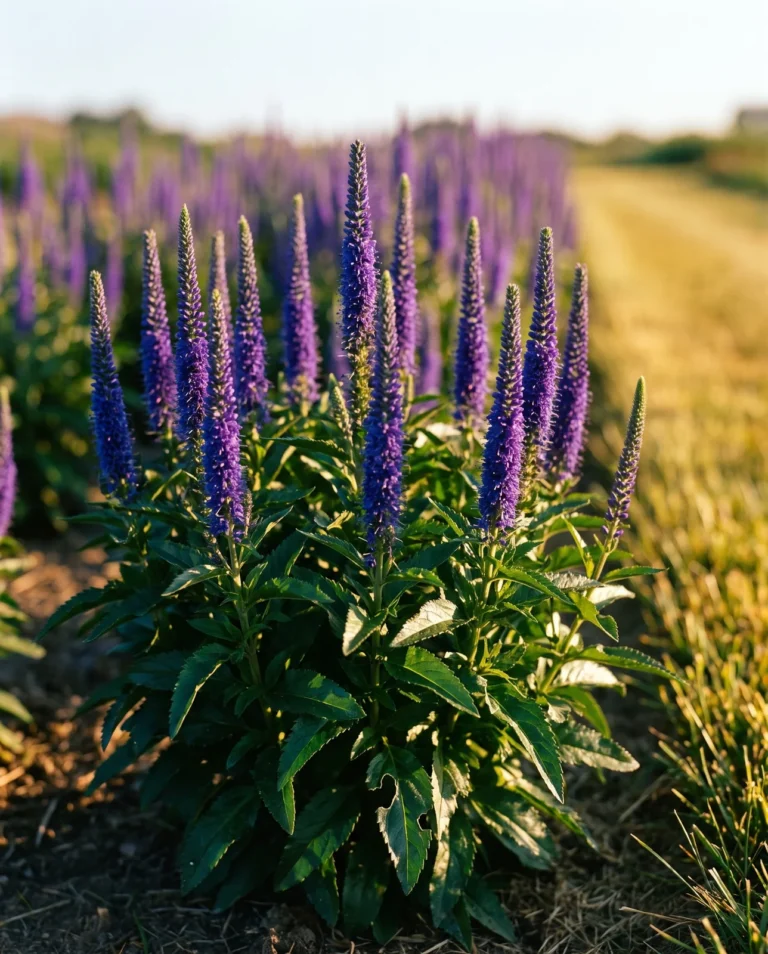
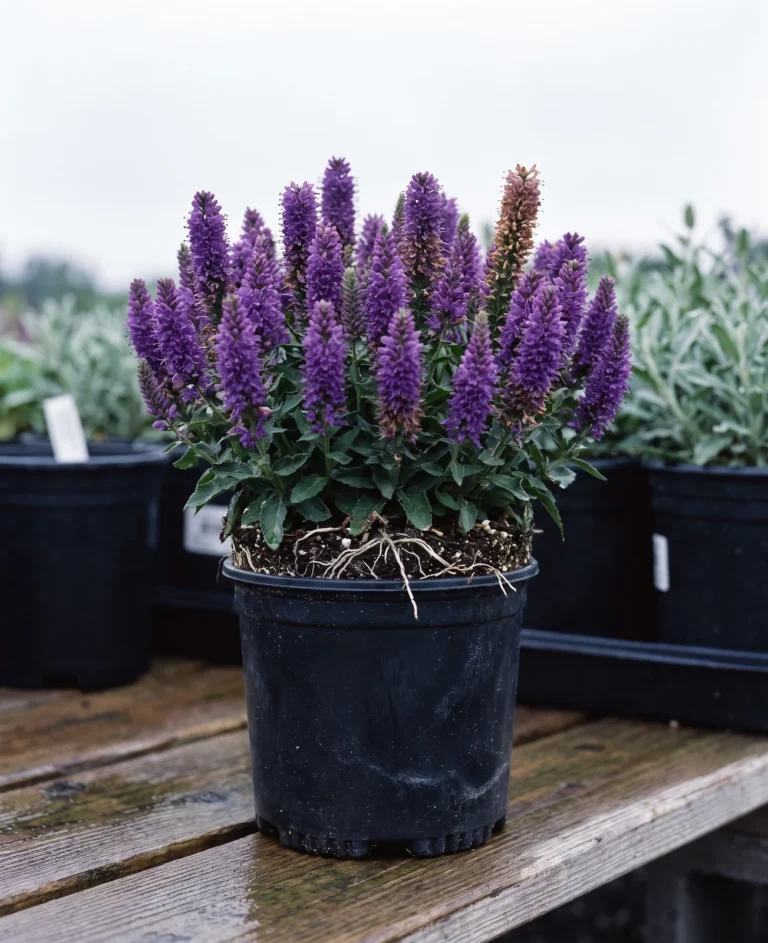
Speedwell flowers bloom in blue, pink, purple, lavender, and white, with different selections flowering across spring, summer, and fall. On upright varieties, hundreds of tiny star-shaped violet-blue flowers crowd into narrow spikes that taper at the tips, opening through summer from mid-June to August on stems 24 to 30 inches tall.
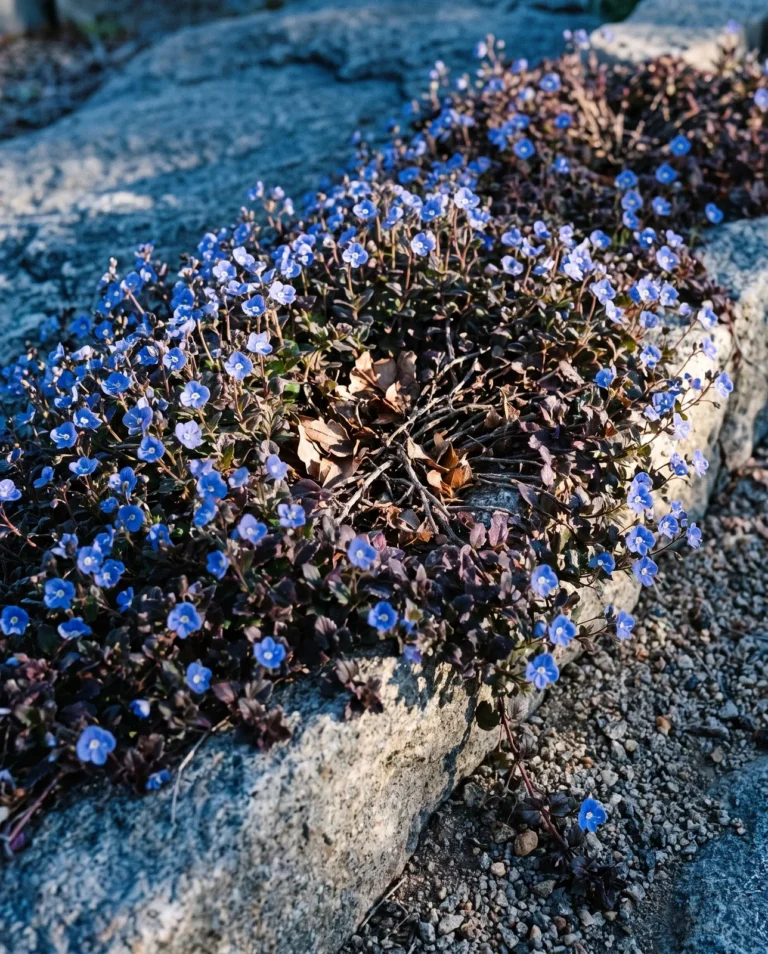
Creeping varieties use that same star-shaped flower to blanket the ground in color. On Turkish speedwell, individual blossoms measure about 3/8 of an inch across and open just above the leaves, creating a dense floral carpet where upright clumps form vertical spires. The botanical name of the border species reflects that shape directly: spicata is Latin for spiked, pointing straight to those tall flower heads.
Light, soil and water for each group
Speedwells flower best in full sun, needing at least 6 hours of direct sunlight each day, though plants tolerate light afternoon shade in hot summer climates. Across the broader genus, plants can handle partial shade of 2 to 6 hours as well as full sun of 6 or more hours. Spiked speedwell needs full sun alone, without that tolerance for partial shade.
Sharp drainage matters more than soil fertility for every speedwell, but the two groups part company on the ground they prefer. Upright border types thrive in fertile, compost-enriched soil with good organic matter, while creeping types do best in infertile, rocky ground. Because creeping species do not tolerate wet winter conditions, they belong in rock gardens, dry borders, raised beds, and trough gardens. Across the wider genus, plants grow in textures ranging from clay and sand to loam, but spiked speedwell needs rich loam with high organic matter.
Watering needs shift as the plants settle into the garden. Water new speedwells deeply during their first year to help them develop a deep root system. Once established, many commonly grown garden selections become moderately drought tolerant. Spiked speedwell remains the exception, because its shallow roots make it generally intolerant of dry soil.
Four hardiness answers and what each covers
Veronica covers four different hardiness answers because each one describes a different group of plants. Across the whole genus, the range spans USDA zones 3 to 11, reaching from zone 3a to zone 11b. Many species grow in zones 3 to 9, with some extending into zone 11. Most garden varieties fit the narrower band of zones 4 to 8. Other plants are noted simply as cold-hardy down to zone 3 with no upper limit. None of those broad spans tells the whole story until you look at the exact plant.
Once you look at individual plants, the numbers become clear and steady. The genus as a whole covers zones 3a through 9b, while spiked speedwell settles into zones 3a through 8b, or zones 3 to 8. Creeping speedwells have their own specific limits. Fern-leaved speedwell handles zones 4a to 9b, while Turkish speedwell, native to high rocky mountain slopes in Turkey, takes zones 3a to 8b. The Snowmass selection is hardy down to zone 3a, 'Georgia Blue' covers zones 4 to 9, and most cultivars stay cold-hardy down to zone 4.
It is easy to assume that upright spikes are tough and creeping mats are tender, but growth habit does not decide hardiness. Upright types do not claim all of zones 3 to 11, and creepers are not confined to zones 4 to 8. Creeping speedwells alone range from kinds hardy only to zone 4a to mats that thrive across zones 3a to 8b. Hardiness tracks the individual variety you buy. Check the tag for that exact variety, and count on upright border types to settle into zones 3 to 8.

When to plant, zone by zone
Plant veronica in spring once frost is past or in early fall, so roots settle before summer heat or winter cold. In cold regions like zone 3a, start seed indoors from March 1 to 15, and transplant outdoors around May 15 after the last frost. In warm winter climates like zone 9a, transplant outdoors during the cool months between October 15 and February 15. If you start from seed, sow indoors 8 to 10 weeks before planting out, or direct sow in early spring or early autumn.
Space plants 1 to 3 feet apart depending on the variety. That distance is set by mature spread, because upright clumps and creeping mats fill ground very differently. In nursery pots, young plants look nearly identical the day they go in. Planting with their full spread in mind keeps the bed from crowding as they grow.
Why a healthy plant makes no flowers
When a healthy veronica refuses to bloom, the problem usually comes down to light or feeding. Most varieties need full sun or bright light to flower well, and shade produces leafy growth with few blooms. Too much shade also reduces the flower load and creates floppy stems, while adequate sunlight and good drainage remain essential for flowers. Fertilizer can cause the same disappointment, because too much nitrogen drives lush leaves at the expense of flowers. If your clump is big, green, and bare, check how much sun it receives and ease off the feed.
The third reason flowering stalls is simply a missing cut. Deadheading faded spikes keeps flowers coming, and shearing the clump back entirely after its heavy midsummer flush refreshes the foliage and sparks a second round of bloom. Leaving old spikes in place signals the plant to wind down, so the expected second flush never arrives. Check the causes in order: give it sun, pause the fertilizer, and trim spent stems to prompt fresh buds.
Deadheading and the hard cut after bloom
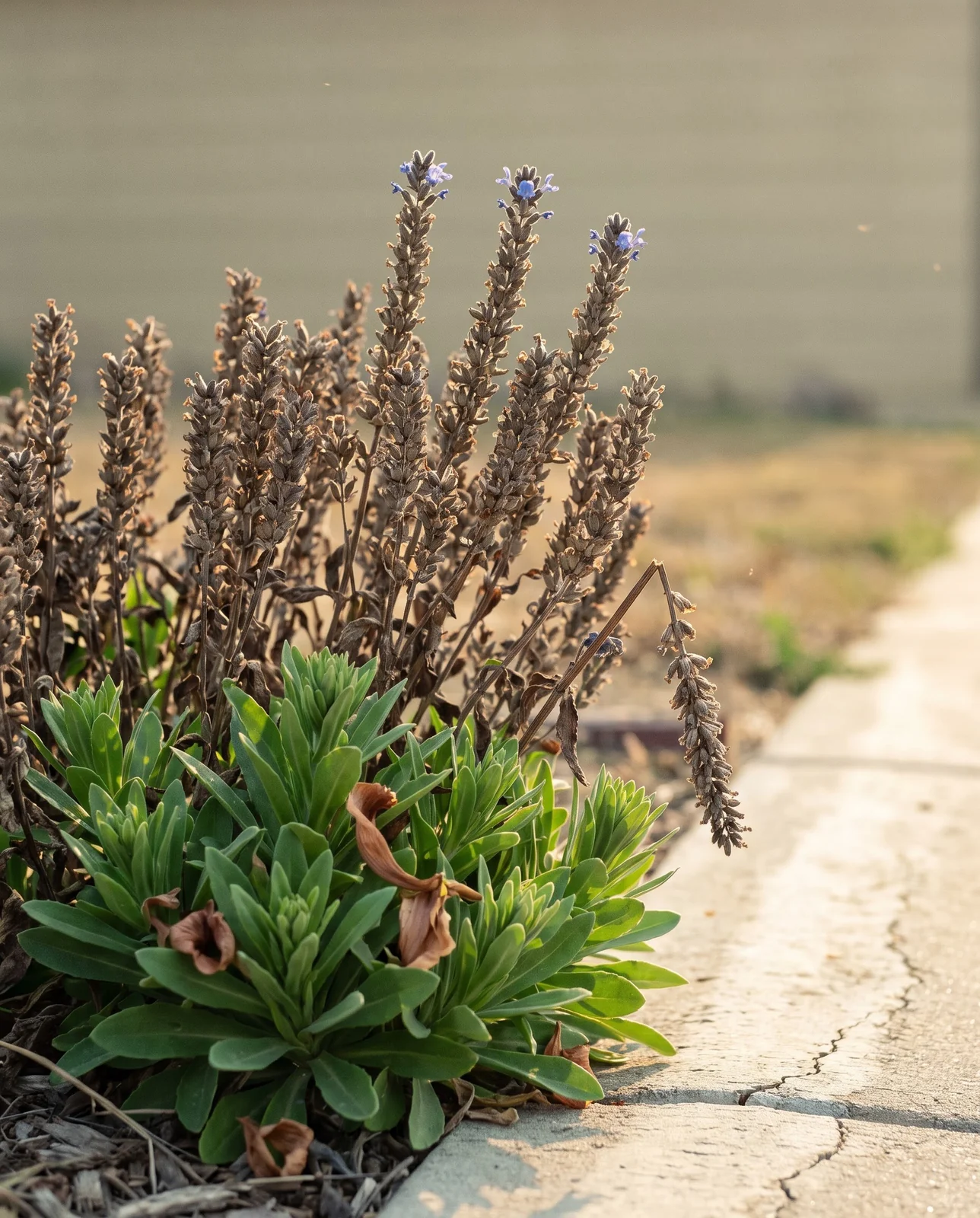
Caring for upright veronica involves two different cuts during the growing season. Removing spent flower spikes encourages additional blooms, and frequent deadheading keeps fresh flowers coming. The harder cut waits until the main flush ends. Shearing the clump down to its basal rosette or basal growth encourages many plants to send up repeat fall blooms.
Creeping varieties follow a different routine. Low mats can be sheared after flowering simply to keep them looking tidy. Selections like 'Georgia Blue' are clipped back hard immediately after flowering to maintain a thick habit. Pruning a creeping mat shapes the carpet, so you should not expect a second wave of flowers.

Three kinds of yellow leaves
Yellow leaves on veronica point to three different causes, each calling for a very different response. The first cause is powdery mildew, which coats foliage in a fine white dust like sprinkled powdered sugar, often alongside yellow spots on leaves where the fungus returns each year. Susceptibility depends on the variety. Even a plant noted as fairly pest and disease free, like 'Georgia Blue', shows some susceptibility to powdery and downy mildews. Spotting that pale coating tells you the problem sits on the leaf surface, which keeps you from confusing it with root trouble.
The second pattern needs no treatment at all. Foliage at the bottom of the clump often turns yellow or brown during or after flowering, especially in hot weather, which is normal for several veronicas and not a major problem. Timing and position make this change easy to recognize. When dry leaves stay low on the plant while upper growth stays green, summer heat and the natural end of bloom explain the shift.
The third pattern is root or crown rot, and it is the one that threatens the plant. Wilting, yellowing foliage and collapse trace back to a mushy crown and roots caused by overwatering or soggy soil. Spiked speedwell generally has no serious insect or disease problems, but root rot can develop quickly in wet, poorly drained ground. Leaves drooping and browning at the tips can also appear as a separate sign of moisture stress. A plant showing rot needs better drainage and less water, while extra fertilizer only makes the damage worse. Where a planting bed stays wet through winter, fixing soil drainage comes before anything else, so upright speedwells can thrive alongside companions like Russian sage.

Mildew, normal, or rot
One clear sign tells each condition apart so you can take the right action.
From symptom to cause
Work through these checks in order, starting with simple adjustments before treating the plant.
Problems, ranked by consequence
Ranked by how much damage each problem can cause. Each one walks through the symptoms, the cause and what to do.
Symptoms: the plant wilts, turns yellow and collapses, with mushy roots and a softening crown. Cause: overwatering or wet, poorly drained soil where root rot can develop. What to do: cut back on watering and make sure the soil drains well before spraying anything.
Symptoms: a white dusting that looks like gently sprinkled powdered sugar across the leaves, sometimes with yellow spotting that can return every year. Cause: fungal mildew, though plants are fairly pest and disease free overall, with 'Georgia Blue' showing only some susceptibility to powdery and downy mildews. What to do: no specific treatment is needed unless the foliage begins to decline.
Symptoms: foliage at the bottom turns brown during or after bloom, especially in hot weather, or shows some yellowing toward the base. Cause: an ordinary seasonal shift on lower stems that is not a major problem and happens on several veronicas. What to do: nothing needs doing.
Symptoms: leaves droop with browning at the tips, separate from mildew or crown rot. Cause: uneven moisture in the soil. What to do: check root moisture before assuming the plant has a disease.
Does veronica spread
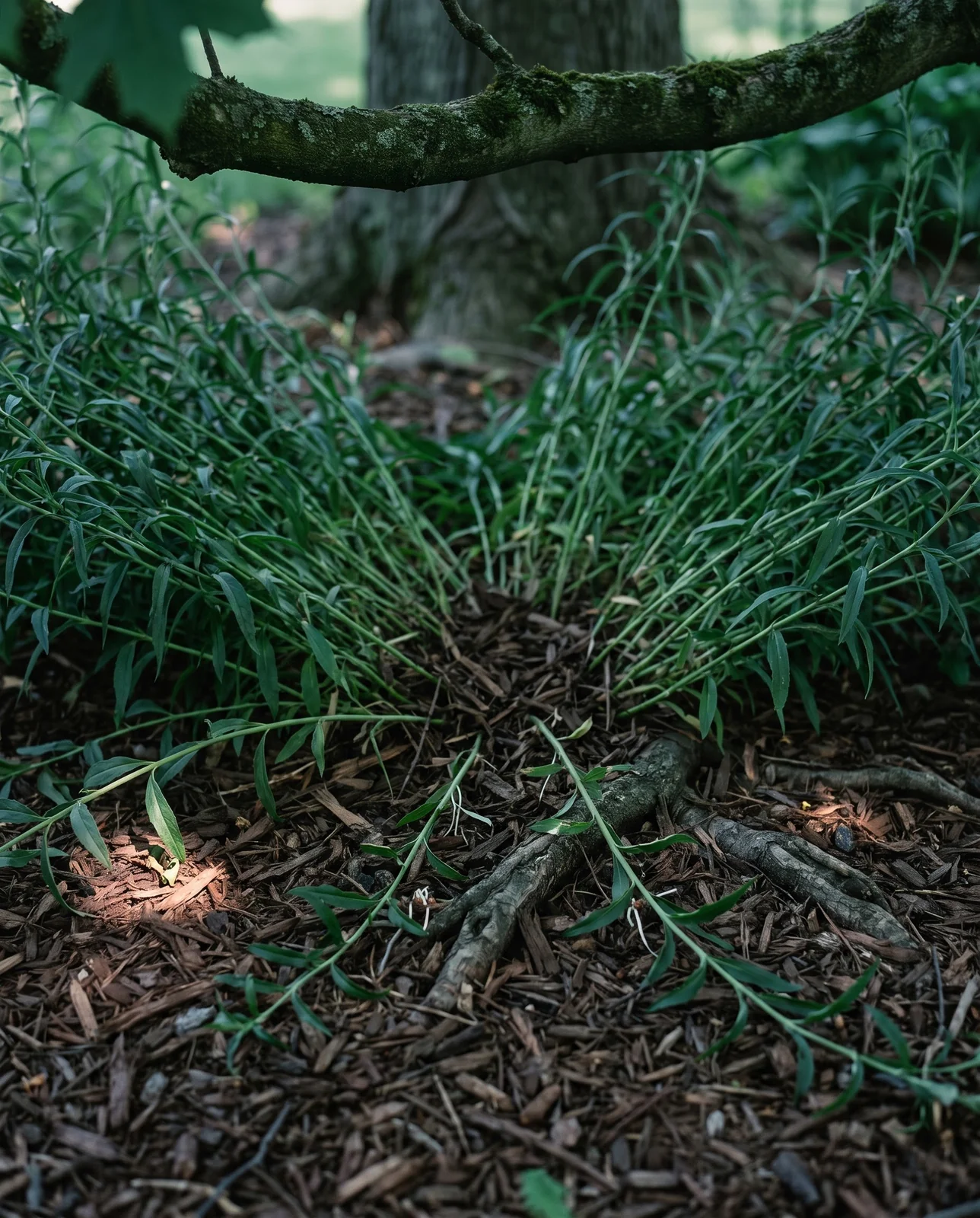
How veronica spreads depends on whether you plant a creeping groundcover or an upright spike. Creeping varieties travel across the ground: Turkish speedwell sends out prostrate stems that root as they lengthen, knitting into a dense carpet. In that same group, 'Georgia Blue' spreads by creeping rootstocks, but it remains polite and is neither invasive nor aggressive. Upright selections stay where you put them and expand slowly into clumps, so space border plants by their mature tag width.
Garden veronicas do not become nuisance self-seeders in borders or beds. The confusion usually comes from wild species in lawns: Persian speedwell, creeping speedwell, corn speedwell, germander speedwell and ivy-leaved speedwell are all sometimes considered weeds in turf. Those wild species differ from the named varieties sold for flower beds, even though one weed shares the creeping speedwell name.
Varieties worth telling apart
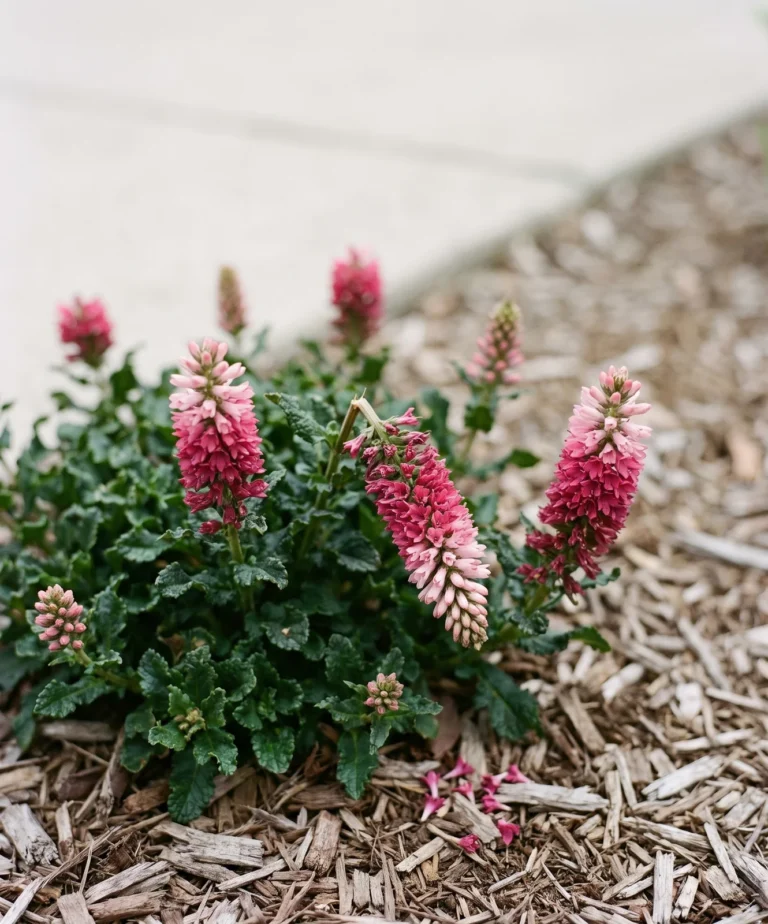
Growth habit determines where each veronica thrives, from low creeping carpets for stone paths to tall flower spikes for borders. Upright speedwells bloom with deep violet-blue or deep blue spikes in early summer. In a sunny bed, they bloom alongside companions like 'May Night' salvia and catmint for a long season of blue.



Between pavers and in place of lawn
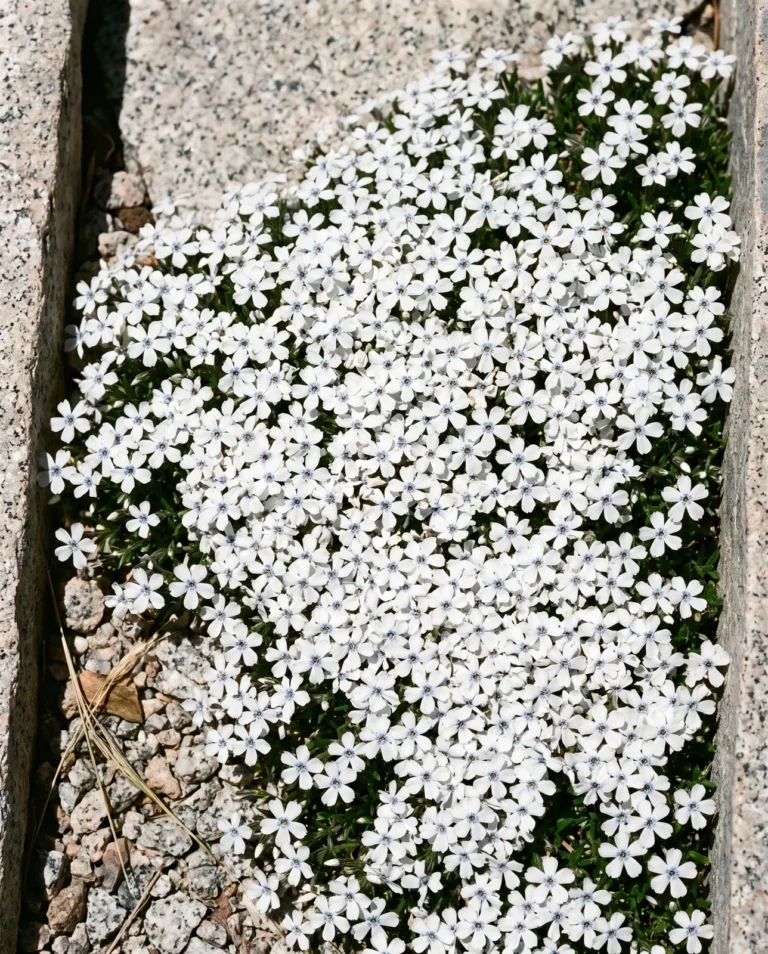
Creeping veronicas thrive between paving bricks or flagstones, filling the cracks with foliage and flowers, or forming a living carpet beneath dwarf conifers. They also suit rock gardens, dry stone walls, terraces, and the narrow spaces between steps. Thyme-leaf speedwell can be planted between pavers and along walkways, where it can handle higher traffic. Durability depends on the exact species you choose, so check the plant label before planting high-traffic paths.
When replacing a lawn with creeping veronica, space your plants using the mature spread on the tag. A new planting takes time to cover open ground, so expect some bare soil while the creeping stems stretch and root. Spacing them to their listed width gives each crown room to grow, but keep the bare gaps weeded until the carpet closes.


Veronica as a cut flower
Upright spike veronicas make dependable cut flowers when harvested at the right stage and given plenty of water.

Deer and rabbits
Veronica is generally resistant to both deer and rabbits, making it dependable in open beds. Creeping selections are likewise not favored by deer or rabbits, and varieties such as 'Georgia Blue' tolerate browsing alongside drought and salt. Beyond wildlife resistance, the genus stands up well to drought, diseases and everyday insect pests.
Bees, butterflies and hummingbirds
Speedwell flowers are well-known magnets for a wide variety of pollinators, proving highly attractive to bees, butterflies and hummingbirds. That draw covers both upright spikes and low mats, with creeping varieties like 'Georgia Blue' attracting them as well.
Is veronica toxic to pets
Veronica is not known to poison pets, but the plant carries no formal safety rating. The ASPCA database holds no record under veronica or speedwell, or across 10 related species and common names. Botanical records for the genus also make no mention of animal toxicity. Purple loosestrife is not listed either, and the Washington State Noxious Weed Control Board notes it is not known to be toxic. Since veronica remains unrated, keep pets from grazing the garden and contact a vet if an animal eats a large amount.
What to expect over three years
How upright clumps and creeping mats develop from young starts into their full garden size.
In the first season, the two growth habits look more alike than they will later. 'Georgia Blue' begins small, growing up to 4 to 6 inches high and spreading by creeping rootstocks to 18 to 24 inches wide. An upright plant spends those same months building the clump that carries next summer's spikes.
A settled border clump stays right where you place it. Spiked speedwell grows 2 to 3 feet tall with a spread of 2 to 2.5 feet. That gives you a dependable footprint for the front of a border, and the clump reaches it without traveling.
A creeping mat keeps changing shape as it grows. 'Georgia Blue' spreads by creeping rootstocks, but it is neither invasive nor aggressive. The time it takes to close over open ground varies, so plan around its final width and let it find its own pace.
Four things people believe about speedwell
Four common claims about speedwell, and how the plants actually grow in the garden.
The myth: Veronica is one plant, so one care list covers it.
The reality: The two growth habits belong in different parts of the garden. An upright selection like 'Royal Candles' grows 10 to 12 inches tall with violet-blue spikes. A creeping variety like thyme-leaf speedwell makes a durable mat you can step on. Care written for one habit misses what the other needs for soil, water, and cutting back.
The myth: Speedwell is just a lawn weed.
The reality: Speedwell has a reputation for being weedy, and some kinds behave as winter annual weeds. Five species are sometimes counted as weeds in lawns. The plants sold for garden borders and paving are named cultivars with predictable sizes and bloom times.
The myth: It blooms all summer with no cutting.
The reality: Removing spent flower spikes encourages additional bloom, and shearing an upright clump down to its basal rosette after flowering brings repeat fall blooms. On creeping speedwell, shearing after flowering keeps the mat looking tidy.
The myth: If it looks like purple loosestrife, it is purple loosestrife.
The reality: Purple loosestrife has its own look-alikes in Douglas' spiraea, hairy willowherb, and fireweed, while speedwell is absent from that group. Fireweed is told apart from loosestrife by its round stem. Checking the stem shape and leaf edges will tell you which plant you have.
FAQ
Are veronica and speedwell the same plant?
Yes. Speedwell is another name for the veronica genus, which also goes by bird's eye and gypsyweed. Nurseries often use either name on the plant tag.
Does veronica come back every year?
Yes. Veronicas are perennials that return every year. Cut the clump back to its basal rosette once the main flowers fade, and many plants will rebloom.
Does veronica like sun or shade?
Full sun is best, giving them 6 or more hours of direct sunlight each day. Many types also tolerate partial shade of 2 to 6 hours, but spiked speedwell needs full sun only.
Do veronica plants spread, and how fast?
Creeping types like Turkish speedwell spread as their prostrate stems root along the ground, forming a dense carpet. Upright varieties stay in place, widening slowly into a clump over time.
Should you cut back veronica?
Yes, trimming them twice a season gives the best display. Snip off spent flower spikes while the plant is blooming to encourage more flowers. Once flowering finishes, shear the clump down to its basal rosette for repeat blooms in fall.
Why is my veronica not blooming?
Usually the plant is getting too little sun or too much fertilizer. Most veronicas need full sun or bright light to flower well, and shade produces leaves without blooms. Too much nitrogen fertilizer also drives lush foliage at the expense of flowers.
Should you cut yellow leaves off?
You can trim them away, but check what is causing the color first. Bottom foliage can turn brown after or sometimes during bloom, especially in hot weather, which is not a major problem. If the leaves look like someone gently sprinkled powdered sugar across them, the plant has powdery mildew.
What is the best fertilizer for yellowing leaves?
Fertilizer will not help, because yellow leaves on veronica are not caused by a lack of food. A dusting like powdered sugar across the foliage is powdery mildew, while brown leaves near the base usually come from summer heat after flowering. When stems wilt, yellow, and collapse, poor drainage or overwatering has caused mushy roots and crown rot.
When can you plant veronica?
Plant in spring or early fall so the roots settle before heat or frost extremes arrive. In cold climates like zone 3a, start seed indoors March 1 to 15 and transplant outdoors on or around May 15 after the last frost. In mild areas like zone 9a, transplant outdoors between October 15 and February 15.
Is veronica the same as purple loosestrife?
No. Purple loosestrife belongs to the loosestrife family, a different family from speedwell. You can tell it apart by its hard, squared stem and smooth-edged leaves that usually grow in opposite pairs. It spreads aggressively, and at least 13 states restrict or prohibit it.
Is veronica toxic to cats or dogs?
Veronica and speedwell do not appear on the major list of plants toxic or safe for pets. Botanical accounts also mention no animal toxicity for the genus. That leaves the plant without an official safety rating, though neither cats nor dogs face any known poisoning risk.
Interesting tips
- The name speedwell may come from tucking a flower into a traveler's buttonhole to speed them well on their journey. The genus name honors Saint Veronica and the handkerchief she gave Jesus, with markings on some flowers said to resemble the cloth. Pronounce the border species, Veronica spicata, as veh-RON-ih-ka spi-KAH-tuh.
- 'Georgia Blue' won an Award of Garden Merit. 'Shirley Blue' and prostrate speedwell hold that same award, and both grow 4 to 20 inches tall.
- Several plants called loosestrife belong to Lysimachia in the primrose family, a separate genus from invasive Lythrum. Garden yellow loosestrife, winged loosestrife and swamp loosestrife are similar plants that also get confused with purple loosestrife.
Related Guides & Flowers

Sedum
The other perennial sold as both an upright clump and a flat mat, for the same lean ground that has to drain.
Lavender
The other sun and sharp drainage perennial people reach for at the front of the same border.

Blue flowers
Every blue on the site in one place, for anyone matching a border to the color printed on a nursery tag.

Types of flowers
The full catalog sorted by type, for the rest of the perennials that go in beside a speedwell.
Enjoying our flower guides? Add YourFlowersGuide as a preferred source on Google. It helps more readers find us.
Add to Preferred Sources